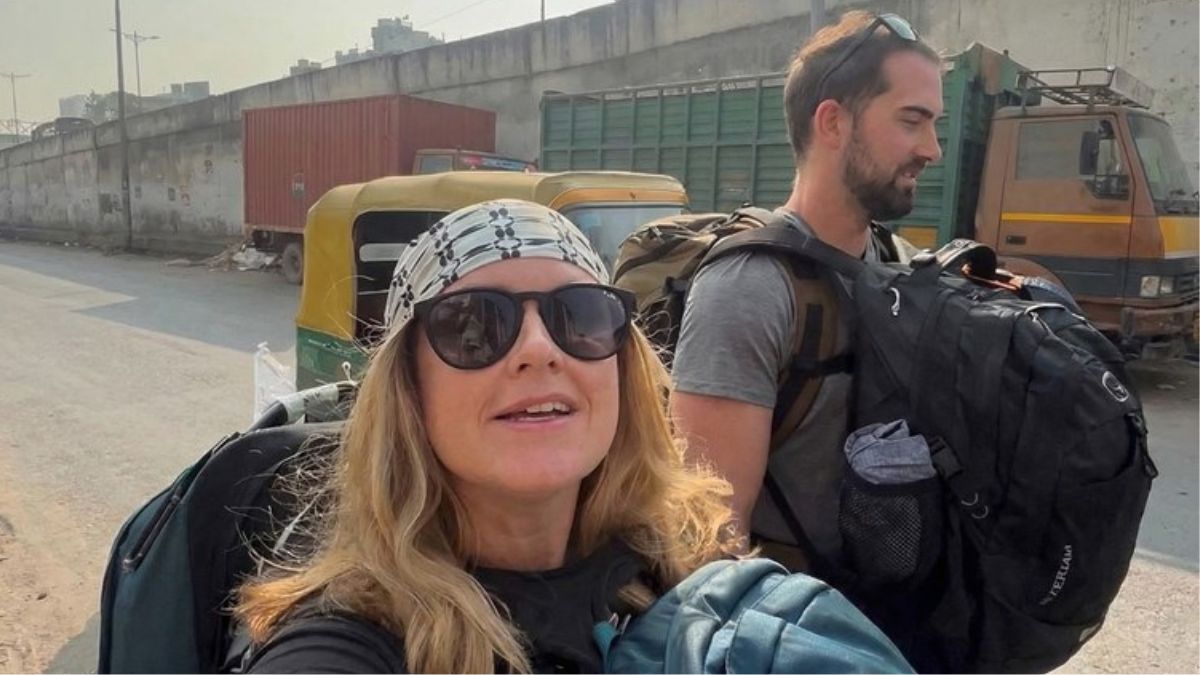
Annika Malacinski has poured five years of intense training into Nordic combined, a demanding winter sport that blends ski jumping and cross-country skiing. Competitors first launch off a hill for points, then race 10 kilometers on skis with staggered starts based on those jumping results. The athlete who reaches the finish line first takes the victory. Yet despite her dedication, this American standout will not get her chance to shine at the upcoming Winter Olympics in Milan and Cortina.
Nordic combined stands alone as the only Winter Olympic discipline still limited to men. Women have their own World Championships, which began in 2021, but the International Olympic Committee chose not to add female events for 2026. Officials pointed to modest viewership numbers in the men’s category and limited participation across countries as reasons to hold off. Many observers found the timing ironic, since the same announcement highlighted the Games as the most gender-balanced Winter Olympics ever.
Annika opened up about her devastation in a personal essay for SELF magazine. She described feeling fully prepared to make history alongside other talented women in the sport. When the news broke that the program would stay men-only for another cycle, the reality hit hard. She spent a full eight hours in tears, processing the setback after years of sacrifice and progress.
The exclusion stings especially because the debate has never centered on whether women can handle the physical demands. Annika stressed that point clearly in her writing. Female athletes already jump from the same hills and train at the same intensity as men. What they lack is equal access to funding, media coverage, sponsorship opportunities, and the biggest stage of all.
She also spoke to the broader ripple effects of these gaps. Unequal resources shape who gets to develop fully as an athlete and who receives visibility along the way. Annika urged readers to see both the disappointment and the persistent hope among women in Nordic combined. Her own determination remains strong, and she made clear that the fight for inclusion is far from over.
The International Olympic Committee acknowledged the challenges facing the sport in both men’s and women’s divisions. They promised a thorough review after the 2026 Games conclude. Only then will they decide whether Nordic combined events for men and women will appear at the 2030 Winter Olympics in the French Alps. Until that evaluation finishes, female athletes like Annika must wait for their Olympic moment.
Stories like hers shine a light on the slow pace of change in some corners of winter sports. Progress has come in many disciplines over recent decades, yet pockets of exclusion linger. Annika’s candid words remind everyone that behind the policy decisions are real people with dreams built over years of hard work.
What do you think about the ongoing push for full gender equality at the Winter Olympics—share your thoughts in the comments.