The landscaping industry operates on a quiet conflict of interest that most homeowners never think to question. Dead and declining plants generate replacement revenue, and the cycle of purchase, failure, and repurchase is far more profitable than honest advice given once at the beginning. The knowledge that separates a thriving garden from an expensive graveyard of failed plantings is rarely volunteered by the professional being paid to install them. What follows is the information that should have been part of the conversation from the very first consultation.
Soil Testing
The single most important step before any plant installation is a laboratory analysis of the existing soil, yet the overwhelming majority of landscaping companies never perform one. Without knowing the pH, nutrient profile, drainage capacity, and organic matter content of the ground a plant will live in, every species decision is an educated guess at best. A plant installed into soil with the wrong pH cannot absorb the nutrients already present regardless of how much fertilizer is applied on top of it. A basic soil test costs less than a single replacement plant and changes every subsequent decision in ways that compound into dramatically better outcomes.
Drainage Assessment
Surface soil can appear workable and well-structured while the subsoil just twelve inches below holds water like a lined basin for days after any significant rainfall. Landscapers who skip a percolation test before installation routinely place plants described as preferring well-drained conditions directly above compacted clay subsoil that will suffocate their roots through every wet season. Root suffocation in waterlogged soil produces above-ground symptoms that convincingly mimic disease and pest damage, making the actual cause nearly impossible to diagnose without excavation. The plant was effectively sentenced on the day it was installed and nobody mentioned it.
Planting Depth
The point where a woody plant’s trunk transitions to root tissue must sit at or slightly above finished soil grade for the plant to function correctly over its lifetime. The majority of professionally installed trees and shrubs are placed with this critical transition zone buried several inches below grade, either because the contractor dug a uniform hole without adjusting for the container’s soil level or because mulch was subsequently piled against the base. A buried root flare excludes the oxygen that tissue requires, promotes fungal decay at the trunk base, and produces a slow irreversible decline that can take three to seven years to become visually apparent. By the time the symptoms are obvious, the cause is long forgotten.
Root Bound Plants
Nursery stock held in containers for extended periods develops tightly circling root systems that the plant will maintain permanently after installation if the pattern is not corrected before planting. A root-bound plant placed in the ground with its circular root architecture intact will continue growing those roots in the original pattern, eventually girdling its own vascular system from below. Installation crews working at production speed rarely pause to score or manually open compacted root balls before placing them in the hole. The plant performs normally for one to three seasons while the uncorrected root structure slowly and invisibly restricts the flow it depends on.
Mulch Volcanoes
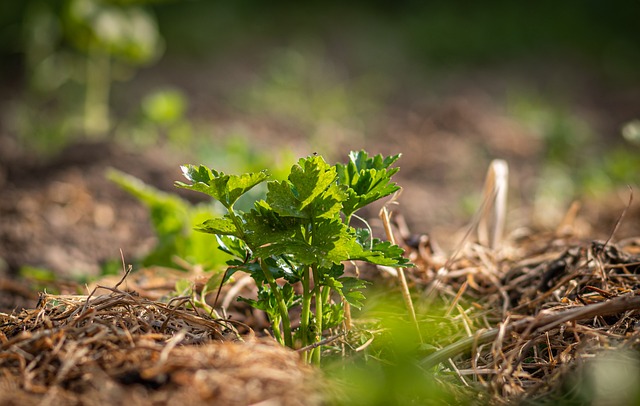
Piling mulch in a thick cone directly against the bark of trees and shrubs is one of the most visually recognizable and consistently damaging practices in residential landscaping. Bark tissue was not designed for sustained contact with moist organic material and the prolonged exposure initiates fungal and bacterial decay in the cambium layer beneath. Mulch piled against trunks also creates sheltered habitat for rodents that girdle bark during winter months and encourages surface roots to form in the mulch layer rather than in stable soil. The correct application maintains a clear mulch-free zone of several inches around every trunk in the bed.
Watering Schedules
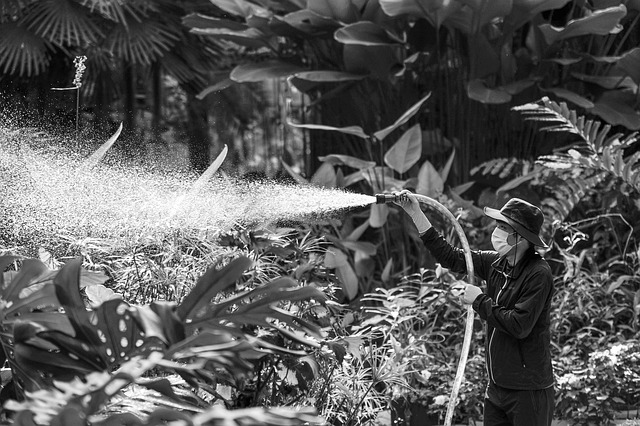
Irrigation controllers programmed to run on fixed daily schedules regardless of rainfall, temperature, or season are one of the most reliable mechanisms for killing drought-tolerant and moisture-loving plants simultaneously. Plants grouped together in a mixed bed based on visual compatibility frequently have incompatible water needs, and a schedule meeting the thirstiest species in the bed will steadily rot the roots of every drought-tolerant plant alongside it. Landscapers who design irrigation zones based on aesthetic plant groupings rather than water requirement compatibility create a problem that no timer adjustment will fully resolve. The most functional irrigation responds to actual soil moisture rather than a fixed calendar.
Hardiness Zones
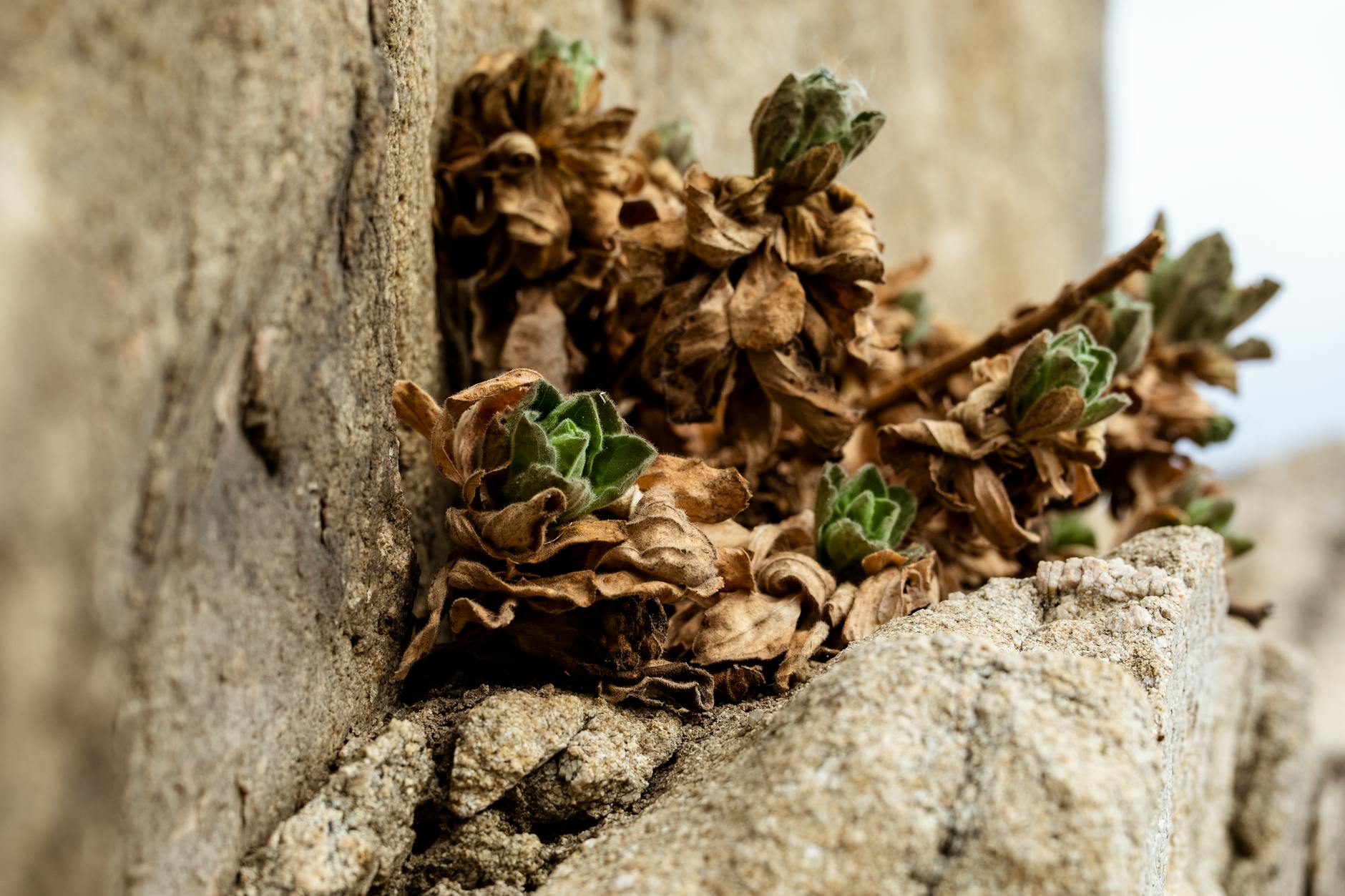
Plant hardiness zone ratings represent the minimum winter temperature threshold a species can survive, and they exist precisely to prevent the installation of climatically inappropriate plants in a given location. Landscapers motivated by visual impact at installation time regularly specify plants rated for warmer zones than the client’s actual location, producing impressive results through the first summer that die in the first hard frost. The replacement conversation that follows never revisits the original species selection decision. Requesting written confirmation that every proposed plant is rated for the client’s actual hardiness zone is a reasonable and rarely made demand.
Fertilizer Timing
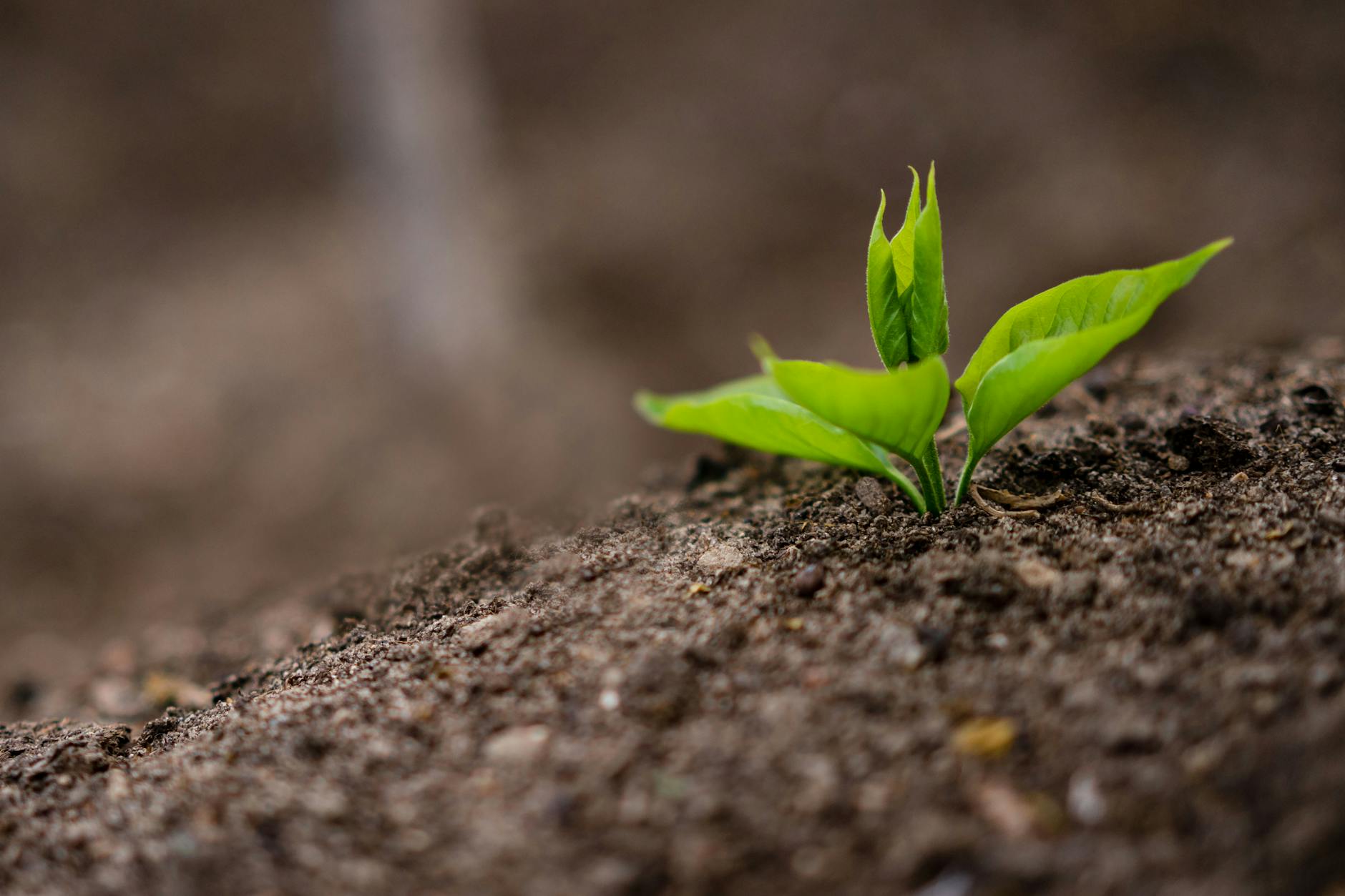
Applying high-nitrogen fertilizer to newly installed plants stimulates rapid top growth that the stressed and limited root system cannot sustain through adequate water and nutrient uptake. A plant pushing vigorous new shoots while its roots are still establishing in unfamiliar soil is primed for a stress collapse the moment temperatures rise or rainfall decreases. Established plants with extensive root systems can productively use nitrogen for canopy growth but a plant installed within the past year needs phosphorus-forward nutrition that supports root development rather than accelerating the demands placed on it. Aggressive fertilization at installation produces short-term visuals that impress at the expense of long-term plant resilience.
Overwatering Misdiagnosis
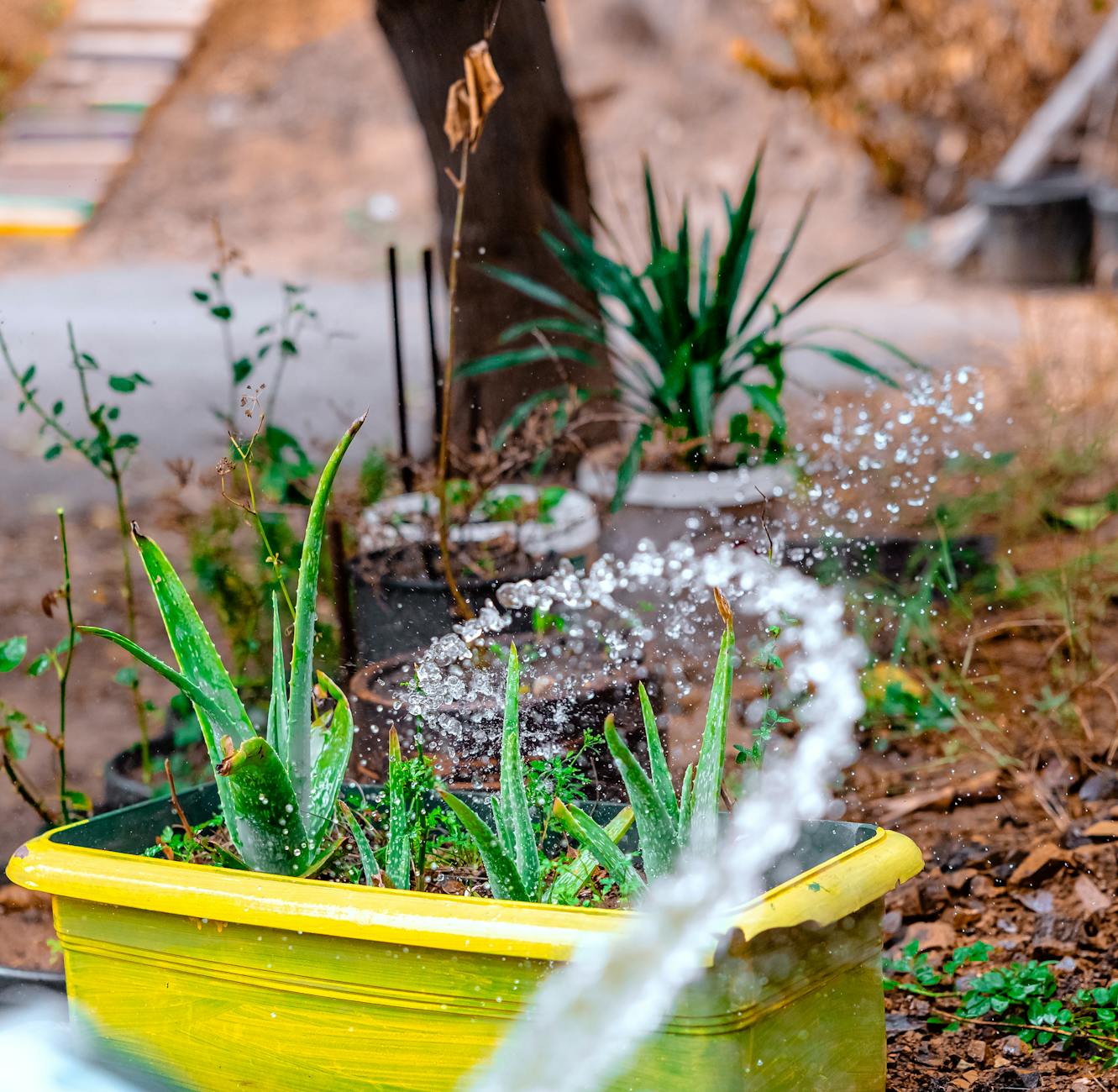
The above-ground symptoms of overwatering and underwatering are nearly identical, both producing wilting, yellowing foliage, and leaf drop that most homeowners instinctively respond to by applying more water. A landscaper who diagnoses wilting in a new planting as drought stress without examining actual soil moisture at root depth is prescribing additional irrigation to a plant already drowning in saturated soil. Inserting a moisture probe or a finger six to eight inches into the soil beside the root ball provides the actual information required for a correct diagnosis in under thirty seconds. The consistent misdiagnosis of overwatering as underwatering is one of the most reliable and recurring sources of replacement plant revenue in the industry.
Allelopathic Plants
Certain species produce chemical compounds from their roots and decomposing leaf litter that inhibit the germination and growth of neighboring plants in ways that are entirely invisible to the homeowner. Black walnut is the most widely recognized example but junipers, eucalyptus, and several popular ornamental species produce similar effects within their root influence zones. Landscapers who install allelopathic species without informing clients about their chemical neighborhood effects create situations where everything within a defined radius declines without any diagnosable pest or disease cause. The pattern of unexplained failure radiating from one apparently healthy specimen is a signature that most homeowners never connect to its actual source.
pH Incompatibility
Acid-loving plants including azaleas, rhododendrons, blueberries, and gardenias require soil pH levels that most residential soils outside specific geographic regions do not naturally provide. Installing these species into neutral or alkaline soil without pH amendment produces plants that appear normal for one to two seasons while drawing down available acid reserves before entering an irreversible chlorotic decline. The yellowing that results from iron deficiency in high-pH conditions is routinely misdiagnosed and treated with fertilizers that cannot be absorbed in the prevailing pH environment. Sustainable cultivation of acid-loving plants in alkaline soil regions requires ongoing pH management that is almost never disclosed as a long-term maintenance commitment at the time of sale.
Mycorrhizal Networks
The majority of plant species depend on symbiotic relationships with soil fungi for the water and nutrient uptake efficiency that the root system alone cannot achieve at the scale required for healthy growth. Soil in new construction sites, previously paved areas, and heavily disturbed landscapes has typically lost the fungal populations that naturally support healthy garden soil biology. Installing plants into mycorrhizal-depleted soil without inoculating the root zone with an appropriate fungal product forces every plant to establish without the underground partnership it evolved to depend on. The difference in establishment speed and long-term health between inoculated and uninoculated plants in depleted soils is consistently measurable.
Invasive Selection
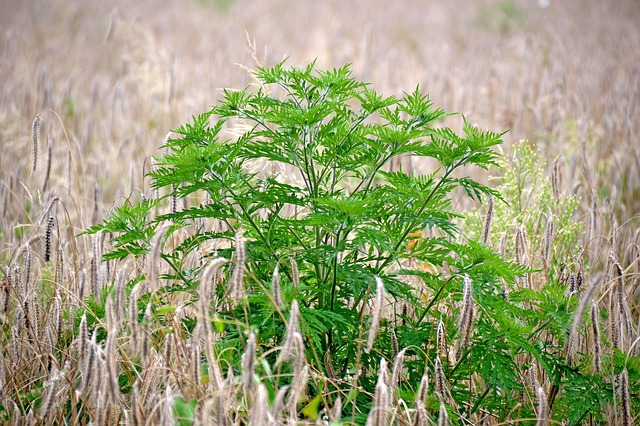
Plants widely sold in the nursery trade include numerous species classified as invasive across multiple regions that will aggressively colonize areas well beyond the intended planting zone in ways that are difficult or impossible to reverse. English ivy, burning bush, Japanese barberry, and Chinese wisteria appear on invasive species watch lists across significant portions of the country while remaining freely available at retail nurseries and landscape supply companies. A landscaper who installs these species without disclosing their spread behavior is creating a future maintenance burden and potential regulatory liability for the client. The plants may perform exactly as intended in the target bed while simultaneously colonizing adjacent natural areas in ways the homeowner never anticipated or consented to.
Compaction Relief
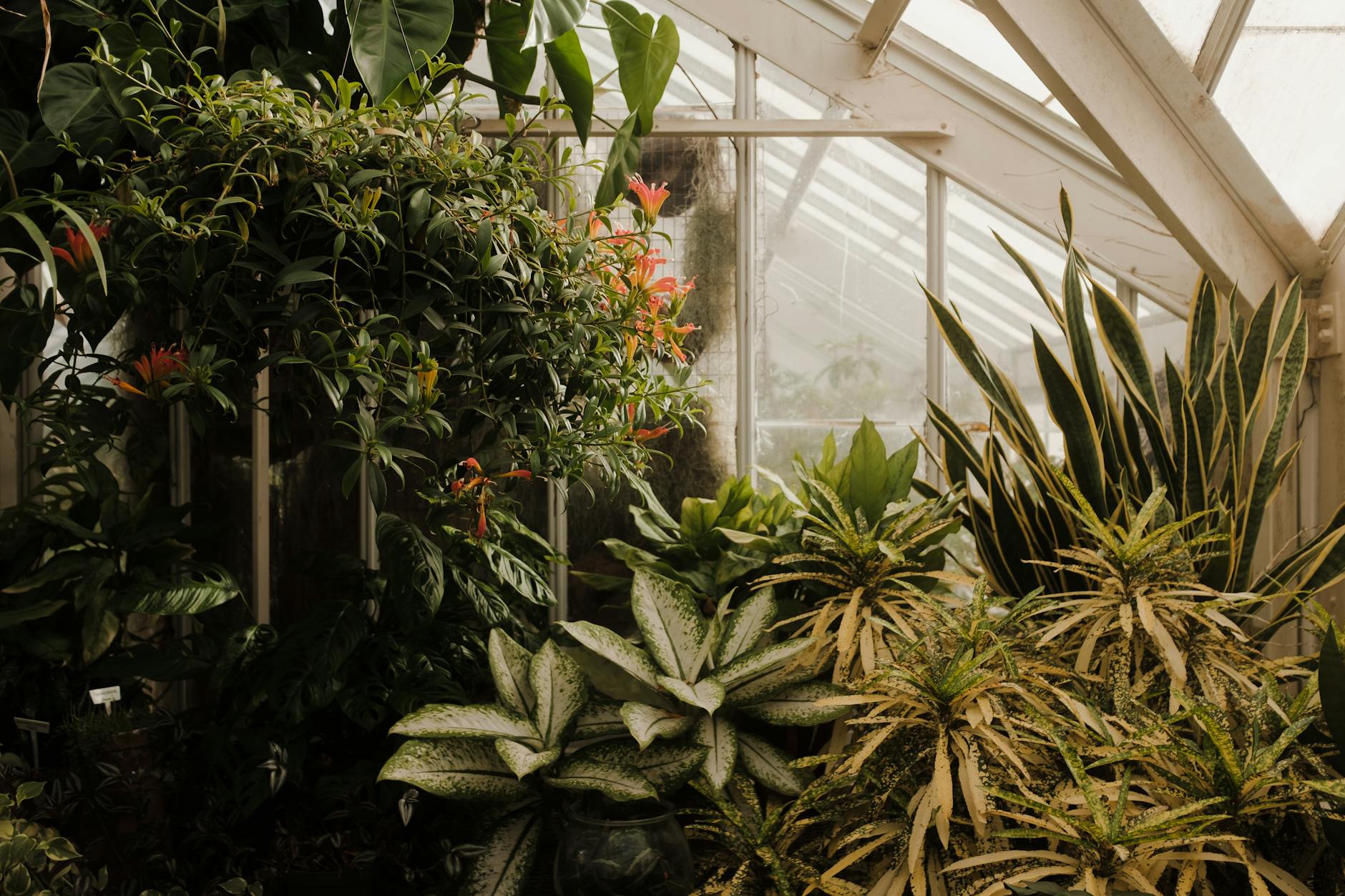
Heavy equipment operating across a property during construction compresses soil to densities that ornamental plant root systems cannot penetrate without mechanical intervention before any planting occurs. Landscapers who install plants directly into construction-compacted soil without aerating or fracturing the compaction layer are confining root systems to whatever thin layer of loose topsoil exists above an impenetrable barrier. Roots restricted to that shallow volume are maximally vulnerable to both drought and waterlogging because the soil available to them is far too small to buffer against either extreme. Deep tillage or vertical mulching before planting is the only intervention that meaningfully addresses compaction damage in post-construction landscapes.
Deer Pressure
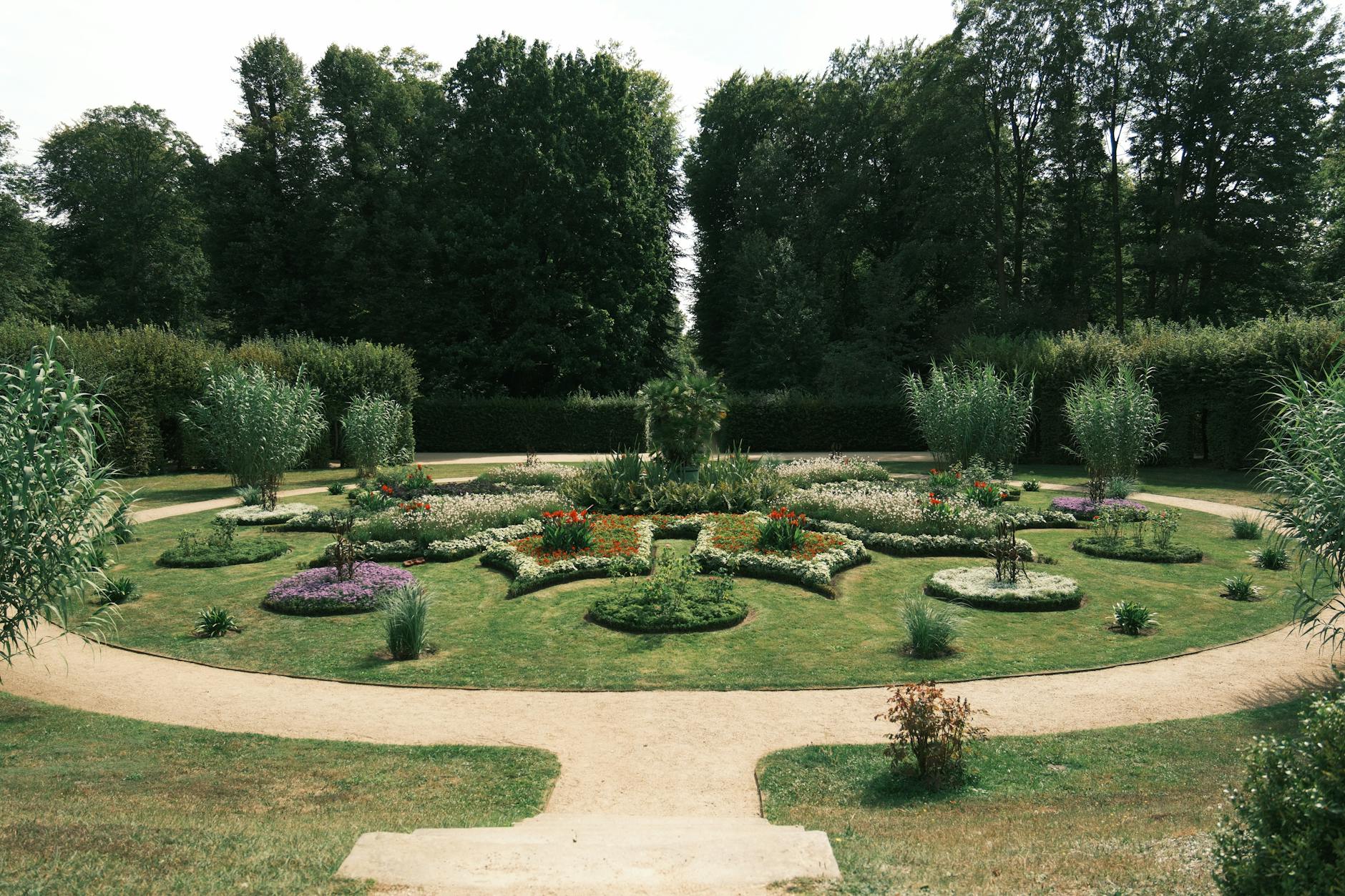
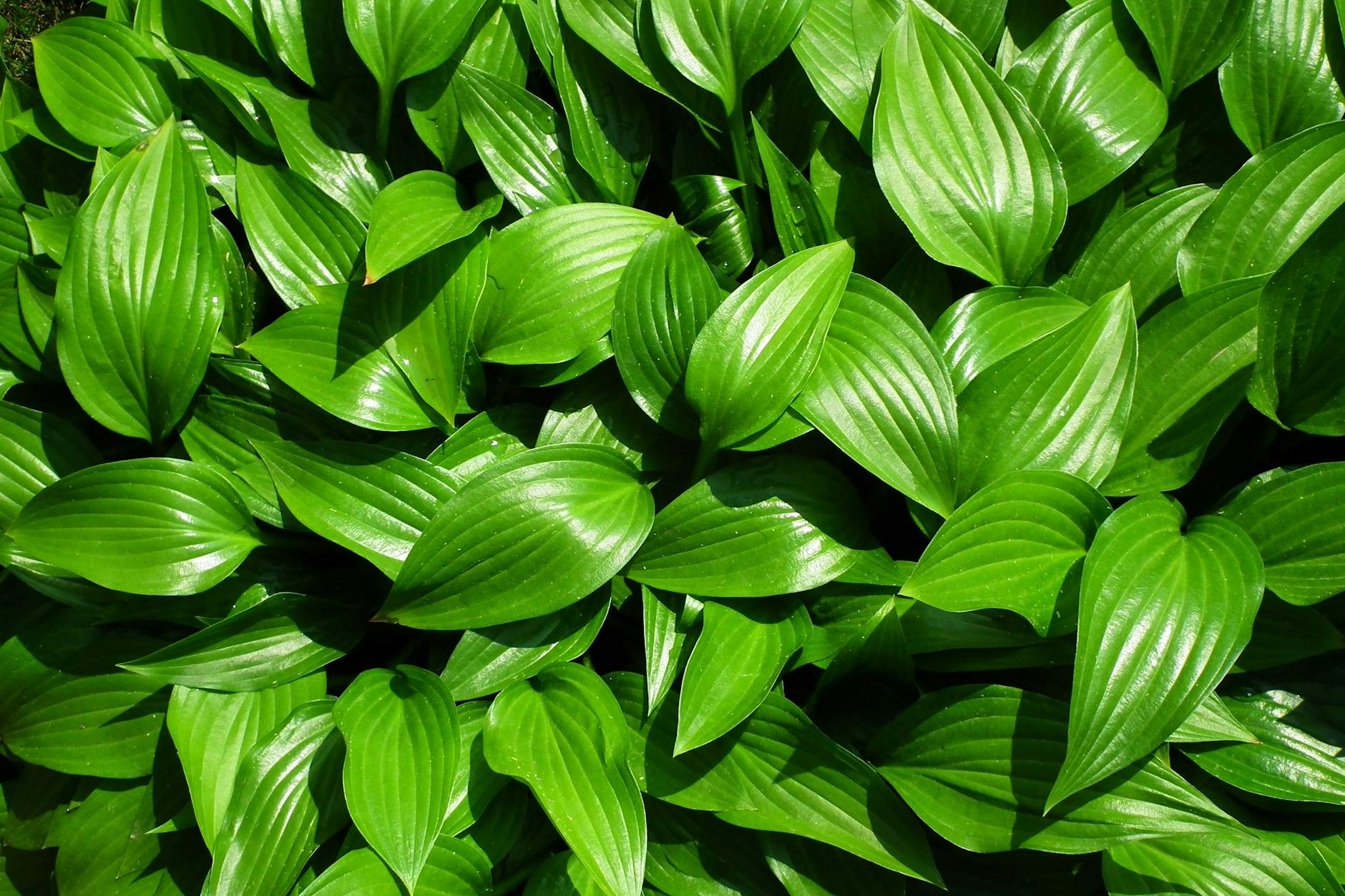
Residential landscapes adjacent to natural open space exist within established browse territories that make many popular ornamental species perpetually vulnerable to consumption and physical damage regardless of how well they are otherwise maintained. Landscapers working in known deer pressure areas who install hostas, arborvitae, rhododendrons, and tulips without raising the topic of deer protection are either uninformed about the local wildlife pressure or indifferent to its impact on the client’s investment. The cost of deer fencing, repellent programs, and resistant plant substitutions is a legitimate design consideration that belongs in every consultation in affected areas. A landscape stripped to stubs within one season has not delivered the value that was purchased regardless of how healthy the plants were at installation.
Cold Pocket Placement
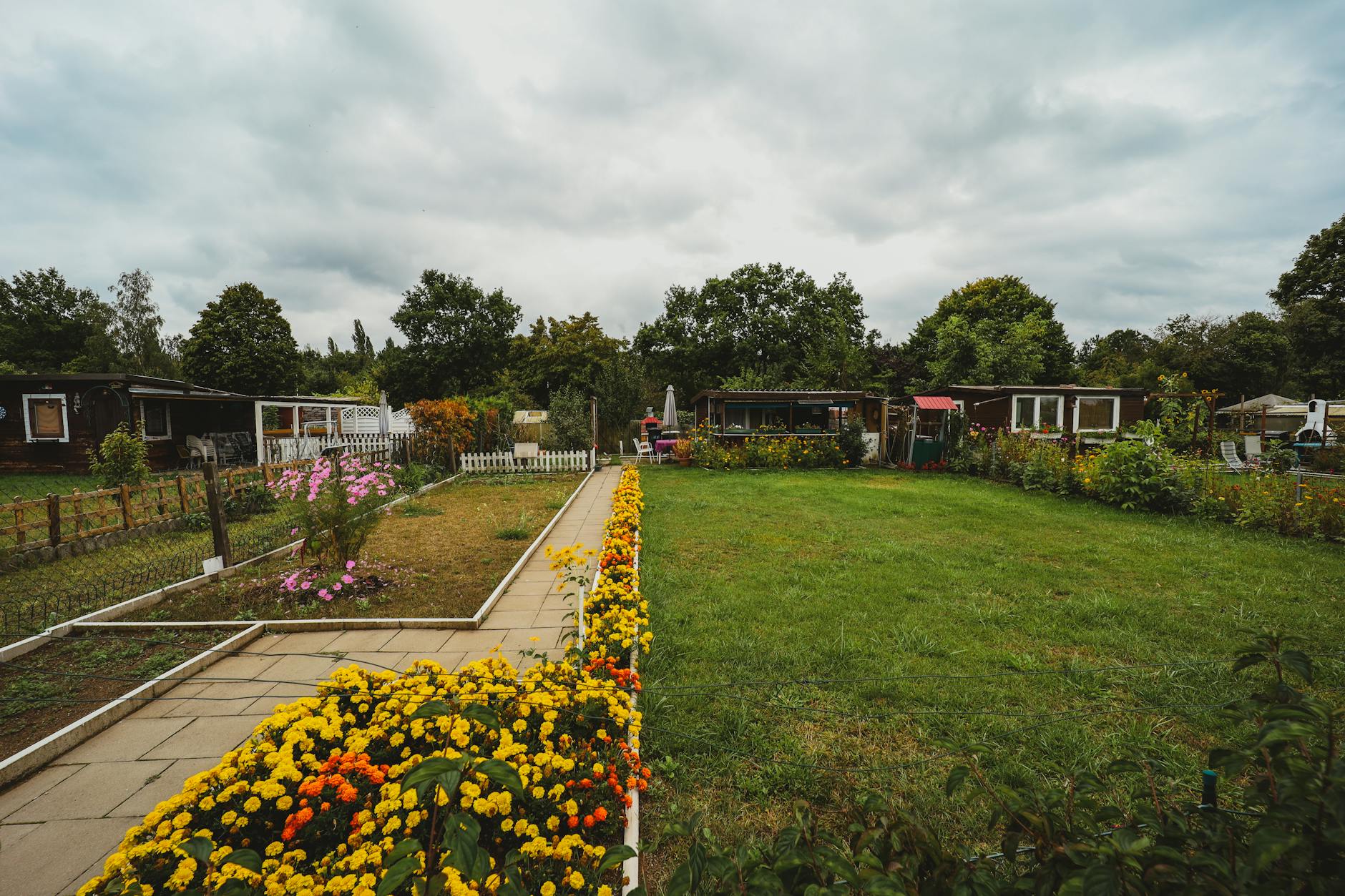
Low-lying areas in a landscape collect cold air that drains downhill on calm clear nights, creating frost pockets where temperatures routinely fall several degrees below the ambient reading used to assign the property’s hardiness zone. A plant rated as cold-hardy for a given zone will die repeatedly when installed in a cold air drainage pocket where temperatures routinely exceed the rated minimum threshold. Landscapers who fail to identify frost pocket locations before specifying plants are placing marginally hardy species in the most climatically extreme microclimate on the entire property. Low areas are often the most visually prominent planting locations in a garden design, which is precisely where the most sensitive selections tend to get installed.
Nursery Acclimation
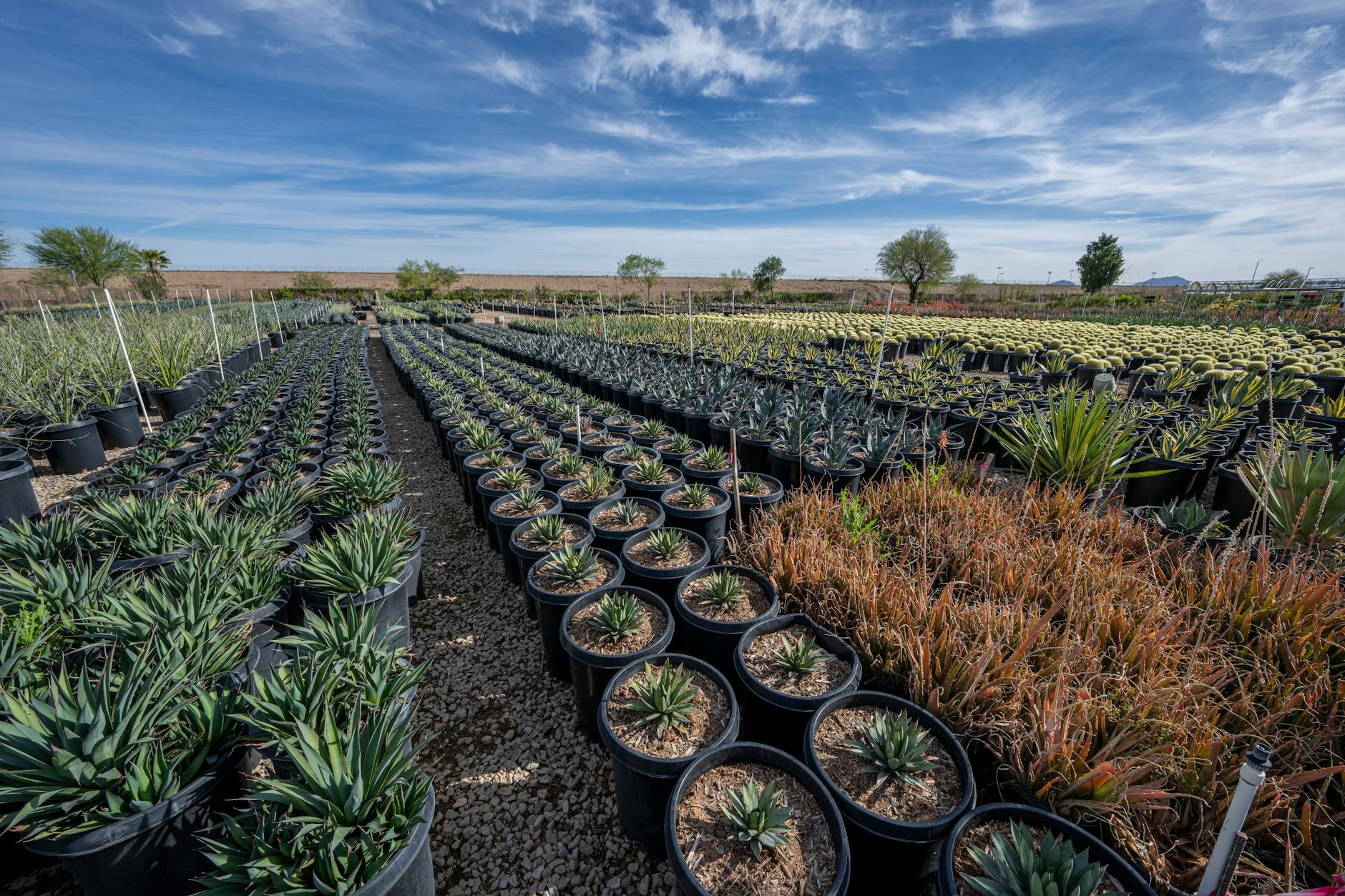
Plants produced in greenhouse or controlled nursery environments are physiologically conditioned to the temperature, humidity, and light intensity of those specific growing conditions rather than the outdoor environment of a client’s garden. Moving a greenhouse-grown plant directly to full outdoor exposure without a transitional hardening period stresses multiple physiological systems simultaneously at the cellular level. Leaves produced under greenhouse light levels are structurally different from leaves suited to outdoor sun intensity and will desiccate and sunburn before the plant can produce replacement foliage adapted to the new conditions. Not all retail nurseries adequately harden their stock before sale and landscapers sourcing from multiple suppliers cannot always verify the conditioning history of every plant they handle.
Root Zone Irrigation
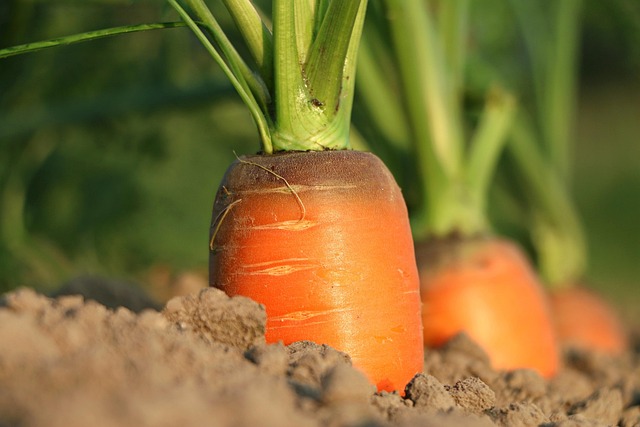
Drip emitters delivering water directly to the root zone of individual plants are dramatically more effective at establishing new plantings than overhead spray systems that wet the bed surface while a significant portion evaporates before reaching root depth. Emitter placement in professional installations is frequently located at the base of the plant stem rather than at the outer edge of the root ball where active root tips are located and where water delivery actually stimulates outward expansion. Emitters that remain fixed at the original planting location eventually under-water an established plant by delivering inside the drip line rather than at the advancing root frontier. Irrigation design that does not account for root system expansion is a maintenance problem built into the installation from day one.
Volunteer Seedling Pressure
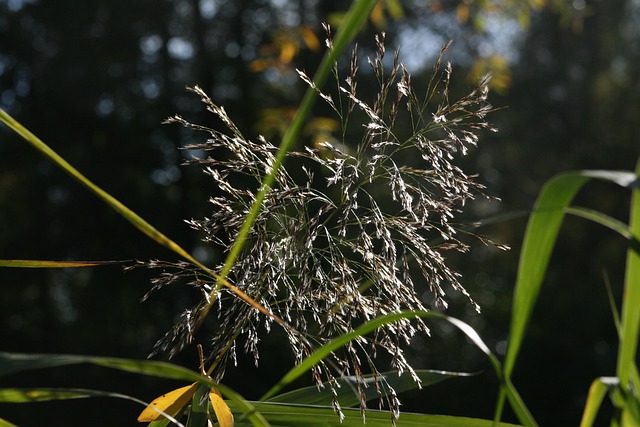
Highly prolific seed-producing plants including certain coneflowers, ornamental grasses, and verbena generate volunteer seedling populations capable of outcompeting and overwhelming less vigorous neighboring species within two to three seasons. Landscapers who install these prolific species in mixed planting beds without informing clients about their seeding behavior are creating maintenance demands that were entirely predictable from the species selection. The original design composition gradually dissolves as the prolific seeders fill available soil volume at the expense of the plants intended to occupy it. Managing the outcome requires either accepting the naturalized result or committing to annual editing that the original design concept never disclosed as a requirement.
Herbicide Residue
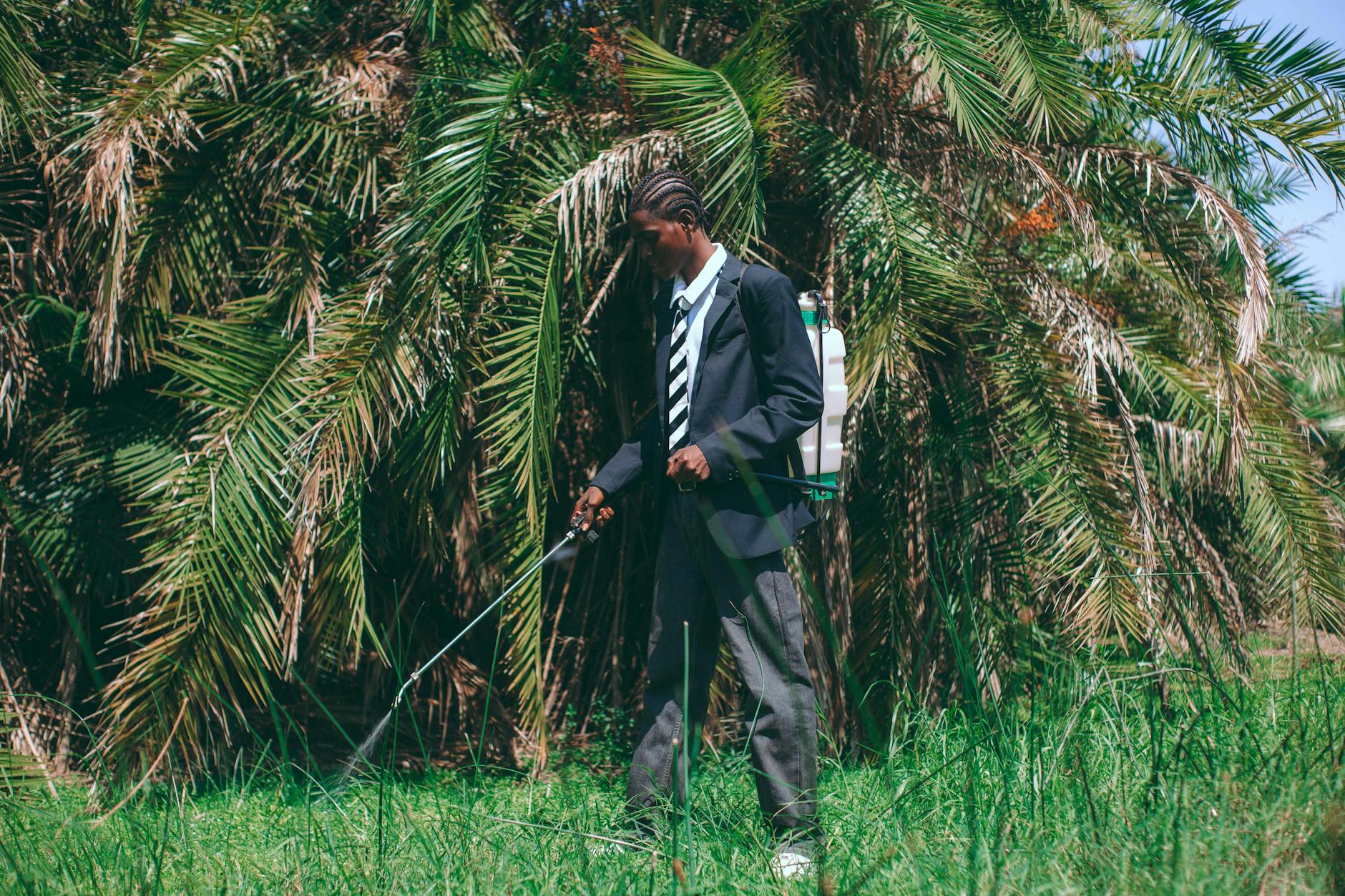
Soil in former lawn areas treated with pre-emergent herbicides and beds adjacent to recently treated turf may carry residues that persist through one to several growing seasons. Installing ornamental plants into soil with active herbicide residue produces unexplained dieback that mimics disease or nutrient deficiency and cannot be resolved through any supplemental care measure. Aminopyralid and clopyralid residues are particularly persistent and can damage ornamental plants installed years after the original herbicide application occurred on the site. Landscapers who proceed with installation in previously treated areas without soil screening or adequate waiting periods are placing plants in chemically hostile ground without mentioning it.
Seasonal Timing
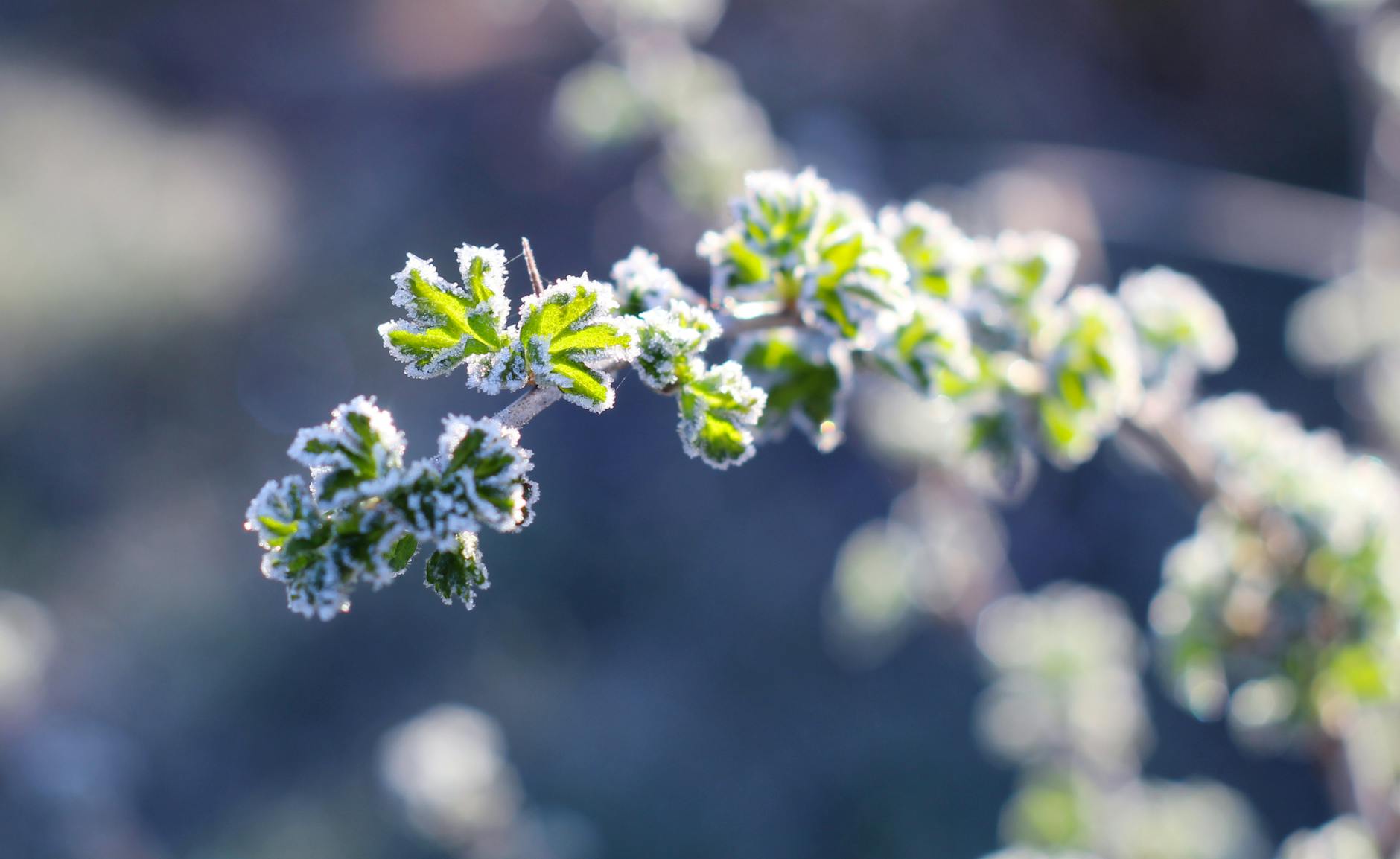
Installing trees and large shrubs during peak summer heat places maximum establishment stress on a plant at the worst possible time for root development and survival. Most woody plants establish most reliably when installed during the cooler portions of the growing season when soil temperatures support root growth without the simultaneous demand of sustaining full canopy transpiration through intense heat. Landscapers who install during summer months to meet client scheduling preferences are placing plants in conditions that require intensive irrigation support simply for survival through the first season. Plants that survive a summer installation often do so in a weakened state that reduces long-term vigor and increases susceptibility to subsequent stress events.
Biennial Confusion
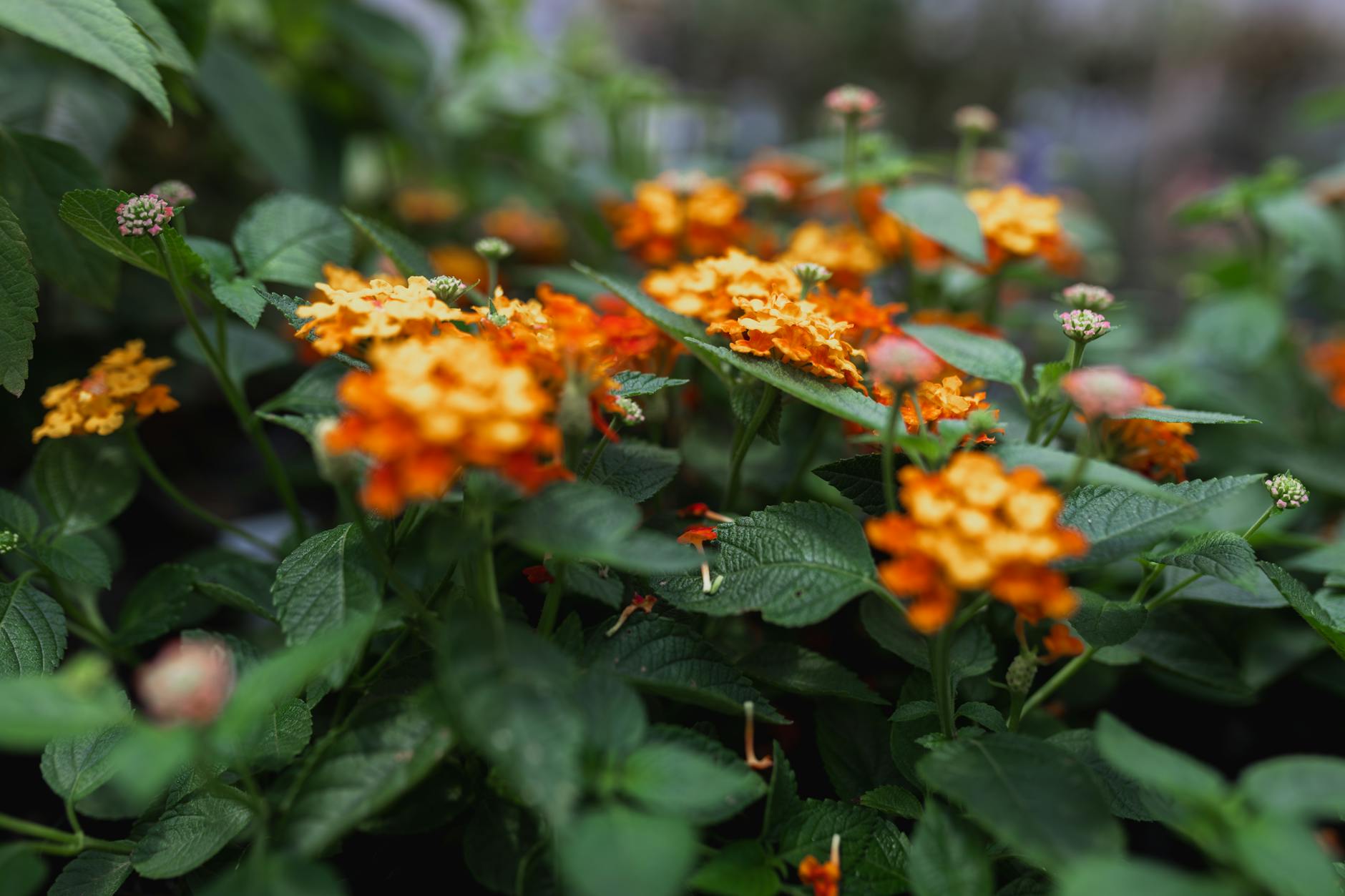
Several popular landscape plants including foxglove, hollyhock, and certain ornamental alliums complete their full life cycle across two growing seasons, producing foliage in the first year and flowers followed by death in the second. Homeowners who purchase these plants expecting perennial return are consistently surprised and frustrated when their second-year plants flower and then die, interpreting the outcome as a care failure rather than the completion of a completely normal biological process. Landscapers who install biennial species without explaining the growth cycle generate replacement inquiries from clients who believe they killed something that was always going to die on that schedule. The distinction between annual, biennial, and perennial growth habits is a basic disclosure that prevents a predictable and recurring disappointment.
Bare Root Timing
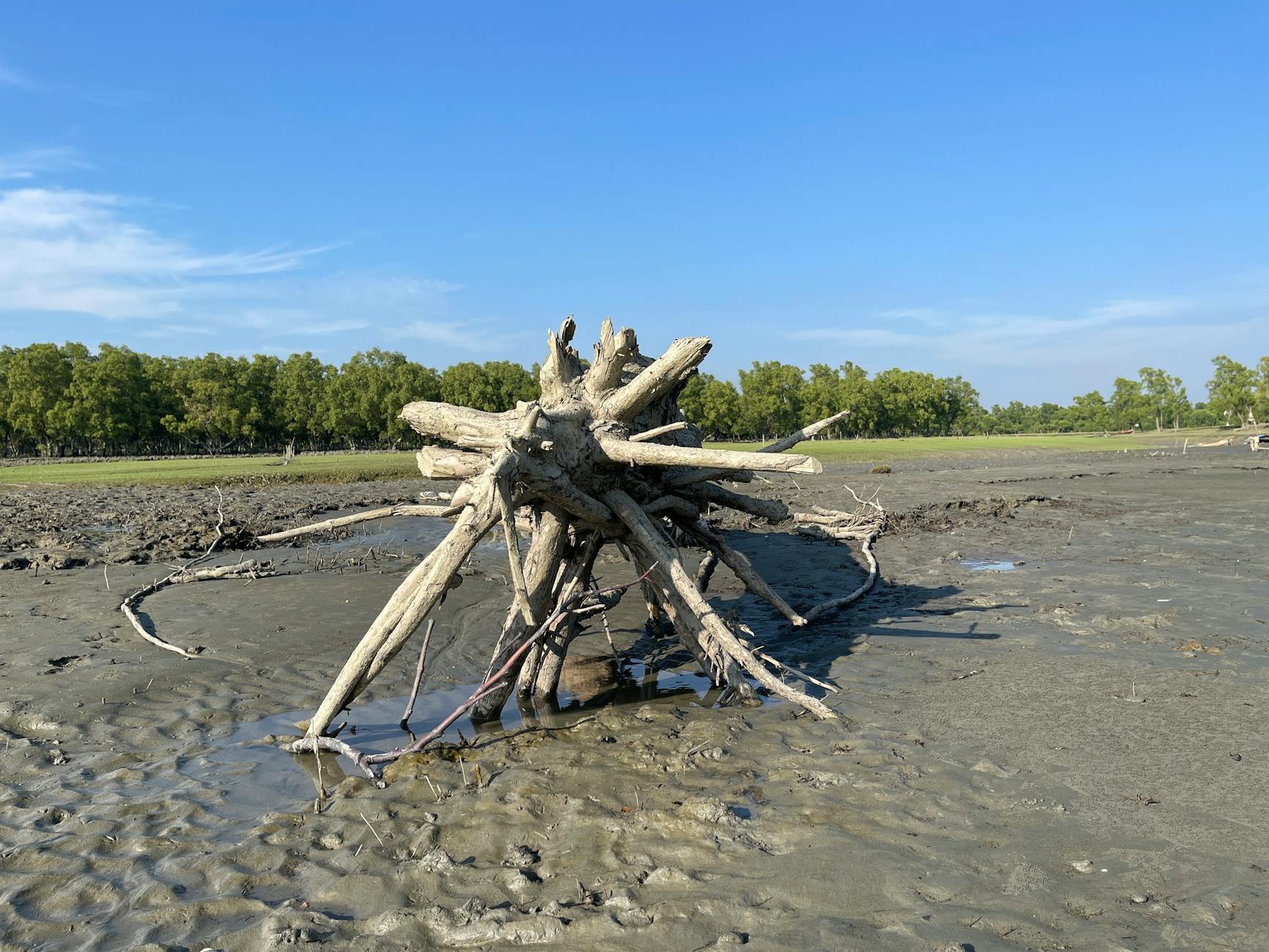
Bare root plants sold without any soil around their root systems are available for a brief window during dormancy and must be planted before bud break initiates active growth. Landscapers who hold bare root material in storage beyond the optimal planting window or who install it after bud break has begun are placing plants with desiccated root systems in conditions that demand immediate establishment. A bare root plant that leafs out before its roots have reestablished contact with moist soil will exhaust its stored energy reserves within two to three weeks and collapse completely. The failure presents as transplant shock but the actual cause was a procurement and timing decision made before the plant ever reached the client’s property.
Wind Exposure
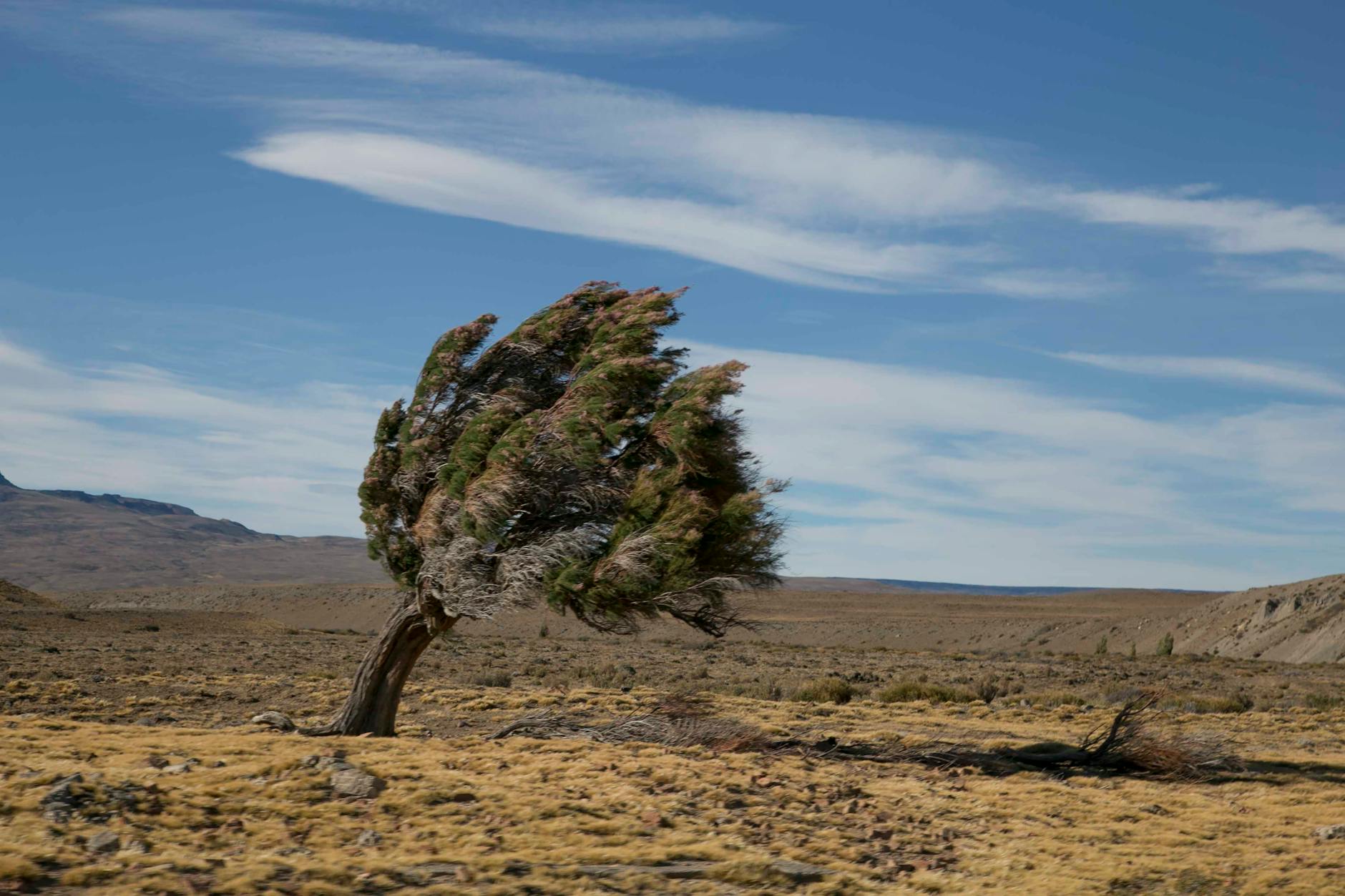
Plants specified for their performance in sheltered garden conditions will desiccate and die when installed in exposed locations subject to persistent wind even when soil, water, and light conditions are entirely appropriate. Wind dramatically accelerates the transpiration rate of leaf surfaces and a plant unable to replace that moisture loss through root uptake enters moisture stress regardless of soil moisture levels. Coastal, ridgeline, and corner lot properties with consistent directional wind exposure require species selection specifically evaluated for wind tolerance rather than standard residential plant palettes. Applying a generic species list to an exposed site without accounting for wind is a predictable failure pattern that site observation would identify in a single visit.
Winter Interest Planning
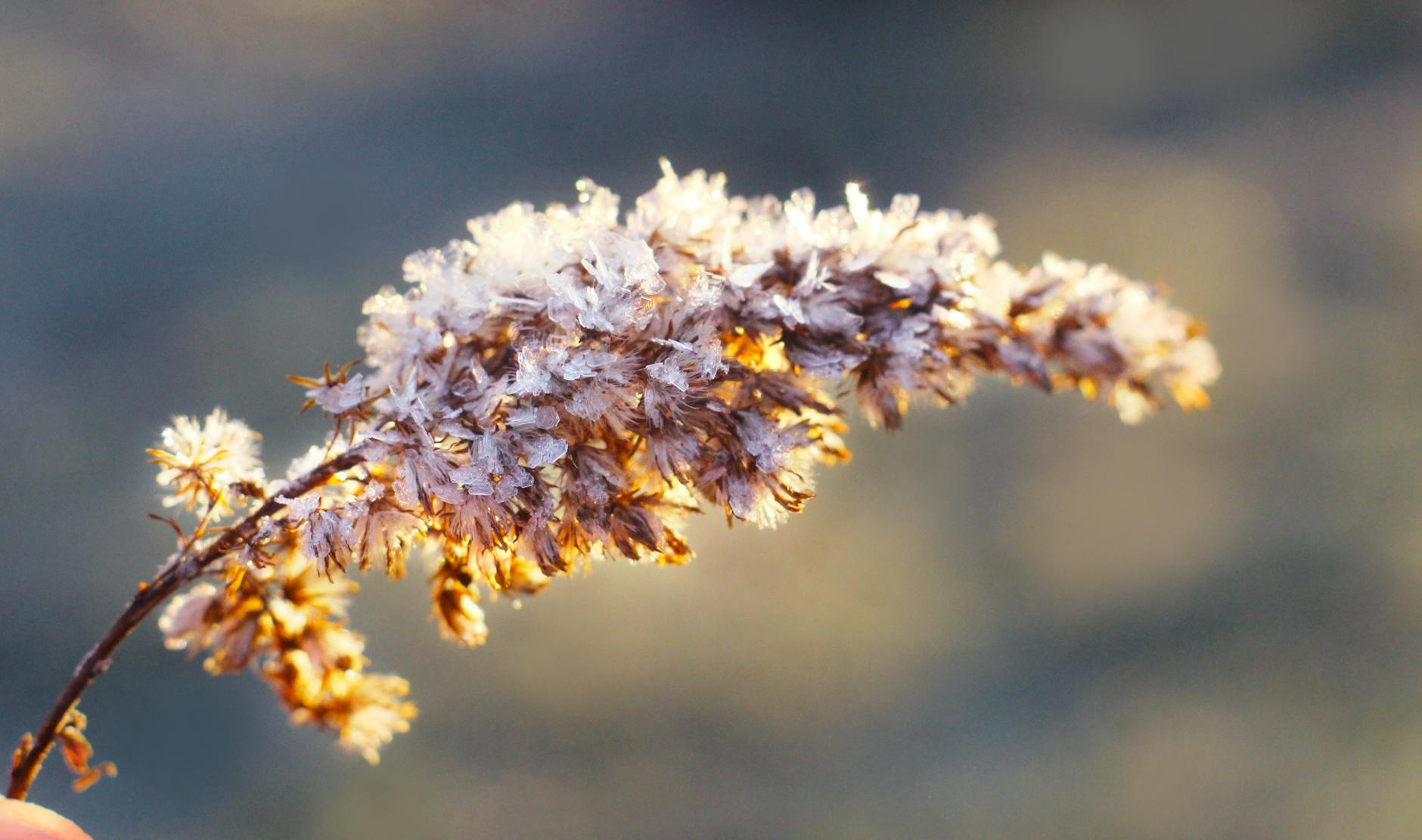
Landscapes designed exclusively for spring and summer color leave homeowners with structurally empty, visually barren gardens during the four to six months when deciduous plants have dropped their foliage and herbaceous perennials have died back entirely. A planting plan that does not incorporate evergreen structure, ornamental grasses, plants with persistent seed heads, and species with attractive bark or branching character is delivering less than half the year’s potential garden value. Landscapers who do not raise the question of winter interest during the design consultation are thinking across a partial season rather than a full calendar year. Designing for twelve months rather than seven requires proposing species that most homeowners would not independently select, which is precisely the expertise a client is paying a professional to provide.
Label Misreading
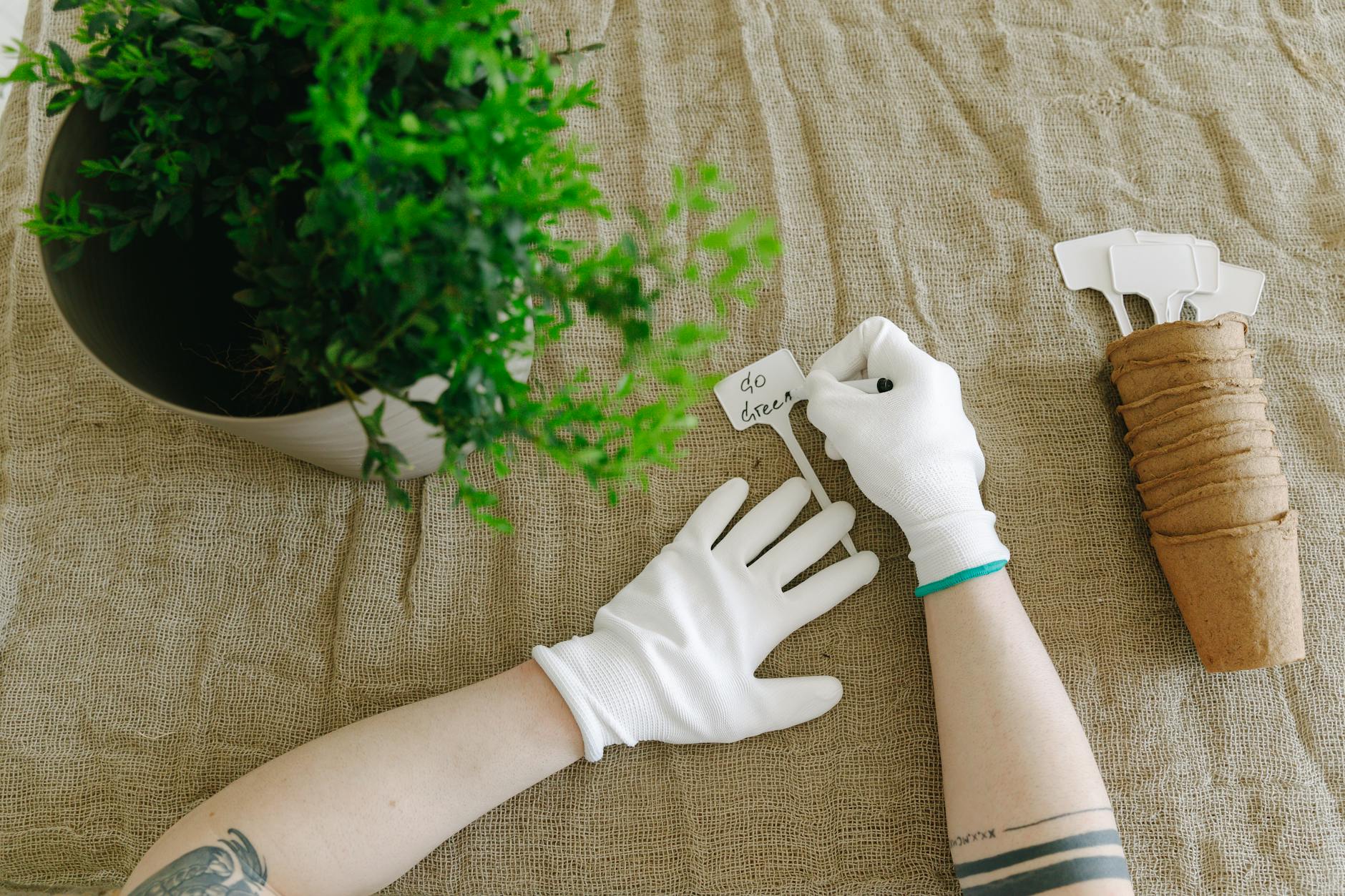
Plant tags produced by large wholesale nurseries describe performance under optimal growing conditions rather than the average residential landscape situation a plant will actually inhabit. A species described as drought-tolerant on its label has typically earned that designation through trials in well-amended, well-draining soil rather than the compacted clay that characterizes most residential properties. Light requirement descriptions on nursery tags frequently indicate the minimum light level needed for survival rather than the threshold required for vigorous growth and reliable flowering. Treating nursery label descriptions as literal performance guarantees rather than optimistic summaries of ideal-case behavior leads to a specific and entirely preventable category of disappointment.
If any of these revelations have changed the way you think about your garden, share which secret surprised you most in the comments.