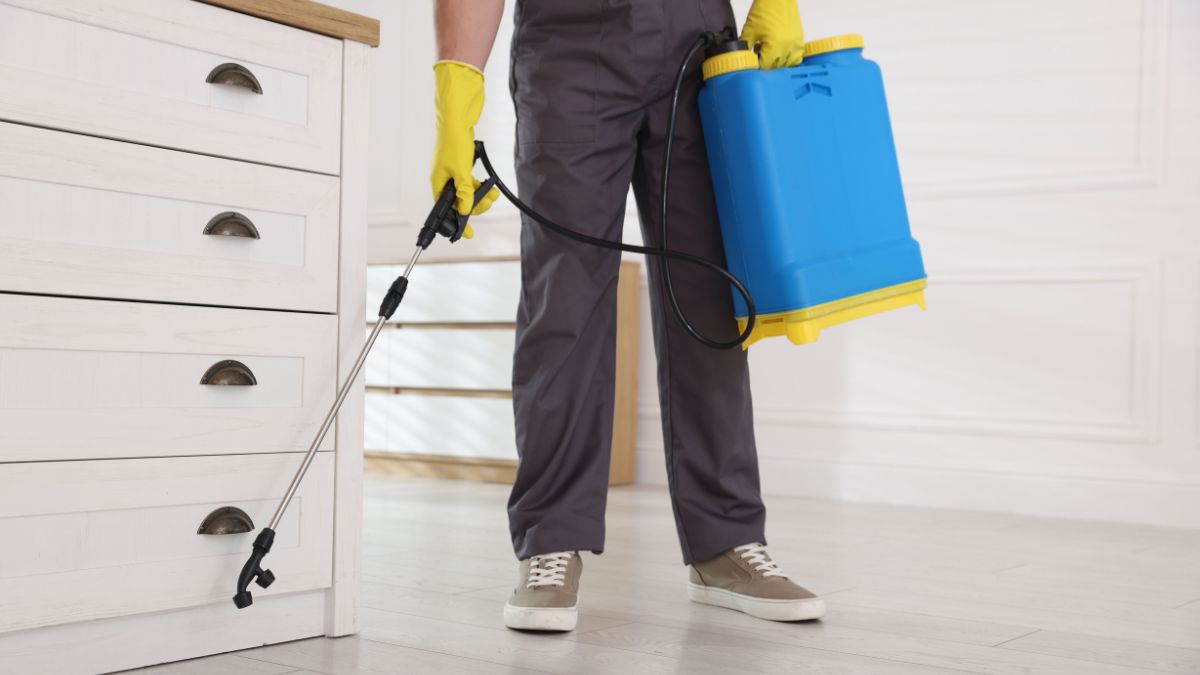
Pest control is a multi-billion dollar industry built on repeat visits and recurring contracts. Many homeowners spend thousands each year on treatments that never seem to fully resolve the problem. Industry insiders rarely volunteer the uncomfortable truths that would actually help clients break the cycle. Understanding what happens behind the scenes can save money and finally bring lasting results. These are the 25 most closely guarded secrets pest control professionals would rather you never discovered.
Entry Points

Most pest control technicians treat the interior of a home without ever sealing the cracks and gaps where insects first enter. A thorough exterior inspection identifying every potential entry point is rarely included in a standard service visit. Tiny openings around pipes, vents and window frames are the primary highways bugs use to re-enter treated spaces. Clients who ask specifically about exclusion work are often upsold on a separate and more expensive service package. Addressing entry points permanently is the only true first step toward a bug-free home.
Moisture Sources
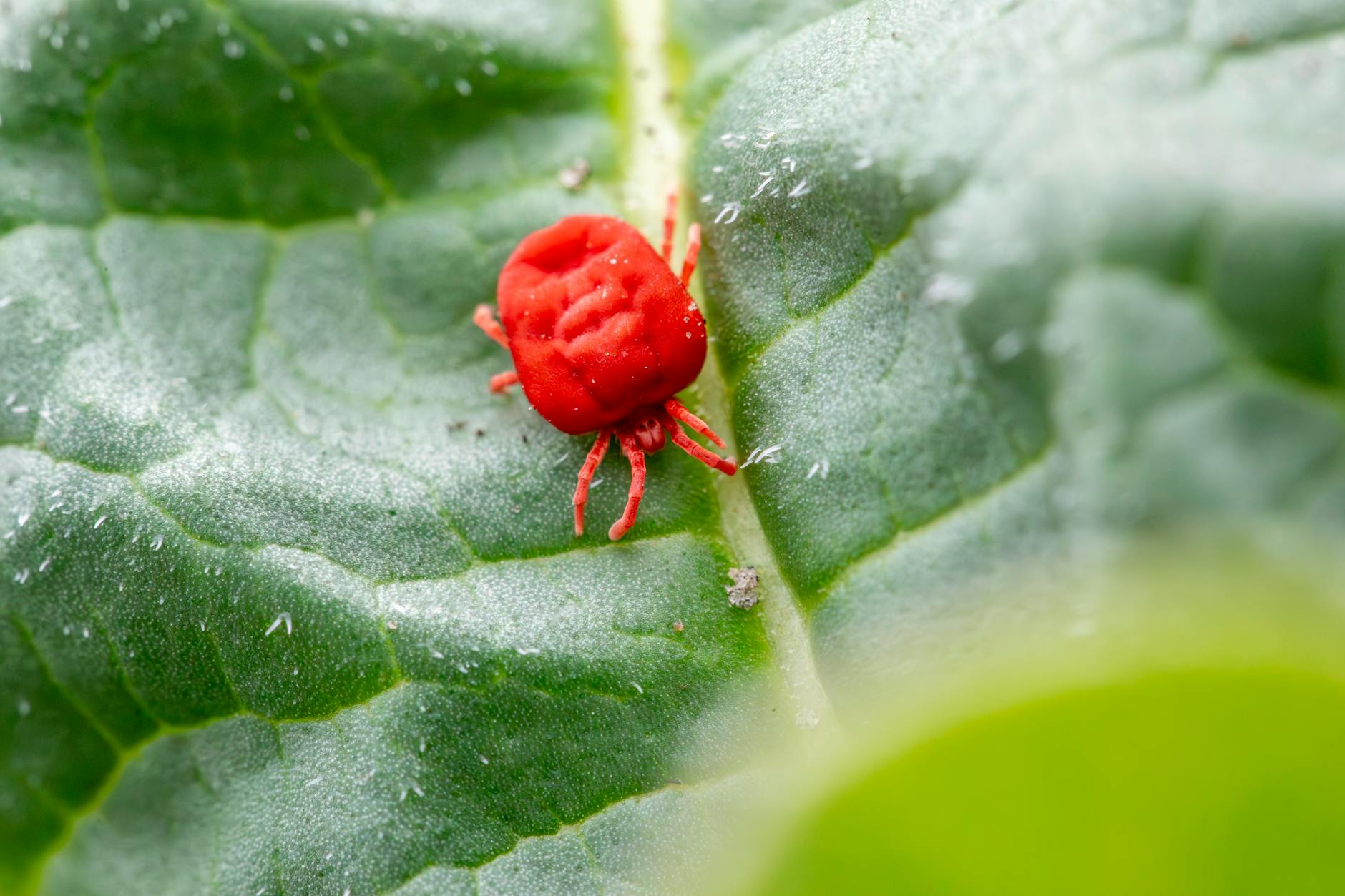
Persistent moisture inside walls, under sinks and in crawl spaces creates the ideal breeding environment for cockroaches, silverfish and many ant species. Technicians who skip a moisture assessment are treating symptoms rather than the underlying cause of an infestation. A leaking pipe or poor bathroom ventilation will undo even the most aggressive chemical treatment within weeks. Many companies prefer not to mention moisture issues because fixing them falls outside the scope of a paid pest contract. Eliminating standing water and humidity is one of the most effective free steps a homeowner can take independently.
Chemical Resistance
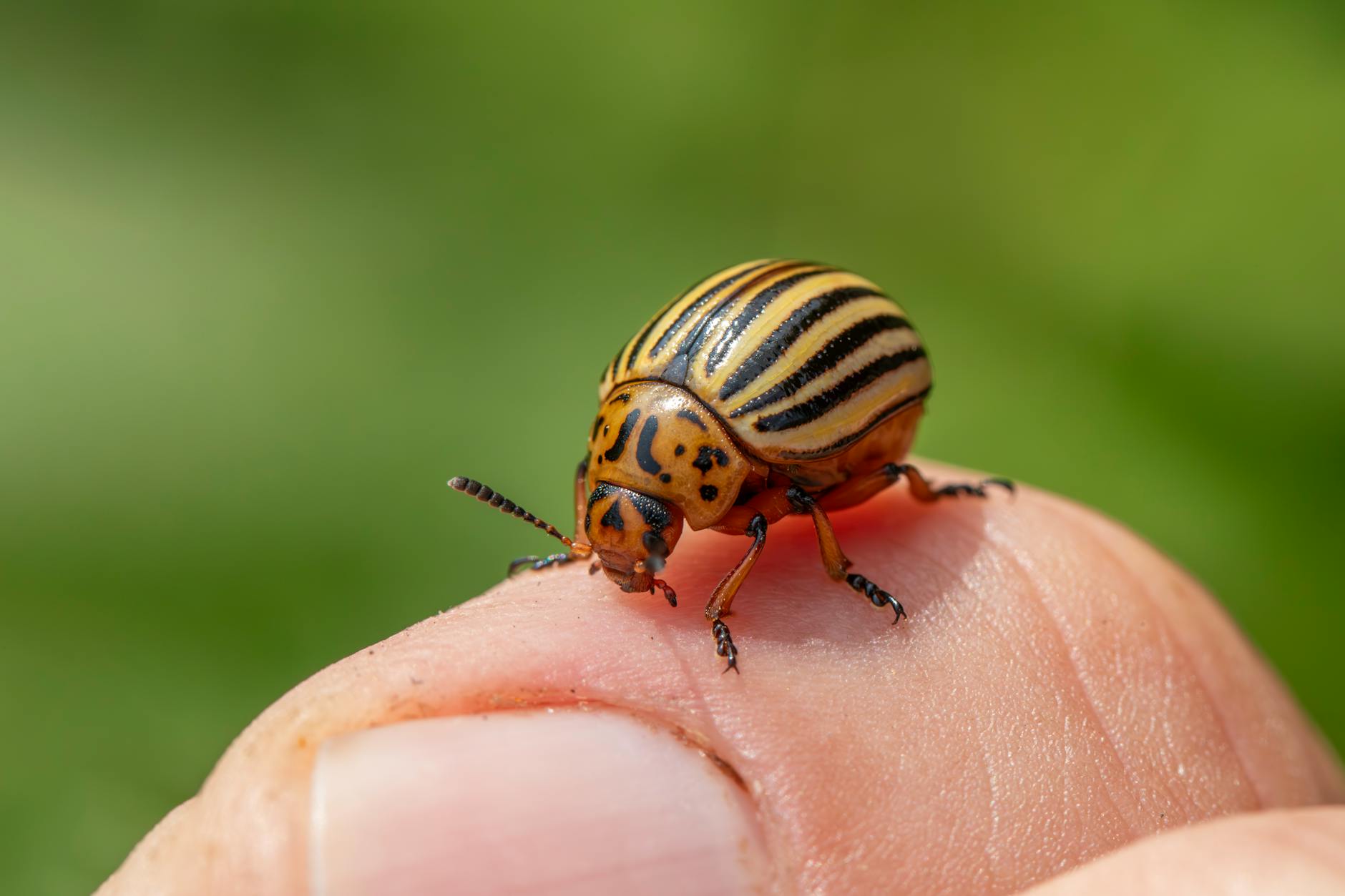
Many of the most common household pests have developed measurable resistance to the pesticide formulas used in standard residential treatments. Cockroach populations in particular evolve resistance rapidly when exposed to the same active ingredients across repeated applications. A technician using the same product visit after visit is unlikely to achieve long-term elimination in a resistant population. Rotating chemical classes and incorporating non-chemical methods is considered best practice in professional entomology. Most frontline technicians are not trained in integrated pest management at a level that accounts for resistance.
Pesticide Dilution
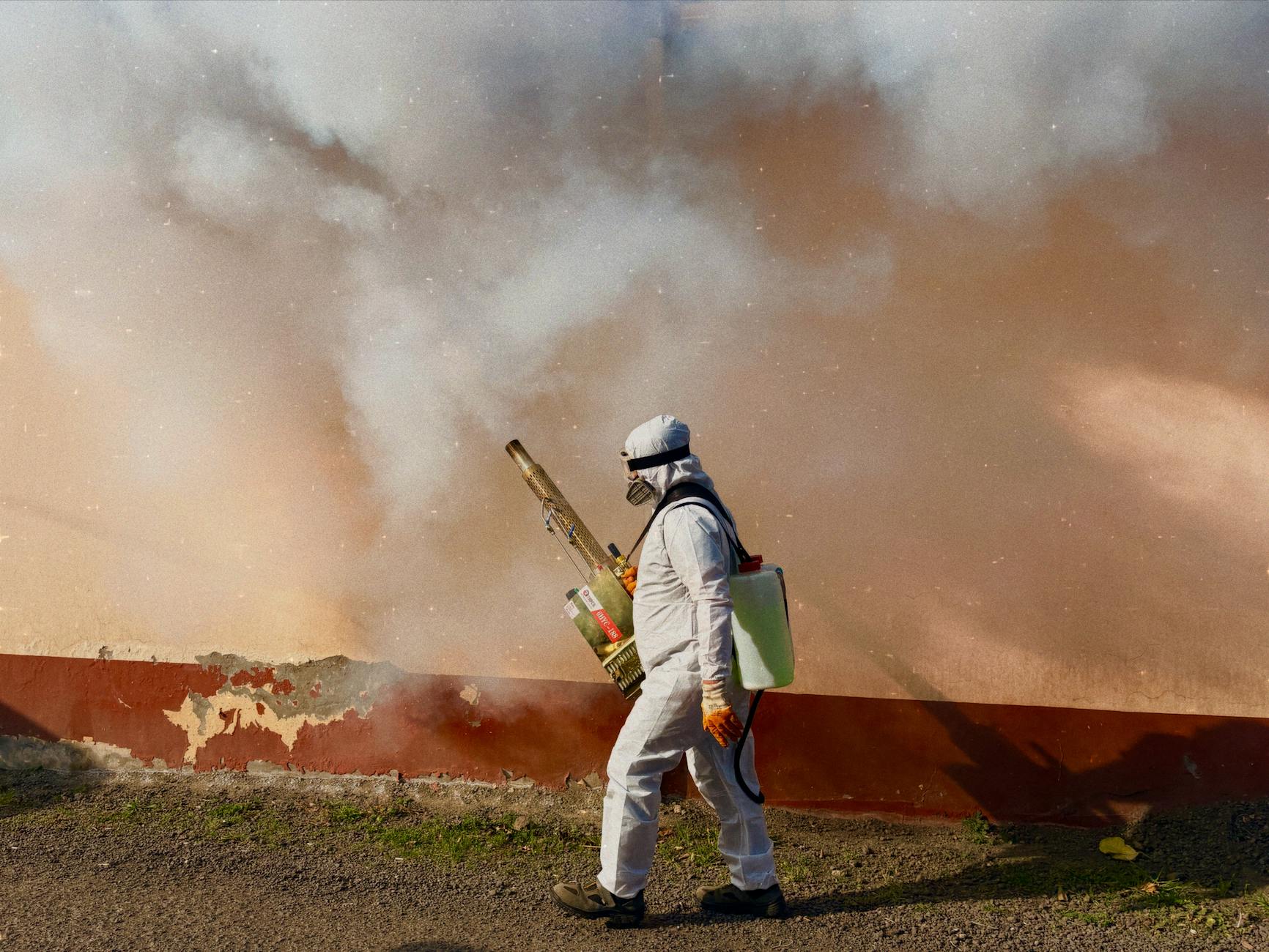
The concentration of pesticides mixed for residential application is often far lower than the strength used in commercial or agricultural settings. A diluted formula reduces liability risk and product cost for the company while still technically qualifying as a treatment. Light residual spraying along baseboards has minimal impact on established colonies living deep inside wall voids. Pest populations that are not directly contacted by a treatment simply relocate temporarily and return within days. Homeowners rarely receive documentation detailing the exact concentration applied during a service visit.
Egg Cycles
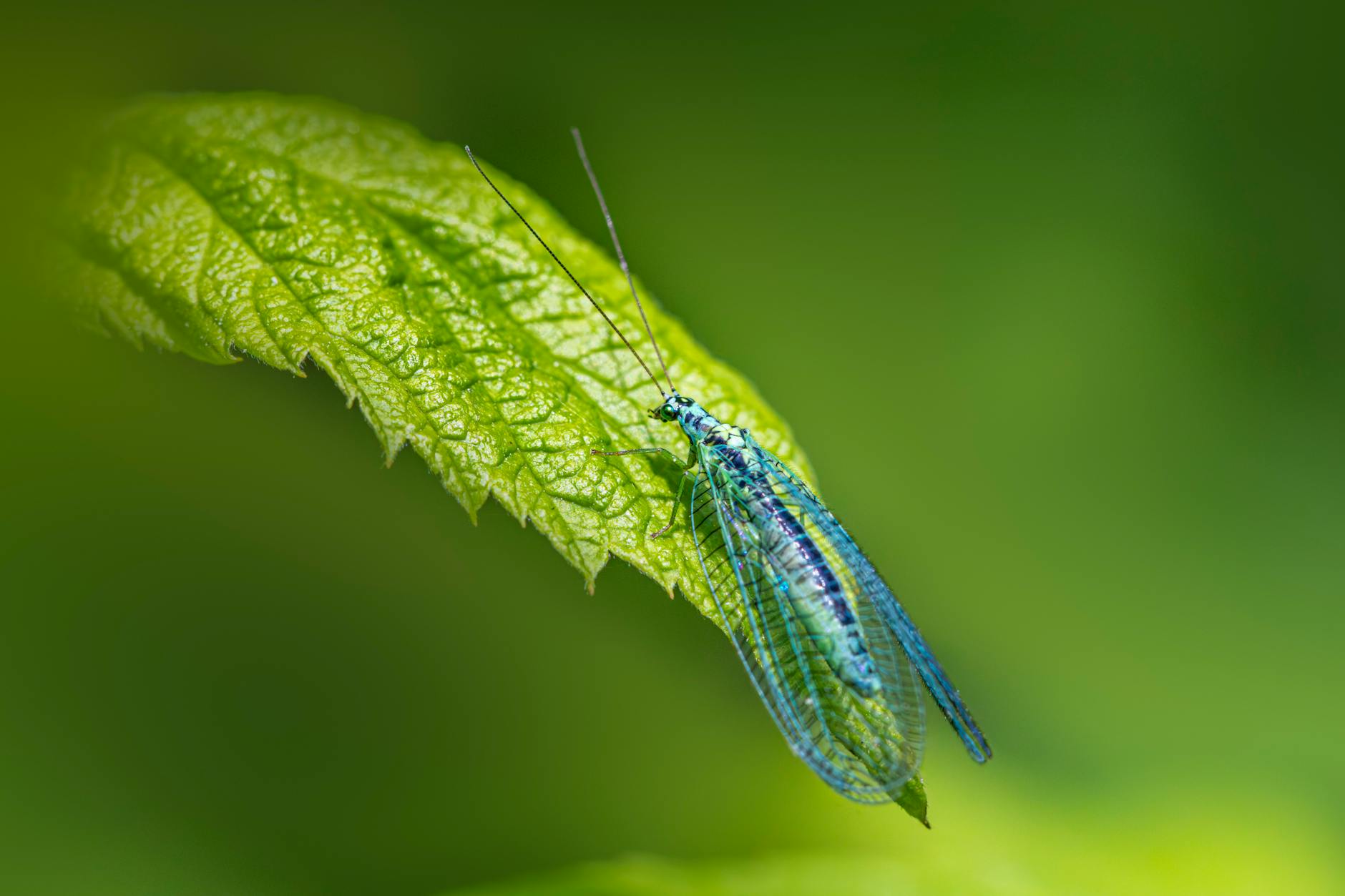
Chemical treatments kill active adult insects but have little to no effect on eggs already laid inside walls, furniture and flooring. A single cockroach egg case can contain up to fifty embryos that will hatch days after a treatment and restart the entire infestation. Follow-up visits are often scheduled at intervals that do not align with the hatching cycles of the specific species being targeted. Pest control companies that do not account for egg cycles are structurally incentivized to return repeatedly without ever resolving the root problem. Knowing the reproductive timeline of a specific pest is essential information that clients almost never receive.
Neighboring Units

In apartment buildings and attached homes an infestation in one unit will migrate freely through shared walls regardless of how thoroughly one space is treated. Pest control companies contracted by individual tenants cannot legally treat neighboring units without separate permission and payment. A professionally treated apartment can be fully re-infested within 48 hours if adjacent units remain untreated. Building-wide or coordinated treatments are dramatically more effective than isolated single-unit visits. Many technicians know this on arrival but proceed with the single-unit treatment without disclosing the limitation.
Food Residue
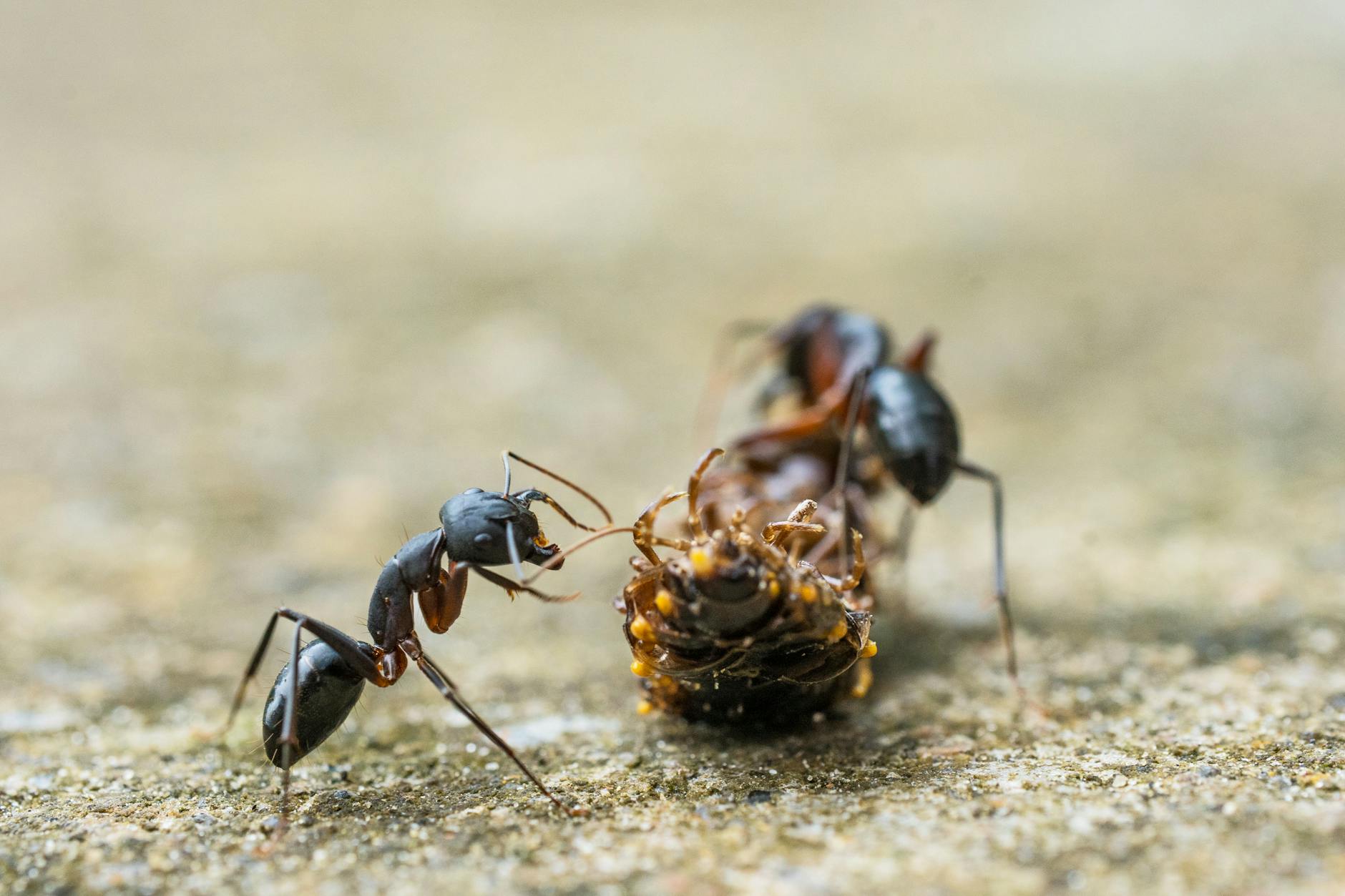
Microscopic food residue in areas that appear visually clean provides a reliable and ongoing food source for ants, cockroaches and pantry moths. Grease buildup behind appliances is one of the most overlooked attractants in any residential kitchen. Bugs do not need large amounts of food to sustain a colony and will thrive on crumbs invisible to the naked eye. No pesticide on the market is effective long-term when a consistent food source remains available in the treated environment. Deep cleaning behind and beneath appliances is rarely recommended during a standard service visit because it extends no billable work to the technician.
Drain Breeding
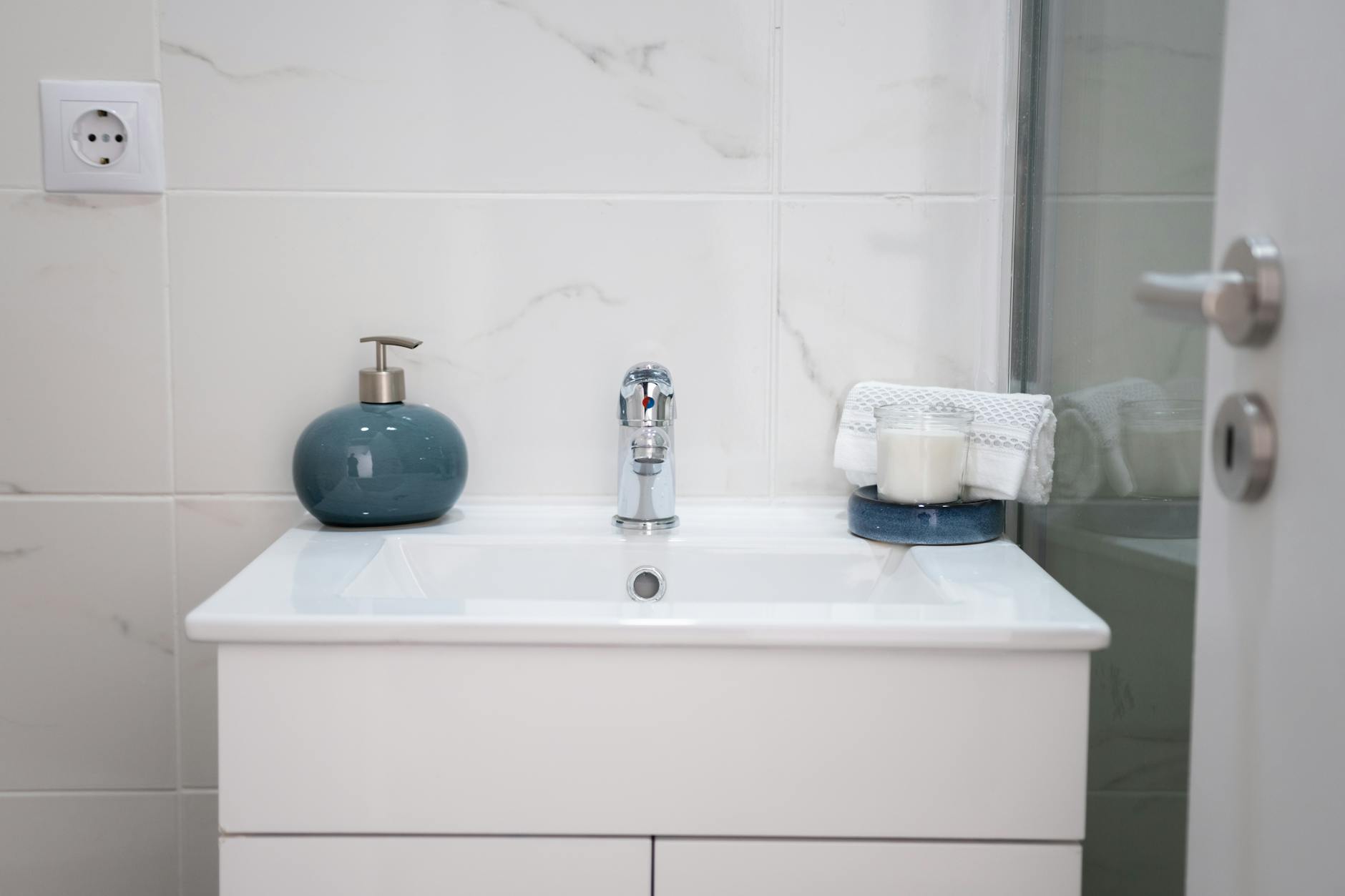
Floor drains, bathroom sink overflow holes and garbage disposal units are active breeding sites for drain flies, fruit flies and certain cockroach species. Topical surface sprays do not penetrate the organic buildup inside drainpipes where larvae develop undisturbed. A home can receive monthly treatments for years without resolution if drain breeding sites are left unaddressed. Biological drain cleaners and enzyme-based treatments are inexpensive solutions that directly target the organic matter sustaining breeding activity. This information is widely known in the industry and almost never proactively shared with residential clients.
Seasonal Timing
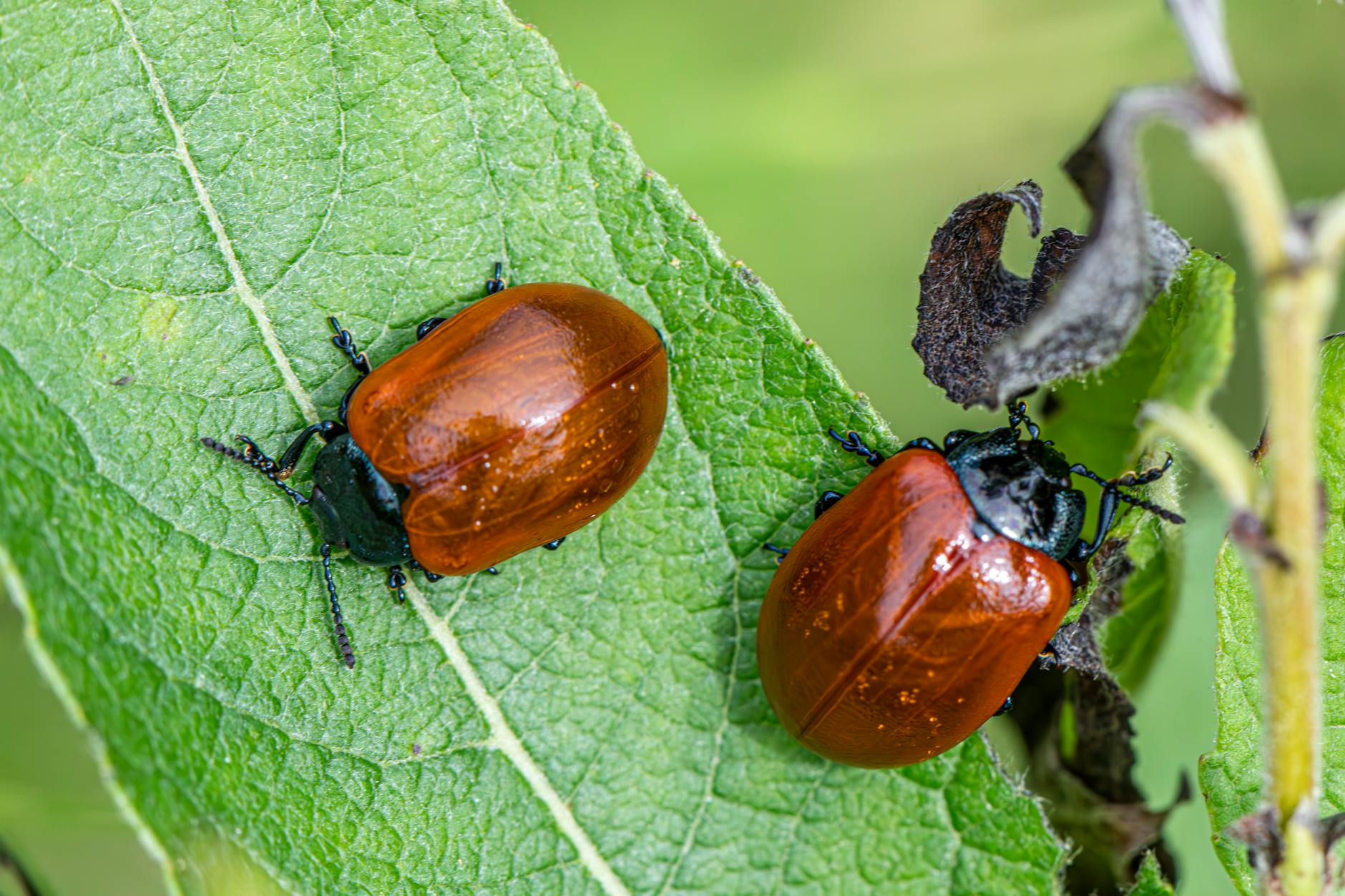
The timing of a pest control treatment relative to a species-specific seasonal cycle determines a large portion of its effectiveness. Treating for ants in mid-summer when colonies are fully mature produces far weaker results than targeting them during early spring emergence. Many service contracts operate on fixed calendar schedules that bear no relationship to the biological activity patterns of local pest populations. A technician arriving in November to treat for mosquitoes is performing a visit with negligible practical value. Seasonal biology is a foundational subject in entomology that rarely informs the scheduling decisions made by residential pest control companies.
Bait Interference
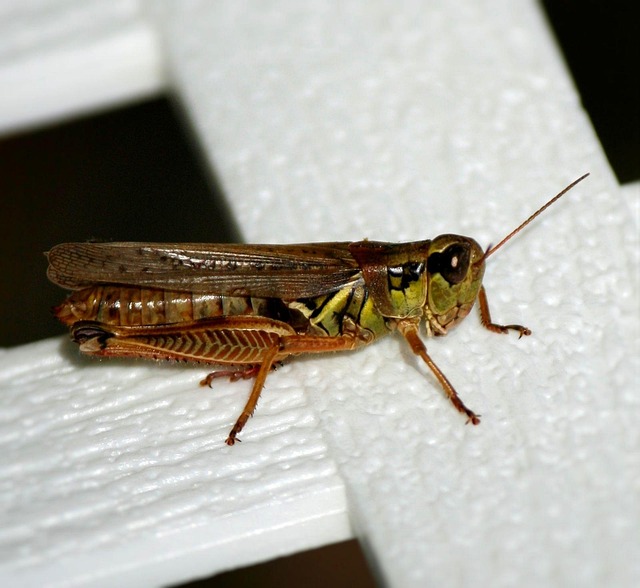
Gel baits used for cockroach control are among the most scientifically validated tools available but are easily neutralized by spraying repellent chemicals in the same areas. Repellent sprays cause cockroaches to avoid the zones where bait has been placed rather than consuming it. Technicians who apply both spray and gel treatments in the same visit are often unknowingly canceling out the effectiveness of each product. This practice is documented in pest management research and known to contradict basic application protocol. Homeowners are almost never informed of this conflict when both services are applied during the same appointment.
Pet Food
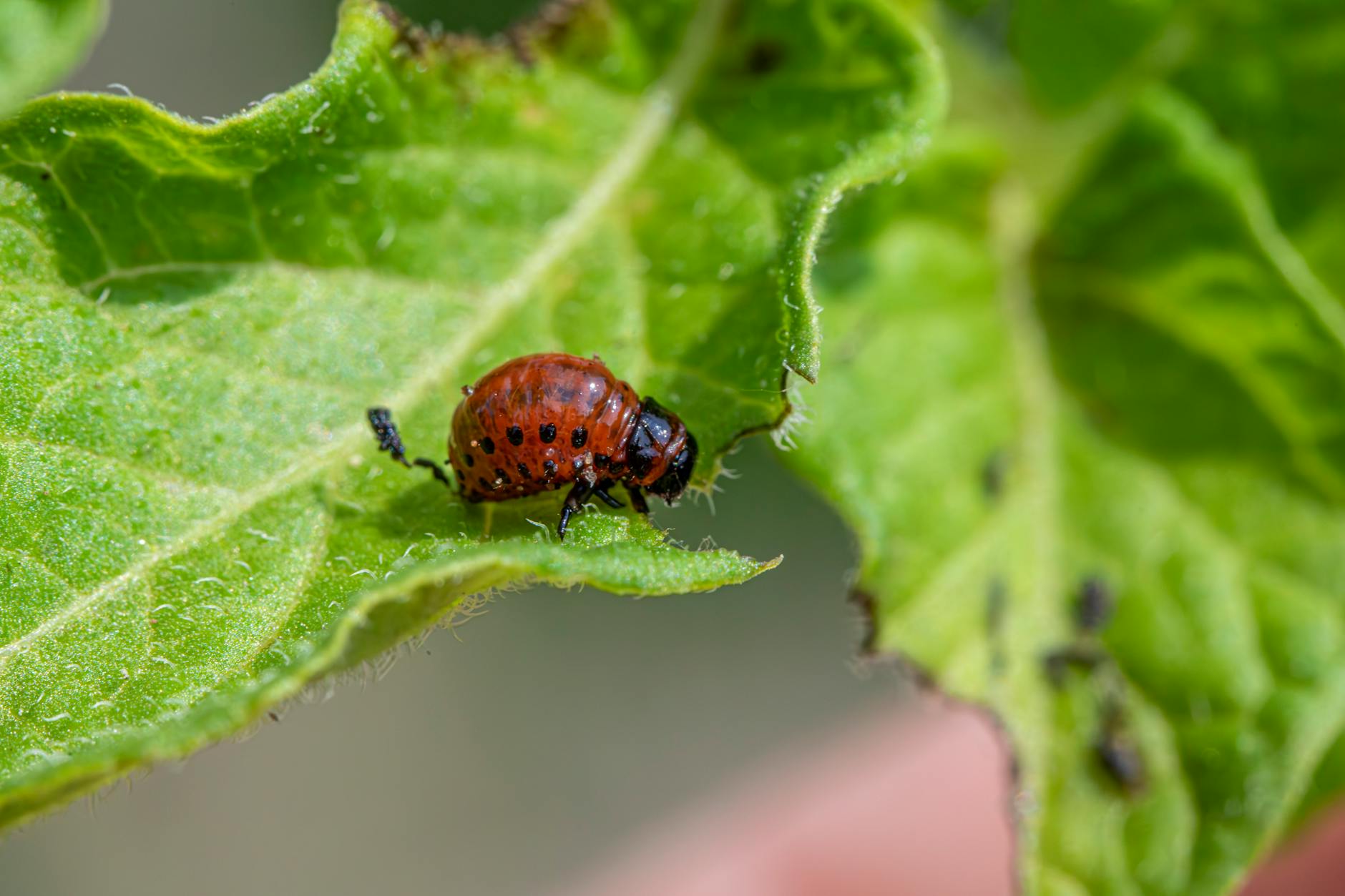
Dry pet food left in open bowls overnight is one of the most reliable and overlooked food sources sustaining cockroach and ant populations in treated homes. A single open bag of pet kibble stored in a pantry or utility room provides enough nutrition to support a significant insect colony. Pest control technicians rarely inspect pet feeding areas or storage locations during a standard service walkthrough. Storing pet food in airtight containers and removing bowls overnight can reduce insect activity without any chemical intervention. This simple behavioral change addresses a core attractant that no pesticide program can compensate for.
Attic Colonies
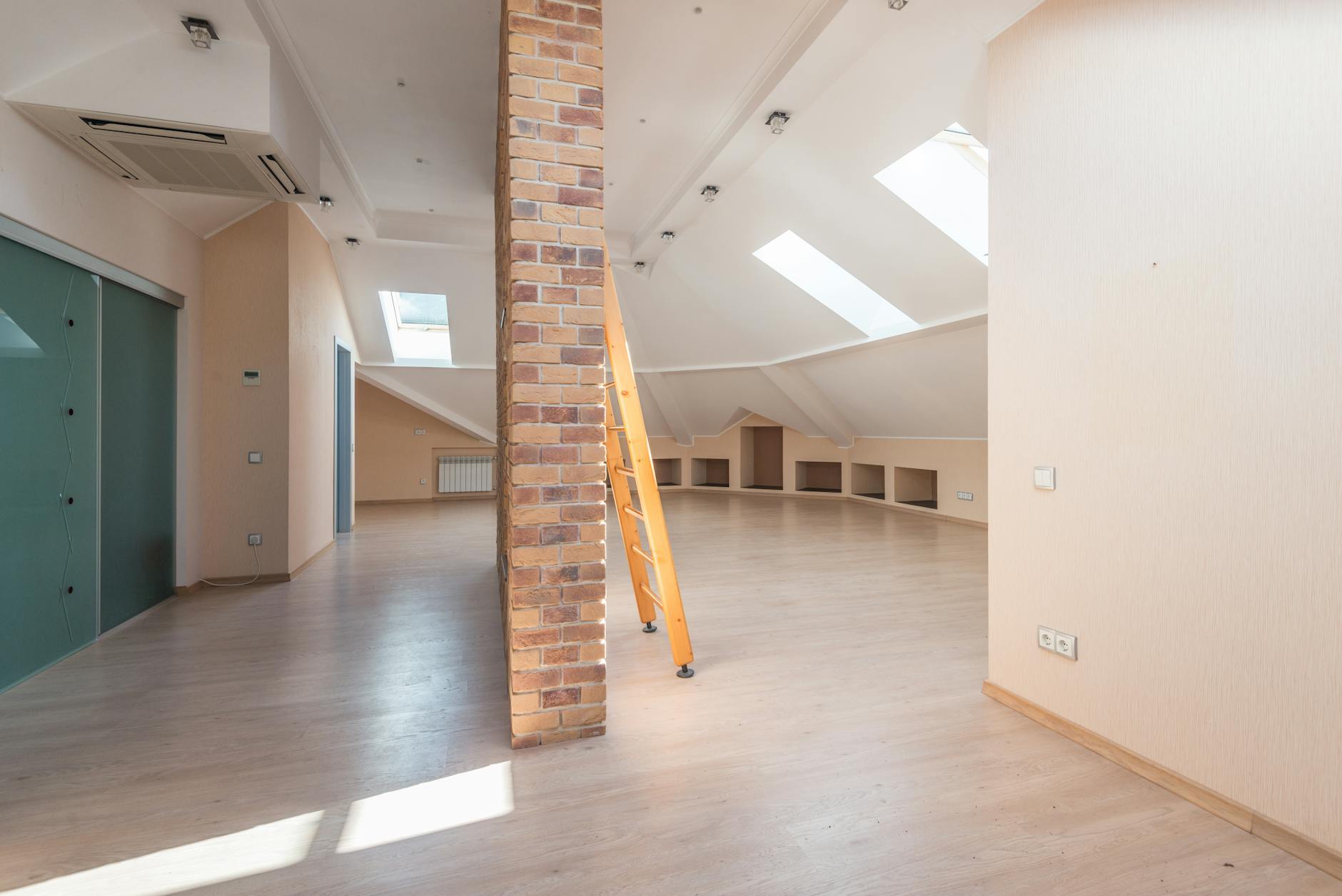
Attic spaces are rarely included in a standard residential pest control treatment despite being primary harborage zones for rodents, wasps, carpenter ants and certain cockroach species. The heat and undisturbed conditions of an attic make it an ideal environment for colony establishment and expansion. A ground-floor or kitchen treatment does not reach the source population when the colony is headquartered several floors above. Homeowners often pay for years of interior treatments while an attic colony continuously sends foragers downward into living spaces. Requesting an explicit attic inspection at every service visit is one of the most effective steps a client can take.
Overwintering Pests

Many insects spend winter months in a dormant state inside wall insulation, basement crevices and roof soffits and emerge in spring looking like a new infestation. Stink bugs, boxelder bugs and cluster flies are well-known overwintering species that collect inside structures in enormous numbers during autumn. A pest control visit during winter months cannot treat dormant insects hiding in inaccessible voids. The company returning in spring to treat what appears to be a fresh outbreak may actually be responding to a population that has been living inside the structure for months. Exterior exclusion work completed in late summer is the only reliable prevention for overwintering species.
Insecticide Residue
The residual effectiveness of most common pesticide sprays used in residential settings degrades significantly within 30 to 90 days depending on surface type and humidity levels. Porous surfaces like wood, concrete and grout absorb sprays quickly and reduce active residue to negligible levels within days of application. Monthly service contracts are often structured around residue degradation timelines that benefit visit frequency rather than client outcomes. A bi-monthly or quarterly treatment may deliver identical results to monthly applications for many pest species in normal conditions. The science of residual degradation is standard knowledge in the industry and almost never discussed transparently with paying clients.
Sanitation Gaps
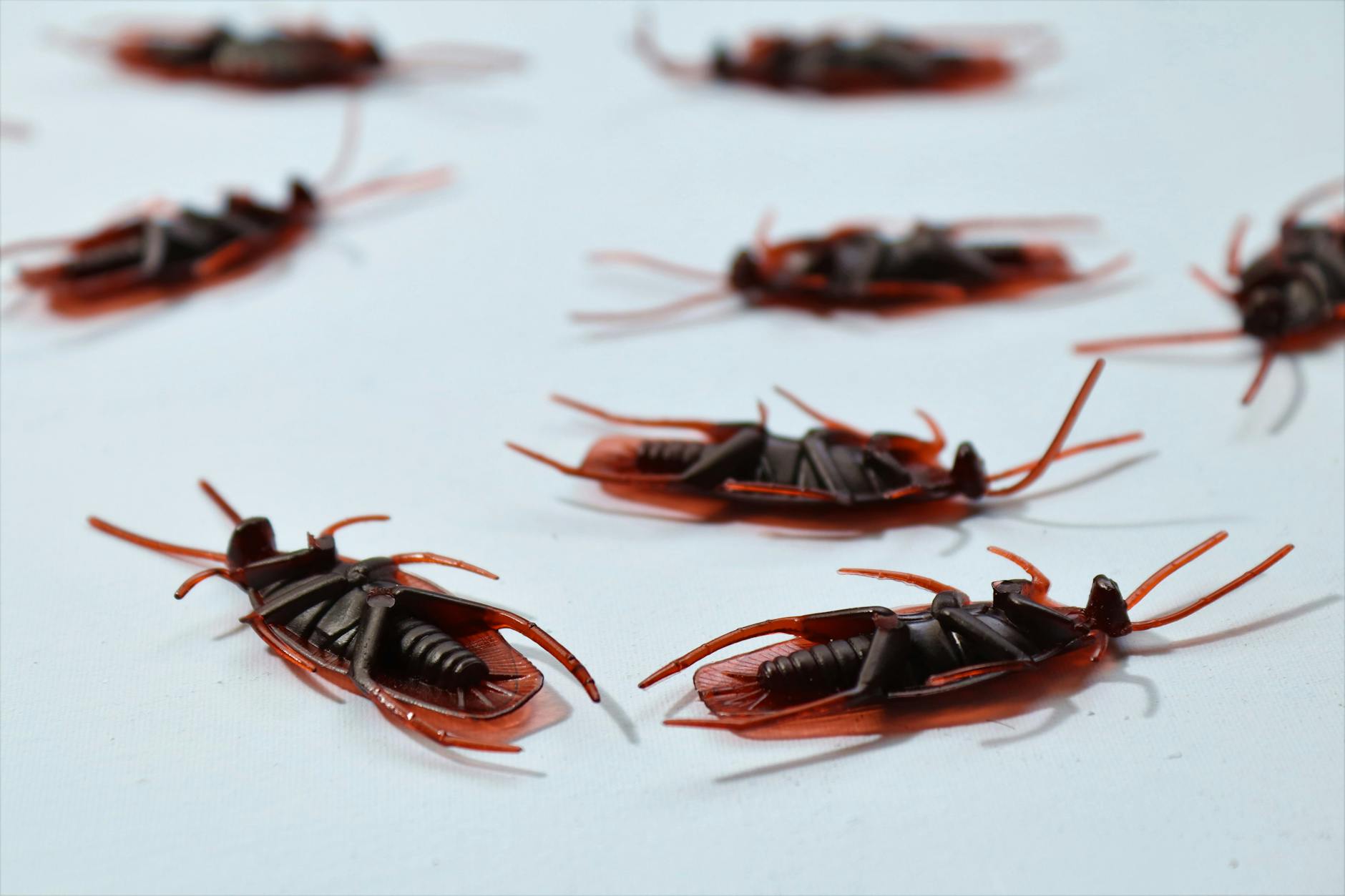
No level of chemical intervention compensates for ongoing sanitation deficiencies inside a home. Garbage stored indoors overnight, recycling bins without lids and compost collected near the kitchen all create persistent attractants that override any pesticide barrier. Technicians who identify sanitation issues during a visit are not always incentivized to explain them in detail because a cleaner home reduces the need for return visits. A formal sanitation assessment is standard practice in commercial food service pest management but is almost never applied in residential contexts. Simple daily habits like wiping counters and sealing bins eliminate the environmental conditions that make chemical treatment necessary in the first place.
Landscape Issues
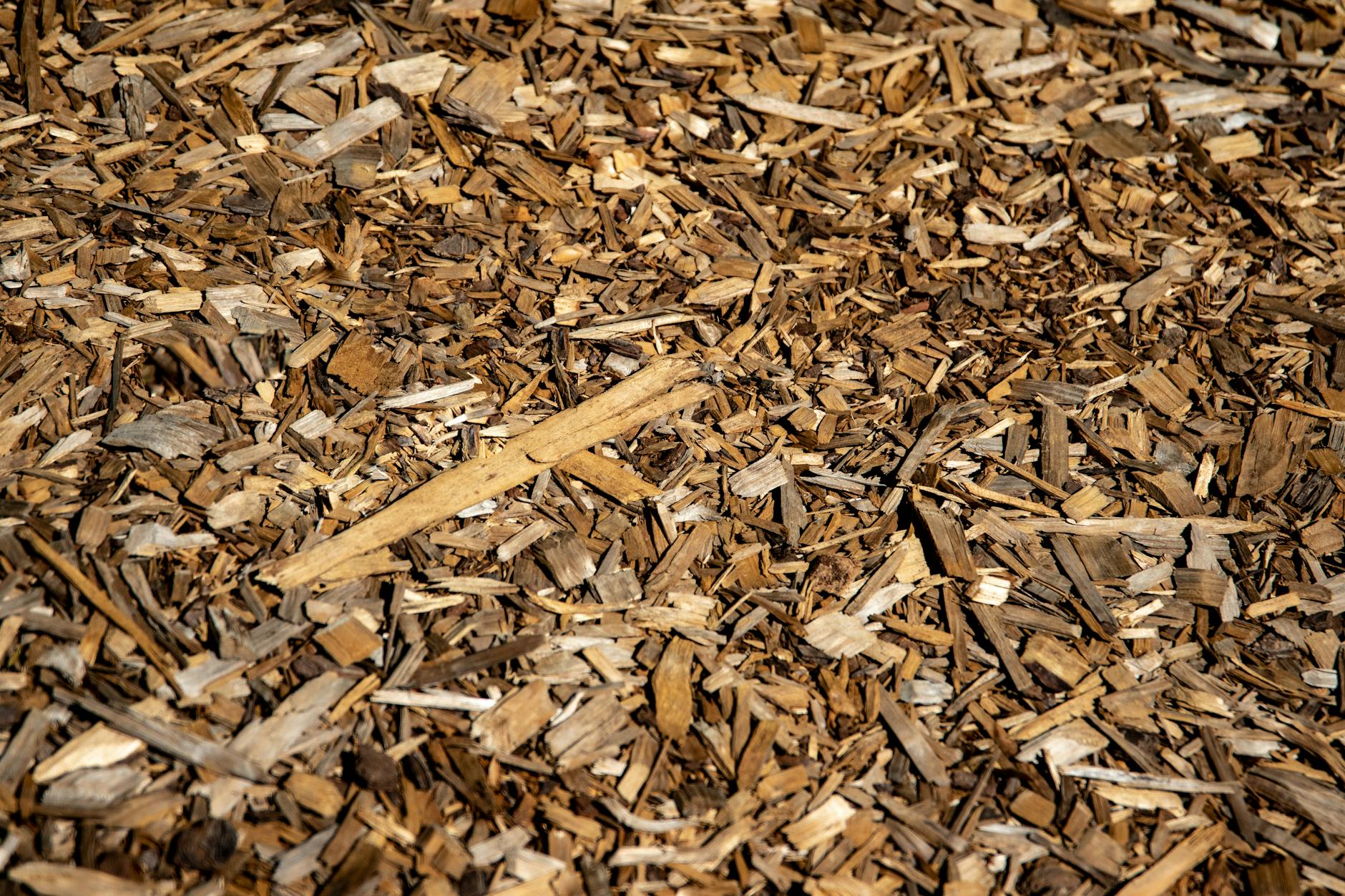
Dense mulch beds pressed directly against a home’s foundation create an ideal habitat for moisture-seeking insects including carpenter ants, termites and millipedes. Overgrown shrubs and tree branches touching exterior walls provide direct access routes bypassing any chemical barrier applied at ground level. Firewood stacked against the house is one of the most universally documented but under-reported pest harborage factors in residential settings. A pest control technician focused only on interior treatment is ignoring the exterior conditions actively funneling new populations toward the structure. Pulling mulch back from the foundation and trimming vegetation contact points can meaningfully reduce pressure on any chemical barrier in place.
Rodent Runways
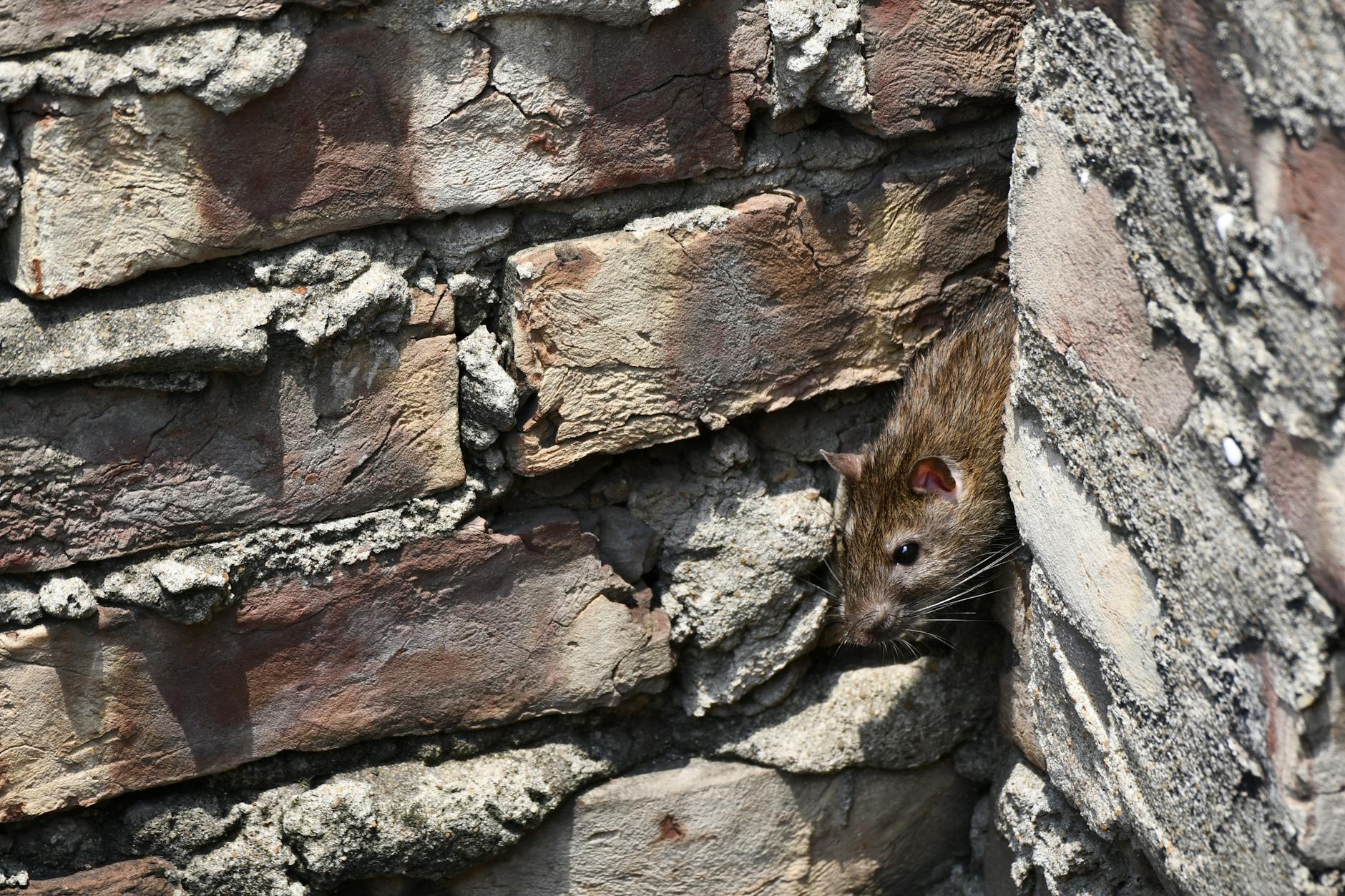
Rodents travel along fixed routes called runways that follow wall edges, pipe lines and structural beams with remarkable consistency. Snap traps or bait stations placed in open floor areas away from these established travel routes produce substantially lower catch rates. Technicians who place traps based on convenience rather than behavioral observation are performing a service unlikely to resolve an active infestation. Flush placement against walls and inside enclosed spaces along known travel paths is the placement method validated by pest management research. Clients are rarely shown where runways have been identified or taught how to evaluate trap placement effectiveness themselves.
Repellent Products
Many over-the-counter sprays and plug-in devices marketed to homeowners as supplements to professional treatment are classified as repellents rather than killing agents. Repellent products push pest populations into other areas of the home rather than eliminating them and can scatter a contained infestation into multiple new zones. A homeowner who sprays a repellent product in the kitchen before a professional visit may inadvertently complicate the treatment by dispersing the target population. Pest control companies rarely ask clients about products they have independently applied before arriving to treat the home. The interaction between repellent consumer products and professional-grade treatments is almost never part of a pre-service conversation.
Light Attraction

Outdoor lighting positioned near entry doors and windows is a primary nighttime attractant drawing flying insects directly toward the most common structural entry points. White and warm-spectrum LED bulbs attract significantly more insects than yellow bug lights or cool-spectrum alternatives. Pest control technicians almost never address exterior lighting as part of a treatment recommendation despite its direct relationship to flying insect pressure. Repositioning lights away from entry points or switching to yellow spectrum bulbs can reduce nighttime pest attraction without any chemical component. Lighting management is standard guidance in commercial facility pest programs but is rarely communicated to residential clients.
Crawl Spaces
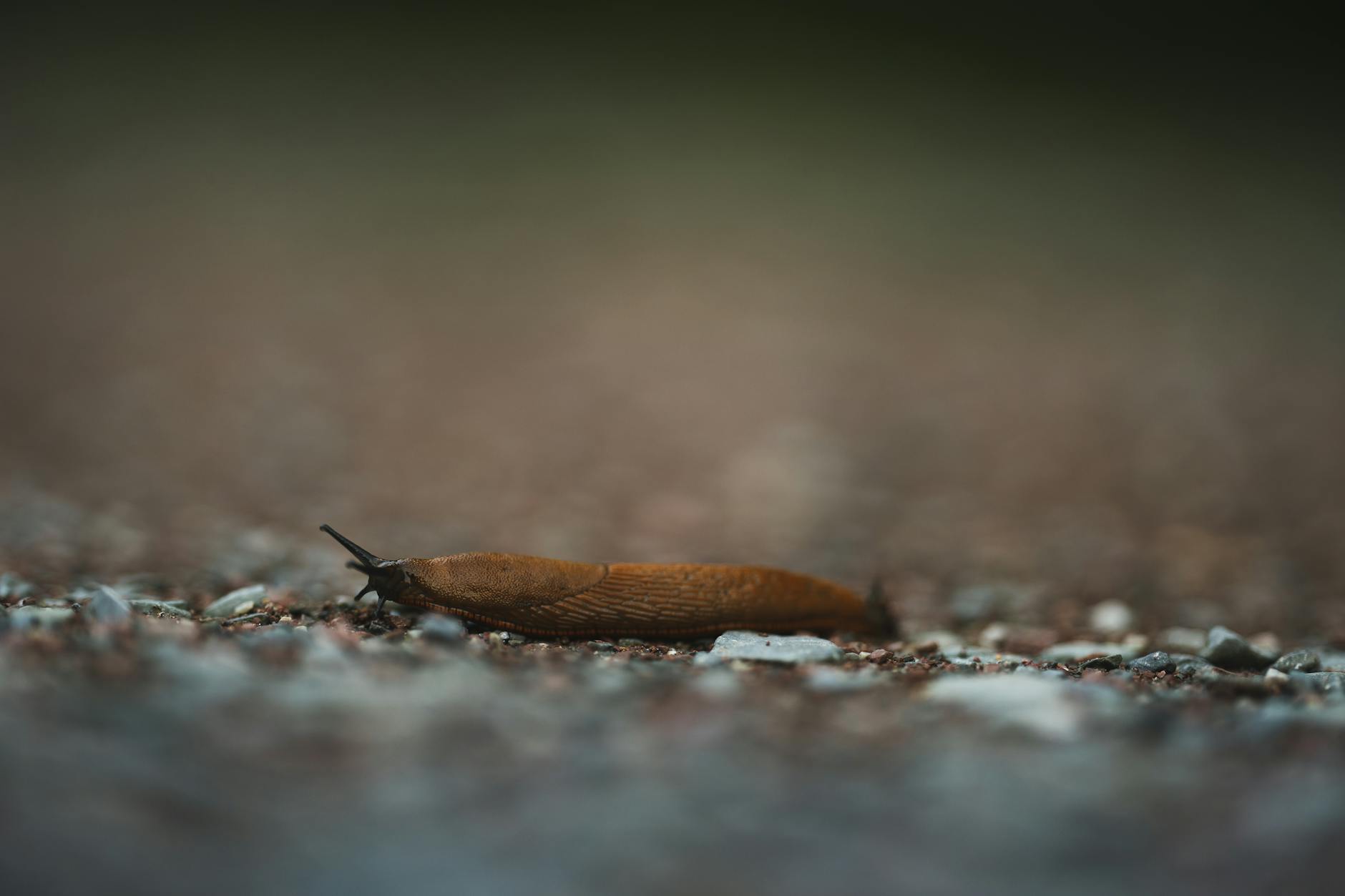
Vented crawl spaces beneath homes create a direct conduit for ground-dwelling insects and rodents moving between soil and living areas above. Standing water or saturated soil in an untreated crawl space supports termite activity, mold growth and mosquito breeding simultaneously. Many pest control contracts treat the interior perimeter while leaving the crawl space access off the standard service route. An encapsulated or properly ventilated crawl space dramatically reduces the pest pressure affecting the entire structure above it. Homeowners who request crawl space inspection at every visit often discover it has been skipped entirely during previous appointments.
Secondary Infestations
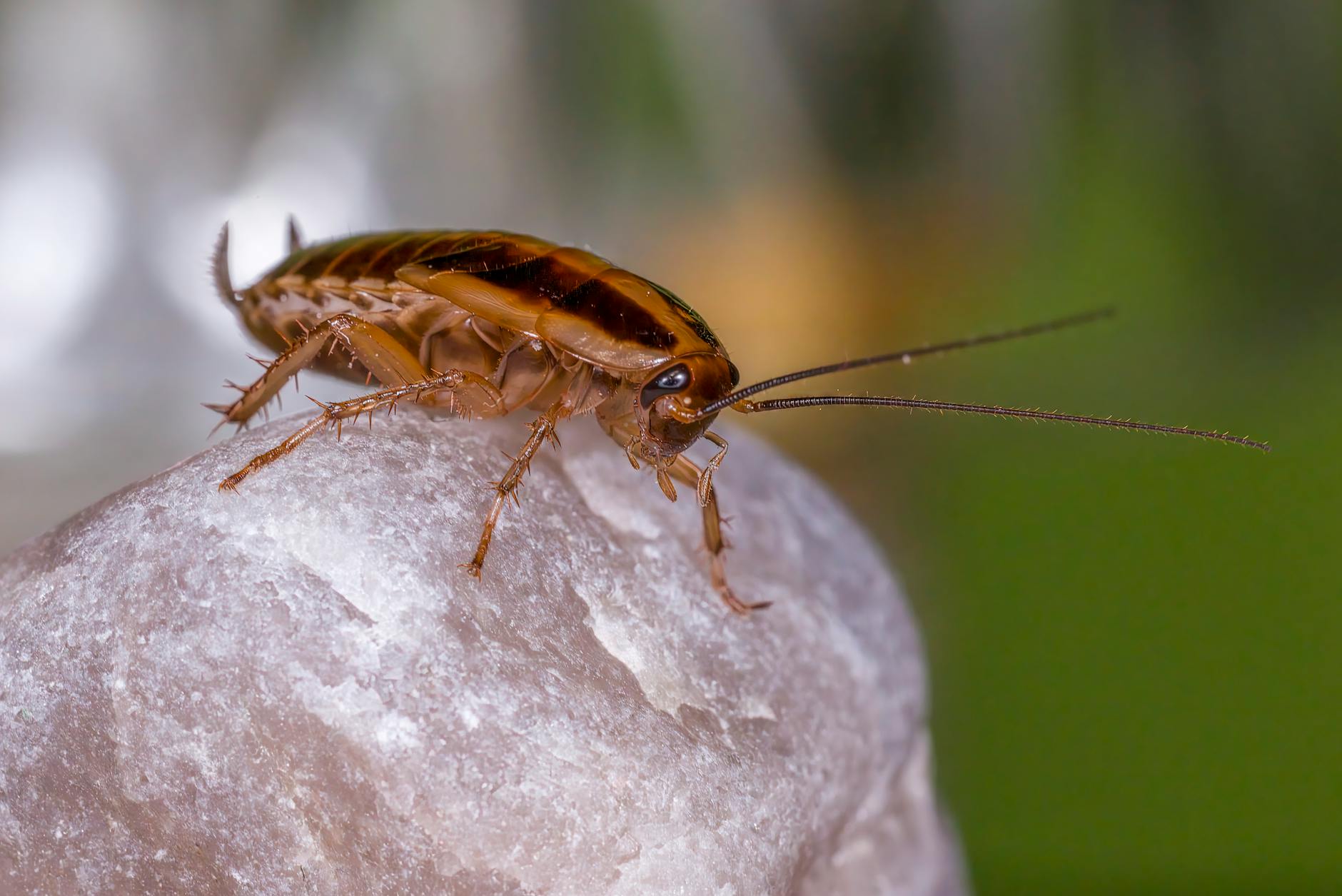
A visible pest problem is often a secondary infestation feeding on a primary one that has gone undetected inside the structure. Carpet beetles frequently signal an underlying bird nest or rodent carcass inside a wall or attic providing the organic matter they consume. Treating the visible carpet beetle population without locating and removing the primary food source guarantees a recurring infestation. Grain beetles appearing in a kitchen almost always indicate a contaminated food package in the pantry that has not yet been identified and discarded. Pest control companies focused on surface treatment rarely conduct the investigative work necessary to identify what is actually sustaining a persistent population.
Application Timing
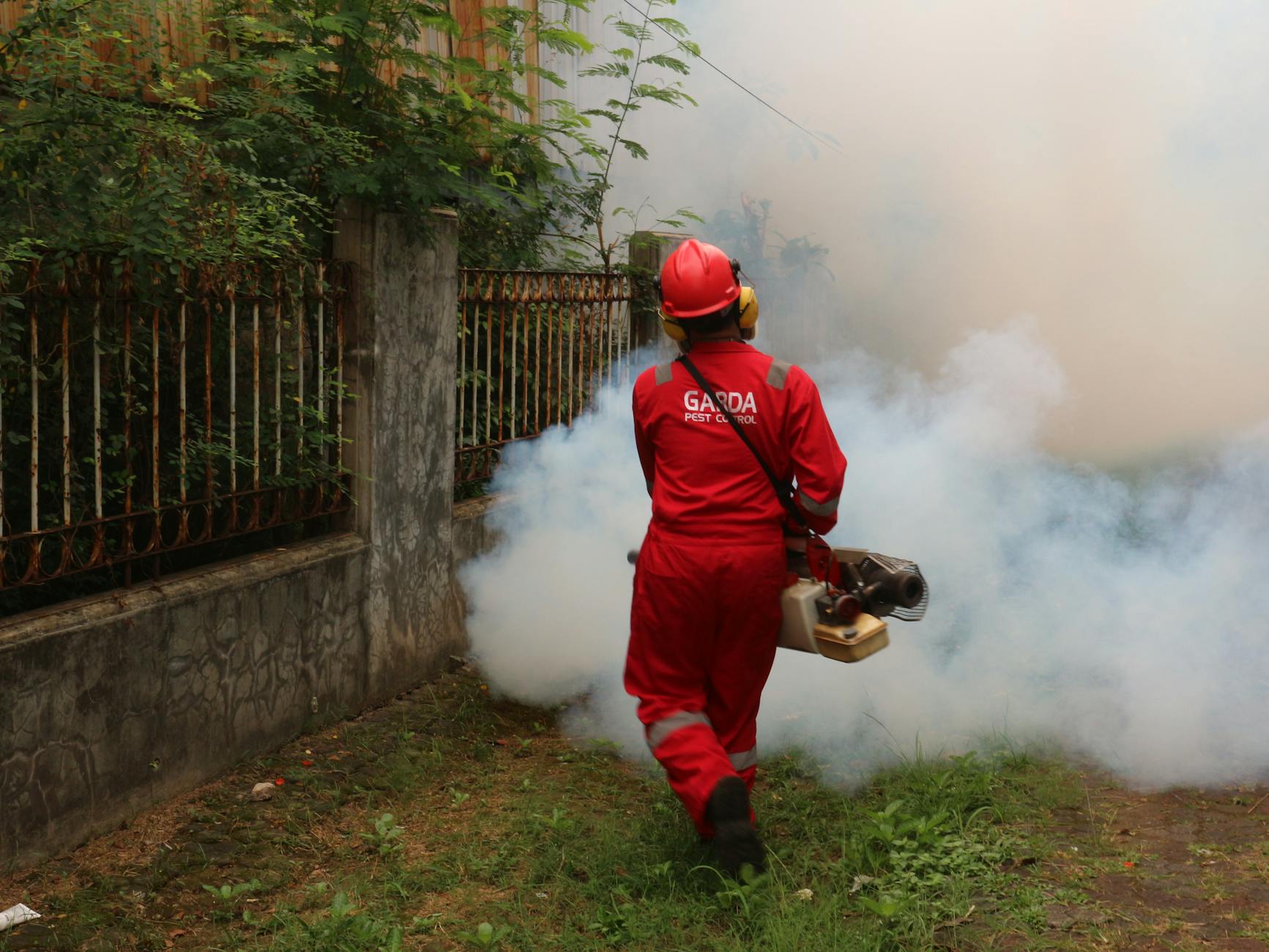
The time of day at which a pest control treatment is applied affects its direct contact rate with target species significantly. Cockroaches are nocturnal and are far more likely to contact freshly applied treatments during evening hours than during a midday service visit. Mosquito treatments applied in full midday sun degrade rapidly and miss the dawn and dusk activity windows when target populations are most exposed. Many pest control companies schedule residential visits during business hours for logistical convenience rather than for treatment efficacy. Requesting early morning or evening appointments for specific pest types is a legitimate and rarely offered option that can improve outcomes.
Structural Gaps

Gaps around electrical conduits, plumbing penetrations and HVAC connections inside wall voids create unobstructed highways between floors and rooms for small insects and rodents. These interior structural pathways are invisible from the surface and are completely unaffected by perimeter sprays or baseboard treatments. A cockroach colony living inside a wall void can access every room in a structure through these gaps without ever crossing a treated surface. Foam sealant applied around interior penetrations is one of the most cost-effective and durable pest exclusion measures available to homeowners. This type of structural work is almost never recommended during a standard residential pest control visit.
Contract Structures

Recurring annual or monthly contracts are designed around visit frequency rather than resolution outcomes and contain no performance guarantees in most standard agreements. A homeowner can legally receive 12 monthly treatments in a year with an infestation present throughout and have no contractual recourse for the lack of results. The incentive structure of a subscription pest control contract rewards the company for sustained infestation rather than elimination. Reading the terms of a pest control agreement for any language around guaranteed results or free retreatment clauses is essential before signing. Many clients assume ongoing payment implies ongoing accountability when the contract language typically reflects the opposite.
Technician Training
The minimum licensing requirements for a residential pest control technician vary dramatically by region and in many areas require only a short written exam and a few hours of supervised field work. A licensed technician is legally qualified to apply restricted chemicals but is not necessarily trained in pest biology, behavioral ecology or integrated pest management. High staff turnover in the residential pest control industry means clients frequently receive service from technicians with months rather than years of practical experience. The technician arriving at a home has often received product application training from the company rather than independent scientific education. Asking a technician directly about their training background and years of experience is a reasonable and revealing question that most clients never think to ask.
Thermal Refuges
Insects are cold-blooded and actively seek thermal refuges inside structures including warm spots near water heaters, refrigerator motors and electronic equipment. These thermal hotspots sustain insect activity year-round even in cold climates where outdoor populations are dormant. Standard spray treatments do not penetrate the confined spaces around appliance motors and heat-generating equipment where insects congregate. Cockroach populations living behind a refrigerator or inside an oven clock panel can survive indefinitely despite regular perimeter treatments of the surrounding floor. Cleaning the condenser coils of refrigerators and inspecting the warm voids around water heaters are steps almost never included in a residential pest control service checklist.
What secrets have you uncovered about your own pest control experiences? Share your thoughts in the comments.