
The automotive repair industry operates with an information asymmetry that heavily favors the person holding the diagnostic scanner. Most car owners have no independent means of verifying what they are told about the condition of their vehicle and dishonest mechanics know this with absolute certainty. The tactics used to manufacture or exaggerate engine problems range from crude physical interventions to sophisticated diagnostic manipulation that leaves no trace. Industry insiders and consumer protection investigators have documented these practices extensively but they remain widespread in independent shops and franchise chains alike. These are the most damaging tactics dishonest mechanics use to convince you that your engine has problems it does not have.
Loose Gas Cap

The check engine light is one of the most psychologically powerful triggers in automotive consumer behavior and one of the easiest to activate without touching anything under the hood. A loose or partially unthreaded gas cap creates an evaporative emission system fault that illuminates the check engine light within one to three drive cycles. A mechanic who removes and loosely replaces a gas cap during an oil change or inspection visit can guarantee a return customer within days reporting a warning light. The diagnostic fee charged to read the code that results from this intervention typically ranges from 50 to 150 dollars before any repair is recommended. The fix requires tightening the gas cap and clearing the code which takes approximately 90 seconds.
Disconnected Vacuum Lines

The engine vacuum system consists of a network of small rubber and plastic hoses connecting various sensors and components to the intake manifold. A disconnected or pinched vacuum line creates a lean running condition that produces rough idle, hesitation under acceleration and a check engine light with codes suggesting sensor failure or fuel system problems. A mechanic can disconnect a single vacuum line during an inspection visit in under ten seconds and reconnect it during the subsequent repair appointment after charging for diagnosis and component replacement. The symptoms produced by a disconnected vacuum line are identical to those produced by the genuine component failures it is designed to simulate. Customers who request to watch a mechanic work are almost never accommodated during the inspection phase of a visit.
Spark Plug Swaps
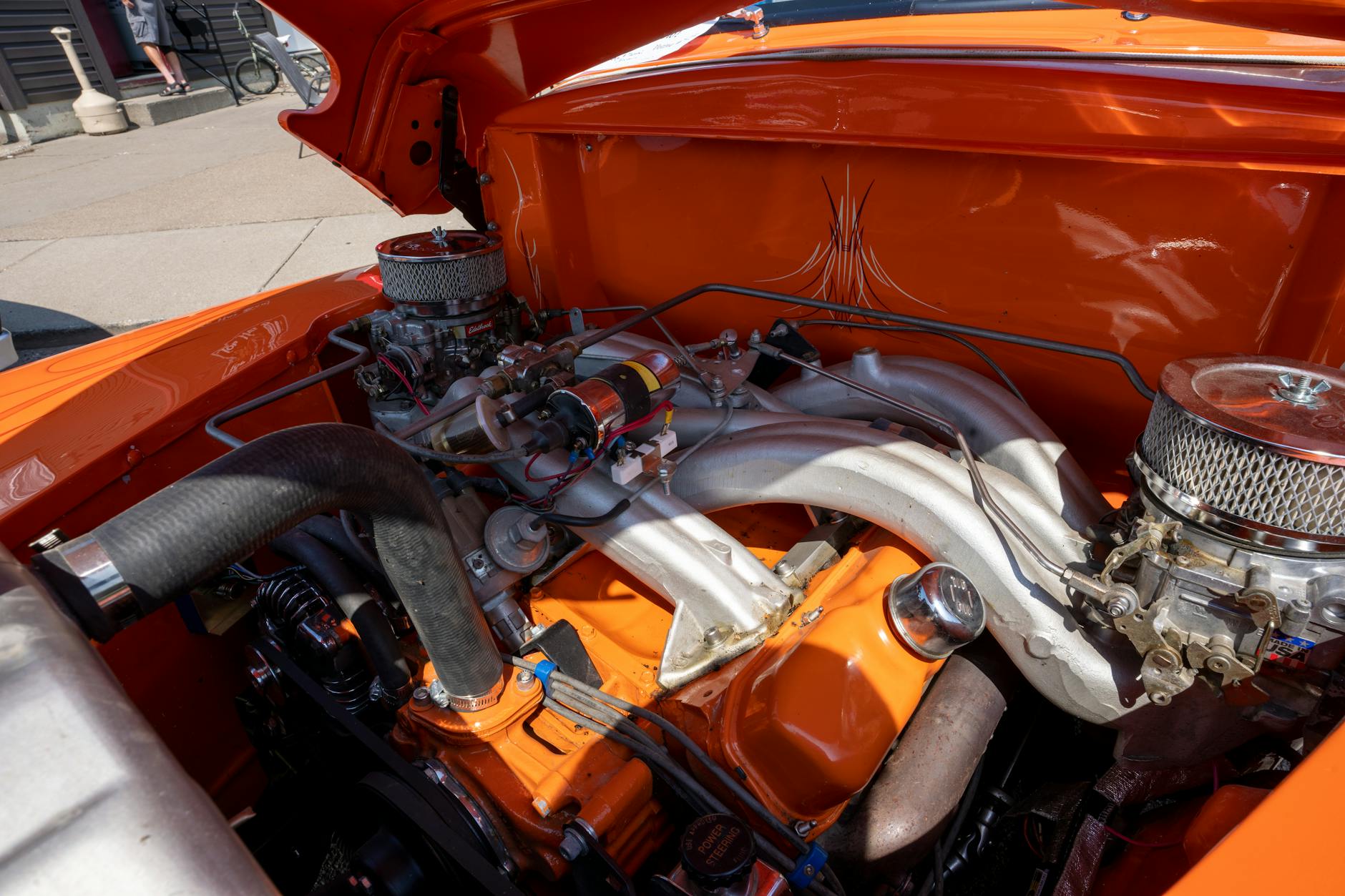
Spark plugs removed from an engine in good condition can be replaced with used or deliberately fouled plugs pulled from a shelf of previously removed components that mechanics in dishonest shops accumulate specifically for this purpose. A fouled or cracked spark plug shown to a customer as evidence of engine neglect or failure is impossible for a non-mechanic to authenticate as having come from their specific vehicle. The customer is shown a physical object that appears to confirm the diagnosis and is far more likely to authorize the recommended repair when presented with tangible evidence. New spark plugs are then installed and the engine runs as it did before the swap because the original plugs were functioning correctly. The charge for a full spark plug replacement on a six or eight cylinder engine can reach several hundred dollars in parts and labor.
Oil Contamination

Engine oil that has been recently changed and is clean and amber-colored can be made to appear badly degraded by introducing a small amount of water, coolant or particulate material to the dipstick or oil filler cap area. A mechanic who shows a customer a dipstick coated in milky or gritty substance is presenting visual evidence that strongly suggests a head gasket failure or severe internal engine wear. The actual oil in the sump may be clean and within specification while the contaminated appearance is isolated to the accessible surface the customer is shown. Head gasket replacement is among the most expensive repairs in general automotive service and authorization rates are extremely high when customers are shown apparent evidence of coolant contamination. The contaminating material wiped onto the dipstick costs nothing and takes three seconds to apply.
Battery Terminal Corrosion
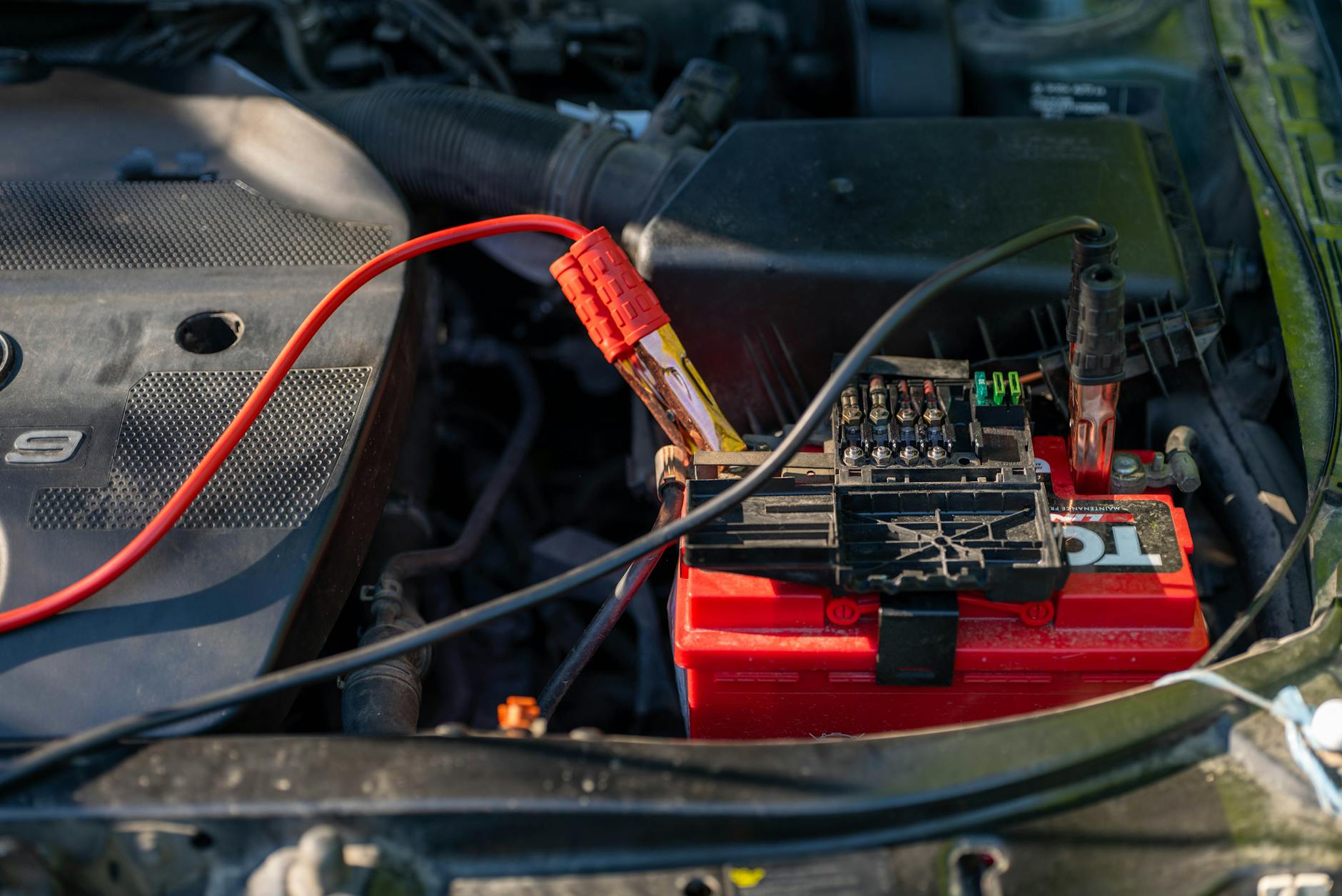
Battery terminal corrosion severe enough to cause starting problems and electrical faults can be manufactured in seconds by applying a small amount of acidic material to the terminal surface during an inspection visit. A corroded battery terminal produces a range of electrical symptoms including slow cranking, warning lights and erratic sensor behavior that can be attributed to multiple expensive underlying causes. The mechanic who created the corrosion then charges for terminal cleaning and potentially for a new battery, alternator test or electrical system diagnosis depending on how aggressively the visit is being monetized. Genuine terminal corrosion is common and the manufactured version is visually indistinguishable from the real thing without laboratory analysis. The customer is shown the corroded terminal as evidence of neglect and is rarely in a position to dispute the interpretation.
Sensor Unplugging
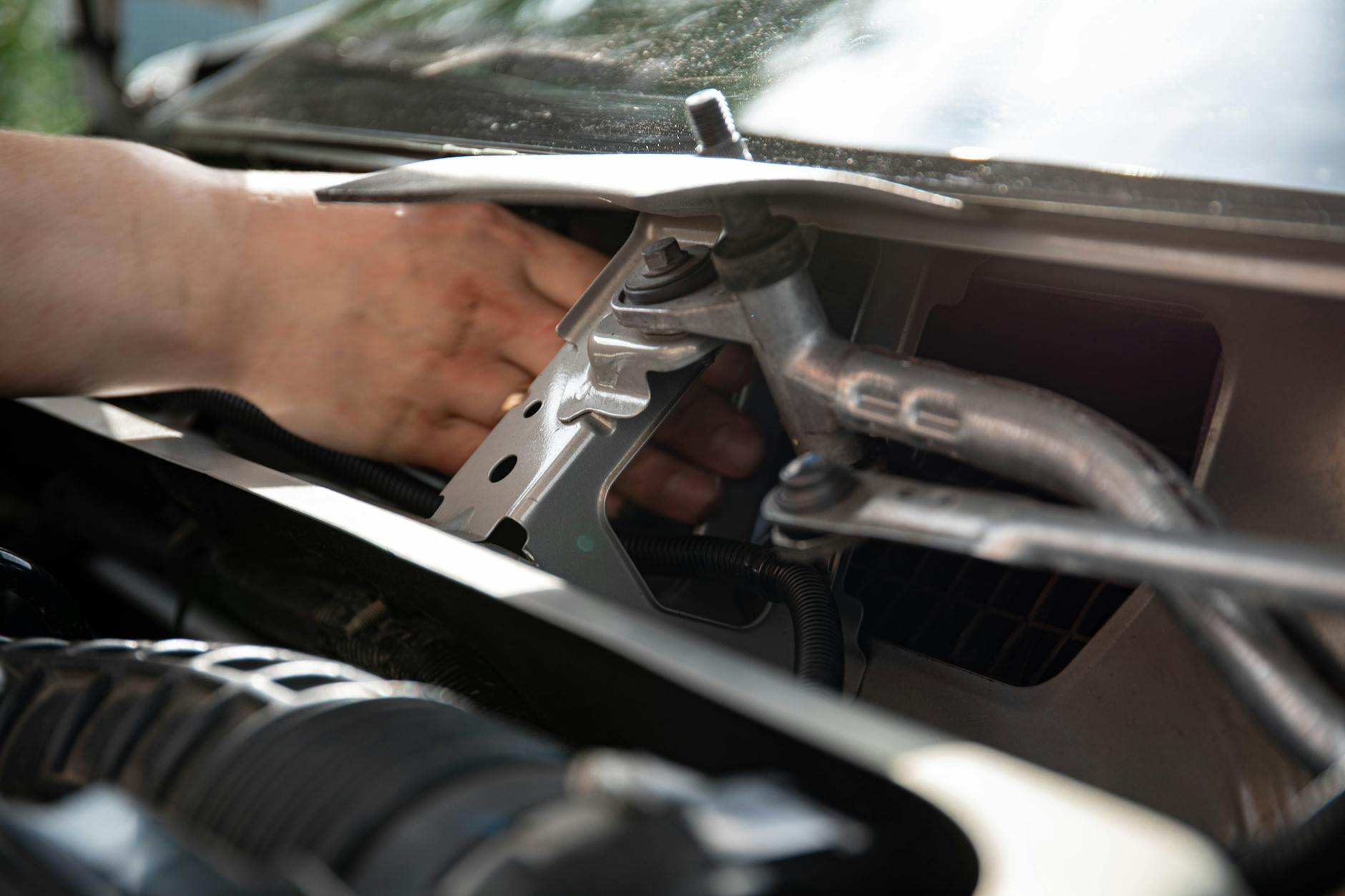
Modern engines are managed by an electronic control unit that monitors dozens of sensors simultaneously and responds to signal interruptions by entering a fault state and logging diagnostic codes. Unplugging a mass airflow sensor, oxygen sensor or throttle position sensor during an inspection creates immediate driveability symptoms and check engine codes that point directly to the disconnected component. The component itself may be in perfect working order but the disconnected state produces symptoms and codes that strongly support recommending its replacement. A mechanic can unplug and replug a sensor in the time it takes to walk around the engine bay and the intervention leaves no physical evidence. The replacement sensor is charged at retail markup plus labor and the original functioning sensor is retained for the next customer who needs to be shown a defective part.
Fluid Level Manipulation

Checking fluid levels is a standard part of any service inspection and a mechanic who wants to recommend additional services has significant latitude in how those levels are reported to the customer. Power steering fluid, brake fluid, transmission fluid and coolant can all be represented as low or contaminated based on a reading taken in conditions designed to produce an unfavorable result. Brake fluid absorbs moisture over time and darkens in color in a way that can be exaggerated in description to suggest imminent brake system failure to a customer unfamiliar with normal fluid aging. A transmission fluid reading taken when the fluid is cold produces a different dipstick indication than a reading taken at operating temperature and a dishonest mechanic selects whichever reading supports the most expensive recommendation. The customer has no reference point for what their specific fluid levels should look like and almost always defers to the professional interpretation.
Exhaust Smoke Staging

A small amount of oil or coolant introduced into the intake system or sprayed onto a hot exhaust component produces visible smoke from the exhaust pipe that visually suggests serious internal engine problems. Blue smoke from the exhaust is associated with burning oil and internal seal failure while white smoke suggests coolant entering the combustion chamber and potential head gasket damage. A mechanic who starts a customer’s car after introducing either substance can point to the resulting exhaust smoke as independent confirmation of the diagnosis already delivered. The customer observes what appears to be objective physical evidence of their engine’s deterioration rather than a manufactured demonstration. The smoke dissipates within a few minutes and leaves no lasting evidence of the method used to produce it.
Timing Belt Misinformation
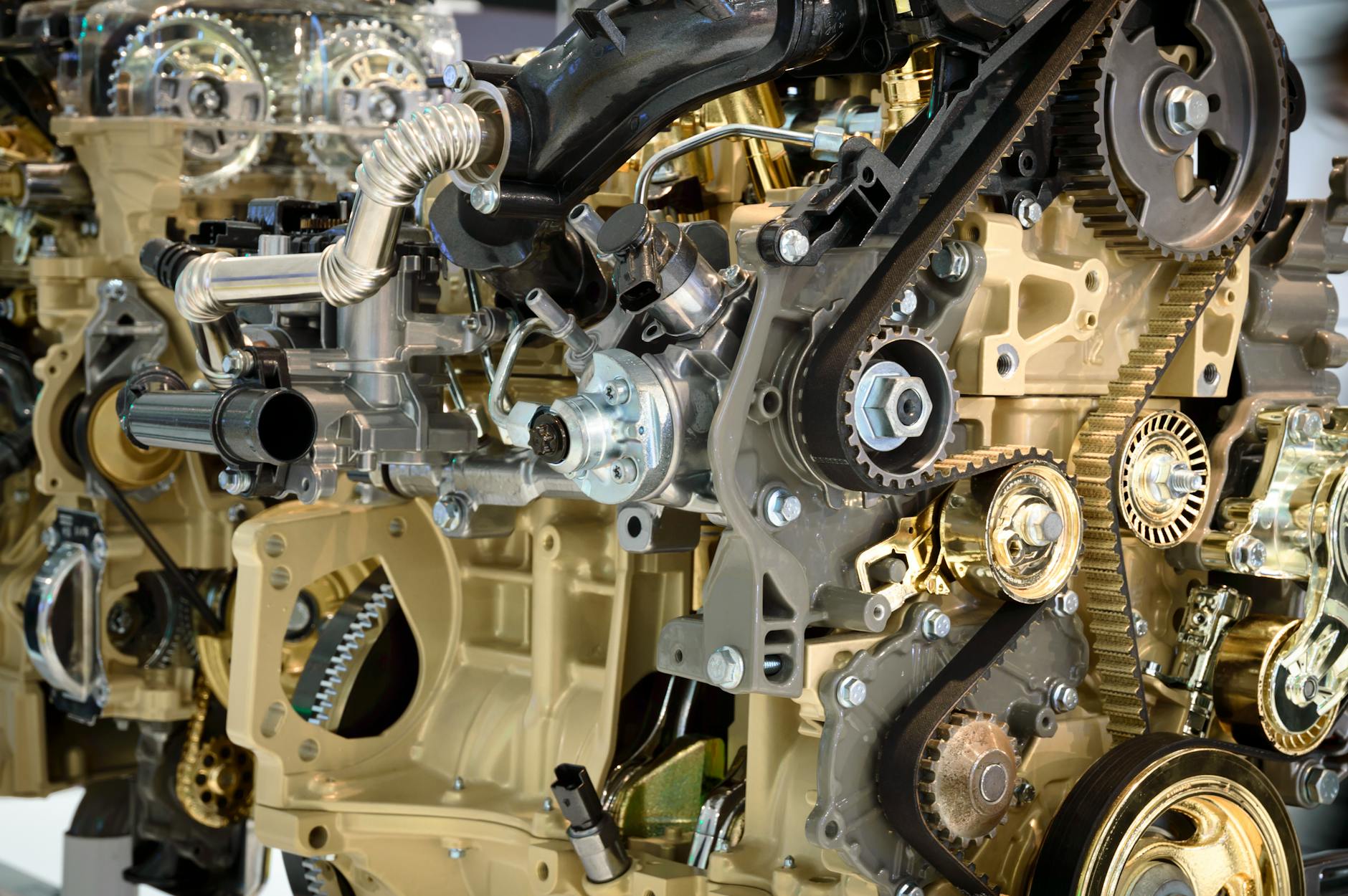
Timing belts are maintenance items with manufacturer-specified replacement intervals that are clearly documented in every vehicle owner’s manual. A mechanic who examines a timing belt that is within its service interval can tell a customer it is cracked, glazed or showing dangerous wear using terminology the customer cannot independently evaluate without removing the timing cover themselves. The timing belt is located in a position on most engines that makes independent visual verification by the customer essentially impossible without the same tools and access the mechanic already has. Timing belt failure on an interference engine causes catastrophic internal engine damage making the fear of not replacing it a powerful motivator for authorization. A belt replacement that was unnecessary for another 30,000 miles generates substantial parts and labor revenue with no detectable deception.
Code Reader Manipulation
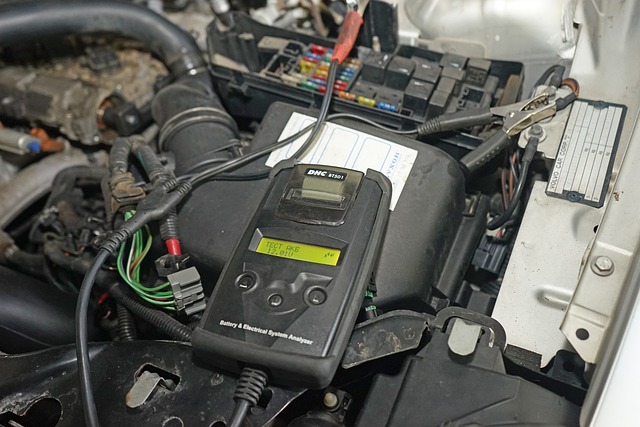
Diagnostic trouble codes stored in a vehicle’s computer system represent the starting point for engine diagnosis rather than a definitive repair prescription but most customers are unaware of this distinction. A mechanic who reads a code indicating a potential oxygen sensor issue can present that code to a customer as conclusive evidence that the oxygen sensor requires replacement without performing the additional diagnostic steps that would confirm or rule out the component as the actual fault. The code may have been triggered by a loose connection, a software glitch or an intermittent condition that has already self-resolved. Replacing a component based on a stored code without confirming the component is actually defective is a practice so common that experienced mechanics have a specific informal term for it. The replaced component may or may not have been the cause of the original code and the customer has no way to evaluate the diagnostic process that led to the recommendation.
Coolant Dye Addition
Coolant system leak detection dye is a legitimate diagnostic tool used to identify the source of coolant loss under ultraviolet light. A dishonest mechanic can introduce fluorescent dye to a cooling system and then use an ultraviolet light to highlight normal seepage around hose connections, the water pump weep hole or the radiator cap as evidence of active and dangerous leaks requiring immediate repair. Every cooling system on an older vehicle shows some degree of residue around connection points that fluoresces under ultraviolet illumination. The difference between normal seepage and an active leak requiring repair is a judgment call that the mechanic controls entirely. A customer shown a glowing green puddle under their car under ultraviolet light will almost universally authorize the recommended repair.
Air Filter Presentation

Engine air filters are inexpensive maintenance items that do genuinely require periodic replacement but their condition is highly susceptible to misleading presentation. A mechanic who removes a filter that is moderately dusty but functionally adequate can tap it against the floor of the shop to dislodge a concentrated shower of accumulated debris in front of the customer as evidence of extreme contamination. The same filter tapped against a clean surface in a well-lit environment appears dramatically worse than it would on a visual inspection without the theatrical debris release. Air filters from other vehicles are sometimes kept in shops specifically to show customers as examples of what a truly failed filter looks like alongside their merely dusty one. The replacement filter is charged at a retail markup that typically represents the highest profit margin of any item sold during a standard service visit.
Idle Adjustment Tampering

The base idle speed of a fuel-injected engine is controlled by the engine management system but can be disrupted by manipulating the throttle body, idle air control valve or related components during an inspection visit. An engine idling too low stumbles and shakes in a way that feels alarming to a driver and creates the impression of serious internal problems. A rough idle accompanied by occasional stalling is one of the most reliable triggers for customer anxiety about engine condition and one of the most common presentations mechanics report seeing on vehicles brought in for diagnosis. The mechanic who created the rough idle condition then diagnoses it and recommends throttle body cleaning, idle air control valve replacement or fuel system service depending on the margin available in each recommendation. The original cause of the symptom is resolved during the repair and the customer has no reason to question the diagnosis.
Brake Dust Staging
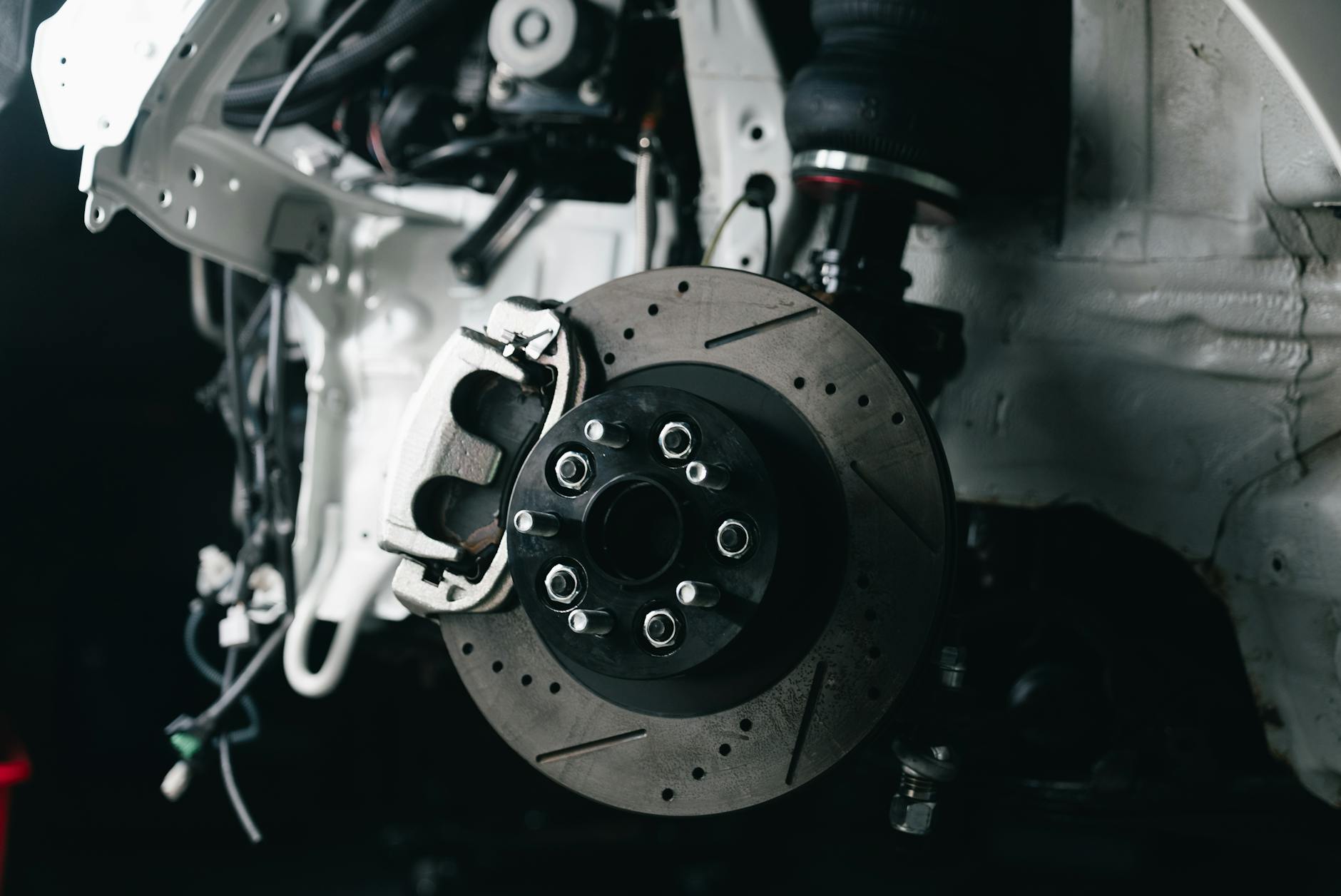
Brake dust and debris can be redistributed around wheel wells, calipers and rotors in a way that suggests active brake component deterioration to a customer being shown their vehicle on a lift. Mechanics who want to recommend brake service use a shop rag to smear existing brake dust across rotor surfaces and caliper bodies to create the visual impression of heavy wear and heat-related damage. Scoring marks on rotors that are within manufacturer specifications for continued use are described using language that suggests they are at or beyond their service limit. The customer is shown their brakes from below on the lift in an environment where everything looks worse than it does at eye level and where they have no reference point for what acceptable brake condition actually looks like. Brake service authorization rates are extremely high when customers are shown their components in this context.
PCV Valve Theater
The positive crankcase ventilation valve is an inexpensive component typically costing between five and fifteen dollars that performs an emissions function most car owners have never heard of. A mechanic who removes a PCV valve and shakes it next to the customer’s ear to demonstrate that it no longer rattles is performing a test that sounds definitive but is easily manipulated by selecting a valve from the shop’s collection of already-failed units for the demonstration. The customer’s original valve is pocketed and the failed unit is shown and shaken before being replaced with a new one. The entire transaction including parts and labor is charged at a price representing a markup of several hundred percent over the actual component cost. The theater of the rattle test gives the customer the impression of having received an honest and transparent diagnosis.
Coolant Flush Urgency

Coolant flush intervals vary significantly by vehicle manufacturer and coolant type with modern long-life coolants designed to remain effective for 100,000 miles or more under normal conditions. A mechanic who tests coolant with a test strip and reads the result to a customer has complete control over how that result is characterized regardless of what the strip actually shows. Coolant that tests as acidic is described as actively corroding the interior of the cooling system and causing imminent water pump and radiator failure in language calibrated to create urgency. The actual threshold at which coolant acidity becomes damaging to cooling system components is a technical specification that the customer cannot independently access or evaluate in the moment. A coolant flush that was not required for another two years generates consistent revenue with a plausible diagnostic justification attached to it.
Fuel Injector Claims
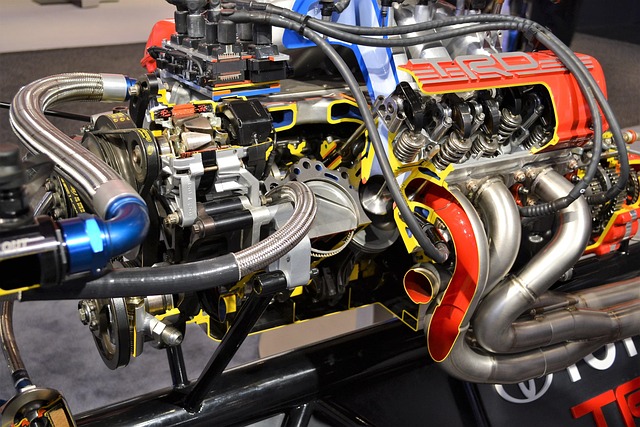
Fuel injectors are precision components that rarely fail on vehicles maintained with clean fuel but are frequently recommended for cleaning or replacement based on symptoms that have numerous other potential causes. A rough idle, slight hesitation or minor fuel economy decline can be attributed to dirty or failing injectors by a mechanic who wants to recommend an injector cleaning service or replacement set without performing the differential diagnosis that would identify the actual cause. Fuel injector cleaning services using pressurized solvent are charged at rates that bear no relationship to the actual cost of the chemical and equipment involved. Full injector replacement on a multi-cylinder engine generates parts and labor revenue that makes it one of the highest-value unnecessary repairs in general automotive service. The customer who authorized injector replacement based on misattributed symptoms will notice no change in the symptoms if the injectors were not actually the cause.
Serpentine Belt Exaggeration

The serpentine belt drives multiple engine accessories simultaneously and genuine failure creates an immediately obvious and undriveable situation. A belt in good condition with minor surface cracking consistent with normal age and heat cycling can be described to a customer using language suggesting imminent catastrophic failure that will leave them stranded without warning. Mechanics are trained to identify the specific crack pattern and depth that represents a genuine replacement requirement and a dishonest one applies that language to belts that fall well within the acceptable service range. The customer who authorizes an early belt replacement loses only the cost of the part and labor which is not the most expensive unnecessary repair available but contributes to an overall service visit that may include multiple similar upsells. Belt replacement on most vehicles takes under 30 minutes and generates a disproportionate return on the time invested in the recommendation.
Oil Leak Staging
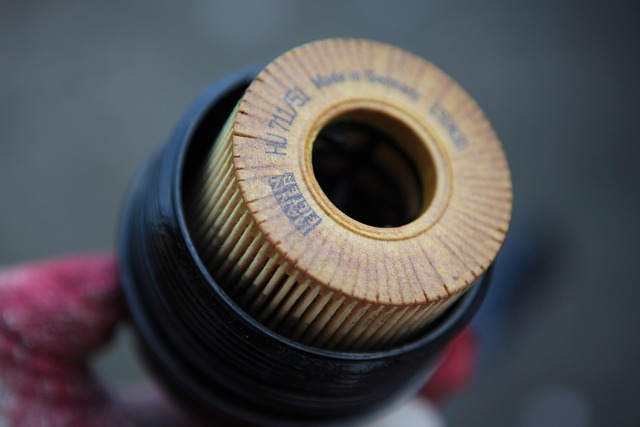
Minor oil seepage from gaskets and seals that produces no measurable oil consumption and poses no threat to engine operation is present on most vehicles with more than 80,000 miles. A mechanic who wants to recommend gasket replacement or seal service can spray a small amount of oil onto an already-seeping area to make the residue appear fresh, active and significant rather than old and stable. The difference between a weeping gasket that will remain stable for another 50,000 miles and one requiring immediate replacement is entirely in the characterization offered by the mechanic. Valve cover gasket replacement, rear main seal service and oil pan gasket replacement are all high-labor repairs that can be justified by exaggerating the significance of normal age-related seepage. The customer shown a wet and oily engine component on the lift in a poorly lit shop environment will almost always accept the mechanic’s characterization of what they are seeing.
Catalytic Converter Rattles

A catalytic converter that has developed an internal rattle due to substrate deterioration requires replacement but the sound can be mimicked by a mechanic tapping the converter housing with a tool during an undercar inspection. A customer invited to listen while the mechanic taps the converter with a wrench hears a rattling sound that they cannot distinguish from the sound produced by a genuinely deteriorating substrate. The actual converter substrate condition cannot be visually assessed without removal and the customer has no independent means of verifying the diagnosis. Catalytic converter replacement is among the most expensive single components in a standard repair order and authorization based on a manufactured rattle sound represents a significant financial transaction. The legal and emissions implications of catalytic converter failure add an additional pressure layer that makes customers particularly susceptible to authorization on this specific repair.
Transmission Confusion

The boundary between engine problems and transmission problems is deliberately blurred by mechanics who want to escalate a minor fault into a major repair recommendation. A slight hesitation during upshifting that is caused by a minor engine sensor issue can be described in transmission terms to a customer who does not understand the distinction between the two systems. Transmission repairs and replacements are among the highest-value transactions in automotive service and customers who believe their transmission is failing are in a highly anxious and authorization-ready state. A diagnostic conclusion that attributes drivability symptoms to transmission wear rather than a minor engine sensor fault can generate a repair order ten times larger than the actual required intervention. The customer who authorizes a transmission service or replacement based on misattributed symptoms has no practical recourse once the work is completed.
Compression Test Theater
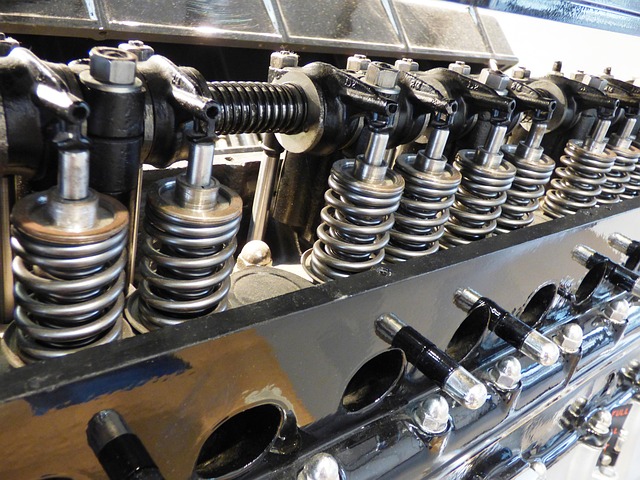
A compression test is a legitimate diagnostic procedure that measures the sealing efficiency of engine cylinders and provides direct evidence of internal engine wear. A mechanic who wants to produce a failing compression reading can partially unscrew a spark plug before testing that cylinder creating an artificial leak that produces a low reading on the gauge. The customer is shown the gauge reading for each cylinder and the one with the loose plug shows a dramatically lower number suggesting imminent engine failure in that cylinder. The repair recommendation that follows a failed compression test typically involves engine rebuild or replacement conversations that represent the highest-value transactions in all of automotive service. The test appears completely legitimate and the customer has no way to know that the gauge reading reflects a manufactured condition rather than the actual state of the engine.
Software Reset Billing

Modern engine management systems store adaptive learning data that calibrates fuel delivery, ignition timing and idle control to the specific characteristics of an individual engine over time. A mechanic who clears this adaptive data as part of a diagnostic procedure causes the engine to run roughly and hesitantly for the following 50 to 200 miles while the system relearns its calibration. Clearing the adaptive data and then telling the customer that additional repairs are needed to address the rough running that results from the clearing is a self-contained deception cycle. The customer experiences genuine symptoms that are directly caused by the mechanic’s diagnostic intervention and is then charged to address those symptoms. The engine returns to its previous normal operation once the adaptive data is relearned and the additional repairs that were recommended in the interim were never necessary.
Noise Amplification

Engine and drivetrain noises that are minor and non-urgent can be amplified for the customer’s benefit by a mechanic who holds a mechanics stethoscope probe against various components while allowing the customer to listen through the headset. The mechanic controls which component is being probed and how much ambient shop noise is transmitted alongside the target sound creating an impression of severity that the customer has no way to calibrate. A normal bearing noise that is audible under amplification but inaudible during regular driving can be presented as evidence of imminent bearing failure requiring immediate replacement. The customer is in a heightened state of concern after listening to amplified engine sounds through a diagnostic tool and is substantially more likely to authorize a repair they might otherwise have deferred. The stethoscope is a legitimate tool being used in a context designed to produce maximum customer anxiety rather than accurate diagnosis.
Warranty Pressure

Vehicles approaching the end of their manufacturer warranty period are particularly vulnerable to service visits where the urgency of addressing every potential issue before coverage expires is used to justify an expanded repair list. A mechanic who identifies a vehicle with 35,000 miles on a 36,000-mile powertrain warranty has a narrow window during which any recommended repair can be framed as a last opportunity to have it covered at no cost to the customer. The customer who believes they are getting repairs done for free under warranty does not scrutinize the repair list with the same skepticism they would apply to an out-of-pocket transaction. Warranty claims that are submitted for unnecessary repairs generate revenue from the manufacturer rather than the customer and the customer’s future reliability concerns are elevated by the implicit message that their vehicle needed significant attention at 35,000 miles. The alignment of warranty pressure with a full inspection appointment creates the highest-value unnecessary repair opportunity in the standard service calendar.
Return Visit Seeding
The most sophisticated version of dishonest automotive service involves performing a repair correctly while simultaneously introducing a condition that will generate a return visit within a predictable timeframe. A minor component disturbed but not secured during an otherwise legitimate repair will produce symptoms two to six weeks after the service visit in a timeframe that feels unrelated to the original appointment. The customer who returns with a new problem is not suspicious of the shop that recently serviced their vehicle because the connection between the current symptom and the previous visit is not obvious. The return visit generates a new diagnostic fee, a new repair recommendation and a new opportunity to manage the information asymmetry that makes the entire cycle possible. Mechanics who employ this tactic across a regular customer base create a self-sustaining revenue stream that operates entirely within the plausible deniability of normal mechanical failure.
Dealership Transfer Pressure

Independent shops that cannot or do not want to complete a particular repair sometimes refer customers to dealerships with a characterization of the problem designed to prime the customer for an expensive dealer service visit. A mechanic who describes a routine sensor replacement as a complex computer calibration issue requiring factory-trained technicians and proprietary equipment is not providing an honest referral. The customer arrives at the dealership in an anxious and information-poor state having already been told that their problem is serious and specialized. The dealership service advisor who receives a customer pre-conditioned to expect an expensive repair is in the most favorable authorization environment possible. The referring shop receives no direct payment for the transfer but builds a reciprocal relationship with the dealership service department that generates future referrals in the opposite direction.
Have you ever suspected a mechanic was not being straight with you about your engine? Share your thoughts in the comments.