
This list highlights everyday items that seem harmless yet cause major holdups at airport security checkpoints worldwide. Travelers often underestimate how these objects trigger extra screening or unpacking rituals that ripple through the queue. Understanding these pitfalls helps everyone move faster while reducing collective frustration at busy terminals. Simple preparation and awareness prevent turning a quick security pass into an extended ordeal for fellow passengers.
Liquids

Passengers frequently stuff full sized bottles of shampoo conditioner and lotion into their carry on bags without realizing the 100 milliliter rule. Security officers must then remove each container for individual testing which consumes valuable minutes per traveler. Even small overlooked tubes of toothpaste or hand cream add up when multiple people commit the same error in one line. These liquid violations remain among the most common triggers for secondary checks and bag repacking delays.
Laptops

Many forget to extract their laptops from deep inside backpacks before reaching the scanner belt. Officers repeatedly call out instructions while the line stalls as owners dig through layers of clothing and cables. Older devices or those with bulky cases require extra manual inspection adding further time to the process. Placing the laptop in an easily accessible outer compartment eliminates this frequent bottleneck.
Keys
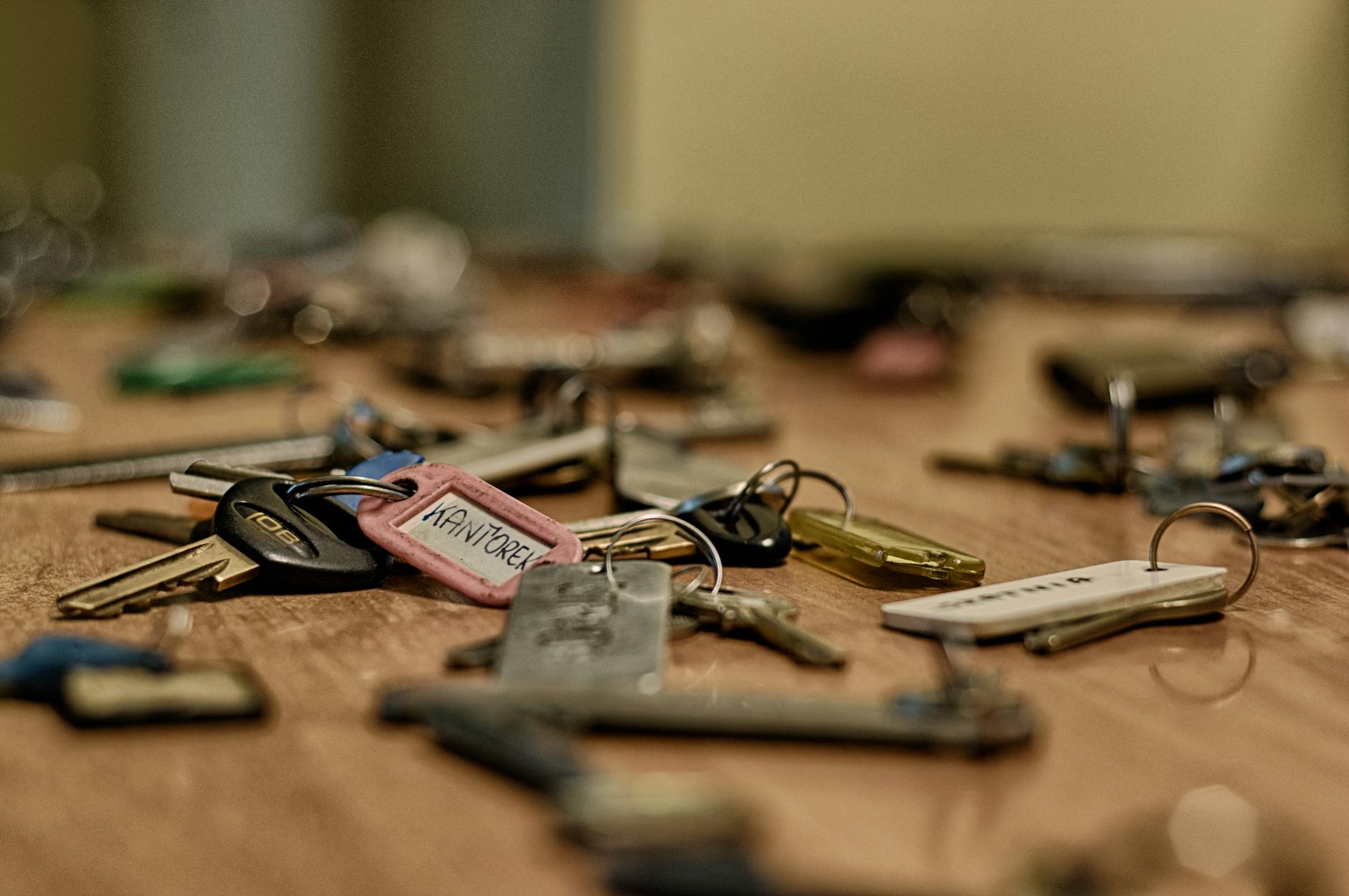
Heavy keychains loaded with metal fobs house keys and car remotes set off the body scanner or hand wand repeatedly. Travelers often leave them in pockets forcing a return to the tray and additional pat downs. Oversized decorative elements or multitools attached to keys complicate the screening even more. Emptying pockets completely before approaching the checkpoint prevents these repetitive interruptions.
Coins

Loose change scattered at the bottom of bags or left in jacket pockets triggers constant beeps during metal detection. Security staff must then isolate and scan each handful separately slowing the entire flow. International travelers carrying mixed currencies face even longer sorting sessions at the belt. Consolidating coins into a dedicated small pouch or wallet avoids this petty but cumulative delay.
Belts
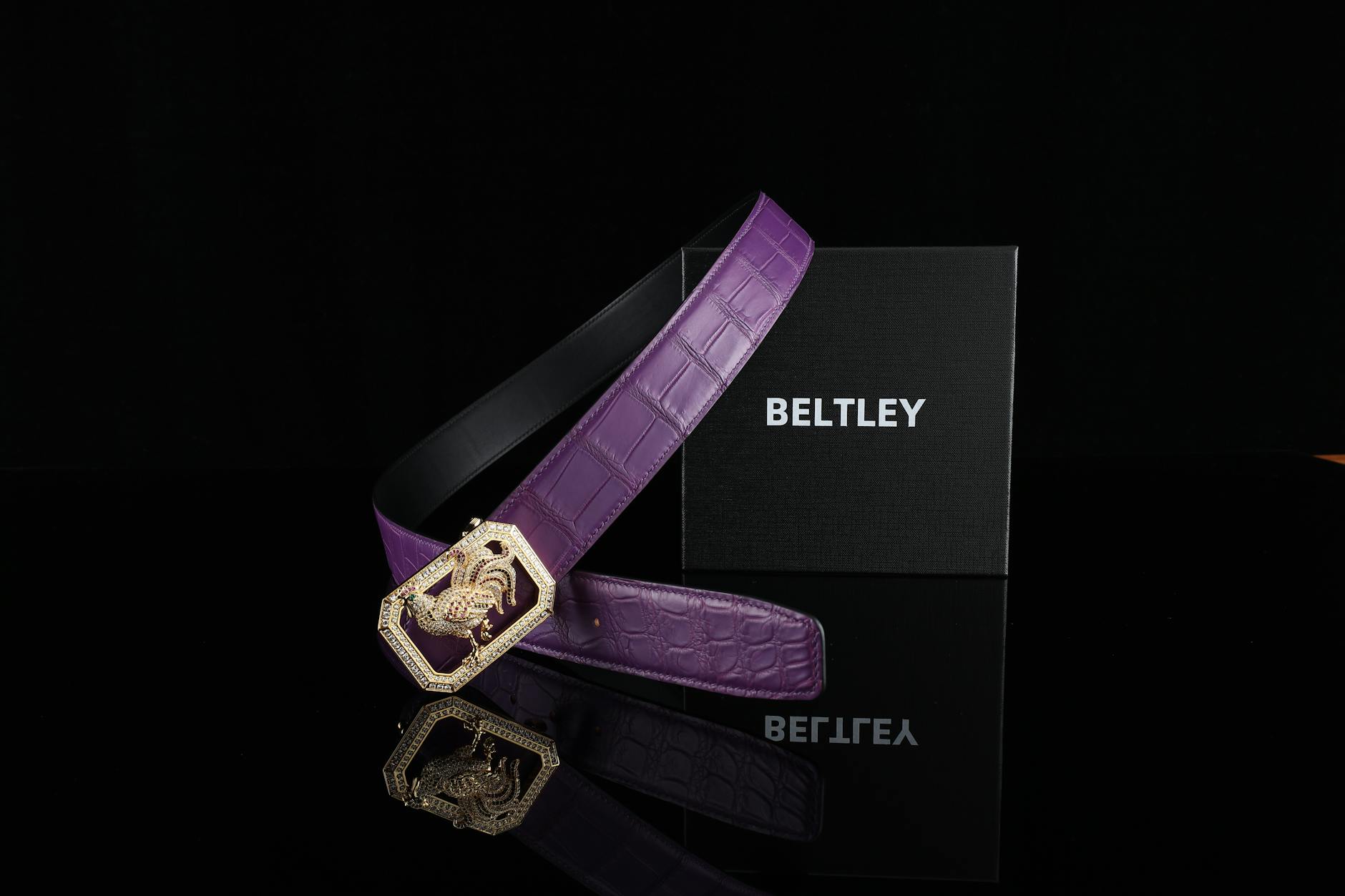
Leather belts with large metal buckles or decorative studs must come off yet many passengers arrive unprepared. The removal process combined with threading the belt back on afterward creates a natural pause that backs up the line. Heavy work belts or those with embedded tools demand extra visual checks. Unfastening and placing the belt in the tray early streamlines passage through security.
Shoes

Footwear with thick soles metal eyelets or hidden compartments requires removal and separate scanning for most adults. Travelers wearing lace up boots or complicated sandals prolong the undressing and redressing phase significantly. Wet or dirty shoes can also necessitate additional cleaning protocols at the checkpoint. Slip on shoes or pre loosened laces make the transition far quicker for everyone involved.
Jewelry

Chunky necklaces bracelets and watches with metallic components set off alarms forcing repeated walks through the scanner. Removing multiple pieces on the spot while balancing trays and bags adds awkward time consuming steps. Piercings or body jewelry sometimes require extra explanation or inspection. Taking off all adornments in advance and storing them securely prevents these ornamental obstacles.
Electronics
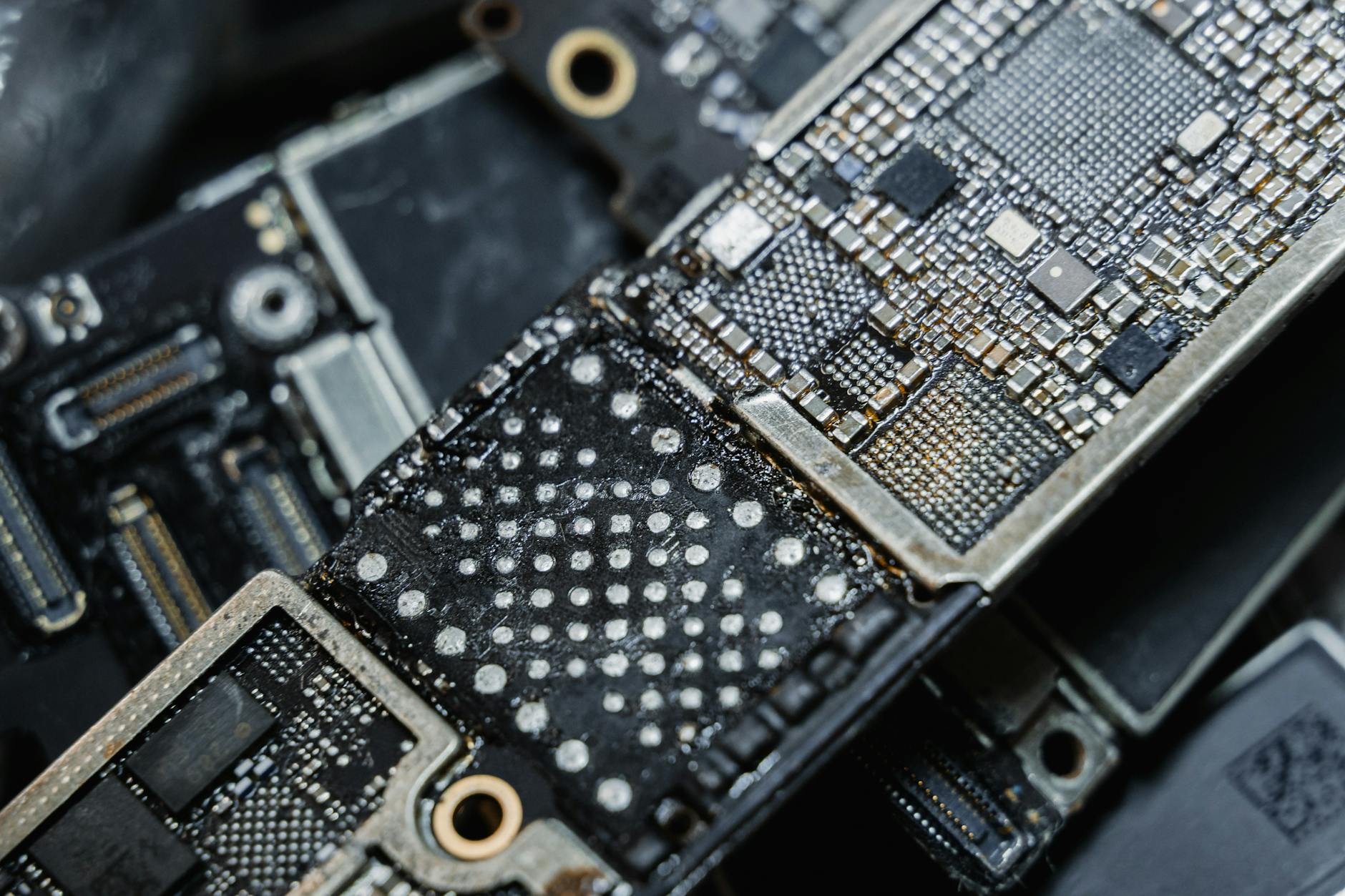
Tablets power banks wireless earbuds and their tangled charging cables create cluttered trays that demand careful examination. Security personnel often untangle and test each device individually when connections look suspicious. Overpacked gadget bags also increase the chance of secondary searches for prohibited attachments. Organizing electronics into one clear pouch simplifies the screening process dramatically.
Food

Snacks like sandwiches fruit yogurt or homemade meals with gels and liquids trigger agricultural and liquid rule inspections. Crumbly or leaky items force officers to open packages and sometimes swab contents for traces of explosives. International flights face stricter food restrictions that extend examination time. Consuming or discarding questionable edibles before security keeps the line moving smoothly.
Toiletries

Oversized toothpaste tubes razor blades and nail clippers with sharp points frequently require removal and manual review. Travelers pack full grooming kits assuming small size exemptions that do not apply. Aerosol deodorants or perfumes add another layer of liquid scrutiny. Transferring essentials into compliant travel sizes and clear bags reduces scrutiny and repacking hassles.
Medications

Pill bottles liquids and syringes without proper documentation prompt questions and potential secondary medical checks. Opaque containers or unlabeled items extend the verification process as officers consult supervisors. Liquid medications exceeding limits need special declaration and testing. Keeping prescriptions in original labeled packaging with a doctor note when necessary speeds approval.
Scissors
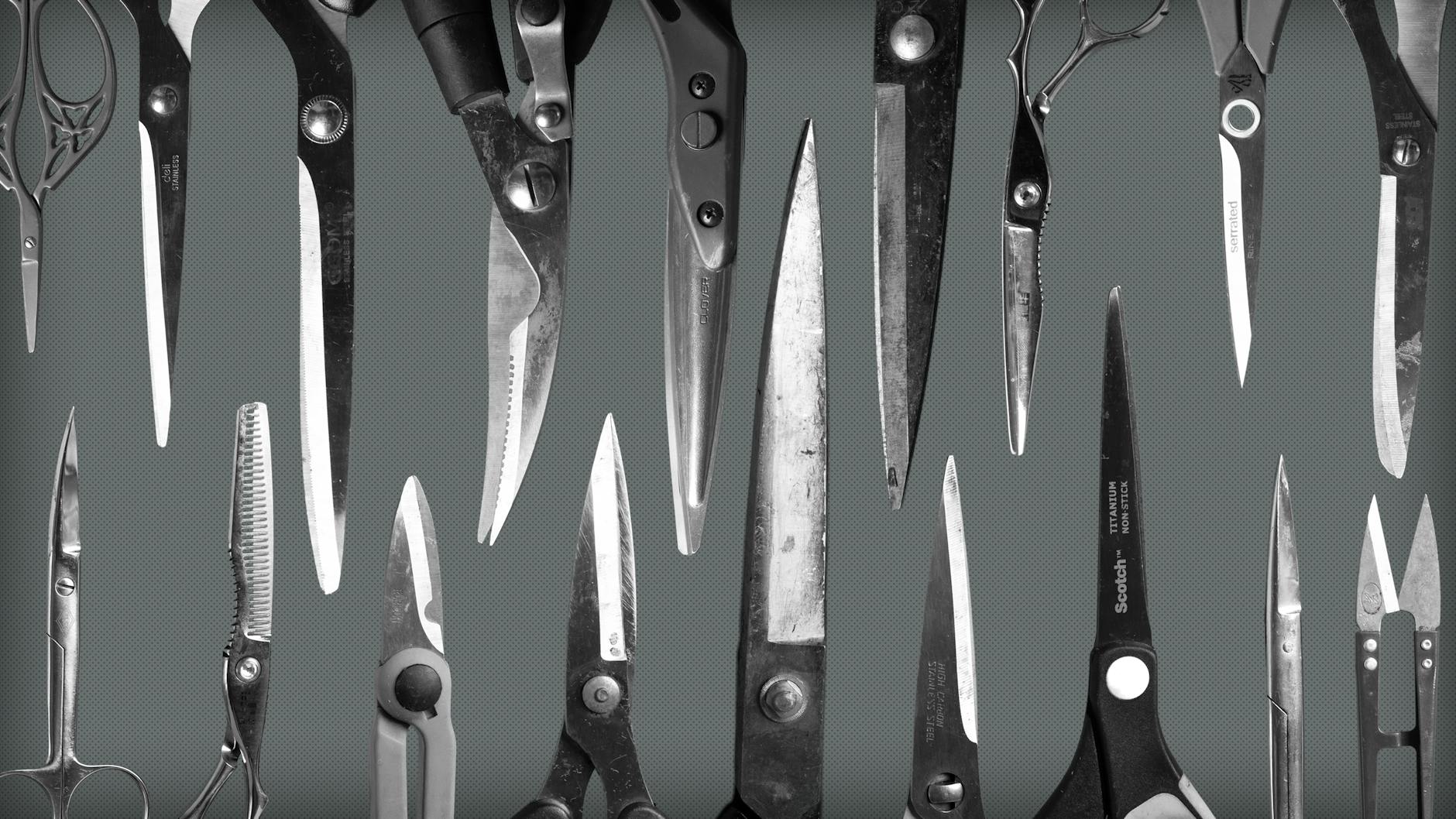
Small sewing scissors manicure sets and pocket knives under three inches still often exceed carry on blade limits in certain regions. Each discovery requires confiscation paperwork or return to checked baggage causing immediate delays. Blunt tipped versions sometimes pass yet confusion leads to extra questioning. Leaving sharp tools at home or in checked luggage prevents these enforcement interruptions.
Water Bottles

Reusable bottles filled with any liquid even a few drops must be emptied or discarded before the scanner. Passengers who forget to drain them hold up the line while searching for trash bins or chugging contents. Insulated models with complex lids take longer to inspect when residue remains. Emptying and refilling after security eliminates this pervasive hydration related slowdown.
Umbrellas

Compact umbrellas with metal shafts tips and mechanisms set off metal detectors and require unfolding for visual checks. Wet umbrellas from rainy departures add moisture complications to the screening area. Large golf umbrellas rarely fit standard trays forcing awkward handling. Placing the umbrella in an outside pocket and preparing for inspection avoids these weather accessory delays.
Books

Thick hardcovers or dense paperbacks can appear suspicious on x ray images prompting officers to flip through pages manually. Multiple books stacked together create dense blocks that slow image analysis. Electronic readers sometimes need powering on for verification. Opting for lightweight paperbacks or digital alternatives reduces the weight and scrutiny factor.
Toys

Battery operated toys with wires or metallic parts trigger additional scans especially noisy or remote controlled models. Stuffed animals with hidden squeakers or seams may undergo swabbing. Children’s play items packed hastily often require parental unpacking mid line. Securing toys in clear bags and removing batteries beforehand minimizes family related holdups.
Tools
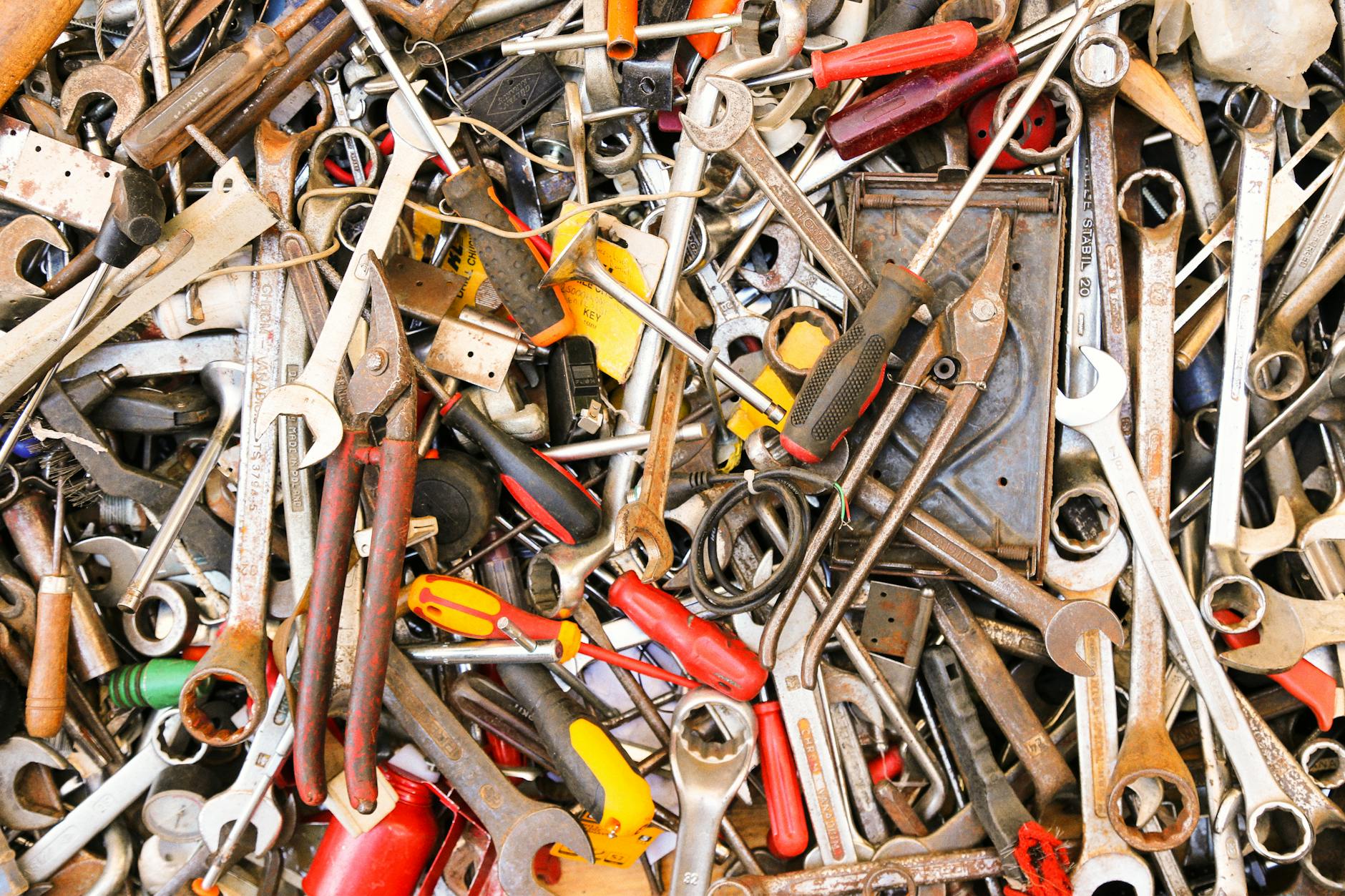
Mini screwdrivers pliers and multi tools packed for travel convenience frequently violate sharp object rules. Each item needs individual assessment and possible confiscation leading to traveler disappointment and line backups. Even small repair kits can contain prohibited lengths. Transferring tools to checked baggage prevents these practical but restricted surprises.
Makeup

Palettes with mirrors powders and creams that exceed liquid limits demand testing and often partial removal. Metallic compacts or brushes with long handles set off detectors. Liquid foundations concealers and mascaras create multiple small containers to screen. Consolidating into travel friendly sizes within a quart bag eases cosmetic related delays.
Chargers
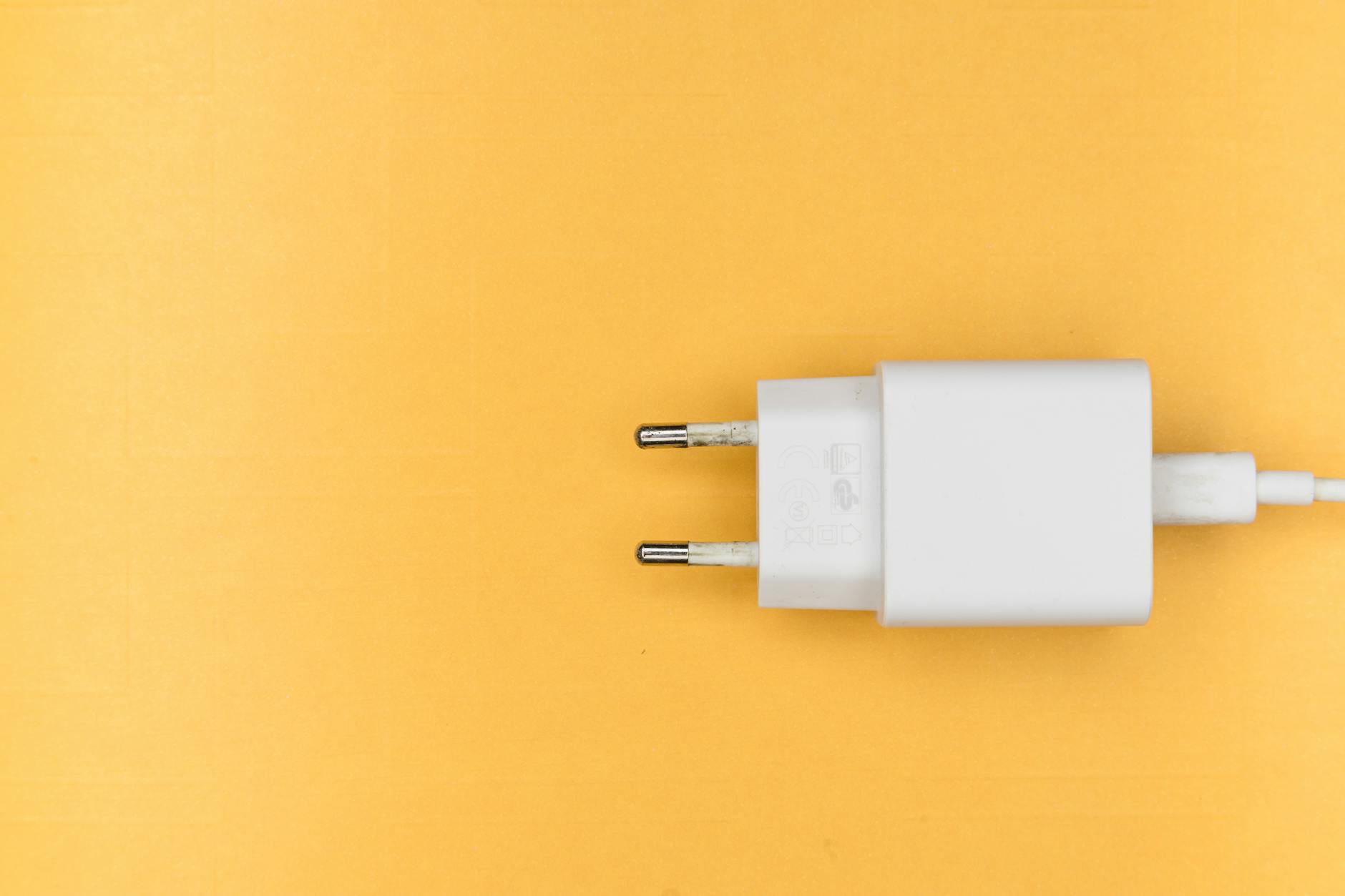
Bulky laptop chargers power adapters and cable bundles resemble wiring anomalies on x ray prompting closer looks. Tangled masses require untangling and sometimes powering up devices for confirmation. Universal adapters with multiple prongs add complexity. Coiling cables neatly and placing chargers in an accessible pouch prevents these power accessory bottlenecks.
Sunglasses
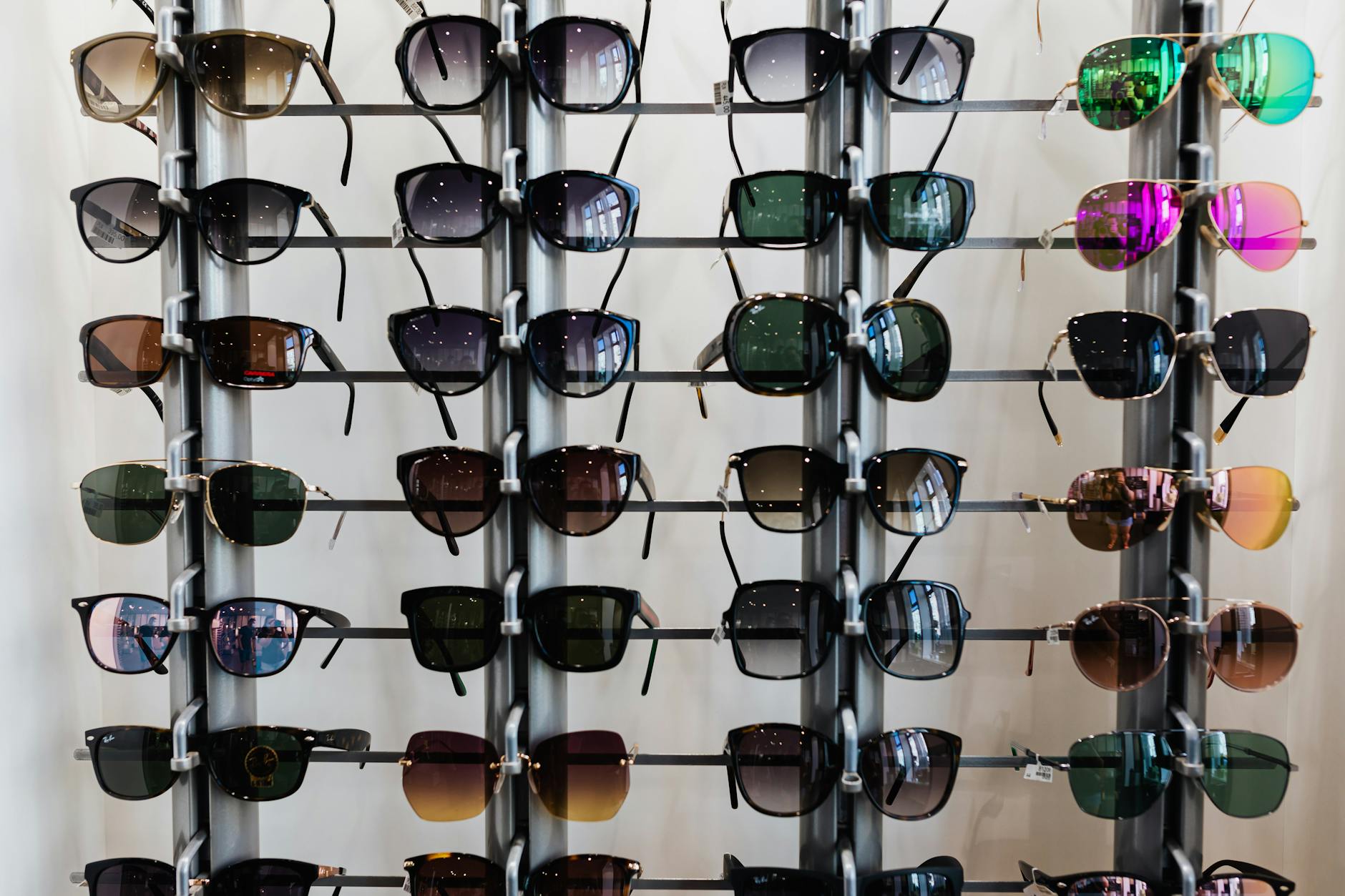
Hard cases with metal hinges or oversized designer frames trigger metal alerts and manual inspections. Multiple pairs packed loosely can shift during scanning creating unclear images. Sunglasses left in pockets force extra pocket emptying routines. Using a soft pouch and removing them with other personal items streamlines the accessory check.
Wallets
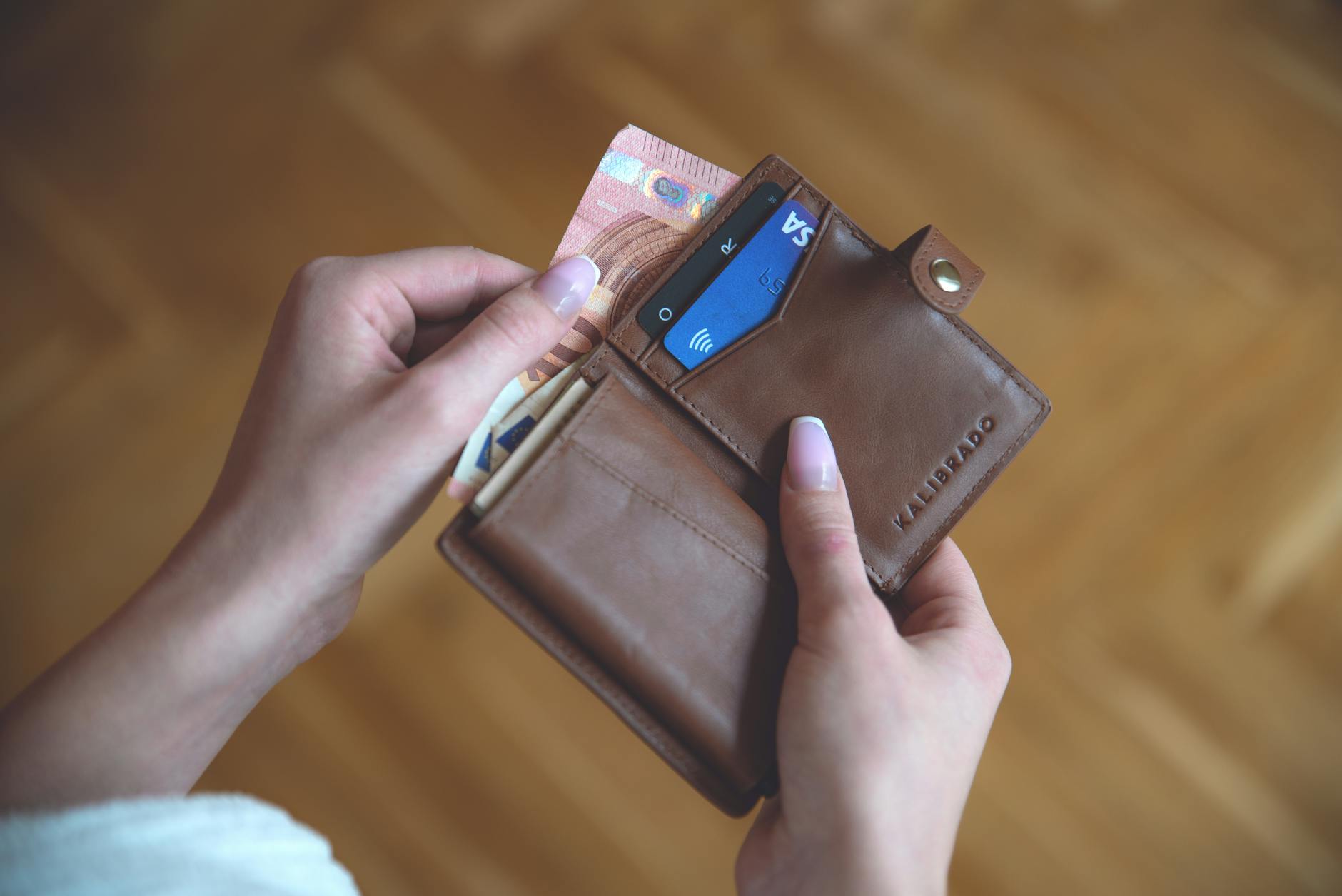
Thick wallets stuffed with cards receipts and coins create dense pockets that confuse x ray interpretation. Metal money clips or RFID blockers set off body scanners. Overloaded wallets also slow the removal and replacement process at the belt. Streamlining to essentials and placing the wallet in the tray early avoids financial accessory delays.
Hats
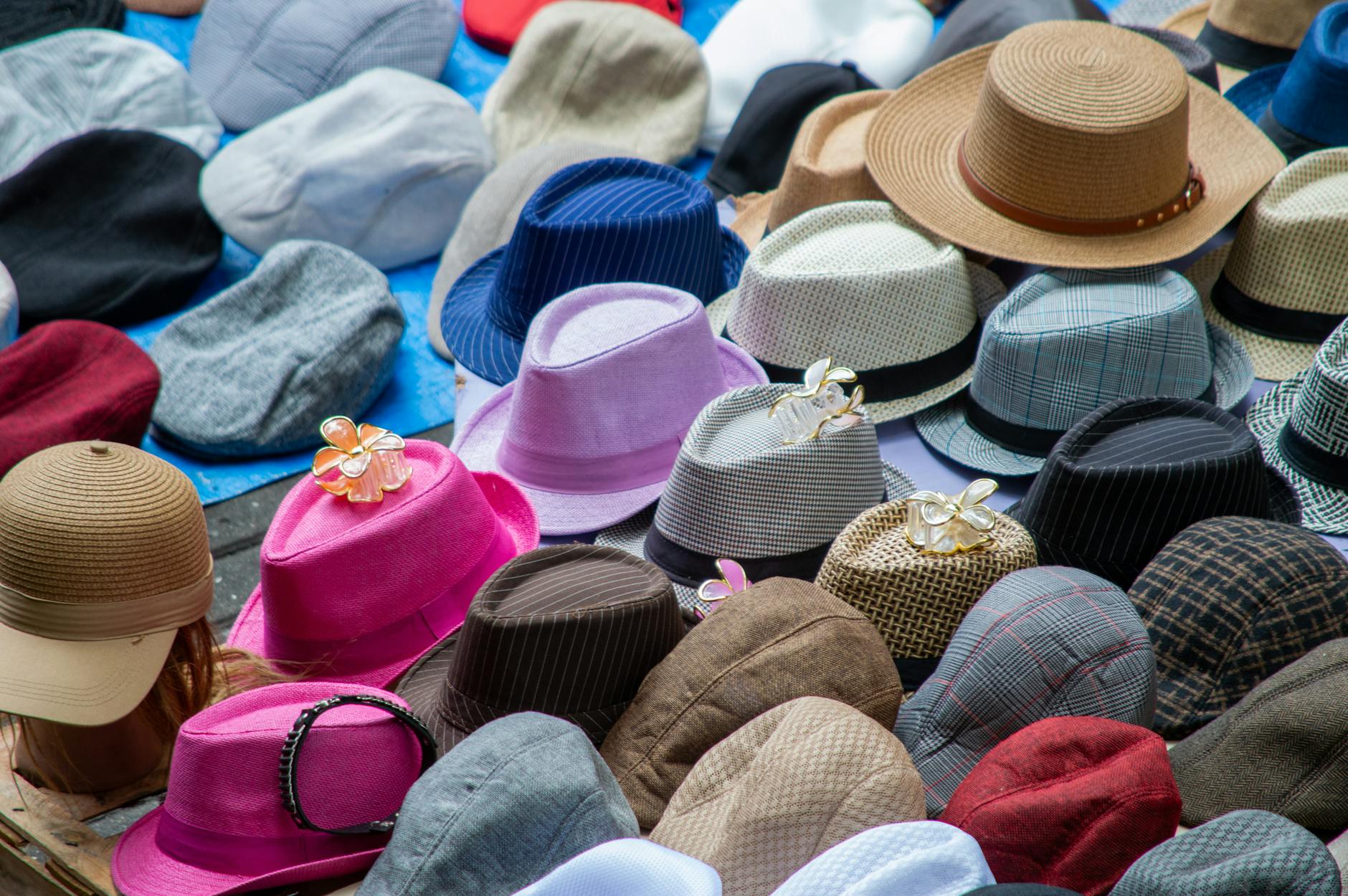
Baseball caps beanies and wide brim hats must often come off for full head screening yet many forget until prompted. Bulky winter hats or those with metal embellishments require separate placement in trays. Hair accessories hidden underneath add further complications. Removing headwear before reaching the scanner prevents repeated instructions and backups.
Cameras
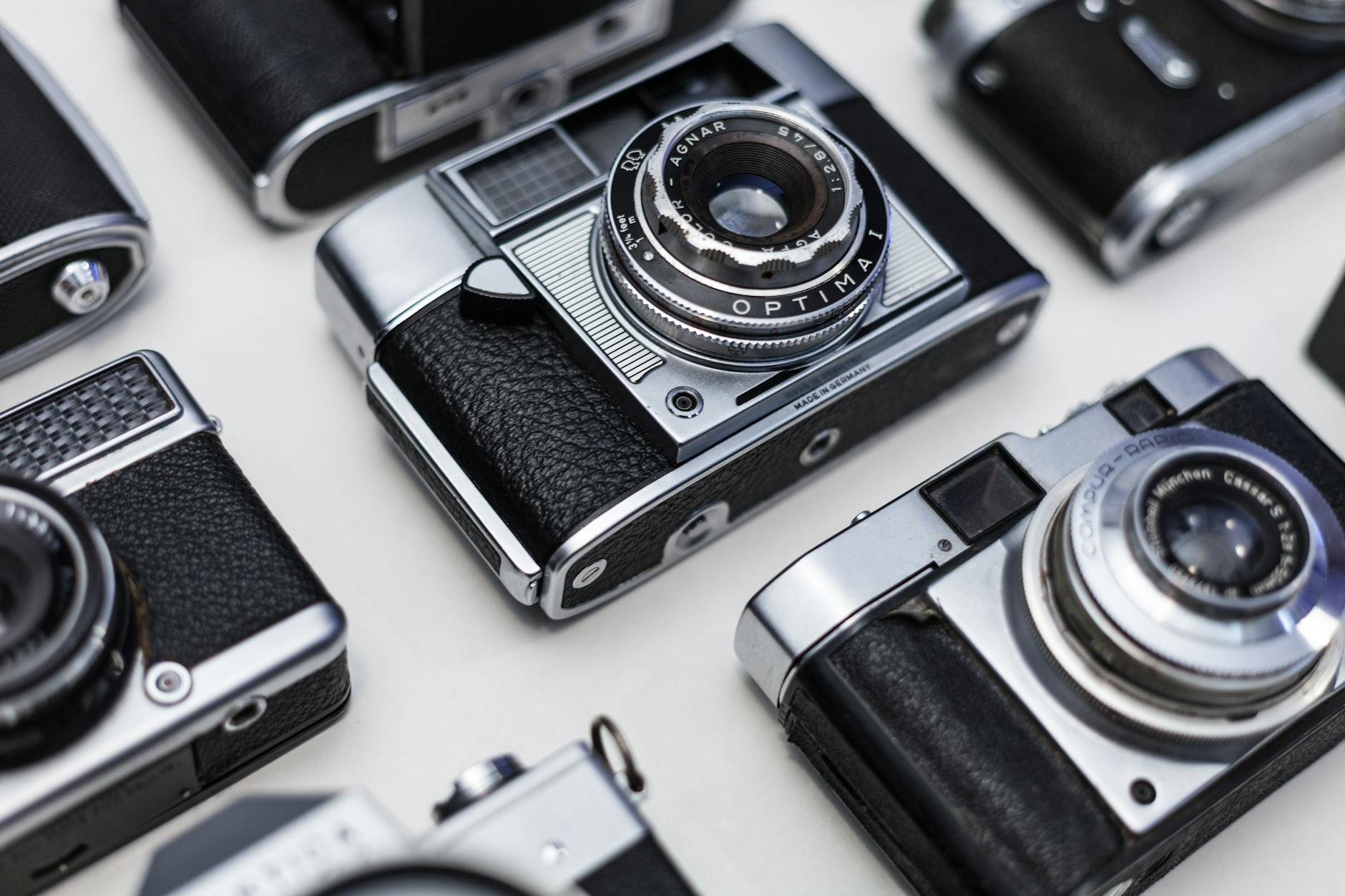
Professional DSLRs with long lenses and multiple attachments demand careful x ray analysis and sometimes manual powering on. Vintage film cameras or instant models raise additional questions about components. Extra batteries and memory cards scattered in bags complicate the process. Placing the camera in a dedicated easy access case reduces photography gear slowdowns.
Souvenirs
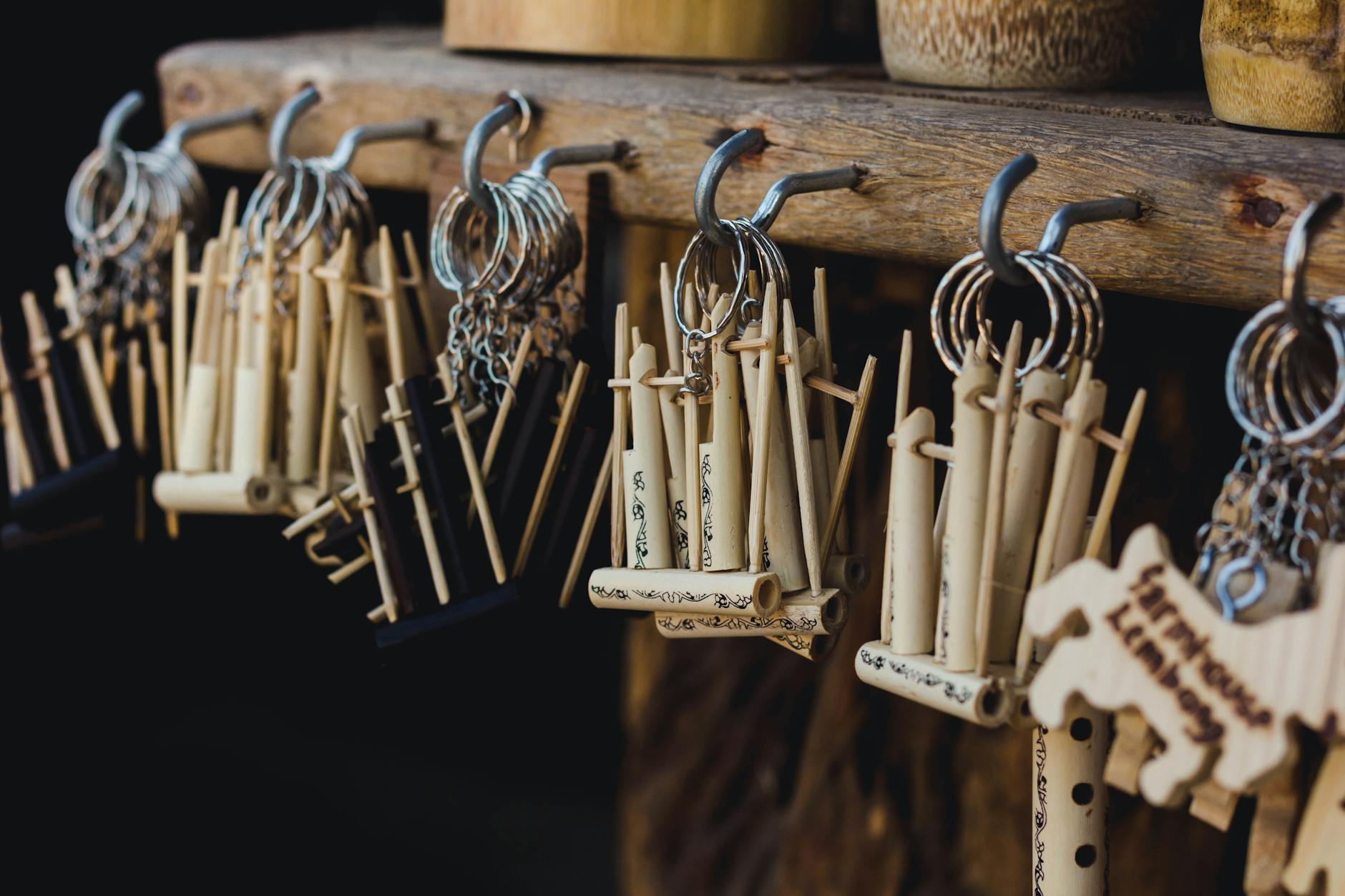
Newly purchased metal statues ceramics or packaged foods from previous destinations often require extra agricultural or security swabbing. Unwrapped items shift in bags creating suspicious densities on scans. Liquid filled snow globes remain notorious violators. Securing souvenirs in checked luggage when possible prevents last minute purchase related delays.
Random Gadgets
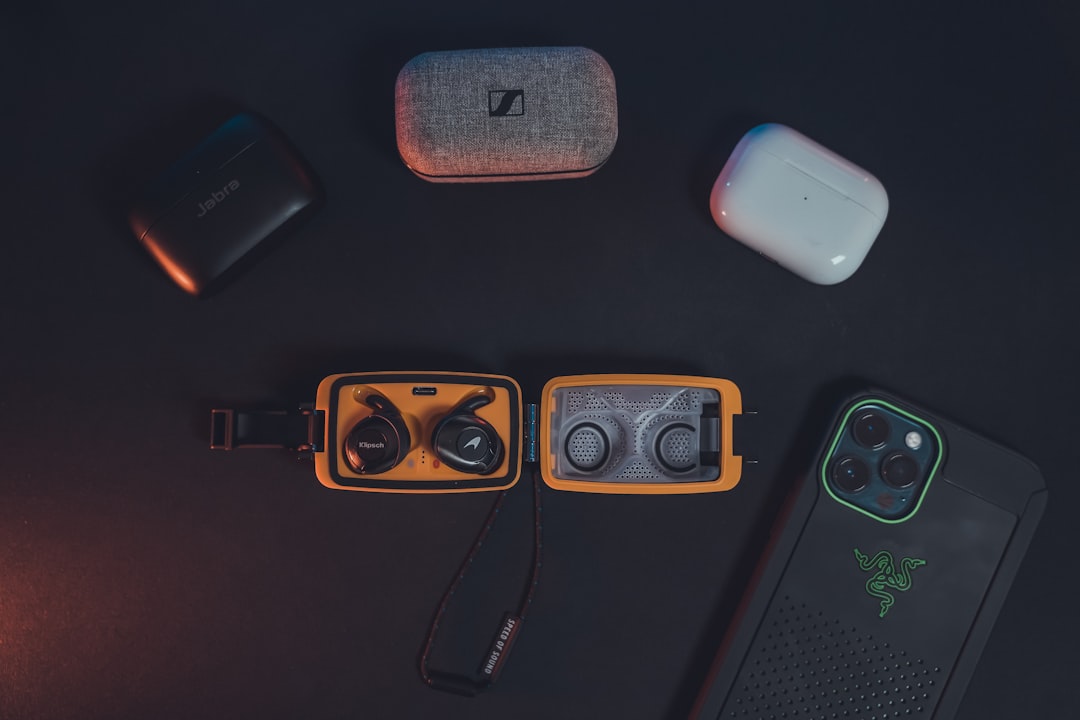
Fitness trackers smartwatches portable projectors and obscure tech accessories frequently lack clear x ray profiles leading to manual inspections. Unknown wiring or unusual shapes prompt supervisor consultations. Multiple gadgets together amplify the review time. Grouping all unusual electronics in one transparent bag and preparing explanations minimizes these miscellaneous tech holdups.
What items have you removed at security that caused unexpected delays in the comments.