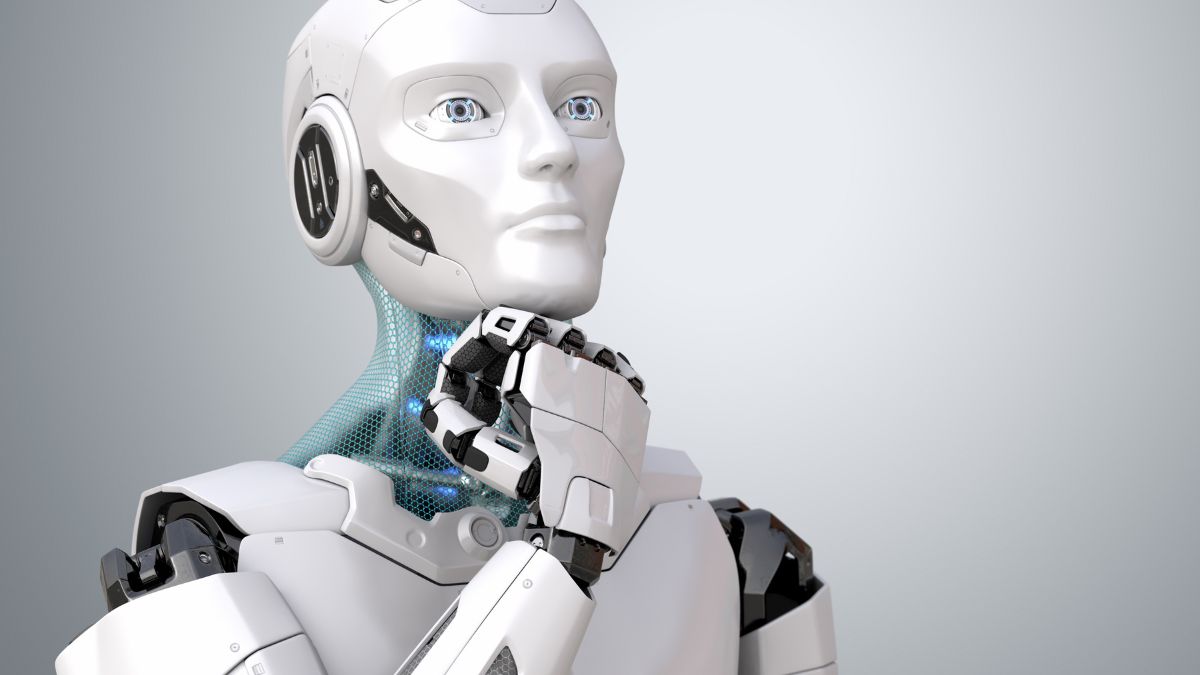
Irene Veglison, a 67-year-old resident of Barcelona, had not danced in more than twenty years until a robot joined her household three months ago. She nicknamed the 4.4-foot-tall device Sandi, and it quickly brought music and movement back into her life. Living alone with her two cats, Irene found the companion not only practical but also joyful, encouraging her to get up and sway to familiar tunes. This personal story highlights a broader initiative by the city to support its aging population facing isolation and early cognitive challenges.
Barcelona has rolled out 600 of these humanoid robots to private homes and care centers as part of a pilot program. The project receives backing from a 3.8 million euro grant, equivalent to about 4.47 million dollars, provided through the European Union’s COVID recovery funds. The robots come from the American company Misty Robotics and are handled locally by the Catalan firm Grup Saltó. They serve as helpful aides for seniors who live independently or show initial signs of cognitive decline.
Beyond dancing, the robots handle everyday tasks that make a real difference. They remind users to take medications, attend doctor appointments, or simply wake up in the morning and say good night in the evening. Some models feature screens displaying entertainment apps, calendars, maps, and even playful cartoon facial expressions when idle. Residents can play games with them, make calls, or enjoy light-hearted interactions that combat loneliness in a city where nearly two million Spaniards, mostly women, live by themselves.
Marta Villanueva Cendán, a spokesperson for the city council, explained the forward-thinking goals. She noted that officials want the robots to eventually spot risks and notify authorities in emergencies, such as when someone falls and cannot reach for help. This added safety layer aims to ease pressure on traditional care services while giving families peace of mind. For now, the focus remains on companionship and routine support, with dancing emerging as an unexpected but welcome bonus that lifts spirits.
The program addresses Spain’s demographic realities, including an aging society and declining birth rates that strain resources. By introducing technology into daily life, Barcelona hopes to improve quality of life without replacing human connection. Irene’s experience shows how these machines can spark small moments of happiness, like rediscovering the joy of movement after years away from it. As the pilot continues, more seniors may find similar benefits in both practical help and playful engagement.
What do you think about robots becoming companions for older adults, share your thoughts in the comments.