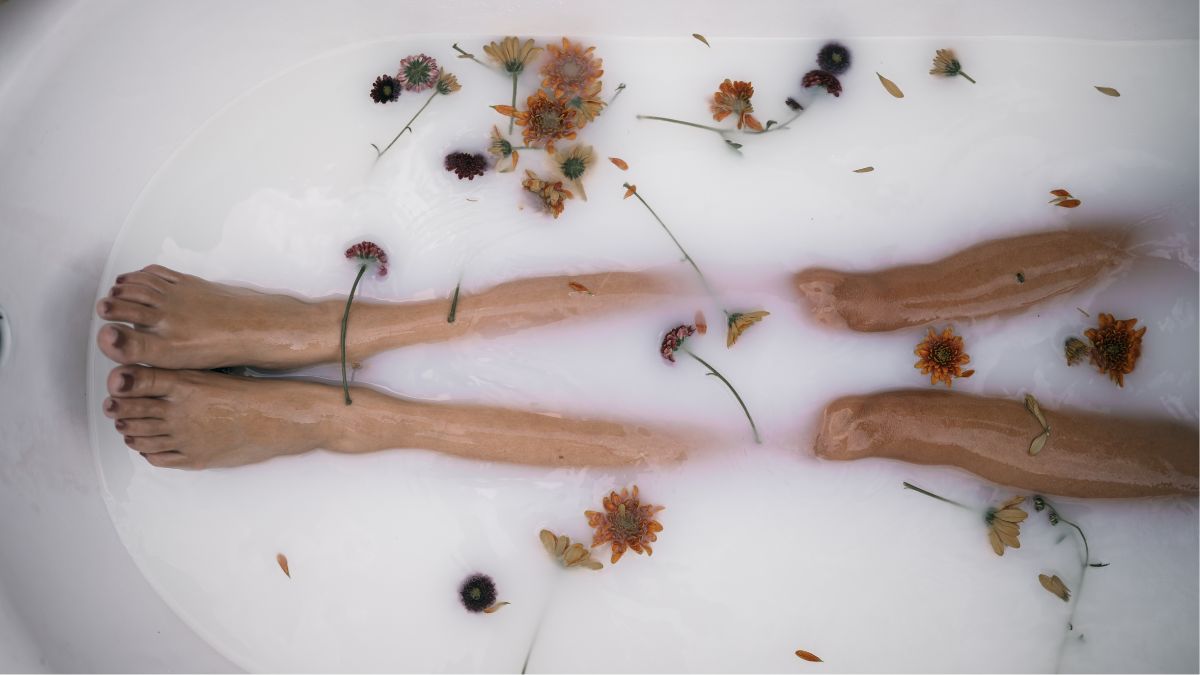
Across cultures and centuries, people have discovered that what goes into the bathwater matters just as much as what goes onto the skin afterward. These unconventional bathing practices have been passed down through generations precisely because they work, relying on natural elements rather than store-bought formulas. From fermented liquids to mineral-rich mud, these rituals tap into the body’s own renewal processes in ways modern skincare rarely replicates. Many of these traditions are experiencing a quiet revival as people seek simpler, more sustainable approaches to maintaining a healthy glow.
Rice Water Bath
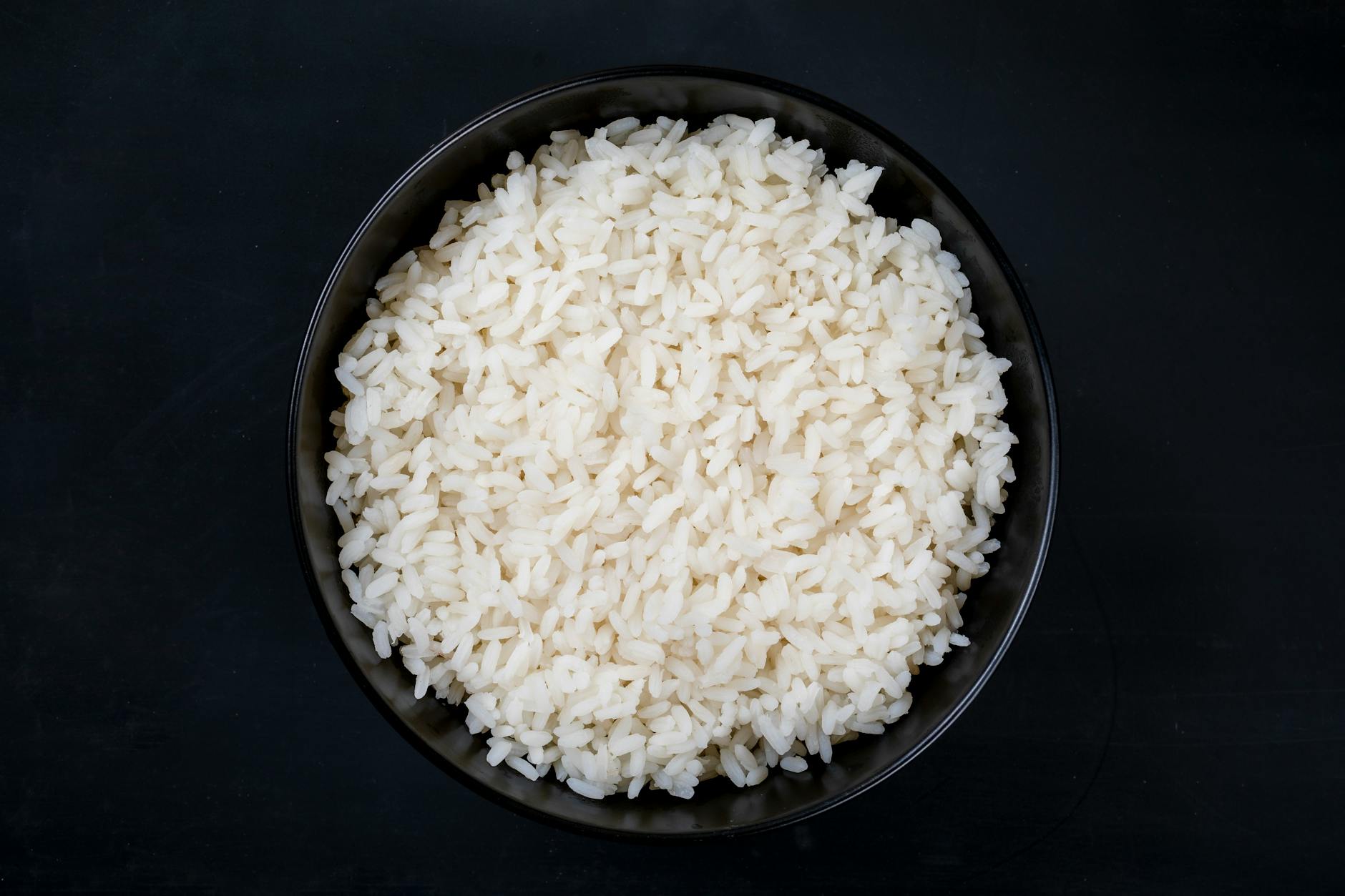
Rice water has been used for centuries across East and Southeast Asia as a skin-softening treatment with remarkable staying power. When rice is soaked or boiled, the starchy liquid that remains is rich in inositol, a compound that helps repair damaged skin and improve elasticity over time. Bathing in diluted rice water is thought to tighten pores and leave the skin with a subtle luminosity that builds with consistent use. The amino acids present in the liquid also help reinforce the skin’s natural protective barrier against environmental stressors. Women in historic Japanese imperial courts are said to have credited this ritual for their famously smooth and even complexions.
Cold River Plunge

Immersing the body in cold natural water has long been practiced by Nordic and alpine communities as a method of preserving firm, healthy skin. The cold temperature causes blood vessels to constrict rapidly and then dilate upon warming, a process that dramatically increases circulation throughout the body. This repeated flushing of blood to the skin’s surface encourages the delivery of oxygen and nutrients that support collagen production. Cold water also reduces inflammation, which is one of the primary accelerants of visible skin aging. Traditional practitioners often follow the plunge with vigorous dry brushing to amplify the circulatory benefits.
Sake Soak
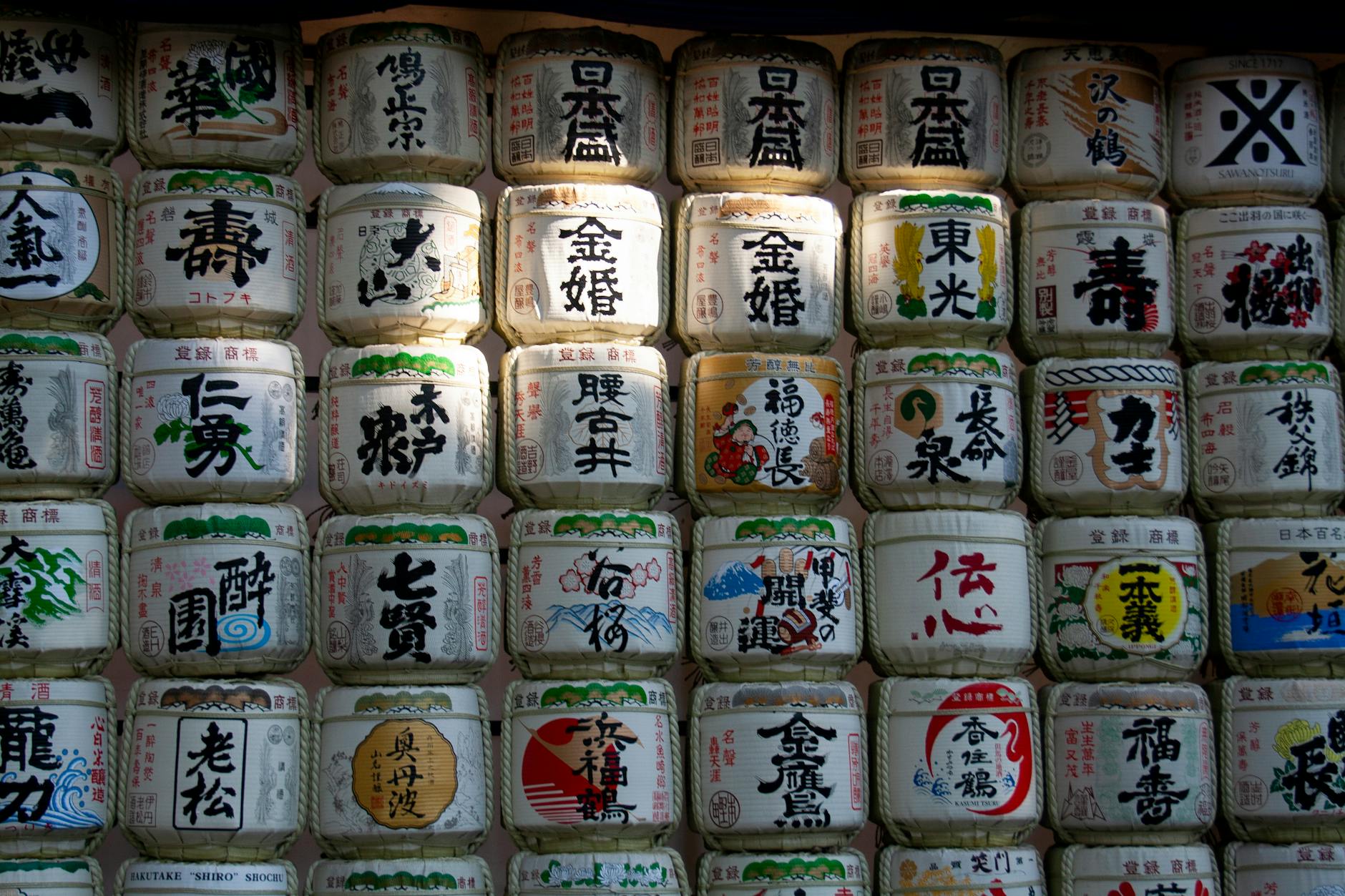
Traditional Japanese sake baths have long been associated with the remarkably smooth skin of sake brewery workers, whose hands remained youthful well into old age despite years of labor. Sake contains kojic acid, a naturally occurring compound that inhibits melanin production and helps fade discoloration and uneven skin tone. The fermentation process also produces amino acids and enzymes that gently exfoliate the outermost layer of dead skin cells without any abrasion. Adding a few cups of unfiltered sake to a warm bath allows these compounds to be absorbed gradually across the entire body. This ritual is still practiced at traditional onsen bathhouses throughout Japan as a dedicated skin treatment.
Dead Sea Mud
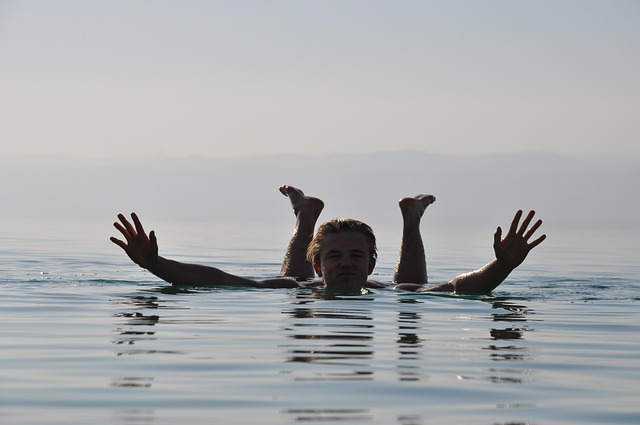
Bathing in mineral-rich mud drawn from the shores of the Dead Sea is one of the oldest documented beauty rituals in the world, with origins dating back to ancient Egypt and Rome. The mud is extraordinarily dense with magnesium, potassium, and calcium, minerals that are readily absorbed through the skin during prolonged contact. These minerals help regulate moisture retention, soothe chronic skin conditions, and support the processes that keep skin cells renewing at a healthy rate. A full-body mud bath is typically left on the skin for up to twenty minutes before being rinsed away, drawing out impurities as it dries. Regular exposure to this mineral concentration has been shown to visibly improve skin texture and firmness with consistent practice.
Cleopatra Milk Bath
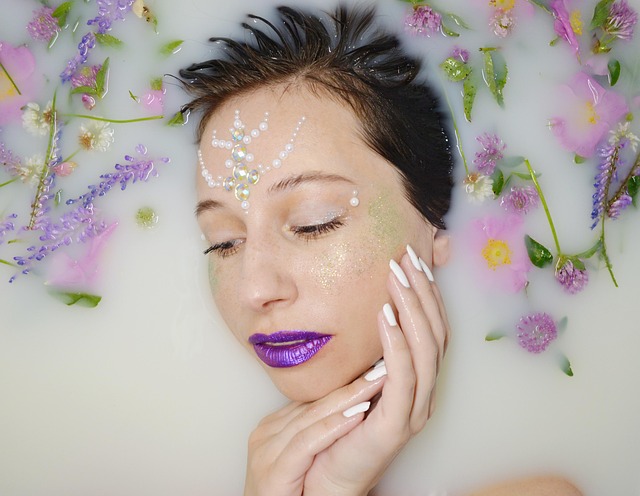
The milk bath famously associated with Cleopatra is one of history’s most enduring beauty rituals, and it remains effective for reasons that modern science fully supports. Lactic acid, a naturally occurring alpha hydroxy acid found in all forms of milk, gently dissolves the bonds between dead skin cells and encourages a smoother, more refined surface. The fats in whole milk also create a temporary occlusive effect on the skin, locking in moisture and leaving the skin feeling noticeably soft after just one soak. Powdered goat milk is particularly popular for this ritual due to its smaller fat molecules, which are thought to penetrate the skin more readily than cow milk. Bathing in a warm milk solution for twenty to thirty minutes produces a visible brightening effect that accumulates with regular repetition.
Seaweed Wrap

Coastal communities from Ireland to Japan have long used seaweed as a bathing additive prized for its ability to nourish and firm the skin without any synthetic ingredients. Seaweed is one of the most mineral-dense substances found in nature, containing iodine, zinc, and a broad spectrum of vitamins that are absorbed transdermally during warm water immersion. The natural alginates in seaweed form a thin film on the skin’s surface that helps retain moisture long after the bath has ended. Soaking with dried or fresh seaweed in the bath is also believed to stimulate the lymphatic system, helping the body flush toxins that can contribute to dull and congested skin. Thalassotherapy centers throughout coastal Europe have built entire treatment menus around this single ancient ingredient.
Green Tea Bath
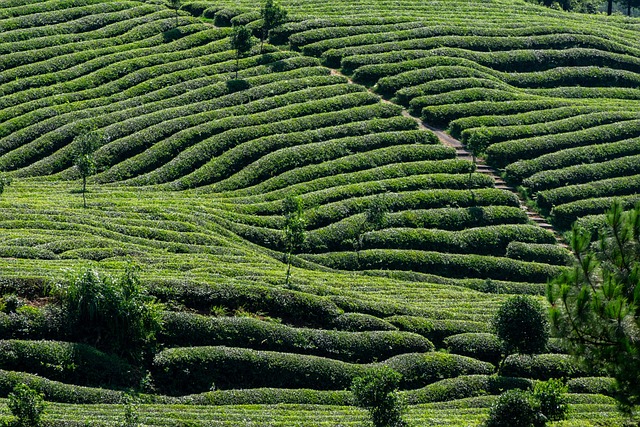
Bathing in green tea is a practice rooted in traditional Japanese wellness culture and increasingly recognized for its measurable effects on skin health. Green tea contains a high concentration of catechins, a class of antioxidants that neutralize free radicals responsible for breaking down collagen and accelerating visible aging. Submerging the body in a warm green tea bath allows these antioxidants to absorb through the skin while the warmth of the water opens pores and maximizes absorption. The tannins in green tea also have a mild astringent effect that temporarily tightens the skin and reduces the appearance of enlarged pores. Brewing a strong concentrate from several tea bags and adding it to bathwater is a simple and affordable way to replicate this traditional ritual at home.
Apple Cider Vinegar Soak
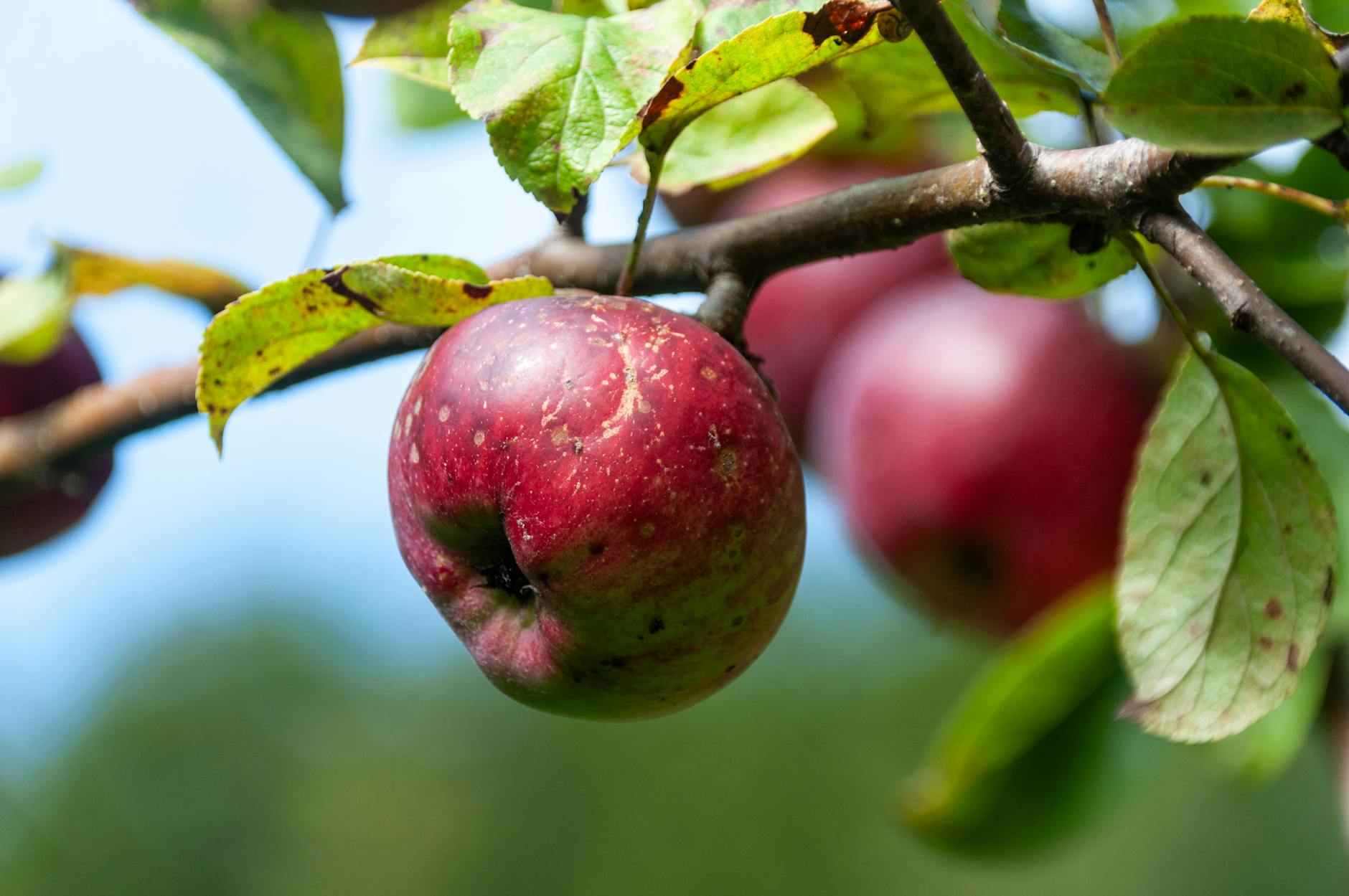
Diluted apple cider vinegar has been used as a therapeutic bath additive in various folk traditions due to its ability to rebalance the skin’s natural pH level. The skin is naturally slightly acidic, and environmental exposures including tap water, soap, and pollution can disrupt this balance and leave it vulnerable to dryness and irritation. A small amount of raw apple cider vinegar added to bathwater helps restore the acid mantle, the protective layer that keeps moisture in and harmful microbes out. The acetic acid in the vinegar also functions as a mild chemical exfoliant, loosening dead skin cells from the surface without physical scrubbing. Over time, practitioners report a noticeable improvement in skin clarity and a reduction in rough, uneven texture.
Oatmeal Bath
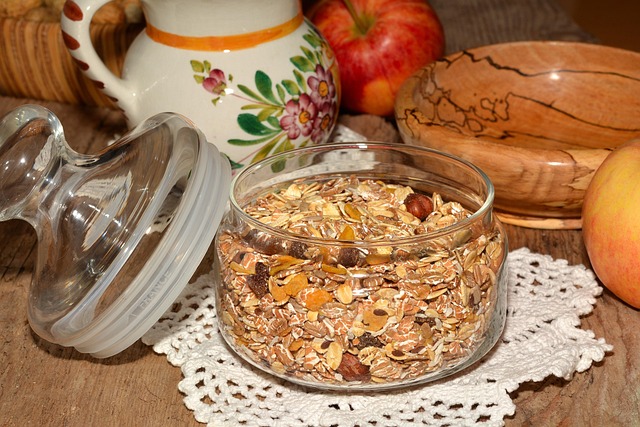
Oatmeal baths are one of the oldest recorded skin treatments in European folk medicine, used for centuries to calm irritated skin and maintain a smooth, healthy complexion. Colloidal oatmeal, which is finely ground oat flour suspended in water, creates a milky bath medium that coats the skin in a protective layer of beta-glucan. This compound is a natural humectant, meaning it draws moisture from the environment and binds it to the skin’s surface throughout the soak. The saponins in oats also act as a gentle cleansing agent that lifts impurities from pores without stripping the skin’s natural oils. Regular oatmeal baths are associated with long-term improvements in skin softness, tone, and resilience against environmental damage.
Vinotherapy

Vinotherapy originated in the wine-producing regions of France and draws on the extraordinary antioxidant properties of grape byproducts left over from the winemaking process. Grape seeds and skins contain resveratrol and oligomeric proanthocyanidins, two of the most potent naturally occurring antioxidants known to protect skin cells from oxidative damage. Bathing in a preparation of crushed grape seeds and diluted wine allows these compounds to be absorbed through the skin while warm water enhances circulation beneath the surface. The polyphenols in wine are also believed to stimulate cell turnover and support the skin’s natural collagen synthesis over time. Luxury spas in Bordeaux pioneered this ritual in the 1990s, but simplified versions can be replicated at home using grape seed oil and red wine added to a warm bath.
Salt Scrub Bath
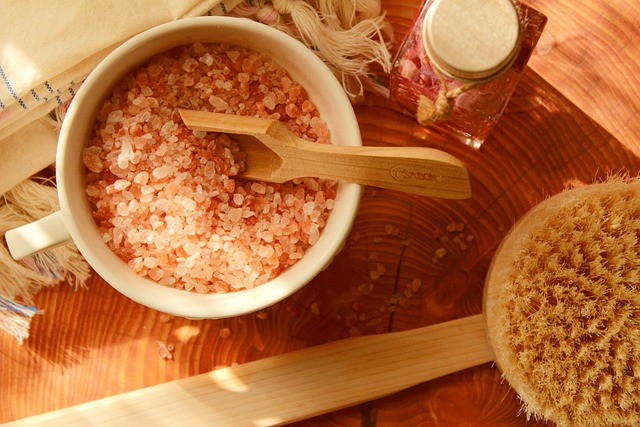
Therapeutic bathing in mineral salt has been practiced across civilizations from ancient Rome to the Ottoman Empire as a method of maintaining clear, smooth and firm skin. Different varieties including Dead Sea salt, Himalayan pink salt, and Epsom salt each carry a distinct mineral profile, but all share the ability to draw excess fluid from beneath the skin’s surface through osmosis. This process reduces puffiness and helps flush metabolic waste from the tissues, giving the skin a visibly firmer and more toned appearance after repeated treatments. The coarse texture of undissolved salt crystals also provides gentle mechanical exfoliation when applied before entering the water. Soaking in a warm salt bath for at least twenty minutes is recommended to allow full mineral absorption and maximum circulatory benefit.
Thermal Spring
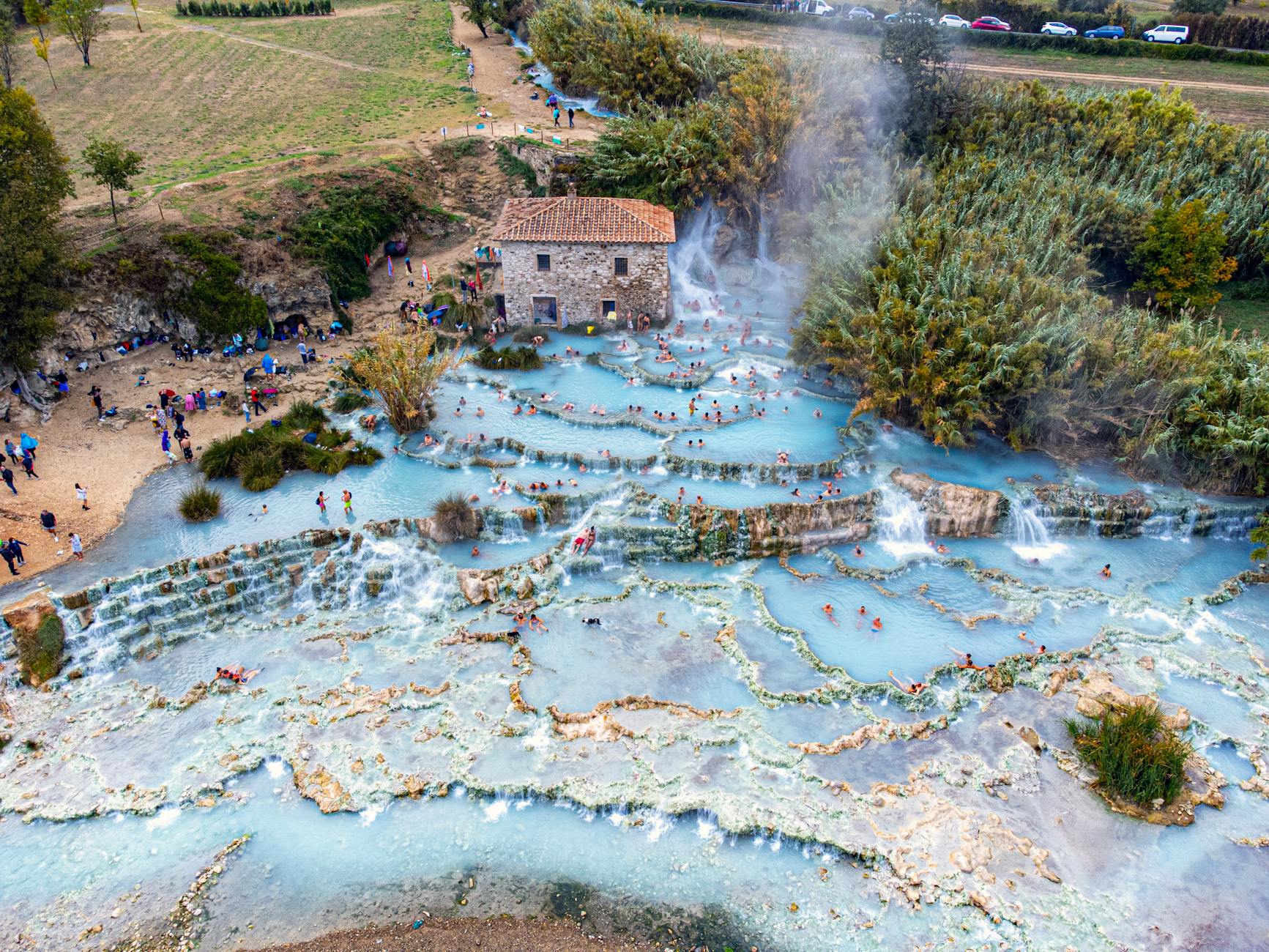
Bathing in naturally occurring thermal springs is one of the oldest beauty and wellness traditions in human history, practiced continuously in Hungary, Iceland, Japan and beyond. Geothermally heated water carries dissolved minerals from deep within the earth including silica, sulfur, and bicarbonate that have measurable effects on skin health. Silica in particular is credited with producing the unusually smooth skin texture reported by regular thermal bathers, as it helps fill microscopic gaps in the epidermis and improve surface reflectivity. The elevated temperature of thermal water also increases blood flow to the skin and encourages the natural shedding of dead surface cells. Communities built around famous thermal springs have historically documented notably lower rates of chronic skin conditions among regular bathers.
Fermented Rice Bran
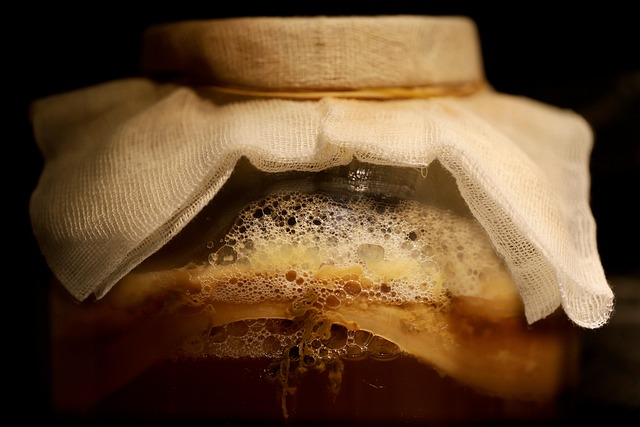
Rice bran, the nutrient-dense outer layer removed during rice milling, has been used in traditional Japanese bathing culture for hundreds of years as a natural skin-polishing and brightening agent. When rice bran is allowed to ferment, it produces additional beneficial compounds including ferulic acid and phytic acid, both of which are recognized for their ability to inhibit pigmentation and protect against UV-related aging. Small cloth bags filled with fermented rice bran were historically used by women in Kyoto to gently buff and cleanse the face and body during the bath. The oils naturally present in rice bran leave a thin, non-greasy conditioning layer on the skin that replaces the need for any post-bath moisturizer. This ritual is still recommended by traditional wellness practitioners in Japan as one of the most complete natural alternatives to a modern skincare routine.
Baking Soda Bath
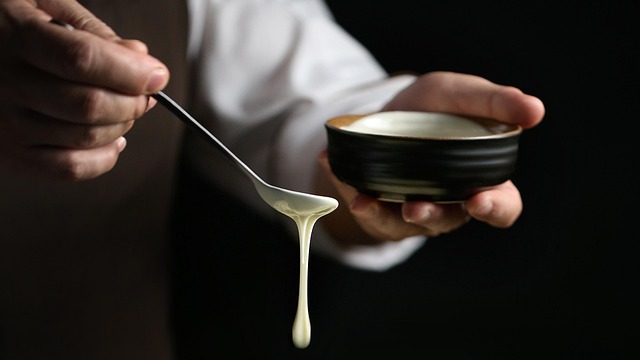
Baking soda baths are a traditional home remedy used across multiple cultures to soften skin, neutralize irritants, and restore surface balance after exposure to harsh environmental conditions. Sodium bicarbonate dissolved in warm water creates a mildly alkaline solution that helps break down and lift acidic residue from the skin’s surface, including sweat, chlorine, and pollution particles. This gentle detoxifying action leaves the skin feeling exceptionally clean without any of the tightness or dryness associated with conventional cleansers. Regular baking soda baths are also associated with a reduction in surface roughness, as the alkaline environment temporarily softens the protein bonds in dry and flaking skin. The practice is particularly popular in traditional European households as a low-cost weekly treatment for maintaining smooth and even-textured skin over the long term.
Flower Petal Bath
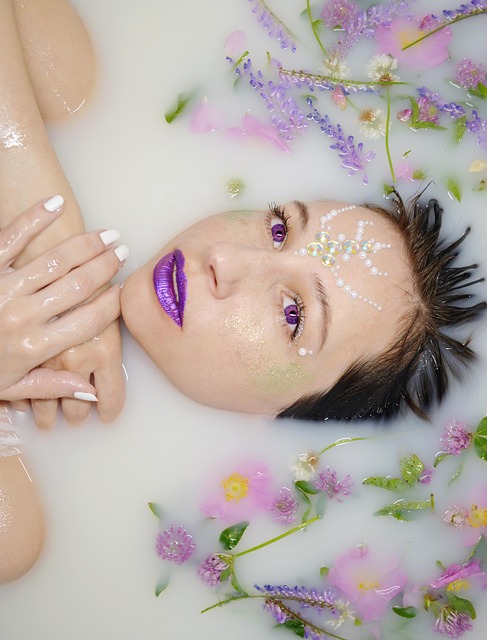
Flower petal baths are an ancient ritual practiced across South Asia, the Middle East, and the Mediterranean as a luxurious yet functionally effective method of caring for the skin. Petals from roses, jasmine, hibiscus, and marigolds each release distinct plant compounds into the bathwater including flavonoids, terpenes, and natural oils that nourish the skin during immersion. Rose petals in particular are rich in vitamin C and tannins that help support collagen integrity and deliver a mild brightening effect with consistent use. The warm water accelerates the release of these bioactive compounds from the petals, creating a gently therapeutic bath medium without any processing or extraction required. This ritual has been central to bridal beauty preparations across South Asian cultures for millennia, valued precisely because it produces a visible luminosity and softness that requires no products at all.
Which of these bathing rituals intrigues you most? Share your thoughts in the comments.