Bathroom design in 2026 focuses heavily on creating immersive sanctuaries that blend advanced durability with striking visual appeal. Homeowners are moving away from sterile white boxes and embracing rich textures alongside bold color palettes. Sustainability plays a massive role as recycled materials and eco-friendly production methods become the standard for luxury renovations. The following trends represent the most significant movements in tile design for the year ahead.
Biophilic Forest Green Glazes

Deep emerald and mossy green tiles bring the tranquility of nature directly into the shower space. These high-gloss ceramic pieces reflect light to make small rooms feel larger while providing a soothing visual anchor. Designers often pair them with warm wood tones to enhance the organic atmosphere essential for modern wellness. This trend emphasizes a connection to the outdoors without requiring high maintenance living walls.
Large Format Onyx Slabs
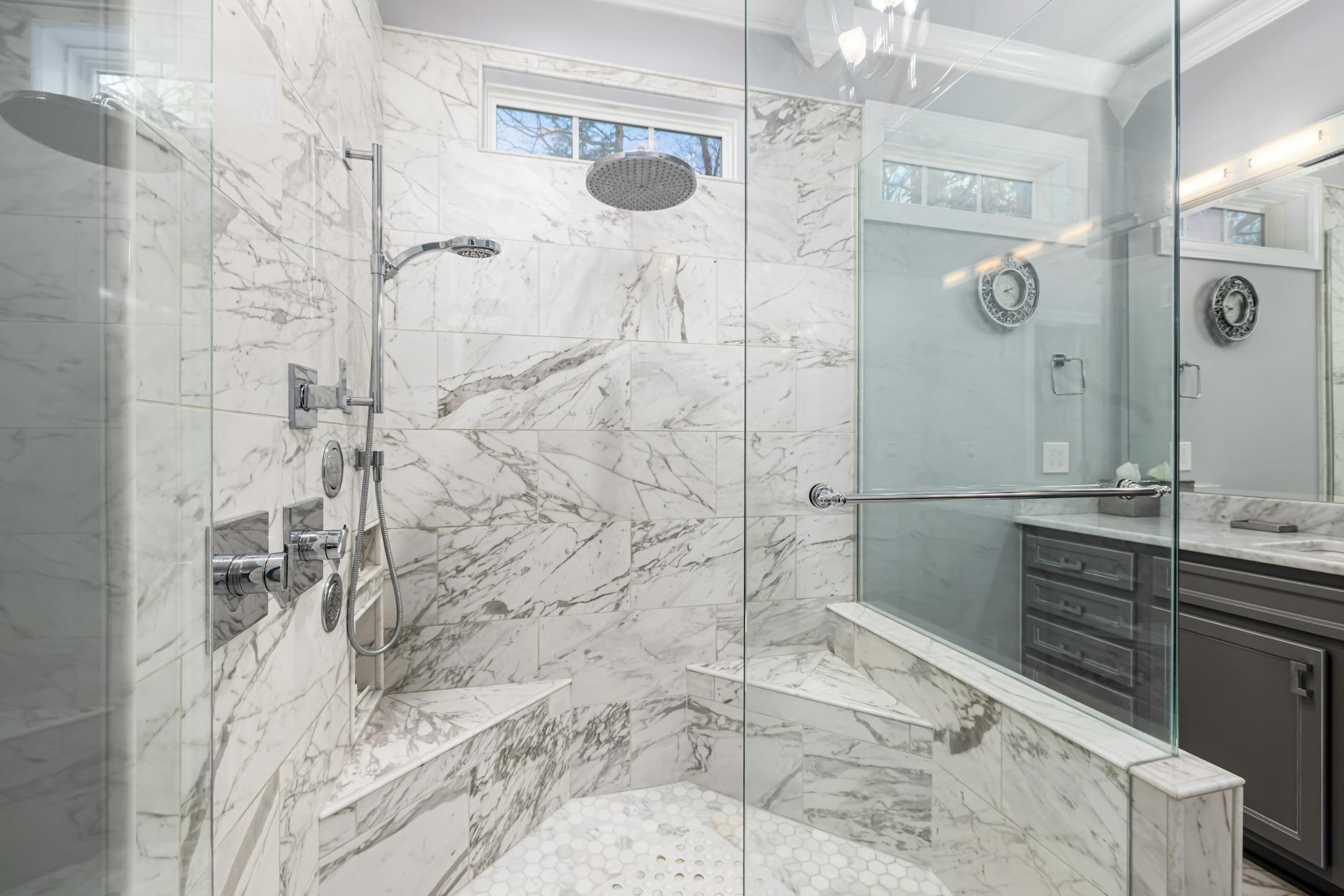
Designers are minimizing grout lines by utilizing massive porcelain slabs that mimic the look of rare onyx stone. These expansive surfaces create a seamless and luxurious appearance that mimics high-end hotel spas. The translucent quality of the patterns adds depth and drama to vanity backsplashes or feature walls. Homeowners appreciate the ease of cleaning associated with fewer joints and the timeless elegance of the stone aesthetic.
Textured Terrazzo Revival

The classic composite material returns with exaggerated aggregate sizes and playful color combinations for a modern twist. This durable flooring option hides water spots and dust effectively while offering significant slip resistance. It serves as a perfect focal point when applied to floor surfaces or extended up the wall for a continuous look. The material bridges the gap between retro charm and contemporary durability in busy family bathrooms.
Vertical Stacked Subway Tiles
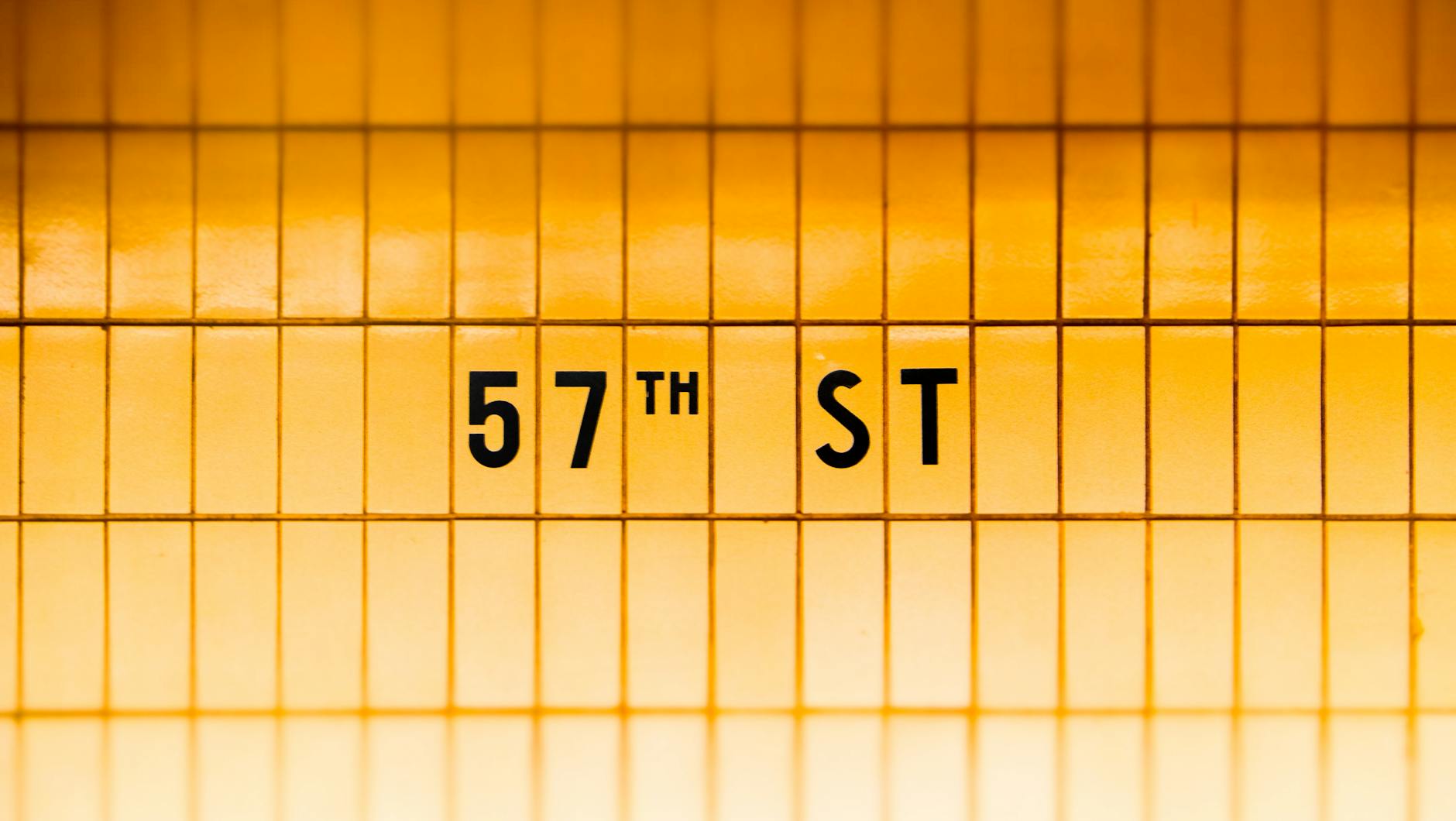
The traditional brick pattern is being rotated ninety degrees to create height and geometric interest in shower enclosures. This clean and modern layout draws the eye upward to make ceilings appear higher than they actually are. It works exceptionally well with matte finishes and contrasting grout colors for a graphic effect. The linear alignment provides a structured backdrop that complements minimalist fixtures and hardware.
Warm Terracotta Hexagons
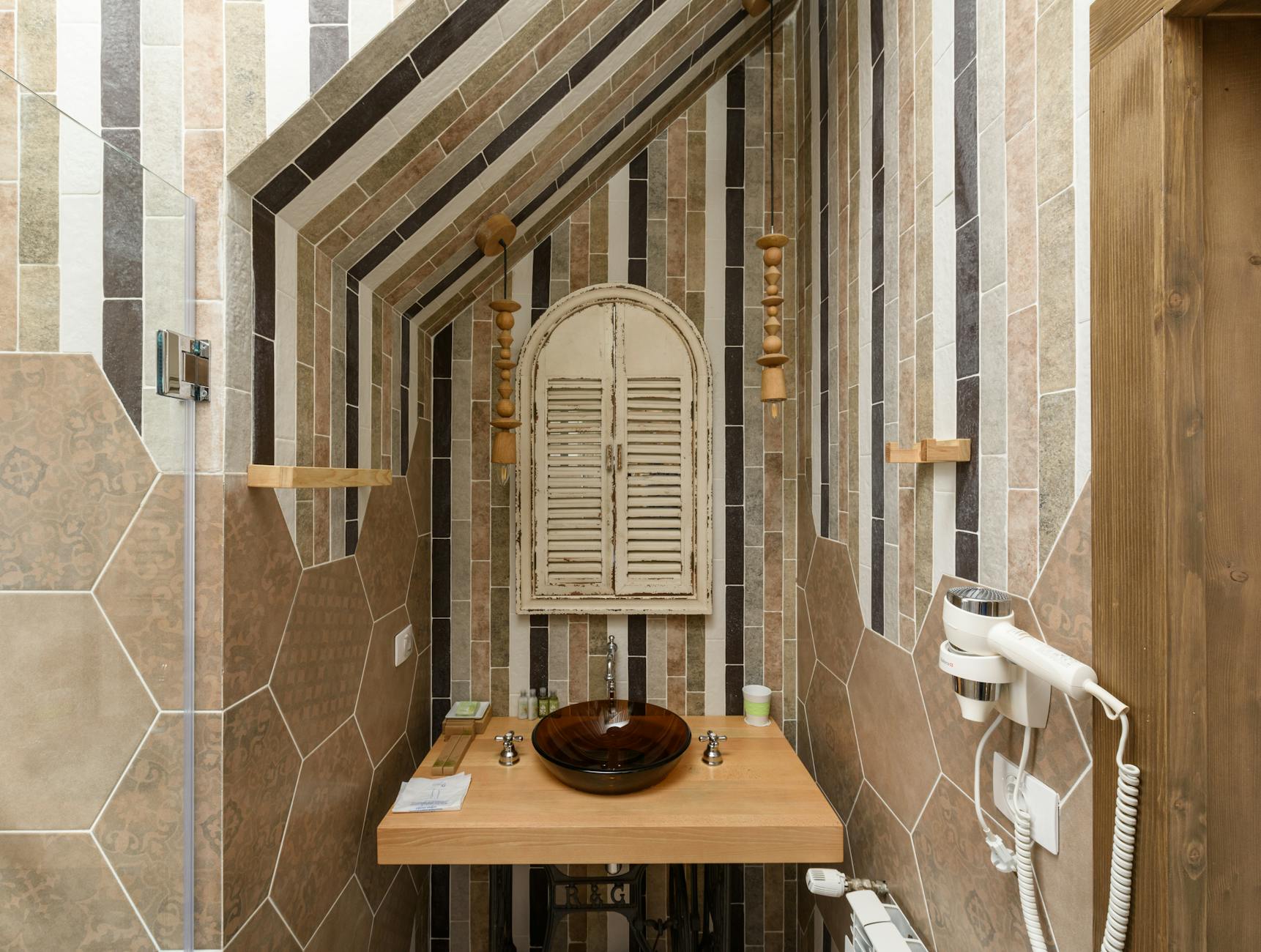
Earthy red and orange tones are replacing cool grays to inject warmth into sterile bathroom environments. These unglazed clay tiles offer a natural texture that feels soft and grounded underfoot. They develop a unique patina over time that adds character and history to the space. The hexagonal shape introduces a geometric element that feels organic rather than rigid or industrial.
Handcrafted Zellige Squares
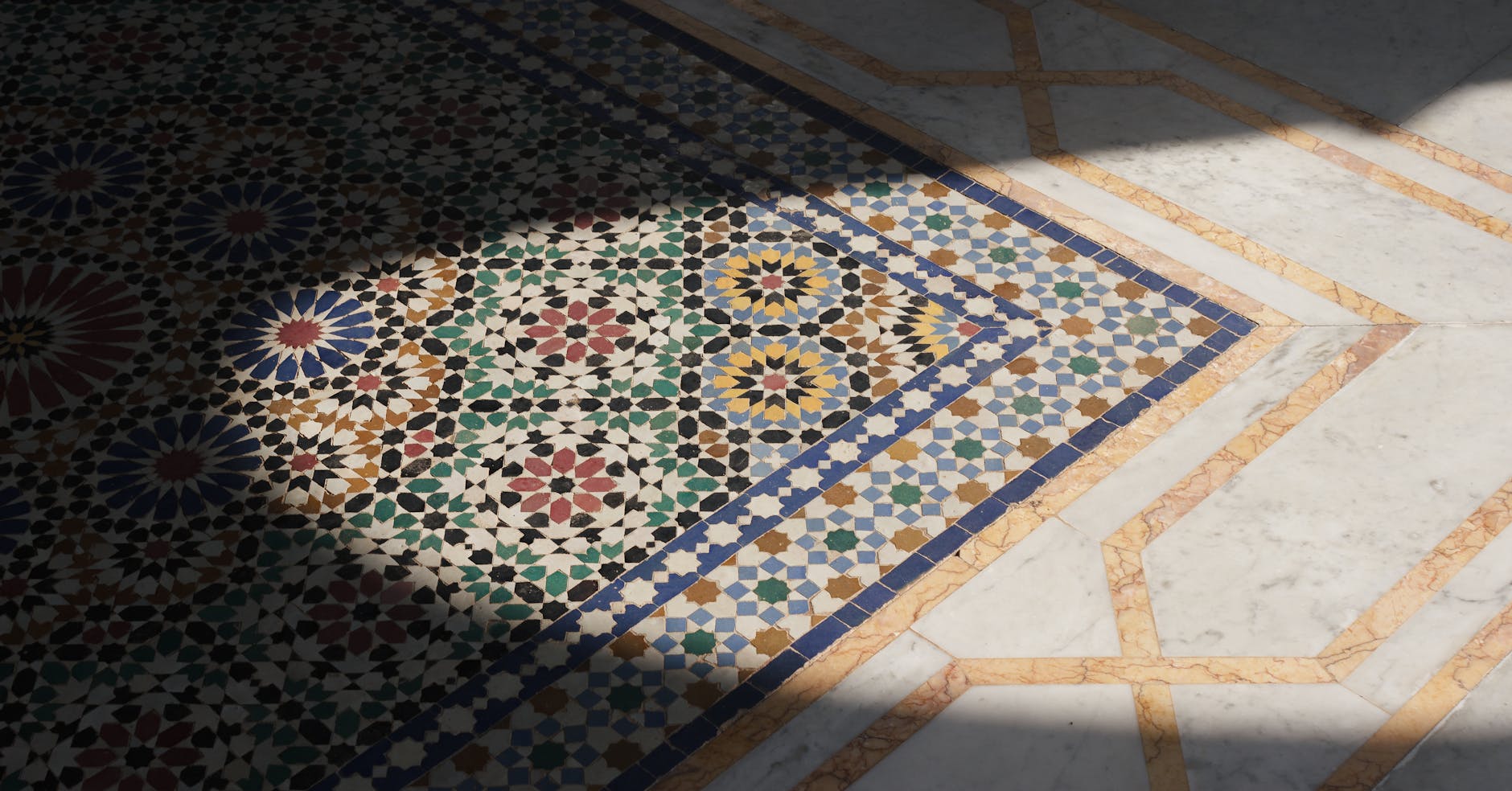
Imperfection is the key feature of these Moroccan-style tiles where no two pieces are exactly alike. The undulating surface reflects light in shimmering waves to create a dynamic and watery effect. Designers utilize them primarily on walls to add artisanal charm and soften the hard edges of modern architecture. The variation in glaze thickness provides a rich depth that uniform factory tiles cannot replicate.
Matte Black Geometric Shapes
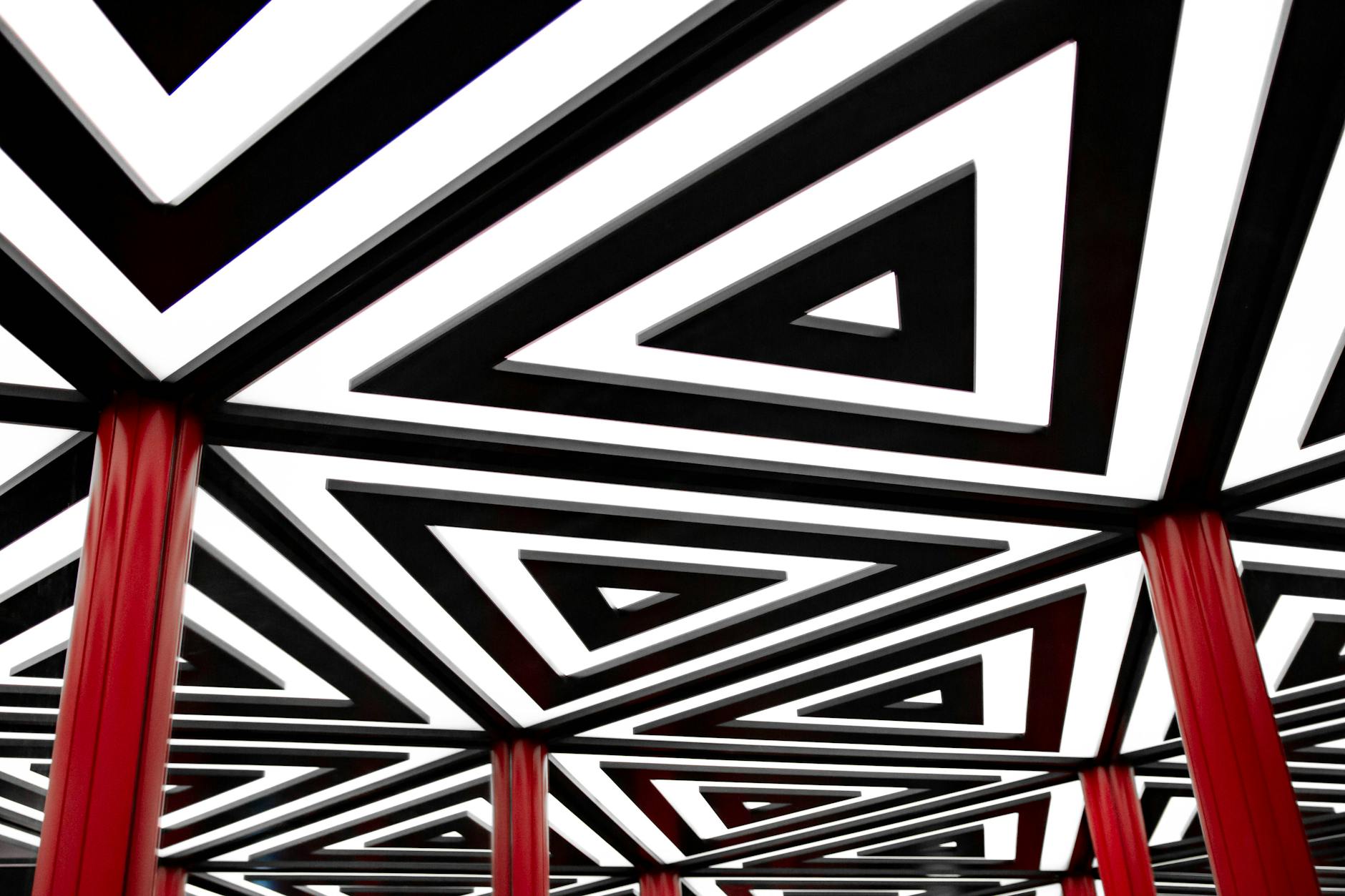
Dramatic black tiles absorb light to create moody and sophisticated powder rooms or master baths. The matte finish prevents the space from feeling too stark or clinical by softening the visual impact. Hexagons or diamonds in this dark hue pair beautifully with brushed gold or brass fixtures. This bold choice demands adequate lighting planning to ensure the room remains functional and inviting.
Sustainable Cork Mosaics
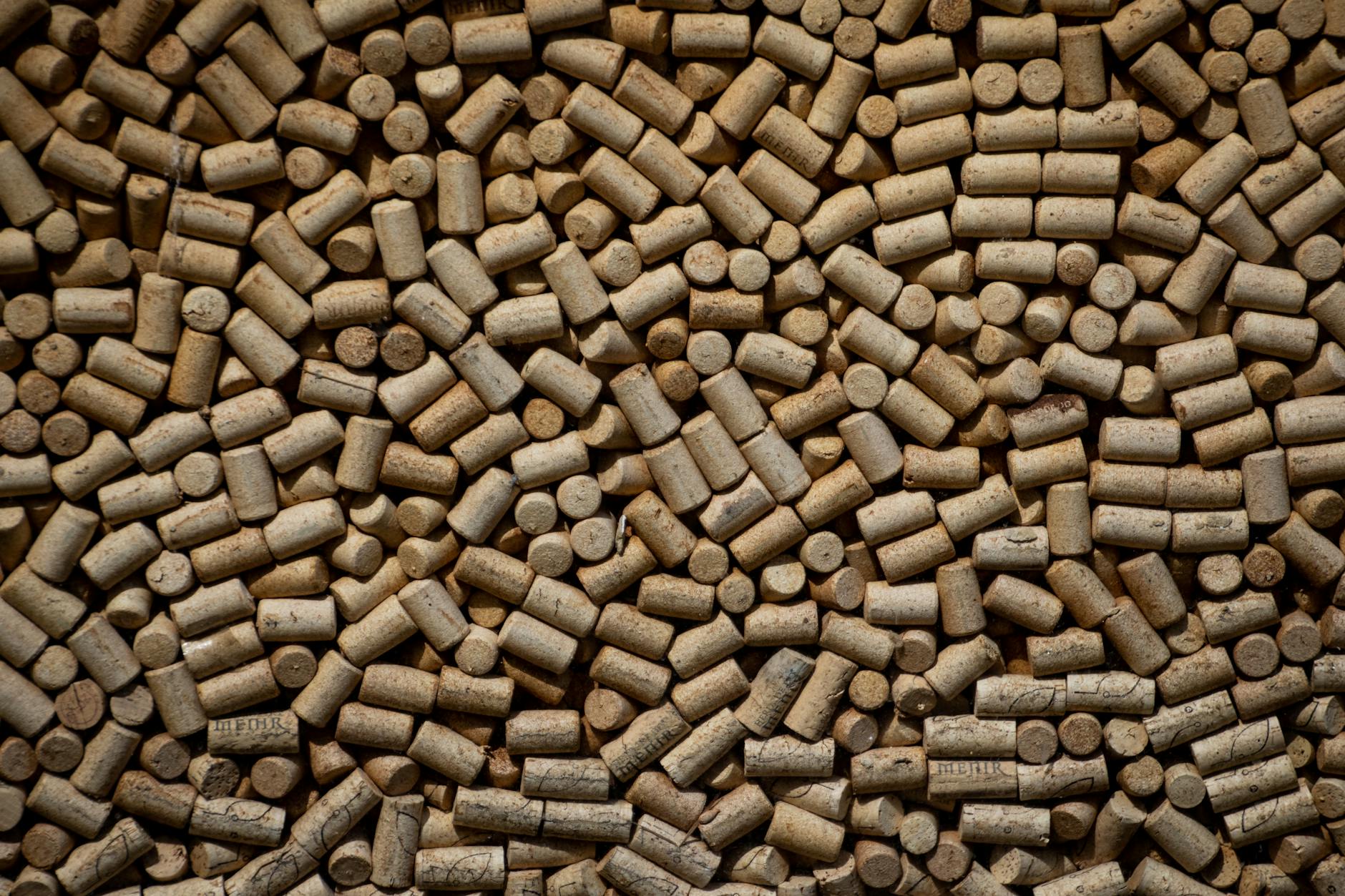
Eco-conscious homeowners are turning to waterproofed cork tiles for a comfortable and warm flooring solution. This renewable material offers natural sound absorption and thermal insulation properties that ceramic cannot match. Manufacturers treat the cork with specialized sealants to ensure it withstands high humidity and moisture levels. It provides a soft landing for bare feet and reduces the risk of slipping in wet zones.
3D Relief Patterns
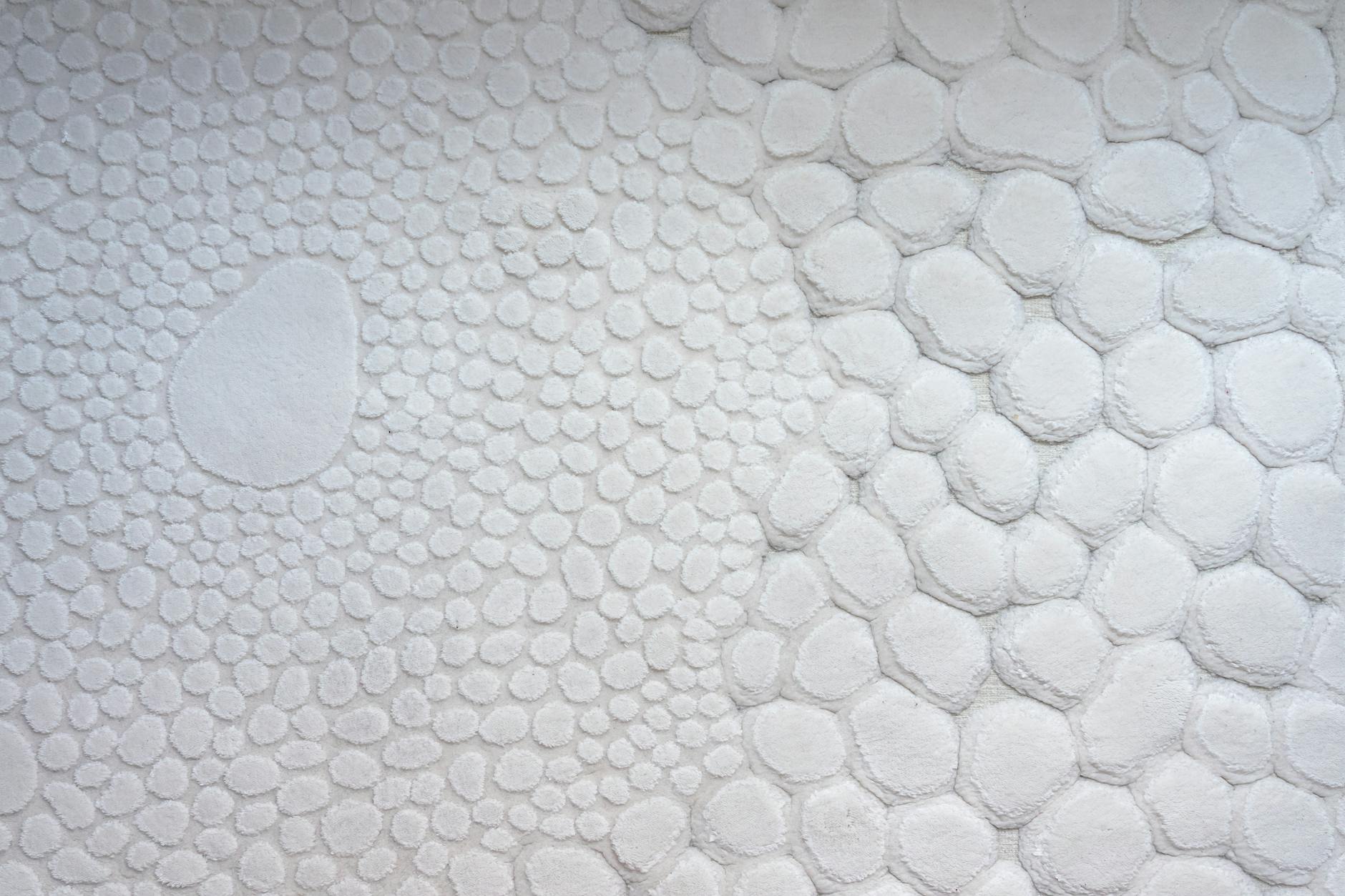
Tiles with raised surfaces and sculptural elements are transforming flat walls into tactile art installations. These architectural ceramics catch shadows and light to create constant visual movement throughout the day. They are typically used on feature walls behind vanities or bathtubs to avoid interfering with fixture installation. The added dimension brings a futuristic yet elegant feel to contemporary bathroom renovations.
Fluted Stone Textures

Grooved stone surfaces are gaining popularity for their ability to add linear rhythm and sophistication to bathroom walls. The ribbed texture creates a play of light and shadow that enhances the perceived value of the material. This trend often utilizes limestone or marble to maintain a luxurious and natural palette. It works best in vertical applications to elongate the wall space and provide subtle detailing.
Metallic Gold Accents
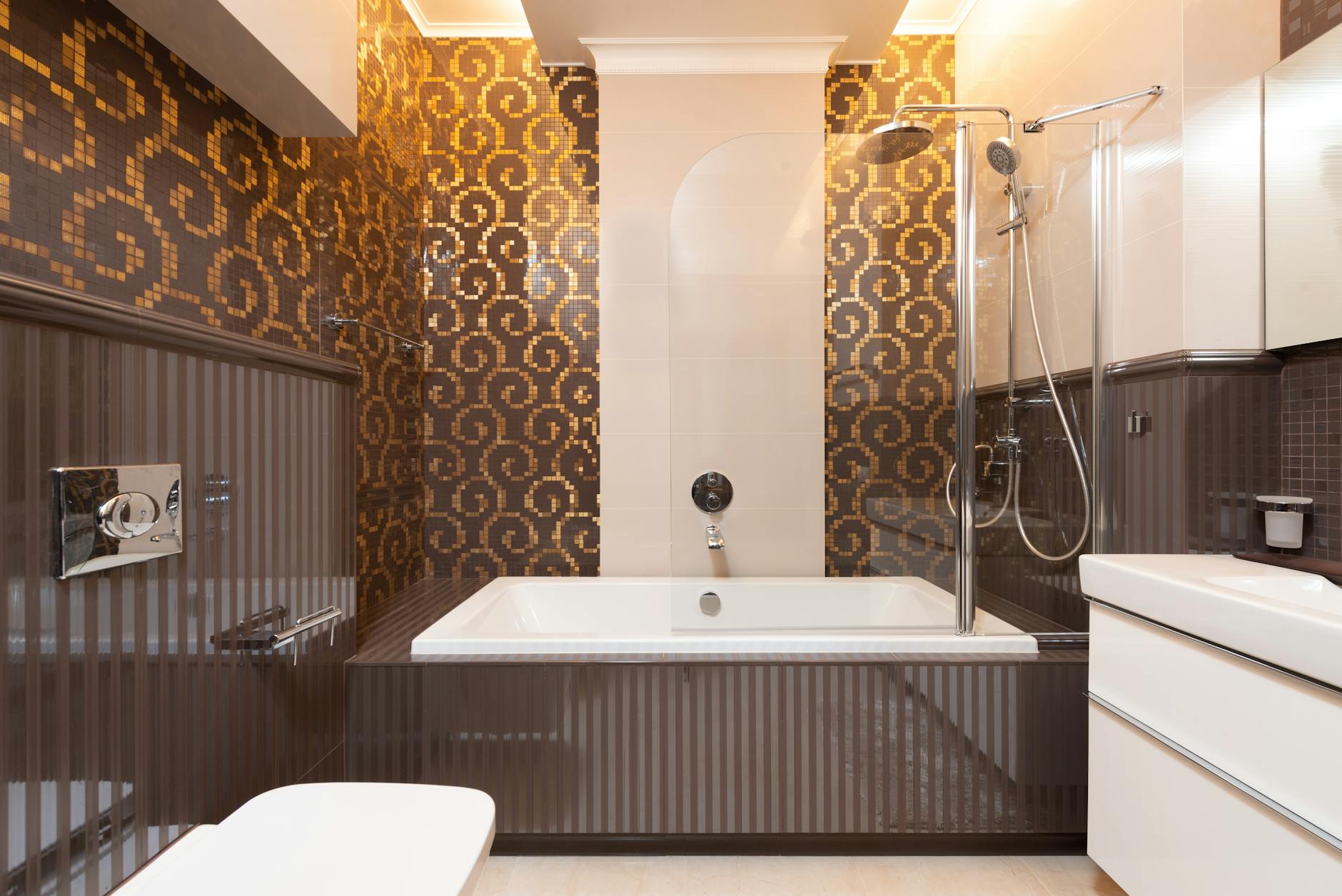
Small metallic inserts and gold-flecked tiles are adding touches of glamour to neutral bathroom designs. These accents capture light and add a sense of luxury without overwhelming the visual senses. They are frequently used as borders or scattered randomly within a mosaic layout for a bespoke look. The warm metal tones coordinate perfectly with the trending unlacquered brass plumbing fixtures.
Checkerboard Marble Floors
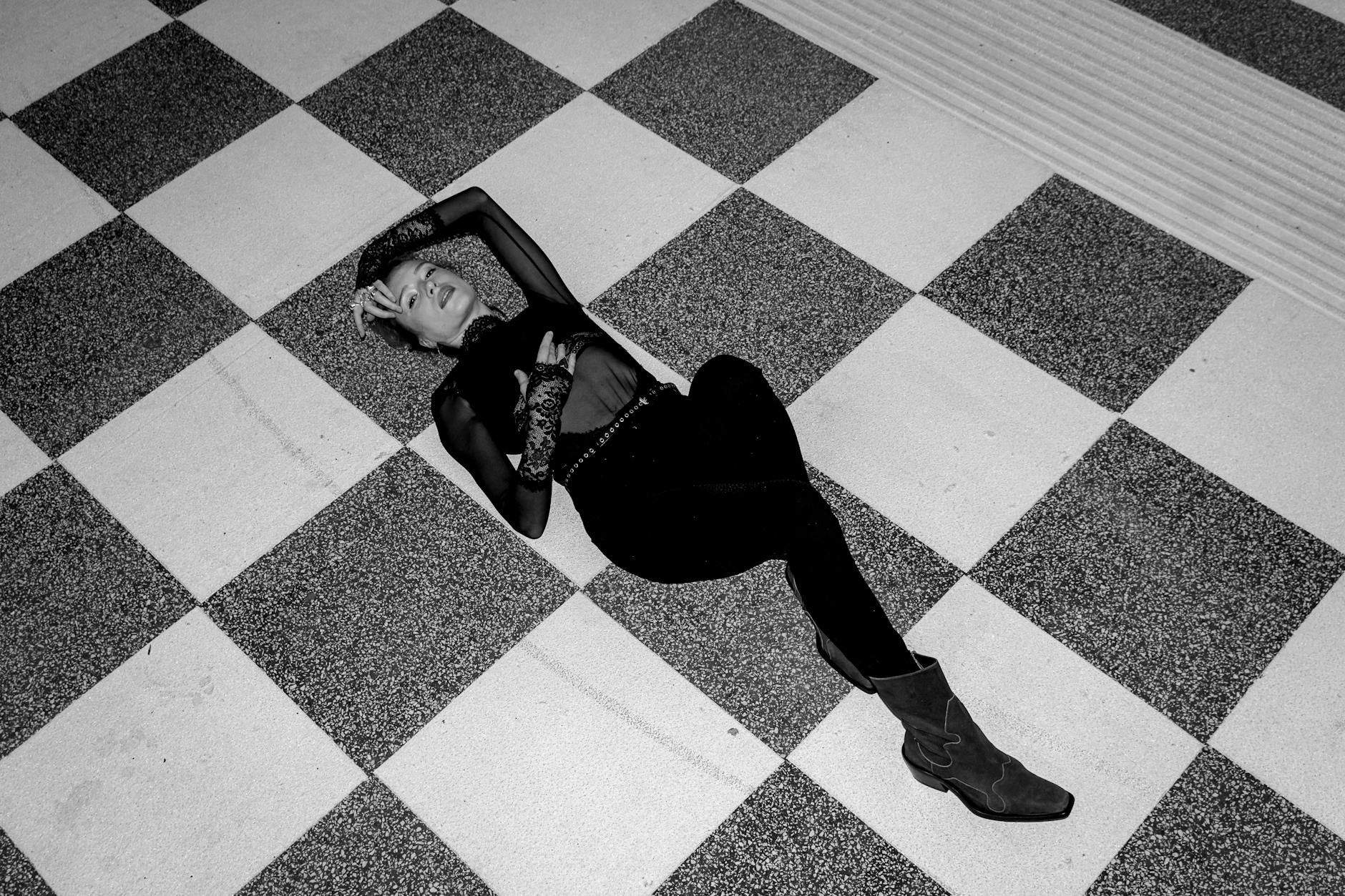
The timeless checkerboard pattern is being reimagined with soft marble tones instead of high-contrast black and white. Combinations of cream and beige or gray and white create a subtle elegance suitable for traditional and transitional homes. This layout visually expands the floor area by drawing the eye across the diagonal lines. It remains a definitive choice for achieving a historic aesthetic with a modern material palette.
Pink Veined Marble
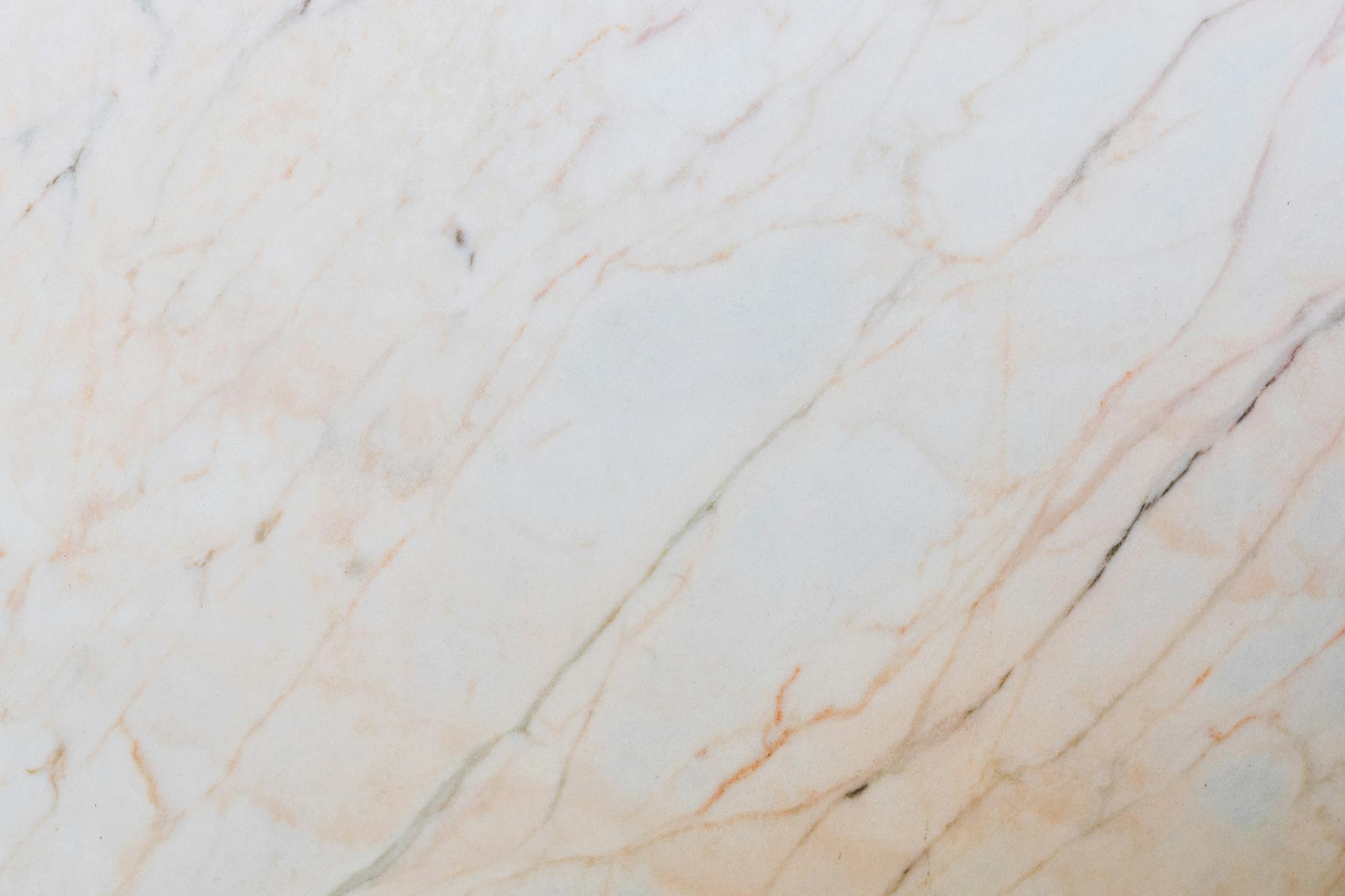
Soft blush tones are entering the stone market as a warmer alternative to stark white Carrara marble. These natural stone slabs feature delicate pink and violet veining that feels romantic and unique. The color adds a gentle flush to the bathroom that flatters skin tones in vanity mirrors. It signals a move away from monochrome schemes toward more expressive and personalized stone choices.
Geometric Cement Tiles
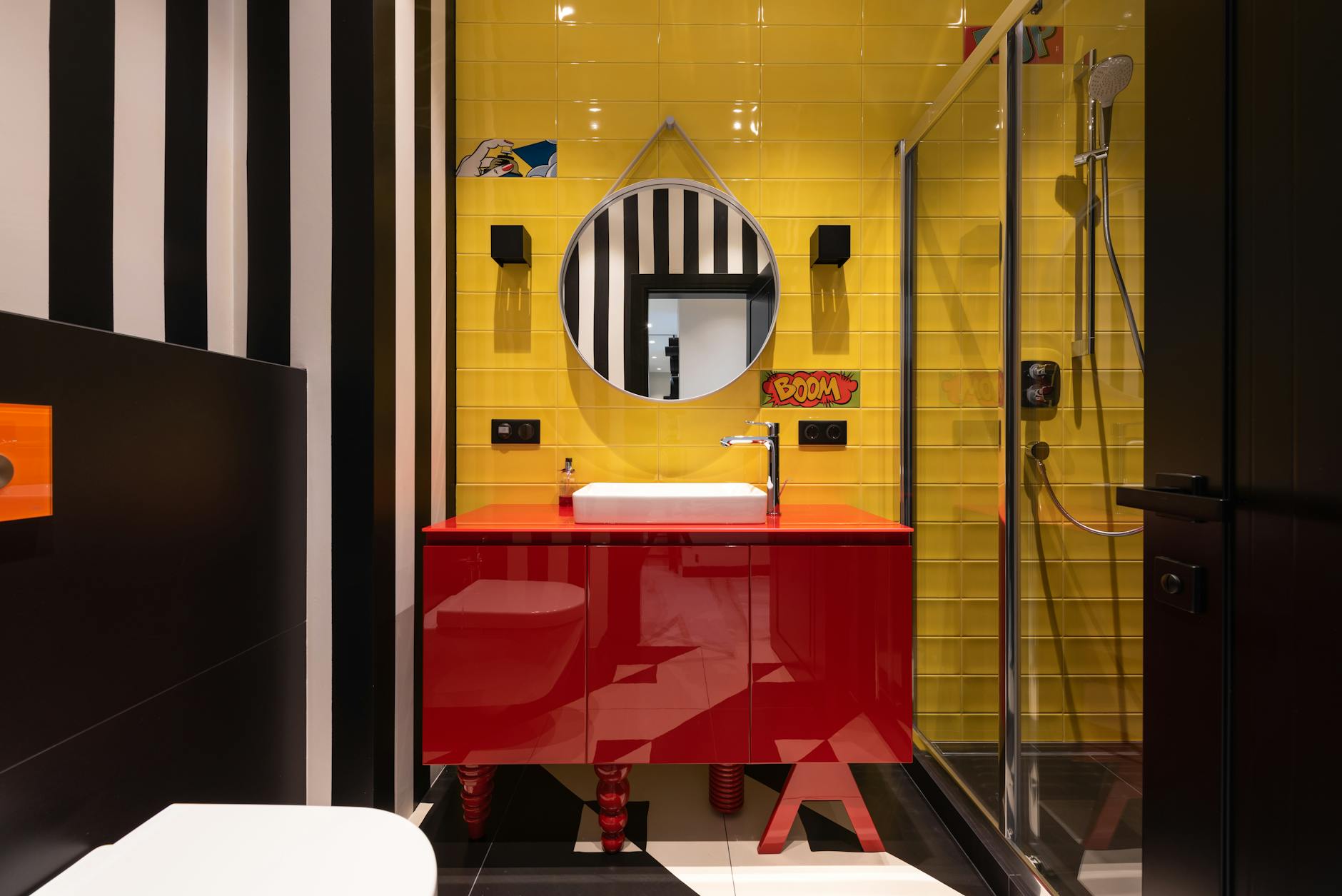
Bold patterns and vivid colors characterize these durable concrete tiles that serve as floor statements. The thick color layer allows for refinishing over decades of use without losing the design integrity. They offer a perfect way to introduce global patterns or intricate artistry into a small powder room. The matte surface provides excellent traction and develops a lived-in character over time.
Wood Look Porcelain Planks
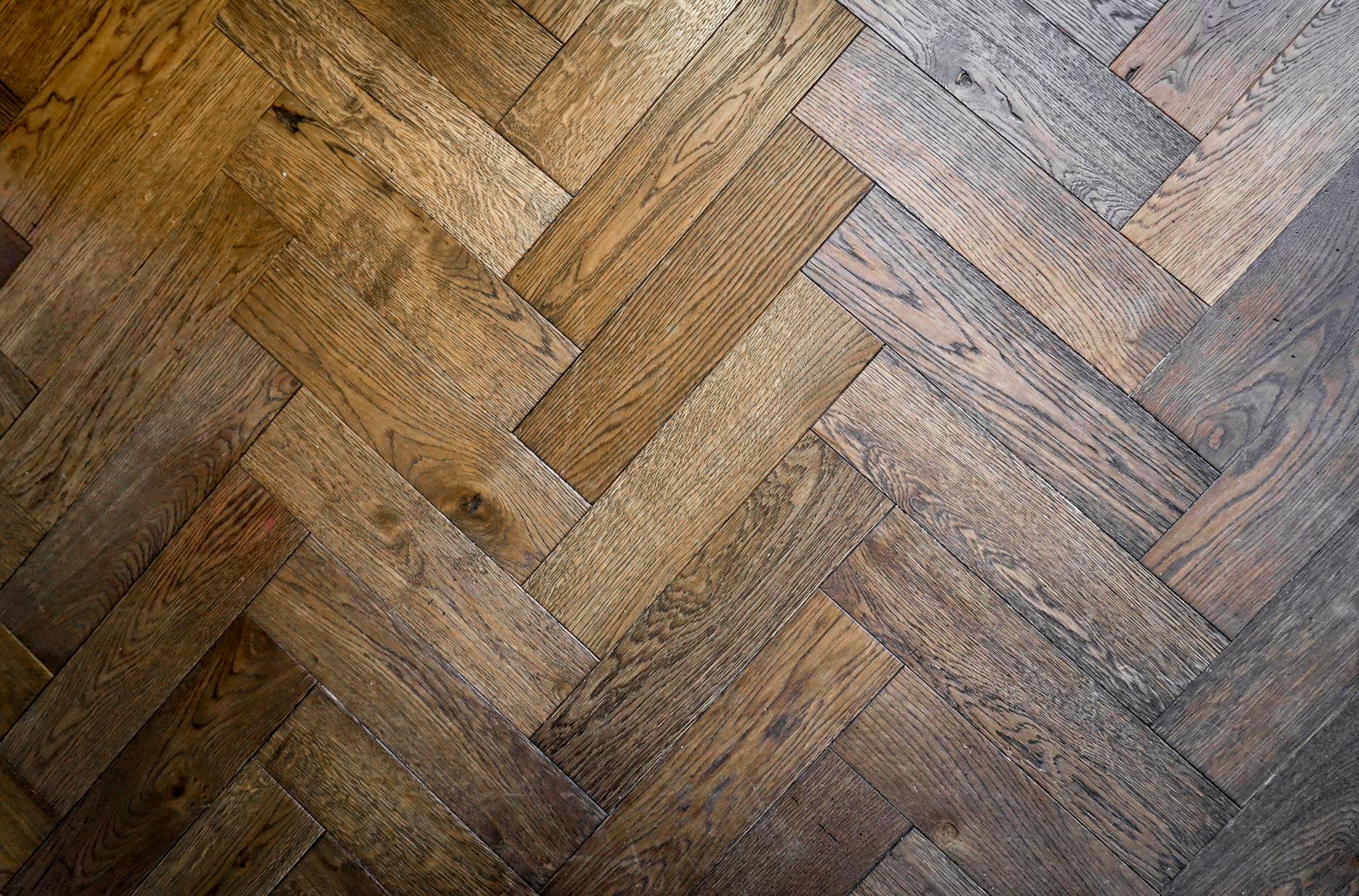
Advancements in digital printing allow porcelain tiles to mimic the grain and warmth of hardwood with incredible realism. These planks offer the cozy aesthetic of timber without the risk of warping or water damage in humid environments. They are often laid in herringbone or chevron patterns to elevate the sophistication of the floor. This solution brings the spa-like quality of Scandinavian saunas into everyday residential bathrooms.
Mirror Finish Subways
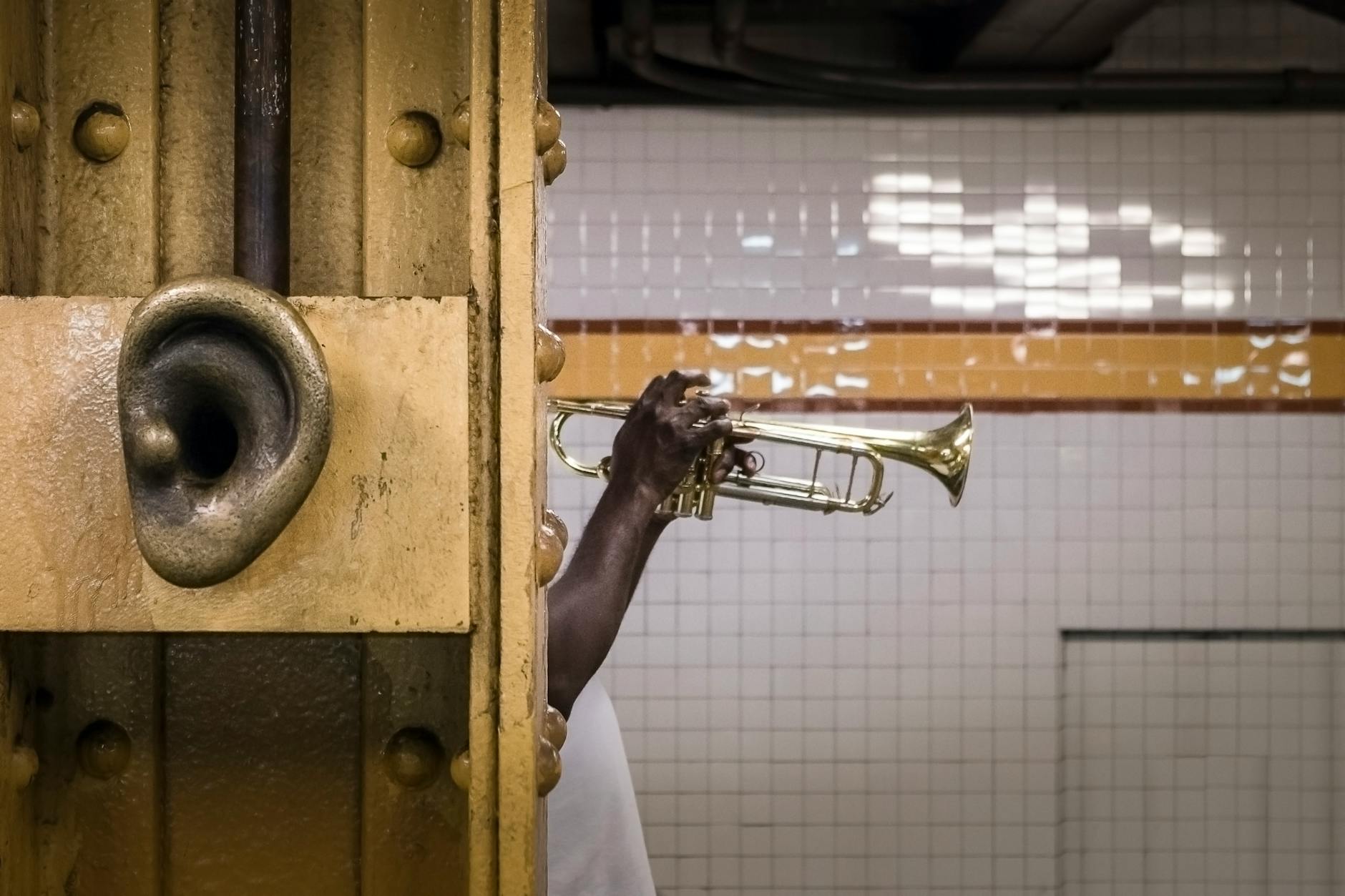
Reflective glass tiles are being used to maximize light and create the illusion of expanded space in compact bathrooms. The mirrored surface doubles the visual impact of lighting fixtures and window views. They add a glamorous touch that feels reminiscent of Art Deco interiors. This high-maintenance option is best reserved for backsplashes or accent areas rather than wet shower walls.
Traditional Talavera Pottery
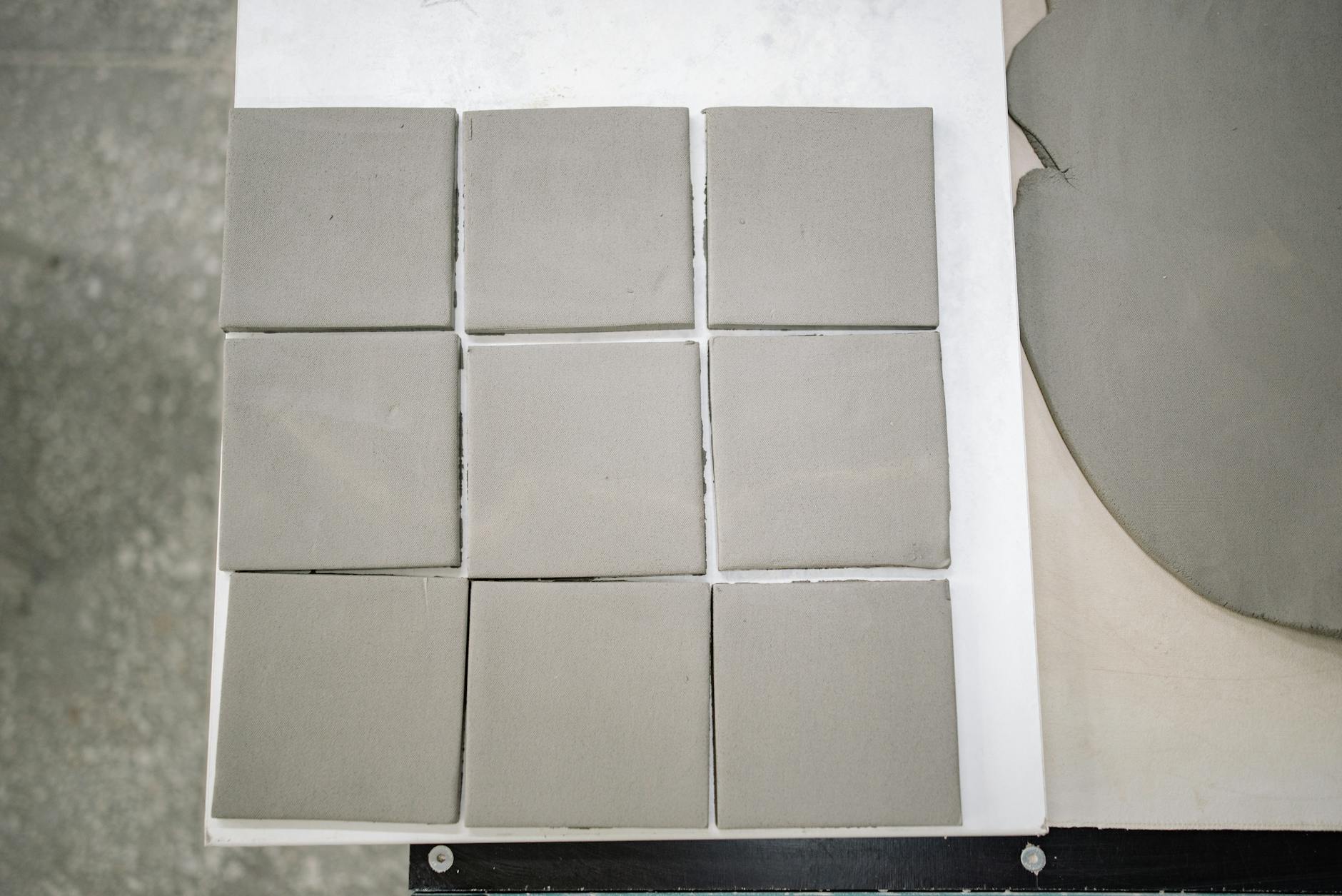
Hand-painted Mexican tiles are experiencing a resurgence for their vibrant colors and intricate folk patterns. They inject energy and cultural history into shower niches or vanity backsplashes. The brilliant blue and yellow pigments are fired at high temperatures to ensure lasting color fidelity. This trend appeals to maximalists who want their bathroom to feel like a curated art piece.
Travertine Stone Slabs
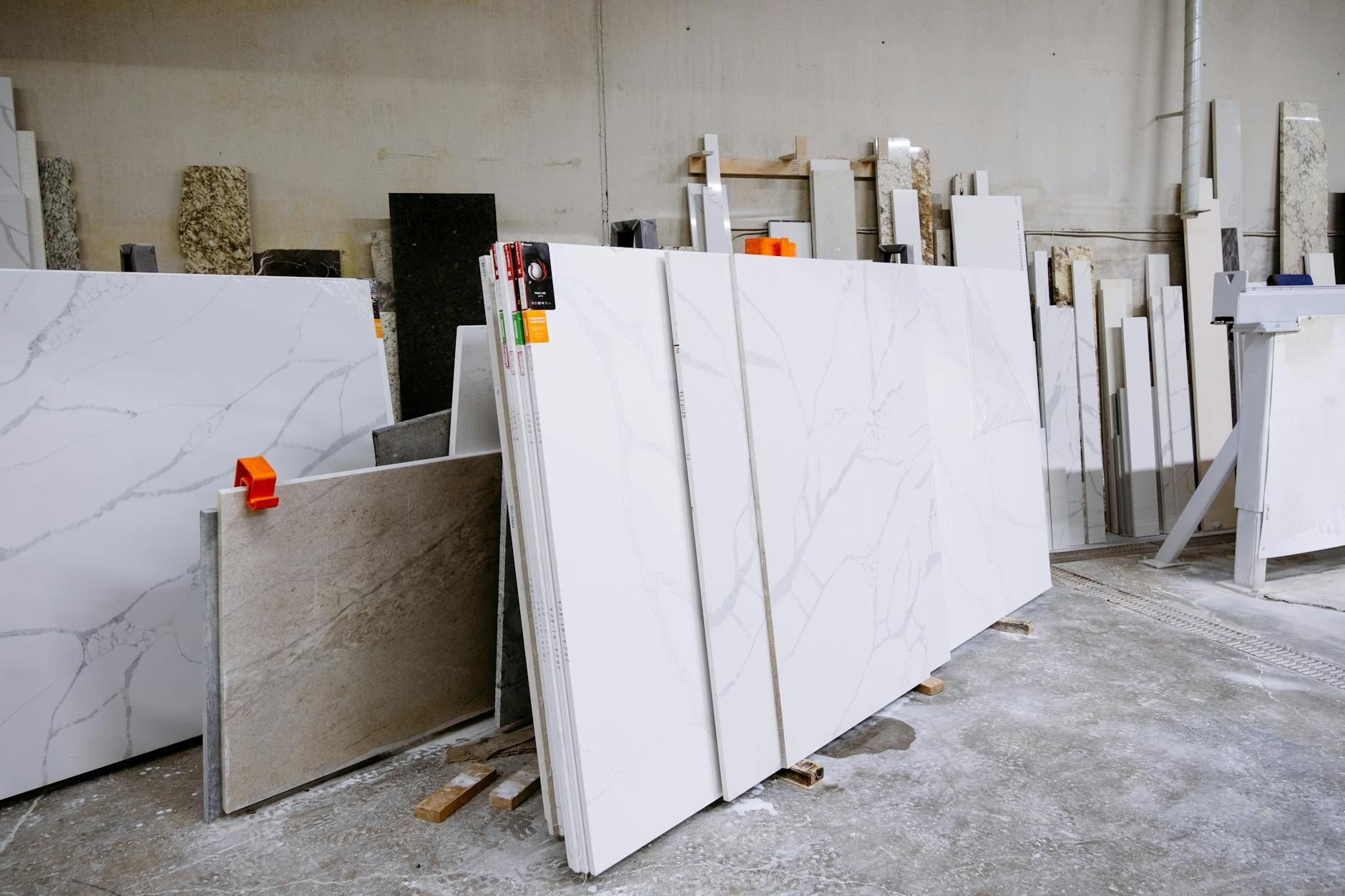
The beige and porous stone from the seventies is back with a refined and filled finish for modern homes. Its warm sandy tones provide a neutral backdrop that feels organic and calming. Large rectangular cuts highlight the horizontal stratification of the sedimentary rock. It offers a softer and more approachable luxury compared to the high polish of cold marble.
Seamless Microcement Look
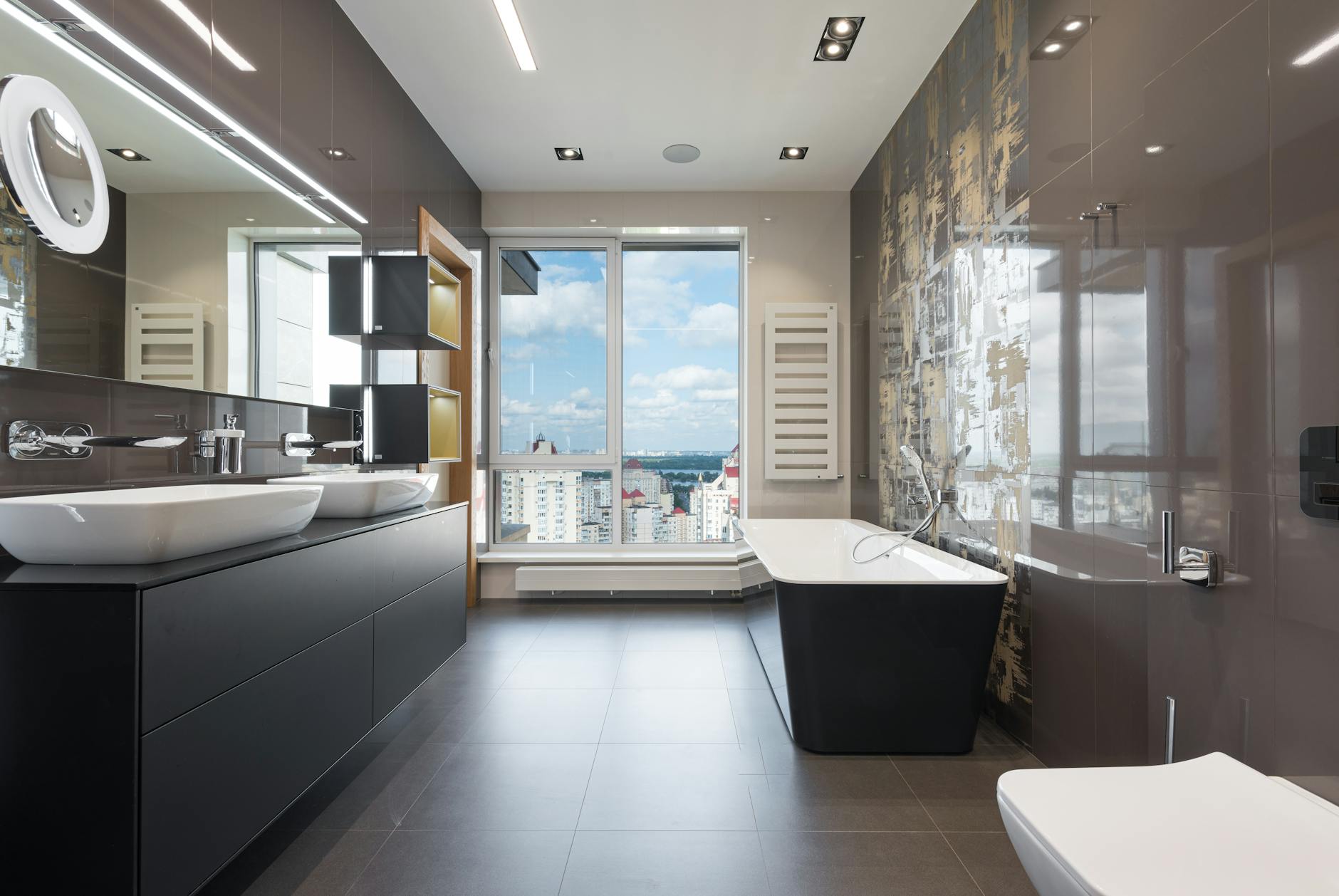
Large format tiles that mimic the appearance of poured concrete offer an industrial aesthetic with easier installation. These surfaces provide a minimalist background that allows fixtures and textiles to stand out. The lack of busy patterns contributes to a sense of calm and visual order. It is a preferred choice for urban lofts and contemporary homes seeking a raw edge.
Art Deco Fan Shapes

Fish scale or fan-shaped tiles are adding curved elegance to bathroom walls and backsplashes. This overlapping pattern evokes the glamour of the roaring twenties while feeling fresh in modern pastels. The shape softens the hard lines of rectangular vanities and square shower enclosures. Installation requires skilled craftsmanship to ensure the curved edges align perfectly across the surface.
Translucent Glass Bricks
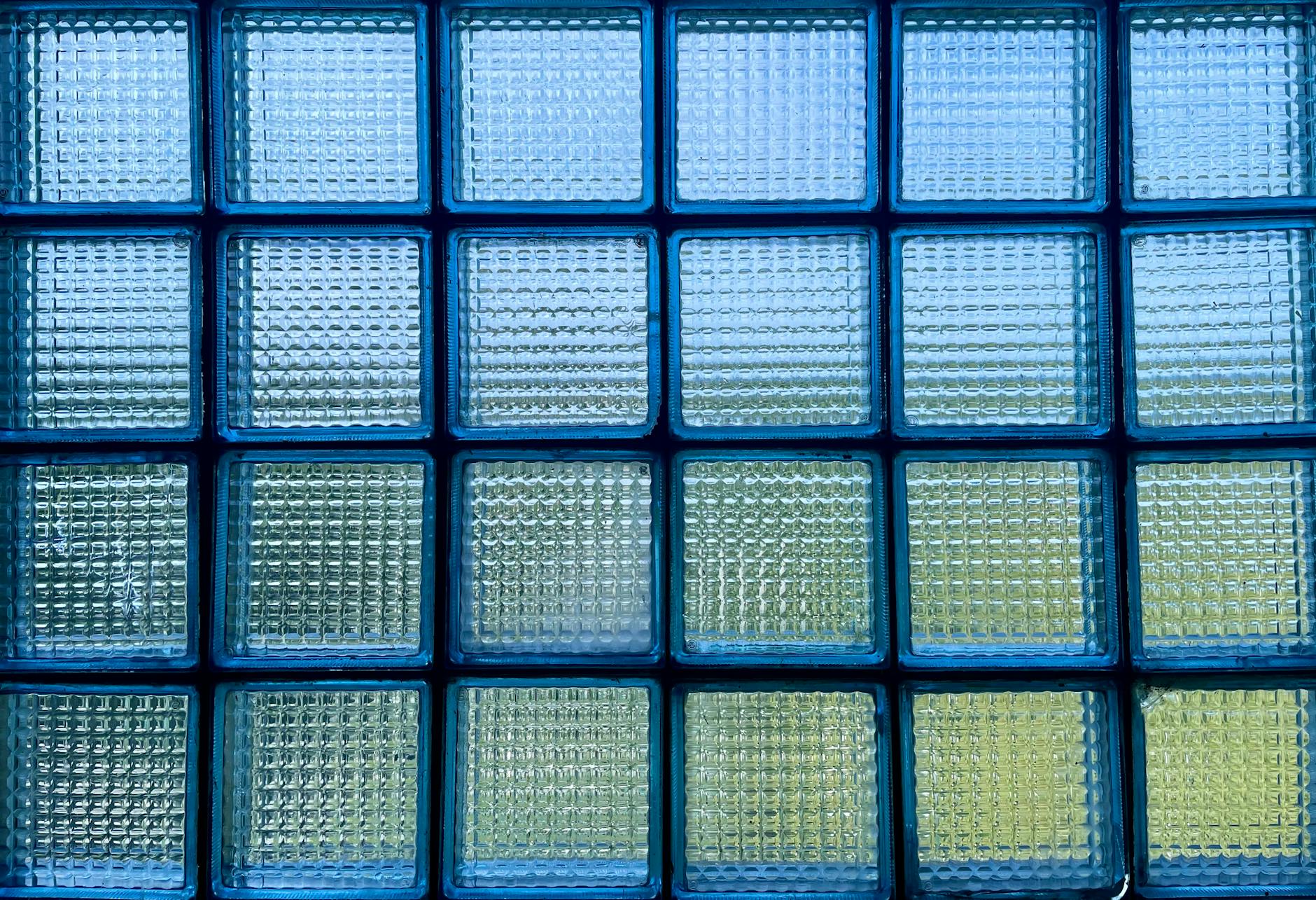
Glass blocks are returning to bathroom design to partition spaces without blocking natural light transmission. These structural elements provide privacy for toilet areas or showers while maintaining an open feel. Modern versions come in various tints and textures to customize the level of obscurity. They create a glowing wall effect when illuminated by natural or artificial light sources.
Patterned Encaustic Graphics
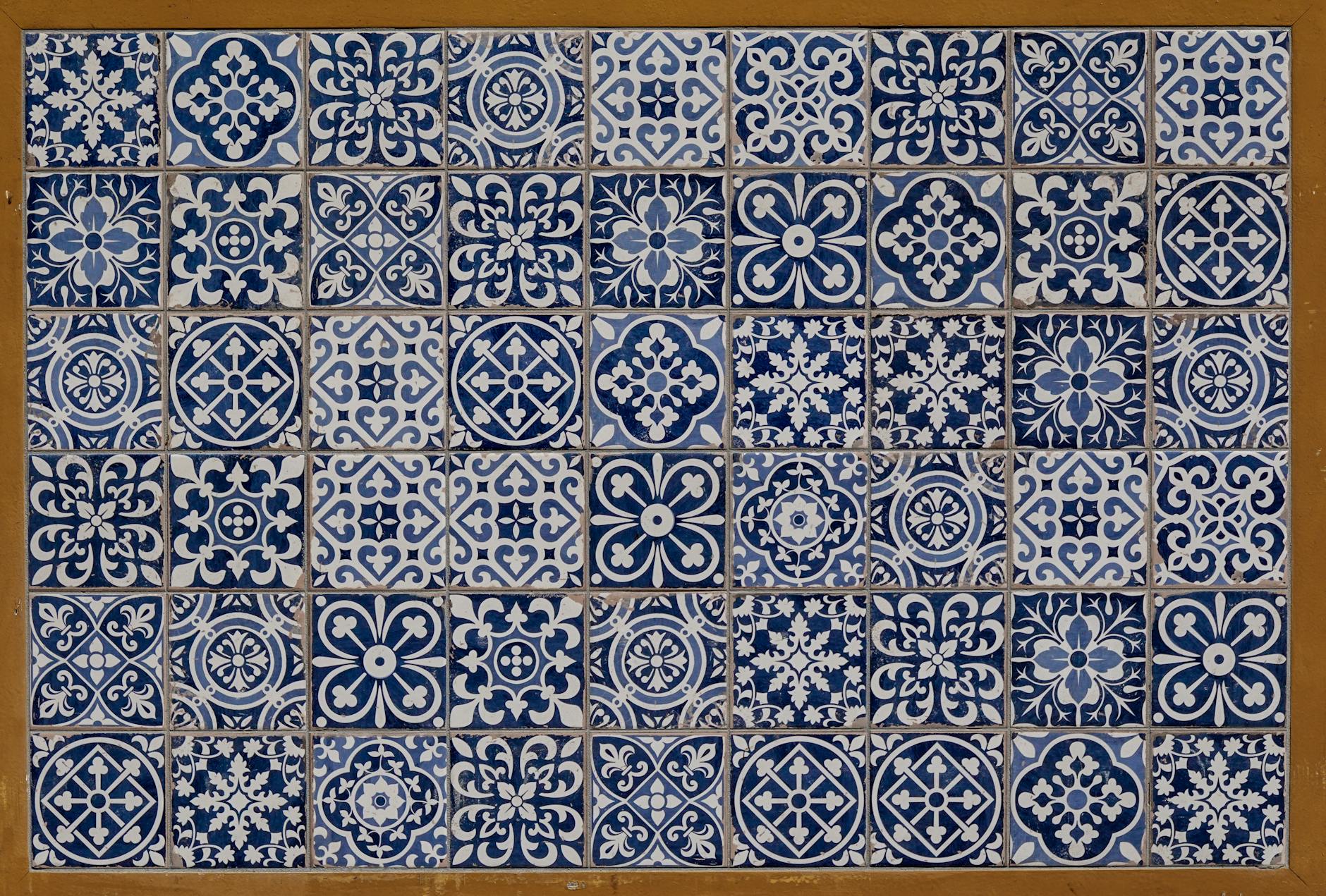
Complex geometric and floral motifs are pressed into cement tiles to create durable and decorative floor surfaces. These tiles age beautifully and hide dust or debris between cleanings. They serve as the artistic hero of the room and eliminate the need for additional rugs or decor. The manufacturing process ensures the color runs deep through the tile body for longevity.
Iridescent Pearl Finishes
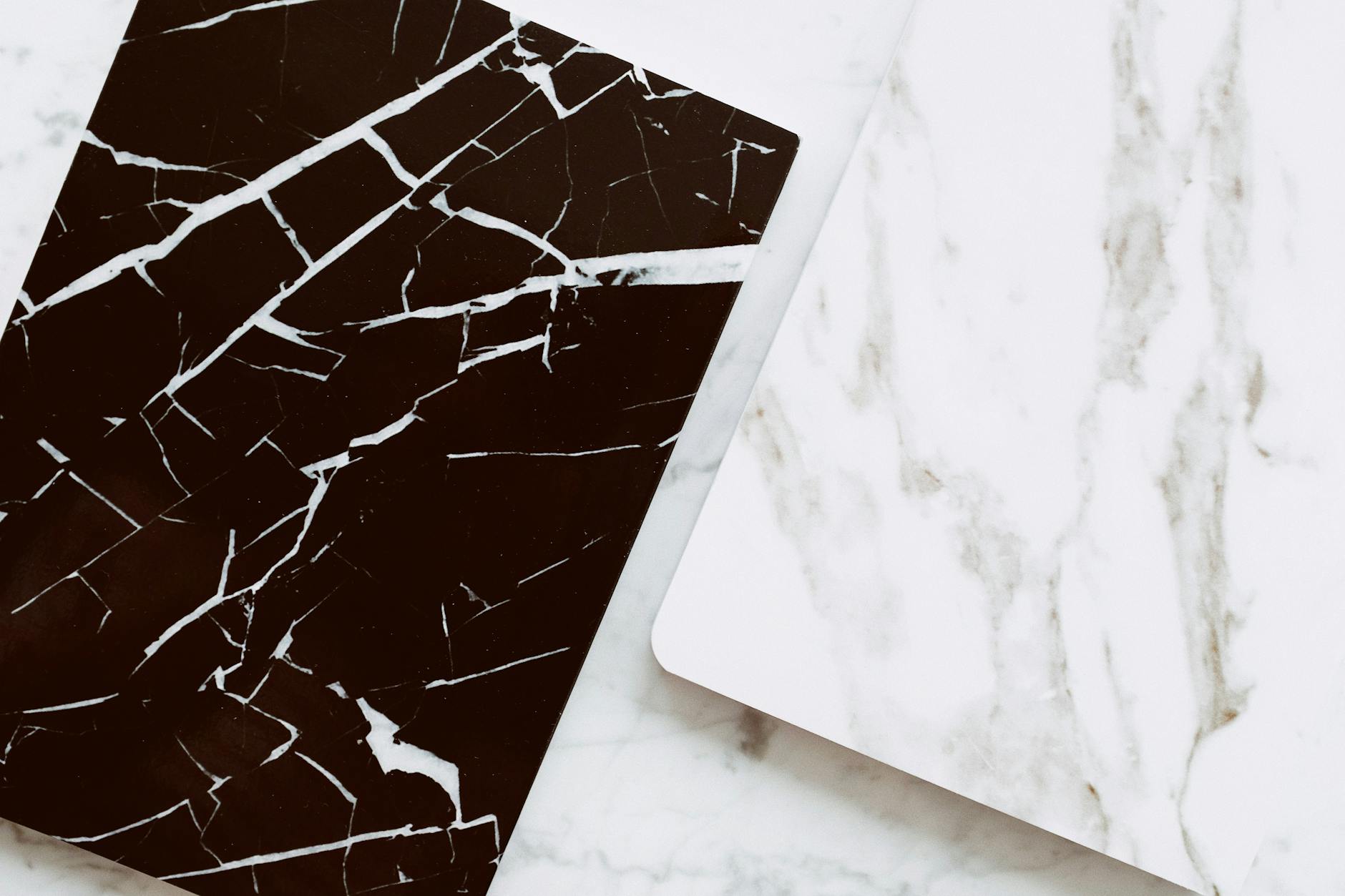
Tiles with a nacreous glaze shift colors depending on the viewing angle and lighting conditions. This ethereal effect creates a dreamlike quality in shower spaces and bathtub surrounds. The finish mimics the inside of a seashell and brings a delicate luxury to the bathroom. It pairs exceptionally well with chrome or polished nickel fixtures for a cool-toned palette.
Slate Texture Porcelain
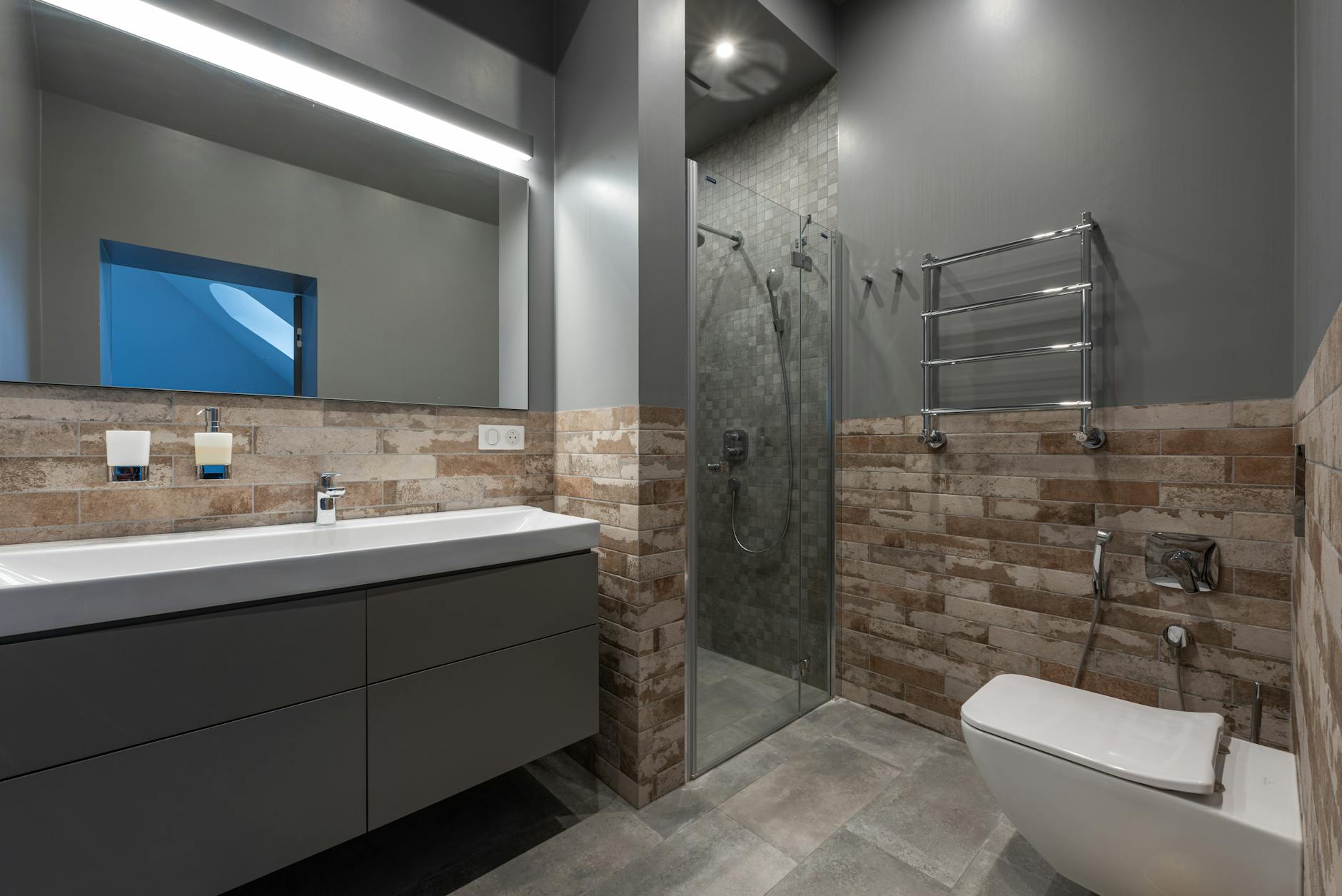
The rugged and cleft texture of natural slate is being reproduced in durable porcelain for high-performance floors. This material offers the rustic appeal of stone without the flaking or maintenance issues of real slate. The dark charcoal tones ground the room and provide a striking contrast to white fixtures. It is an ideal choice for creating a moody and masculine bathroom aesthetic.
Classic Herringbone Layouts
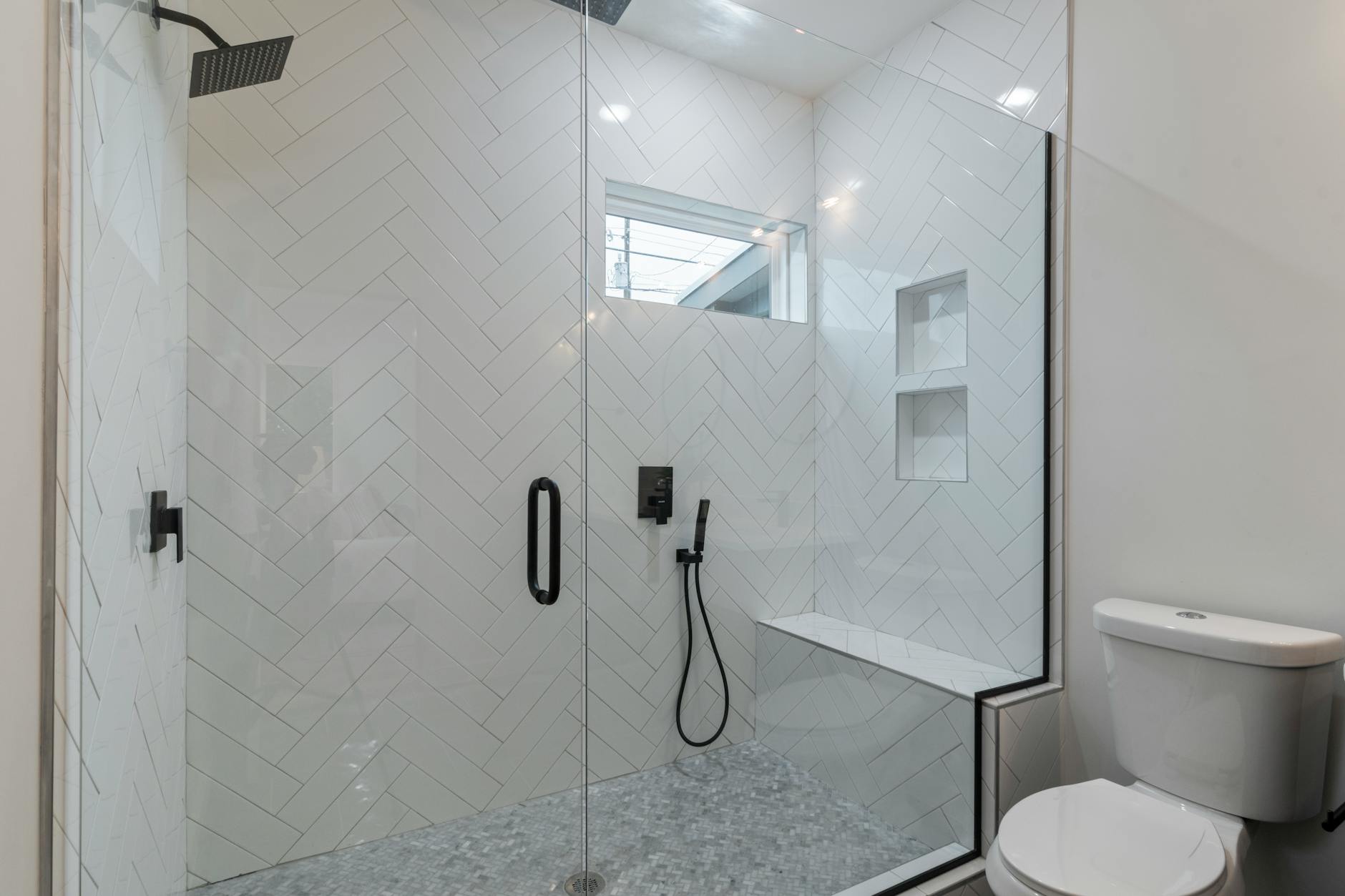
Rectangular tiles are being installed in V-shaped patterns to add energy and movement to floors and walls. This installation method transforms simple and affordable tiles into a high-end design feature. The zigzag lines guide the eye and break up the monotony of standard grid layouts. It works with almost any tile size but shines with elongated subway proportions.
Liquid Metal Effects
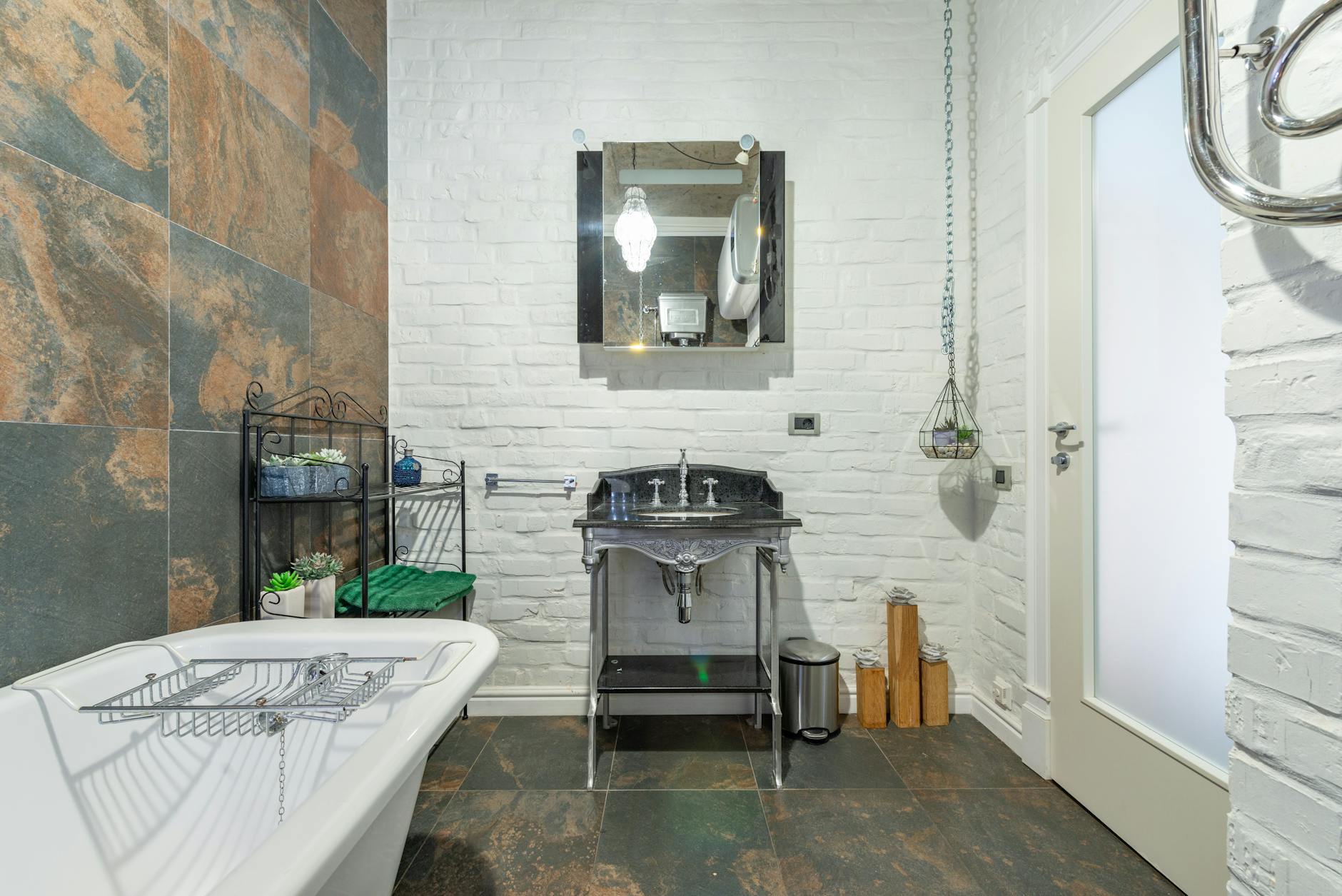
Ceramic tiles treated with metallic glazes create the appearance of molten bronze, silver, or copper. These surfaces add an industrial yet glamorous sheen that catches light in unique ways. They are often used as feature walls to create a dramatic focal point behind a freestanding tub. The finish is durable and resistant to tarnishing unlike actual metal sheeting.
Retro Floral Motifs
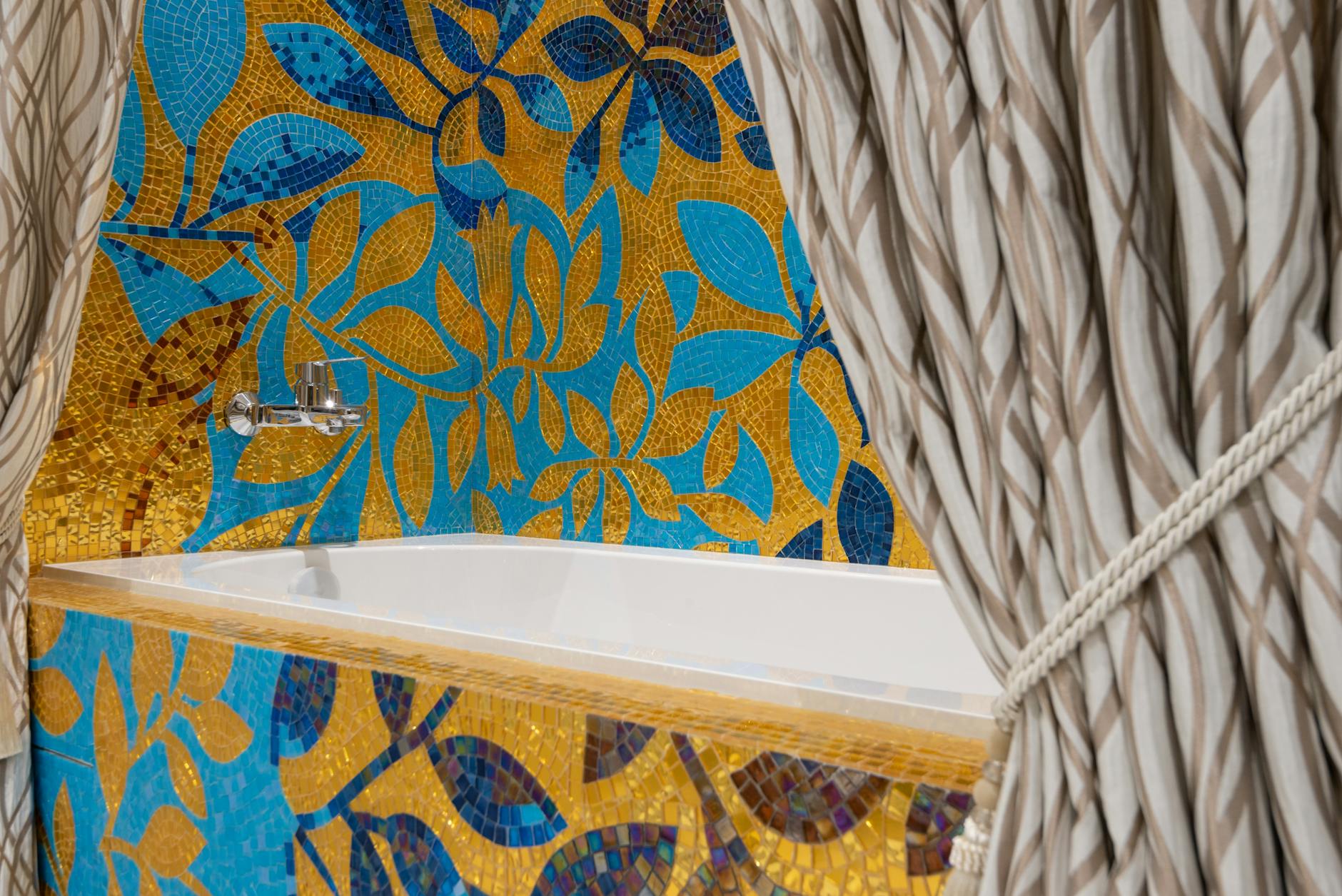
Large-scale floral patterns are being printed on ceramic tiles to create wallpaper-like effects in wet zones. These botanical designs range from vintage chintz to bold abstract blooms. They allow homeowners to introduce softness and pattern into the shower where wallpaper is not practical. The trend embraces maximalism and the joy of expressive decoration.
Charcoal Limestone Pavers

Dark grey natural stone with subtle fossil details is becoming a staple for sophisticated spa bathrooms. The matte surface feels soft underfoot and offers natural anti-slip properties. The consistent color provides a calm and monolithic look when used on both floors and walls. It serves as a neutral but strong foundation for minimalist design schemes.
Moroccan Fish Scales
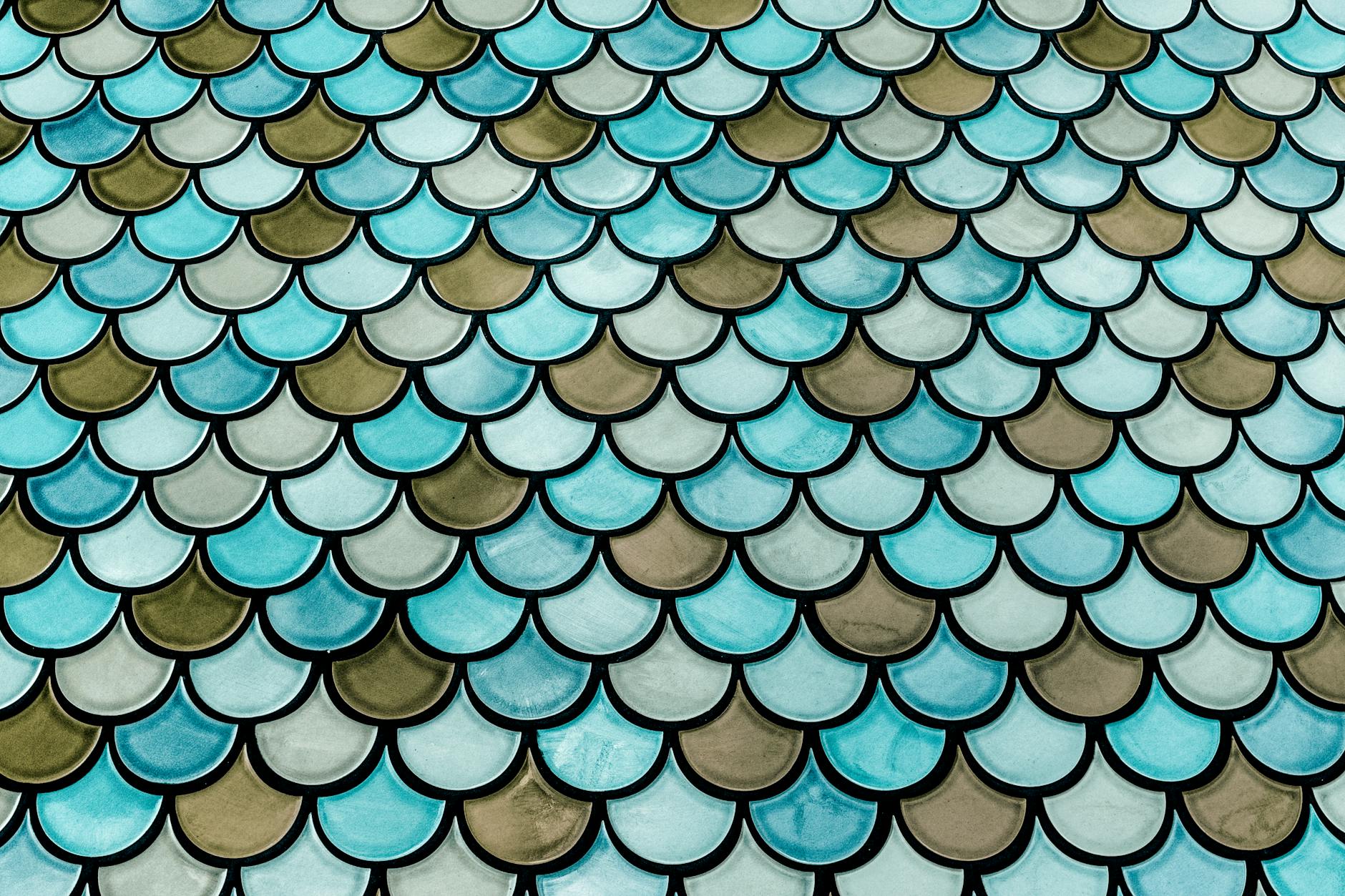
The scallop shape continues to be popular for its ability to add whimsy and movement to bathroom walls. The curved edges resemble the ocean and reinforce aquatic themes without being literal. Designers often use a blend of blue and green tones to enhance the maritime effect. The shape is particularly effective for drawing attention to specific zones like the vanity or niche.
Digital Print Murals

Technology now allows for entire wall murals to be printed across a series of ceramic tiles. These custom installations can depict landscapes, abstract art, or intricate textures. This innovation eliminates the repetition of standard patterns for a truly unique surface. It turns the shower wall into a massive canvas for personal expression.
Recycled Plastic Composites

Innovative tiles made from post-consumer plastic waste are entering the market with vibrant colors and terrazzo-like patterns. This material is waterproof, lightweight, and incredibly durable for bathroom applications. It appeals to the growing demographic of homeowners prioritizing circular economy products. The unique speckled appearance tells a visual story of sustainability and reuse.
Cobblestone Sheets
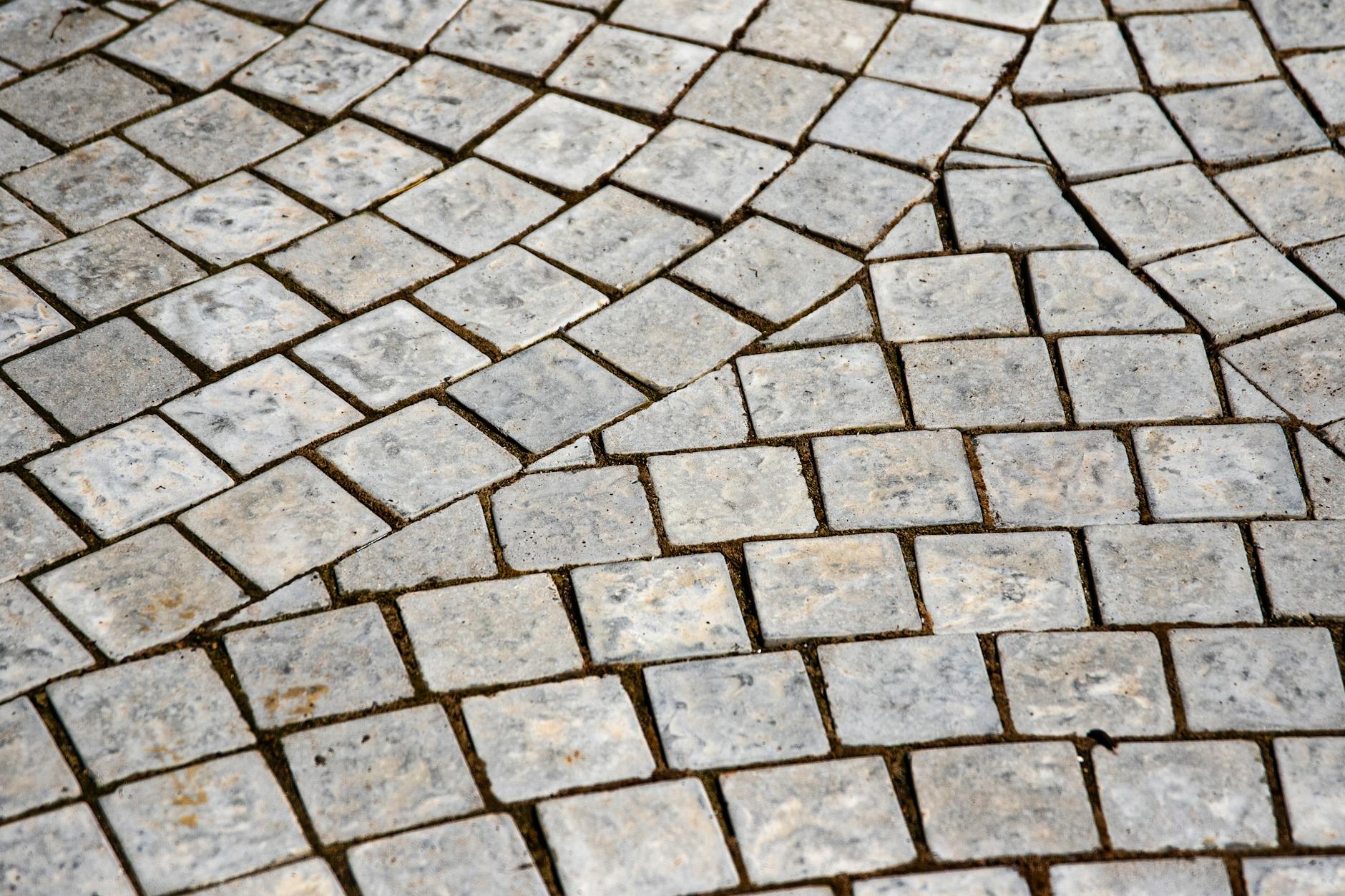
Mesh-mounted sheets of rounded stones bring the texture of a riverbed into the shower floor. This tactile surface provides a natural foot massage and excellent grip while showering. The organic shapes break up the rigid lines of modern bathroom architecture. It creates an immediate sensory connection to nature and wellness practices.
Soft Peach Pastels

Gentle orange and pink hybrids are replacing cool neutrals to create flattering and warm bathroom environments. These pastel tiles reflect a glow that makes the room feel sunny and cheerful even without windows. They work beautifully with white grout and light wood accents for a fresh look. The color promotes a sense of optimism and morning energy.
Indigo Shibori Patterns
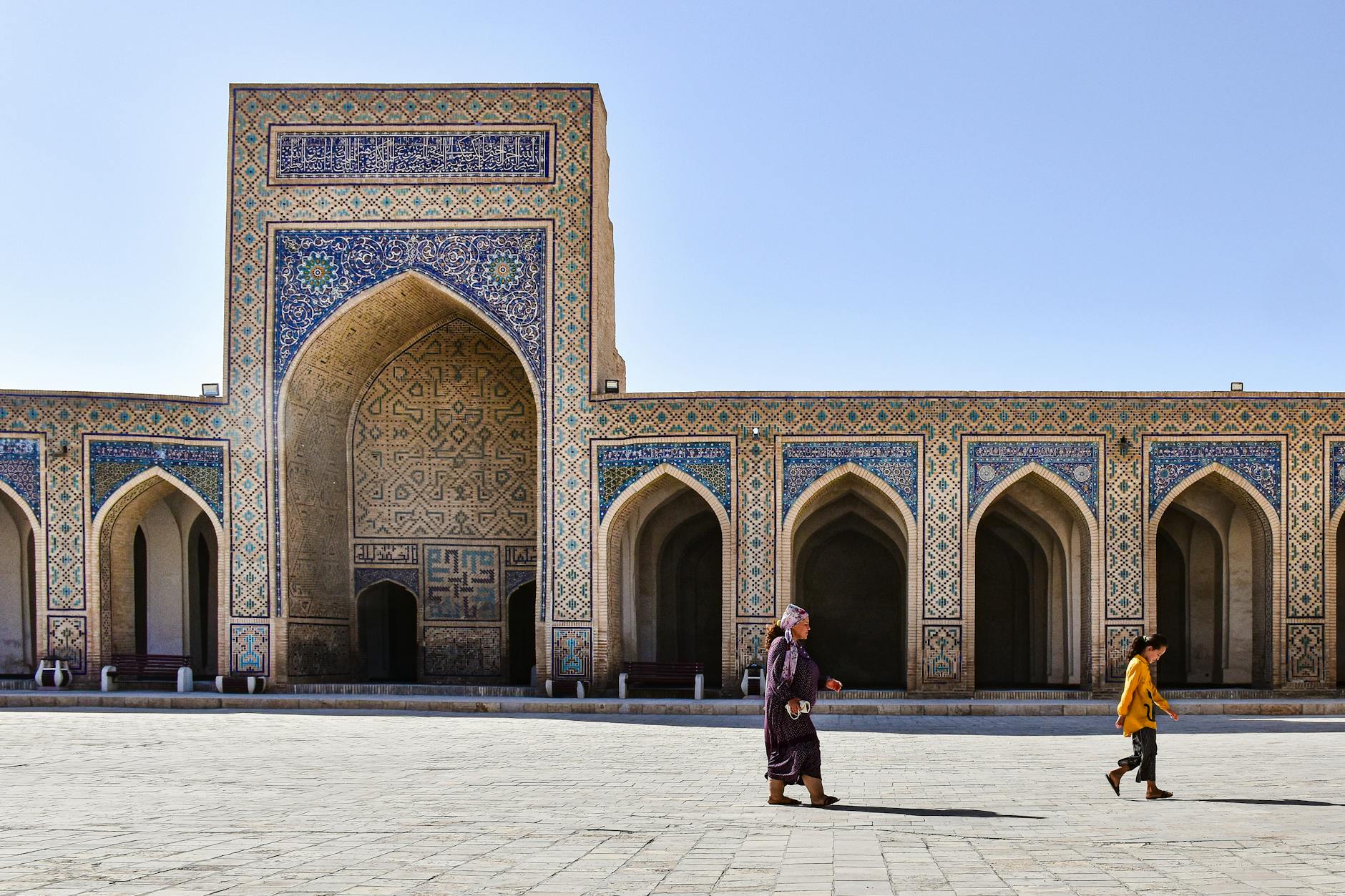
Tiles featuring the blurred blue and white patterns of Japanese tie-dye are adding global flair to bathrooms. The designs look organic and hand-dyed despite being durable ceramic surfaces. They offer a sophisticated way to use blue that feels curated rather than nautical. The intricate patterns hide soap scum well and add visual depth.
Acid Washed Metals
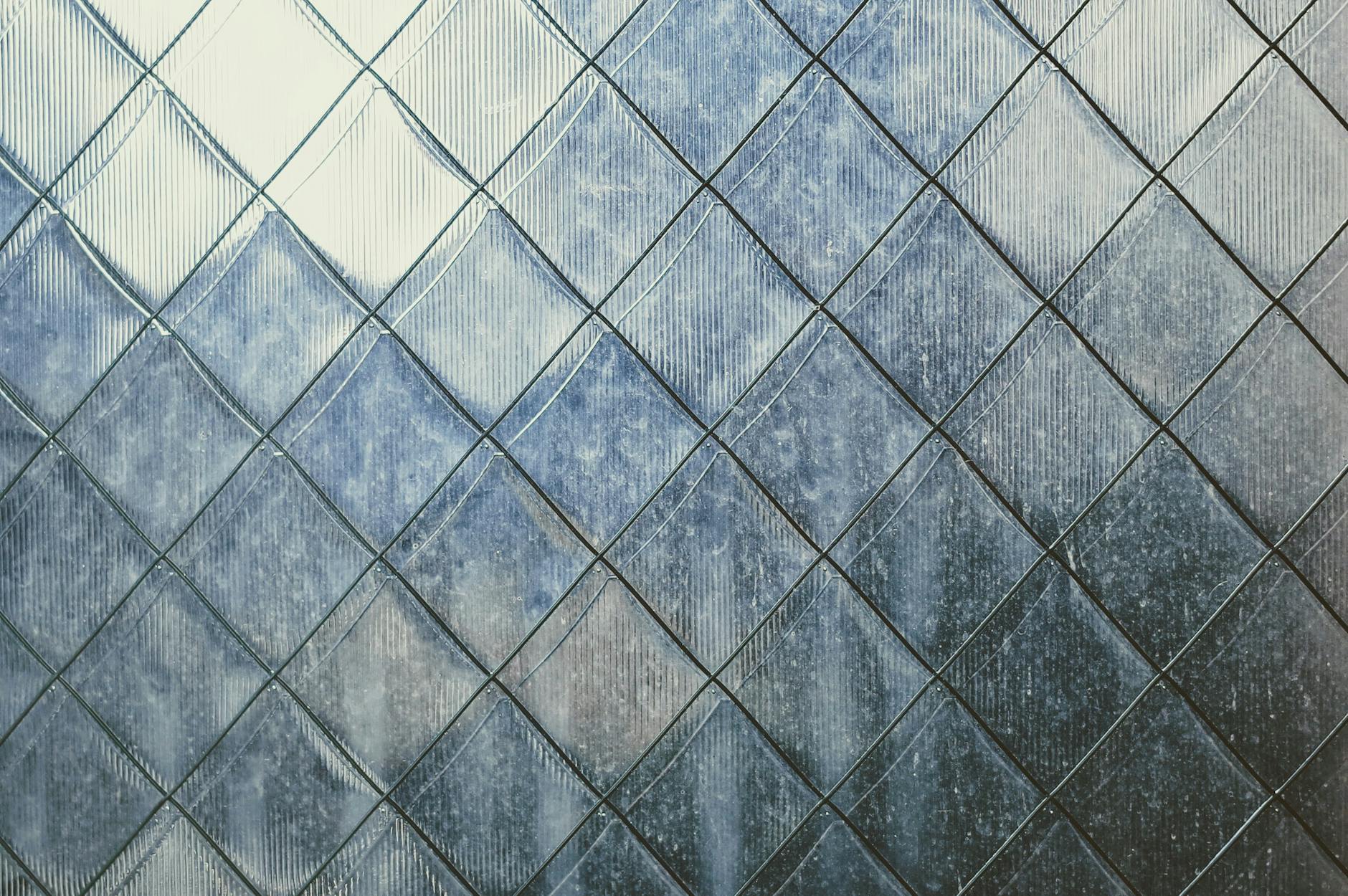
Large format tiles that mimic the look of oxidized steel or copper are trending for industrial-style bathrooms. The rust and patina effects are printed onto porcelain for a stable and smooth finish. This aesthetic brings a raw and edgy vibe that contrasts well with sleek glass and white ceramics. It captures the beauty of urban decay in a controlled and cleanable format.
Translucent Resin Panels
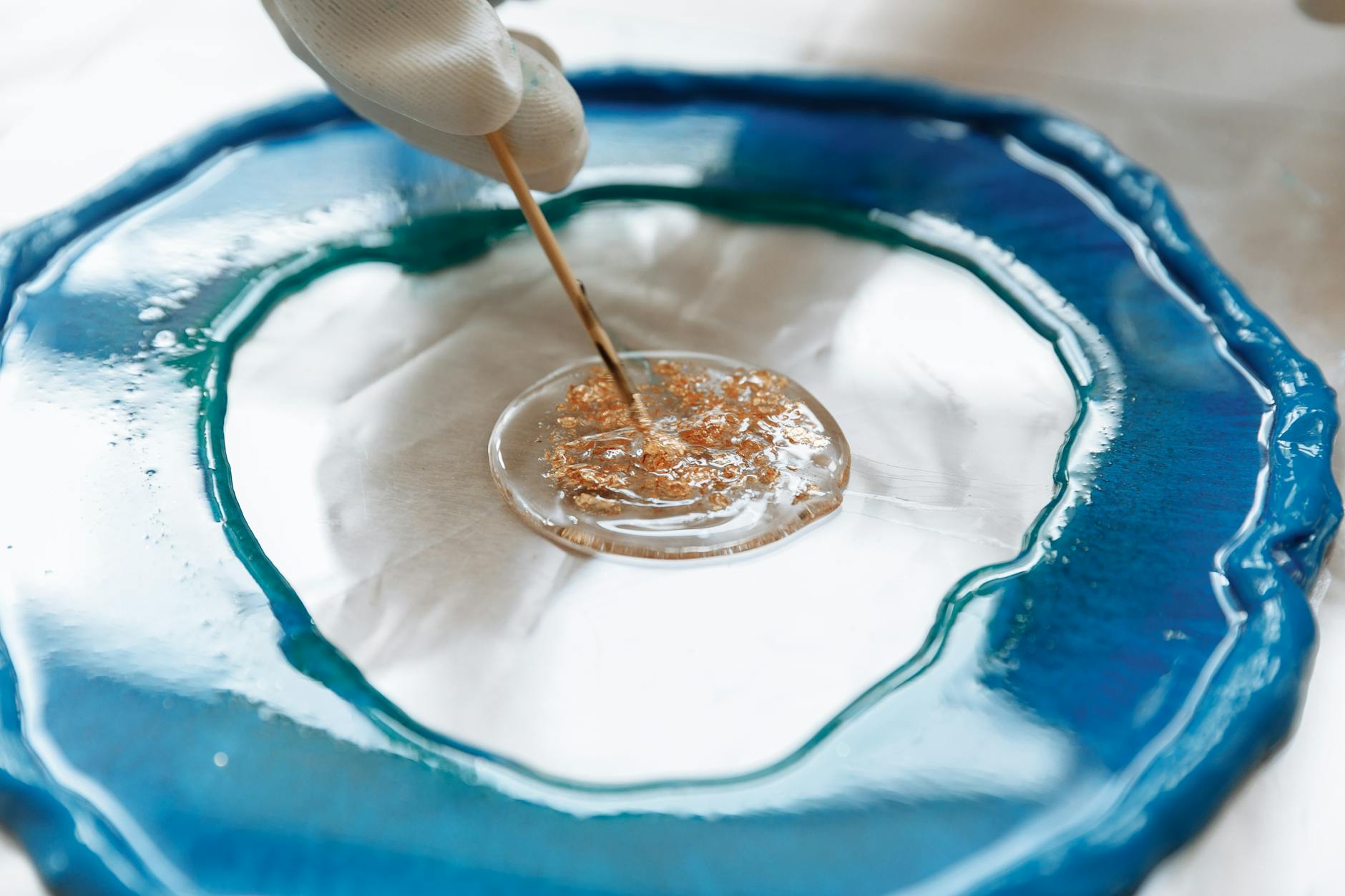
While not traditional ceramic, resin tiles are gaining traction for their ability to diffuse light and hold embedded objects. These panels can contain dried flowers or fabric within the waterproof material for a preserved effect. They offer a highly artistic and bespoke option for shower partitions or feature areas. The material is warm to the touch and resistant to mold growth.
Please share which of these tile trends you would incorporate into your own home renovation in the comments.