Waterfalls have a way of turning an ordinary trail day into a story you keep telling. Some are quick payoffs on forest paths while others require steep climbs, river crossings, or long approaches that make the first glimpse feel earned. The best hikes balance the journey with the destination, offering viewpoints, swimming holes, wildflowers, or misty canyons along the way. These waterfall treks span continents and climates, so timing, weather, and trail conditions matter as much as good footwear.
Yosemite Falls
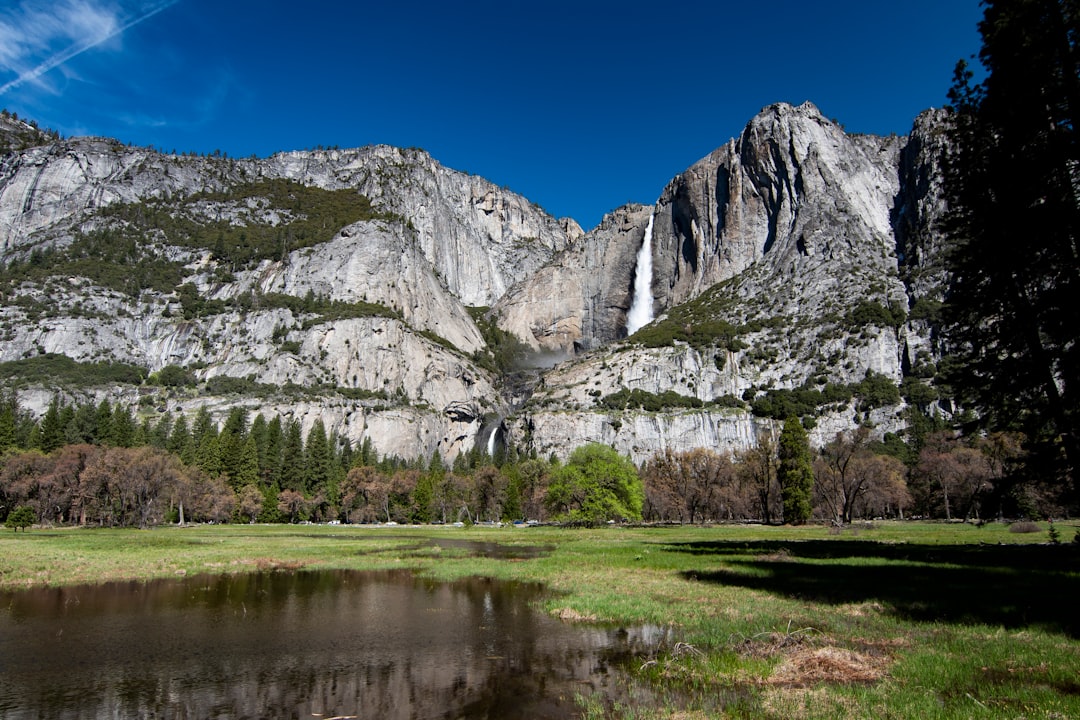
Yosemite Falls drops in three tiers and can be seen from the valley, but hiking to the top changes the scale completely. The classic trail climbs steeply through switchbacks with huge views over Yosemite Valley. Spring and early summer bring the most powerful flow, while late season can be a thinner ribbon depending on snowpack. Start early to avoid heat and crowds, and expect wet spray near the upper viewpoint.
Multnomah Falls
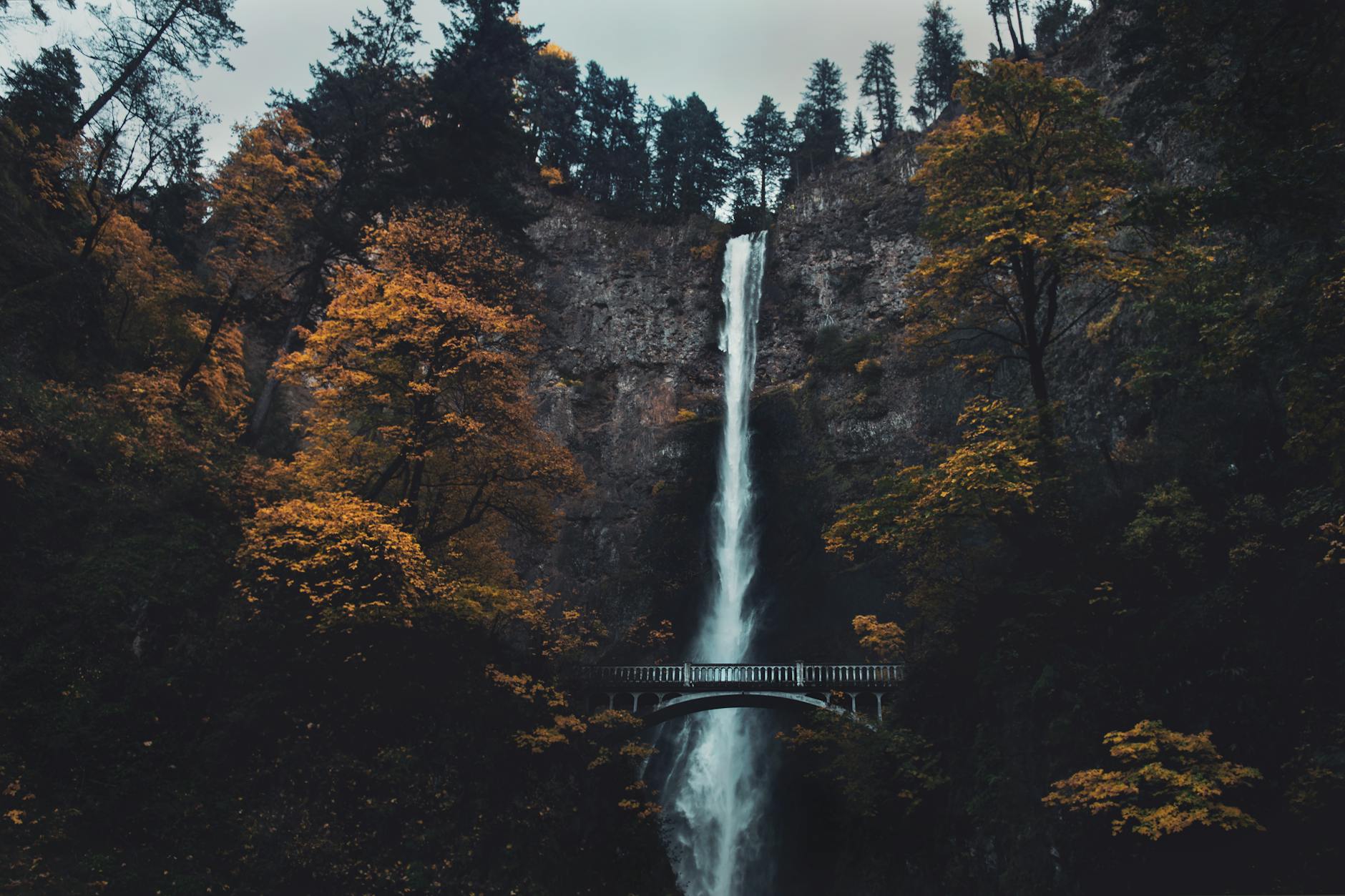
Multnomah Falls is famous for its postcard view, but the short hike to Benson Bridge gives a front row seat to the roar. Continuing higher on the trail adds quieter viewpoints and a deeper feel for the Columbia River Gorge forest. Winter can be magical with ice formations, though traction may be necessary when conditions are slick. Weekdays and early mornings are the easiest times for a calmer visit.
Havasu Falls
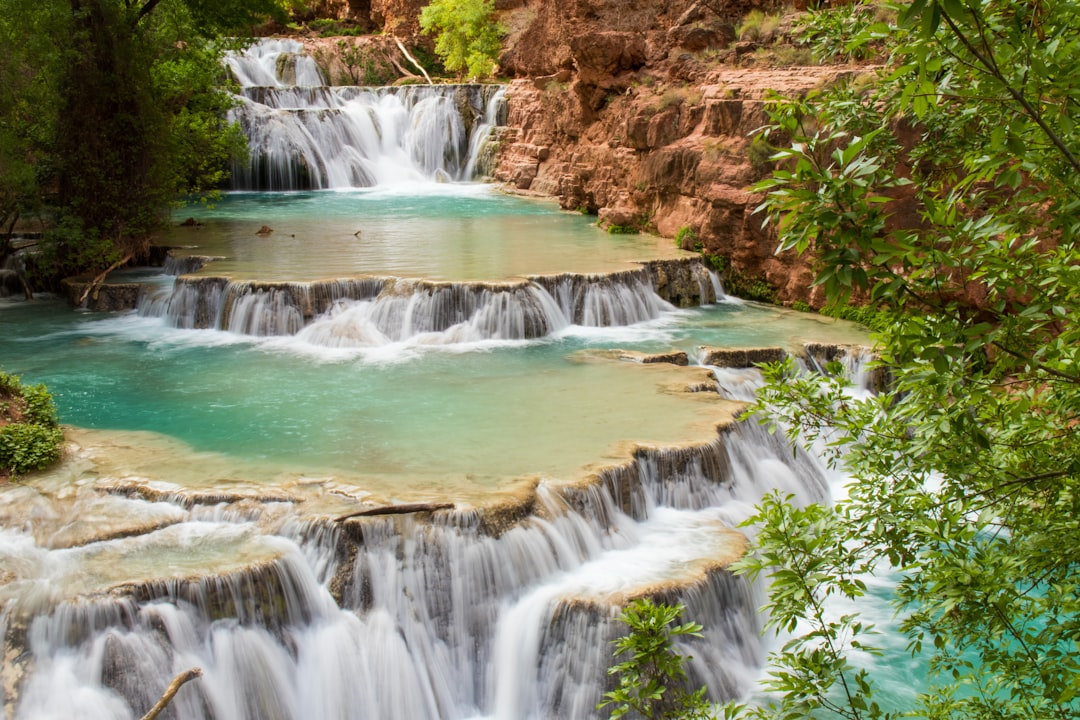
Havasu Falls is known for turquoise water and travertine pools tucked into a desert canyon. The hike in is long and sandy, so careful planning for heat, water, and pacing is essential. Permits and lodging logistics are a major part of the experience, and rules help protect the fragile canyon environment. Cooler months are generally more comfortable for hiking, while water temperatures can vary.
Angel Falls
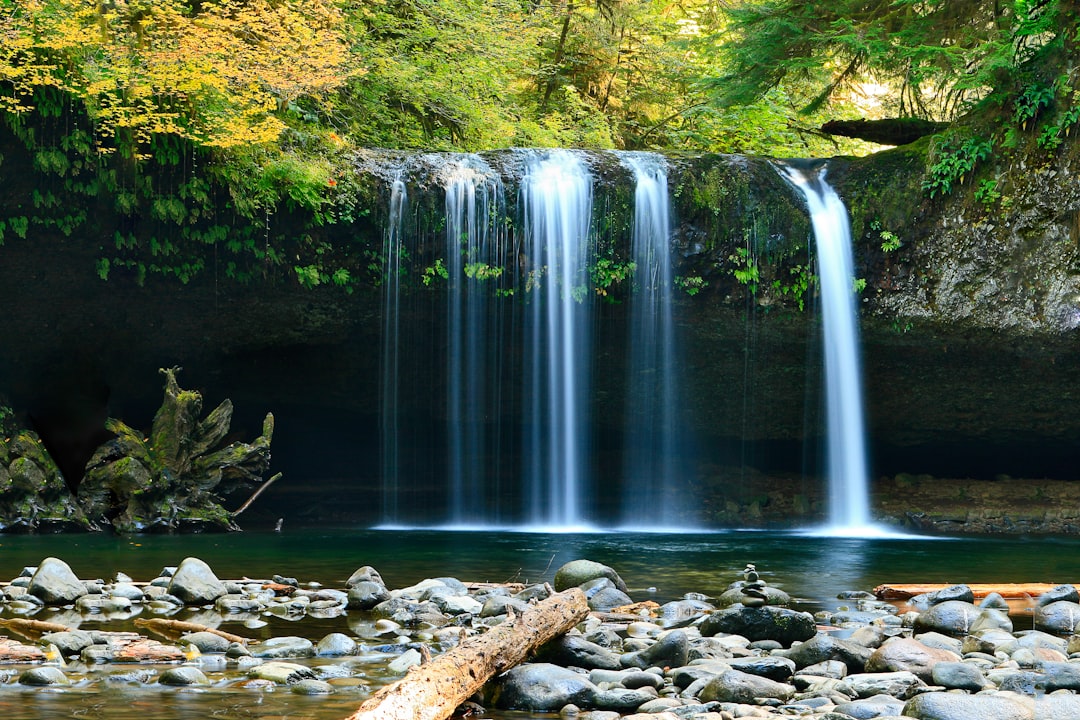
Angel Falls is the world’s tallest uninterrupted waterfall, plunging from a tabletop mountain in Venezuela. Reaching it usually involves river travel and jungle trekking that feels like a true expedition. Water levels affect access and the overall look of the falls, with rainy seasons often bringing a broader flow. Guided trips are common due to remoteness, navigation needs, and changing river conditions.
Skógafoss
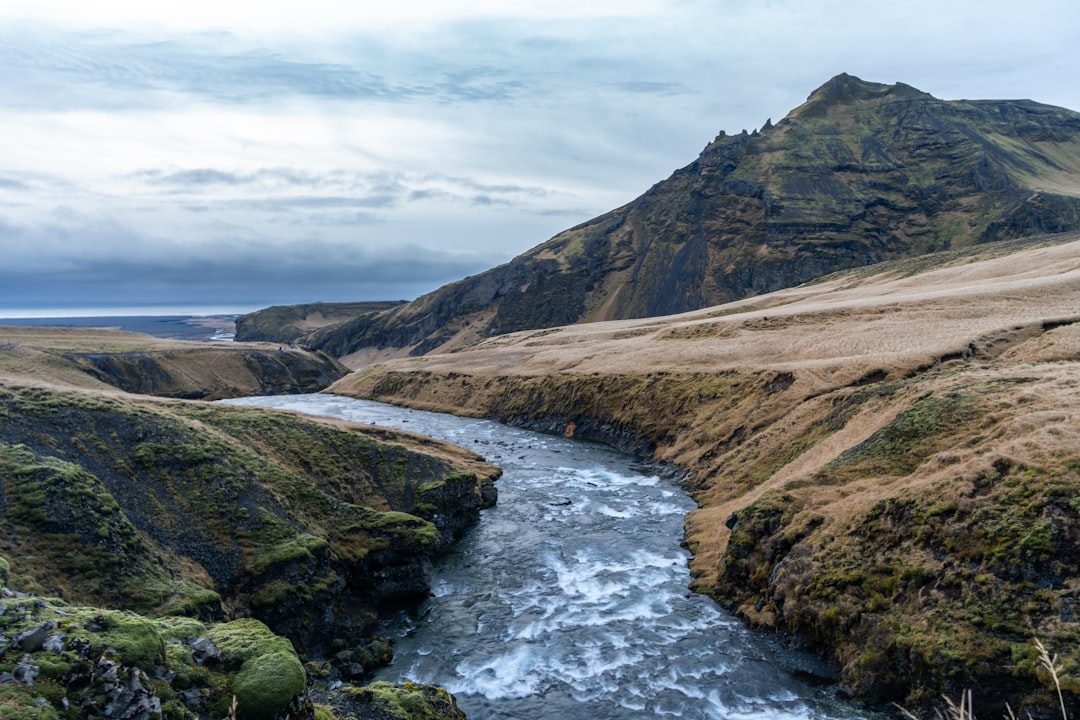
Skógafoss in Iceland is powerful and wide, with an easy climb to an upper viewpoint that reveals the river rushing toward the edge. A longer hike continues into the highlands where more cascades line the route. Mist and wind can soak clothing quickly, so waterproof layers are helpful even on clear days. Shoulder seasons often offer fewer visitors and dramatic light.
Seljalandsfoss
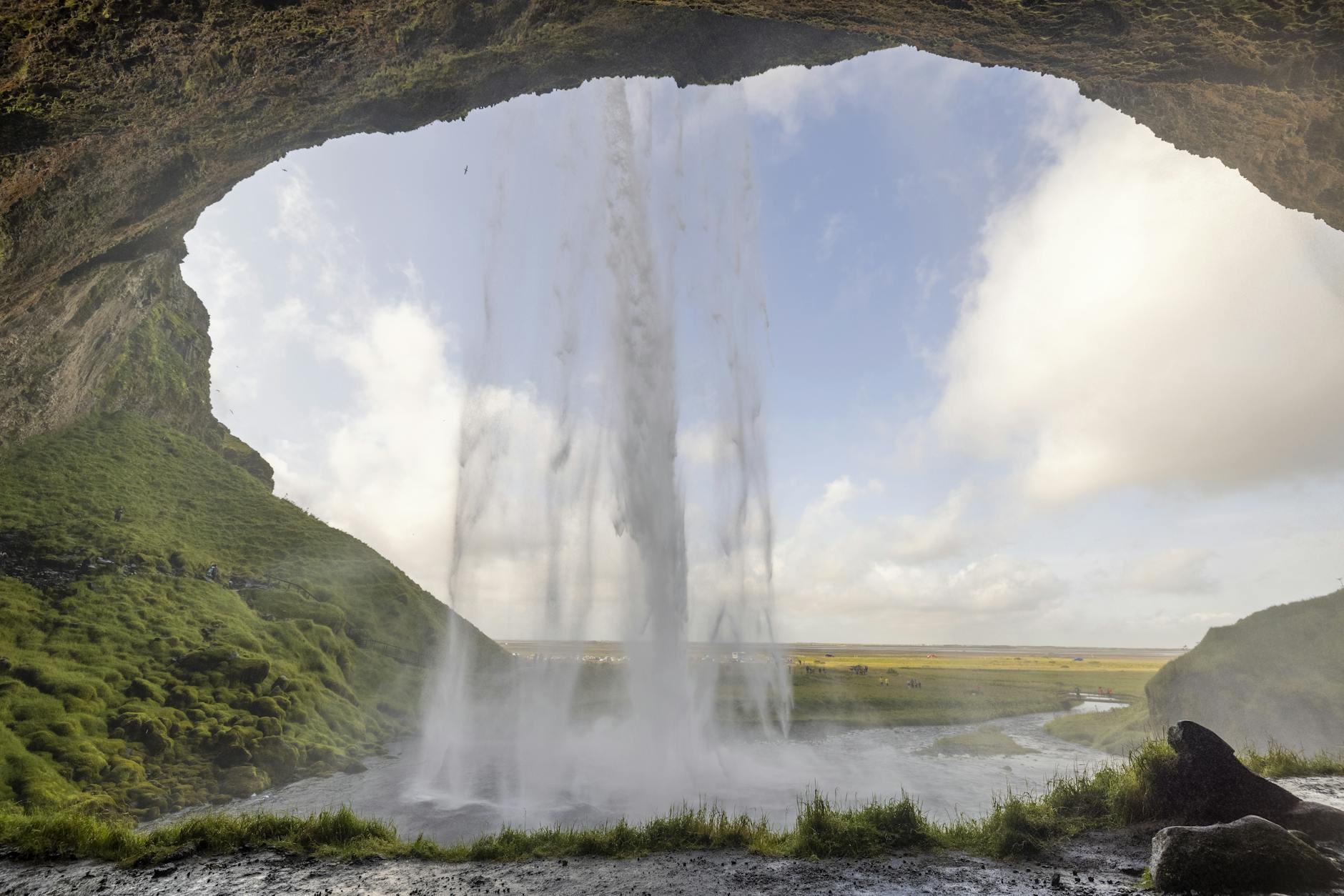
Seljalandsfoss is famous for the path that allows you to walk behind the curtain of water. The short hike is straightforward, but the experience depends on wind direction and spray. Summer brings lush green surroundings, while winter can close the behind the falls route due to ice hazards. A headlamp can be useful at dusk when light fades quickly.
Plitvice Waterfalls
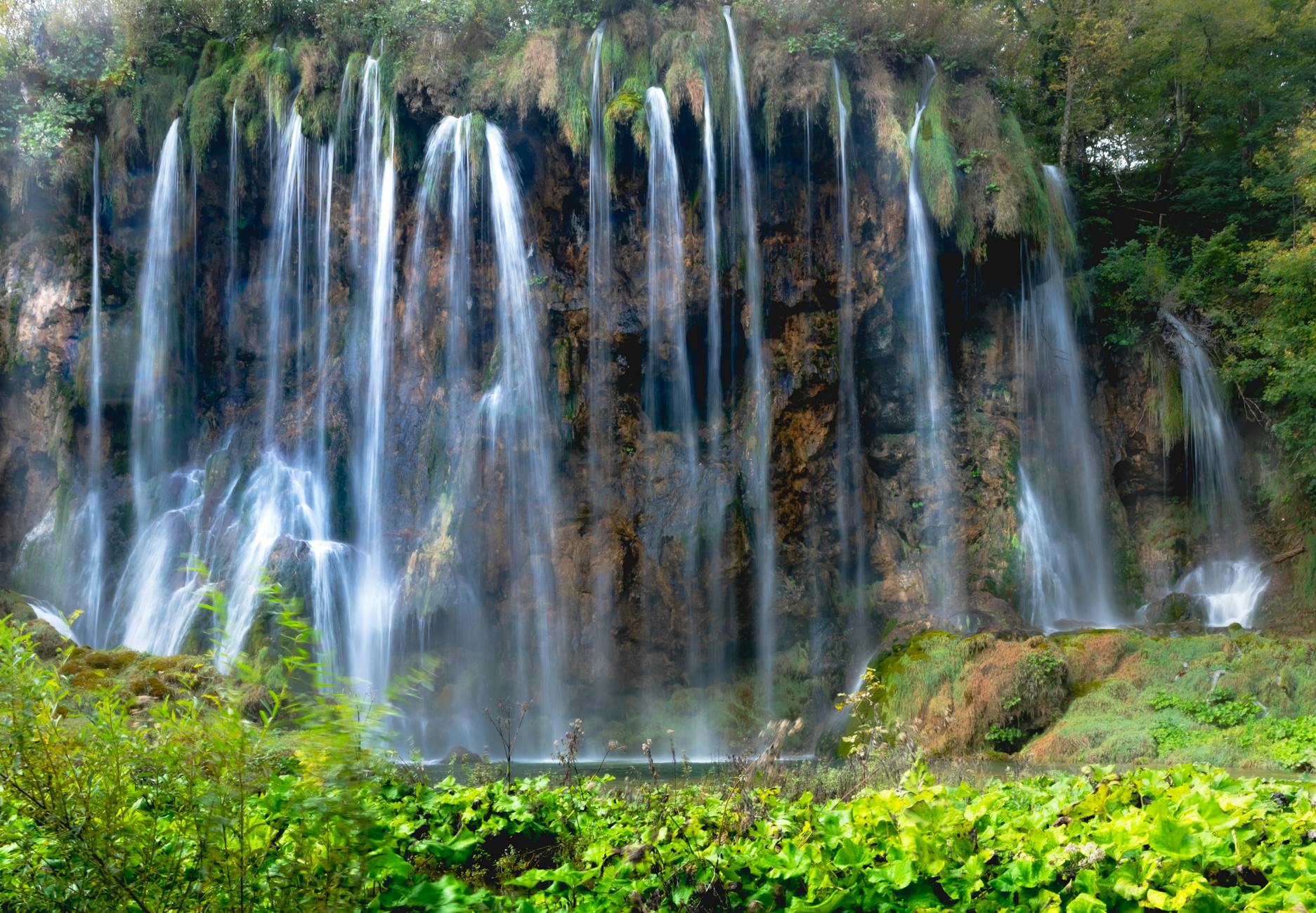
Plitvice Lakes is a chain of lakes and cascades linked by boardwalk trails through dense greenery. The hike feels like a moving panorama as waterfalls appear around nearly every bend. Routes range from short loops to longer circuits that combine lake shores, viewpoints, and boat or shuttle segments. Visiting early in the day helps with flow on narrow boardwalk sections and better photo opportunities.
Krka Waterfalls
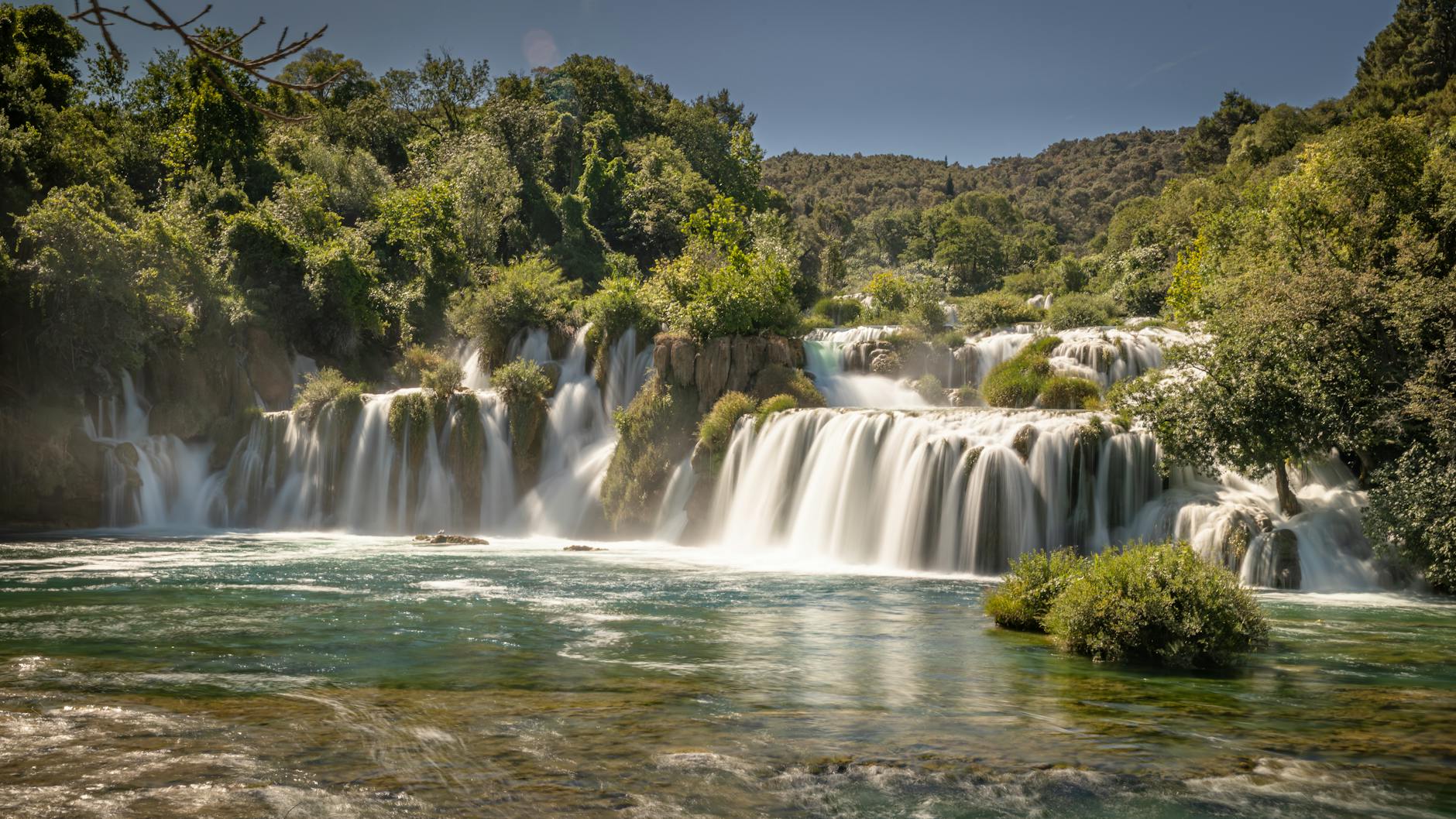
Krka National Park offers multiple cascades with well maintained trails and scenic lookouts. Skradinski Buk is the signature waterfall complex, and the walking routes include riverbanks, wooden paths, and viewpoints over emerald pools. In hot months, the area can feel humid and busy, so plan around midday crowds. Comfortable shoes are useful because boardwalks can get slick from spray.
Dettifoss
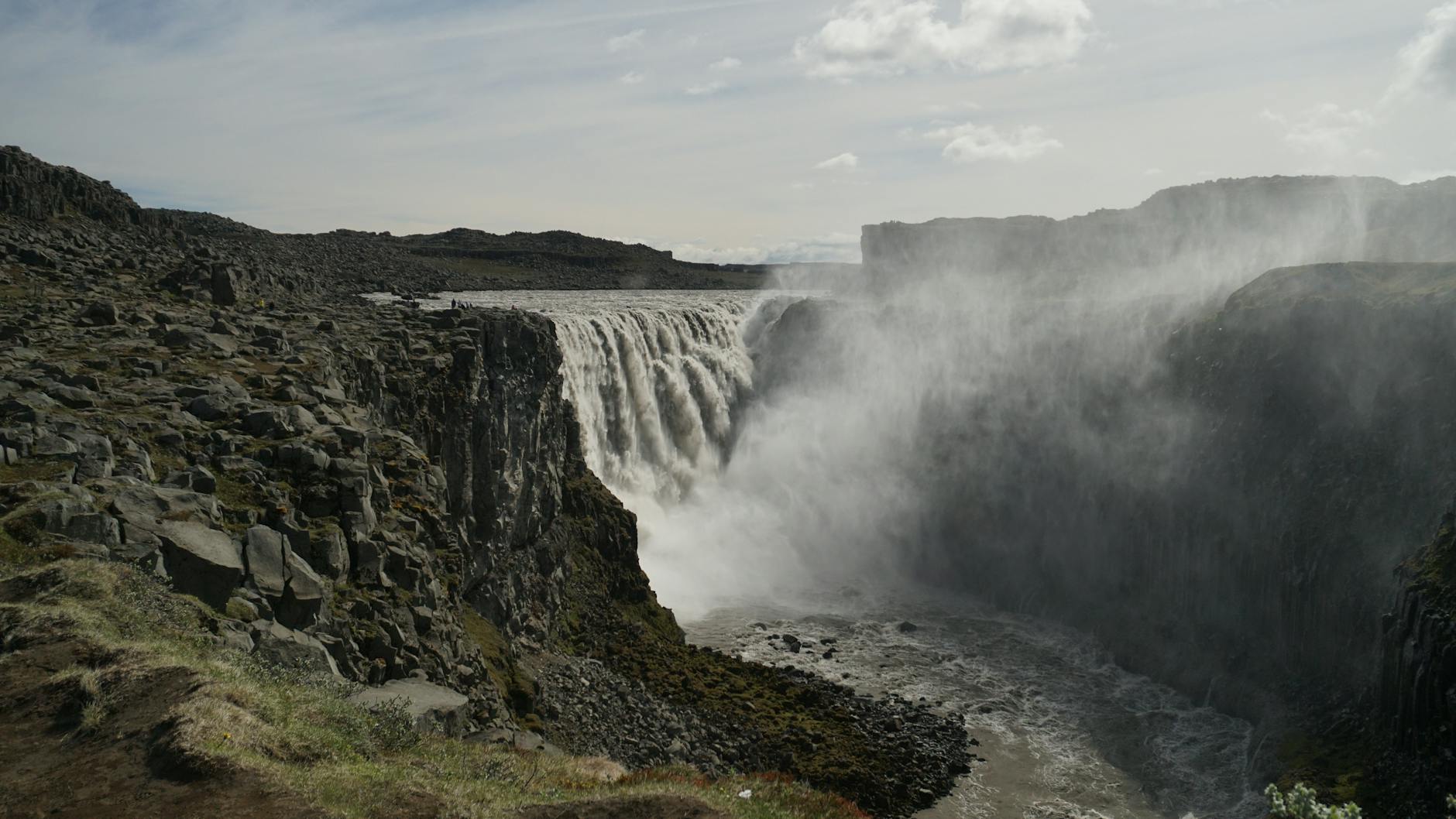
Dettifoss in Iceland is one of Europe’s most powerful waterfalls, thundering through a stark volcanic canyon. The hike to viewpoints can be dusty and windy, with uneven ground that rewards sturdy footwear. The surrounding landscape feels otherworldly, especially in overcast weather when the canyon contrasts sharpen. Conditions can change fast, so layers and eye protection can help in strong spray and wind.
Gullfoss
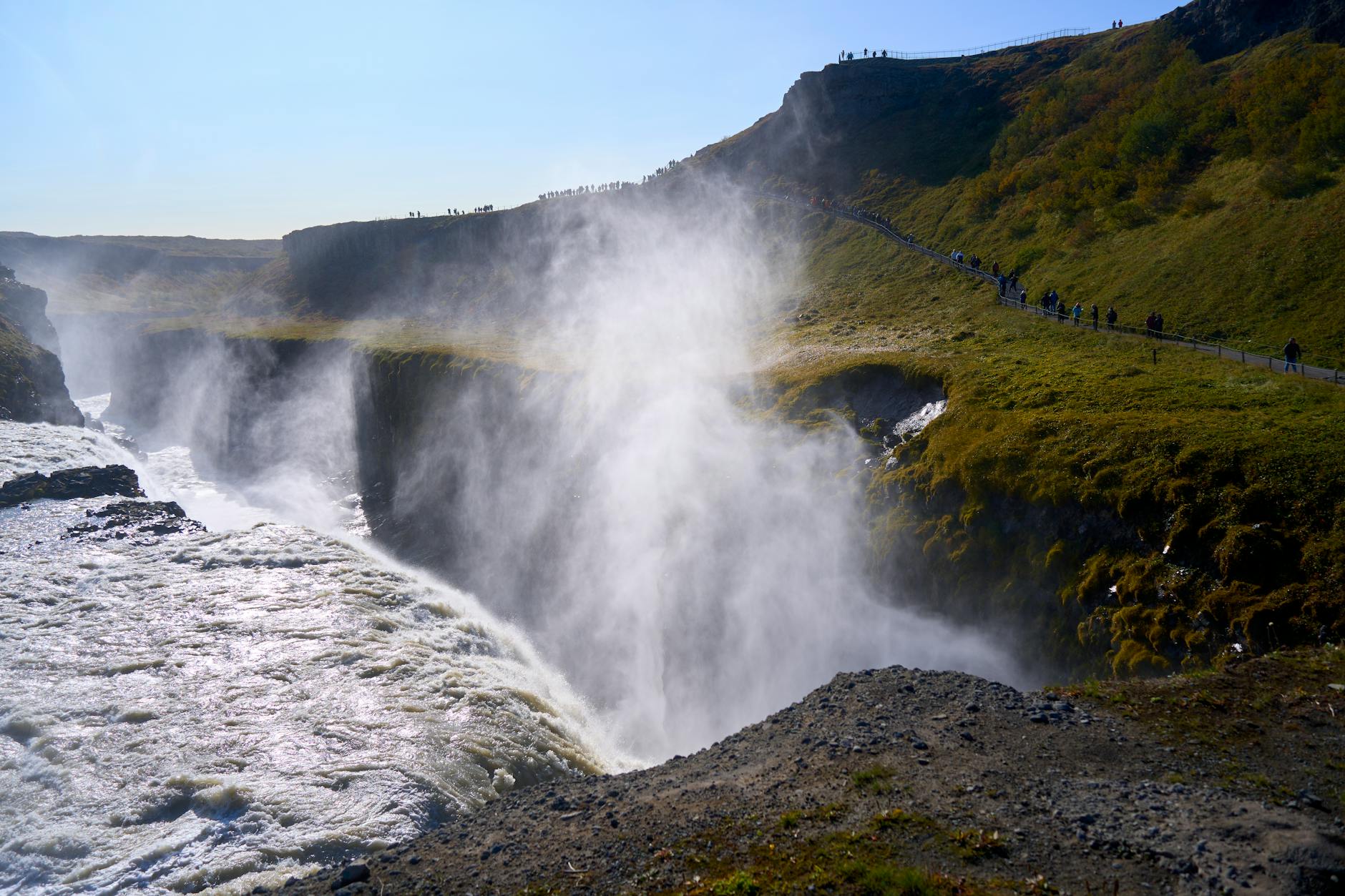
Gullfoss crashes into a rugged gorge in two dramatic drops, with trails that bring you close to the mist. The short hikes connect multiple angles, so you can see the waterfall’s shape and force from different levels. Spray can be intense, especially when the river is high, and paths can be slick. Low winter sun often creates vivid rainbows on clear days.
Ban Gioc Detian Falls
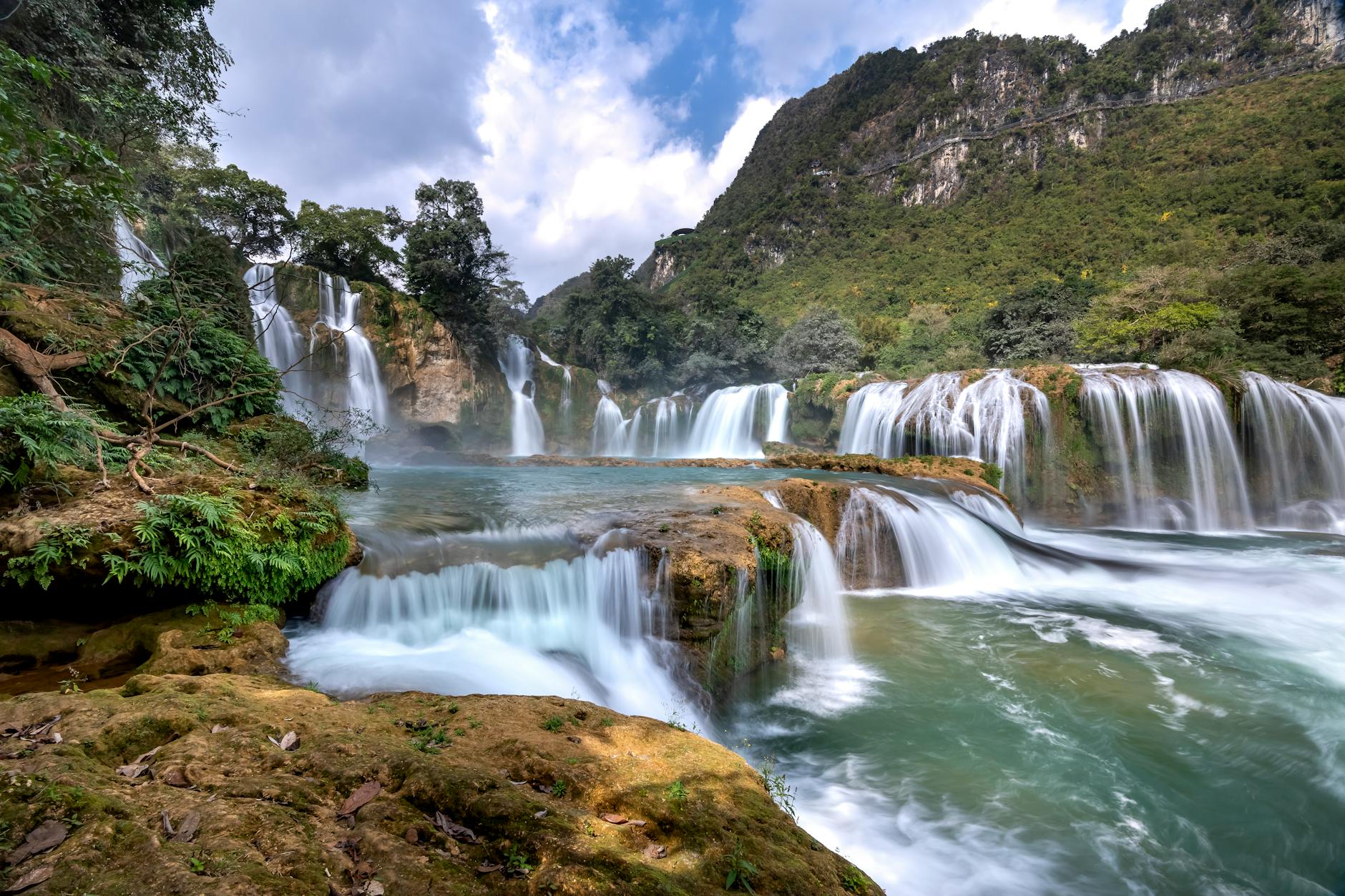
Ban Gioc Detian straddles the border between Vietnam and China, spreading into multiple tiers over limestone. Trails and viewpoints offer a wide sense of scale as the falls spill across the river. The surrounding karst landscape is lush in the wet season, though water can appear muddier after heavy rain. Early mornings often bring softer light and fewer tour groups.
Kuang Si Falls
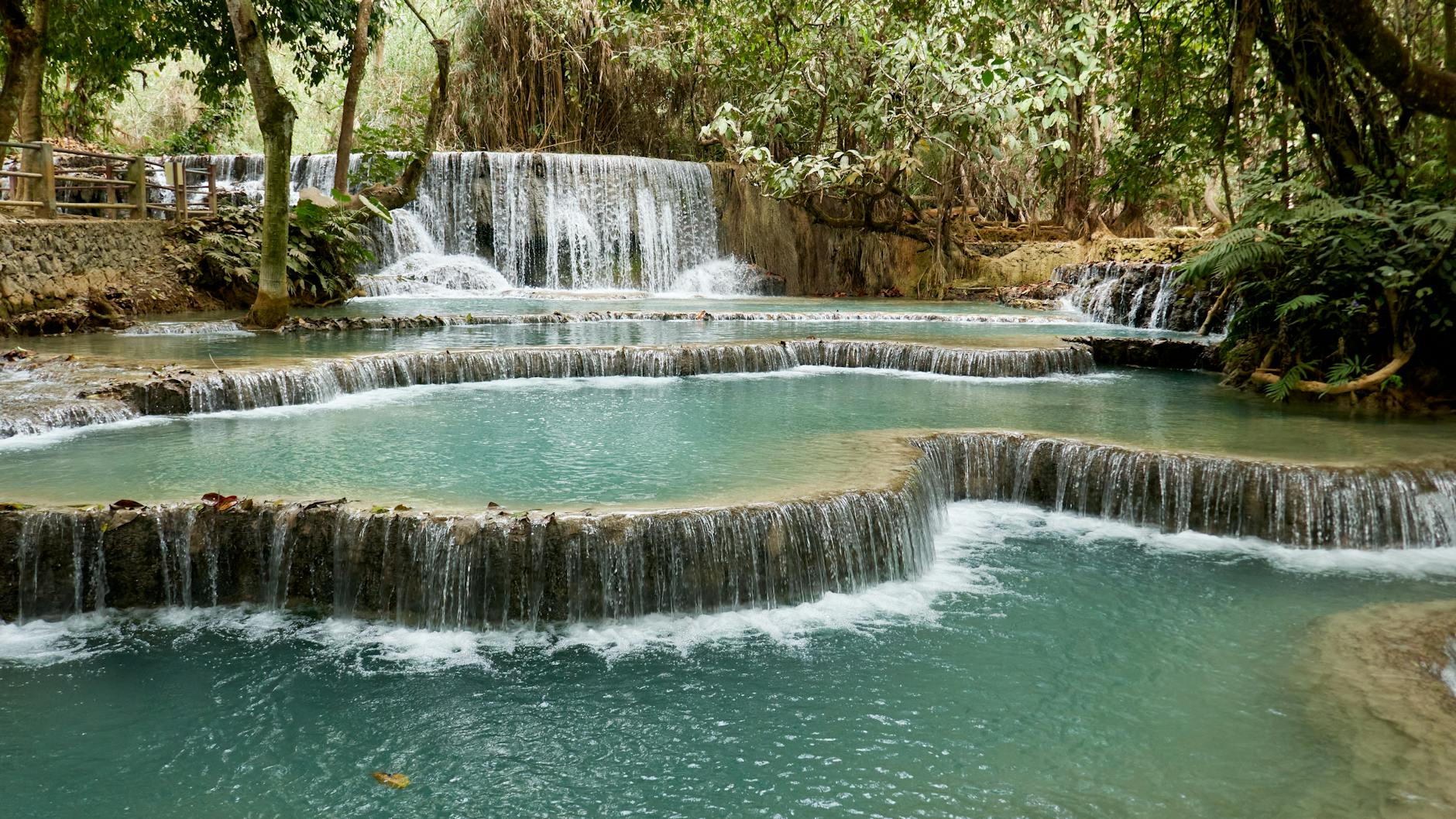
Kuang Si Falls near Luang Prabang is a tiered cascade with milky blue pools and forest trails. The hike lets you explore different levels, with side paths leading to quieter viewpoints. Swimming conditions depend on season and local rules, so check what is allowed before arriving. In the rainy months the flow increases, while dry season often makes the pools clearer.
Tad Sae Waterfall
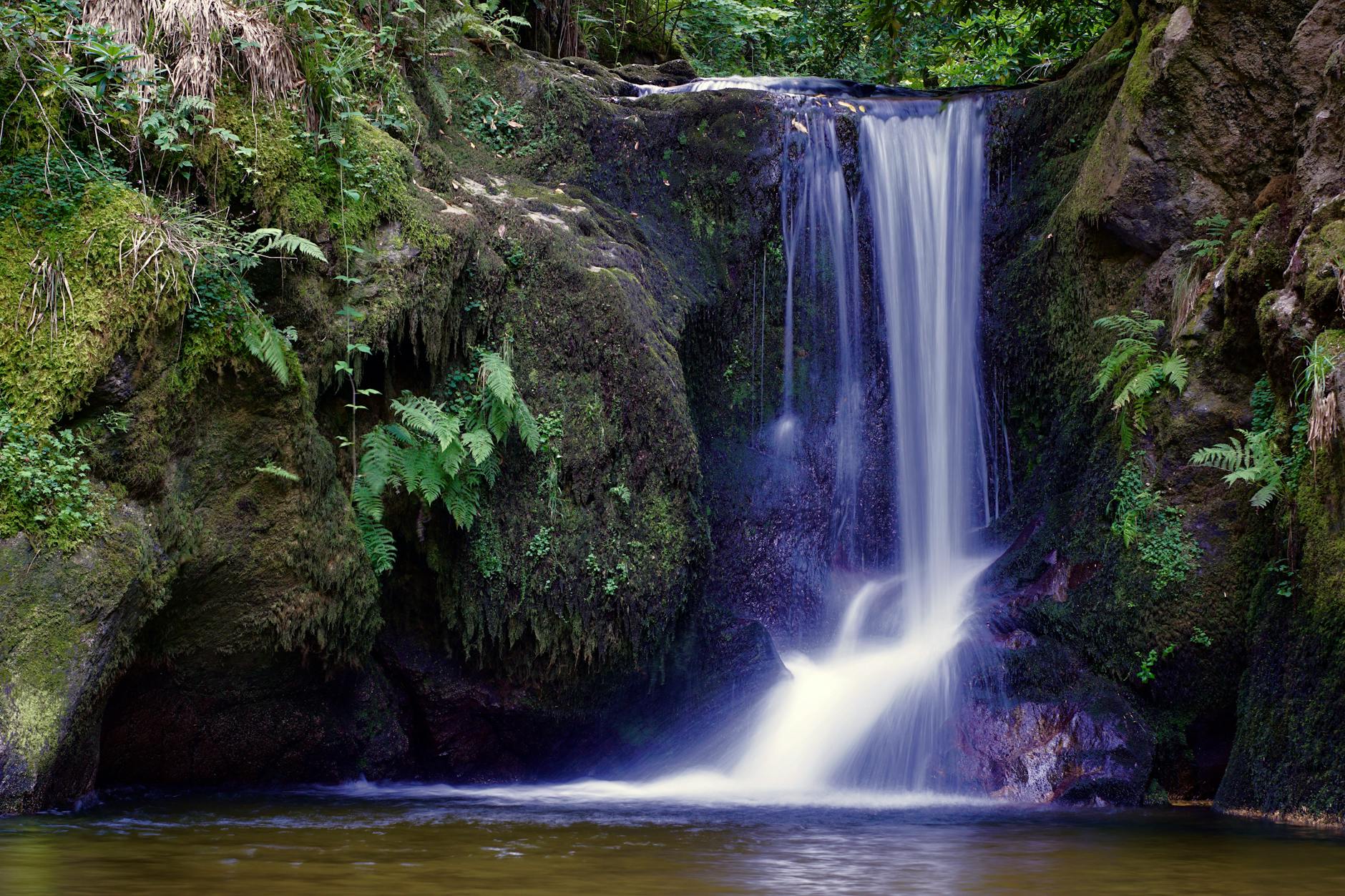
Tad Sae is a more seasonal waterfall near Luang Prabang that becomes especially impressive after rain. The approach includes a short river crossing by boat at certain times of year. Trails weave through forest and limestone, with multiple small cascades spread out rather than one single drop. Plan around rainfall patterns if you want the fullest flow.
Erawan Falls
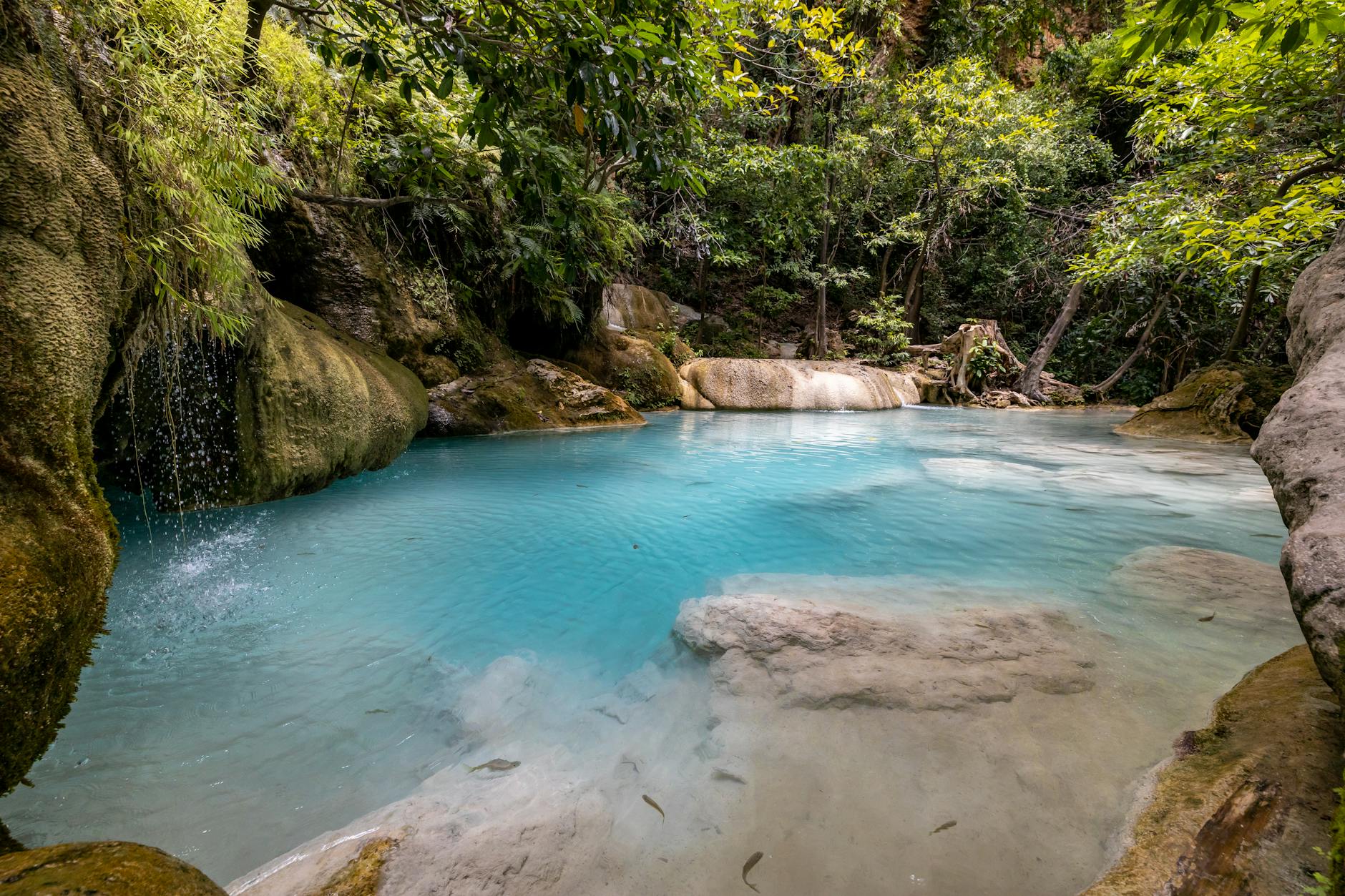
Erawan Falls in Thailand is a seven tier waterfall system connected by a popular hiking trail. Each level has its own pools, and hiking higher typically means fewer people and more shade. The path can be steep and slippery in parts, so footwear with good grip helps. Visiting on weekdays or in early hours improves the chances of finding a quieter pool.
Tumpak Sewu
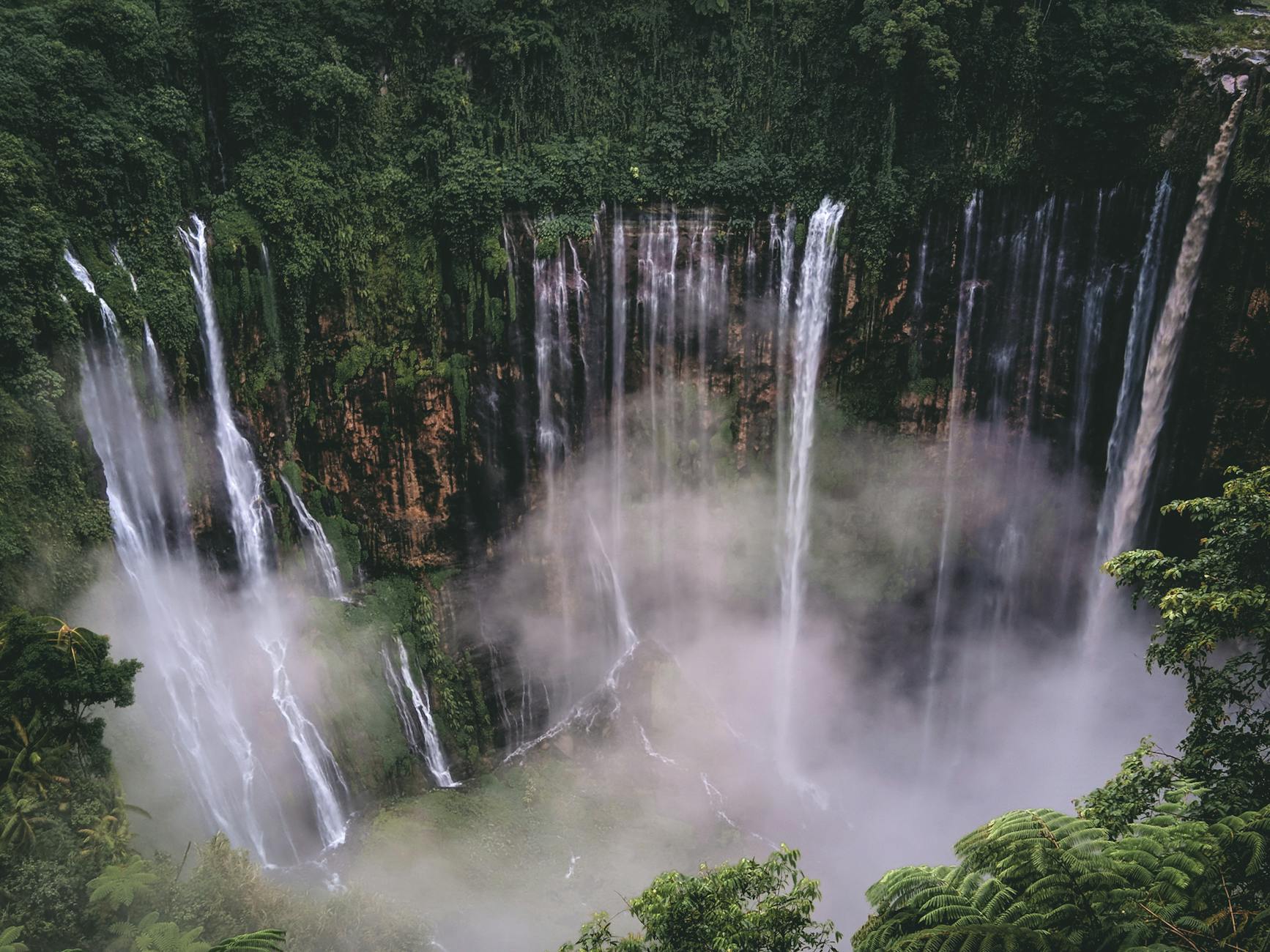
Tumpak Sewu in East Java forms a dramatic semicircle of falls pouring into a deep bowl. The hike down involves steep steps and uneven surfaces, often with mud and spray. A helmet is sometimes recommended by local guides due to rockfall risk in narrow sections. Dry season can be easier for footing, while wet months bring the most dramatic volume.
Tegenungan Waterfall
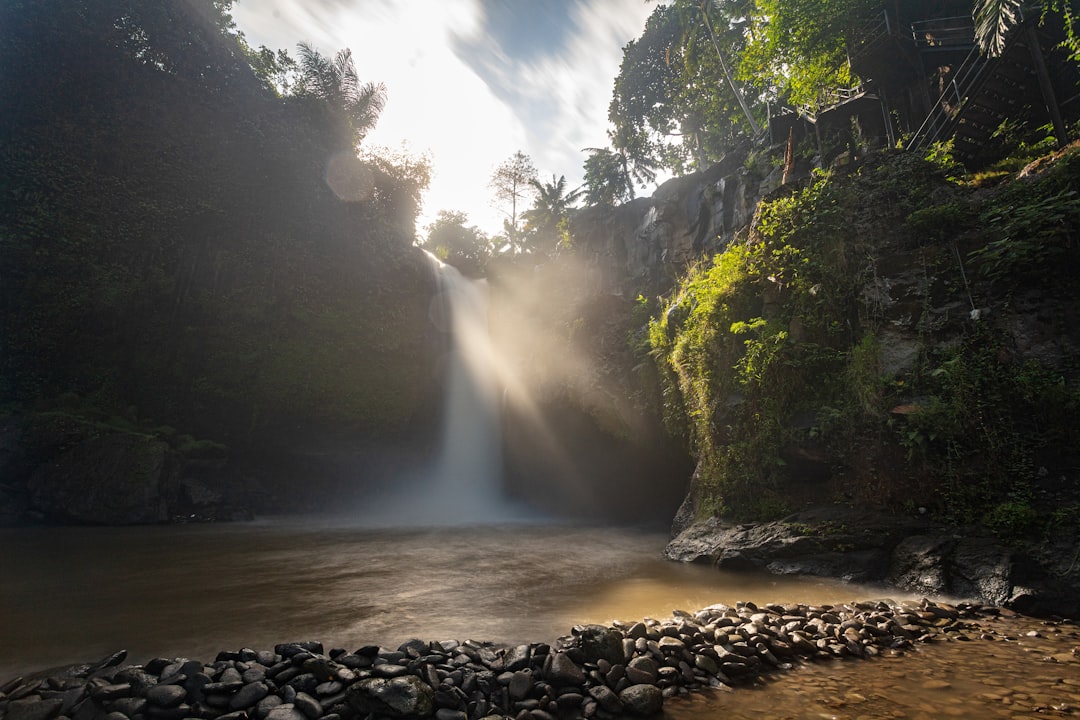
Tegenungan in Bali is accessible yet still feels adventurous thanks to stairs and riverside paths. The hike is short but can be humid, and the river level changes the experience significantly. After heavy rain the water can be fast and murky, so caution near the pool is important. Early mornings tend to be cooler and less crowded.
Sutherland Falls
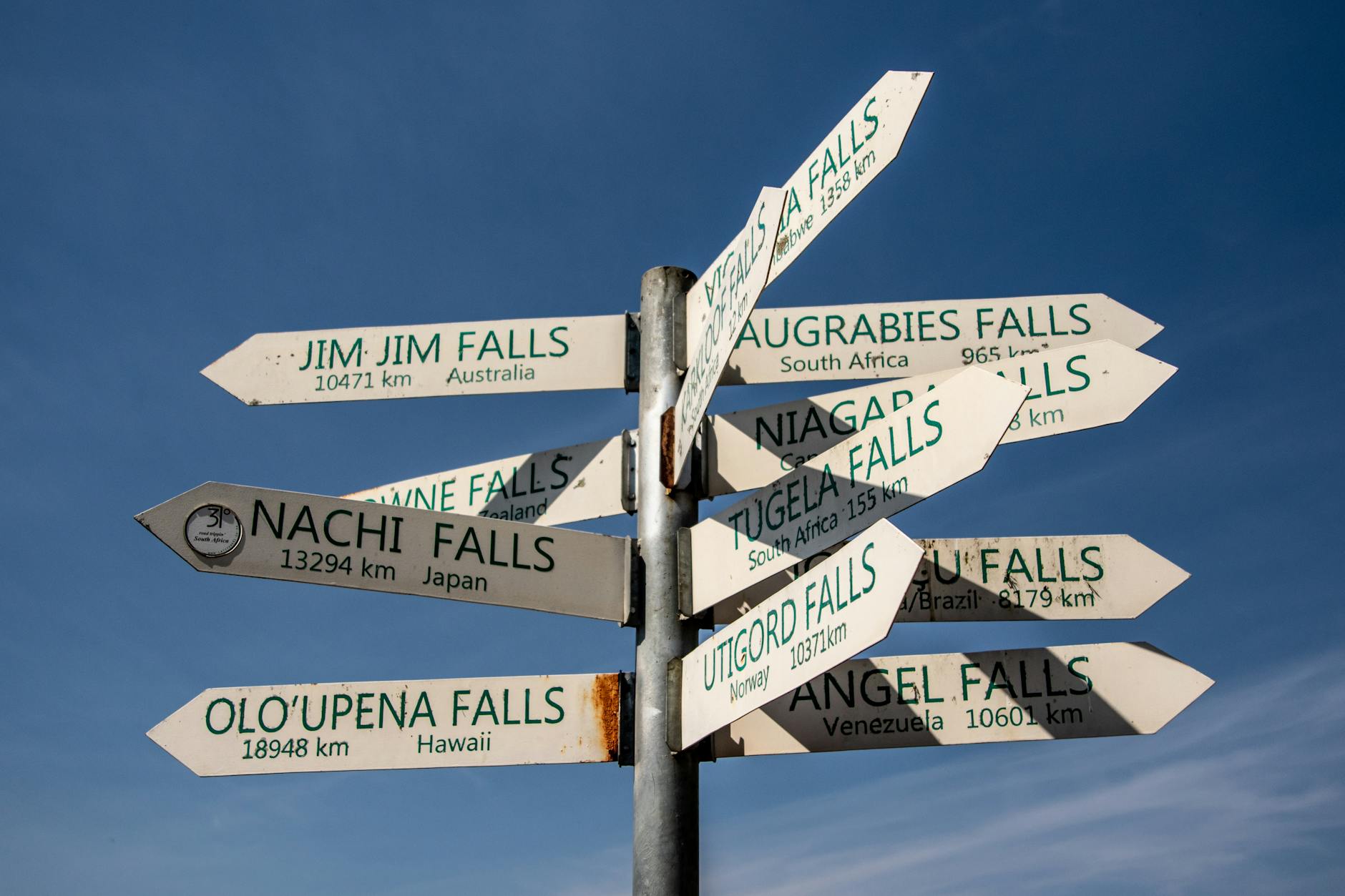
Sutherland Falls in New Zealand drops in three sections from alpine lakes into Fiordland rainforest. Access commonly ties into the Milford Track, which makes the waterfall part of a larger multi day hiking experience. Weather is a major factor in Fiordland, where rain can swell streams and change trail conditions quickly. The combination of mossy forest, mountain air, and sheer water volume makes the effort memorable.
Huka Falls
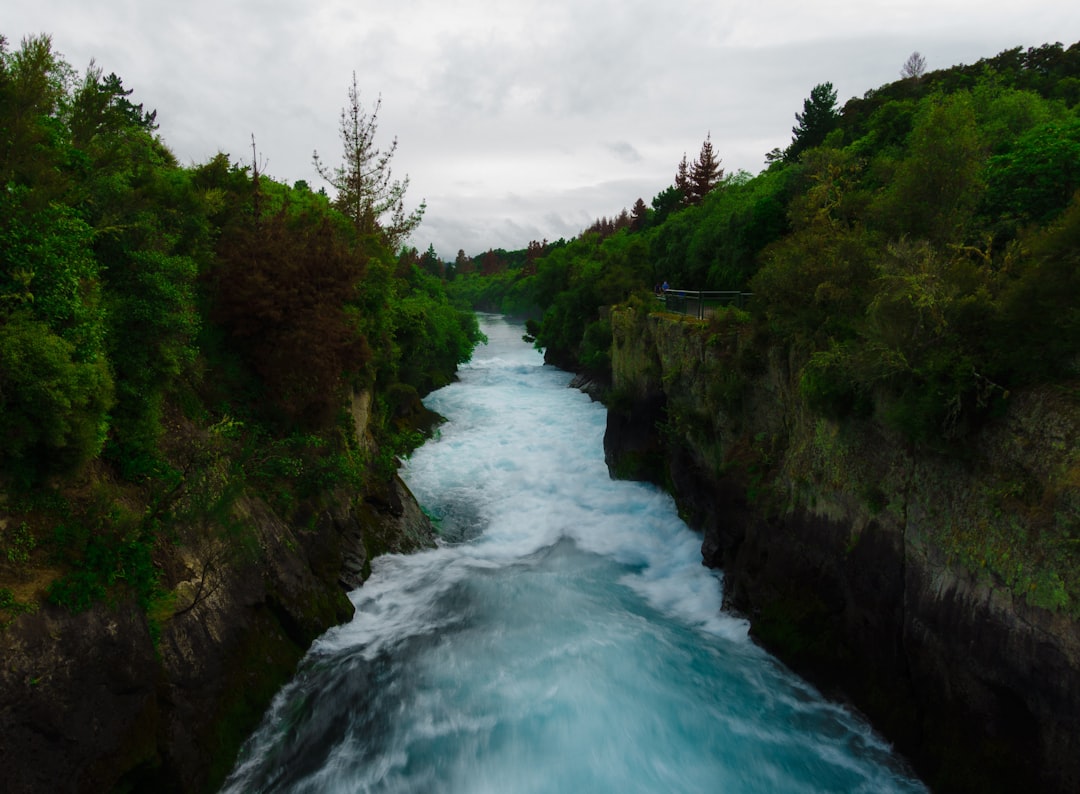
Huka Falls in New Zealand is not tall, but its power comes from the river being funneled into a narrow channel. Walking tracks along the Waikato River offer multiple viewpoints and footbridges over rushing water. The hike is easy and scenic, making it a strong option for travelers who want a big effect without a strenuous climb. Mist and wind can make the viewing platforms feel cool even in summer.
Wallaman Falls
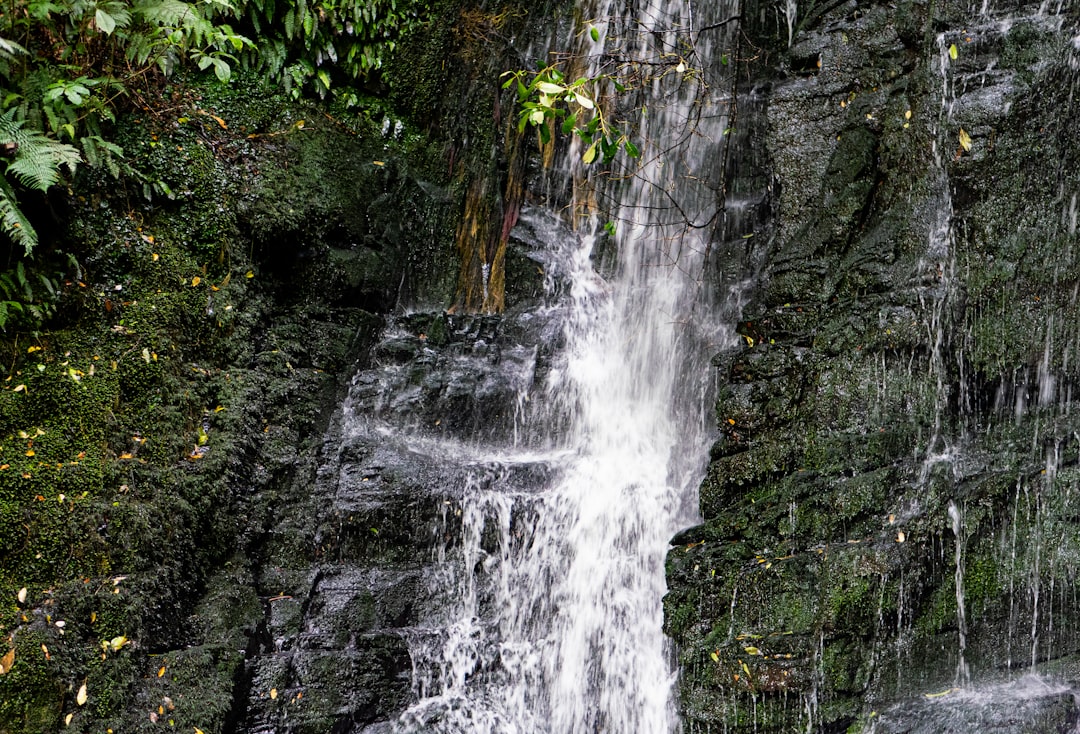
Wallaman Falls in Queensland is Australia’s tallest single drop waterfall, plunging into a lush rainforest amphitheater. The hike to the base is steep and demanding, while upper viewpoints offer easier access with sweeping scenery. Wet season increases flow but can also bring slippery trails and closures. Leech protection and insect repellent can be useful in warmer months.
Russell Falls
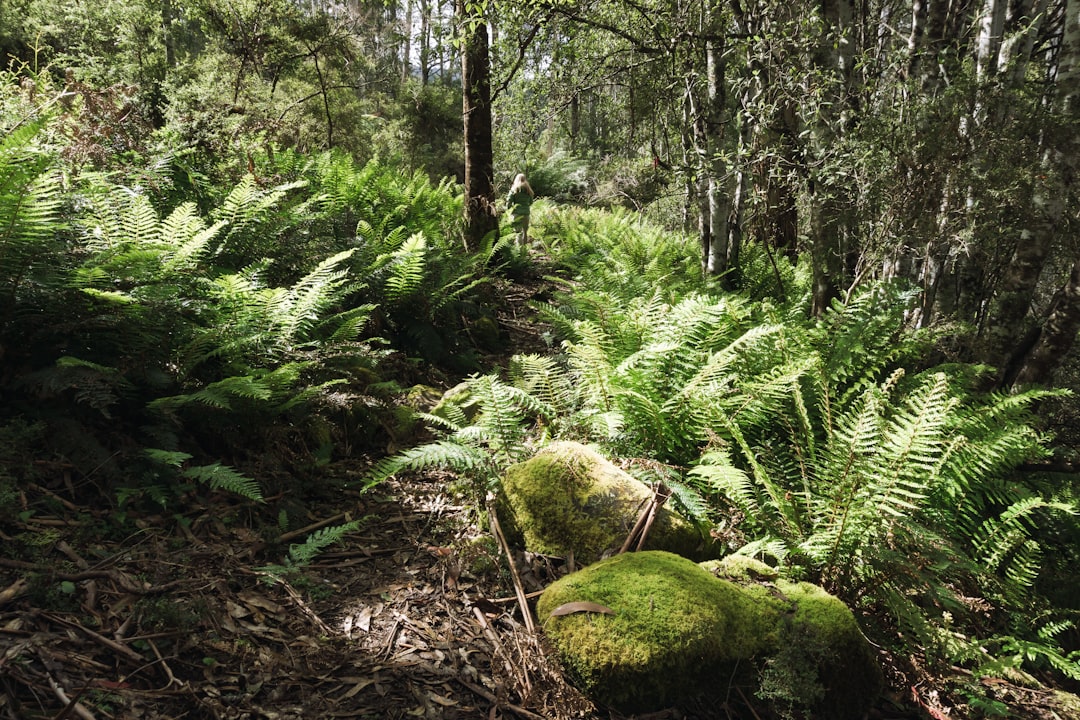
Russell Falls in Tasmania sits in a temperate rainforest with fern lined paths and gentle grades. The main trail is easy, while nearby extensions lead to additional cascades and viewpoints. Cooler seasons can highlight mossy textures and deeper greens, and the forest stays pleasant in summer heat. Take time to slow down since small details along the trail are part of the appeal.
Victoria Falls
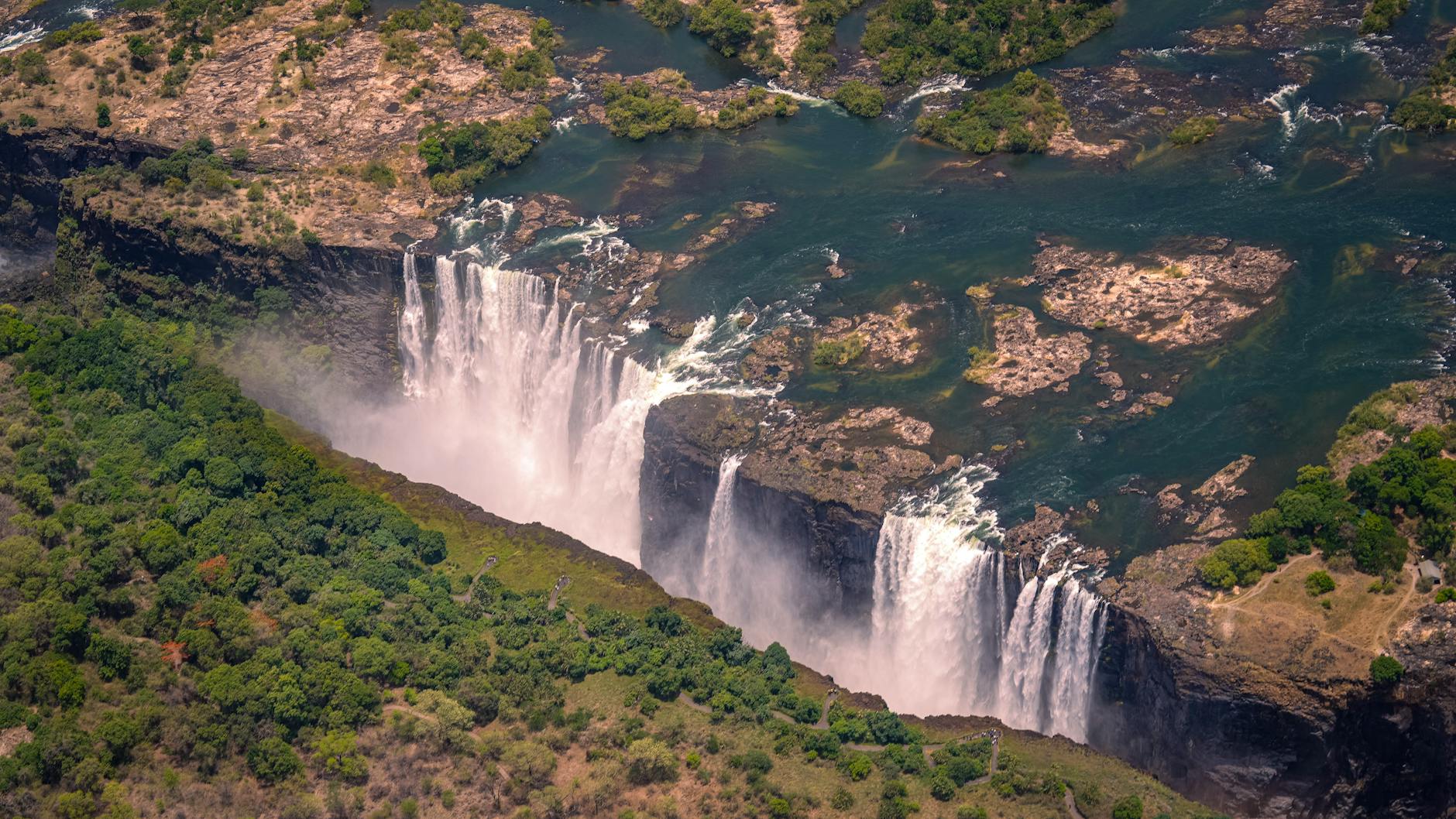
Victoria Falls is a massive curtain of water on the Zambezi River, and hiking the rainforest path brings you through shifting viewpoints and soaking mist. Flow varies by season, which changes visibility and the sense of power at different lookouts. The spray can drench clothing quickly, so waterproof protection keeps the walk more comfortable. Footing can be slick on wet rocks, especially near the heaviest mist zones.
Tugela Falls
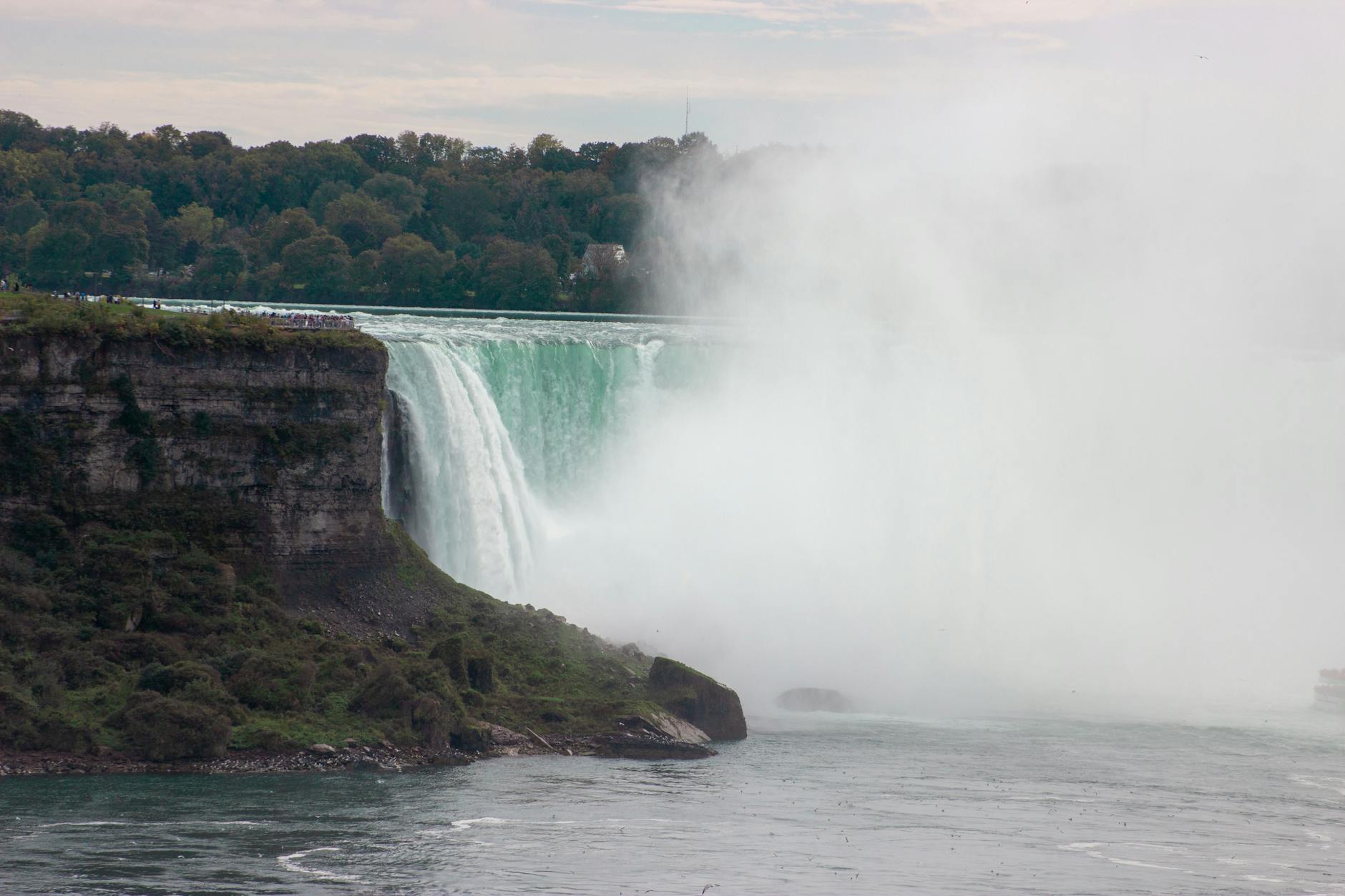
Tugela Falls in South Africa is among the tallest waterfalls in the world, dropping from the Drakensberg escarpment. The hike is challenging and often involves steep climbs, ladders, and exposure to weather. Conditions depend on rainfall, and visibility can shift quickly with clouds rolling over the mountains. Proper navigation planning and conservative turnaround times help keep the route safe.
Catarata del Toro
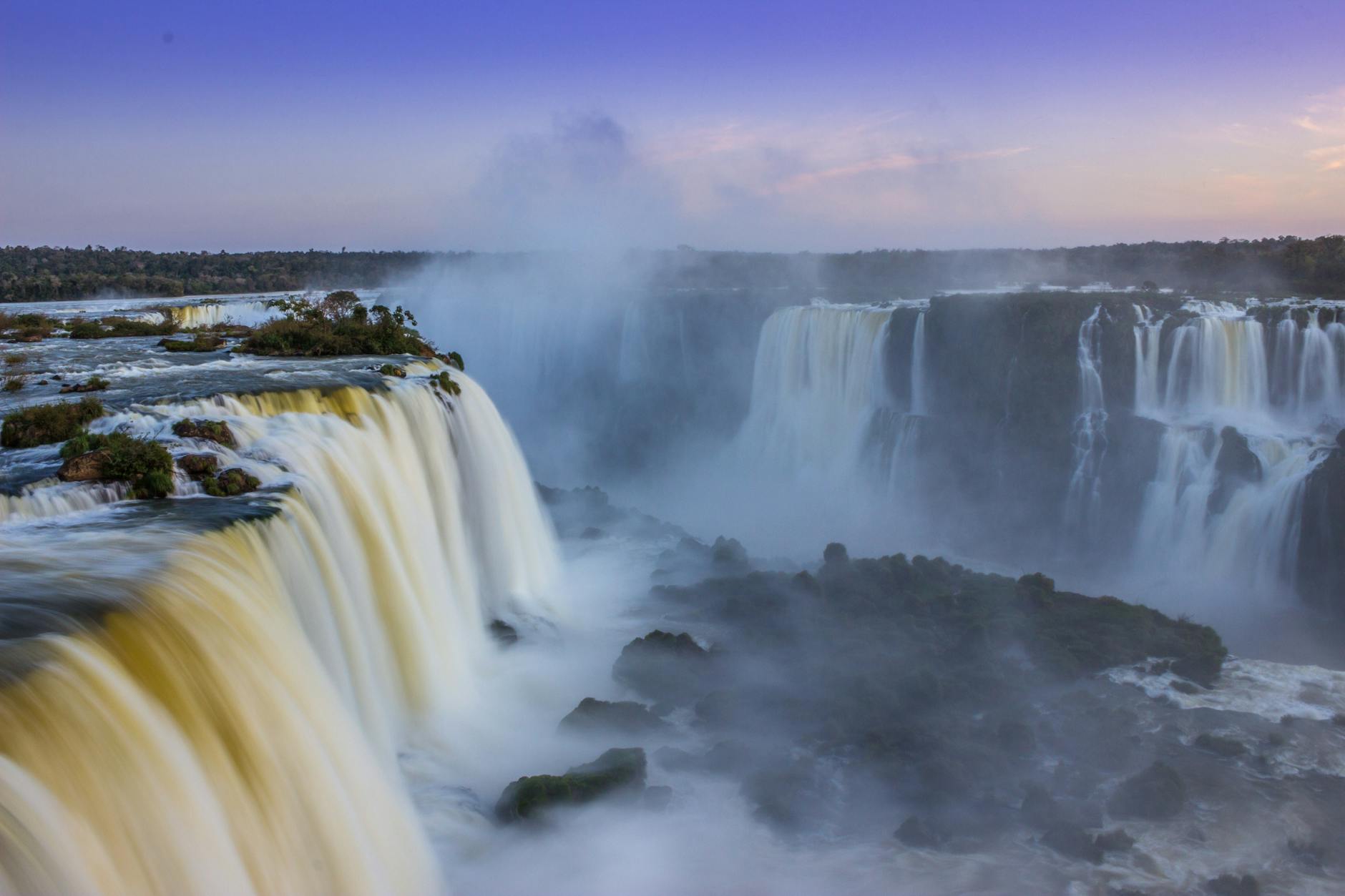
Catarata del Toro in Costa Rica plunges into an old volcanic crater surrounded by cloud forest. The hike down includes many steps and brings you close to the base for a full sense of scale. Rain is common, which keeps the forest vivid but can make surfaces slippery. Pairing the visit with nearby trails adds wildlife spotting opportunities in the surrounding habitat.
La Fortuna Waterfall
La Fortuna Waterfall offers a steep stair descent through rainforest to a wide plunge pool below. The hike is short but demanding on the legs, especially on the return climb. Water levels and currents can change with rain, so swim only where allowed and conditions look safe. Early visits often mean cooler air and better chances for clear views of the surrounding landscape.
Gocta Falls
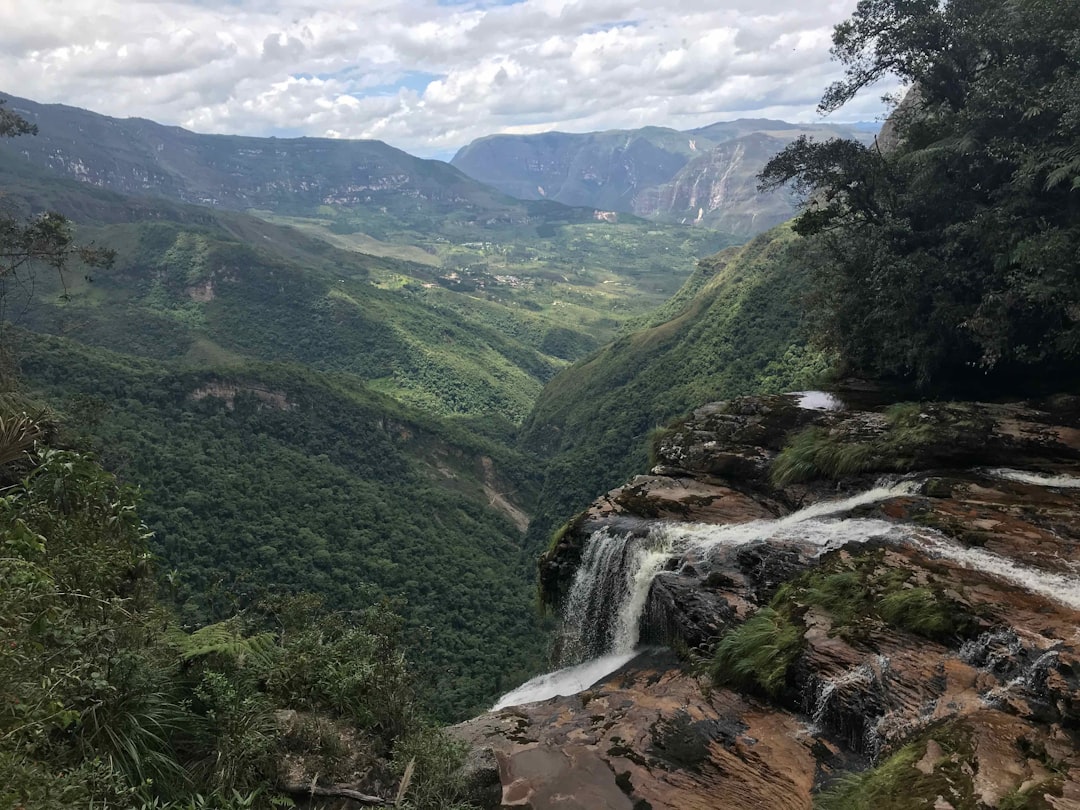
Gocta Falls in Peru drops in two main tiers and is often reached by a long hike through green valleys and cloud forest. The trail passes farms, orchids, and misty ridgelines that make the approach as rewarding as the viewpoint. Weather can shift between sun and rain quickly, which is normal in this region. Local guides can add context and help with trail conditions after storms.
Jog Falls
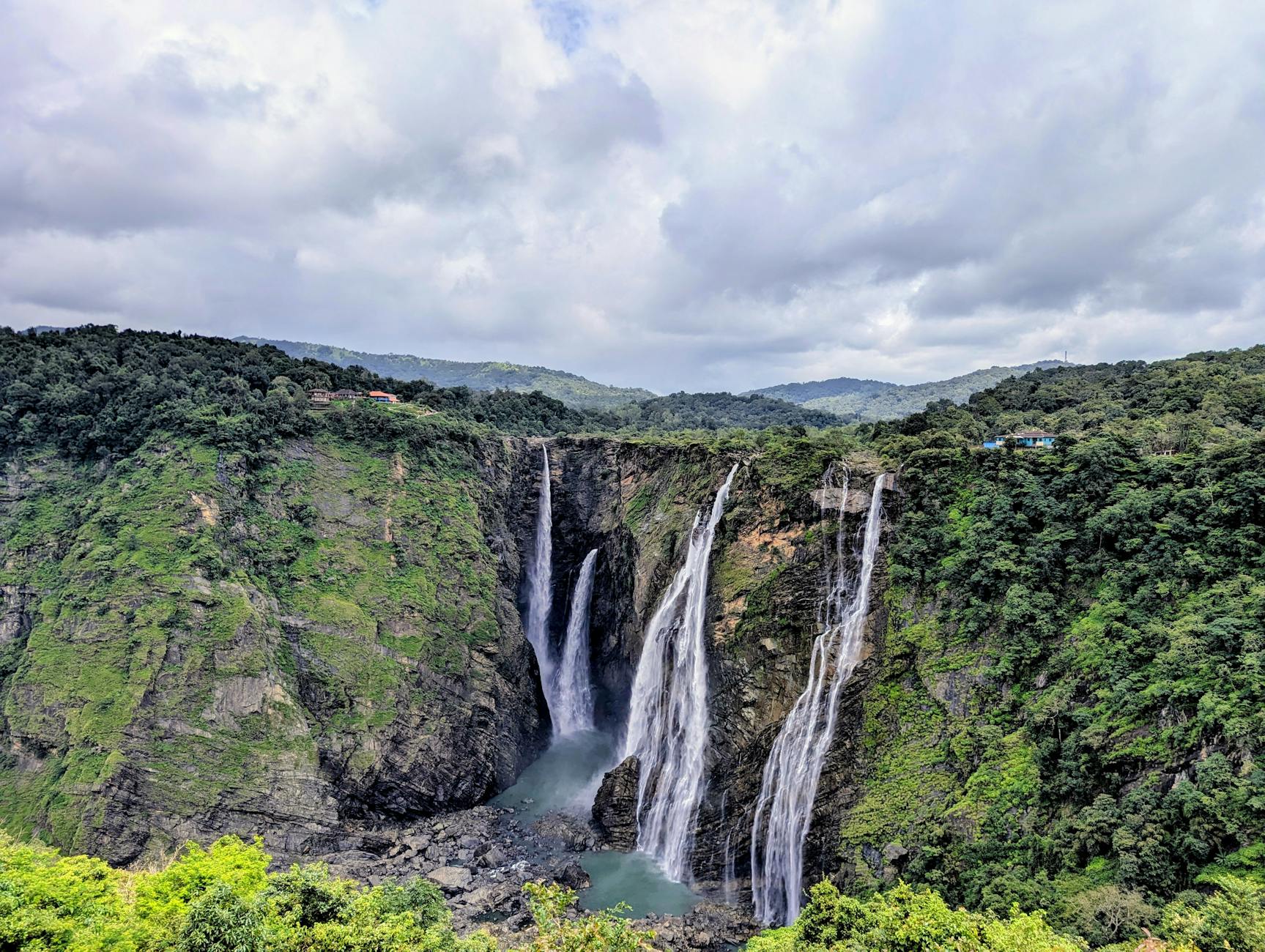
Jog Falls in India is a seasonal giant that becomes most dramatic during the monsoon when the river swells. Viewpoints and paths lead along the gorge, and some routes descend toward the base when conditions allow. In peak rain, spray and fog can obscure the full drop, but the atmosphere is intense. Timing your visit between heavy downpours often improves visibility while keeping flow strong.
Dudhsagar Falls
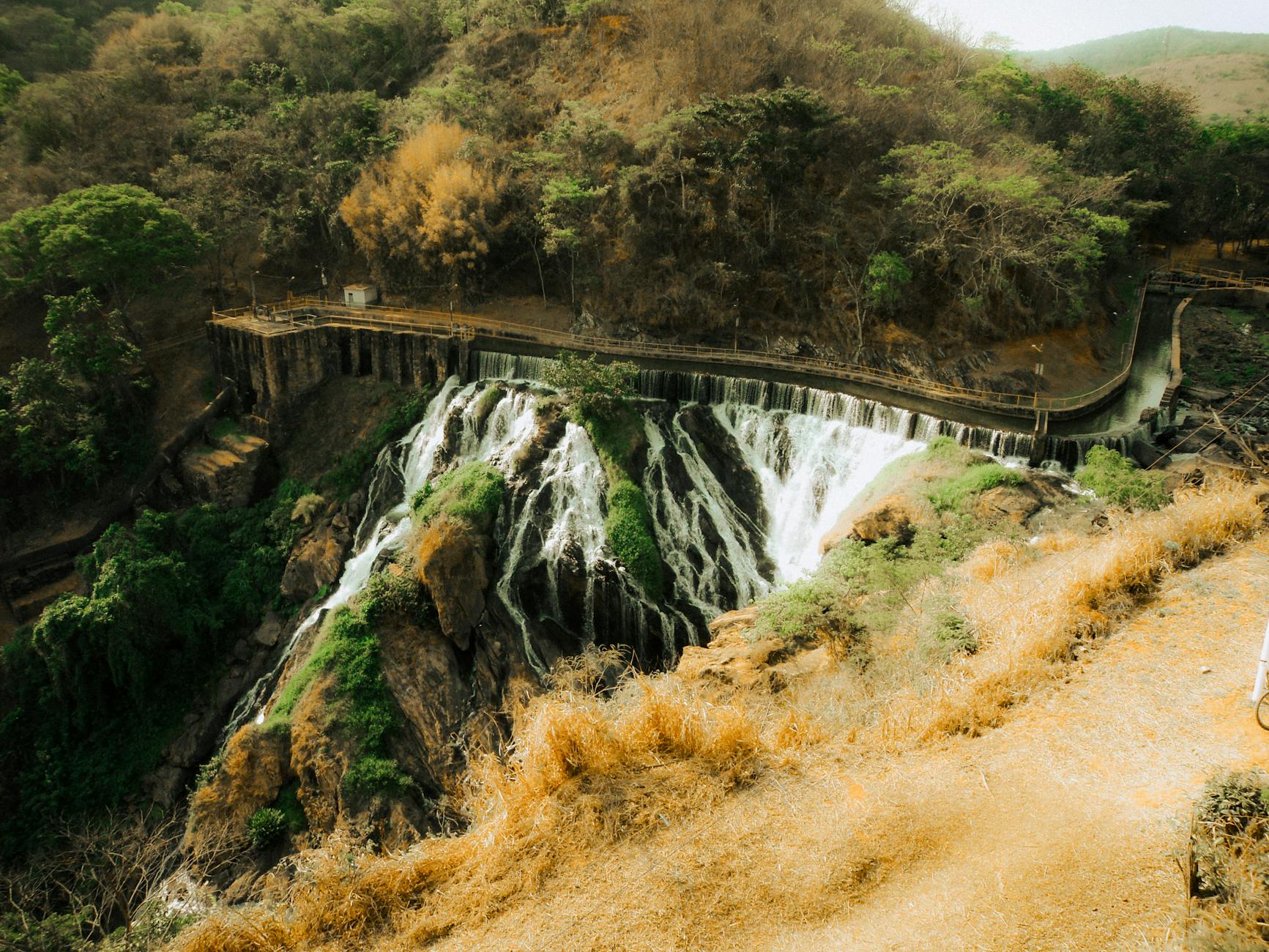
Dudhsagar Falls in Goa looks like a white milk stream pouring down a green cliff, especially during and after monsoon rains. Access routes can involve forest paths and railway area rules that may change seasonally, so checking current entry logistics matters. Trails can be muddy and leech filled in wet months, which makes protective clothing useful. Water volume is highest in rainy season, but safety restrictions may limit proximity.
Bridalveil Fall
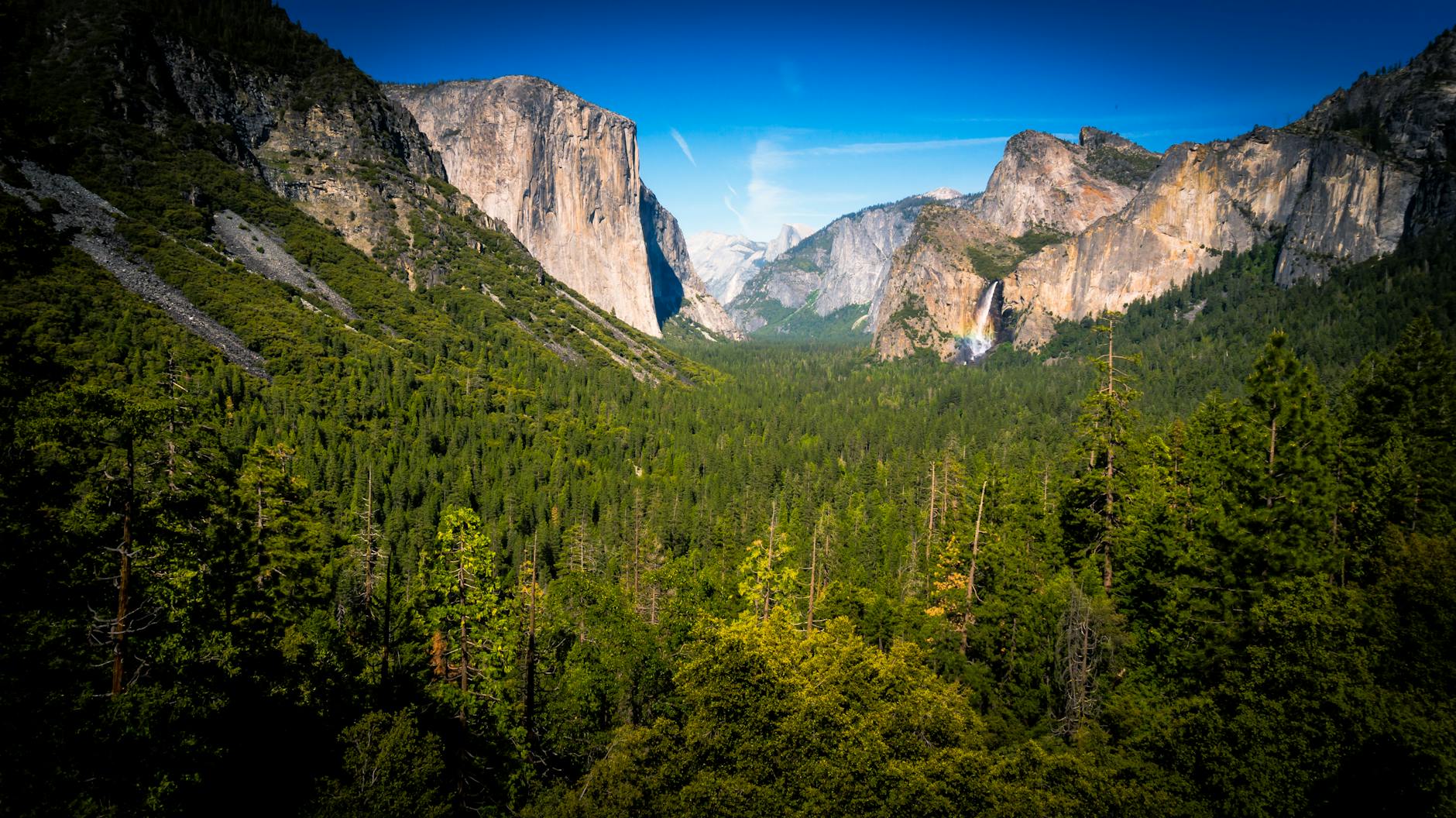
Bridalveil Fall in Yosemite Valley is a classic short hike with an outsized reward, especially in spring when the plume fans out in the wind. The trail is brief and suitable for most visitors, but the spray near the base can be intense. Dry season often brings reduced flow, yet the setting remains beautiful against granite cliffs. Visiting after recent rain can refresh the area and intensify the mist.
Alamere Falls
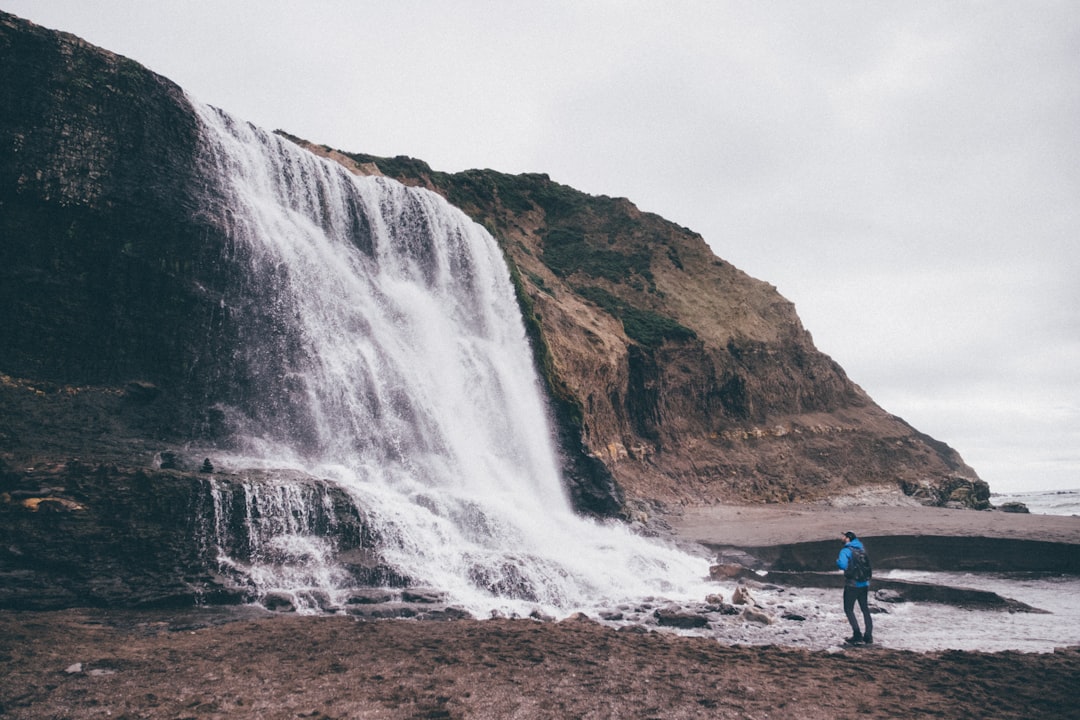
Alamere Falls in Point Reyes, California, is famous for dropping directly onto a beach when conditions align. The hike follows coastal scrub and forest with ocean views and wildlife spotting potential along the way. Tides matter, since sections near the shoreline can be unsafe during high water. Staying on established trails helps protect the fragile coastal environment and reduces erosion.
Haifoss
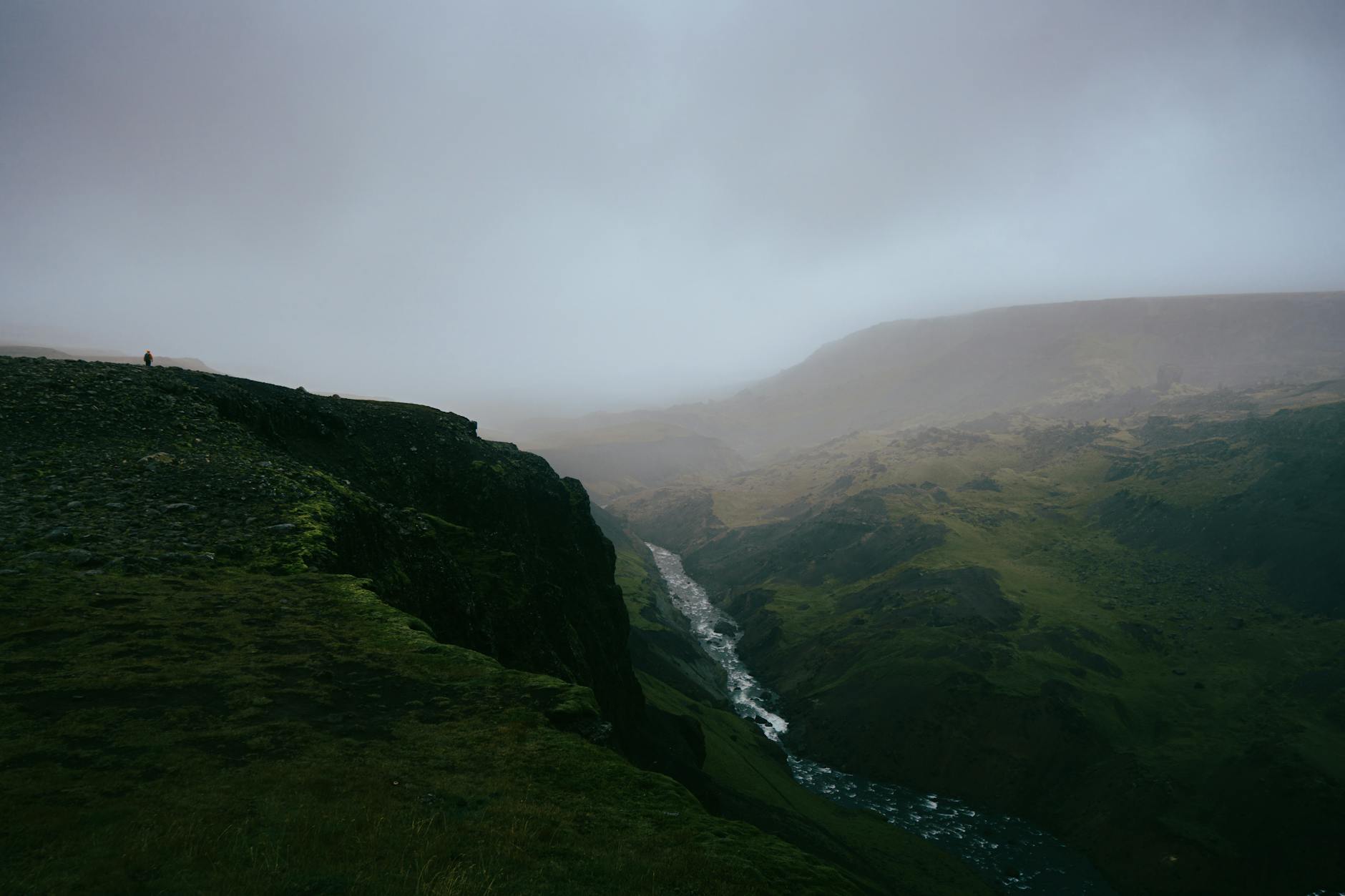
Haifoss in Iceland plunges into a rugged canyon with a sweeping viewpoint that makes the waterfall feel remote and wild. The hike is short but can involve rough terrain and windy conditions near the edge. Visibility can change quickly with cloud cover, making the canyon look dramatically different from hour to hour. Driving access can be seasonal, so planning around road conditions is important.
Share your favorite waterfall hike and what made it unforgettable in the comments.