
Few professional settings reveal character as quickly as a meeting, where every word, gesture, and habit is on full display for colleagues and decision-makers alike. The way a person shows up in these moments shapes how they are perceived long after the session ends. Some behaviors undermine trust and authority so immediately that they are difficult to recover from, no matter how strong the underlying ideas may be. Understanding what erodes professional standing in a room can be just as valuable as knowing what builds it.
Phone Checking

Reaching for a phone mid-discussion sends an immediate signal that the meeting ranks below whatever is happening on a screen. It disrupts the natural flow of conversation and causes others to feel their contributions are not worth full attention. Even a quick glance at a notification can register as disrespect, particularly when someone else is actively speaking. Repeated checking throughout a session compounds the impression of disengagement. Professionals who leave devices face-down or out of reach tend to be perceived as far more present and reliable.
Interrupting
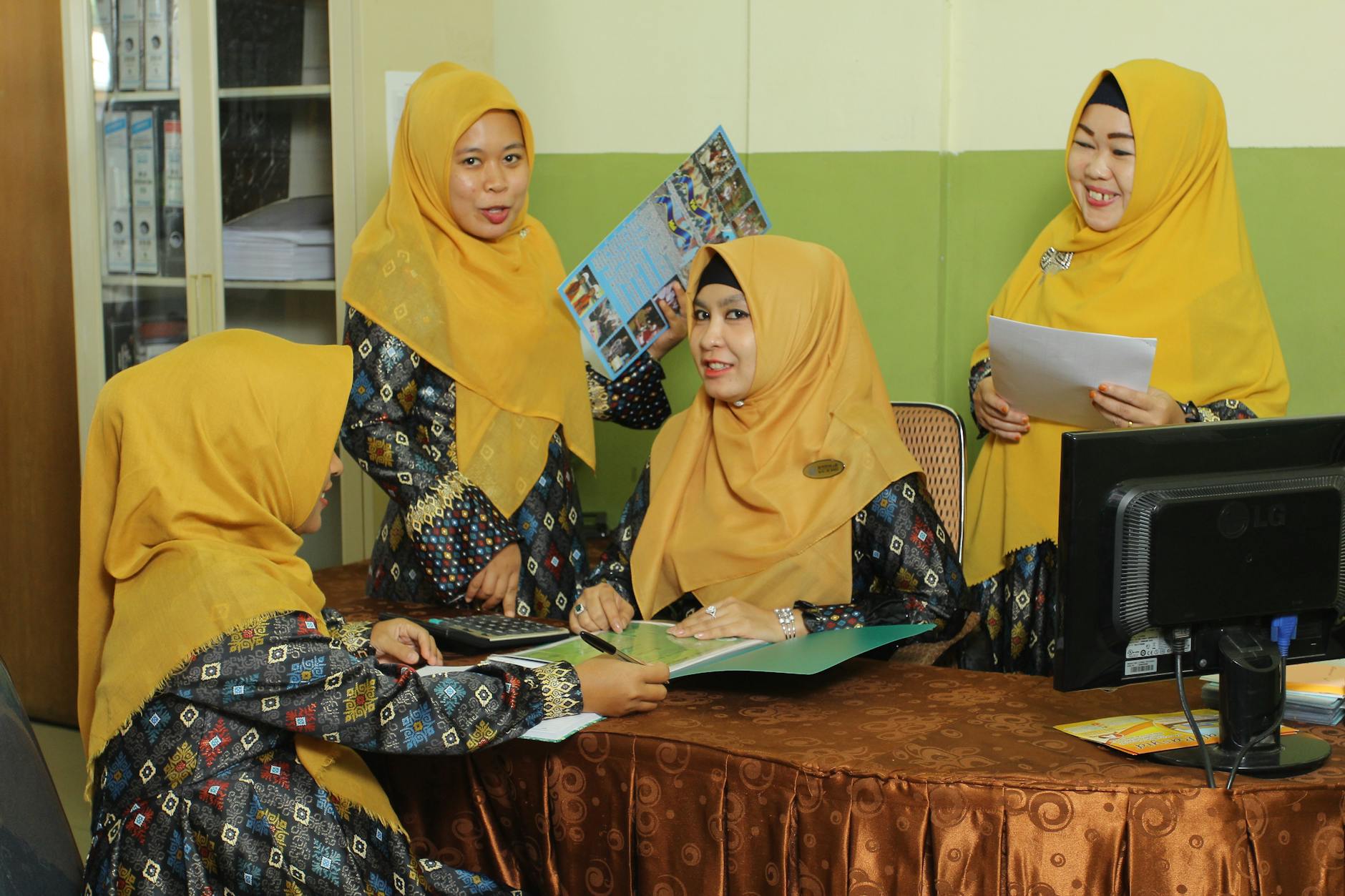
Cutting off a speaker before they finish their thought is one of the fastest ways to lose the respect of a room. It suggests impatience and a lack of interest in perspectives that differ from one’s own. Over time, colleagues begin to hold back contributions when a known interrupter is present, which weakens the quality of discussion for everyone. The habit also signals poor listening skills, which are considered a core leadership competency in most professional environments. Allowing others to complete their thoughts before responding demonstrates both confidence and maturity.
Late Arrival
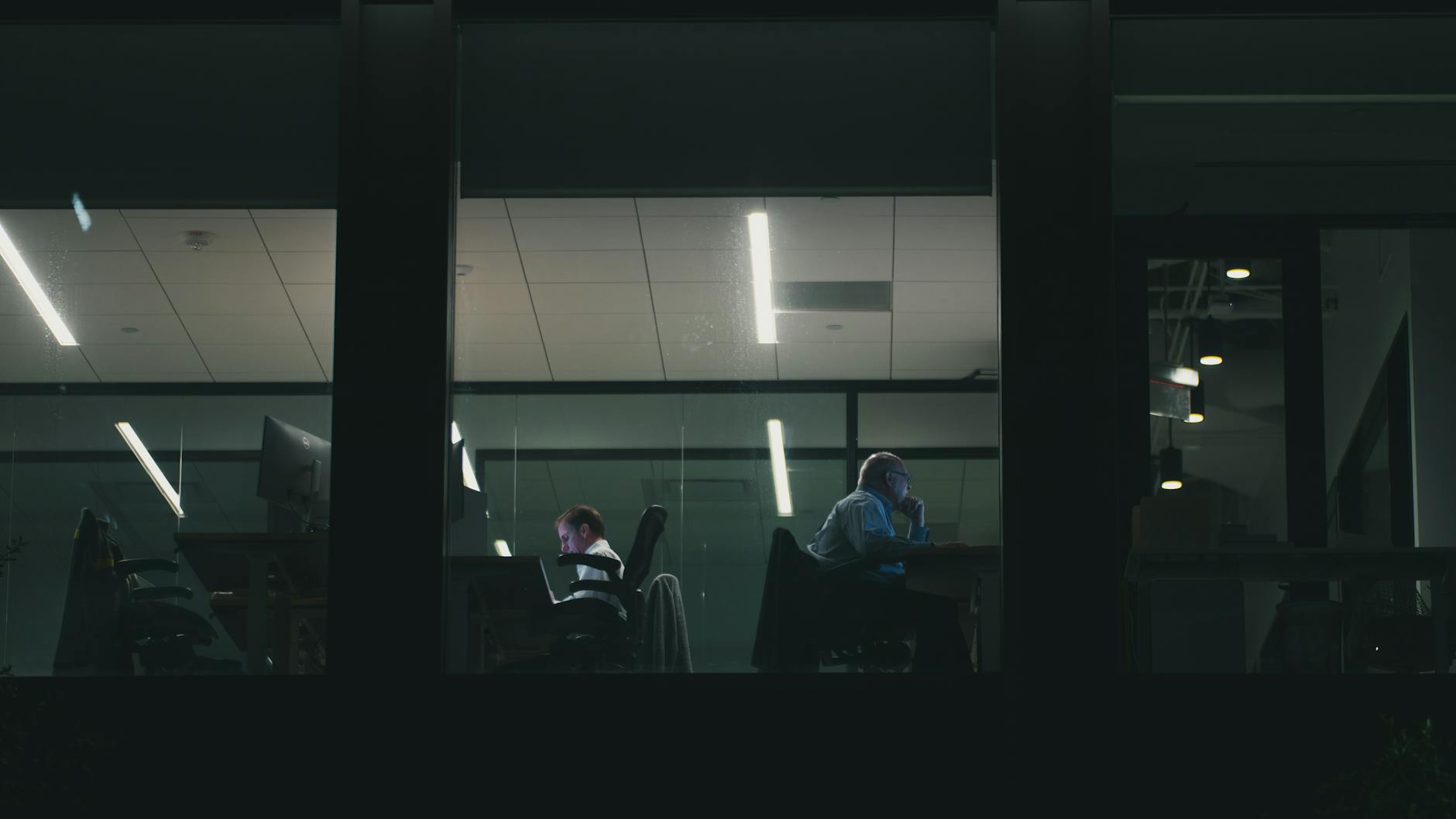
Walking into a meeting after it has started draws immediate attention and disrupts the established momentum of the room. It signals to everyone present that their time was not considered a priority worth protecting. Habitual lateness compounds this impression and can lead colleagues to question overall reliability and organizational skills. A brief apology on entry, while polite, does not erase the interruption or the perception it creates. Consistent punctuality, by contrast, builds a quiet but powerful reputation for professionalism.
Unpreparedness
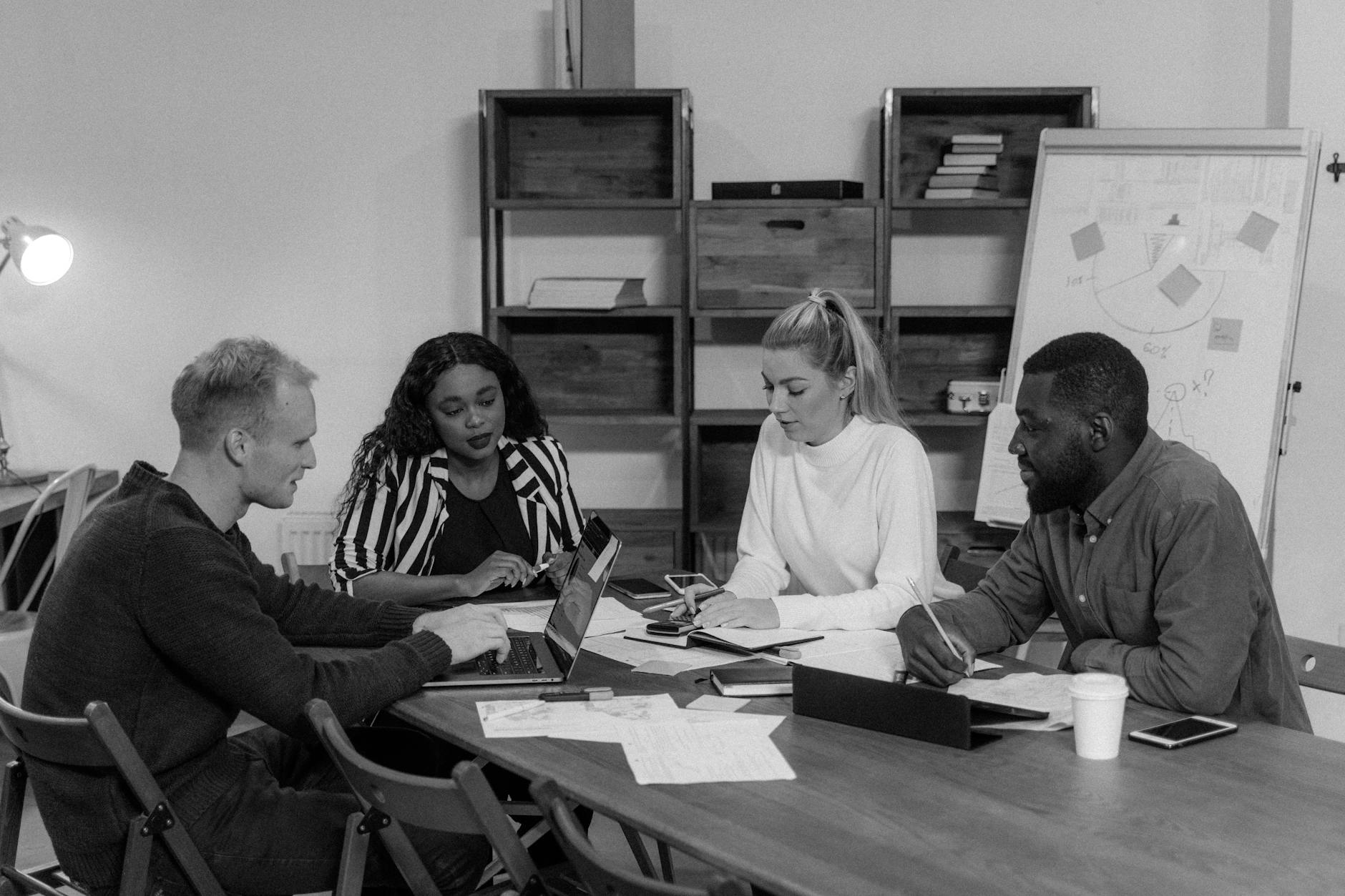
Arriving without having reviewed the agenda or relevant materials signals a lack of investment in the meeting’s purpose. Asking questions that were already addressed in pre-read documents wastes collective time and frustrates better-prepared participants. It also limits meaningful contribution, reducing one person’s role to that of a passive observer rather than an active collaborator. Decision-makers notice quickly when someone is improvising rather than engaging with informed perspective. Thorough preparation is one of the most straightforward ways to build standing in any professional setting.
Excessive Talking

Dominating the conversation without creating space for others signals poor awareness of group dynamics. Colleagues begin to disengage when one voice consistently consumes the available time, and facilitators often feel compelled to redirect. The tendency can come across as self-promotional even when the intent is genuinely enthusiastic. Strong communicators understand that contribution quality matters far more than volume. Concise, well-timed input consistently earns more respect than prolonged speaking.
Rambling

Delivering responses that drift far from the original question makes it difficult for others to follow the thread of an argument. Listeners begin to lose confidence in the speaker’s ability to think clearly under professional conditions. The habit often signals a lack of preparation or an inability to organize thoughts before speaking. In fast-moving meetings, extended digressions slow progress and test the patience of every participant. Developing the habit of pausing briefly before speaking allows for sharper, more focused contributions.
Eye Rolling

Nonverbal reactions such as eye rolling register as contempt, which is one of the most damaging impressions a professional can make on peers and leadership. Even when a reaction feels privately justified, facial expressions in a shared space are never truly private. Colleagues observing the behavior lose trust in that person’s willingness to engage respectfully with differing viewpoints. It also makes the person appear reactive and emotionally unregulated in a context that rewards composure. Maintaining a neutral and attentive expression throughout a meeting is a basic standard of professional conduct.
Whispering

Side conversations conducted in hushed tones while someone else has the floor create visible disruption and breed suspicion about what is being said. Others in the room naturally wonder whether the whispered exchange relates to the discussion at hand. The behavior signals a lack of respect for the speaker and a disregard for the shared focus of the group. It can fracture group cohesion, particularly in smaller or more sensitive meetings. Any thought worth sharing during a session is worth raising openly with the full group.
Name Dropping

Referencing high-profile contacts or past associations as a way of establishing authority often produces the opposite of the intended effect. Colleagues tend to recognize the tactic quickly and perceive it as a sign of insecurity rather than genuine credibility. Repeated name dropping can make a speaker seem more interested in proximity to success than in the substance of the discussion. Professional reputation is built through demonstrated contribution, not through association. Letting work and ideas speak without external validation is a far more effective long-term strategy.
Credit Taking

Claiming ownership of an idea or initiative that belongs to someone else is among the most damaging behaviors a professional can exhibit in a group setting. Witnesses to the exchange lose trust immediately, and the original contributor is unlikely to forget the incident. Even subtle forms of credit appropriation, such as reframing a colleague’s suggestion as one’s own development, register negatively with observant teammates. Leadership and management figures often have broader awareness of who originated which ideas than credit-takers assume. A culture of honest attribution builds stronger teams and far more durable individual reputations.
Sighing Loudly

Audible sighs during a meeting communicate frustration, boredom, or disapproval in a way that affects the energy of the entire room. Unlike a direct comment, a sigh cannot be formally addressed, which makes it a passive form of disruption that lingers without resolution. Speakers and facilitators feel its impact even when the source believes it went unnoticed. Over time, colleagues begin to associate that person with negativity and low tolerance for process. Maintaining composed body language, even through tedious stretches of a meeting, reflects the kind of professionalism that sustains long-term respect.
Overqualifying

Prefacing every statement with lengthy disclaimers weakens the authority of even well-researched positions. Phrases that suggest excessive uncertainty before a point has even been made signal a lack of confidence that audiences pick up on immediately. While intellectual humility is valued, there is an important distinction between thoughtful nuance and chronic hedging. Decision-makers tend to seek colleagues who can deliver clear positions and stand behind them with composure. Practicing directness in communication is a skill that visibly elevates professional presence in group settings.
Multitasking

Typing on a laptop or reviewing unrelated documents while others are speaking creates a visible divide between one person and the rest of the group. The behavior communicates that the meeting is being treated as background noise rather than a focused professional exchange. Even when the multitasking relates to work, it gives the impression of fractured attention and disorganized priorities. Meeting participants often unconsciously direct fewer questions and less engagement toward someone who appears distracted. Full presence, even during portions of the agenda that feel less directly relevant, reinforces a reputation for attentiveness.
Contradicting Constantly

Reflexively pushing back on every suggestion creates an adversarial atmosphere that discourages open contribution. Colleagues learn to anticipate the opposition and begin to soften or withhold ideas to avoid the friction. While healthy debate is essential to good decision-making, there is a recognizable difference between thoughtful challenge and habitual resistance. A pattern of constant contradiction signals that a person may prioritize being right over finding the best outcome. Engaging with the strengths of an idea before identifying its limitations demonstrates analytical maturity.
Speaking Over Others

Raising one’s volume to speak over another person signals dominance rather than authority, which are two very different things. It creates immediate discomfort in the room and places facilitators in the position of having to intervene. The person on the receiving end may disengage from further participation, reducing the quality of input the group receives. Observers form a lasting impression of the louder speaker as difficult to collaborate with. Waiting for natural pauses before contributing ensures that presence is felt without overpowering the dynamic of the room.
Apologizing Excessively
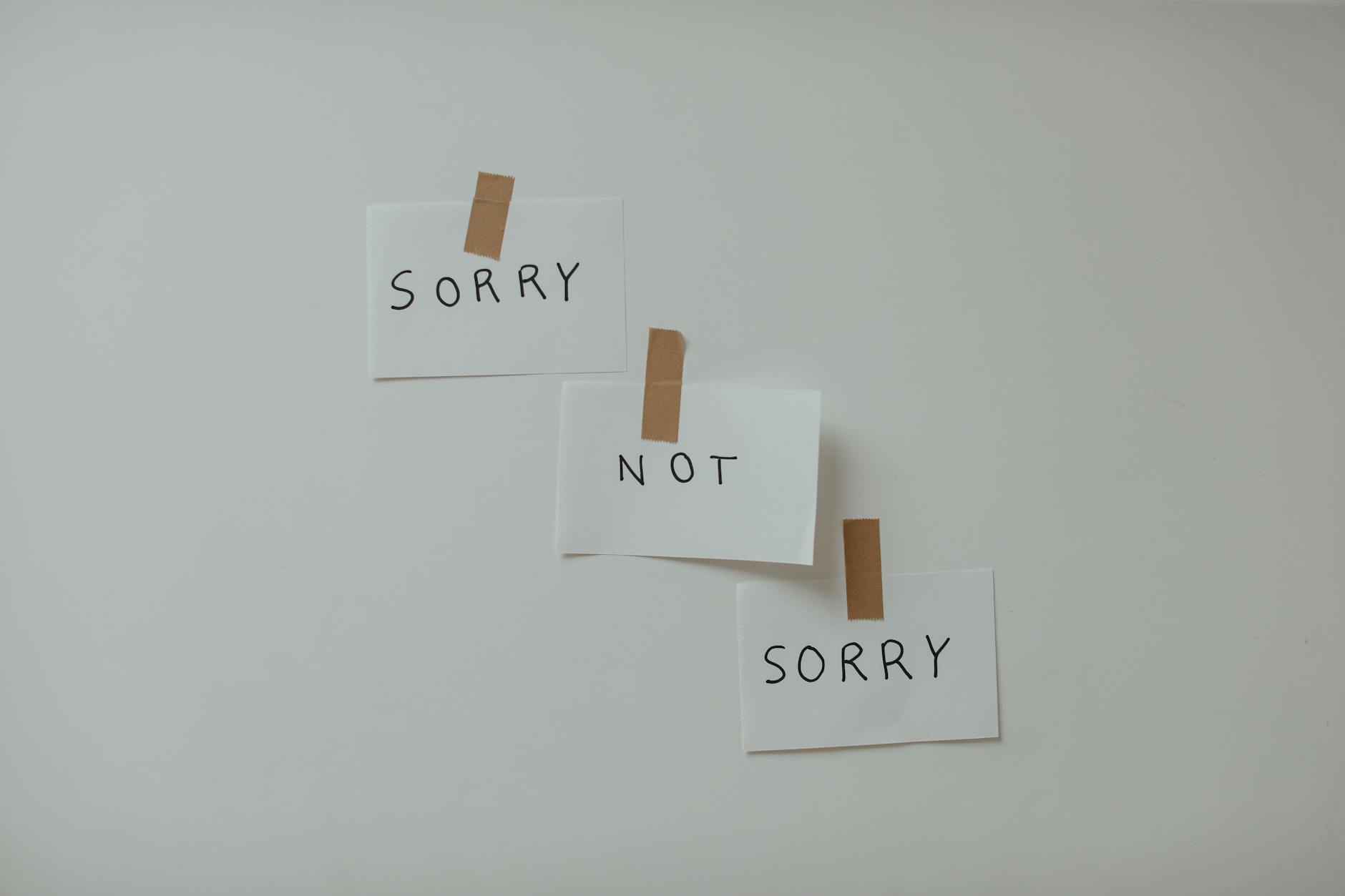
Opening contributions with repeated apologies undermines the value of what follows before it has even been heard. Phrases that minimize a comment or idea signal low confidence in a way that leads others to adopt a similarly dismissive view. While social courtesy has its place, excessive apologetic framing in a professional context erodes authority over time. It can also slow the pace of a meeting and shift focus from the substance of an idea to the emotional state of the speaker. Delivering contributions with quiet confidence, even on uncertain ground, projects a stronger professional image.
Forgetting Names
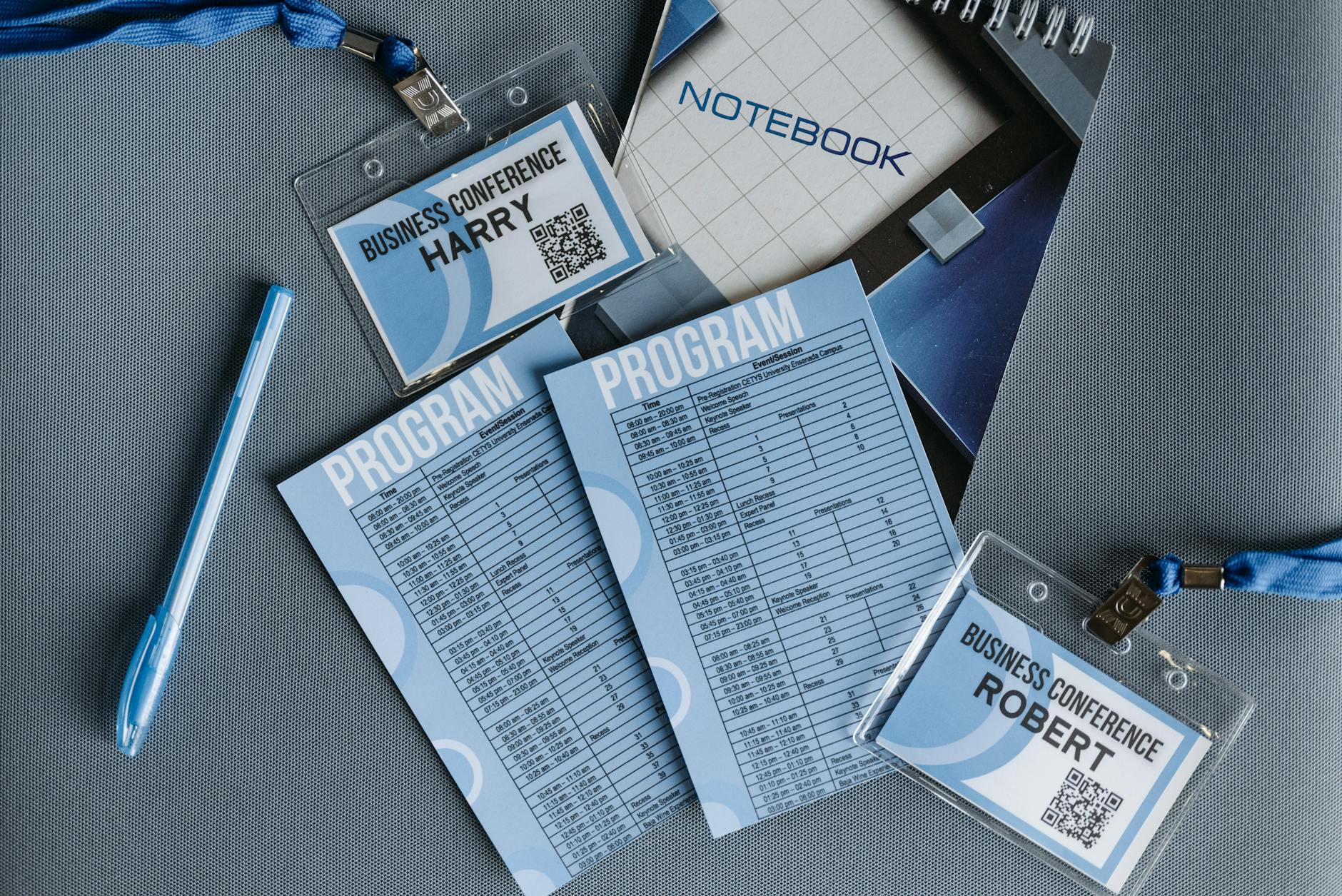
Addressing colleagues incorrectly or visibly struggling to recall names in a meeting setting signals inattentiveness to the people in the room. It can come across as dismissive, even when the cause is genuine forgetfulness rather than indifference. In smaller teams or recurring meetings, the pattern becomes particularly noticeable and can affect working relationships. Reviewing a list of attendees before a session begins is a simple step that demonstrates care and preparation. Knowing who is in the room and acknowledging them by name creates a foundation of basic professional respect.
Undermining Others

Subtly dismissing a colleague’s contribution through tone, phrasing, or body language erodes group trust even when no direct criticism is voiced. Observers in the room register the dynamic and adjust their own willingness to contribute based on what they witness. The behavior is particularly damaging in cross-functional or hierarchical meetings where power dynamics are already in play. Leaders who allow it to go unchecked are perceived as complicit, and those who perpetrate it are viewed as politically unsafe colleagues. Lifting the quality of others’ ideas, rather than diminishing them, is a more effective path to lasting influence.
Arriving Without Materials

Showing up to a working session without a notebook, relevant files, or any means of capturing information suggests low investment in the meeting’s outcomes. It limits active participation and places the burden of documentation entirely on others. Even in an era of digital note-taking, the absence of any preparatory tool signals that follow-through may be equally limited. Colleagues and managers draw quiet conclusions about work habits from visible signals during shared sessions. Having the right tools on hand, even for informal discussions, reflects organizational awareness and professional seriousness.
Checking the Time

Repeatedly glancing at a watch or phone clock during a meeting broadcasts impatience in a way that the entire room can observe. It signals that the speaker, the topic, or the process is being viewed as an obstacle rather than a professional obligation. Even when the meeting is running long, visible time-checking communicates disrespect toward the facilitator and fellow attendees. The habit becomes particularly damaging when it occurs during someone else’s presentation or key contribution. Staying visibly engaged until the meeting formally closes is a small but meaningful marker of professional courtesy.
Share which of these meeting habits you have noticed most often in the comments.