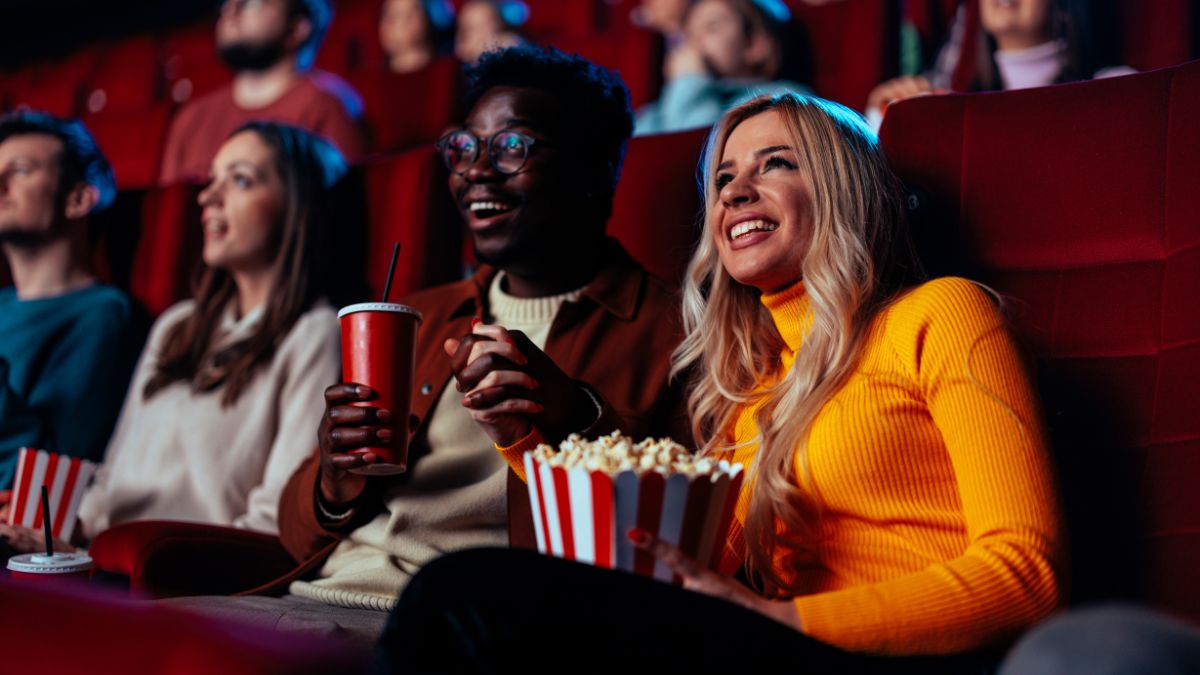
A trip to the movies is a shared experience that depends on mutual respect and common courtesy among everyone in the theater. Certain behaviors have a way of shattering that unspoken agreement and turning an enjoyable evening into a frustrating ordeal for everyone nearby. From distracting light to inconsiderate noise, these habits are more disruptive than most people realize. Here are the 15 behaviors that earn someone the unofficial title of most annoying person in the room.
Phone Use

Pulling out a smartphone during a film is one of the fastest ways to irritate an entire row of fellow moviegoers. The bright screen cuts through the darkened theater like a flashlight and draws involuntary attention away from the screen. Even a brief check of notifications sends a ripple of frustration through those seated nearby. Many theaters explicitly ask audiences to silence and stow their devices before the film begins, yet the habit persists. It remains one of the most universally complained-about behaviors in cinema settings worldwide.
Loud Talking
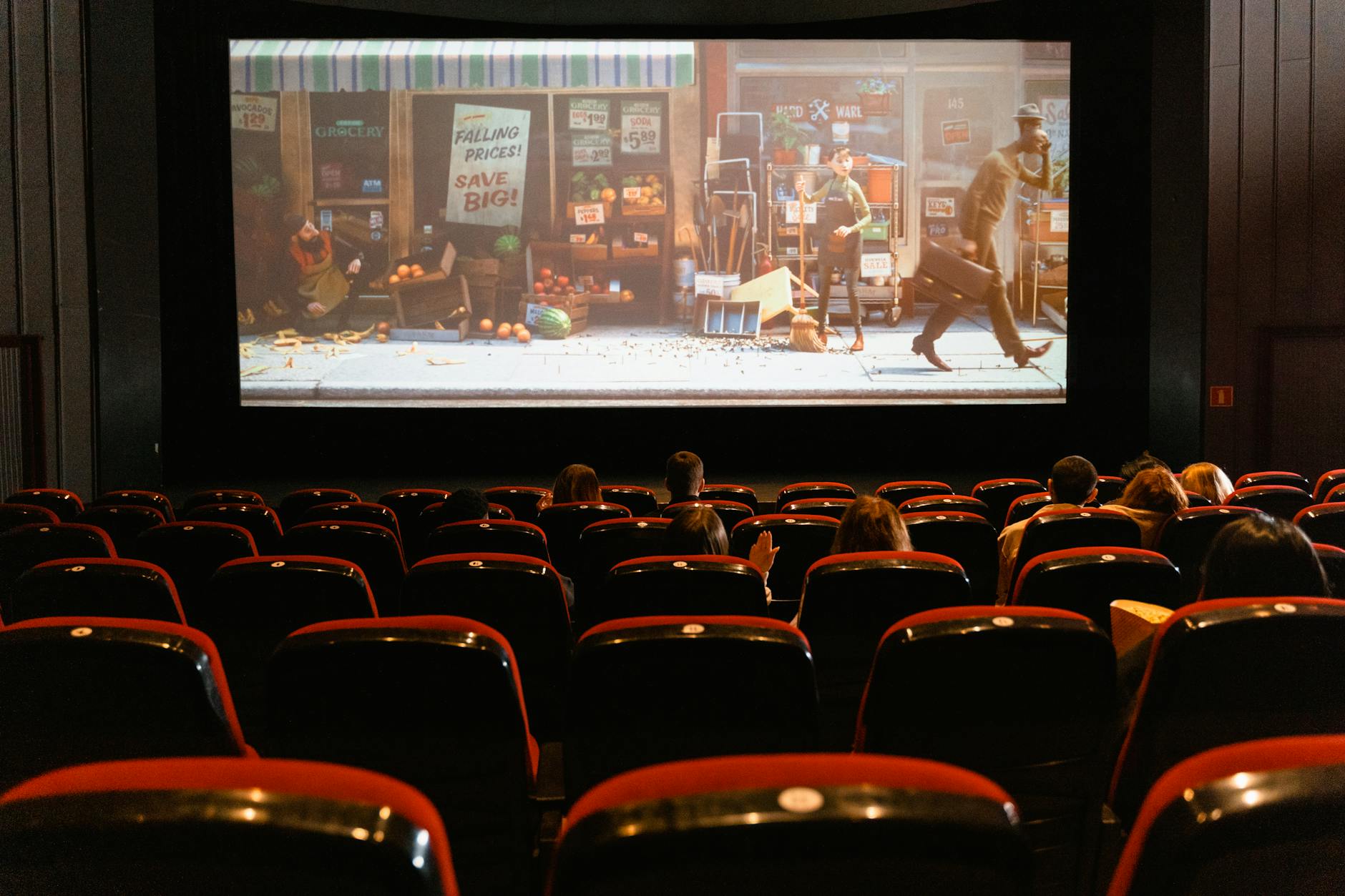
Carrying on a conversation at normal speaking volume during a film disrupts the viewing experience for everyone within earshot. Commentary, reactions, and side discussions pull attention away from the dialogue and score happening on screen. Whispering to a companion occasionally is generally tolerated, but sustained chatting crosses a clear social line. Other patrons paid for the experience of hearing the film, not the person two seats away. Even a single ongoing talker can ruin the atmosphere for an entire section of the theater.
Seat Kicking
Repeatedly nudging the seat in front is a physical intrusion that is impossible for the person sitting there to ignore. Each kick or bump breaks concentration and serves as an unwelcome reminder that personal space is being violated. Children are frequent culprits, though adults resting their knees against seat backs cause the same effect. The person in front has no comfortable way to address it without creating an awkward confrontation. It ranks among the most physically disruptive behaviors in any screening environment.
Spoilers
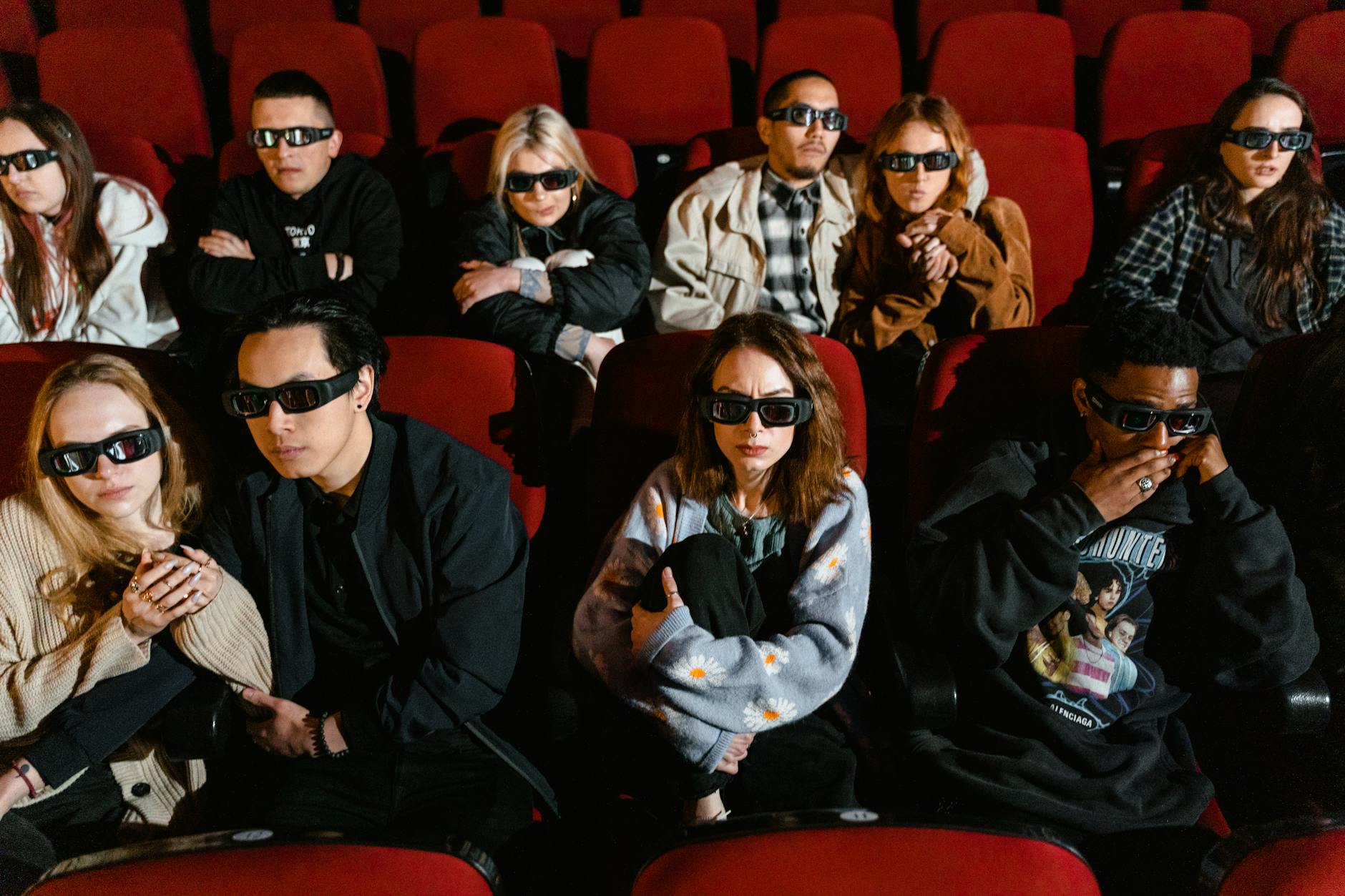
Verbally announcing plot twists, character deaths, or endings to a companion ruins the experience for anyone close enough to hear. Some audience members go to great lengths to avoid learning details about a film before seeing it, making a casual spoiler genuinely harmful to their enjoyment. This is particularly disruptive during opening weekend screenings when many viewers are experiencing the story for the first time. Theaters are enclosed spaces where voices carry further than people tend to assume. Even a hushed remark can travel across several rows under the right acoustic conditions.
Constant Snacking
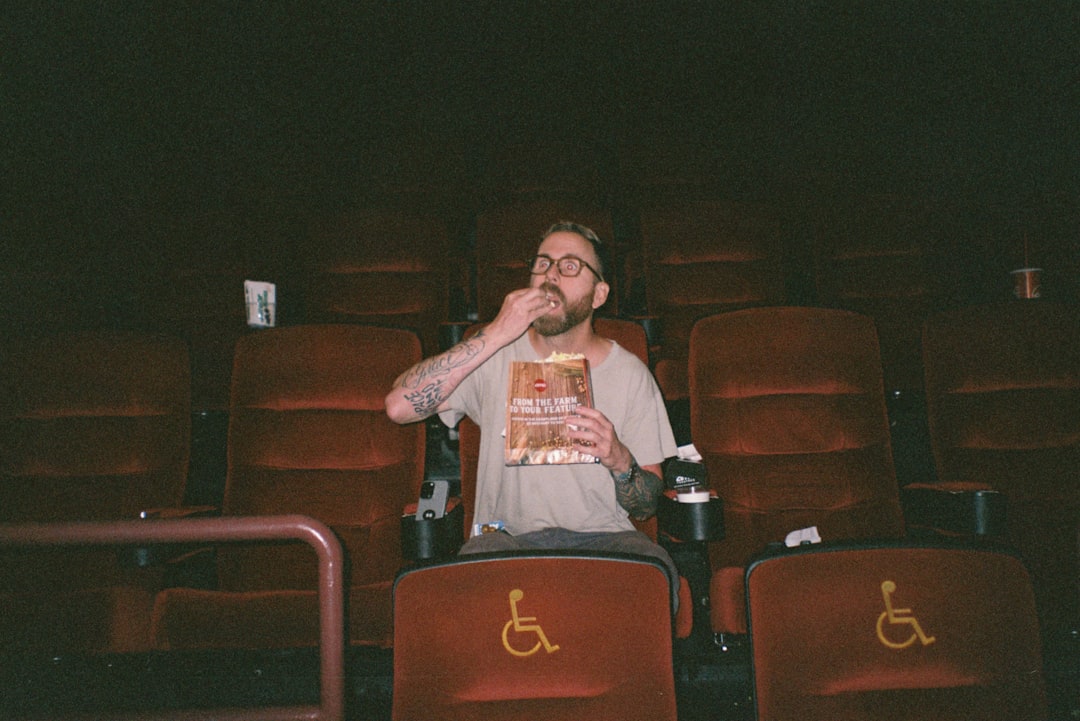
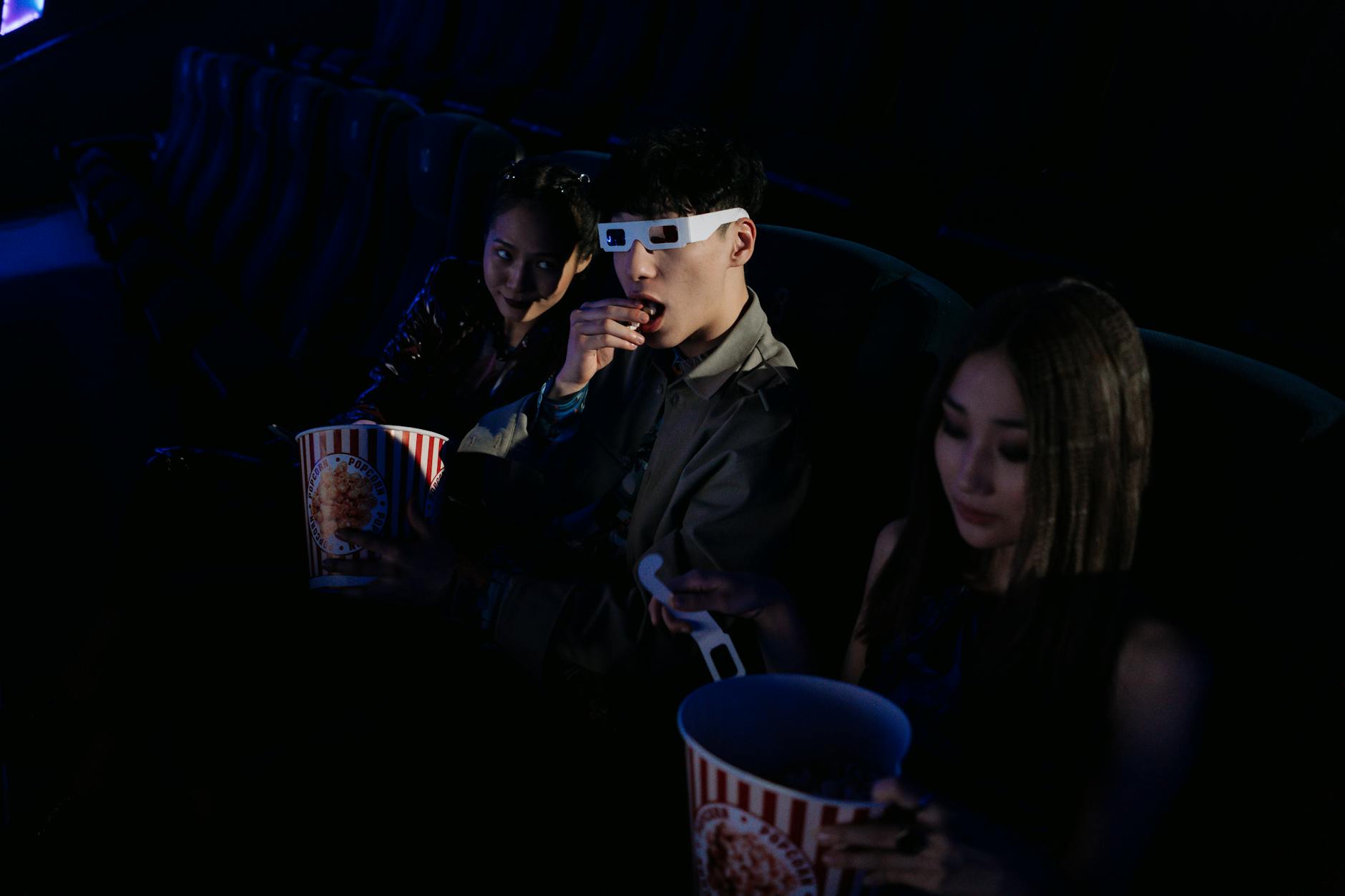
There is a meaningful difference between enjoying movie snacks and producing a continuous wall of crunching, rustling, and chewing sounds throughout the entire film. Aggressively eating hard or crispy foods during quiet or emotional scenes draws audible attention in the worst possible moments. Loudly unwrapping packaging is an equally common offense, particularly when it stretches on for an uncomfortable length of time. Most snack-related noise can be minimized with a little awareness and timing. The issue is not the snacks themselves but the complete disregard for the surrounding audience.
Armrest Hogging
Claiming both armrests without any consideration for neighboring seats is a small but meaningful act of inconsideration. The armrest between two strangers is a shared resource governed by the simple principle of equal access. Spreading out confidently and leaving none for the adjacent passenger signals a complete indifference to shared space. In a sold-out theater where seats are packed tightly together, this dynamic becomes especially uncomfortable. Many people choose to say nothing and simply endure the situation, which does not make it any less frustrating.
Strong Fragrance

Wearing an overwhelming amount of perfume or cologne into an enclosed, poorly ventilated screening room affects everyone seated in the immediate vicinity. Strong scents in concentrated spaces can trigger headaches, allergic reactions, and general discomfort for sensitive individuals. Unlike noise, fragrance cannot be tuned out or mentally blocked, making it a particularly persistent form of disruption. The problem is amplified in theaters with limited air circulation and rows of tightly packed seating. It is a behavior that most people do not associate with movie etiquette, yet its impact on surrounding audience members is significant.
Late Arrivals
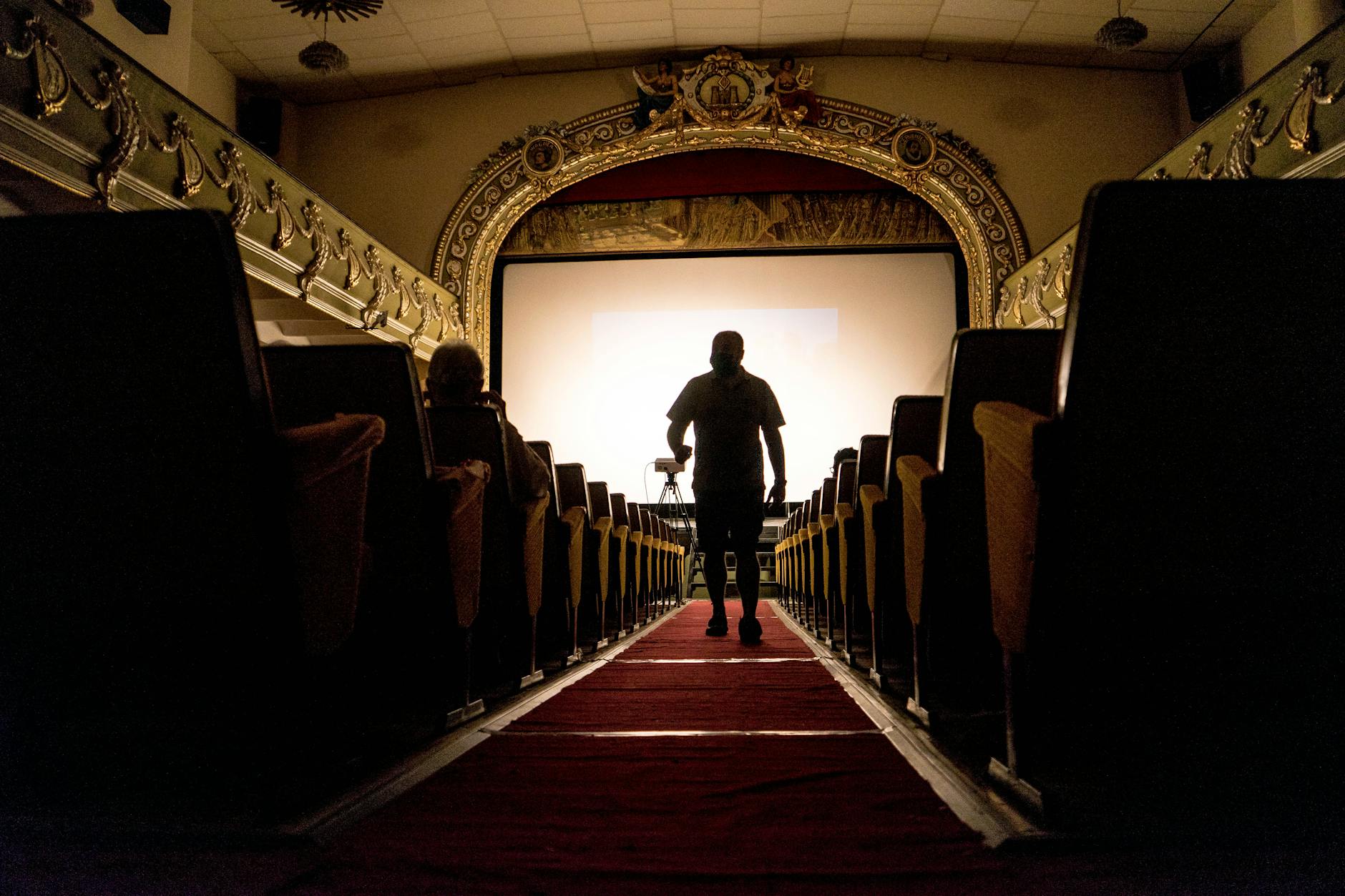
Walking into a screening after it has already started draws immediate attention from viewers already settled into the story. Shuffling down a row in the dark, stepping over legs, and dropping belongings creates a chain reaction of disruption across multiple seats. Asking people to stand or move mid-scene compounds the interruption further. Arriving even five minutes late to a film means the opening context has already been missed, which can affect the entire experience of the movie. Most theaters recommend arriving several minutes before the listed showtime to avoid exactly this scenario.
Excessive Laughter
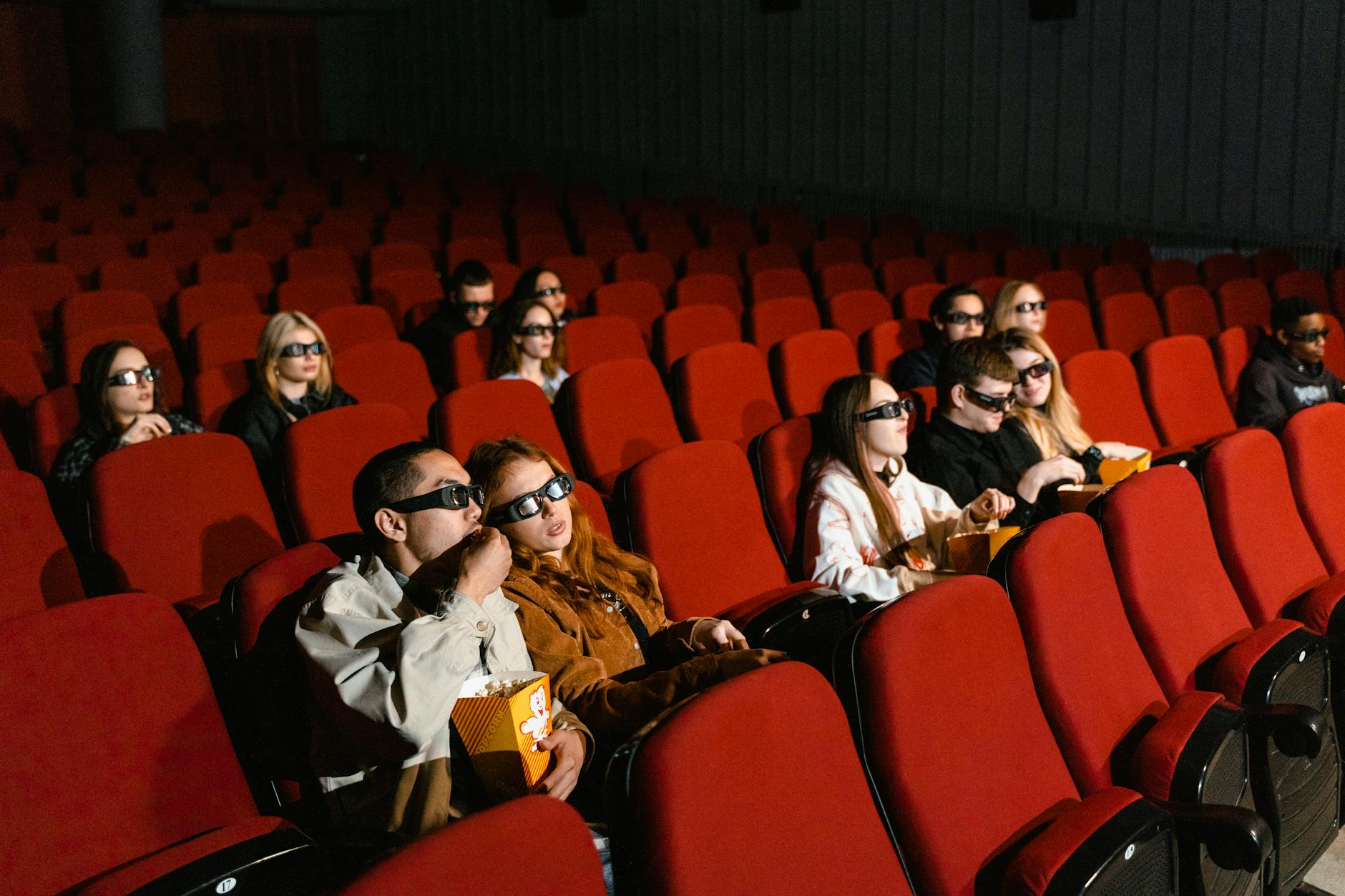
Laughing at genuinely funny moments is a natural part of the communal cinema experience and is entirely welcome. However, laughing loudly and persistently at scenes that are not intended to be funny creates a distracting and sometimes condescending atmosphere in the room. Performative reactions that seem designed to signal a sense of humor rather than respond authentically to the film pull attention toward the laughing person and away from the story. Sustained giggling during tense or emotional sequences is particularly disruptive to viewers who are invested in the narrative. Audience energy is contagious, and one overly loud reactor can shift the tone of an entire screening.
Baby Bringing
Bringing a very young infant to an age-inappropriate or late-night screening puts everyone in a difficult position. Babies cry unpredictably and cannot be reasoned with or hushed on demand, making their presence in a theater a near-guaranteed source of noise disruption. Parents who choose to bring newborns to adult films often do so out of a desire not to miss out, which is understandable, but it places the burden on every other person in the room. Many cinemas now offer dedicated baby-friendly screenings at lower volumes and with more relaxed environments. These alternatives exist precisely so that parents and other audience members can both have a comfortable experience.
Feet on Seats
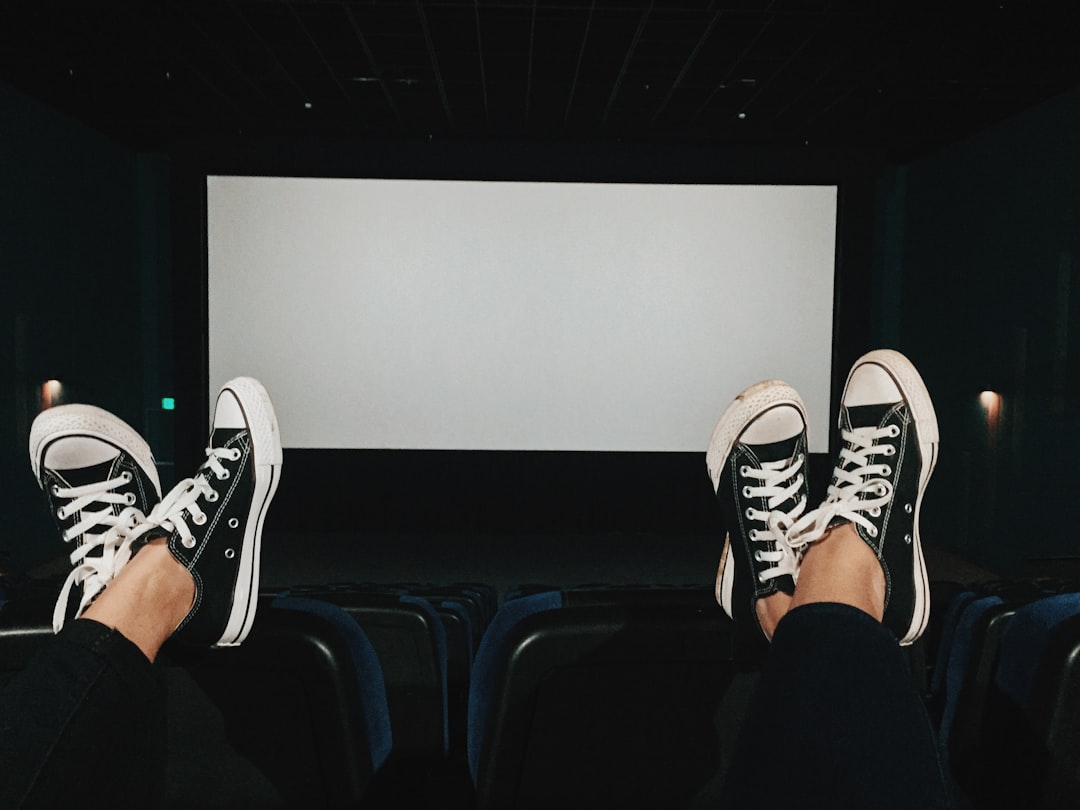
Propping feet up on the empty seat in front is a habit that is unhygienic, disrespectful to cinema staff, and potentially uncomfortable for anyone who may occupy that seat later. The behavior signals a sense of ownership over a public shared space that is simply not warranted. When done during a crowded screening, feet at head level become a visual and physical intrusion for neighbors. Theaters spend considerable resources maintaining their interiors, and this habit accelerates wear on upholstery and seating. It is the kind of behavior that would be considered unacceptable in any other public venue.
Plot Questions
Continuously asking a companion to explain what is happening on screen during the film is deeply disruptive to everyone within hearing range. Questions about character motivations, plot developments, and backstory belong to conversations held before or after the screening, not during it. The person being asked is also trying to watch the film and is pulled out of the experience every time they feel obligated to respond. In quieter scenes, even softly asked questions are audible to multiple surrounding seats. Anyone who feels they need significant context to follow a story is better served by researching the film beforehand.
Seat Saving
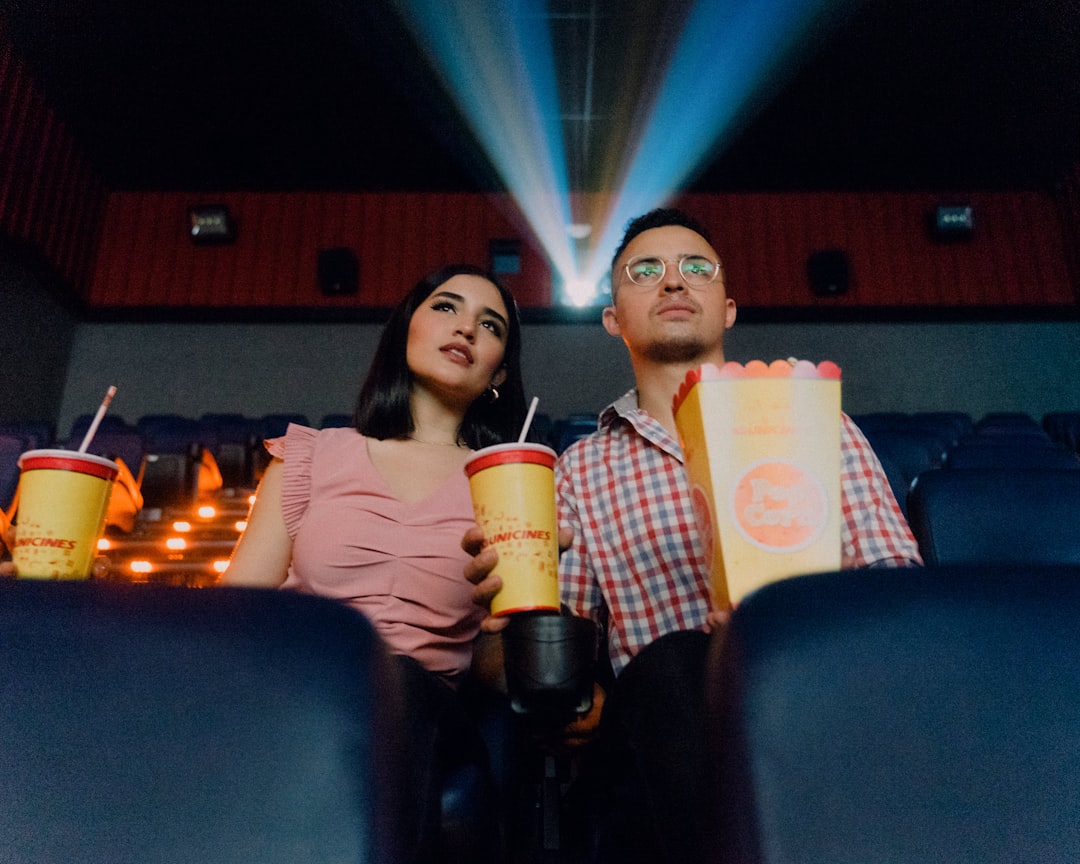
Reserving a large number of seats for a group that has not yet arrived creates a visible and social tension in a filling theater. Placing coats, bags, and personal items across multiple prime seats while others are left standing or searching is widely regarded as inconsiderate. As the theater fills, the pressure on surrounding audience members to confront the situation becomes uncomfortable for everyone involved. Most modern cinemas have moved to assigned seating specifically to eliminate this dynamic. In theaters without reserved seating, the practice remains a persistent source of frustration during popular screenings.
Recap Narrating
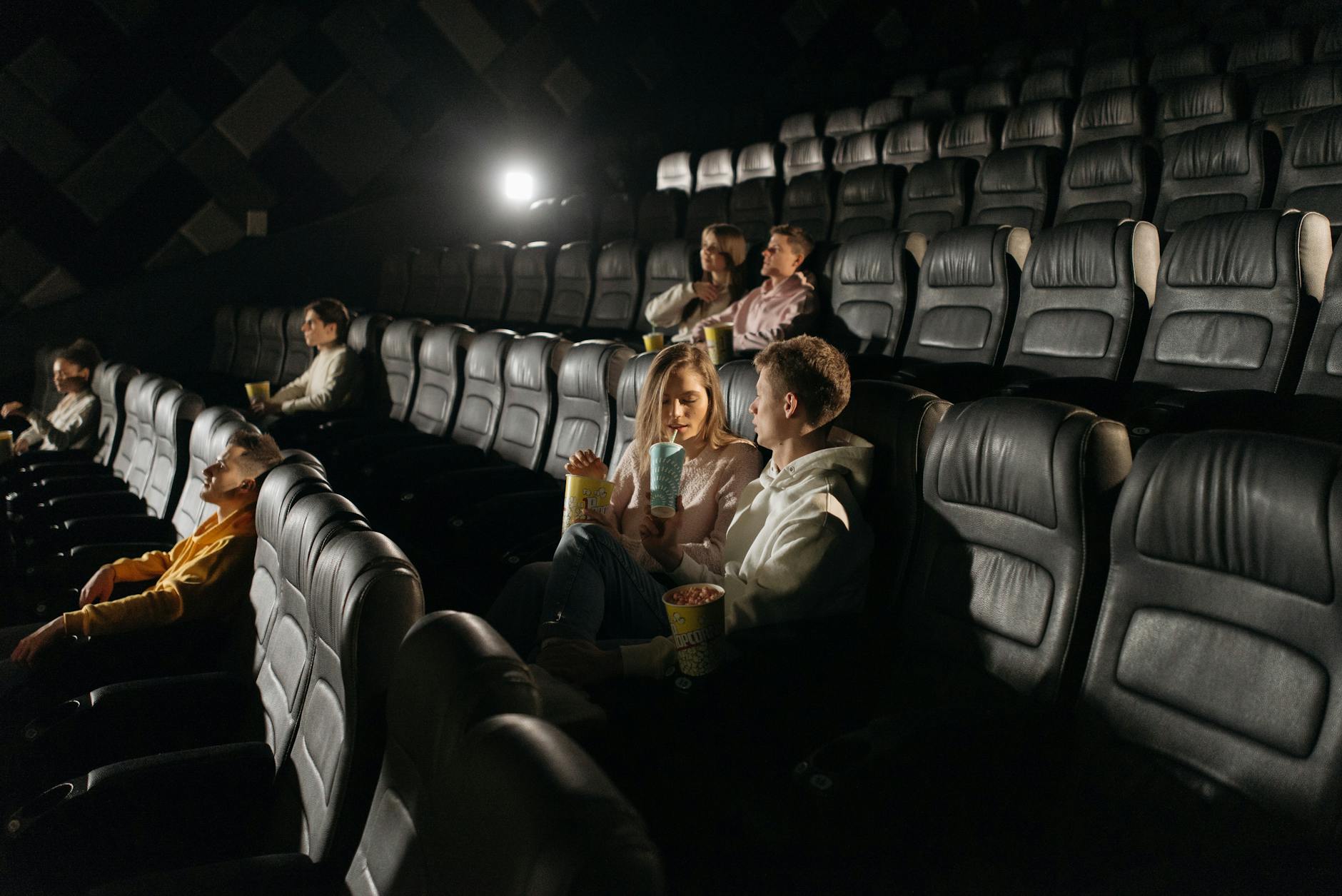
Quietly narrating what just happened on screen to a companion moments after it occurred adds an unnecessary audio layer to scenes that do not need commentary. This behavior is distinct from asking a genuine question and instead reflects a habit of processing film aloud rather than internally. Even in a low murmur, recapping dialogue or describing action that the entire audience just witnessed together is redundant and distracting. It is particularly noticeable during suspenseful or dialogue-heavy sequences where silence is part of the intended experience. The habit often goes unnoticed by the person doing it precisely because it feels like a natural extension of watching together.
Early Exit Rushing
Jumping up and pushing toward the aisle the moment the credits begin to roll disrupts the final moments of the experience for viewers who stay for post-credit scenes or simply prefer a calm exit. Climbing over seated audience members, rustling bags loudly, and jostling for position before the lights fully come up is unnecessary and inconsiderate. Films with post-credit sequences have become especially common, meaning early rushers also risk missing intentional content. The two to three minutes saved by leaving immediately rarely justify the disruption caused to everyone nearby. A calm and patient exit is the simplest possible courtesy to extend at the end of a shared experience.
What is the most annoying theater habit you have ever encountered and how did you handle it? Share your experience in the comments.