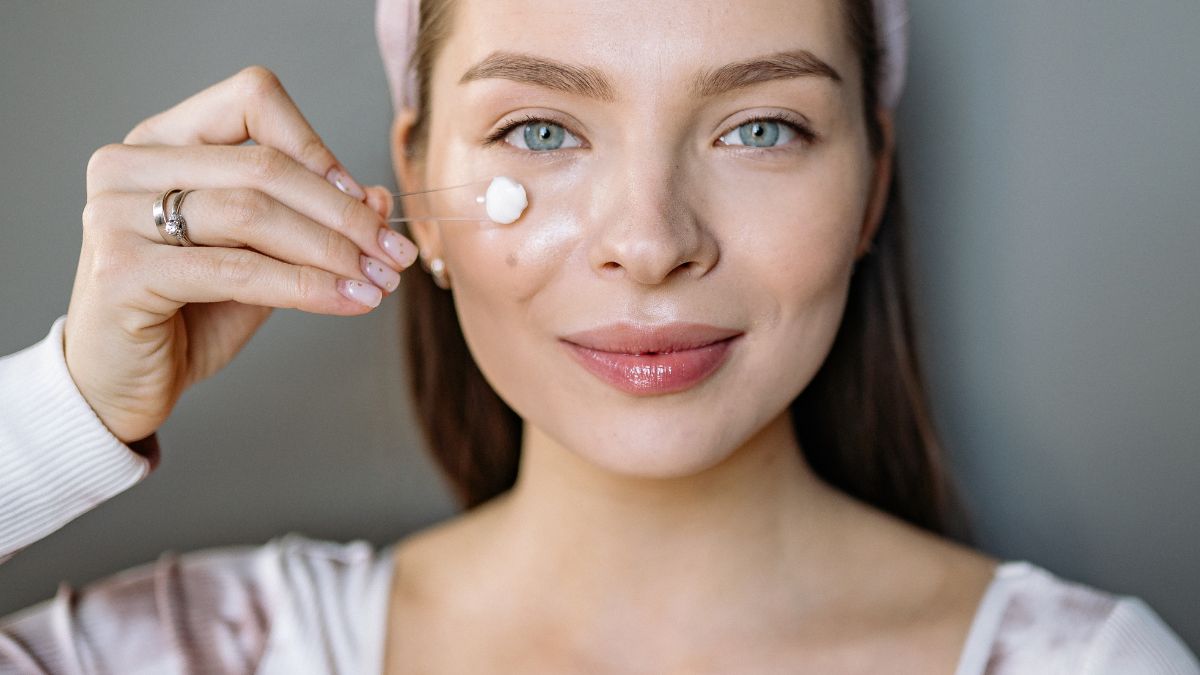
The beauty industry has always been fertile ground for misinformation, with myths spreading through generations of well-meaning advice, marketing language, and social media amplification long after science has quietly dismantled them. Dermatologists and skin scientists have spent decades conducting research that contradicts many of the most beloved and widely repeated beauty beliefs. Yet these myths persist with remarkable stubbornness, influencing purchasing decisions, daily routines, and even medical choices for millions of people worldwide. Understanding what the evidence actually says is one of the most empowering steps a person can take toward a genuinely effective skincare approach. Here are 30 bizarre beauty myths that dermatologists debunked years ago but that continue to circulate with surprising authority.
Pore Size

The belief that pores can be permanently opened or closed with hot and cold water is one of the most enduring myths in skincare. Pores do not have muscles and therefore cannot open or close in response to temperature. Hot water can temporarily loosen debris inside a pore, making extraction easier, but it does not structurally change pore diameter. Cold water applied afterward does not seal pores shut as generations of beauty advice have suggested. The actual size of a pore is determined by genetics, age, and skin type, none of which are influenced by water temperature.
Natural Ingredients

The widespread assumption that natural or plant-based ingredients are automatically safer or gentler than synthetic ones is not supported by dermatological evidence. Some of the most potent skin irritants and allergens found in skincare products are entirely natural in origin. Essential oils, botanical extracts, and fruit acids can cause significant reactions in sensitive skin, sometimes more severe than carefully formulated synthetic alternatives. Dermatologists consistently point out that the source of an ingredient is far less relevant than its concentration, formulation, and individual skin compatibility. Evaluating a product on its clinical evidence rather than its origin story leads to far better outcomes.
Chocolate Acne

The idea that eating chocolate directly causes acne has been a fixture of beauty folklore for decades despite repeated clinical investigations finding no reliable causal link. The relationship between diet and acne is real but considerably more nuanced than a single food trigger. High-glycemic diets and dairy consumption have more consistent associations with acne development in research literature than chocolate consumption alone. Many studies that appeared to implicate chocolate failed to control adequately for sugar content, milk solids, or overall dietary pattern. Dermatologists do not recommend eliminating chocolate as a standard acne management strategy.
Hair Trimming

The belief that cutting hair regularly makes it grow faster is a myth that has been repeated in salons and homes across the world for generations. Hair growth originates entirely from the follicle at the scalp level, making it biologically impossible for trimming the ends to influence growth rate. What regular trimming does achieve is the removal of split ends, which prevents breakage and allows hair to retain length more effectively over time. This can create the appearance of faster growth because the hair is not simultaneously breaking at the same rate it grows. Growth speed is determined by genetics, health, and hormonal factors, none of which are affected by scissors.
Toothpaste Spot Treatment

Applying toothpaste to a pimple as an overnight spot treatment is a home remedy that dermatologists have been correcting for years without much success. Toothpaste contains ingredients including fluoride, sodium lauryl sulfate, and flavoring agents that are not formulated for skin contact and can cause irritation, dryness, and chemical burns with repeated use. Any apparent drying effect on a blemish is outweighed by the potential for creating a secondary skin reaction around the original spot. Purpose-formulated spot treatments containing benzoyl peroxide or salicylic acid are both more effective and considerably safer. The persistence of this myth speaks to the broader tendency to substitute accessible home remedies for evidence-based alternatives.
Sunscreen Indoors
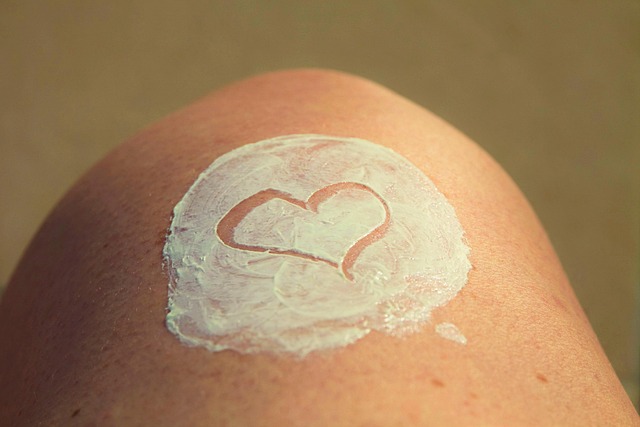
The belief that sunscreen is unnecessary when spending the day indoors is a myth with real consequences for long-term skin health. UVA rays, which are the primary drivers of photoaging and a significant contributor to skin cancer risk, penetrate standard window glass effectively. Sitting near a window during daylight hours, commuting in a car, or working near glass partitions all constitute meaningful UV exposure without additional protection. Dermatologists have been advocating for daily indoor sunscreen application for decades, a recommendation that has only recently begun gaining mainstream traction. Broad-spectrum SPF applied every morning regardless of planned sun exposure is considered standard preventive care.
Oily Skin Moisturizer
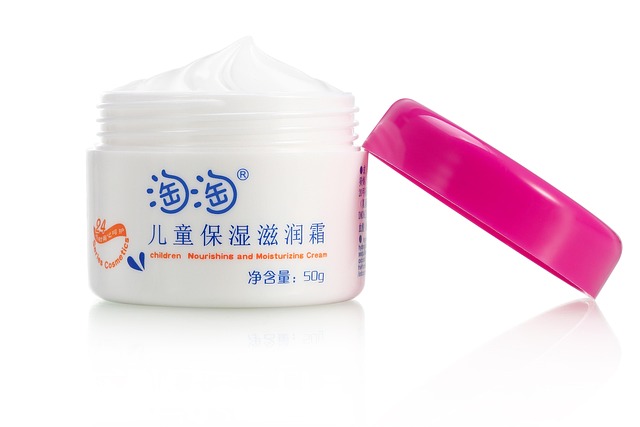
The myth that oily skin does not need moisturizer persists despite consistent dermatological guidance to the contrary. Oiliness and hydration are distinct skin properties, and a skin type can be simultaneously oily and dehydrated. When oily skin is stripped of moisture through harsh cleansers or the deliberate skipping of moisturizer, the sebaceous glands often compensate by producing even more oil. Lightweight, non-comedogenic moisturizers designed for oily skin types help maintain the skin barrier without contributing to congestion. Skipping moisturizer entirely in the belief that oily skin requires no hydration frequently worsens the condition it is intended to address.
Expensive Skincare
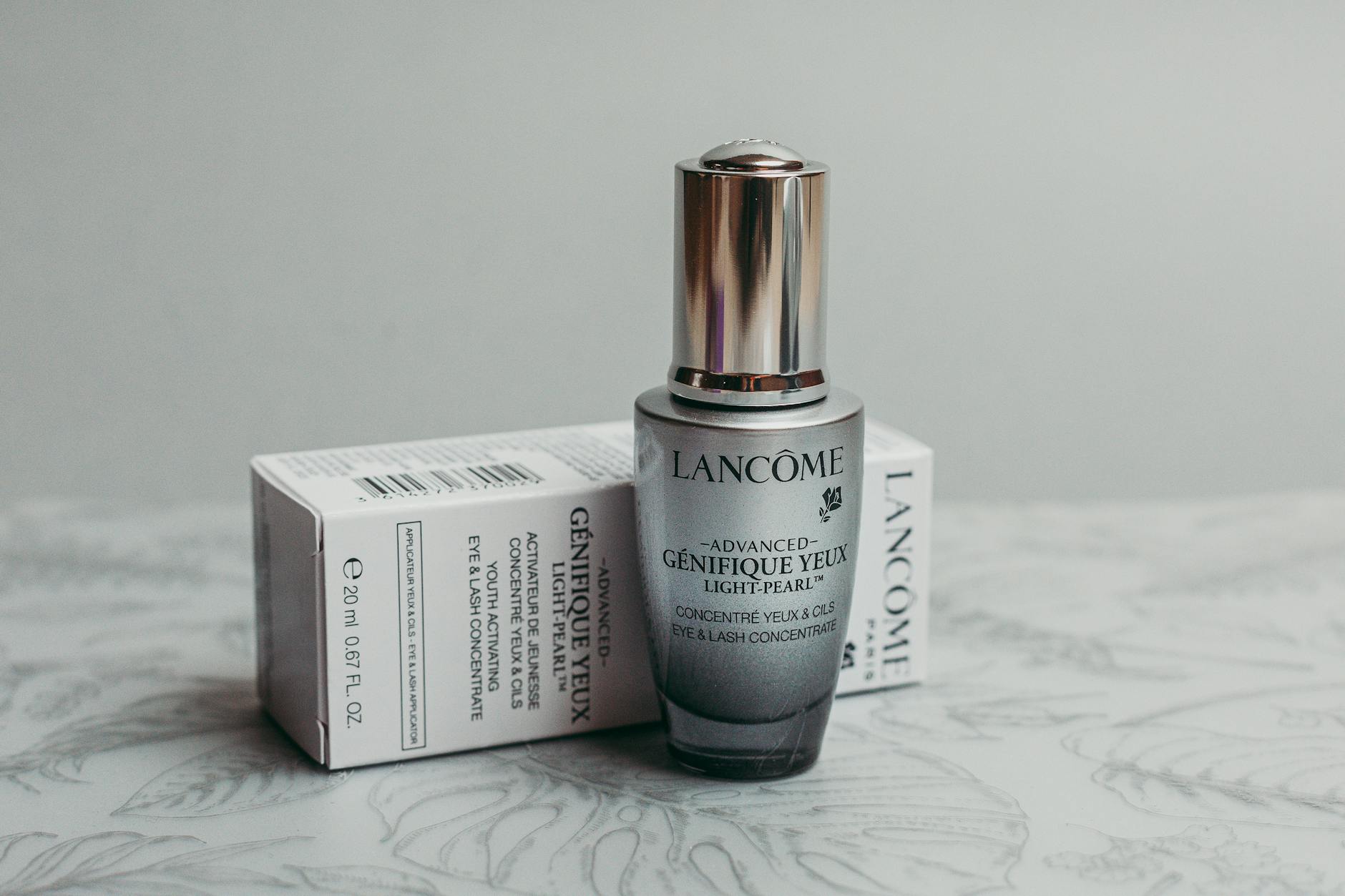
The assumption that a higher price point guarantees superior skincare results is a myth enthusiastically perpetuated by luxury beauty marketing but not supported by dermatological evidence. The efficacy of a skincare product is determined by its active ingredients, their concentrations, formulation stability, and pH rather than its retail price. Many of the most clinically validated ingredients in dermatology including retinol, niacinamide, and glycolic acid are widely available in affordable formulations. Dermatologists regularly point their patients toward drugstore products that outperform prestige alternatives on measurable clinical outcomes. Brand perception and packaging aesthetics are significant drivers of price that have no bearing on what a product actually does to the skin.
Makeup Aging
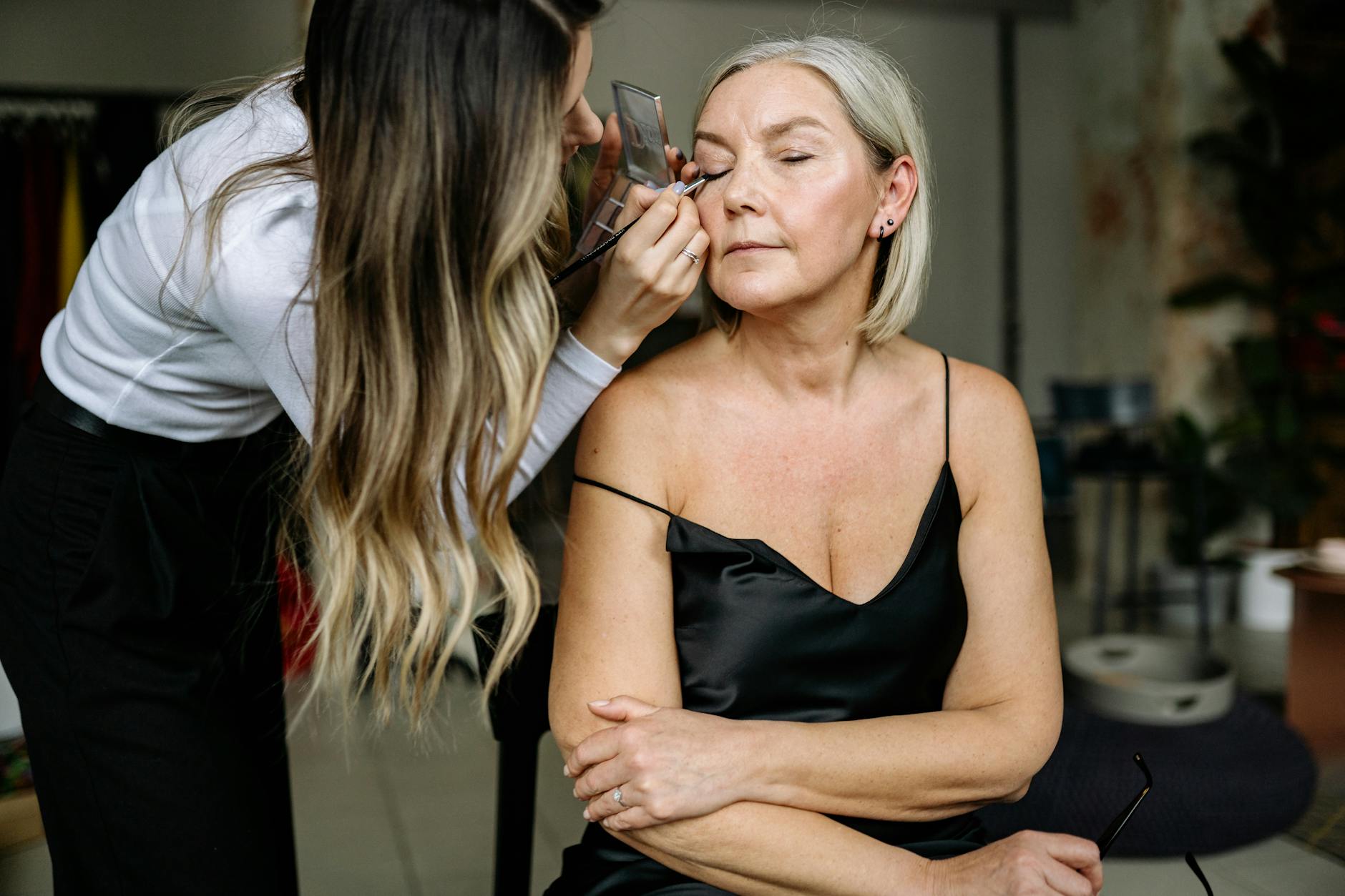
The belief that wearing makeup daily accelerates skin aging is not supported by evidence and misattributes the cause of skin damage. Properly formulated cosmetics worn on intact skin and removed thoroughly at the end of the day do not cause premature aging. The skin concerns sometimes associated with makeup use are far more accurately explained by inadequate cleansing, sleeping in makeup, or using products that are comedogenic or poorly formulated for a given skin type. Many modern makeup products now contain SPF and antioxidant ingredients that actively contribute to skin protection. The issue is rarely the act of wearing makeup but the habits surrounding its application and removal.
Green Vegetables

The popular claim that eating large quantities of carrots or other orange and green vegetables will directly improve skin clarity and tone in a dramatic or rapid way overstates what dietary changes alone can realistically achieve. Nutrition does play a supporting role in skin health through mechanisms involving antioxidant intake, hydration, and inflammation regulation. However, the timelines and magnitudes of improvement suggested in wellness content are consistently more dramatic than what clinical evidence supports. Dermatologists caution against the idea that food choices can replace topical treatments or medical interventions for established skin concerns. A balanced diet supports overall health, of which skin is one component, but it is not a substitute for targeted skincare.
Eye Cream
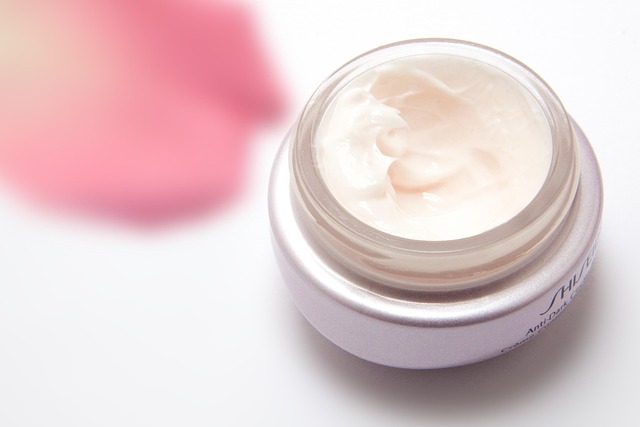
The long-standing belief that the eye area requires an entirely separate and specialized cream formulation to achieve results is considered more of a marketing construct than a clinical necessity by many dermatologists. The skin around the eyes is thinner and more delicate, which is a real and relevant characteristic, but it does not always require a categorically different ingredient set. Well-formulated moisturizers with appropriate textures and without fragrance or high concentrations of actives can serve the periorbital area effectively. The premium pricing of dedicated eye creams is rarely reflected in meaningfully superior clinical outcomes compared to appropriately selected facial moisturizers. Some dermatologists do recommend targeted formulations for specific concerns like severe dryness or puffiness but dispute the universal necessity of a separate product.
Facial Exercises

The idea that facial exercises or face yoga can significantly lift, firm, or restructure the face in the way surgical or clinical interventions do is a myth that has seen repeated revival in wellness communities. The muscles beneath the skin can be strengthened with repetitive contraction, but the relationship between facial muscle volume and surface appearance of aging is complex. Some research suggests that repeated facial movement may actually contribute to the formation of dynamic lines rather than reducing them. Dermatologists note that the structural changes associated with facial aging involve bone resorption, fat pad displacement, and collagen loss, none of which are meaningfully addressed by exercise. The enthusiasm for facial exercises regularly outpaces the clinical evidence supporting them.
Cold Water Hair

The belief that rinsing hair with cold water at the end of a shower seals the cuticle and dramatically increases shine is a beauty tip repeated so often it has acquired the status of established fact. Hair cuticle structure is influenced by the pH of products applied to the hair far more significantly than by water temperature. While very hot water can contribute to dryness and some cuticle lifting over time, a cold rinse does not produce the sealing effect commonly described. Using low-pH conditioners and avoiding excessive heat styling has a far more significant and measurable impact on hair shine and smoothness. The cold rinse ritual persists largely because it is harmless enough that any perceived benefit goes unchallenged.
Tanning Beds
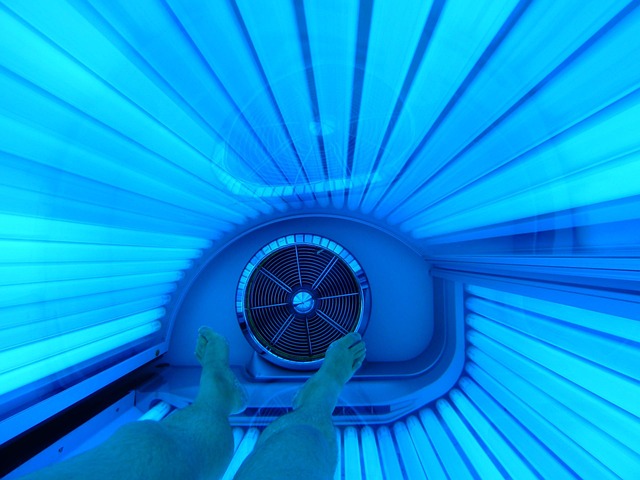
The myth that tanning bed exposure is a safe way to build a base tan that protects against sunburn is one of the most medically harmful beauty beliefs that dermatologists have been actively correcting for decades. A tan of any kind represents DNA damage in skin cells, functioning as a visible record of the skin’s attempt to protect itself from radiation. There is no clinically meaningful sun protection provided by a base tan, with research suggesting it offers an SPF equivalent of approximately three or less. Tanning bed use is classified as a known human carcinogen by major health organizations worldwide. The continued popularity of tanning beds and base tan mythology represents one of the most significant ongoing public health communication failures in dermatology.
Drinking Water

The belief that drinking large amounts of water is among the most effective strategies for achieving plump, glowing skin is a myth that persists largely because hydration is genuinely important for overall health. Dermatologists clarify that the relationship between systemic hydration and visible skin plumpness is far more indirect and limited than popular wellness content suggests. Severe dehydration does affect skin turgor, but drinking water beyond normal healthy intake does not continue to visibly improve skin appearance in adequately hydrated individuals. Topical humectants such as hyaluronic acid and glycerin deliver hydration directly to the skin barrier far more effectively than additional water consumption. The water myth endures partly because it is a simple and appealing narrative that aligns with broader wellness messaging.
Hairbrush Strokes

The old advice that brushing hair one hundred strokes per day improves its health and shine is a myth that predates modern hair science by generations. Excessive brushing causes mechanical friction along the hair shaft, which damages the cuticle, increases breakage, and contributes to split ends rather than reducing them. The appearance of shine that historical proponents observed was likely the result of distributing scalp oils along the hair shaft, an effect achievable with far fewer strokes and better replicated by modern conditioning products. Dermatologists and trichologists consistently recommend brushing only as needed to detangle rather than as a therapeutic daily ritual. The persistence of this myth is a useful reminder that repetition does not confer accuracy to beauty advice.
Antiperspirant Cancer

The claim that antiperspirant use causes breast cancer by blocking the elimination of toxins through underarm sweat has been investigated thoroughly and found to have no credible scientific basis. The skin does not function as a significant detoxification organ and the idea that blocking sweat glands causes systemic toxin accumulation reflects a fundamental misunderstanding of human physiology. Multiple large-scale epidemiological studies have found no association between antiperspirant use and breast cancer incidence. Aluminum compounds used in antiperspirants are absorbed into the skin in extremely small quantities that are far below any threshold of biological concern. Dermatologists and oncologists have been correcting this myth consistently for over two decades with limited success in curbing its circulation.
SPF Layering
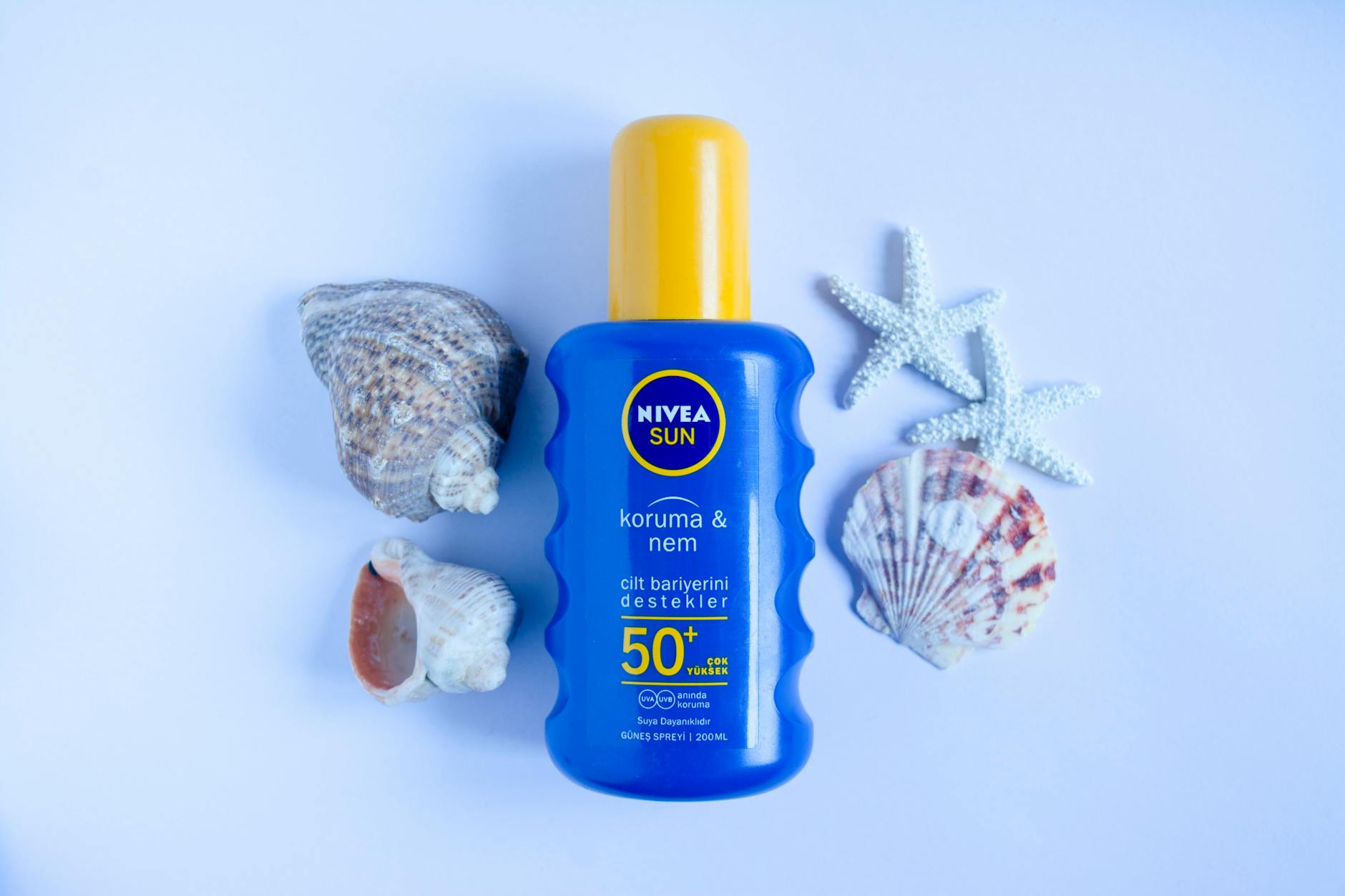
The belief that applying multiple products each containing SPF results in a sun protection factor that equals the sum of those individual SPFs is a mathematical myth that dermatologists address frequently. SPF values do not add together in a linear fashion, meaning that layering an SPF 30 moisturizer with an SPF 30 foundation does not produce SPF 60 protection. The actual protection achieved from layering is roughly equivalent to the highest individual SPF present, assuming adequate application of each product. Dermatologists recommend using one dedicated broad-spectrum sunscreen applied generously rather than relying on the cumulative effect of SPF-containing cosmetics. Proper application quantity and reapplication frequency matter far more than the number of SPF products layered.
Collagen Creams

The widespread marketing claim that topically applying collagen through creams and serums meaningfully rebuilds the skin’s own collagen network is not supported by the current understanding of skin biology. Collagen molecules are too large to penetrate the skin barrier and reach the dermis where structural collagen production occurs. Products containing topical collagen function primarily as surface-level moisturizers by temporarily improving the appearance of skin texture through hydration. Ingredients that have demonstrated clinical evidence for stimulating the skin’s own collagen synthesis include retinoids, vitamin C, and certain peptides. Dermatologists make a consistent distinction between ingredients that support collagen production and those that simply sit on the surface of the skin.
Shaving Thickness
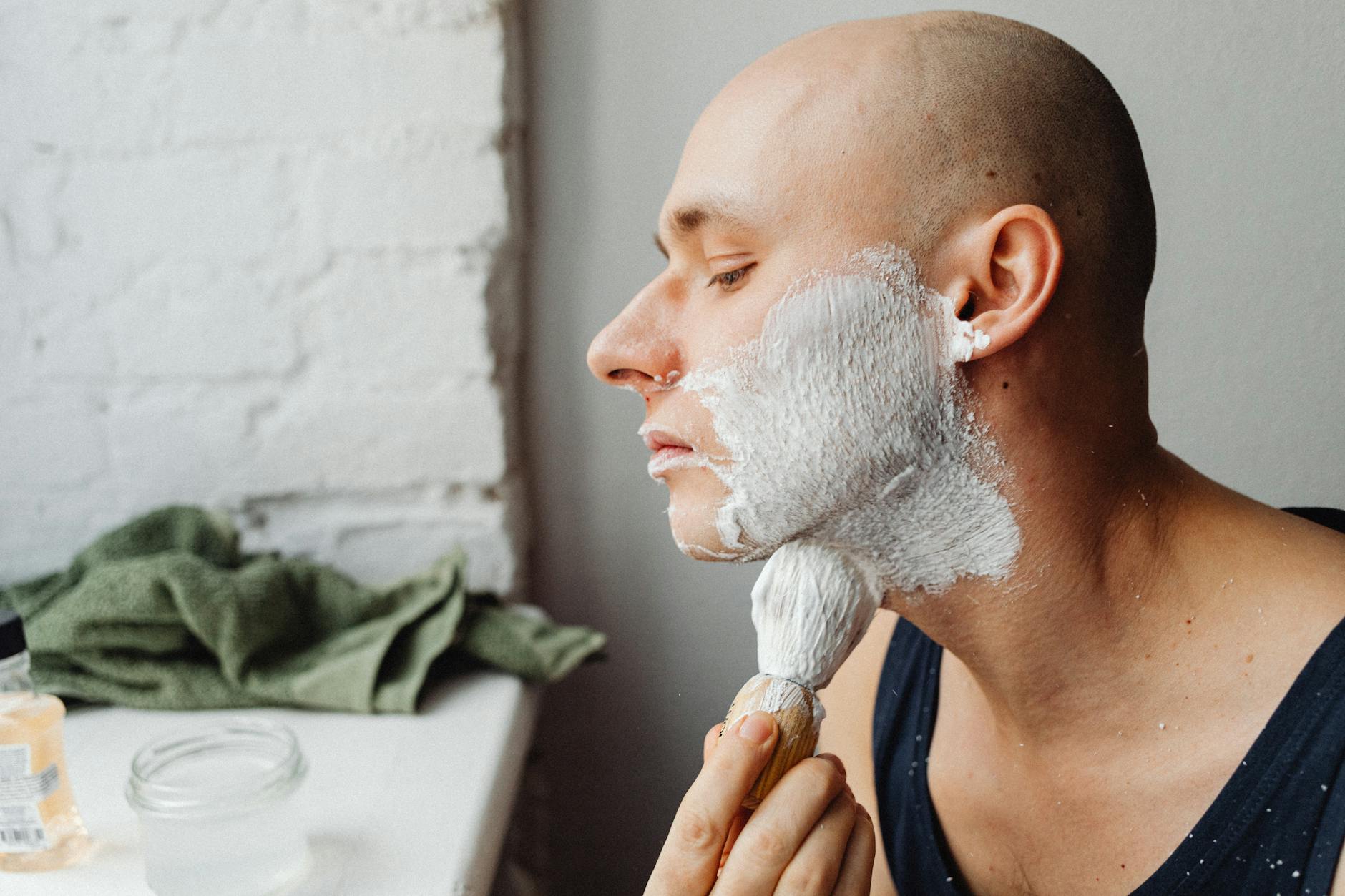
The belief that shaving makes hair grow back thicker, darker, or faster is one of the oldest and most universally held beauty myths across cultures and has been definitively disproven. Hair shaft thickness, color, and growth rate are determined entirely at the follicle level, which is not affected by cutting the hair at the surface. What shaving does produce is a blunt, flat tip on the regrown hair, which creates the tactile impression of coarseness compared to the tapered natural tip of unshaved hair. This textural difference is temporary and entirely cosmetic rather than reflecting any actual change in hair structure. The myth persists because the sensory experience of regrowth after shaving feels different enough to be convincing.
Night Cream

The concept that skin requires categorically different products for daytime and nighttime use beyond the practical difference of including or excluding SPF is considered largely a marketing distinction by many dermatologists. The skin’s repair processes do intensify during sleep, but this does not mean that entirely separate formulations are biologically necessary to support them. A well-formulated moisturizer appropriate for the skin type can perform effectively in both contexts. Certain ingredients like retinoids are better suited to nighttime use because of their photosensitivity, but this is a formulation-specific consideration rather than evidence for an entirely separate product category. Consumers are frequently sold duplicate routines when a more streamlined approach would achieve the same clinical outcomes.
Lemon Juice

The practice of applying undiluted lemon juice to the skin to fade dark spots or brighten complexion is a home remedy that dermatologists actively discourage. The high acidity of lemon juice can disrupt the skin’s natural pH, damage the barrier function, and cause chemical irritation or burns particularly in sensitive skin types. Its photosensitizing properties mean that applying it before sun exposure significantly increases the risk of hyperpigmentation, which is the opposite of the intended outcome. While vitamin C is a clinically validated ingredient for brightening, the concentrations and formulation stability required for safe and effective use bear no resemblance to raw lemon juice. Dermatologists recommend formulated vitamin C serums with appropriate pH and stabilization for this purpose.
Acne Drying
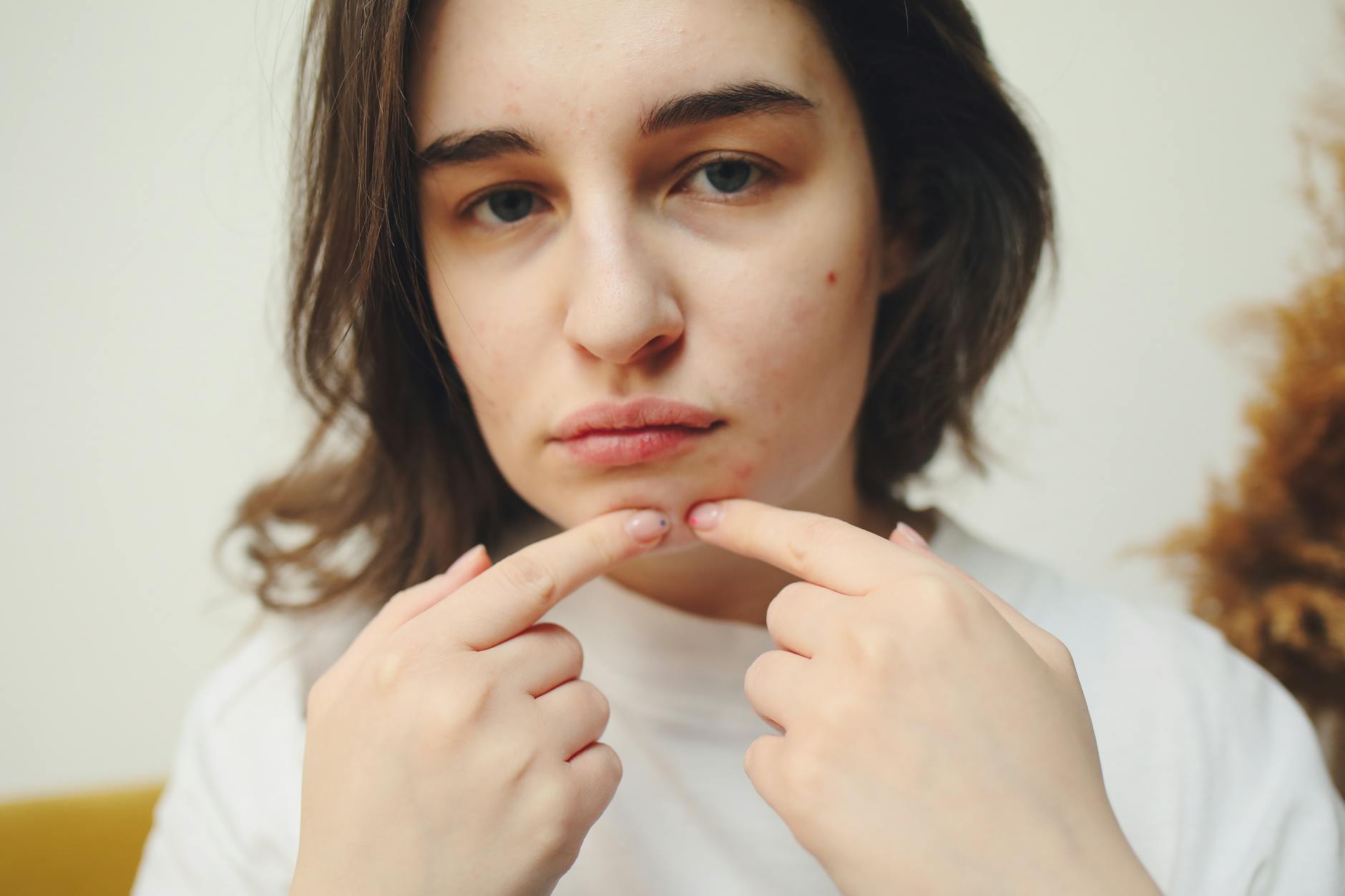
The instinct to aggressively dry out acne-prone skin using stripping cleansers and alcohol-based toners is a treatment approach that dermatologists have been correcting for decades. Stripping the skin of moisture disrupts the barrier, triggers compensatory oil production, and creates an environment that can worsen acne rather than improve it. Maintaining skin hydration while treating active breakouts is now considered foundational to effective acne management. Gentle, pH-balanced cleansers paired with non-comedogenic moisturizers support barrier function and improve the tolerability of active acne treatments. The instinct to attack oily and acne-prone skin aggressively is one of the most counterproductive responses to the condition.
Hair Detox

The concept that hair needs regular detoxing from product buildup using harsh clarifying treatments or dedicated detox products is a marketing narrative that significantly overstates a genuine but modest phenomenon. Product and mineral buildup on the hair shaft is real and occasional clarifying cleansing can be useful, but the frequency and urgency suggested by detox-focused marketing far exceeds what most people actually require. Over-clarifying strips the hair and scalp of protective oils, causing dryness, increased fragility, and scalp sensitivity. Dermatologists and trichologists recommend occasional clarifying only when buildup is genuinely affecting hair appearance or scalp health rather than as a regular ritual. Most modern shampoos are sufficient for managing standard daily buildup without dedicated detox products.
Stress Spots

While psychological stress does have a measurable effect on skin through hormonal and immune pathways, the popular belief that a single stressful event will reliably produce a visible breakout within a day or two oversimplifies the biology involved. Stress influences acne through cortisol-driven increases in sebum production and inflammatory activity, but these processes unfold over a more extended timeline than acute trigger-and-response narratives suggest. Pre-existing subclinical breakouts are often accelerated or made more visible by stress rather than being created entirely by a single stressful episode. Dermatologists note that chronic low-level stress has a more significant impact on skin health than isolated acute events. The narrative of the overnight stress pimple is more emotionally intuitive than it is biologically accurate.
Glowing Pregnancy Skin

The idea that pregnancy universally produces radiant glowing skin is a romanticized myth that erases the complex and variable skin changes that accompany hormonal shifts in pregnancy. While increased blood volume and some hormonal effects can improve skin appearance for some individuals, many pregnant people experience acne, hyperpigmentation, increased sensitivity, and dryness. The myth of universal pregnancy glow is reinforced by selective cultural representation and the social pressure to frame pregnancy as a uniformly positive physical experience. Dermatologists point out that pregnancy-related skin changes are highly individual and influenced by pre-existing skin type, genetics, and specific hormonal patterns. Normalizing the full range of pregnancy skin experiences is considered important for realistic expectation management.
Sunscreen Vitamin D
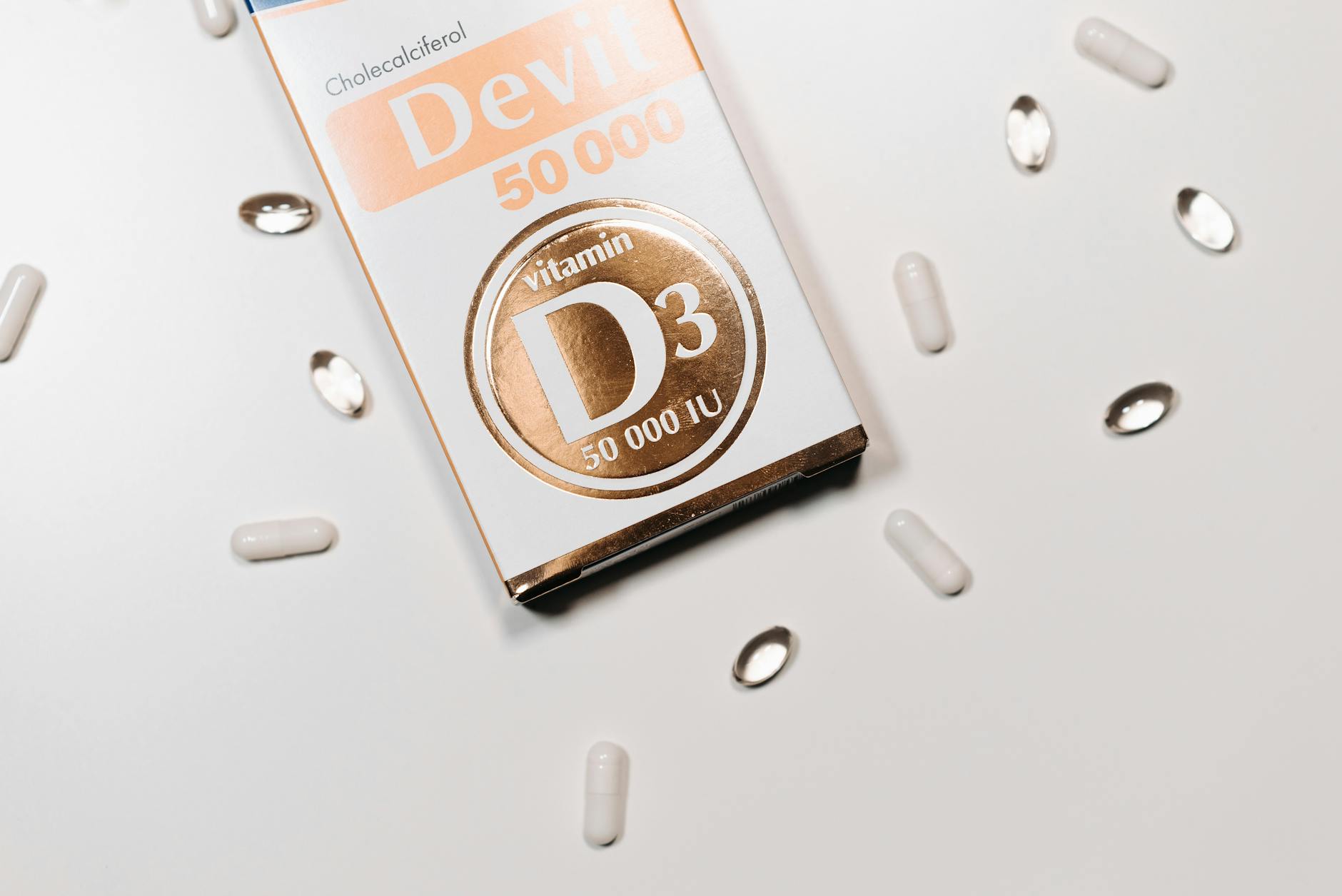
The concern that consistent sunscreen use will cause dangerous vitamin D deficiency is a myth that has been used to justify skipping sun protection and is not supported by clinical evidence. The amount of incidental UV exposure that occurs even with regular sunscreen use is sufficient to support baseline vitamin D synthesis in most individuals. Studies examining vitamin D levels in dermatology patients who are diligent about sun protection do not find clinically significant deficiencies attributable to sunscreen use. Dermatologists consistently emphasize that the risks associated with unprotected UV exposure dramatically outweigh any marginal benefit to vitamin D production. Dietary sources and supplementation are far safer and more reliable methods of maintaining adequate vitamin D levels.
Hypoallergenic Labels

The term hypoallergenic on a beauty or skincare product carries no regulated clinical definition and offers no guaranteed protection against allergic reactions. The label is a marketing term that individual brands apply according to their own undefined standards rather than any standardized testing or certification process. Products labeled hypoallergenic may still contain fragrance, preservatives, and botanical extracts that are among the most common causes of contact dermatitis. Dermatologists recommend patch testing new products regardless of labeling claims and reviewing ingredient lists directly rather than relying on front-of-package terminology. The authority implied by the hypoallergenic label significantly exceeds the regulatory substance behind it.
Steaming Pores
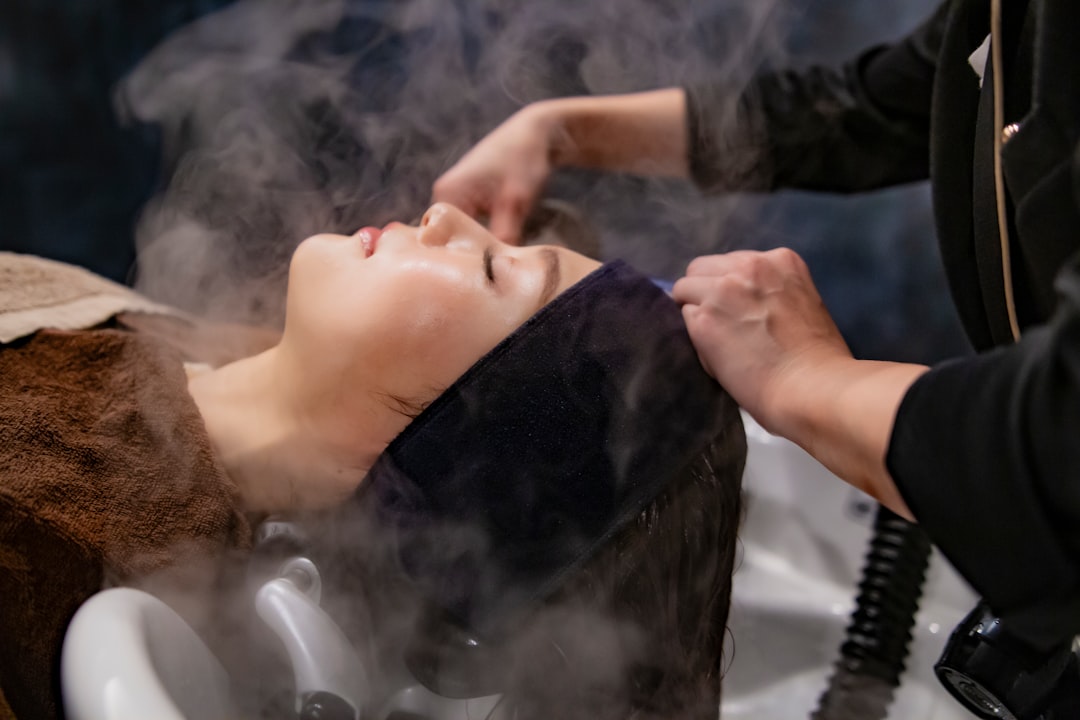
The belief that facial steaming deeply cleanses pores and purges impurities from the skin is a popular spa narrative that dermatologists consider misleading. Steam can temporarily soften the skin and the material within a congested pore, making manual extraction marginally easier in a clinical setting. However, steam does not draw out or eliminate the oxidized sebum, dead cells, and bacteria that constitute a blackhead or clogged pore. Excessive steaming can also compromise the skin barrier, increase redness, and worsen conditions like rosacea that are aggravated by heat. Chemical exfoliants containing salicylic acid are far more clinically effective at addressing pore congestion than any amount of steam exposure.
Organic Sunscreen

The claim that mineral sunscreen ingredients are entirely safe while chemical filters are universally harmful or toxic is an oversimplification that has created unnecessary confusion in sun protection choices. Both mineral and chemical sunscreen formulations have been extensively reviewed by regulatory agencies and dermatologists, and both are considered appropriate and safe when used as directed. Some chemical filters do absorb into the bloodstream in detectable amounts, but no study has demonstrated that these levels cause harm. Individual skin sensitivity may make one formulation type preferable over another for some users, but this is distinct from one category being inherently toxic. Dermatologists consistently emphasize that the best sunscreen is one that a person will actually use consistently, regardless of filter type.
Dirty Skin Acne

The persistent belief that acne is caused by dirty skin and can be resolved through more frequent or aggressive cleansing is a myth that causes real harm to people managing the condition. Acne is a complex inflammatory disorder driven by hormonal activity, excess sebum production, bacterial colonization, and follicular keratinization, none of which are caused by surface dirt. Over-cleansing in response to this myth strips the skin barrier, increases inflammation, and worsens the condition it is meant to address. Dermatologists note that people with acne often cleanse more aggressively than those without it, creating a cycle that perpetuates rather than resolves breakouts. Managing acne requires addressing its underlying biological drivers rather than intensifying cleansing frequency.
If any of these debunked myths have shaped your own skincare routine or beauty beliefs, share your thoughts and experiences in the comments.