Canine companions often display habits that leave their human counterparts baffled or amused. These actions range from frantic energy bursts to peculiar dietary choices and usually have roots in evolutionary instincts or physical needs. Veterinarians explain that most of these quirks are forms of communication or physiological responses rather than random acts of silliness. Understanding the motivation behind these actions helps owners connect better with their pets and identify potential health issues early.
Zoomies

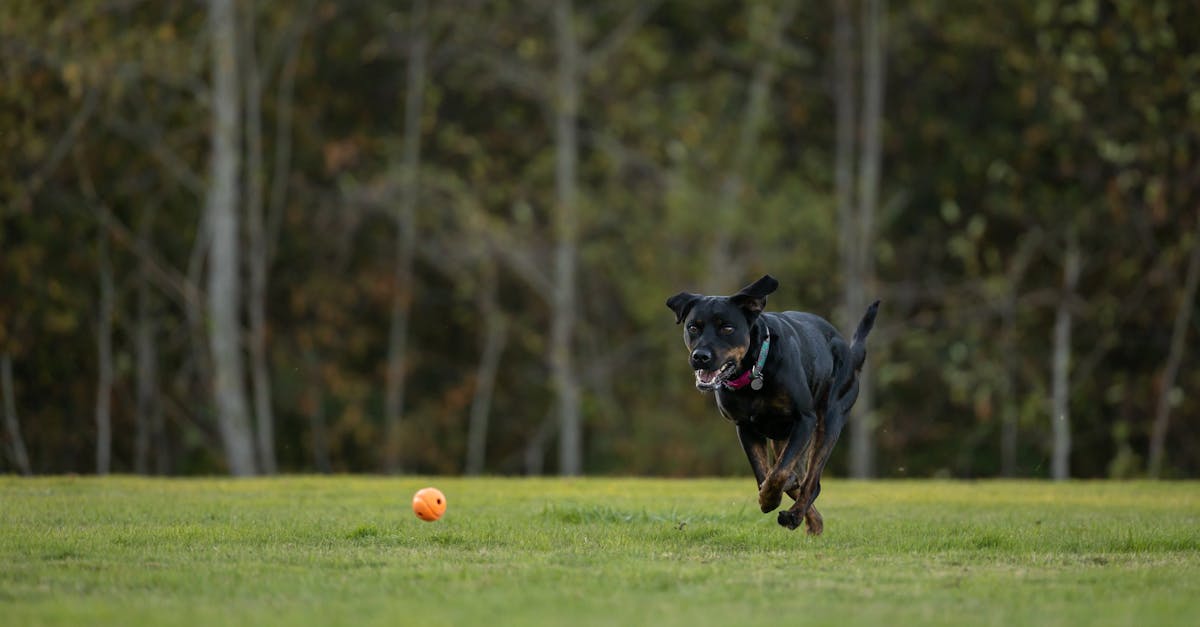
Sudden bursts of frantic energy are scientifically known as Frenetic Random Activity Periods. This phenomenon usually involves a dog running in circles or sprinting at high speeds for a few minutes. Veterinarians explain that this behavior allows dogs to release pent-up energy or relieve stress after a restrictive event like a bath. It is a completely normal occurrence and typically happens in the morning or evening. Owners should simply ensure the area is safe to prevent the dog from bumping into furniture.
Tail Chasing
Puppies often chase their tails as a way to explore their own bodies and expend excess energy. This behavior can become a compulsive habit in older dogs if they feel bored or anxious. Some veterinarians note that it might indicate a flea infestation or anal gland issues causing discomfort in the rear area. Persistent spinning might also signal a neurological problem that requires professional medical attention. Mental stimulation usually helps reduce this activity if the cause is behavioral.
Grass Eating

Many dogs graze on grass during walks even when they are well-fed at home. Experts suggest this behavior comes from ancestral wolves that consumed plant matter in the stomachs of their prey. Some dogs eat grass to induce vomiting when they feel nauseous or have an upset stomach. It can also indicate a dietary deficiency where the dog seeks more fiber for better digestion. This habit is generally harmless unless the grass has been treated with pesticides or fertilizers.
Butt Sniffing

This socially awkward behavior serves as a chemical handshake between two dogs meeting for the first time. The anal sacs contain pheromones that convey vital information about gender and health status. Dogs can determine diet and emotional state just by investigating this specific scent gland area. It is a polite greeting in the canine world and should generally be allowed during introductions. Interfering with this ritual can sometimes cause tension between the animals.
Head Tilting
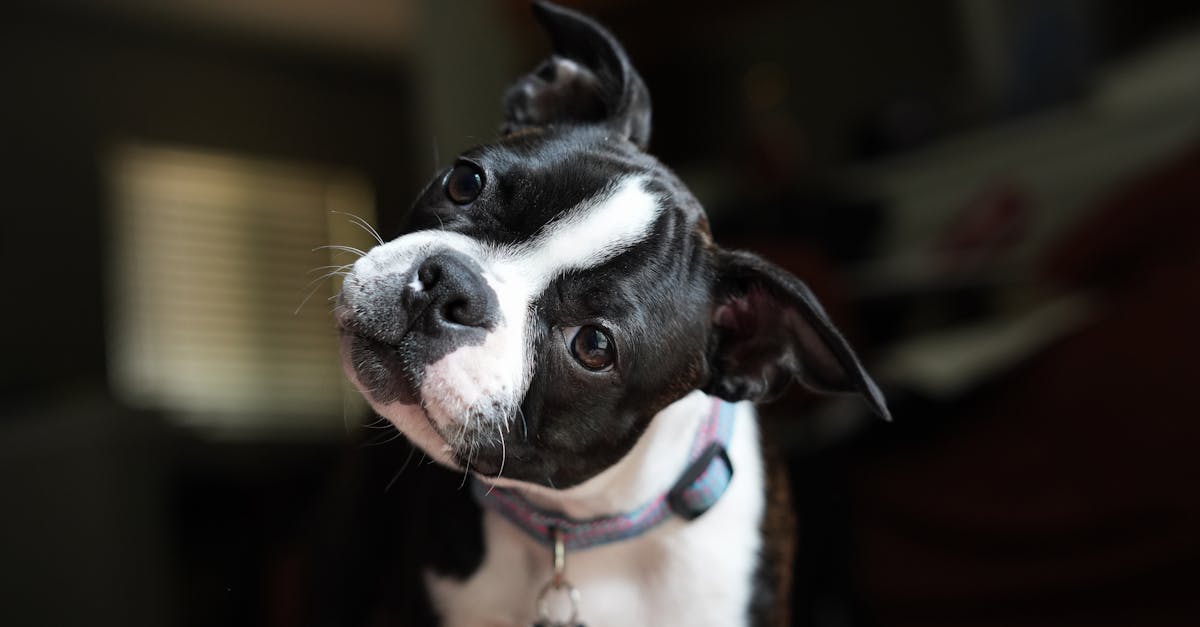
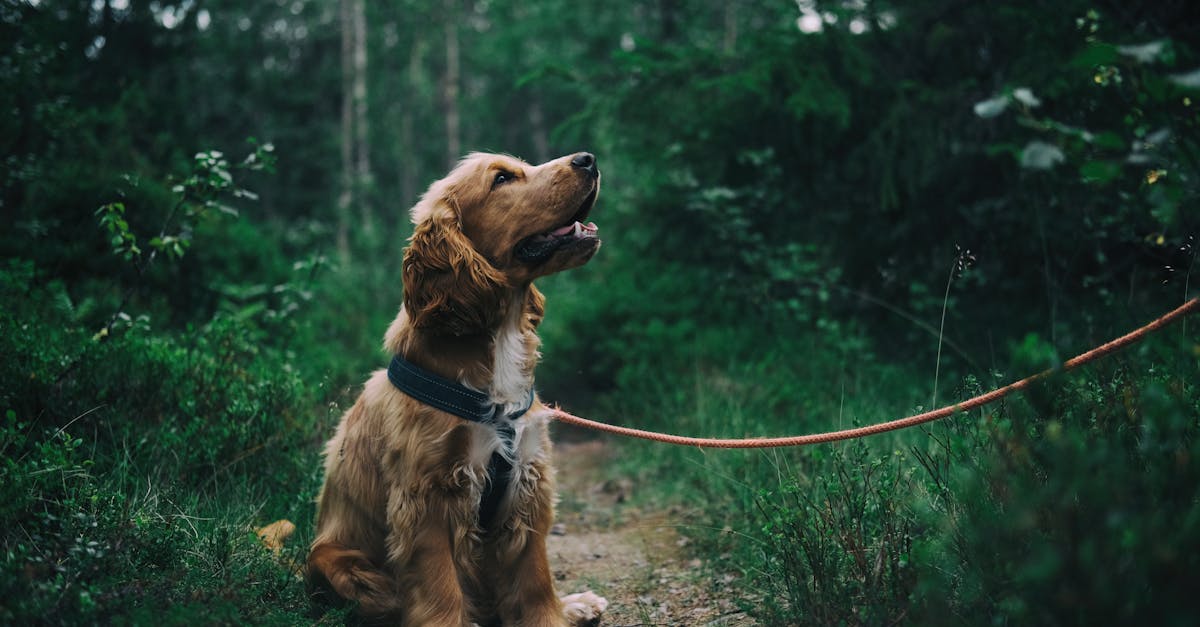
Dogs tilt their heads to adjust their outer ears for better sound localization. This adorable motion helps them identify the precise source of a noise or voice. Some experts believe they do this to see the human face more clearly by moving their muzzle out of their line of sight. It signals that the dog is engaged and paying close attention to what is being communicated. Frequent head tilting without auditory stimulation could potentially indicate an ear infection.
Coprophagia
The consumption of feces is a distressing habit that stems from scavenging instincts. Mother dogs naturally clean their den by eating the waste of their puppies to keep the area sanitary. Nutritional deficiencies or malabsorption issues can sometimes drive an adult dog to seek out this waste. Boredom and a desire for attention are also common behavioral triggers for this unpleasant activity. Veterinary guidance is often needed to rule out parasites or enzyme deficiencies.
Humping

Mounting behavior is often misinterpreted as solely sexual in nature but frequently signals excitement or dominance. Puppies do this during play to test boundaries and assert their social standing. It can also be a displacement behavior when a dog feels overstimulated or anxious in a social setting. Neutering or spaying may reduce the frequency but might not eliminate the habit entirely. Training and redirection are the most effective ways to manage this awkward conduct.
Howling

This vocalization is an ancestral remnant from wolves used for long-distance communication. Dogs howl to announce their presence to other dogs or to assemble their pack members. It can also be triggered by high-pitched sounds like sirens or musical instruments. Separation anxiety is another common cause when a dog is left alone for extended periods. Persistent howling usually requires behavioral modification to address the underlying emotional distress.
Digging
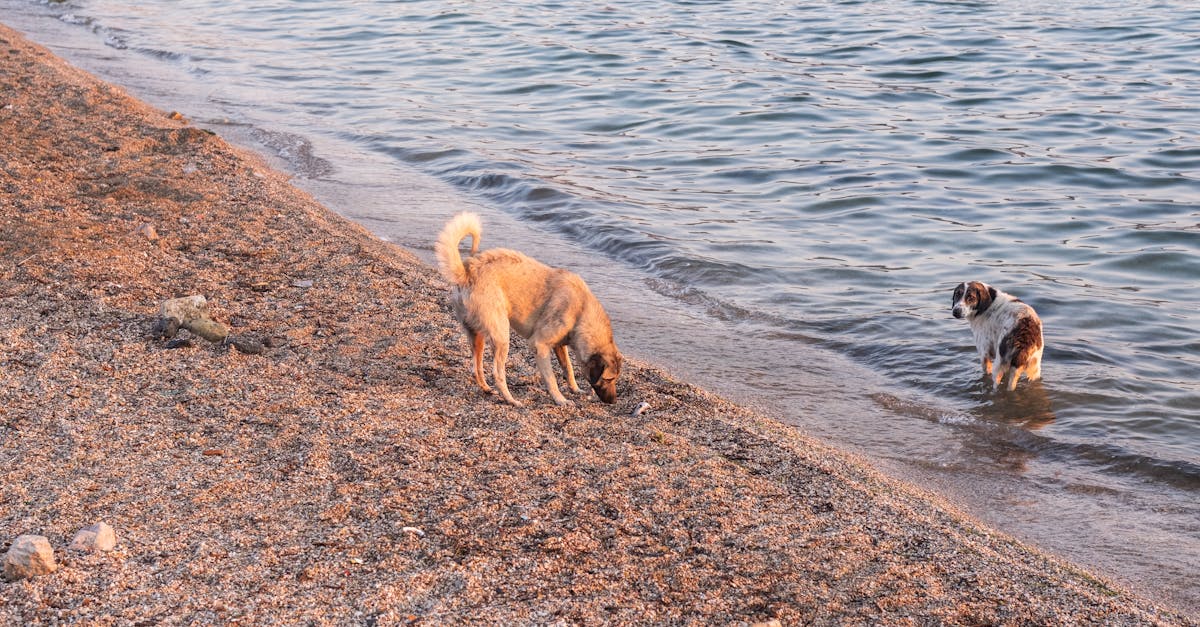
Instinct drives many dogs to dig holes to bury valued items or create a cool resting spot. Terriers and other hunting breeds are genetically predisposed to dig in search of prey underground. Boredom often leads dogs to destroy the backyard when they lack sufficient mental and physical stimulation. Digging can also be an attempt to escape an enclosure to find a mate or explore. Providing a designated sand pit can help save the rest of the garden.
Circling Before Lying Down

Dogs circle their sleeping spots to trample down grass and drive out snakes or insects. This evolutionary instinct ensures a safe and comfortable bed before they settle in for the night. The motion also allows them to determine the direction of the wind to detect scents of approaching predators. Most domesticated dogs retain this ritual despite having plush beds and safe homes. Excessive circling that interrupts sleep might indicate physical pain or arthritis.
Paw Licking

Occasional grooming is normal but obsessive licking often points to allergies or skin irritation. Environmental allergens like pollen or grass can cause itchy paws that the dog tries to soothe. Veterinarians also associate this behavior with boredom or anxiety in under-stimulated pets. The constant moisture can lead to secondary bacterial or fungal infections known as hot spots. Identifying the root cause is essential to stop the cycle of irritation and licking.
Crotch Sniffing
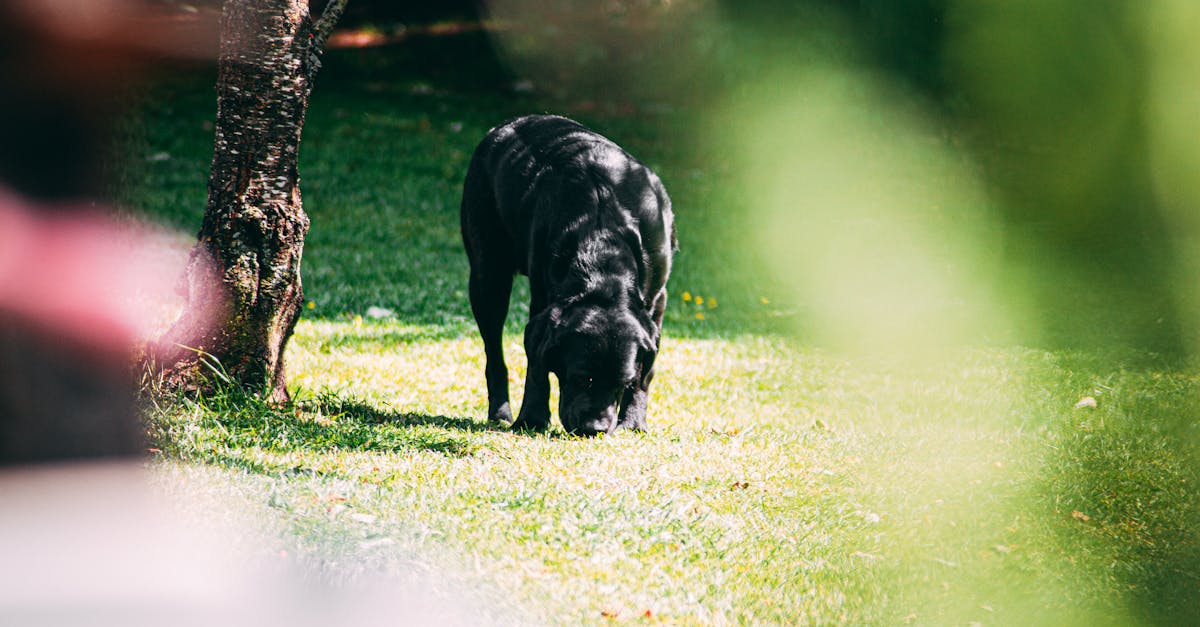
Dogs are naturally drawn to the apocrine sweat glands found in the human groin area. These glands produce pheromones that provide the dog with intense olfactory information about the person. It acts as another form of gathering data about a new human acquaintance. While socially inappropriate for humans it is mere curiosity for the canine. Gentle training can teach a dog to greet people without invading personal space.
Sleeping on Back

A dog sleeping with its belly exposed indicates a high level of comfort and security. This position leaves vital organs vulnerable and suggests the dog feels completely safe in its environment. It is also a highly efficient way for dogs to cool down since the fur is thinner on the stomach. Wolves would never sleep this way in the wild due to the inherent dangers. This posture is a strong sign of a happy and relaxed pet.
Dreaming Twitching

Dogs experience REM sleep just like humans and often act out their dreams physically. Twitching paws and muffled barks suggest the dog is chasing rabbits or playing in its sleep. This phase of sleep is crucial for memory consolidation and mental health. Veterinarians advise against waking a dreaming dog as it may react defensively out of confusion. Watching these subtle movements provides a glimpse into the active mind of a sleeping pet.
Intense Staring

A dog staring intently at its owner is usually waiting for a cue or a treat. This look can also release oxytocin which strengthens the bond between human and pet. However a hard stare with a stiff body posture can signal aggression or a threat. It is important to read the rest of the body language to interpret the intent correctly. Most of the time it is simply a request for affection or food.
Leaning
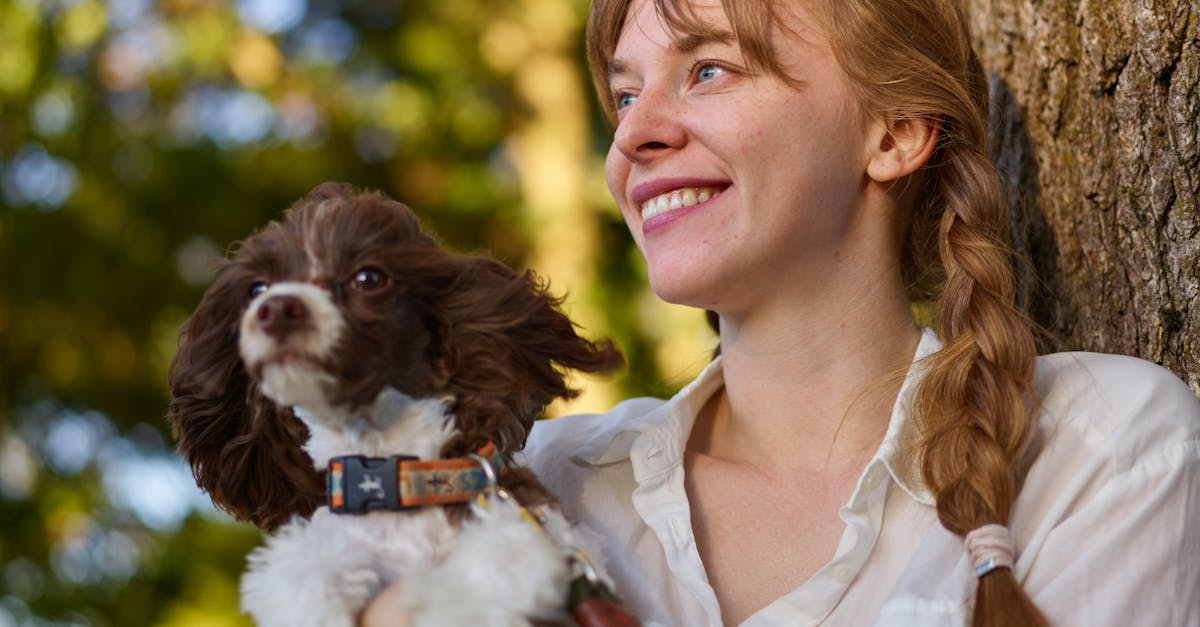
Large dogs often lean their entire body weight against their owners as a sign of affection. This contact provides them with reassurance and a sense of security in social situations. It does not necessarily mean the dog is trying to be dominant over the human. They simply want to be as close as possible to the leader of their pack. Leaning is essentially a standing cuddle that strengthens the emotional bond.
Carrying Food Away

Some dogs take a mouthful of kibble and walk to another room to eat it. This instinct comes from pack mentality where lower-ranking dogs moved away to avoid fights over food. It ensures they can eat their portion in peace without the threat of theft. Even solitary dogs may do this due to deeply ingrained genetic coding. Metal bowls making noise against tags can also frighten some dogs into eating off the carpet.
Rolling in Smells
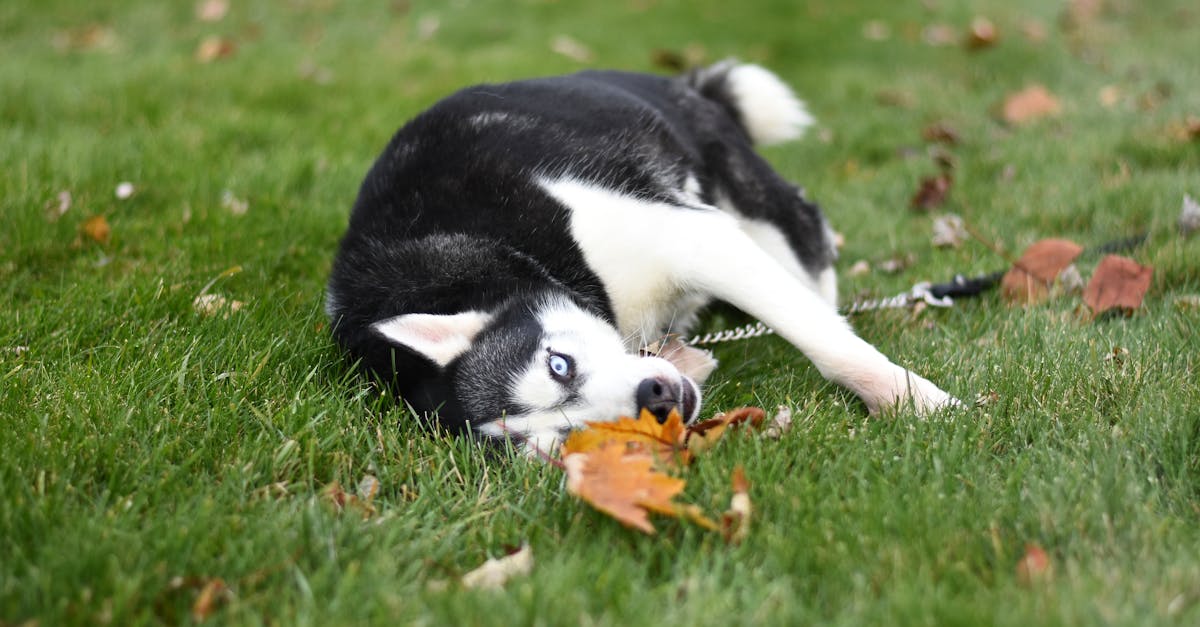
Rolling in foul odors like dead animals or manure is a technique to mask a dog’s own scent. Wolves use this camouflage to sneak up on prey without being detected by the wind. It might also be a way for the dog to bring an interesting scent back to the pack. Owners often find this behavior repulsive but it is highly rewarding for the dog. Frequent bathing is usually the only remedy for this primitive habit.
Play Sneezing

Dogs often sneeze during rough play to signal that they are just having fun. This “fake” sneeze communicates to the playmate that the growling and biting are not real aggression. It serves as a punctuation mark to keep the interaction lighthearted and safe. Without this signal play fighting could escalate into a serious conflict. It is a vital social cue among interacting canines.
Reverse Sneezing

This startling sound resembles a goose honking and occurs when a dog inhales rapidly. It happens when the soft palate gets irritated by allergens or excitement. The dog extends its neck and makes a snorting noise to clear the irritation. While it looks and sounds alarming it is generally harmless and passes quickly. Gently massaging the throat can help stop the spasm.
Whining

Whining is a versatile vocalization that can mean anything from excitement to pain. Puppies whine to get their mother’s attention when they are cold or hungry. Adult dogs use it to ask for a door to be opened or to beg for table scraps. Persistent whining without an obvious cause can indicate underlying physical distress. It is a primary method for dogs to communicate neediness to their owners.
Sighing

A long exhalation through the nose can convey two very different emotions depending on the context. If the dog sighs with half-closed eyes it usually indicates contentment and relaxation. A sigh accompanied by wide open eyes often signals disappointment or resignation. It typically happens when a dog realizes a play session has ended or a treat is not coming. This vocalization is remarkably similar to human sighing in its emotional meaning.
Ground Kicking

Dogs kick their back feet after eliminating to mark their territory visually and chemically. Glands in the paws release a scent that is deposited into the disturbed earth. The scratch marks serve as a visual sign to other dogs that the area is claimed. This is not an attempt to cover the mess like a cat would do. It is a bold statement of presence left for other canines to find.
Shadow Chasing

Obsessive fixation on shadows or lights can develop into a canine compulsive disorder. High-energy breeds like Border Collies are more prone to this behavioral issue. It often stems from a lack of mental stimulation or excessive confinement. The dog becomes frustrated and directs its prey drive toward moving light patterns. Professional training and increased activity are required to break this cycle.
Fly Snapping
Some dogs bite at the air as if they are trying to catch invisible flies. This can be a sign of a neurological condition or a partial seizure. It may also be caused by eye floaters that the dog actually sees and tries to catch. Gastrointestinal issues can sometimes trigger this odd behavior as well. A veterinary exam is necessary if the behavior is frequent or compulsive.
Teeth Chattering

Rapid clicking of the teeth often happens when a dog smells something particularly interesting. It helps move scent molecules to the vomeronasal organ for better analysis. This reaction can also occur during intense excitement or anticipation of a treat. Sometimes it is a physical response to being cold or feeling anxious. Chattering is usually temporary and linked to immediate sensory input.
Surface Licking

Licking floors or walls can be a sign of nausea or gastrointestinal discomfort. It can also be a compulsive behavior resulting from anxiety or boredom. The cool surface might feel soothing to a dog’s tongue or mouth. Occasionally it indicates a dietary deficiency where the dog seeks minerals. Persistent licking warrants a vet visit to rule out medical issues.
Nose Nudging
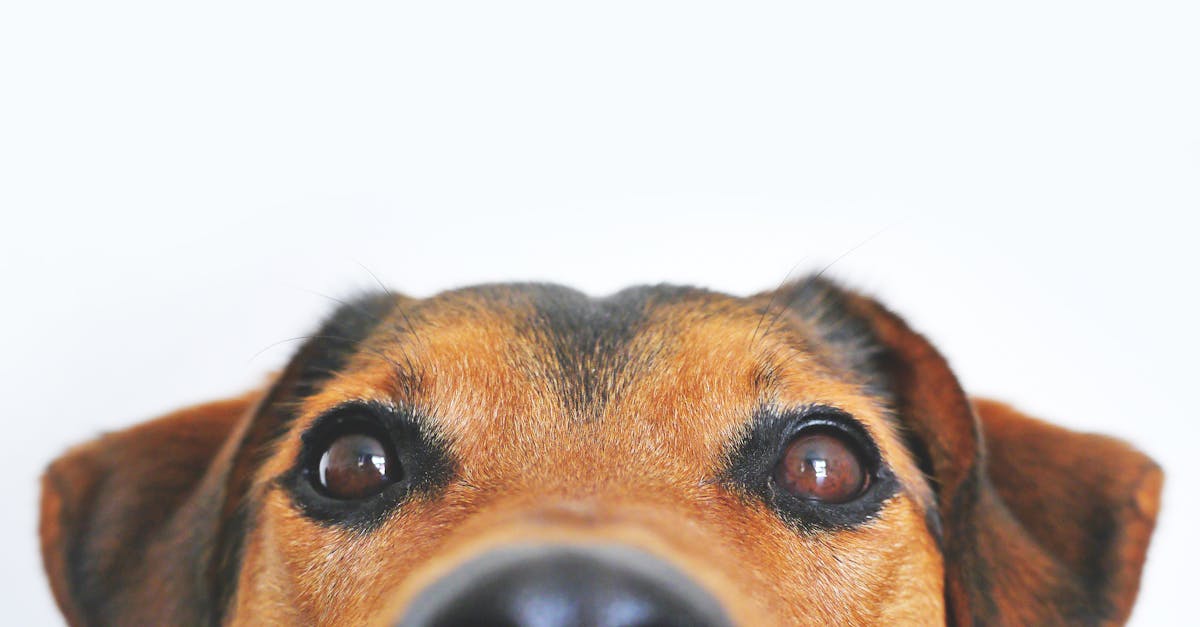
A dog nudging a hand or leg with its wet nose is usually asking for attention. It is a persistent way to interrupt a human and redirect focus to the pet. This can also be a herding instinct trying to move the owner in a specific direction. Sometimes it simply means the dog wants to be petted or played with. It is a gentle but effective communication tool.
Sitting on Feet

Dogs sit on their owner’s feet to claim them and show possession to others. It also provides the dog with a sense of security by being in physical contact. This position ensures the dog will know immediately if the owner decides to move. It is a form of guarding behavior that is usually affectionate rather than aggressive. Anxious dogs often do this to feel safer in new environments.
Trash Raiding

The strong smells coming from a garbage can are irresistible to a scavenging carnivore. Dogs are opportunistic feeders and view the trash as a treasure chest of food scraps. This behavior can be dangerous if they consume bones or toxic foods. It is strictly a food-seeking behavior driven by instinct and hunger. specialized locking bins are the best prevention for this messy habit.
Barking at Nothing

Dogs possess superior hearing and smell which allows them to detect things humans cannot. A dog barking at an empty corner may hear a mouse in the wall or a siren miles away. They are alerting the pack to a potential intrusion or change in the environment. It is rarely actually “nothing” that triggers the vocalization. Cognitive decline in senior dogs can also cause confusion and aimless barking.
Bringing Gifts
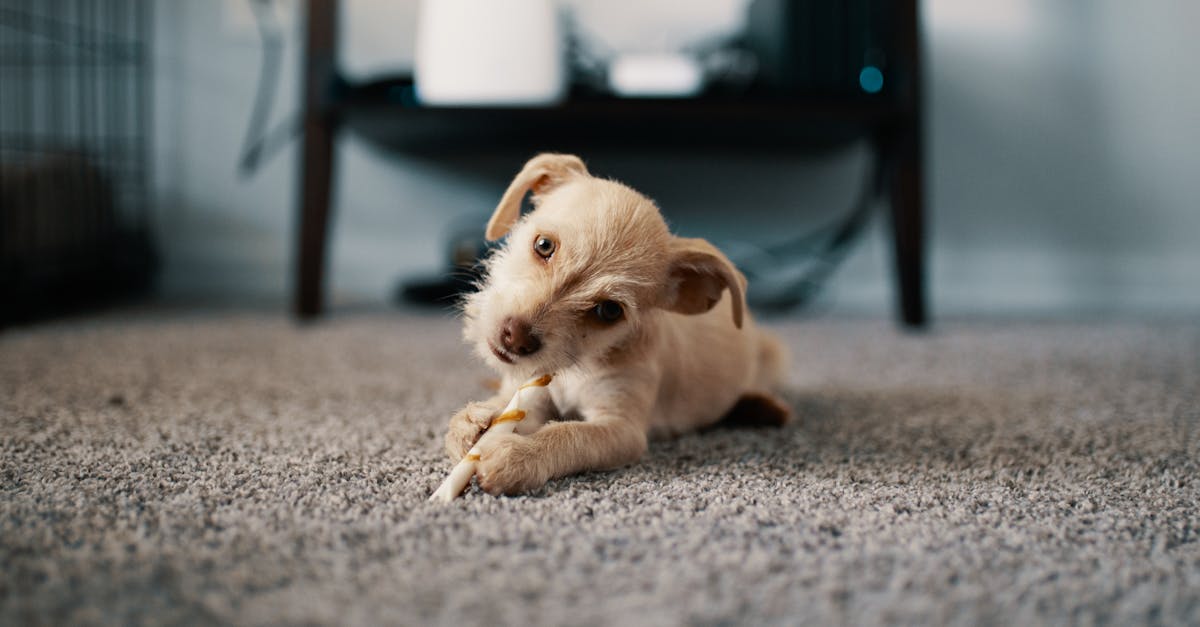
When a dog brings a toy or shoe to its owner it is often an invitation to play. It can also be a peace offering or a way to seek validation and praise. Retrieving breeds have a natural desire to carry things in their mouths to feel useful. This gesture shows the dog wants to engage and share its resources. Ignoring the offering can confuse the dog about its social standing.
Flank Sucking

Dobermans and other breeds sometimes suck on their own flanks as a self-soothing mechanism. This behavior is similar to a child sucking a thumb and releases calming endorphins. It is often a compulsive disorder that worsens with stress or anxiety. Physical causes like skin irritation should be ruled out first. Increasing exercise and enrichment can help reduce the frequency of this habit.
Treat Hiding

Dogs bury or hide high-value treats to save them for a later time. This “caching” behavior is an instinct to ensure survival when food might be scarce. They often hide the item in furniture or bedding if they cannot go outside. It shows the dog values the item highly and wants to protect it. The behavior is common in households with multiple pets competing for resources.
Toilet Drinking

The water in a toilet bowl is often fresher and cooler than the water in a stagnant dog bowl. Dogs are drawn to the constant flushing which oxygenates the water source. They do not understand the sanitary implications that humans perceive. It is simply a convenient and appealing water source to them. Keeping the lid down is the only way to stop this hydration habit.
Scooting
Dragging the rear end across the carpet usually indicates impacted or infected anal glands. It can also be a sign of tapeworms or other intestinal parasites causing itching. The dog is trying to relieve the physical discomfort and irritation in that area. Groomers can express the glands to provide immediate relief. Ignoring this sign can lead to an abscess or serious infection.
Sudden Ignoring

A well-trained dog that suddenly stops listening may be experiencing hearing loss. It can also be a sign of cognitive dysfunction in aging pets. Sometimes the dog is in pain and cannot physically comply with the command. It is rarely a case of sudden stubbornness without an underlying cause. A medical checkup is needed to determine the reason for the change.
Thunder Phobia

Fear of thunderstorms is common and may be related to the drop in barometric pressure. Dogs can sense the static electricity and changes in the air before the storm arrives. The loud noises trigger a flight response and severe anxiety. Some dogs will destroy doors or windows trying to escape the perceived threat. Medication and thunder shirts can help manage this intense fear.
Car Chasing

The movement of a car triggers the predatory chase instinct in many herding and hunting breeds. The dog perceives the vehicle as a large prey animal that needs to be caught or controlled. This is an extremely dangerous habit that can lead to fatal accidents. It is self-reinforcing because the car always “runs away” which makes the dog feel successful. Secure fencing is essential to prevent this behavior.
Dirt Eating

Geophagia or eating dirt can indicate anemia or a lack of minerals in the diet. Puppies often do it out of curiosity or boredom while exploring the yard. Some dogs simply like the taste or texture of the soil. Heavy parasite loads can also drive a dog to consume earth. If the behavior persists it requires blood work to check for deficiencies.
Air Licking
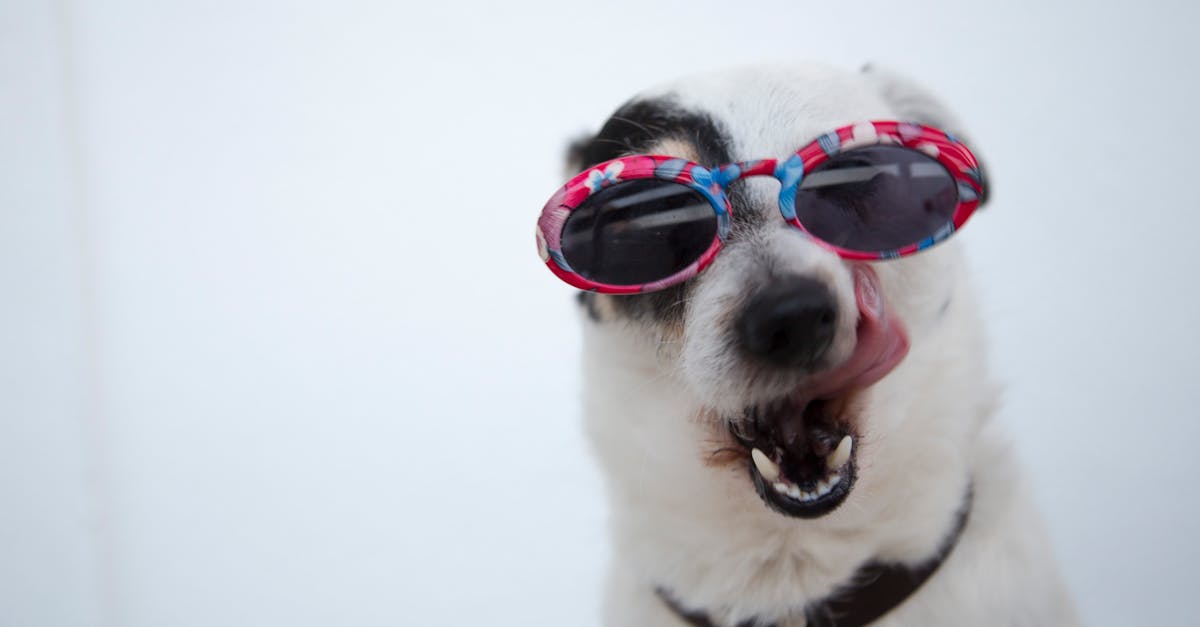
Licking the air when scratched in a specific spot is an involuntary reflex. The scratching stimulates nerves under the skin that are connected to the spinal cord. It mimics the motion of the dog scratching itself to relieve an itch. This is generally a sign that you have found a very itchy spot. It is a harmless physical reaction to the stimulation.
Resource Guarding
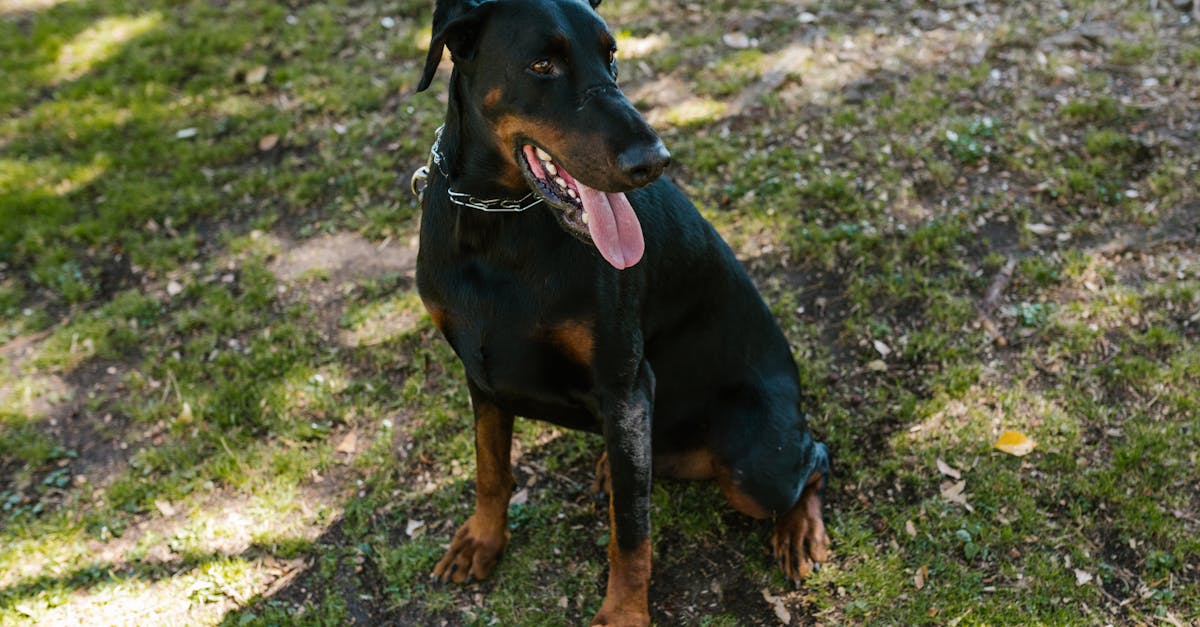
Growling or snapping when someone approaches a food bowl is a natural defense mechanism. The dog is protecting a valuable resource from potential thieves. This behavior can escalate if punished and requires desensitization training. It stems from the fear of losing access to food or toys. Managing the environment to prevent conflict is the first step in treatment.
Air Humping
Mounting the air without contact is often a sign of high arousal or excitement. It can happen during play or when the dog is anticipating something good. Medical issues like urinary tract infections can also cause this behavior. It serves as a way to discharge excess energy or tension. Redirecting the dog to a sit command usually stops the motion.
Panting Without Exercise
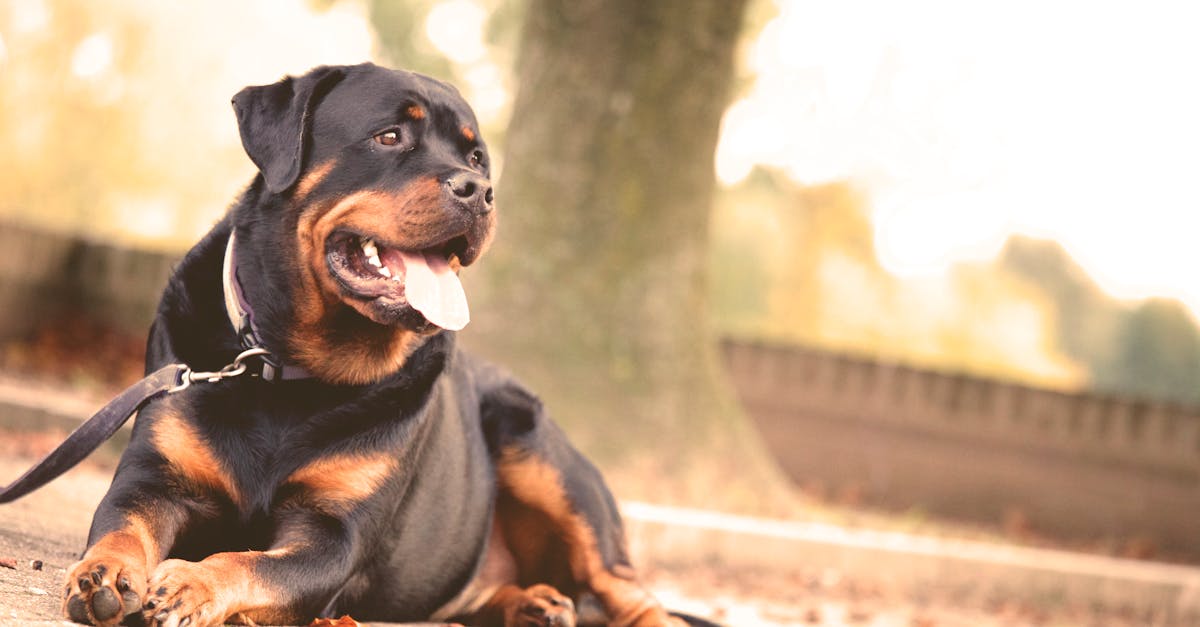
Heavy panting when the dog has not been active is a major sign of stress or pain. It is also the primary way dogs cool themselves so it may indicate overheating. Cushing’s disease and heart problems can also cause excessive panting. It is a subtle sign that the body is under some form of duress. Immediate veterinary attention is needed if the panting is unexplained.
Yawning When Not Tired

A yawn is often a calming signal used to diffuse tension in a stressful situation. Dogs yawn at the vet or during training to lower their own anxiety levels. It signals to other dogs that they are not a threat and want to avoid conflict. It is rarely about being sleepy when it happens in public. Recognizing this sign helps owners know when their dog is feeling uncomfortable.
Please share your own experiences with strange dog habits in the comments.