The gap between what people intend to spend at the grocery store and what they actually spend at the checkout is one of the most consistent and quietly expensive failures in household budgeting. Supermarkets are engineered environments designed by behavioral economists and retail psychologists to override rational purchasing decisions, and a standard shopping list offers only modest protection against that architecture. The shoppers who consistently come in under budget are not necessarily the most disciplined or the most frugal by nature. They have developed specific, often counterintuitive habits around how they construct, use, and think about their grocery lists that create a structural advantage before they ever walk through the automatic doors. Here are 25 bizarre grocery list habits that reliably keep shoppers under budget every time, ordered from the most impactful to the quietly powerful.
Reverse Lists

A reverse grocery list begins not with what the shopper needs to buy but with a complete written inventory of everything already present in the refrigerator, freezer, and pantry before any shopping decision is made. This inventory step forces a full accounting of existing resources and consistently reveals duplicates, forgotten ingredients, and near-complete staples that would otherwise have been repurchased unnecessarily. Professional meal planners and budget coaches identify the failure to audit existing stock as the single most expensive habitual oversight in domestic grocery shopping. The reverse list reframes the shopping trip from a replenishment ritual into a gap-filling exercise, which fundamentally changes both the length of the list and the total at the register. Shoppers who begin with a reverse list report an average reduction in list length of between twenty and thirty percent compared to their standard approach.
Unit Price Columns
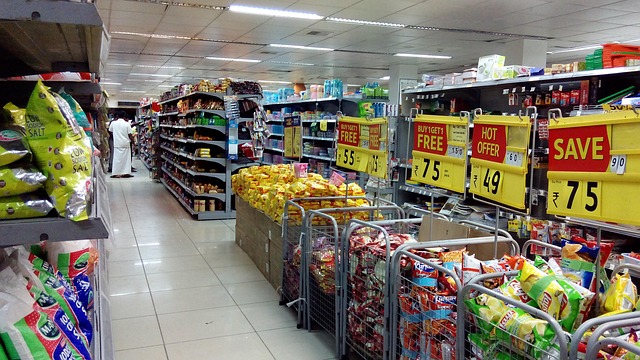
Shoppers who add a unit price column to their grocery list beside each item calculate and record the per-unit or per-gram cost of their intended purchase before leaving home using supermarket websites or previous receipts. This pre-calculated reference gives them an immediate comparison point at the shelf without requiring mental arithmetic under the time pressure and sensory distraction of the store environment. The act of calculating unit prices at home also produces a deliberate engagement with the actual cost of habitual purchases that passive shopping never generates. Brand loyalty decisions that feel automatic at the shelf are frequently overturned during the pre-calculation step when the unit price differential between a preferred brand and a generic alternative becomes numerically explicit. Shoppers who maintain a unit price list over time develop a calibrated instinctive sense of value that makes them significantly harder for retailers to manipulate through packaging and placement.
Meal Skeleton Planning
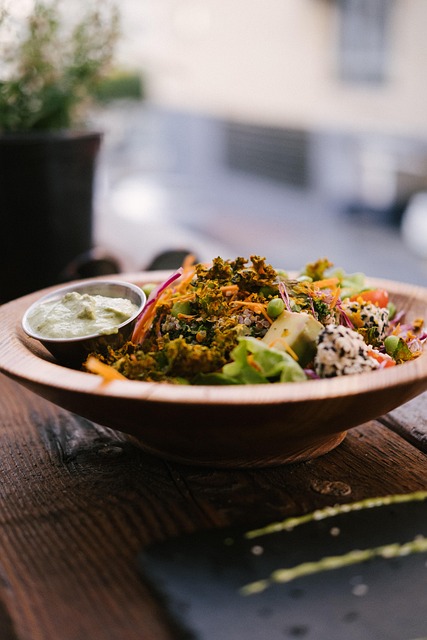
Instead of listing specific named dishes for the week and purchasing their exact ingredients, meal skeleton planners list only the structural components of meals including a protein category, a starch category, a vegetable category, and a fat category without specifying which exact items will fill each role. This structural approach allows the shopper to fill each category with whatever is on sale, in season, or marked down rather than committing to specific items whose prices fluctuate. The skeleton method requires a broader cooking competence than recipe-specific shopping because the cook must be able to work with whatever ingredients fulfill each category, but it consistently produces lower grocery bills than rigid meal planning. Budget nutritionists describe the meal skeleton approach as one of the most powerful tools for maintaining both dietary variety and financial discipline simultaneously. Shoppers who shift from recipe lists to skeleton lists typically see meaningful bill reductions from the first week of implementation.
Price Anchoring Notes
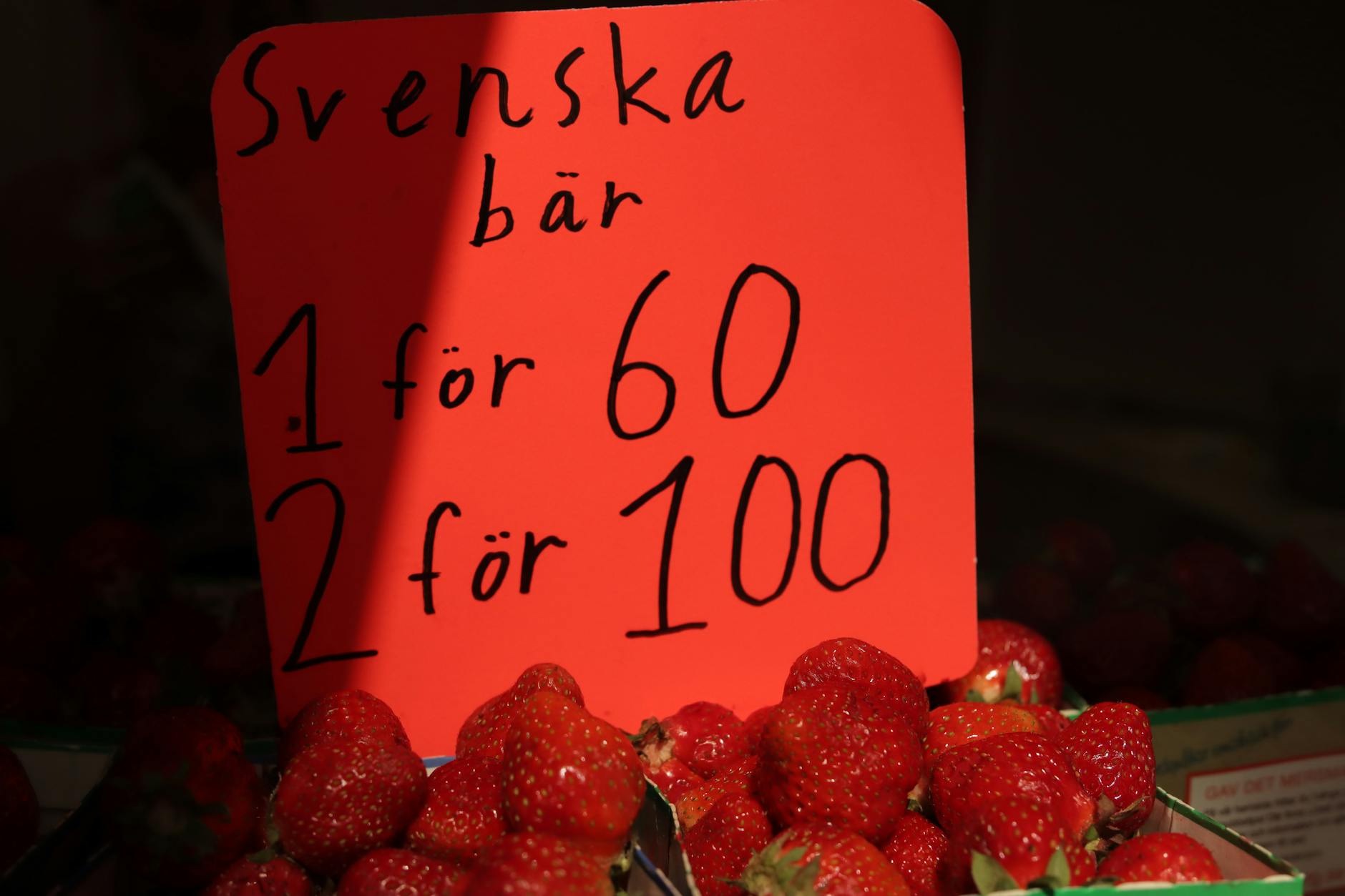
A price anchoring note beside each listed item records the lowest price the shopper has ever paid for that product from any source, creating a personal price floor reference that travels with the list into the store. When the shelf price exceeds the anchored price the shopper knows immediately that waiting, sourcing elsewhere, or substituting is the financially rational choice rather than accepting the current price as normal. The process of building a price anchor list over several months creates a deeply personalized market intelligence document that no generic budgeting app can replicate. Retail pricing relies heavily on the consumer’s poor memory for historical prices and the price anchor list directly neutralizes this advantage. Experienced price anchor list keepers report that the habit makes promotional pricing easy to identify because genuine discounts represent a visible departure below the anchor rather than an ambiguous percentage claim.
Store Map Routing
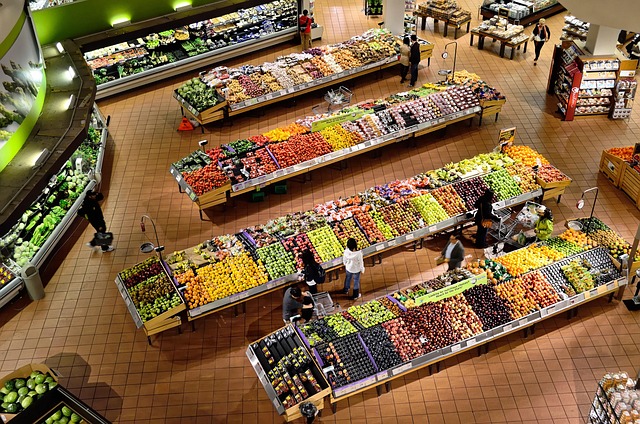
Shoppers who organize their grocery list in the exact sequence of their store’s physical layout eliminate all unplanned aisle traversal that would otherwise expose them to products outside their intended purchases. The routing list is constructed once from memory or a single mapping visit and then reused as a template that makes every subsequent shop a linear and spatially predictable journey with minimal deviation. Every unplanned aisle entry during a grocery shop statistically increases the probability of an unplanned purchase and the routing list removes the behavioral triggers that make those entries feel justified. Supermarkets are designed to maximize the distance shoppers travel through the store specifically because exposure distance correlates directly with unplanned spend. Shoppers with a routed list move through the store with a purposeful trajectory that is psychologically and physically harder to interrupt than the meandering path of an unrouted shopper.
Waiting Lists

A waiting list is a secondary document maintained alongside the main grocery list where potential purchases that feel genuinely needed are recorded and then subjected to a mandatory waiting period of between three and seven days before they are transferred to the active shopping list. Items on the waiting list that stop feeling necessary before the waiting period expires are removed without purchase, representing a spending decision that was made at home rather than at the shelf. Consumer behavior research consistently finds that a substantial proportion of grocery purchases categorized by shoppers as necessary at the point of decision are reconsidered when the decision is separated from the retail environment by time. The waiting list externalizes the impulse management process from willpower in the moment to a structural time delay that operates independently of mood, hunger, or retail atmosphere. Shoppers who adopt the waiting list report that between a third and a half of items added to it never make it to the active list.
Handwritten Lists

Handwritten grocery lists consistently outperform digitally typed lists in budget adherence because the physical act of writing engages deeper memory encoding, slows the list-construction process, and produces a stronger psychological commitment to the listed items than keyboard or voice entry creates. Cognitive psychology research on the generation effect demonstrates that information produced through physical effort is retained more accurately and referenced more deliberately than information entered passively. The friction of handwriting also naturally limits list length as the effort of writing each item creates a micro-decision moment that discourages the casual addition of items that typing accommodates effortlessly. Shoppers who switch from phone list apps to handwritten paper lists frequently report surprise at how differently they interact with the list in the store, describing a stronger reluctance to deviate from written items. The paper format also prevents the notification interruptions and digital distractions that routinely derail phone-based shopping list interactions.
Budget Lines

Writing the maximum acceptable spend beside each category on the grocery list rather than beside each individual item gives the shopper a flexible allocation framework that accommodates price variation while maintaining overall budget discipline. A produce budget line of a fixed amount allows the shopper to respond to that day’s actual pricing and availability rather than being locked into specific items that may be expensive or unavailable. The category budget line method also introduces a competitive element into the shopping experience as the shopper works to come in under each category allocation and accumulate small surpluses across the shop. Financial coaches who work with household budgets identify the shift from item-level to category-level budget thinking as one of the most significant behavioral changes available to struggling grocery shoppers. The category surplus tracking habit gradually builds a realistic and accurate personal model of food costs that most shoppers never develop through passive purchasing.
Ingredient Overlap Circles

Before finalizing a grocery list, shoppers who use the ingredient overlap method draw a simple diagram connecting planned meals to the raw ingredients they share, then build the list around the shared ingredients rather than around the individual meals. An onion, for example, that appears in four of the week’s planned dishes is circled four times and purchased in bulk, while an ingredient that appears only once is scrutinized as a potential cost inefficiency. This visual mapping reveals the true ingredient economy of a weekly meal plan in a way that reading recipes sequentially never does. Budget cooking educators describe ingredient overlap planning as the primary technique separating cooks who spend within budget consistently from those who overspend despite genuine effort. The diagram takes between five and ten minutes to construct and typically reduces the ingredient list by removing single-use specialty items that fail to justify their cost once their isolation becomes visible.
Frozen Substitution Flags

A frozen substitution flag is a note placed beside fresh produce items on the grocery list indicating the frozen equivalent that the shopper is willing to accept if the fresh version is above a predetermined price threshold on that particular shopping day. Nutritional research consistently demonstrates that frozen vegetables and fruits are nutritionally equivalent or superior to fresh equivalents that have been in transit and storage for several days, making the substitution a health-neutral financial decision. The flag removes the in-store deliberation about whether to substitute by establishing the decision rule in advance when the shopper is not subject to the visual and sensory pressure of the produce section. Shoppers who pre-authorize frozen substitutions report that they execute the substitution calmly and without regret because the decision was made deliberately rather than reactively. The frozen substitution habit is particularly valuable during seasonal price peaks for specific produce items that are heavily marketed as fresh essentials.
Consumption Rate Tracking

Shoppers who track the consumption rate of regularly purchased items by noting the purchase date and the depletion date on the packaging develop a precise understanding of how long each product actually lasts in their household rather than relying on the optimistic estimates that most people carry as informal mental models. This consumption data is transferred to the grocery list as a reorder frequency note indicating the realistic interval between purchases and preventing the premature reordering that produces pantry overstock. Overstock creates its own budget pressure by generating a false sense of abundance that paradoxically leads to more spontaneous purchasing rather than less. The consumption rate data also exposes products that are purchased regularly but consumed slowly, which are candidates for reduction or elimination from the standard list. Home economists identify accurate personal consumption data as one of the most underutilized tools available to household budget managers.
Anti-List Items

The anti-list is a dedicated section of the grocery list where the shopper explicitly records items they are not permitted to buy on that particular trip regardless of how attractive the pricing or promotion appears at the shelf. Anti-list items are typically identified from the previous week’s receipt as unplanned additions that exceeded the budget or contributed to waste, making the anti-list a direct behavioral response to documented spending patterns. The explicit written prohibition produces a stronger in-store restraint than a simple intention not to overbuy because it transforms a vague commitment into a specific visible instruction. Behavioral economists describe written self-prohibitions as significantly more effective than mental resolutions because they externalize the commitment in a form that can be referenced at the precise moment of temptation. Shoppers who use anti-lists report that seeing a specific item explicitly prohibited on their own handwriting is surprisingly effective at neutralizing the purchase impulse.
Receipt Reconciliation
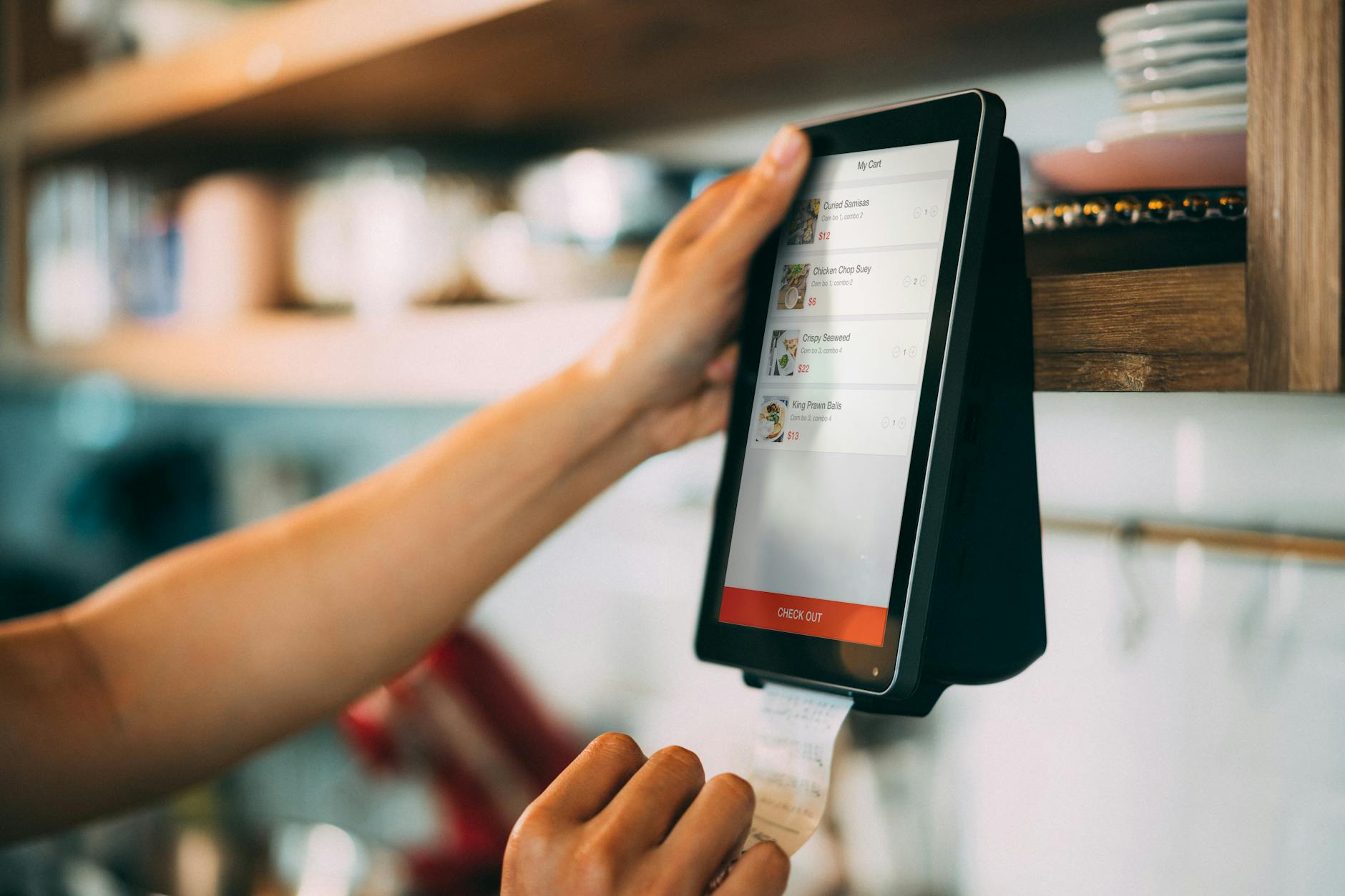
Immediately after unpacking groceries at home, receipt reconcilers compare every item on their shopping receipt against their original grocery list and record any unplanned purchase in a dedicated overspend journal with a brief note explaining the decision that led to it. This post-shop audit creates a weekly record of the specific circumstances, store locations, and product categories that consistently produce budget overruns in that particular shopper’s behavior. Over several weeks the overspend journal reveals patterns that are invisible to shoppers who simply note their total spend without analyzing its composition. The act of writing an explanation for each unplanned purchase is itself a powerful deterrent because the anticipation of having to justify a decision in writing changes the quality of the decision being made at the shelf. Budget coaches who use receipt reconciliation with clients report that the habit produces more durable behavior change than any restriction-based budgeting approach.
Calorie Cost Ratios

Adding a rough calorie cost ratio to staple items on the grocery list, calculated as the number of calories provided per dollar spent, gives the shopper a nutritional efficiency metric that guides substitution decisions when budget pressure requires trade-offs. This metric reframes food purchasing from a pure taste and preference exercise into a nutritional resource allocation decision without requiring any dietary expertise beyond basic calorie awareness. Whole grains, legumes, eggs, and frozen vegetables consistently deliver the highest calorie cost ratios among nutritionally dense foods and appear prominently on the lists of shoppers who use this system. The ratio calculation is done once per item and recorded on a reference sheet that travels with the grocery list, requiring no in-store arithmetic. Shoppers who use calorie cost ratios report that the metric makes the budget case for dietary staples that are often displaced by more expensive convenience foods through marketing pressure rather than genuine preference.
Batch Trigger Quantities

Instead of listing an item when it runs out, batch trigger quantity shoppers identify a specific minimum quantity for each staple at which the item is added to the next shopping list, set high enough to allow batch purchasing before the item becomes urgently needed. A pasta batch trigger set at two remaining boxes means the shopper always buys in bulk when the stock level hits two rather than buying a single box in an emergency purchase that forfeits the batch price advantage. Emergency single-unit purchases are consistently more expensive per unit than planned batch purchases and the batch trigger quantity system eliminates the circumstances that make emergency purchasing necessary. The trigger quantities are written on the inside of the pantry door or on a reference card that travels with the grocery list and are reviewed seasonally as consumption patterns change. Shoppers who implement batch triggers for their top twenty staples report a measurable reduction in per-unit costs within the first month of consistent practice.
Supermarket Circular Integration
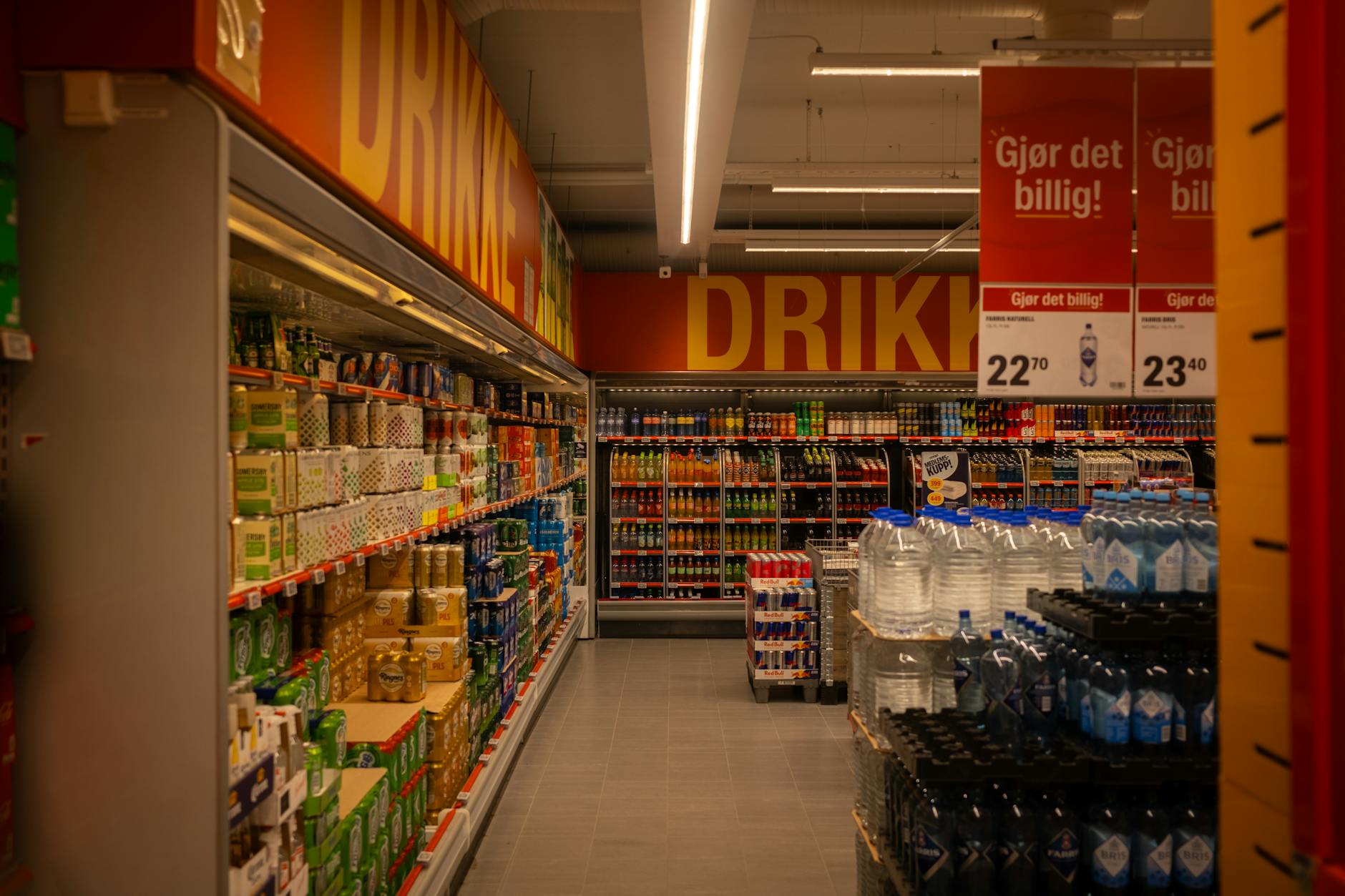
Shoppers who build their grocery list around the weekly supermarket circular rather than transferring a predetermined list to the circular work with the market’s promotional logic rather than against it, allowing that week’s genuine discounts to shape the meal plan rather than the meal plan driving the purchasing regardless of pricing. The circular integration habit requires a flexible cooking approach similar to the meal skeleton method because it means accepting whatever is discounted that week as the foundation of the meal plan rather than seeking discounts on pre-decided items. Retailers design circular promotions to move high-margin or overstocked items and the shopper who builds their list from the circular captures the genuine discount while the retailer clears their inventory, creating a mutual benefit that loyalty-based brand shopping never produces. The most experienced circular shoppers review the digital circular the night before shopping and complete their list construction before bed to prevent the in-store decision-making that circular-influenced impulsive purchasing can produce. Building a circular-first grocery list takes more planning time than a standard list but consistently delivers lower receipts.
Substitution Columns

A substitution column running alongside the main item column of the grocery list records a pre-approved alternative for every listed item that the shopper would accept without disappointment if the primary item is unavailable or above the acceptable price threshold. The substitution column is constructed at home during list writing when the shopper is relaxed and rational rather than in the store where availability gaps and pricing surprises trigger reactive and often expensive decision-making. Having a written substitute removes the cognitive load of improvising an alternative at the shelf under time pressure, which is the condition most likely to produce an upward substitution to a more expensive option. Budget shopping educators describe the substitution column as the single most underused structural tool in grocery list design. Shoppers who use substitution columns report that they almost never pay full price for any category of item because they always have an equally acceptable alternative available at a different price point.
Loyalty Program Pre-Loading
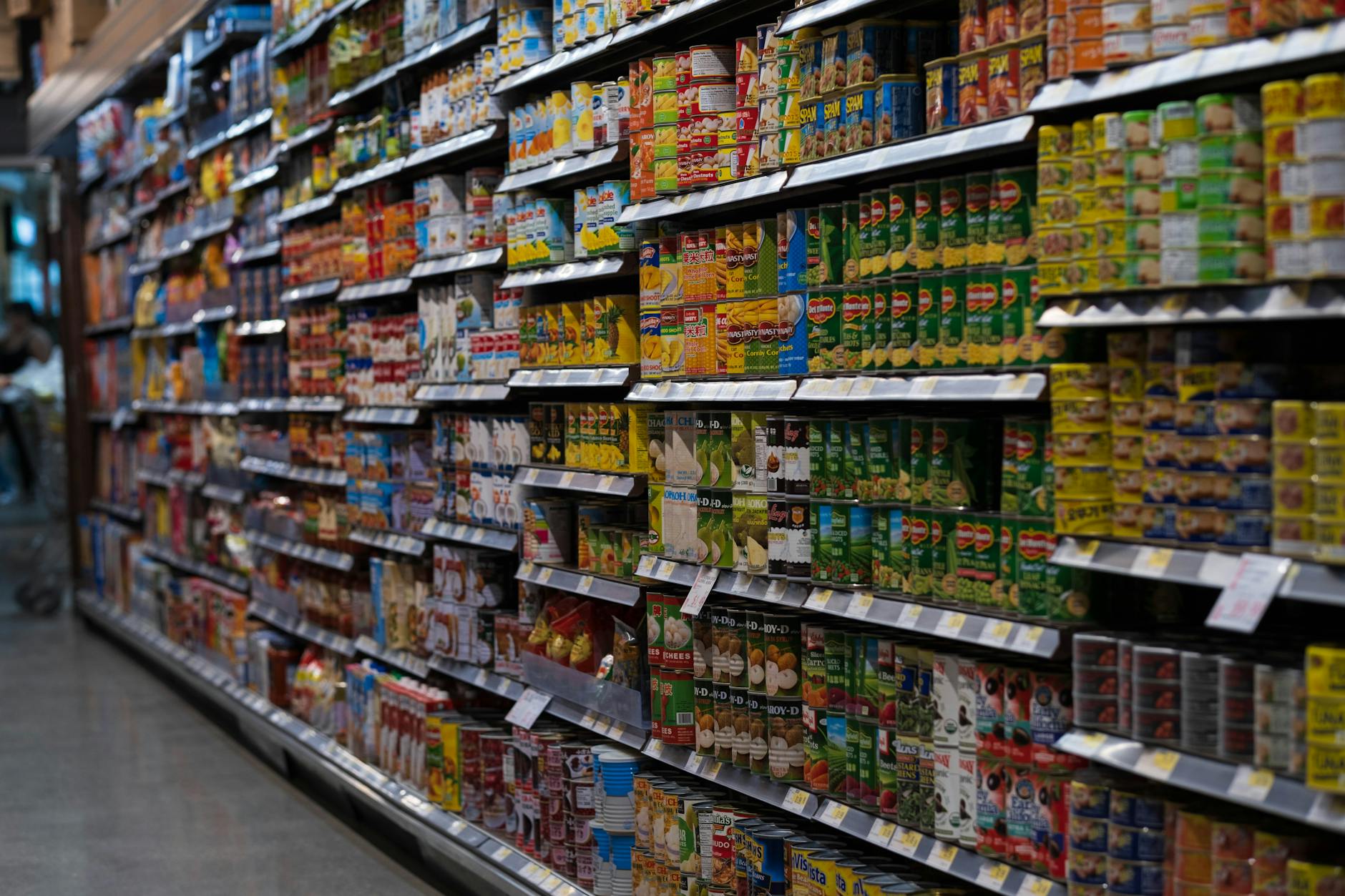
Before writing the final grocery list, shoppers who use loyalty program pre-loading check their supermarket app’s personalized offers and digitally clip all relevant coupons before constructing the list rather than applying coupons reactively at the checkout. This sequence means the list is built after available discounts are activated rather than before, allowing the discounted items to replace full-price equivalents on the list rather than simply reducing the cost of items that were going to be purchased anyway. Supermarket loyalty algorithms are calibrated to offer discounts on items the shopper purchases with moderate frequency but not maximum frequency, making the personalized offers genuinely useful for regular staples rather than irrelevant novelty items. Shoppers who pre-load loyalty offers before list construction report that the habit takes under five minutes and reliably generates between eight and fifteen percent in savings on the items it affects. The pre-loading sequence also prevents the checkout-line coupon scramble that causes both missed savings and the social pressure to approve unreviewed discounts on unneeded items.
Quantity Caps
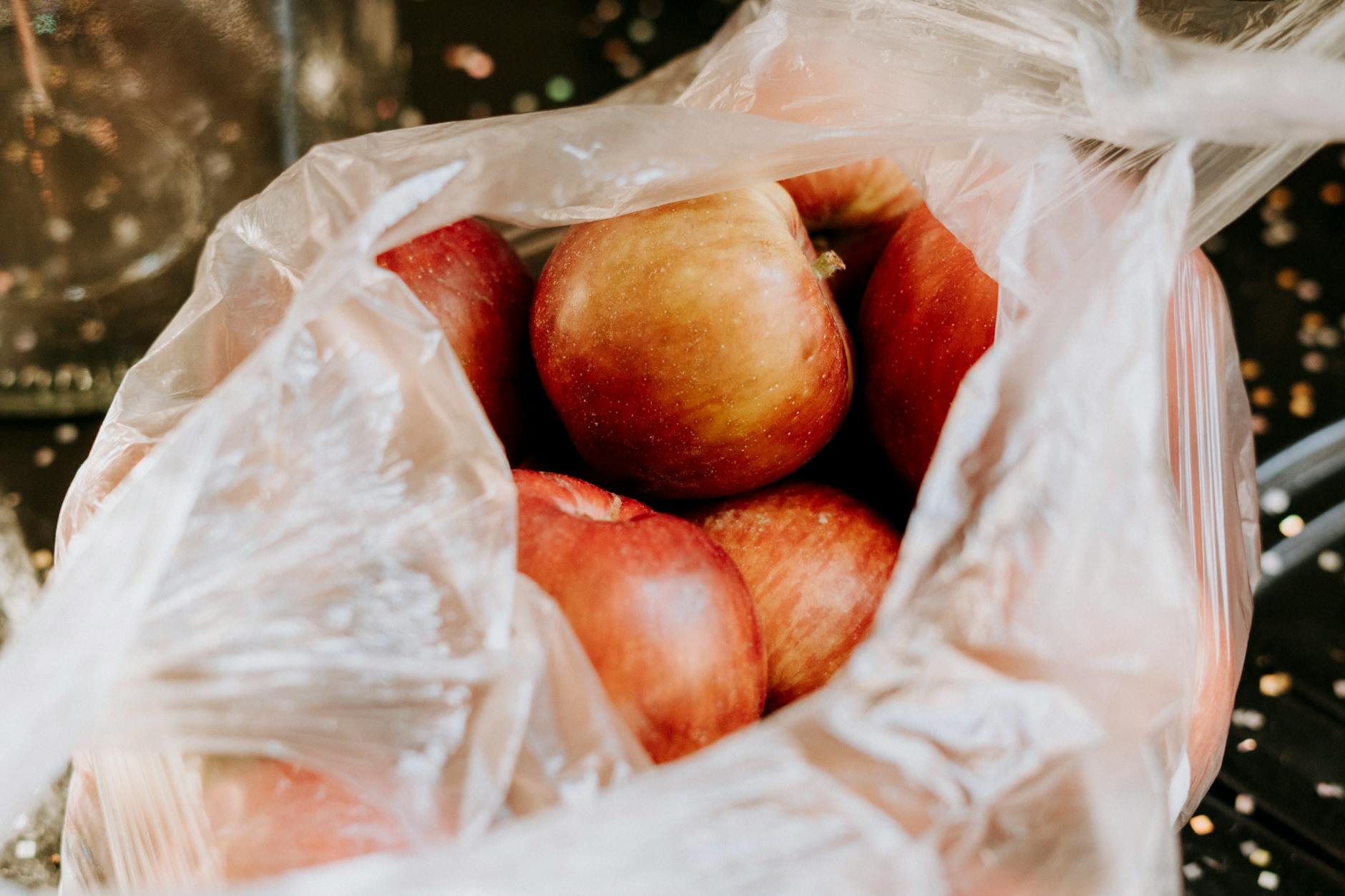
A quantity cap written beside each item on the grocery list specifies the absolute maximum number of units the shopper will purchase regardless of promotional pricing, bundle offers, or bulk discount structures encountered at the shelf. Retailers use multi-buy promotions specifically to increase total unit sales beyond what the shopper would rationally purchase in the absence of the offer and the quantity cap disables this mechanism by making the purchase ceiling explicit before the offer is encountered. Shoppers without quantity caps consistently over-purchase promotional items and generate the pantry overstock that paradoxically increases overall food spend through waste and reduced meal planning discipline. The quantity cap works most effectively for categories including snacks, beverages, and personal care items where promotional multi-buy offers are most aggressively deployed. Budget analysts who study grocery receipt data identify quantity cap discipline as one of the clearest behavioral separators between shoppers who stay under budget and those who regularly overspend despite promotional savings.
Temperature Zone Lists
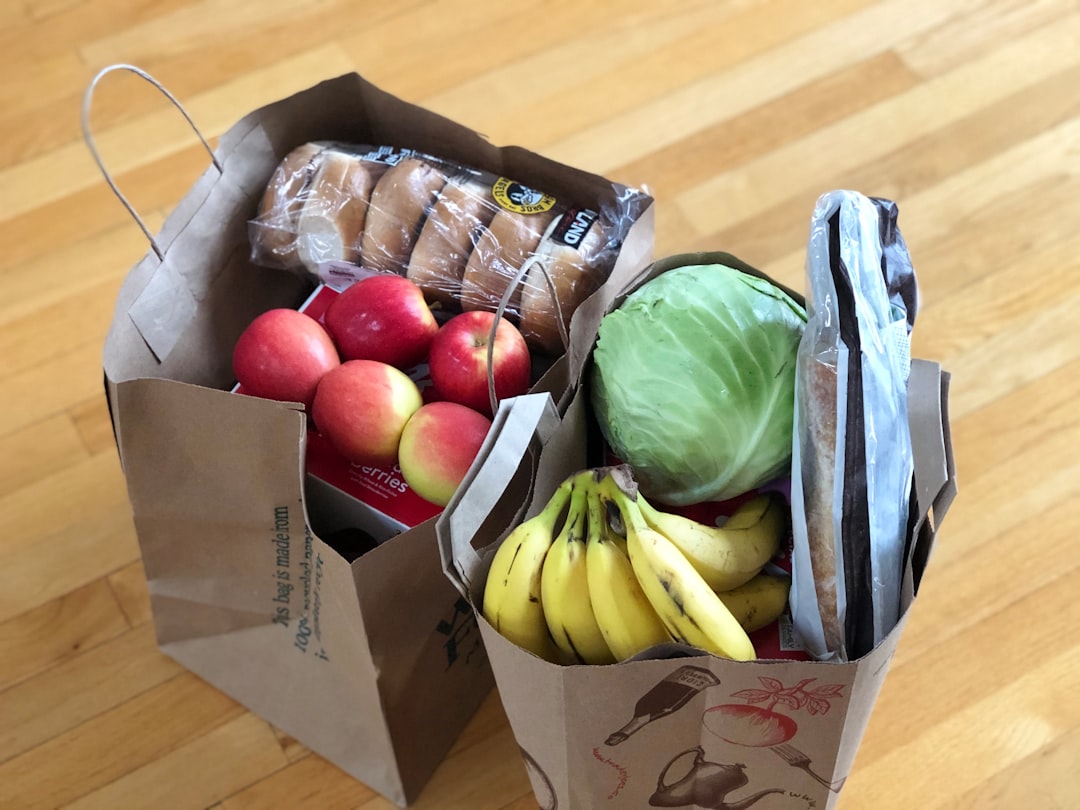
Organizing the grocery list by the store’s temperature zones including ambient, refrigerated, and frozen rather than by meal or food category allows the shopper to complete all purchases within each temperature zone in a single pass rather than making multiple returns to cold sections that require passing additional ambient displays. Each return to the refrigerated perimeter of the store requires traversal of the center aisles where the highest-margin processed and packaged foods are displayed and the temperature zone list minimizes this traversal by batching all cold purchases into a single visit. The thermal efficiency of loading frozen and refrigerated items last also extends their safe temperature range during the trip home, which is a food safety benefit that the zone organization method provides alongside its budget benefits. Experienced zone-list shoppers describe the method as making the store feel significantly smaller and less overwhelming because the journey through it becomes a series of three discrete and predictable segments rather than a continuous navigation challenge. The zone list also naturally separates the high-impulse center aisle from the peripheral staples, making it structurally easier to limit center aisle engagement.
No-List Banned Items
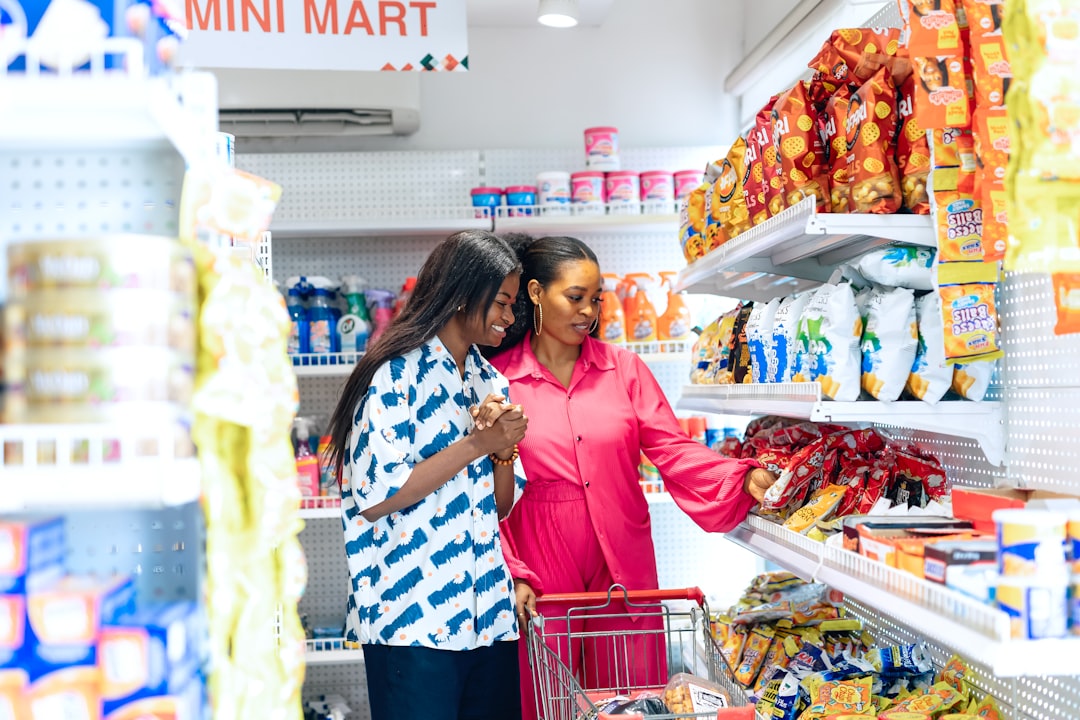
A no-list is a permanent reference card kept in the wallet or phone case that records specific product categories the shopper has permanently removed from grocery list eligibility based on documented overspend, waste, or nutritional analysis conducted outside the store environment. Unlike the anti-list which is trip-specific, the no-list is a standing personal policy document that applies to every shopping trip indefinitely until deliberately revised. Categories on a no-list might include pre-cut vegetables whose unit cost premium over whole equivalents has been calculated and found unjustifiable, bottled water in households with acceptable tap quality, or premium branded versions of commodity products where blind taste tests failed to confirm a preference. The no-list converts repeated individual spending decisions into a single standing policy decision, eliminating the cognitive overhead of evaluating the same product category afresh on every shopping trip. Shoppers who maintain a no-list report that it functions as a surprisingly effective protection against promotional reintroduction of products they have deliberately excluded.
Photo Pantry Records
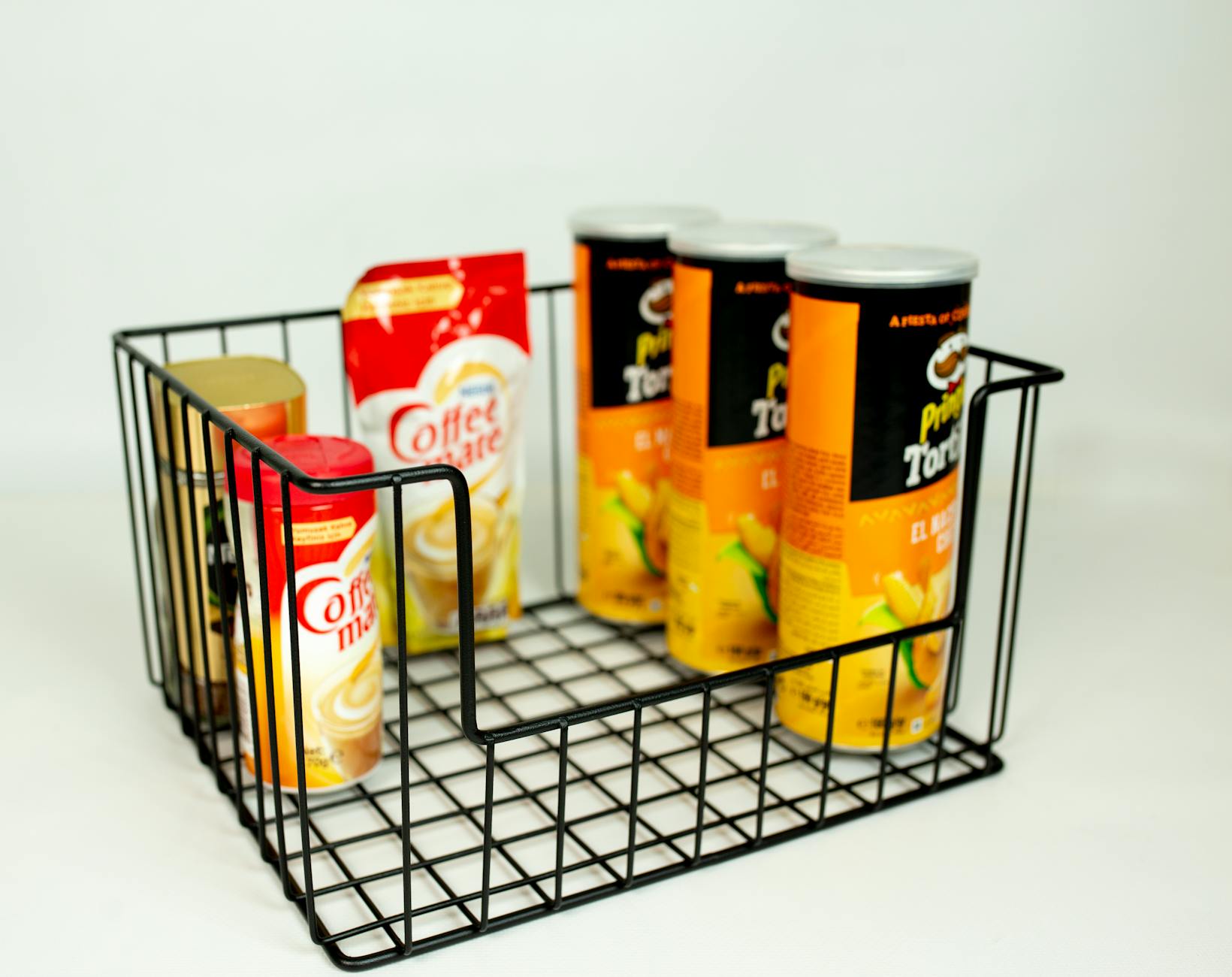
Before leaving for the grocery store, photo pantry shoppers take a quick series of photographs of the refrigerator interior, freezer contents, and open pantry shelves which are then referenced on the phone during shopping to prevent duplicate purchasing and confirm actual stock levels in real time. The photograph eliminates the memory uncertainty that causes the cautious repurchase of items that may or may not be at home and replaces uncertain recall with visual confirmation that requires no mental effort in the store environment. Research on memory and purchasing behavior consistently finds that shoppers overestimate their recall accuracy for pantry contents while simultaneously underestimating the psychological pull toward purchasing familiar items regardless of existing stock. The photo method requires approximately ninety seconds before leaving the house and saves a disproportionate amount relative to that time investment for shoppers who regularly discover duplicated staples during unpacking. Shoppers who combine photo pantry records with a reverse list report the strongest combined reduction in duplicate and unnecessary purchasing of any habit pairing studied in consumer behavior research.
Shrinkflation Trackers

A shrinkflation tracker is a column on the recurring grocery list that records the last known net weight or volume of regularly purchased packaged products alongside the current observed weight or volume, creating a personal database of manufacturer size reductions that retail pricing obscures. Shrinkflation, the practice of reducing product quantity while maintaining or increasing price, is one of the most widely documented and least consumer-visible forms of price increase in grocery retail. Shoppers who maintain shrinkflation records catch these reductions at the moment of reoccurrence rather than absorbing them invisibly as the vast majority of consumers do. The tracker data also feeds directly into unit price calculations and brand substitution decisions because a size reduction that erodes the unit price advantage of a preferred brand is an immediate trigger to reassess brand loyalty. Consumer advocacy organizations identify the shrinkflation tracker habit as one of the most powerful tools available to individual shoppers for maintaining genuine price awareness in an environment designed to obscure true costs.
Seasonal Produce Guides
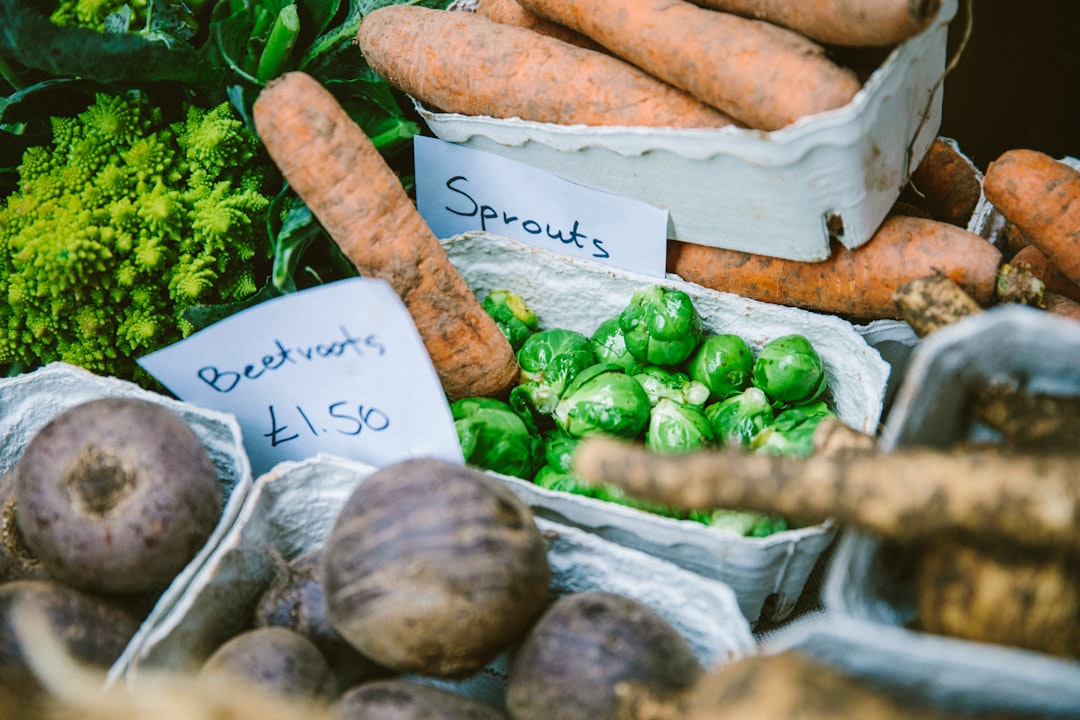
A laminated or phone-saved seasonal produce calendar specific to the shopper’s geographic region is referenced before list construction each week to ensure that the produce section of the list contains only items currently at their seasonal price floor rather than items that are in their expensive out-of-season window. Produce prices fluctuate by factors of two to four between peak season and out-of-season availability for many common items and the seasonal guide converts this knowledge into a practical list construction tool rather than leaving it as abstract awareness. The guide also functions as a meal planning constraint that consistently points the cook toward the ingredients with the best current value rather than the ingredients currently most visible in recipe content and food media. Nutritionists note that seasonal eating guided by a regional produce calendar aligns grocery spending with both peak nutritional value and lowest price, making it one of the rare interventions that simultaneously improves dietary quality and reduces food costs. Shoppers who integrate a seasonal produce guide into their list construction report the most dramatic produce-section savings during the winter and early spring months when out-of-season premium pricing is most aggressively applied.
If these habits have shifted the way you approach your grocery list or sparked a method of your own, share it in the comments.