Every professional kitchen runs on a set of unspoken rules that rarely make it into cookbooks or culinary school curricula. Behind the polished plating and confident technique lies a collection of unconventional shortcuts that chefs quietly depend on to keep service moving and flavors on point. These tricks have been refined over years of high-pressure cooking and passed down through kitchen culture rather than formal training. Some seem strange at first glance but deliver results that no textbook method can match. Whether you cook at home or dream of a professional kitchen, these insider hacks will change the way you approach every meal.
Stale Bread
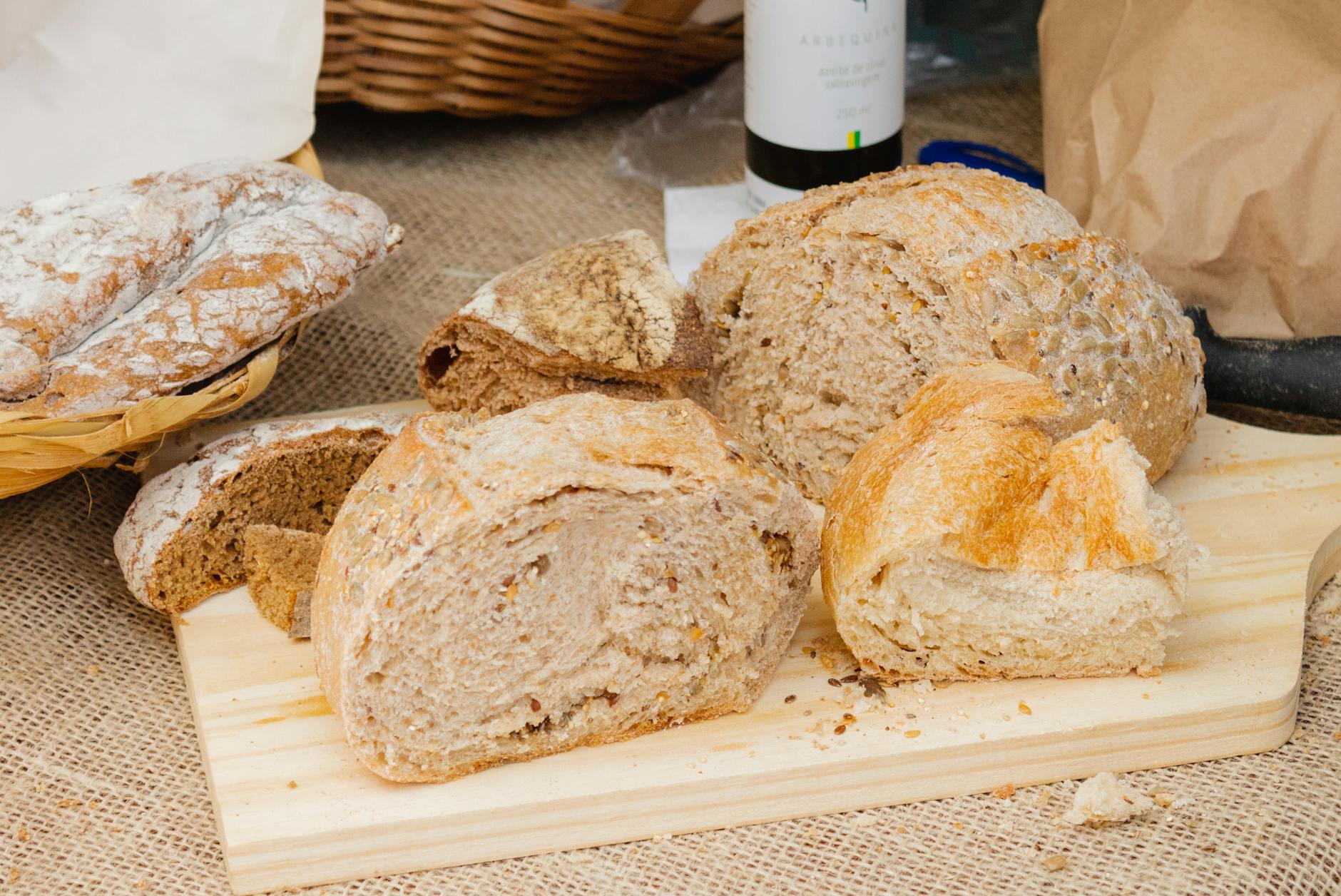
Professional kitchens almost never throw away bread that has gone past its prime. Day-old or even two-day-old bread absorbs sauces and dressings far more effectively than fresh loaves, making it the preferred base for dishes like panzanella and French onion soup. The drier texture also holds up better under heat, producing a crispier result when toasted or fried in butter. Many chefs deliberately leave bread uncovered overnight to achieve this exact texture before incorporating it into a recipe. A stale loaf is widely considered more valuable than a fresh one in a working kitchen.
Pasta Water
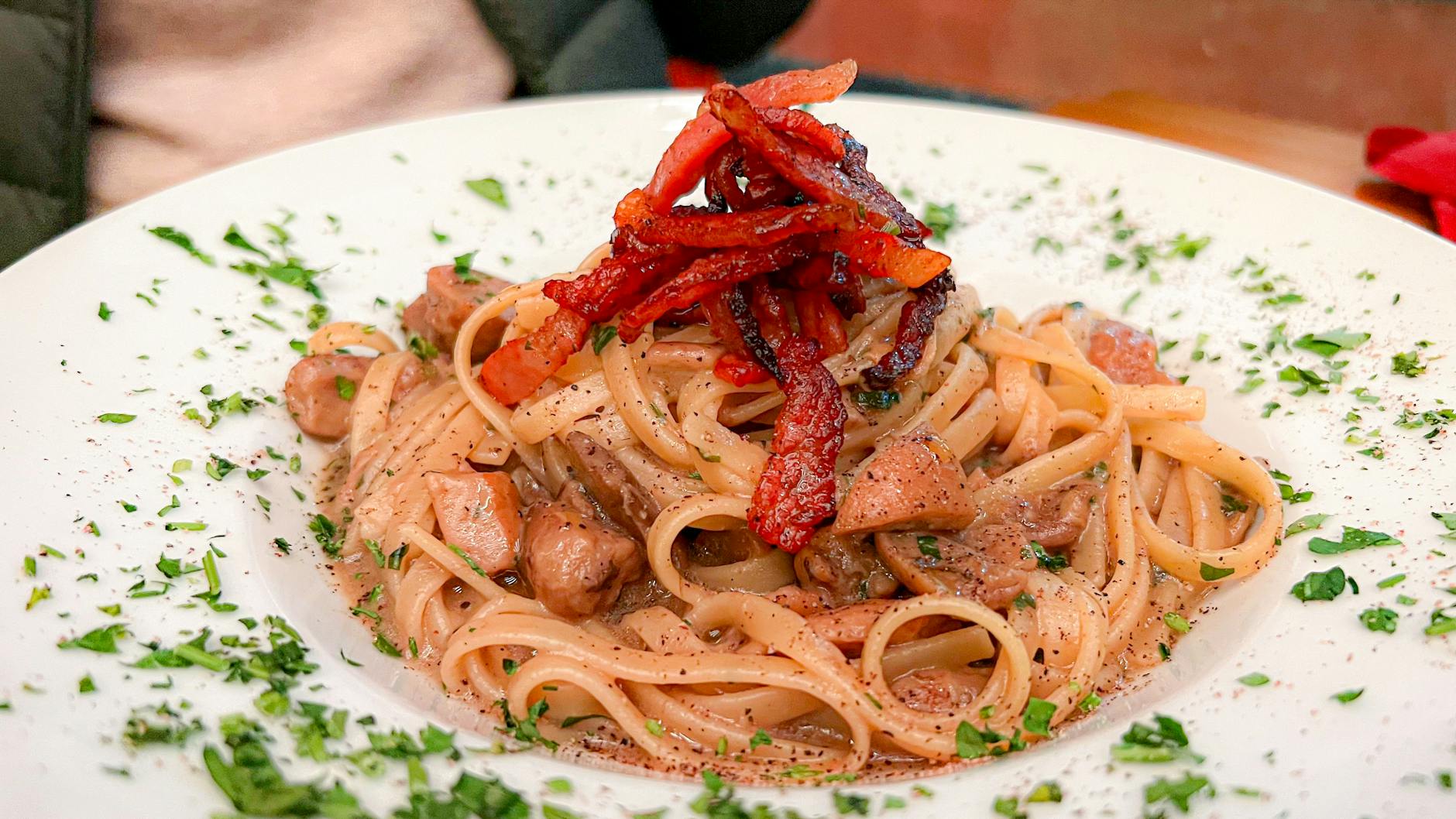
The cloudy liquid left behind after cooking pasta is one of the most quietly prized ingredients in Italian-style cooking. Its high starch content acts as a natural emulsifier that binds fat and water together into a silky cohesive sauce. Chefs reserve cups of it before draining and add it gradually to loosen and enrich everything from cacio e pepe to amatriciana. The salt dissolved in the water also seasons the sauce at the same time, adding depth without any extra effort. Most home cooks pour it straight down the drain without realizing what they are losing.
Butter Temperature
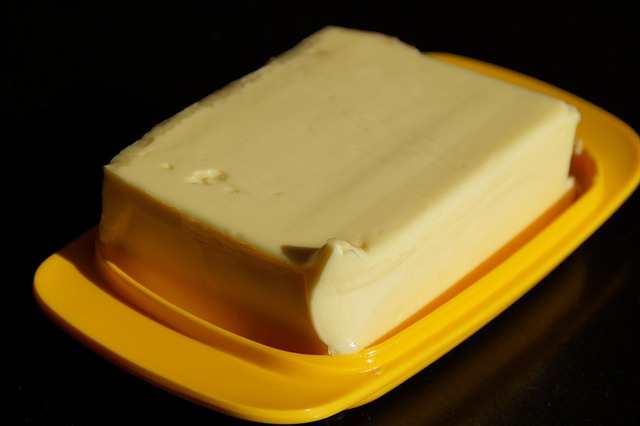
Temperature control is one of the most obsessively managed variables in a professional kitchen. Butter that is slightly softened rather than fully melted or fully cold behaves in a completely different way during cooking and baking. Chefs often pull butter from refrigeration at a precise moment timed to the preparation stage of a dish rather than leaving it to chance. In pastry work the difference of just a few degrees determines whether a dough becomes flaky or tough. A small probe thermometer near the butter station is a common but rarely discussed tool in high-end kitchens.
Ice Baths
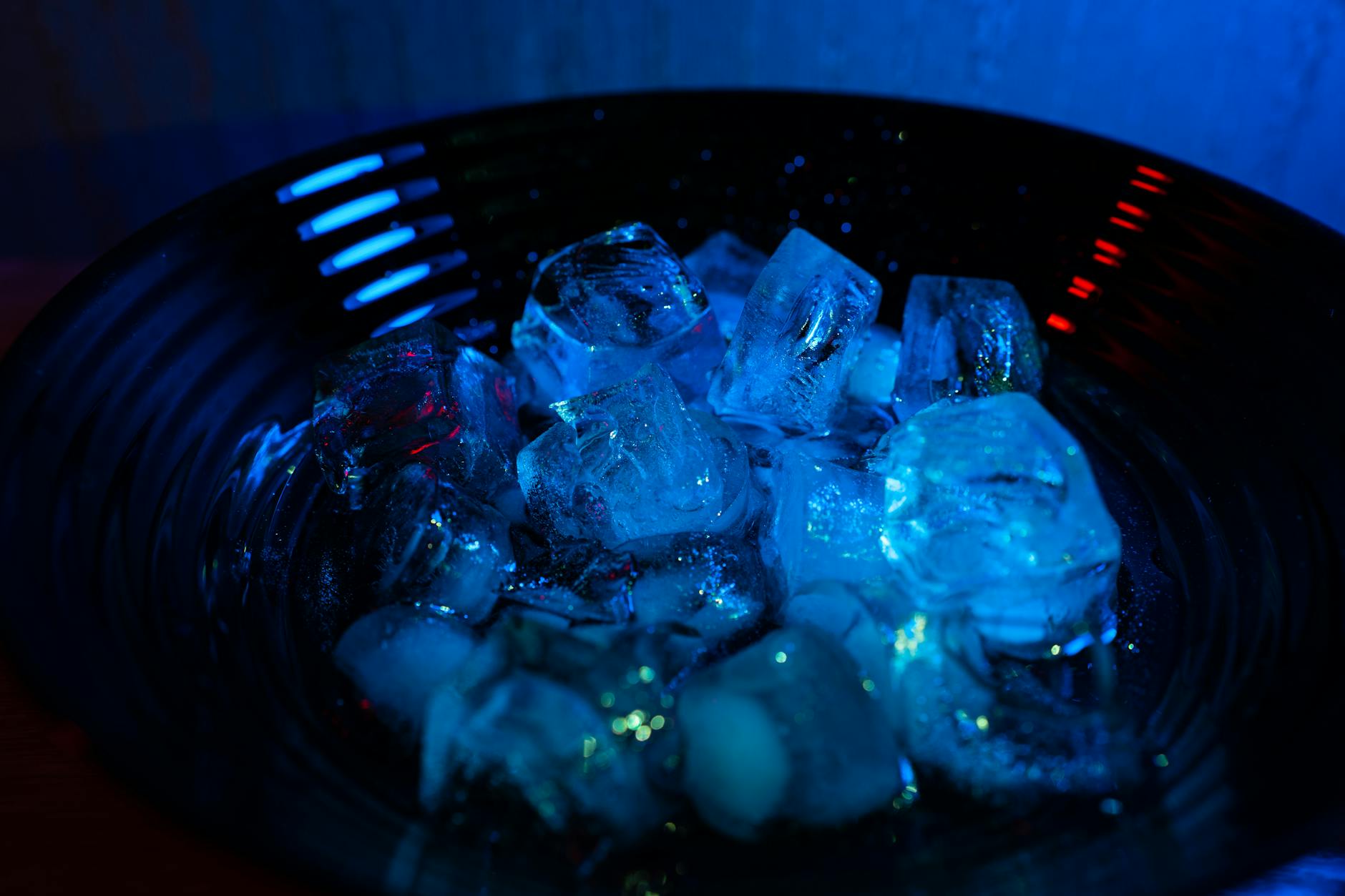
Shocking blanched vegetables in ice water immediately after cooking is a technique that preserves color and halts the cooking process with precision. Chefs prepare large bowls of ice water before any blanching begins because the timing window is only a matter of seconds. The rapid temperature drop locks in chlorophyll, keeping green vegetables vivid rather than the dull olive tone that overcooking produces. The same method is used to stop the cooking of eggs, shellfish and certain grains at the exact desired point. This technique is so fundamental in professional kitchens that the ice bath is often set up before the pot of water even reaches a boil.
Dry Brining
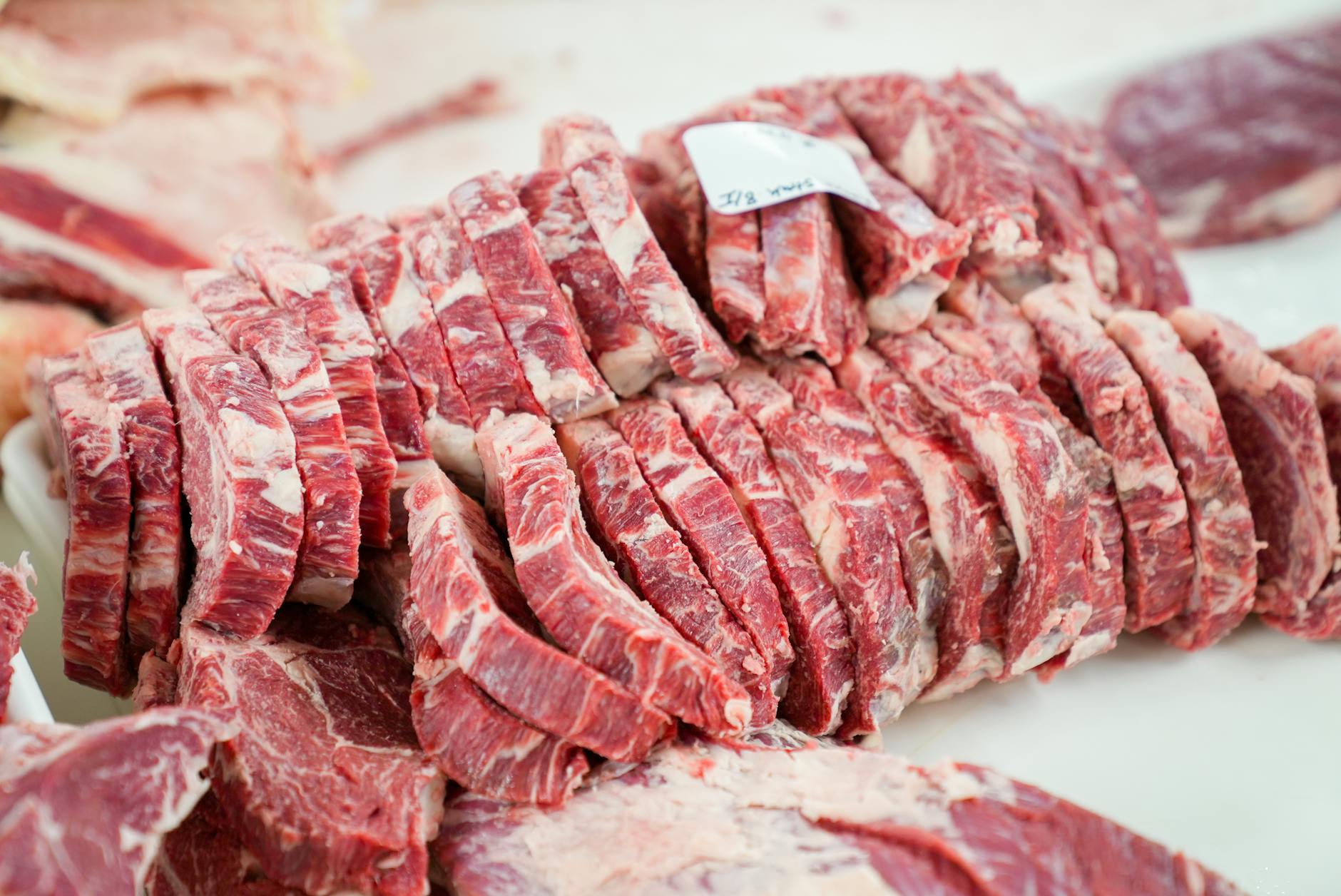
Salting meat hours or even days before cooking is a practice that produces dramatically juicier and more flavorful results than last-minute seasoning. The salt draws moisture to the surface initially and then pulls it back into the meat along with the dissolved seasoning through a process of osmosis. Professional chefs apply salt directly to uncovered meat left on a rack in the refrigerator, allowing the surface to dry out while the interior remains moist. This dual effect creates a better crust during searing and a more evenly seasoned result throughout. The technique is used for everything from a weeknight chicken to a whole prime rib centerpiece.
Microplane Grater
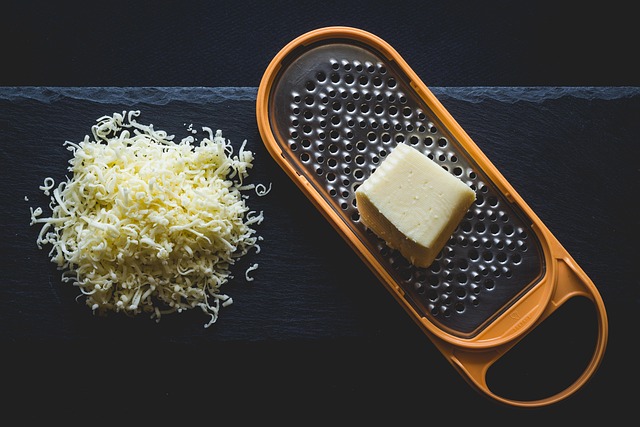
This long narrow grater originally designed for woodworking found its way into professional kitchens and quietly became one of the most indispensable tools on the line. Chefs use it to grate hard cheeses into an almost powder-fine texture that melts instantly into sauces without clumping. It is also the preferred tool for extracting the fragrant oils from citrus zest without catching any of the bitter white pith beneath. Whole nutmeg grated fresh with a microplane delivers a completely different intensity than pre-ground versions from a jar. Many chefs own several and guard them carefully from borrowing colleagues.
Worcestershire Sauce
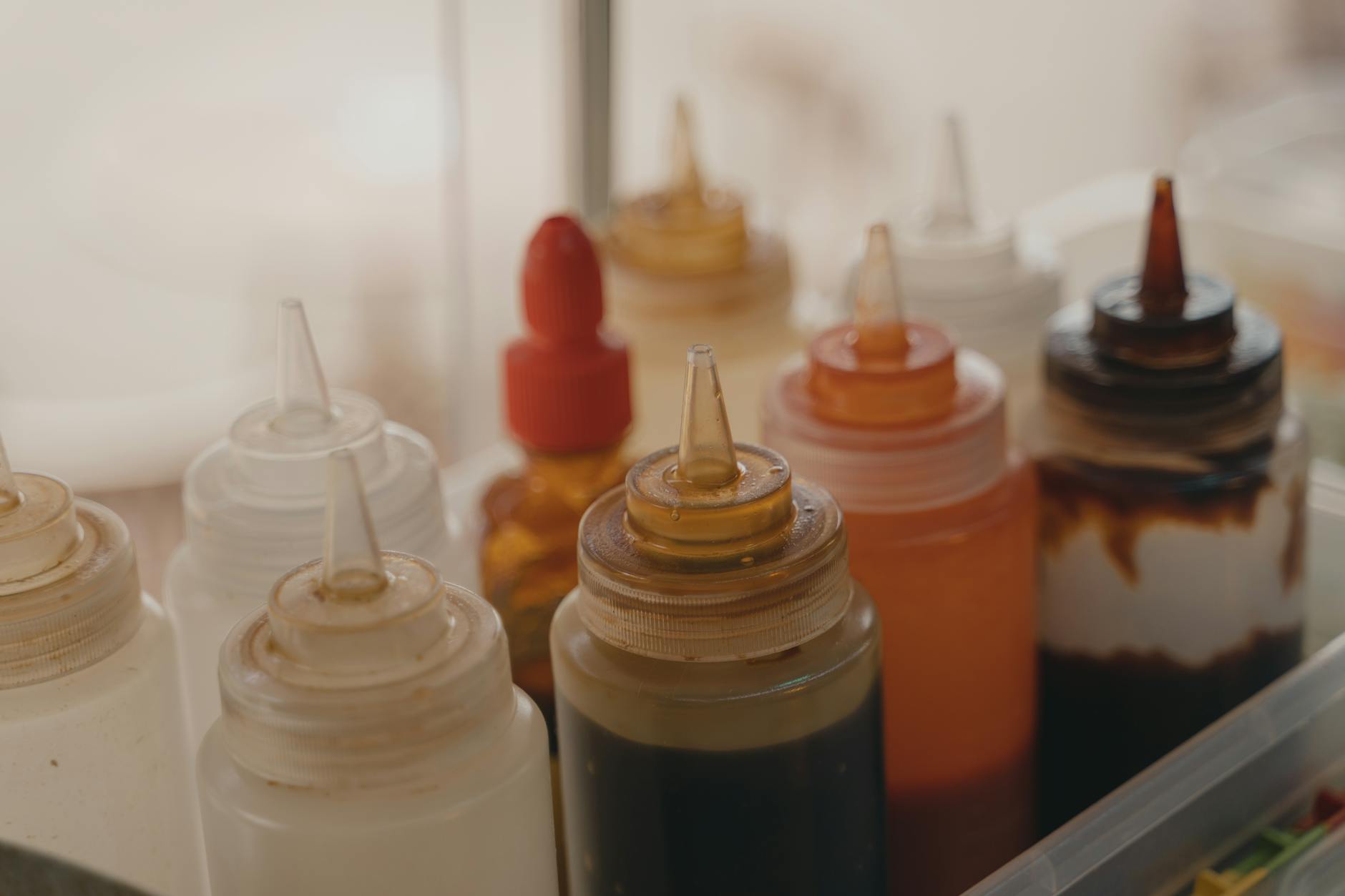
This aged fermented condiment appears in professional kitchens far beyond its expected home in steak sauces and Bloody Marys. Chefs add small amounts to braises, bolognese, gravies and even soups as a source of deep savory complexity that is difficult to trace but impossible to replicate. Its combination of tamarind, anchovies, vinegar and molasses creates a layered umami backbone that amplifies meat flavors without announcing itself. A few drops stirred into a pan sauce at the finish can transform a flat result into something that tastes like it cooked for hours longer. The bottle is almost never visible to diners but its presence is felt in many celebrated dishes.
Toasted Spices
Heating whole or ground spices in a dry pan before using them is a step that home cooks frequently skip but professionals almost never do. The heat activates volatile aromatic compounds and drives off any residual moisture that can make spices taste dusty or flat. Even spices purchased recently benefit from thirty seconds over medium heat before being ground or added to a dish. Chefs often toast large batches and store them in airtight containers to have them ready during a busy service. The difference in flavor intensity between toasted and untoasted cumin, coriander or fennel seed is immediately noticeable even to an untrained palate.
Bloomed Gelatin
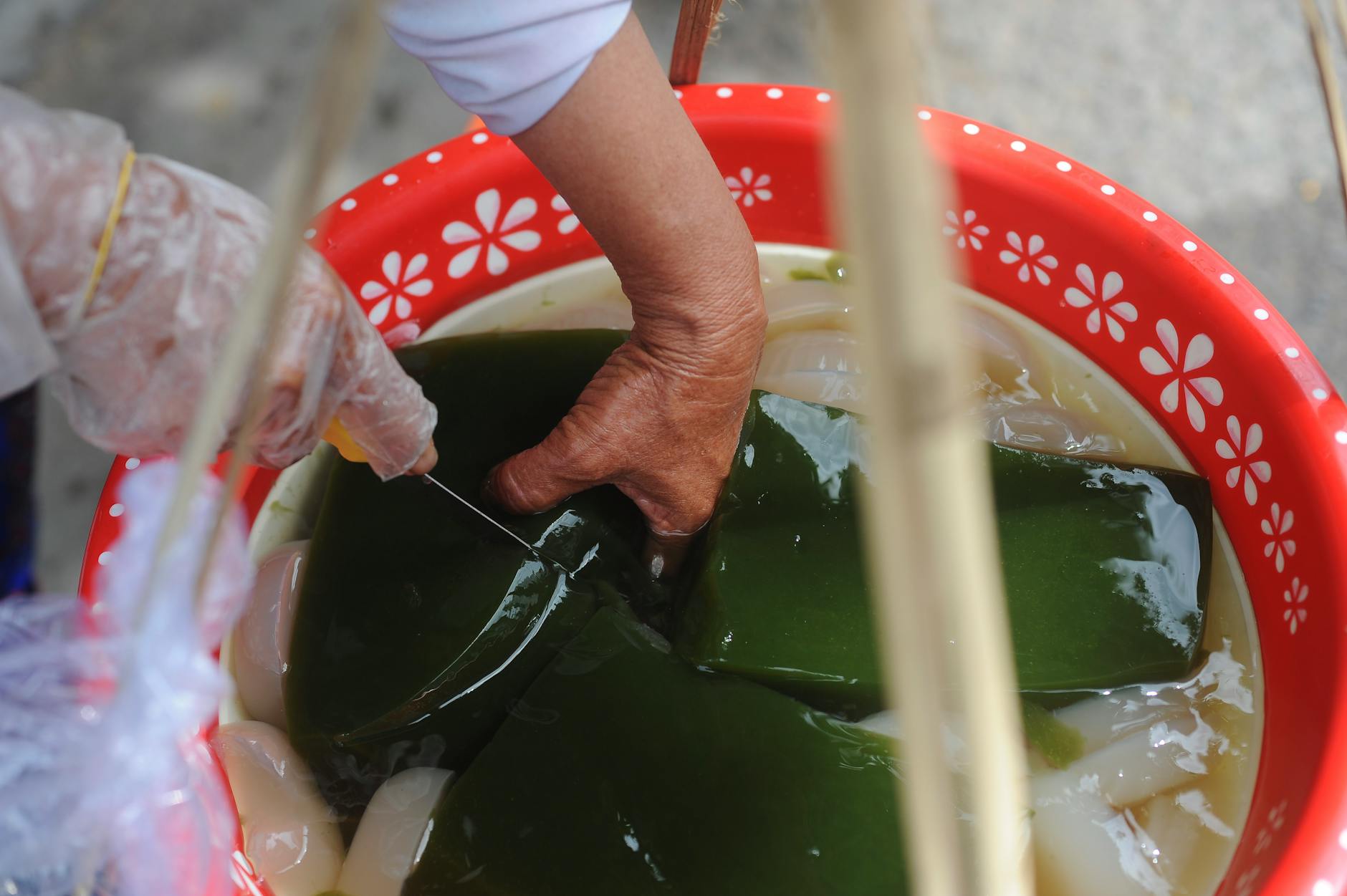
Gelatin must be softened in cold water before it is dissolved in a warm liquid, and this step is treated with great seriousness in professional pastry kitchens. Skipping or rushing the bloom stage results in uneven setting, lumpy textures and desserts that either collapse or turn rubbery. Pastry chefs measure both the quantity of gelatin and the temperature of the blooming water with precision because small variations affect the final set strength. Sheet gelatin is often preferred over powdered versions because it is easier to control portion by portion during a busy preparation period. Many home recipes gloss over this step and then wonder why their panna cotta or mousse fails to set correctly.
Resting Meat
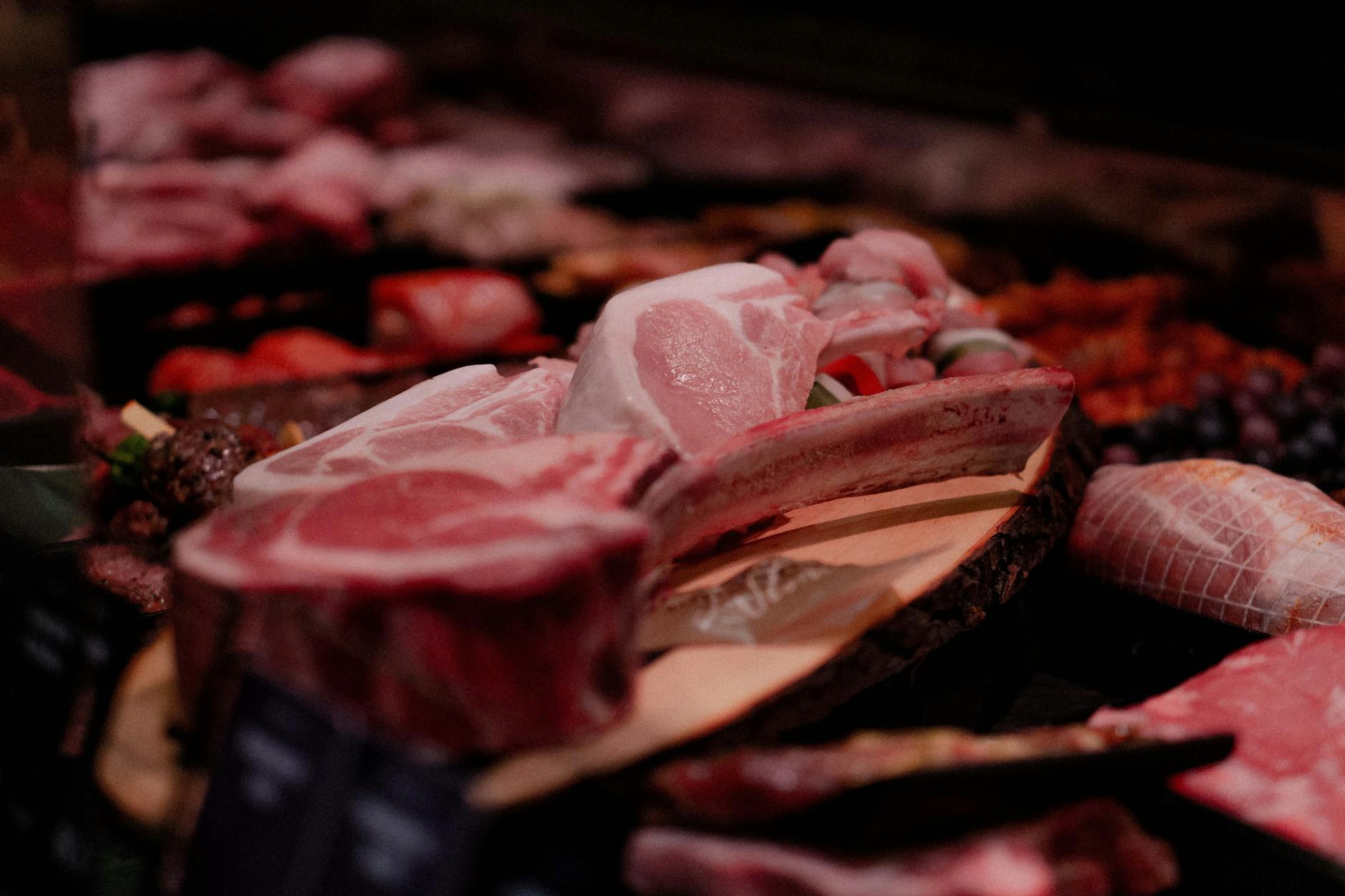
Allowing cooked meat to rest before cutting is one of the most consistently ignored pieces of professional advice despite being one of the easiest to follow. During cooking the muscle fibers contract and push juices toward the center of the cut, and resting allows those juices to redistribute throughout the meat. Chefs rest meat loosely tented under foil rather than wrapped tightly, which would trap steam and soften any crust that developed during cooking. The resting time is often proportional to the size of the cut, with a large roast requiring significantly longer than a thin steak. Cutting into meat before it has properly rested results in a pool of lost juice on the board and a noticeably drier result on the plate.
Fish Spatula
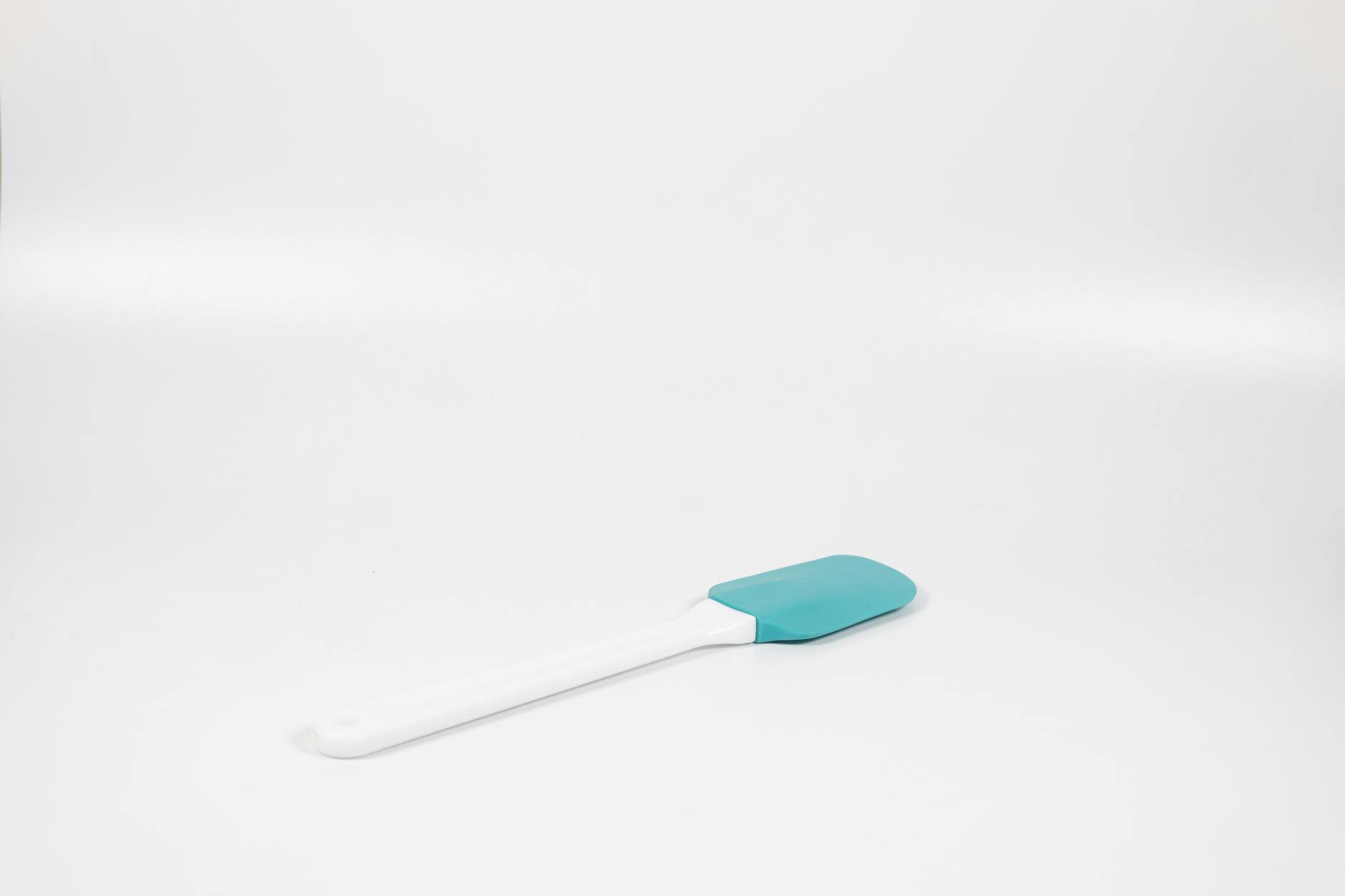
This thin flexible slotted utensil is designed specifically for turning delicate proteins without tearing them but professional chefs use it far beyond fish. Its angled blade slides effortlessly under fried eggs, pancakes, delicate pastry and even vegetables on a hot pan. The slots allow excess oil or butter to drain as the food is lifted, keeping the surface cleaner than a solid spatula would allow. Chefs often prefer it to standard spatulas for any task involving a flat cooking surface because of the control it provides at the edge of the pan. It is one of those tools that once used becomes nearly impossible to work without.
Rendered Fat
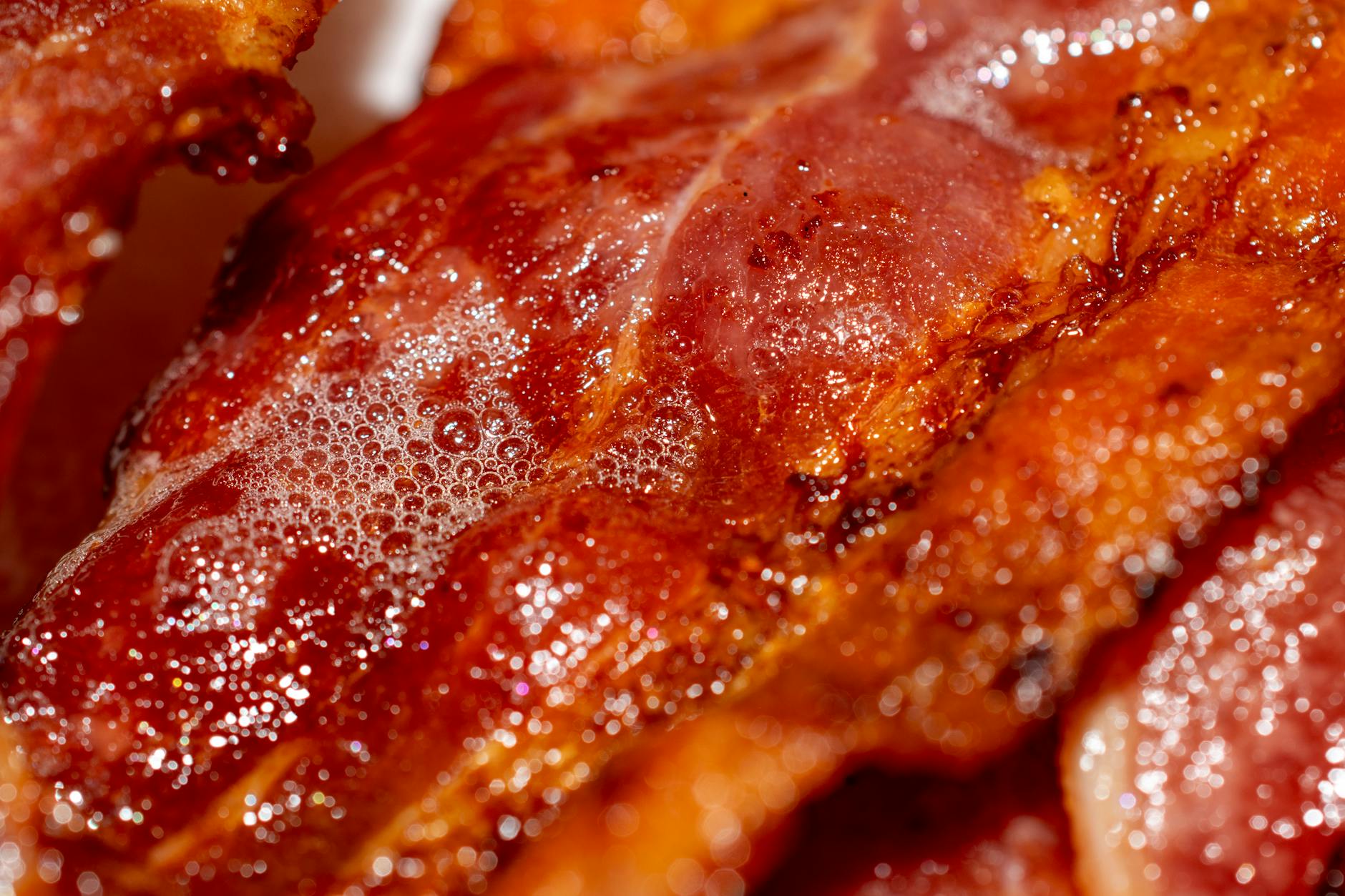
Professional kitchens save the fat rendered from duck, bacon, chicken skin and beef to use as a high-value cooking medium. These rendered fats carry the flavor of their source ingredient and transfer it subtly to anything cooked in them afterward. Duck fat is famously used for roasting potatoes to an extraordinarily crisp exterior and a dense rich interior. Bacon fat is preserved in covered containers near the stove for sauteing vegetables, making cornbread and seasoning cast iron pans. The practice of discarding these fats is considered wasteful and flavor-blind in most professional kitchens.
Mise en Place
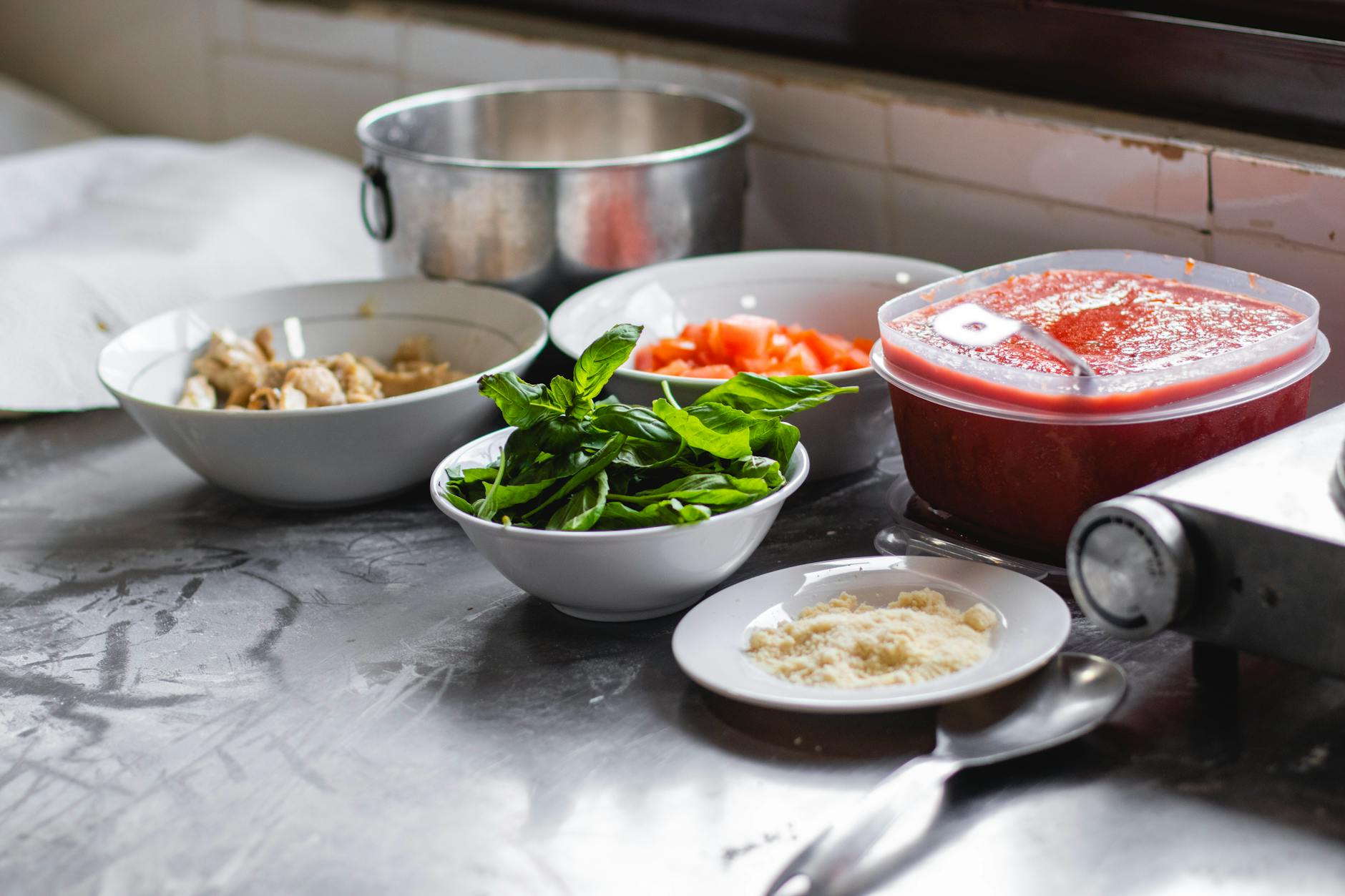
The French phrase meaning everything in its place describes the habit of preparing and organizing all ingredients before cooking begins. Professional chefs set out measured portions, chopped aromatics, pre-portioned spices and all necessary tools before a single burner is turned on. This discipline eliminates the scramble of mid-recipe preparation and ensures that timing stays precise once heat is introduced. In a home kitchen the same approach prevents burning, over-seasoning and the panic of realizing an ingredient is missing at a critical moment. The habit is considered foundational to competent cooking at any level.
Citrus Finishing
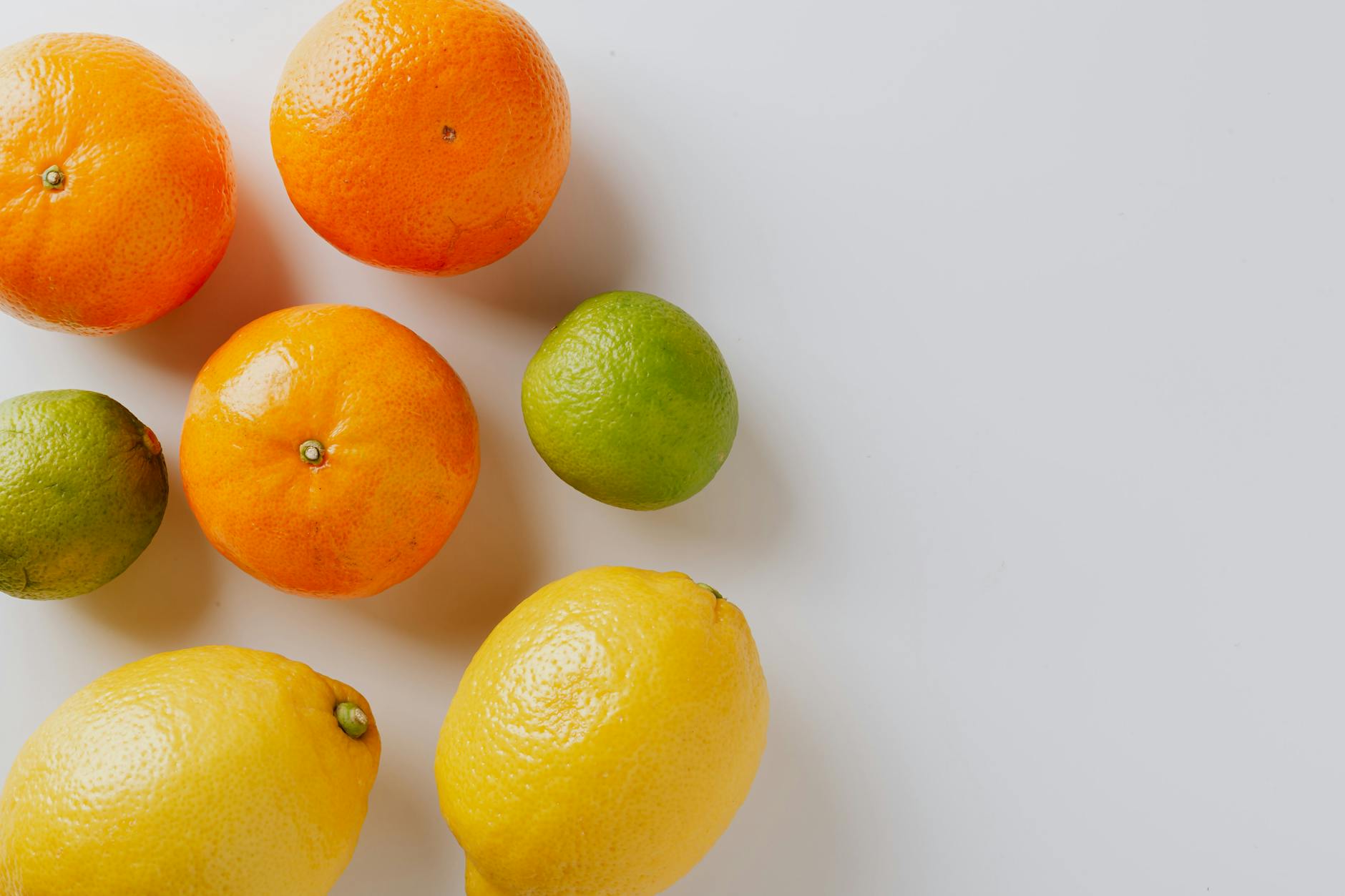
Squeezing a small amount of fresh lemon or lime juice over a finished dish just before serving is a technique that professional chefs use almost reflexively. The acidity brightens all the other flavors in the dish and creates a sense of freshness that makes the food taste more vibrant and alive. This step is applied to soups, roasted vegetables, grilled proteins, pasta and even some desserts where a touch of tartness is needed to cut richness. It is distinct from cooking with citrus earlier in the process because the volatile aromatic oils in fresh juice dissipate quickly under heat. Chefs describe it as the step that makes a dish taste finished rather than merely cooked.
Cold Pasta Rule
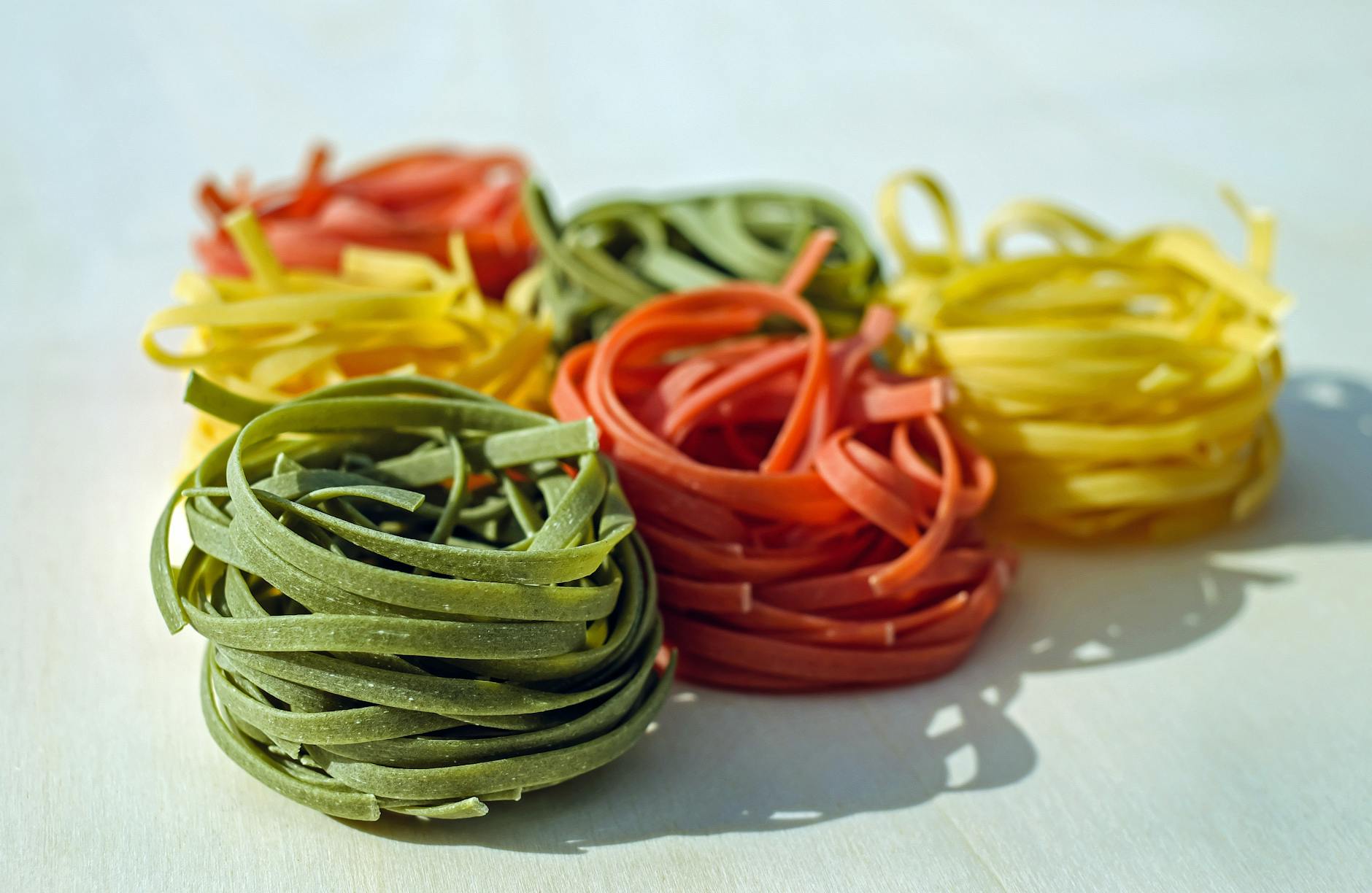
Professional pasta cooks almost always finish cooking pasta directly in the sauce rather than draining it completely and serving it separately. The pasta is pulled from the water while still slightly underdone and transferred into a pan where the sauce continues cooking it for the final minute. This method allows the pasta to absorb the flavor of the sauce from the inside rather than simply being coated on the outside. The starchy surface of the pasta also helps the sauce cling more effectively to every piece. Serving pasta that has been fully drained and then plated separately is considered a missed opportunity in most professional kitchen environments.
Anchovy Paste
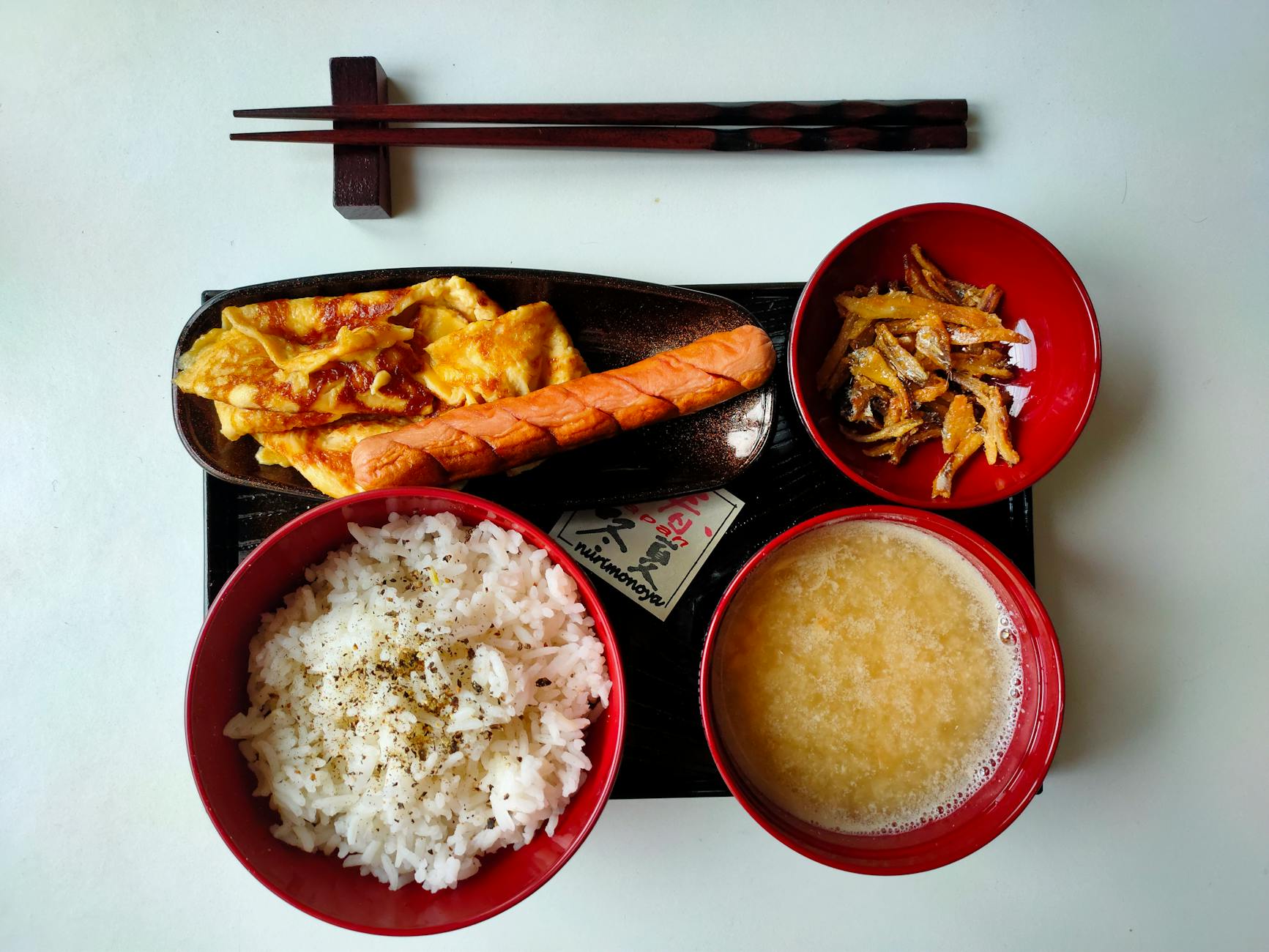
Small amounts of anchovy paste dissolved into oil at the start of cooking add a savory depth to meat sauces, roasted vegetables and braises that is nearly undetectable as fish flavor. The anchovies break down completely under heat and contribute glutamates that amplify every other ingredient in the dish. Many chefs add it to bolognese, lamb dishes, Caesar-style preparations and even some tomato-based soups without ever mentioning it on the menu. It is one of the most effective sources of background umami in savory cooking and requires only a very small quantity to produce a noticeable effect. Guests who claim to dislike anchovies frequently enjoy dishes that rely on them as a hidden foundation.
Oven Thermometer
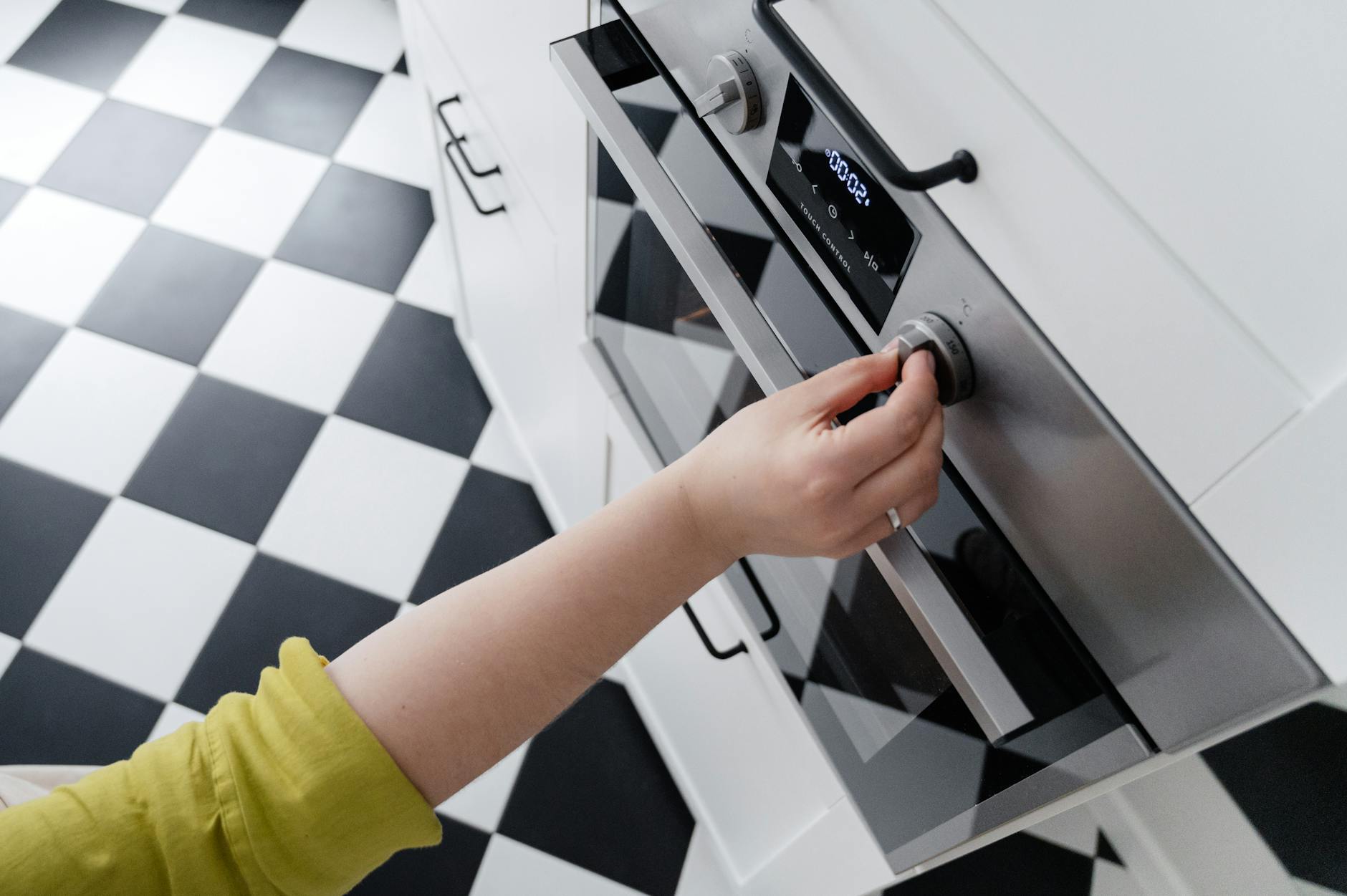
Professional chefs have long known that the temperature displayed on a home or commercial oven dial is often inaccurate by a significant margin. A small inexpensive oven thermometer placed on the center rack reveals the actual internal temperature and allows chefs to adjust accordingly. Variations of twenty to thirty degrees are common in domestic ovens and can be the difference between a perfectly baked cake and a sunken or burned one. Chefs in test kitchen environments measure oven temperatures at multiple rack positions because heat distribution is rarely uniform. This single tool eliminates one of the most common and least obvious sources of cooking failure.
Compound Butter
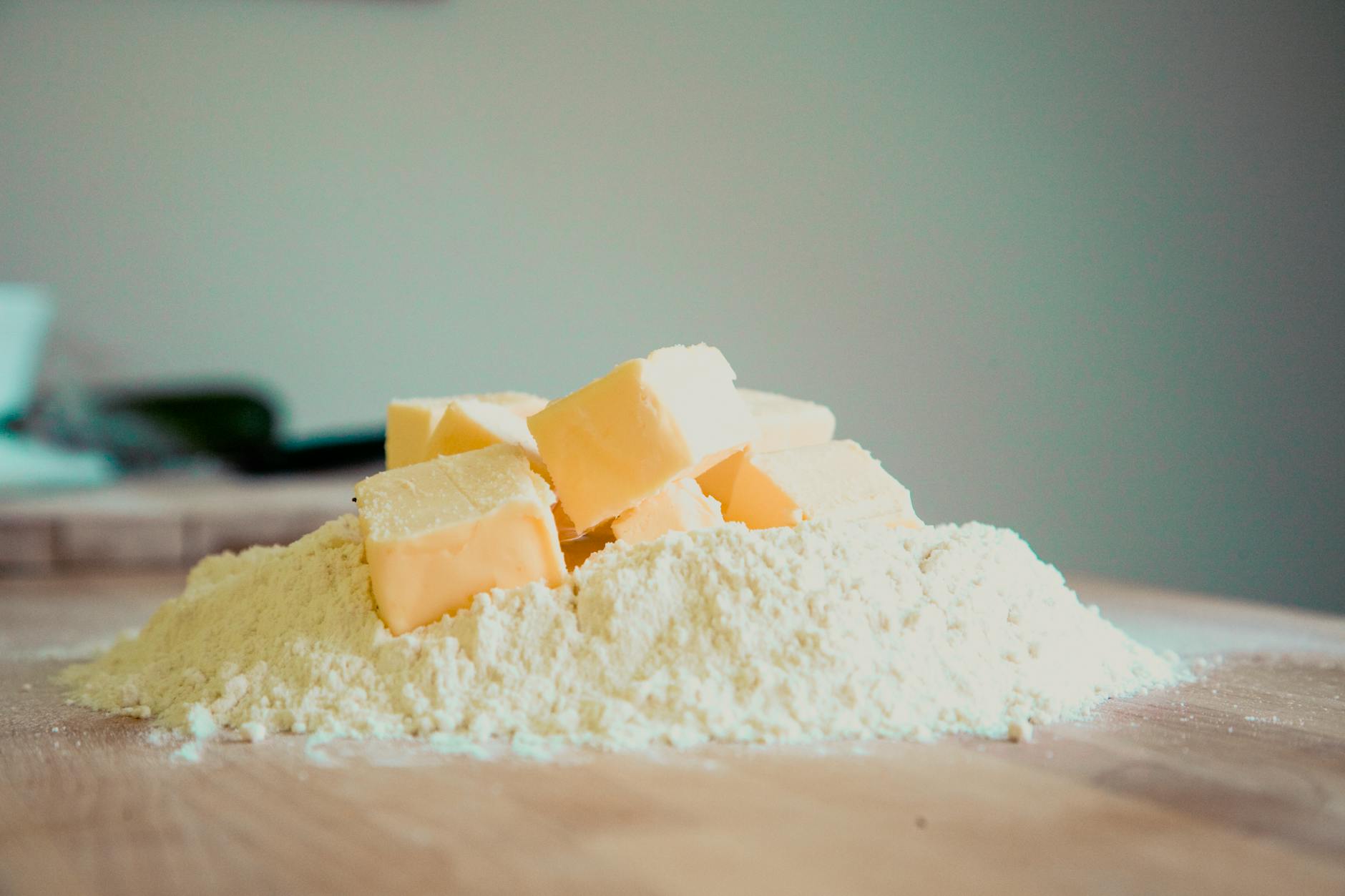
Softened butter mixed with herbs, spices, citrus zest, garlic or other aromatics and then rolled into a log and chilled is a professional kitchen staple used to finish dishes instantly. A slice placed over a hot steak or piece of fish melts into a ready-made sauce as it rests, adding richness and flavor without any additional cooking. Different compound butter varieties are prepared in advance and stored in a professional kitchen to cover a wide range of menu items quickly during service. The technique allows a chef to add complex flavor in seconds without occupying a burner or requiring active attention. It is one of the most efficient flavor delivery systems in savory cooking.
Wooden Spoon Test
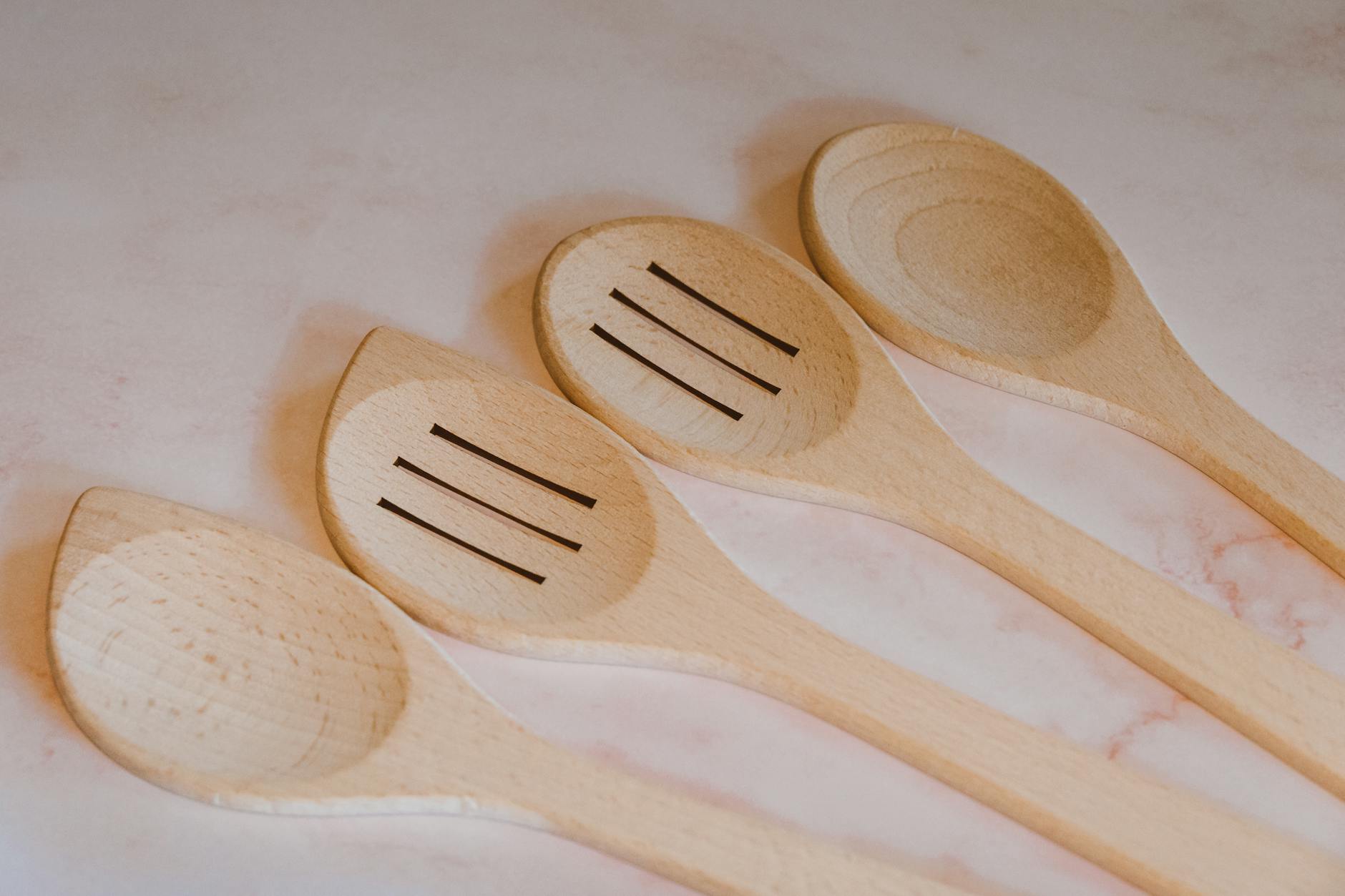
Chefs test the temperature and thickness of a sauce or custard by dragging a finger across the back of a coated wooden spoon or spatula. If the line holds cleanly without the liquid running back across it the mixture has reached the correct consistency and coating temperature. This visual and tactile test has been used in professional kitchens for generations as a faster and more intuitive check than a thermometer for certain preparations. It is particularly common in the making of creme anglaise, hollandaise and any sauce where nappe consistency is the target. The test communicates information about temperature, viscosity and protein development all at once.
White Wine Vinegar
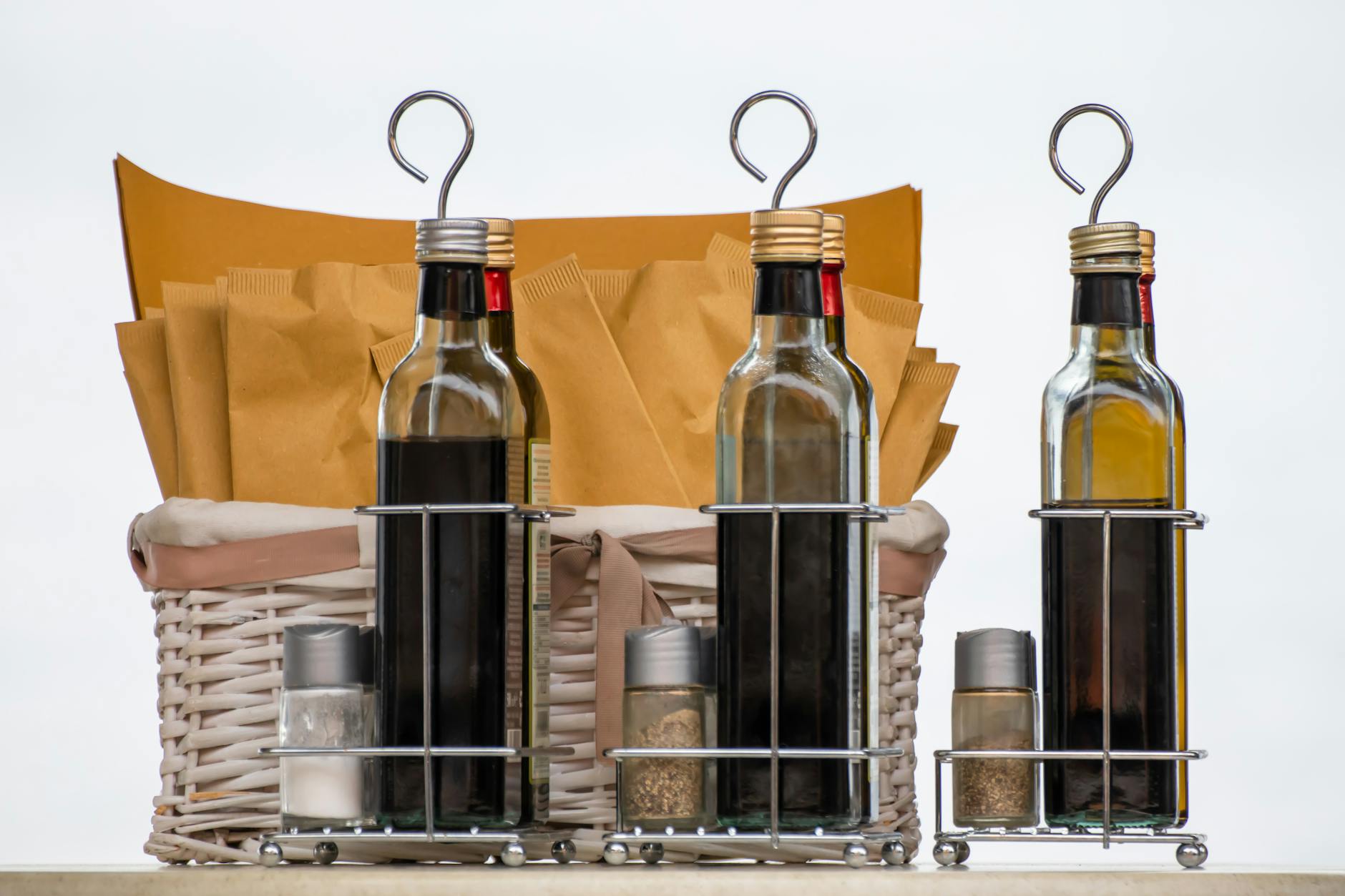
This mild sharp vinegar is used in professional kitchens as a seasoning tool rather than strictly as a salad dressing ingredient. A few drops added to a sauce or soup that tastes flat or overly rich will lift and rebalance the flavors without adding any detectable sourness. Chefs use it to adjust dishes the same way they use salt, tasting repeatedly and adding tiny increments until the flavor comes into focus. It is also used to deglaze pans, stabilize egg whites for meringue and brighten the flavor of poaching liquids. The bottle tends to live near the salt and pepper rather than in the pantry in a well-organized professional kitchen.
The Pinch Method
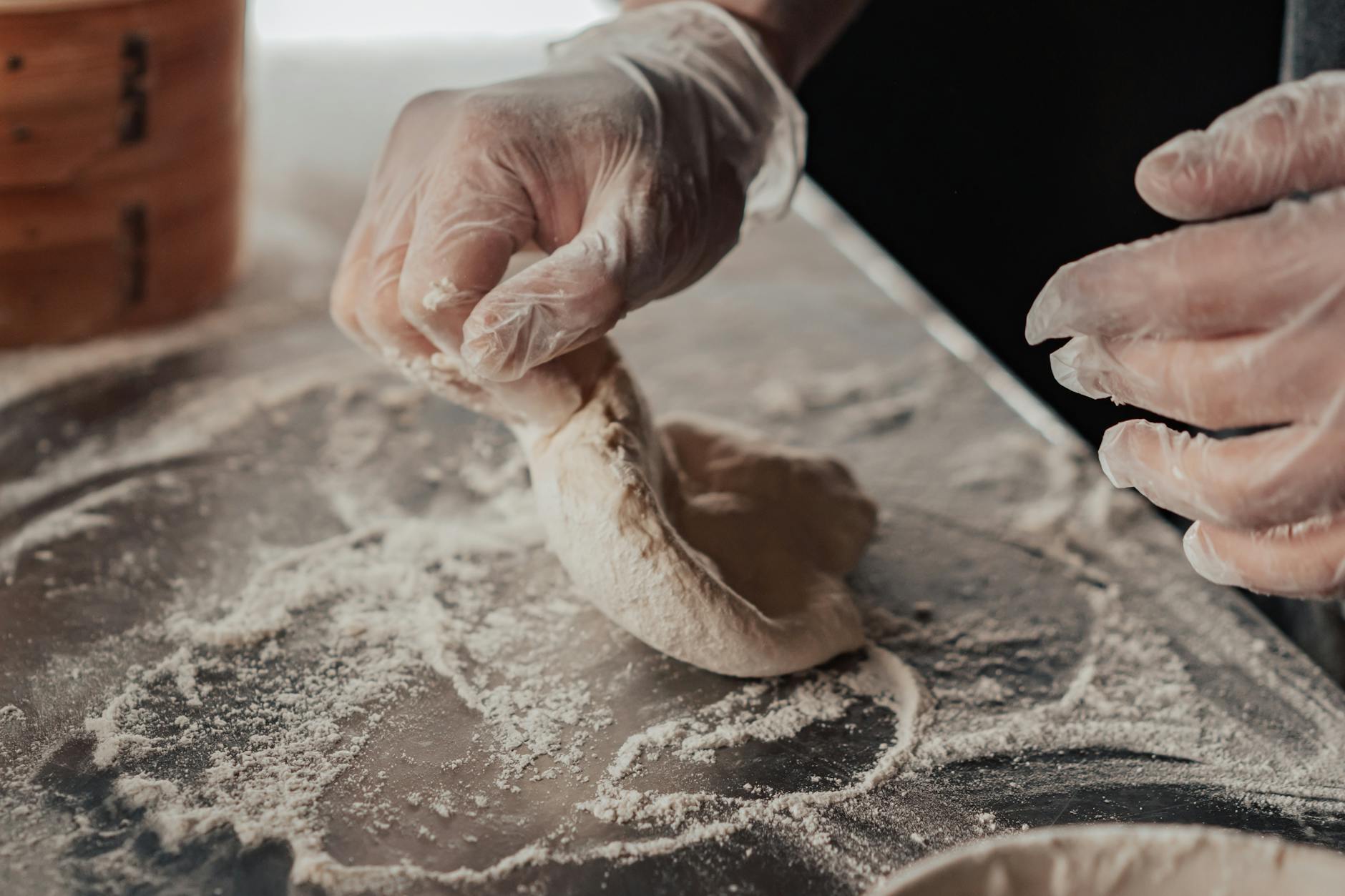
Professional cooks season food with their fingers rather than from a shaker because direct contact with the salt provides tactile information about quantity and distribution. Lifting salt in a pinch from a wide bowl positioned near the stove allows the chef to feel the amount between the fingers and distribute it in a controlled arc over the food. This method produces more even coverage than a shaker and makes it easier to calibrate seasoning across a large surface. The height from which salt is dropped also matters because releasing it from higher up spreads it more evenly due to the natural dispersal in the air. Salt cellars and wide pinch bowls are standard equipment on every serious cooking station.
Blanching Garlic
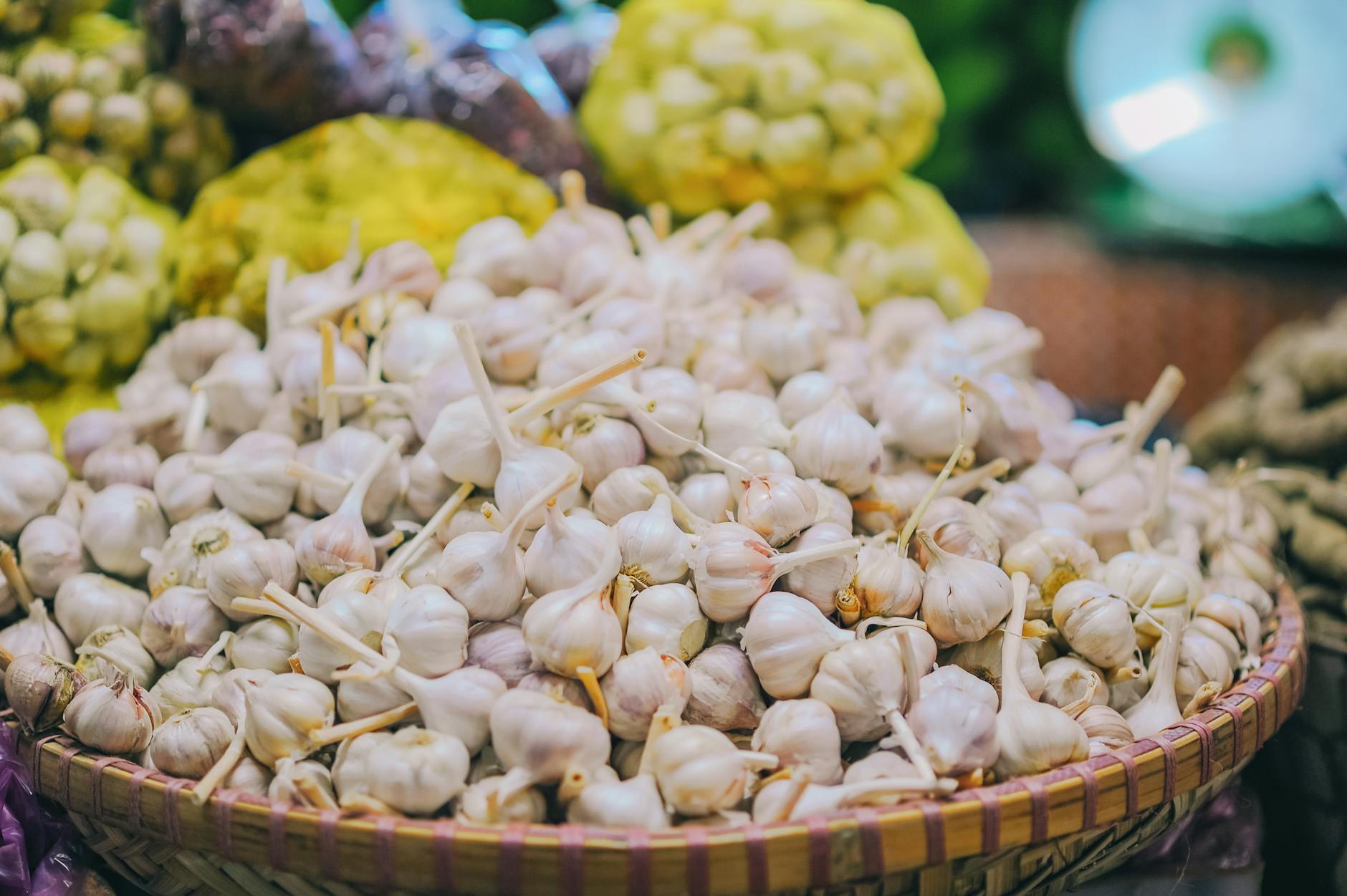
Dropping whole peeled garlic cloves into boiling water for thirty to sixty seconds before using them removes the sharpest volatile compounds responsible for the harshest raw garlic flavor. This technique is used when a chef wants the aromatic character of garlic without the aggressive bite that raw or quickly cooked garlic produces. The blanched cloves can be sliced, pureed or roasted and will behave more gently in the finished dish. It is particularly useful in preparations like aioli, garlic confit and creamy soups where a smoother rounder flavor is preferred. Many diners who find garlic overwhelming in certain dishes would tolerate or enjoy the same dishes made with blanched rather than raw garlic.
Toasted Breadcrumbs
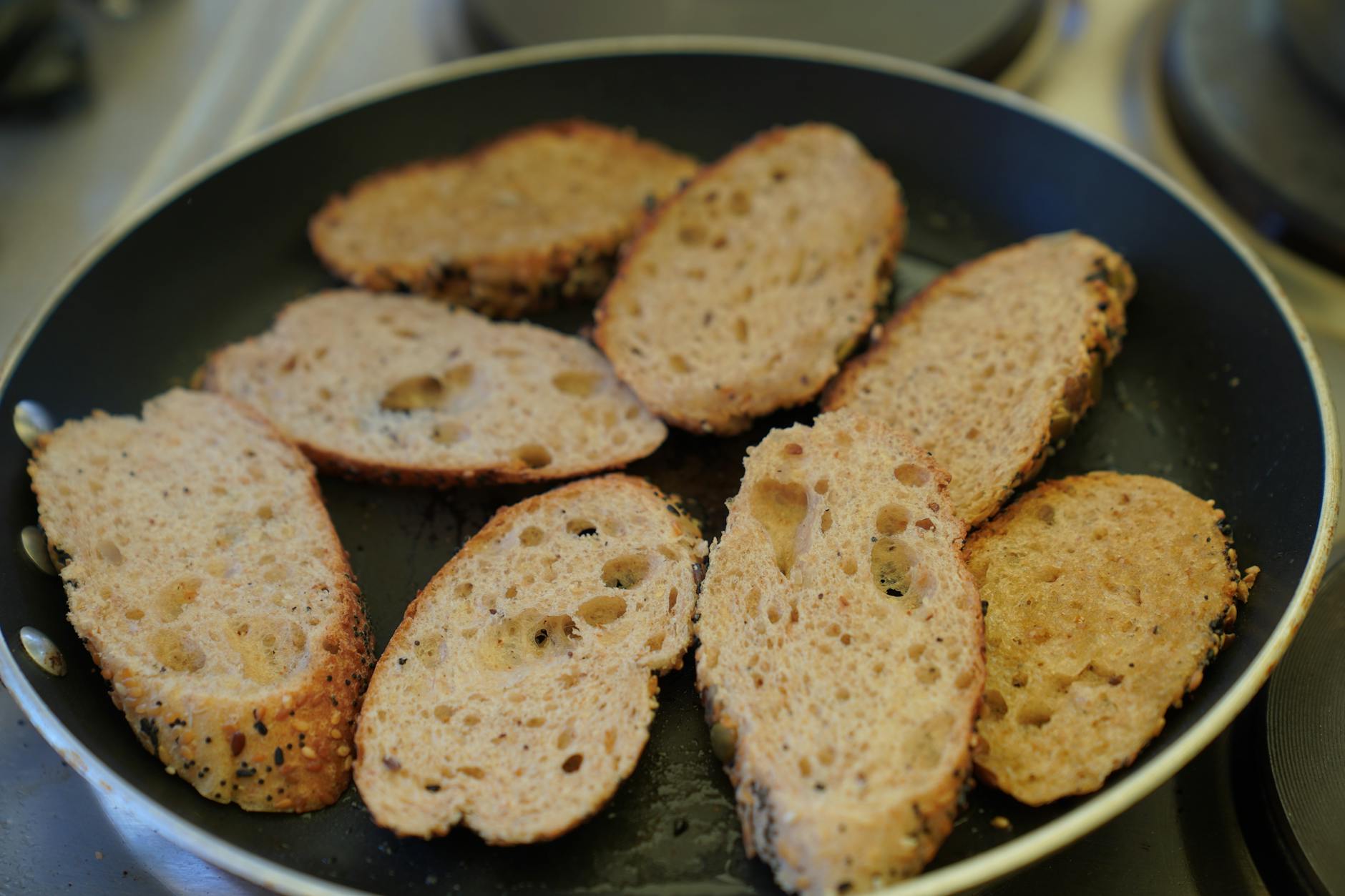
Finely ground breadcrumbs toasted in olive oil or butter until golden brown are used in professional kitchens as a finishing element that adds texture, flavor and visual contrast to a finished dish. Called pangrattato in Italian cooking, they function as an affordable alternative to grated cheese in pasta dishes and as a textural counterpoint to creamy soups and soft vegetables. Chefs season the crumbs with garlic, herbs and citrus zest to create a versatile topping that can be made in large batches and stored for service. They are scattered over a dish at the very last moment to preserve their crunch. A bowl of properly made toasted breadcrumbs sitting near the pass is one of the most reliable finishing tools in a professional kitchen.
Salt Crust Baking
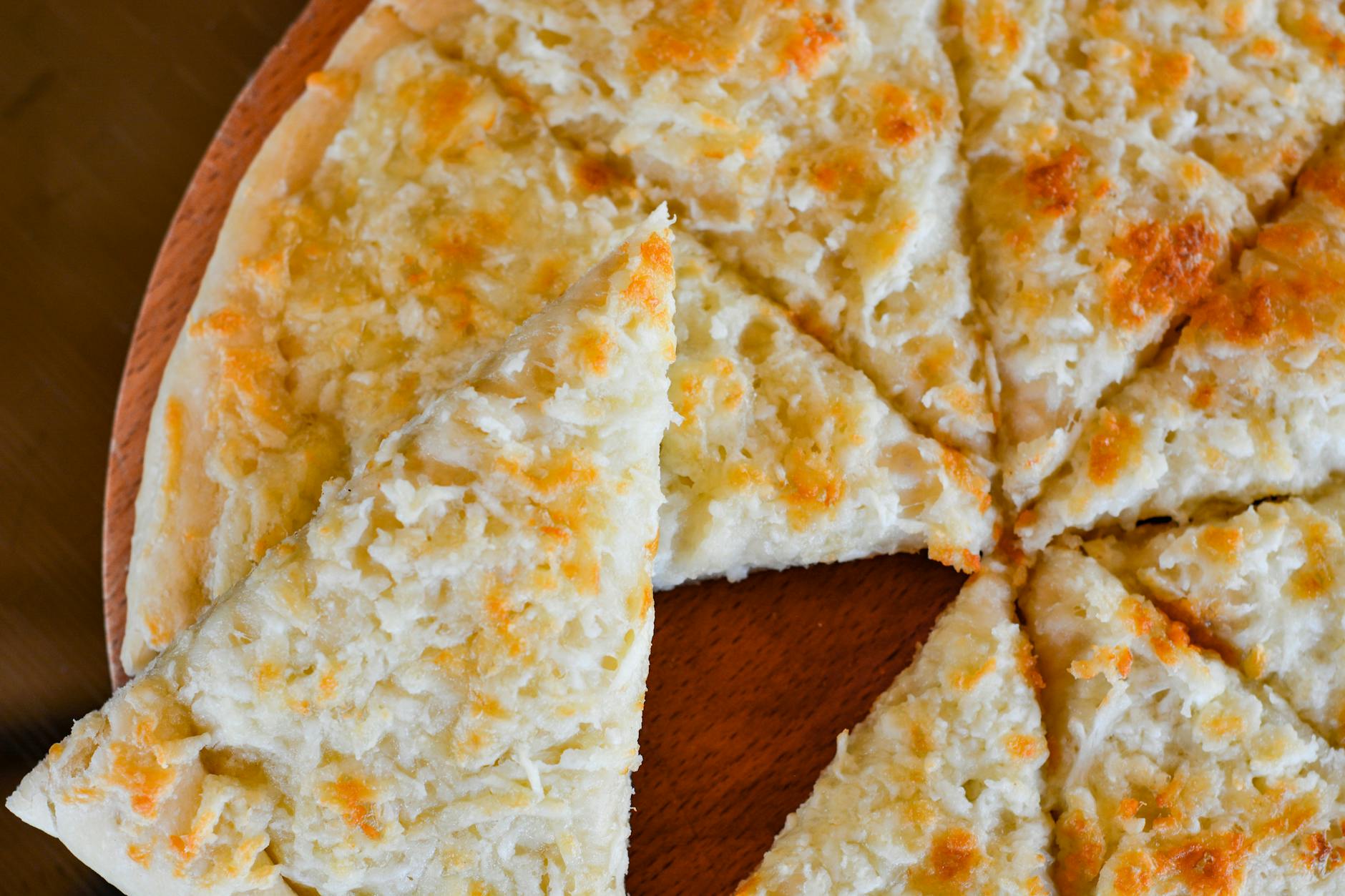
Encasing whole fish, root vegetables or lean cuts of meat in a thick shell of coarse salt before placing them in the oven is a technique that creates a sealed environment similar to a clay pot. The salt draws moisture out of the ingredient slowly while simultaneously regulating the internal temperature and preventing it from overshooting the ideal doneness point. Despite being surrounded by a large quantity of salt the finished food is not excessively salty because the crust acts as insulation rather than seasoning. The dramatic presentation of cracking open the salt shell at the table has also made this technique popular in fine dining service. It requires no specialized equipment beyond a sheet pan and a large quantity of inexpensive coarse salt.
Share your favorite kitchen hack or a surprising culinary trick you swear by in the comments.