Most people follow the same laundry routine they learned growing up, never questioning whether those habits are actually helping their clothes last. A handful of unconventional practices, however, have been quietly keeping wardrobes in pristine condition for decades. These methods challenge conventional wisdom and deliver genuinely remarkable results for fabric longevity and color retention. From freezing denim to washing in cold water exclusively, the techniques ahead will change the way you approach laundry day forever.
White Vinegar

Adding white vinegar to the rinse cycle is one of the oldest fabric care tricks in existence. It works as a natural fabric softener while simultaneously stripping away detergent residue that builds up over repeated washes. This residue is responsible for the dull, stiff feeling that makes clothes look worn before their time. A standard half-cup added to the rinse compartment is enough to restore brightness and softness without any chemical interference. Clothes treated this way maintain their original texture and vibrancy far longer than those washed with commercial softeners alone.
Mesh Laundry Bags
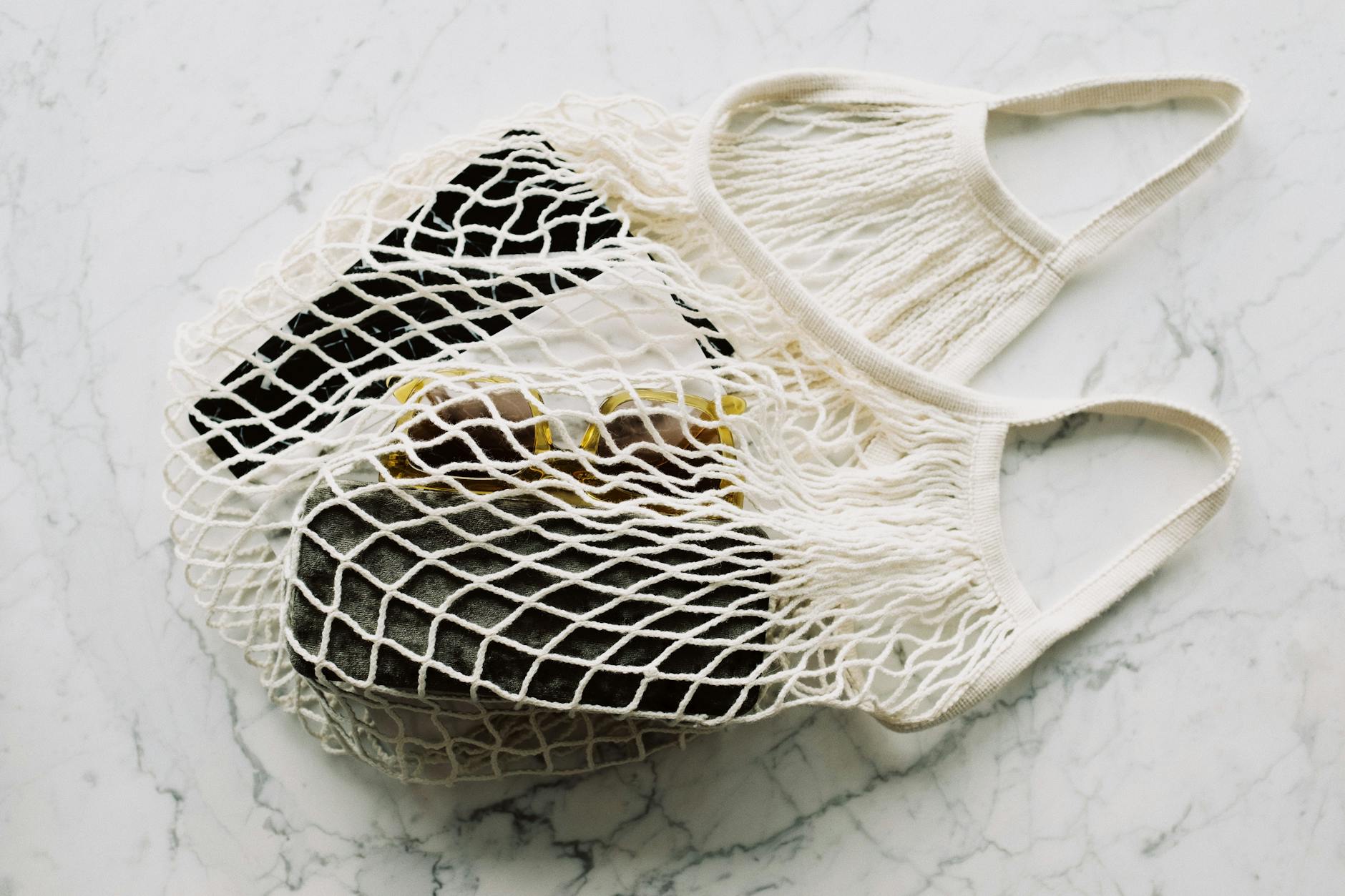
Placing delicate garments inside mesh laundry bags before tossing them in the machine dramatically reduces friction damage during the wash cycle. Agitation inside a standard drum pulls at fabric fibers, loosening weaves and creating the pilling that makes clothes look aged and shabby. The bag acts as a buffer that allows water and detergent to pass through while protecting the garment’s structure. This technique is especially effective for knitwear, lace and lightweight synthetics that are prone to stretching. Many long-term wardrobe enthusiasts use mesh bags for nearly every item they own regardless of fabric type.
Cold Water
Washing clothes exclusively in cold water is one of the most effective and straightforward habits for preserving garment quality over time. Hot water accelerates the breakdown of fabric fibers and causes colors to bleed and fade at a significantly faster rate. Modern detergents are specifically formulated to perform just as well in cold water as in warm or hot cycles. Cold washing also prevents the shrinkage that gradually makes fitted garments unwearable after only a handful of washes. Switching permanently to cold cycles extends the lifespan of almost every item in a wardrobe with no reduction in cleanliness.
Freezing Denim
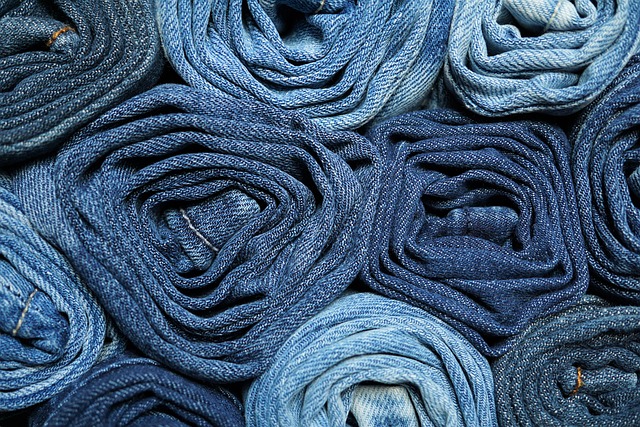
Placing denim jeans in a sealed plastic bag and leaving them in the freezer overnight is an unconventional habit with a surprisingly loyal following. The freezing temperatures kill odor-causing bacteria without subjecting the fabric to the stress of a full wash cycle. Frequent machine washing is one of the leading causes of denim fading and fiber deterioration over time. Freezing preserves the original dye depth and keeps the fabric feeling structured rather than limp and worn. Many denim enthusiasts go weeks between actual washes by incorporating this freezer method into their regular rotation.
Wool Dryer Balls
Replacing disposable dryer sheets with reusable wool dryer balls is a habit that improves drying results while protecting fabric integrity. The balls bounce between garments during the drying cycle creating separation that allows hot air to circulate more efficiently. This reduces overall drying time which in turn minimizes the amount of heat exposure that weakens fabric fibers over multiple cycles. Unlike dryer sheets wool balls leave no chemical coating on fabric that can clog fibers and reduce breathability. A set of quality wool balls can last for several years making them a practical long-term investment in fabric care.
Inside-Out Washing
Turning garments inside out before placing them in the wash is a simple habit that produces a meaningful difference in how long colors and surface textures last. The outside of a garment takes the most visible wear and is the area most vulnerable to friction and fading during the wash cycle. Reversing the garment shifts that friction to the interior where any resulting wear is invisible during everyday use. This technique is particularly valuable for dark-colored clothing graphic tees and structured trousers where surface appearance is critical. The habit takes only seconds to implement but compounds into noticeably longer garment life over time.
Drying Flat
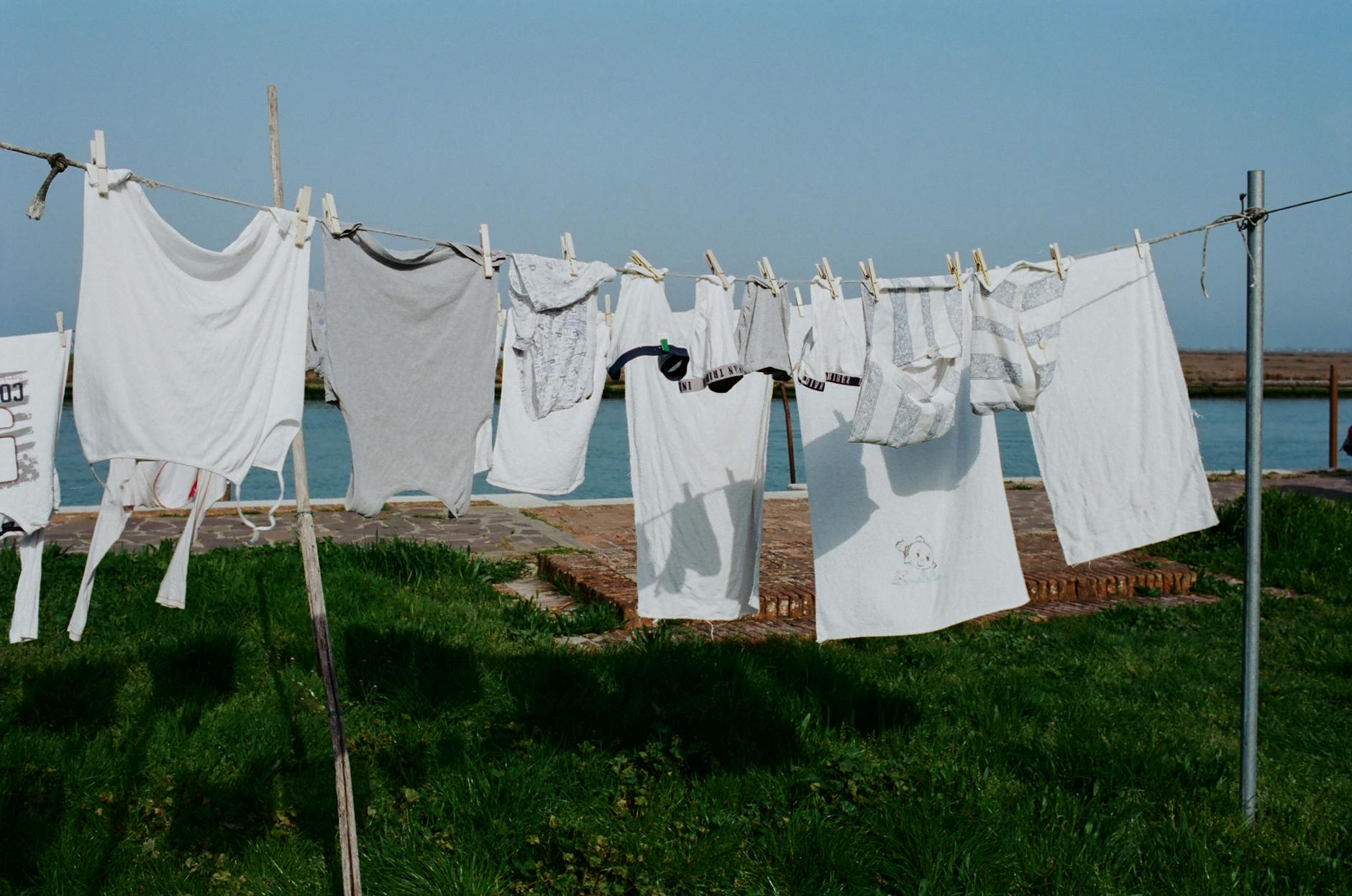
Laying knits and loosely woven garments flat to dry rather than hanging or machine drying them is a habit that prevents one of the most common forms of garment damage. Hanging a wet knit garment allows gravity to pull moisture downward stretching the fabric out of its original shape permanently. Machine drying compounds this problem by adding heat-induced shrinkage on top of mechanical agitation. Flat drying on a clean towel or mesh rack allows the garment to retain its intended dimensions as the moisture evaporates evenly. Garments dried this way consistently hold their shape and structure through years of regular wear.
Baking Soda
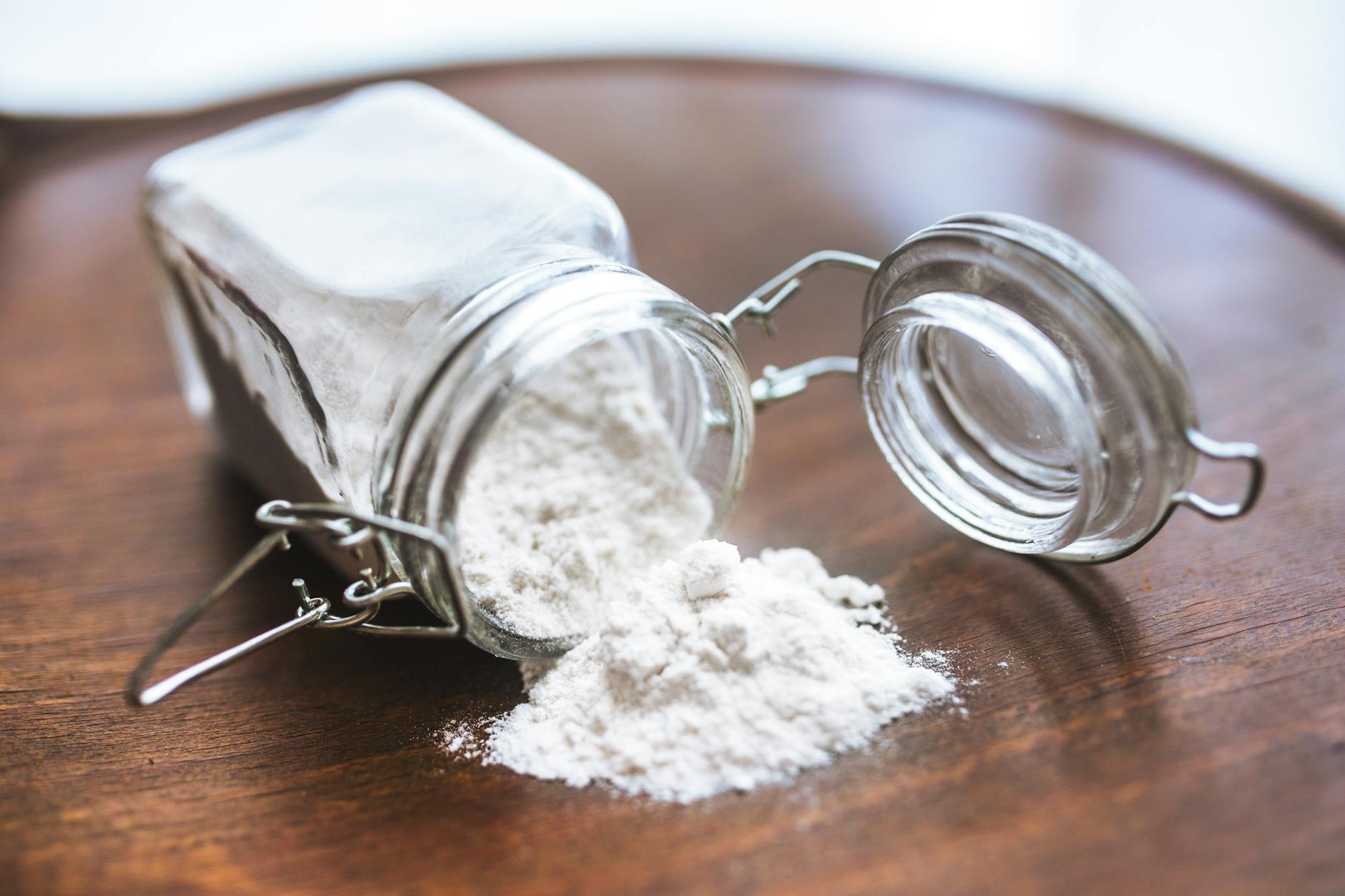
Adding baking soda directly to the wash drum alongside regular detergent is a habit that enhances cleaning power while acting as a gentle fabric conditioner. It works by regulating the pH level of the wash water which helps detergent molecules bind more effectively to dirt and odor particles. This results in a deeper clean that requires less detergent overall reducing the chemical load on fabric fibers over time. Baking soda is also effective at neutralizing stubborn odors that detergent alone sometimes fails to eliminate entirely. Its mild abrasive properties help lift surface dulling from white fabrics restoring brightness without the harshness of bleach.
Delicate Cycle
Using the delicate or gentle cycle for a wider range of garments than the care label strictly requires is a habit practiced by people who treat their wardrobes as long-term investments. Standard and heavy-duty cycles generate significantly more drum agitation which physically stresses fabric fibers with every wash. Reducing agitation slows the rate at which fibers break down fray and pill across the surface of garments. The delicate cycle uses less mechanical force and typically operates with cooler water temperatures creating a gentler overall environment for clothing. Over dozens of wash cycles the cumulative difference in fabric condition between delicate and standard settings becomes clearly visible.
Washing Less
Washing garments less frequently than habit or social convention might suggest is perhaps the most counterintuitive but well-supported fabric care practice of all. Most clothing worn for a single day in a clean environment does not require a full machine wash to be ready for wear again. Repeated washing is the single greatest contributor to fiber degradation color loss and gradual shape distortion in everyday clothing. Spot cleaning airing garments out and rotating a wardrobe effectively can dramatically reduce how often full washing is necessary. Adopting a more selective approach to what actually needs washing versus what simply needs refreshing preserves garment quality at a fundamental level.
Gentle Detergent
Switching to a gentle or pH-neutral detergent formulated for sensitive fabrics changes the chemical environment that clothes are exposed to during every single wash. Standard detergents often contain enzymes brightening agents and surfactants that are effective at removing stains but gradually degrade fabric structure with repeated use. Gentle detergents clean effectively while placing significantly less chemical stress on both the fibers and the dyes woven into them. This is particularly important for natural fabrics like wool cotton and silk which are more reactive to harsh chemical exposure than synthetics. Many garment care specialists recommend using gentle detergent as the household standard rather than reserving it only for designated delicate items.
Stain Pre-Treatment
Treating stains immediately rather than waiting until wash day is a habit that prevents permanent setting and reduces the need for aggressive washing to compensate. When a stain is left to dry it bonds more deeply with fabric fibers making it far harder to remove without applying heat or extended soaking that damages the surrounding material. A quick application of cold water and a small amount of dish soap or dedicated pre-treatment solution within minutes of the stain occurring is far more effective. This early intervention approach means garments spend less time in high-agitation cycles trying to reverse damage that should never have been allowed to set. Consistently treating stains promptly is one of the most direct ways to keep clothing looking unmarked and well-maintained.
Air Drying
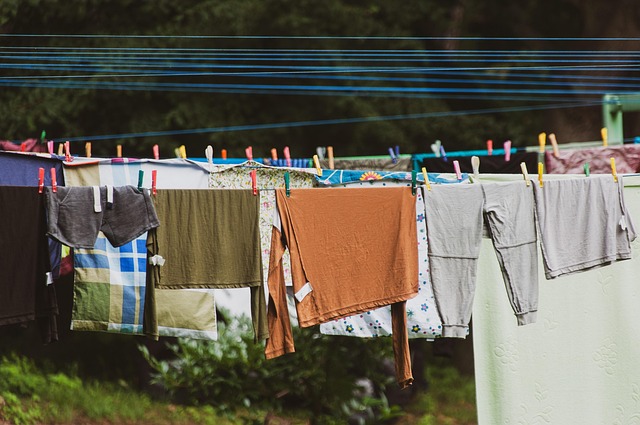
Choosing to air dry garments rather than using a machine dryer is one of the most universally recommended habits among professional clothing care specialists. The combination of high heat and mechanical tumbling inside a dryer is responsible for a substantial proportion of the shrinkage pilling and fiber fatigue that clothes accumulate over time. Air drying eliminates heat damage entirely allowing fibers to relax and dry in their natural state without mechanical interference. Direct sunlight can fade colors so drying in a shaded well-ventilated area produces the best results for color retention. Over the lifespan of a wardrobe the difference in garment condition between machine and air drying is substantial and easily observable.
Fabric Shaver
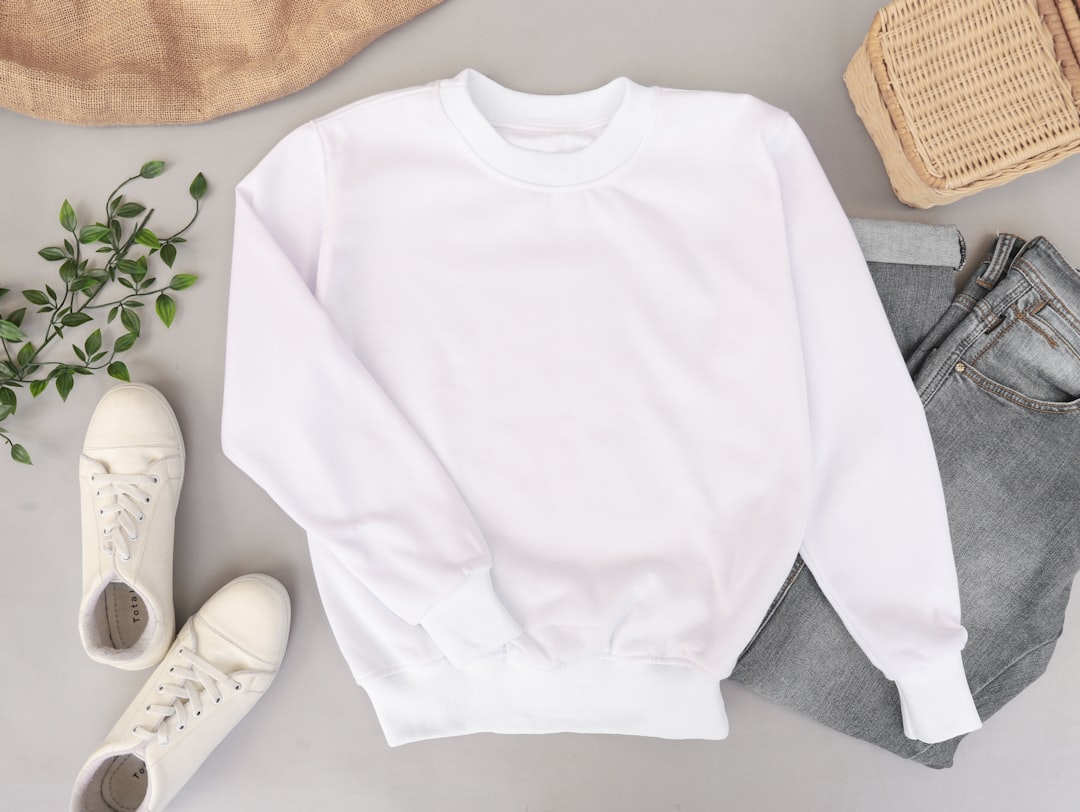
Using a fabric shaver regularly to remove pilling from the surface of garments is a restoration habit that makes well-worn clothing appear considerably newer. Pilling occurs when loose fibers on the surface of fabric tangle together into small knots during washing and wearing creating a texture that signals age and heavy use. A fabric shaver cuts these pills away cleanly without damaging the underlying weave leaving a smooth even surface that closely resembles new fabric. The tool is inexpensive widely available and effective on a broad range of materials including wool cotton blends and fleece. Incorporating a monthly shaving session into a fabric care routine can add years of presentable life to beloved garments.
Correct Storage
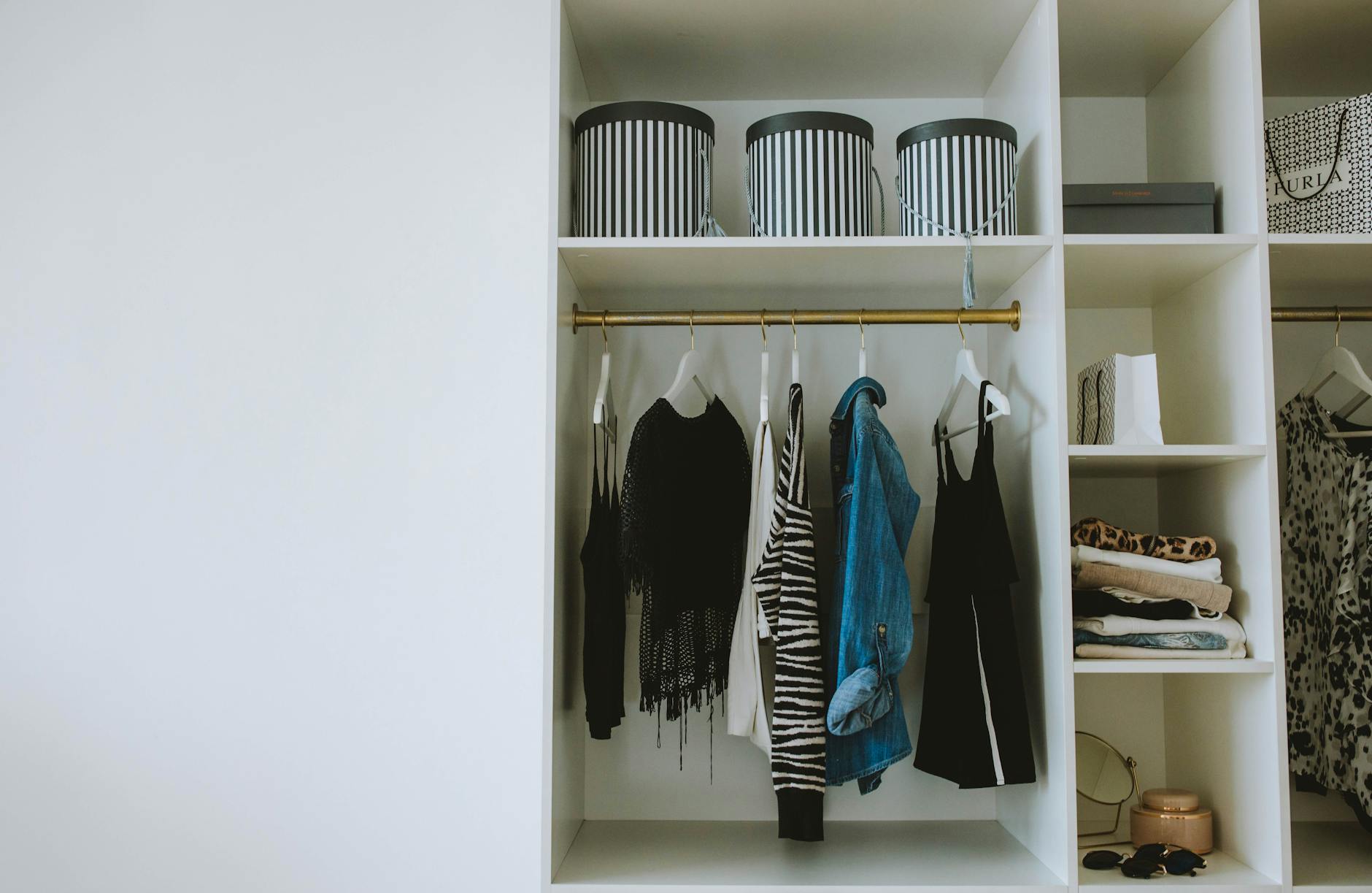
Storing garments correctly between wears is a habit that many people overlook entirely despite its significant impact on long-term clothing condition. Knitwear and heavy garments should always be folded rather than hung to prevent the slow gravitational stretching that distorts their shape over weeks and months. Items that benefit from hanging should be stored on appropriate shaped or padded hangers rather than thin wire alternatives that create pressure points in shoulders. Garments should be stored clean since residual oils and invisible stains attract fabric-eating insects and cause dyes to break down more rapidly over time. Thoughtful storage habits protect structural integrity and preserve appearance between every wear and wash cycle.
Sorted Loads
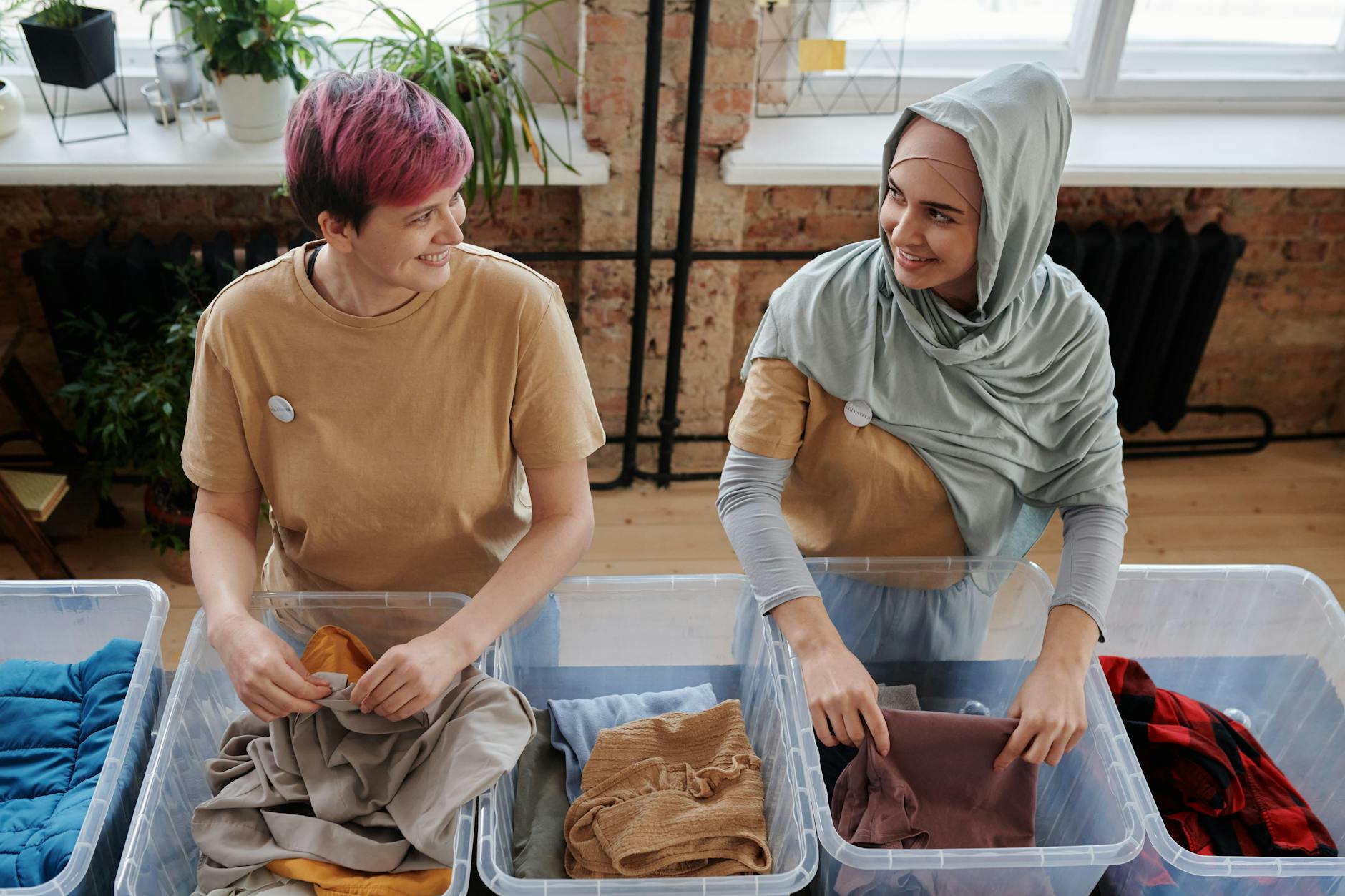
Sorting laundry into loads by fabric weight and construction rather than simply by color is a more nuanced habit that reduces mechanical damage during washing. Washing heavy items like jeans and towels alongside lightweight garments creates an imbalanced load where the heavier pieces physically batter the lighter ones throughout the cycle. Separating loads by weight ensures that delicate fabrics are only ever agitated against other lightweight pieces reducing friction-related damage significantly. It also allows each load to be run on the cycle setting most appropriate for that specific fabric type rather than requiring a compromise setting. This sorting method takes slightly more planning but consistently produces better outcomes for the entire wardrobe.
Perma-Press Cycle
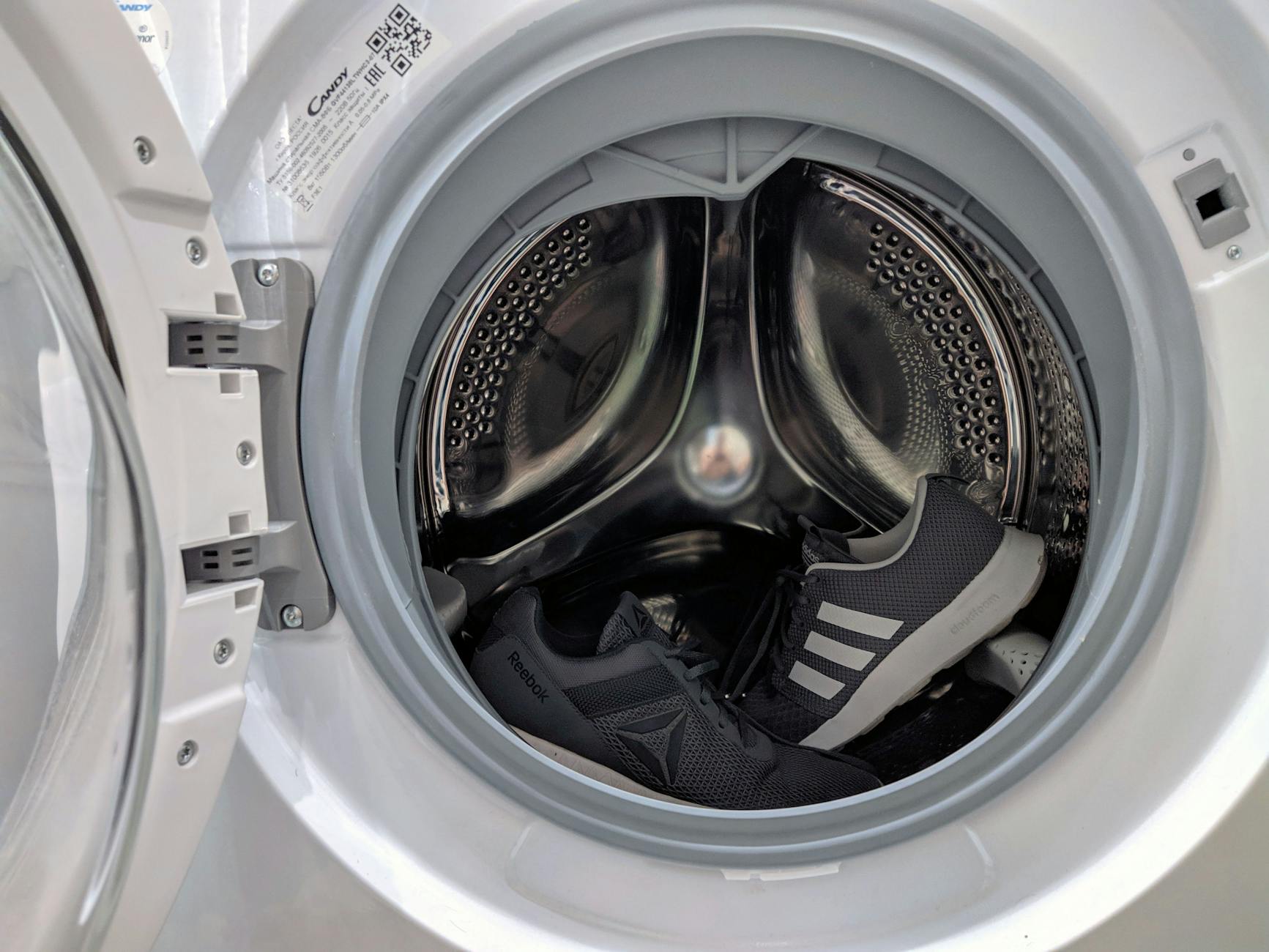
Using the permanent press cycle for synthetic and blended fabrics is a habit that takes advantage of a machine setting most people ignore entirely. This cycle uses medium agitation and finishes with a cool-down rinse designed to relax fabric fibers and reduce wrinkle formation before the spin cycle completes. Fewer wrinkles mean less ironing which in turn means less heat exposure from pressing that gradually weakens and sometimes scorches fabric over time. The permanent press setting is particularly effective for polyester rayon and fabric blends that are prone to heat-related creasing. Making this the default cycle for synthetic garments rather than using the regular setting produces consistently smoother and better-preserved results.
Wet Bag Storage
Sealing wet or damp workout garments in a dedicated wet bag rather than leaving them in a pile or gym bag is a habit that prevents mildew and fabric breakdown between wears and washing. Moisture trapped against fabric in an unventilated space creates the conditions for mildew growth which damages fibers and produces persistent odors that become very difficult to fully eliminate. A breathable wet bag contains moisture while allowing enough air circulation to slow mildew development until the garment can be properly washed. Getting wet athletic wear into a wash cycle within twenty-four hours of wear further reduces the risk of permanent odor embedding. This habit is especially important for high-performance synthetic fabrics that are more susceptible to long-term odor retention than natural fibers.
Minimal Detergent
Using significantly less detergent than the manufacturer’s recommended amount is a counterintuitive habit that actually produces cleaner and longer-lasting garments. Detergent packaging consistently instructs users to use more product than is necessary for standard household loads creating residue buildup that accumulates in fabric fibers over time. This residue traps dirt particles dulls colors and creates the stiff texture that makes clothes feel older than they are. Most standard loads are cleaned effectively with roughly half the recommended detergent quantity especially when combined with cold water washing. The reduced chemical load on fabrics extends fiber life and keeps garments feeling fresh and soft through many more wash cycles.
Pillow Cases for Knits
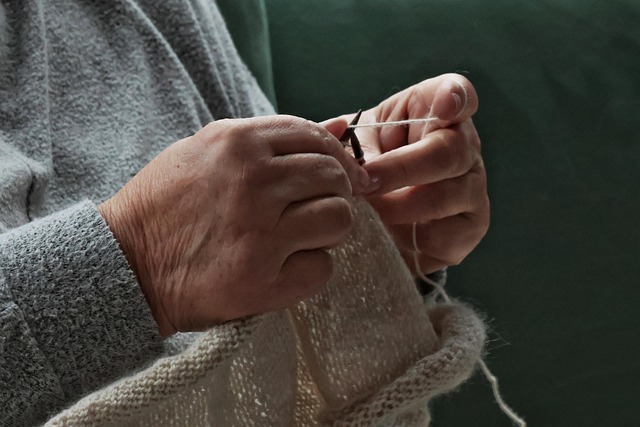
Placing knitwear inside a clean pillowcase and securing the open end before washing is an accessible alternative to mesh laundry bags that produces comparable levels of protection. The pillowcase reduces direct drum contact for the garment inside limiting the friction and snagging that causes knit fibers to loosen and pill over time. It also prevents delicate items from getting caught on drum perforations that can cause pulling and distortion during an agitated cycle. Any standard cotton pillowcase works effectively for this purpose making it a zero-cost solution for households that do not own dedicated laundry bags. This habit is particularly valuable for fine-knit sweaters and cardigans where surface texture is critical to the overall appearance of the garment.
Distilled Water Ironing
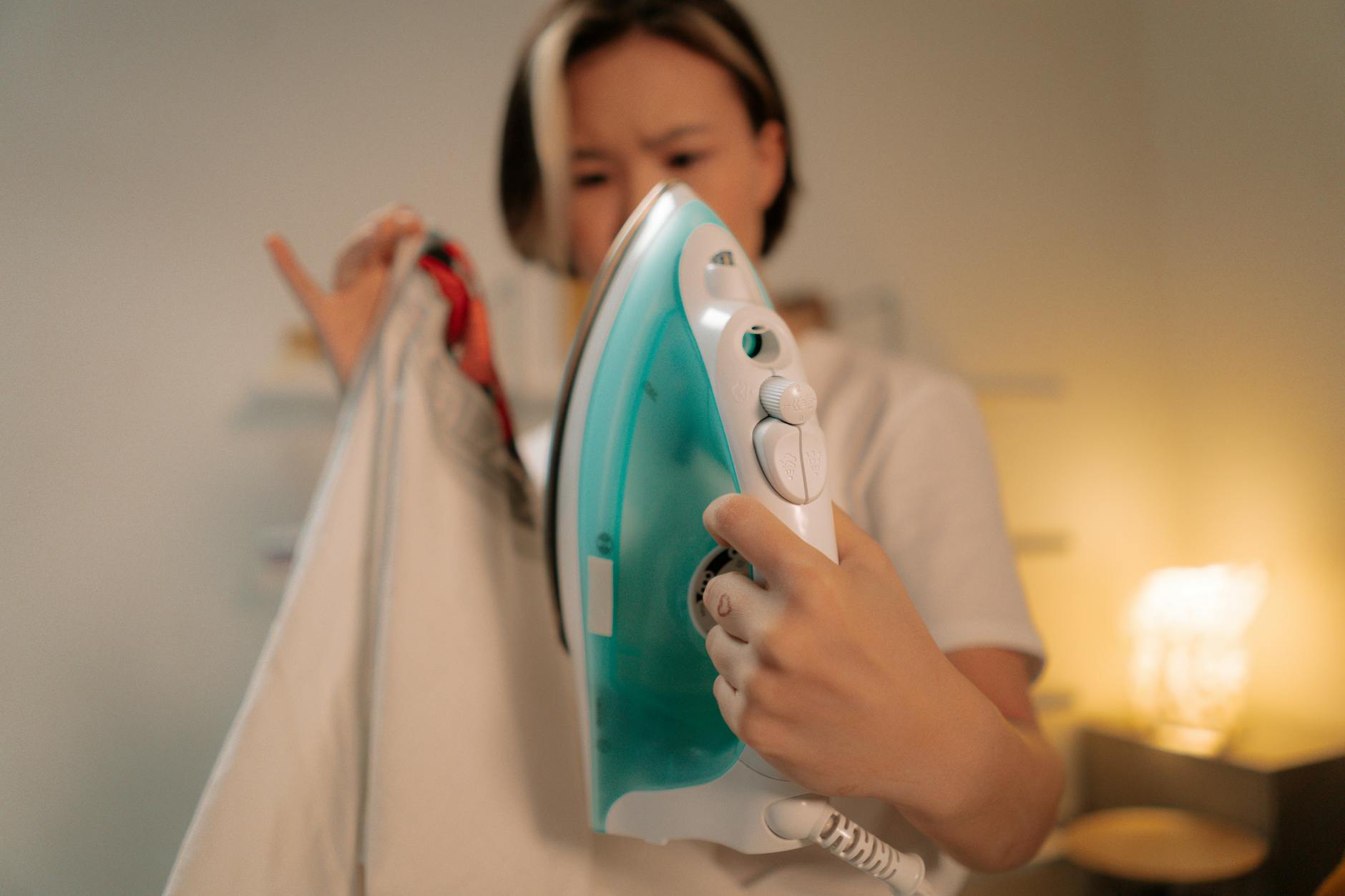
Filling a steam iron exclusively with distilled water rather than tap water is a fabric care habit that prevents mineral deposit damage to garments over time. Tap water contains dissolved minerals that leave behind white residue on fabric surfaces when steam is applied particularly on dark-colored garments where deposits are most visible. Over repeated ironing sessions these deposits accumulate inside the iron itself eventually causing spitting and uneven steam distribution that can stain and scorch fabric. Distilled water produces clean consistent steam that penetrates fabric fibers effectively without leaving any residue on the garment surface. This small change in ironing practice protects both the clothing and the iron itself from long-term mineral-related deterioration.
Proper Folding
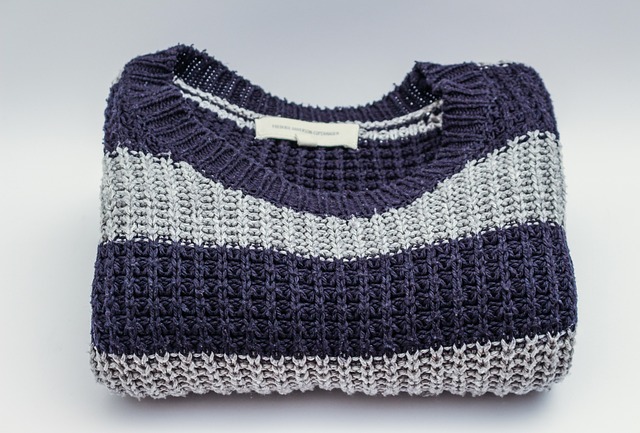
Folding clothes immediately after drying rather than leaving them in a pile or basket is a habit that protects fabric structure and reduces the creasing that leads to excessive ironing. Wrinkles that are allowed to set in fabric over hours or days require significantly more heat to remove than those addressed while the garment is still slightly warm from drying. Every additional ironing session subjects fabric to heat stress that gradually weakens fibers and dulls the surface sheen of materials like cotton and linen. Developing a consistent habit of folding or hanging within minutes of the drying cycle finishing eliminates most of this unnecessary heat exposure from the garment care routine. The minimal time investment of immediate folding produces a meaningful long-term reduction in fabric wear caused by pressing.
Lingerie Bag
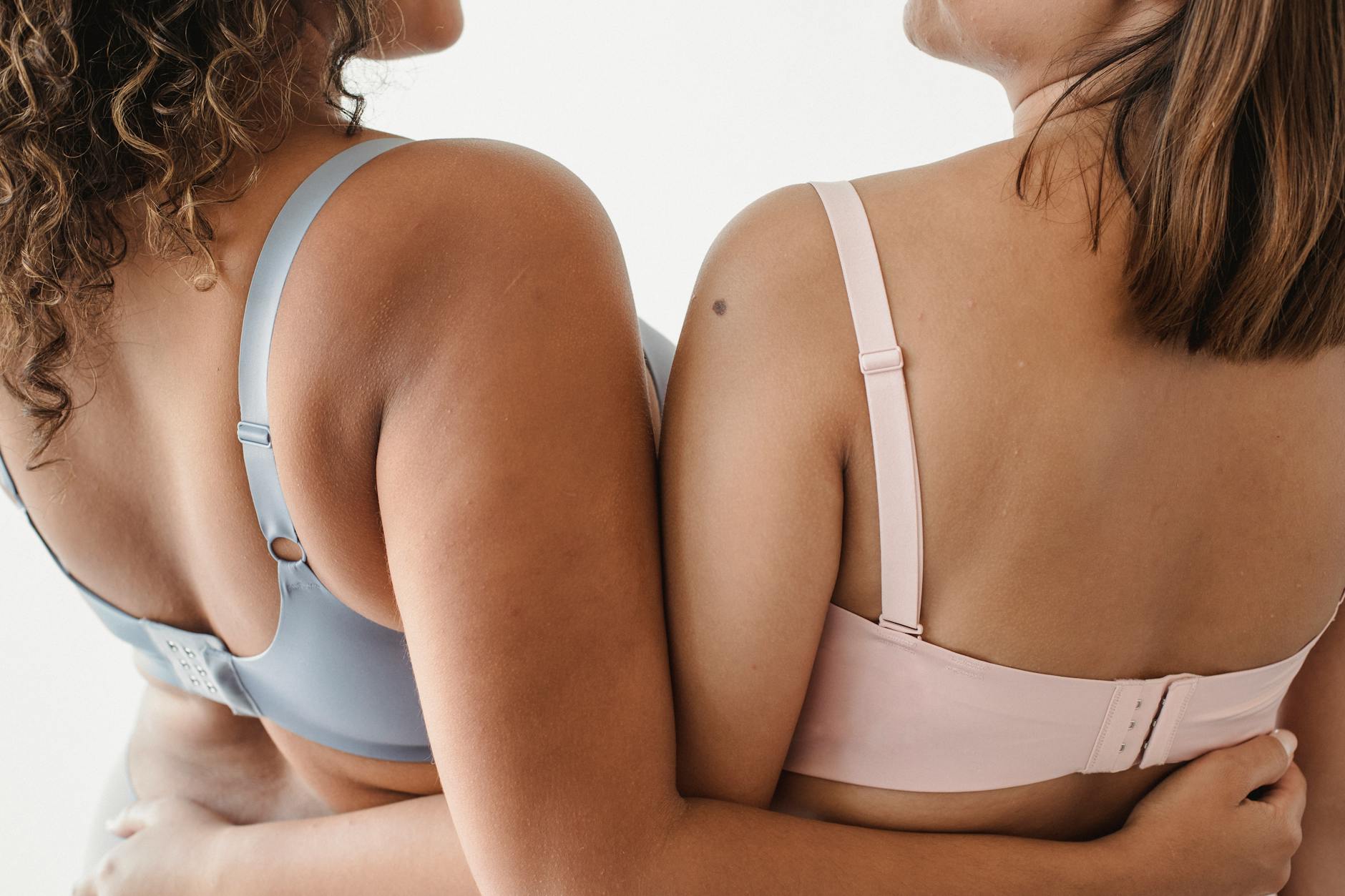
Washing bras and other structured undergarments in dedicated lingerie bags is a habit that preserves their shape and functional components far beyond what standard machine washing allows. The underwire and molded cup structures in bras are highly vulnerable to mechanical distortion when allowed to move freely inside a drum during an agitated wash cycle. A snug lingerie bag keeps the garment contained limiting the range of movement that causes wires to bend and cups to collapse or warp. Fastening the back clasps before placing bras in the bag further prevents the hooks from snagging on the bag fabric or on other garments in the load. Bras washed consistently using this method retain their original support structure and shape through significantly more wash cycles than those laundered without protection.
Sunlight Avoidance

Making a deliberate habit of drying and storing clothes away from direct sunlight is one of the most effective passive methods for preserving color depth over the long term. Ultraviolet light breaks down the chemical bonds in fabric dye molecules causing colors to fade in a gradual and irreversible process that accelerates with each exposure. Dark and richly saturated colors are particularly vulnerable with navy blue black and deep red showing visible fading after relatively limited UV exposure. Drying in a shaded outdoor area or indoors near an open window provides adequate airflow for effective drying while eliminating the UV damage that direct sun exposure causes. Storing garments in wardrobes or drawers away from windows and sunlit surfaces further protects dye integrity between wears and washes.
If any of these habits have transformed the life of your favourite garments share your experience in the comments.