Professional chefs and dedicated home cooks share a poorly kept secret that food writers and kitchen designers rarely discuss openly: the spice storage systems operating behind the scenes of even the most impressive kitchens are frequently chaotic, idiosyncratic, and entirely resistant to the aesthetic logic presented to guests and followers. Culinary psychologists and professional kitchen consultants have noted that the relationship a cook has with their spices is among the most personal and behaviorally revealing aspects of their entire kitchen practice. The methods described below have been documented across professional restaurant kitchens, food content creator studios, and the private homes of serious amateur cooks who have developed systems that work for them while defying every principle of conventional organization wisdom.
Smell Sorting
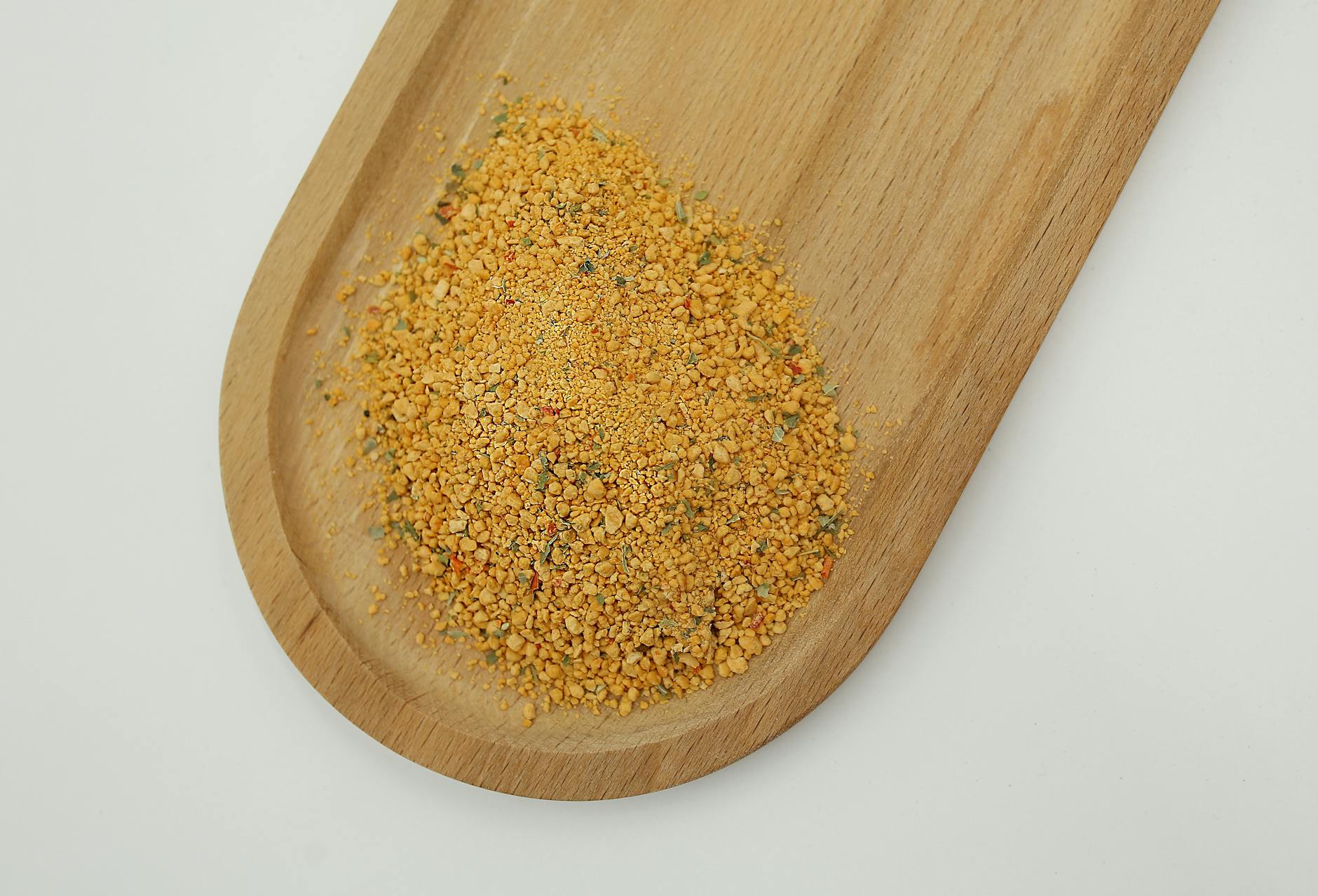
Organizing spices exclusively by their aromatic profile rather than by any alphabetical, culinary, or frequency-of-use logic is a system practiced by a significant number of trained chefs who argue that the nose is a more reliable navigation tool in a working kitchen than the eyes or memory. Under this method warm spices cluster together regardless of their culinary application, sharp and pungent aromatics occupy a separate zone, and delicate floral spices form their own grouping based on intensity rather than category. Culinary school instructors who teach sensory cooking note that smell-sorted spice systems develop in kitchens where the cook has achieved a level of olfactory literacy that makes alphabetical organization feel like navigating music by the shape of the musical notes. Guests who open the cabinet discover an arrangement that appears random but is in fact governed by a sensory taxonomy entirely legible to its creator.
Color Coding

Arranging spices strictly by the visible color of the spice itself rather than by any label, culinary family, or usage pattern creates a visually striking system that experienced cooks defend as faster to navigate than any text-based method during the heat of active cooking. Deep reds occupy one zone covering everything from smoked paprika to sumac to dried chili flakes, yellows hold turmeric alongside curry powder and saffron, and the greens consolidate dried herbs into a single chromatic neighborhood regardless of their flavor profiles. Food anthropologists who study kitchen behavior note that color-based organization taps into the same visual processing shortcuts that professional cooks develop when working at speed under pressure. The system breaks down entirely for anyone other than its creator and produces genuine bewilderment in guests who attempt to locate cumin among the browns.
Expiry Blindness
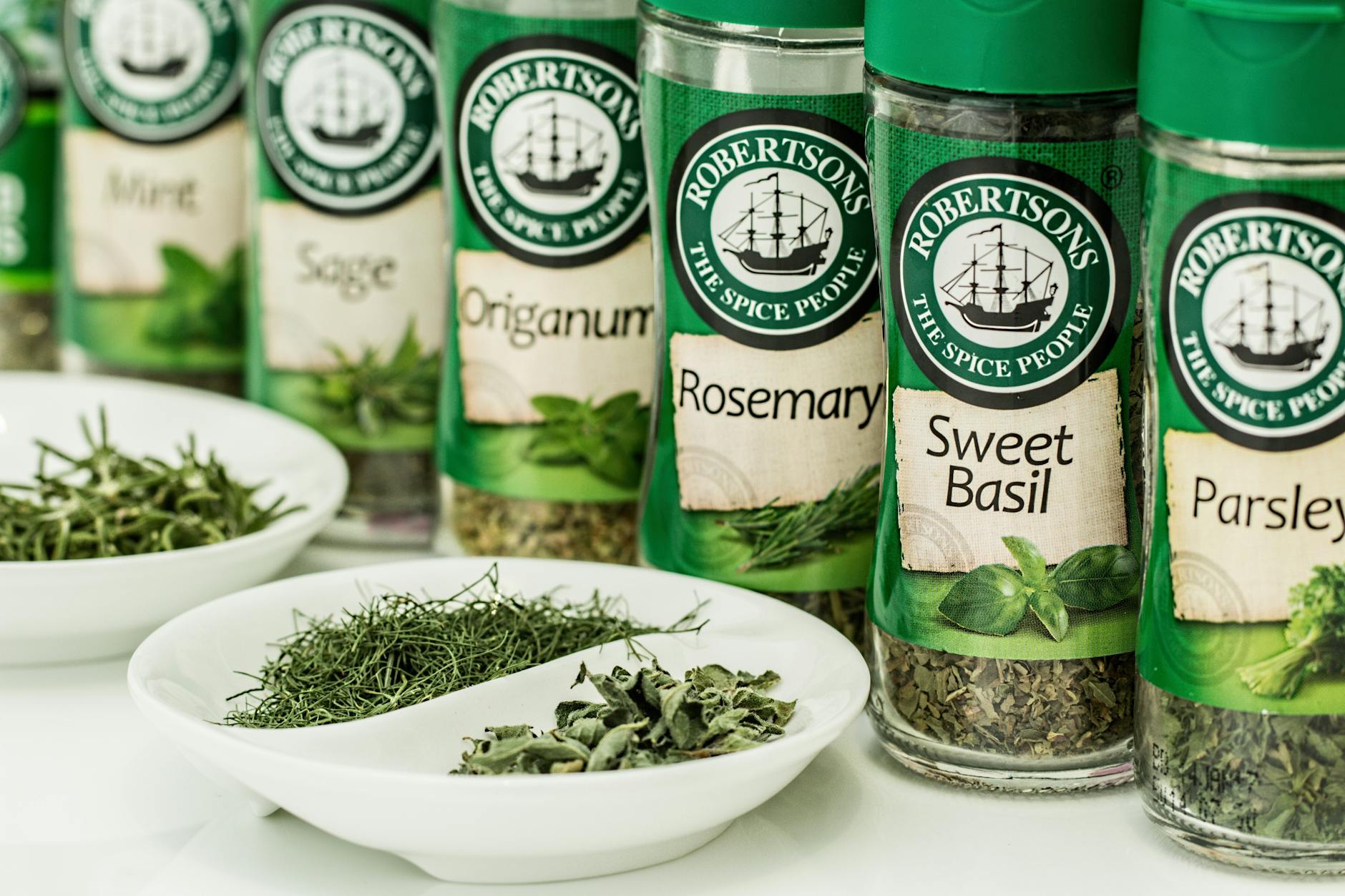
Maintaining a spice collection in which no container has a visible or legible expiry date, either because the labels have been removed, the dates have been deliberately obscured, or the spices have been transferred to unlabeled vessels, is a practice so widespread among professional cooks that food safety educators have specifically addressed it in culinary training literature. The reasoning offered by practitioners is consistently that a trained palate rather than a printed date is the correct instrument for evaluating spice potency, and that date-driven discarding destroys usable product based on administrative convention rather than actual sensory evidence. Restaurant health inspectors regularly flag this practice during kitchen assessments despite the culinary community’s near-universal resistance to date compliance in spice management. The cook who has adopted expiry blindness considers the guest’s faith in labeled dates to be an endearing form of kitchen naivety.
Frequency Towers
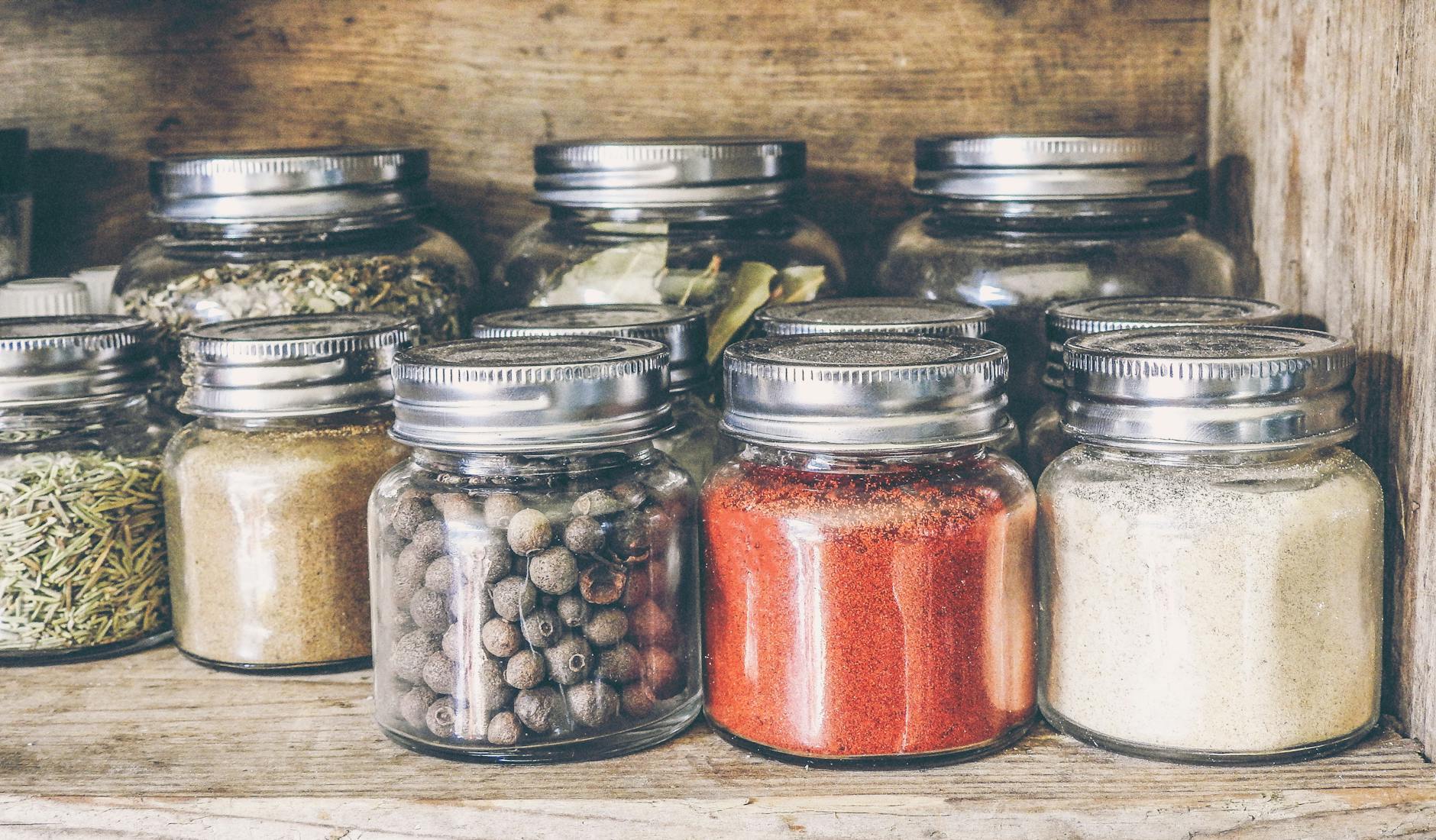
Stacking spices in vertical towers of descending use frequency so that the most-reached-for containers sit directly on the counter while rarely used ones are balanced on top of each other in precarious columns is a system that prioritizes kinetic efficiency over visual organization or structural safety. Kitchen ergonomics researchers note that professional cooks organize their immediate environment around the logic of the hand rather than the logic of the eye, meaning that the physical distance and accessibility of a tool matters far more than its visual presentation. The towers collapse periodically, redistributing their contents across the counter and requiring a complete rebuild that the cook treats as an opportunity to reassess current frequency rankings rather than as an organizational failure. Guests who witness the tower system describe it as somewhere between a spice archive and a controlled avalanche.
Bag Chaos
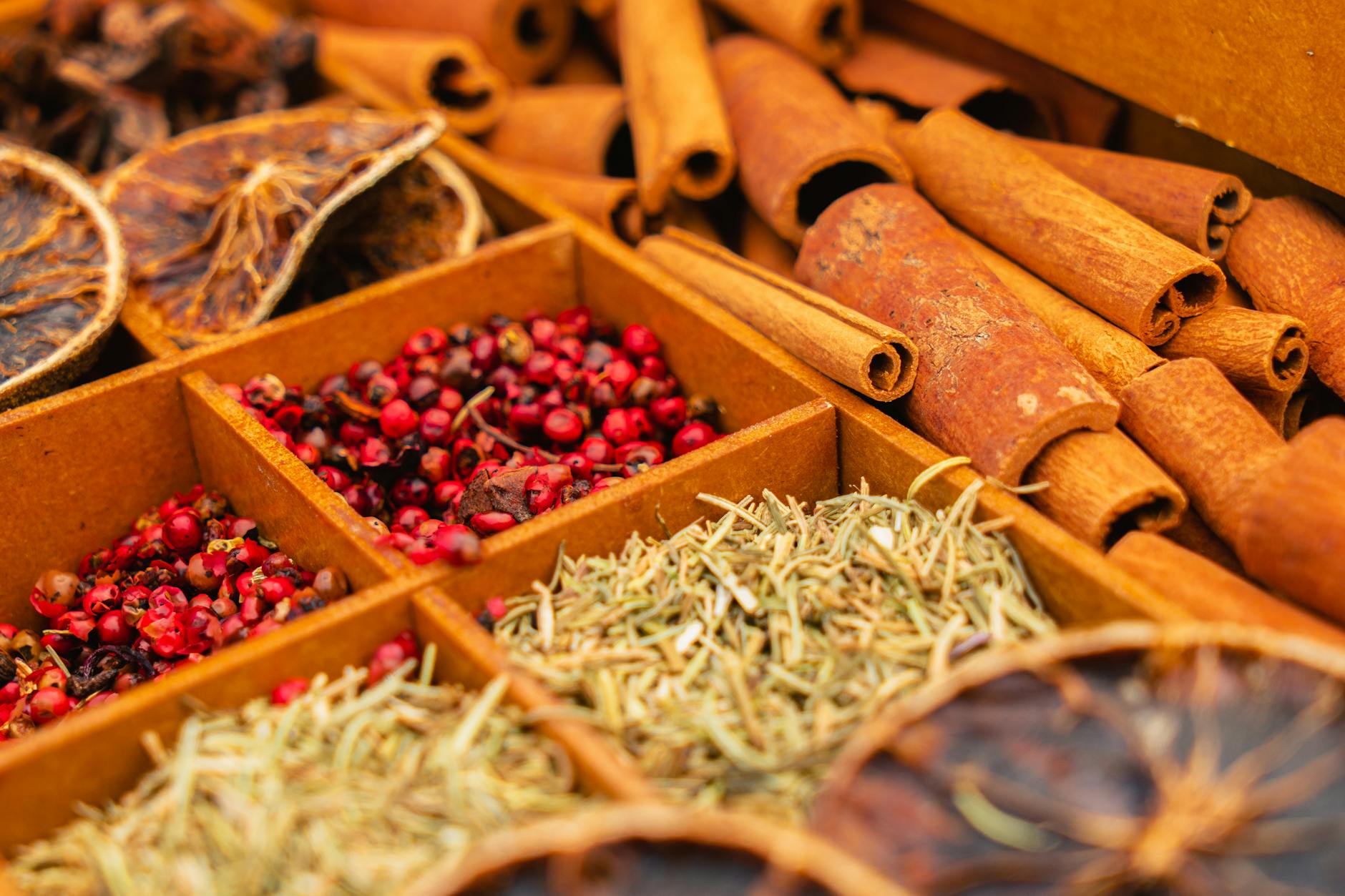
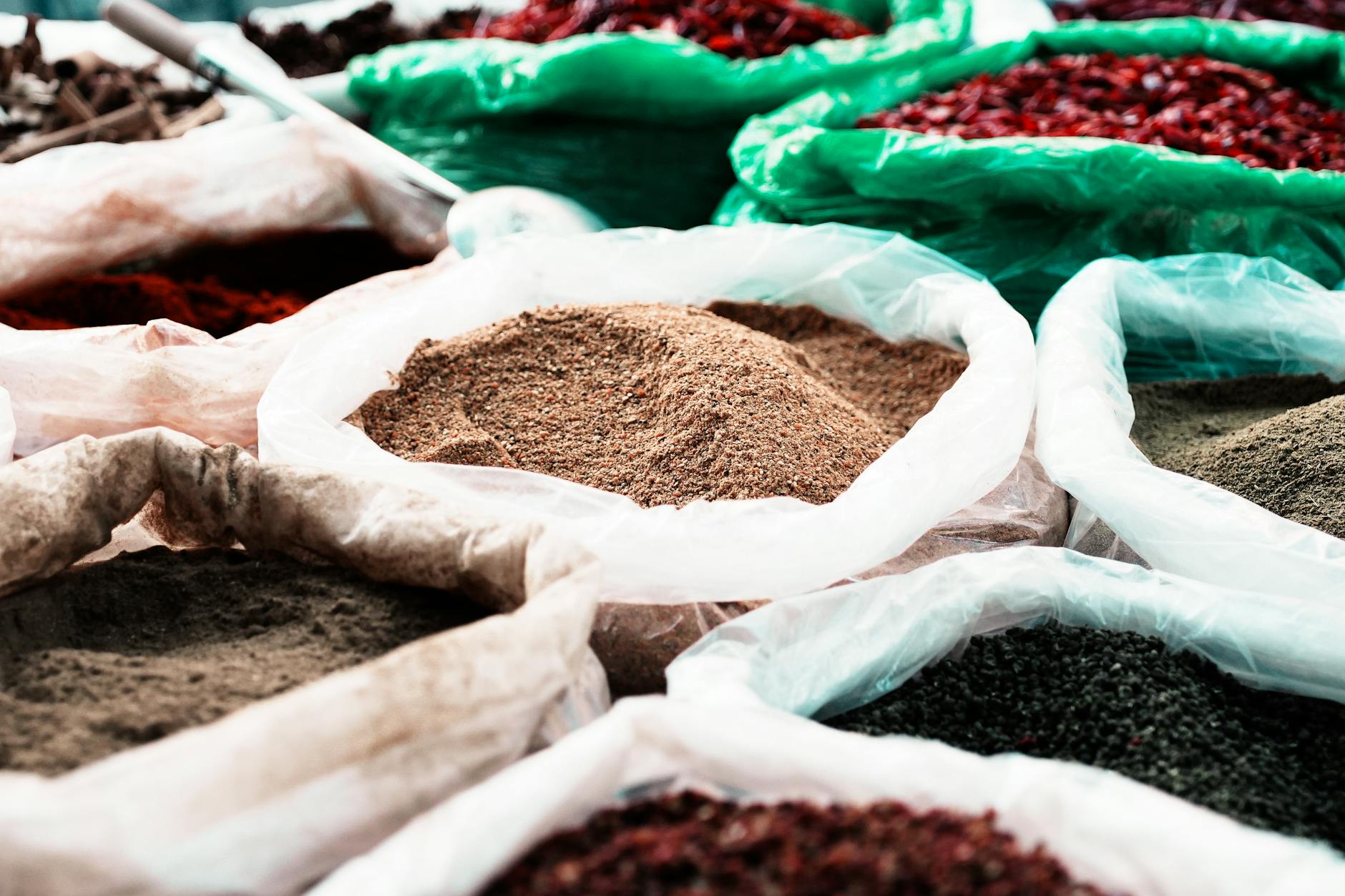
Storing the majority of the spice collection in an assortment of plastic zip bags, paper envelopes, folded aluminum foil packets, and partially sealed cellophane pouches rather than in uniform jars or containers is a system rooted in bulk purchasing logic that professional kitchens use routinely but home cooks rarely advertise. The bags are typically nested inside a drawer or box in an arrangement that appears completely disordered until the cook reaches in without looking and produces exactly the right item, a feat that impresses guests while defying their expectation of organizational legibility. Food storage researchers note that flexible packaging actually preserves spice potency more effectively than many decorative jar systems by reducing air exposure when properly sealed after each use. The gap between the visual chaos of the bag system and the cook’s confident navigation of it is one of the more dramatic demonstrations of internalized spatial memory in domestic kitchen practice.
Numerical Codes
Assigning each spice a personal numerical code written on masking tape and maintaining a separate master list that is never displayed in the kitchen creates a spice retrieval system that functions as a private cipher inaccessible to anyone other than its author. Cooks who use numerical coding systems argue that the act of building and maintaining the code deepens their memorized knowledge of their own collection in a way that label-reading does not. Cognitive psychologists who study memory and expertise note that self-generated organizational systems produce stronger recall than externally imposed ones because the creation process itself encodes the information more deeply. A guest confronting a cabinet full of numbered jars without access to the legend is experiencing the culinary equivalent of encountering a library organized by the librarian’s private call system.
Lunar Cycling

Organizing the spice rotation schedule around lunar cycles, restocking certain spices at the new moon and moving others to front-of-cabinet positions at the full moon, is a practice documented among a specific subset of cooks with roots in traditional herbalism, biodynamic farming, and folk culinary traditions that have persisted alongside modern kitchen practice. Ethnobotanists who study traditional food cultures note that lunar calendars governed ingredient harvesting, fermentation timing, and preservation schedules in many agricultural traditions and that this logic migrated into domestic spice management in communities where those traditions remained intact. The system creates a spice rack that is in a state of constant deliberate rearrangement visible to any guest who visits across multiple occasions. Practitioners report genuine conviction that spices rotated into active use during particular lunar phases perform differently in cooking, a claim that food scientists do not support but that the culinary tradition continues to maintain.
Culinary Memory
Organizing spices not by any categorical principle but by the specific memory of a dish, place, or person associated with their acquisition, so that a spice sits in proximity to whatever was on the shelf the day it was first used rather than near its flavor relatives, is a mnemonic system that food writers have occasionally documented in the kitchens of cooks with deep personal culinary histories. A Lebanese seven-spice blend sits next to a jar of za’atar because both arrived in the same shipment from a specific market, a smoked salt is kept near the paprika because both were used in the same revelatory dish, and a single-origin vanilla sits beside a long-expired saffron because the cook cannot bring themselves to relocate the memory. Culinary memoirists who have written about kitchen practices note that these associative arrangements function as autobiographical archives as much as functional storage systems. The arrangement makes complete narrative sense to its keeper and none whatsoever to any visitor.
Upside Down Storage
Storing spice jars upside down so that the spice settles directly against the lid rather than the base, enabling the cook to open the jar directly over the cooking vessel without inverting it, is a practical system developed by cooks who work quickly and find the conventional orientation an unnecessary extra step in the workflow of active cooking. Kitchen efficiency consultants who study professional cooking motion note that the reduction of micro-movements in a working kitchen accumulates into significant time savings across a service and that upside-down storage represents a genuine ergonomic optimization rather than mere eccentricity. The system creates a spice rack that looks wrong to any observer who has not been shown the logic, and the upside-down labels are a source of consistent confusion for kitchen guests who attempt to read them. The cook who has adopted this system defends it with the evangelical certainty of someone who has achieved a minor but genuine efficiency breakthrough.
Darkness Hoarding
Keeping the entire spice collection in a completely lightless environment such as a sealed drawer, an opaque container, or a dedicated dark cabinet lined with blackout material reflects an evidence-based commitment to light-sensitive volatile compound preservation that food scientists fully support but that most kitchen designs make inconvenient to implement. Light degradation of essential oils in dried spices is a well-documented phenomenon that reduces potency measurably over time, and cooks who prioritize flavor intensity above organizational convenience have often arrived at darkness storage as the logical conclusion of that priority. The practical result is a spice system that must be navigated entirely by touch, smell, or memory because opening the storage space to read labels defeats the preservation purpose. Guests invited to retrieve a spice from the dark drawer describe the experience as somewhere between a sensory experiment and a kitchen trust exercise.
Terroir Grouping
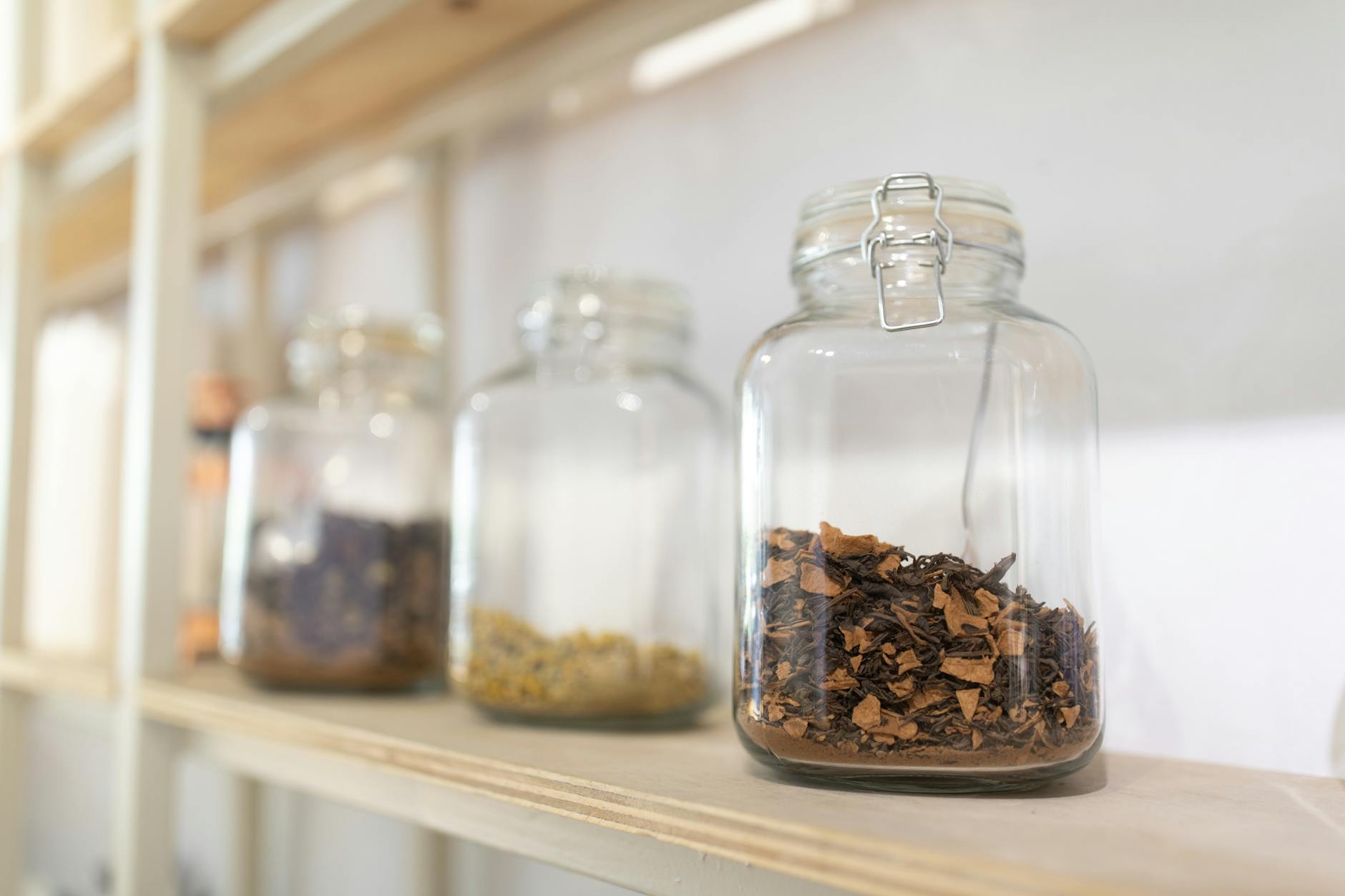
Organizing spices by their geographic region of origin so that Southeast Asian spices occupy one section, North African spices another, and South American dried chilies a third creates a cartographic rather than culinary taxonomy that reflects the cook’s interest in ingredient provenance over practical cooking application. Culinary geographers and food origin researchers note that terroir-based spice organization tends to develop in the kitchens of cooks who approach ingredients through a sourcing and travel lens rather than a recipe lens, building their collection region by region as their culinary interests expand. The system produces a spice rack that reads as a personal map of the cook’s culinary education and travel history but that requires significant contextual knowledge to navigate when cooking from a recipe that crosses regional boundaries. A guest attempting to find black pepper in a terroir-organized system must first know their South Asian geography before their cooking can proceed.
Jar Recycling
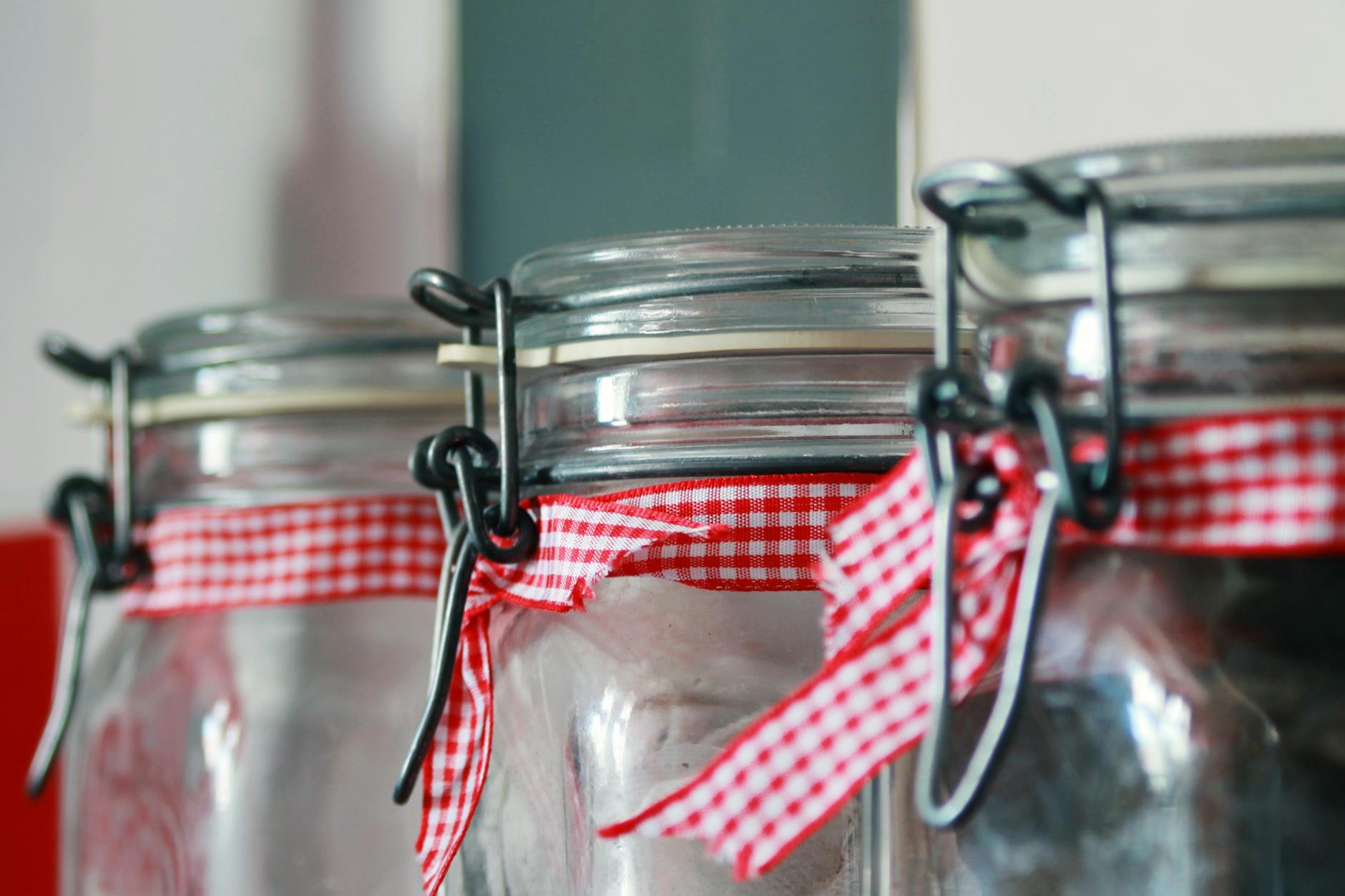
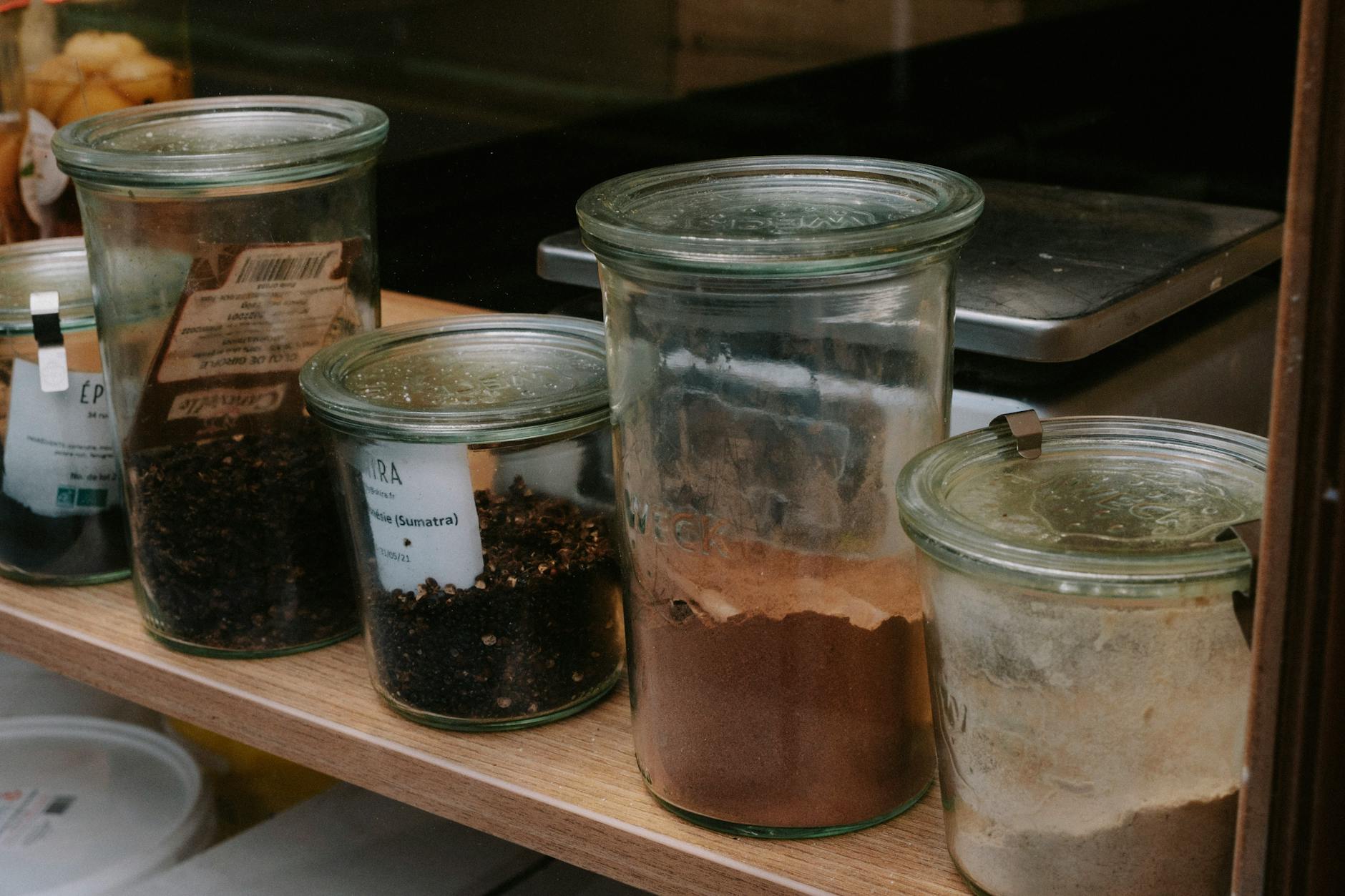
Reusing an eclectic assortment of former food jars including jam jars, mustard containers, olive jars, and baby food vessels as spice storage creates a collection of wildly varying shapes, sizes, and lid types that is visually chaotic but practically functional in ways that uniform containers sometimes are not. The varying jar heights and diameters mean that shallow spices in wide jam jars are easier to access with measuring spoons than tall narrow containers, and the residual aromatics of a former mustard jar create no flavor contamination in dried spices that food scientists confirm is a negligible concern after thorough cleaning. Sustainability-oriented food bloggers who document this system note that it represents a genuine zero-waste kitchen practice that prioritizes function and resourcefulness over the aesthetic uniformity that kitchen organization content typically celebrates. Guests encountering a shelf of mismatched former food containers experience a momentary confusion about whether they are looking at a spice rack or a recycling staging area.
Weighted Hierarchy
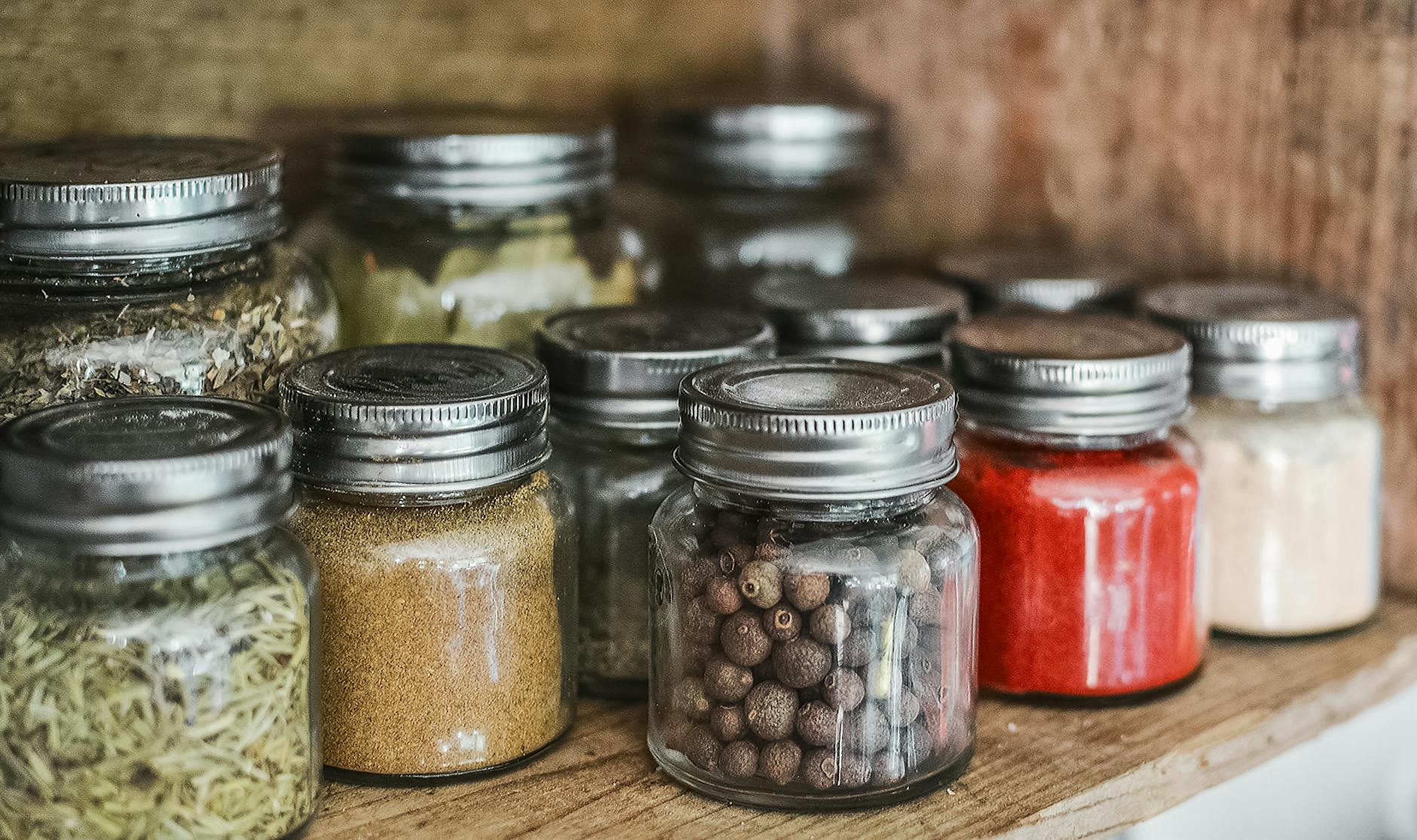
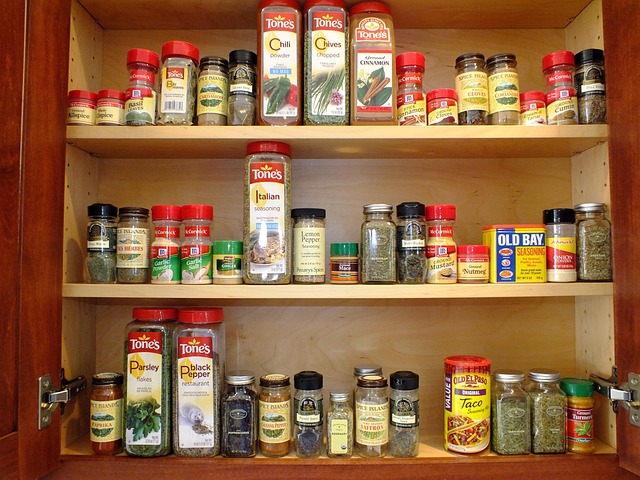
Organizing spices strictly by the physical weight of their containers so that heavier jars sit at the base of the collection and lighter containers occupy higher positions creates a system governed by gravitational logic and structural stability rather than culinary category or alphabetical convention. Cooks who adopt weight hierarchy argue that the system prevents the top-heaviness that causes conventional spice racks to tip, reduces the risk of heavy jars falling from elevated shelves, and creates a stable physical architecture that changes predictably as containers empty and lighten. Kitchen safety researchers who study domestic injury data note that falling pantry items including spice jars represent a more significant source of minor kitchen injuries than most home cooks recognize, giving the weight hierarchy system a genuine safety rationale beyond its surface eccentricity. Guests observing the collection notice only that the large jars are at the bottom and the small ones at the top, a arrangement that appears unremarkable until the cook explains that the system reconfigures itself dynamically as each jar empties.
Heat Zone Mapping
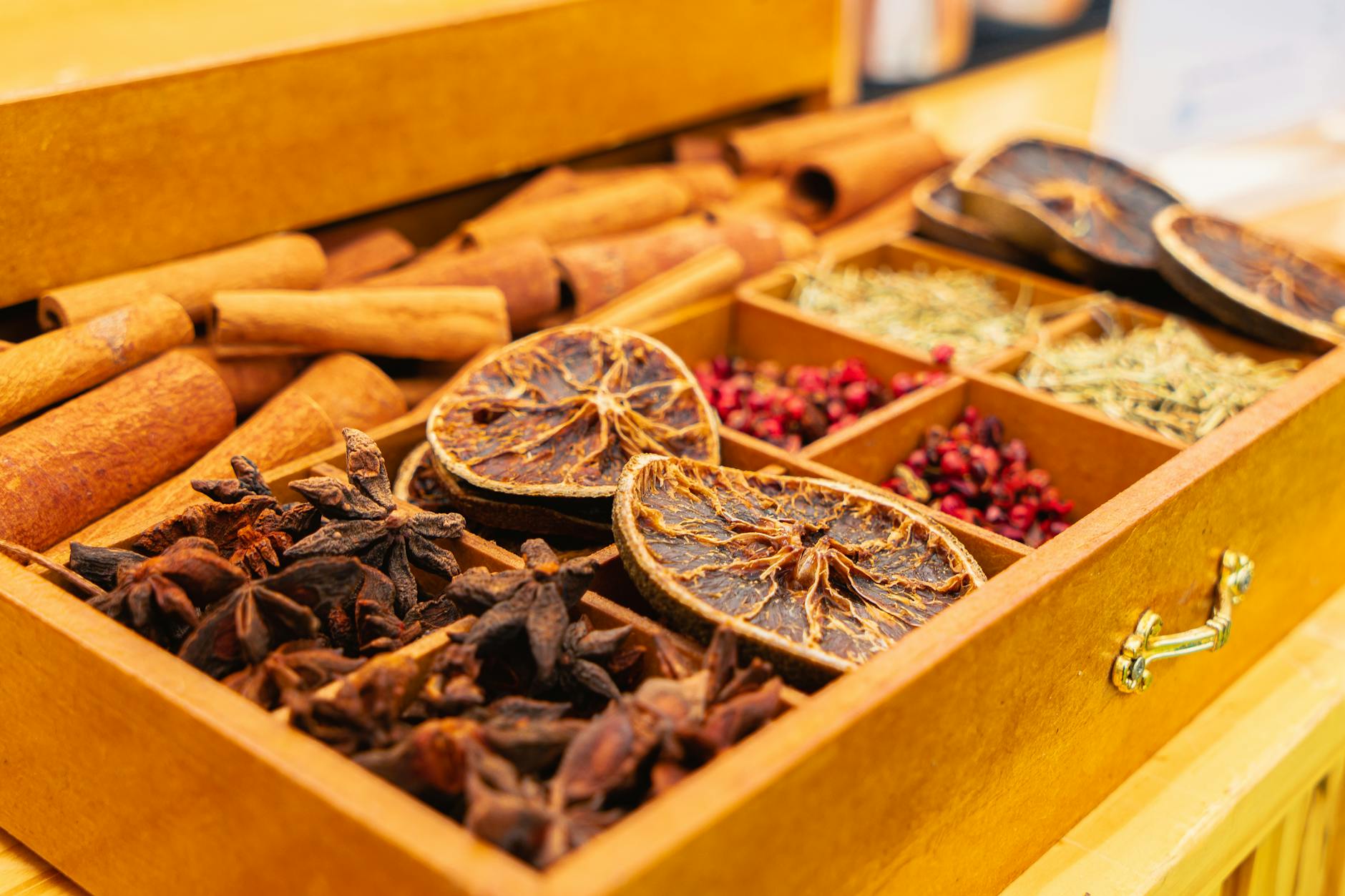
Dividing the kitchen into temperature zones based on proximity to the stove, oven, and refrigerator and distributing spices across the kitchen according to which temperature environment best preserves their specific volatile compound profiles represents a food science-driven system that distributes the spice collection across multiple locations rather than consolidating it in a single rack. Heat-sensitive spices with high essential oil content are stored in the coolest available location, spices used exclusively in high-heat applications live nearest the stove for access efficiency, and aromatics used in cold preparations are kept near the refrigerator. Flavor chemistry researchers note that the degradation rates of different spice compounds vary significantly with temperature exposure and that heat zone distribution is a genuinely evidence-based preservation strategy. Guests who ask where the cinnamon is receive directions to three different possible locations depending on what it is being used for.
Alphabetical Subversion

Organizing spices alphabetically but beginning from the letter most frequently represented in the cook’s collection rather than from A, so that the system’s internal logic is alphabetical but its starting point is personal, creates a circular alphabetical system that functions as intended for its author while being completely disorienting for any guest who attempts to navigate it with standard alphabetical expectations. Food psychologists who study expertise and automaticity note that any consistent organizational system, regardless of its conventional legibility, becomes navigable through repeated use until retrieval requires no conscious processing. The cook who reaches directly for the correct jar in a circular alphabet system is demonstrating the same automatic spatial memory that allows a concert pianist to find the right key without looking at the keyboard. The guest who starts looking at A and finds nothing there experiences a confusion that the cook finds genuinely difficult to understand or explain.
Blending Stations
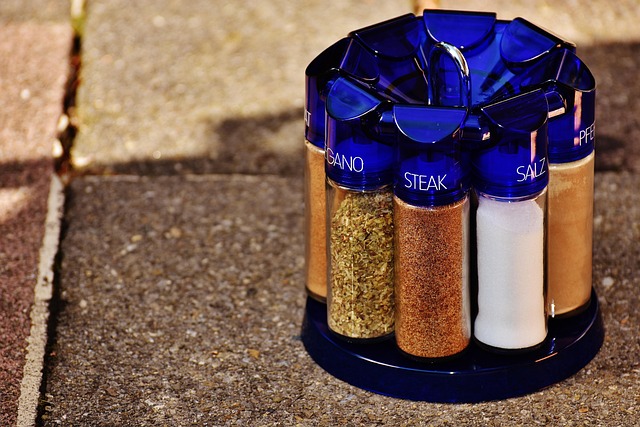
Organizing the spice collection not by individual spice identity but by the custom spice blend each spice contributes to, so that all components of a personal za’atar blend live together regardless of their individual identities, creates a blend-centric system that makes custom mix preparation effortless while making individual spice retrieval for other purposes a navigational puzzle. Culinary educators who teach spice blending note that cooks who make their own spice blends regularly develop a fundamentally different relationship with individual spices than cooks who purchase pre-made blends, perceiving each spice primarily through its contribution to a larger flavor architecture rather than as an independent ingredient. The system reflects a sophisticated spice philosophy while creating a cabinet in which the same spice may appear in multiple locations based on how many blends it serves. Guests who see cumin appearing in three different parts of the cabinet before being informed of the blending station logic describe the revelation as genuinely illuminating about how the cook’s culinary mind works.
Seasonal Rotation
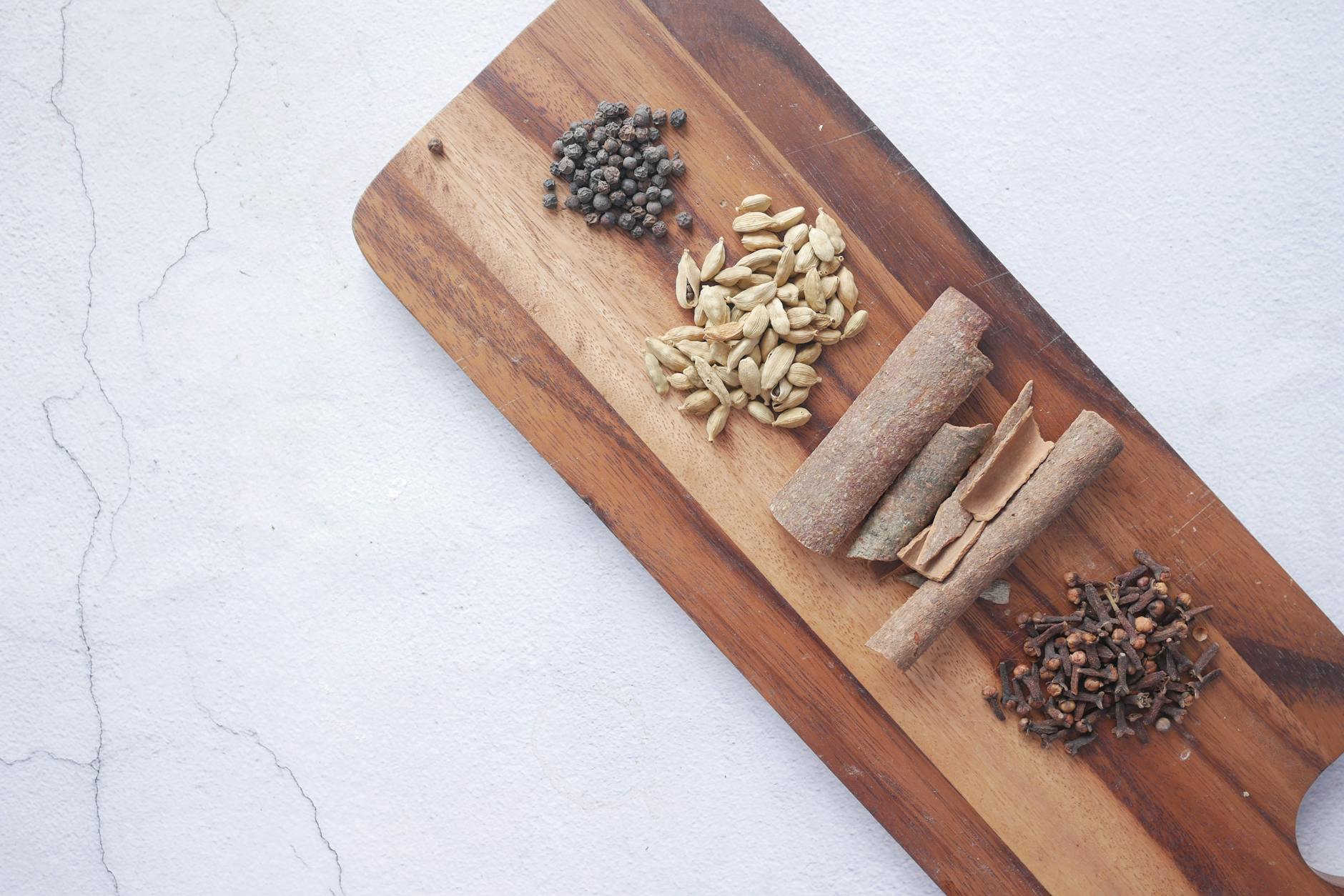
Moving the entire spice collection through a formal seasonal rotation in which warm spices associated with cold weather cooking occupy the front of the cabinet from autumn through winter while bright, acidic, and green aromatics move forward during spring and summer creates a dynamic spice landscape that changes with the culinary calendar rather than remaining in fixed positions year-round. Food seasonality researchers and farm-to-table culinary educators note that the alignment of spice accessibility with seasonal cooking patterns reduces the friction between what a cook intuitively reaches for and what is immediately at hand during any given time of year. The rotation requires a semi-annual reorganization that the cook treats as a culinary ritual equivalent to changing the wardrobe between seasons. Guests who visit across seasons notice that the spice cabinet looks different each time and interpret the change as evidence of organizational inconsistency rather than deliberate seasonal choreography.
Sound Testing
Selecting which spice to use from among visually similar options by shaking the container and assessing the acoustic properties of the contents, with fresh aromatic spices producing a different sound profile than stale or moisture-affected ones, is a sensory evaluation technique that experienced spice traders and some trained chefs use as a rapid potency assessment tool. The acoustic difference between a container of fresh whole cumin seeds and one that has begun to clump from moisture exposure is detectable to a trained ear and provides faster information than opening and smelling each container during active cooking. Ethnobotanists who have documented traditional spice market practices note that sound and tactile testing of dried aromatics was a standard quality evaluation method in pre-modern spice trade contexts that some practitioners have carried into contemporary kitchen use. Guests who observe the cook shaking jars before selecting one receive an explanation that tends to prompt a short silence followed by a request for a demonstration.
Magnetic Chaos
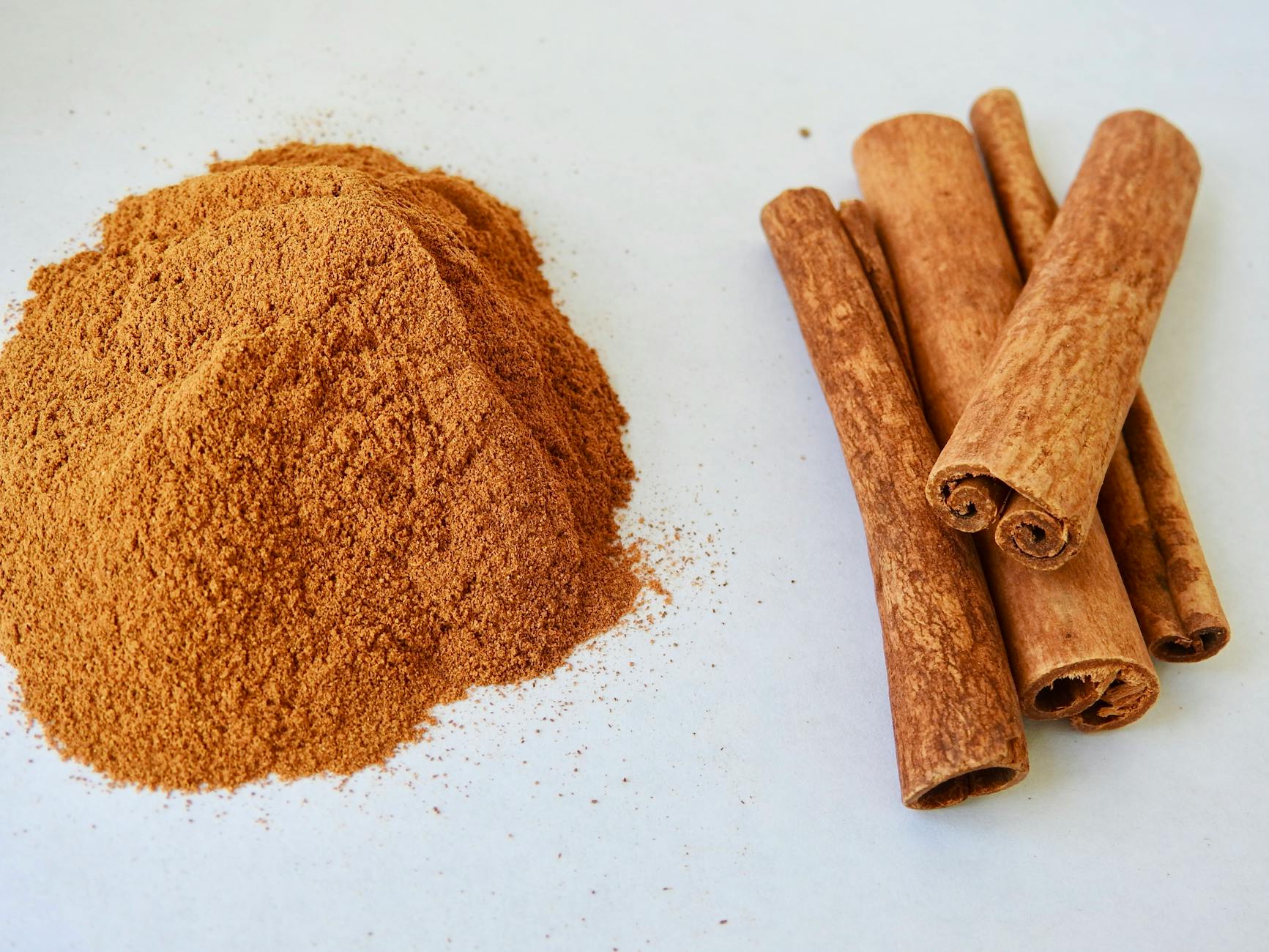
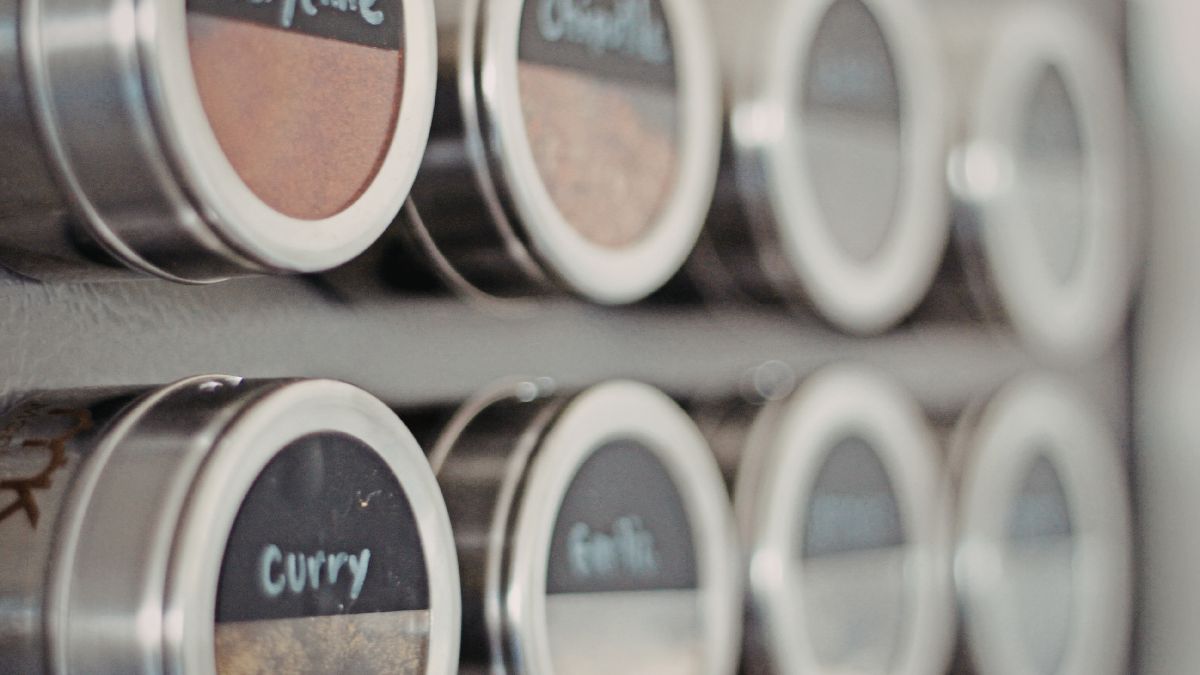
Attaching spice containers to a magnetic surface without any organizational principle governing their placement so that each jar lands wherever a free magnetic surface exists at the moment of return creates a perpetually shifting layout that the cook navigates through spatial memory updated in real time rather than through fixed positional logic. Magnetic spice systems are widely marketed with the implicit promise that they will create a uniform and visually appealing display, but working cooks who use them under actual cooking conditions report that the jars migrate continuously based on the sequence in which they are used and returned. Kitchen behavior researchers who have filmed cooking sessions note that magnetic spice arrangements in active kitchens bear no relationship to their starting configuration after a single cooking session and that experienced cooks stop attempting to maintain any fixed arrangement early in their relationship with the system. The aesthetic promise of the magnetic spice rack and its operational reality represent one of the larger gaps in kitchen organization product marketing.
Provenance Tagging
Attaching handwritten tags to each spice container documenting its specific source including the farm, market, country of origin, harvest season, and the name of the person from whom it was purchased or received creates an archival system that prioritizes the story of each ingredient over its culinary function or location logic. Food provenance researchers who study ingredient traceability note that source documentation of this depth is standard practice in high-end restaurant kitchens where the narrative of an ingredient’s origin is considered part of its culinary value and is often communicated to diners. The practical result in a home kitchen is a spice rack that functions simultaneously as a personal culinary travel diary, a supplier directory, and a flavor memory archive. Guests who read the tags describe the experience of opening the spice cabinet as unexpectedly moving, encountering a handwritten note about a specific market in Marrakech or a particular farm visit in the Oaxacan highlands alongside an ordinary jar of dried oregano.
Failure Archiving
Maintaining a dedicated section of the spice rack for spices that have been used in a dish that failed, keeping them together as a reference collection of flavor decisions to avoid repeating, creates an organizational category based on negative culinary experience rather than ingredient identity or culinary family. Culinary educators who study how cooks learn from mistakes note that the physical separation of failure-associated ingredients reflects a sophisticated approach to flavor memory that treats the spice rack as a three-dimensional record of cooking history rather than simply a storage system. The failure archive grows slowly and is rarely discussed with guests, but cooks who maintain one report that it functions as one of the most practically useful sections of their entire spice collection when avoiding the repetition of a specific flavor mistake. A guest who notices the small separate cluster of jars at the back of the cabinet and asks about it receives one of the more interesting explanations available in any kitchen tour.
Jar Lid Coding
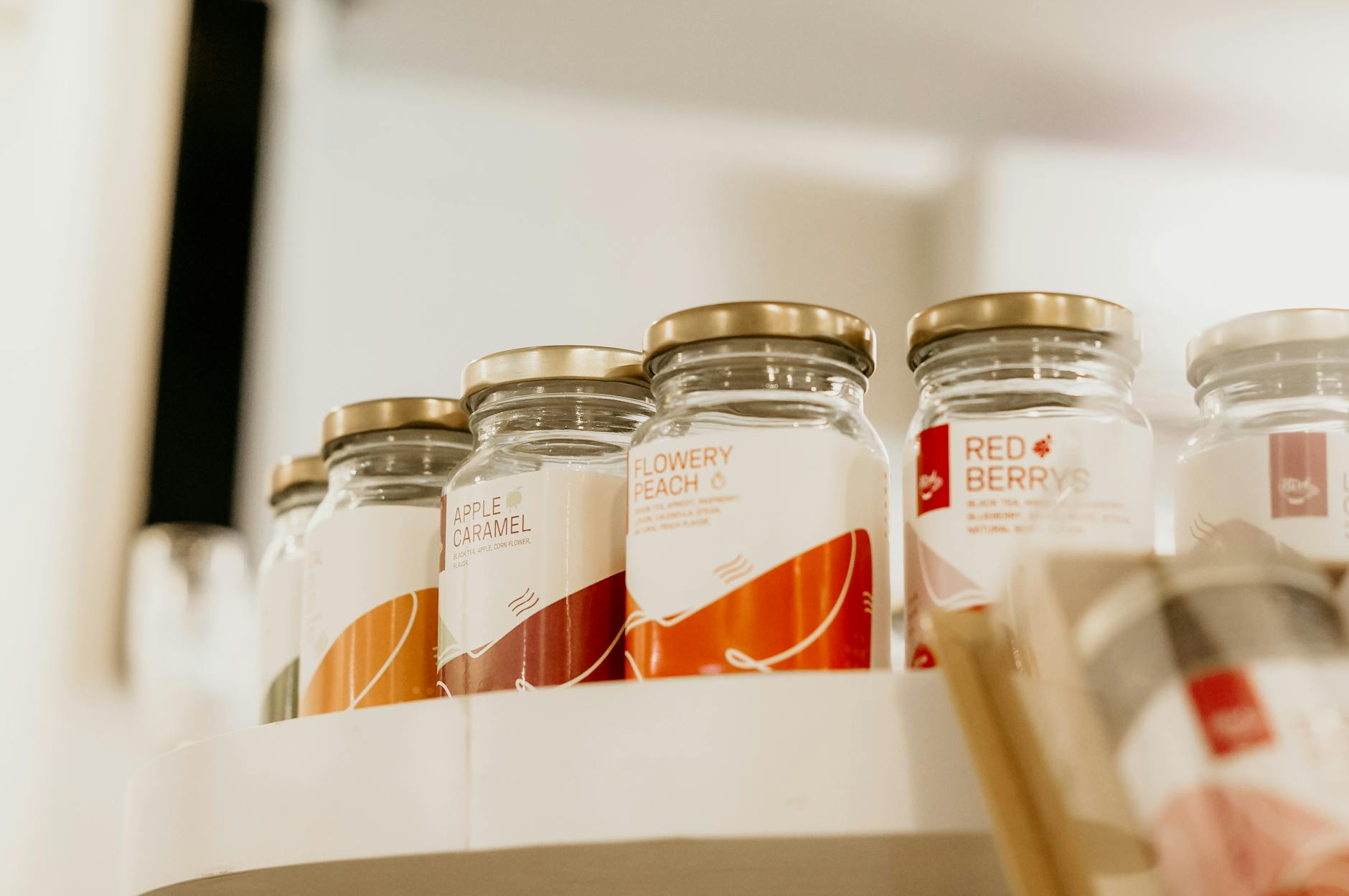
Painting, marking, or applying colored stickers to spice jar lids according to a private coding system that records information such as purchase date, potency level, recommended pairing category, or frequency-of-use tier creates a data layer on top of the standard label information that is entirely legible to the cook and completely opaque to any other observer. Information design researchers who study personal knowledge management systems note that self-created physical coding systems applied to frequently used objects represent a highly efficient form of decision support that reduces cognitive load during the performance of habitual tasks. The cook who reaches for a jar with a red dot knows something about that spice that the jar’s label does not convey, and the efficiency of that knowledge retrieval justifies the investment of creating and maintaining the system. Guests who notice the dots, dashes, and color marks on the lids and inquire about them are typically given a partial explanation that raises more questions than it resolves.
Alphabetical Backwards

Organizing spices in strict reverse alphabetical order beginning with Z and ending with A as a deliberate inversion of the convention that the cook found intellectually tedious is a system documented occasionally among highly contrarian culinary personalities who argue that the reverse system is no less logical than the forward one and becomes equally automatic after a short adaptation period. Cognitive psychologists who study habit formation note that any consistent spatial system becomes automatic through repetition regardless of its relationship to external convention, which means the reverse alphabetical cook navigates their cabinet as efficiently as any forward-alphabetical practitioner after sufficient exposure. The system’s primary purpose appears to be the mild amusement its creator derives from watching guests begin at the wrong end of the cabinet with complete confidence and work their way through the entire collection before acknowledging that something is not as expected. It is among the more gently mischievous organizational systems documented in home kitchen research.
Textural Families
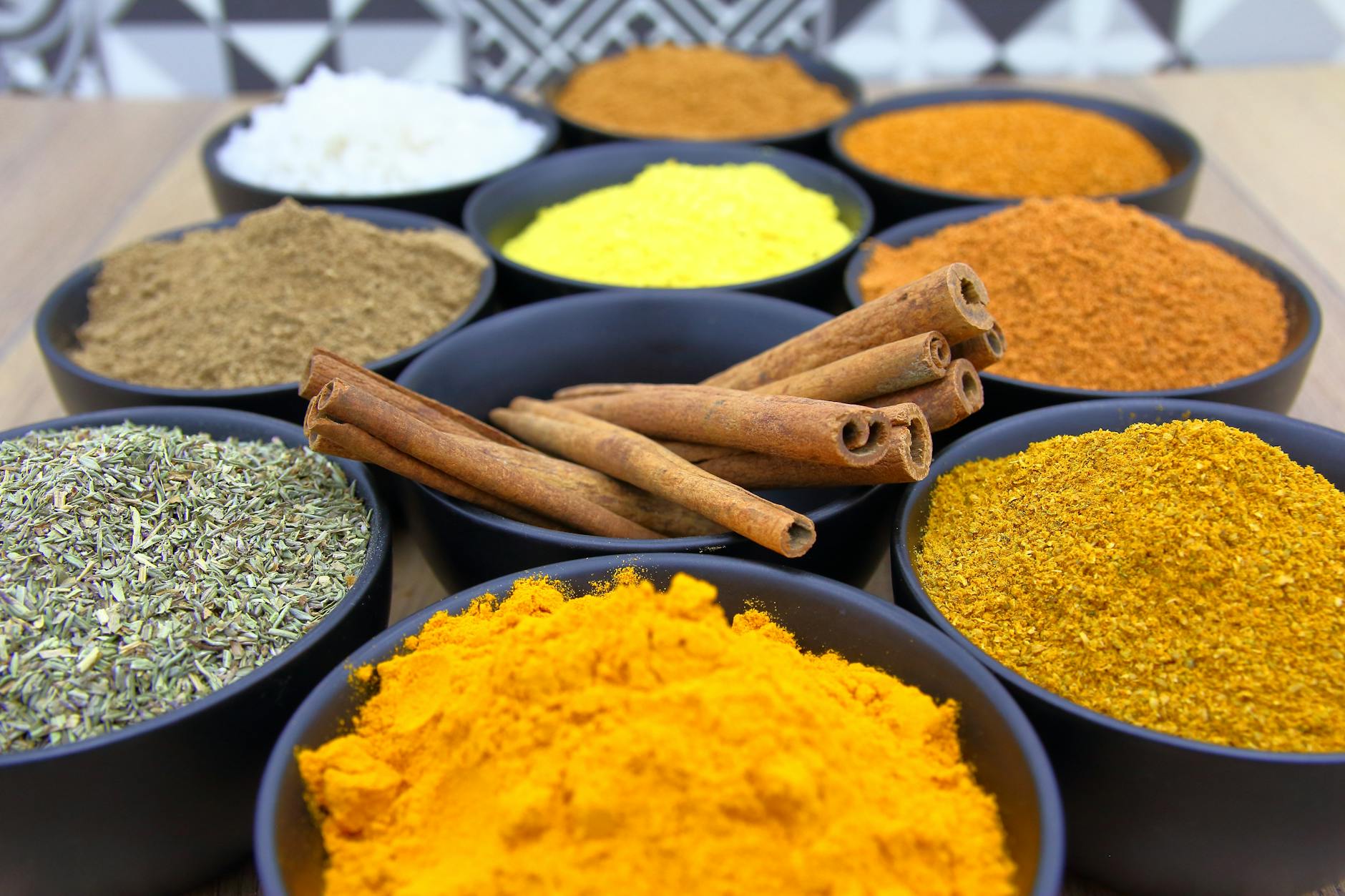
Grouping spices by the physical texture of the spice itself rather than by flavor, culinary application, or any other conventional category, so that all coarsely ground spices live together, all powders occupy a separate zone, and all whole seeds and dried leaves form their own section regardless of their flavor profiles, creates a tactile-organizational system that experienced bakers in particular defend as highly practical for measuring and handling. Pastry chefs and bread bakers who work with precise measurements note that texture-based organization allows them to reach for the correct measuring tool alongside the correct spice because they already know what they are handling before they open the jar. The system groups cardamom pods with whole peppercorns and coriander seeds while placing ground cardamom, ground pepper, and ground coriander in entirely different sections of the cabinet, an arrangement that confuses guests expecting flavor-adjacent spices to be spatially adjacent. Tactile organization is one of the more quietly rational systems in this collection precisely because it is built around the physical act of cooking rather than the conceptual act of categorizing.
Emotional Resonance
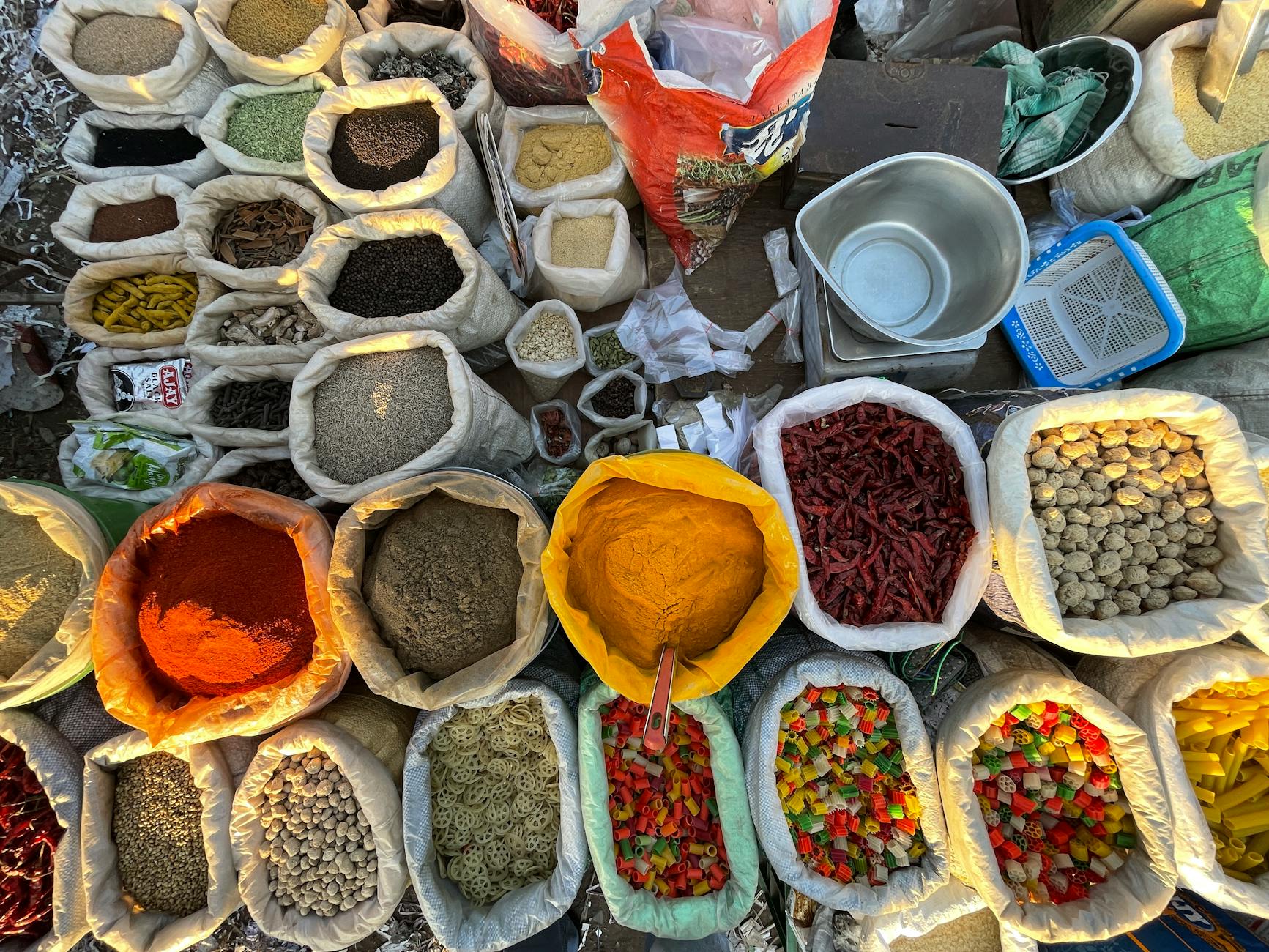
Organizing the spice collection according to the emotional register of the dishes each spice is primarily associated with, so that comfort-associated spices cluster together, celebratory spices form their own section, and adventurous or experimental spices occupy a separate zone, creates an affective taxonomy that reflects the cook’s emotional relationship with food rather than any culinary or scientific categorization principle. Food psychologists who study the emotional dimensions of cooking note that the affective associations humans form with flavor compounds are among the most deeply encoded sensory memories available to conscious experience and that organizing a kitchen around emotional resonance rather than culinary logic reflects a sophisticated understanding of how personal cooking motivation actually operates. The system means that cinnamon, vanilla, and nutmeg live together not because they are warm spices but because they are all associated with the cook’s specific emotional memory of comfort, while the same cinnamon might equally belong in the adventurous section when used in a Moroccan savory application. Guests who are told about the emotional organization system tend to stand quietly in front of the open cabinet for a moment longer than the situation strictly requires.
Share your own spice storage secrets and the most unusual kitchen organization methods you have encountered or invented in the comments.