Dogs are creatures of habit and instinct, and their behaviour shifts in fascinating ways the moment they sense they have the room to themselves. Scientists and animal behaviourists have spent decades studying canine cognition, uncovering just how rich and complex the inner lives of domestic dogs truly are. What looks like random or silly behaviour often carries deep roots in evolutionary history, social bonding, and sensory experience. These twenty peculiar habits reveal a side of your dog that most owners rarely get to witness firsthand.
Your Laundry
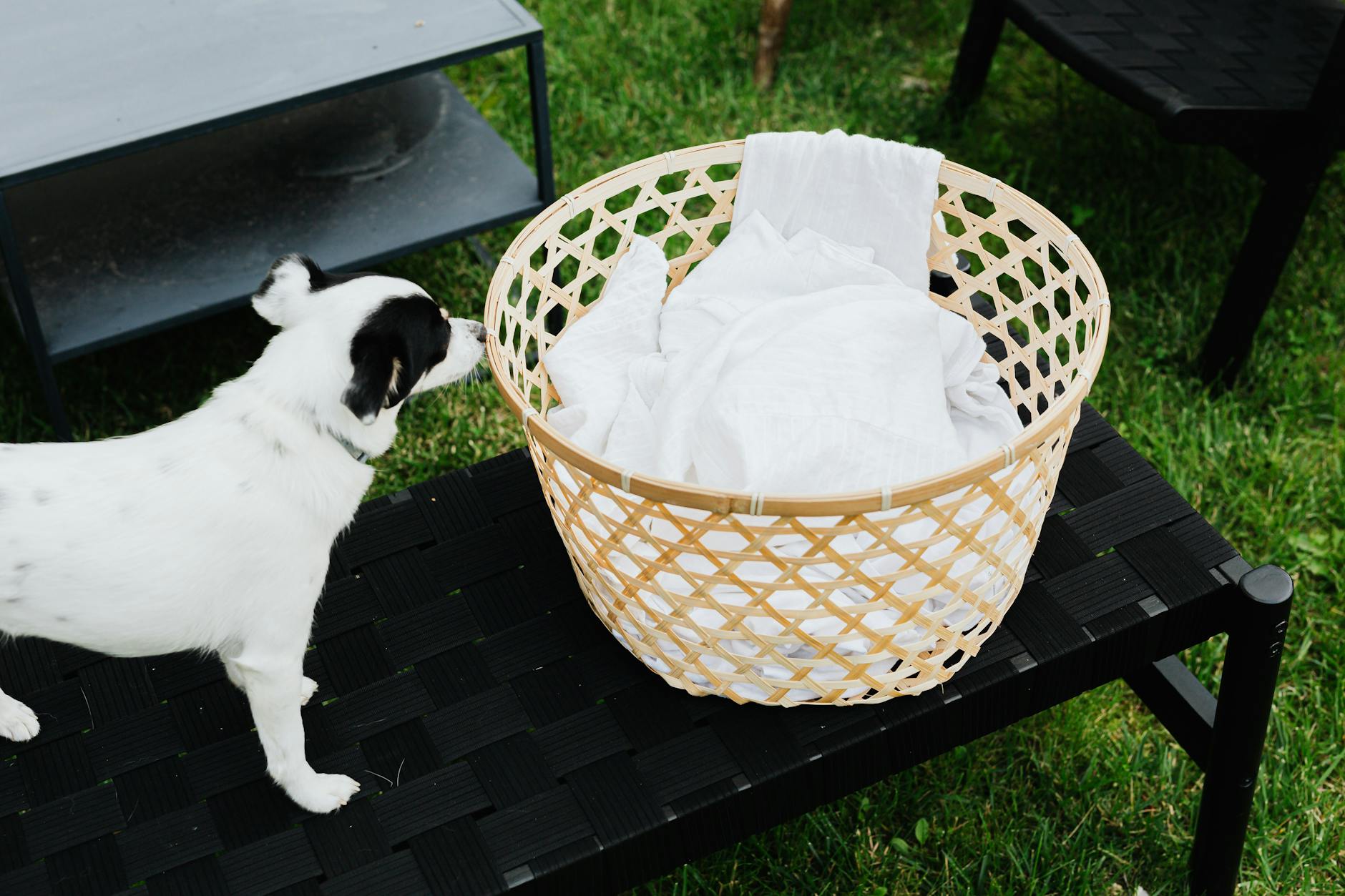
Dogs are powerfully drawn to the scent of their owners, and a laundry basket full of worn clothing is essentially a jackpot of familiar smell. Researchers have found that a dog’s nose contains up to 300 million olfactory receptors compared to roughly six million in humans. Rolling in or sleeping on unwashed clothes is a self-soothing behaviour rooted in the comfort of scent association. It is also a way dogs mark themselves with the pack’s scent in a deeply instinctual gesture of belonging.
Zoomies
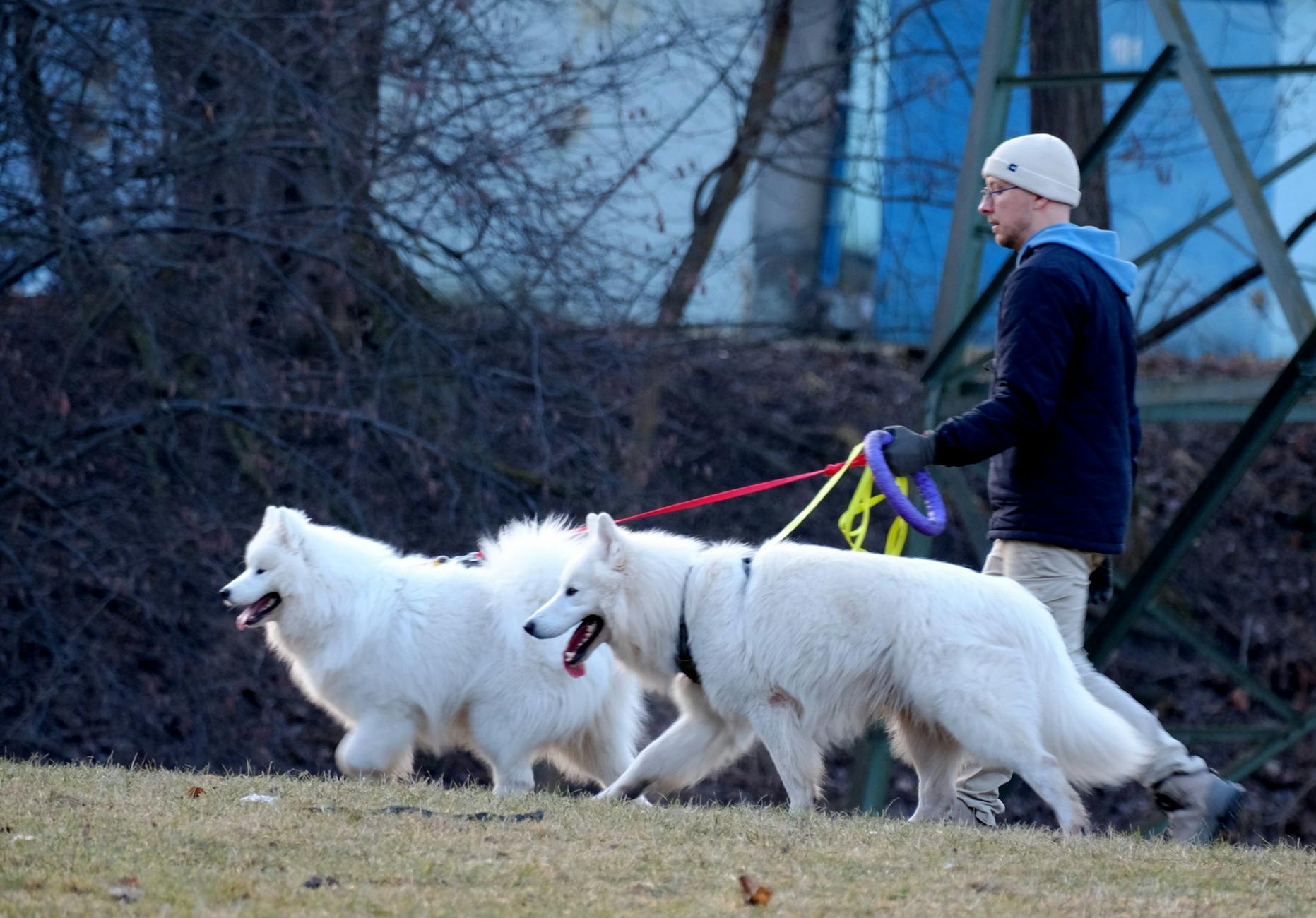
The sudden frantic burst of running in circles that dogs do when alone has a scientific name: Frenetic Random Activity Periods. These episodes are most common after periods of rest or mild stress and serve as a physical release of pent-up energy. The behaviour is observed across all breeds and ages though younger dogs tend to experience it more frequently. Veterinary behaviourists consider it entirely normal and even a sign of a happy and physically healthy animal.
Furniture Surfing
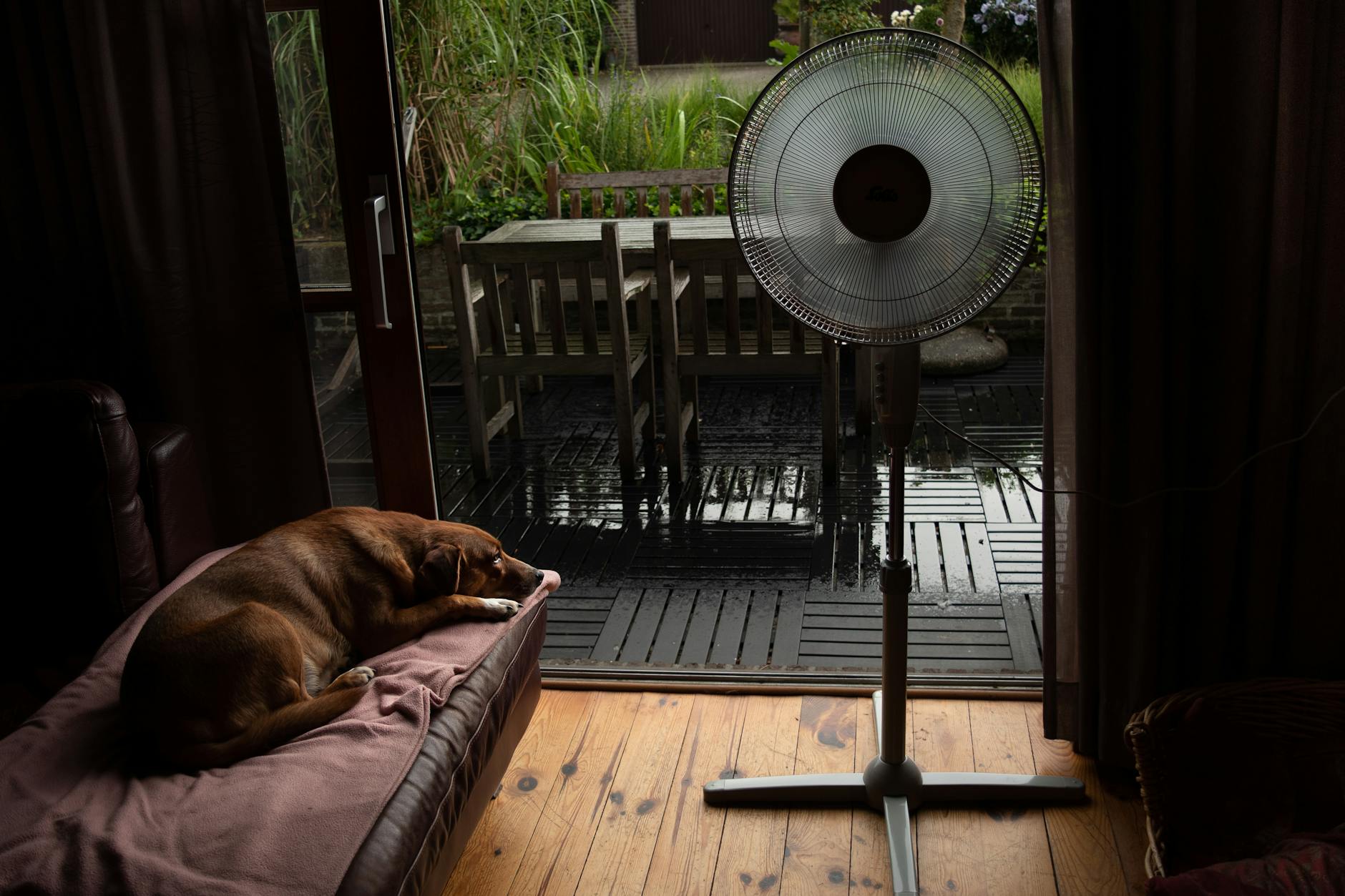
The moment a dog believes no one is watching the sofa becomes fair territory for stretching out in full comfort. Dogs are highly attuned to household routines and quickly learn which behaviours trigger a human reaction. Claiming the furniture is partly about comfort and partly about positioning within the perceived social environment of the home. Studies in canine cognition suggest dogs understand cause and effect well enough to modify behaviour based on who is present.
Garbage Raiding
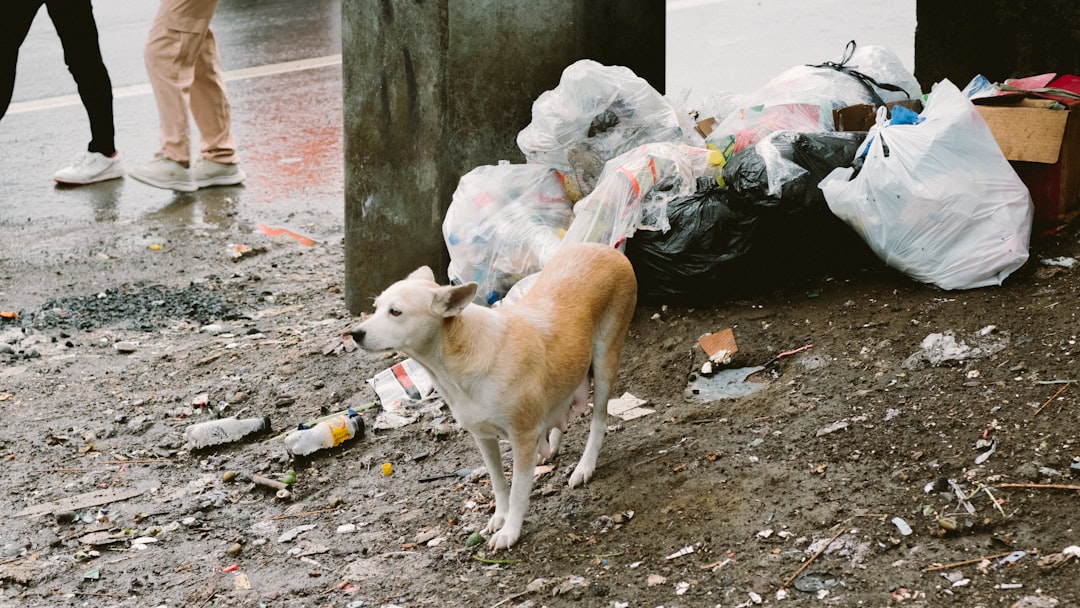
Unsupervised access to a bin is one of the most tempting situations a dog can encounter due to the overwhelming cocktail of smells emanating from discarded food. Scavenging is one of the oldest survival behaviours in canine ancestry and does not disappear simply because a dog is domesticated and well fed. Dogs are opportunistic feeders by nature meaning they are biologically wired to eat when food is available regardless of hunger levels. The behaviour intensifies in dogs with high food motivation which is a trait particularly common in certain working and hunting breeds.
Mirror Behaviour
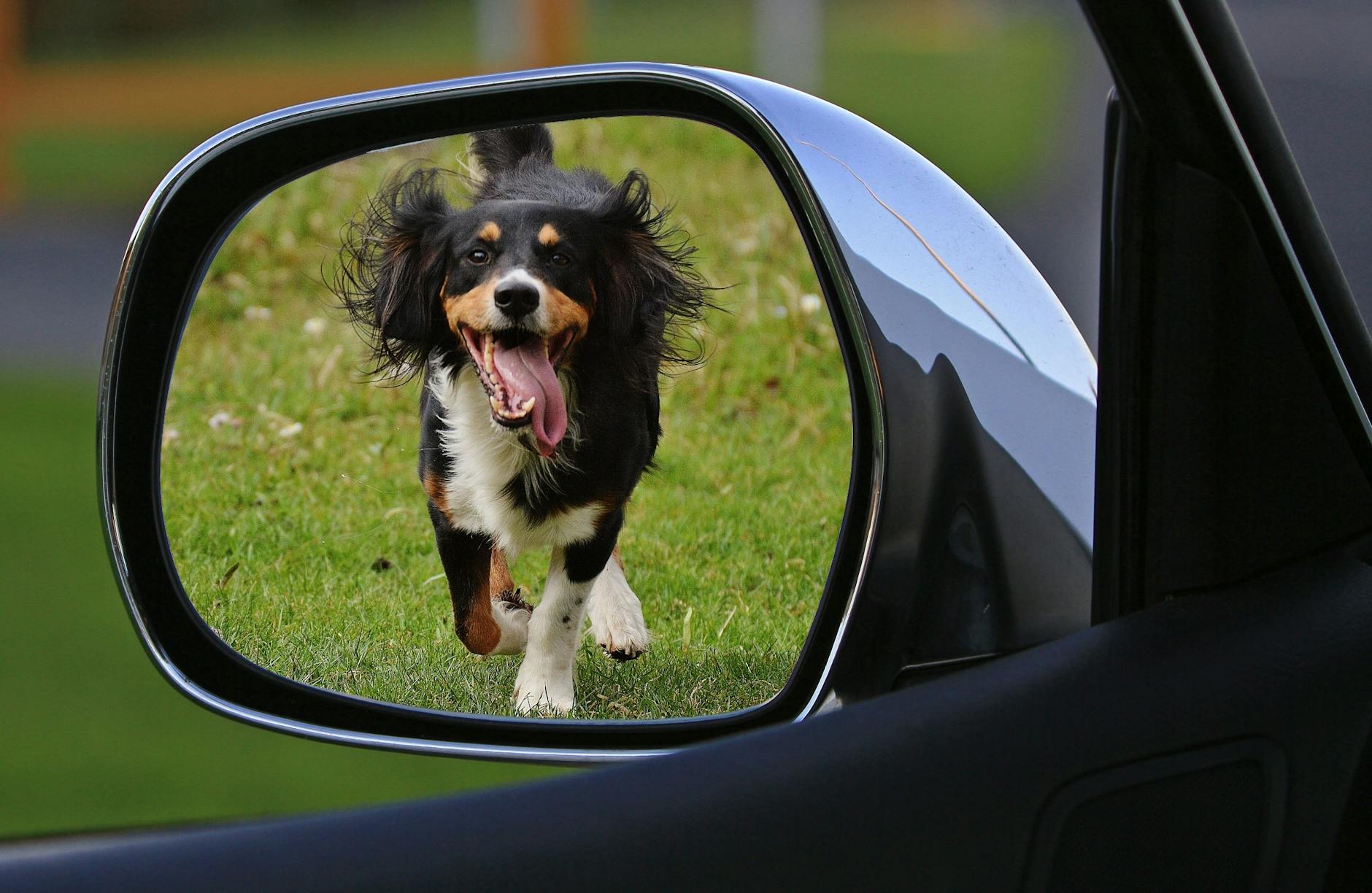
Some dogs will approach and interact with their own reflection when left alone in a room with a large mirror. Unlike great apes and dolphins dogs do not typically recognise themselves in mirrors and instead perceive the reflection as another animal. This can trigger investigative sniffing pawing and even low vocalisations directed at the glass. The behaviour tends to fade over time as the dog determines the reflection poses no threat and carries no scent.
Toy Rearranging
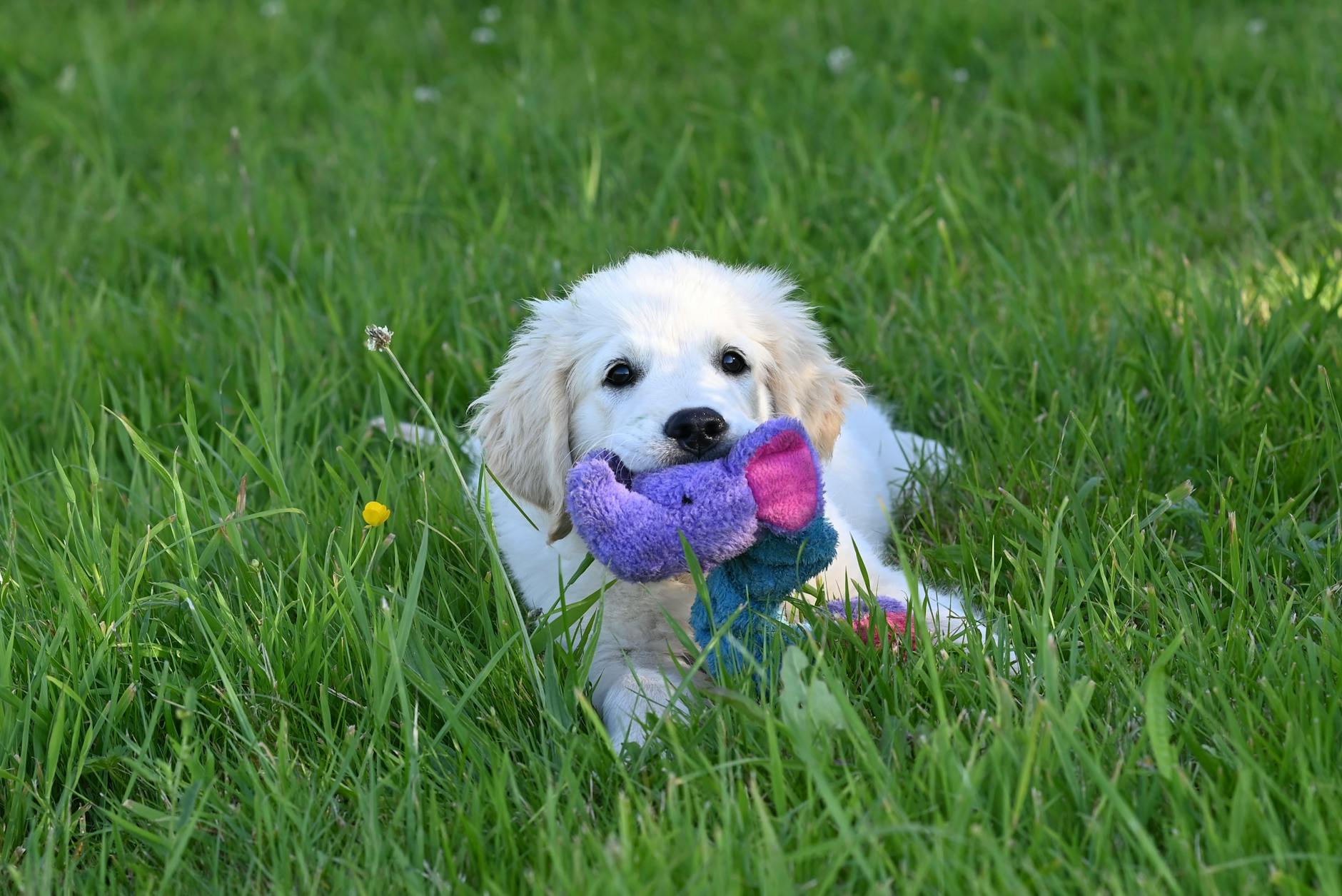
Dogs left alone will often methodically move their toys from one location to another with no obvious purpose visible to the human eye. This behaviour echoes the caching instincts of wild canids who store food and valued objects in hidden locations for later retrieval. Domesticated dogs retain this instinct even when there is no scarcity of resources in their environment. The specific toys chosen for rearranging tend to be those the dog values most which often correlates with scent and texture preference.
Watching the Door
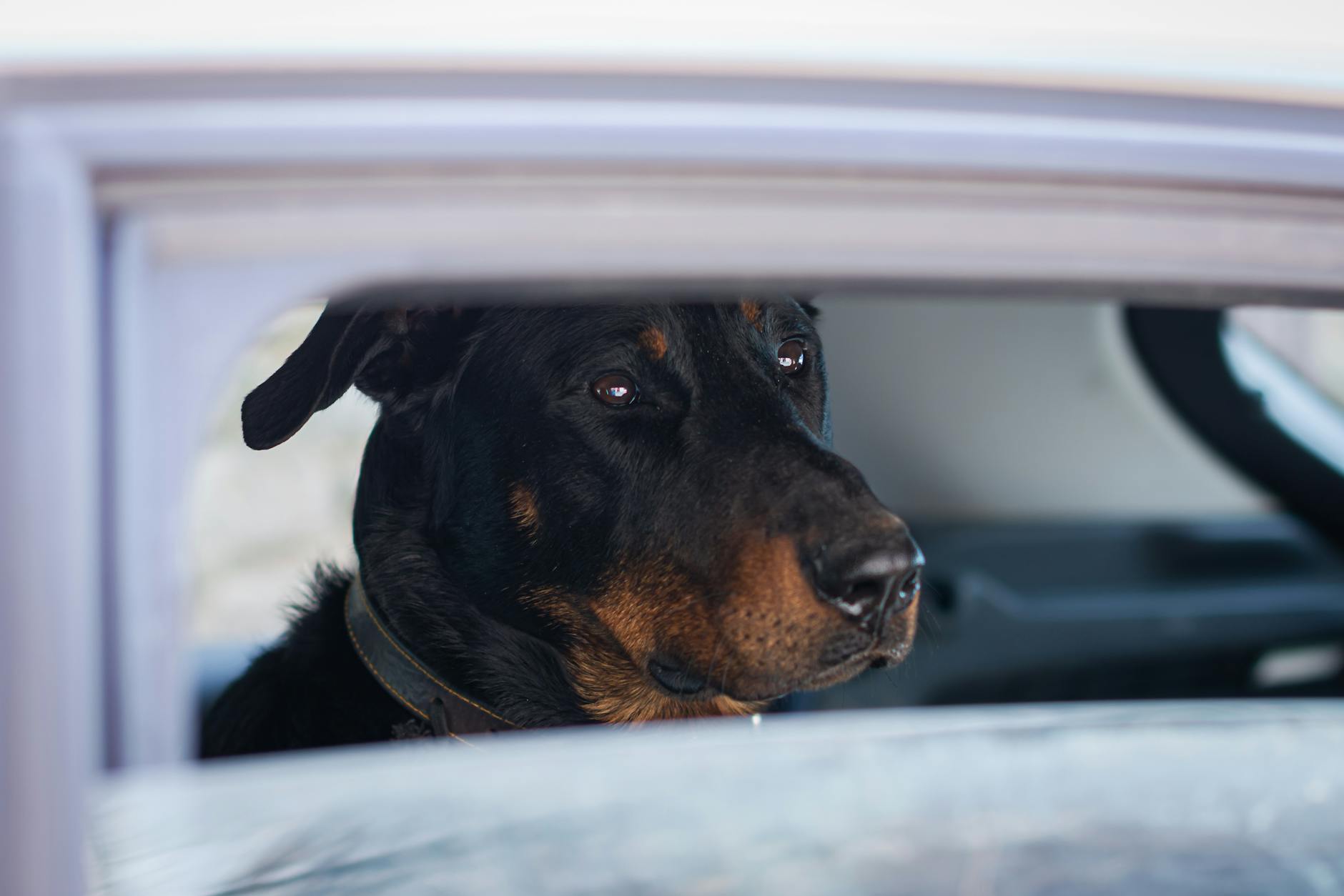
Dogs spend a significant portion of their alone time stationed near the front door or a window with a view of the entrance. Research in separation behaviour has shown that many dogs begin anticipating their owner’s return well before the person actually arrives sometimes hours in advance. This is believed to be linked to circadian rhythm awareness and a sensitivity to environmental sound patterns associated with homecoming. The vigil at the door is an expression of social attachment and the anticipation that drives much of canine emotional life.
Vocalising Alone
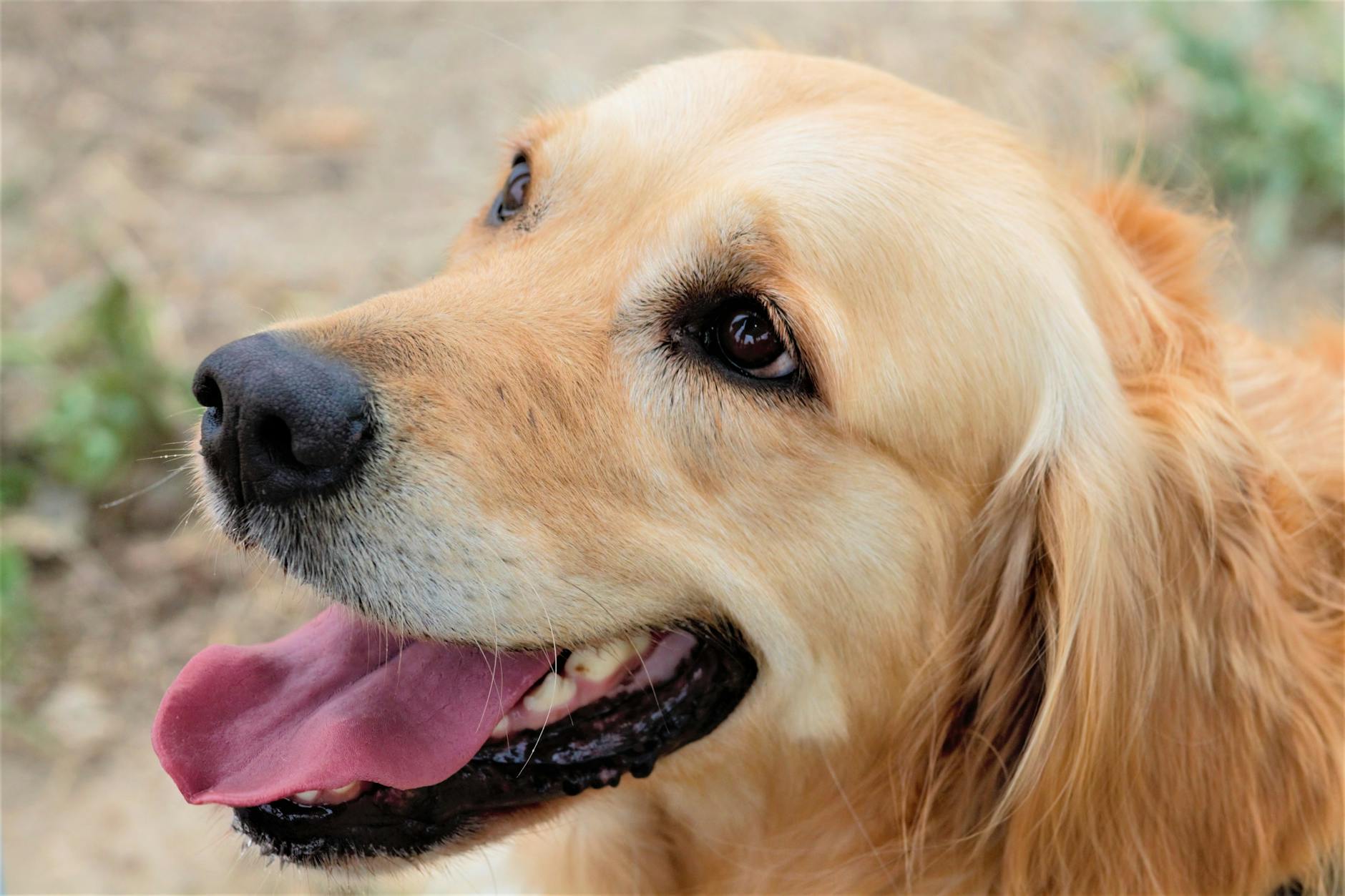
Dogs that are relatively quiet in their owner’s presence will sometimes bark whine or howl at length when they believe they are alone. This is a form of long-distance communication inherited from wolves who used howling to locate pack members across large distances. Urban dogs often respond to sounds from neighbours other dogs outdoors or even sounds from a television left on in another room. The vocalisations are not always distress signals and can simply reflect an attempt to communicate with perceived members of the social group.
Sniffing Everything
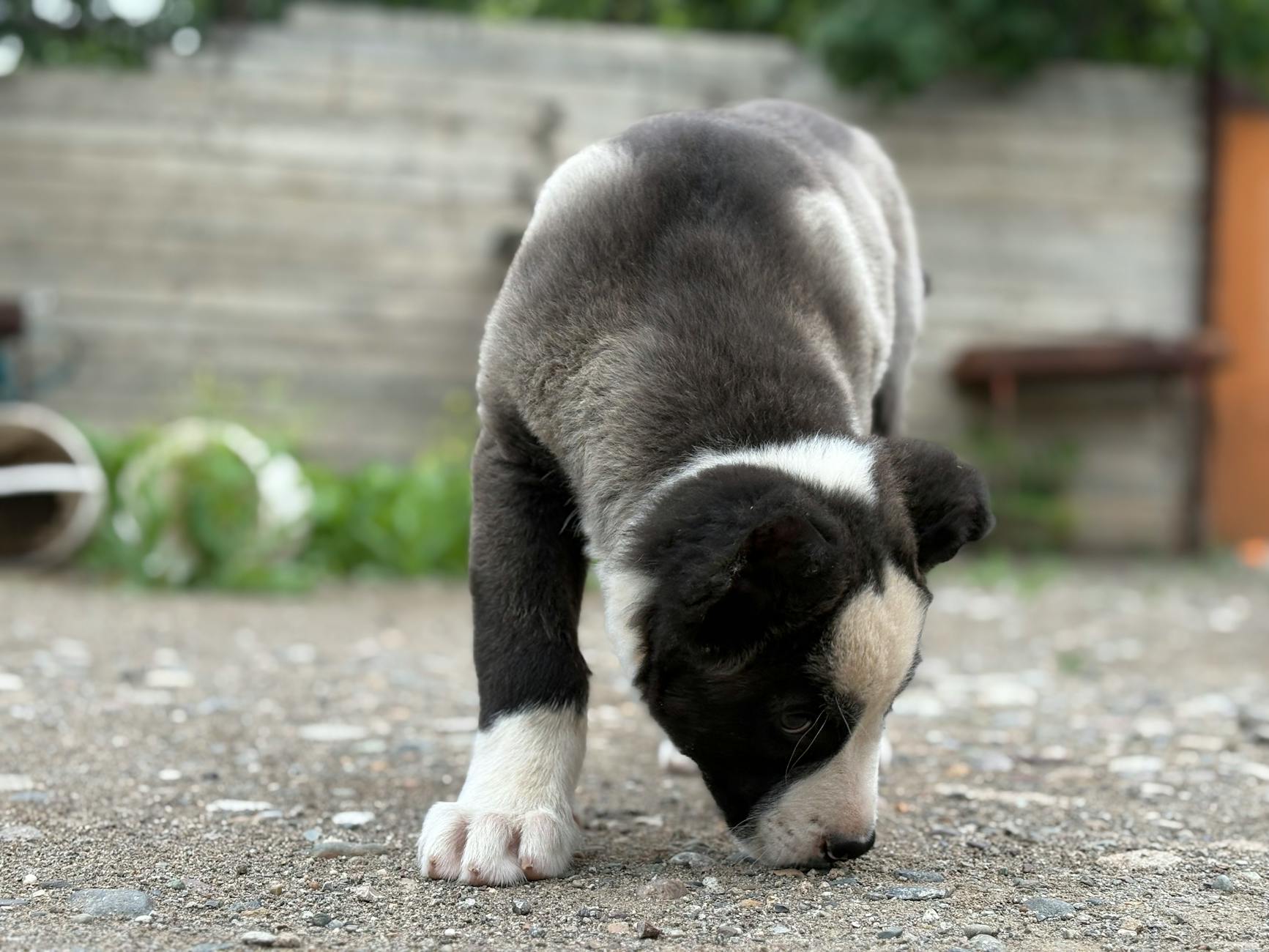
When unsupervised dogs engage in prolonged and deliberate sniffing sessions of walls floors furniture and household objects. The nose is a dog’s primary tool for interpreting the world and a familiar environment still contains vast amounts of changing chemical information. Scent from visitors other animals previous meals and even shifts in the owner’s hormonal state all leave detectable traces throughout the home. This behaviour is cognitively enriching for dogs and is recommended by behaviourists as an important form of mental stimulation.
Spinning Rituals
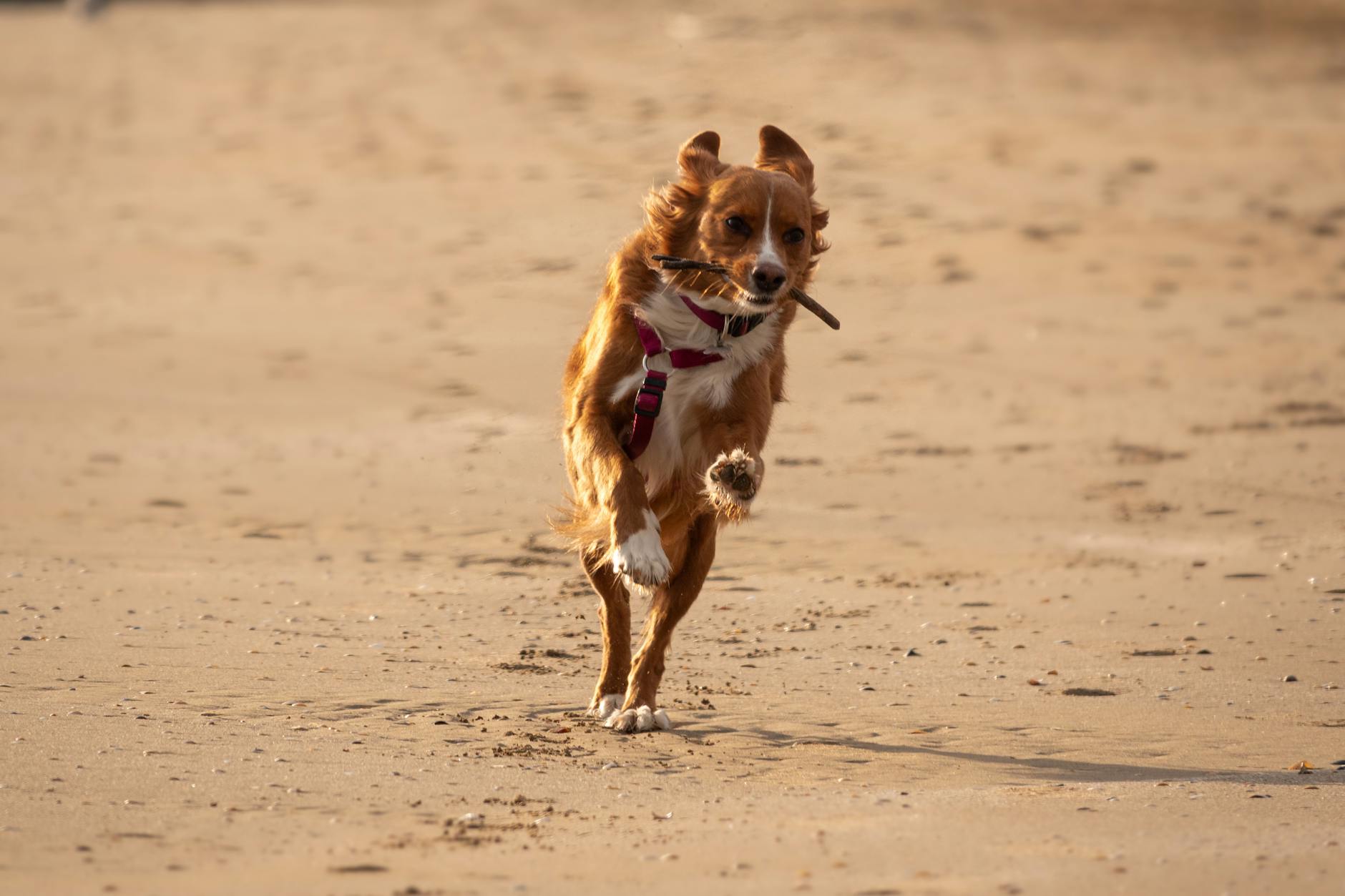
Before lying down dogs often engage in repetitive spinning or circling behaviour that can seem exaggerated and theatrical when no one is watching. The behaviour is rooted in ancestral habits of flattening grass or checking for hidden threats before resting in an exposed outdoor environment. Modern dogs retain this ritual even on cushioned indoor beds where it serves no practical function. The number of rotations and the intensity of the behaviour can vary by individual and is considered a deeply ingrained motor pattern.
Stealing Shoes
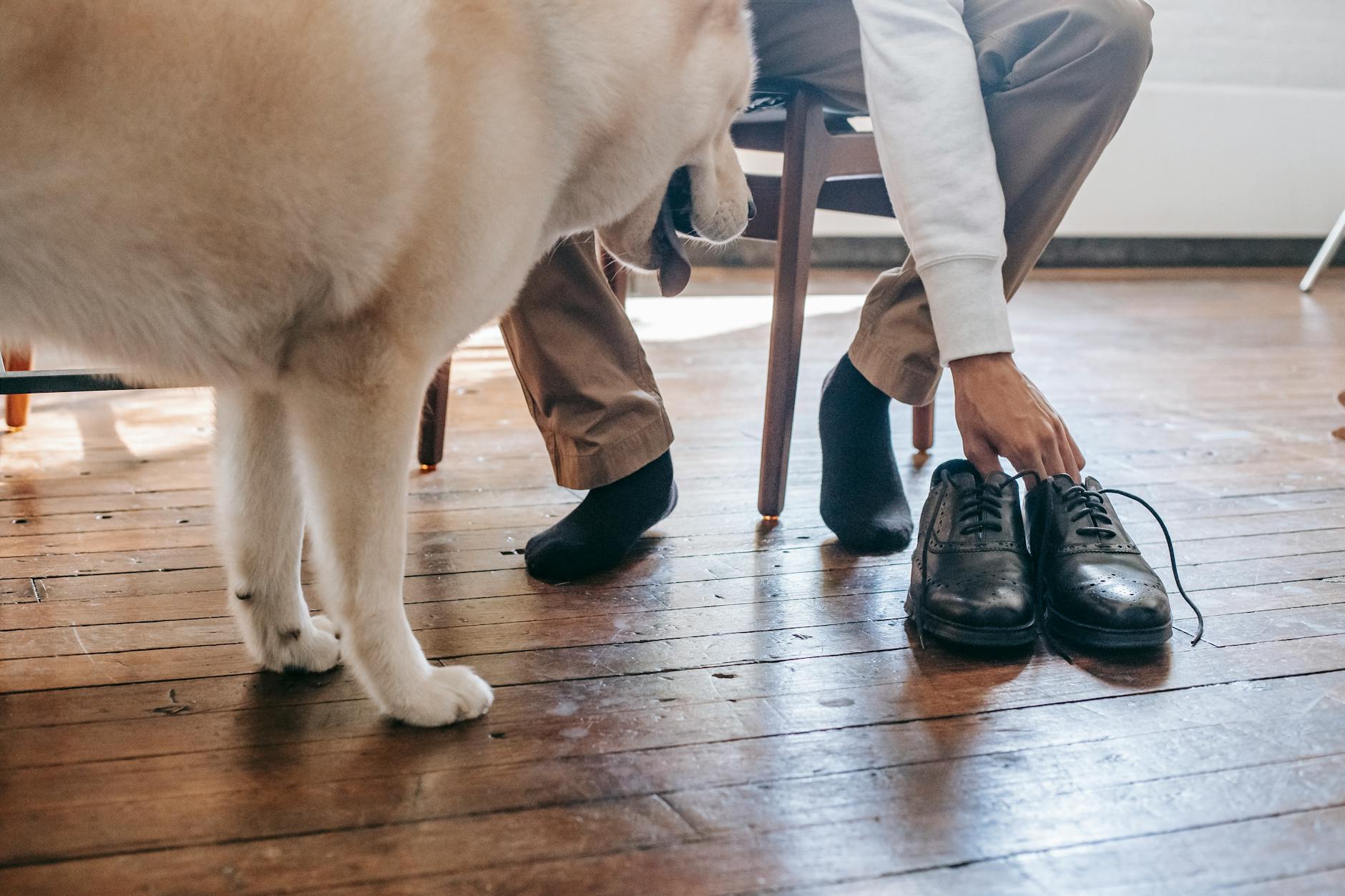
Shoes are among the most scent-saturated objects in any household and unsupervised dogs frequently seek them out for comfort rather than destruction. The combination of leather rubber and the owner’s personal scent makes footwear extraordinarily appealing to a dog’s olfactory system. Behaviourists note that shoe stealing peaks during periods of owner absence suggesting it is a coping response to mild separation anxiety. Dogs rarely damage the shoes they steal for comfort as opposed to those chewed out of boredom or stress.
Watching TV
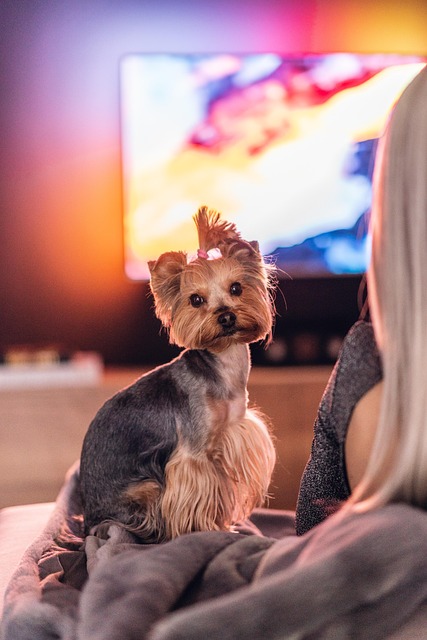
Left to their own devices some dogs position themselves directly in front of a television and watch the screen with focused attention. Canine vision processes images at a higher flicker rate than human vision which historically made older television screens appear as flickering static to dogs. Modern high-definition screens refresh fast enough for dogs to perceive fluid movement making animals birds and other dogs on screen particularly compelling. Research from the Dog TV streaming platform has contributed data showing consistent viewer preferences among domestic dogs for nature and movement content.
Eating Grass
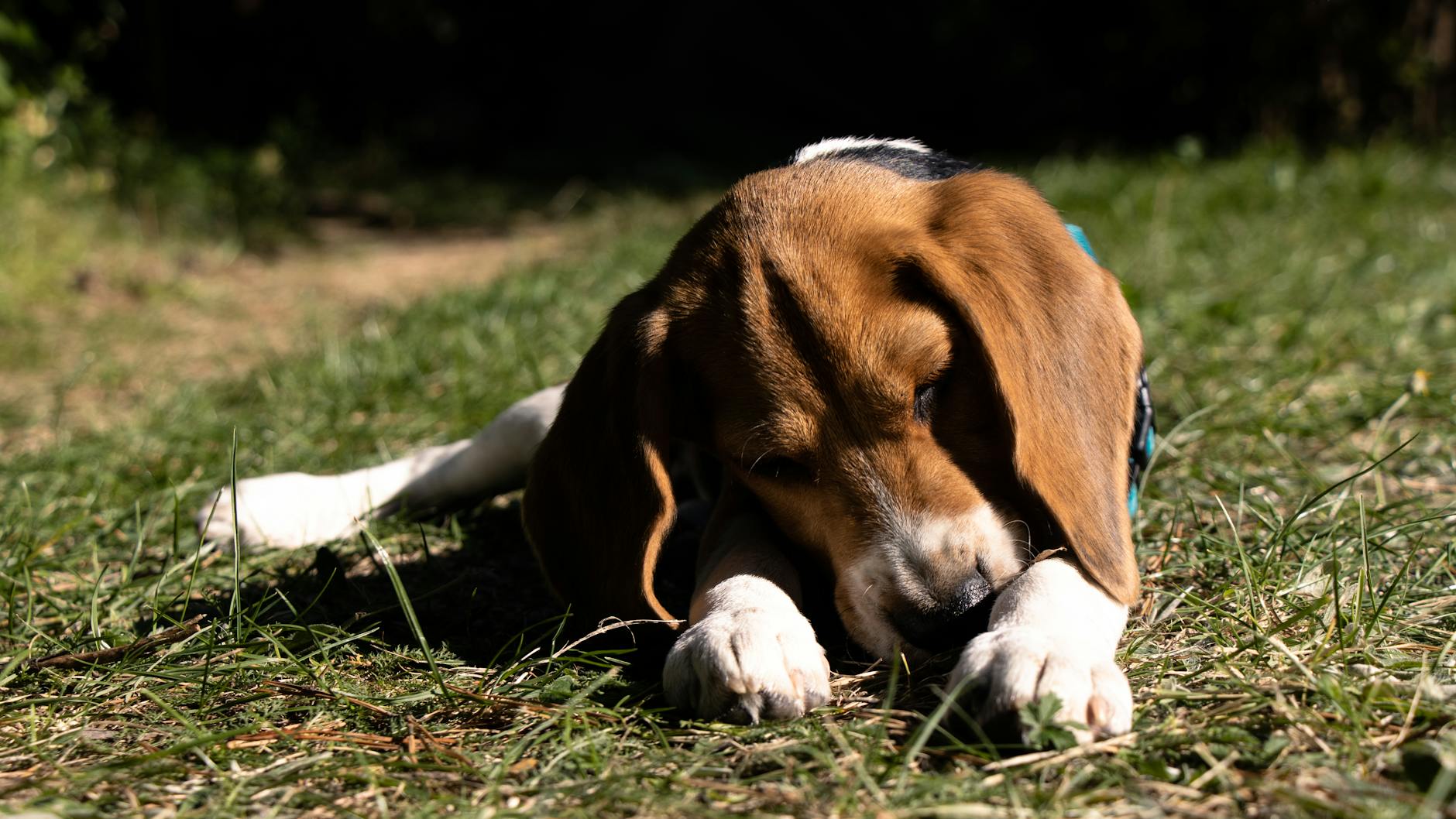
Unsupervised access to a garden often results in deliberate grass consumption which is one of the most documented and debated behaviours in veterinary science. Contrary to popular belief studies have found that the majority of dogs who eat grass do not vomit afterward suggesting it is not primarily a remedy for an upset stomach. Current thinking points to fibre intake intestinal parasite management and simple sensory enjoyment as more likely explanations. The behaviour is observed in wild canids as well and appears to be an ancient and persistent feature of omnivorous canine diet.
Chasing Shadows
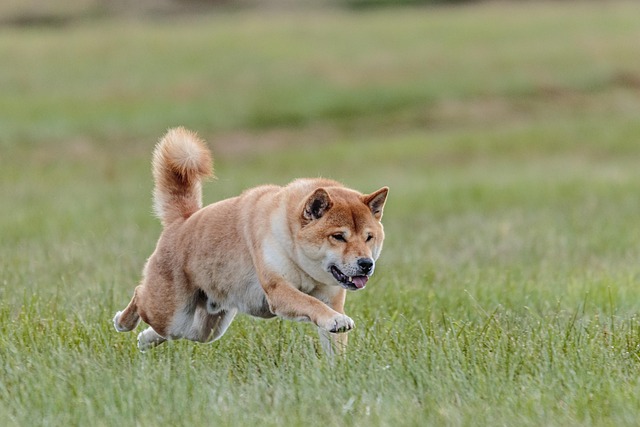
Dogs alone in a sunlit or artificially lit room will often fixate on and chase moving shadows or light patterns across walls and floors. This behaviour activates the prey drive which is triggered by fast unpredictable movement regardless of whether the moving object has any biological origin. In most dogs the behaviour is occasional and playful but in some individuals it can become compulsive and is flagged by veterinary behaviourists as worth monitoring. Breeds with high prey drive such as herding and terrier types tend to show this behaviour most intensely.
Window Patrol
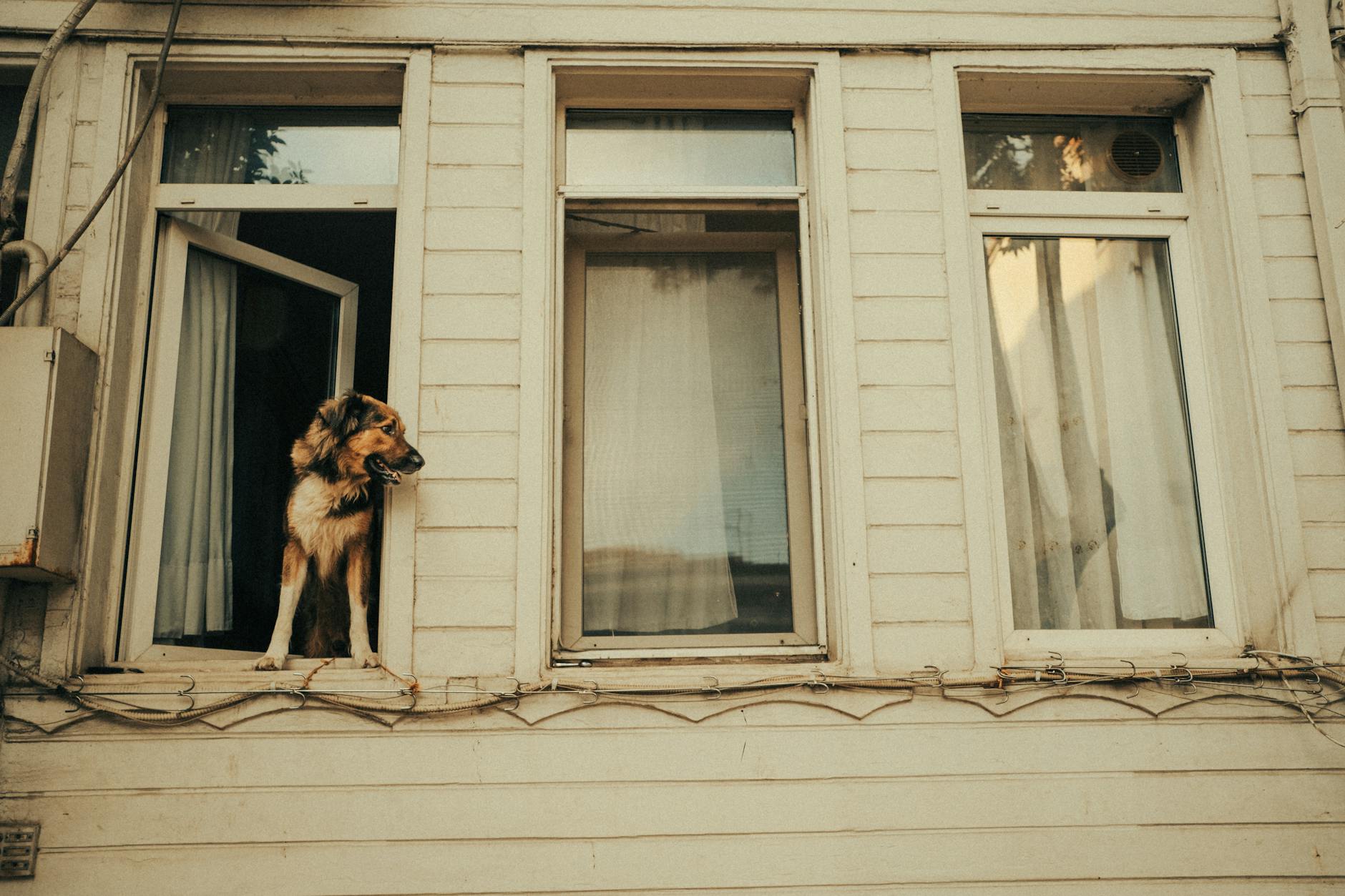
Unsupervised dogs frequently establish a patrol route between windows offering different views of the outside environment. This territorial monitoring behaviour is linked to the guardian instincts that were selectively reinforced across centuries of domestication. Dogs catalogue the sights sounds and smells arriving through open or cracked windows as part of an ongoing environmental assessment. The behaviour intensifies during periods of increased outdoor activity such as school pickup times or delivery vehicle schedules.
Bed Claiming

The owner’s bed exerts a powerful draw for dogs when left unattended due to the high concentration of familiar scent embedded in pillows and sheets. Studies using infrared monitoring have documented dogs spending significant portions of their alone time resting on owner beds even when they have comfortable beds of their own nearby. The behaviour reflects the ancestral pack tendency to sleep in close proximity to dominant group members as a form of bonding and security. Dogs typically vacate the bed and return to their designated sleeping area when they detect the owner’s imminent return.
Sniffing Visitors’ Bags
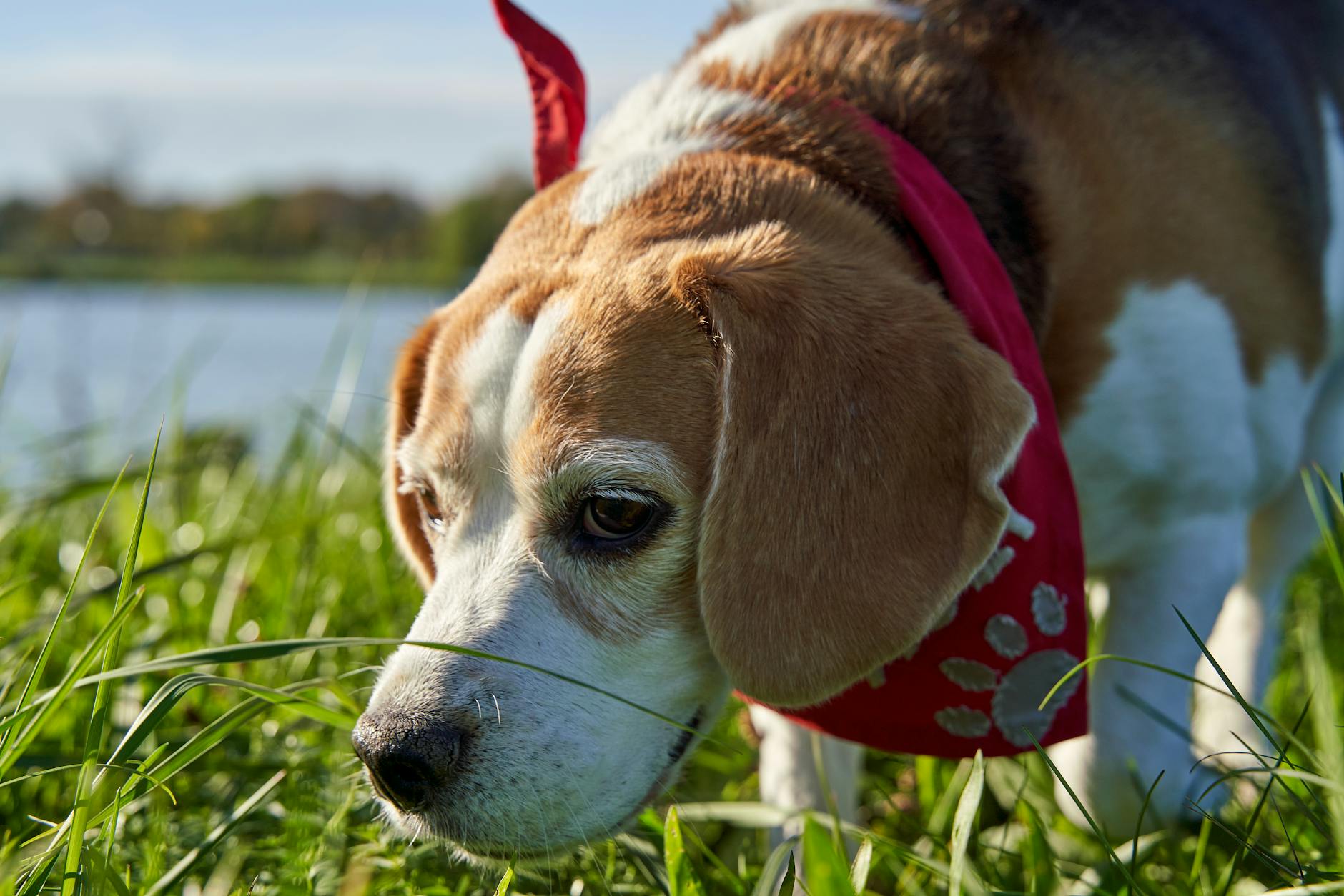
Bags and coats left behind by visitors become objects of intense investigative interest for dogs once the humans have moved to another room. Every bag carries a complex scent map of the visitor’s home environment diet other pets and personal chemistry making it an information-rich object. Dogs process this olfactory data much as humans might read a detailed profile of a new acquaintance. The behaviour is particularly pronounced in scent hound breeds where nasal investigation is both instinct and a primary source of cognitive engagement.
Self-Grooming
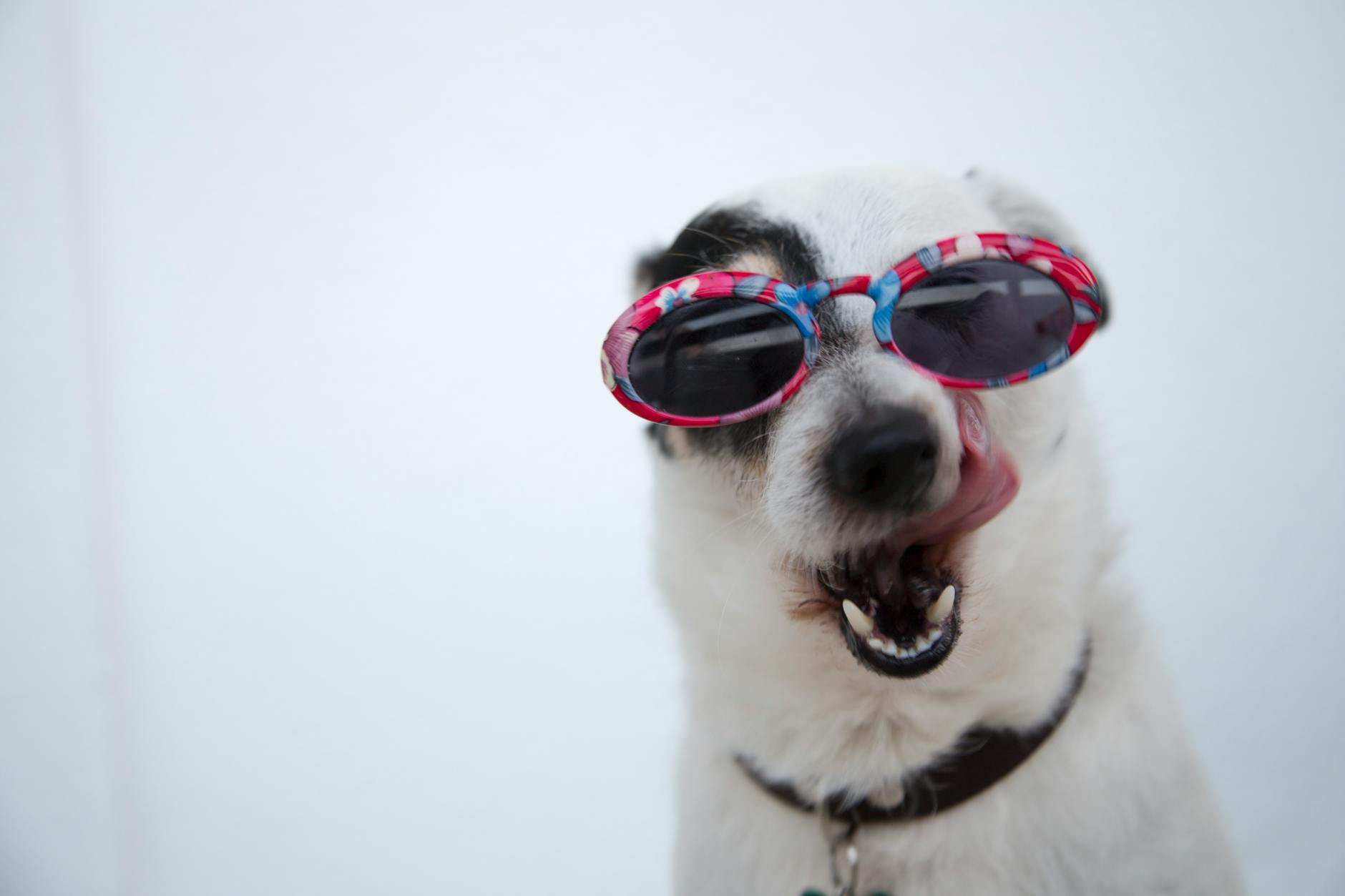
Dogs engage in extended and methodical self-grooming sessions when they feel relaxed and unobserved including licking paws cleaning between toes and rubbing the face along carpet or furniture. This behaviour serves hygiene functions but also has a self-soothing neurological component similar to the calming effect of repetitive behaviour in many species. The release of endorphins during grooming contributes to a state of calm contentment that dogs appear to seek out during quiet unsupervised periods. Excessive grooming that results in hair loss or skin irritation is considered a clinical sign worth discussing with a veterinarian.
Rearranging Bedding
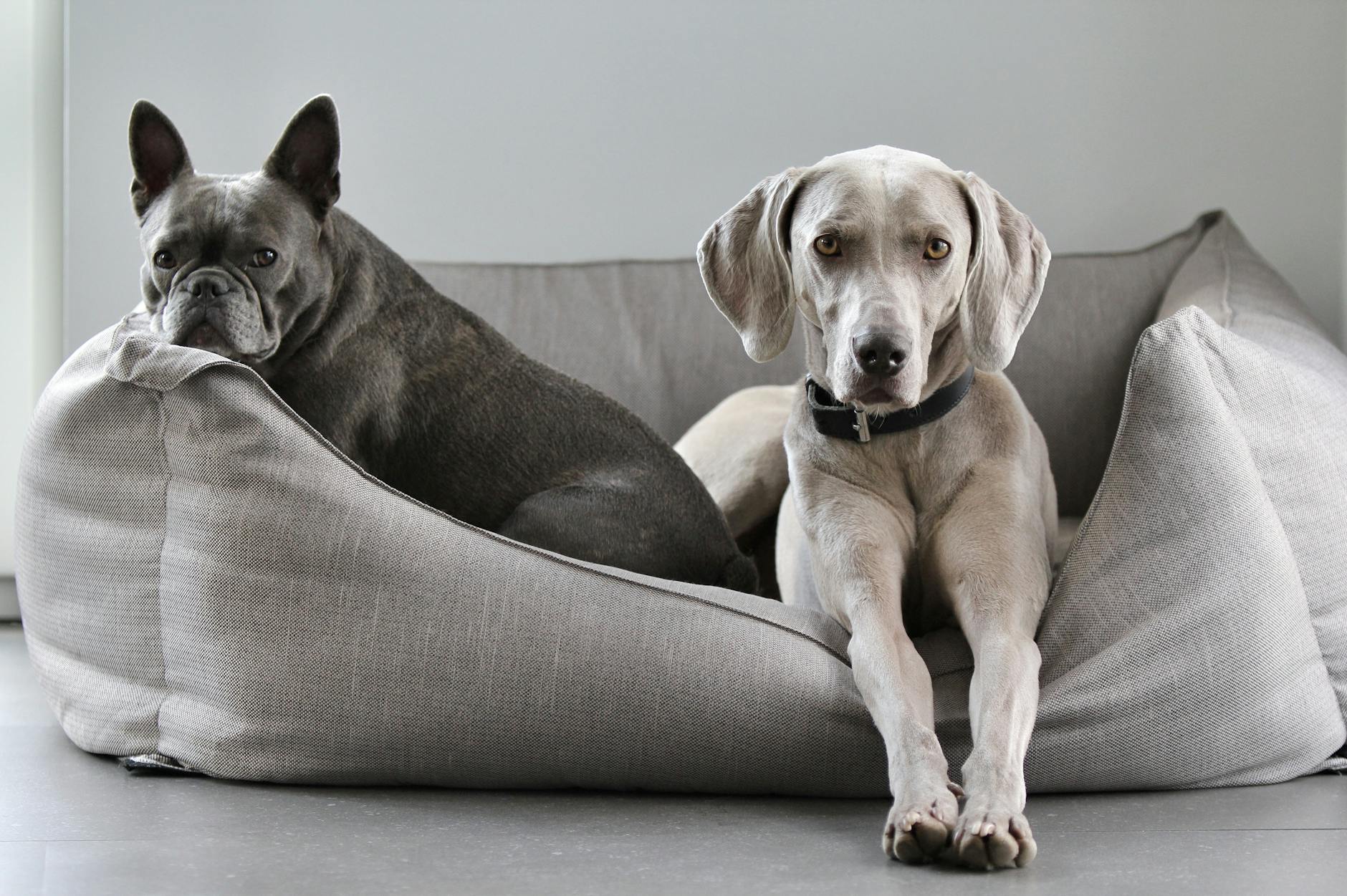
Dogs will often spend several minutes pushing pulling and restructuring their bedding into a preferred configuration before settling down when alone. This nesting behaviour is hormonally influenced and particularly pronounced in unspayed females but is observed across all dogs to varying degrees. The goal appears to be the creation of a secure enclosed sleeping environment that echoes the dens used by wild canid ancestors. The investment of time and effort in nest preparation reflects how seriously dogs approach the vulnerability of rest.
Staring at Walls
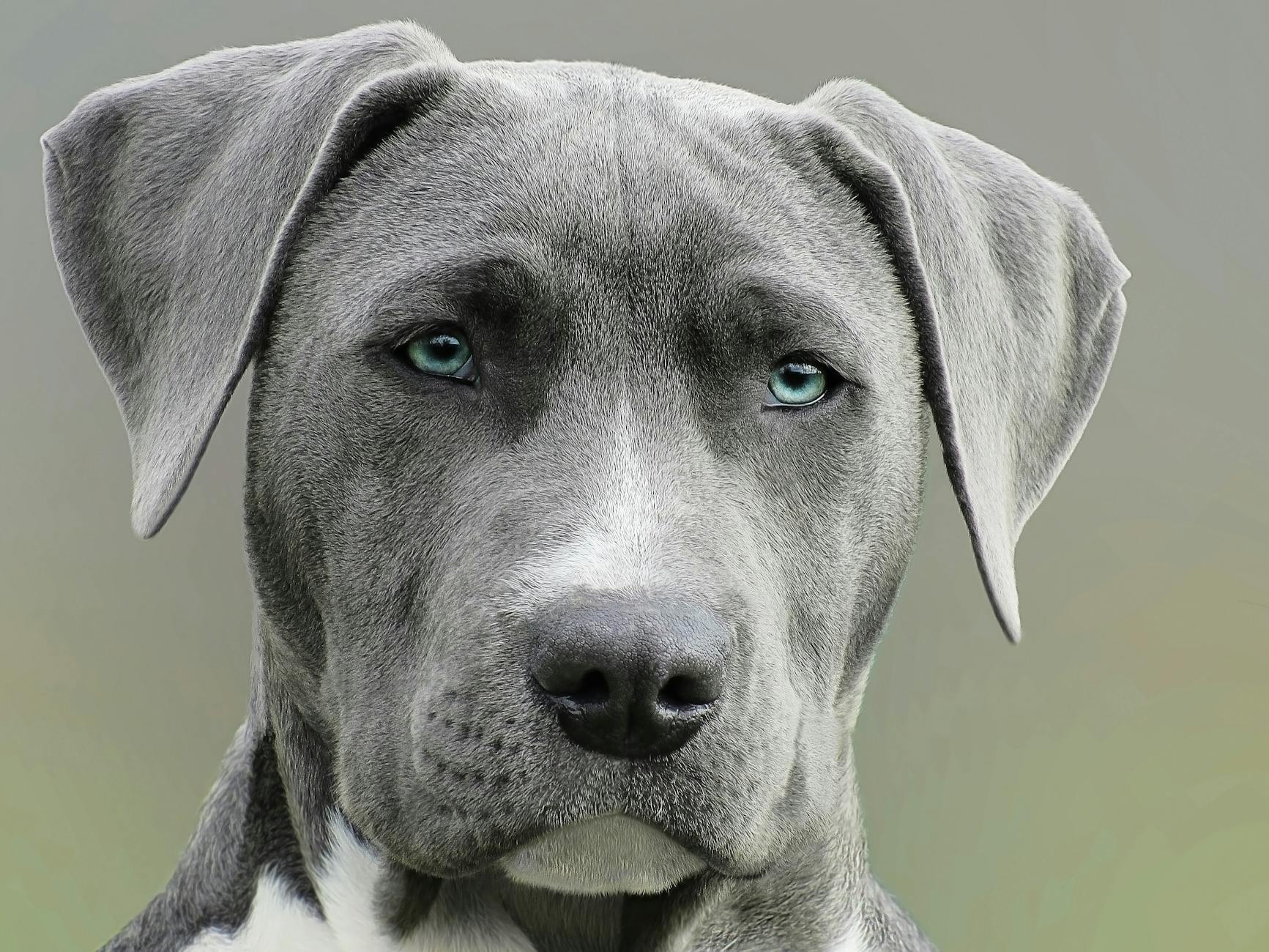
One of the most unsettling behaviours dogs exhibit alone is sustained motionless staring at blank walls or empty corners of a room. In most cases this is easily explained by the dog detecting ultrasonic sounds rodent activity or subtle vibrations within the structure of the building that are entirely beyond human sensory range. Dogs can hear frequencies up to 65000 Hz compared to the 20000 Hz upper limit in humans making the built environment acoustically rich in ways invisible to their owners. While occasional wall staring is normal a sudden increase in the frequency or intensity of this behaviour warrants a veterinary check to rule out neurological causes.
Which of these secret habits does your dog share? Tell us what your dog gets up to when you are not looking in the comments.