The wellness industry presents a polished and carefully curated image to the public, but behind closed doors even the most credentialed coaches and trainers quietly experiment with practices they would never put their name to professionally. These unendorsed habits exist in a gray zone between emerging science and outright eccentricity, attracting elite performers precisely because they operate outside the scrutiny of mainstream health discourse. From ancient rituals reclaimed by biohackers to fringe therapies borrowed from obscure clinical traditions, the following 24 trends reveal the stranger side of high-performance wellness culture.
Urine Therapy
The practice of applying aged urine topically to the skin or consuming small amounts as a claimed detoxification method has been documented across ancient Ayurvedic and Traditional Chinese Medicine traditions for thousands of years. A quiet but persistent subset of elite wellness practitioners reportedly experiment with this practice in private while distancing themselves entirely from it in professional contexts. Modern dermatological research has found trace amounts of urea in topical formulations used to treat dry skin conditions. No credible clinical evidence currently supports internal use and formal medical bodies consistently advise against it.
Dry Fasting
Unlike standard intermittent fasting which permits water intake, dry fasting involves abstaining from both food and all liquids for a defined period ranging from several hours to multiple days. A number of high-performance coaches in endurance and spiritual wellness communities reportedly cycle through short dry fasts while publicly promoting only conventional hydration-inclusive fasting protocols. Proponents within fringe biohacking circles claim the practice accelerates cellular autophagy at a rate significantly beyond water fasting. Medical professionals uniformly flag extended dry fasting as dangerous due to rapid dehydration and electrolyte disruption risks.
Earthing Sheets
Sleeping on conductive sheets connected to a grounding rod inserted into the soil outside the home is a practice drawn from the broader earthing movement which theorizes that direct contact with the earth’s electron field reduces systemic inflammation. A growing number of performance coaches in the sleep optimization space have incorporated grounding bedding systems into their own sleep environments without formally recommending them in their public programs. Preliminary studies on earthing have shown modest reductions in cortisol levels and improvements in subjective sleep quality in small sample sizes. Mainstream sleep scientists treat the research base as insufficiently robust to justify formal endorsement.
Snake Venom Peptides

Topical serums derived from synthetic replications of specific snake venom peptides have circulated in elite anti-aging skincare circles for over a decade. The compounds are marketed for their claimed ability to relax facial muscle contractions in a manner superficially similar to neurotoxin-based cosmetic treatments. Several high-profile wellness coaches operating in the longevity space have been linked to private use of these formulations while publicly steering clients toward more conventional skincare protocols. Dermatological research on the efficacy of topical venom peptides remains limited and largely industry-funded.
Copper Tongue Scrapers
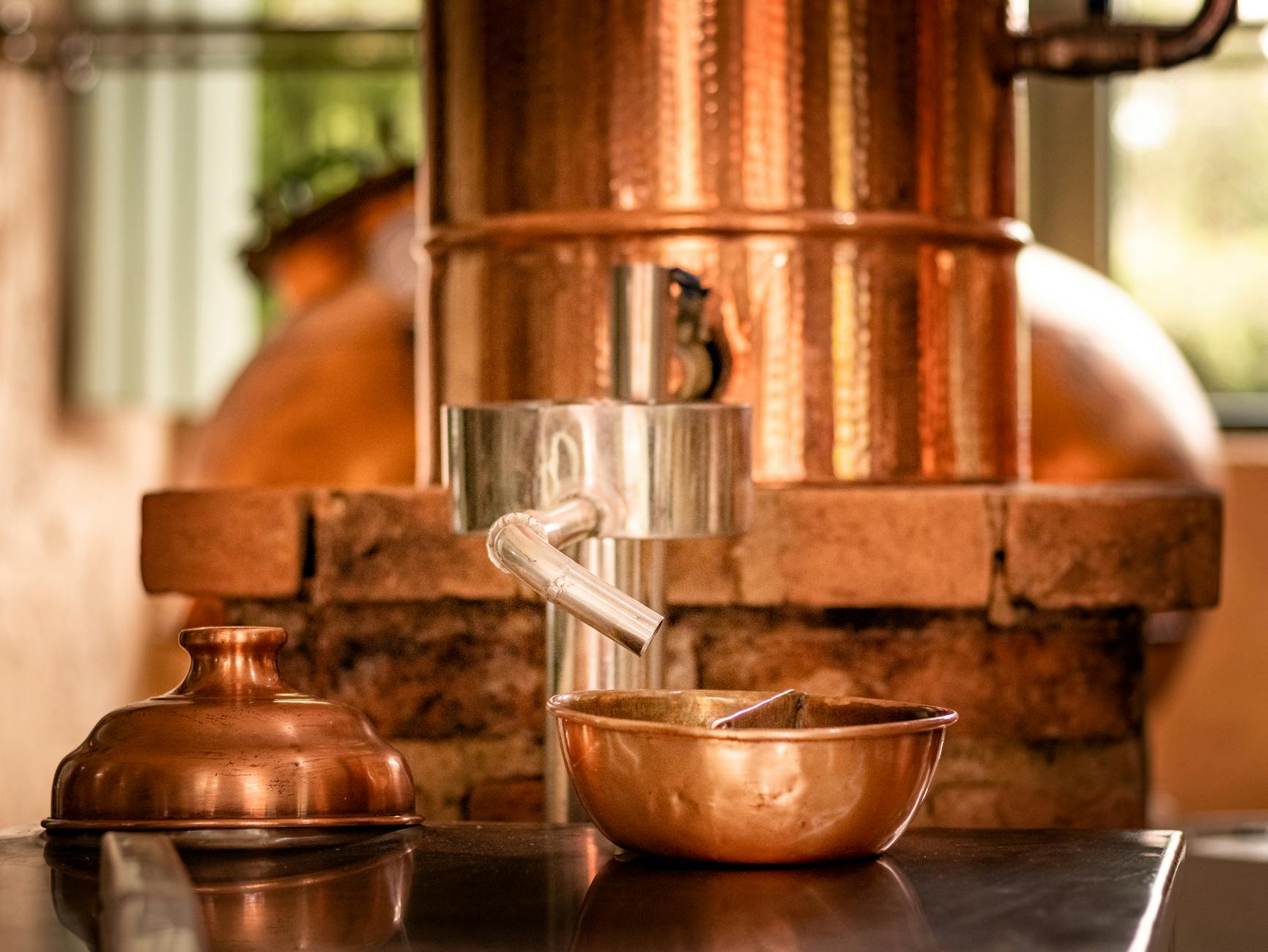
Using a copper-specific tongue scraper rather than a standard stainless steel version is a practice rooted in Ayurvedic medicine which attributes antimicrobial and energetic properties specifically to copper as a material. Oral health coaches and integrative dentistry advocates in private wellness networks have increasingly favored copper instruments while stopping short of making material-specific recommendations in their public content. Some in vitro research supports copper’s antimicrobial properties as a surface material though its clinical superiority over stainless steel in tongue scraping specifically has not been formally established. The practice of tongue scraping itself regardless of material is supported by evidence for reducing oral bacterial load.
Castor Oil Packing
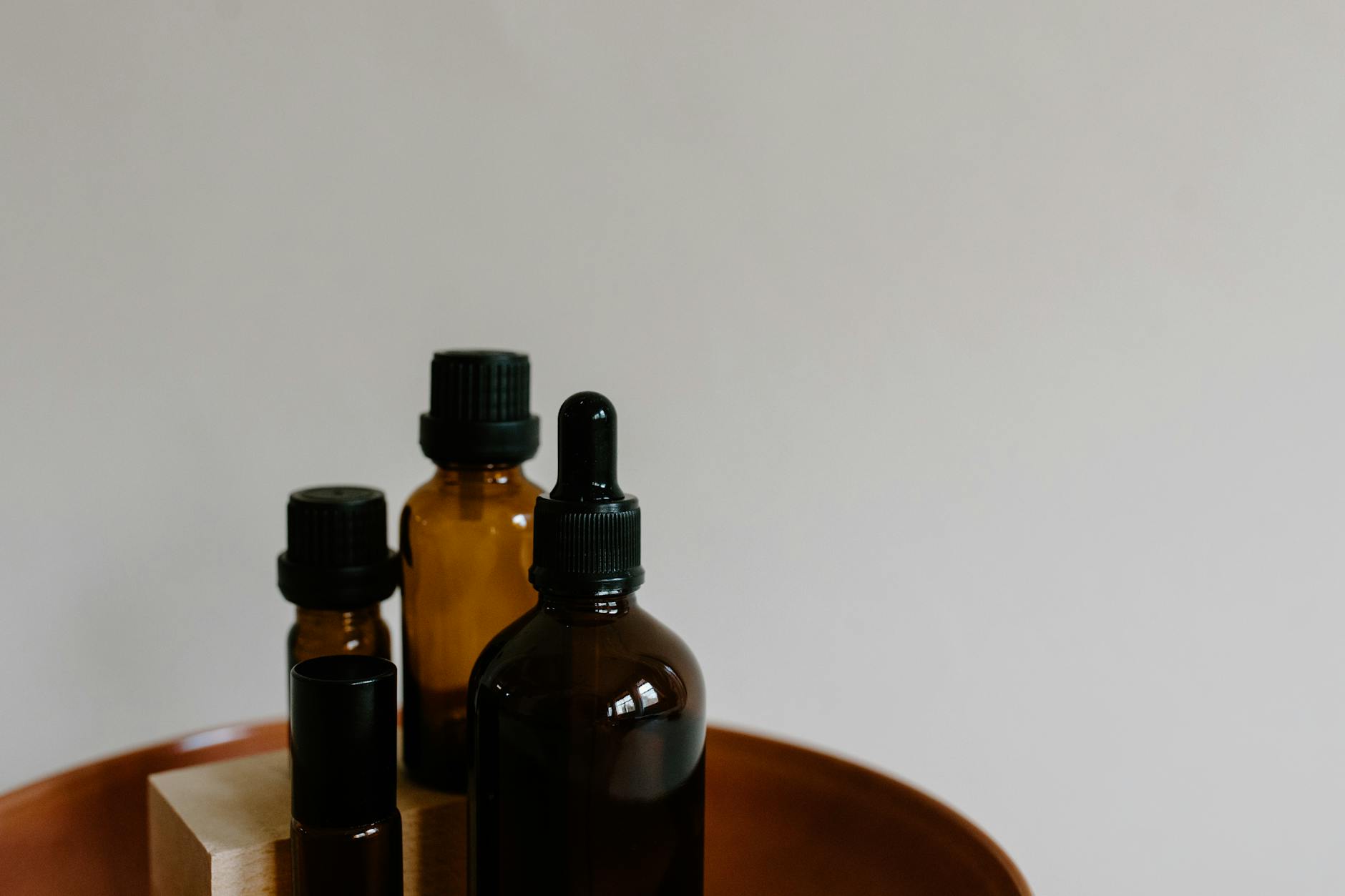
Applying a generous layer of cold-pressed castor oil to the abdomen and covering it with a cloth pack worn overnight is a practice associated with the work of early twentieth-century healer Edgar Cayce and has since been reexamined by naturopathic practitioners. Coaches working in the gut health and hormone optimization space have reported private use of castor oil packs as a lymphatic support tool while rarely featuring the method in their formal client protocols. Limited modern research suggests castor oil contains ricinoleic acid which may have localized anti-inflammatory properties when applied topically. No large-scale randomized controlled trials have validated the specific claims made about overnight abdominal packing.
Methylene Blue
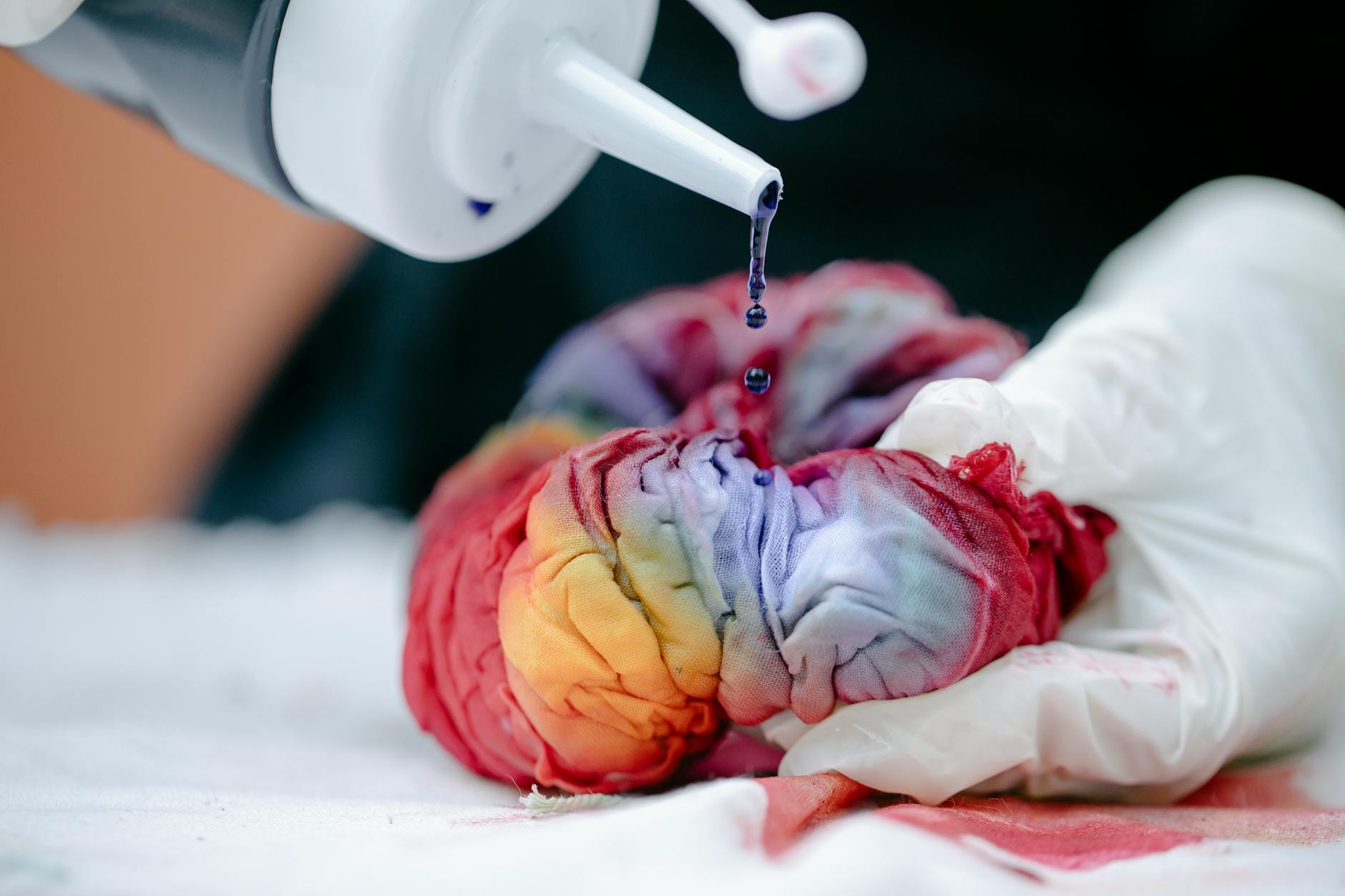
Originally developed as a textile dye and later adopted in clinical medicine as a treatment for methemoglobinemia, pharmaceutical-grade methylene blue has found a niche following among longevity-focused coaches and biohackers who use it for its purported mitochondrial enhancement properties. Coaches in the cognitive performance space have been documented discussing private low-dose supplementation in closed community settings while avoiding any public promotion given the compound’s regulatory ambiguity as a supplement. Animal studies and limited human trials have shown some evidence of neuroprotective effects at low doses. Its use outside a clinical context remains largely unregulated and carries interaction risks with several common medications.
Raw Liver Consumption
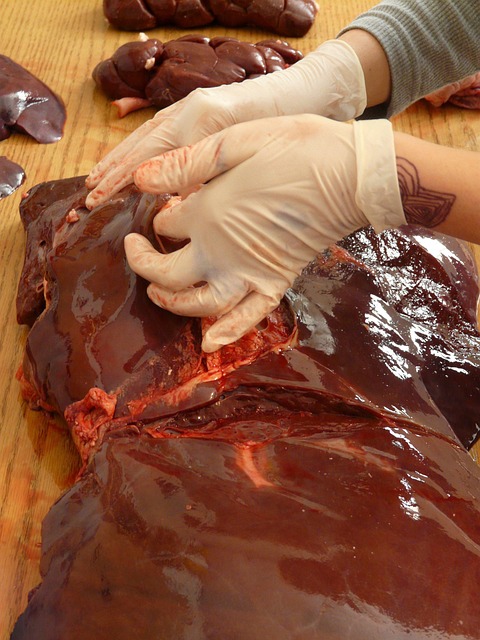
Eating small amounts of frozen and then thawed raw beef liver as a nutrient-dense food source is a practice that has re-entered fringe ancestral health communities as interest in nose-to-tail eating and nutrient bioavailability has grown. Performance coaches operating at the intersection of ancestral nutrition and athletic optimization have been linked to private experimentation with raw liver while publicly recommending only thoroughly cooked liver products to clients. Raw liver is exceptionally high in bioavailable vitamin A, B12, folate, and iron. Food safety authorities consistently advise against raw liver consumption due to the risk of bacterial contamination including E. coli and Salmonella.
Salt Pipe Inhalation
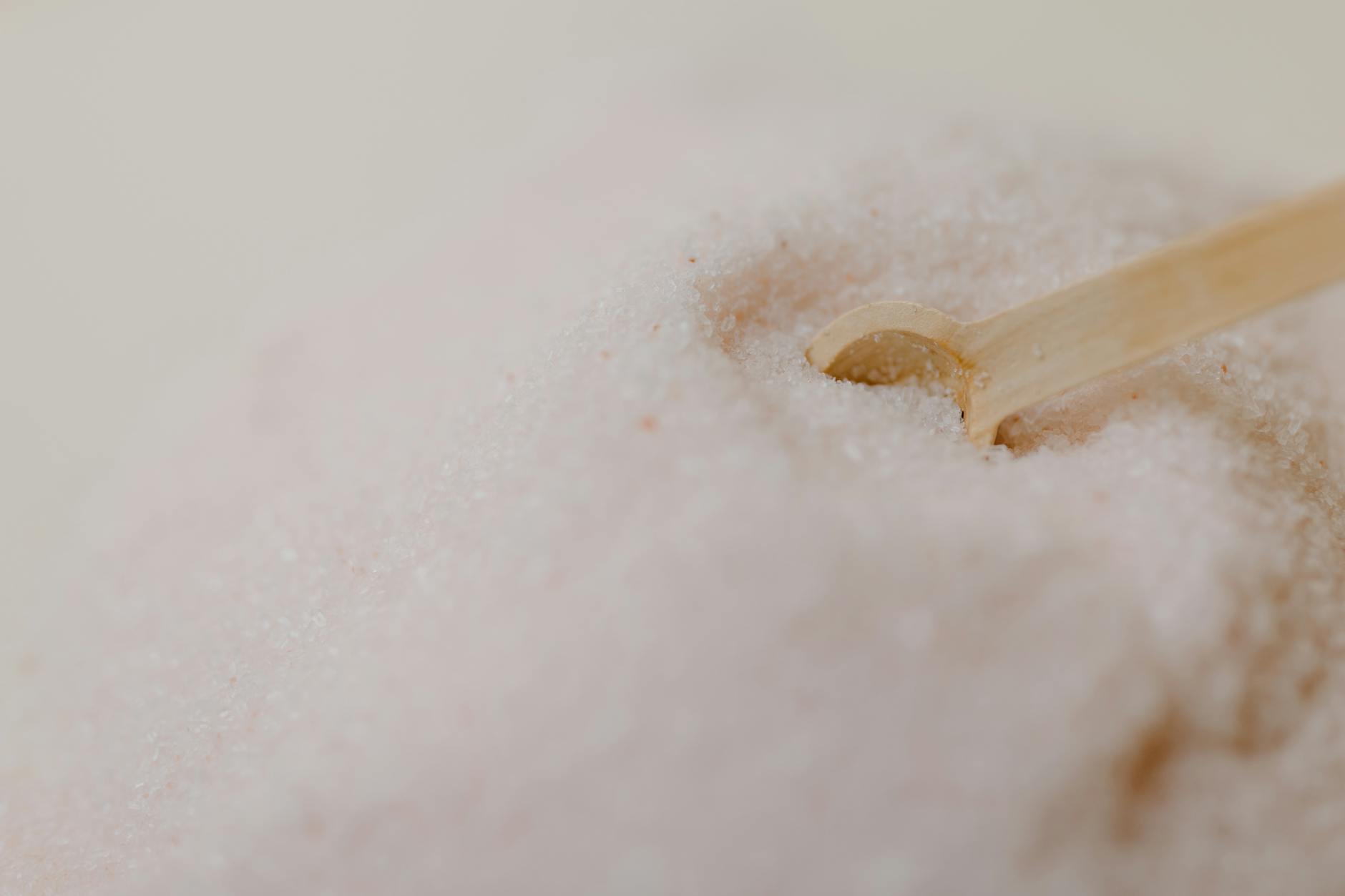
Breathing through a small ceramic pipe containing granulated halite salt crystals for several minutes per day is a portable adaptation of the halotherapy practiced in Eastern European salt caves. Respiratory coaches and breathwork practitioners in private wellness circles have been noted using personal salt pipes as a daily maintenance tool while declining to feature them in public programming due to limited evidence standards in their professional communities. Halotherapy research shows some promise for respiratory conditions including mild asthma and chronic bronchitis in cave-based formats. Portable salt pipe devices have a substantially smaller research base and have not been validated in controlled clinical trials.
Forest Bathing Nudity
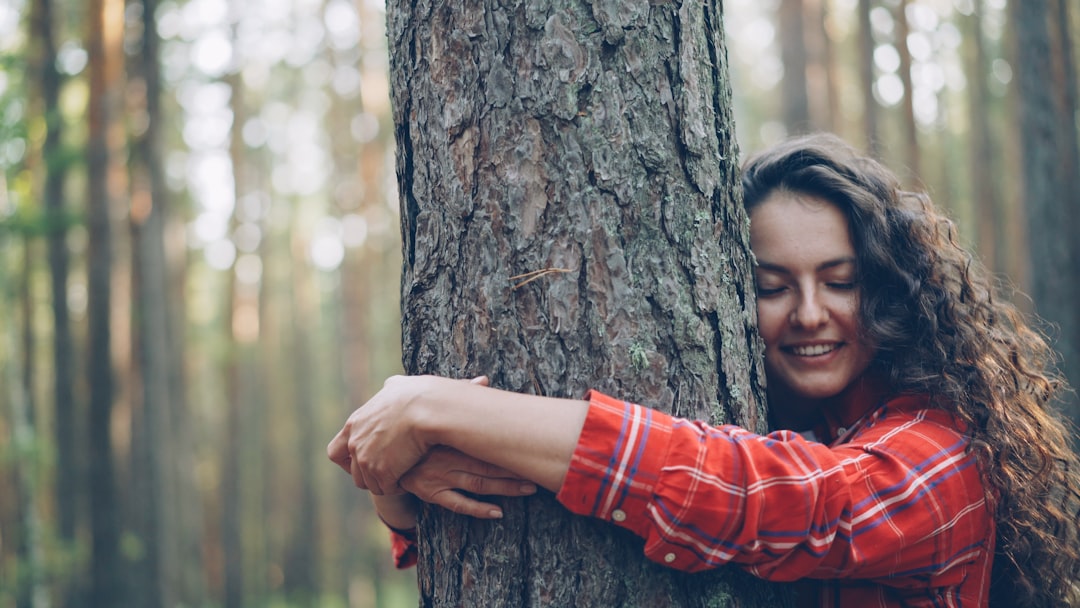
Practicing shinrin-yoku or forest bathing without clothing in legally permitted naturist nature reserves is a fringe extension of the mainstream forest bathing movement that a small community of wellness professionals quietly engages with. Advocates within this group argue that direct skin contact with natural air, plant compounds, and sunlight maximizes the psychophysiological benefits documented in standard forest bathing research. The broader evidence base for clothed forest bathing includes well-replicated findings on reduced cortisol, improved natural killer cell activity, and lowered blood pressure. No research has directly compared the physiological outcomes of clothed versus unclothed forest bathing.
Bee Venom Acupuncture
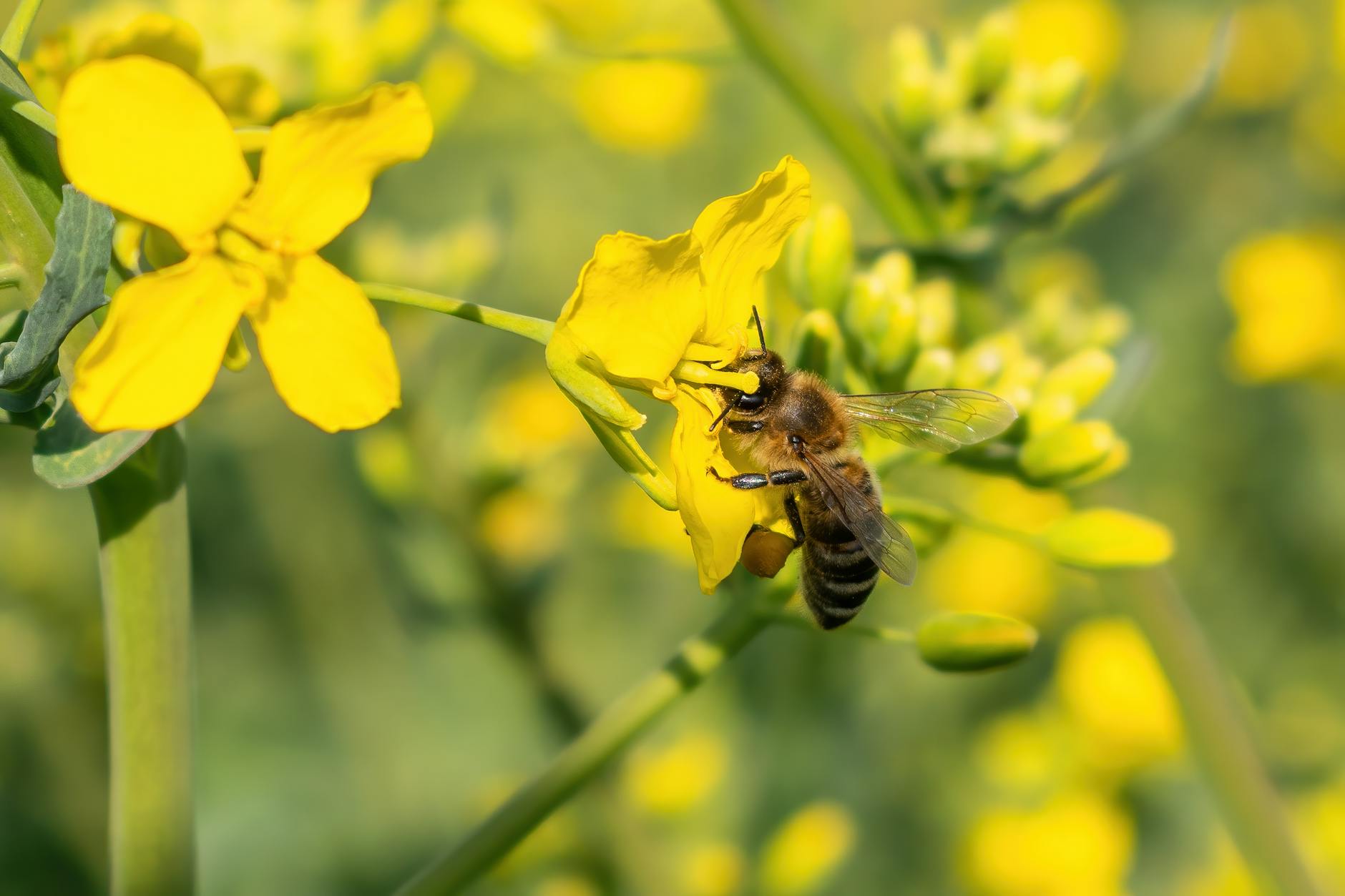
Allowing live honeybees to sting specific acupuncture points on the body or receiving injections of purified apitoxin at these sites is a practice documented in South Korean and Eastern European traditional medicine systems. A small number of high-performance wellness coaches with backgrounds in integrative medicine have been linked to personal apitherapy sessions while publicly limiting their recommendations to conventional acupuncture. Some research has identified anti-inflammatory compounds within bee venom including melittin and adolapin that show activity in laboratory settings. Anaphylaxis risk makes unsupervised live bee stinging a significant safety concern and no standardized clinical protocol exists for its general wellness application.
Black Salve
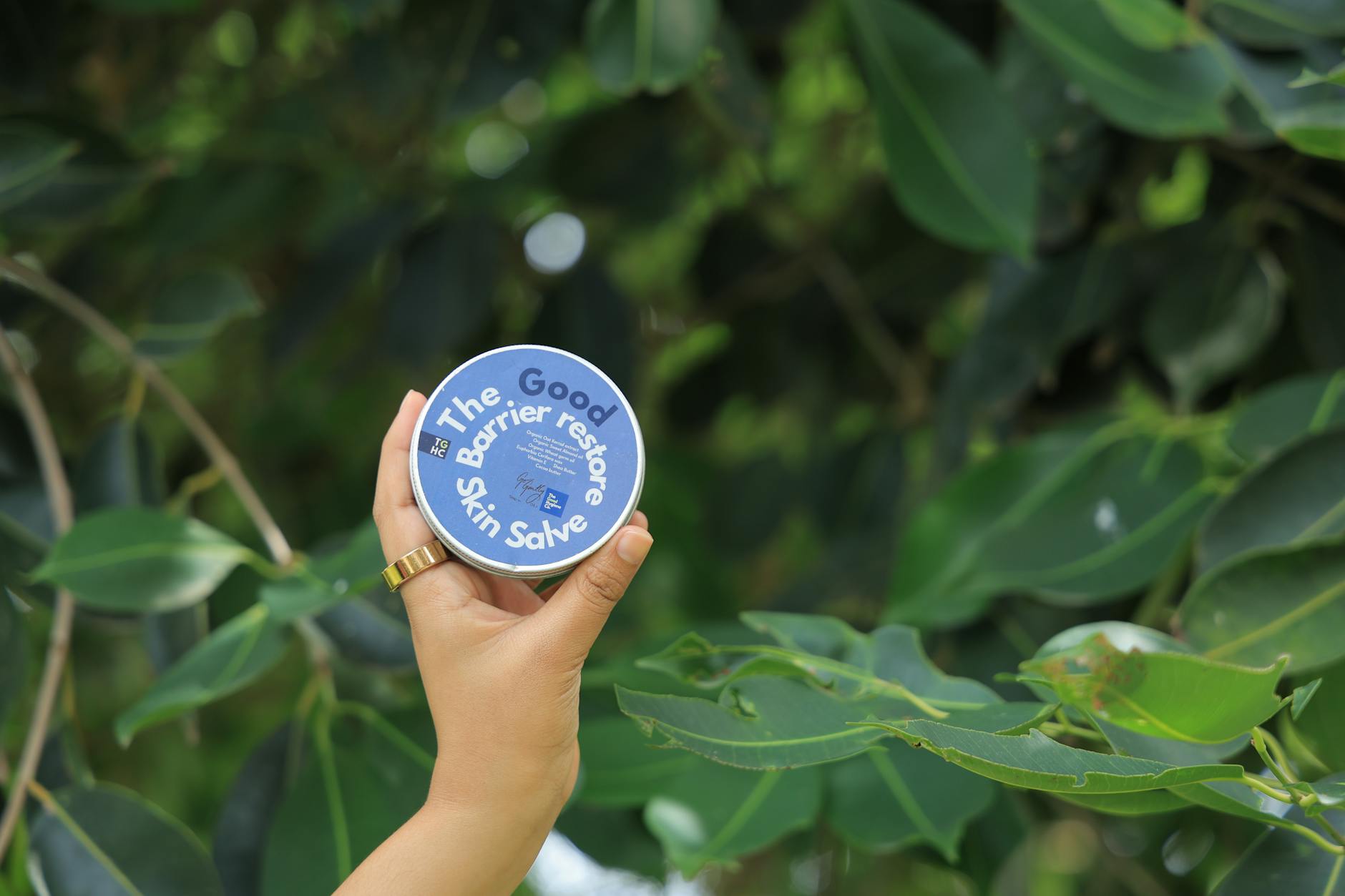
Applying a caustic paste made from bloodroot and zinc chloride to skin lesions as a claimed natural alternative to conventional dermatological treatment is a practice that has persisted in naturopathic fringe communities despite significant medical warnings. Wellness coaches working in the integrative oncology-adjacent space have been documented privately exploring this compound while keeping it entirely absent from their public-facing content. Regulatory agencies in multiple countries have issued formal warnings about black salve due to documented cases of severe tissue destruction and delayed cancer treatment. No peer-reviewed clinical evidence supports its use as a safe or effective treatment for any skin condition.
Ozone Insufflation
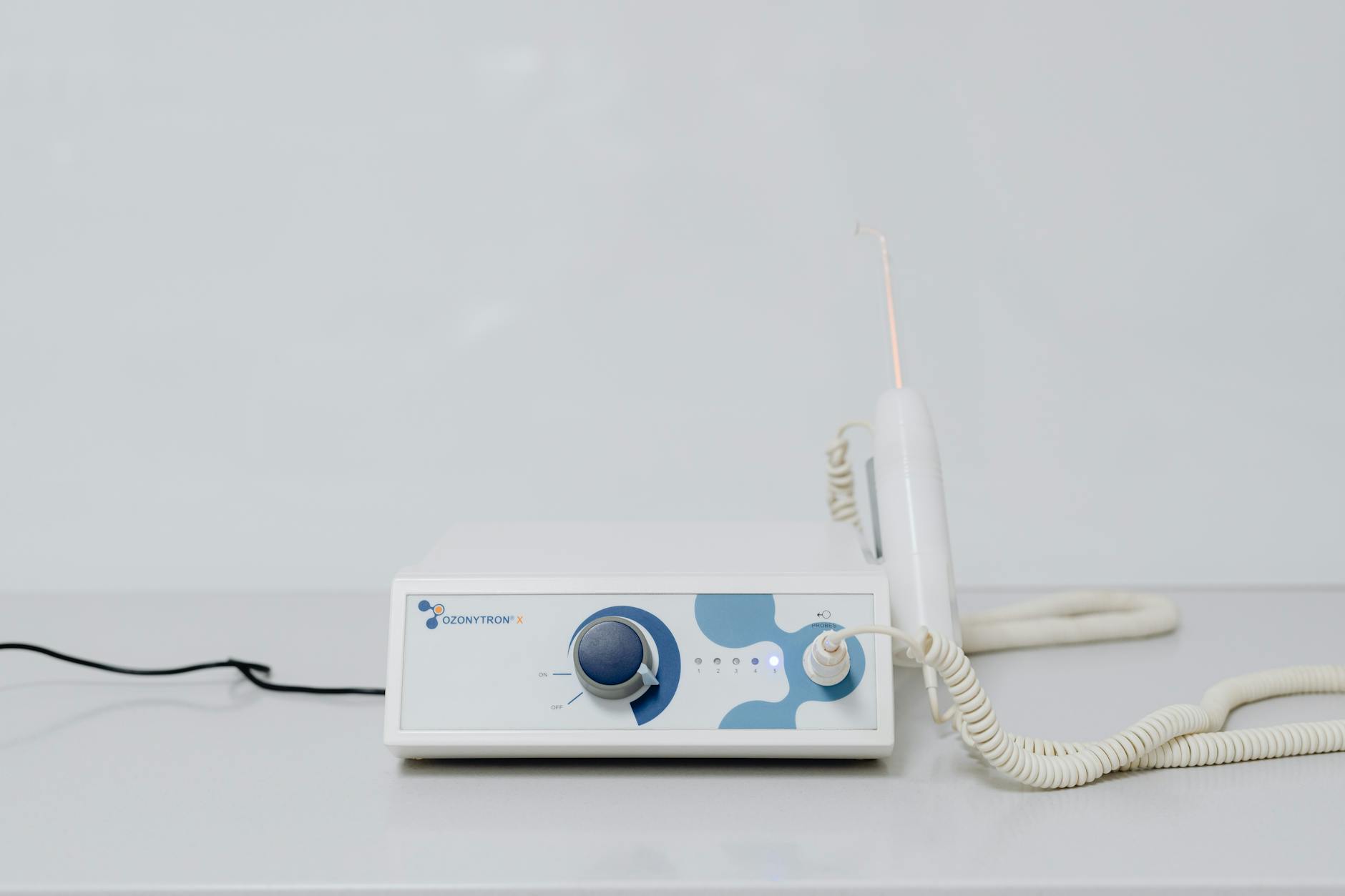
Introducing medical-grade ozone gas into the body through rectal or ear canal insufflation is a practice used within fringe ozone therapy communities who claim it enhances oxygen utilization and immune function. Performance coaches in the longevity and anti-aging sector have been observed discussing personal ozone insufflation protocols in private practitioner groups while steering public clients toward oxygen-focused practices with stronger evidence profiles. Some ozone therapy modalities including ozonated saline have a limited but existing research presence in clinical literature. Regulatory bodies in the United States and European Union have not approved ozone therapy for internal use and flag direct gas insufflation as carrying risks of embolism.
Scalp Fasting
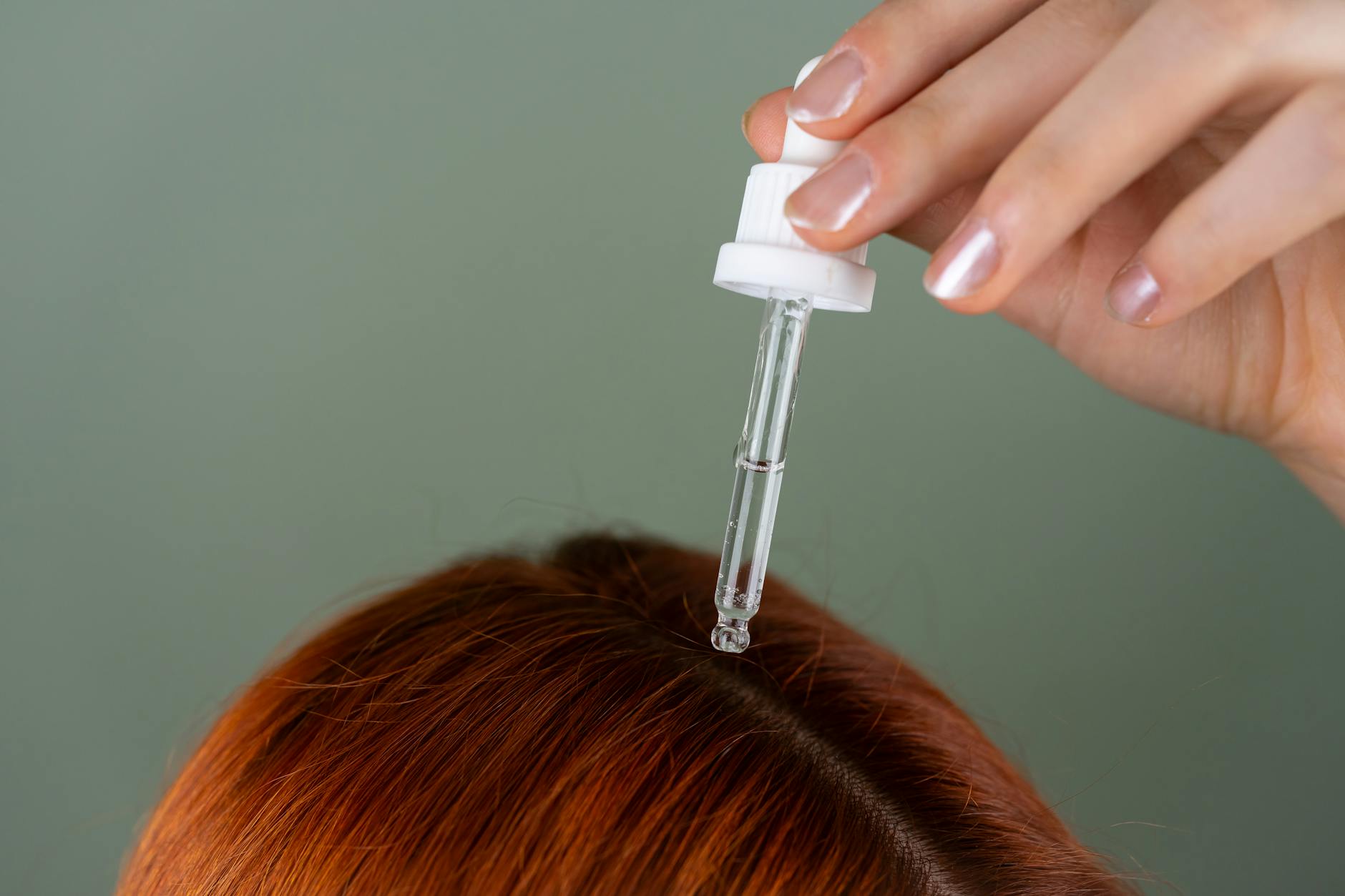
Refraining from washing the hair and scalp for extended periods of several weeks to months with the goal of allowing sebum production to self-regulate and restore the natural scalp microbiome is a practice that circulates in integrative trichology and holistic hair care communities. Coaches operating in the natural beauty and biome-focused wellness space have been linked to extended personal scalp fasting experiments while recommending only moderate wash-frequency reductions in their public content. Some trichologists support reduced washing frequency as beneficial for scalp health in those who overwash. Extended fasting periods of several months have not been validated clinically and carry documented risks of follicular clogging and fungal imbalance.
Oil Pulling
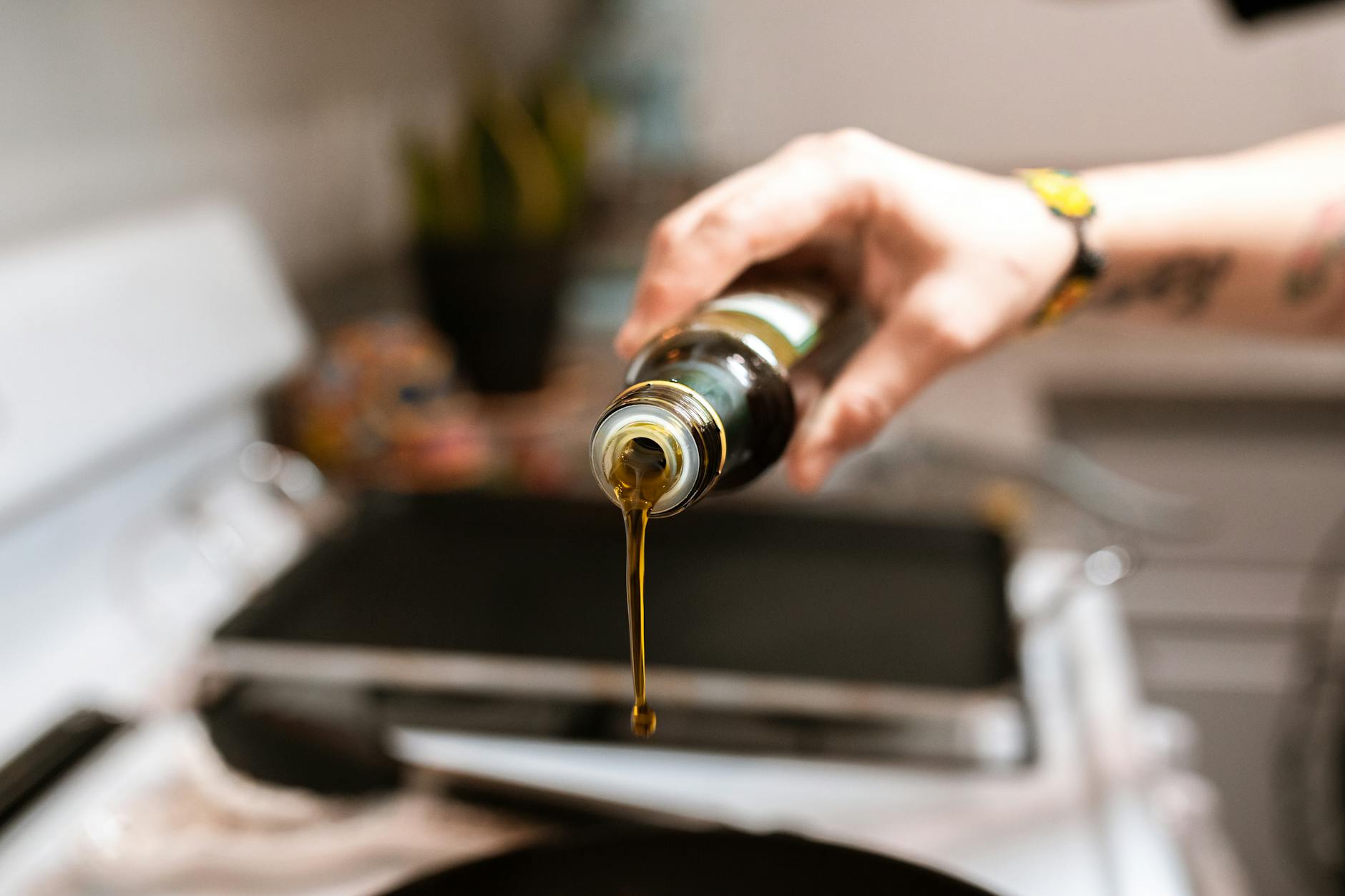
Swishing a tablespoon of cold-pressed oil typically sesame or coconut in the mouth for fifteen to twenty minutes upon waking is a traditional Ayurvedic oral hygiene practice called kavala that has experienced significant revival in integrative health communities. Coaches working in the oral microbiome and systemic wellness space frequently practice oil pulling privately while avoiding formal client recommendations due to the inconsistent quality of supporting research. Several small studies have found reductions in oral bacterial counts and improvements in gum inflammation markers comparable to chlorhexidine mouthwash in short-term trials. The practice is generally considered safe but has not been validated in large-scale randomized trials meeting current dental evidence standards.
Cold Plunge Fasting
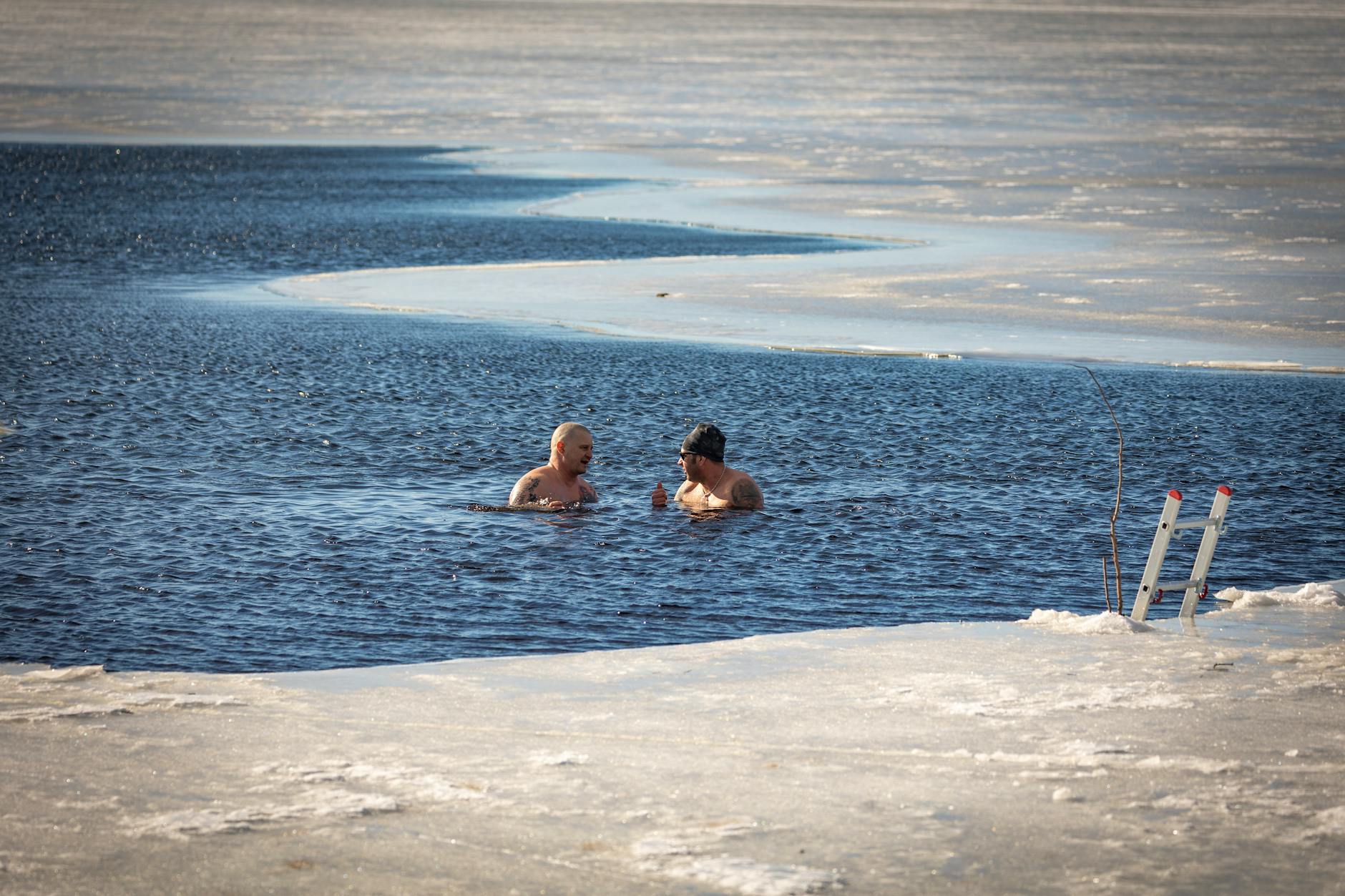
Combining an extended cold water immersion session with a fasted metabolic state to amplify the norepinephrine and growth hormone release theoretically triggered by each practice independently is a protocol discussed in elite biohacking communities. High-performance coaches who practice both cold exposure and intermittent fasting privately have begun combining them as a stacked intervention while avoiding recommending the combination publicly due to the absence of any safety or efficacy data specific to the combined protocol. Individual evidence bases for cold immersion and fasting as separate practices are reasonably well-developed. No clinical research has examined their physiological interaction when used simultaneously in healthy adults.
Tobacco Snuff
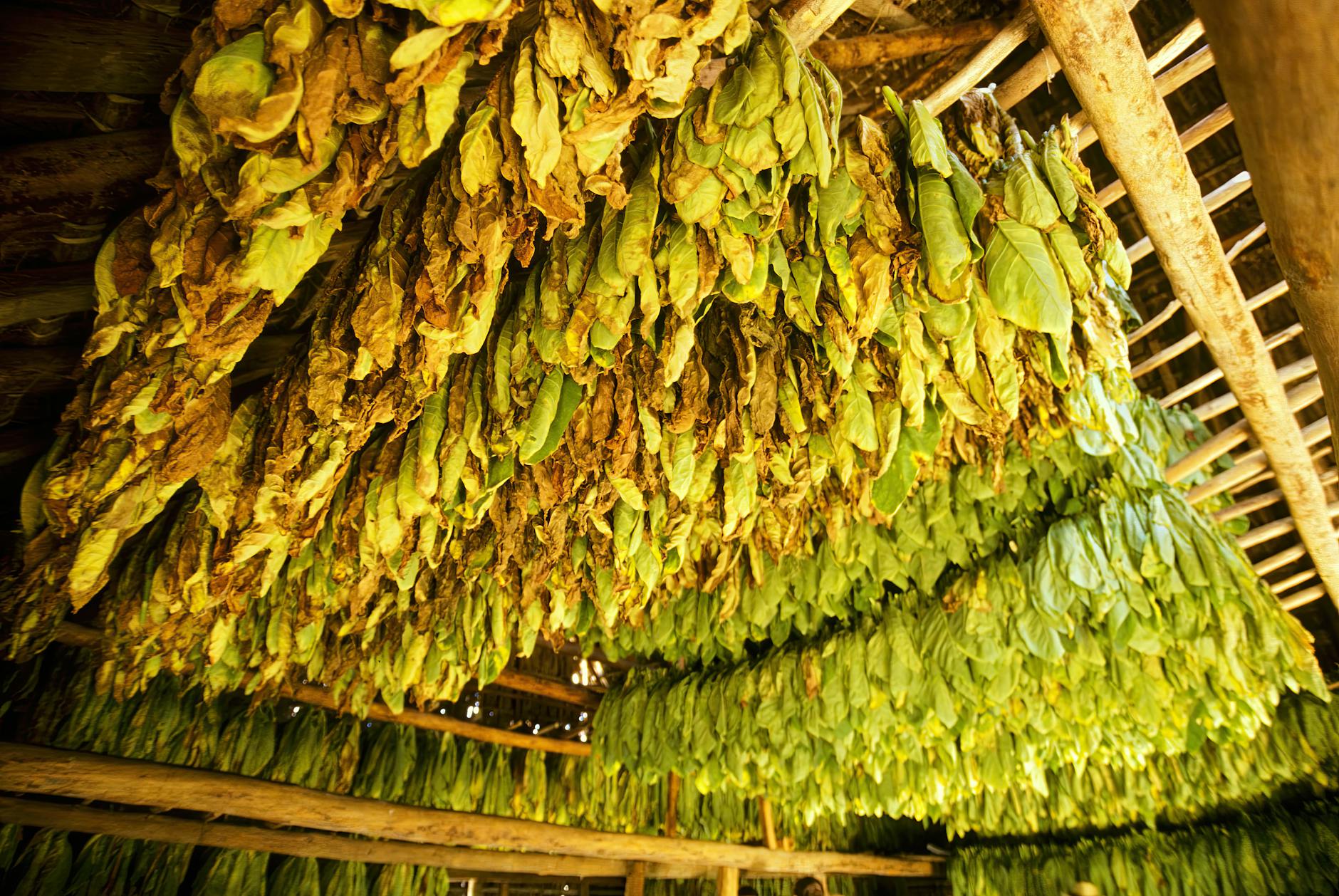
Using small amounts of traditional non-combustion tobacco in the form of dry snuff as a claimed nootropic and focus-enhancing tool is a practice that exists quietly within certain high-performance coaching communities particularly those with ancestral health or European traditional medicine influences. Nicotine’s documented effects on acetylcholine receptor activity and short-term cognitive performance are cited by private users as justification for occasional use. Coaches who experiment with this practice overwhelmingly decline to endorse any tobacco product publicly due to well-documented risks of addiction and carcinogenicity. Medical consensus strongly advises against any recreational tobacco use regardless of delivery method.
Turpentine Drops
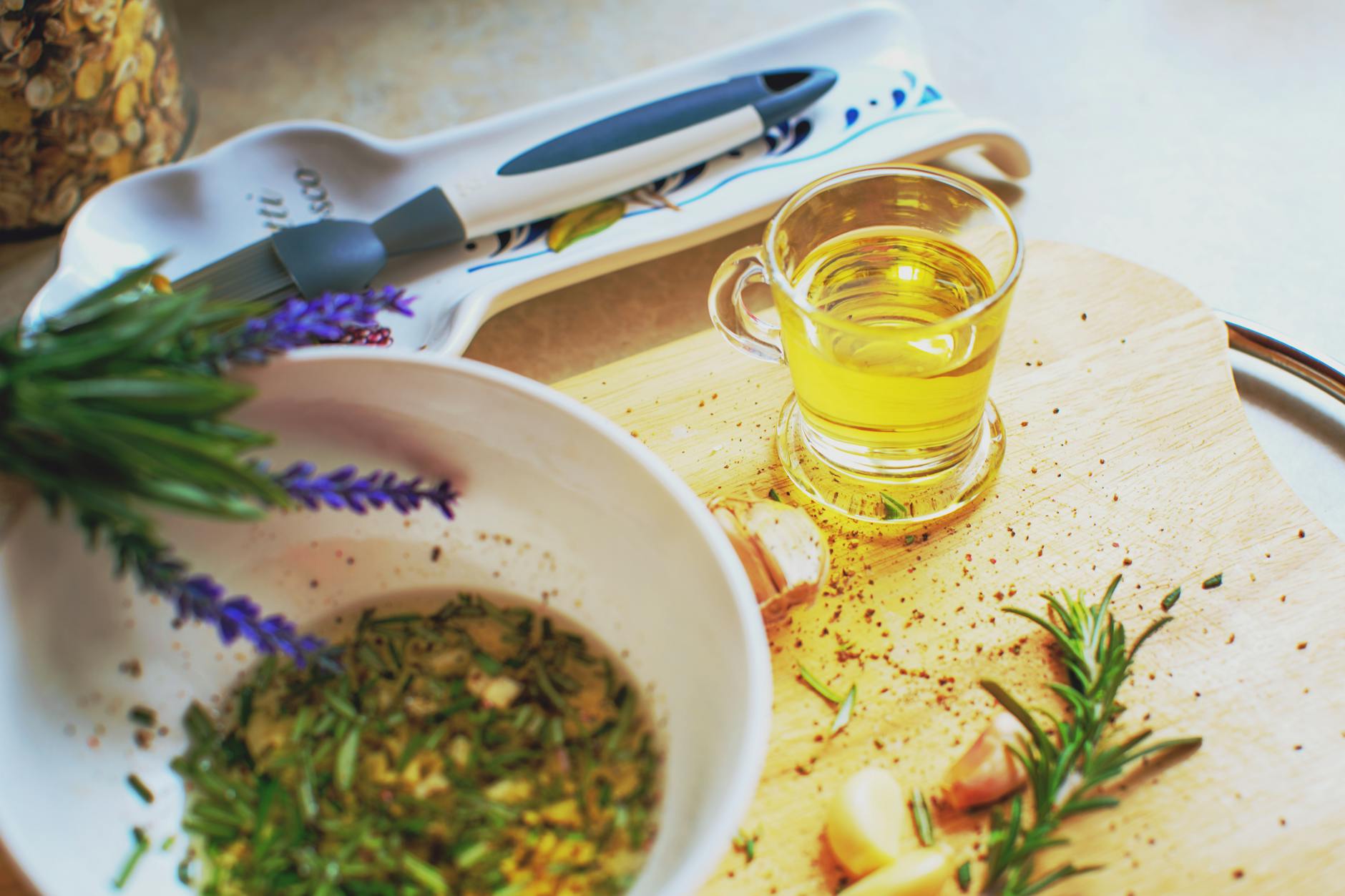
Consuming minute amounts of pure gum spirits of turpentine diluted in sugar or castor oil as a claimed antiparasitic and detoxification agent is a practice associated with certain fringe ancestral and alternative medicine communities. A small number of coaches operating at the extreme edges of gut health optimization have been linked to personal experimentation with this compound. Turpentine is a toxic industrial solvent and no evidence base supports its internal use for any health application. Poison control centers in multiple countries list turpentine ingestion as a medical emergency requiring immediate intervention.
Semen Retention

Practicing deliberate abstinence from ejaculation for extended periods ranging from weeks to months based on the belief that conserving this biological resource redirects vital energy toward cognitive performance and physical endurance is a practice with roots in Taoist sexual cultivation traditions. A subset of male performance coaches in the mental resilience and discipline space privately follow retention protocols while declining to discuss them in professional contexts where they would attract significant skepticism. Some research has documented short-term testosterone fluctuations following brief abstinence periods though findings are inconsistent across studies. No clinical evidence supports the specific performance enhancement claims most commonly attributed to extended retention.
Activated Charcoal Bathing
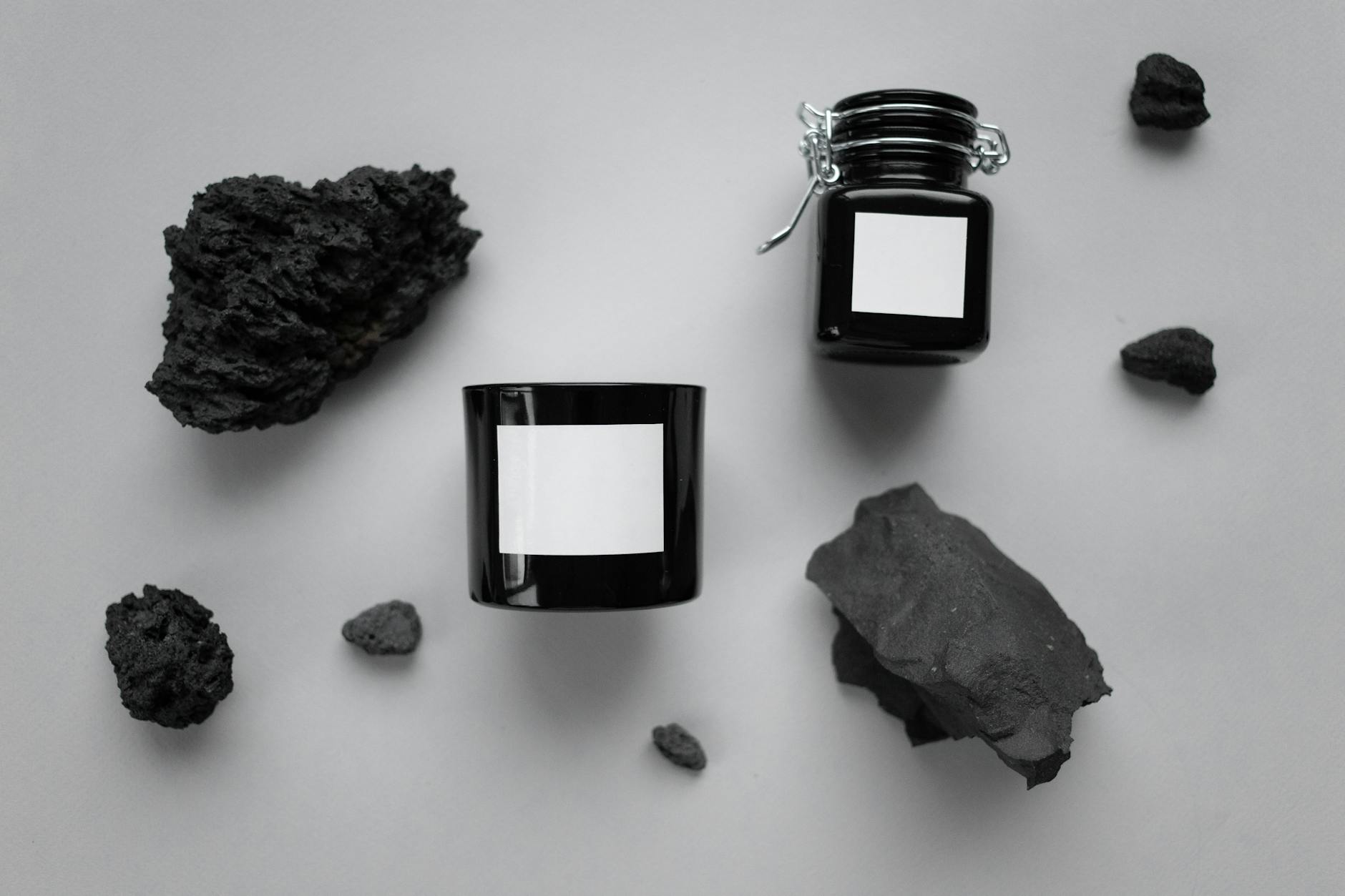
Adding food-grade activated charcoal powder to bathwater as a claimed transdermal detoxification and skin purification treatment is a practice found in holistic skincare communities that has attracted quiet interest from wellness coaches focused on environmental toxin reduction. Coaches who engage in this practice privately tend to avoid recommending it formally because the theoretical basis for transdermal toxin absorption through charcoal baths has no established clinical evidence. Activated charcoal is well-documented as an effective oral adsorbent in acute poisoning scenarios in clinical medicine. Its topical and transdermal mechanisms in a bath context remain entirely without peer-reviewed validation.
Leech Therapy
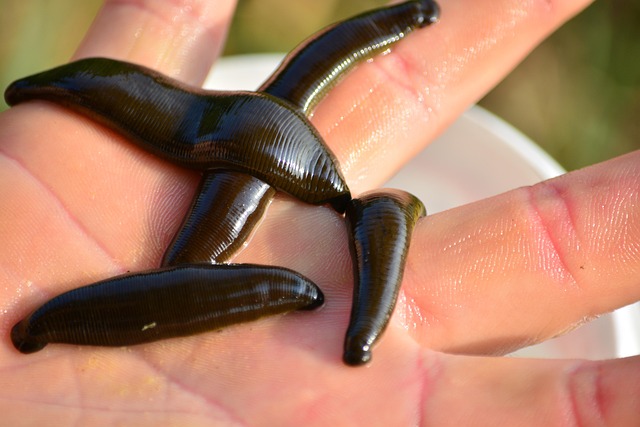
Allowing medicinal leeches to attach to specific body points for circulatory and anti-inflammatory benefits is a hirudotherapy practice with a surprisingly well-documented history in clinical medicine particularly in reconstructive surgery. Coaches in the inflammation and joint recovery space have been linked to private hirudotherapy sessions at licensed naturopathic or integrative medicine clinics while stopping short of recommending it in their public content. Hirudin the anticoagulant compound secreted by medicinal leeches has a genuine pharmacological profile and is the subject of ongoing medical research. Public endorsement risks are high due to the visceral nature of the practice and the very specific clinical supervision it requires.
Sound Bath Sleeping

Installing therapeutic-grade crystal or Tibetan singing bowl recordings through bone conduction sleep headphones to maintain low-level vibroacoustic stimulation throughout the entire sleep cycle is a practice found in the more experimental corners of sleep optimization coaching. Practitioners in this space who have adopted nightly sound bath sleeping keep the protocol private due to the complete absence of clinical research on extended overnight vibroacoustic exposure during sleep. Daytime sound bath research has shown modest effects on parasympathetic nervous system activation and subjective stress reduction. The neurological implications of continuous overnight auditory stimulation have not been studied and carry theoretical concerns about sleep architecture disruption.
Maggot Therapy

Using sterile medical maggots placed on chronic wounds or areas of compromised tissue for debridement and infection control is a clinically recognized practice in wound care medicine that has found fringe application in holistic recovery communities. A small number of coaches working with athletes dealing with persistent soft tissue injuries have been documented exploring private maggot debridement therapy sessions at specialist wound clinics. The clinical evidence for sterile maggot therapy in wound healing is among the stronger evidence bases of any practice on this list with multiple peer-reviewed studies supporting its use for chronic wounds. Its extreme departure from conventional wellness aesthetics makes public endorsement essentially impossible for coaches dependent on mainstream audience appeal.
Thermal Oscillation
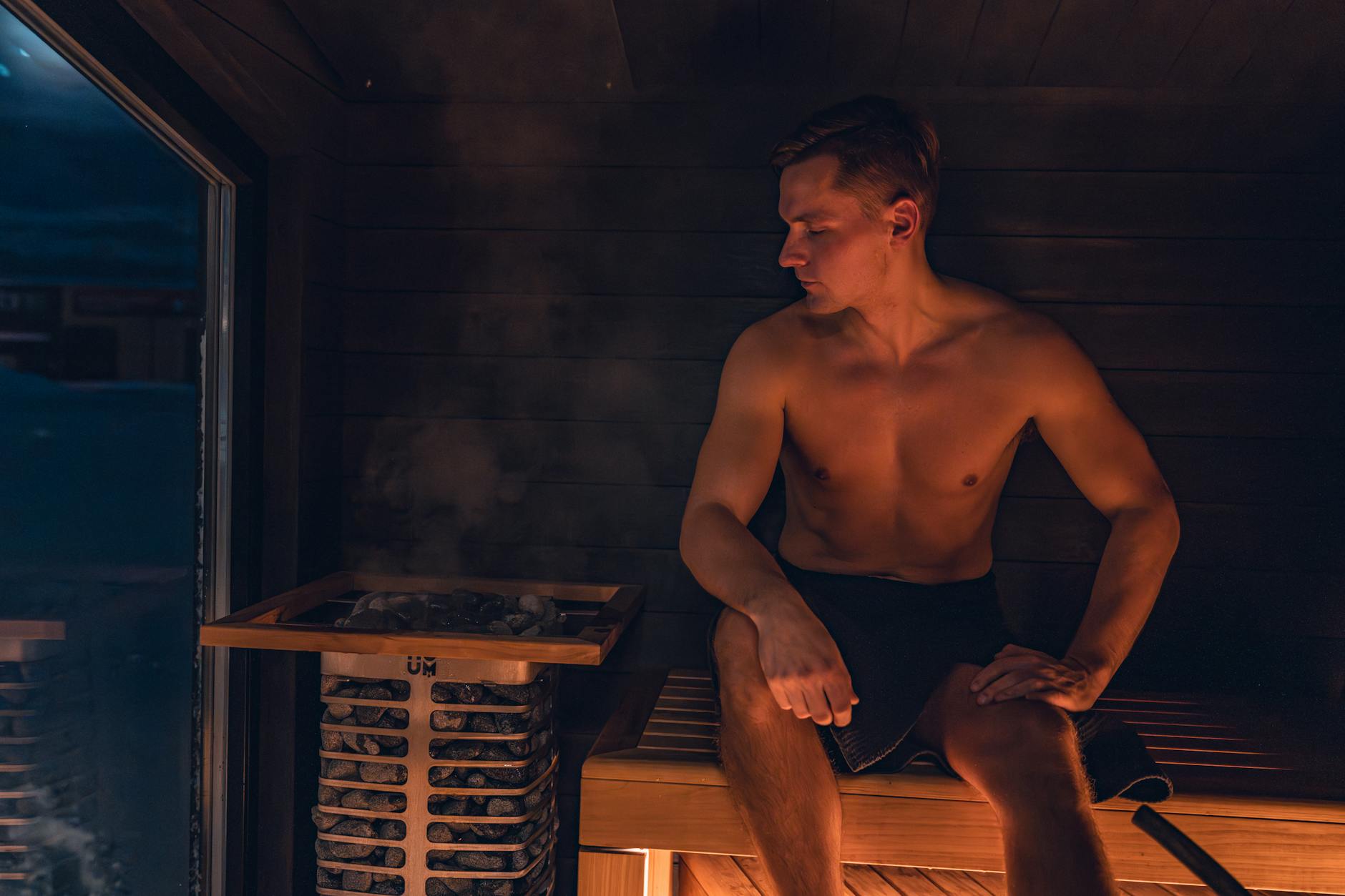
Deliberately alternating between intense heat exposure in a sauna and brief but extreme cold exposure in a plunge pool in rapid succession over multiple cycles beyond the standard two-to-three round protocol is a practice some coaches privately push to seven or more rounds. Standard sauna research supports two to four alternating cycles for cardiovascular and recovery benefits but the extended multi-cycle version used by some practitioners has no separate evidence base. Coaches who privately practice aggressive thermal oscillation tend to present only the evidence-supported shorter version in their public programming. Cardiovascular stress accumulation over many rapid-succession cycles has not been studied in controlled conditions.
Have you encountered any of these behind-the-scenes wellness practices in your own health journey? Share your thoughts in the comments.