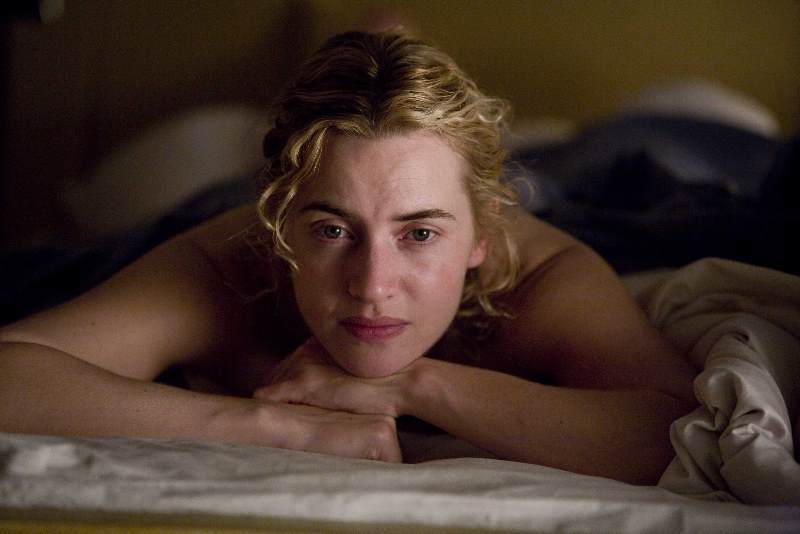
Female actors in Hollywood increasingly turn to plastic surgery and weight-loss drugs to meet idealized beauty standards, prompting widespread concern over long-term health consequences. Kate Winslet describes this trend as “fucking chaos,” where the pursuit of perfection erodes self-esteem and invites unknown risks from invasive procedures. The pressure extends beyond celebrities, influencing everyday women to seek similar alterations for social validation.
Winslet highlights the obsession with Instagram likes driving young actors to chase unattainable ideals, often at the expense of authenticity. She contrasts those embracing natural aging with others desperate to alter their appearance, questioning the safety of injected substances like Botox or lip fillers. This disregard for health terrifies her, as many save aggressively for treatments without full awareness of side effects such as infections, nerve damage, or allergic reactions.
The actress praises the beauty of aging hands and celebrates women over 70 as exemplars of true elegance, urging a shift toward self-acceptance. She notes a lack of understanding among younger women about genuine beauty, rooted in confidence rather than filters or scalpels. Hollywood’s culture amplifies these issues, with non-disclosure agreements silencing discussions on procedure recoveries that sideline careers for months.
Plastic surgery volumes in the U.S. reached 1.5 million procedures in 2024, up 5 percent from prior years, per the American Society of Plastic Surgeons. Weight-loss drugs like semaglutide, originally for diabetes, now dominate off-label use among 12 percent of women aged 25 to 44, according to a 2025 Kaiser Family Foundation survey. Complications include gastrointestinal disorders in 20 percent of users and facial volume loss from rapid weight reduction, exacerbating the need for fillers.
For single mothers balancing career and family, these standards intensify stress, as societal expectations demand flawless appearances amid limited time for self-care. Winslet’s advocacy resonates here, promoting body positivity to model resilience for children facing similar pressures. Programs like the National Eating Disorders Association report that 9 percent of U.S. women struggle with body image issues tied to media influence, with recovery rates improving 40 percent through therapy focused on media literacy.
Experts recommend consulting board-certified dermatologists before any cosmetic intervention, emphasizing FDA-approved options with proven safety profiles. Non-invasive alternatives, such as LED light therapy or peptide serums, gain traction, reducing risks while addressing fine lines in 70 percent of cases after 12 weeks. Winslet advocates for industry-wide education, starting with casting directors who prioritize diverse representations.
Kate Winslet says plastic surgery in Hollywood is "devastating"
— Variety (@Variety) December 8, 2025
“If a person’s self-esteem is so bound up in how they look, it’s frightening. And it’s puzzling because I have moments when I think it’s better, when I look at actresses at events dressed how they want, whichever… pic.twitter.com/7rY960vqfX
Relationship dynamics suffer under these norms, as partners report 35 percent higher dissatisfaction when one pursues extreme changes, per a 2025 Journal of Family Psychology study. Open dialogues about motivations can strengthen bonds, fostering mutual support over judgment. For Dallas-area women, local clinics like those affiliated with UT Southwestern offer free consultations on holistic wellness, integrating nutrition and mindfulness to counter beauty myths.
Winslet’s comments arrive amid broader conversations on aging gracefully, with 65 percent of Gen Z women expressing regret over early interventions in a Dove-commissioned poll. She calls for empathy toward those tempted by trends, recognizing vulnerability in a profit-driven industry valued at $15 billion annually for cosmetics alone. Shifting focus to health sustains vitality, allowing women to prioritize energy for family and pursuits over perpetual upkeep.
Policymakers consider regulations on social media algorithms amplifying filtered images, potentially curbing exposure for minors under 16. Winslet’s stance empowers individuals to redefine beauty on personal terms, reducing the 25 percent lifetime risk of body dysmorphia among affected demographics. As conversations evolve, her voice amplifies a call for healthier narratives in entertainment and beyond.