Transportation Secretary Sean Duffy calls on U.S. airlines to replace high-sodium snacks like pretzels with lower-calorie alternatives during flights. Airports face similar pressure to install exercise equipment and family play areas for better traveler wellness. This voluntary push aims to improve air travel experiences without imposing fines or mandates.
Duffy announced the initiative at Reagan Washington National Airport on December 8, 2025, following meetings with CEOs from major carriers including Delta, United, and American Airlines. He highlighted limited healthy choices in contained airport environments, where travelers spend an average of 45 minutes in security lines. The proposal builds on November 2025 guidance urging airlines to eliminate calorie-dense cookies and introduce fruit or nut-based options.
Exercise integration targets pre-flight routines, with Duffy and Health Secretary Robert F. Kennedy performing pull-ups at the event to model activity. Airports currently offer 1,200 fitness zones nationwide, but only 20 percent include free weights or cardio machines. Expansion could add 500 new stations by 2027, focusing on high-traffic hubs like Atlanta’s Hartsfield-Jackson, which handles 104 million passengers annually.
Family accommodations receive emphasis, including dedicated nursing pods and child playspaces in 150 major terminals. Duffy noted that 28 percent of U.S. travelers include children under 12, often facing inadequate facilities during delays averaging 52 minutes. Nursing areas would increase from 300 to 600 nationwide, with designs featuring privacy screens and refrigeration for breast milk.
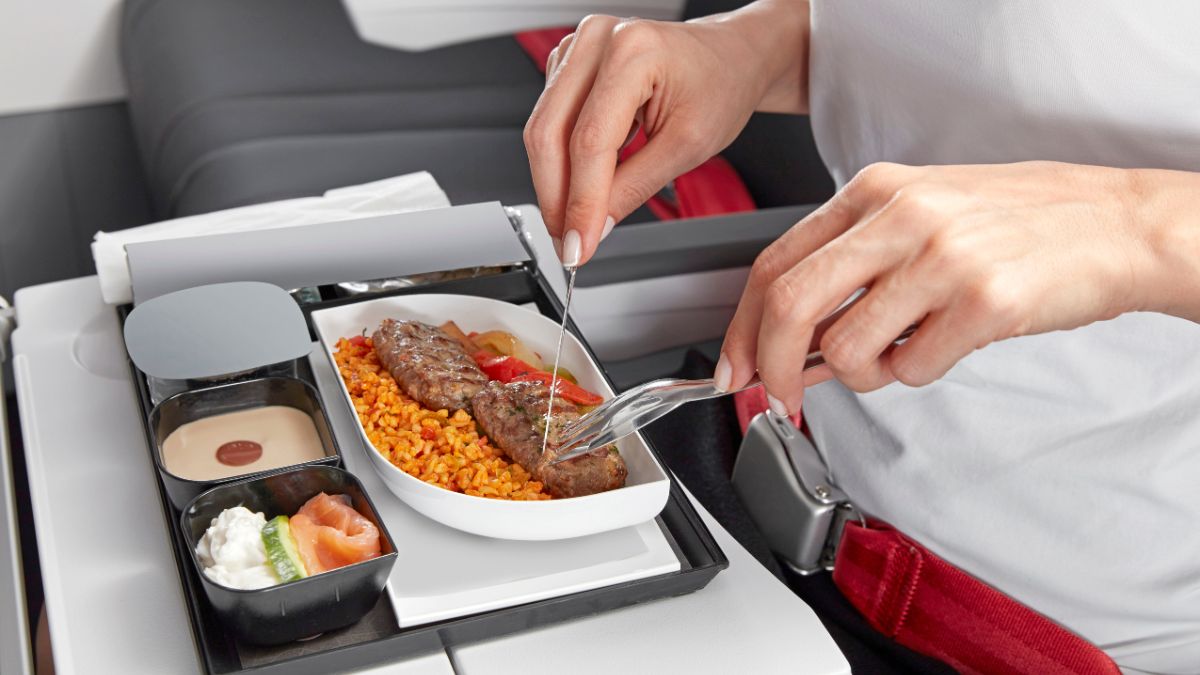
Airlines report 72 percent of passengers select in-flight snacks, contributing to 1.2 billion calories consumed annually aloft. Healthier swaps could reduce sodium intake by 30 percent per serving, aligning with American Heart Association guidelines limiting daily salt to 2,300 milligrams. Carriers like Southwest already test apple slices and yogurt, boosting satisfaction scores by 15 percent in pilots.
Implementation relies on partnerships, with no federal funding allocated yet. Duffy stated, “This is not about mandates. This is a conversation about could we offer healthier options? How do we make the experience just a little bit better?” He contrasted it with unrelated efforts, like a $12.5 billion air traffic control upgrade, which aims to cut delays by 25 percent.
For single parents, these changes address common pain points, as 40 percent cite family travel stress in surveys. Enhanced nursing and play areas could shorten layover discomfort, while exercise options provide quick energy boosts for managing toddlers. Budget carriers like Spirit and Frontier, serving 60 million low-income flyers yearly, pledge reviews of snack menus within 90 days.
Travel volume hit 2.9 billion passengers in 2025, up 12 percent from 2024, amplifying demand for wellness features. Airports Association of America data shows 65 percent of users want more healthy eateries, with chains like Sweetgreen expanding to 50 terminals. Duffy’s pajama-free flight campaign from November complements this, promoting overall civility.
Potential barriers include vendor contracts, as 80 percent of airport food outlets operate under 10-year leases. Relocating high-fat options to secondary spots could cost $5 million per hub. Still, voluntary adoption by Delta in 20 airports has increased fresh produce sales by 22 percent.
Health experts endorse the move, with Centers for Disease Control noting sedentary travel contributes to 10 percent of obesity cases. Robert F. Kennedy added during the event, “We’re turning airports into wellness hubs, not just waiting rooms.” Long-term, this could lower $300 billion in annual U.S. travel-related health costs.
Consumers benefit from apps tracking healthy options, used by 35 percent of frequent flyers. For Dallas-based families, Love Field expansions may include yoga pods by mid-2026, serving 18 million annual passengers. Relationship strains from poor travel ease with better facilities, as 55 percent of couples report improved bonds post-trip.
Policymakers eye expansions, with Senate bills proposing $500 million in wellness grants. As adoption grows, 70 percent of airlines commit to pilots by Q2 2026. This initiative positions U.S. travel as a leader in integrated health, potentially influencing global standards.