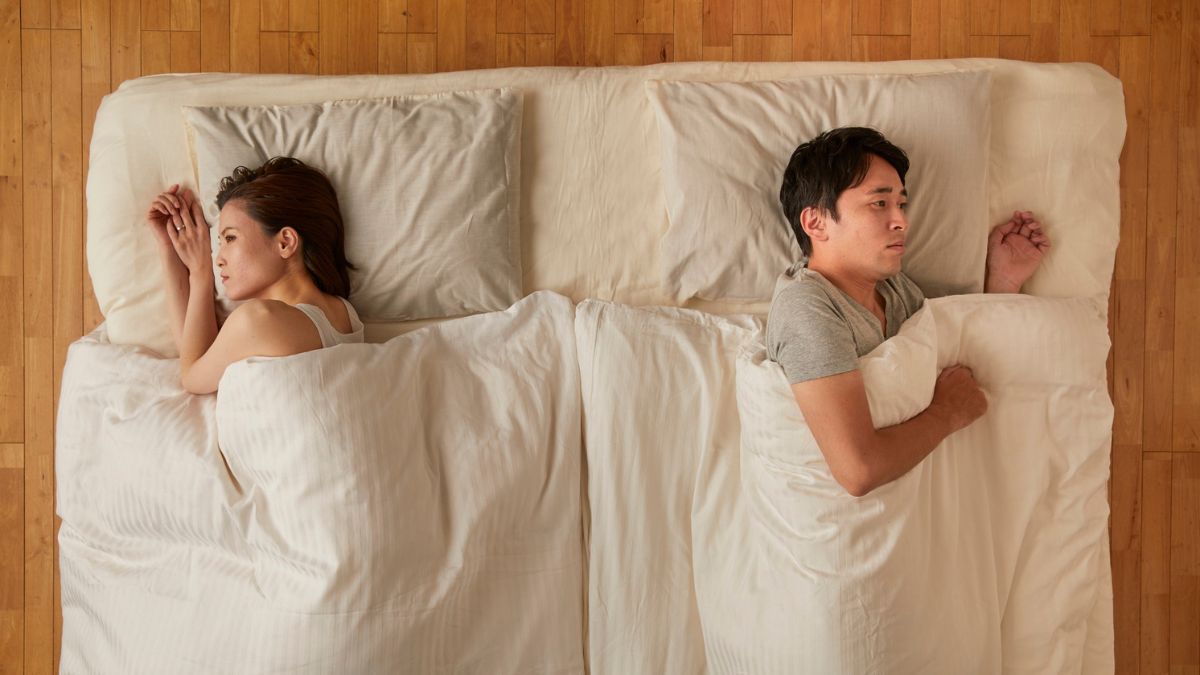
A growing number of American couples are retreating to separate bedrooms, not to end their relationships, but to salvage them. This phenomenon, colloquially termed a “sleep divorce,” involves partners choosing to sleep in different beds or rooms to prioritize rest over the social convention of co-sleeping. While the concept initially suggests intimacy trouble, proponents argue that high-quality, uninterrupted sleep actually fosters greater patience and affection during waking hours. The trend challenges the long-held assumption that sharing a mattress is the definitive metric of a healthy union.
Data from the American Academy of Sleep Medicine (AASM) reveals that significant portions of the population have already adopted this practice. A recent survey indicates that nearly one-third of U.S. adults sleep in a separate space from their partner to accommodate better rest. This behavior is most prevalent among adults aged 35 to 44, with 39% of this demographic reporting occasional or permanent separate sleeping arrangements. The statistics suggest that younger cohorts are prioritizing physiological needs over traditional relationship optics.
The primary drivers for this separation are practical rather than emotional. Snoring, conflicting work schedules, and disparately preferred room temperatures often create a breeding ground for nocturnal resentment. Dr. Seema Khosla, a pulmonologist and spokesperson for the AASM, notes that “when our sleep is compromised due to a disruptive partner, resentment can grow.” By eliminating these nightly disturbances, couples prevent the micro-aggressions that stem from chronic exhaustion.
Successfully implementing a sleep divorce requires viewing the arrangement as a health strategy rather than a rejection. Research supports the correlation between sleep quality and relationship satisfaction; well-rested partners demonstrate higher levels of empathy and lower reactivity to stress. As the stigma around separate bedrooms fades, more couples are finding that time apart at night creates the energy required to stay together during the day.