
Seasoned travelers have spent years learning the unwritten rules of affordable exploration, and most of them never share the full picture. The gap between an expensive trip and a brilliant one often comes down to a handful of habits, timing choices, and overlooked strategies that transform how far a dollar stretches. These insider approaches cover everything from booking decisions to on-the-ground spending, and together they make the difference between draining a savings account and returning home with money to spare. Whether someone is planning their first solo adventure or their fiftieth international trip, these budget travel secrets are the foundation of smarter, more rewarding journeys.
Incognito Browsing

Flight and hotel prices are tracked through browser cookies, meaning repeated searches for the same route can cause prices to appear artificially higher over time. Switching to a private or incognito browsing window clears that tracking data and often reveals lower fares that standard searches conceal. This simple habit takes seconds to adopt and can result in noticeable savings on every booking. Many frequent flyers treat incognito mode as a non-negotiable first step before searching for any travel deal.
Shoulder Season

The weeks just before and after peak tourist periods offer some of the most favorable conditions for budget travelers. Flights and accommodations drop significantly in price while destinations remain fully operational and often less crowded. Weather during shoulder season is frequently pleasant enough to enjoy outdoor sightseeing without the extremes of summer heat or winter cold. Travelers who time their trips to these transitional windows consistently report better value and a more relaxed overall experience.
Error Fares
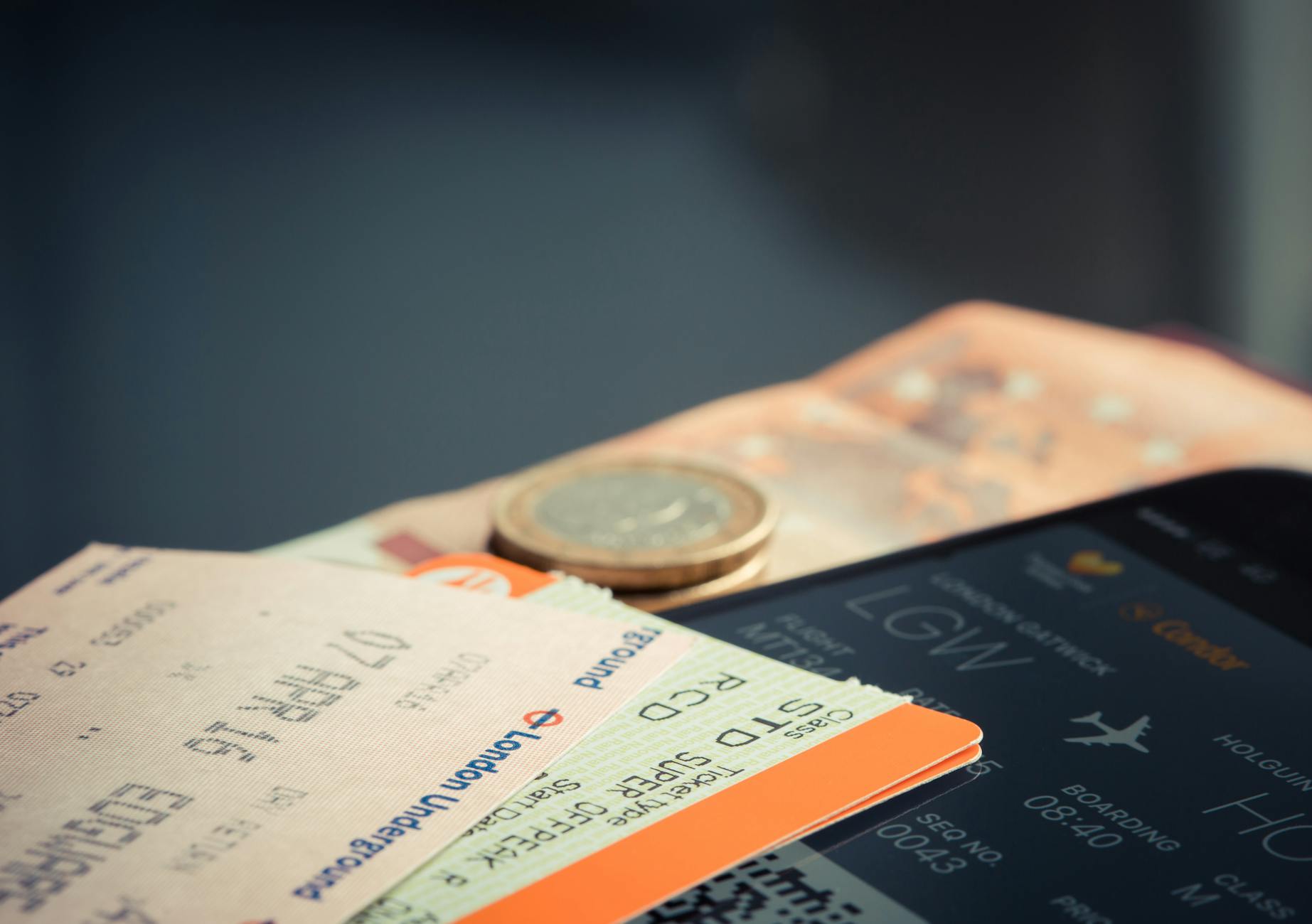
Airlines occasionally publish deeply discounted tickets due to pricing glitches or system errors, and these fares can represent savings of fifty percent or more off standard rates. Dedicated travel communities and fare alert services monitor airline pricing systems around the clock specifically to catch these mistakes before they are corrected. Bookings made during error fare windows are sometimes honored by airlines even after the mistake is identified. Frequent flyers follow multiple fare-tracking platforms to ensure they never miss these rare and time-sensitive opportunities.
Fare Alerts

Setting up automated fare alerts for specific routes removes the need to manually check prices on a daily basis. Most major travel search engines allow users to define their desired route and receive notifications the moment prices drop below a chosen threshold. This passive monitoring strategy ensures travelers act quickly when fares hit their lowest points rather than discovering a deal too late. Combining alerts across multiple platforms increases the chances of catching the best available price on any given route.
Budget Airlines

Low-cost carriers operate on a fundamentally different pricing model than legacy airlines, often offering base fares that are a fraction of the competition. Understanding the fee structures of budget airlines allows travelers to avoid surprise charges for carry-on bags, seat selection, and priority boarding. Packing within the free personal item allowance and skipping optional add-ons can keep the total cost genuinely low. Routes served exclusively by budget carriers between secondary airports frequently offer the most dramatic savings on short and medium-haul journeys.
Layover Exploration

Long layovers in international hub cities present an underutilized opportunity to visit a destination without paying for a separate round-trip ticket. Many countries offer transit visas or visa-free policies specifically designed to allow layover travelers to leave the airport and explore. A twelve-hour stop in a city like Istanbul, Doha, or Singapore can function as a condensed but memorable mini-trip. Frequent flyers intentionally book itineraries with generous layovers in cities they want to see, turning a connection into an added destination.
Positioning Flights

Flying into a major hub airport and taking a short budget flight or train to the actual destination often costs considerably less than booking a direct route. This strategy requires an extra step in the journey but can unlock fares that bypass the premium pricing of smaller regional airports. Travelers who plan positioning flights in advance frequently pay a fraction of what direct passengers spend on the same overall trip. Comparing total journey cost rather than focusing solely on direct connections is one of the core habits of experienced budget flyers.
Nearby Airports
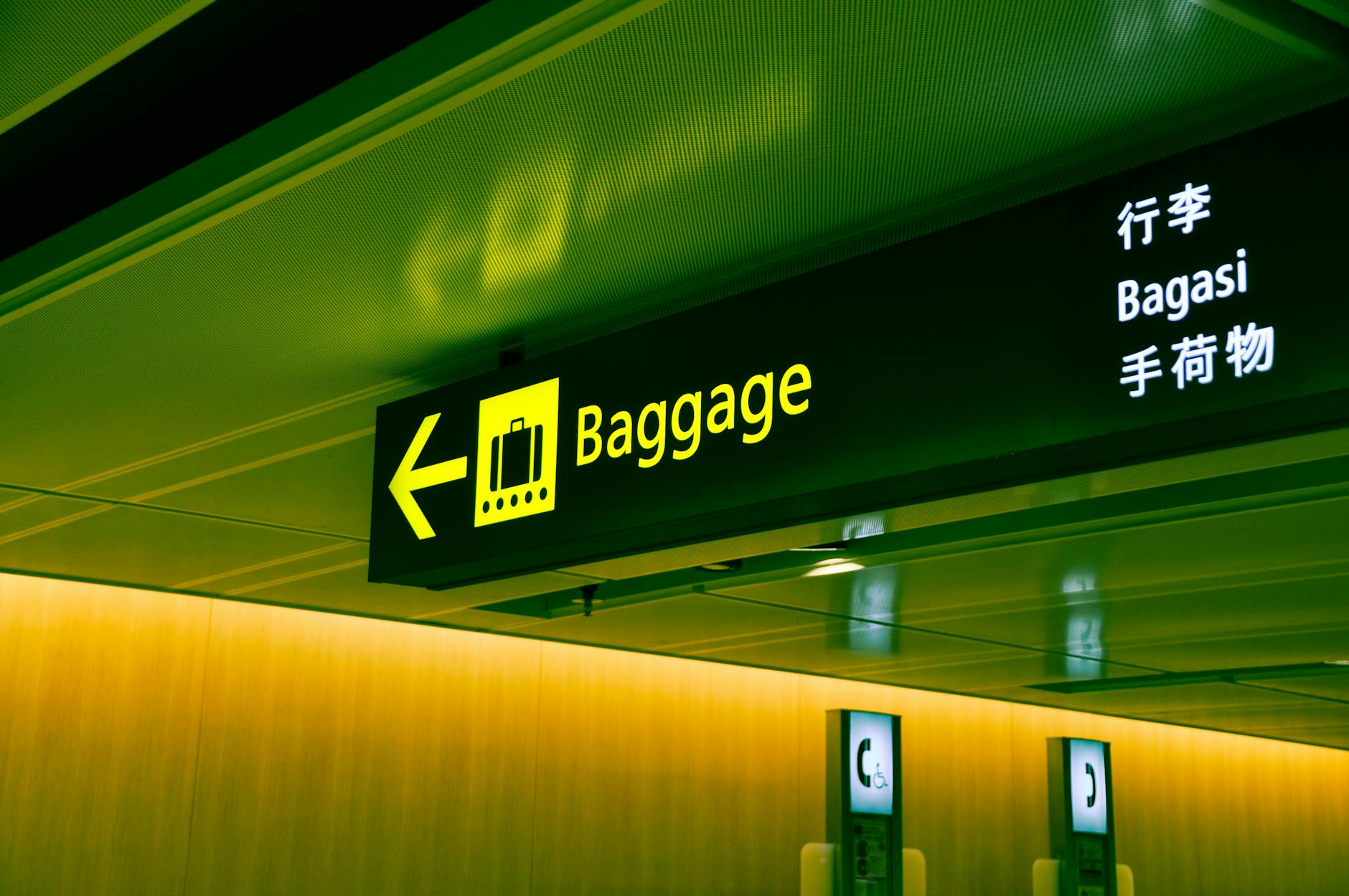
Major metropolitan areas are often served by multiple airports, and checking all available options can reveal dramatically different pricing for the same travel dates. Secondary airports located an hour or two outside a city center frequently host budget carriers that avoid the higher landing fees of primary hubs. Ground transportation costs between the alternate airport and the final destination should always be factored into the total price comparison. Travelers who consistently check nearby airport options discover that the cheapest flight to a region is rarely the one flying into the most obvious terminal.
Flight Splitting
Booking two separate one-way tickets instead of a single round-trip itinerary can produce significant savings on certain routes and date combinations. This approach allows travelers to mix carriers, choose different departure and return airports, and take advantage of asymmetric pricing between outbound and inbound legs. Travel search engines that display separate one-way fares alongside round-trip options make this comparison straightforward. Frequent flyers evaluate both booking structures on every trip to ensure they are not paying more simply out of habit.
Currency Exchange

Airport currency exchange counters typically charge the highest fees and offer the worst conversion rates available anywhere in the travel ecosystem. Withdrawing local currency from an international ATM using a bank account with no foreign transaction fees produces far better results in most destinations. Notifying the home bank of upcoming travel dates prevents cards from being flagged and blocked during overseas transactions. Travelers who handle currency exchange strategically before and during a trip consistently retain more spending power throughout their journey.
Local SIM Cards
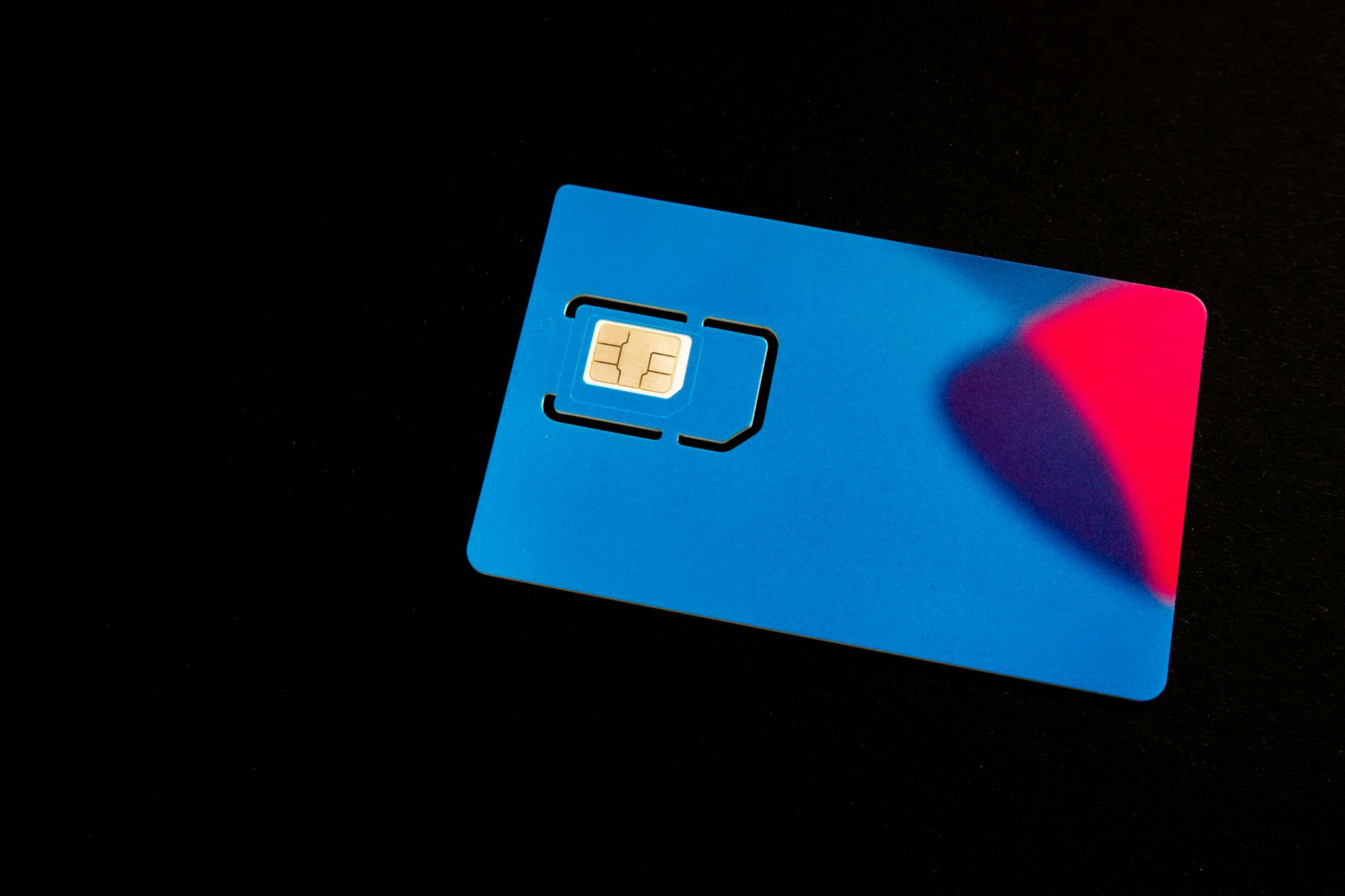
Purchasing a local SIM card upon arrival in a destination is one of the most effective ways to avoid international roaming charges that can add hundreds of dollars to a phone bill. Most major airports and convenience stores in popular travel destinations sell prepaid SIM cards with generous data allowances at very low prices. Having local mobile data enables the use of navigation apps, translation tools, and transport booking services without relying on expensive hotel Wi-Fi. Frequent travelers keep their phone unlocked specifically to take advantage of affordable local connectivity in every country they visit.
Accommodation Alternatives

Stepping outside the traditional hotel model opens up a wide range of accommodation options at a fraction of the cost. Hostels in popular destinations frequently offer private rooms alongside dormitory-style bunks, catering to travelers who want community atmosphere without sacrificing privacy. Home-sharing platforms connect travelers directly with local hosts offering everything from spare rooms to entire apartments at competitive nightly rates. Staying in residential neighborhoods rather than tourist districts also tends to bring down food and entertainment costs naturally.
House Sitting

Housesitting platforms connect homeowners who need their properties looked after with travelers willing to exchange pet care and basic maintenance duties for free accommodation. Listings span hundreds of countries and range from city apartments to rural farmhouses, offering travelers the experience of living like a local at zero lodging cost. Building a credible profile with strong reviews from previous sits unlocks access to the most desirable listings in competitive destinations. Frequent flyers who incorporate housesitting into their travel planning can dramatically reduce the largest single expense of any trip.
Couchsurfing

The couchsurfing model connects travelers with local hosts who offer a spare room or couch free of charge in exchange for cultural exchange and genuine human connection. Beyond the obvious accommodation savings, staying with a local host provides insider access to neighborhoods, dining spots, and experiences that no guidebook covers. Hosts are often enthusiastic ambassadors for their city and take pride in showing guests places far removed from the standard tourist trail. A well-maintained profile with genuine references makes connecting with trustworthy hosts a reliable and rewarding part of any budget travel strategy.
Travel Credit Cards
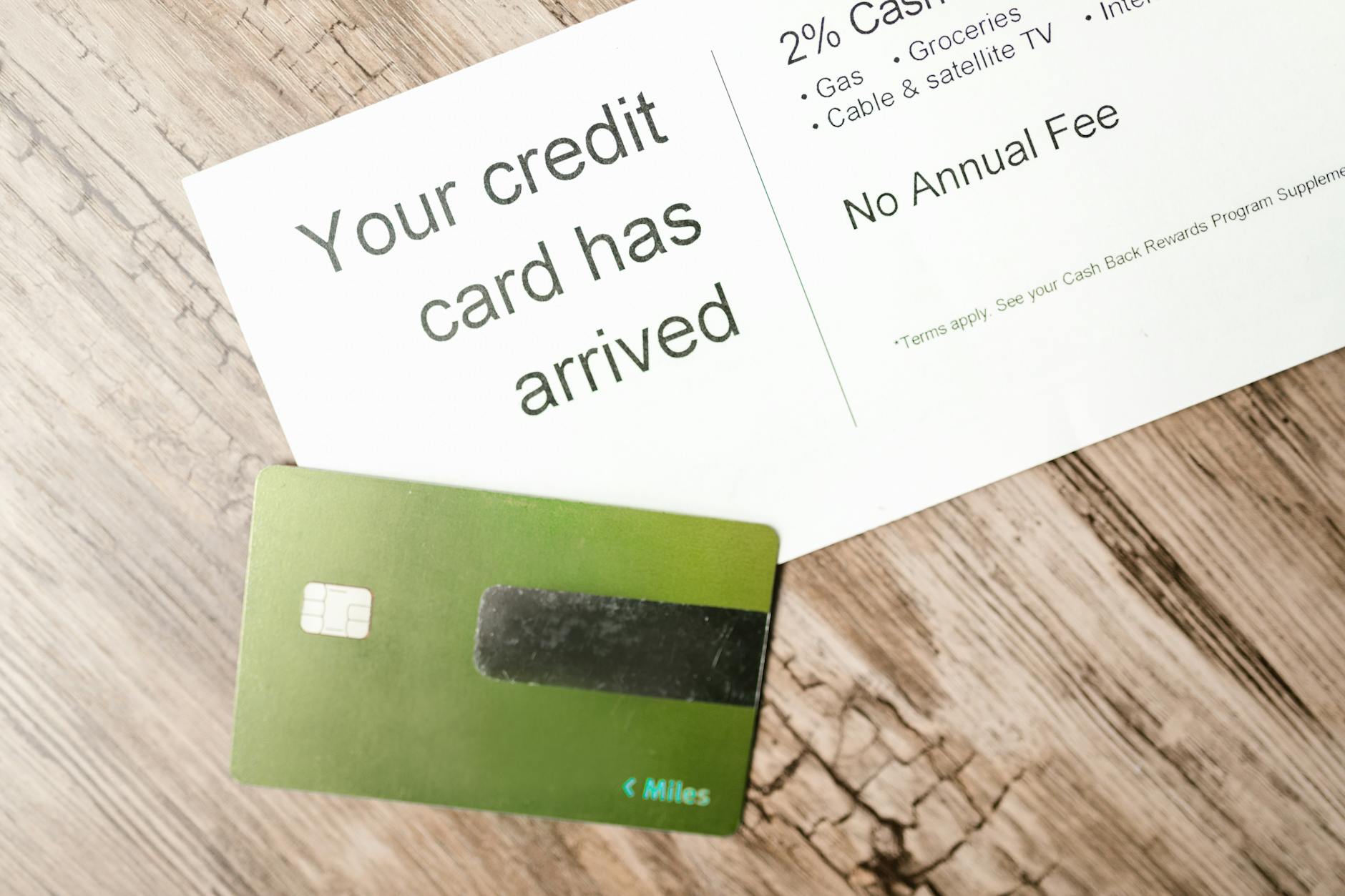
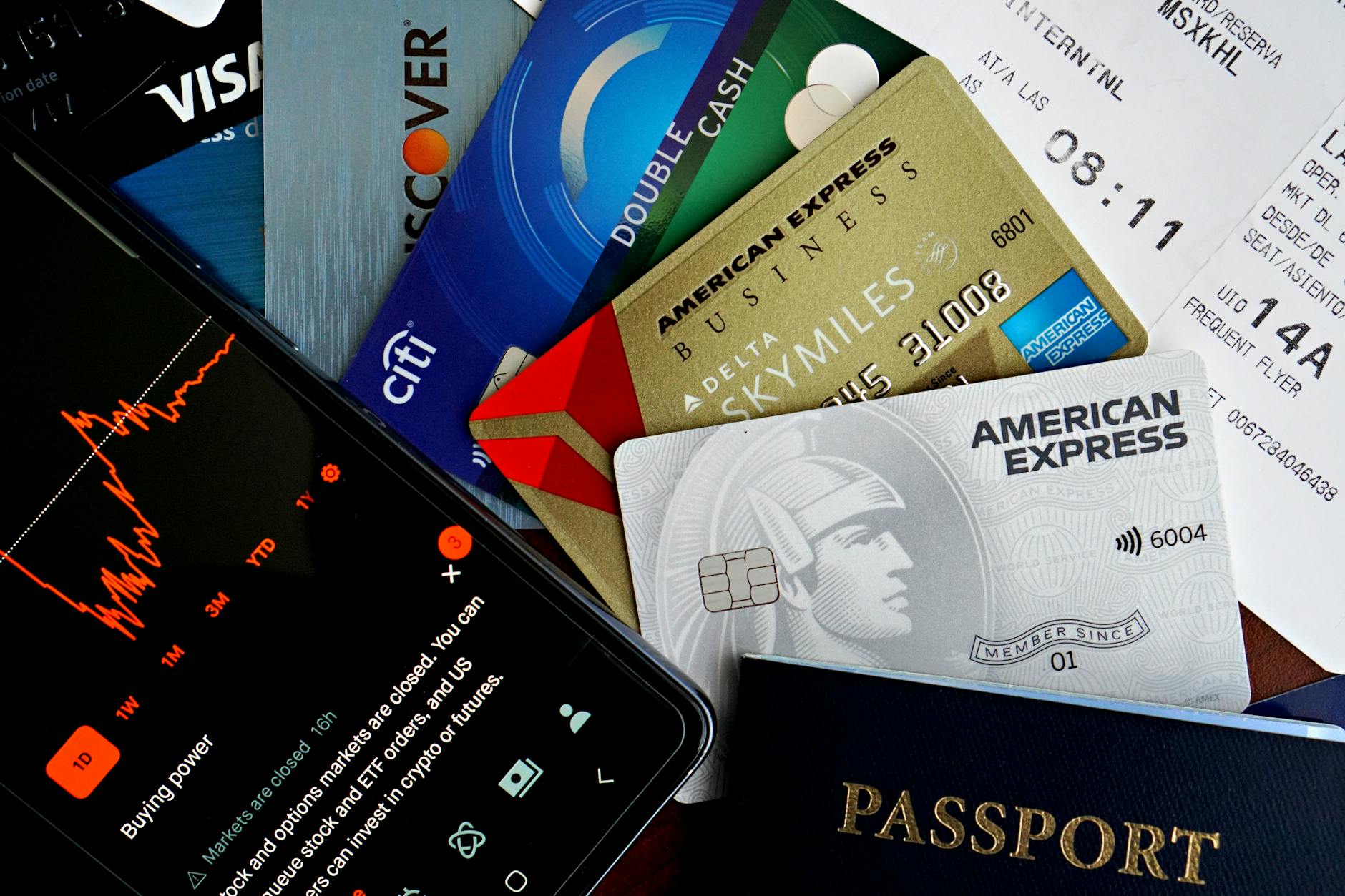
Travel rewards credit cards allow frequent spenders to accumulate points and miles through everyday purchases that can later be redeemed for flights, hotels, and airport lounge access. Cards with no foreign transaction fees eliminate a common cost that quietly adds one to three percent to every international purchase. Sign-up bonuses on premium travel cards frequently represent enough points to cover a round-trip flight before the first annual fee is due. Using the right card consistently and paying the balance in full each month transforms routine spending into a stream of meaningful travel rewards.
Loyalty Programs
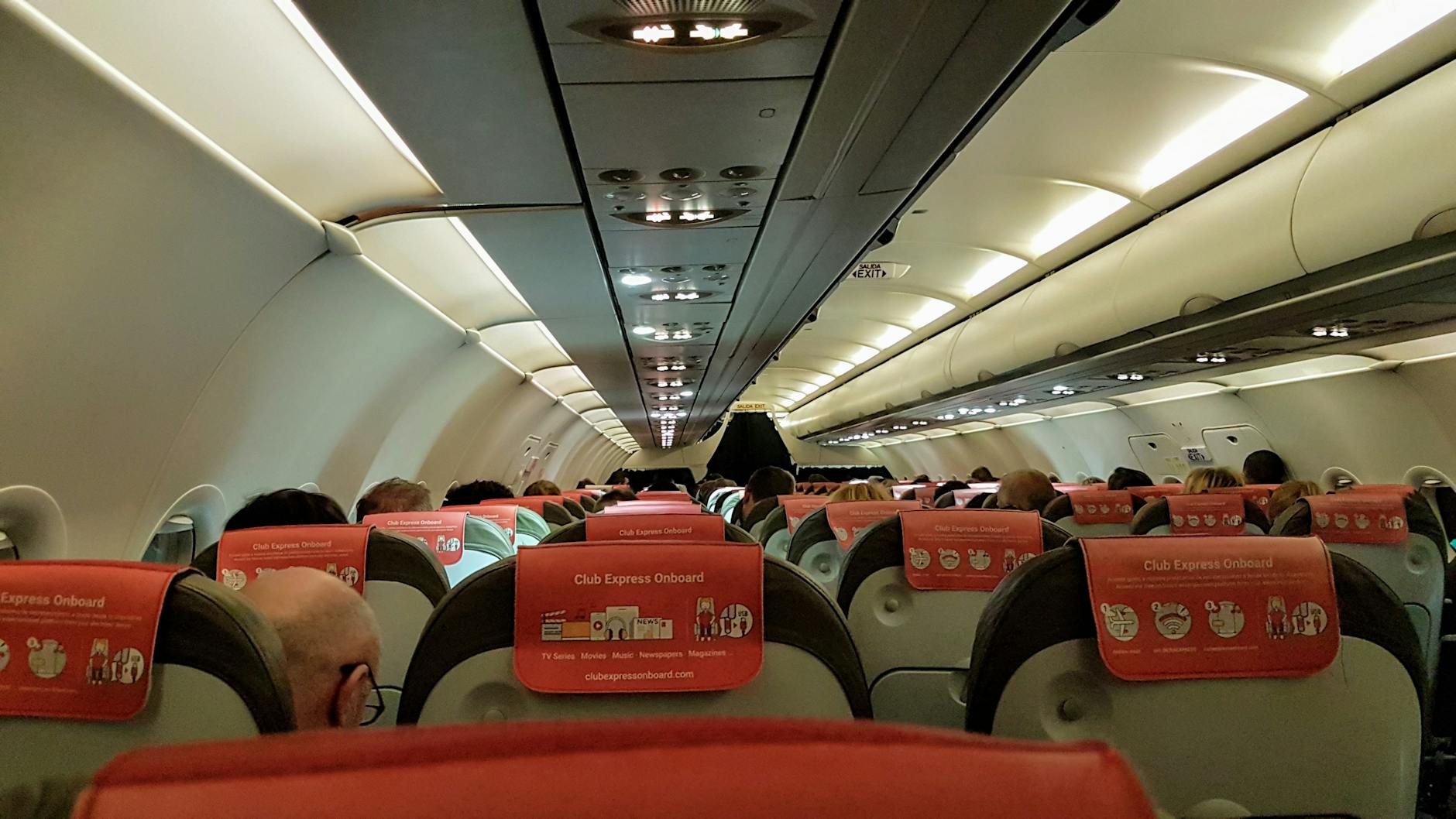
Joining the frequent flyer program of a preferred airline or hotel brand costs nothing and begins accumulating value from the very first booking. Elite status tiers within these programs unlock complimentary upgrades, priority boarding, bonus earning rates, and access to members-only fare sales. Many airline loyalty programs are part of larger global alliances, meaning points earned with one carrier can be redeemed across dozens of partner airlines. Travelers who consolidate their bookings within a single loyalty ecosystem build status faster and extract significantly more value from their travel spending over time.
Travel Hacking
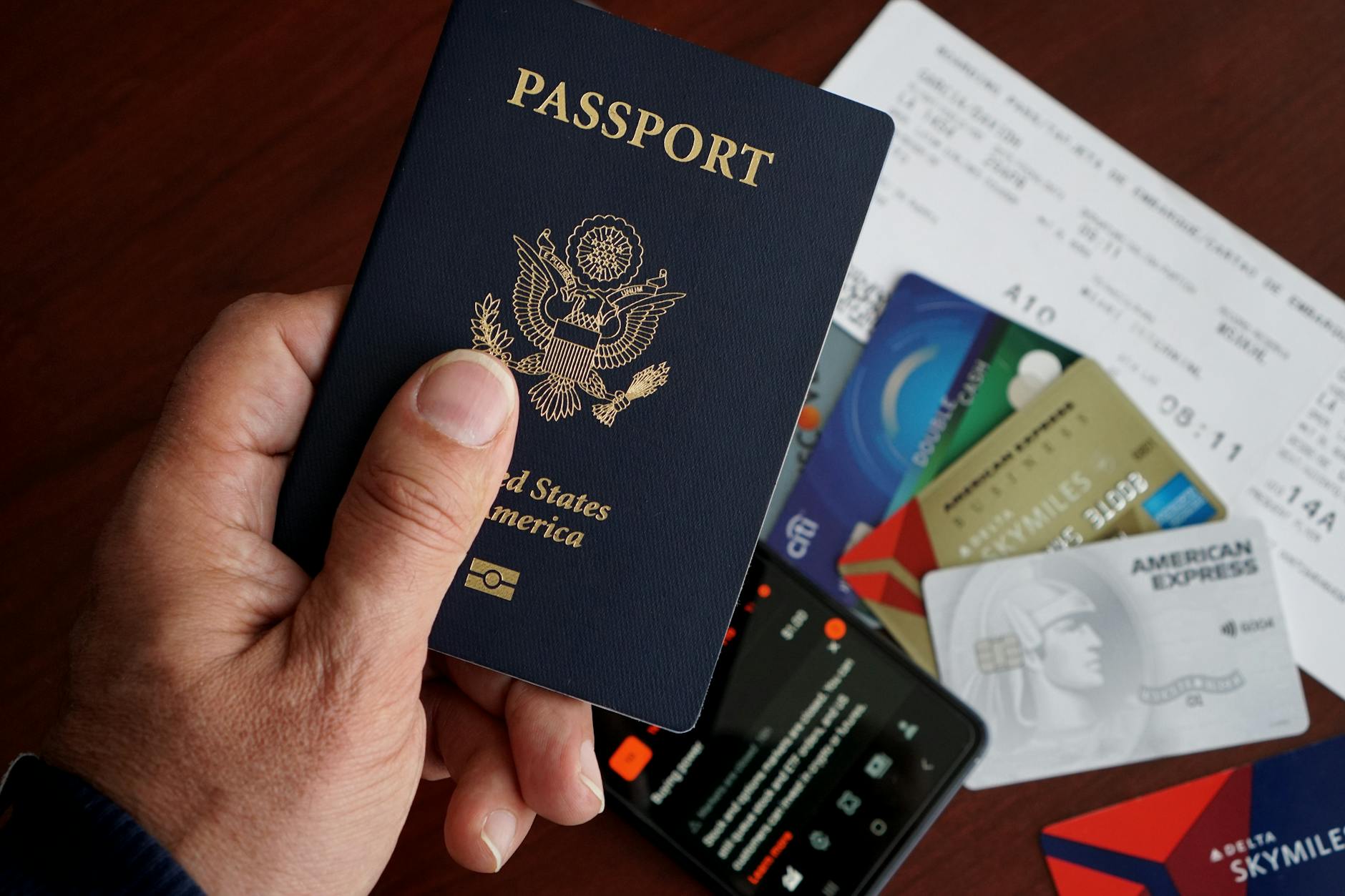
The term travel hacking describes the strategic combination of credit card rewards, loyalty programs, mistake fares, and booking techniques to achieve premium travel experiences at economy prices. Practitioners study award charts, transfer partner relationships between card programs and airlines, and seasonal redemption sweet spots to maximize the value of every point. A well-executed travel hack can place a traveler in a business class cabin on an international flight for a fraction of its cash price. This discipline requires an upfront investment of research time but rewards consistent practitioners with a compounding advantage across every future trip.
Meal Planning

Food is one of the most variable travel expenses and also one of the most controllable with a small amount of advance planning. Visiting local markets and grocery stores for breakfast and lunch while reserving the dining budget for a single quality dinner each day keeps costs low without sacrificing culinary experience. Destinations with strong street food cultures allow travelers to eat exceptionally well for very little money throughout the entire day. Identifying the best-value food neighborhoods before arriving in a city, rather than defaulting to restaurants near tourist landmarks, consistently produces better meals at better prices.
Street Food

Street food markets and roadside vendors in virtually every travel destination offer authentic local cuisine at prices that bear no comparison to sit-down restaurants. The dishes served at street stalls are frequently identical to or more traditional than what appears on restaurant menus in the same neighborhood. Eating where locals eat is the most reliable indicator of both quality and value in any food market. Frequent travelers prioritize street food exploration as a cultural experience in its own right rather than simply a cost-cutting measure.
Free Walking Tours

Free walking tours operate on a pay-what-you-wish model and are available in hundreds of cities across every continent. Knowledgeable local guides lead groups through the historical, architectural, and cultural highlights of a destination for two to three hours, providing context that self-guided exploration rarely matches. These tours also serve as an excellent networking opportunity, connecting solo travelers with other visitors who share similar itineraries and interests. Tipping a fair amount based on the quality of the experience supports local guides while keeping the overall cost of sightseeing minimal.
Offline Maps
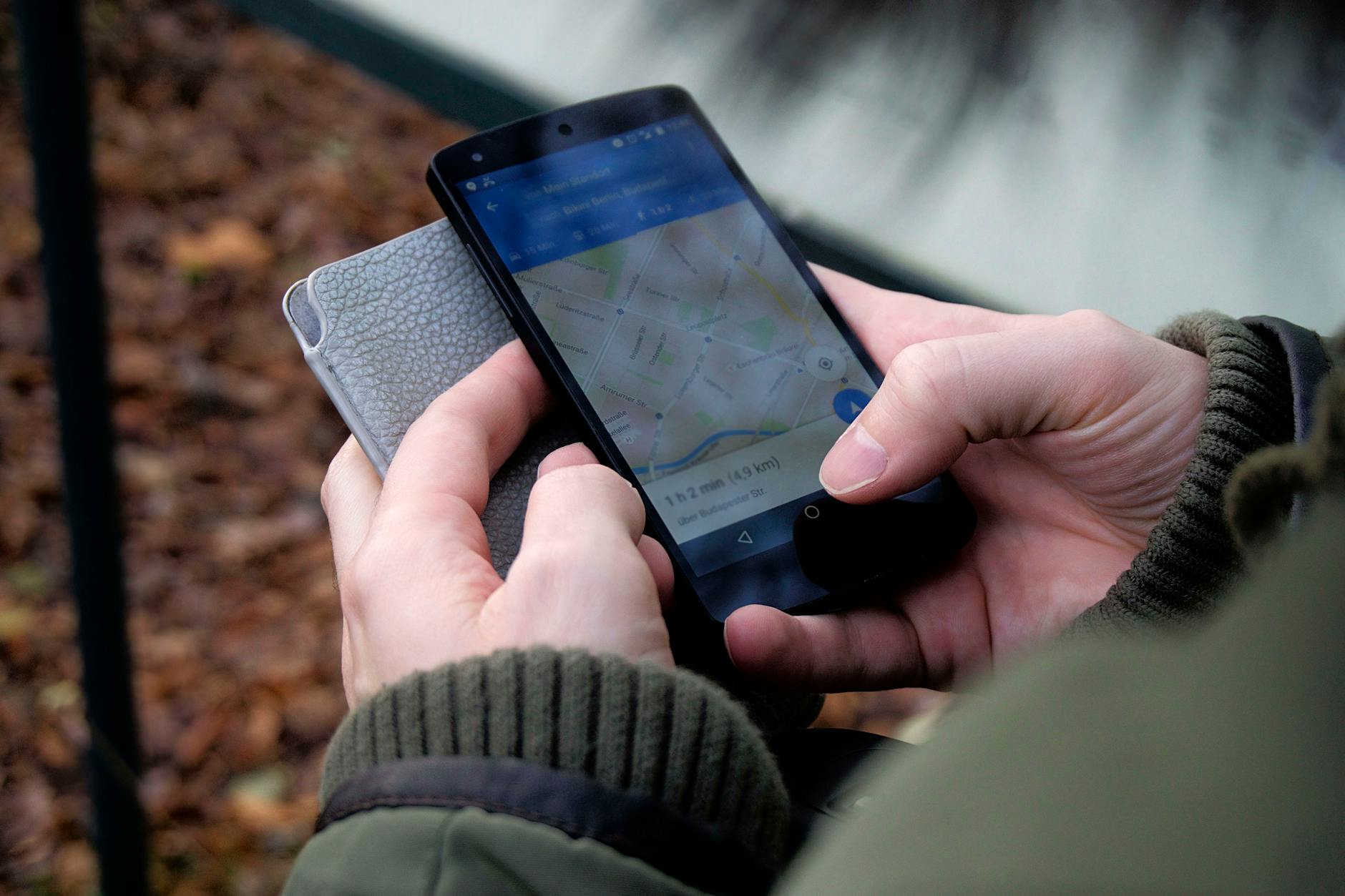
Downloading offline maps before departure eliminates the need for constant data connectivity while navigating unfamiliar cities and regions. Applications that support offline functionality allow travelers to search for addresses, plan walking routes, and locate nearby amenities without using a single megabyte of mobile data. This approach is especially valuable in rural areas, remote destinations, and countries where local SIM cards are difficult to obtain quickly upon arrival. Frequent travelers download offline maps for every destination they plan to visit before leaving home, treating it as a standard part of pre-trip preparation.
Travel Insurance

Skipping travel insurance in pursuit of short-term savings is one of the most financially dangerous decisions a budget traveler can make. A single medical emergency, trip cancellation, or lost luggage claim in a foreign country can produce costs that dwarf the price of an entire vacation. Affordable policies are available that cover the most common travel risks for a modest premium calculated against the total trip cost. Frequent flyers treat travel insurance as a fixed and non-negotiable line item in every travel budget, understanding that its value lies precisely in the situations they hope never to need it.
Packing Light

Traveling with only a carry-on bag eliminates checked baggage fees that budget airlines charge on every single flight and removes the logistical burden of waiting at baggage carousels. A well-packed carry-on forces more intentional clothing choices and reduces the physical effort of moving between airports, train stations, and accommodations. Capsule wardrobes built around neutral colors and versatile layering pieces allow travelers to dress appropriately across multiple climates with minimal items. Frequent flyers who master the discipline of packing light consistently describe it as one of the single greatest improvements they have made to their overall travel experience.
Overnight Transport

Booking overnight trains, buses, or ferries between destinations serves the dual purpose of covering ground and replacing a night of paid accommodation in a single transaction. Many overnight routes offer affordable sleeper compartments or reclining seats that provide enough rest to arrive at the next destination ready to explore. The savings on even one night of accommodation per journey can offset a meaningful portion of total transport costs. Travelers who plan multi-city itineraries frequently route their overnight connections to fall on the legs with the highest accommodation prices at either end.
Travel Communities

Online travel communities and forums contain an extraordinary density of current, experience-based information that no guidebook or algorithm can replicate. Members share real-time updates on visa changes, border crossing conditions, accommodation closures, and newly discovered budget-friendly options across every destination on earth. Engaging actively with these communities before and during a trip allows travelers to access knowledge that would otherwise take years of personal experience to accumulate. Frequent flyers treat participation in travel forums and social groups as an ongoing education that sharpens their planning skills and introduces them to strategies they would never have encountered independently.
Share your own budget travel secrets in the comments.