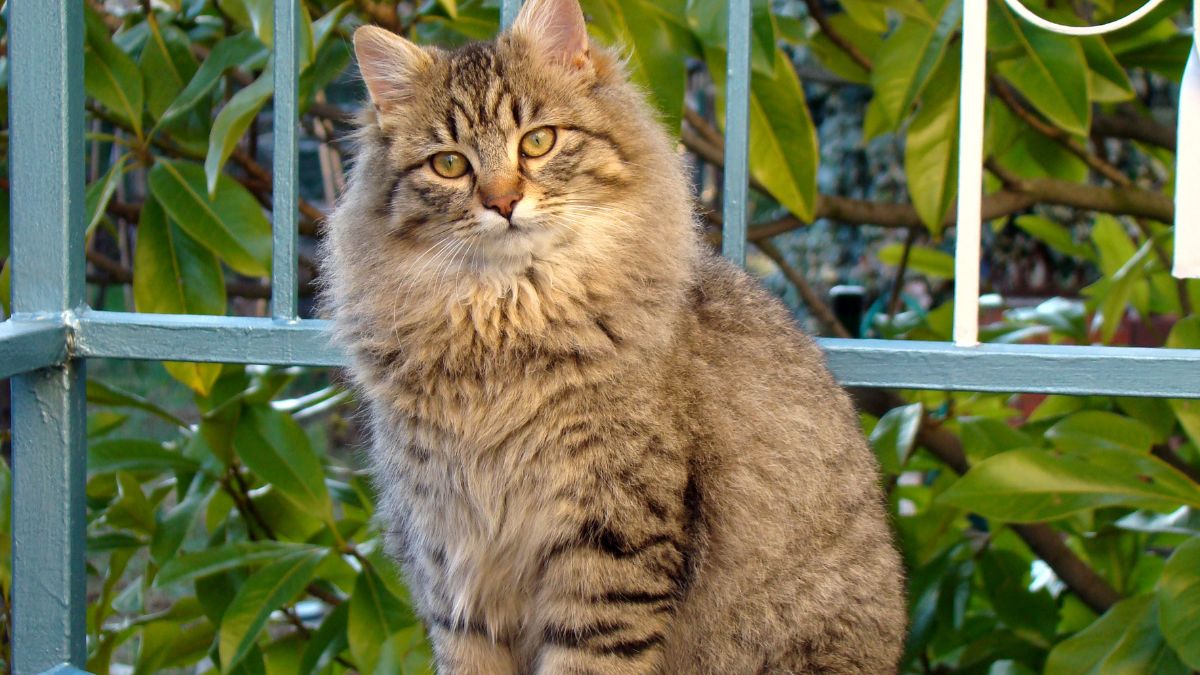
Most people picture cats as compact, lightweight companions, but some breeds defy that expectation entirely. Certain domestic cats can reach sizes that rival small dogs, with muscular frames, long bodies, and impressive weight ranges that catch first-time owners off guard. These breeds are not anomalies or the result of overfeeding but rather the product of genetics, selective breeding, and natural development. Understanding which breeds grow to remarkable proportions helps prospective owners prepare for the space, food, and care these animals genuinely require.
Maine Coon
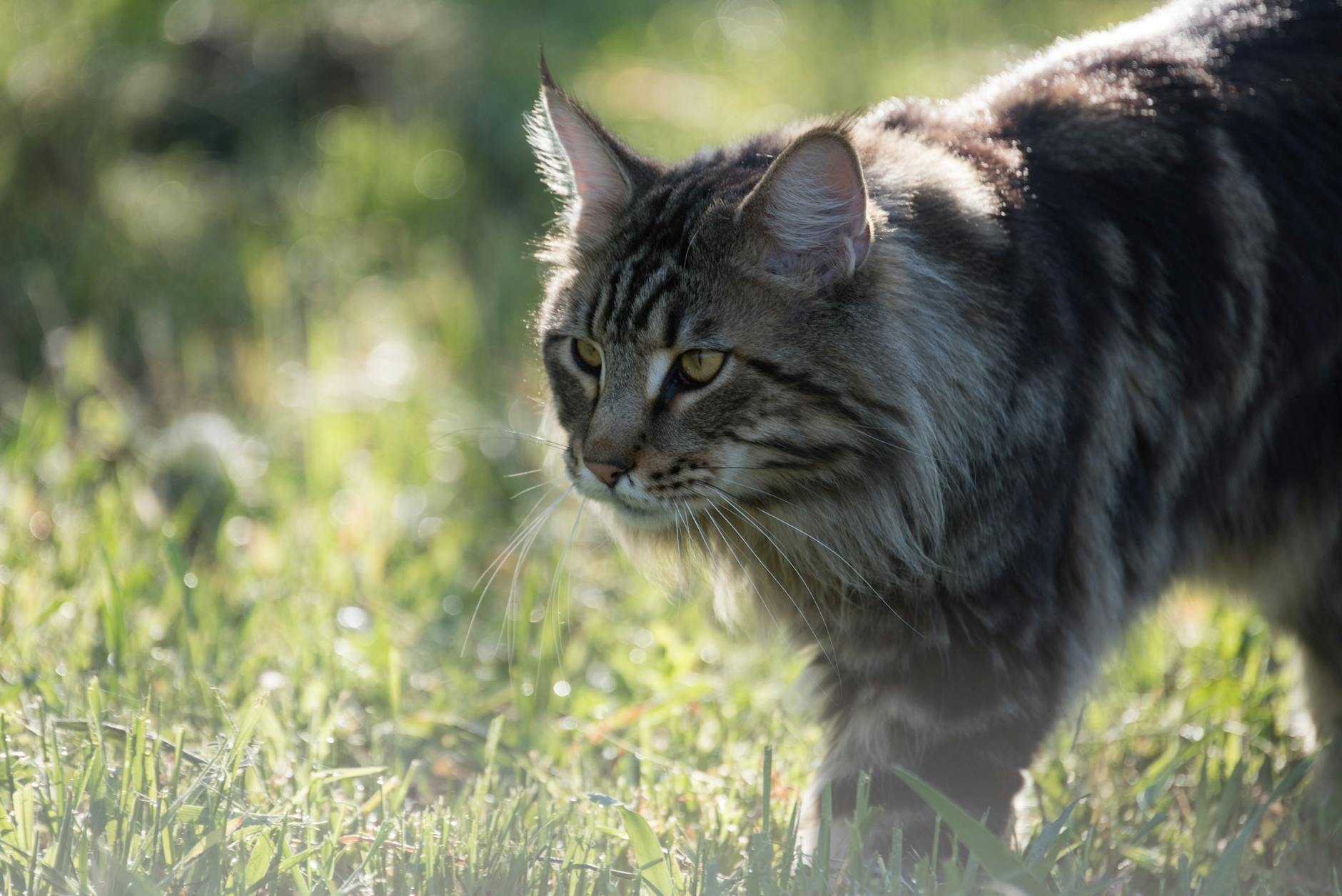
The Maine Coon is widely recognized as one of the largest domestic cat breeds in the world. Adult males regularly weigh between 13 and 18 pounds, with some individuals reaching even greater sizes. Their bodies are long and muscular, supported by large, tufted paws that are well suited to navigating cold terrain. A thick, shaggy coat adds to their already substantial visual presence, making them appear even more impressive in person.
Ragdoll
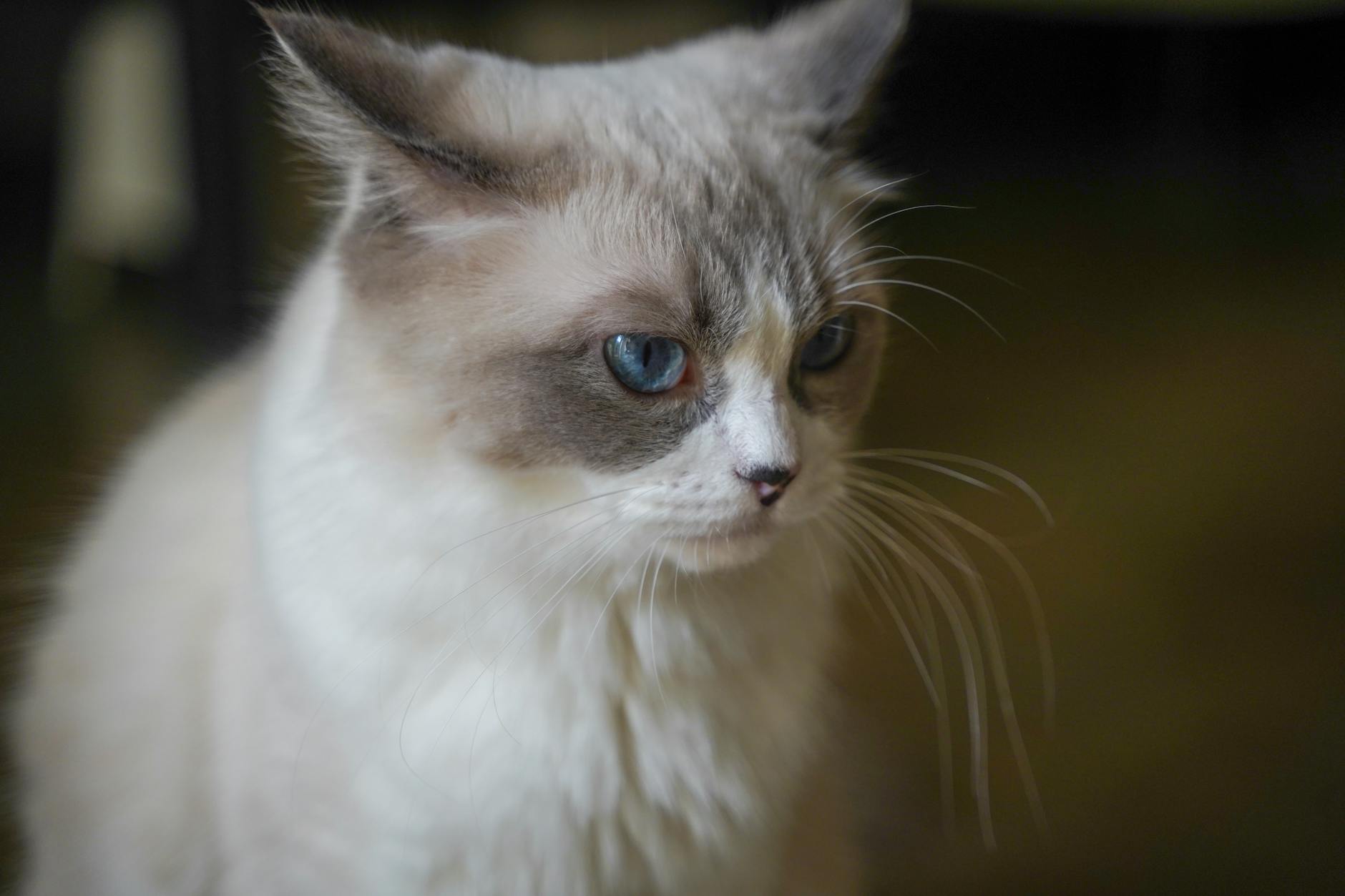
Ragdolls are large, semi-longhaired cats that are known for their relaxed and docile temperament alongside their considerable size. Males typically weigh between 15 and 20 pounds when fully mature, with females only slightly smaller. Their bodies are broad-chested and well-muscled despite their reputation for going limp when held. Full physical maturity in this breed is not reached until around four years of age, meaning their size continues to develop well into adulthood.
Norwegian Forest Cat
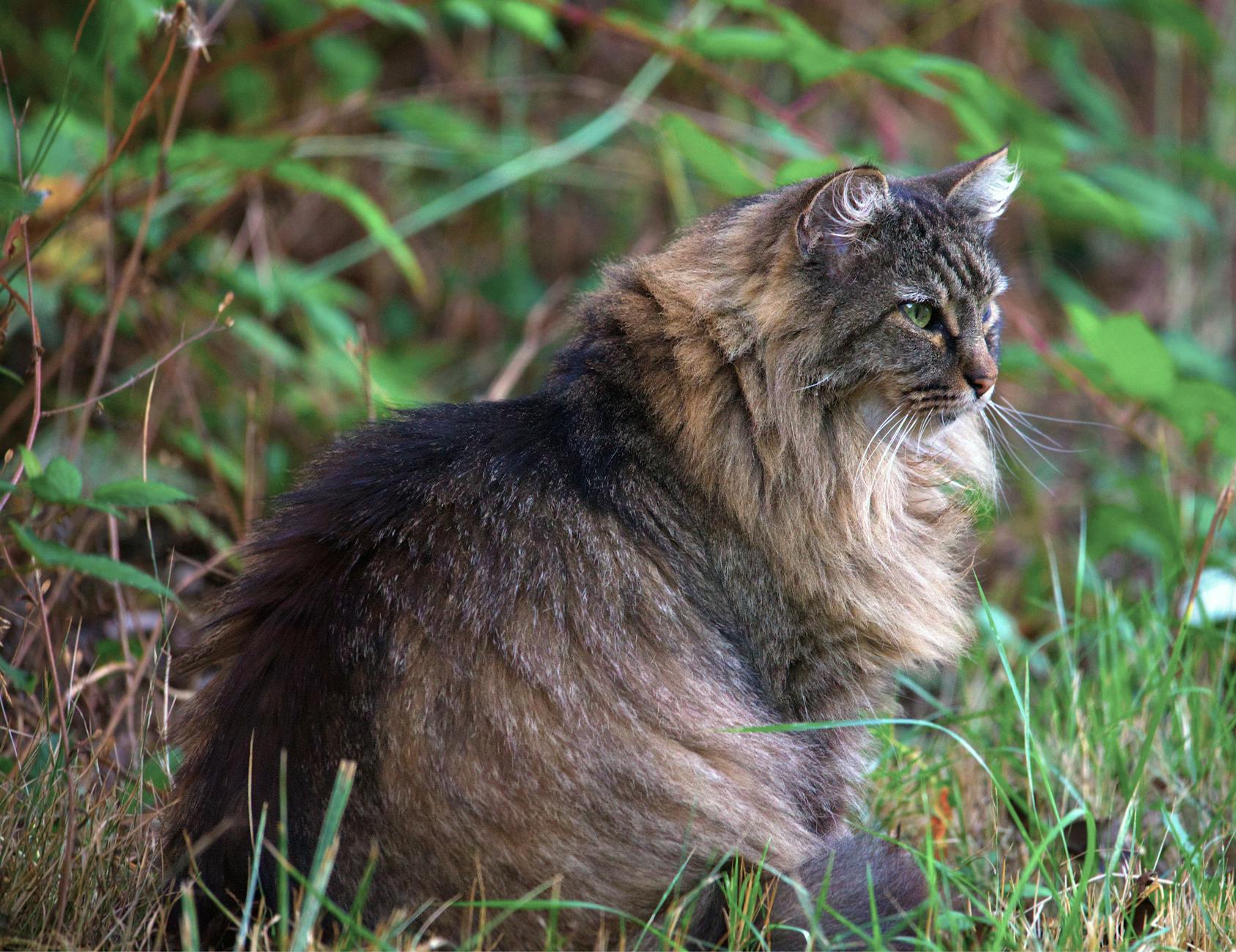
The Norwegian Forest Cat is a naturally occurring breed that developed over centuries in the cold forests of Scandinavia. Adults commonly weigh between 12 and 16 pounds, with a sturdy, athletic build suited to climbing and outdoor activity. Their dense double coat and large frame give them a commanding appearance that stands out among typical domestic cats. This breed has been part of Norse culture for hundreds of years and was even featured in Viking folklore.
Siberian
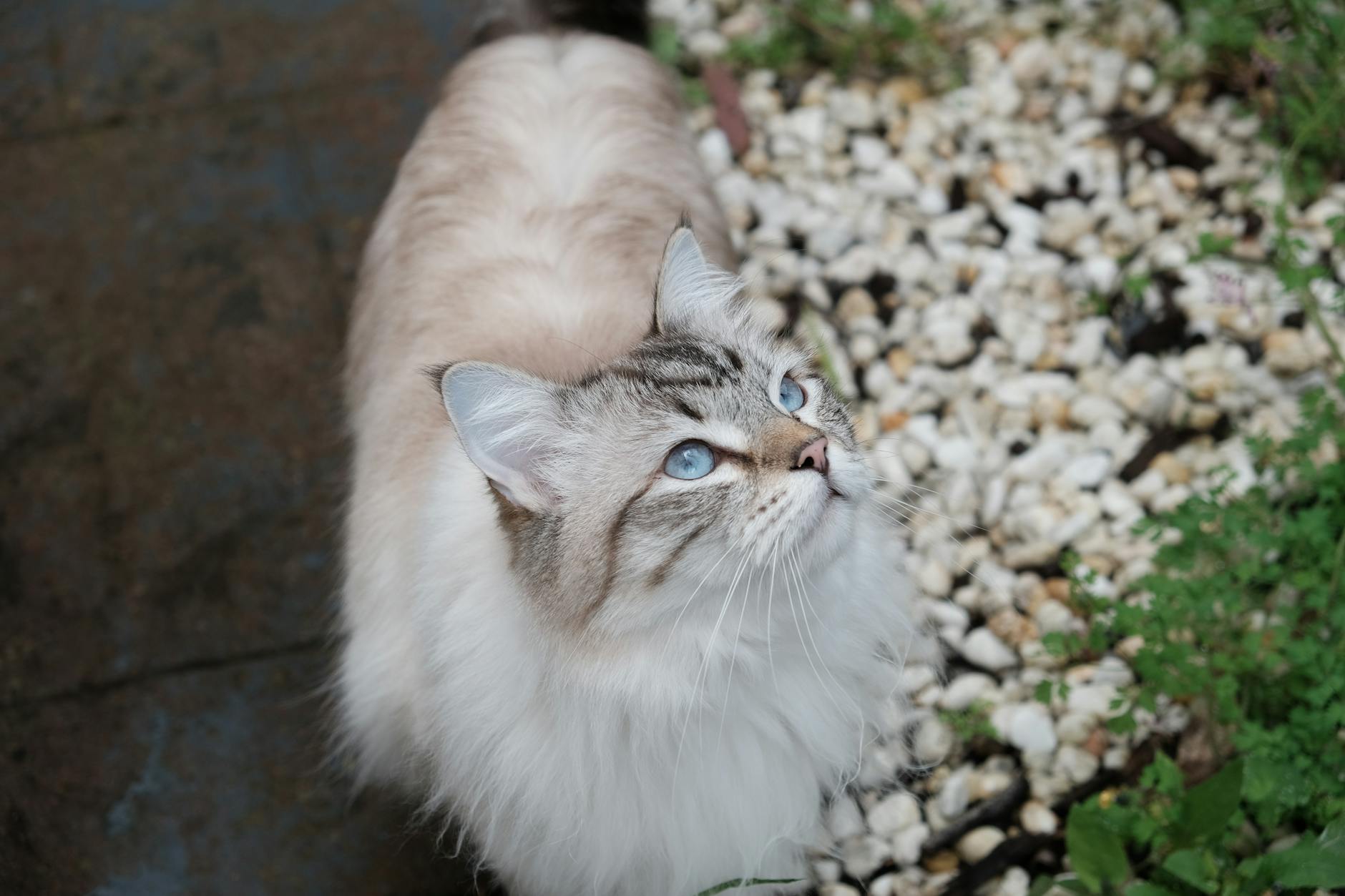
The Siberian is Russia’s national cat and one of the oldest natural breeds still in existence today. These cats are heavily built with broad chests, powerful hindquarters, and a thick triple-layer coat designed for harsh winters. Males can weigh anywhere from 12 to 17 pounds, and their muscular structure makes them appear larger than their weight might suggest. Despite their imposing size, Siberians are agile and known for their strong jumping ability.
Savannah
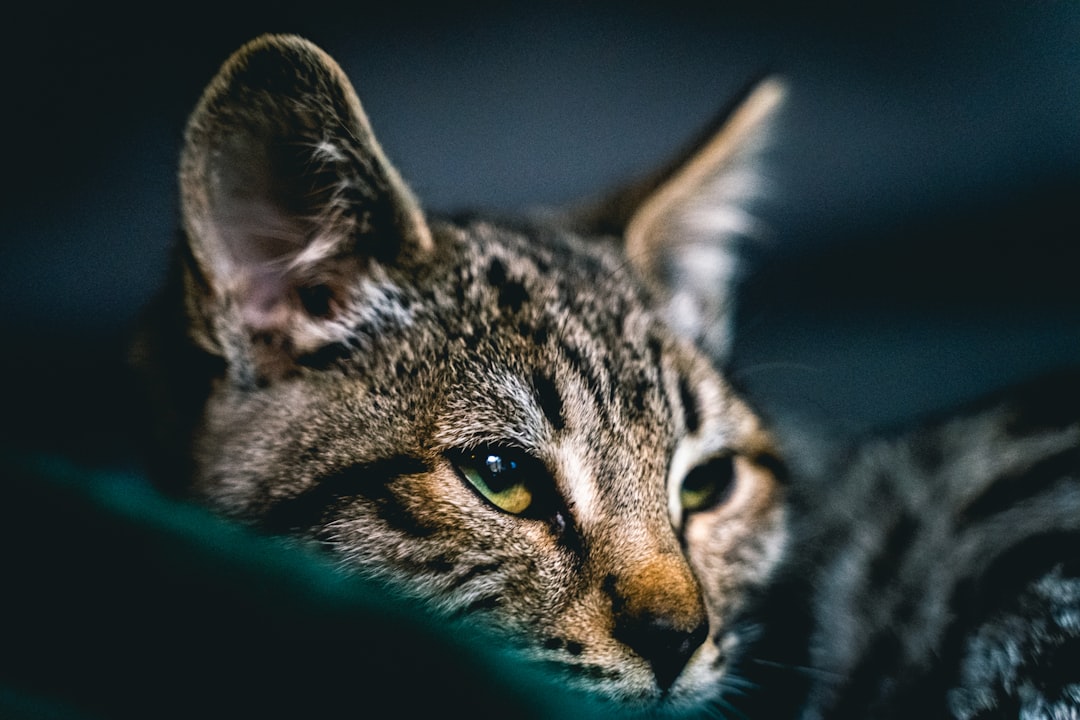
The Savannah cat is a hybrid breed developed by crossing a domestic cat with a serval, a wild African cat known for its long legs and tall frame. This combination produces one of the tallest domestic cat breeds, with some individuals standing over a foot tall at the shoulder. Their lean, elongated bodies and long necks give them an exotic appearance that reflects their wild ancestry. First-generation Savannahs are particularly large, though size decreases in later generations as the serval influence diminishes.
Chausie
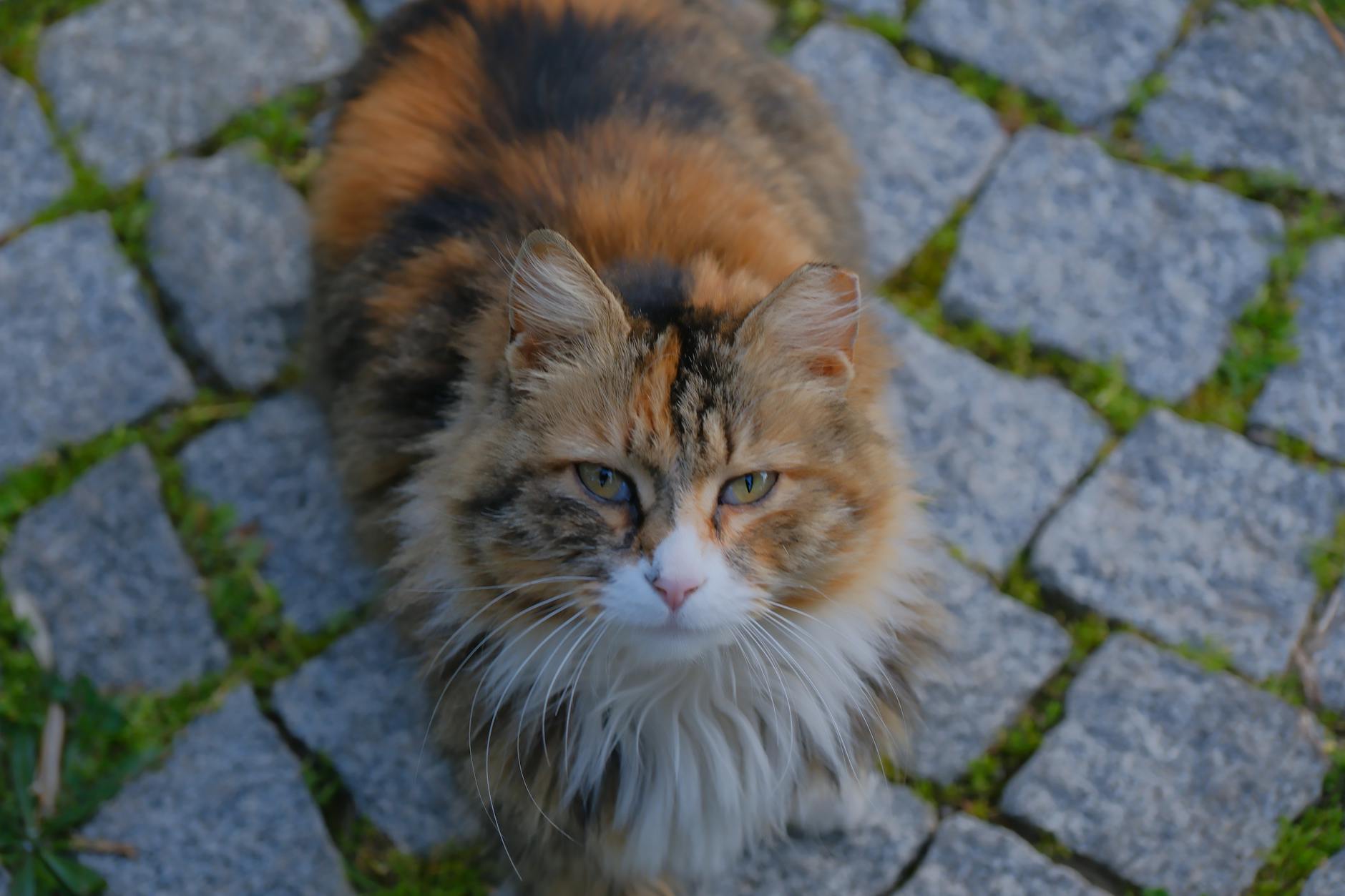
The Chausie is a hybrid cat developed from crosses between domestic cats and jungle cats native to South Asia and the Middle East. This breed produces tall, deep-chested cats with long legs and a lean, athletic physique built for speed and agility. Males typically weigh between 11 and 16 pounds, though their height and length make them appear significantly larger. The Chausie has a wild look that is complemented by a highly active and intelligent personality.
Ragamuffin
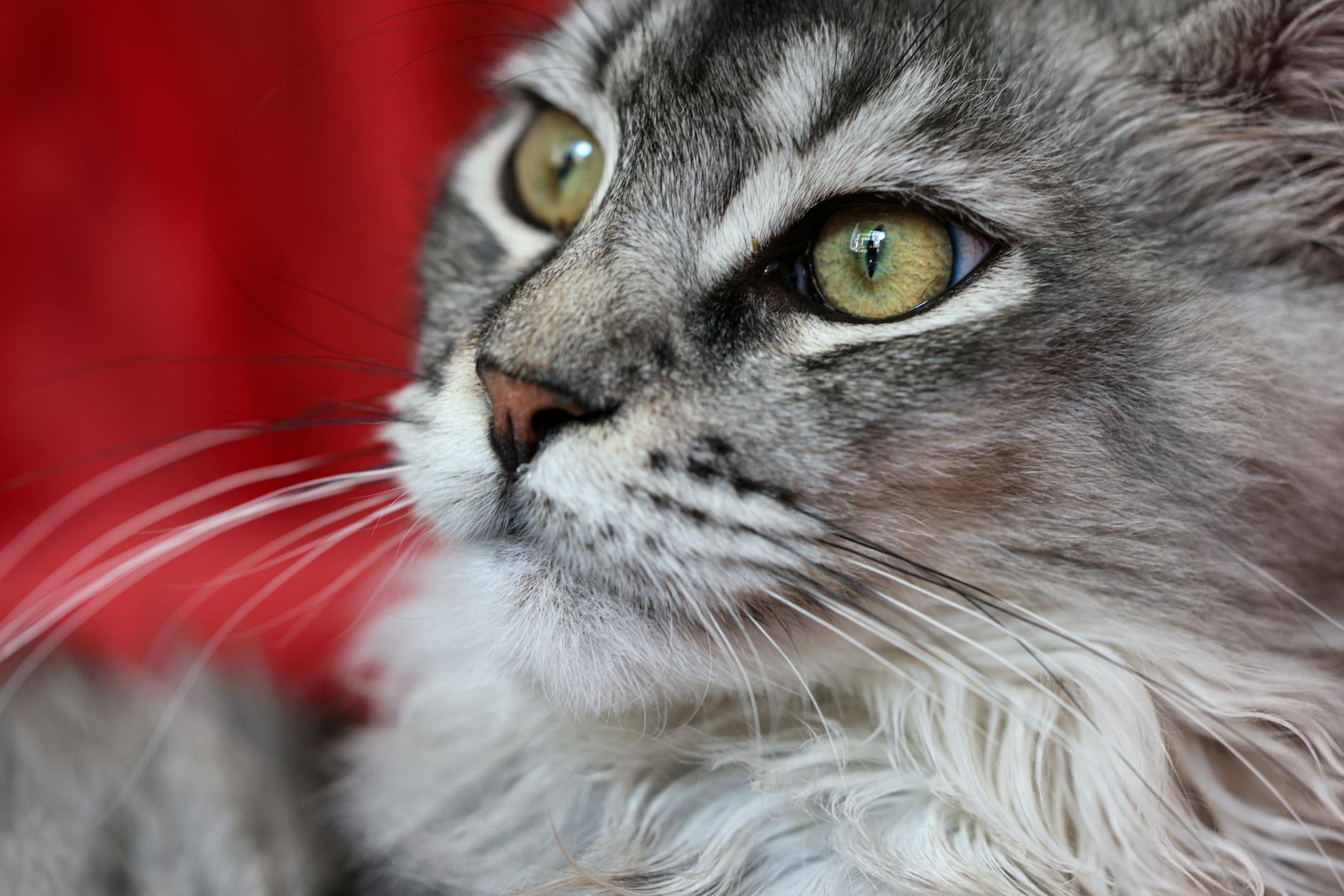
The Ragamuffin is a close relative of the Ragdoll and shares many of the same large-scale physical traits. Adult males can weigh between 12 and 20 pounds, with a rectangular body shape and thick, plush fur that adds considerable visual bulk. Their legs are heavily boned and medium in length, contributing to a low-slung, substantial overall frame. Like the Ragdoll, Ragamuffins continue growing until they are around four years old, so their full size is not apparent in younger cats.
British Shorthair

The British Shorthair is a stocky and powerfully built breed that often surprises people with its weight and solidity. Males typically range from 9 to 17 pounds, and their compact but dense muscle mass makes them feel heavier than they appear. This breed has a rounded face, thick neck, and broad chest that give it a bear-like quality compared to more slender cat breeds. Despite their sturdy build, British Shorthairs are calm and undemanding companions who adapt well to indoor living.
Turkish Van
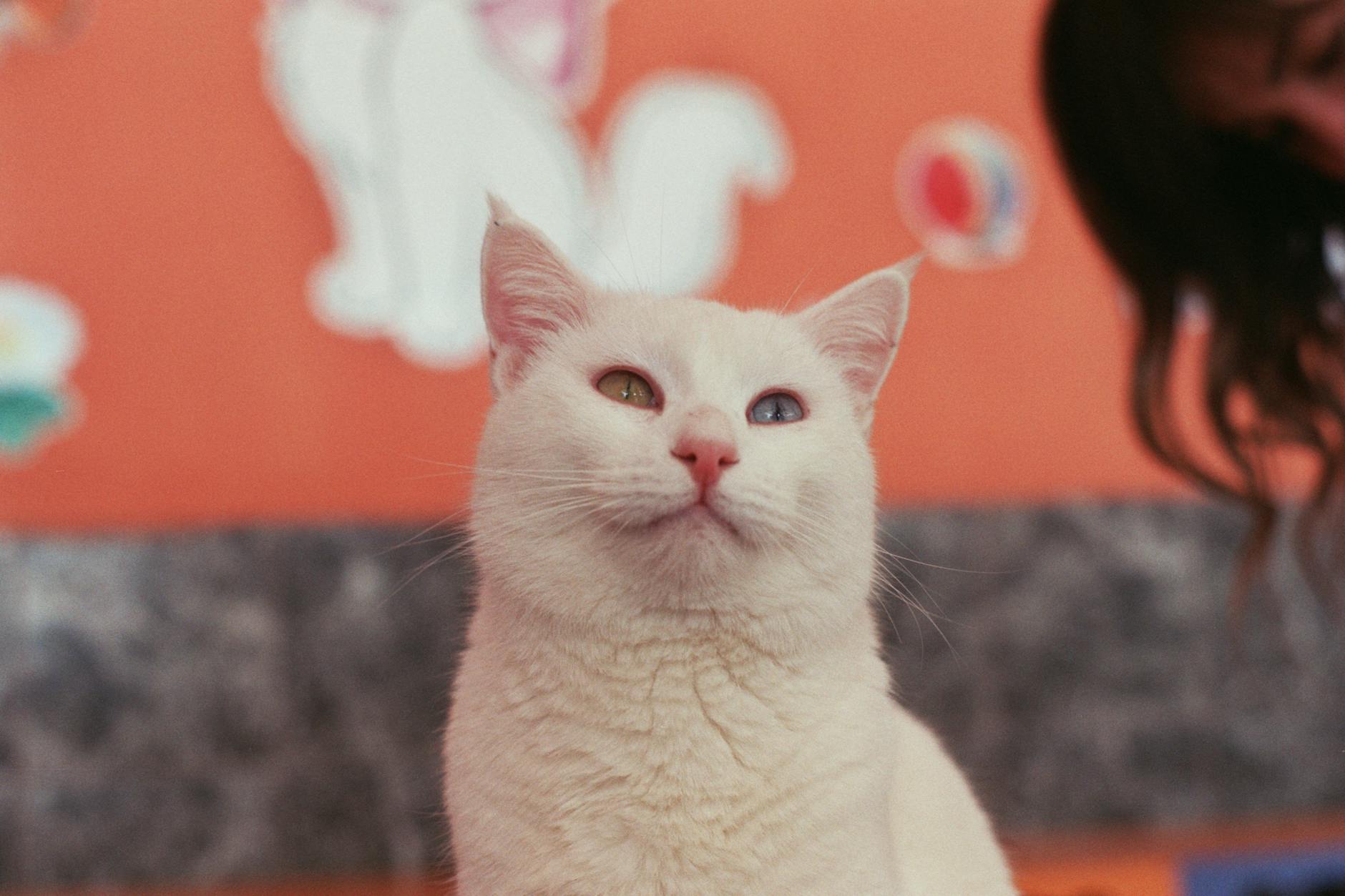
The Turkish Van is an ancient breed originating from the Lake Van region of Turkey and is recognized for its large, muscular build. Males can weigh between 10 and 16 pounds, with a long, broad body and well-developed hindquarters that make them powerful jumpers. Their semi-longhaired coat is surprisingly water-resistant, a trait that earned the breed the nickname “the swimming cat” in its homeland. The Turkish Van develops slowly and does not reach full size until around three to five years of age.
American Bobtail
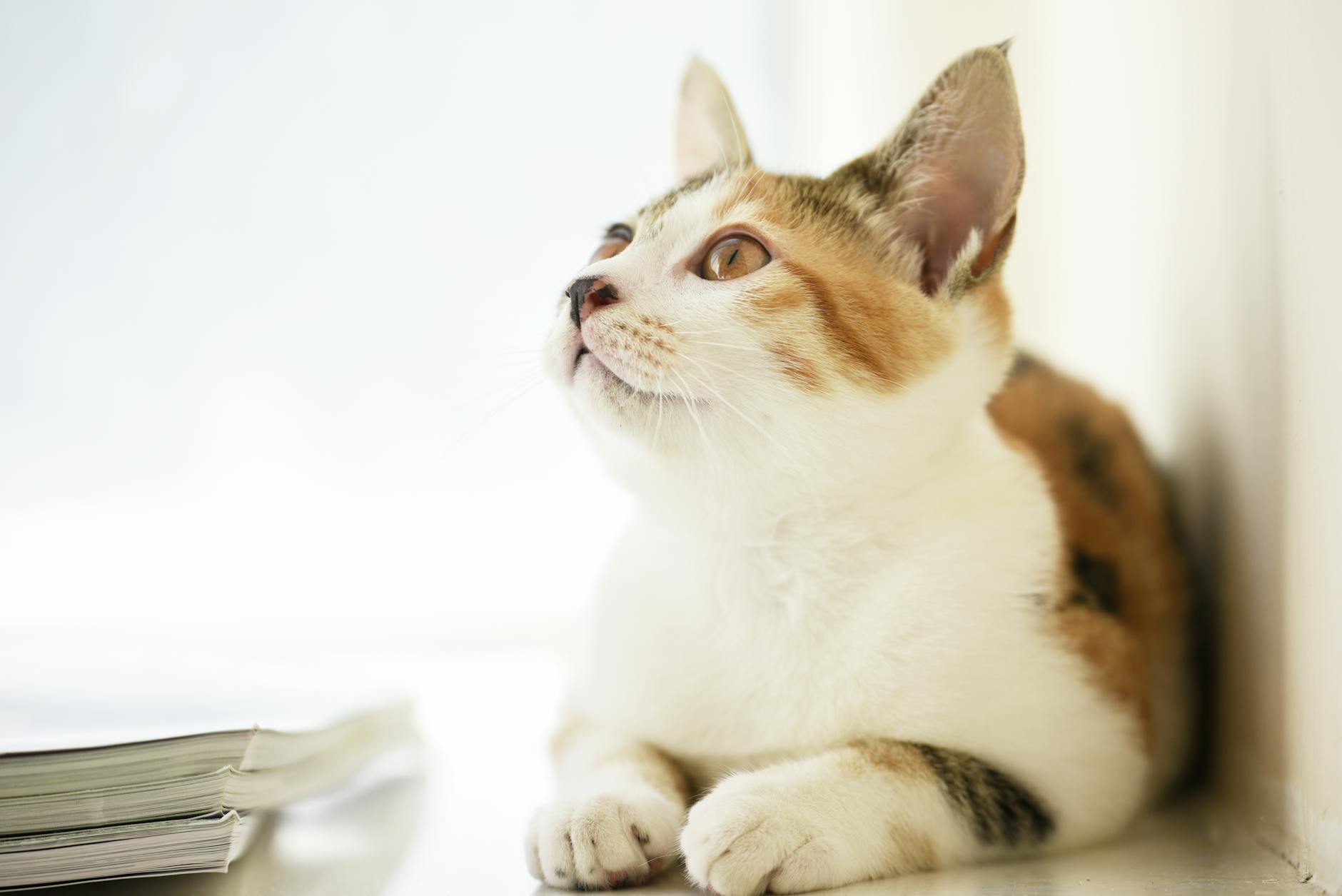
The American Bobtail is a naturally occurring breed known for its wild appearance and surprisingly large, athletic frame. Males typically weigh between 12 and 16 pounds, and their bodies are broad and muscular with notably large, wide paws. Their shortened tail is the result of a natural genetic mutation rather than human manipulation, and it varies in length from individual to individual. This breed has a strong hunting instinct and a confident, adaptable personality that suits both active families and quieter households.
Pixiebob
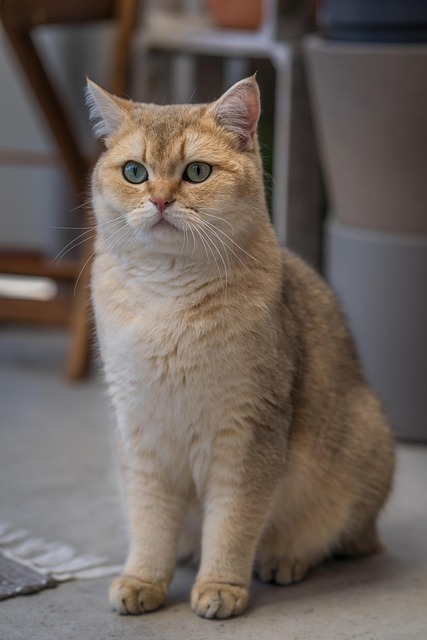
The Pixiebob is an American breed developed to resemble the wild coastal red bobcat of the Pacific Northwest, and it carries a substantial frame to match that appearance. Males typically weigh between 12 and 17 pounds, with a heavily boned, pear-shaped body and a naturally short tail. Their coat can be either short or long, but the broad head, hooded brow, and muscular build consistently create a powerful, wild-looking profile. Multi-toed or polydactyl variations are common in this breed and are considered acceptable within breed standards.
Highlander
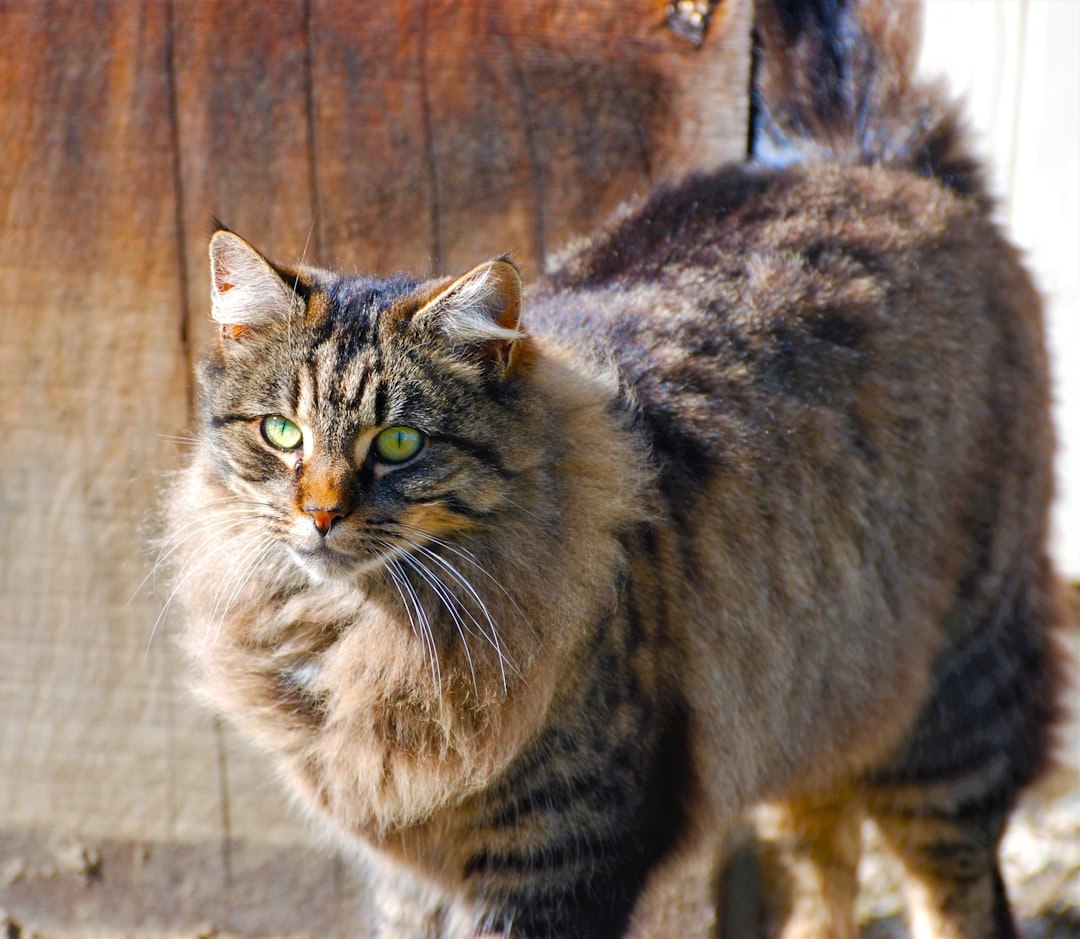
The Highlander is a relatively new American breed developed in the early 2000s and distinguished by its curled ears, large frame, and naturally bobbed tail. Males can reach weights of 15 to 20 pounds, making them one of the heavier entries among newer designer breeds. Their body is long, muscular, and athletic, with a broad chest and strong legs that support their considerable bulk. The combination of unusual physical features and impressive size gives the Highlander a striking presence that draws significant attention at cat shows and in the home.
If you share your home with one of these gentle giants, share your experience with their size and personality in the comments.