Understanding fabric composition helps preserve the life and fit of a wardrobe. Many natural and semi-synthetic materials react poorly to the heat and agitation of modern laundry appliances. Shrinkage occurs when fibers release tension applied during the manufacturing process and return to their natural state. This list highlights the materials most likely to lose their shape during cleaning.
Wool

Wool is notorious for losing its shape and size when exposed to high heat or agitation. The microscopic scales on wool fibers lock together during the washing process which causes the material to felt and contract. Hand washing in cool water prevents this drastic change in dimensions. Using a dryer is almost guaranteed to ruin a wool garment by shrinking it several sizes.
Cotton

Natural cotton fibers are prone to shrinking when they are washed in hot water or dried on a high heat setting. This fabric releases tension from the weaving process during the first wash and snaps back to its original smaller size. Preshrunk cotton items offer a safer alternative for consumers worried about fit changes. Checking the care label is essential to maintaining the correct size of your favorite t-shirt or jeans.
Linen
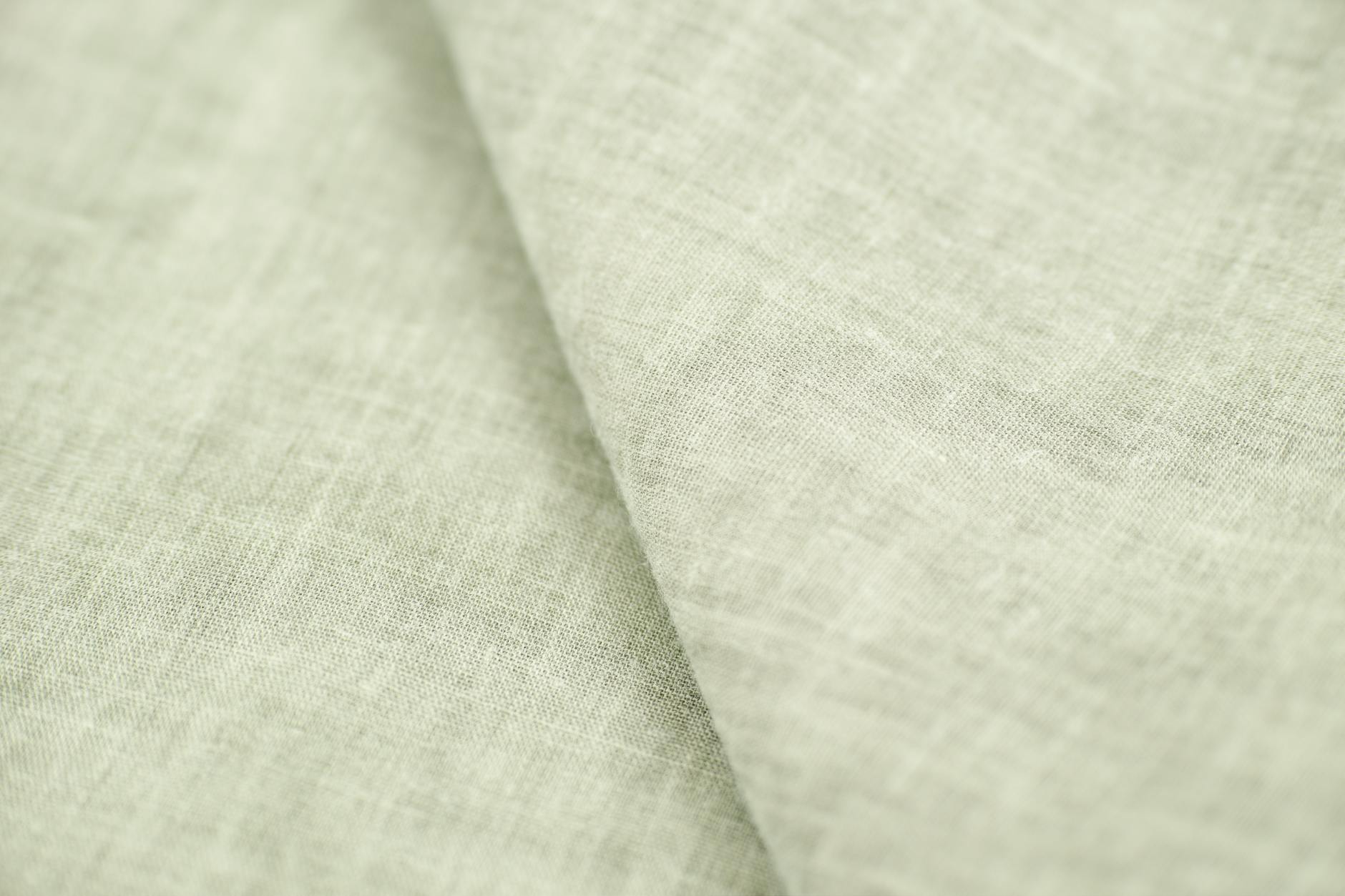
Linen adds breathability to a wardrobe but requires careful handling to maintain its original fit. The flax fibers used to create this fabric tend to tighten significantly when exposed to warm water or dryer heat. Many manufacturers recommend dry cleaning or cold water washing to preserve the garment structure. Steam ironing while the fabric is slightly damp can sometimes help relax fibers back to their intended state.
Silk
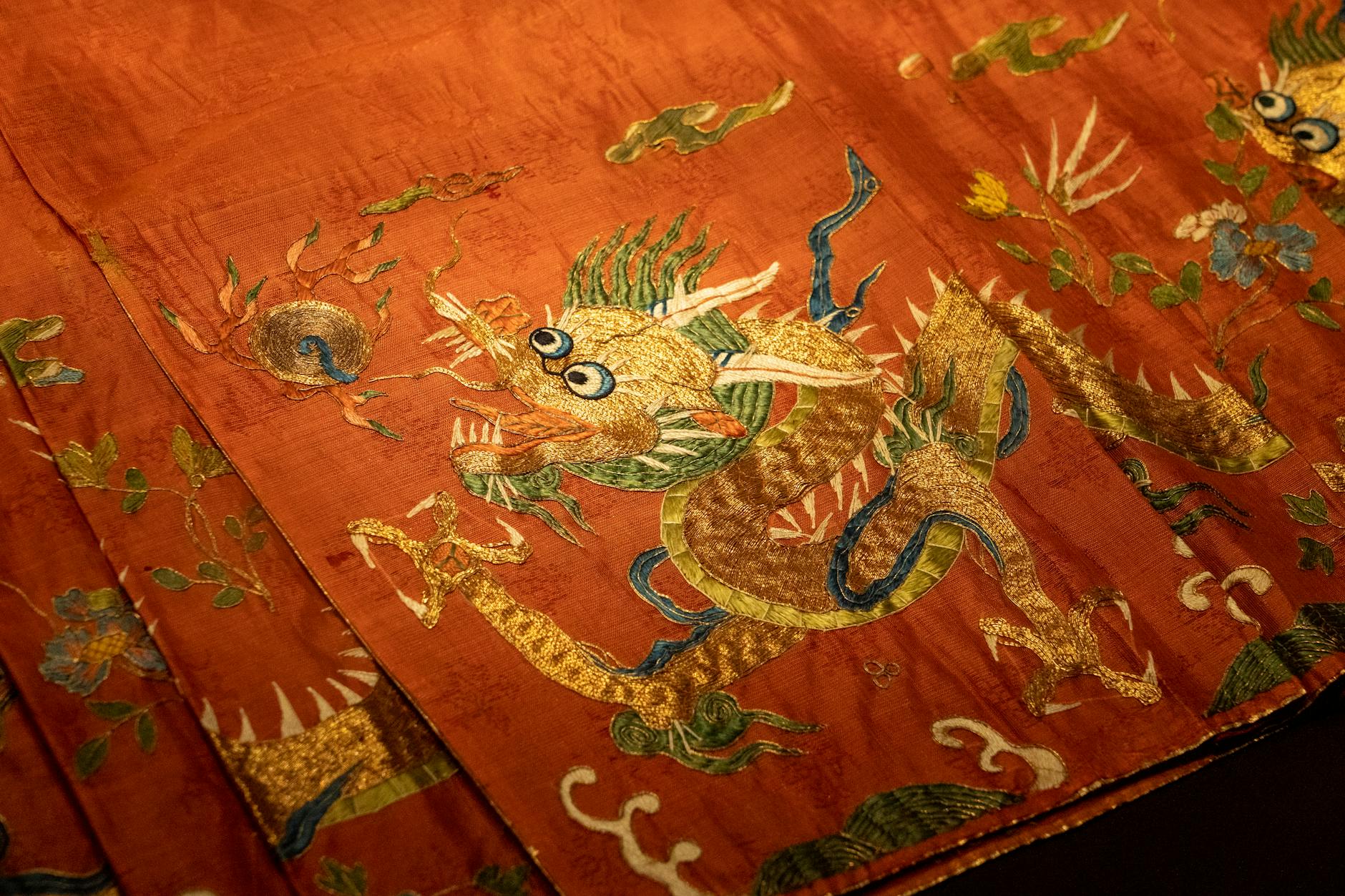
Delicate silk fibers react poorly to the agitation and temperature fluctuations found in standard washing machines. The protein structure of the fiber tightens up when it meets heat and moisture simultaneously. Hand washing with specialized detergent remains the gold standard for preserving silk clothing. Air drying away from direct sunlight helps maintain both the size and the sheen of the fabric.
Rayon

Rayon is a semi-synthetic fiber that is incredibly sensitive to moisture and heat. It often shrinks more than natural fibers because it loses strength and stability when wet. A single cycle in a hot dryer can reduce a rayon garment to an unwearable size. Most experts suggest dry cleaning or extremely gentle hand washing to avoid permanent damage.
Cashmere

This luxury wool derived from goats requires gentle care to avoid felting and shrinking. Hot water causes the fine hairs to bind together and creates a much smaller and denser fabric. Laying a wet cashmere sweater flat on a towel helps it keep its shape while drying. Hanging wet cashmere can stretch it out while heat will definitely shrink it.
Viscose

Viscose behaves similarly to rayon and is highly susceptible to shrinking during the laundry process. The fibers contract when they absorb water and the agitation of a washing machine exacerbates this reaction. Warm water and dryer heat are the enemies of a well-fitted viscose dress or shirt. Cold water washing and air drying are the best methods to keep these garments wearable.
Denim

Raw denim that has not been sanitized will shrink significantly during its initial contact with water. The cotton twill weave tightens up and can reduce the waist and inseam measurements by several inches. Many enthusiasts soak their jeans in a bathtub while wearing them to achieve a custom fit. Pre-washed denim is more stable but can still shrink if subjected to high dryer heat.
Hemp

Hemp fabric is durable and sustainable but it reacts to heat much like other natural fibers. The fibers relax and contract during the first few wash cycles which alters the overall dimensions of the clothing. Washing in cold water minimizes this effect and preserves the integrity of the material. Line drying is preferable since high heat from a dryer causes rapid shrinkage.
Mohair

Mohair garments are made from the hair of the Angora goat and possess a fuzzy texture that mats easily. Agitation in a washing machine causes the fibers to felt and the garment to shrink dramatically. Cold water hand washing is the only safe method for cleaning mohair at home. Reshaping the item while it is damp ensures it dries to the correct proportions.
Jersey Knits

Jersey is a type of knit fabric commonly used for t-shirts and bedding that stretches and shrinks easily. The loop structure of the knit tightens up when exposed to heat which results in a shorter and tighter garment. Cotton jersey is particularly prone to losing length after a trip through the dryer. Air drying allows the knit to relax without snapping back into a smaller shape.
Flannel

Cotton or wool flannel creates a soft and warm texture but comes with a high risk of shrinkage. The brushing process used to create the nap makes the fibers more susceptible to heat damage. Hot water washing causes the fabric to condense and results in a tighter fit. Buying a size up is a common strategy for those who prefer to machine dry their flannel shirts.
Lyocell

Lyocell is generally more stable than rayon but can still shrink about three percent during the first wash. High temperatures in the washing machine or dryer cause the fibers to bunch up and shorten. Gentle cycles with cool water help maintain the original drape and fit of the clothing. Removing the item from the dryer while it is still slightly damp prevents excessive contraction.
Modal

Modal is a type of rayon made from beech tree cellulose that resists shrinking better than standard viscose. However it can still lose its shape if washed in hot water or dried on a high heat setting. The smooth fibers require gentle handling to prevent pillage and size reduction. Laying modal garments flat to dry is the best way to ensure longevity.
Chiffon
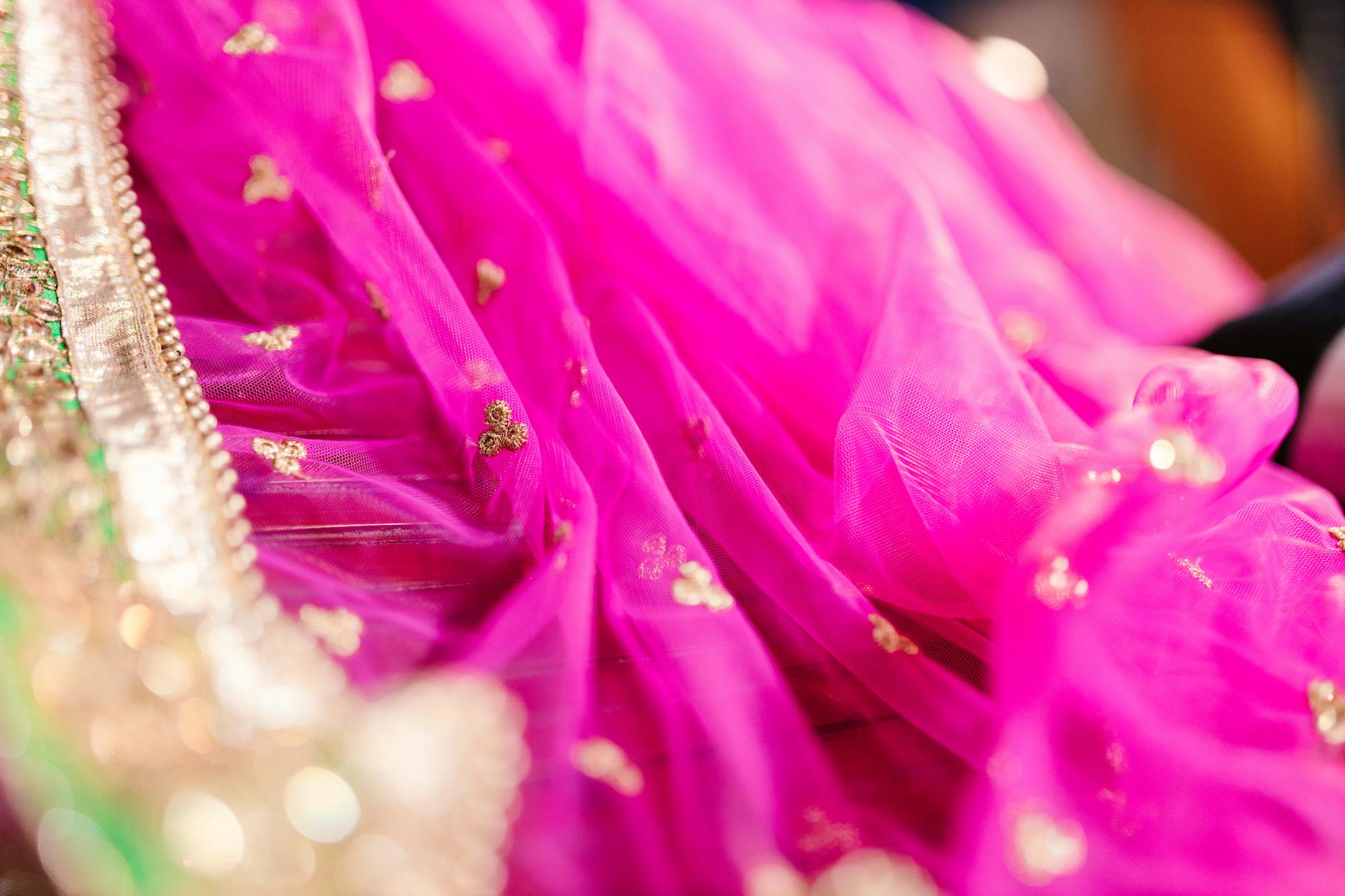
Chiffon made from silk or rayon is extremely delicate and prone to shrinkage. The sheer weave tightens immediately upon contact with water or heat. Dry cleaning is often the only recommended cleaning method for high-end chiffon garments. Attempting to wash this fabric at home often results in a crinkled texture and a ruined silhouette.
Please share your own experiences with shrinking clothes or laundry mishaps in the comments.