Understanding the connection between diet and headache frequency is a crucial step for many managing chronic migraines. Certain compounds found naturally in foods or added during processing can stimulate the nervous system and lead to painful episodes. Identifying these specific triggers often requires patience and careful observation of dietary habits over time. The following list highlights common ingredients and foods known to affect sensitive individuals. Eliminating these items may help reduce the severity or frequency of attacks.
Aged Cheese

Varieties such as blue cheese and cheddar contain high levels of tyramine which forms as proteins break down over time. This substance has been linked to headaches in many individuals who struggle to process it efficiently. The longer a cheese ages the higher the tyramine content becomes so fresher varieties are often safer choices. Sensitive individuals should monitor their reaction to parmesan and swiss varieties closely. Keeping a food diary helps pinpoint which specific types cause issues.
Red Wine

Alcohol is a well-known trigger but red wine specifically contains tannins and flavonoids that can provoke attacks. Many sufferers report the onset of symptoms shortly after consuming even a small glass. The sulfites used as preservatives in many vintages may also contribute to the headache response. Dehydration caused by alcohol consumption further exacerbates the potential for a migraine. Choosing organic wines or white varieties might mitigate the risk for some people.
Chocolate

Many people crave sweet treats during the prodrome phase of a migraine which leads to the belief that chocolate causes the headache. This confection contains both caffeine and beta-phenylethylamine which can influence blood vessel expansion. Some studies suggest it acts as a trigger in a minority of sufferers while others believe it is merely a craving signal. Dark chocolate typically has higher concentrations of these compounds than milk chocolate. Moderation is key when determining if this is a true personal trigger.
Cured Meats

Processed meats like bacon and sausages often contain nitrates and nitrites to preserve color and flavor. These chemical additives can dilate blood vessels and lead to immediate headaches in sensitive people. Hot dogs and deli meats are particularly high in these preservatives. Looking for nitrate-free labels can help reduce exposure to this common chemical trigger. It is advisable to consume fresh cuts of meat whenever possible.
Monosodium Glutamate

This flavor enhancer is frequently found in fast food and processed snacks to boost savory taste profiles. Some individuals experience a reaction known as the Chinese restaurant syndrome which includes headaches and flushing. It serves as an excitatory neurotransmitter that may overstimulate nerve cells. Reading ingredient labels carefully is necessary since MSG can be hidden under names like hydrolyzed vegetable protein. Dining at restaurants that explicitly state they do not use MSG is a safer option.
Artificial Sweeteners

Aspartame and other sugar substitutes are common in diet sodas and low-calorie snacks. Some research indicates a correlation between aspartame consumption and increased migraine frequency. These additives can affect serotonin levels and trigger headaches in those with a sensitivity. Sucralose is another sweetener that some sufferers report as a problematic ingredient. Switching to natural sweeteners like stevia or honey might alleviate symptoms.
Citrus Fruits
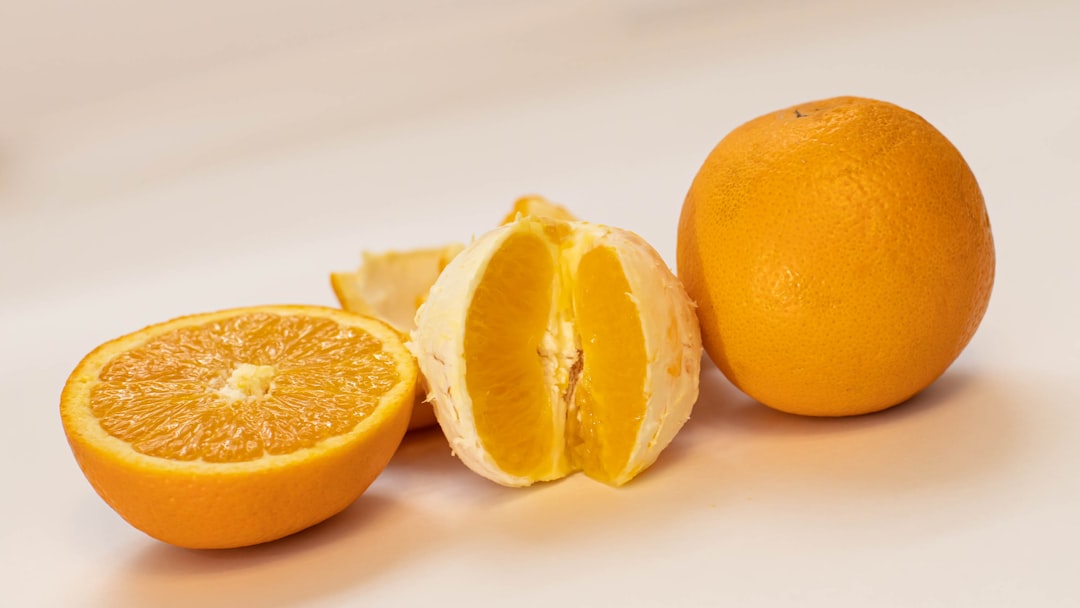
Oranges and grapefruits contain octopamine which is a substance that may trigger headaches in some people. The acidity of these fruits can also be a factor for individuals with sensitive stomachs. Lemons and limes are often included in this category of potential dietary triggers. Even the juices of these fruits can be potent enough to cause a reaction. Monitoring intake of citrus is recommended during elimination diets.
Beer

The fermentation process of beer produces tyramine which is a known headache trigger. Darker beers and tap beers tend to have higher levels of this compound compared to bottled options. Alcohol itself causes dehydration and vasodilation which are both precursors to migraine attacks. Some sufferers find that wheat-based beers are more problematic than others. Limiting intake and drinking plenty of water can help manage this risk.
Caffeine

This stimulant acts as a double-edged sword since it can both treat and trigger migraines depending on usage. Excessive consumption often leads to dependency and subsequent withdrawal headaches when intake drops. Sudden changes in daily coffee or tea habits can spark an attack. Small consistent amounts may be tolerated well but large spikes should be avoided. It is important to find a personal balance that does not disrupt sleep patterns.
Nuts and Seeds
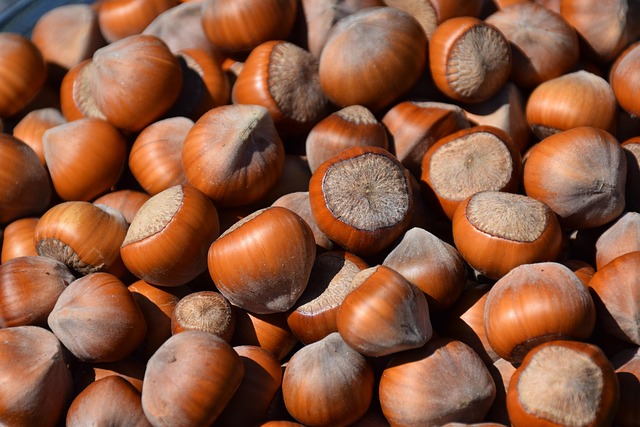
Walnuts and pecans are nutritious but they also contain tyramine which affects some migraine sufferers. Peanuts are another common culprit due to their high content of this amino acid. Fresh nuts are generally safer than those that have been stored for long periods. Nut butters can also trigger reactions if they are made from aged or processed nuts. Testing tolerance with small portions is a prudent approach.
Pickled Foods

Pickles and olives are soaked in brines that encourage fermentation and the production of tyramine. The high sodium content in these foods can also contribute to dehydration. Kimchi and sauerkraut fall into this category and may need to be avoided by sensitive individuals. The longer the food has been fermented the more likely it is to cause a headache. Rinsing these foods before eating may slightly reduce the risk but avoidance is often better.
Yeast Extract

Products like Marmite and certain soup stocks contain high concentrations of yeast extract. This ingredient is rich in glutamates which function similarly to MSG in the body. It is often used to add a savory umami flavor to breads and crackers. Sensitive individuals may notice a reaction shortly after consumption. Checking labels on savory snacks is essential to avoid this hidden trigger.
Onions
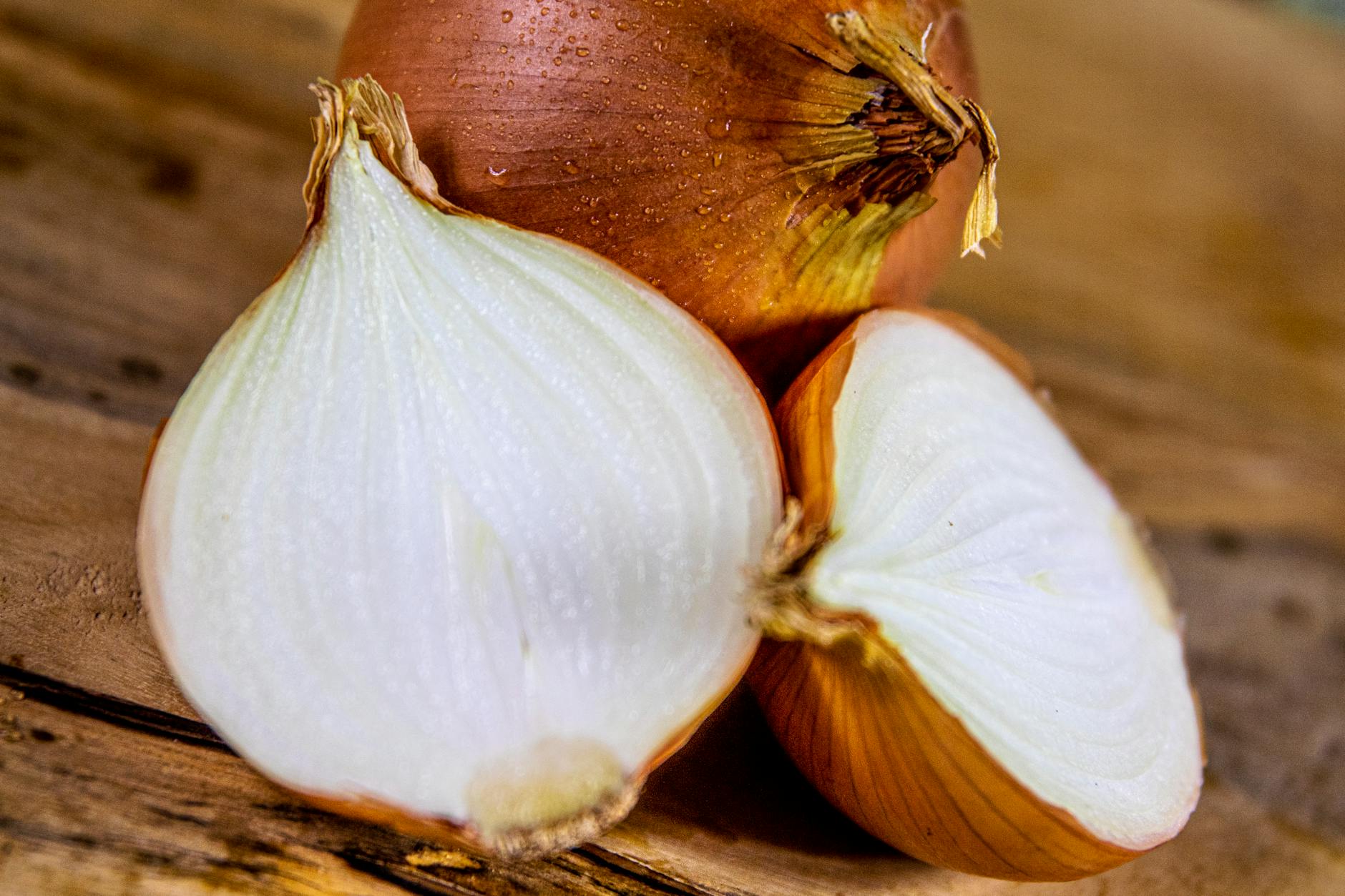
Raw onions contain compounds that can trigger headaches in a subset of migraine patients. The strong odor alone is sometimes enough to induce nausea or a headache in highly sensitive people. Cooking onions thoroughly can break down some of the problematic enzymes. Spring onions and shallots may be tolerated better than large yellow or red onions. Elimination is the best way to determine if this vegetable is a culprit.
Avocados
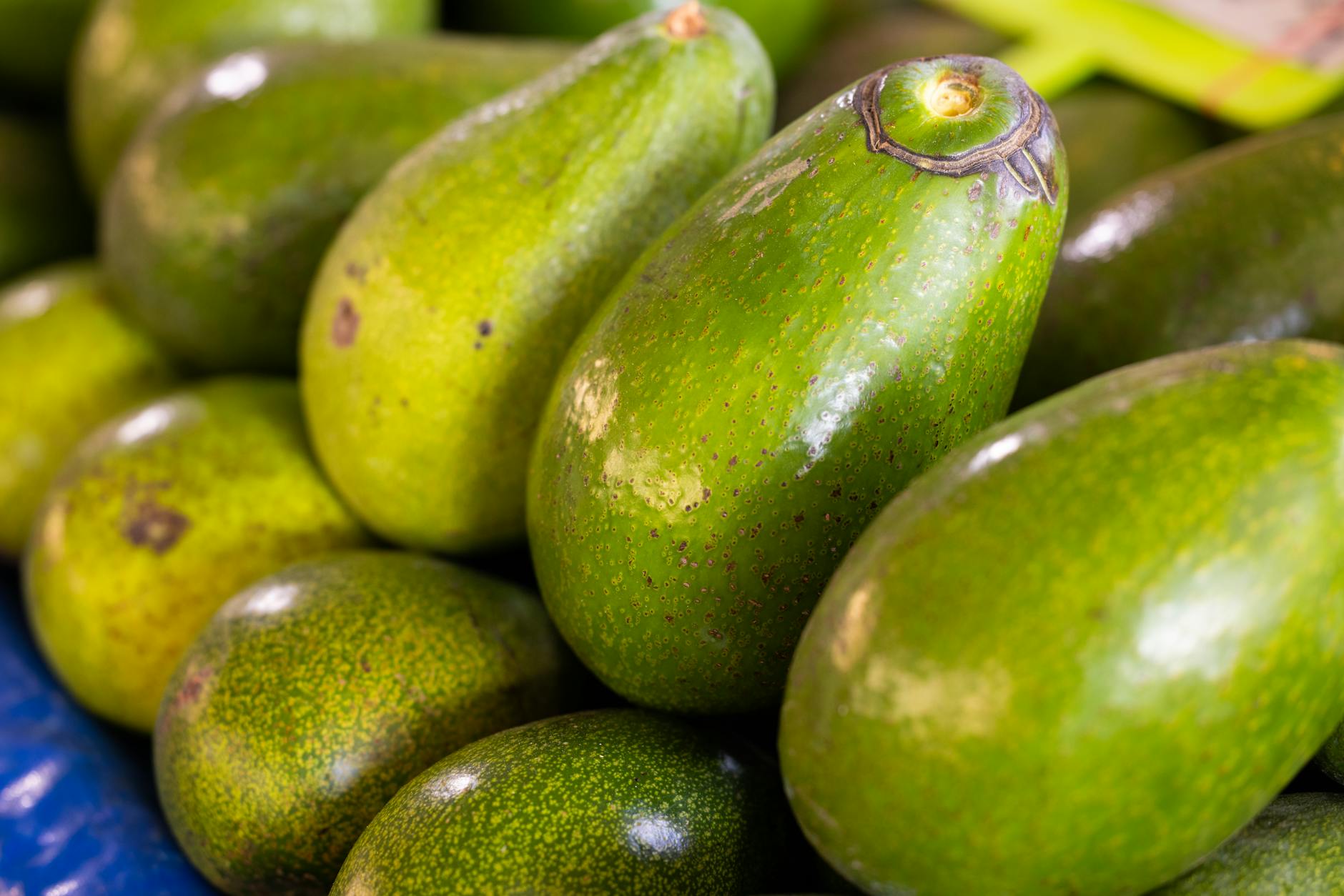
These popular fruits are rich in tyramine especially when they become overripe. The concentration of tyramine increases as the fruit softens and browns. Fresh and firm avocados are less likely to cause issues than those that have been sitting out. Guacamole often combines avocados with onions and lime which creates a potent mix of potential triggers. Eating them immediately after cutting is recommended to minimize exposure.
Dried Fruit
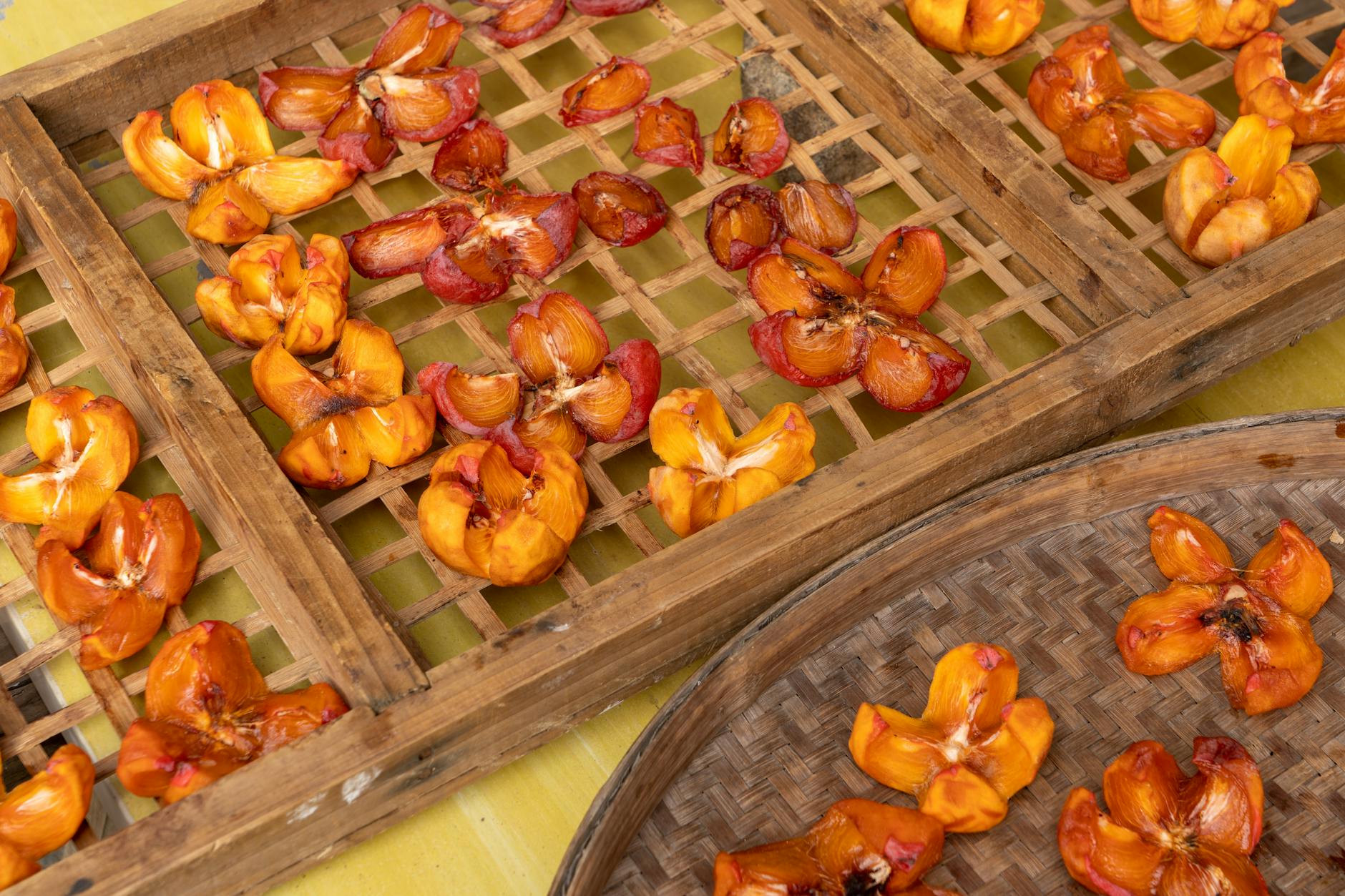
Raisins and figs often contain sulfites which are used to preserve their color and freshness. These preservatives are chemically similar to those found in red wine and can trigger headaches. The drying process also concentrates the sugar and tyramine content of the fruit. Apricots and dates are other common dried fruits that may be problematic. Choosing organic or sulfite-free versions is a safer alternative.
Bananas
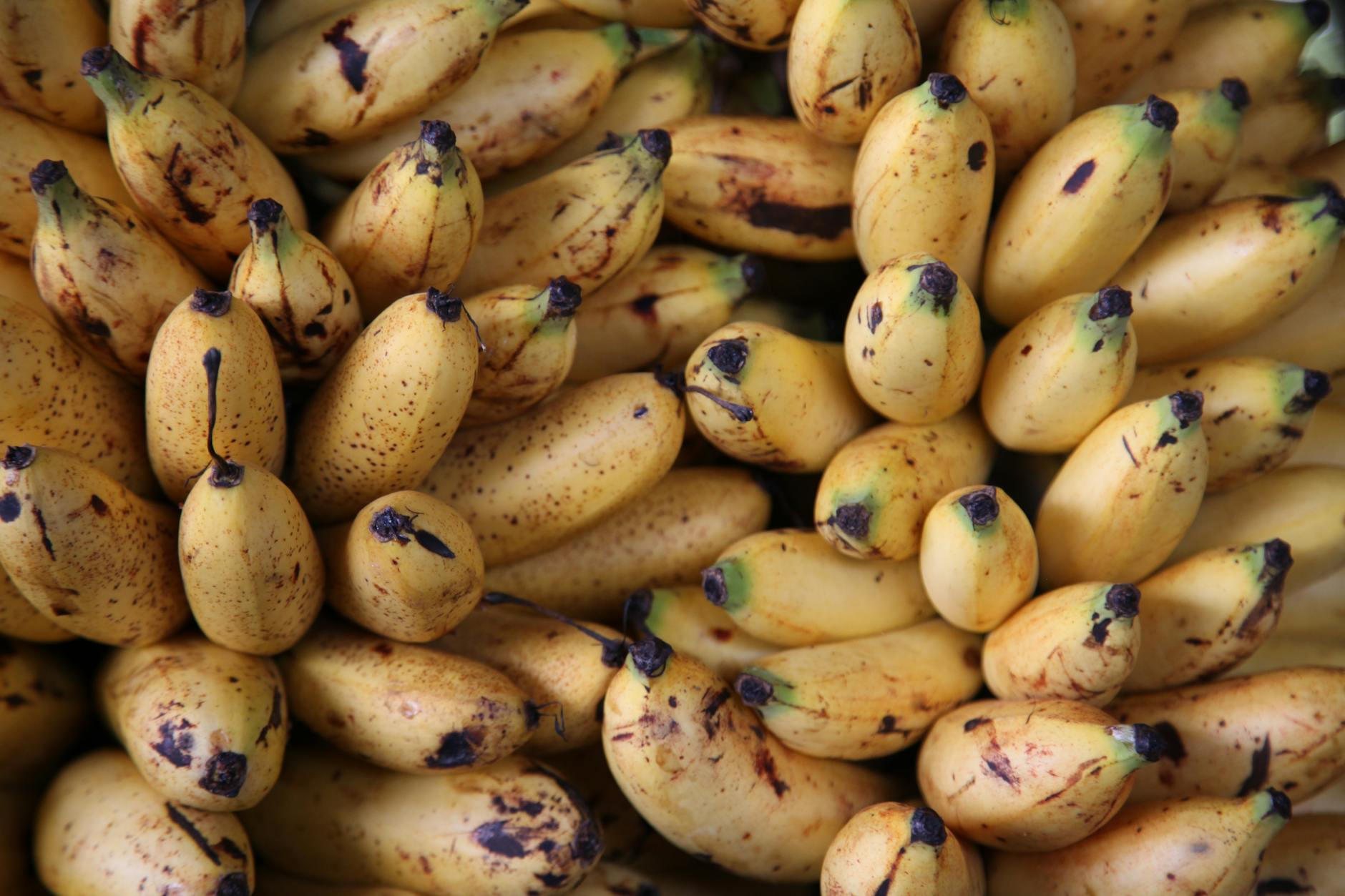
Bananas that have ripened to the point of having brown spots are high in tyramine. The peel also contains histamine which can transfer to the fruit if not handled carefully. Green or just-yellow bananas are generally safe for most people to consume. Those sensitive to tyramine should avoid baking with overripe bananas. Eating this fruit while it is still firm minimizes the risk of a headache.
Pizza

Fresh yeast dough used in pizza crusts generates tyramine as it rises. The combination of dough with cheese and processed meats creates a trifecta of potential triggers. Tomato sauce can also be problematic for some due to its acidity and glutamate content. Thick crusts may harbor more yeast byproducts than thin and crispy versions. Homemade pizza with safe ingredients is a better option than delivery.
Processed Snacks

Chips and crackers often contain a laundry list of preservatives and flavor enhancers. Flavor powders on these snacks are frequently high in MSG and artificial colors. The high salt content can lead to dehydration and subsequent headaches. Hydrolyzed proteins are common additives that mimic the effects of glutamate. Choosing plain or lightly salted varieties with simple ingredients is advisable.
Salty Foods
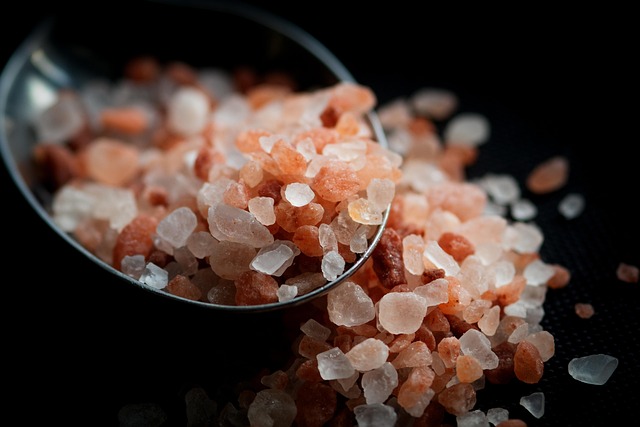
Excessive sodium intake increases blood pressure and puts stress on the vascular system. This strain can precipitate a migraine in individuals who are prone to them. Salty soups and canned goods are major sources of hidden sodium in the diet. Dehydration often follows a salty meal which further compounds the headache risk. Balancing salt intake with adequate hydration is crucial for prevention.
Frozen Foods

Eating ice cream or drinking slushies too quickly can trigger a reaction known as brain freeze. This sudden intense pain can sometimes transition into a full-blown migraine for susceptible people. The rapid cooling of the capillaries in the throat signals the brain to alter blood flow. Eating cold foods slowly allows the mouth to warm them before swallowing. This trigger is physical rather than chemical but remains significant.
Lima Beans

Certain legumes including lima beans contain tannins and other compounds that may affect sufferers. Navy beans and broad beans are also cited as potential triggers in some dietary guides. These foods are otherwise healthy but can be problematic for specific individuals. Soaking beans thoroughly before cooking can help reduce some of these compounds. Monitoring reactions after eating legumes helps identify personal sensitivities.
Soy Sauce

Fermented soy products are naturally high in tyramine and also contain significant amounts of MSG. The high sodium content adds another layer of risk for headache development. Tamari and other soy-based marinades share these same characteristics. Using small amounts or diluting the sauce can help mitigate the effects. Coconut aminos are a popular substitute that many find tolerable.
Tomatoes
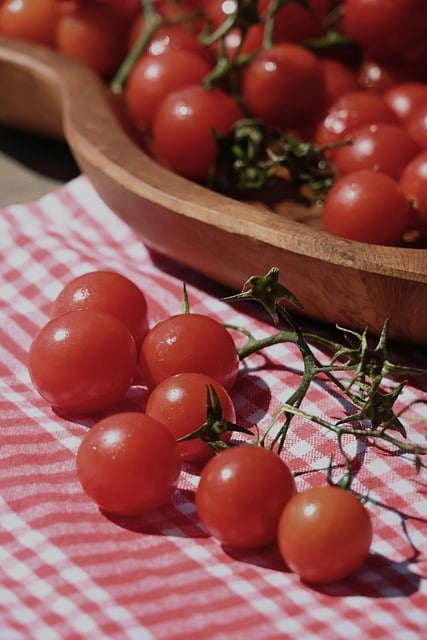
Tomatoes contain tyramine and other acids that can trigger migraines in some people. This is true for both fresh tomatoes and concentrated tomato products like ketchup or pasta sauce. The compound levels may increase as the tomato ripens fully on the vine. Some sufferers find that cooking the tomatoes reduces their reactivity. Tracking intake helps determine if this common ingredient is a personal trigger.
Cultured Dairy

Yogurt and kefir undergo fermentation which produces tyramine and acidic byproducts. Sour cream and buttermilk also fall into this category of potential dairy triggers. Plain varieties may be less problematic than those with added sweeteners or fruit. The probiotics are beneficial for the gut but the fermentation byproducts can be an issue for the head. Testing tolerance with small amounts is the best strategy.
Smoked Fish

Smoked salmon and other cured fish products contain high levels of tyramine due to the smoking and aging process. Histamines also build up in fish that is not consumed immediately after being caught. The salt content in smoked fish is typically very high. Freshly cooked fish is a much safer alternative for those prone to migraines. Freezing fresh fish immediately can stop the buildup of histamines.
Wheat Products

Gluten sensitivity is a distinct condition but it often overlaps with migraine symptoms. Wheat bread and pasta can induce inflammation that manifests as a headache. Some individuals react specifically to the fructans found in wheat rather than the gluten itself. Switching to grains like rice or quinoa can help determine if wheat is a trigger. A strict elimination period is usually necessary to confirm this link.
Figs
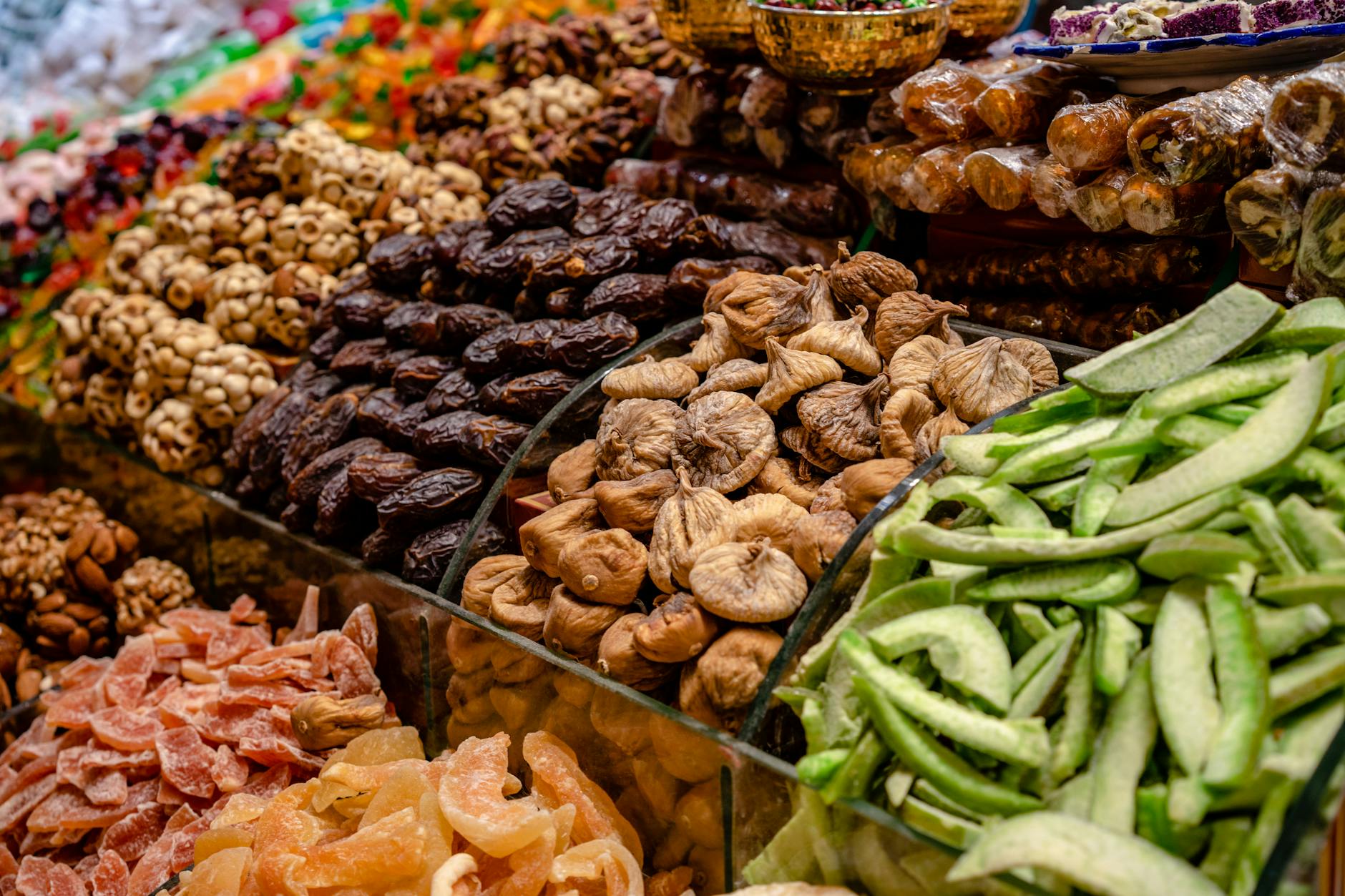
Fresh and dried figs are known to contain tyramine and can trigger headaches in sensitive people. They also contain a sap-like substance that some individuals find irritating. The concentration of sugars and compounds is much higher in the dried variety. Canned figs may also contain syrups that add to the trigger load. Testing with a single fruit is safer than consuming a whole bowl.
Chicken Livers

Organ meats like chicken livers are very high in tyramine and can be a potent trigger. Paté and liverwurst are processed forms that combine this risk with preservatives. The high vitamin A content is generally good but the vascular effects can be immediate. Freshness is absolutely critical when consuming any organ meat. Avoidance is often the recommended path for those with severe sensitivity.
Lentils
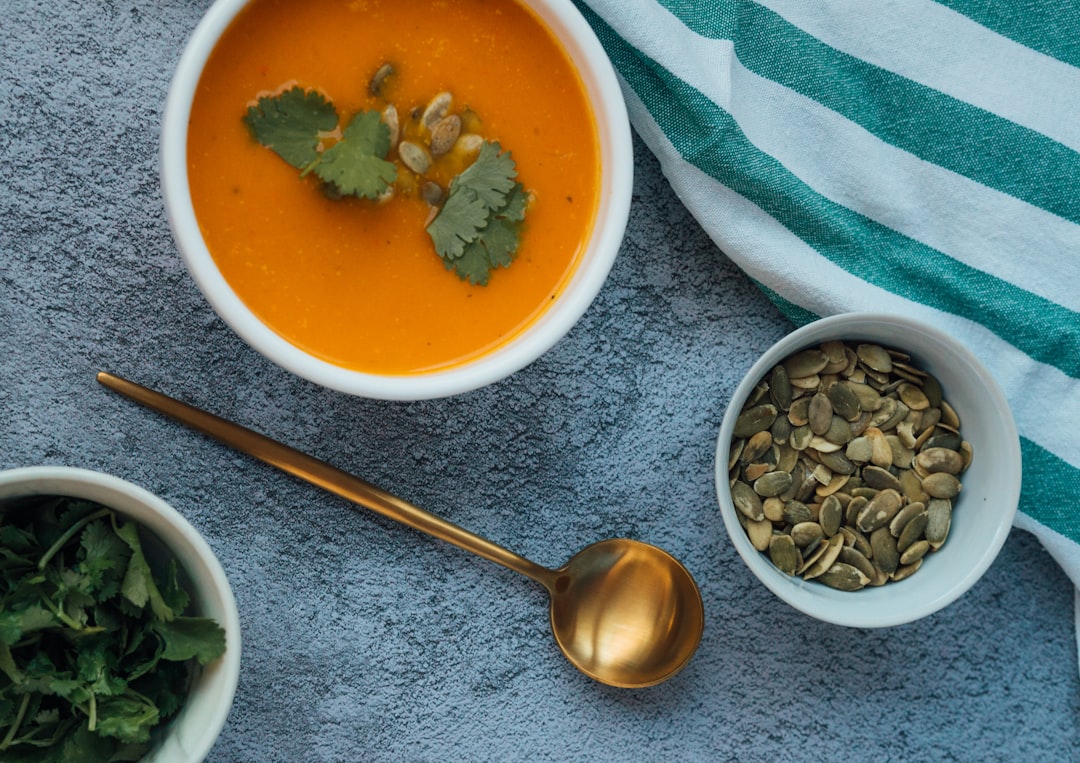
Lentils are a healthy plant protein that unfortunately contains tyramine. Some individuals report headaches after consuming large portions of lentil soup or stew. Soaking lentils overnight and rinsing them well may reduce the risk. Red lentils tend to be easier to digest than the brown or green varieties. Pairing them with safe vegetables can help dilute the potential effect.
Snow Peas

These vegetables contain certain amines that can act as vascular triggers. While they are generally considered a safe vegetable they can affect highly sensitive people. The pods contain different compounds than the peas inside which might contribute to the reaction. Lightly steaming them may be better than eating them raw. Observation is required to see if they correlate with headache onset.
Red Plums
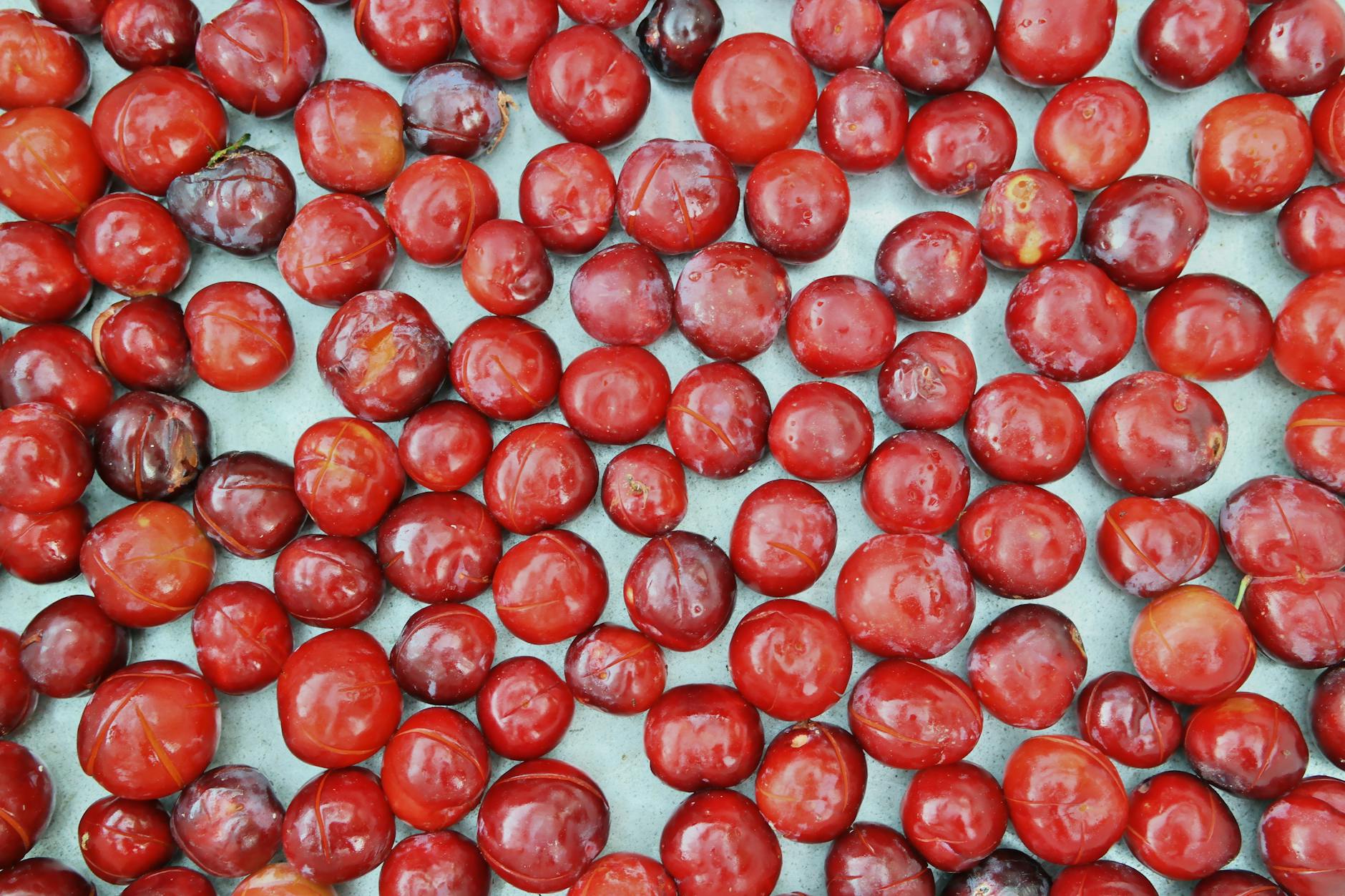
Red plums specifically have been identified as a trigger for some migraine patients. They contain tannins and other phenolic compounds similar to those found in red wine. The skin of the plum usually holds the highest concentration of these substances. Peeling the fruit might reduce the likelihood of a reaction. Yellow or green plums may not have the same effect.
Raspberries
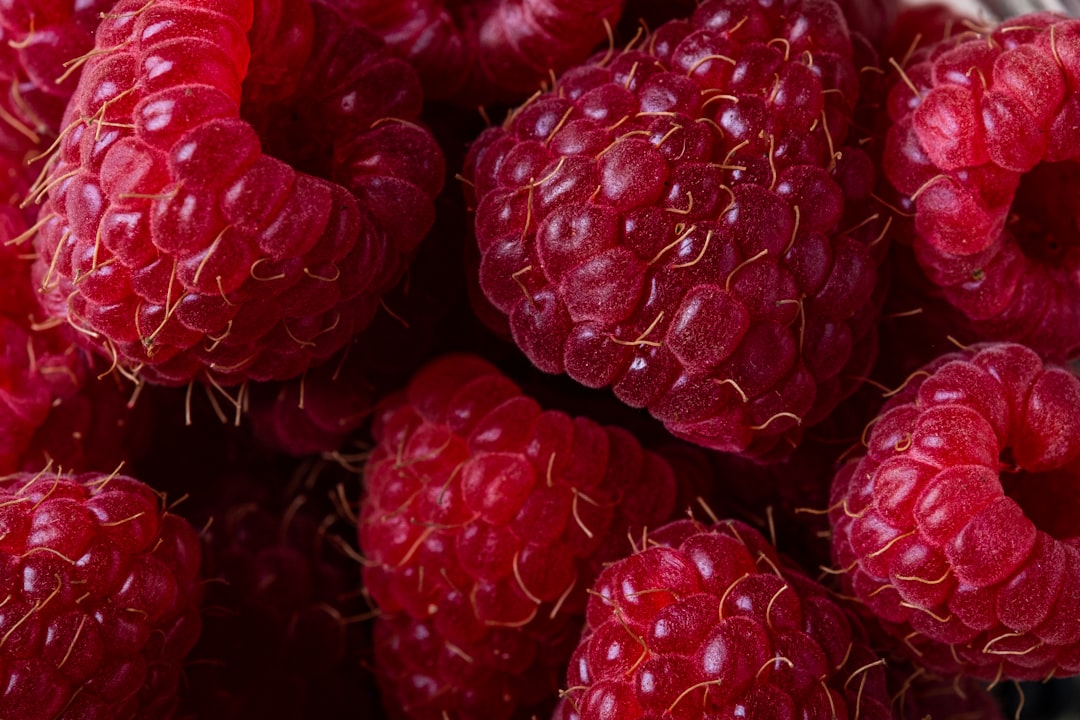
These berries naturally contain small amounts of salicylate which is a compound related to aspirin. While usually anti-inflammatory some people are sensitive to salicylates and experience headaches. Overripe berries can also develop higher levels of tyramine. Washing them thoroughly does not remove the internal compounds. Monitoring quantity is important as a handful may be fine while a bowl is not.
Papaya

Papaya contains an enzyme called papain and latex substances that can trigger reactions. Unripe papaya is particularly high in latex which is a known allergen and trigger. Fully ripe fruit is generally safer but can still be problematic for some. The histamine content can also increase as the fruit softens. Those with latex allergies should be especially cautious with this fruit.
Sourdough Bread

The fermentation process required to make sourdough rise produces tyramine. The wild yeast cultures are active and create a complex chemical profile in the dough. While it is easier to digest for gluten-sensitive people it can be a headache trigger. The longer the fermentation the higher the tyramine levels will be. Commercial sourdough often uses flavorings that mimic the taste without the long ferment.
Eggplant
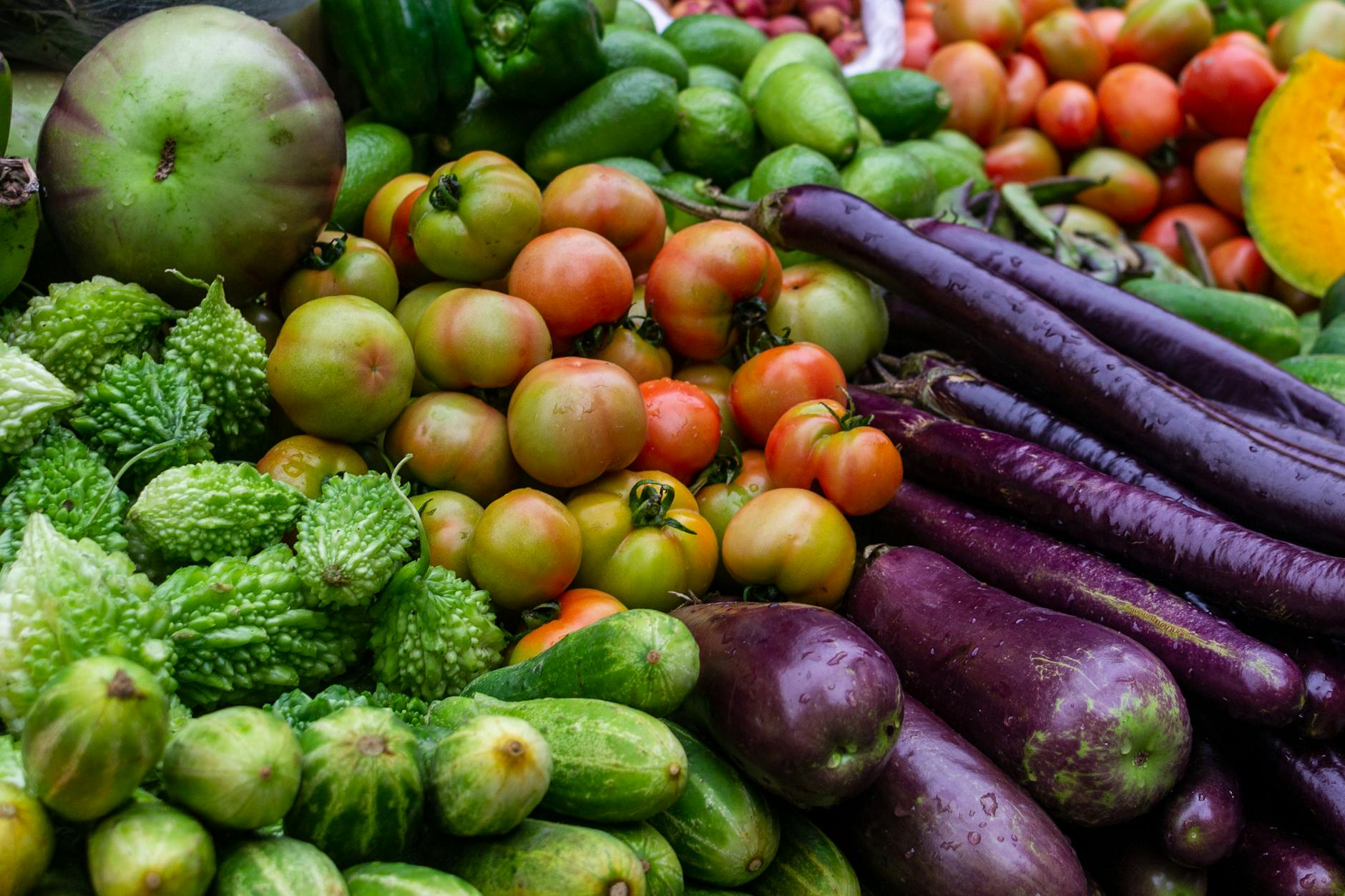
Eggplant contains tyramine and histamines which are a problematic combination for many. The seeds and peel contain the highest concentration of these compounds. Roasting or frying does not eliminate these specific chemical triggers. People sensitive to nightshades often find eggplant to be a major culprit. Substituting zucchini or squash is a simple way to avoid this vegetable.
Would you like me to create a detailed meal plan that avoids these common triggers?