Professional reputation is built slowly and lost quickly, and often the smallest social missteps are the ones that leave the most lasting impressions. Whether in the office, at a networking event, or during a client meeting, certain behavioral habits signal a lack of self-awareness that can quietly undermine even the most skilled professional. Understanding these common etiquette pitfalls is the first step toward presenting yourself with greater confidence and credibility. From how you handle your phone to the way you address a room, the details of your conduct speak louder than your résumé ever could.
Phone Checking

Glancing at your phone during a meeting or conversation sends an immediate signal that you consider something else more important than the person in front of you. Even a brief downward glance can disrupt the flow of a discussion and make others feel dismissed. In professional settings this habit is widely considered one of the most disrespectful forms of inattention. Placing your phone face down or keeping it out of sight entirely demonstrates focus and respect. Consistent eye contact and full presence are among the most powerful tools for building professional trust.
Late Arrivals

Arriving late to meetings, interviews, or professional engagements communicates poor time management and a disregard for others’ schedules. It forces everyone present to pause and reorient, which can derail momentum and create unnecessary friction. Habitual lateness becomes part of how colleagues and clients identify you over time. Even a single high-stakes late arrival can shift how decision-makers perceive your reliability. Building in buffer time and treating punctuality as a non-negotiable standard protects your professional image significantly.
Weak Handshakes

A handshake is often the first physical interaction in a professional setting and it carries a surprising amount of social weight. An overly limp grip can suggest disinterest or low confidence, while an excessively forceful one can feel aggressive or inconsiderate. The ideal handshake is firm, brief, and accompanied by genuine eye contact and a warm expression. Many hiring managers and senior professionals form lasting first impressions within these first few seconds of contact. Practicing a confident and balanced handshake is one of the simplest upgrades you can make to your professional presence.
Interrupting
Cutting someone off mid-sentence is one of the most common and most damaging conversational habits in professional environments. It signals impatience and implies that your own thoughts are more valuable than what the other person is saying. Over time this pattern erodes trust and makes colleagues less likely to collaborate or share ideas openly with you. Active listening, which includes allowing full thoughts to be expressed before responding, is a cornerstone of effective professional communication. Pausing before speaking and resisting the urge to jump in prematurely can transform the quality of your professional relationships.
Name Forgetting
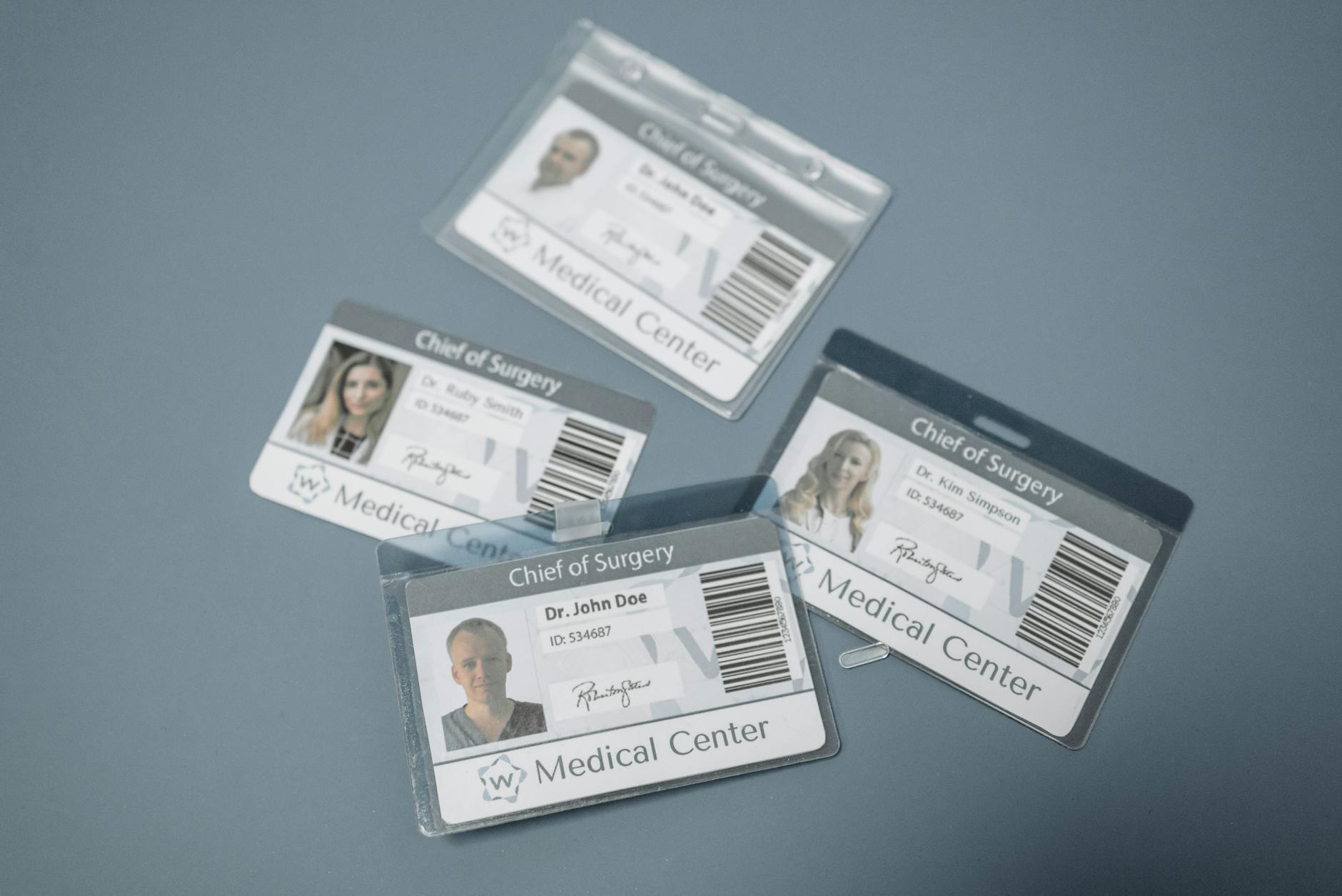
Failing to remember someone’s name shortly after being introduced is a subtle but memorable etiquette slip. It suggests that the interaction did not register as significant, which can feel dismissive to the person on the receiving end. Professionals who make the effort to remember and correctly use names are consistently regarded as more attentive and personable. Repeating a name immediately after introduction and using it once or twice in early conversation helps lock it into memory. This small habit creates a strong impression of genuine interest and social intelligence.
Inbox Neglect
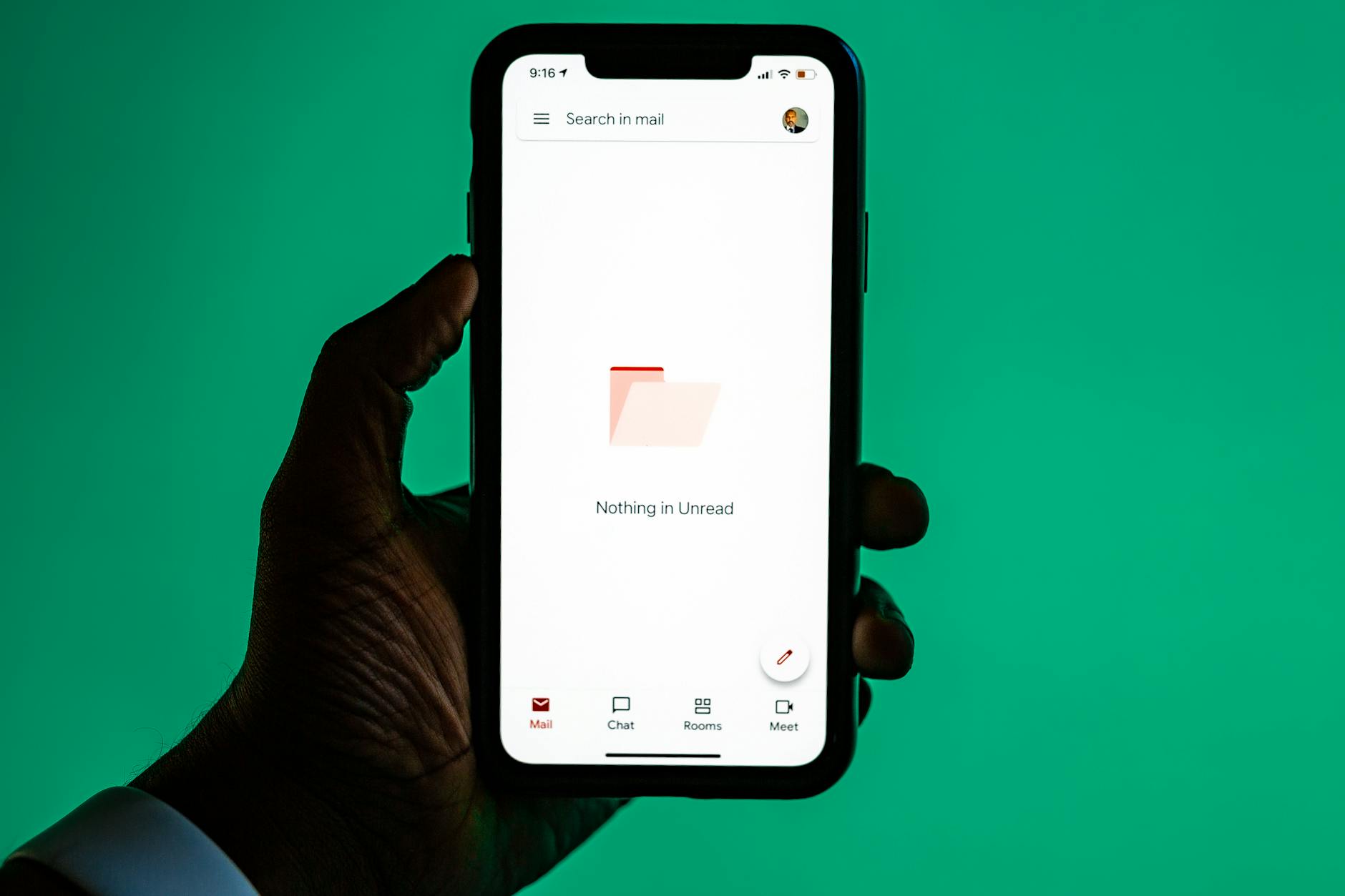
Leaving emails unanswered for days without acknowledgment is widely interpreted as disorganization or indifference. Even a brief reply confirming receipt and providing a realistic response timeline demonstrates professionalism and respect for the sender’s time. In fast-moving work environments delayed communication can hold up decisions and signal unreliability. Establishing a consistent habit of checking and responding to correspondence within a reasonable window protects your professional reputation. Clear and timely communication is one of the foundational expectations of modern workplace conduct.
Oversharing
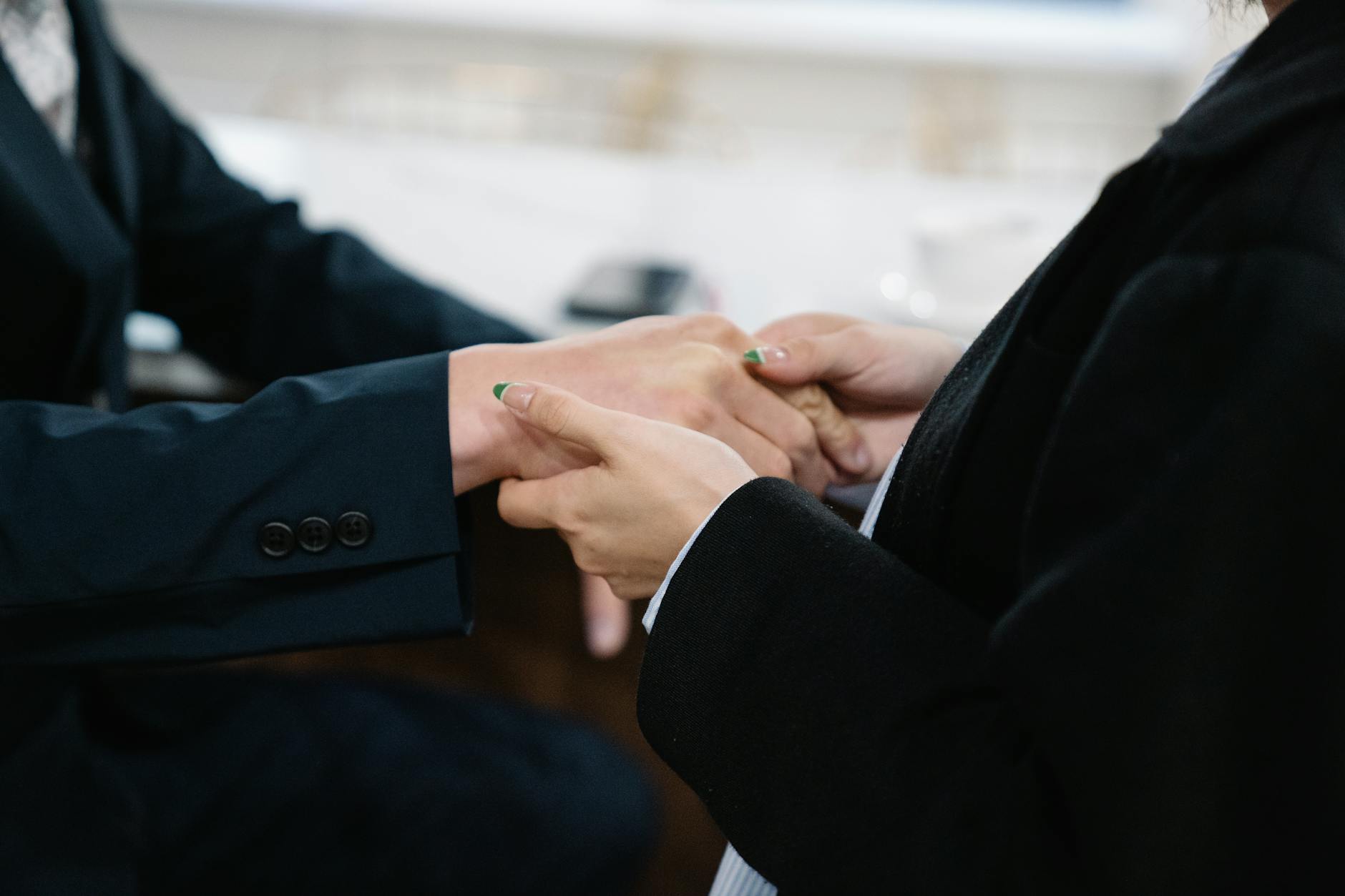
Volunteering excessive personal information in professional contexts blurs important boundaries and can make colleagues or clients uncomfortable. Details about personal conflicts, health issues, or relationship dynamics are generally not appropriate for workplace conversations unless a close professional friendship has been firmly established. Oversharing often stems from nervousness or an attempt to build rapport quickly but can have the opposite effect. It can create the impression of poor judgment or emotional immaturity. Keeping personal disclosures measured and context-appropriate is a key marker of professional self-awareness.
Negative Gossip

Speaking critically about colleagues, managers, or competitors in professional settings is a habit that damages far more than the target of the gossip. It signals to those listening that you may speak about them in the same way when they are not present. Workplaces are rarely as compartmentalized as people assume and remarks travel further than expected. Professionals who consistently redirect negative conversations or decline to participate in them are viewed as trustworthy and discreet. Building a reputation for discretion is one of the most valuable long-term career assets available.
Dining Etiquette

Business meals are informal evaluations of social polish and how you conduct yourself at the table reflects directly on your professional image. Common missteps include speaking with food in your mouth, reaching across others, or ordering conspicuously expensive items on someone else’s account. Placing your napkin on your lap, waiting for others before eating, and keeping your elbows off the table are baseline expectations in most professional dining contexts. Using your phone during a meal carries the same negative weight as it does in a boardroom. Treating a business lunch or dinner with the same preparation as a formal meeting demonstrates a mature understanding of professional settings.
Poor Posture

Slouching in a chair, avoiding eye contact, or appearing physically closed off during professional interactions communicates disengagement and low confidence. Body language makes up a significant portion of how a message is received and how a person is perceived overall. Sitting upright and leaning slightly forward during conversations signals attentiveness and engagement. Crossed arms and a downcast gaze can make even a well-spoken professional appear unapproachable or disinterested. Developing an awareness of your physical presence in meetings and social situations is an often overlooked but highly effective professional skill.
Thank You Notes

Neglecting to follow up with a written or digital note of thanks after an interview, meeting, or professional favor is a missed opportunity that many hiring managers and senior professionals notice. A brief and sincere expression of gratitude reinforces your interest and keeps the interaction fresh in the recipient’s memory. It takes very little time yet communicates a level of thoughtfulness and professionalism that stands out increasingly in a fast-paced digital culture. The follow-up note is a well-established professional convention that signals respect for the other person’s time and contribution. Making it a consistent habit after meaningful professional interactions reflects positively on your character and attention to detail.
Loud Voices

Speaking at an elevated volume in shared professional spaces is disruptive and projects a lack of environmental awareness. Open-plan offices, hotel lobbies, and conference spaces amplify sound in ways that make loud conversations difficult for everyone nearby to ignore. This applies equally to phone calls taken in communal areas without consideration for those around you. Adjusting your volume to match the setting is a basic but important element of professional courtesy. Consistently practicing this awareness marks you as someone who considers the experience of others in shared environments.
Meeting Unpreparedness

Arriving at a meeting without having reviewed the agenda or relevant materials signals poor preparation and can slow down the entire group’s progress. It often results in questions being asked that could have been answered beforehand, which wastes valuable collective time. Colleagues and managers take note of who consistently shows up ready to contribute and who requires additional catching up. Reviewing pre-reading materials, confirming your role in any discussion, and coming with relevant questions or contributions are expected standards of meeting conduct. Consistent preparation is one of the clearest visible demonstrations of professional commitment and respect for others.
Appearance Neglect

Consistently appearing in professional settings with visibly wrinkled clothing, unkempt hair, or inappropriate attire sends an unintended message about how seriously you take the environment you are in. Dress codes communicate culture and expectations and dressing significantly below the standard of your setting can signal a lack of interest or awareness. This does not require an expensive wardrobe but does require clean, well-fitting, and context-appropriate clothing. First impressions formed on appearance are difficult to revise quickly regardless of skill or expertise. Taking a few extra minutes to present yourself appropriately is one of the most straightforward investments in your professional reputation.
Complaint Habits

Regularly voicing dissatisfaction about workload, colleagues, leadership, or workplace conditions in professional settings creates a lasting impression of negativity and low resilience. While constructive feedback delivered through appropriate channels is healthy and professional, persistent complaining in casual conversation is not. It signals a fixed mindset and can drain the energy of those around you who are trying to stay focused and motivated. Professionals who are known for bringing solutions rather than complaints are consistently valued more highly across industries and roles. Shifting the habit from venting frustrations to identifying alternatives is a meaningful upgrade to your professional brand.
Which of these etiquette habits resonates most with your own professional experiences? Share your thoughts in the comments.