
Your credit score is one of the most consequential numbers in your financial life, quietly shaping your ability to rent an apartment, secure a loan, or even land certain jobs. Many people unknowingly sabotage their own score through habits and assumptions that seem harmless on the surface. These everyday misconceptions can quietly chip away at years of responsible financial behavior. Understanding the truth behind these common lies is the first step toward protecting and improving your financial standing.
Checking Hurts

Many people avoid checking their own credit report out of fear that doing so will lower their score. This is a widespread myth that prevents people from catching errors and fraudulent accounts in time. Reviewing your own credit is classified as a soft inquiry and has absolutely no impact on your score. Lenders only see hard inquiries made by third parties when you apply for new credit. Staying informed about your credit report is one of the most proactive things you can do for your financial health.
Closing Cards Helps
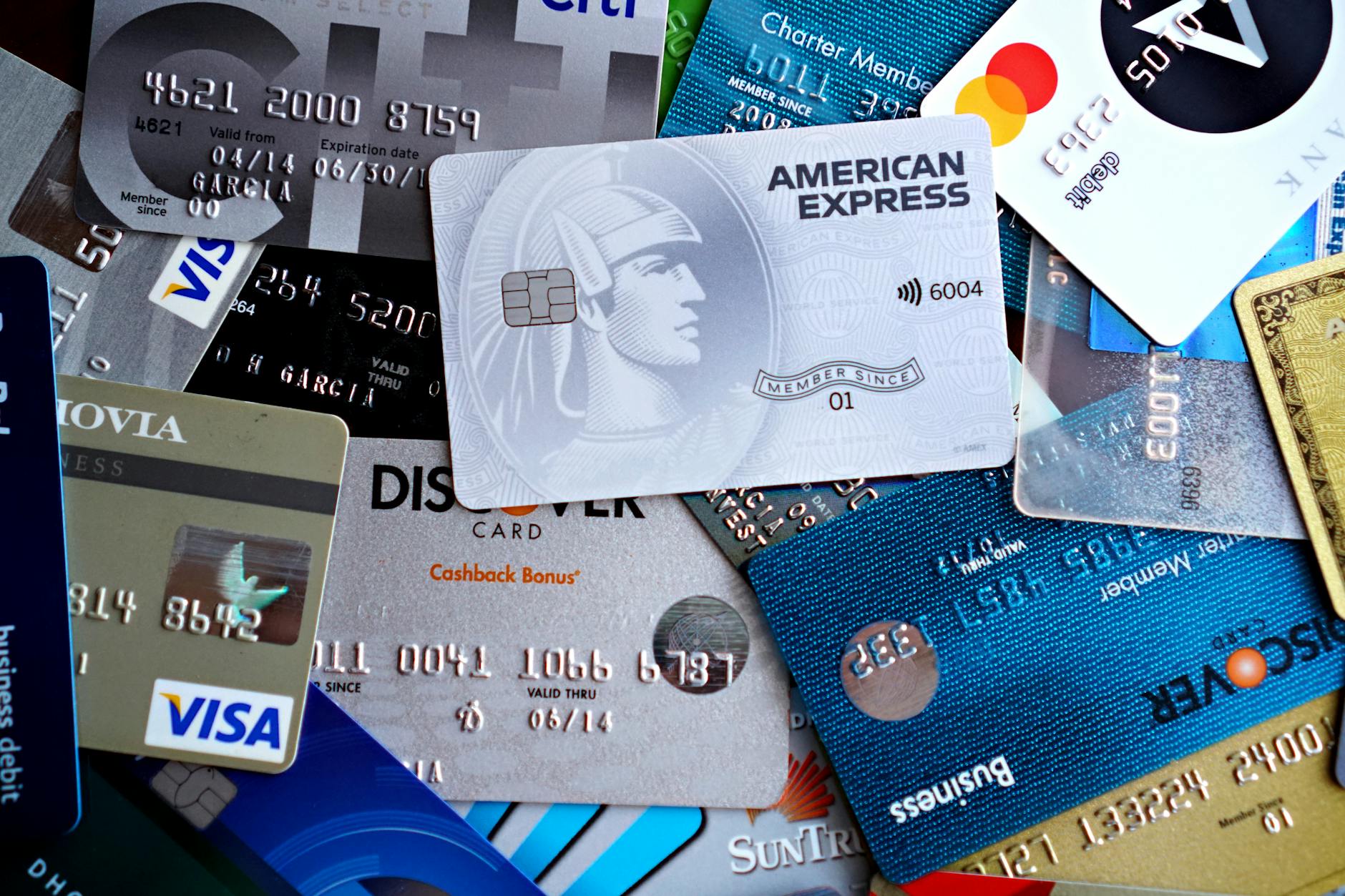
Canceling a credit card you no longer use might feel like a responsible financial decision, but it can actually harm your credit score in two significant ways. First, it reduces your total available credit, which raises your credit utilization ratio. Second, if the card is an older account, closing it shortens the average age of your credit history. Both of these changes are viewed negatively by credit scoring models. Keeping old accounts open, even with a zero balance, is generally the smarter move.
Income Matters

A surprisingly common belief is that earning a higher salary will automatically boost your credit score. Income is not a factor in credit score calculations at all and never appears on your credit report. Your score is built entirely on borrowing behavior, including payment history, amounts owed, and types of credit used. A high earner with missed payments will score lower than a modest earner with a spotless record. Focusing on payment discipline matters far more than chasing a raise.
Small Balances Are Fine

Carrying a small balance month to month is often thought to signal responsible credit use, but this belief is incorrect. Credit scoring models reward low utilization, meaning the less of your available credit you use, the better. Paying your balance in full each month keeps utilization low and eliminates interest charges entirely. There is no scoring benefit to maintaining a revolving balance, no matter how small. This myth costs cardholders real money through unnecessary interest while doing nothing positive for their score.
Late Payments Fade

Some borrowers assume that a late payment becomes irrelevant after just a few months, but this is far from accurate. Payment history is the single largest factor in most credit scoring models, accounting for around a third of your total score. A single missed payment can remain on your credit report for seven years and continue to affect your score throughout that period. The impact does diminish slightly over time, but early damage can follow you for years. Consistent on-time payments are the most powerful tool available for building a strong credit profile.
One Card Is Enough
Having only one credit card may seem like a simple and controlled approach to managing debt, but lenders prefer to see a healthy mix of credit types. Credit scoring models reward borrowers who can responsibly manage different forms of credit, including cards, installment loans, and lines of credit. A thin credit file with a single account gives lenders very little information to assess your reliability. Diversifying your credit portfolio over time, without taking on unnecessary debt, signals financial maturity. A varied credit mix can make a measurable positive difference in your overall score.
Cash Is Safer

Living exclusively on cash and debit is often praised as the financially virtuous path, and while it does prevent debt accumulation, it also prevents credit building entirely. Without any credit accounts, you have no credit history for lenders to evaluate, which can result in a very low or nonexistent credit score. This makes it difficult to qualify for mortgages, car loans, or even certain rental agreements. Responsible credit card use, paid in full each month, builds a strong score without the risk of carrying debt. Avoiding credit entirely is not the same as having good credit.
Credit Repair Is Fast
Many people believe that fixing a damaged credit score is a quick process once they start making better financial decisions. In reality, rebuilding credit is a long and gradual process that requires sustained consistent behavior over months and years. Negative marks such as missed payments, defaults, or collections do not disappear simply because your circumstances have improved. Credit repair companies that promise dramatic results in a short time are often not delivering anything you could not do yourself through patience and discipline. Realistic expectations help you stay committed to a long-term recovery plan.
Authorized Users Share Damage
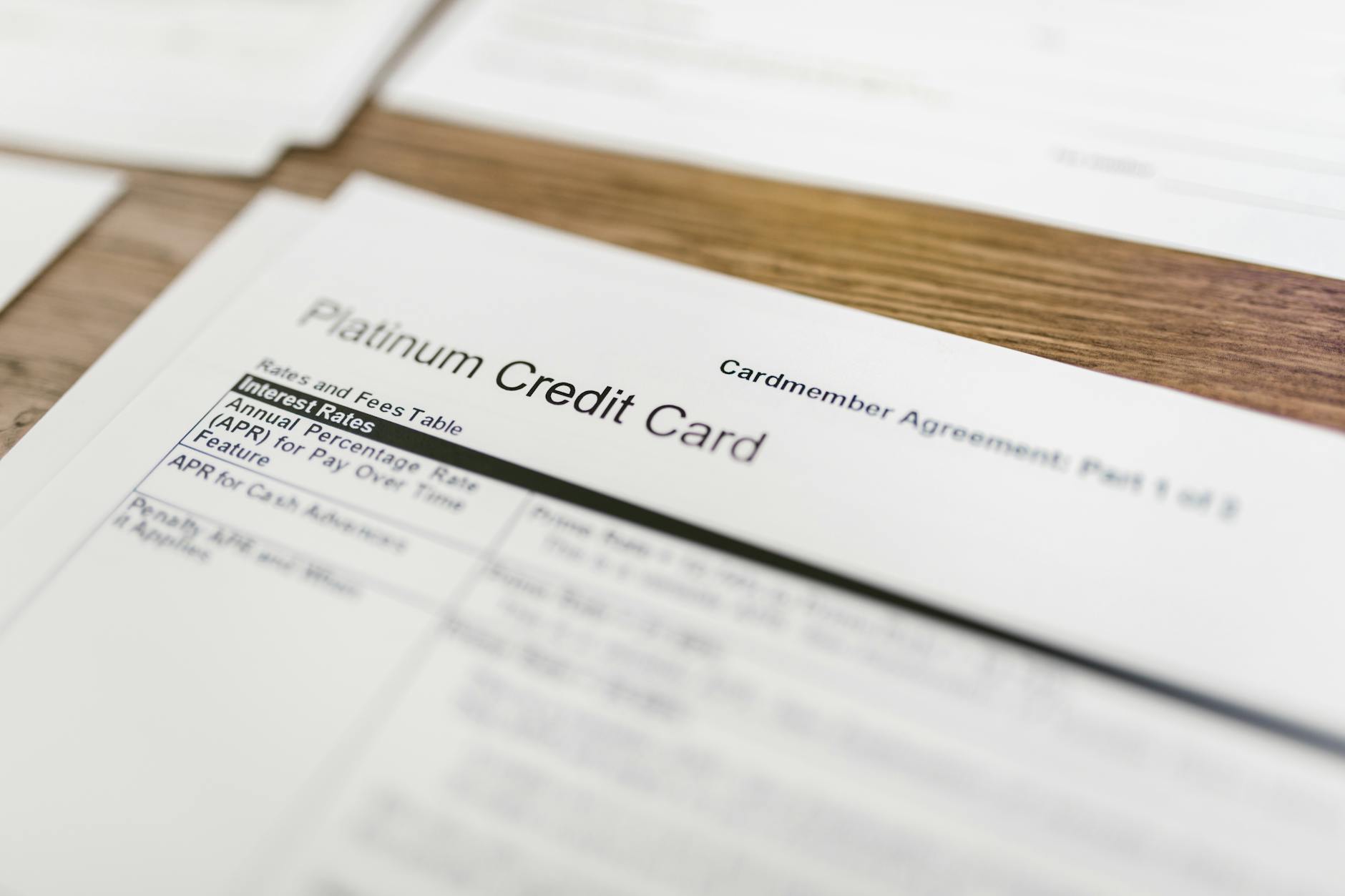
Being added as an authorized user on someone else’s account is a popular strategy for building credit, and many assume the relationship works both ways in terms of damage as well. If the primary account holder misses payments, the impact on the authorized user depends on the specific reporting practices of the lender. However, the authorized user is not legally responsible for the debt and may be able to dispute negative entries tied to the primary holder’s behavior. Understanding the distinction between authorized users and joint account holders is critical. Joint account holders share full legal responsibility and credit consequences equally.
Disputes Always Work

Filing a dispute with a credit bureau is a legitimate and useful tool for correcting genuine errors, but many people believe it can erase accurate negative information. Credit bureaus are required to investigate disputes and remove only items that cannot be verified or are found to be inaccurate. Accurate information, even if damaging, will remain on your report for the standard reporting period. Repeatedly filing disputes for accurate items wastes time and does nothing to improve your score. Energy is better spent on building positive habits that naturally dilute the impact of older negative entries over time.
Old Debt Disappears

Many borrowers believe that once a debt is old enough, it simply disappears from their record and can be safely ignored. While negative items do fall off your credit report after a set period, typically seven years for most debts and ten for bankruptcies, the debt itself may still be legally owed. Ignoring an old debt can also restart certain legal clocks in some jurisdictions if a payment is made or the debt is acknowledged. Additionally, a debt that goes to collections creates a new negative entry that resets the reporting timeline. Understanding the difference between a debt aging off your report and the debt ceasing to exist is an important financial distinction.
Prepaid Cards Build Credit

Prepaid debit cards are marketed as a convenient alternative to credit cards, and some consumers assume they function similarly for credit-building purposes. Unlike secured credit cards, prepaid cards are not linked to a line of credit and their usage is not reported to credit bureaus. No matter how consistently or responsibly you use a prepaid card, it will have no effect on your credit score whatsoever. Secured credit cards, which require a cash deposit as collateral, are the more effective option for those looking to establish or rebuild credit. Choosing the right financial product makes an enormous difference in long-term credit outcomes.
Good Credit Lasts Forever
Having an excellent credit score is a significant achievement, but some people mistakenly believe that once earned, it requires no further maintenance. Credit scores are dynamic and respond constantly to changes in your financial behavior. Missing payments, taking on excessive new debt, or closing long-standing accounts can cause a strong score to drop relatively quickly. Regular monitoring and continued responsible behavior are necessary to sustain a high score over time. Treating your credit score as something to be maintained rather than simply achieved is the mindset of a financially savvy person.
Store Cards Are Harmless

Opening a retail store credit card to receive a discount at checkout seems like a minor and inconsequential decision, but it affects your credit in several ways. Each new application triggers a hard inquiry, which can temporarily lower your score by a small amount. Opening multiple retail cards in a short period compounds this effect and also lowers the average age of your credit accounts. Store cards often carry very high interest rates, making them costly if balances are carried month to month. What appears to be a small saving at the register can become a more significant financial setback over time.
Debt Settlement Clears Everything

Settling a debt for less than the full amount owed is sometimes presented as a clean resolution, but the credit consequences are more complicated than many realize. A settled account is not recorded the same way as a paid-in-full account and typically appears on your credit report as a negative mark. Lenders reviewing your file can see that the original agreed amount was not paid, which raises questions about reliability. The settled status can remain on your report for seven years from the original delinquency date. Negotiating a settlement may be the right choice in some financial situations, but it should never be viewed as a consequence-free solution.
More Applications Mean More Options
Applying for multiple credit cards or loans simultaneously in hopes of securing the best offer is a strategy that can backfire quickly. Each application triggers a hard inquiry on your credit report, and multiple hard inquiries in a short period signal financial distress to lenders. While there is a grace period for rate-shopping on mortgages and auto loans, credit card applications do not benefit from the same grouping rules. The cumulative effect of several applications can meaningfully reduce your score just when you need it to be at its strongest. Researching and targeting the most suitable product before applying is always the wiser approach.
Bankruptcy Erases Everything

Bankruptcy is often described as a financial reset, and while it does discharge certain eligible debts, the impact on your credit is severe and lasting. A Chapter 7 bankruptcy remains on your credit report for ten years, while Chapter 13 stays for seven, creating a significant barrier to borrowing at competitive rates. Landlords, employers, and lenders can all see a bankruptcy filing and may factor it into their decisions. Life after bankruptcy requires rebuilding credit from a very low starting point, often through secured cards and small installment loans. Understanding what bankruptcy resolves and what it costs is essential before viewing it as an easy way out of financial difficulty.
Minimum Payments Protect You
Paying only the minimum amount due each month may prevent a late payment from being recorded, but it creates a different set of serious problems over time. Carrying a large revolving balance drives up your credit utilization ratio, which is one of the most heavily weighted factors in your score. High utilization signals to lenders that you are financially stretched and reliant on borrowed money to manage expenses. The interest that accumulates on unpaid balances also increases the total debt load, making utilization worse with each passing month. Paying as much above the minimum as possible, and ideally the full balance, is the most effective way to protect both your score and your overall financial health.
If any of these credit score myths have caught you off guard, share your experience and what you wish you had known sooner in the comments.