Gardening offers immense rewards but requires patience and knowledge to sustain plant health over time. New and experienced gardeners alike often fall victim to simple errors that stunt growth or lead to premature wilting. Understanding the specific needs of your green space can prevent frustration and wasted resources during the growing season. Avoiding these common pitfalls helps cultivation efforts thrive rather than just survive.
Overwatering
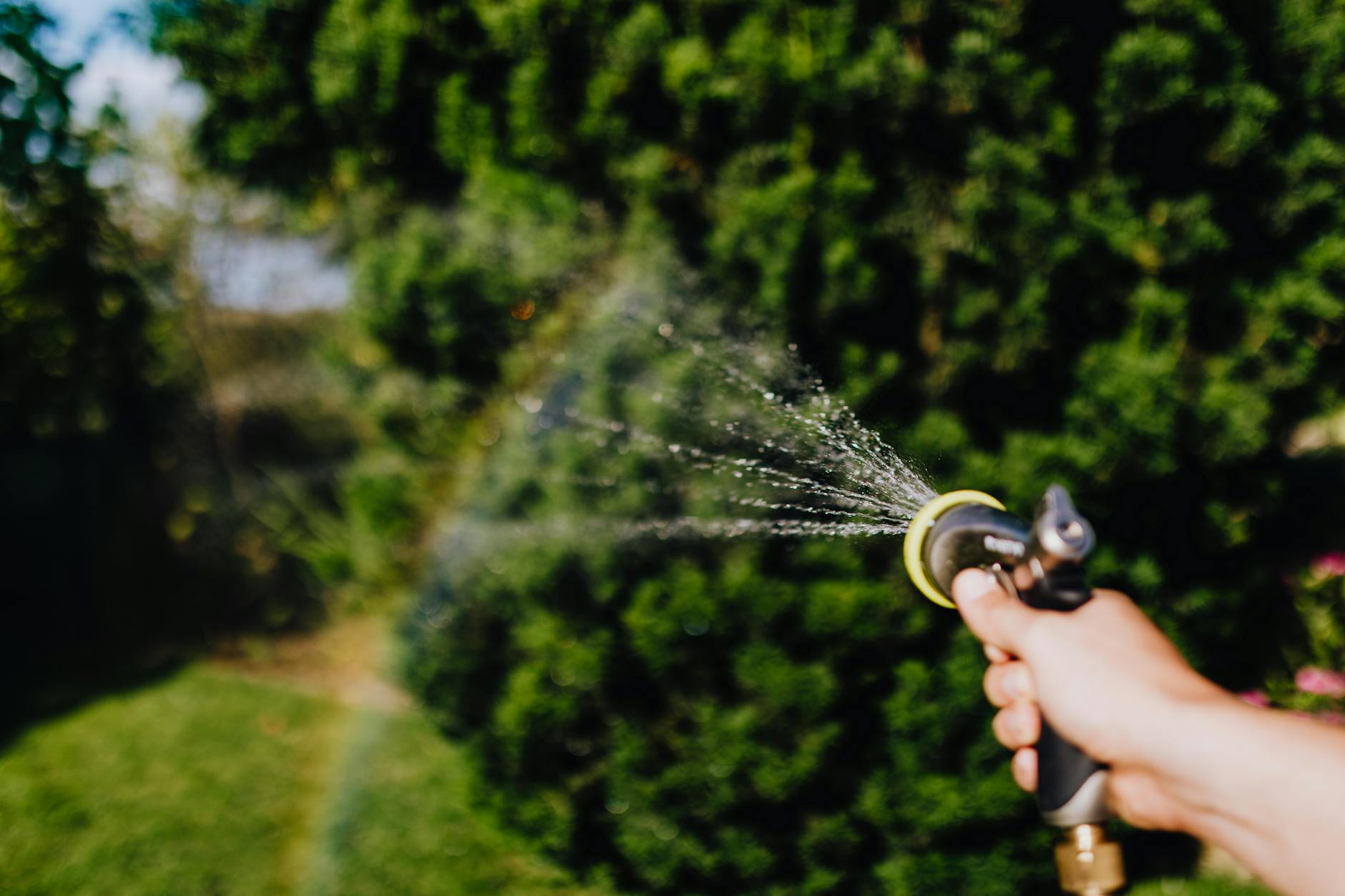
Excessive moisture prevents roots from accessing necessary oxygen and leads to fatal root rot. Many enthusiasts mistakenly believe that more water equals better health for every plant variety. Signs of this issue include yellowing leaves and a musty smell coming from the soil surface. Checking the soil moisture with a finger before grabbing the watering can prevents this drowning effect. Most plants prefer the soil to dry out slightly between watering sessions.
Ignoring Light Requirements
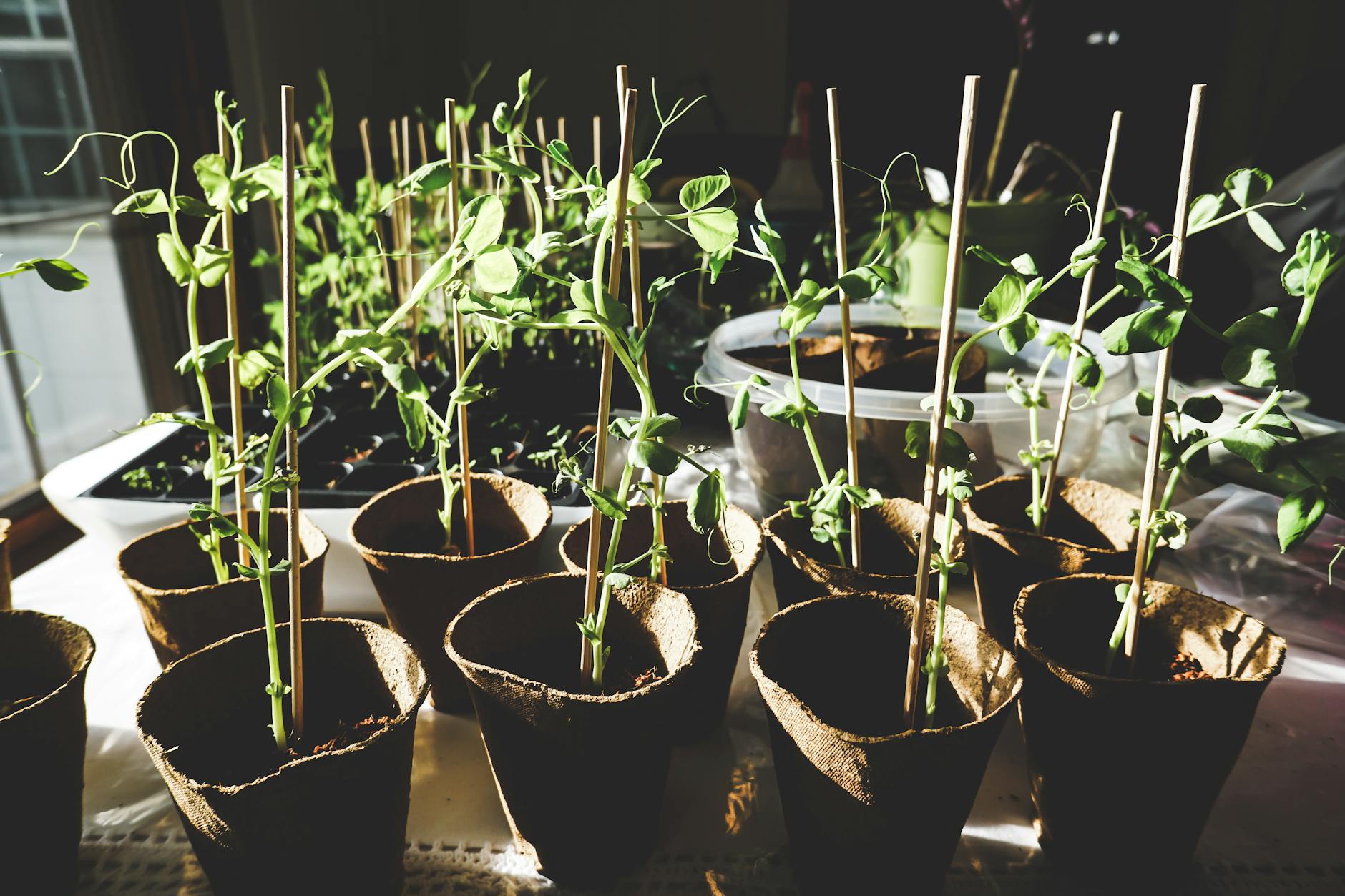
Placing shade-loving species in direct sunlight causes scorched leaves and rapid dehydration. Sun-loving varieties become leggy and weak when they are trapped in dark corners of the garden. Researching the specific light needs of each plant ensures they end up in an optimal location. Visual cues like leaning stems indicate a plant is struggling to find adequate light sources. Proper placement is fundamental for photosynthesis and energy production.
Planting Too Deeply
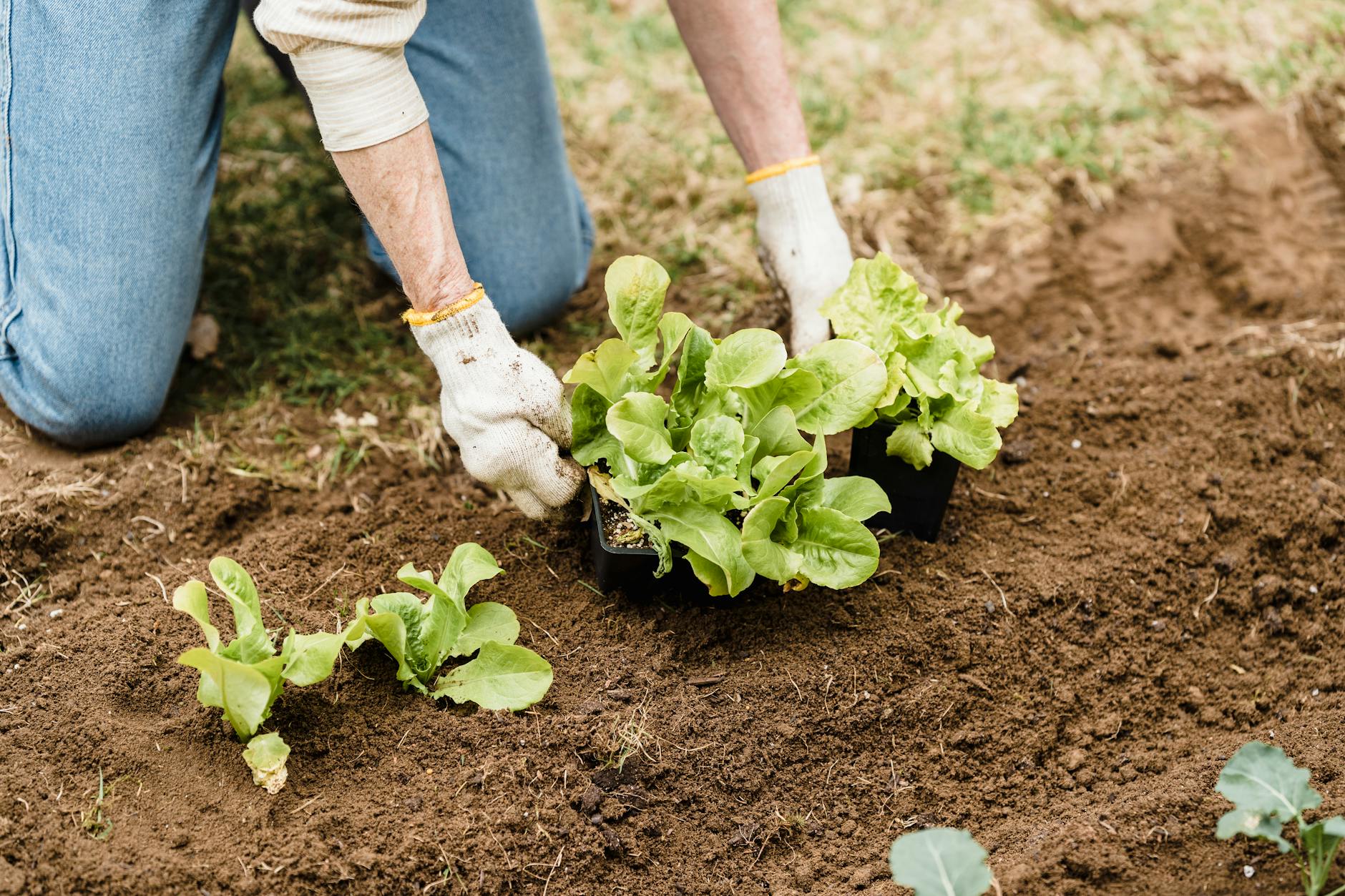
Burying a plant stem too far underground causes the stem to rot due to excessive moisture contact. Most transplants should sit level with the surrounding soil surface to encourage proper stability. Tree flare or the point where roots meet the trunk must remain visible above the dirt line. Deep planting suffocates the root system and limits access to water and nutrients. Adhering to the original planting depth of the nursery pot is usually the safest approach.
Overcrowding Plants
Planting flowers or vegetables too close together restricts airflow and encourages the spread of fungal diseases. Crowded roots compete aggressively for limited water and nutrient resources in the soil. This competition results in stunted growth and lower yields for vegetable crops. Following spacing guidelines on seed packets or plant tags allows each specimen to reach its full potential. Adequate space provides the necessary ventilation to keep foliage dry and healthy.
Neglecting Soil Quality
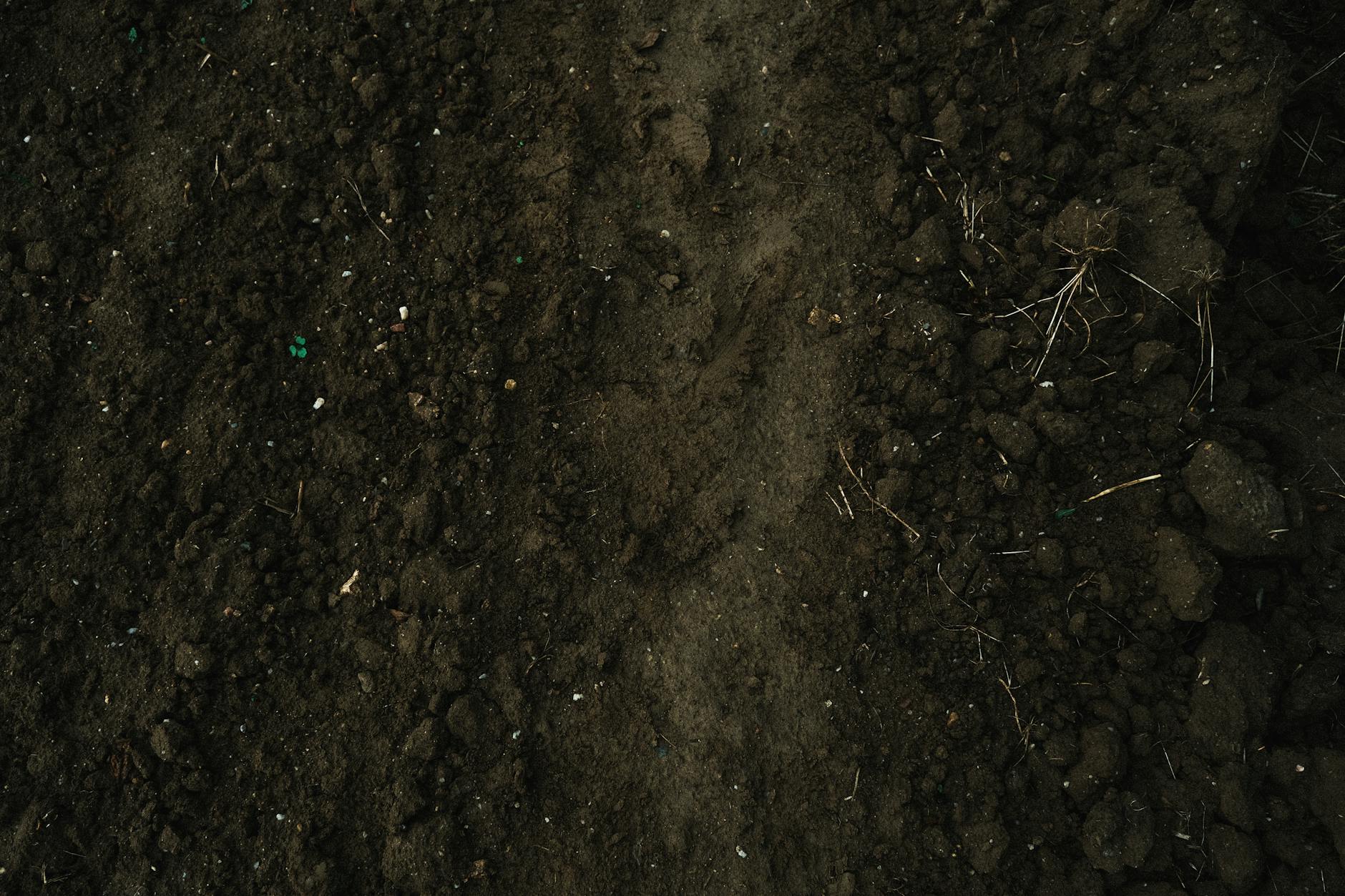
Focusing solely on the plant without addressing the soil results in poor structural support and nutrition. Clay soils drain poorly while sandy soils lose water too quickly for roots to absorb it. Amending garden beds with organic compost improves texture and nutrient content significantly. Healthy soil creates a vibrant ecosystem of beneficial microorganisms that support root development. Testing soil pH reveals chemical imbalances that might prevent plants from absorbing food.
Using Dull Pruning Tools
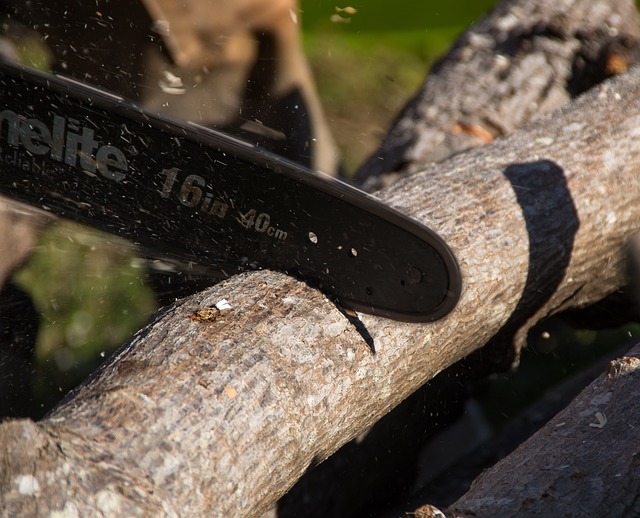
Cutting stems with blunt shears shreds the plant tissue rather than making a clean slice. These jagged wounds take longer to heal and become open doorways for pests and diseases. Regular maintenance of garden tools ensures sharp blades that require less physical effort to use. Clean cuts seal quickly and allow the plant to redirect energy toward new growth. Sterilizing tools between uses prevents the accidental transmission of pathogens between plants.
Watering Foliage Instead of Roots
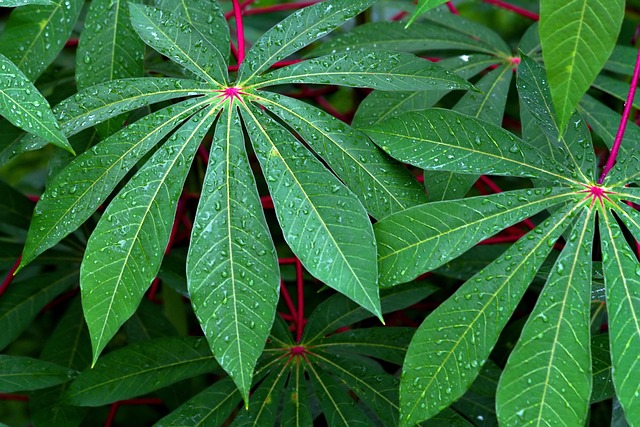
Spraying water directly on leaves encourages the development of powdery mildew and other fungal issues. Water droplets on foliage act as magnifying glasses in the sun and can cause burn marks. The roots are the only part of the plant capable of absorbing moisture effectively. Using a soaker hose or directing the spout at the base of the plant ensures efficient hydration. Keeping the canopy dry is a critical step in disease prevention strategy.
Applying Too Much Fertilizer
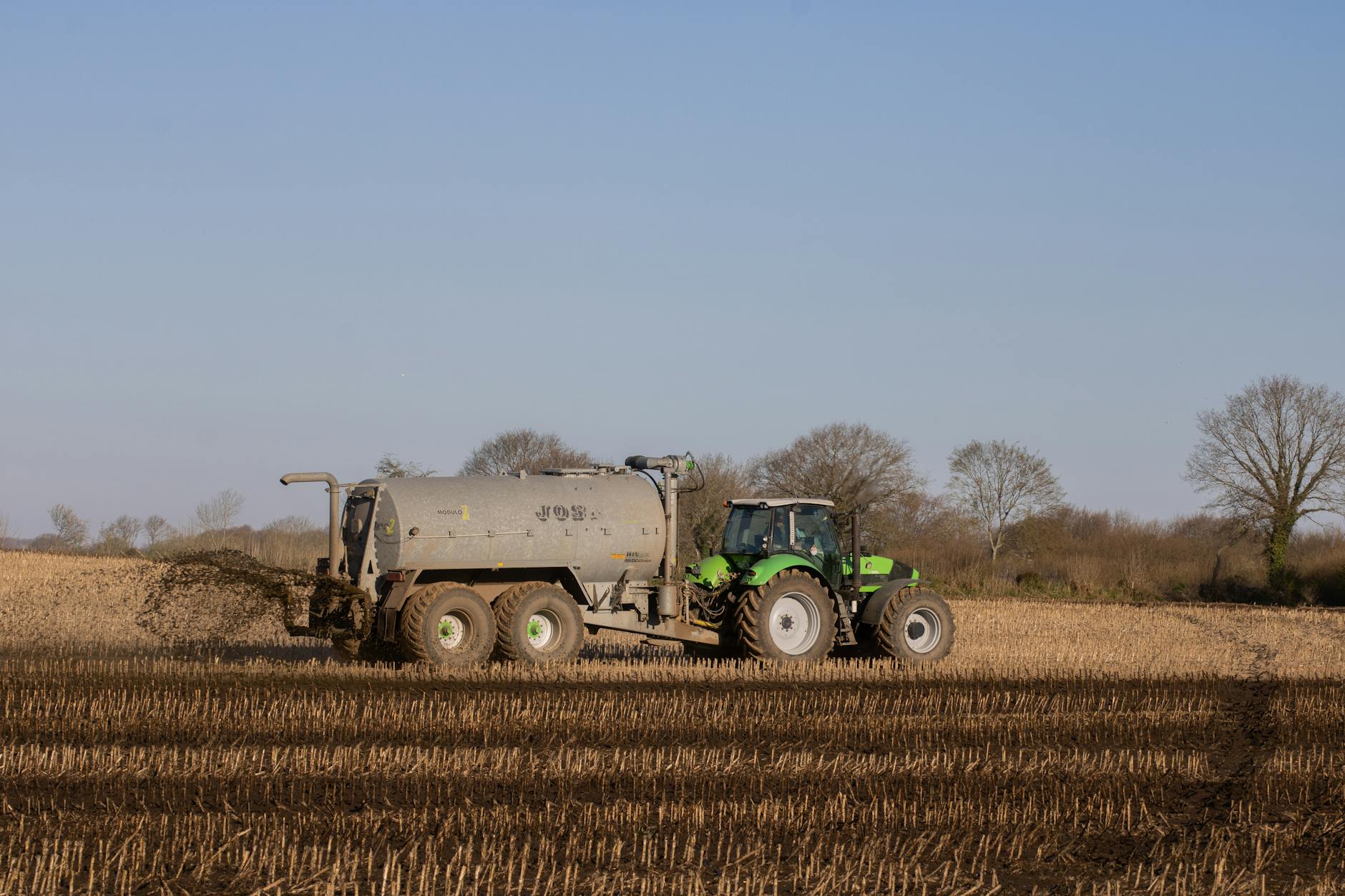
Overloading plants with synthetic nutrients causes chemical burns on the root system. This manifests as brown and crispy leaf tips or sudden wilting despite wet soil. Excess nitrogen promotes rapid leafy growth at the expense of flowers and fruit production. Adhering to the recommended dosage prevents toxic salt buildup in the potting mix or garden bed. Slow-release organic fertilizers offer a safer alternative by feeding plants gradually over time.
Ignoring Hardiness Zones
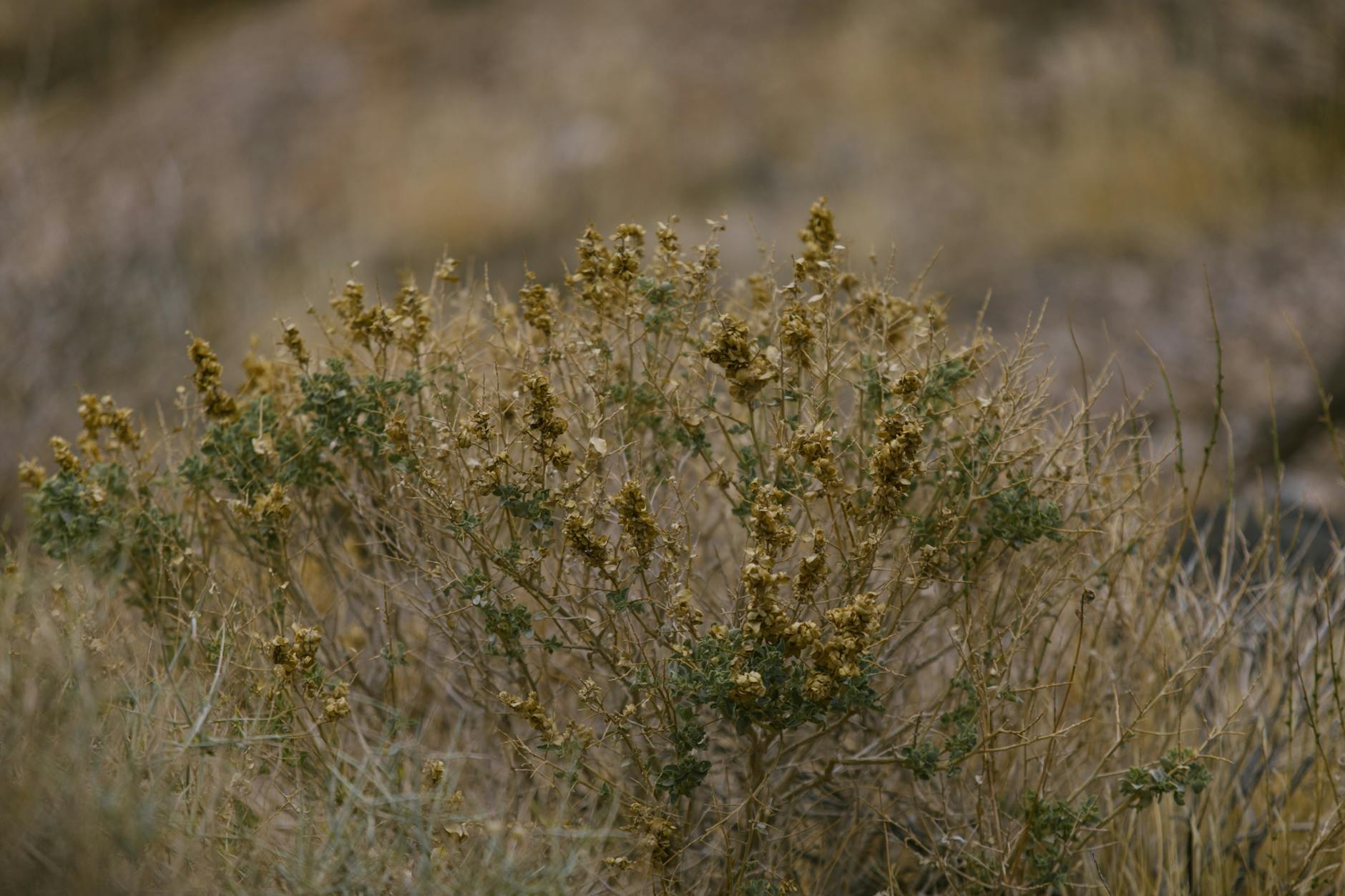
Selecting plants that are not adapted to the local climate guarantees failure when extreme weather hits. Tropical plants cannot survive freezing temperatures without significant artificial protection. Native species are naturally more resistant to local weather patterns and require less maintenance. Checking the USDA Plant Hardiness Zone Map helps gardeners choose varieties capable of surviving the winter. Planting appropriate species reduces the need for excessive water and chemical interventions.
Skipping Mulch
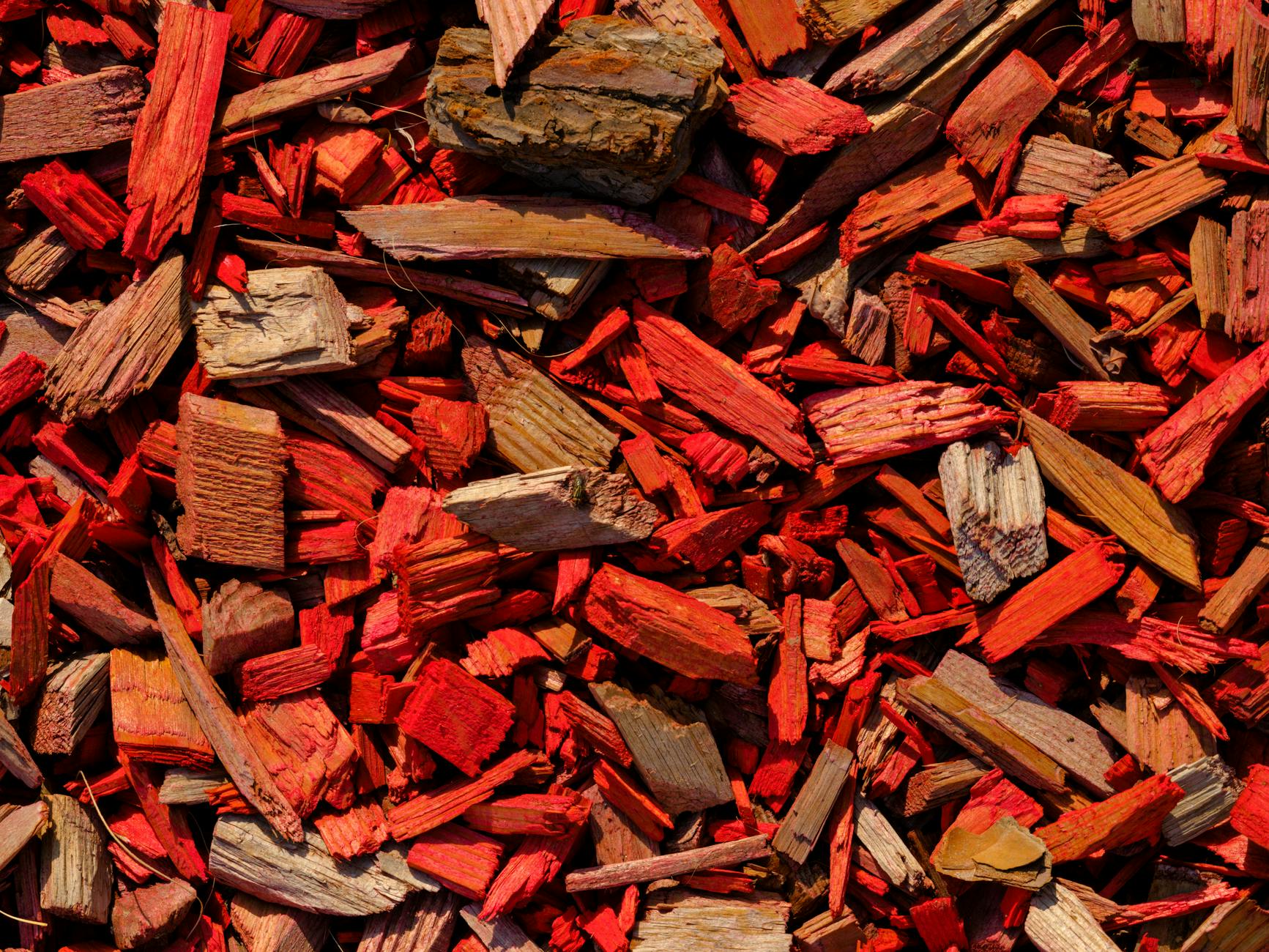
Leaving soil bare exposes it to harsh sunlight and increases water evaporation rates significantly. A layer of organic mulch regulates soil temperature and keeps roots cool during hot summers. Mulch also suppresses weed germination by blocking sunlight from reaching weed seeds. As organic mulch breaks down it adds valuable nutrients back into the garden bed. Applying a two-inch layer conserves moisture and reduces the frequency of watering chores.
Pruning at the Wrong Time
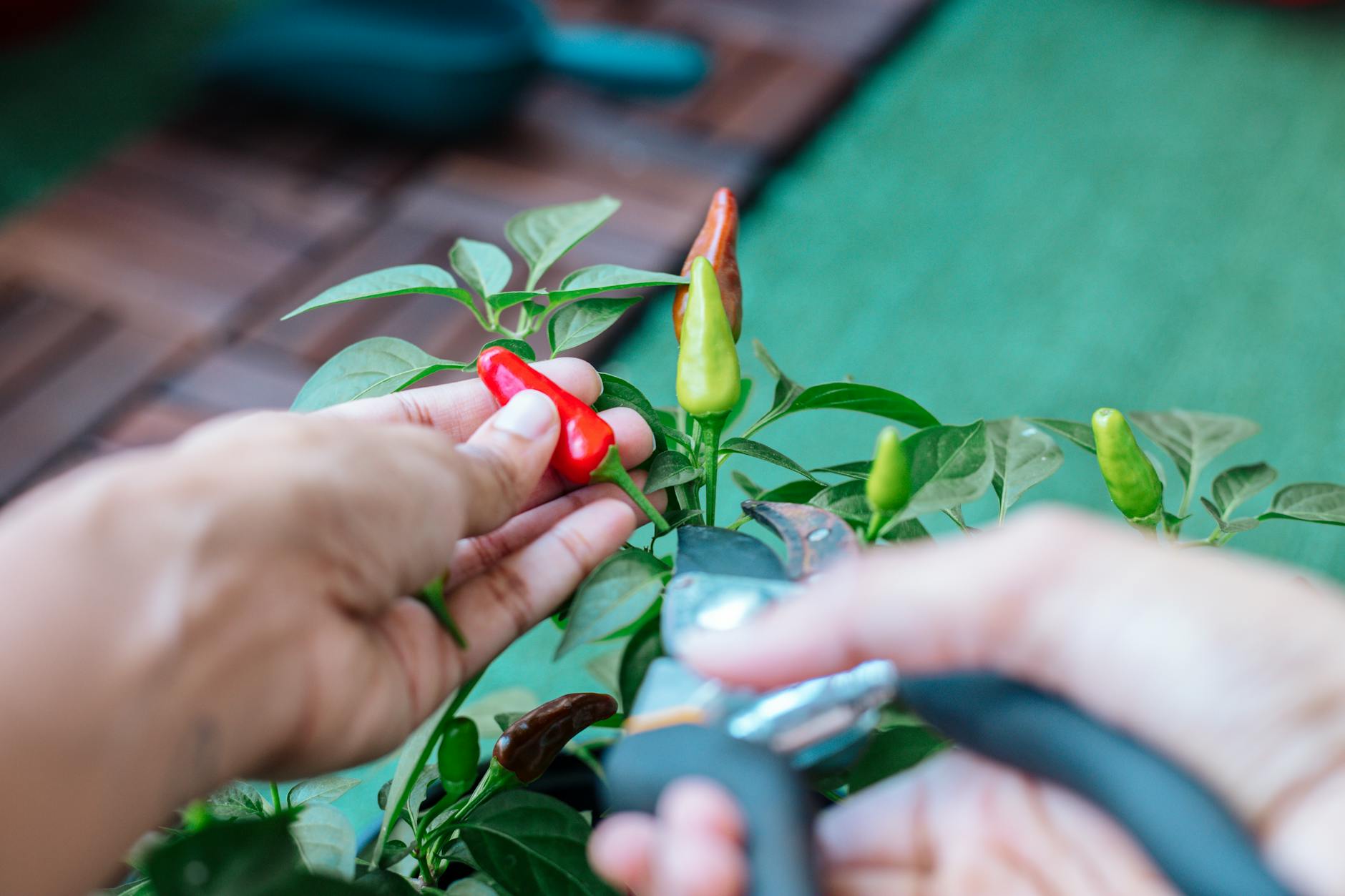
Removing branches or stems during the wrong season removes potential blooms for the coming year. Spring-flowering shrubs generally require pruning immediately after they finish blooming. Cutting back plants too late in the autumn stimulates new growth that will die in the first frost. Understanding the growth cycle of each species prevents accidental damage to the plant structure. Proper timing ensures vigorous recovery and abundant flowering in the next season.
Choosing Containers Without Drainage
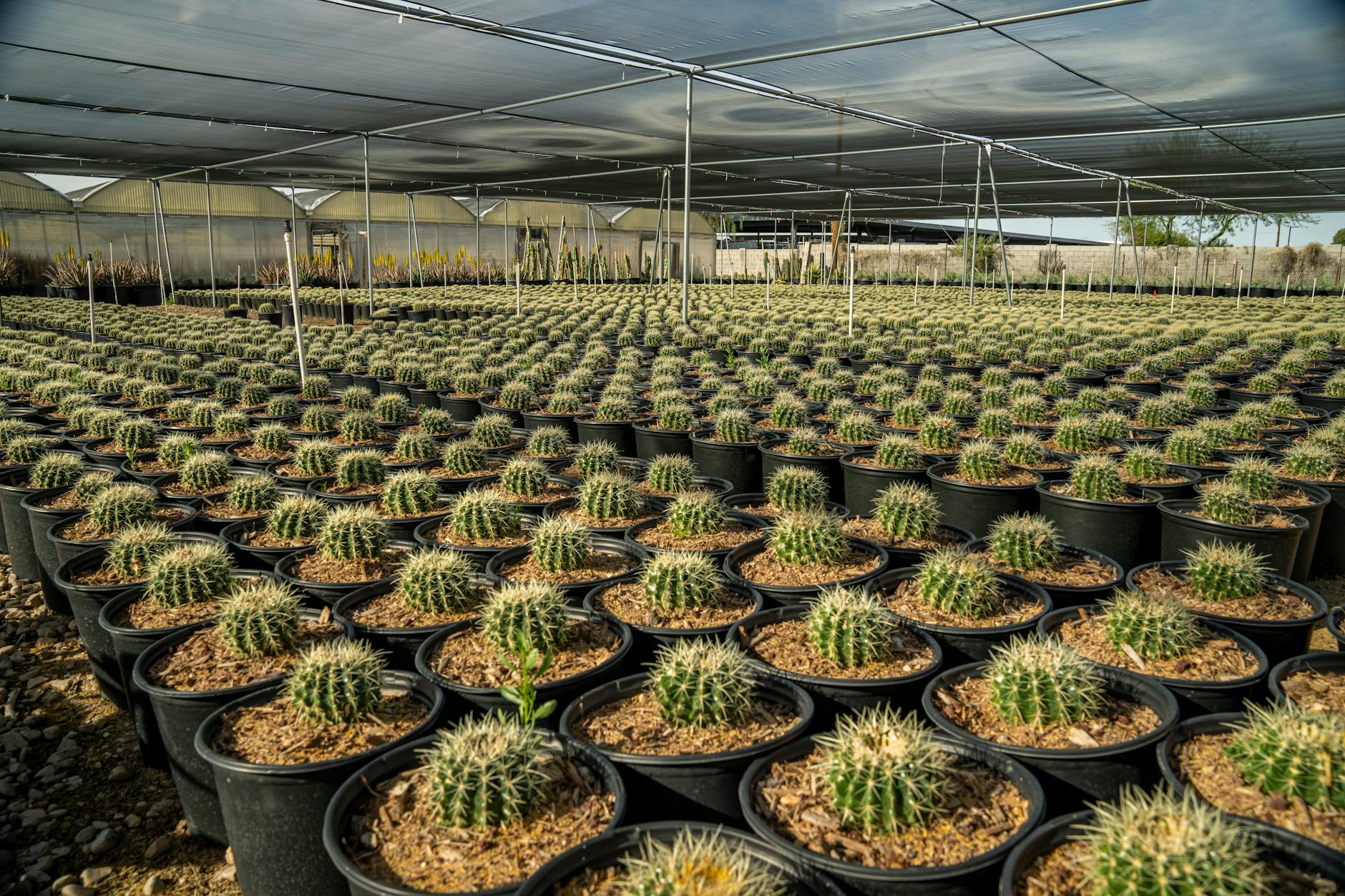
Pots lacking drainage holes trap water at the bottom and create a swampy environment for roots. Even drought-tolerant succulents will rot quickly if they sit in standing water. Drilling holes in the bottom of decorative planters allows excess moisture to escape freely. Placing gravel at the bottom does not substitute for actual drainage holes and merely raises the water table. Roots require a balance of air and water to function correctly within a container.
Failing to Harden Off Transplants
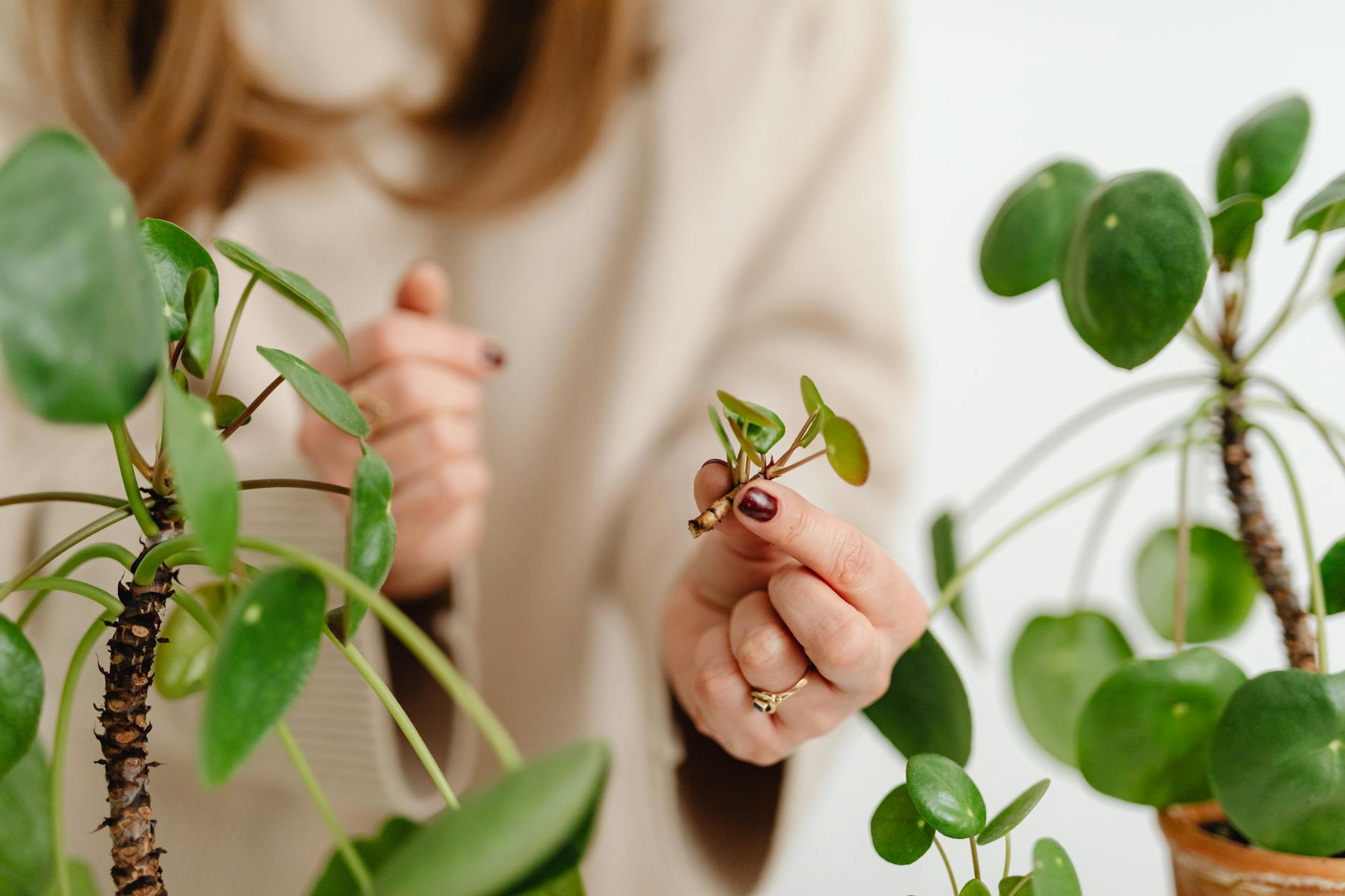
Moving seedlings directly from a controlled indoor environment to the outdoors causes transplant shock. Sudden exposure to wind and direct sun damages tender leaves and stems instantly. The hardening off process involves gradually increasing outdoor exposure over the course of a week. This acclimation period allows the plant cuticle to thicken and become more resilient. Skipping this step often results in the sudden death of healthy seedlings.
Ignoring Pest Infestations
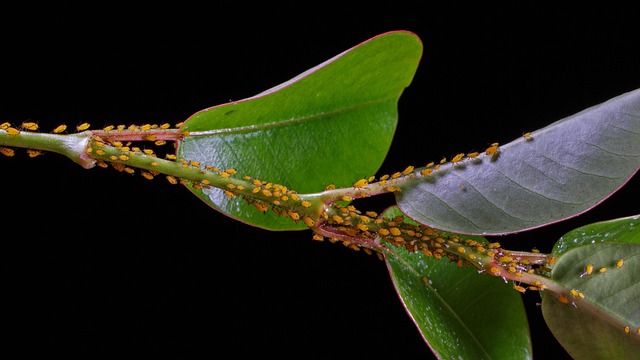
Small populations of aphids or mites multiply rapidly if they are not addressed immediately. Inspecting the undersides of leaves reveals hidden colonies before they cause significant damage. Early intervention with water blasts or insecticidal soap often resolves the issue without harsh chemicals. Ignoring the initial signs leads to weakened plants that are susceptible to viruses. Regular monitoring is the most effective tool for organic pest management.
Planting Invasive Species
Introducing aggressive plants can overrun the garden and choke out native flora quickly. Many invasive varieties have robust root systems that are nearly impossible to eradicate once established. These plants often escape the garden boundaries and damage local ecosystems and wildlife habitats. researching the invasive status of a plant before purchase protects the surrounding environment. opting for native alternatives supports local pollinators and maintains ecological balance.
Underwatering New Plantings
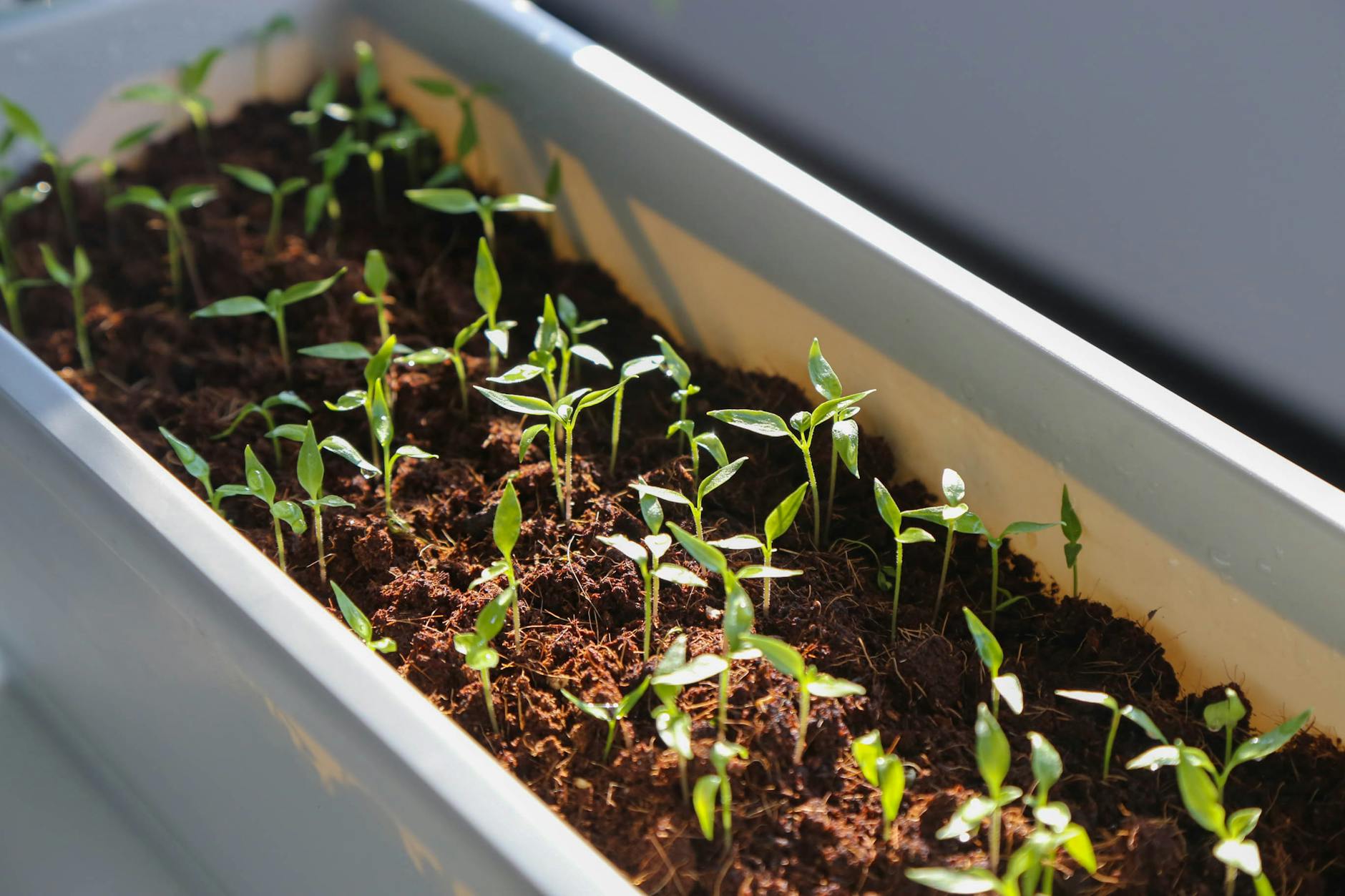
New transplants lack the established root systems needed to seek out moisture deep in the soil. Shallow watering encourages roots to stay near the surface where they are vulnerable to heat. Deep and consistent watering encourages roots to grow downward and establish a strong foundation. Neglecting a new plant for even a few days can cause irreversible stress and failure. The first season requires vigilant monitoring to ensure successful establishment.
Killing Beneficial Insects
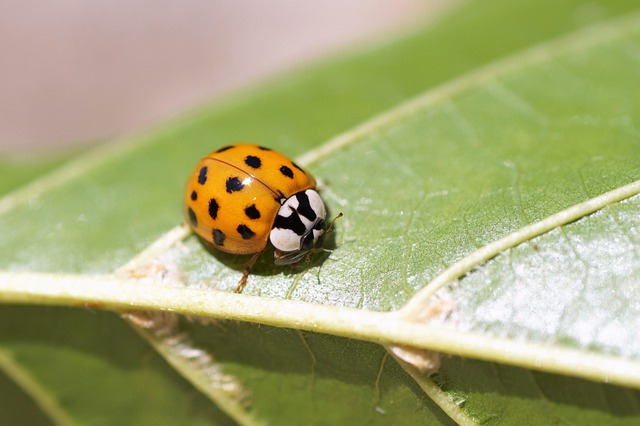
Indiscriminate use of broad-spectrum pesticides kills pollinators and predatory insects along with the pests. Ladybugs and lacewings act as natural pest control by consuming aphids and mites. Eliminating these allies leads to a resurgence of pest populations that is harder to control. Integrated Pest Management focuses on targeting specific bad actors while protecting helpful garden residents. A diverse insect population indicates a healthy and balanced garden ecosystem.
Leaving Weeds to Seed
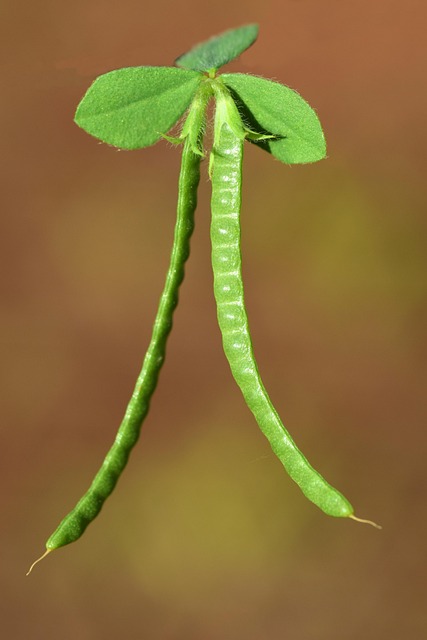
Ignoring weeds allows them to flower and drop thousands of seeds into the soil bank. These seeds can remain dormant for years before sprouting and competing with cultivated plants. Removing weeds while they are small and young prevents the establishment of deep taproots. Regular weeding reduces competition for water and nutrients in the garden bed. A layer of mulch helps suffocate emerging weeds before they reach the surface.
Using Old Seeds
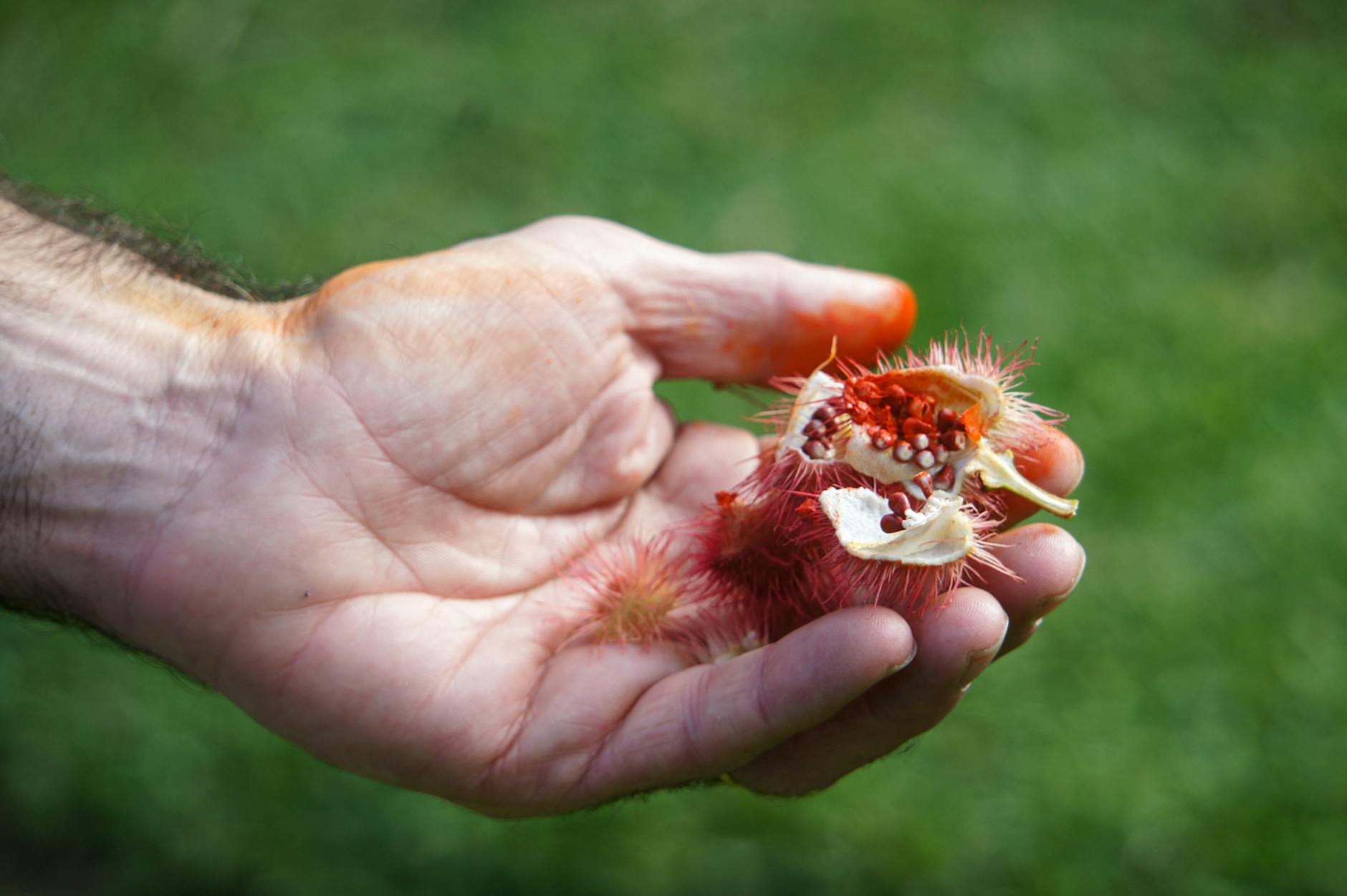
Seeds lose viability over time and result in poor germination rates when planted. Storing packets in warm or humid conditions accelerates the degradation process. Conducting a simple germination test on damp paper towels checks the quality of older stock. Relying on expired seeds leads to empty garden patches and missed planting windows. Fresh seeds ensure a uniform crop and vigorous seedling development.
Harvesting Too Late
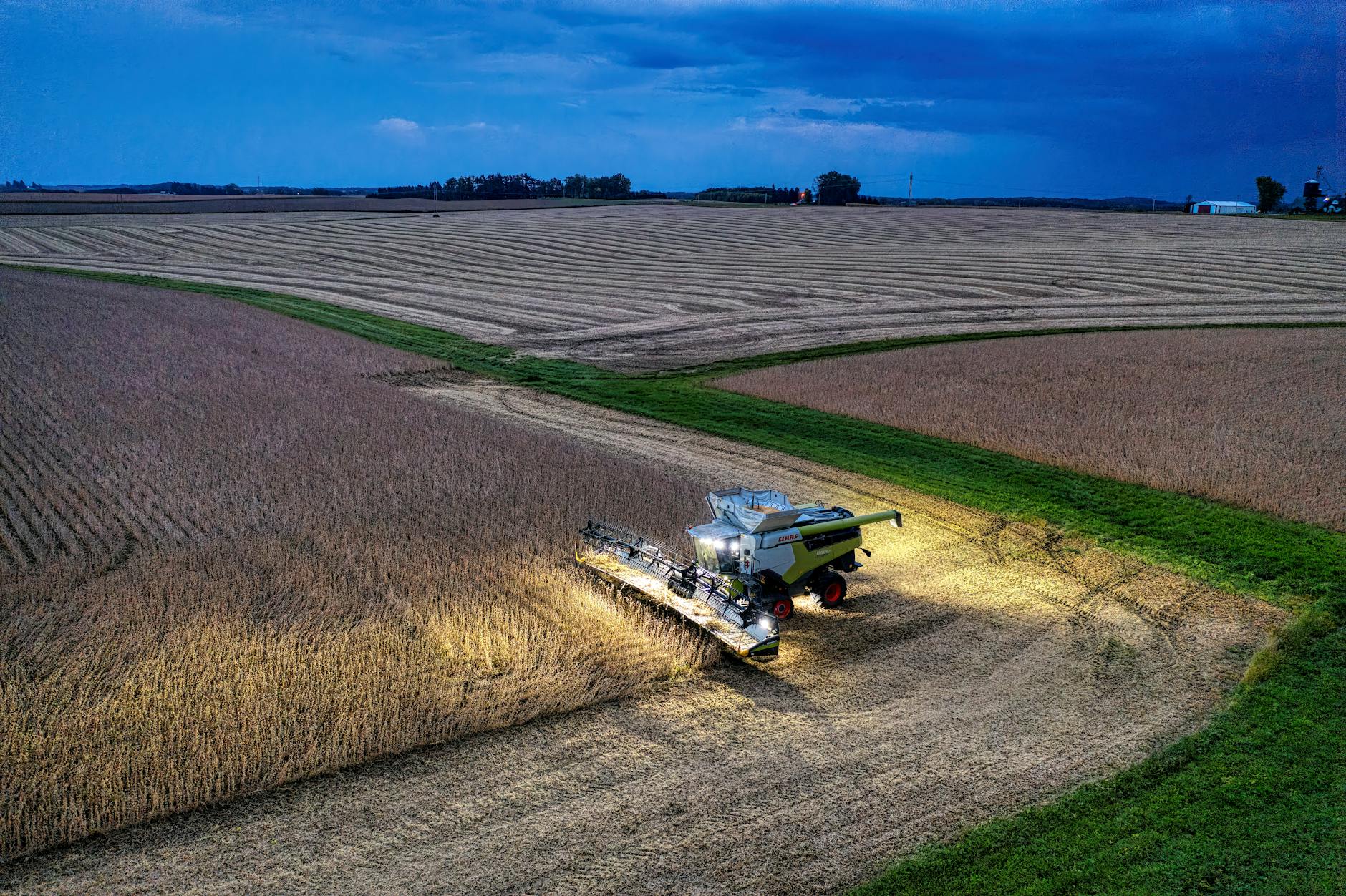
Leaving fruits and vegetables on the plant too long diminishes flavor and texture significantly. Overripe produce signals the plant to stop production and focus on seed maturity. Zucchini and cucumbers become bitter and tough when they grow beyond their optimal size. Regular harvesting stimulates the plant to continue producing new flowers and fruit. Picking crops at their peak ensures the best culinary quality and maximum yield.
Tell us about a gardening mistake you learned from the hard way in the comments.