Homeowners often invest significant time and money into renovations with the best intentions, only to discover that certain changes can work against them when it comes time to sell. Real estate professionals consistently flag a surprising list of upgrades that buyers find unappealing, outdated, or simply too costly to reverse. Understanding which improvements hurt rather than help a property can save thousands of dollars and prevent lasting damage to resale potential. The following upgrades are widely recognized by agents and appraisers as some of the most value-diminishing choices a homeowner can make.
Carpet Over Hardwood
Hardwood floors are one of the most universally desired features among today’s homebuyers, consistently appearing at the top of wish lists across price points. When homeowners install carpet directly over existing hardwood, they eliminate a premium feature that buyers actively seek out. Removing carpet to restore the underlying wood is a labor-intensive and costly process that many buyers are unwilling to take on. The presence of carpet alone can signal neglect or poor judgment to prospective buyers during a walkthrough. Preserving or refinishing original hardwood almost always yields a stronger return than covering it up.
Popcorn Ceilings
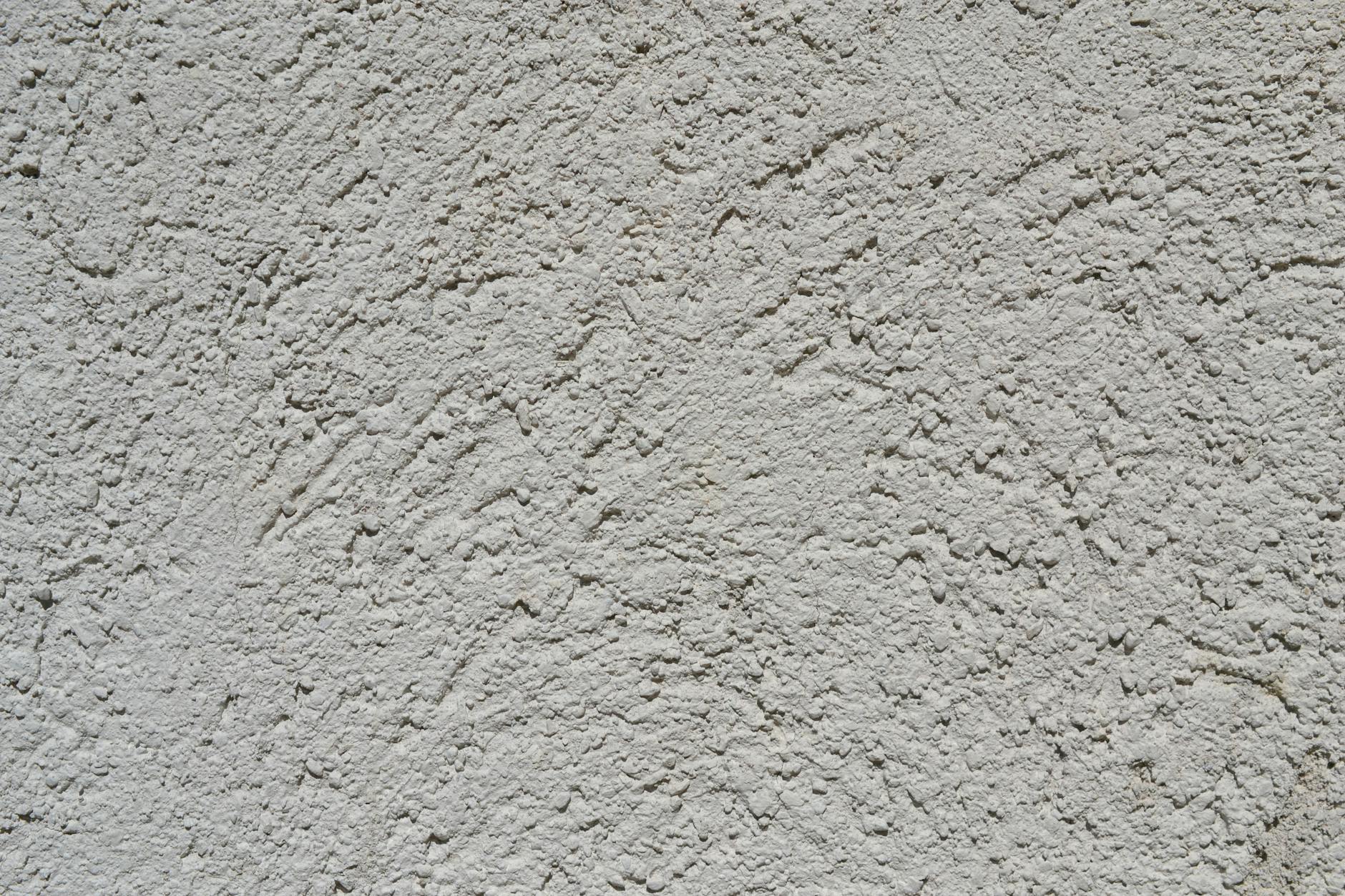
Popcorn ceilings became a popular finishing choice in mid-twentieth-century construction due to their ability to hide imperfections and dampen sound. Decades later, they have become one of the most dated features a home can have, immediately signaling age and triggering buyer hesitation. Beyond aesthetics, older popcorn ceilings may contain asbestos, a detail that can complicate sales and require professional remediation. The cost of removal is relatively modest, yet the visual and psychological impact on buyers is significant. Homes with smooth ceilings consistently present better in photographs and during in-person showings.
Sunken Living Rooms
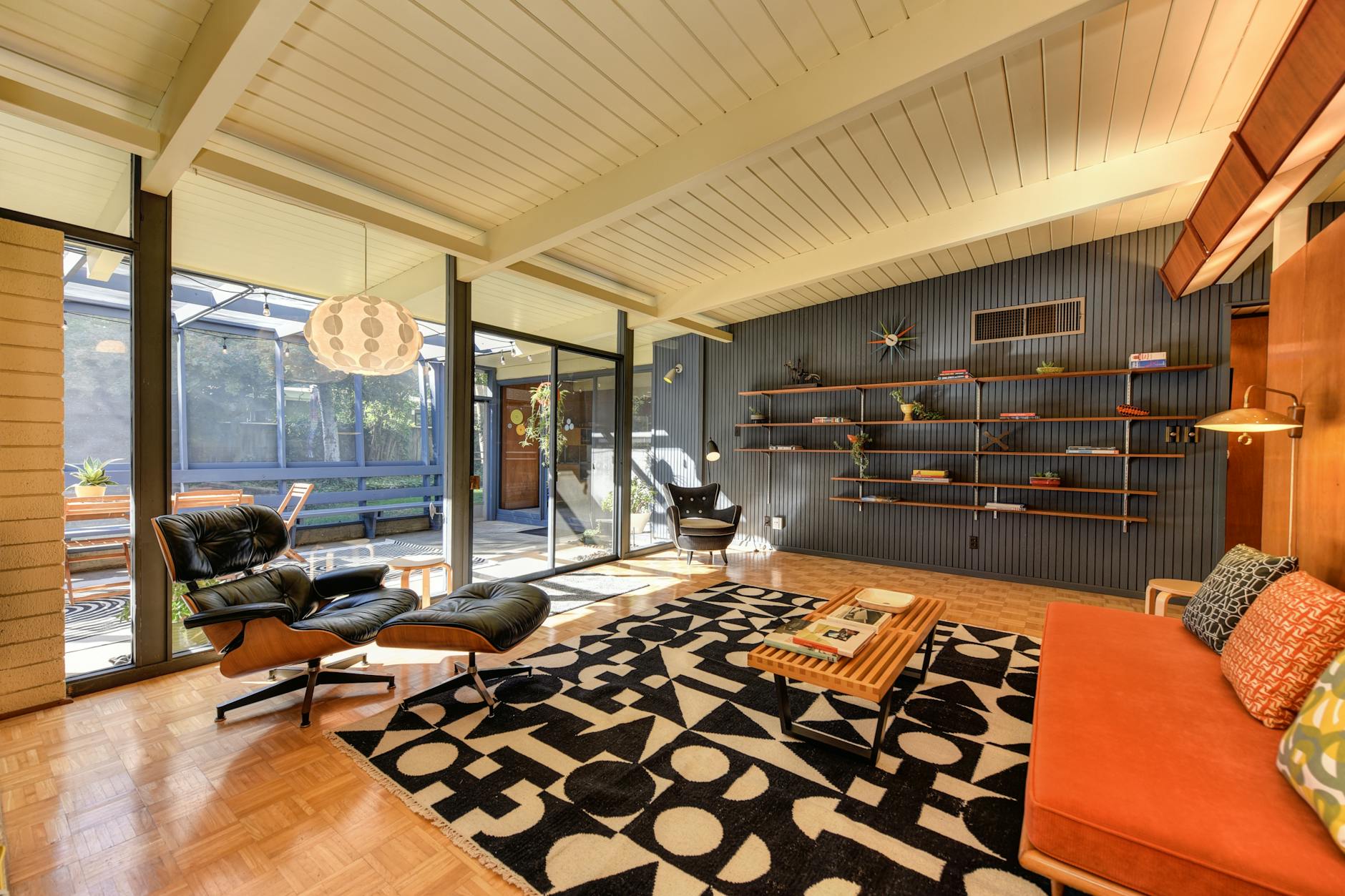
Sunken living rooms were a hallmark of mid-century modern design, projecting sophistication and architectural ambition during their peak popularity. Contemporary buyers tend to view them as a safety hazard, a mobility obstacle, and an awkward spatial quirk that is difficult and expensive to reverse. The structural work required to raise a sunken floor often runs into the tens of thousands of dollars, a cost that appraisers rarely attribute back to the home’s value. Families with young children or elderly relatives frequently remove properties with sunken rooms from consideration entirely. What once read as a luxury feature now reads as a liability to most modern buyers.
Bold Exterior Paint

Curb appeal is the first impression a property makes, and paint color plays an outsized role in shaping it. Highly saturated or unconventional exterior colors can alienate buyers before they even step through the front door. Neutral tones such as warm whites, soft grays, and earthy beiges have broad appeal and photograph well in online listings. A bold color choice that suits the current owner’s personality may actively reduce the pool of interested buyers in a competitive market. Repainting is a relatively straightforward fix, but the cost and effort required can still affect offers and negotiating power.
Over-Landscaping

Elaborate landscaping projects can reflect genuine passion and considerable investment, but buyers do not always share the same enthusiasm for high-maintenance outdoor spaces. Exotic plants, intricate water features, and heavily designed garden layouts can signal ongoing upkeep demands that deter practical buyers. Landscaping that obscures the home’s facade or reduces usable yard space is particularly problematic in markets where outdoor living is a priority. Appraisers rarely assign full dollar-for-dollar value to extensive landscaping work, meaning the return on investment is typically low. Simple, clean, and low-maintenance outdoor spaces tend to attract a wider range of buyers.
Garage Conversions

Converting a garage into living space may seem like a practical way to add square footage, but it comes with significant trade-offs that buyers often reject. Many buyers specifically prioritize garage space for vehicle storage, hobby areas, or additional utility, and its absence becomes an immediate dealbreaker. In most markets, converted garages do not count toward official living square footage unless the conversion meets strict permitting and building code requirements. Unpermitted conversions can create legal complications during the sale process and may require costly remediation before closing. Restoring a converted garage to its original function is a major undertaking that reduces the net value of the original project considerably.
Wallpaper

Decorative wallpaper can transform a room with texture, pattern, and personality, but it is one of the most divisive interior design choices in real estate. Buyers who dislike the pattern face a removal process that is time-consuming, messy, and occasionally damaging to the underlying drywall. Wallpapered rooms can feel smaller and more dated in listing photographs, reducing the number of showings a property receives. Accent walls covered in bold patterns or textured paper can dominate a space in ways that are difficult for buyers to mentally override. Neutral painted walls remain the safest and most universally appealing backdrop for any home on the market.
Swimming Pools

A swimming pool may seem like the ultimate backyard luxury, but its impact on property value is far less straightforward than most homeowners assume. In cooler climates, pools are considered seasonal amenities with year-round maintenance costs, dramatically reducing their appeal to practical buyers. Families with young children frequently view pools as a safety concern rather than a selling point. The cost of pool removal, if a buyer requests it as a condition of sale, can reach well into five figures and complicate negotiations significantly. In markets where pools are not standard, the feature often adds less value than the original installation cost.
Overly Themed Rooms
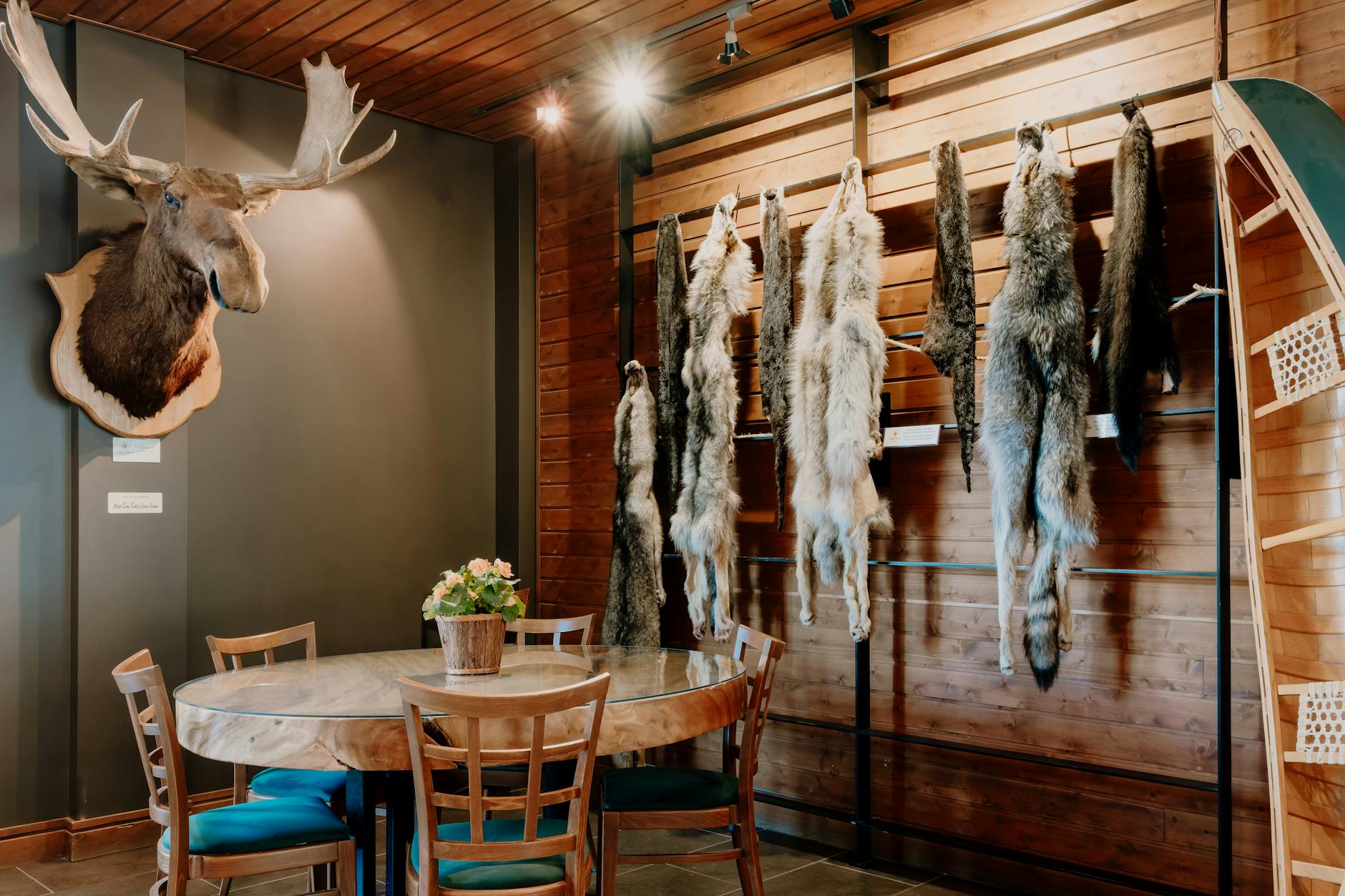
Designing a room around a specific theme can feel like a creative and personalized approach to interior decorating, but it works against a homeowner when it comes time to sell. A fully realized pirate bedroom, a sports-team-dedicated den, or a maximalist Hollywood glamour bathroom requires a significant imagination leap for buyers trying to picture their own lives in the space. The more immersive the theme, the more expensive and labor-intensive it is to neutralize before listing. Themed rooms frequently appear in listing photographs in ways that generate social media attention for the wrong reasons. Buyers respond most strongly to neutral, versatile spaces that feel move-in ready without requiring immediate renovation.
Reduced Bedroom Count
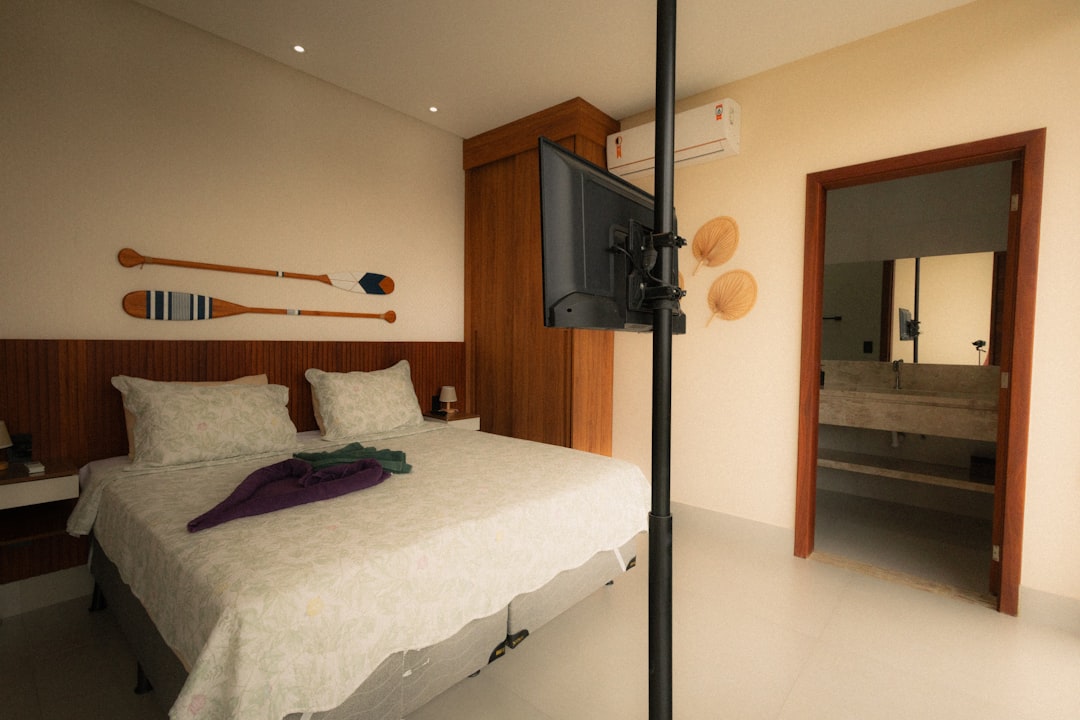
Combining two smaller bedrooms into one larger room may address a real spatial need, but it comes with a measurable cost to property value. Bedroom count is one of the primary data points used by appraisers and buyers to assess a home’s worth and compare it to similar properties in the neighborhood. Reducing from a four-bedroom to a three-bedroom home can push a property into a lower pricing tier entirely. Families and buyers planning for future flexibility almost universally prefer more rooms over larger individual spaces. Rebuilding a divided wall is possible but requires permitting, construction work, and added expense that sellers rarely recover in full.
Luxury Bathroom Upgrades
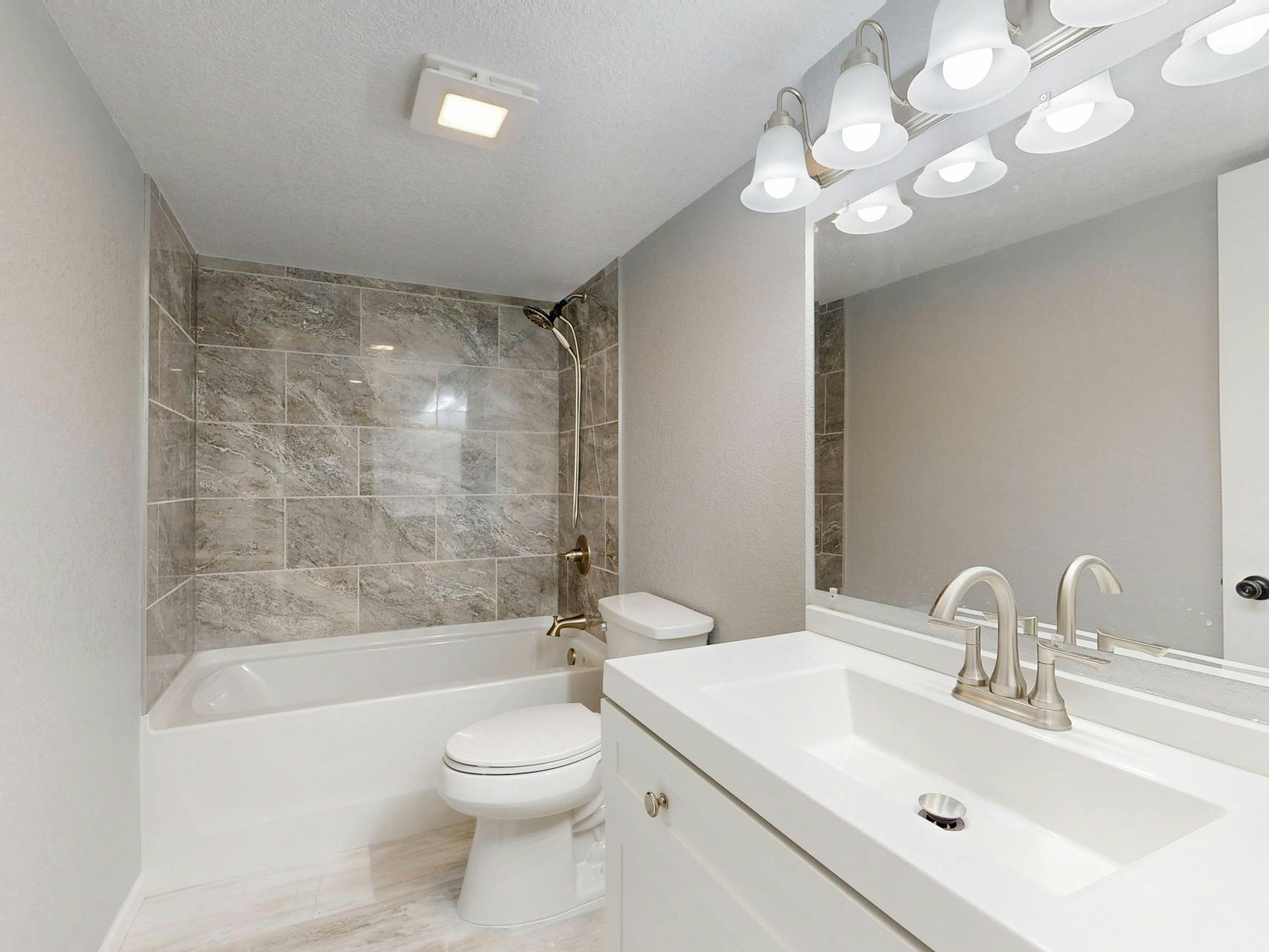
High-end bathroom renovations can feel like a guaranteed value boost, but over-improving relative to the neighborhood consistently backfires. Installing heated floors, designer fixtures, and custom tilework in a modest home rarely earns back the investment because buyers compare prices to surrounding comparable properties. Appraisers use neighborhood comps to establish value ceilings, and no amount of premium finishes can push a home past what the local market will support. Buyers in mid-range markets may even feel uncomfortable with the maintenance expectations that luxury bathroom features imply. Targeted, tasteful updates tend to yield better returns than full high-end overhauls in areas where the price point does not support them.
Removing Closets
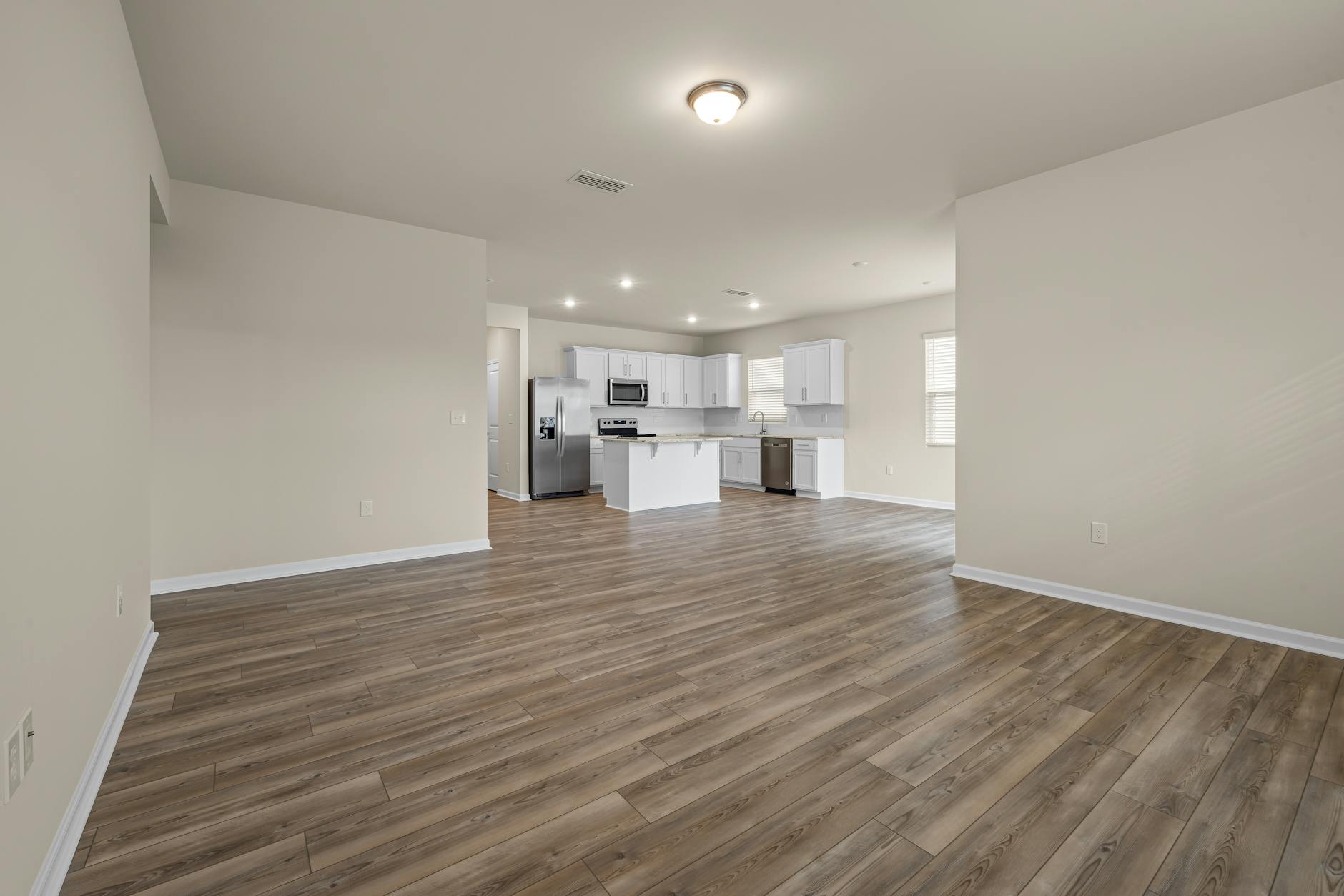
Closet space is consistently ranked among the most important practical features buyers evaluate during a home search. Removing a closet to create an open reading nook, a compact home office, or an architectural detail eliminates storage that is genuinely difficult and expensive to replace. Building codes in many jurisdictions require closets for a room to qualify legally as a bedroom, meaning closet removal can reduce the official bedroom count and therefore the home’s appraised value. Buyers shopping with families or significant wardrobes will immediately notice and flag limited storage as a concern. Preserving original closet space, even if it feels underutilized, protects both functionality and value.
DIY Electrical Work

Amateur electrical work is one of the most common and consequential mistakes homeowners make during renovation projects. Unpermitted or improperly installed wiring creates genuine fire hazards and will surface during a buyer’s home inspection, often triggering demands for full remediation before closing. Lenders and insurers may also flag substandard electrical work as a condition of financing or coverage, stalling or derailing the sale entirely. The cost of having a licensed electrician correct DIY work can far exceed what the original project would have cost if done professionally from the start. Buyers and their agents are increasingly educated about electrical red flags and treat them as serious dealbreakers.
Artificial Grass

Artificial turf has grown in popularity as a low-maintenance alternative to natural lawn, but it divides buyers sharply and carries associations that do not always translate to added value. Many buyers perceive artificial grass as a sign that the soil beneath is damaged, contaminated, or otherwise unsuitable for natural growth. The material can also raise concerns about heat retention in warm climates, where synthetic surfaces can become uncomfortably hot during summer months. Environmentally conscious buyers may object on sustainability grounds, and the upfront installation cost is rarely reflected in sale prices. Homes with natural, well-maintained lawns consistently perform better with the broadest range of buyers.
Jacuzzi Tubs

Jetted soaking tubs were once considered a hallmark of master bathroom luxury, but buyer preferences have shifted considerably in recent years. Contemporary buyers tend to favor large walk-in showers, open layouts, and spa-like minimalism over the bulky footprint of a traditional jacuzzi tub. Maintenance concerns around the internal jet systems, which can harbor mold and bacteria if not regularly cleaned, are a recurring point of hesitation during walkthroughs. Removing a jacuzzi to install a freestanding soaking tub or expand the shower area is a common request from buyers who otherwise love a property. The appliance now reads as a dated fixture in much the same way that oversized garden tubs did a generation ago.
Home Offices

The rapid shift toward remote work led many homeowners to convert spare bedrooms into permanent, highly customized home offices. Built-in shelving, cable management systems, and dedicated lighting rigs can make a space feel functional for one specific use but inflexible for everything else. Buyers who work in office settings, have school-age children, or need guest accommodation immediately begin calculating the cost of reversing the conversion. A dedicated home office that has lost its bedroom designation can also affect how the property is listed and appraised. Keeping the space adaptable by avoiding permanent built-ins preserves its appeal to the widest possible audience.
Indoor Hot Tubs

Installing a hot tub inside a home rather than in an outdoor setting creates a set of problems that extend well beyond personal taste. Persistent moisture from an indoor hot tub can cause mold growth, structural wood damage, and long-term humidity issues throughout the surrounding area. Ventilation systems required to manage steam and chemical vapors add complexity and ongoing maintenance obligations that many buyers are unwilling to inherit. The removal process is invasive, potentially requiring structural modifications to doors, walls, or flooring to extract the unit. Few buyers view an indoor hot tub as a lifestyle upgrade when they weigh it against the practical complications it introduces.
Barn Doors
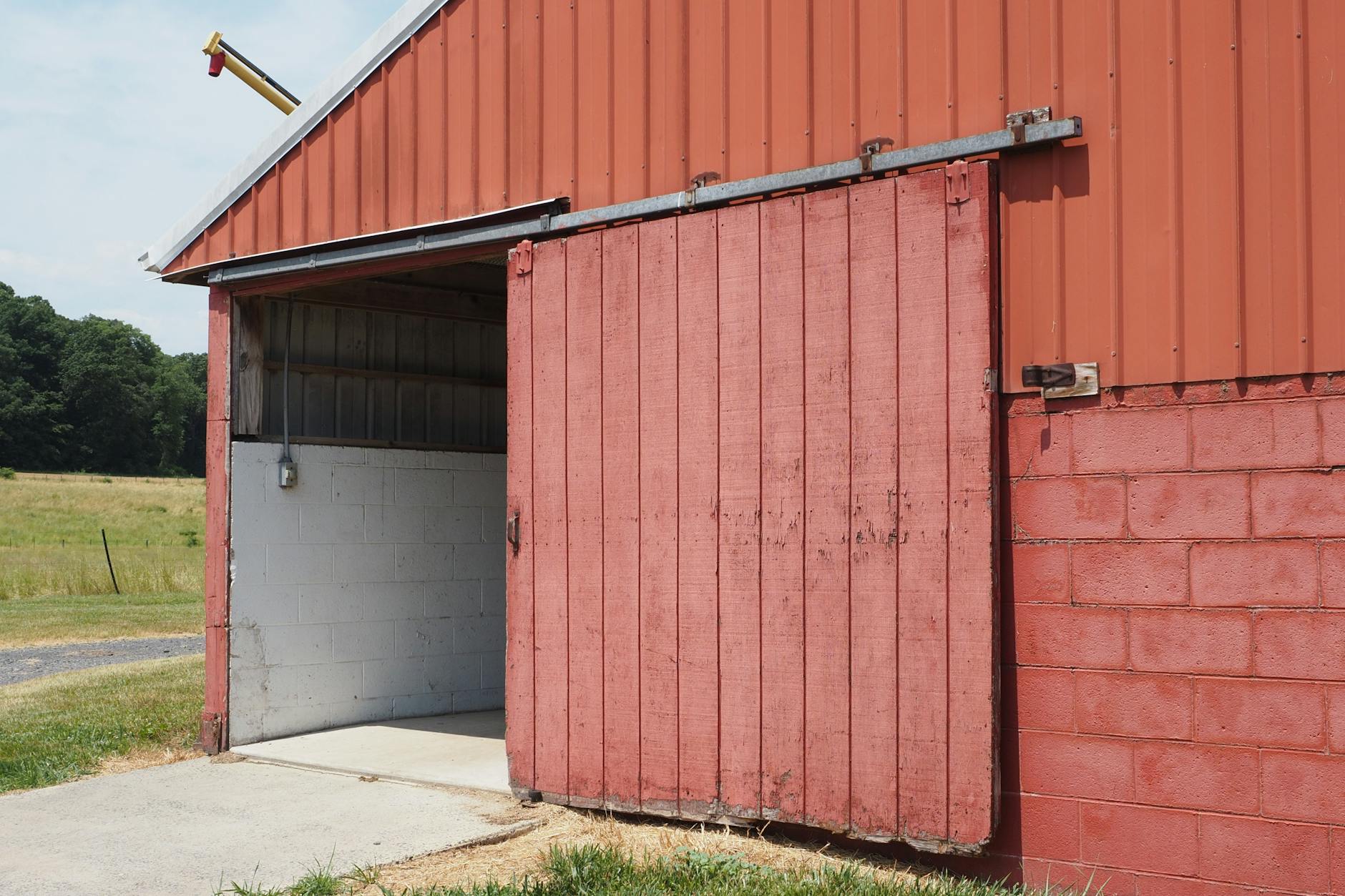
Sliding barn doors became one of the most recognizable trends of the farmhouse aesthetic movement and saturated interior design media for much of the past decade. Their novelty has faded considerably, and buyers today are more likely to associate them with a trend-chasing renovation than with timeless design quality. Beyond aesthetics, barn doors offer no sound insulation or true privacy, making them a poor functional substitute for traditional hinged doors in bedrooms and bathrooms. Replacing them requires patching walls, repainting, installing new door hardware, and potentially refinishing flooring where the original door frame was removed. Classic interior doors remain the safer and more broadly appealing choice for long-term value retention.
Concrete Countertops
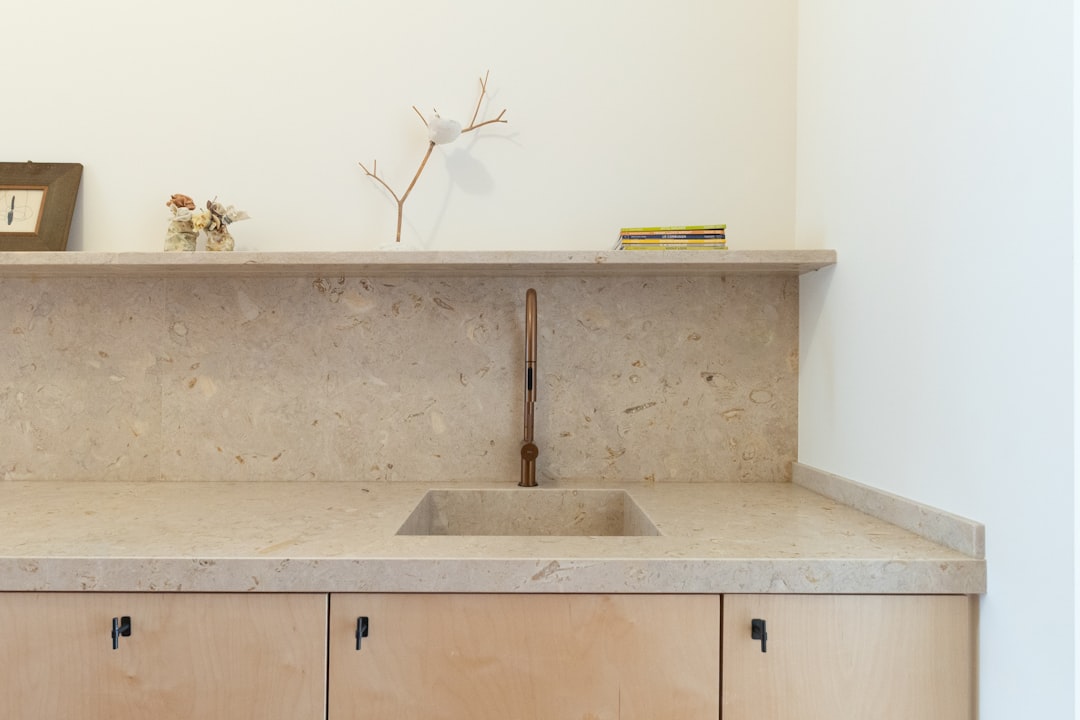
Concrete countertops attracted significant attention in design circles as an industrial-chic alternative to traditional stone surfaces, but their real-world performance has tempered their appeal. The material is porous, prone to staining, and requires regular sealing to maintain its appearance, a maintenance burden that practical buyers tend to find unappealing. Cracking and surface discoloration are common over time, particularly in kitchens that see heavy daily use. Buyers comparing properties will almost always favor quartz or granite, materials that offer durability, low maintenance, and broader aesthetic compatibility. The installation cost of concrete countertops rarely translates to equivalent value in the eyes of appraisers or competing buyers.
Neon Lighting

Decorative neon signage and LED neon strip lighting have become popular interior accents, but their long-term impact on how a home presents during a sale is largely negative. Buyers touring a property with prominent neon installations often struggle to envision the space in a more neutral register, particularly if the lighting is wired into permanent fixtures. The style reads as highly personal and era-specific, raising questions in buyers’ minds about what other trend-driven decisions may have been made throughout the home. Removal can leave patching marks, discoloration on walls, or visible wiring that requires cosmetic repair before listing. Warm, layered ambient lighting from classic fixtures remains the most universally appealing choice for homes in any price range.
Share your thoughts on which of these upgrades surprised you most in the comments.