Many popular houseplants that brighten up a home interior carry serious health risks for domestic cats. The compounds found in these plants can trigger reactions ranging from mild gastrointestinal distress to complete organ failure depending on the species and the amount consumed. Cat owners are often unaware that plants widely sold in garden centers and florists carry these dangers. Understanding which plants pose the greatest threat is one of the most important steps a cat owner can take to protect their pet. This list covers fifteen of the most commonly found houseplants that veterinary professionals flag as potentially fatal to cats.
Lilies

True lilies belonging to the Lilium and Hemerocallis genera are considered among the most dangerous plants a cat can encounter indoors. Every part of the plant including the pollen, petals, leaves, stem and even water from the vase is toxic to cats. Ingestion of even a tiny amount can cause rapid onset of acute kidney failure within 24 to 72 hours. Easter lilies, tiger lilies and daylilies are among the most commonly brought into homes, particularly during spring holidays. Immediate veterinary treatment is critical and delays in care significantly reduce the chance of survival.
Sago Palm
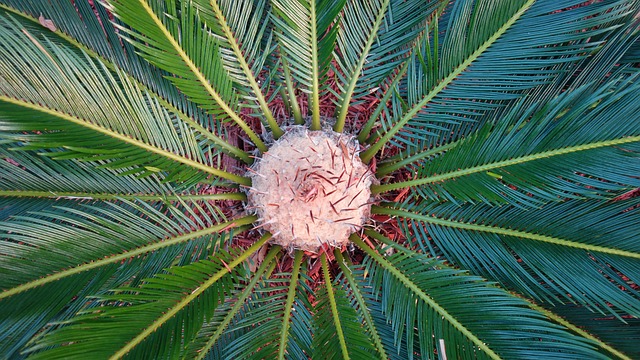
The sago palm is a popular ornamental plant frequently kept indoors and on patios but it is one of the most lethal plants known to veterinary medicine. Every part of the plant is toxic with the seeds or nuts containing the highest concentration of cycasin. Cycasin is a naturally occurring toxin that causes severe liver damage and can result in liver failure within just a few days of ingestion. Symptoms include vomiting, diarrhea, lethargy, seizures and jaundice. The mortality rate for cats that ingest sago palm remains extremely high even with aggressive treatment.
Oleander
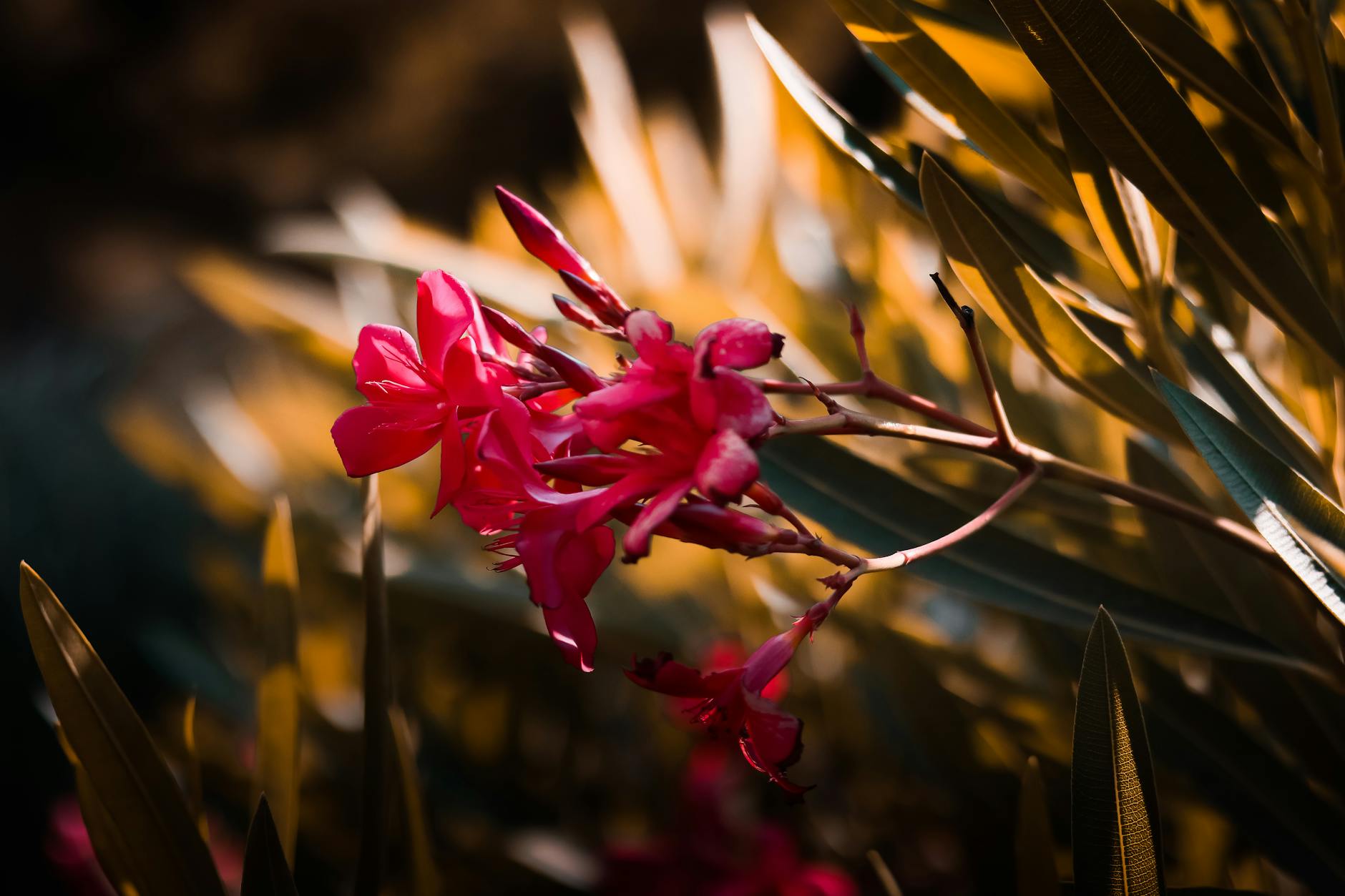
Oleander is a widely cultivated ornamental shrub that is sometimes brought indoors in colder climates and contains toxic compounds called cardiac glycosides throughout its entire structure. These compounds directly affect the cardiovascular system and can cause fatal disruptions to normal heart rhythm. Cats that chew on any part of the plant may experience drooling, vomiting, tremors and abnormal heart function within hours. The toxicity level is so high that even small quantities of plant material can overwhelm a cat’s system rapidly. Oleander should never be placed in any home environment shared with cats.
Dieffenbachia
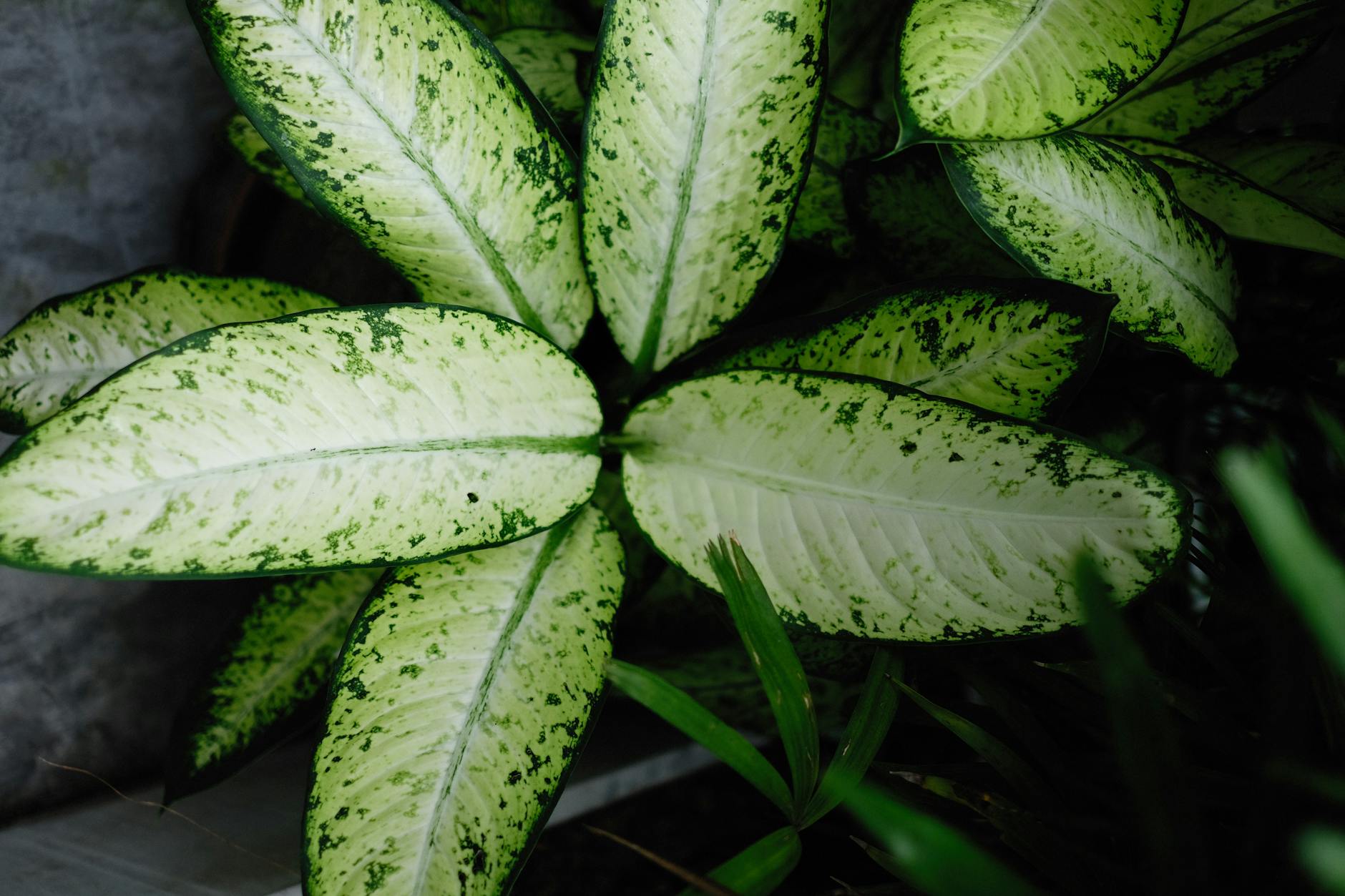
Dieffenbachia is a broad-leafed tropical plant that is extremely popular as an indoor decorative plant due to its lush appearance and easy care requirements. The plant contains insoluble calcium oxalate crystals that cause immediate and intense oral irritation upon contact with a cat’s mouth and tongue. Swelling of the mouth and throat can become severe enough to interfere with breathing and swallowing. While fatalities are less common than with some other plants on this list, the intense suffering caused and the risk of airway obstruction make it highly dangerous. Cats that chew on dieffenbachia require prompt veterinary attention to manage pain and prevent further complications.
Cyclamen
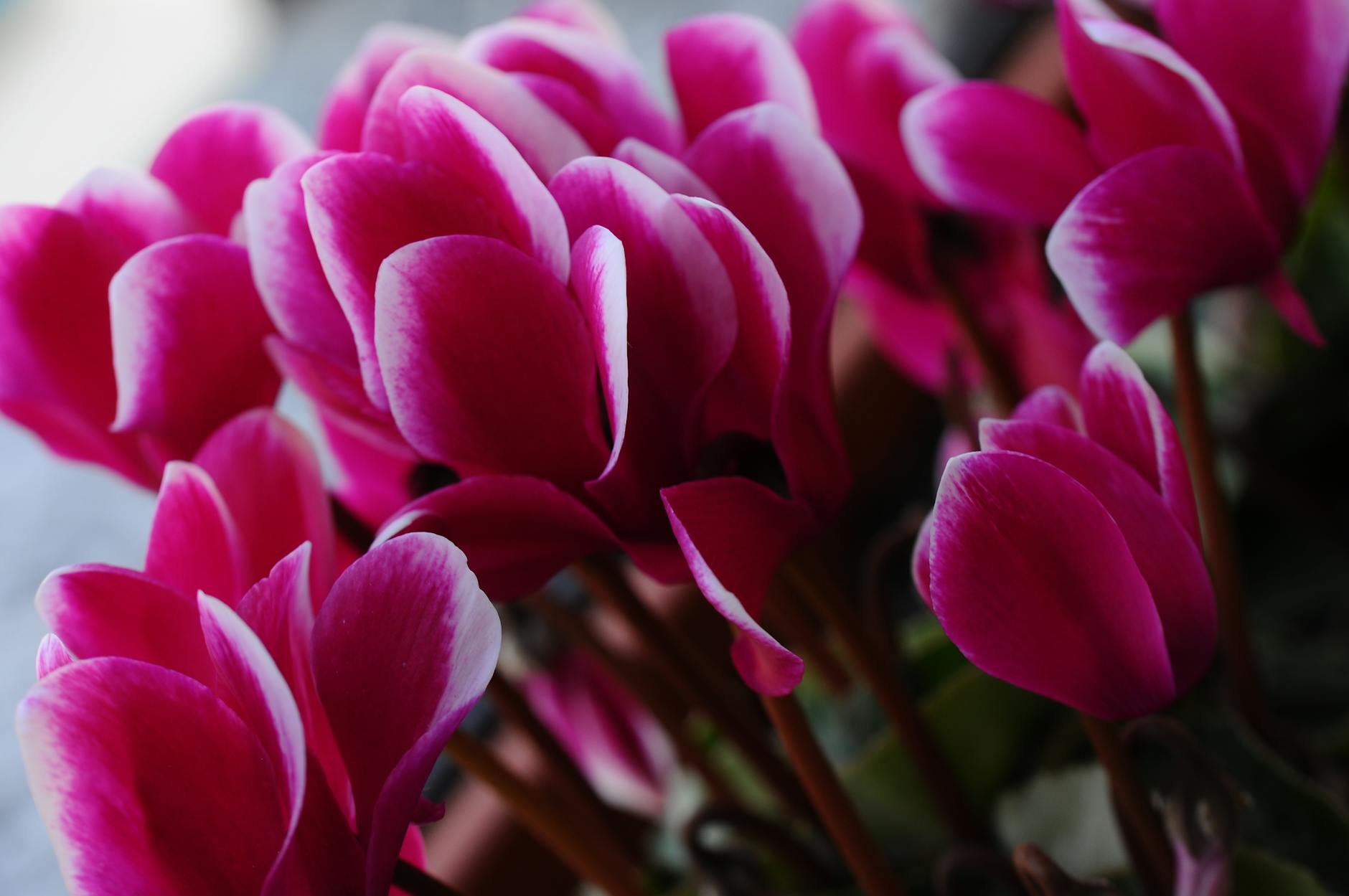
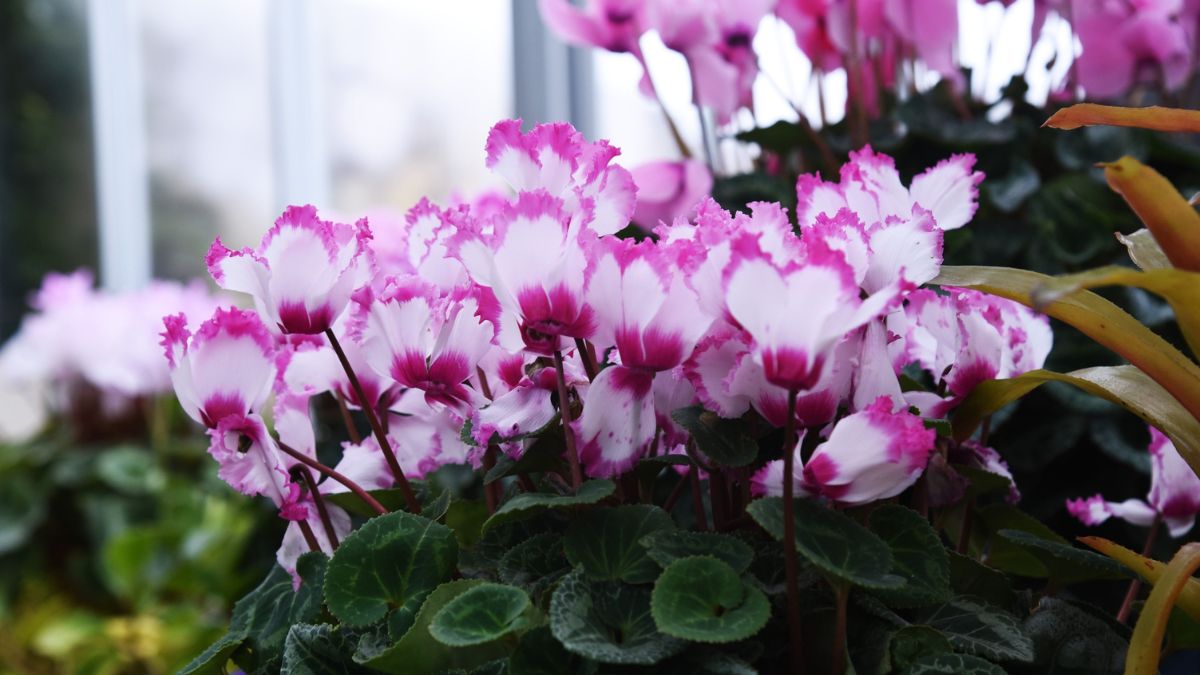
Cyclamen is a flowering houseplant commonly purchased during autumn and winter months for its attractive blooms in shades of pink, red and white. The plant contains terpenoid saponins with the highest concentration found in the root and tuber of the plant. Ingestion causes profuse drooling, vomiting, diarrhea and in more serious cases where larger amounts are consumed it can lead to heart rhythm abnormalities and seizures. Cats are attracted to digging around the base of plants which puts them at particular risk of accessing the most toxic portions of the cyclamen. Pet owners should keep cyclamen completely out of reach or avoid keeping them in cat-occupied spaces entirely.
Philodendron
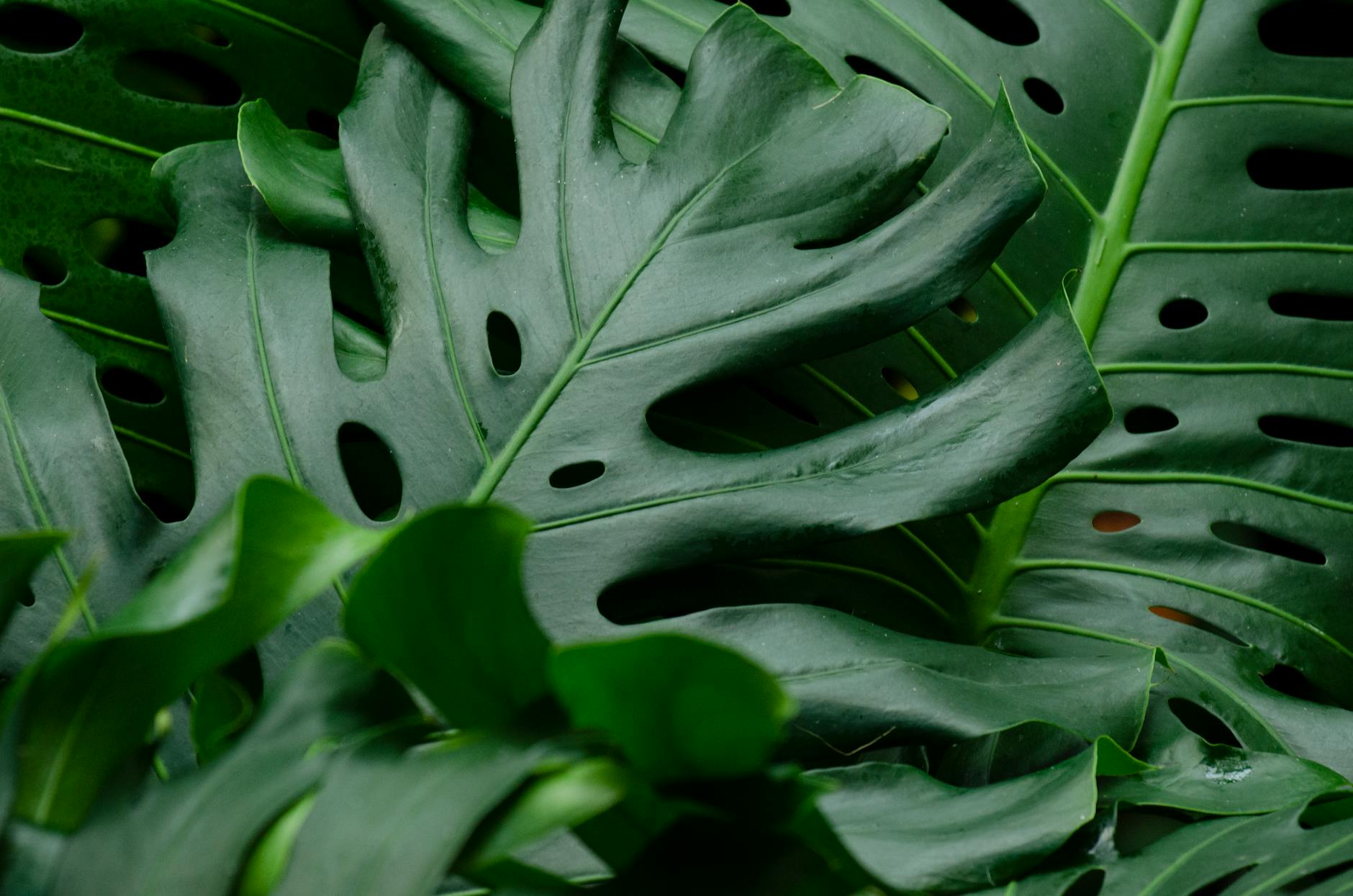
Philodendrons are among the most commonly purchased houseplants globally due to their adaptability to low light and minimal watering needs. Like dieffenbachia they contain insoluble calcium oxalate crystals that cause immediate burning and swelling in the mouth and digestive tract upon ingestion. Cats may paw at their mouths, drool excessively and vomit shortly after chewing on any part of the plant. Repeated or large-scale ingestion can lead to more serious gastrointestinal injury and systemic effects. The widespread availability and popularity of philodendrons makes them one of the most frequently reported sources of plant-related cat toxicity cases.
Pothos
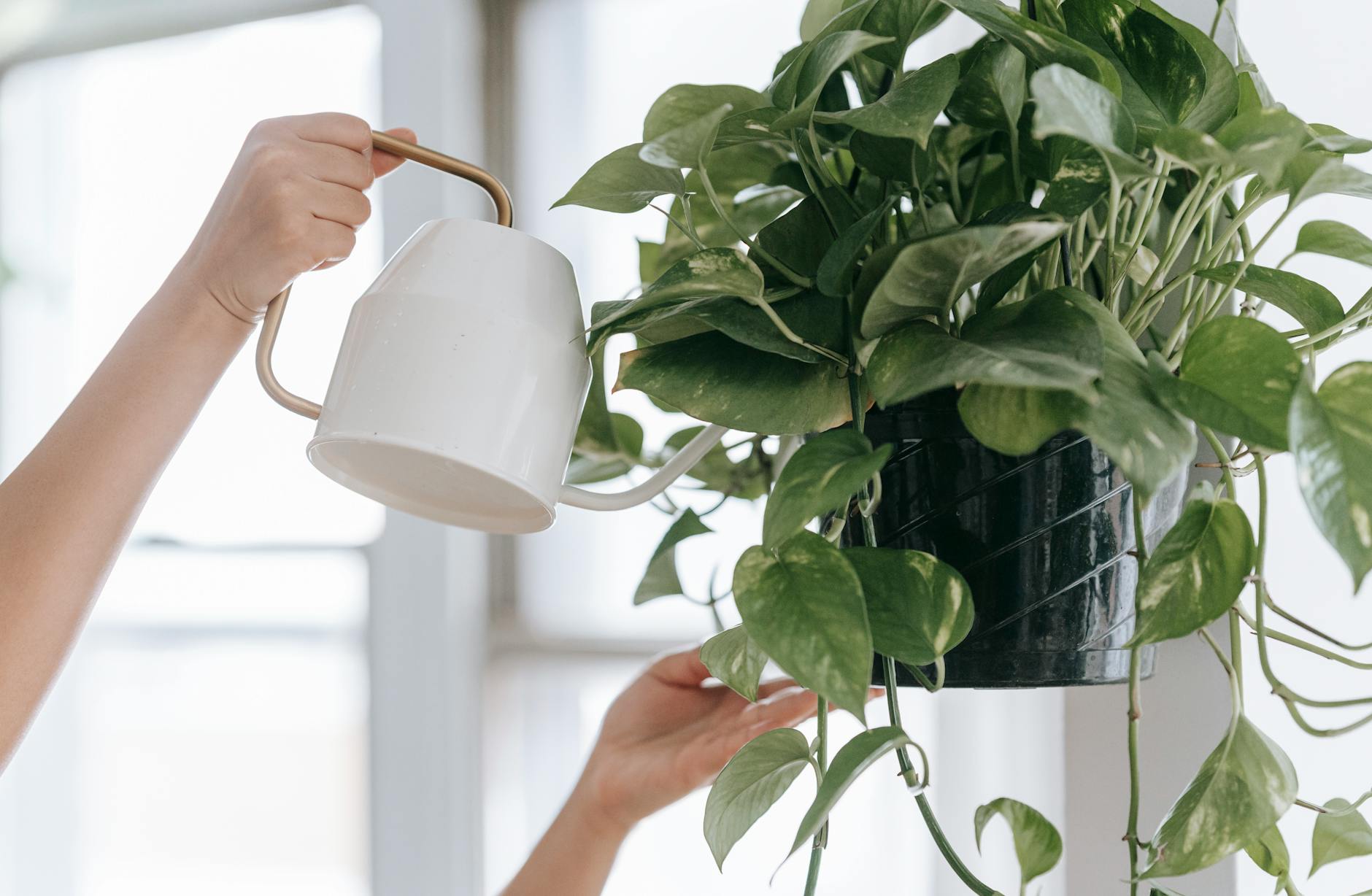
Pothos is often recommended as an ideal beginner houseplant because of its hardiness and trailing aesthetic but it is toxic to cats due to the same calcium oxalate crystals found in related species. The plant causes oral irritation, excessive drooling, vomiting and difficulty swallowing when any part is consumed by a cat. It is a climbing and trailing plant which means it is often displayed on shelves or in hanging baskets where curious cats can still access the leaves. Despite a lower likelihood of fatality compared to some other plants on this list it causes significant distress and can lead to complications in vulnerable animals. Veterinary guidance should always be sought if a cat is known to have chewed on pothos.
Peace Lily
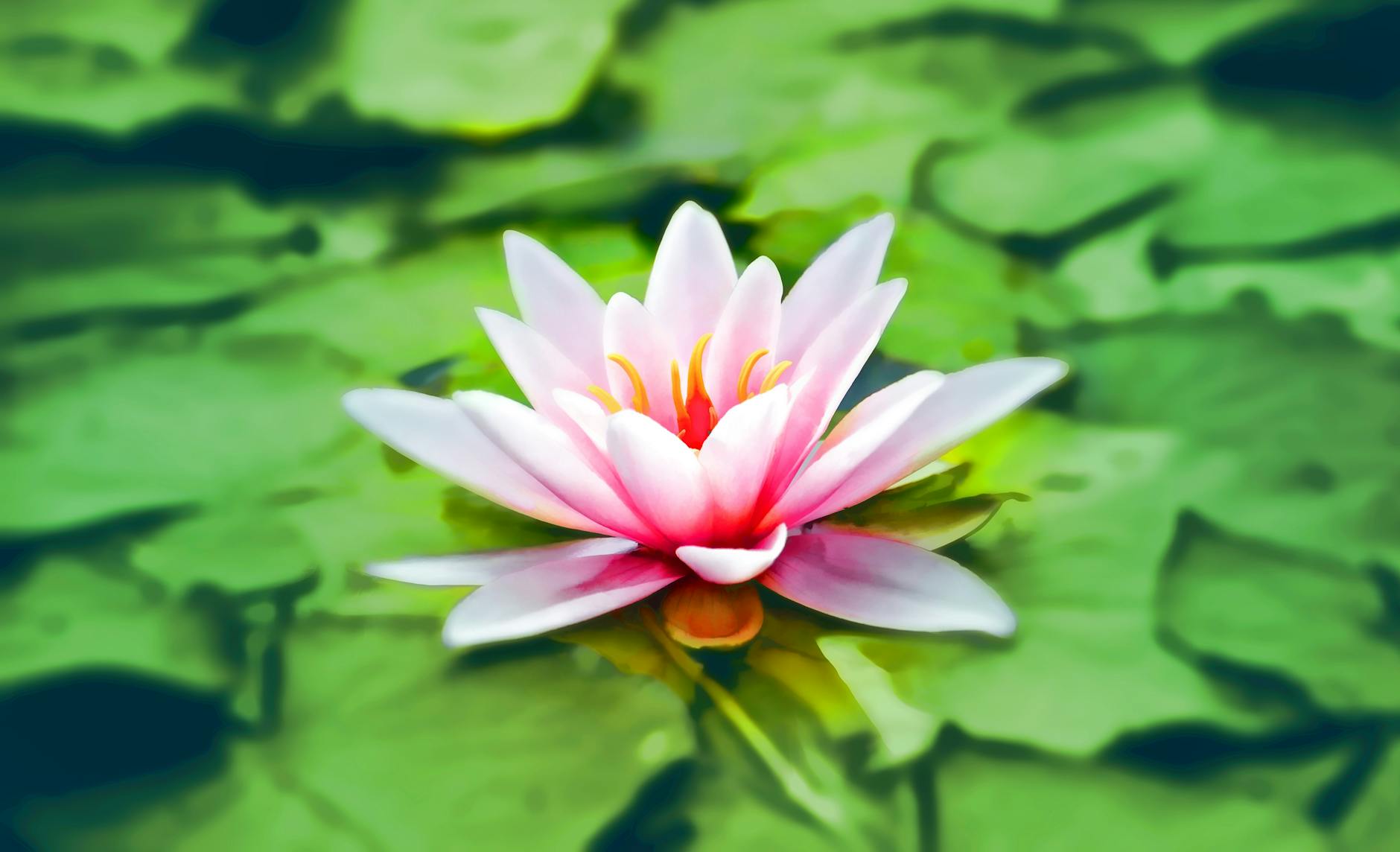
The peace lily is one of the most recognizable indoor plants with its glossy dark green foliage and distinctive white blooms. Despite its gentle name it contains calcium oxalate crystals that cause immediate oral irritation and inflammation when a cat ingests any part of the plant. Symptoms include pawing at the face, drooling, vomiting and a noticeable reluctance to eat or drink due to mouth pain. In more significant cases of ingestion it can contribute to kidney stress over time. The peace lily is particularly deceptive because it is often gifted to people and sold in spaces like supermarkets and garden centers without any visible toxicity warnings.
Dracaena
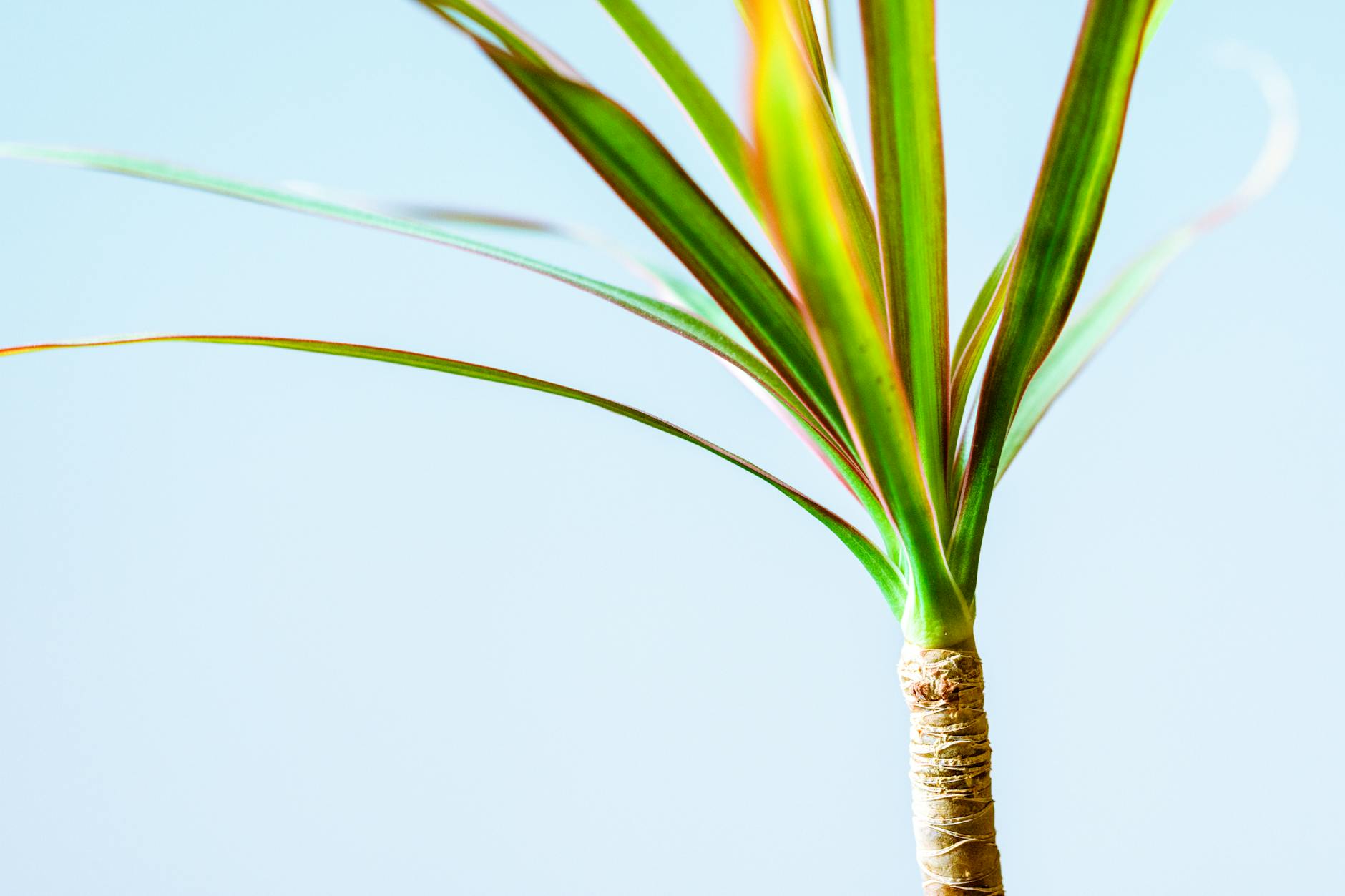
Dracaena is a genus that includes several popular indoor varieties such as the corn plant, dragon tree and ribbon plant. The plant contains compounds called saponins which when ingested by cats cause vomiting that may include blood, loss of appetite, depression and in some cases dilated pupils. Cats that ingest dracaena may also exhibit excessive drooling and weakness as the toxins affect the gastrointestinal tract. While rarely fatal when small amounts are consumed it poses a more serious risk if a cat has repeated exposure or consumes a larger quantity. Dracaena plants are very commonly found in offices and homes which makes awareness of their toxicity particularly important for cat owners.
Aloe Vera
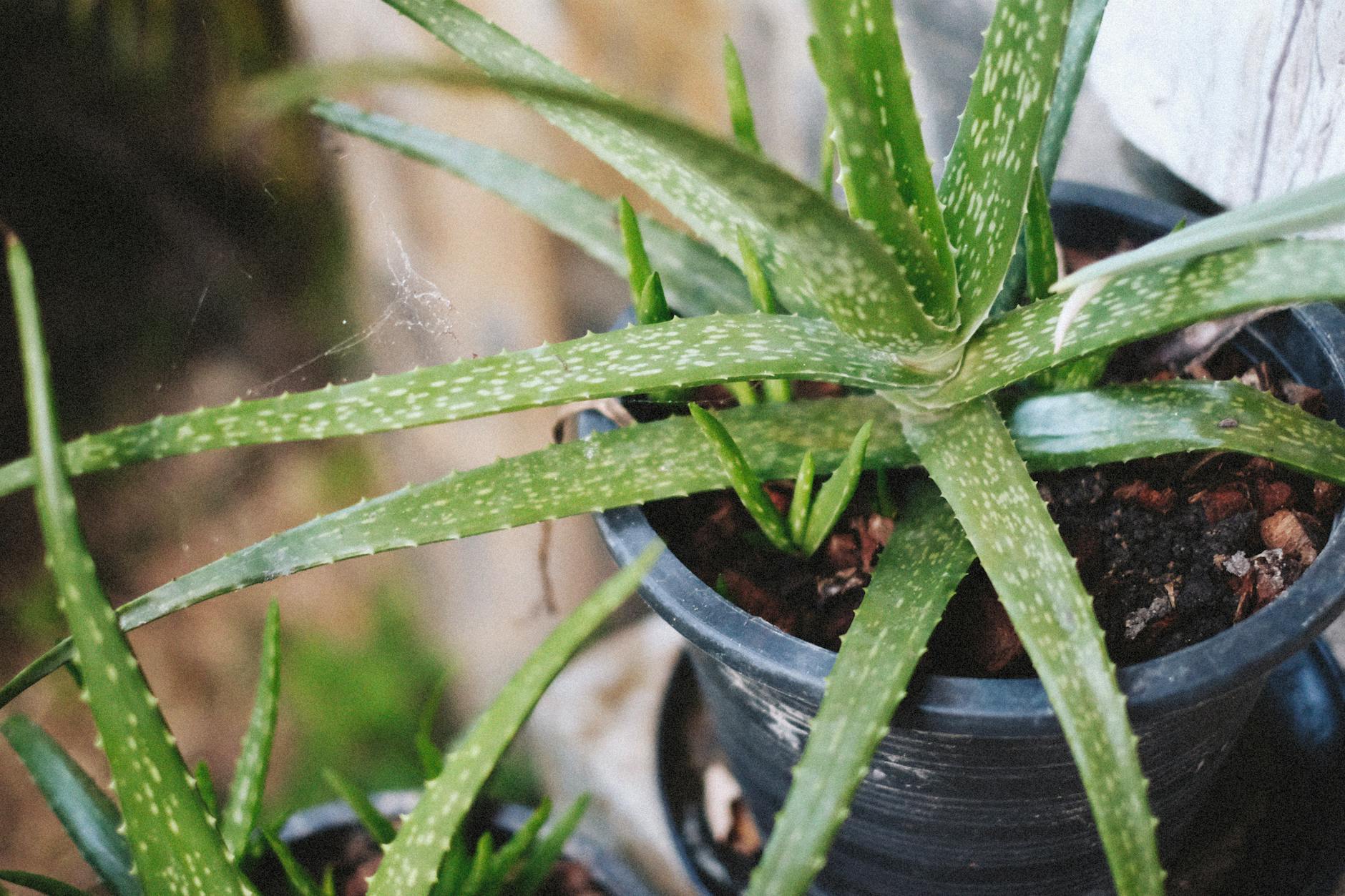
Aloe vera is widely kept in homes for its reputed skincare and medicinal properties but the compounds found within its gel and latex are harmful to cats. The plant contains anthraquinone glycosides which act as a strong laxative in cats and can cause severe vomiting, diarrhea, lethargy and tremors. The outer leaf skin contains the highest concentration of these toxic compounds. Long-term or repeated ingestion can lead to significant electrolyte imbalances and dehydration in cats. Many cat owners are surprised to learn that a plant associated with soothing and healing properties carries real dangers for their pets.
Azalea
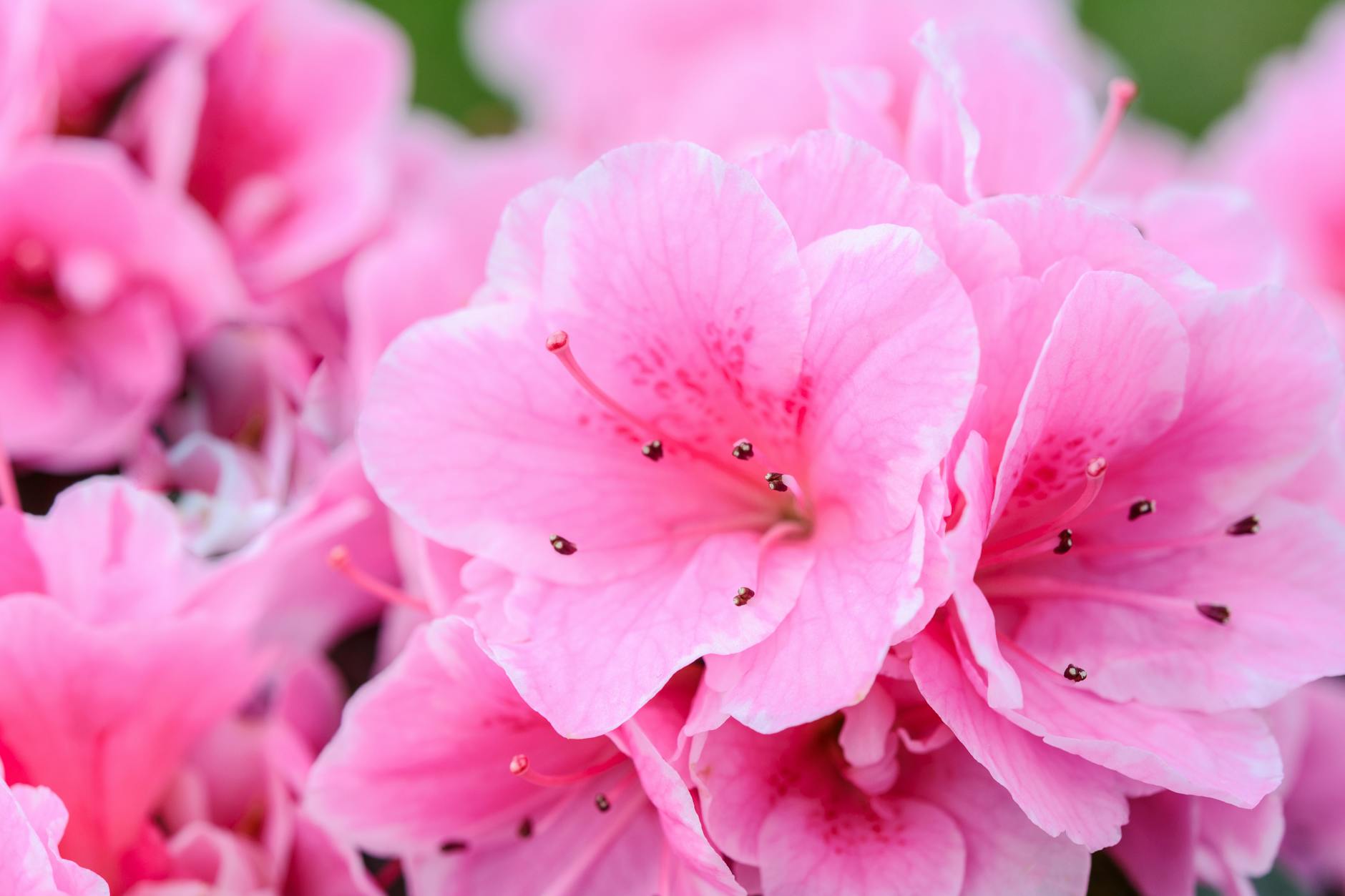
Azaleas are flowering shrubs that are sometimes kept as indoor container plants and contain grayanotoxins throughout their flowers, leaves and nectar. These toxins interfere with normal cell function and cause cardiovascular disruption when ingested by cats. Even a small number of leaves can trigger symptoms including drooling, vomiting, diarrhea, weakness, loss of coordination and dangerously low blood pressure. In severe cases azalea ingestion leads to coma and cardiac failure if veterinary care is not received quickly. Azaleas are particularly common as gift plants during spring seasons which increases the risk of accidental exposure in households with cats.
Snake Plant
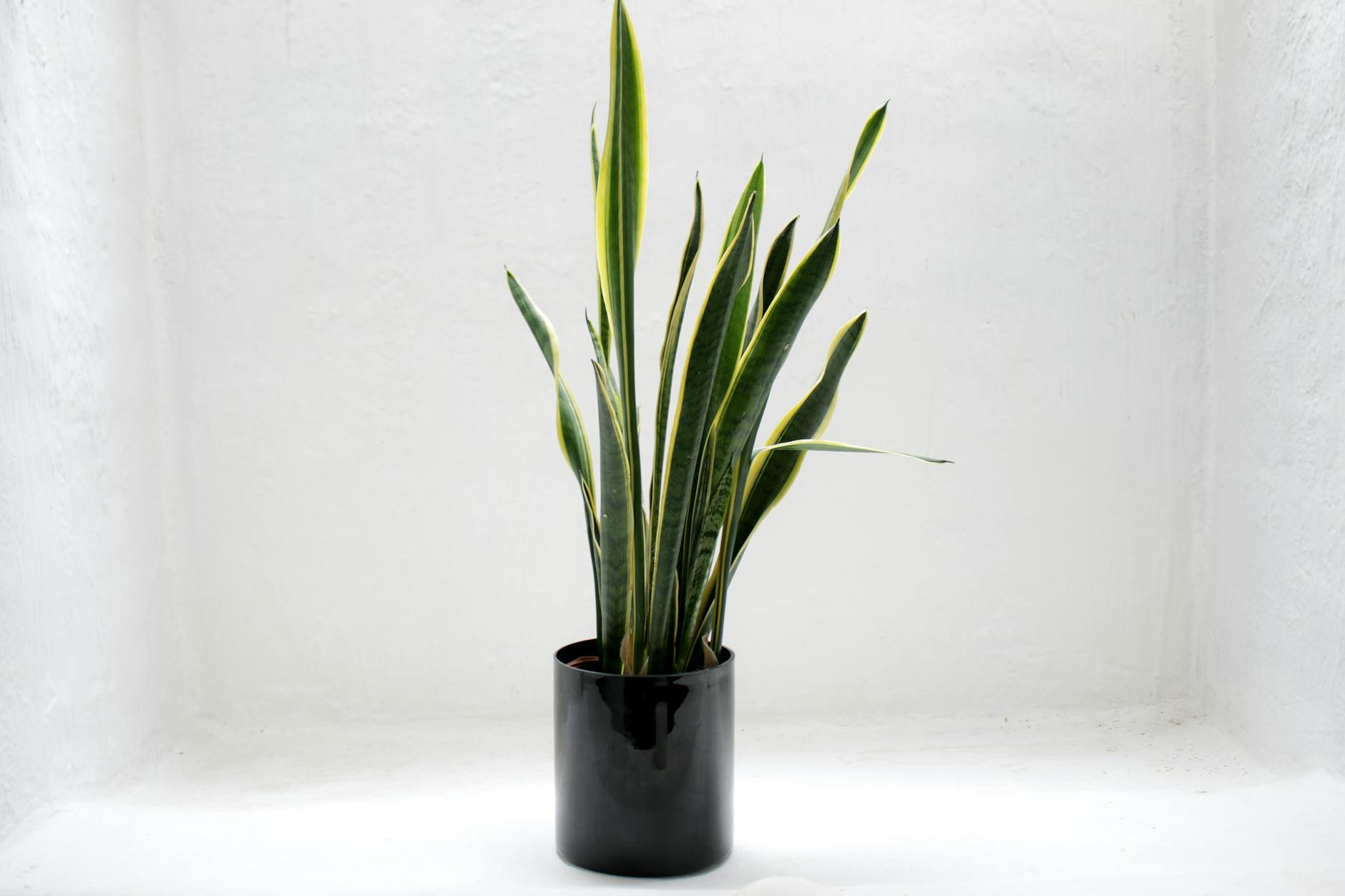
The snake plant also known by its botanical name Sansevieria is frequently listed as an ideal low-maintenance houseplant and air purifier but it contains saponins that are toxic to cats. Ingestion typically causes nausea, vomiting, diarrhea and excessive drooling as the digestive system reacts to the toxic compounds. The effects are generally considered moderate rather than immediately life-threatening but can cause significant discomfort and dehydration. The wide availability and frequent recommendation of snake plants for beginners means many cat owners keep them without knowing the risks. Any suspected ingestion should be reported to a veterinarian who can advise on appropriate monitoring or treatment.
Jade Plant
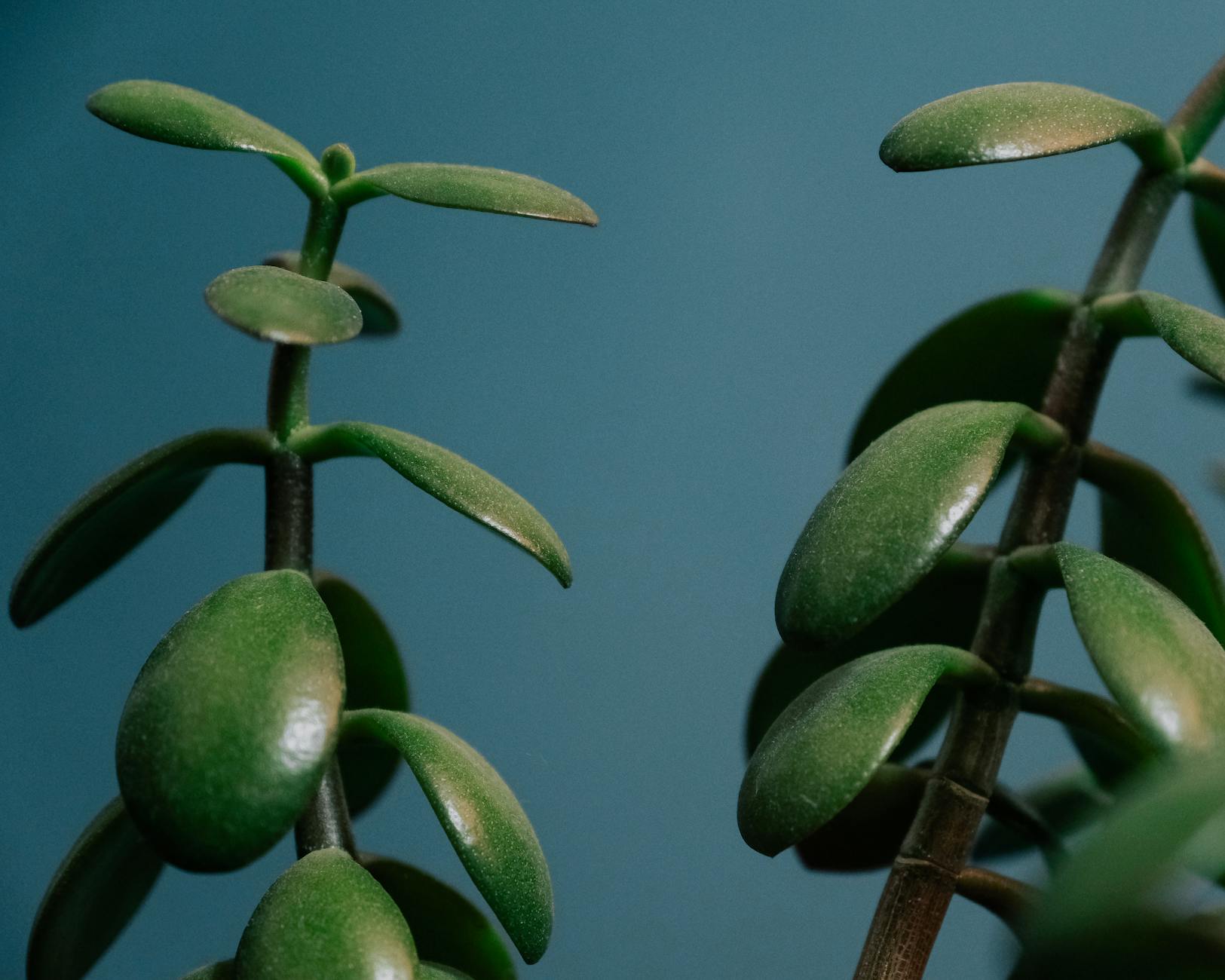
The jade plant is a popular succulent with thick glossy leaves that is commonly kept on windowsills and desks as a low-effort ornamental plant. The exact toxic principle in jade plants is not fully identified but ingestion in cats reliably causes vomiting, lethargy, depression and loss of coordination or wobbling when walking. These neurological symptoms make it particularly concerning compared to plants that cause only gastrointestinal upset. The plant is slow-growing and long-lived which means many households have had jade plants for years without incident until a cat develops an interest in chewing on them. Cat owners who notice any sudden neurological changes in a pet should consider plant ingestion as a possible cause.
ZZ Plant
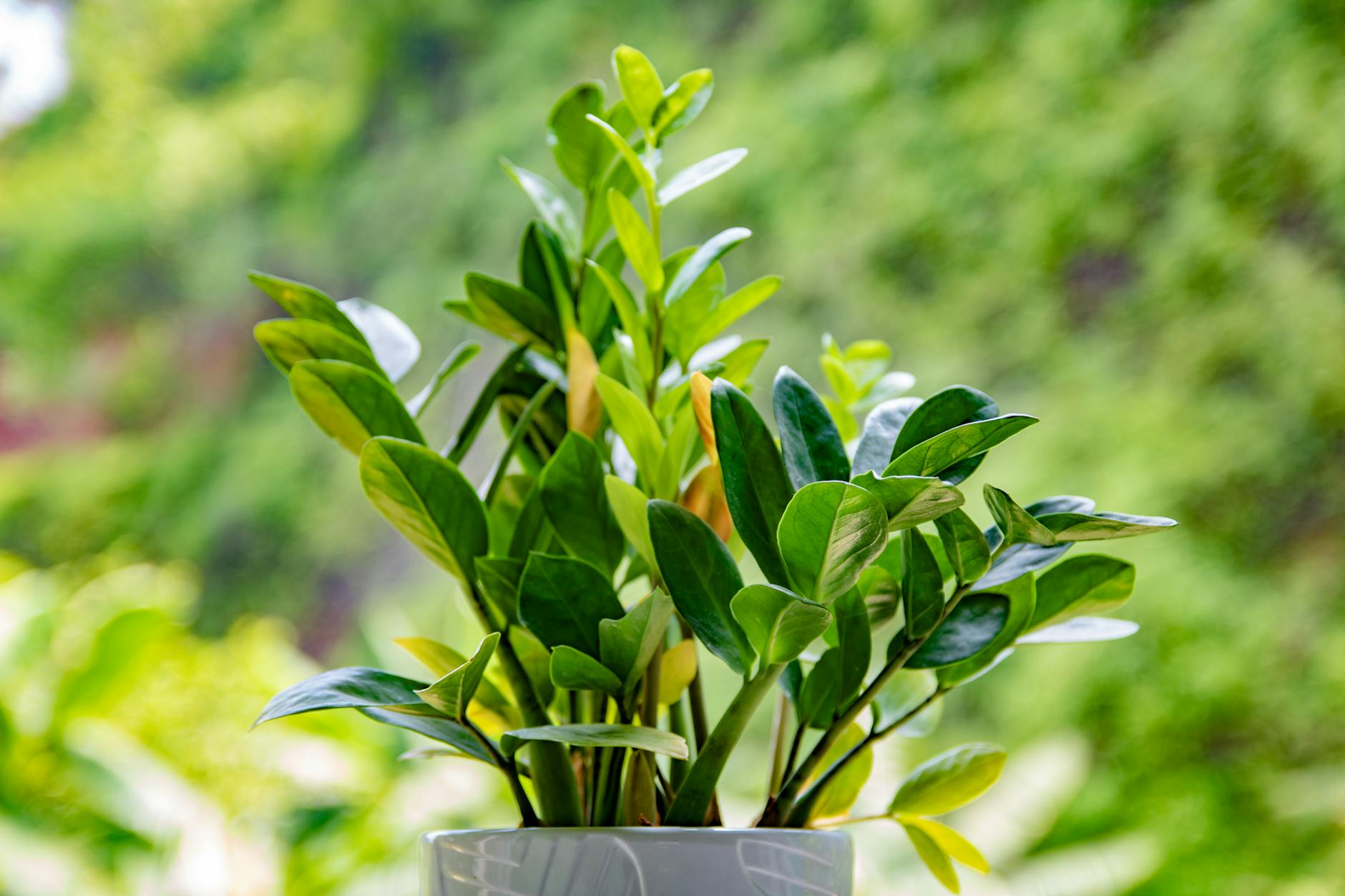
The ZZ plant has become one of the most purchased indoor plants of recent years thanks to its glossy foliage and ability to thrive in low light and irregular watering conditions. It belongs to the same family as pothos and philodendron and similarly contains calcium oxalate crystals that cause oral and gastrointestinal irritation in cats. Symptoms following ingestion include drooling, pawing at the mouth, vomiting and general signs of discomfort. The plant’s rhizomes which store water underground contain a higher concentration of the toxic compounds and may be accessible to cats that dig at the soil. Despite its modern popularity as a trendy interior plant it should be kept well away from cats at all times.
Kalanchoe
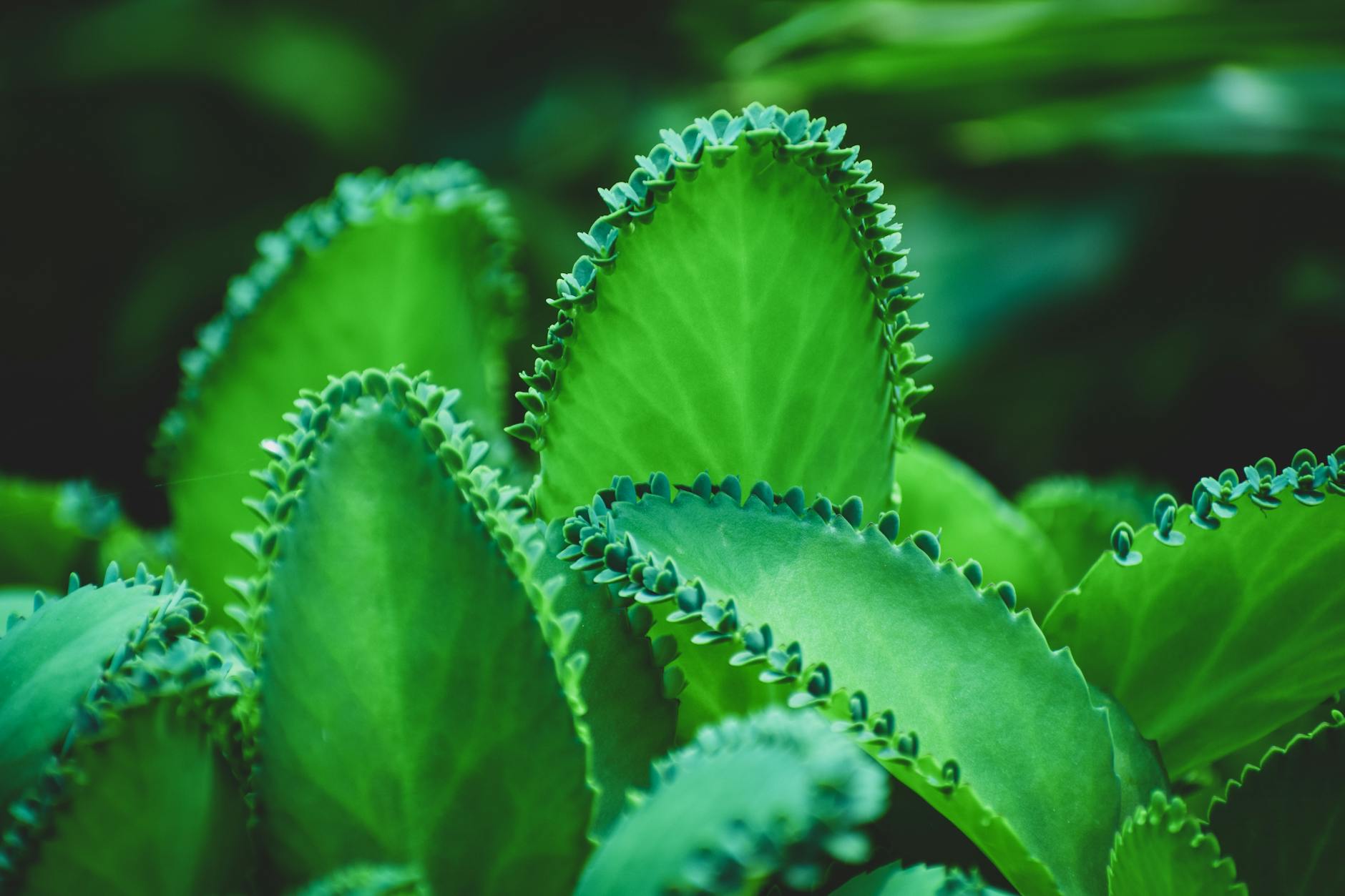
Kalanchoe is a succulent flowering plant available in a wide range of colors that is sold in florists and supermarkets throughout the year as a decorative gift plant. It contains bufadienolide cardiac glycosides which affect the heart muscle and electrical conduction system in cats similarly to the way oleander toxins operate. Ingestion can cause vomiting, diarrhea and in more serious cases irregular heartbeat, collapse and potentially fatal cardiac events. The brightly colored flowers make the plant visually attractive to cats that may attempt to bat at or chew on the blooms. Because kalanchoe is so widely purchased and gifted it is one of the more frequently encountered causes of plant-related toxicity among indoor cats.
If you share your home with a cat it is worth taking a close look at every plant currently in your space and sharing any experiences or concerns about cat-safe houseplants in the comments.