
Most people treat their purse as a portable personal headquarters, filling it with everything needed to navigate daily life efficiently and comfortably. What very few consider is that the same collection of items that makes a purse feel like a reliable daily companion also constitutes a comprehensive dossier of personal information, financial access, and identity documentation that would give a skilled thief or fraudster an extraordinary head start on dismantling someone’s financial and personal security. The risk is not theoretical. Identity theft, financial fraud, and targeted crime consistently exploit the information and access tools that victims were carrying with them at the moment of theft, and the consequences of a stolen purse extend far beyond the inconvenience of replacing its contents. Here are 20 common purse items that security professionals, identity theft specialists, and law enforcement consistently identify as significant security liabilities.
Social Security Card

A Social Security card carried in a purse is the single most valuable document a thief can acquire from a stolen bag and the one whose loss produces the most severe, far-reaching, and difficult-to-resolve identity theft consequences. The nine-digit number on that card is the master key to an individual’s financial identity in the United States, enabling the opening of credit accounts, the filing of fraudulent tax returns, the accessing of medical benefits, and the assumption of the victim’s identity across a broad range of financial and governmental systems. Unlike a credit card whose fraudulent use can be detected and reversed within days, identity theft facilitated by a Social Security number can generate consequences that take years and significant legal effort to fully untangle. The Social Security Administration explicitly advises against carrying the physical card and recommends storing it in a secure location at home, accessing the number from memory for the rare occasions when it is genuinely required. No routine daily errand or appointment requires the physical card to be present, making its presence in a purse an entirely unnecessary and consequential security exposure.
All Credit and Debit Cards
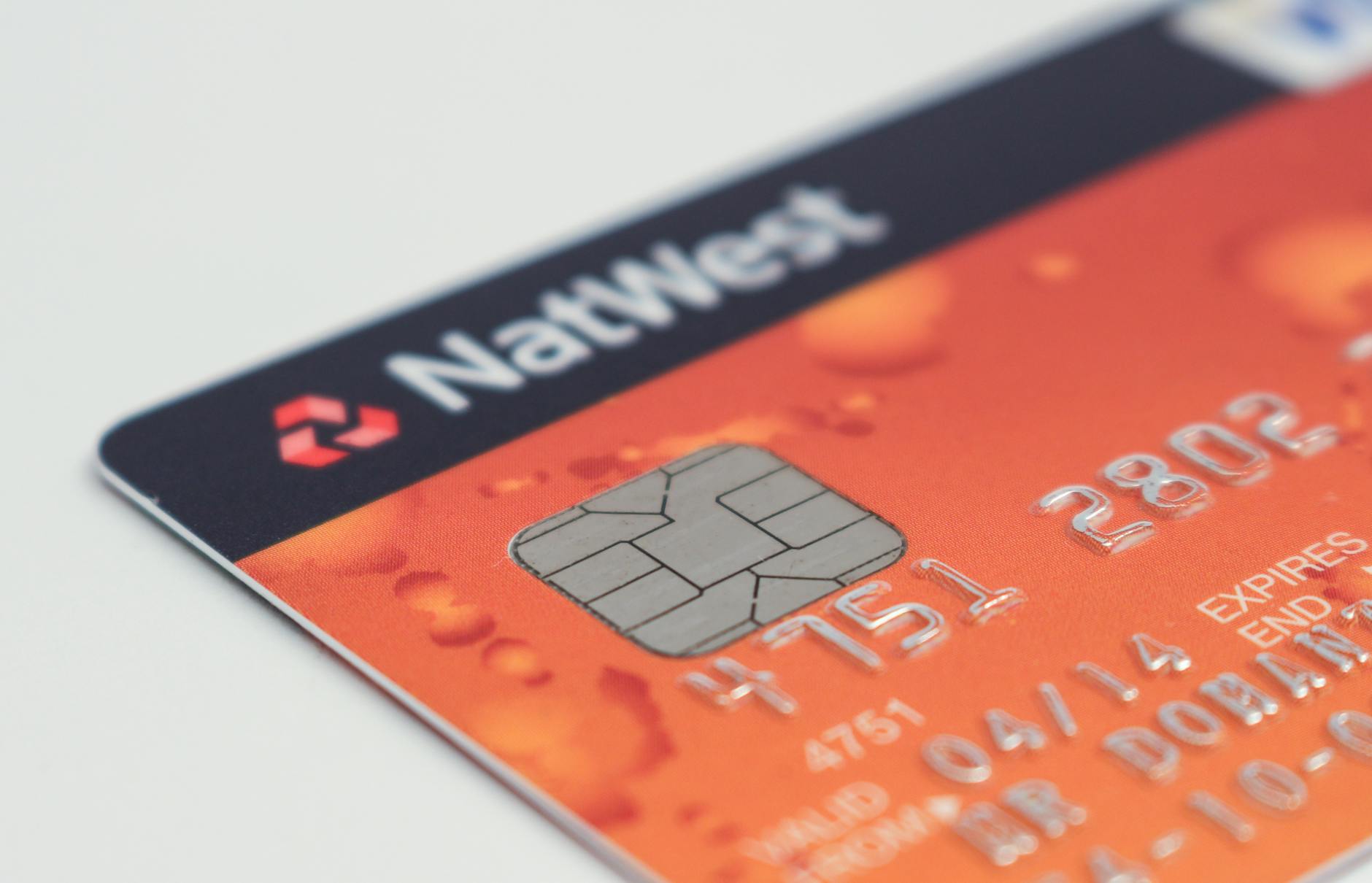
Carrying every credit and debit card owned in a single purse concentrates all financial access into one location that a single theft event eliminates simultaneously. Security professionals consistently recommend carrying only the one or two cards needed for the day’s planned activities and leaving remaining cards secured at home, reducing the scope of financial exposure from any single theft incident. A thief who acquires a purse containing five or six payment cards faces a significantly more valuable target than one containing a single card, both in terms of the immediate fraudulent purchase potential and the number of accounts requiring emergency cancellation and replacement. The time and effort required to cancel and replace multiple cards simultaneously while managing the fraud investigation process for each is itself a significant secondary consequence of carrying an unnecessarily complete card collection. Digital payment options including mobile wallets on smartphones reduce the need to carry physical cards at all for most routine transactions, offering a meaningful security upgrade for daily spending that does not require surrendering payment convenience.
Spare House Keys

Spare house keys carried in a purse represent a particularly consequential security risk because a theft that yields both the keys and any documentation identifying the home address creates the conditions for a residential burglary with no forced entry required. A driver’s license, a piece of mail, a pharmacy loyalty card, or any of dozens of other purse items that display a home address converts a set of keys from a useless metal object into a direct residential access tool for anyone who knows or can determine which address they correspond to. Security professionals note that the window between a purse theft and a residential burglary can be measured in hours when the thief has both keys and an address, operating before the victim has had an opportunity to arrange lock replacement. Removing spare keys from everyday purse carry and storing them with a trusted person or in a secure location at home addresses this risk completely without creating any practical inconvenience for the owner’s daily routine. Rekeying or replacing locks immediately following any theft that included keys is the standard recommendation regardless of whether the associated address was also present in the stolen bag.
Checkbook

A checkbook carried in a purse provides a thief with the complete routing and account number combination required to initiate unauthorized electronic transfers, create counterfeit checks, and access the full balance of a bank account without requiring a PIN, password, or any additional authentication beyond a forged signature. Unlike payment cards whose transactions can be halted through a cancellation call, fraudulent check activity often takes longer to detect because checks clear through a different processing infrastructure with different monitoring systems than electronic card transactions. The routing and account numbers printed on every check are sufficient for a fraudster with basic technical capability to set up unauthorized direct debits from the account without ever physically using the checkbook again after recording the numbers. The frequency with which checks are genuinely required for daily transactions has declined dramatically in recent years, making checkbook carry in a purse an outdated habit whose security cost now substantially outweighs its practical convenience benefit for most people. Carrying a single check folded in a wallet on the specific occasions when one is genuinely needed reduces the exposure to the account information compromise that a full checkbook in a lost or stolen purse creates.
Passwords Written on Paper
A handwritten list of passwords, PIN numbers, account credentials, or security question answers carried in a purse is a security professional’s definition of a catastrophic information exposure waiting to happen. The convenience rationale that leads people to maintain a written password reference is entirely understandable but the security consequence of that paper falling into the wrong hands is the simultaneous compromise of every account whose credentials it contains, from banking and investment accounts to email and social media profiles whose access enables further downstream compromise. A thief sophisticated enough to exploit a password list found in a stolen purse can work through the list methodically before the victim has had an opportunity to cancel a single card or file a theft report, accessing and draining financial accounts and locking the victim out of email accounts used for account recovery. Password manager applications secured by a single strong master password and biometric authentication provide the convenience of accessible credential storage with the security of encryption that a handwritten list cannot offer under any circumstances. Any paper containing account credentials discovered in a purse during a security review should be destroyed immediately and replaced with a properly secured digital alternative.
Passport
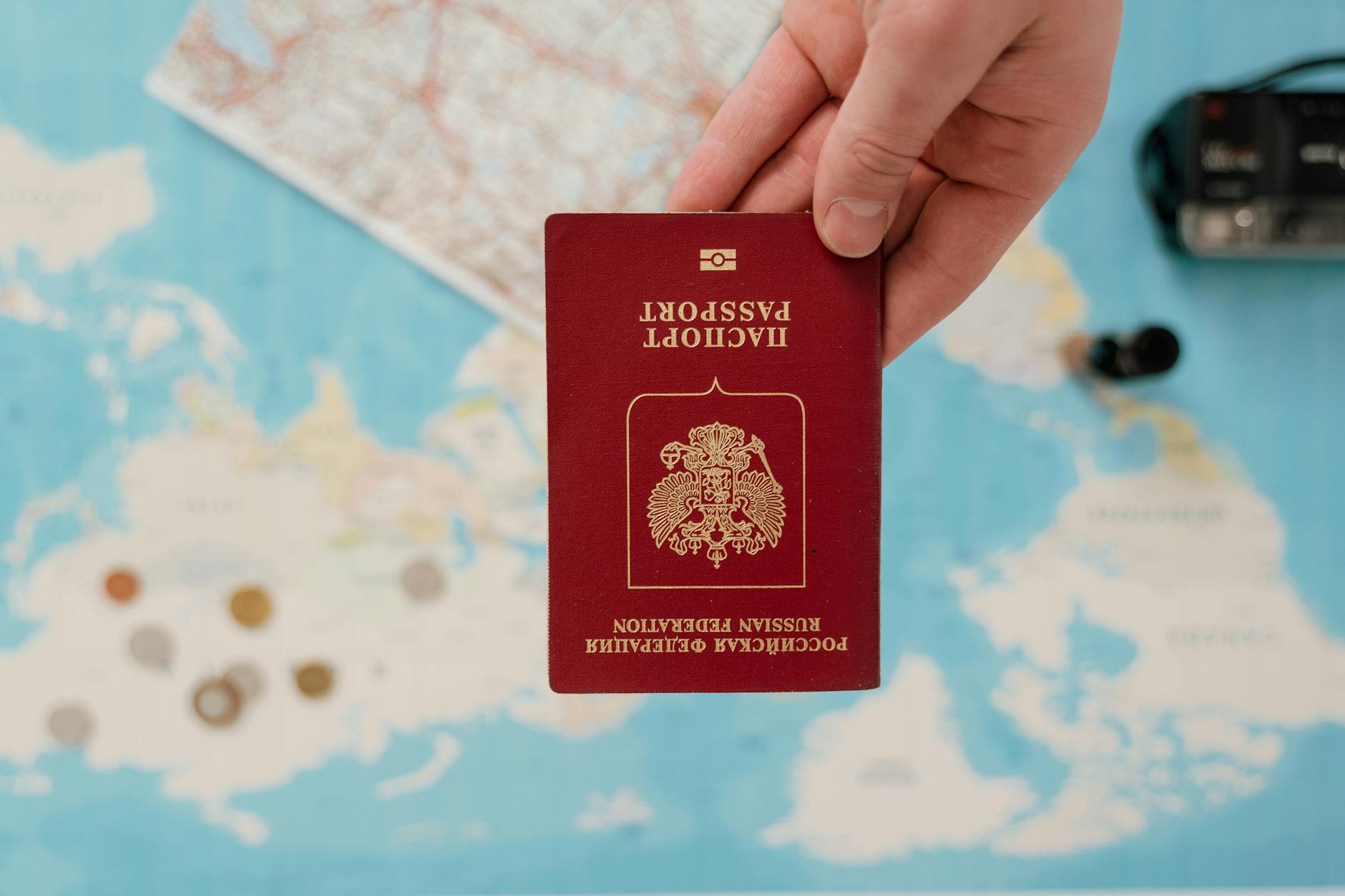
A passport carried routinely in a purse as a general identification document exposes one of the most valuable identity documents in existence to the full range of loss, theft, and damage risks that everyday purse carry entails. The biographical data page of a passport contains the name, nationality, date of birth, photograph, and document number that collectively constitute a near-complete identity package that fraudsters use to create counterfeit identity documents, apply for financial products, and circumvent identity verification systems that rely on passport data as a primary authentication standard. Passport replacement involves a significant administrative process, consular fees, and in an overseas context the possibility of travel disruption that makes loss prevention the overwhelmingly preferable outcome compared to replacement management. A government-issued driver’s license or state ID card serves the identification function required for virtually all domestic daily transactions without exposing the additional international travel documentation value that a passport represents. Carrying a passport only on days when international travel or a specific identification requirement that only a passport satisfies is genuinely anticipated is the security practice that protects this document from the everyday exposure that routine purse carry creates.
Membership and Loyalty Cards

A purse filled with loyalty cards, membership credentials, gym access fobs, and club cards provides a detailed behavioral and organizational profile to anyone who examines its contents, mapping the holder’s regular locations, activity patterns, and organizational affiliations in a way that facilitates targeted follow-up fraud and enables social engineering attacks. A thief who knows from loyalty cards that the victim shops at specific stores, frequents particular locations, and belongs to identified organizations has a roadmap for impersonation attacks that begin with calls or messages claiming to be from those very organizations. Pharmacy loyalty cards that display or are linked to medical service providers carry additional sensitivity because they connect the victim’s identity to health information that enables medical identity theft, a form of fraud whose consequences include corrupted medical records with genuine clinical safety implications. Digital loyalty programs accessible through smartphone applications eliminate the need to carry physical cards while providing the same commercial benefits through a device that is both password-protected and equipped with remote wipe capability if lost. Reviewing the contents of the card section of a purse and removing every card not required for that specific day’s activities significantly reduces the informational profile exposed by any theft or loss event.
Spare Medication

Prescription medication carried loosely in a purse without secure containment represents a security and privacy risk whose dimensions extend beyond pharmaceutical theft to include the medical information disclosure that labeled prescription bottles provide to anyone who examines the purse contents. A prescription label displays the patient’s full name, home address, prescribing physician’s name, pharmacy details, and the specific medication prescribed, collectively providing a detailed medical and personal profile that enables insurance fraud, prescription fraud, and targeted social engineering using the physician’s name or pharmacy as a social legitimacy credential. Controlled substances carried in a purse represent a theft target independent of the identity information on the label, with the pharmaceutical value creating a theft motivation that operates separately from the financial fraud potential of other purse contents. Carrying only the medication needed for the specific day in an unmarked travel container reduces both the pharmaceutical theft risk and the medical information disclosure risk without compromising access to necessary treatment. Medication that must be carried daily for genuine medical need is most securely transported in an unmarked case that provides no external information about its contents.
Old Receipts
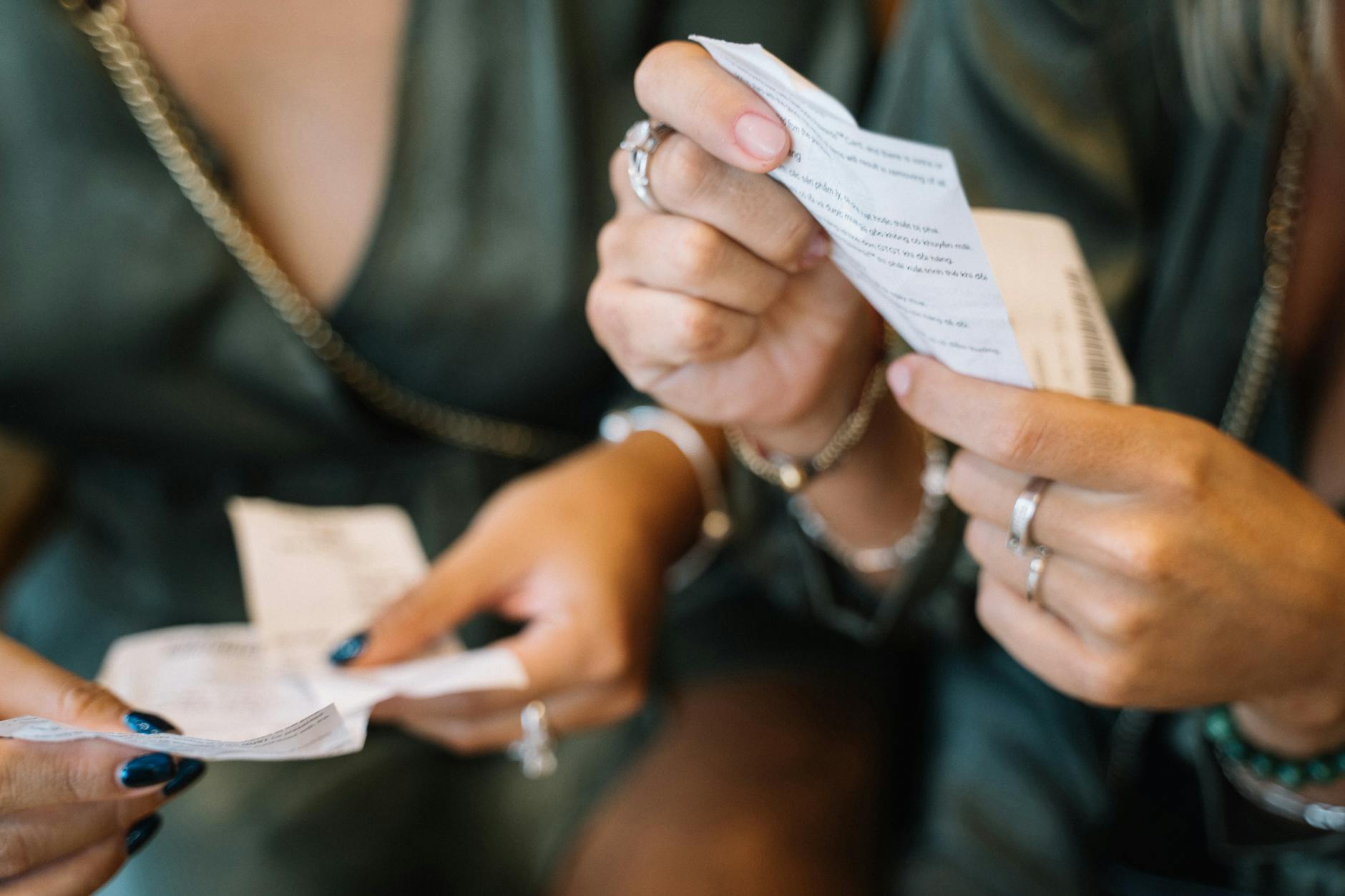
A purse that functions as a receipt archive contains a detailed transaction history that collectively reveals far more personal and financial information than any individual receipt suggests in isolation. Receipts from restaurants, retailers, fuel stations, and service providers that accumulate over weeks or months map the holder’s regular locations, spending patterns, financial accounts used, and daily movement patterns in a way that a skilled analyst can use to predict behavior, identify home and work locations, and construct a detailed personal profile from what appears to be innocuous paper detritus. Receipts from card transactions that display partial account numbers, merchant names, and transaction dates provide the supplementary data that fraudsters combine with other stolen information to pass security verification questions and authenticate unauthorized account access. ATM receipts that display account balances are a specific subcategory of concern whose informational value to a thief is disproportionate to the small piece of paper they represent. Clearing receipts from a purse at the end of each day, shredding rather than discarding those that contain financial information, and opting for digital receipt delivery where available eliminates the accumulated transaction profile that a receipt-filled purse represents.
USB Drives

A USB drive carried in a purse without encryption represents a portable data storage device that may contain work files, personal documents, financial records, and other sensitive information with no access barrier beyond physical possession of the device. The security community consistently identifies unencrypted portable storage as one of the highest-risk categories of data exposure because the combination of small size, portability, and absence of authentication creates a data theft scenario that requires no technical sophistication from the thief beyond plugging the device into any available computer. Work-related USB drives containing confidential business information, client data, or proprietary documents create both personal and organizational liability when lost or stolen, with data breach notification obligations in many jurisdictions that can follow from the loss of unencrypted portable storage containing personal data. Encrypted USB drives that require a password before any data can be accessed reduce the exposure from loss or theft to the physical replacement cost of the device itself rather than the potentially substantial consequence of the data it contains. Evaluating whether the convenience of USB drive carry is genuinely necessary given cloud storage alternatives that provide secure authenticated access from any device is the first question worth addressing before addressing the encryption issue.
Car Registration Documents
Vehicle registration documents carried in a purse rather than stored in the vehicle itself create an information exposure that connects the holder’s identity to their vehicle description, license plate number, and home address in a single document that a purse thief receives as a comprehensive vehicle and residential targeting package. A thief who acquires both a set of car keys and a registration document showing the home address has the means, the target description, and the destination required for vehicle theft from the victim’s home with no further reconnaissance required. Registration documents kept in the vehicle itself create a different but related risk scenario where a vehicle break-in yields the residential address, and security professionals are divided on the optimal storage location, with the purse scenario adding the compounding risk of combined theft with other personal documents. A photograph of the registration stored in the phone’s password-protected photo library provides the reference capability that roadside stops occasionally require without exposing the physical document to the theft risk of daily purse carry. Consulting the specific requirements of the jurisdiction regarding proof of registration during traffic stops before removing the physical document from the vehicle ensures that the alternative storage approach is legally compliant.
Blank Checks

A single blank check or a small supply of blank checks carried as a payment contingency creates a financial vulnerability that substantially exceeds the payment convenience it provides in an era when electronic payment alternatives are available in virtually all transaction contexts where checks remain accepted. The routing and account numbers printed on a blank check are sufficient for a fraudster to initiate unauthorized ACH transfers, establish fraudulent payee relationships with the victim’s bank account, and produce counterfeit checks that clear against the account before the fraud is detected through normal account monitoring. Unlike a stolen credit card that requires an active transaction to generate a fraud alert, check account information can be harvested from a blank check and exploited through back-channel banking processes that may not generate immediate alerts. The time between a purse theft and the detection of check-related account fraud can be long enough that significant funds have been transferred before the victim or their bank identifies the problem. Removing blank checks from daily purse carry and accessing checkbook facilities only on specific occasions when a check payment is known to be required is the security adjustment that eliminates this exposure without meaningfully restricting payment flexibility.
Insurance Cards
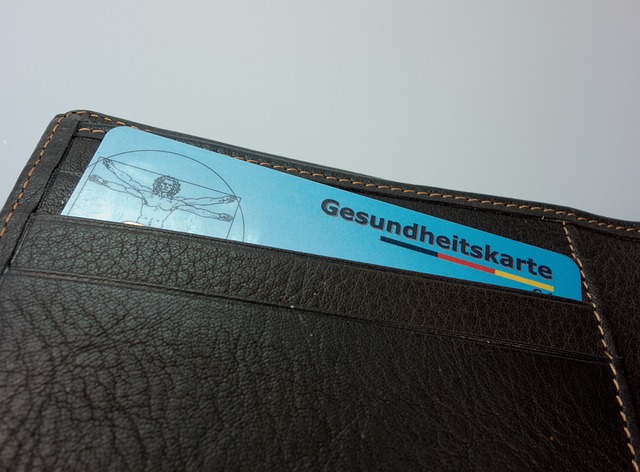
Health, dental, vehicle, and other insurance cards carried in a purse provide a thief with the insurance account numbers, group policy identifiers, and coverage details that enable medical identity theft, fraudulent insurance claims, and the assumption of the victim’s insurance identity for obtaining services billed to the legitimate account holder. Medical identity theft is among the most harmful and difficult-to-resolve forms of identity fraud because it introduces incorrect information into medical records that may influence clinical decisions long after the financial consequences have been addressed, creating a patient safety dimension that financial identity theft does not share. A stolen health insurance card used to obtain services in the victim’s name generates medical records under the victim’s identity that may contain diagnoses, medications, and treatment histories that are medically inaccurate for the actual patient and that can affect insurance coverage eligibility, premium calculations, and clinical treatment in ways that are discovered only when the harm has already been embedded in the record. Carrying digital photographs of insurance cards in a password-protected application rather than physical cards reduces the exposure to theft while preserving access to the information required for healthcare appointments and emergencies. Reporting insurance card theft to the insurer immediately allows the account to be flagged for suspicious activity in the same way that credit card theft reporting triggers fraud monitoring.
Work Access Badges

An employer-issued access badge carried in a purse creates a corporate security exposure that extends well beyond the personal security risk of other purse items because its theft provides unauthorized physical access to organizational facilities, systems, and the assets and personnel they contain. A lost or stolen access badge that is not immediately reported to the issuing organization creates a window during which the badge can be used to enter secure areas, access sensitive information, tailgate through security checkpoints, and establish a physical presence within a facility that the organization believes is secure. The value of a corporate access badge to a competitor, a fraudster, or a malicious actor operating for any number of motivations substantially exceeds its physical replacement cost, making its prompt reporting upon loss an organizational security obligation as well as a personal one. Many organizations require badge reporting within a specific timeframe after a loss event is discovered, and failure to comply may itself constitute a policy violation with professional consequences independent of any security incident that follows. Keeping work access badges on a lanyard worn separately from the purse during working hours and removing them from the purse entirely when not in use significantly reduces the frequency with which these credentials are exposed to the theft risk of daily bag carry.
Children’s Personal Documents

Birth certificates, immunization records, school identification cards, and other documentation related to children carried in a parent’s purse expose the personal information of minors who have no capacity to monitor or respond to identity theft conducted in their names and whose clean credit history makes them attractive targets for long-duration identity fraud that may remain undetected until the child reaches adulthood. Child identity theft exploiting stolen documentation is a recognized and growing category of fraud precisely because the long detection window between theft and the child’s first attempt to use their own credit allows fraudsters to exploit the identity across many years without triggering the monitoring systems that adults maintain for their own accounts. School records and immunization documents that include healthcare provider names, treatment histories, and institutional affiliations provide the supplementary personal information that enables medical identity theft in children’s names with the same clinical record contamination consequences that adult medical identity theft produces. Carrying children’s original documents only when a specific appointment or enrollment requirement genuinely necessitates their presentation and storing them in a secure home location otherwise protects the most vulnerable members of the household from an identity theft category whose consequences they would inherit as adults. Digital copies accessible through a secure application provide the reference capability needed for most routine purposes without exposing original documents to the loss and theft risk of daily carry.
A Second Phone
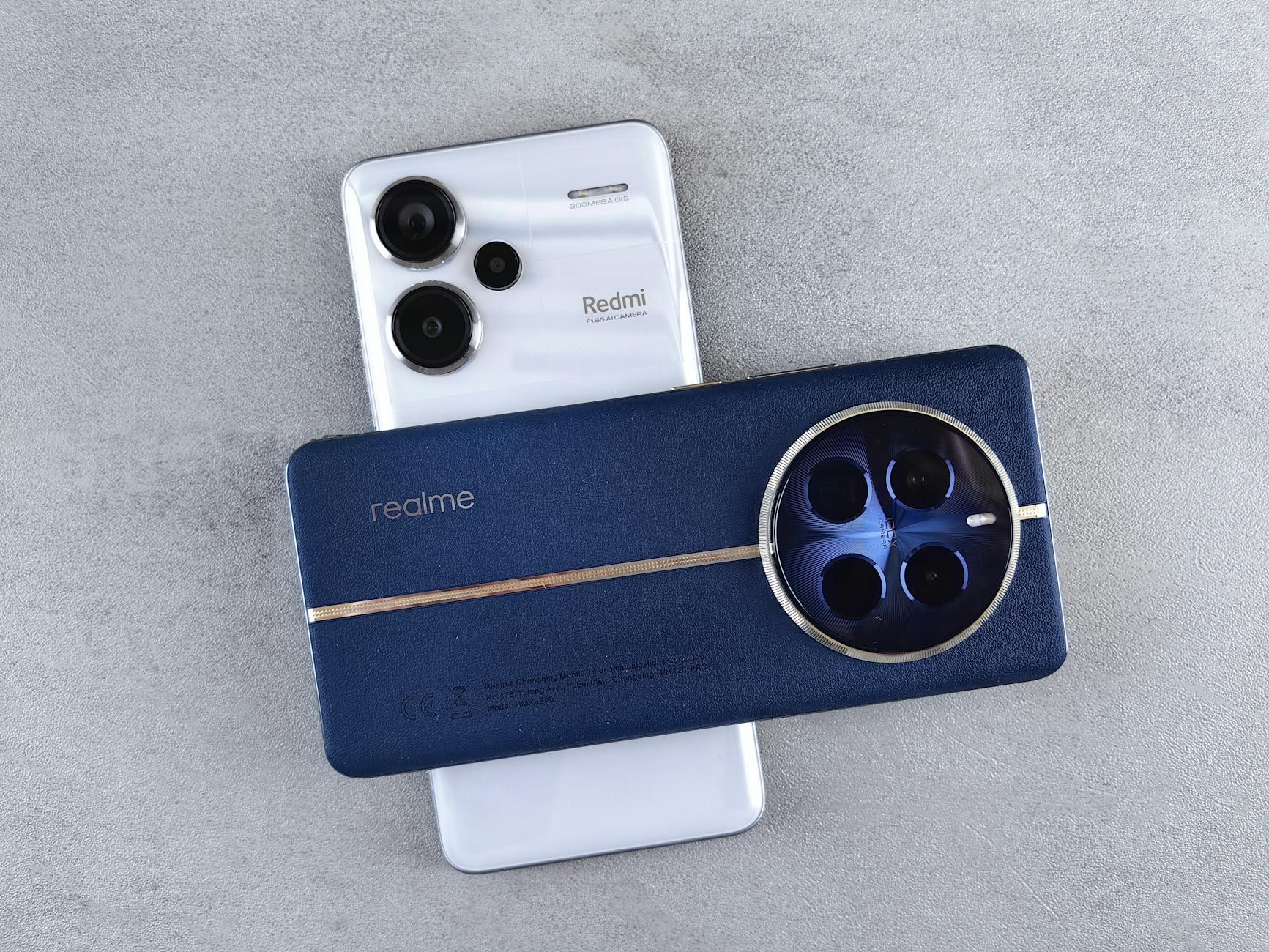
A secondary or backup phone carried in a purse doubles the digital asset exposure of a theft event while providing a second vector through which personal accounts, communications, and stored data can be accessed if the device is not adequately secured. An older phone carried as a backup that has not been updated to current operating system security standards represents a particularly valuable theft target because it may retain access to accounts that the owner believes have been superseded by the primary device without having explicitly revoked that access. A backup phone that lacks a strong lock screen password, biometric authentication, and remote wipe capability provides essentially open access to its contents to anyone who possesses the physical device, bypassing the account-level security that the services stored on it may otherwise enforce. The contact lists, message histories, authentication applications, and account recovery credentials that phones routinely store make a secondary phone an identity and account access resource whose value to a thief may exceed that of the primary device if the security measures applied to it are less rigorous. Applying the same security configuration to any phone carried in a purse as to a primary device, enabling find-my-device and remote wipe functionality, and auditing the accounts accessible through each device before establishing a carry habit ensures that the convenience of a backup phone does not create a security liability disproportionate to its practical utility.
A Fully Charged External Battery Connected to a Phone
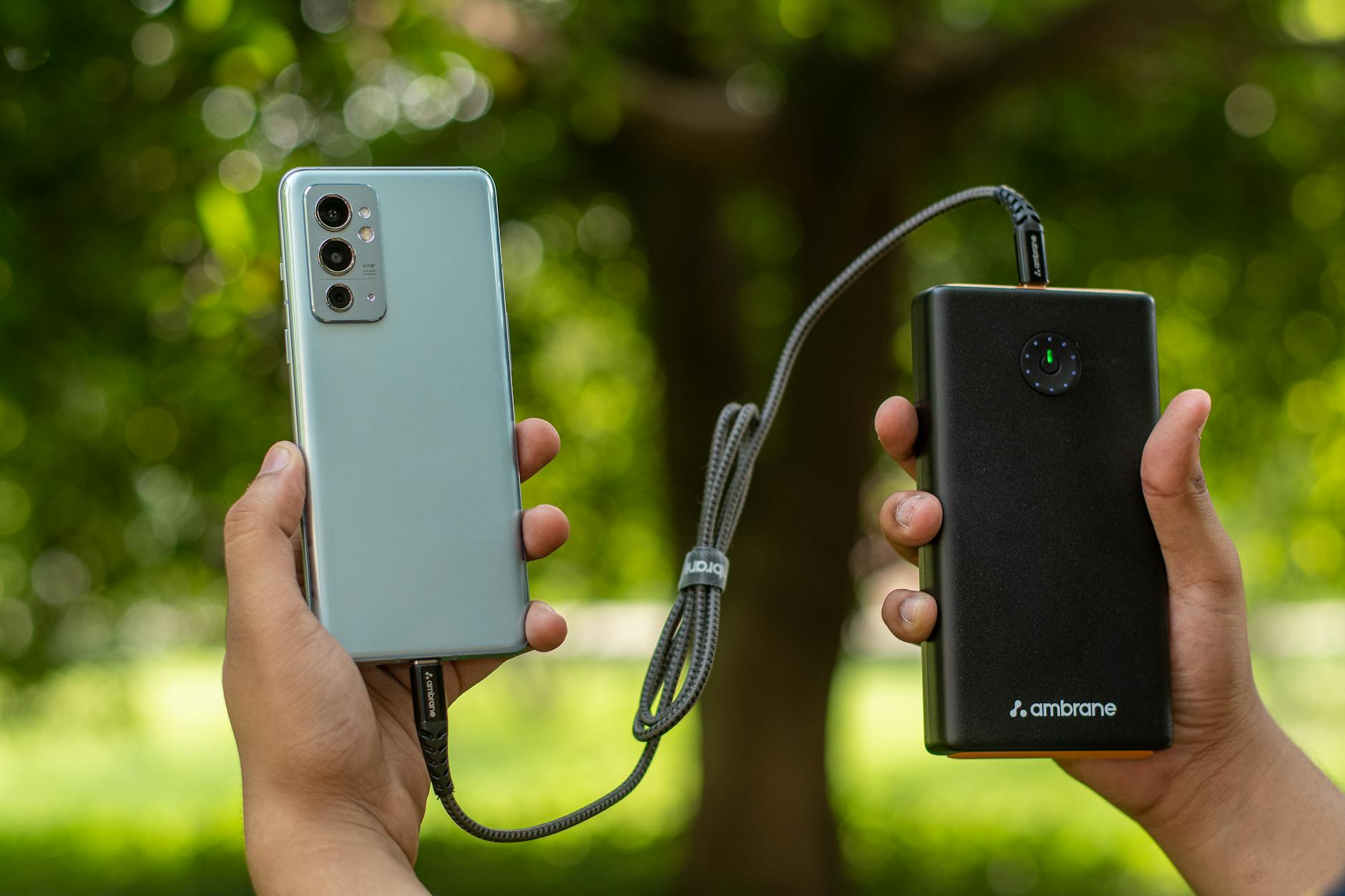
A power bank actively connected to a charging phone via a cable carried in a purse creates a physical arrangement that makes both devices more likely to be removed together in a grab-and-run theft scenario than either device carried independently. The cable connection between a power bank and a phone creates a physical link that reduces the ability to drop one item while retaining the other in a sudden theft situation, and the combined value and data accessibility of both devices in a single connected unit represents a more attractive and comprehensive theft target than either item alone. Beyond the practical theft facilitation issue, public charging cables and even some power banks have been identified in security research as vectors for data transfer attacks in which a charging connection is exploited to access the connected device’s data rather than merely delivering power. The security advisory known as juice jacking, while requiring technical sophistication from the attacker, represents a genuine attack vector that USB data-blocking adapters address by permitting power transfer while preventing data communication through the same cable. Charging devices fully before departure rather than during transit, or using charging-only cables that physically disable data transfer pins, eliminates the charge-and-carry arrangement that compounds both theft and data security risks.
Gym or Club Access Fobs
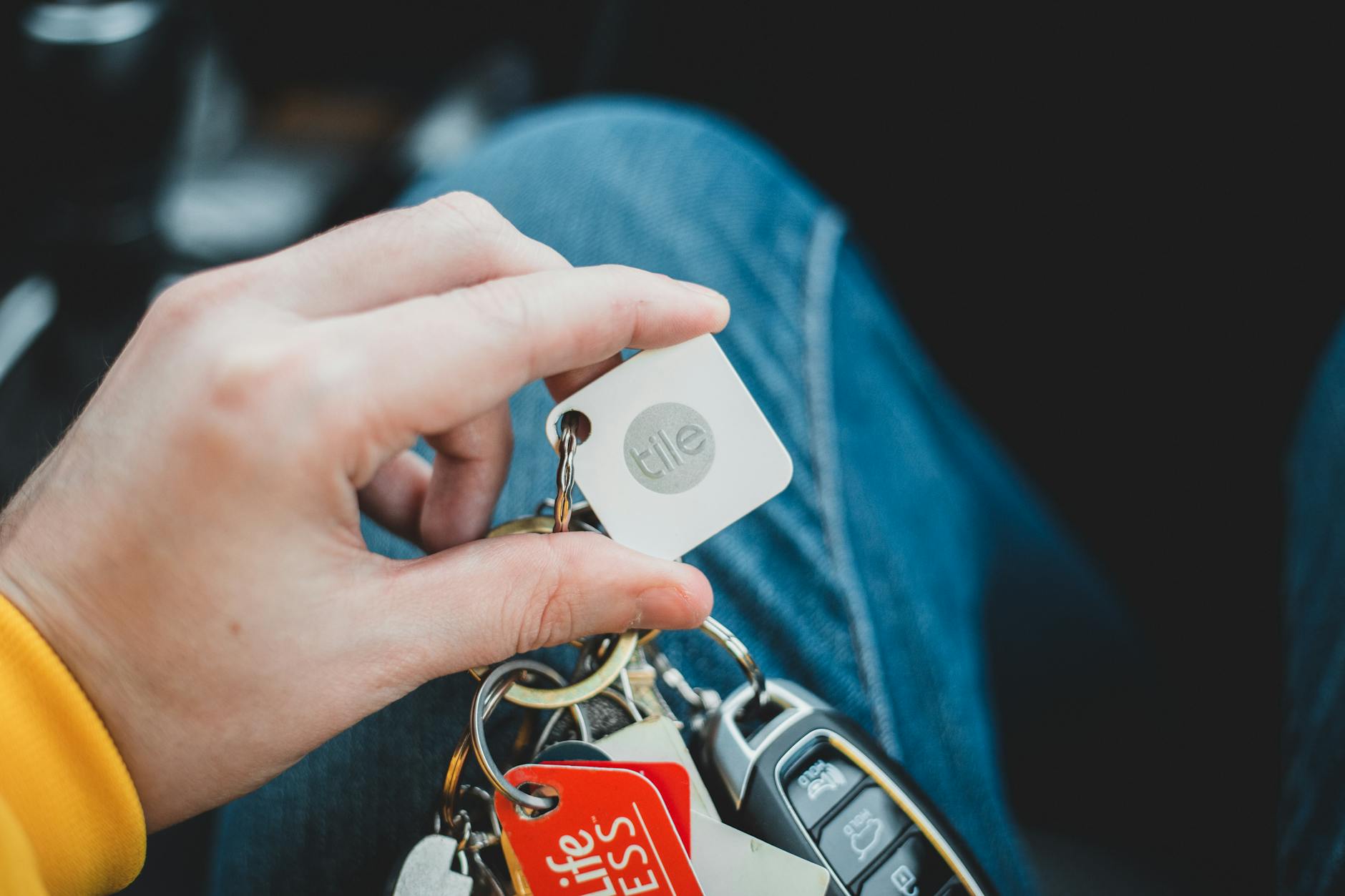
Electronic access fobs for gyms, clubs, residential buildings, parking structures, and similar facilities carried as a permanent purse attachment provide physical access to secure locations beyond the home and workplace that a purse thief can exploit before the victim has had an opportunity to report the theft to the relevant facility. A residential building access fob lost with a purse that also contains documents displaying the building’s address creates the same combined access-and-targeting scenario as lost house keys with an address-bearing document, with the added concern that electronic fobs do not require lock replacement but rather deactivation and reissuance through the building management system that the victim must initiate. The multiplicity of access fobs that many people accumulate across memberships and building relationships means that a purse may contain several independent access credentials to separate secure locations, each of which requires individual reporting and deactivation following a theft event. Reporting all access fobs to their respective issuing organizations immediately following any purse theft, before addressing other loss consequences, minimizes the window during which physical access to associated locations remains possible for the thief. Keeping fobs not required for that day’s specific activities at home rather than as permanent purse fixtures reduces both the access exposure and the replacement management burden of any theft event.
A Detailed Personal Diary or Planner

A personal diary or detailed paper planner carried in a purse provides a comprehensive profile of the holder’s daily movements, regular locations, personal relationships, financial appointments, and future plans that constitutes a social engineering resource of significant value to a thief who intends to exploit the theft beyond its immediate financial yield. The home address, workplace location, regular schedule, and names of contacts recorded in a detailed planner map the victim’s predictable movements in a way that enables physical surveillance, targeted follow-up theft, and the identification of periods when the residence is likely to be unoccupied based on the recorded schedule. Personal diary entries that include reflections on relationships, financial situations, and personal circumstances provide the intimate knowledge that sophisticated social engineering attacks and targeted manipulation require, enabling approaches that exploit personal vulnerabilities the victim did not intend to expose. The combination of a planner and other identifying documents in a stolen purse provides enough personal intelligence to construct a targeted fraud campaign that goes well beyond the opportunistic exploitation of payment card details. Digital calendar and notes applications secured by device authentication and cloud backup provide the organizational functionality of a physical planner with the security of password protection and the recovery capability of remote wipe, eliminating the personal intelligence exposure that a physical planner in a daily bag creates.
If any of these items are currently sitting in your purse, share which ones you plan to remove first in the comments.