
Most home cooks assume that familiar pantry staples are completely safe to use in any quantity or preparation method. The reality is that many everyday ingredients contain natural compounds that become harmful under certain conditions. Understanding the correct handling and limits of these ingredients is an essential part of truly safe cooking. From spices to seeds to everyday vegetables, the line between nourishing and harmful is sometimes surprisingly thin. Read on to discover which common kitchen ingredients deserve more caution and respect than they typically receive.
Raw Elderberries
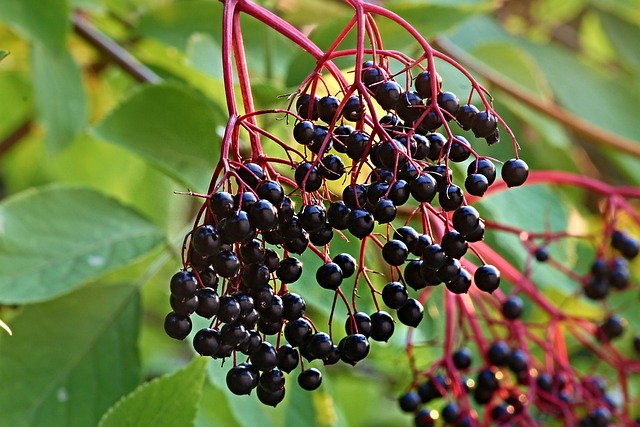
Elderberries are widely used in syrups and preserves for their impressive immune-supporting properties. The raw berries and other parts of the elderberry plant contain a compound called sambunigrin that produces cyanide in the body. Consuming raw elderberries can cause nausea, vomiting, and severe digestive distress within hours of ingestion. Cooking the berries thoroughly breaks down this toxic compound and makes them safe for consumption. Only properly prepared elderberry products should ever be consumed.
Nutmeg

Nutmeg is a beloved spice found in everything from baked goods to warm holiday drinks. It contains a naturally occurring compound called myristicin that acts as a psychoactive substance in large doses. Consuming more than two teaspoons of ground nutmeg can trigger hallucinations, rapid heart rate, nausea, and disorientation. These effects can last for several hours and have resulted in emergency medical visits. Small culinary amounts used in everyday cooking remain perfectly safe and present no health risk.
Bitter Almonds
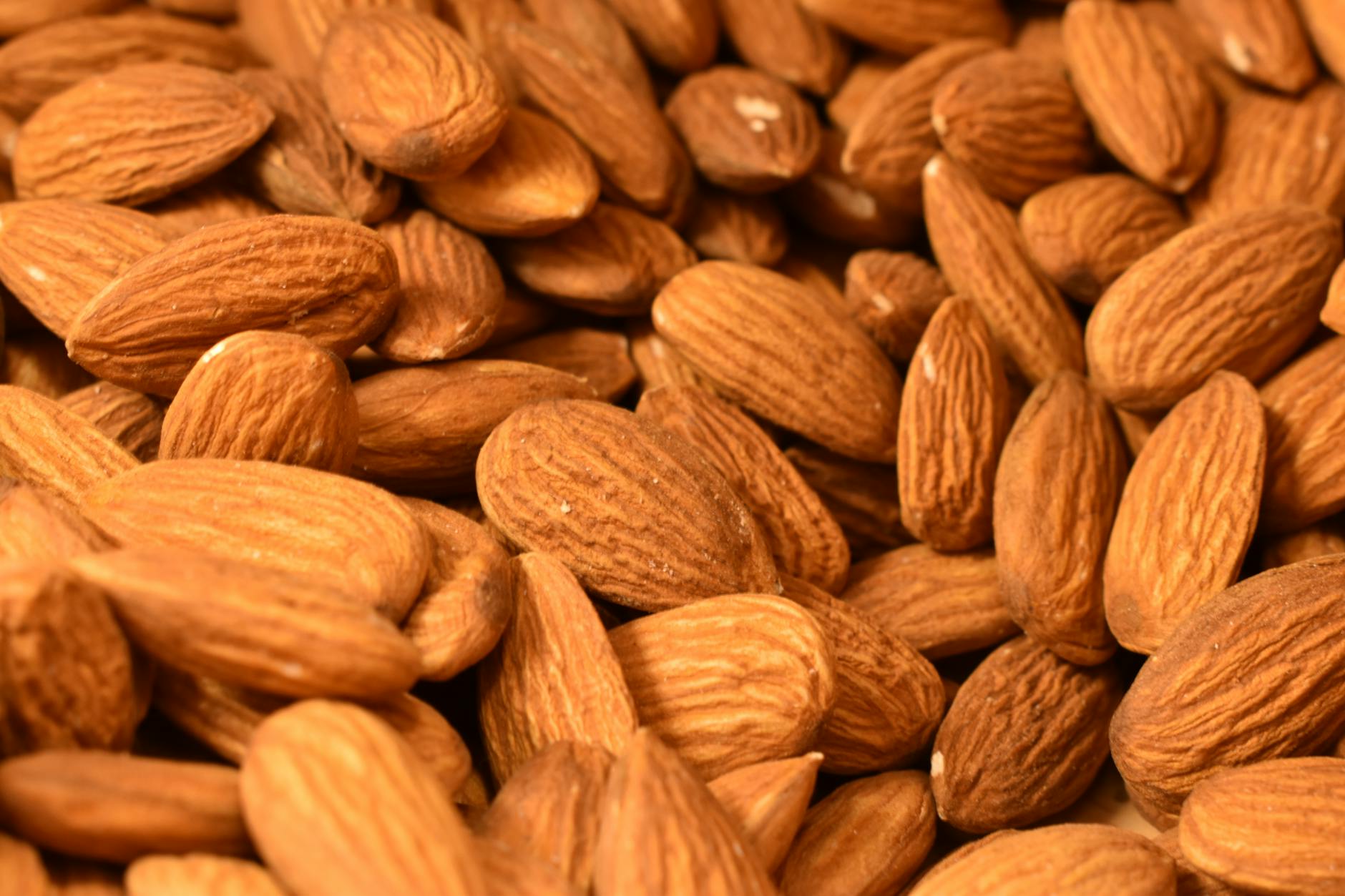
Bitter almonds look nearly identical to the sweet almonds sold in grocery stores but are chemically very different. They contain high levels of amygdalin, a compound that the body converts into hydrogen cyanide after ingestion. Even a small number of raw bitter almonds can cause toxic reactions in adults and can be fatal for children. In many countries the sale of raw bitter almonds is strictly regulated or outright banned. Only sweet almonds and commercially processed bitter almond products are safe for culinary use.
Kidney Beans
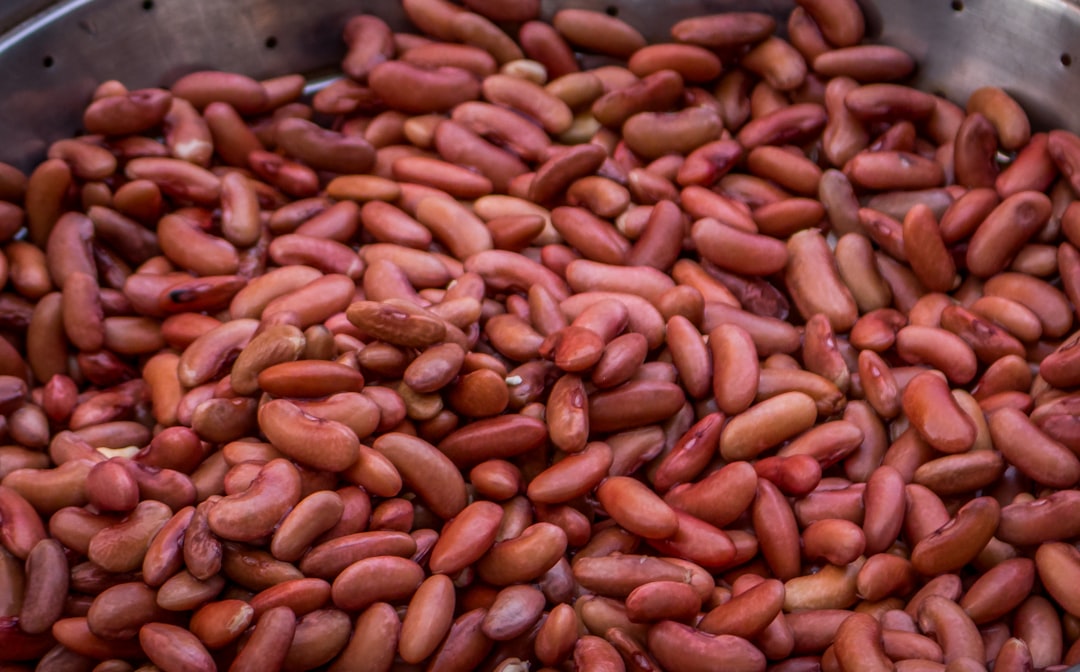
Kidney beans are a protein-rich staple in soups, stews, and chili recipes across the world. Raw or undercooked kidney beans contain extremely high levels of a toxin called phytohaemagglutinin, which disrupts normal cell function. Eating as few as four or five raw kidney beans is enough to cause violent vomiting and diarrhea within a few hours. Slow cookers set to low heat do not reach temperatures high enough to fully neutralize this compound. Kidney beans must always be boiled vigorously for at least ten minutes before consuming or adding to any dish.
Rhubarb Leaves
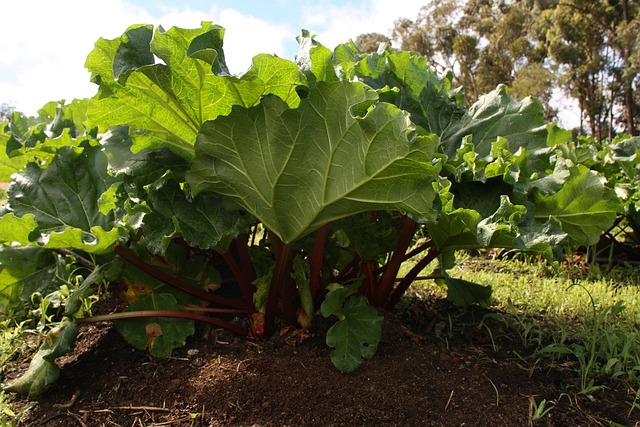
Rhubarb is commonly used in pies, crumbles, and sweet preserves, prized for its sharp and distinctive flavor. The stalks are the only part of the plant that is safe to eat and are the portion sold in markets. The leaves contain very high concentrations of oxalic acid and anthraquinone glycosides, both of which are toxic to humans. Ingesting rhubarb leaves can cause difficulty breathing, burning in the mouth and throat, and kidney damage. Every rhubarb leaf should be removed and discarded completely before any cooking preparation begins.
Apple Seeds
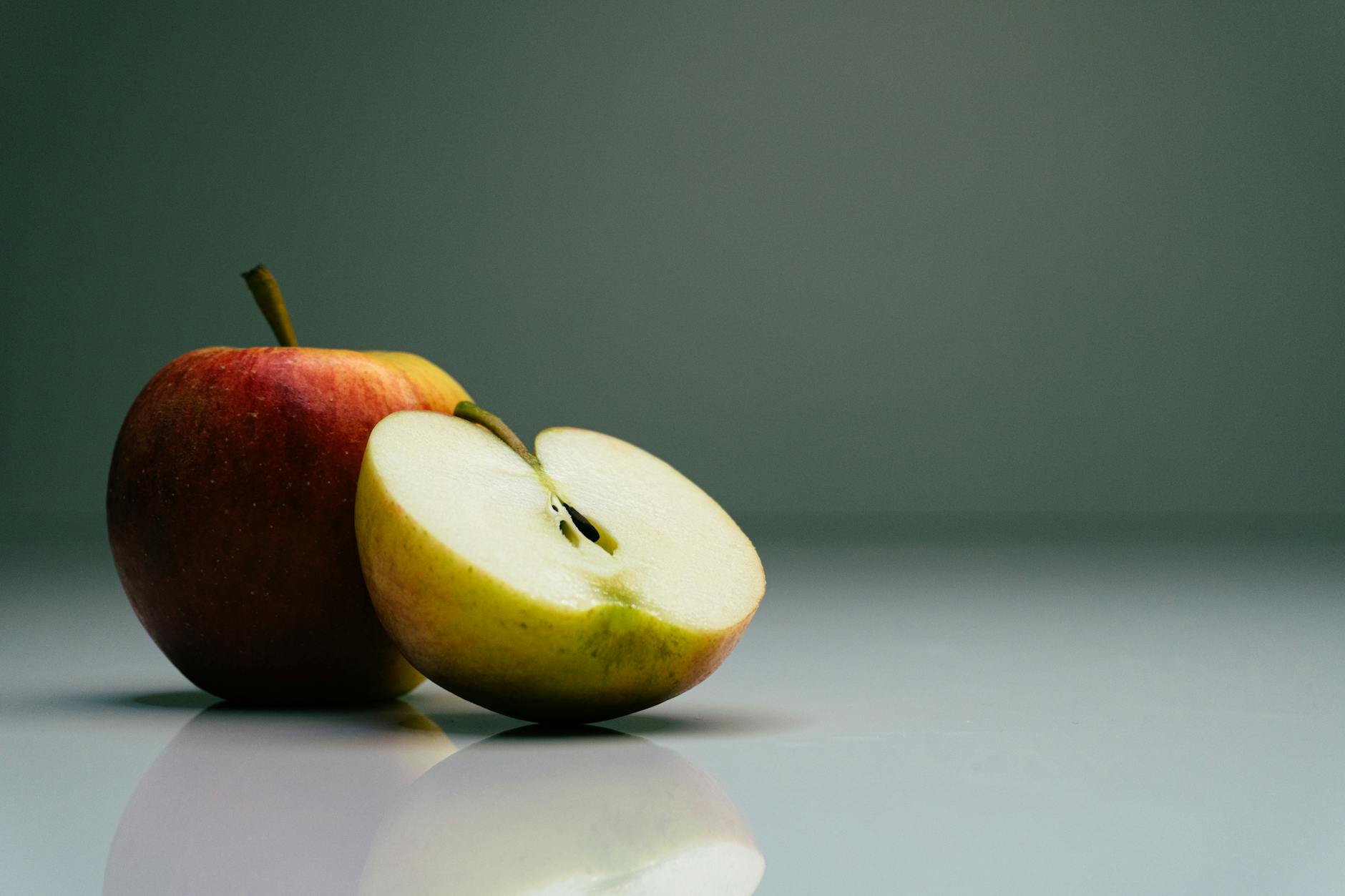
Apples are one of the most widely consumed fruits in the world and are associated almost universally with good health. The flesh and skin of the apple are entirely safe and nutritious in any quantity. However the seeds inside contain amygdalin which releases cyanide compounds when chewed and metabolized. A small number of accidentally swallowed whole seeds pose little risk since the outer coating often passes through the body intact. Regularly chewing or consuming large quantities of apple seeds is where the genuine toxic risk begins.
Potatoes
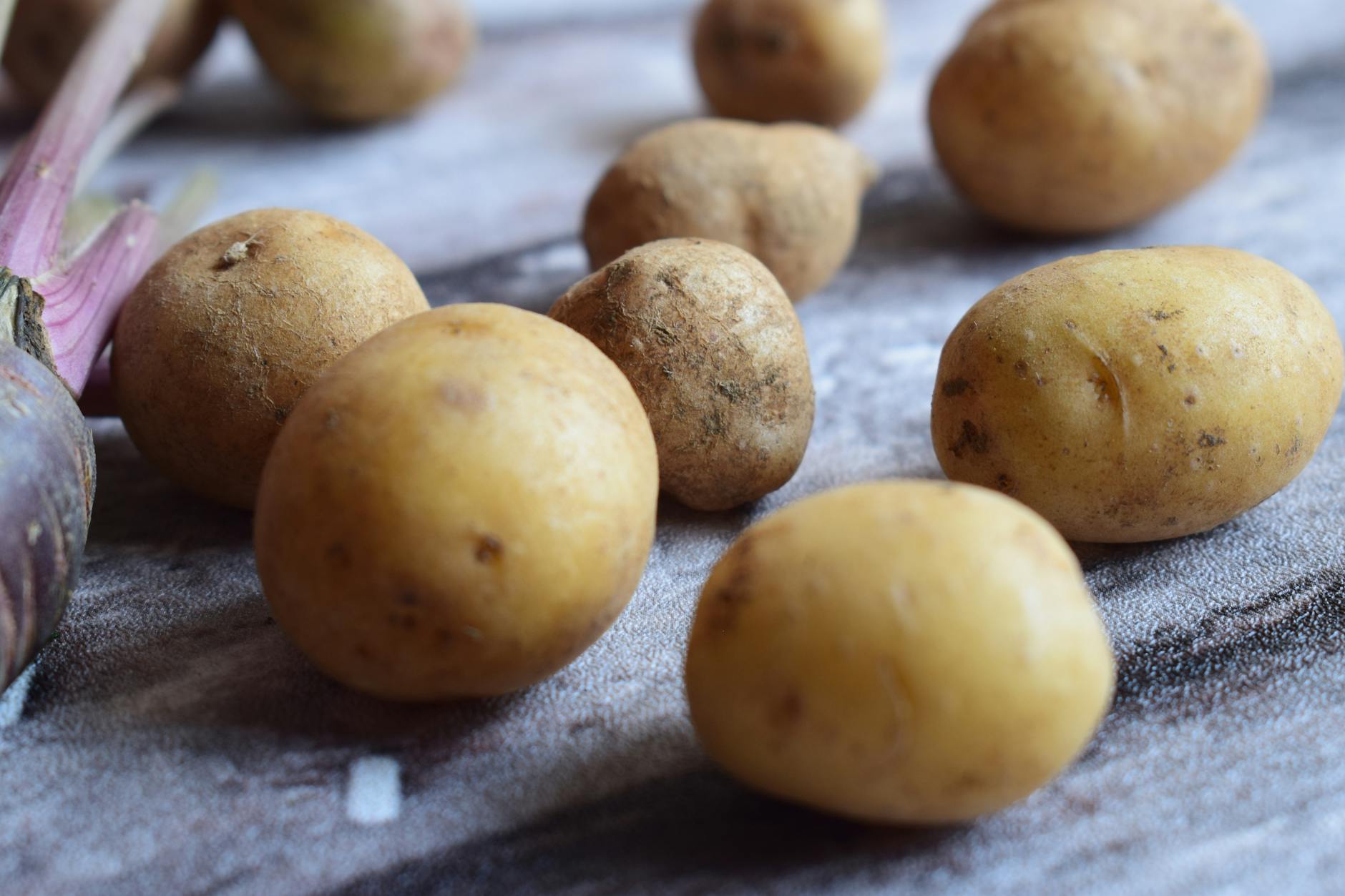
Potatoes are one of the most consumed vegetables globally and form the base of countless traditional dishes. Green patches on the skin and flesh of a potato indicate the presence of solanine, a natural toxin produced when potatoes are exposed to light. Solanine causes nausea, headaches, and neurological symptoms when consumed in sufficient amounts. Sprouted potatoes also accumulate solanine around and within the sprout growth points. Green or heavily sprouted potatoes should be cut away aggressively or discarded entirely rather than simply peeled and used.
Tuna
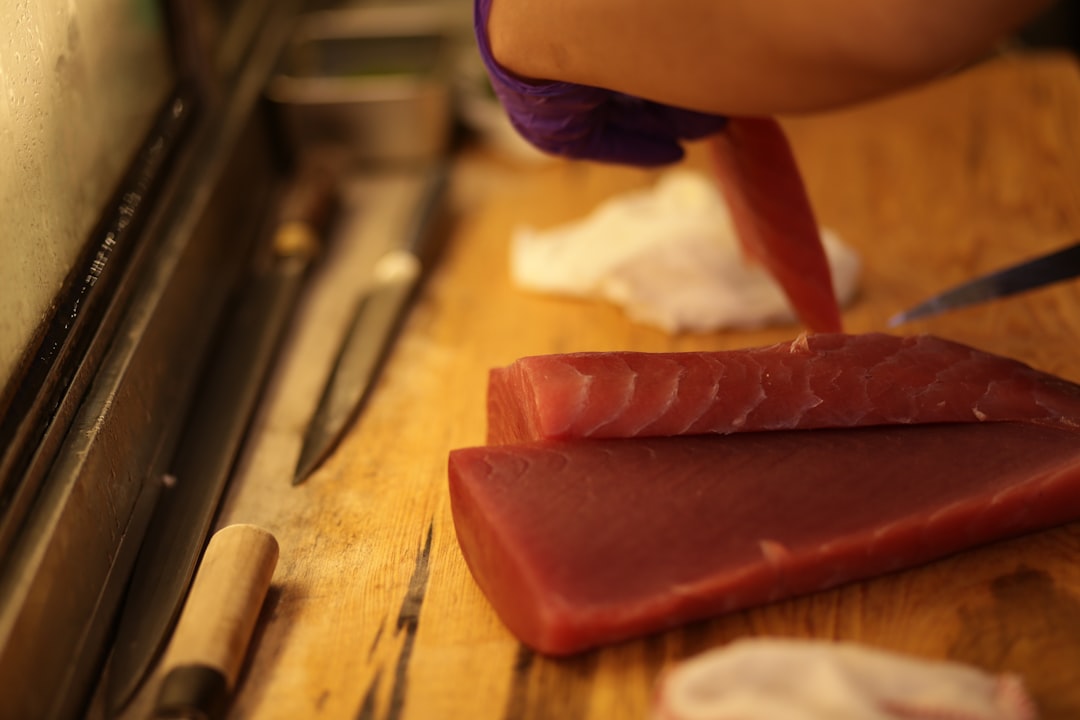
Tuna is a globally popular fish valued for its high protein content and convenience in both fresh and canned forms. Large species of tuna such as bluefin and albacore accumulate significant levels of mercury over their long lifespans. Regular consumption of high-mercury fish is linked to nervous system damage, memory problems, and developmental issues in children and unborn babies. Pregnant women and young children are advised by health authorities to strictly limit their intake of high-mercury tuna varieties. Choosing smaller fish or light canned tuna more frequently is a practical way to reduce mercury exposure.
Cassava
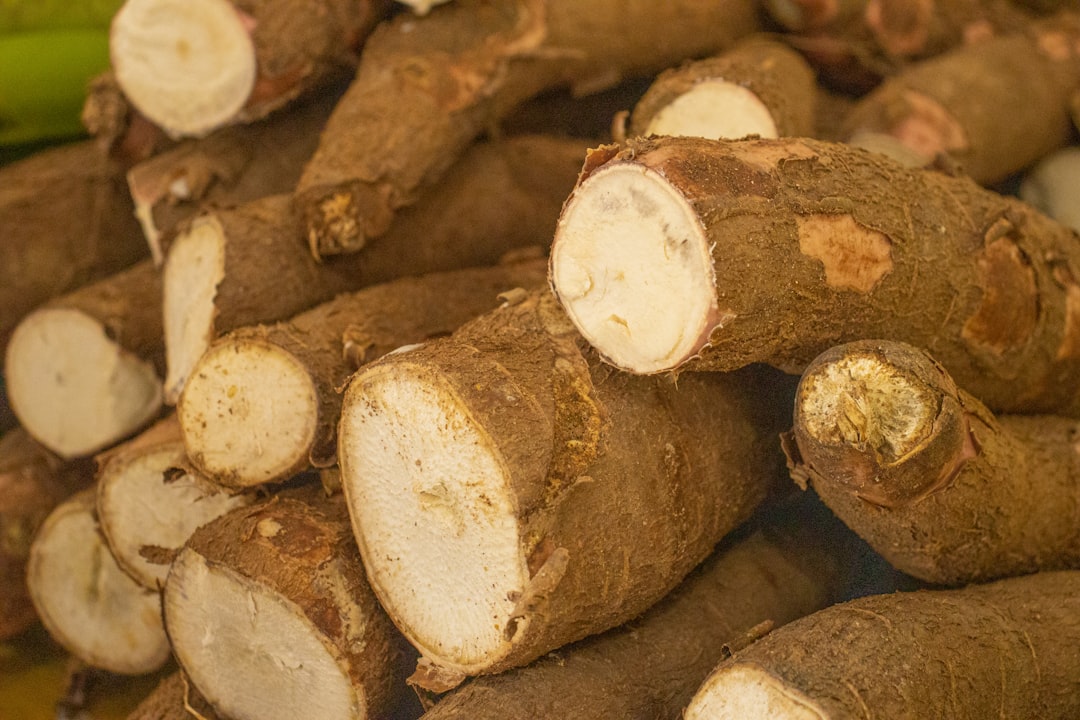
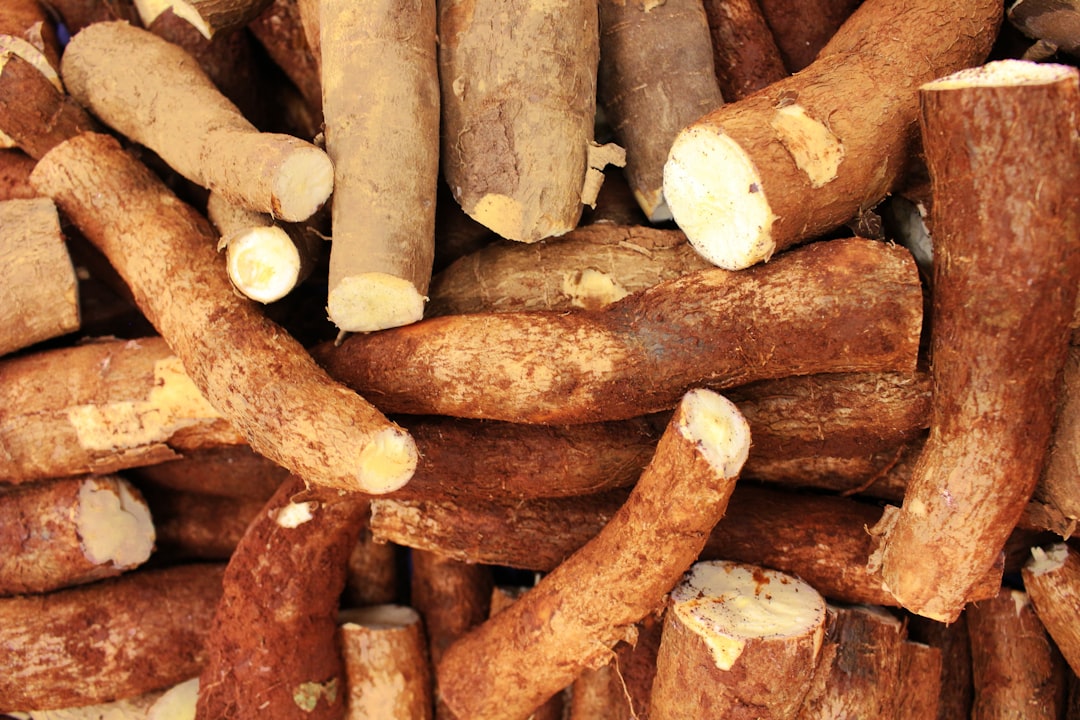
Cassava is a starchy root vegetable that serves as a primary calorie source for hundreds of millions of people across Africa, Asia, and Latin America. Both sweet and bitter varieties of cassava contain cyanogenic glucosides that release hydrogen cyanide when the raw root is cut, crushed, or chewed. Bitter cassava in particular contains dangerously high levels of these compounds and requires extensive processing before it is safe to eat. Traditional preparation methods such as soaking, fermenting, and cooking at high temperatures are critical for removing the toxic compounds. Eating raw or improperly prepared cassava has caused mass poisoning events in several regions of the world.
Tomato Leaves
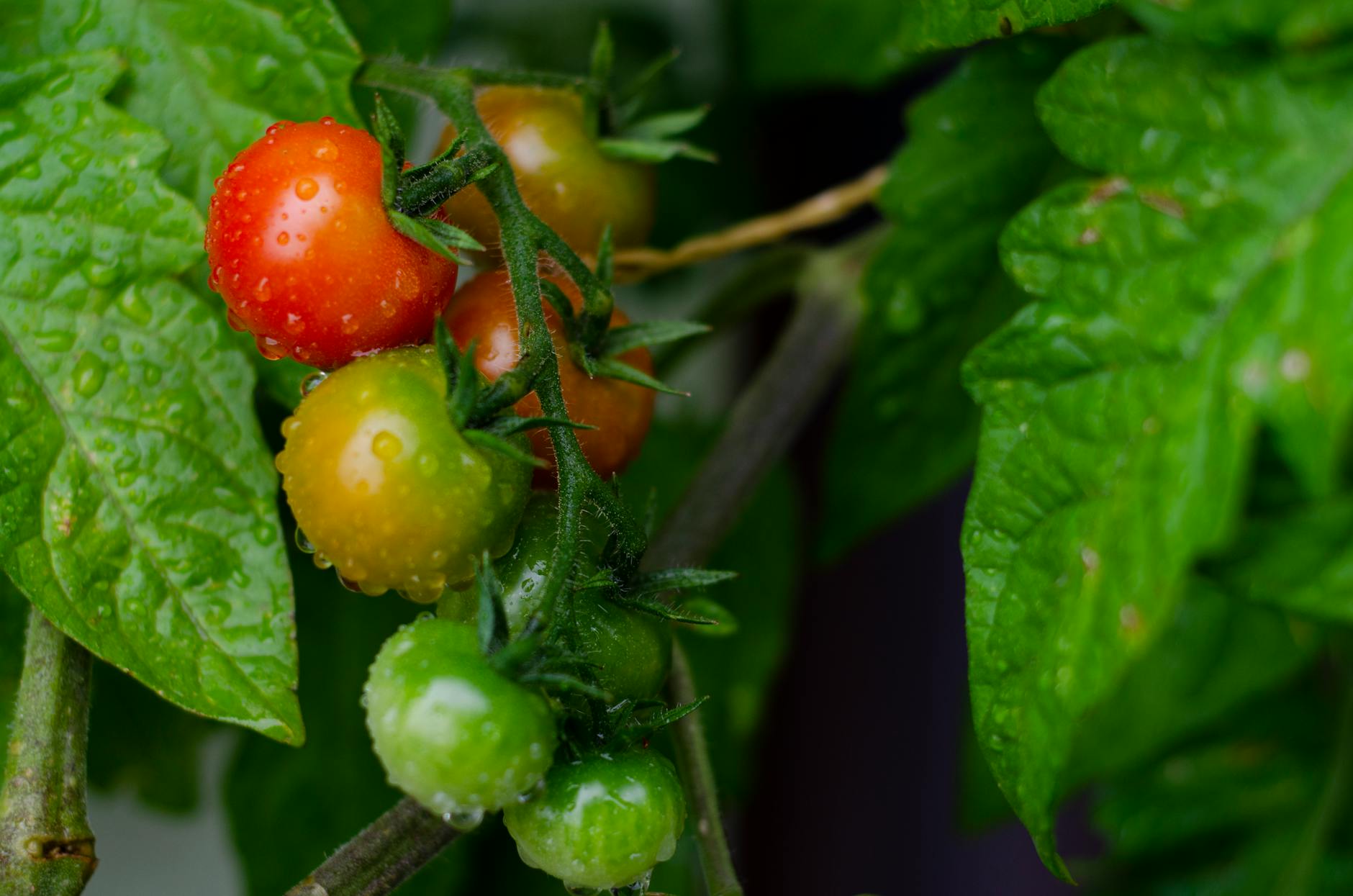
The tomato is one of the most widely grown and consumed ingredients in global cooking. While the fruit itself is safe and nutritious, the leaves and stems of the tomato plant contain alkaloids called tomatine and solanine. These compounds can cause gastrointestinal distress and in larger amounts may affect the nervous and cardiovascular system. Tomato leaves are occasionally suggested in some food media as a flavoring agent for sauces, which health professionals caution against. Only the ripe fruit of the tomato plant should be used in any culinary preparation.
Raw Honey
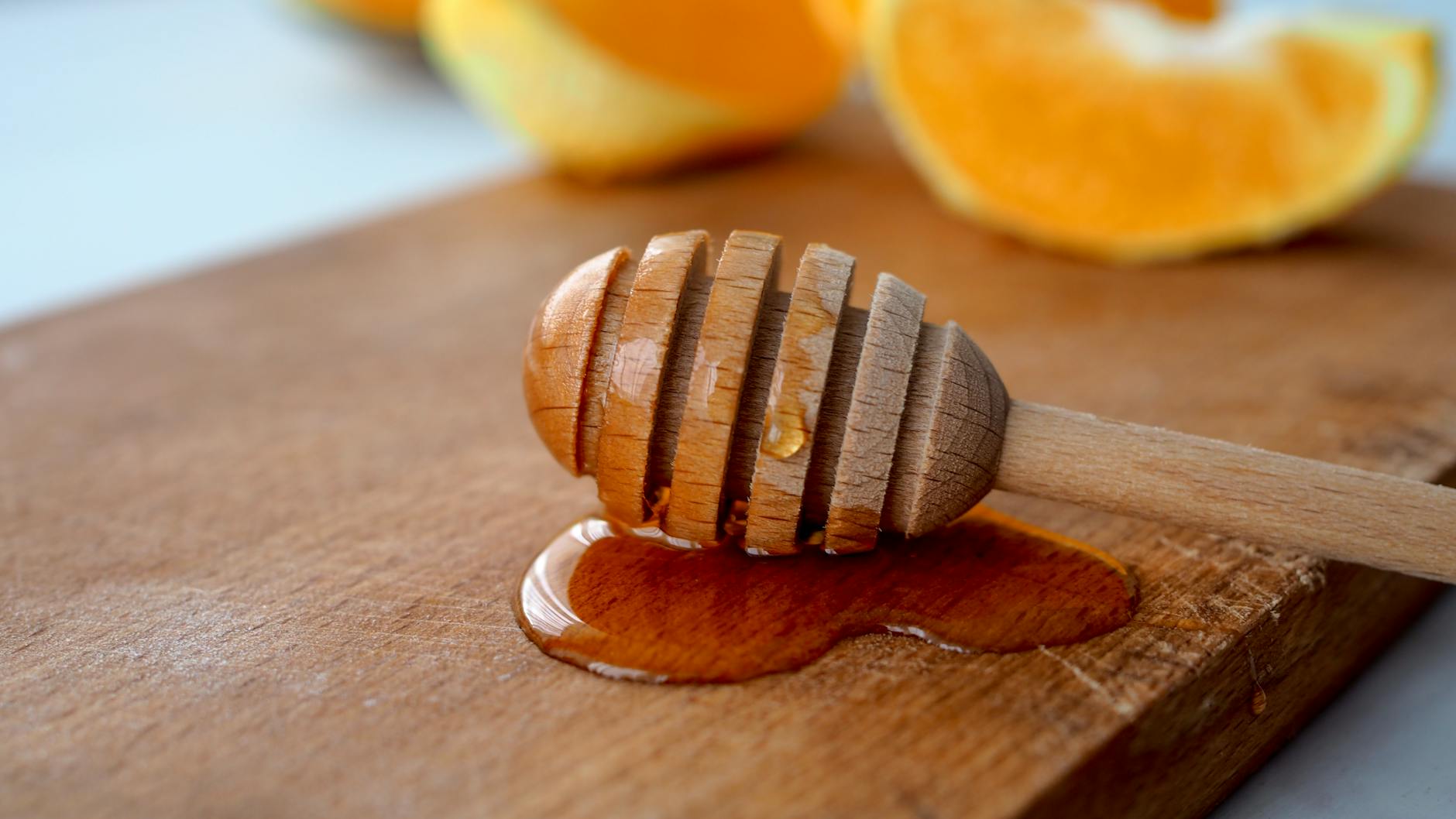
Raw honey has a long history of use in traditional medicine and cooking for its natural antibacterial and antioxidant properties. Unlike commercially pasteurized honey, raw honey may contain grayanotoxins from certain flower nectars, particularly from rhododendron plants. Consumption of honey made from these nectars can cause a condition historically known as mad honey disease, which includes dizziness, weakness, and irregular heartbeat. Raw honey also poses a serious risk to infants under twelve months because their undeveloped digestive systems cannot neutralize botulism spores it may contain. Adults and older children can consume raw honey safely in normal culinary amounts when it is sourced responsibly.
Star Fruit
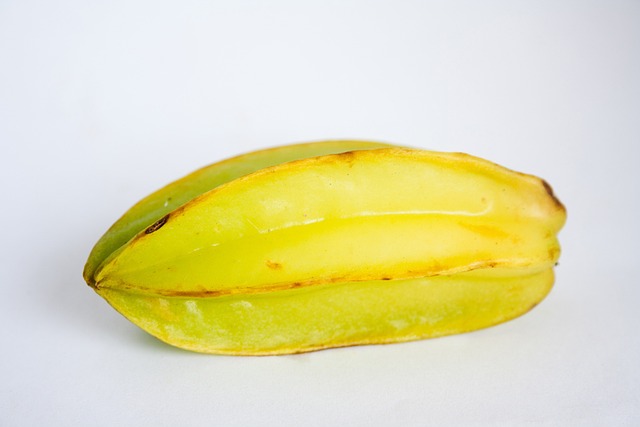
Star fruit is a visually striking tropical fruit used in juices, salads, and garnishes across Southeast Asia and beyond. It contains a neurotoxin called caramboxin that healthy kidneys are able to filter out of the body efficiently. For individuals with any degree of kidney impairment, even small amounts of star fruit can cause a dangerous buildup of this toxin in the bloodstream. Symptoms of star fruit toxicity in vulnerable individuals include hiccups, confusion, seizures, and in severe cases death. Anyone with kidney disease or reduced kidney function should avoid consuming star fruit in any form.
Cinnamon

Cinnamon is one of the most widely used spices in baking, beverages, and savory cuisines around the world. There are two primary types of cinnamon: Ceylon cinnamon and cassia cinnamon, with cassia being the far more common and affordable variety found in most supermarkets. Cassia cinnamon contains notably high levels of coumarin, a naturally occurring compound that can cause liver damage with frequent high-dose consumption. Consuming large amounts of cassia cinnamon powder, as seen in various internet food challenges, can also cause mouth sores, breathing difficulties, and choking. Using Ceylon cinnamon as a daily spice and treating cassia as an occasional flavoring significantly reduces any potential health risk.
Mushrooms
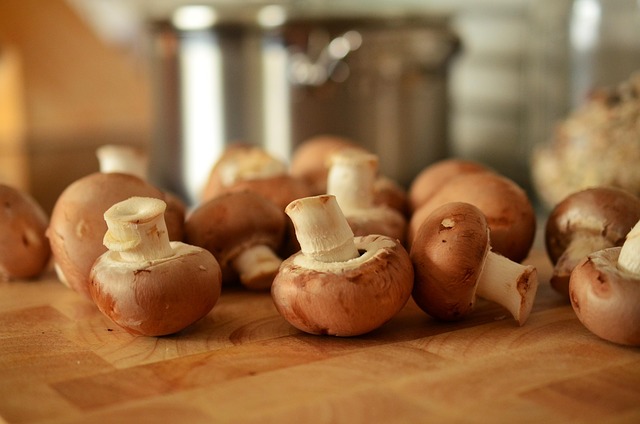
Mushrooms occupy a prominent place in cuisines from Italy and Japan to West Africa and Mexico. Dozens of wild mushroom species are fatally toxic and bear a close visual resemblance to edible varieties, making foraging an activity that requires serious expertise. Even some edible mushroom species such as morels contain hydrazine compounds that require thorough cooking to neutralize. Eating raw or undercooked edible mushrooms can cause gastrointestinal discomfort in many people even when the species is not inherently dangerous. Any foraged mushroom should be positively identified by a trained expert before it is ever consumed.
Lima Beans
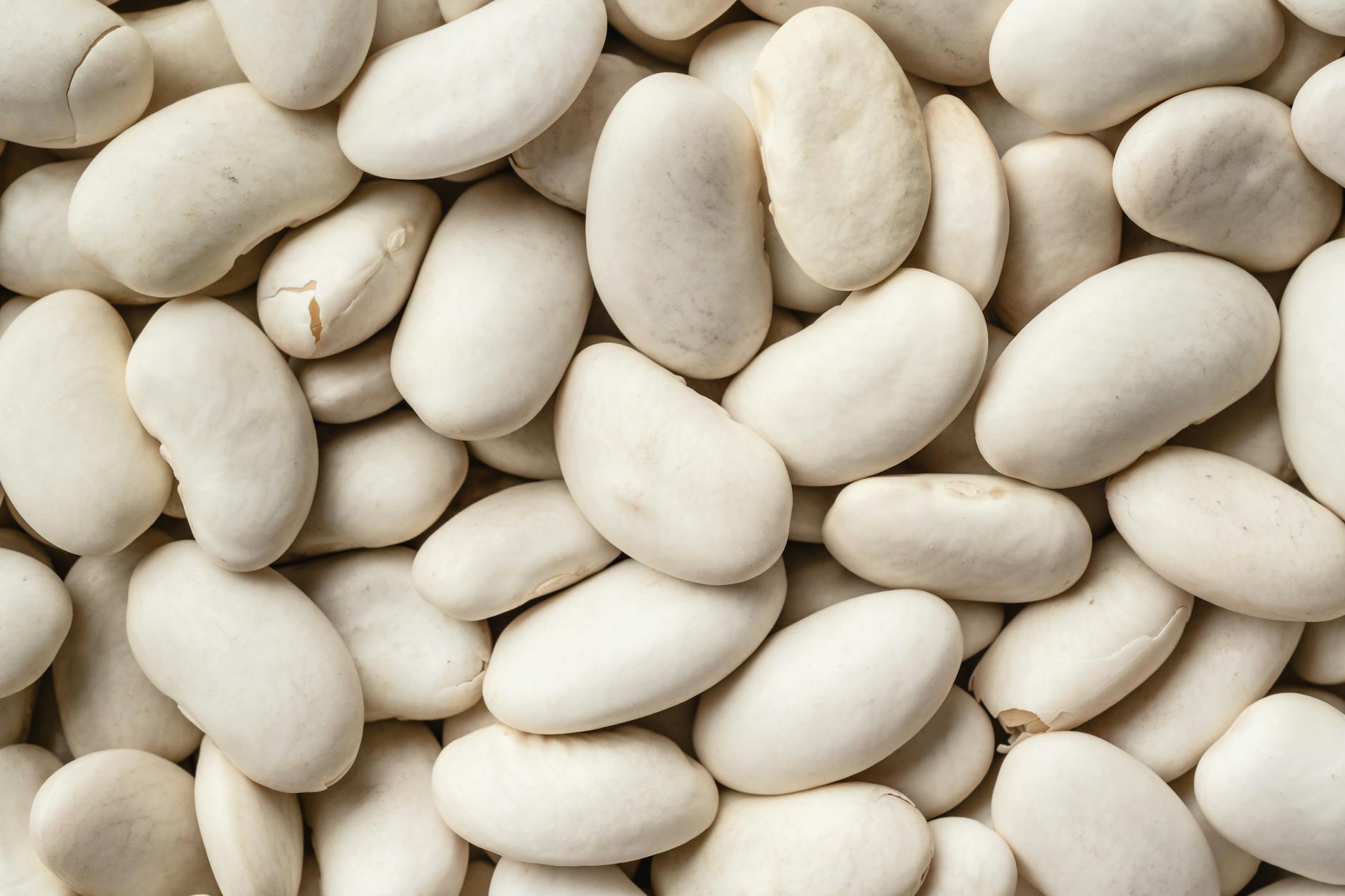
Lima beans are a nutritious legume with a creamy texture used in a wide range of traditional dishes throughout the Americas and beyond. Like many legumes, raw lima beans contain linamarin, a cyanogenic compound that releases hydrogen cyanide when digested. Certain varieties grown outside of North America and Europe contain particularly high levels of this compound and are more rigorously regulated in international food trade. Boiling lima beans in fresh water and discarding the cooking liquid removes the majority of these harmful compounds. Lima beans should never be eaten raw or only lightly heated, regardless of the variety.
Puffer Fish

Puffer fish, known in Japan as fugu, is one of the most famous and tightly regulated culinary delicacies in the world. The liver, skin, and ovaries of the puffer fish contain tetrodotoxin, a potent neurotoxin for which there is no antidote. Even trace amounts of tetrodotoxin can cause paralysis and respiratory failure within hours of ingestion. In Japan, chefs who prepare fugu must complete years of rigorous training and pass a government-certified examination before being licensed to serve it. Improperly prepared puffer fish remains a significant cause of fatal food poisoning globally.
Cherries
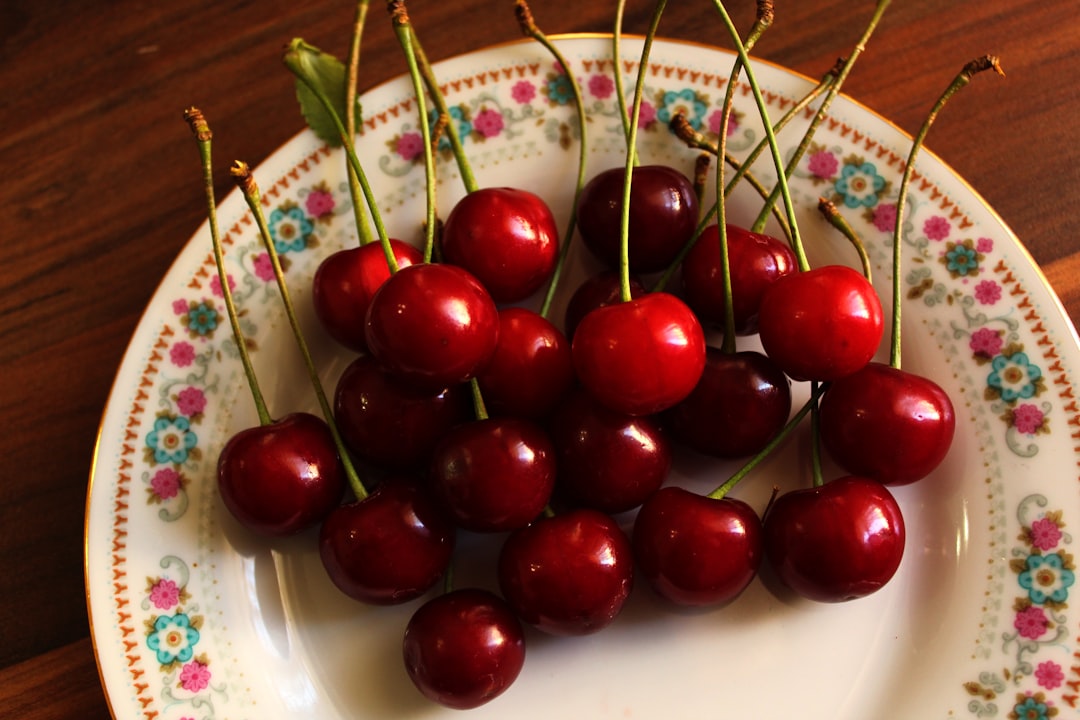
Cherries are a popular summer fruit enjoyed fresh, dried, and in preserves, pastries, and beverages across many cultures. The fleshy fruit is completely safe and rich in antioxidants and anti-inflammatory compounds. The pits, leaves, and stems of cherries however contain amygdalin, which converts to cyanide in the digestive system when the pit is crushed or cracked open. Accidentally swallowing a whole cherry pit is generally harmless since the hard outer shell typically passes through the digestive tract without breaking down. Cracking open or chewing cherry pits is where the toxic risk becomes a genuine concern for health.
Parsnips
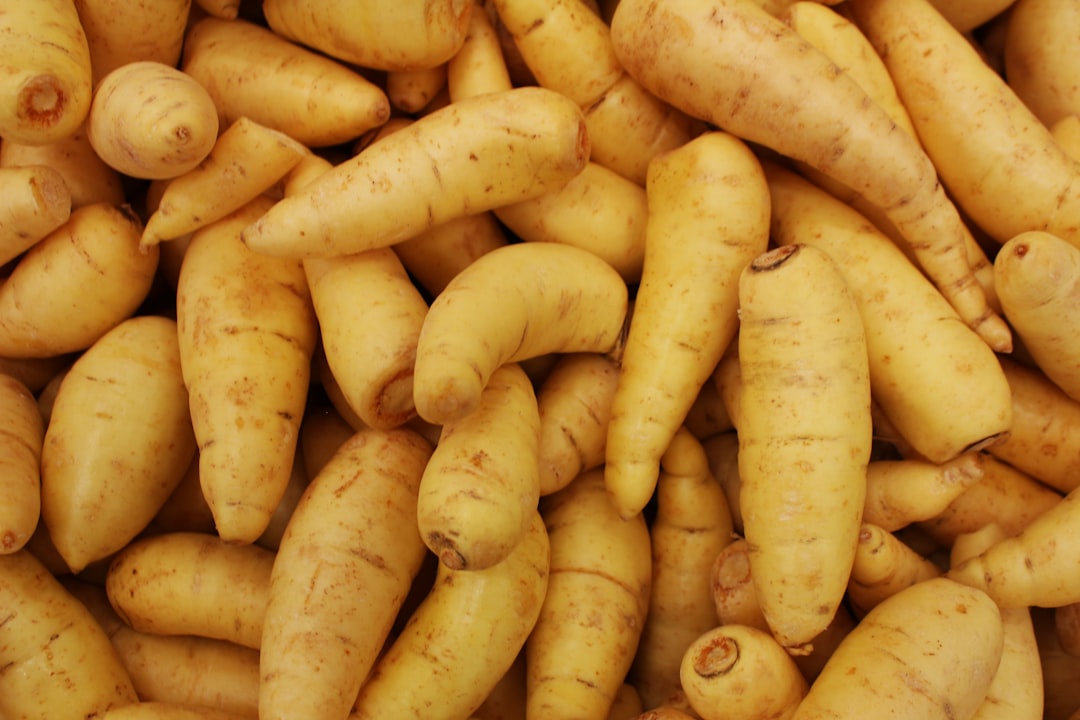
Parsnips are a root vegetable related to carrots and parsley, valued in European cooking for their sweet and earthy flavor. They contain a group of naturally occurring chemicals called furocoumarins, which the plant produces as a defense mechanism against fungal attack. Handling large quantities of parsnip skin in bright sunlight can cause a phototoxic skin reaction, resulting in blistering and burns on exposed skin. The furocoumarins are concentrated just beneath the skin and are largely destroyed by cooking heat. Peeling parsnips carefully and cooking them thoroughly eliminates the primary route of exposure for most home cooks.
Comfrey
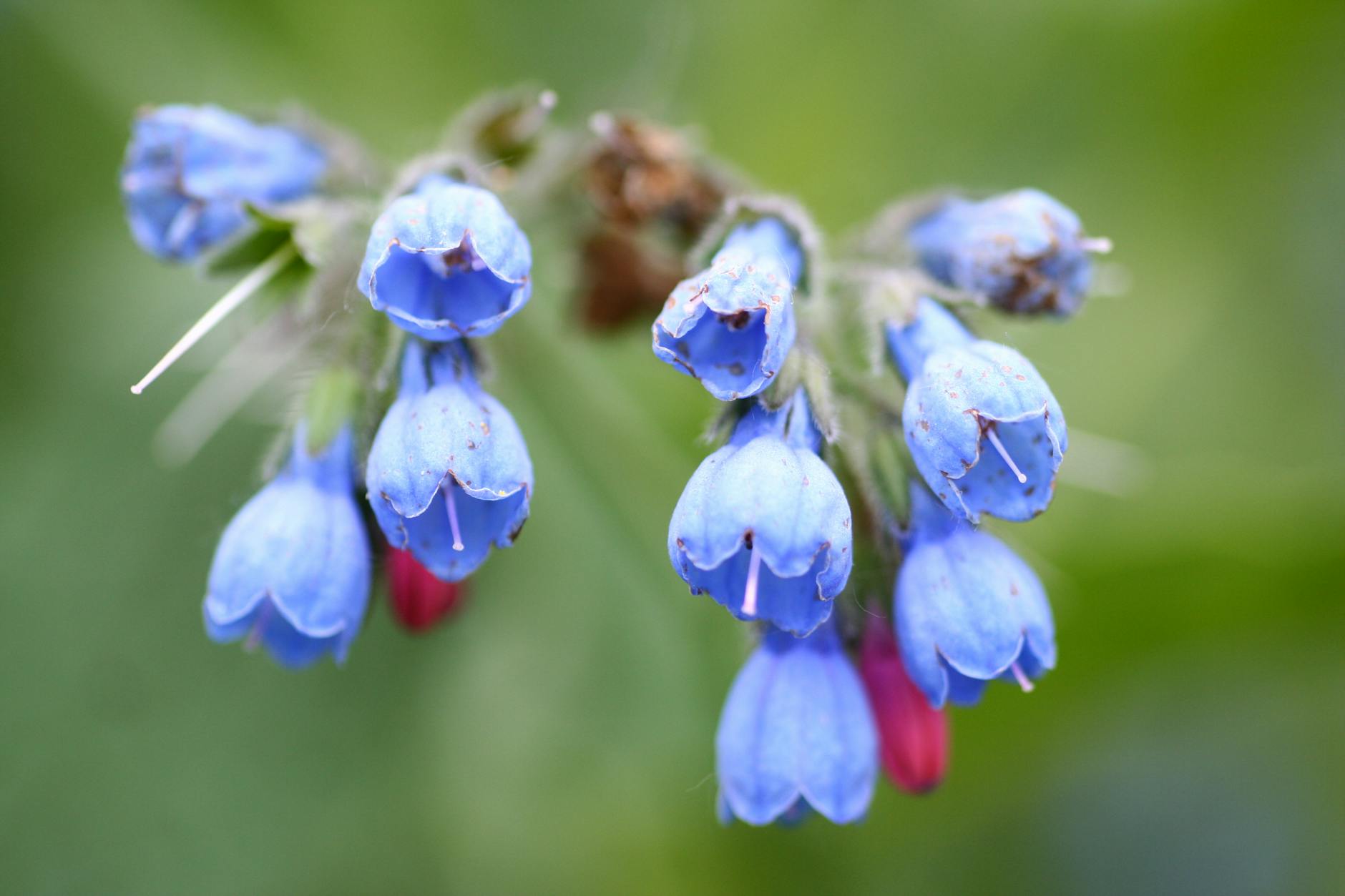
Comfrey is an herb with a long history in folk medicine and has been used occasionally in teas, soups, and herbal preparations. It contains pyrrolizidine alkaloids, a class of chemical compounds that accumulate in the liver and cause progressive and potentially irreversible liver damage with repeated exposure. These alkaloids are not destroyed by cooking, drying, or steeping, making all culinary preparations equally concerning. Regulatory agencies in numerous countries have issued formal warnings against consuming comfrey internally in any form. Comfrey is currently considered unsafe for internal use by mainstream health and food safety authorities worldwide.
Tapioca
Tapioca is a widely used starch extracted from the cassava root, popular in puddings, bubble tea, and gluten-free baking. Because it is derived from cassava, improperly processed tapioca products can retain trace levels of cyanogenic compounds from the original root. Commercially produced and certified tapioca available in mainstream markets undergoes processing that brings cyanide levels well within safe consumption limits. Products from informal or unregulated sources may not meet the same processing standards and carry a higher risk of residual toxicity. Purchasing tapioca from established and reputable producers is the most reliable safeguard for regular home use.
Nutmeg Oil

Nutmeg oil is a concentrated essential oil derived from the nutmeg seed and used in small quantities in some baking and flavoring applications. Because it is a highly concentrated form of the spice, it contains far higher levels of myristicin and elemicin than ground nutmeg. Even small accidental ingestions of pure nutmeg oil can result in rapid onset of toxic effects including heart palpitations, extreme agitation, and vivid hallucinations. Nutmeg oil intended for aromatherapy or topical use should be stored completely separately from culinary ingredients to prevent accidental ingestion. Food-grade nutmeg flavoring used in tiny controlled doses in professional baking is formulated differently and is not equivalent to undiluted essential oil.
Ackee Fruit
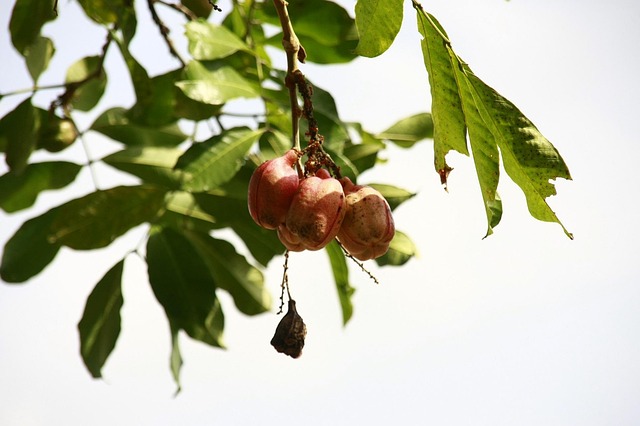
Ackee is the national fruit of Jamaica and a central ingredient in the country’s most iconic dish. When the fruit is unripe or improperly harvested, it contains a toxin called hypoglycin A that causes a severe condition known as Jamaican vomiting sickness. This illness triggers extreme vomiting, low blood sugar, and can lead to coma or death without medical treatment. The fruit must be fully ripe and the bright red pods must have opened naturally before harvesting or preparation can safely begin. In several countries ackee is strictly regulated, and only commercially canned ackee prepared under controlled conditions is legally permitted for sale.
Raw Flour
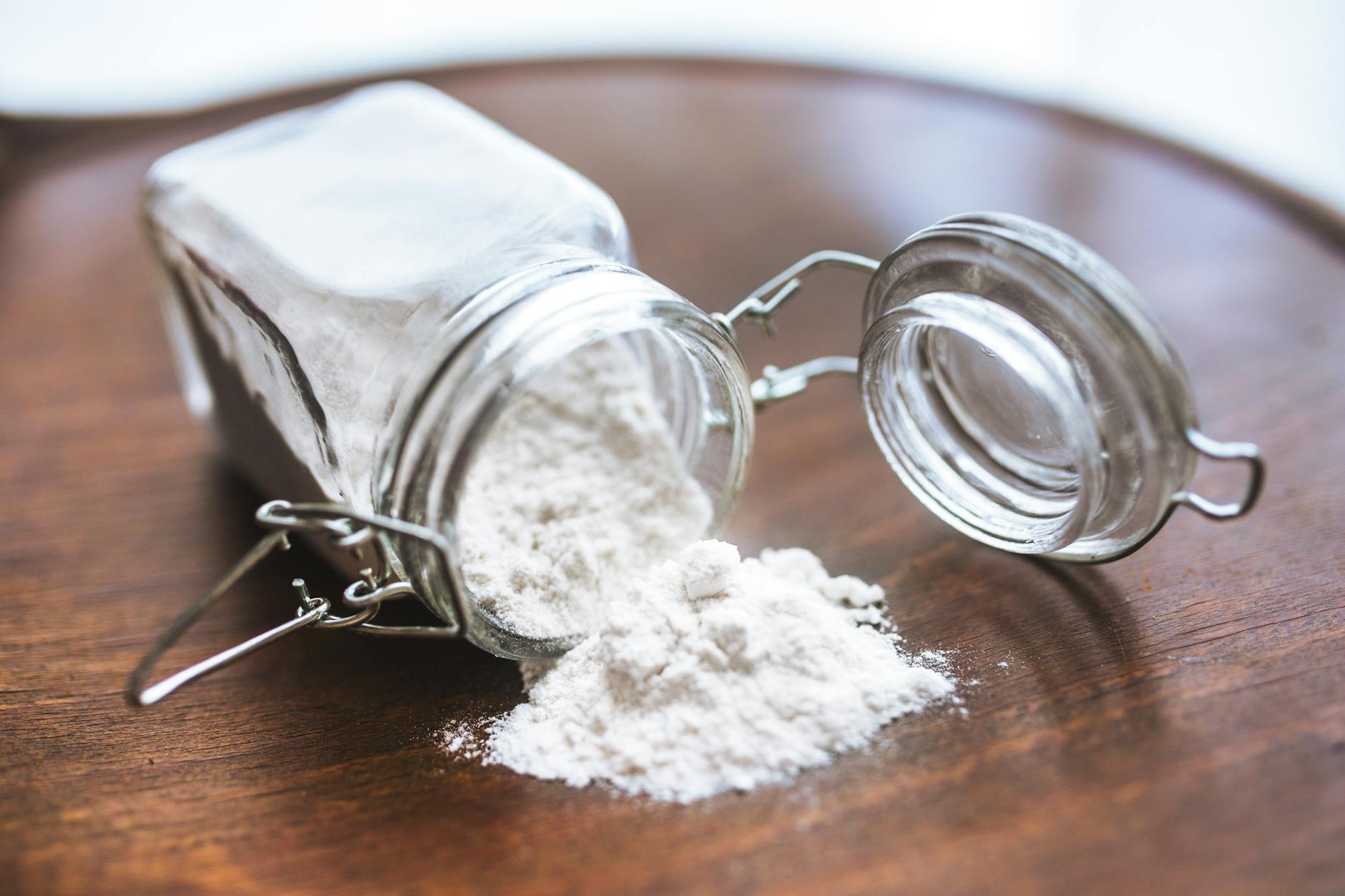
Raw flour is an ingredient so familiar and seemingly harmless that most people never consider it a food safety risk. Flour is a raw agricultural product that has not been treated to kill pathogens and may carry E. coli or Salmonella bacteria from grain fields or processing facilities. Foodborne illness outbreaks linked to raw flour have been documented in multiple countries and have resulted in large-scale product recalls. Raw cookie dough, cake batter, and homemade playdough made with flour all present a genuine contamination risk when tasted or handled near the mouth. Heat-treating flour before using it in no-bake recipes is a simple step that significantly reduces this bacterial risk.
Horseradish
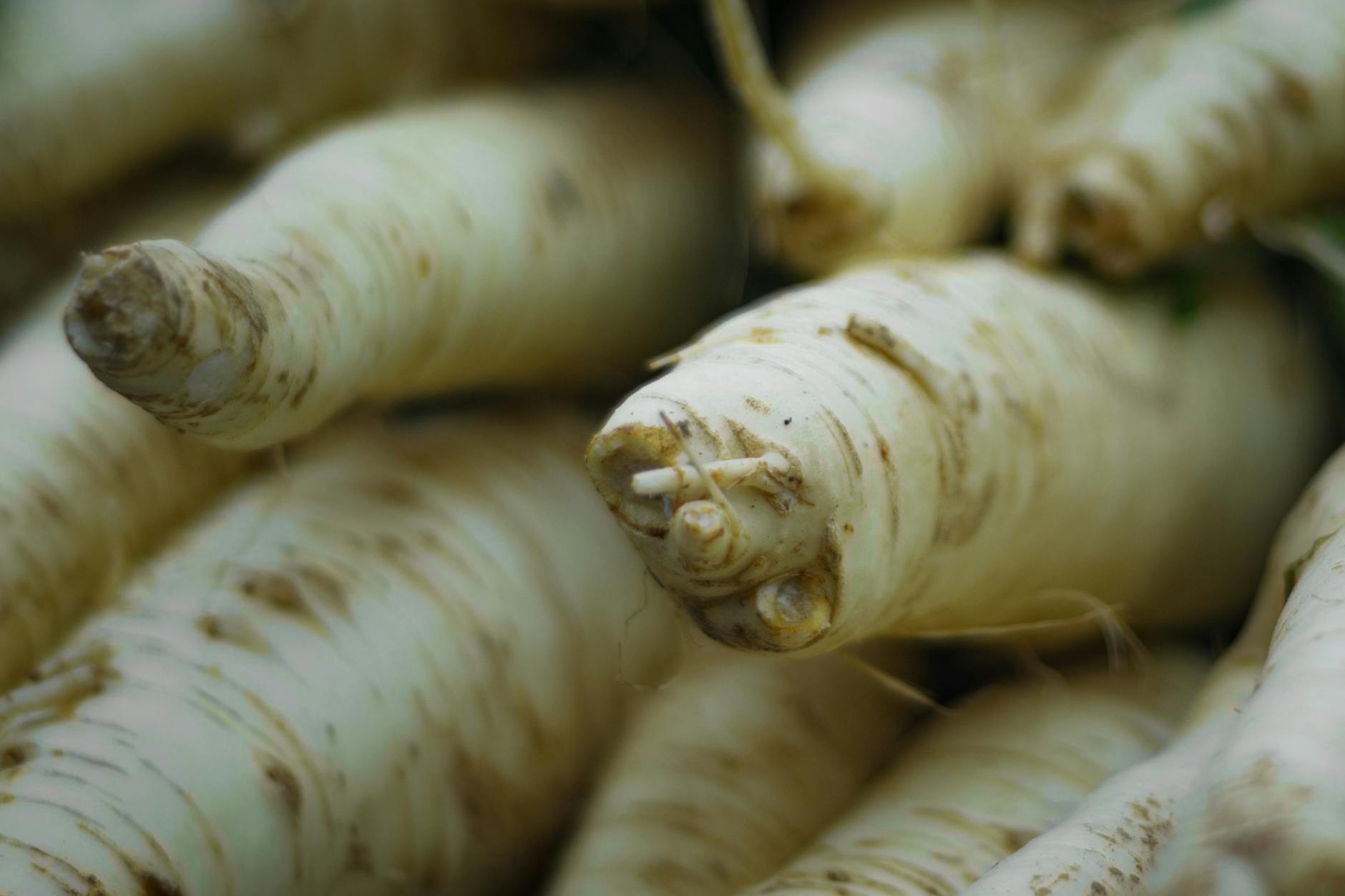
Horseradish is a pungent root used as a condiment and flavoring ingredient in sauces, dressings, and marinades across European and American cuisines. The sharp heat of fresh horseradish comes from allyl isothiocyanate, a volatile compound released when the root cells are damaged by grating or crushing. Consuming very large quantities of raw horseradish can irritate and inflame the mucous membranes of the mouth, throat, and digestive tract. Direct contact with freshly grated horseradish can also cause skin and eye irritation, and inhaling the vapors during preparation may trigger a strong respiratory reaction. Moderate use of horseradish as a condiment poses no health concern, but handling and consuming it in excess warrants genuine caution.
If any of these ingredients have surprised you, share your thoughts in the comments.