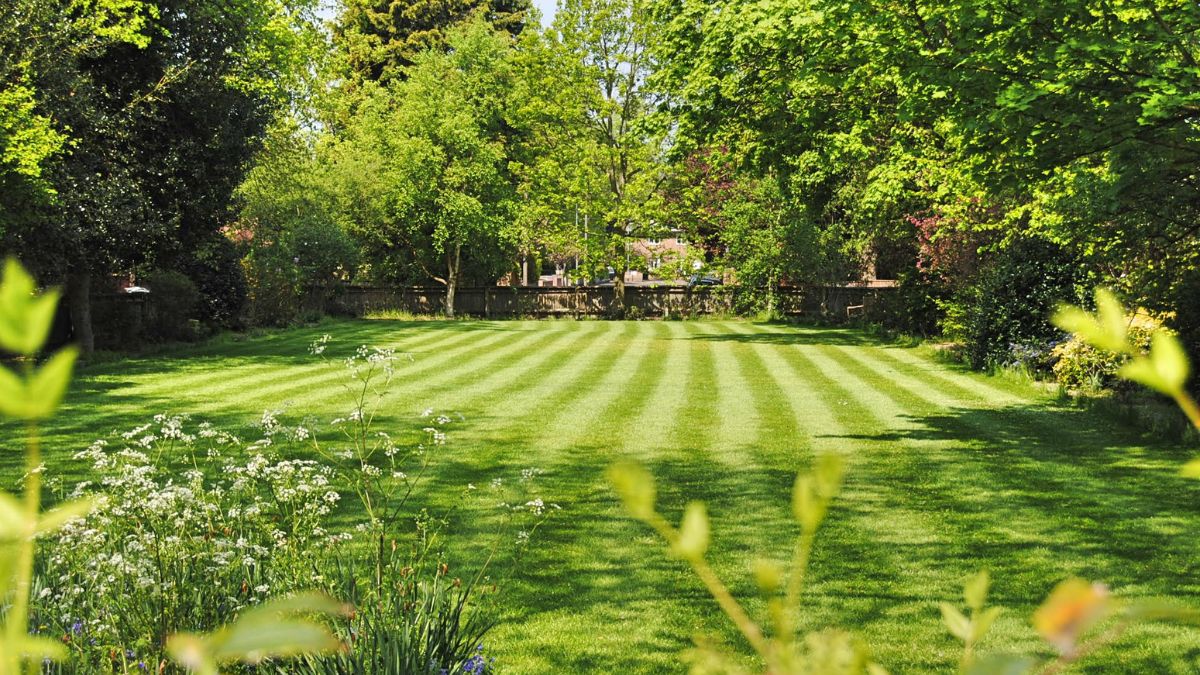
A lush, well-maintained lawn is one of the most rewarding features a home can have, yet even the most well-intentioned homeowners often unknowingly sabotage their own outdoor spaces. Many common landscaping habits appear harmless on the surface but cause serious long-term damage to grass, soil, and plant life. Understanding where things go wrong is the first step toward a healthier and more resilient yard. The mistakes outlined here are among the most widespread and the most damaging across all lawn types and climates.
Overwatering
Watering too frequently is one of the most damaging habits a homeowner can develop, as excess moisture suffocates grass roots and creates the perfect conditions for fungal disease. Lawns that receive too much water develop shallow root systems because the roots never need to reach deeper into the soil for hydration. This makes the grass far more vulnerable to drought, heat stress, and foot traffic. Most established lawns only need about one inch of water per week, including rainfall. Allowing the soil to dry slightly between watering sessions actually encourages stronger and deeper root development.
Mowing Too Short
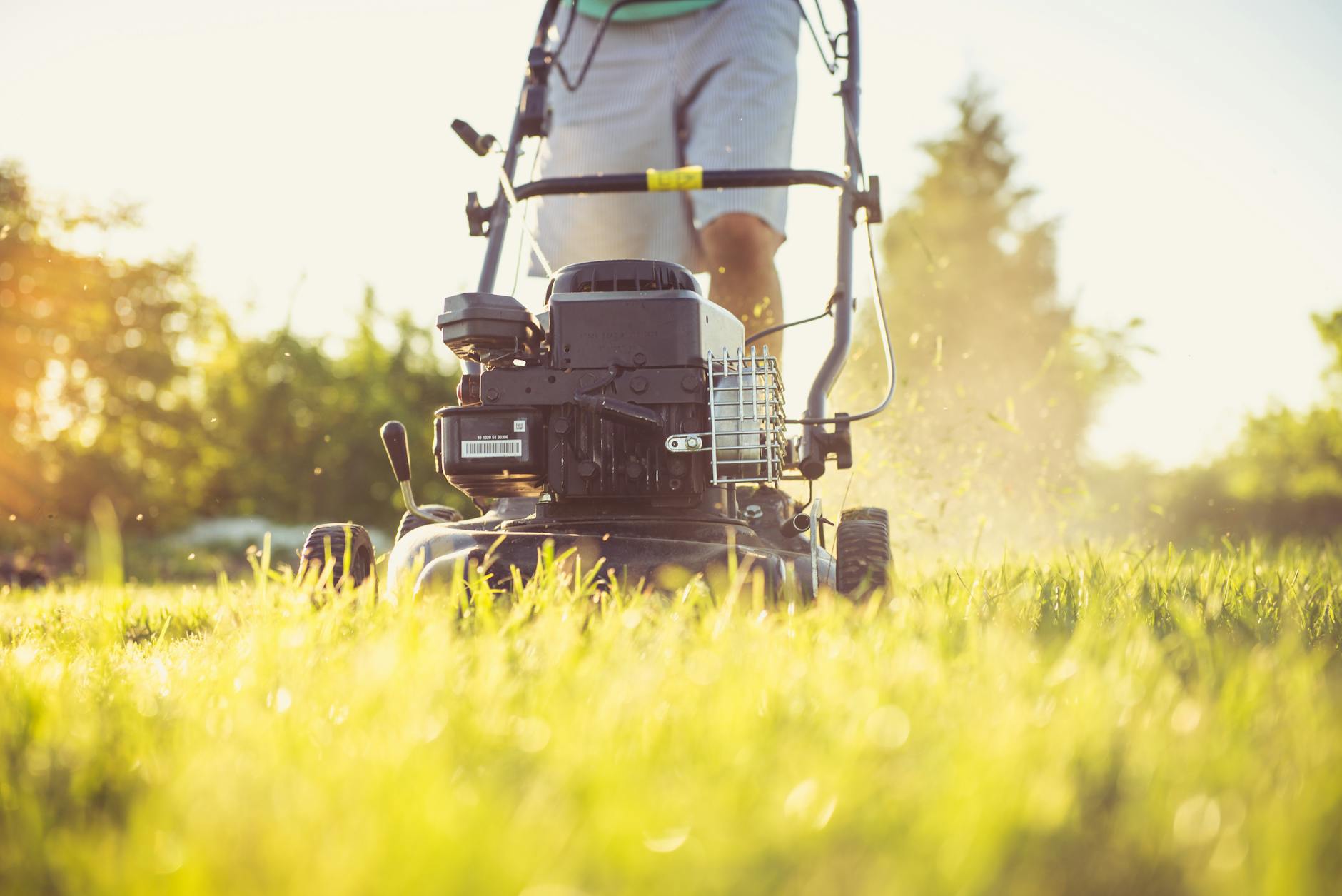
Cutting grass too low, a practice commonly known as scalping, removes the green leaf tissue that the plant needs for photosynthesis and energy production. Extremely short grass exposes the soil to direct sunlight, which accelerates moisture evaporation and encourages weed seeds to germinate. The general rule is to never remove more than one-third of the grass blade in a single mowing session. Taller grass shades the soil naturally, helping retain moisture and suppress unwanted plant growth. Raising the mower deck even slightly can make a significant difference in overall lawn health throughout the growing season.
Dull Mower Blades
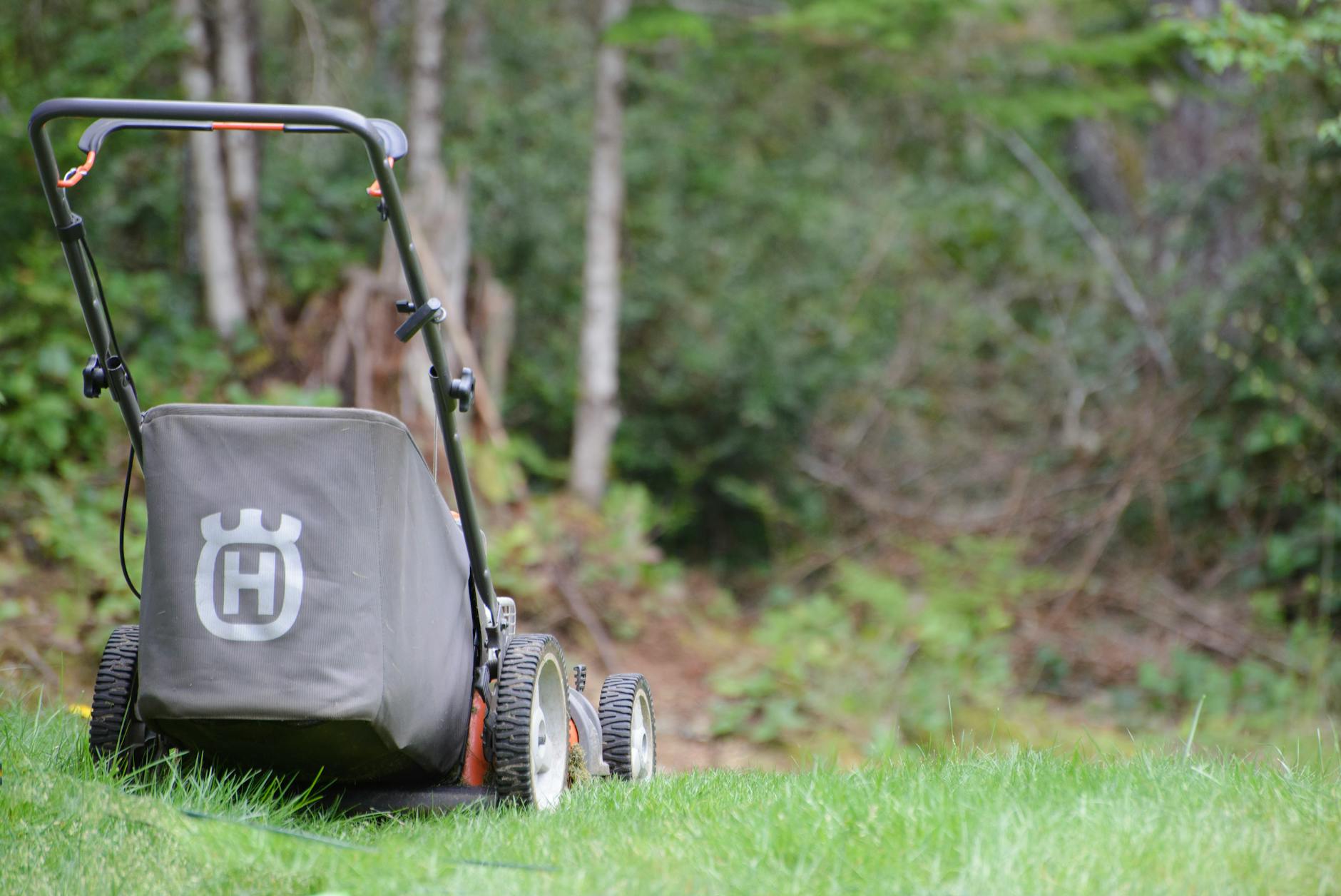
A mower with dull blades tears grass rather than cutting it cleanly, leaving jagged edges that turn brown and become entry points for disease and pests. This torn tissue causes the lawn to look dull and straw-like even when it has been freshly cut. The stress caused by ragged cuts weakens each individual grass plant over time, making the whole lawn less vigorous. Blades should be sharpened at least once per season, and more frequently for larger properties. A clean cut allows the grass to heal quickly and maintain its natural color and density.
Poor Soil Drainage
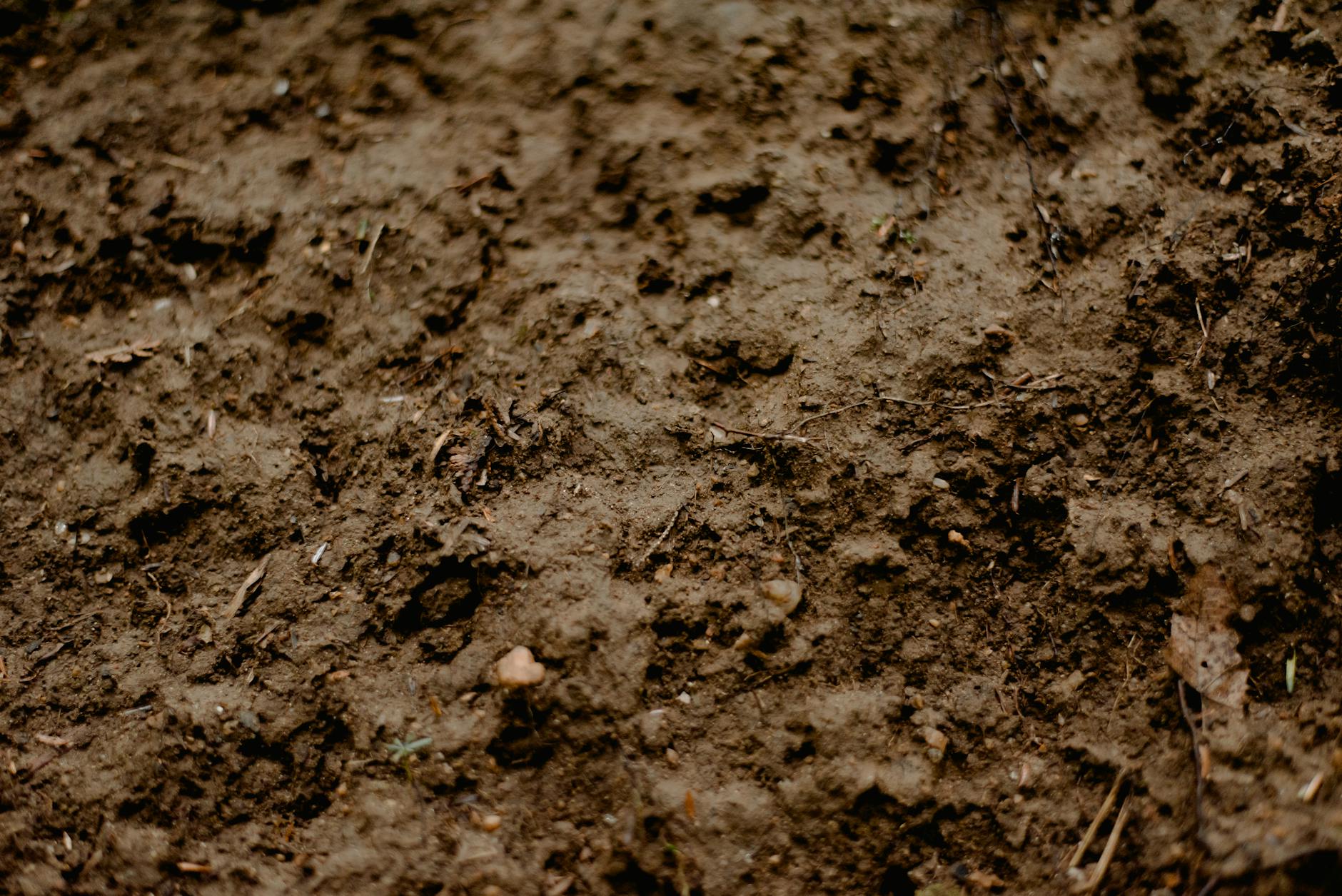
Compacted or clay-heavy soil prevents water from moving through the ground at a healthy rate, causing it to pool on the surface and suffocate grass roots. Standing water for extended periods after rain is a clear sign that drainage needs to be addressed as a priority. Aerating the lawn once or twice a year breaks up compaction and allows air, water, and nutrients to reach the root zone more effectively. Adding organic matter such as compost to the top layer of soil gradually improves its structure and drainage capacity. Addressing drainage problems early prevents the establishment of moss, algae, and other moisture-loving invaders.
Wrong Grass Type
Planting a grass variety that is not suited to the local climate or soil conditions sets the lawn up for a constant battle against stress and decline. Cool-season grasses struggle in hot, humid southern climates, while warm-season varieties go dormant and turn brown in cooler northern winters. Soil pH, sun exposure, and typical rainfall patterns all play a role in determining which grass species will genuinely thrive in a given location. Consulting with a local extension service or garden center can help homeowners identify the most appropriate variety for their specific conditions. A well-matched grass type requires far less intervention and produces far better results over time.
Fertilizer Overuse
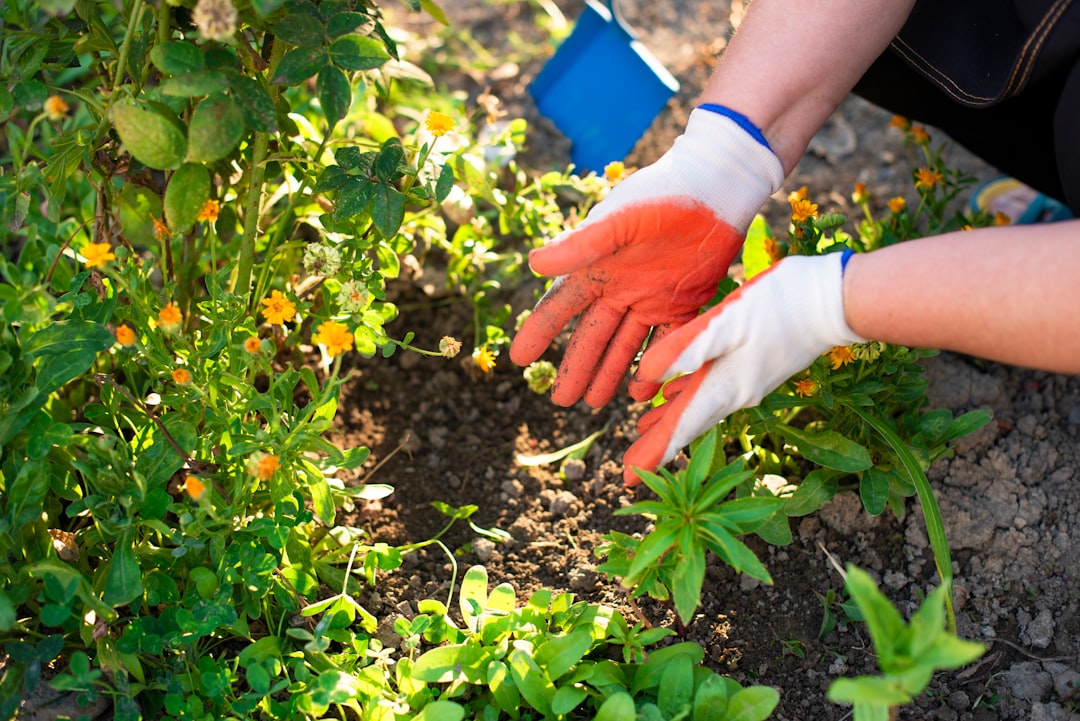
Applying too much fertilizer, particularly products high in nitrogen, causes a rapid surge of leafy green growth that looks healthy but actually weakens the plant. This excessive top growth diverts energy away from root development, leaving the grass less anchored and less drought-tolerant. Over-fertilized lawns are also significantly more attractive to certain pests, including aphids and grubs, which can cause widespread damage. Fertilizer runoff from over-application also contributes to environmental problems by contaminating nearby waterways and promoting algae growth. Following the recommended application rates on product labels and getting a soil test first helps ensure fertilizer is used appropriately.
Ignoring Thatch

A thin layer of thatch, the organic material that accumulates between the grass blades and the soil surface, is a natural part of a healthy lawn. When this layer exceeds about half an inch in thickness, it begins to block water, air, and nutrients from reaching the roots. Thatch buildup creates a spongy surface that harbors pests and promotes fungal diseases that thrive in the warm, moist environment. Dethatching using a specialized rake or power dethatcher removes the excess layer and restores proper airflow to the root zone. Regular aeration also helps break down thatch naturally and keeps the lawn breathing as it should.
Uneven Edging
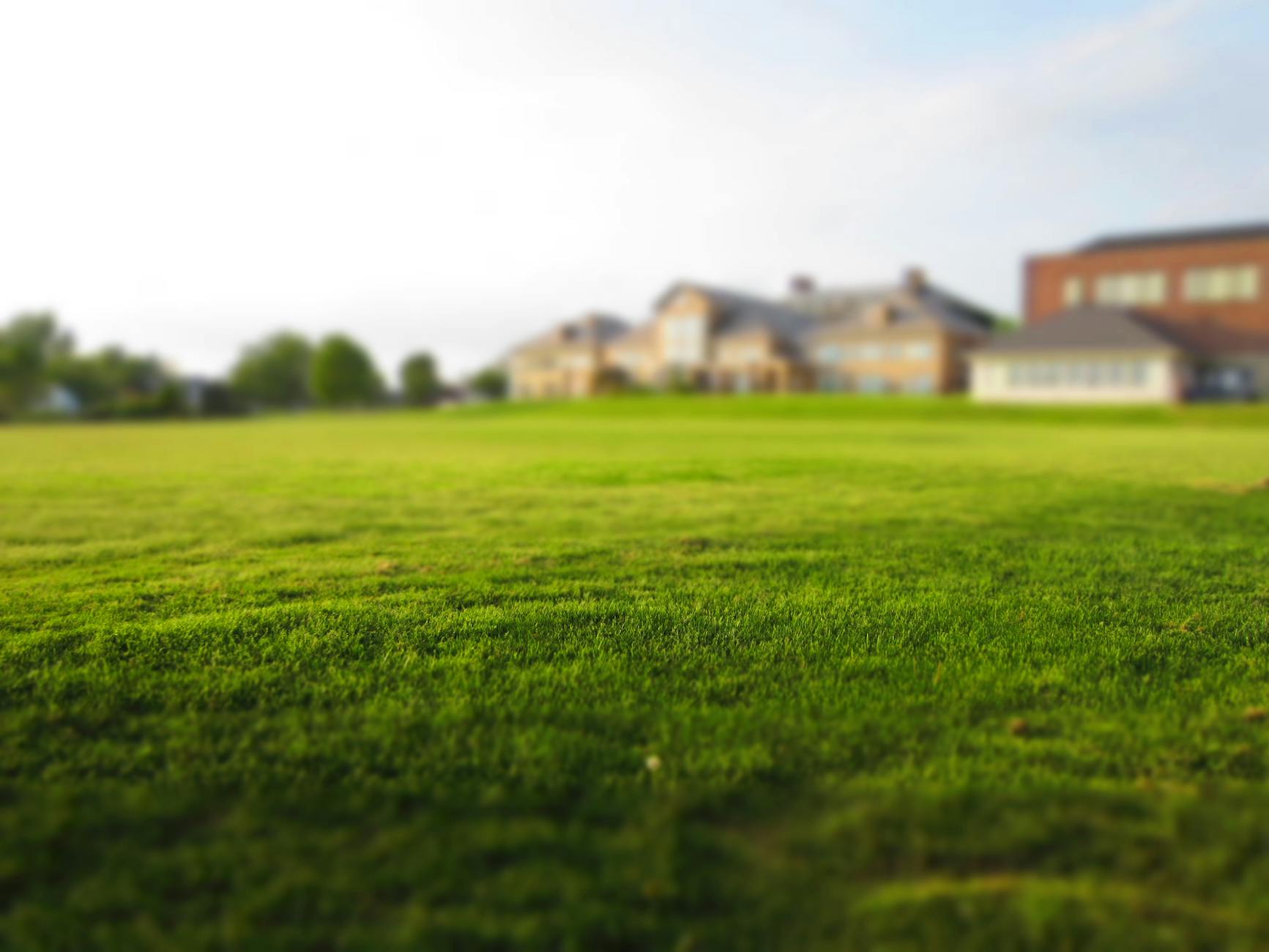
Neglecting the edges of a lawn allows grass to spread into garden beds, pathways, and driveways while weeds from those areas creep back into the turf. Poorly defined edges make the entire landscape look unkempt regardless of how well the central lawn area has been maintained. Consistent edging along borders also reduces the competition between grass and surrounding plants for water and nutrients. A half-moon edger or powered lawn edger used regularly creates a clean, defined boundary that enhances the overall appearance of the yard. Well-maintained edges signal attention to detail and give even an average lawn a polished, cared-for appearance.
Incorrect Seeding
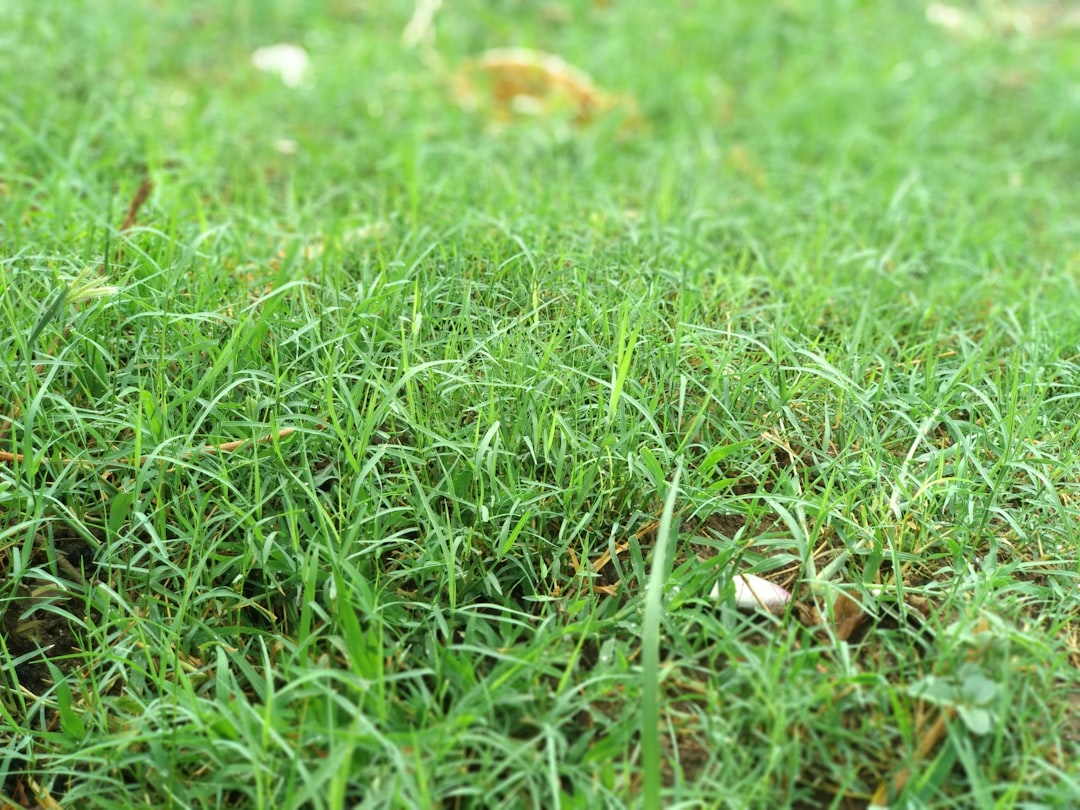
Spreading grass seed at the wrong time of year is one of the most common reasons new lawns fail to establish properly. Cool-season grasses such as fescue and bluegrass germinate best when soil temperatures fall between 50 and 65 degrees Fahrenheit, which typically corresponds to early fall or early spring. Warm-season grasses like Bermuda and zoysia need warm soil temperatures of at least 65 degrees to germinate successfully. Seeding during extreme heat or cold results in poor germination rates and patchy, uneven coverage that requires repeated reseeding. Matching the seeding window to the specific grass type dramatically improves establishment success and long-term lawn uniformity.
Pesticide Misuse
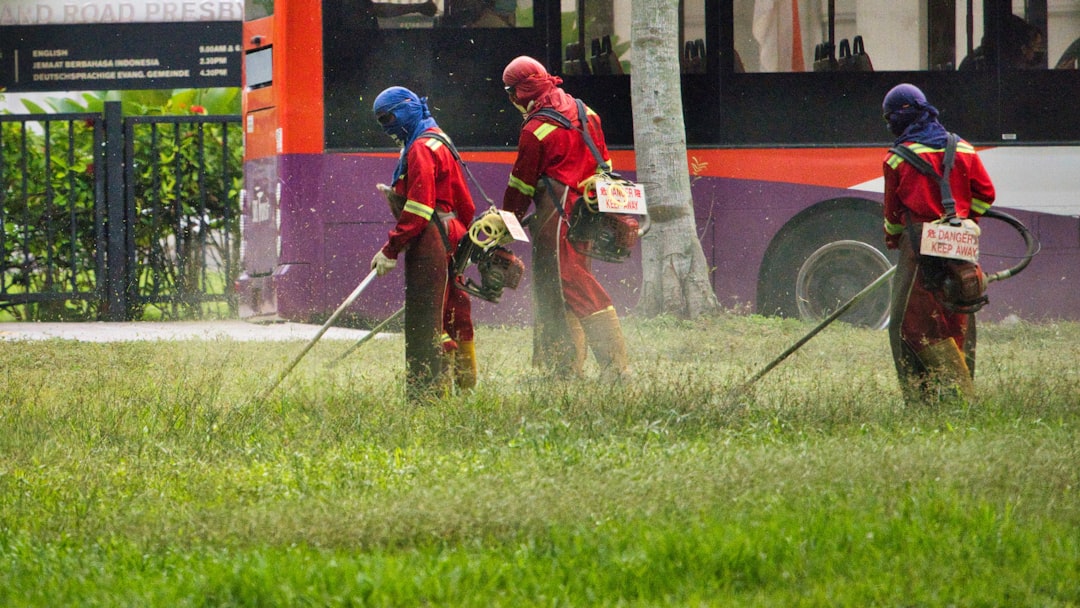
Applying pesticides without accurately identifying the pest or problem being treated often does more harm than good, killing beneficial insects alongside harmful ones. Beneficial organisms such as earthworms, ground beetles, and pollinators play important roles in maintaining a healthy lawn ecosystem, and broad-spectrum pesticides disrupt this balance. Overuse of chemical treatments also contributes to pesticide resistance, making future infestations harder to manage effectively. Integrated pest management practices focus on identifying specific threats and using targeted, lower-impact treatments whenever possible. Spot-treating problem areas rather than blanket-applying chemicals across the entire lawn is a more precise and environmentally responsible approach.
Tree Root Competition
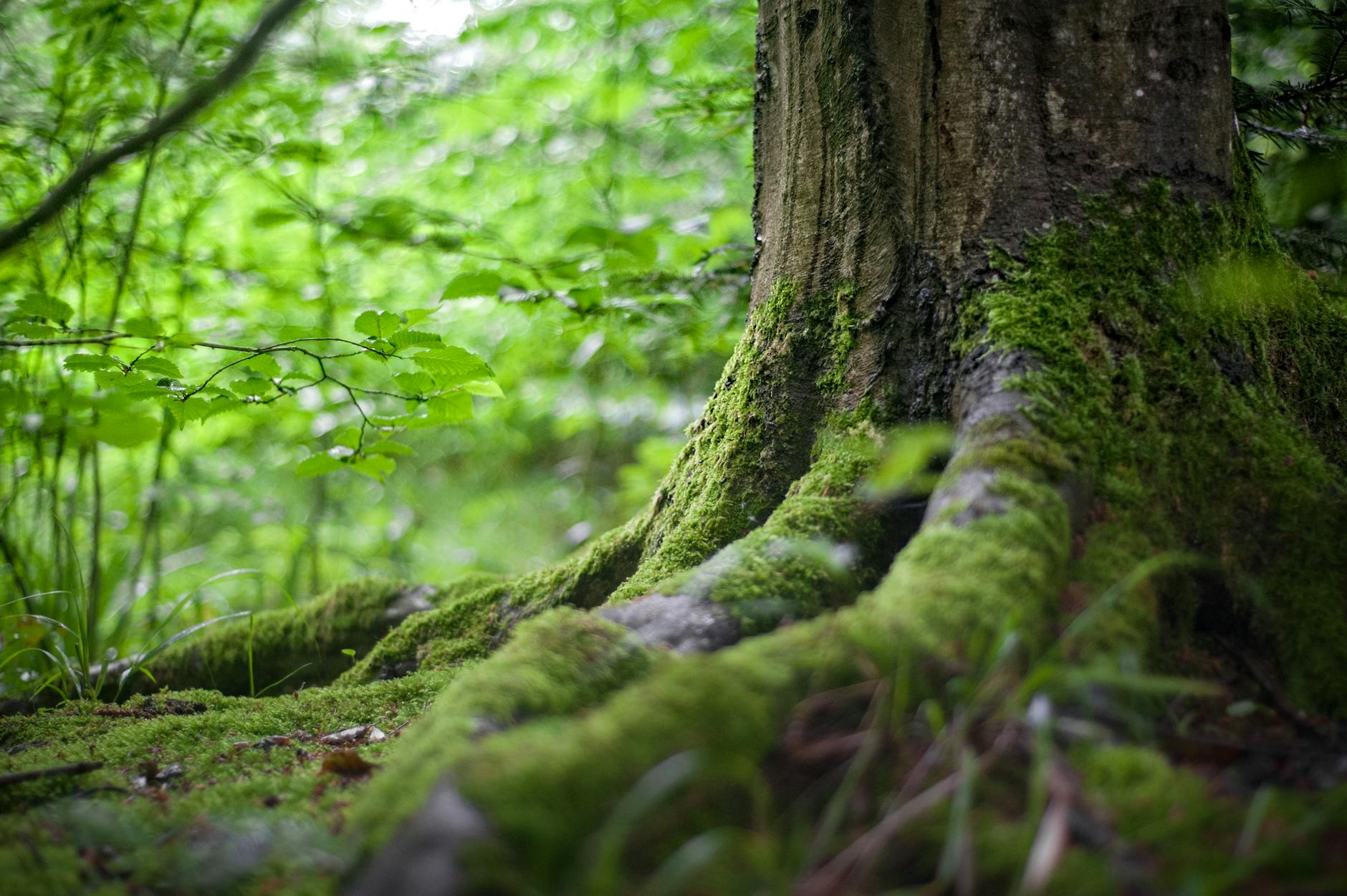
Large trees planted in or near the lawn create underground competition for water and nutrients that grass simply cannot win. The shallow feeder roots of many common tree species spread far beyond the tree’s canopy and actively draw moisture from the surrounding soil. Grass growing in these zones often becomes thin, patchy, and yellowed despite regular care and irrigation. Replacing grass under and around trees with shade-tolerant ground covers or mulch eliminates this competition and benefits both the tree and the overall landscape design. Recognizing the limits of what grass can realistically achieve in a heavily rooted area saves time, money, and frustration.
Watering at Night
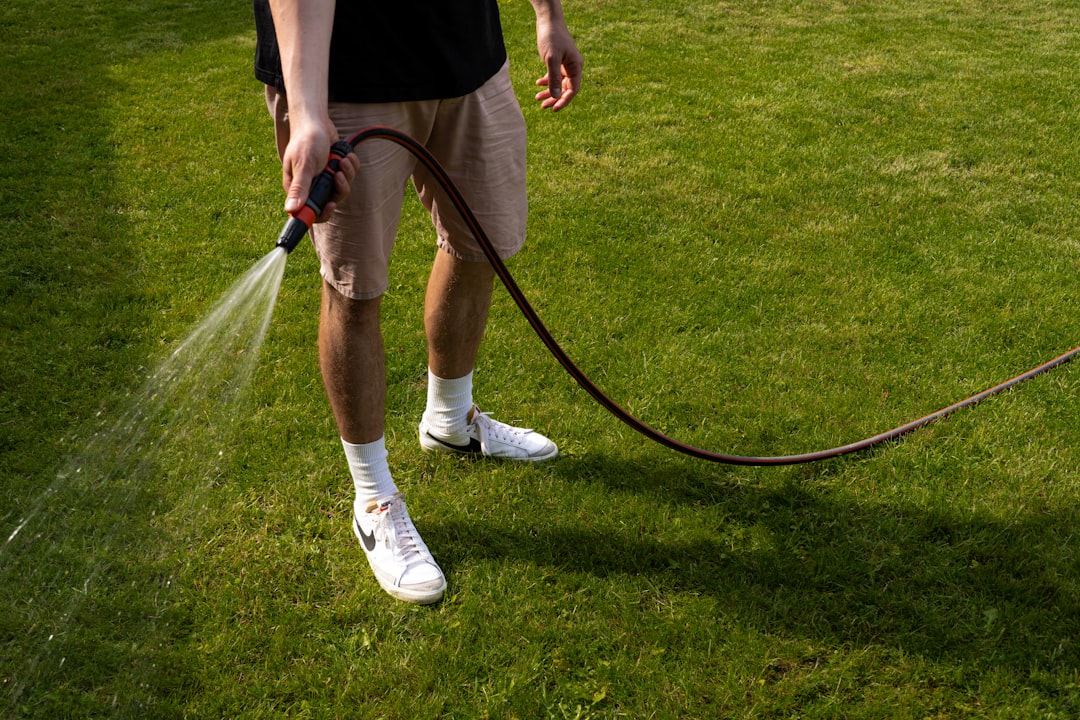
Irrigating in the evening leaves the grass blades wet for extended periods overnight, creating ideal conditions for fungal diseases such as brown patch, dollar spot, and powdery mildew. Fungal spores thrive in dark, moist environments and can spread rapidly across a lawn when the surface stays wet for hours. Morning watering is considered the most effective approach because it gives the grass blades time to dry out during the warmer part of the day. Drip irrigation and soaker hoses that deliver water directly to the soil surface reduce the risk of foliage staying wet regardless of the time of day. Adjusting the watering schedule is a simple change that can dramatically reduce the incidence of disease in a lawn that has struggled with recurring fungal issues.
Soil pH Neglect
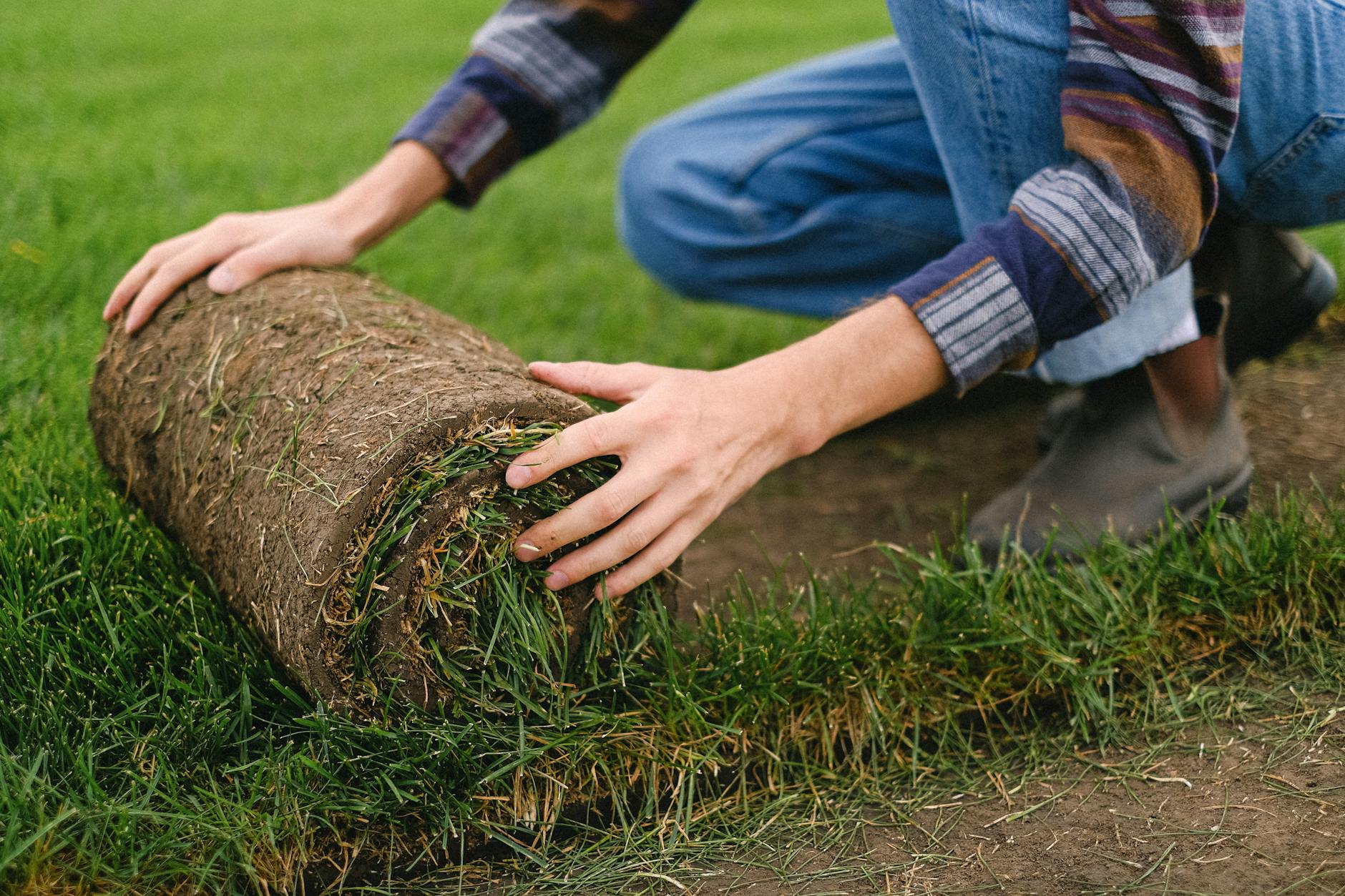
Grass requires a specific soil pH range, typically between 6.0 and 7.0, to absorb nutrients efficiently from the soil. When the pH falls outside this range, essential nutrients become chemically locked and unavailable to the plant even when fertilizer has been applied. An overly acidic lawn often benefits from the addition of lime, while alkaline soil can be corrected with sulfur amendments. Soil testing kits are widely available and provide accurate pH readings along with recommendations for the type and amount of amendment needed. Correcting pH imbalances is one of the most cost-effective improvements a homeowner can make to dramatically boost lawn health and color.
Foot Traffic Damage

Repeated foot traffic along the same pathways compacts the soil and crushes grass plants, creating worn, thinning lines that are difficult to recover without intervention. Compacted soil has reduced pore space, which limits the movement of air, water, and nutrients to the root zone over time. Installing stepping stones, gravel paths, or mulched walkways in high-traffic areas redirects movement and protects the surrounding turf. Keeping people and pets off newly seeded or recently aerated sections allows the grass to recover and establish without added pressure. Proactively managing traffic patterns is a simple and effective way to preserve the density and appearance of the lawn over many seasons.
Seasonal Neglect
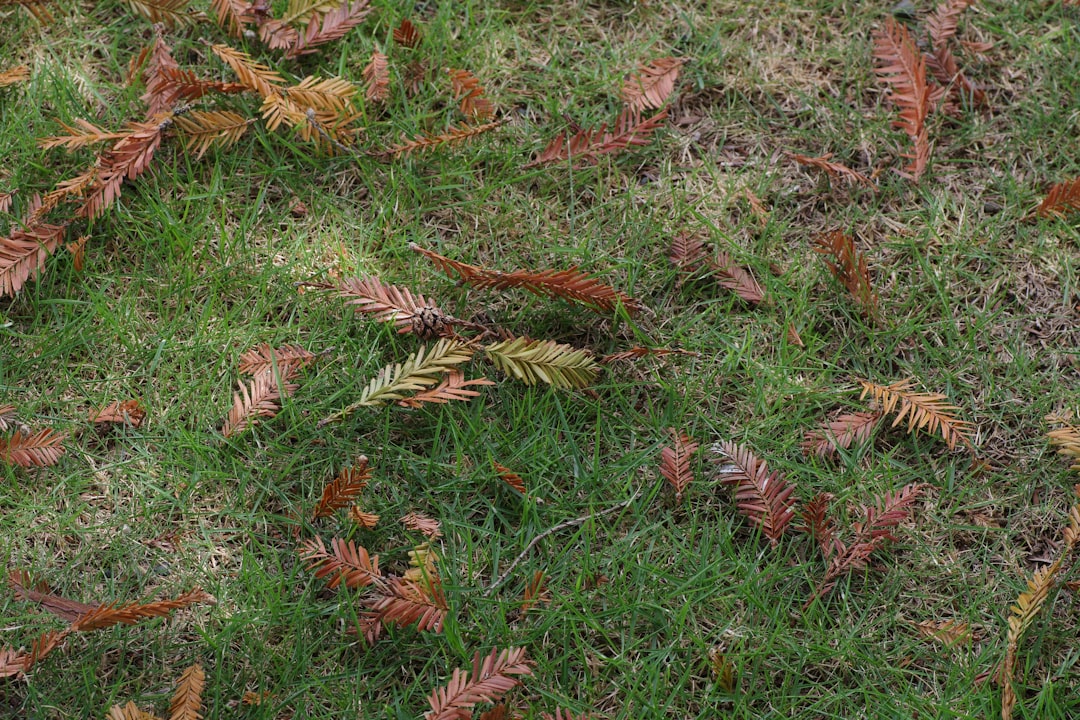
Failing to prepare the lawn adequately for seasonal transitions, particularly heading into winter or coming out of dormancy in spring, leaves the grass vulnerable to stress and slow recovery. A fall fertilization program using a product formulated for late-season application helps grass store the energy it needs to survive cold temperatures and green up quickly the following spring. Leaving heavy layers of fallen leaves on the lawn throughout winter blocks sunlight and traps moisture against the grass, promoting disease and smothering new growth. Raking, mulching, or composting leaf debris in autumn is a straightforward step that pays dividends when warmer weather returns. Treating the lawn as a year-round responsibility rather than a warm-weather-only concern is what separates consistently beautiful yards from those that struggle season after season.
Share your own lawn care experiences or tips in the comments.