Freshly laundered bedding offers a sense of luxury and comfort that significantly improves sleep quality. Many individuals unknowingly damage fabrics or fail to sanitize their linens properly during the cleaning process. Implementing the right techniques ensures longevity for expensive sheet sets while maintaining optimal hygiene standards. Understanding these common errors helps transform a mundane chore into an effective ritual for a better night of rest.
Overcrowding the Washer
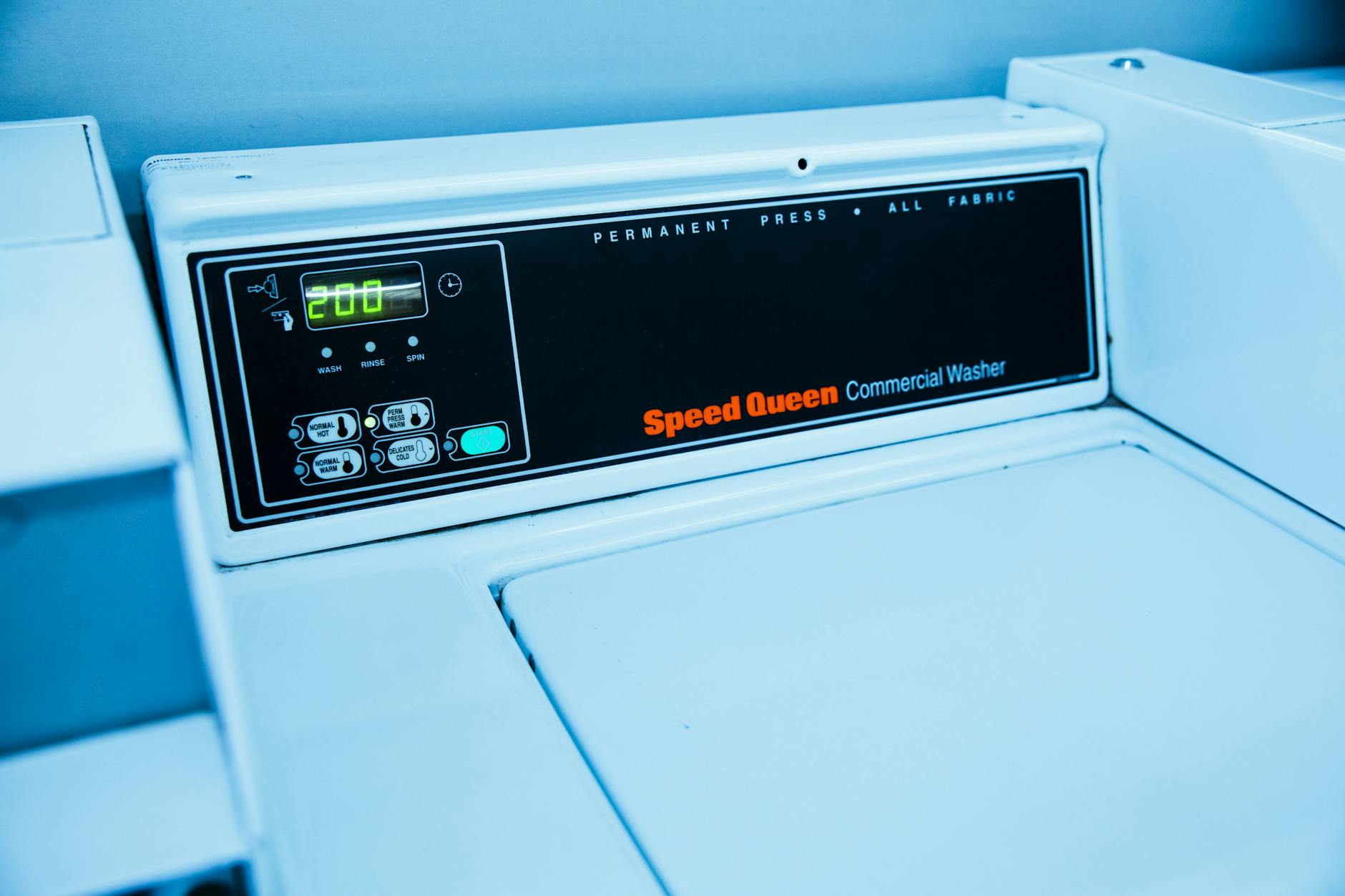
Stuffing too many sheets and towels into the washing machine prevents water and detergent from circulating effectively. The fabric clumps together and traps dirt inside the folds rather than flushing it away. This lack of movement causes friction that damages delicate fibers and leads to pilling over time. Sheets come out cleaner and last longer when washed in smaller loads that allow free movement.
Using Too Much Detergent
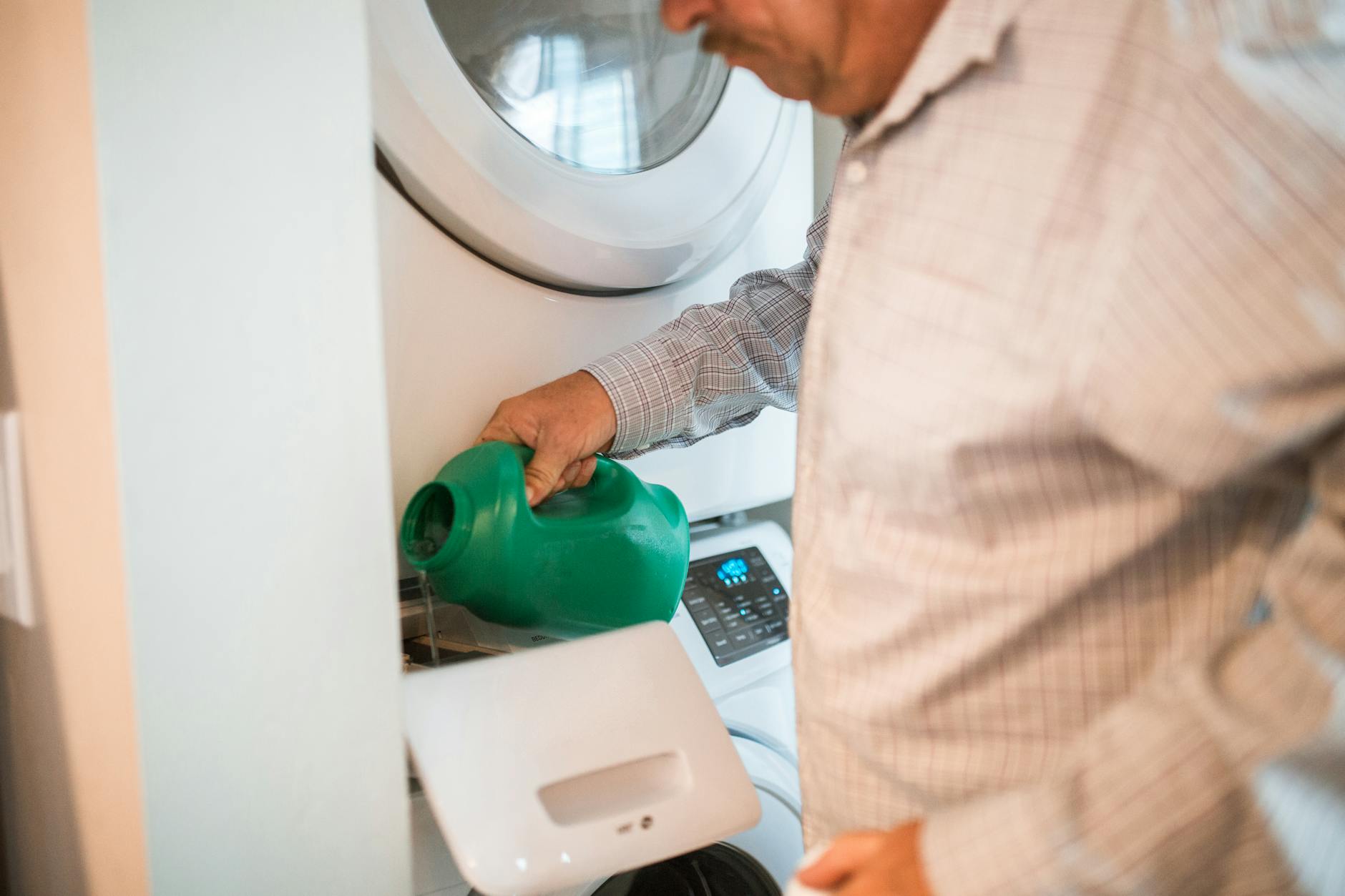
Pouring excess soap into the machine actually makes bedding dirtier rather than cleaner. The surplus suds trap soil against the fabric and leave behind a sticky residue that attracts dust and skin cells. This buildup creates a stiff texture that feels uncomfortable against the skin and can cause irritation. Using half the recommended amount is often sufficient to clean sheets without leaving any chemical coating.
Washing with Hot Water
High temperatures weaken fabric fibers and cause significant shrinkage in cotton or linen sheets. Most modern detergents are formulated to work effectively in cool or warm water settings to preserve material integrity. Hot water sets certain protein stains like sweat or blood permanently into the weave. Selecting a gentler temperature setting extends the lifespan of bedding while still providing a thorough clean.
Mixing Towels with Sheets
Combining rough towels with smooth sheets in the same load creates excessive friction during the tumble cycle. The heavy loops of towel fabric act like sandpaper against delicate cotton threads and cause pilling. Lint from the towels also transfers onto the sheets and creates an unclean appearance even after washing. Washing these two categories separately preserves the softness and smooth texture of high-quality linens.
Ignoring Stain Pre-treatment
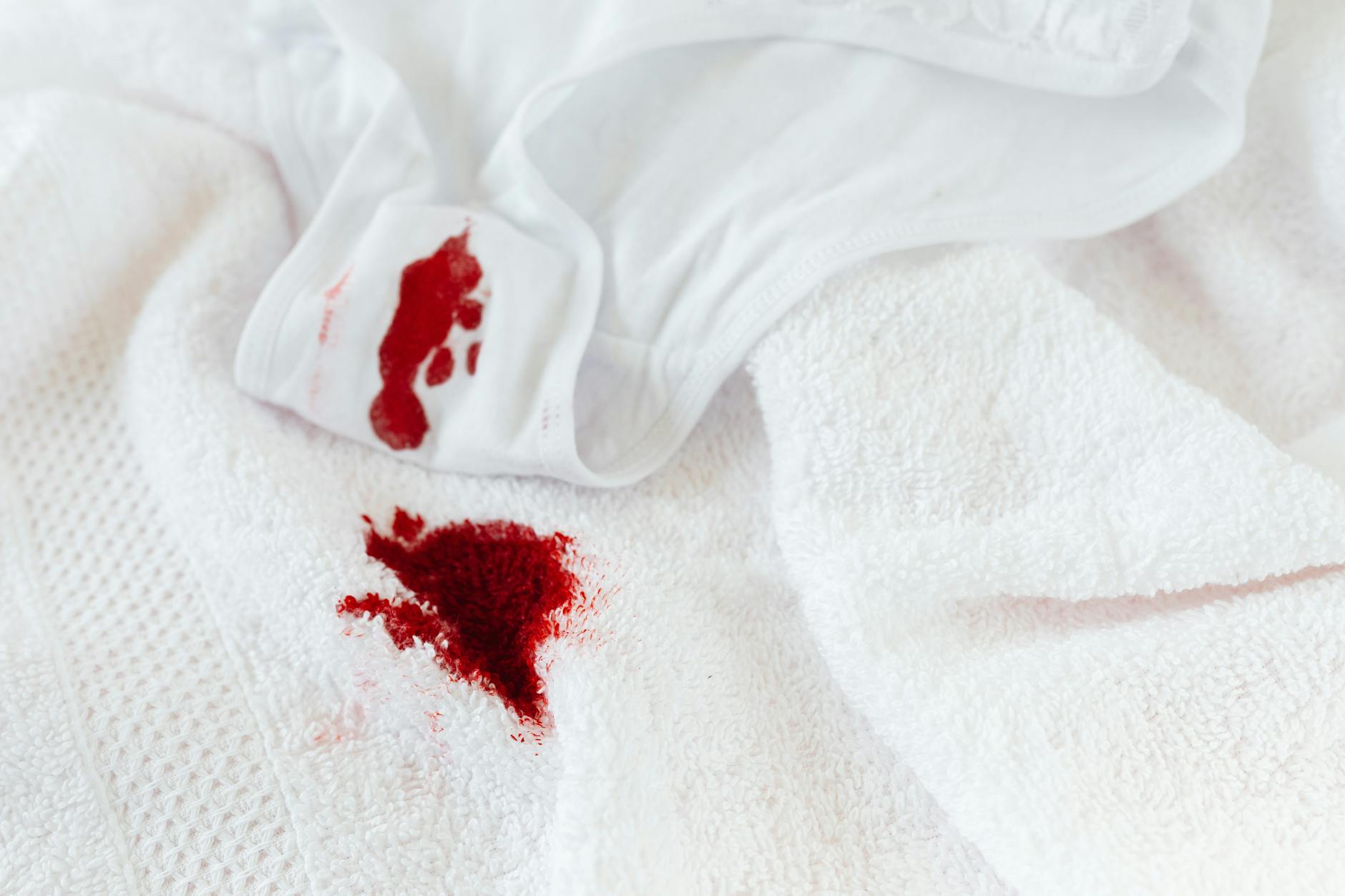
Tossing stained sheets directly into the washer rarely removes set-in marks from oils or cosmetics. Body oils and makeup require a targeted enzymatic cleaner applied before the main wash cycle begins. Allowing the pre-treatment to sit for fifteen minutes breaks down the grime so the detergent can wash it away. Skipping this step usually results in permanent discoloration that ruins the aesthetic appeal of the bedding.
Drying for Too Long

Leaving sheets in the dryer past the point of dryness cooks the fibers and causes them to become brittle. The excessive heat shrinks natural fabrics and sets in deep wrinkles that are difficult to smooth out. Removing bedding while it is still slightly damp prevents static cling and makes folding much easier. Air drying or using a low heat setting remains the best method for maintaining fabric softness.
Using Fabric Softener
Commercial fabric softeners coat natural fibers with a waxy layer that reduces breathability and absorption. This coating accumulates over time and prevents the sheets from feeling crisp or cool against the skin. Vinegar works as a superior alternative by softening fibers naturally and removing detergent residue without leaving a film. Avoiding chemical softeners keeps high thread count sheets performing exactly as the manufacturer intended.
Not Washing Often Enough

Waiting too long between washes allows dead skin cells and dust mites to accumulate in the fabric weave. This buildup triggers allergies and acne while compromising the hygiene of the sleeping environment. Experts recommend laundering sheets once a week to maintain a healthy bed and prevent odors. Establishing a consistent weekly schedule ensures the sleeping surface remains sanitary and inviting.
Rolling Sheets into a Ball

Throwing sheets into the washer in a tight ball prevents the center of the bundle from getting wet or clean. The machine agitator struggles to untangle the mass and results in an uneven wash cycle. Unfurling each piece of bedding before placing it in the drum ensures water reaches every square inch. Taking a moment to shake out linens guarantees a thorough clean and reduces severe wrinkling.
Bleaching White Sheets
Chlorine bleach reacts with body oils and sweat to create yellow stains rather than whitening the fabric. The harsh chemicals break down fibers rapidly and cause holes or tears to form prematurely. Oxygen-based brighteners offer a safer alternative that lifts dullness without damaging the structural integrity of the weave. Gentle whitening methods keep sheets looking pristine for years without compromising their strength.
Share your own laundry tips or experiences with these common mistakes in the comments to help others improve their routine.