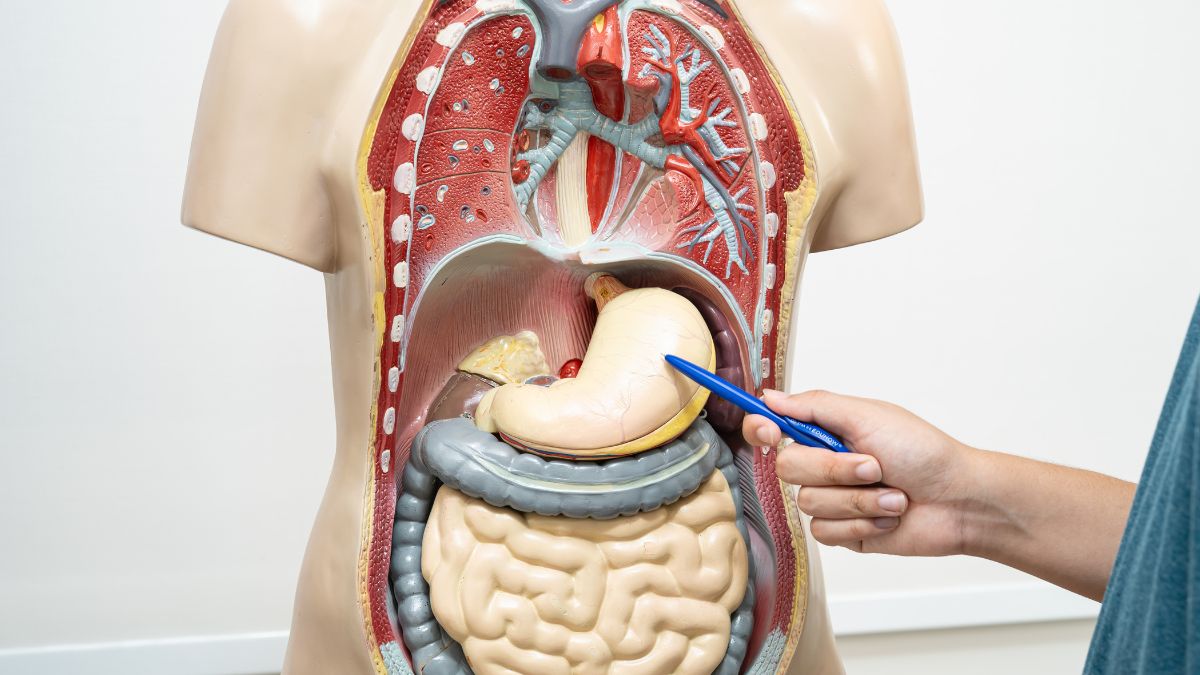
The human body is one of the most fascinating and misunderstood subjects in everyday life. Generations of half-truths, playground wisdom, and outdated health advice have left most people carrying false beliefs they have never thought to question. From digestion to brain function and everything in between, science has quietly debunked dozens of ideas that still circulate as common knowledge. These are the thirty body myths that far too many people still accept as fact.
Knuckle Cracking

The sound produced when cracking your knuckles comes from gas bubbles bursting inside the synovial fluid surrounding the joint. Decades of research have consistently shown that this habit does not cause arthritis or any lasting joint damage. A physician famously cracked the knuckles on one hand for sixty years while leaving the other alone and found no difference in outcome. The loud pop can feel satisfying precisely because it temporarily releases pressure built up in the joint capsule. There is simply no medical basis for the widespread warning parents have repeated for generations.
Human Brain
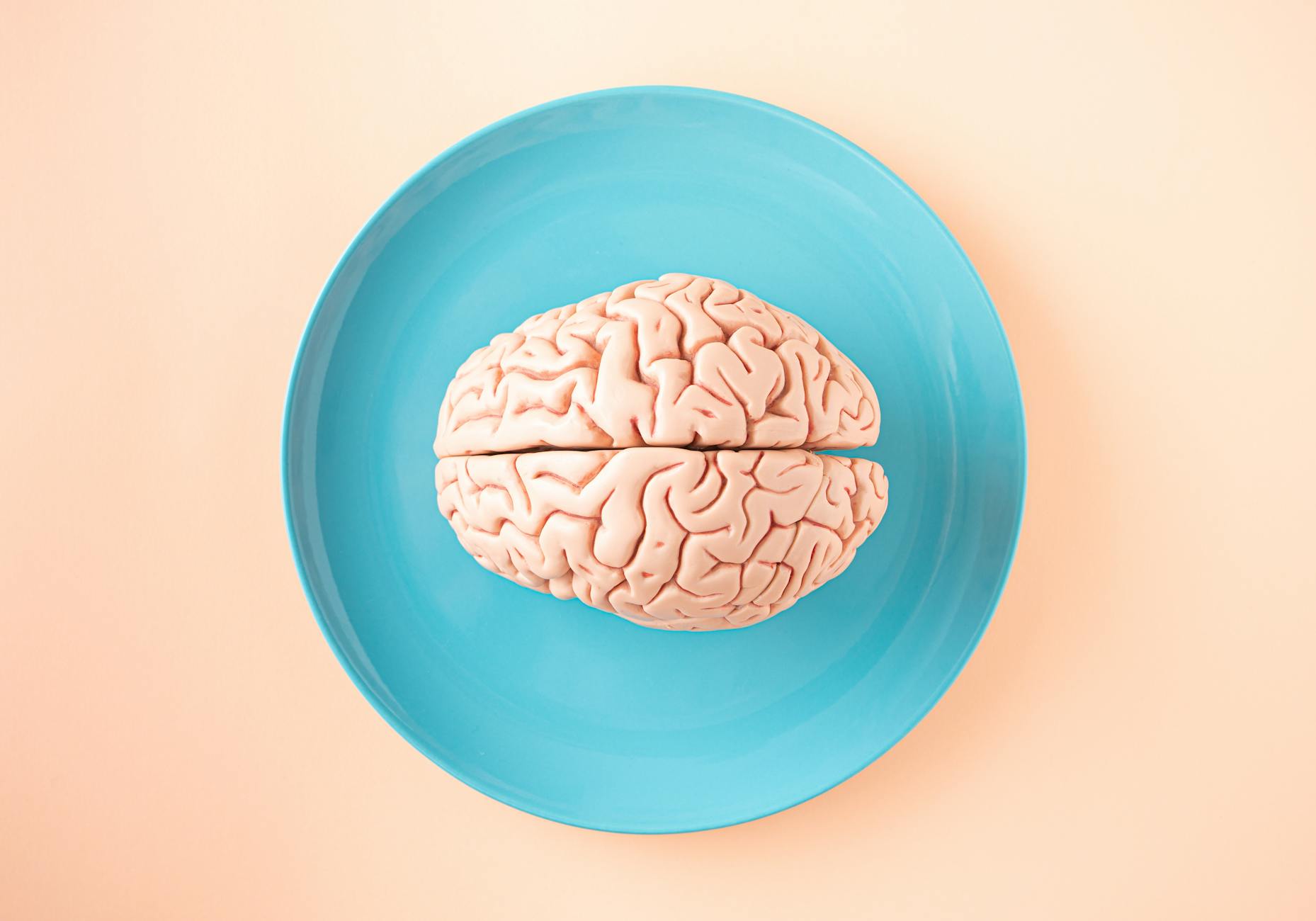
The idea that people only use ten percent of their brain is one of the most persistent myths in popular science. Brain imaging technology has shown that virtually all regions of the brain are active at some point throughout the day. Even during sleep, multiple areas remain engaged in essential processes like memory consolidation and cellular repair. No credible neuroscientist has ever identified a dormant ninety percent waiting to be unlocked. The myth likely persists because it is an appealing idea tied to the fantasy of untapped human potential.
Hair Growth

Many people believe that shaving makes hair grow back thicker, darker, or faster than before. What actually happens is that a freshly shaved hair has a blunt tip rather than the naturally tapered end of uncut hair. This blunt edge creates the illusion of coarser, denser regrowth when it emerges from the skin. Multiple controlled studies across decades have confirmed that shaving has no effect on the actual color, texture, or growth rate of hair. The follicle beneath the skin determines all of those qualities and is completely unaffected by surface-level cutting.
Tongue Map
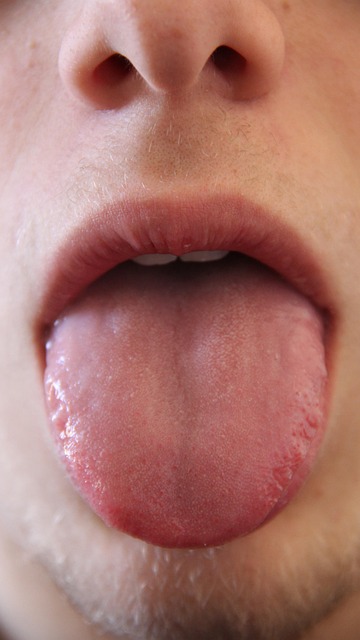
The idea that specific regions of the tongue are solely responsible for tasting sweet, salty, sour, and bitter is taught in many schools but has been scientifically obsolete for decades. All taste receptors capable of detecting each flavor are distributed across the entire surface of the tongue. The original diagram that inspired this myth was a misinterpretation of a nineteenth-century German study. Modern research has also identified a fifth taste known as umami and evidence suggesting fat may constitute a sixth. Every bite activates a complex and distributed sensory experience rather than a neatly divided map.
Cold Weather
People widely believe that going outside in cold weather without proper clothing causes the common cold. The common cold is caused by viruses, most frequently rhinoviruses, that are transmitted through respiratory droplets and contaminated surfaces. Cold temperatures on their own cannot generate a viral infection in a healthy person. Research has shown that people actually spend more time indoors during cold months, which increases the likelihood of viral transmission in enclosed spaces. The weather itself is not the culprit but rather the behavioral changes that accompany it.
Blood Color
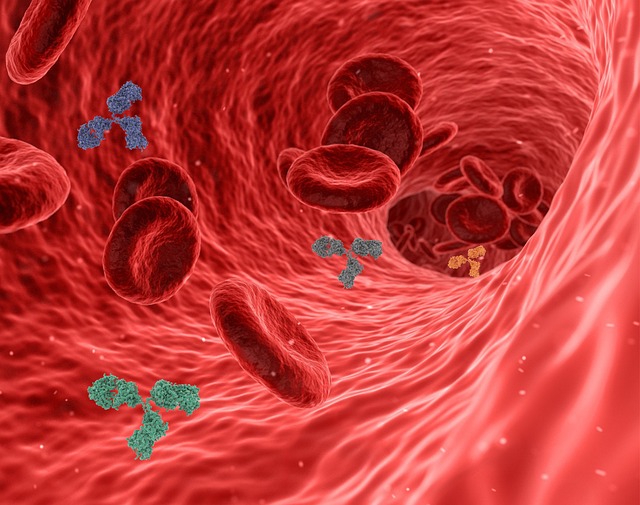
A remarkably common belief holds that blood is blue inside the body and only turns red when it meets oxygen. Human blood is always red, regardless of whether it is carrying oxygen or returning to the heart depleted of it. Oxygen-rich blood is a bright, vivid red while oxygen-depleted blood takes on a darker, more maroon hue. Veins appear blue or green through the skin because of the way different wavelengths of light penetrate tissue and are absorbed or reflected. No human blood has ever been genuinely blue at any stage of circulation.
Swallowed Gum

Generations of children were warned that swallowed chewing gum would remain in their stomach for seven years. While gum base is indeed indigestible, meaning the body cannot break down its synthetic components, it does not simply sit indefinitely in the digestive tract. The muscular movements of the digestive system propel indigestible material through and out of the body in a matter of days. Cases of genuine blockage exist but are extremely rare and typically involve children who swallow very large quantities over a short period. A single swallowed piece of gum presents no meaningful health risk.
Fingernails
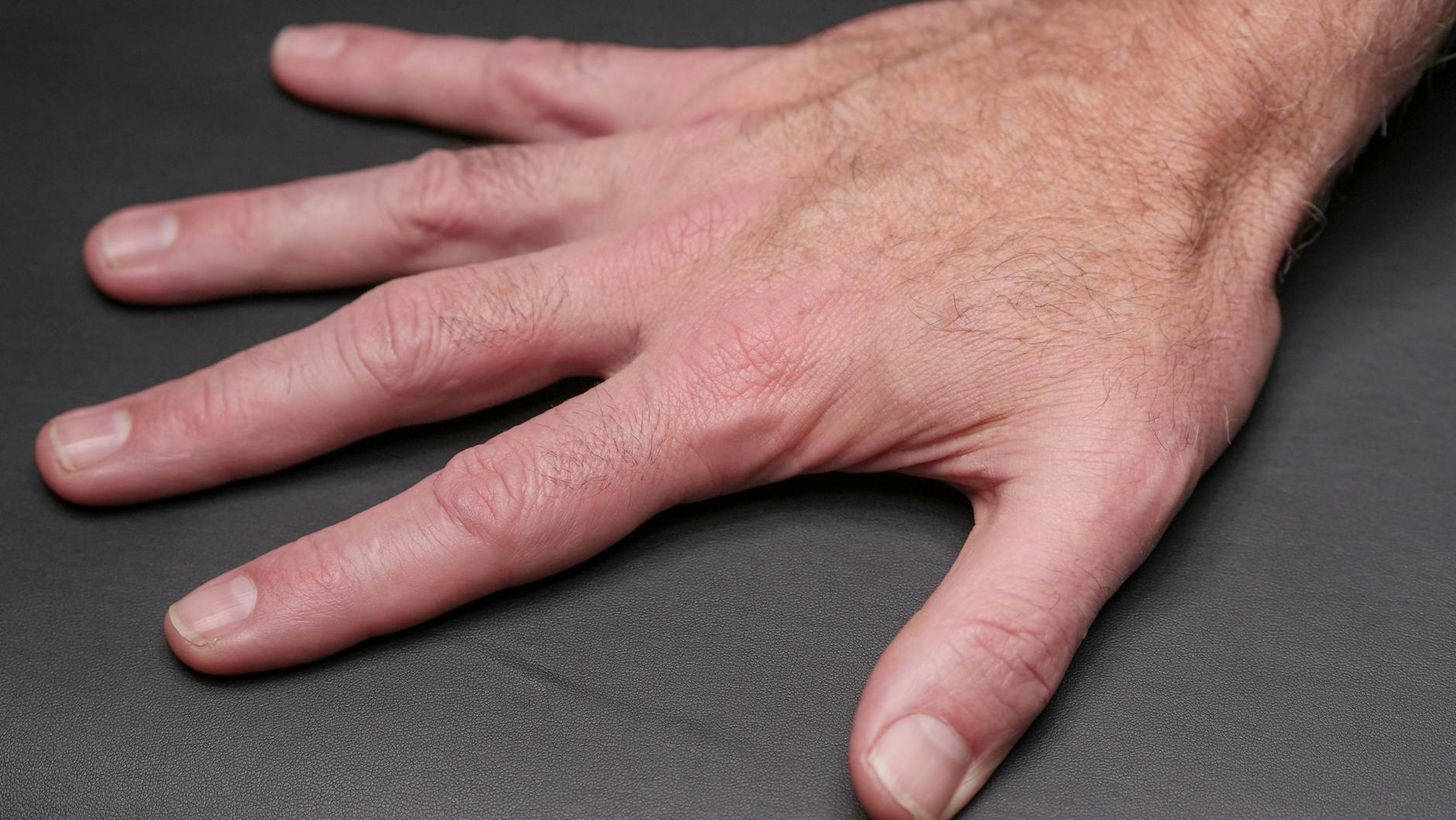
The belief that fingernails and hair continue to grow after death is one of the most dramatically persistent myths surrounding the human body. Growth requires a continuous supply of glucose, which the body stops producing the moment circulation ceases. What actually happens is that the skin around the nails and hair follicles dehydrates and pulls back after death, creating the visual illusion that the nails and hair have lengthened. Morticians and scientists have noted this effect for well over a century. The underlying biology makes postmortem growth a physiological impossibility.
Left Brain
The popular notion that people are either left-brained or right-brained and that this determines personality and ability is not supported by neuroscience. Brain scans of thousands of individuals have revealed no evidence that people consistently favor one hemisphere over the other in their daily neural activity. Both hemispheres communicate constantly through a thick bundle of nerve fibers and collaborate on nearly every task a person performs. The left hemisphere does specialize in certain language functions and the right in certain spatial tasks, but this does not translate into distinct personality types. The left-brain and right-brain framework is a dramatic oversimplification of an extraordinarily complex system.
Sugar Hyperactivity
Parents have long attributed their children’s excitable behavior at parties and celebrations to sugar consumption. Controlled double-blind studies have consistently found no link between sugar intake and increased hyperactivity in children. In many experiments, parents who were told their children had consumed sugar rated their behavior as more hyperactive even when the children had received a placebo. The excitement associated with events where sugary foods are served is far more likely to be the cause of energetic behavior. This myth persists largely because of confirmation bias and the strong cultural narrative surrounding sweets and children.
Eight Glasses of Water

The advice that every person must drink exactly eight glasses of water per day is repeated constantly despite having no firm scientific foundation. Hydration needs vary significantly based on body size, activity level, climate, diet, and overall health. Many foods, particularly fruits and vegetables, contribute meaningfully to daily fluid intake. The kidneys are highly efficient organs capable of regulating fluid balance across a wide range of intake levels. Thirst remains one of the most reliable indicators of when the body actually needs more water.
Goldfish Memory
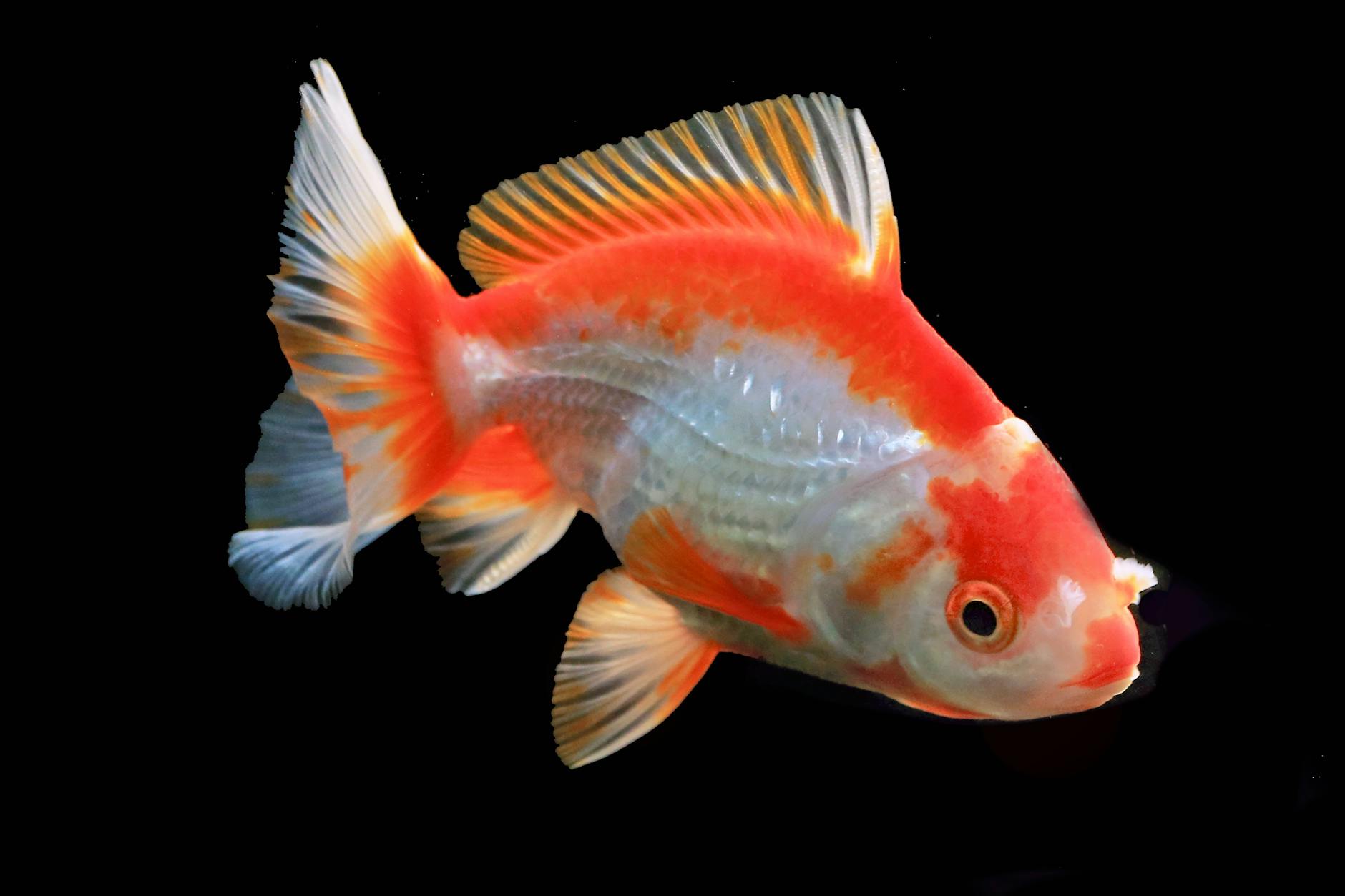
While the three-second memory myth applies to goldfish rather than the human body directly, people frequently use it to describe their own short attention spans or forgetfulness. Goldfish actually have memory capabilities that span months and can be trained to navigate mazes and respond to signals. The myth has become culturally embedded as a metaphor for human forgetfulness. More relevant to the body is the broader misconception that human memory functions like a perfect recording device. Memory is reconstructive and highly susceptible to suggestion, emotion, and time.
Stomach Shrinking

Many people believe that eating smaller portions will cause the stomach to physically shrink over time, making hunger easier to manage. The stomach is an elastic organ that does expand when full and contract when empty, but its baseline size does not permanently decrease simply through portion control. What does change with consistent dietary habits is appetite regulation driven by hormonal signals like ghrelin and leptin. The brain and gut communicate constantly to adjust hunger cues based on established patterns of eating. The sensation of feeling full on less food reflects hormonal adaptation rather than any structural change to the organ itself.
Muscle Turning to Fat
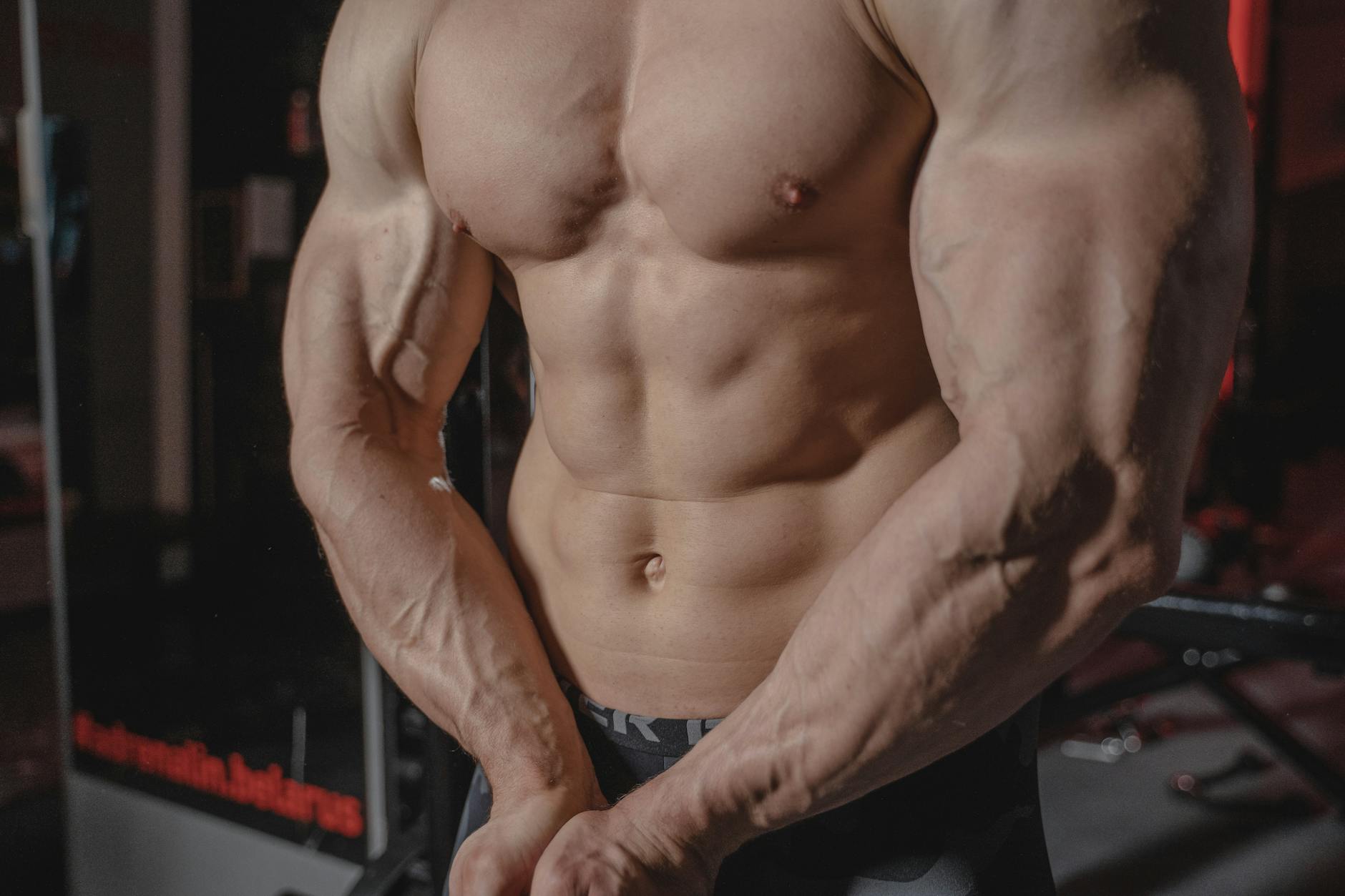
The idea that muscle turns into fat when a person stops exercising is a biological impossibility. Muscle tissue and fat tissue are entirely distinct cell types that cannot convert into one another under any circumstances. What actually happens when someone becomes less active is that muscle mass decreases through a process called atrophy while caloric intake may remain the same, leading to fat accumulation. These two processes occur simultaneously but independently, creating the misleading impression of one tissue transforming into the other. Understanding this distinction is fundamental to making informed decisions about fitness and body composition.
Reading in Dim Light

Parents and teachers have warned for decades that reading in low light will damage or permanently weaken eyesight. Optometrists and ophthalmologists consistently confirm that dim lighting does not harm the eyes or accelerate any degenerative process. The eyes may become fatigued more quickly in poor lighting conditions, leading to temporary discomfort and strain. This eye strain resolves completely with rest and leaves no lasting structural damage to the eye. The warning, though well-intentioned, has no basis in the anatomy or physiology of vision.
Sitting Up Straight

Conventional wisdom holds that sitting perfectly upright at a ninety-degree angle is the ideal posture for spinal health. Research from the past two decades suggests that a slightly reclined position of around one hundred to one hundred and thirty-five degrees actually places less compressive force on the discs of the lumbar spine. Rigid upright posture can increase muscle tension and fatigue when maintained for long periods. The most important factor for spinal health is movement and variation rather than any single fixed position. Prolonged stillness in any posture, including a technically correct one, contributes more to discomfort than the angle itself.
Detox Diets

The concept of the body accumulating toxins that require special diets or cleanses to remove is not grounded in physiology. The liver, kidneys, lymphatic system, and skin work continuously and efficiently to filter and eliminate waste products from the body. No credible scientific evidence supports the idea that juice cleanses, fasting regimes, or detox supplements meaningfully enhance or accelerate these natural processes in healthy individuals. The marketing language surrounding detox products exploits a vague and undefined concept of internal impurity. Supporting the body’s natural filtration systems through consistent hydration, sleep, and a balanced diet is both more effective and more evidence-based.
Eating Before Swimming
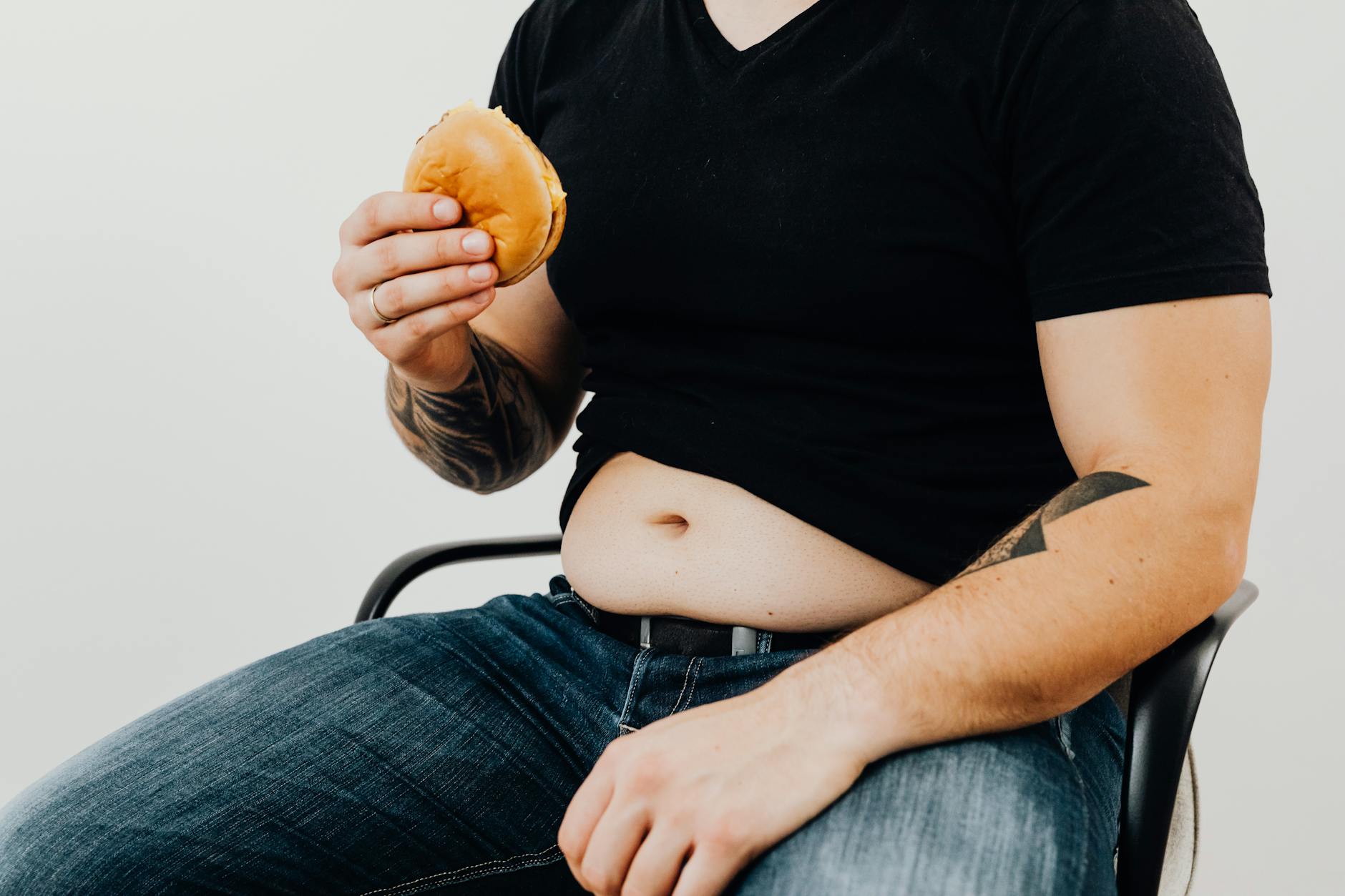
The warning to wait thirty to sixty minutes after eating before swimming to avoid cramps or drowning has been passed down through generations of families. While digestion does redirect blood flow toward the digestive organs, this does not significantly impair muscle function or swimming ability in healthy individuals. Competitive swimmers and triathletes routinely train and compete shortly after consuming food without dangerous incident. The risk of a serious cramp severe enough to cause drowning in an otherwise healthy person is vanishingly small. Comfort may be a reason to wait briefly after a large meal, but the dire warnings surrounding this myth exceed any evidence-based concern.
Tongue Taste Zones

While the tongue map was addressed earlier, a related myth holds that the back of the tongue is the exclusive domain of bitter taste detection as a biological defense against poison. In reality, bitter receptors are distributed across the tongue and are also found throughout the digestive tract and airways. The digestive system uses these receptors not just in the mouth but deep into the body to monitor ingested substances. Sensitivity to bitterness varies enormously between individuals due to genetic differences in taste receptor proteins. The idea of a neatly organized defensive zone at the back of the tongue does not reflect the distributed complexity of the gustatory system.
Photographic Memory

The popular conception of photographic memory as an ability to recall any image or page of text with perfect accuracy after a single viewing is not supported by scientific evidence. Eidetic memory, which involves vivid and detailed recall of images, has been documented in a small number of children but tends to fade with age and never operates with the flawless precision implied by the photographic metaphor. No adult has ever been confirmed under controlled scientific conditions to possess true photographic memory. What is often described as photographic memory in everyday conversation is usually a combination of strong associative learning strategies and exceptional attentiveness. The concept reinforces an inaccurate model of how human memory actually stores and retrieves information.
Body Heat and Hats

The belief that the body loses the majority of its heat through the head has been cited in military field manuals and parenting advice for generations. The head accounts for roughly ten percent of the body’s total surface area and loses heat in proportion to that area rather than disproportionately. The myth likely originated from early military cold-weather studies in which subjects were dressed in arctic suits that covered everything except their heads. Any exposed body part will lose heat rapidly in cold conditions, including the arms, legs, and torso if left uncovered. Keeping the head warm is sensible but no more critical than protecting any other uncovered part of the body.
Vitamin C and Colds
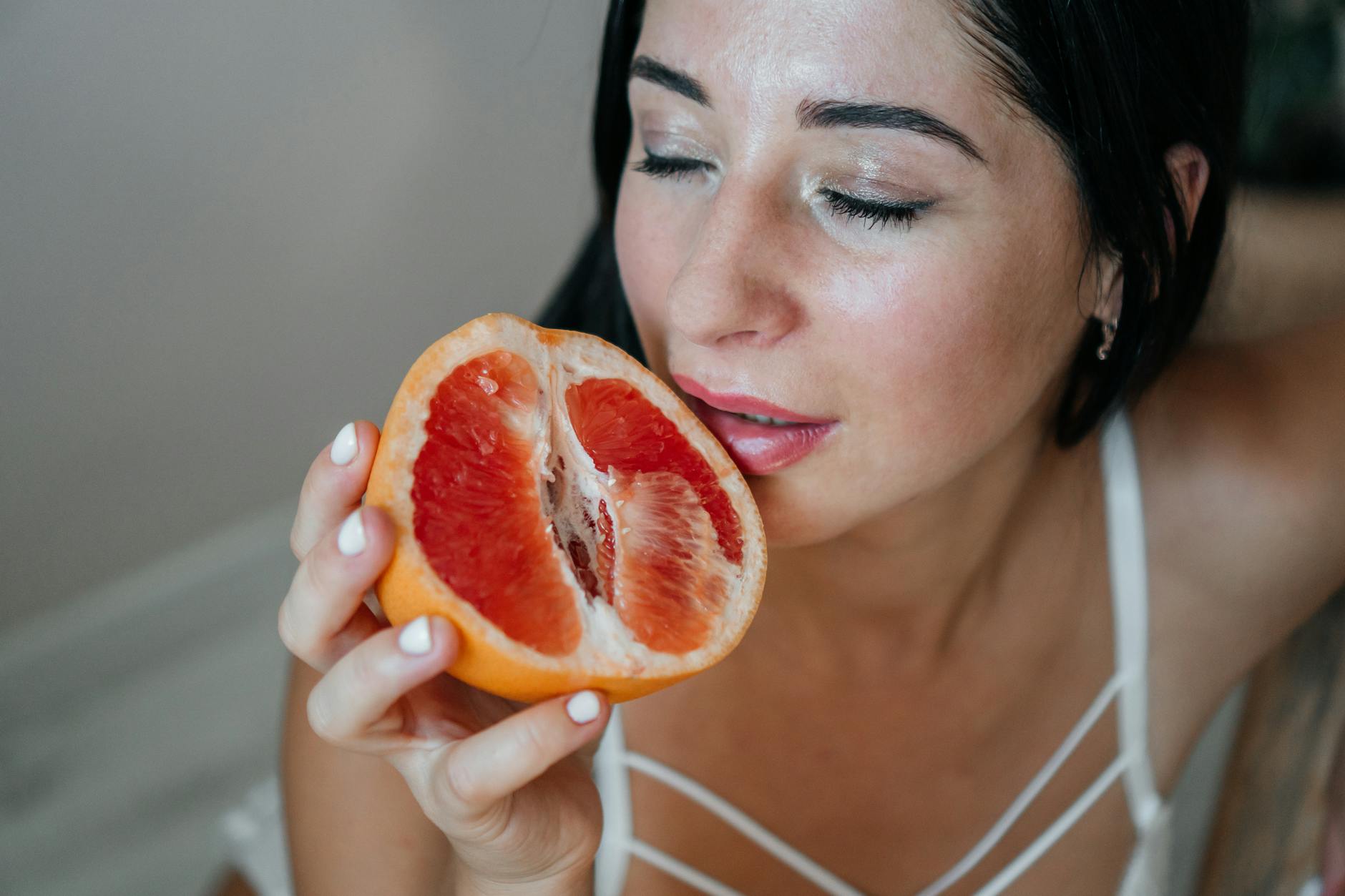
The idea that large doses of vitamin C can prevent or dramatically shorten the duration of a cold has been widely studied and the results are far more modest than popular belief suggests. For the general population, vitamin C supplementation does not meaningfully reduce the incidence of colds. Some studies have found minor reductions in cold duration among people under extreme physical stress such as marathon runners. The body has a limited capacity to absorb and utilize ascorbic acid and excess amounts are simply excreted. A balanced diet providing adequate vitamin C supports immune function, but megadosing offers no dramatic protective benefit for most people.
Double Jointed

People described as double-jointed do not actually possess two joints where others have one. The term refers to hypermobility, a condition in which the connective tissues surrounding a joint are more elastic than average, allowing for a greater range of motion. This increased flexibility has a genetic basis and is more common in women and children than in adult men. Hypermobility can be entirely benign but is also associated with conditions like Ehlers-Danlos syndrome when it occurs alongside other symptoms. The joints themselves are anatomically standard in structure even when their range of movement appears extraordinary.
Alcohol Warming

The warming sensation produced by consuming alcohol is a well-known feeling but the belief that alcohol raises core body temperature is physiologically incorrect. Alcohol causes blood vessels near the skin to dilate, which creates a flush of warmth at the surface of the body. This process actually accelerates heat loss from the body rather than generating or retaining it. People who consume alcohol in cold environments are at greater risk of hypothermia because the sensation of warmth masks the actual drop in core temperature. The comfort of a warming drink in cold weather is a convincing illusion with a genuinely dangerous underside.
Human Senses
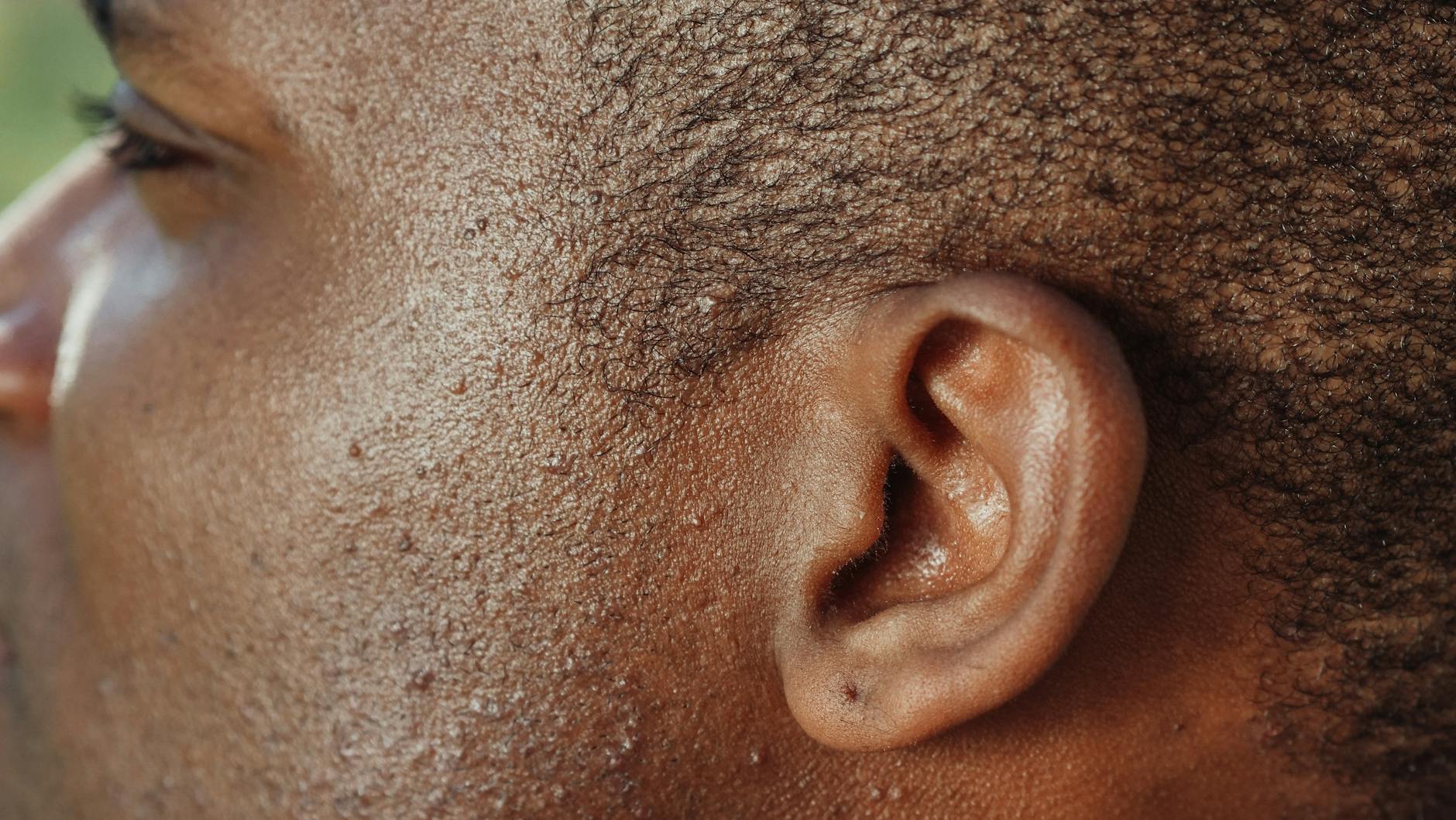
The idea that humans have exactly five senses was established by Aristotle and has remained embedded in popular understanding ever since. Modern neuroscience recognizes many additional senses including proprioception, which is the awareness of the body’s position in space, and interoception, which is the perception of internal bodily states. The vestibular system provides a sense of balance and spatial orientation that operates entirely separately from the five classical senses. Thermoception detects temperature and nociception processes pain, both of which involve dedicated sensory pathways. The five-sense model is a historical artifact that dramatically undersells the complexity of human sensory experience.
Waking Sleepwalkers
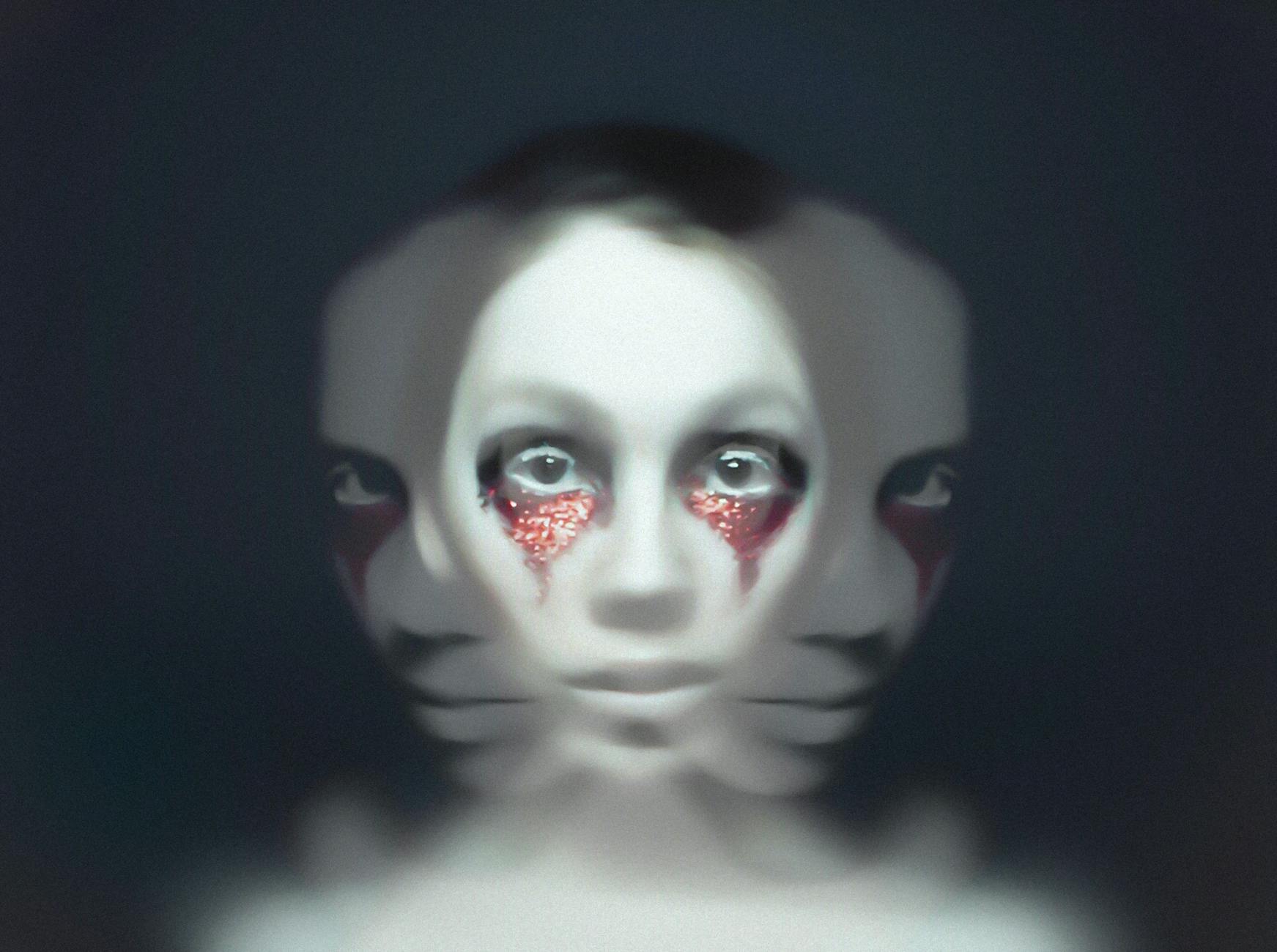
A persistent belief holds that waking a sleepwalker is dangerous and can cause serious psychological harm or even cardiac arrest. Medical experts confirm that waking a sleepwalker is not dangerous to their health. The sleepwalker may be confused, disoriented, or briefly distressed upon being roused, but no lasting harm results. The real concern with sleepwalking is the risk of the individual injuring themselves by falling, walking into objects, or leaving a safe environment. Gently guiding a sleepwalker back to bed is considered appropriate, and waking them if necessary is a far safer outcome than allowing them to continue in a potentially hazardous situation.
Stomach Ulcers and Stress

For much of the twentieth century, stomach ulcers were believed to be caused primarily by stress and spicy foods. The 1984 discovery by Barry Marshall and Robin Warren that the bacterium Helicobacter pylori is the primary cause of most peptic ulcers fundamentally changed medical understanding of the condition. The pair were eventually awarded the Nobel Prize in Physiology or Medicine for this work. Stress and certain medications like nonsteroidal anti-inflammatory drugs can contribute to ulcer development or worsening, but they are not the root cause in the majority of cases. The bacterial origin of ulcers means they can be treated effectively with antibiotics rather than dietary restriction alone.
Fingertip Wrinkling
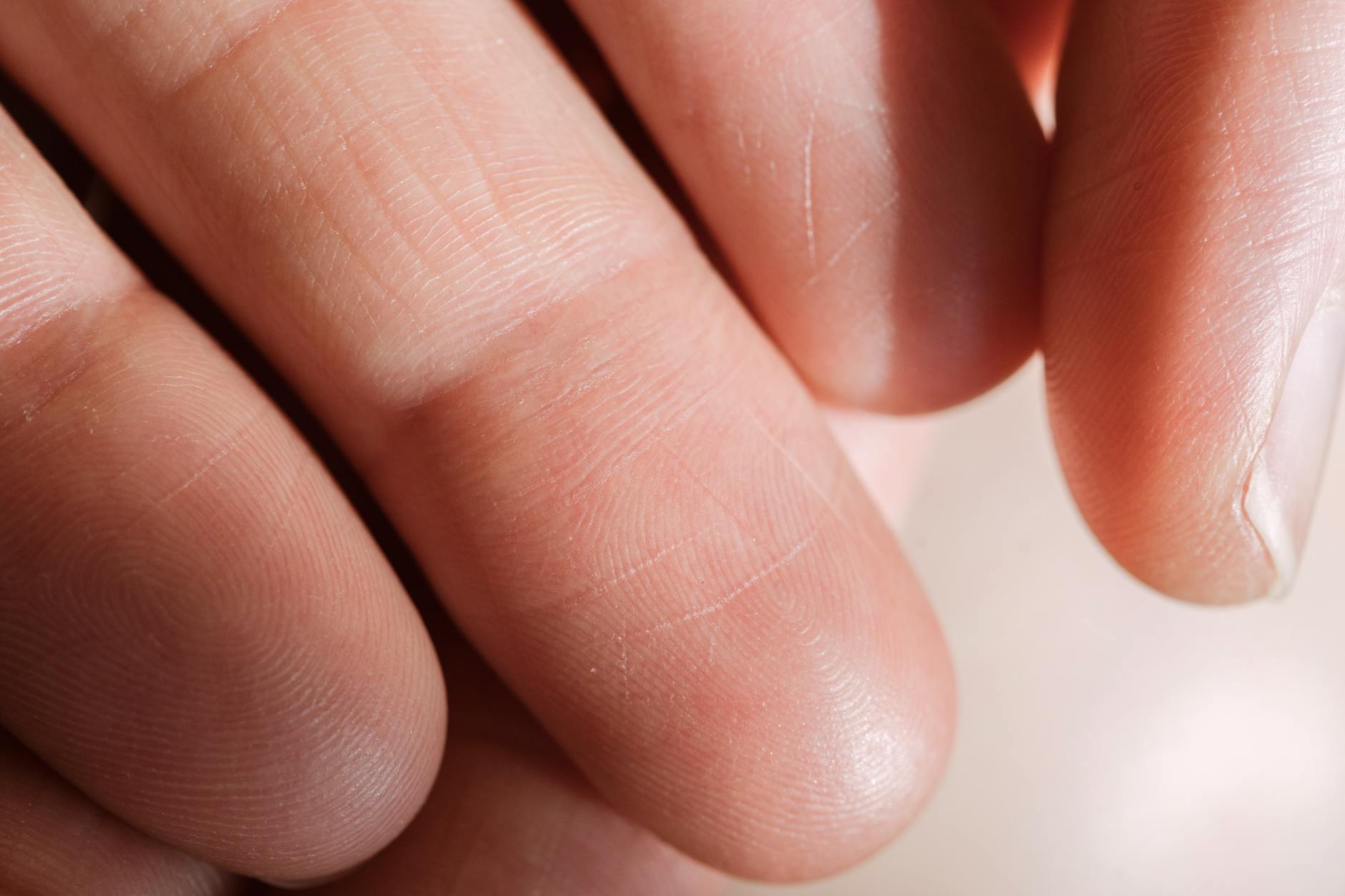
The wrinkling of fingers and toes during prolonged water exposure was long assumed to be a passive osmotic effect in which skin cells absorb water and swell. Research published in the last fifteen years has demonstrated that the wrinkling response is actually controlled by the autonomic nervous system. Fingers with severed digital nerves do not wrinkle in water, confirming that the phenomenon requires active neural involvement. One widely accepted hypothesis proposes that the wrinkles function like tire treads, improving grip on wet or submerged surfaces. The seemingly simple observation of pruney bath fingers turns out to reflect a sophisticated and deliberate physiological response.
Craving Nutrients
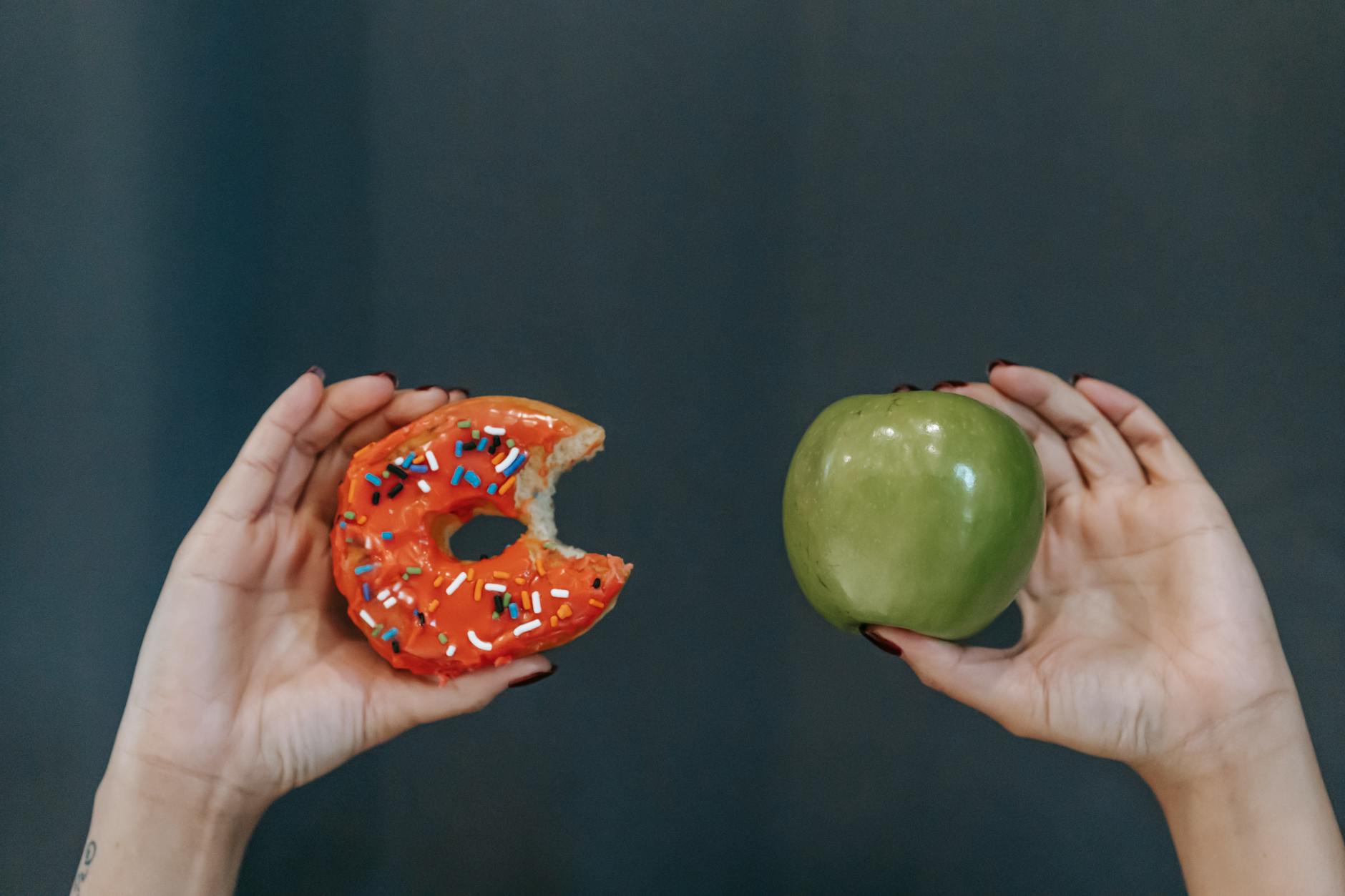
The popular idea that food cravings are the body’s way of signaling specific nutritional deficiencies is appealing but largely unsupported by research. Craving chocolate does not reliably indicate a magnesium deficiency, and craving red meat does not necessarily signal low iron. Cravings are influenced by habit, emotional state, hormonal fluctuations, sensory memory, and cultural conditioning far more than by measurable nutrient gaps. In some specific cases such as pica, the consumption of non-food substances, genuine nutritional deficiency does drive unusual eating behavior. For the vast majority of everyday cravings, the explanation is psychological and behavioral rather than biochemical.
Tongue Print
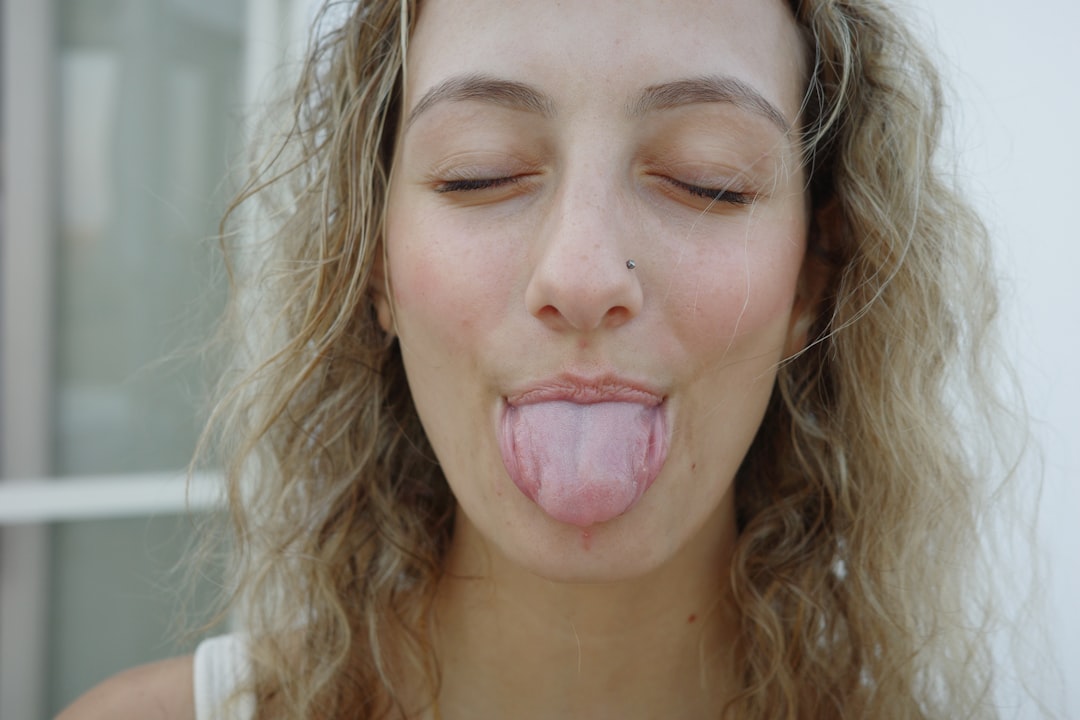
The belief that the tongue has no unique identifying characteristics is incorrect. The surface of the human tongue features a distinctive pattern of bumps, grooves, and texture variations that is unique to each individual, similar in principle to a fingerprint. Researchers have proposed tongue recognition as a potential biometric identification method for medical and security applications. The tongue is also harder to obscure or alter deliberately than other biometric markers like fingerprints. Most people remain entirely unaware that this ordinary and familiar part of the body carries such a distinctive biological signature.
Share your thoughts on these body myths in the comments and let us know which ones surprised you the most.