Many homeowners spend hundreds of dollars and countless hours trying to eradicate persistent plants from their lawns and gardens without realizing the potential value hidden in the soil. These botanical invaders often contain higher nutritional profiles and more complex flavor variations than standard grocery store produce. Foraging for these wild greens provides a sustainable way to diversify a diet while reducing grocery bills and food waste. Correct identification is essential before consuming any wild plant to ensure safety and culinary enjoyment. Embracing these resilient species transforms a mundane weeding chore into a productive harvest of fresh ingredients.
Dandelion
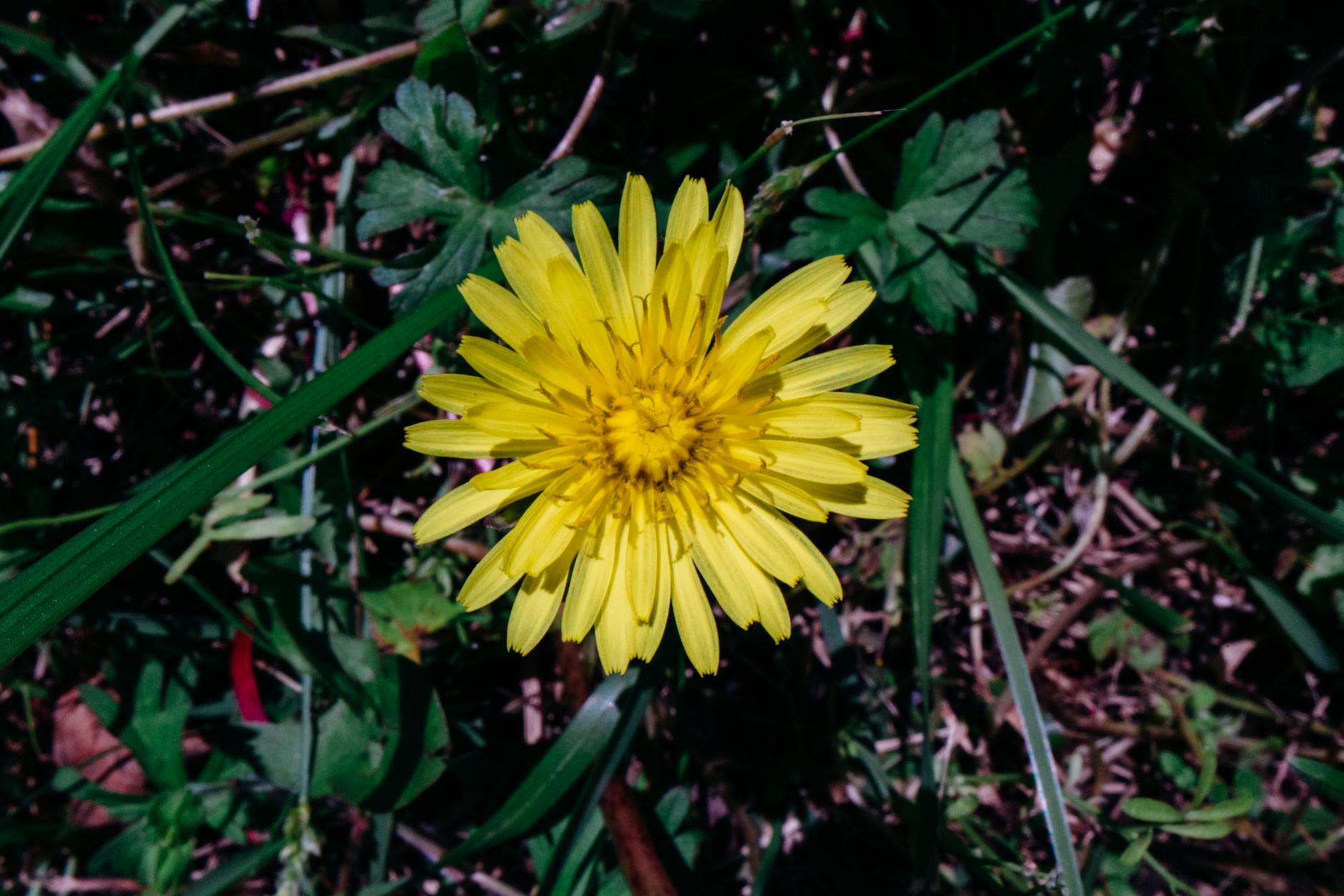
This recognizable plant offers culinary value from the bright yellow flower down to the deep taproot. The jagged leaves contain high amounts of vitamins A and C along with iron and calcium to support daily nutrition. Young greens provide a peppery flavor that works exceptionally well in fresh salads or lightly sautéed dishes. Roasted roots create a rich and earthy coffee substitute that contains absolutely no caffeine. Every part of the dandelion serves a purpose in the kitchen while offering significant nutritional benefits.
Purslane
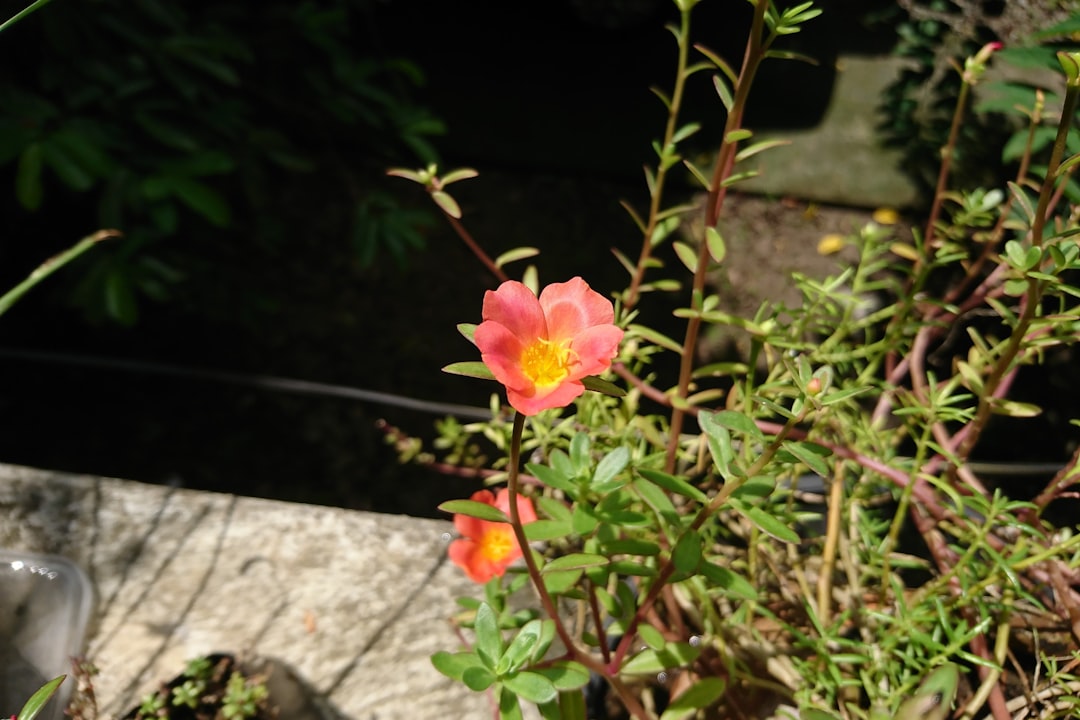
This succulent ground cover thrives in sidewalk cracks and garden beds during the heat of summer. It holds the distinction of containing more omega-3 fatty acids than almost any other leafy vegetable on the planet. The fleshy oval leaves possess a crisp texture and a mild lemony tang similar to spinach or watercress. Chefs often use purslane raw in salads or add it to soups as a natural thickener. Its high water content makes it a refreshing addition to summer meals when hydration is a priority.
Wood Sorrel

Often mistaken for clover due to its three leaves, this plant features distinct heart shapes and small yellow flowers. The flavor profile is notably tart and citrusy because of the presence of oxalic acid. Foragers frequently use the delicate greens and flowers as a bright garnish for fish or desserts to add visual appeal. It is best consumed in moderation since high quantities of oxalic acid can inhibit calcium absorption in some individuals. This widespread weed adds a sophisticated zest to simple dishes without costing a cent.
Lamb’s Quarters
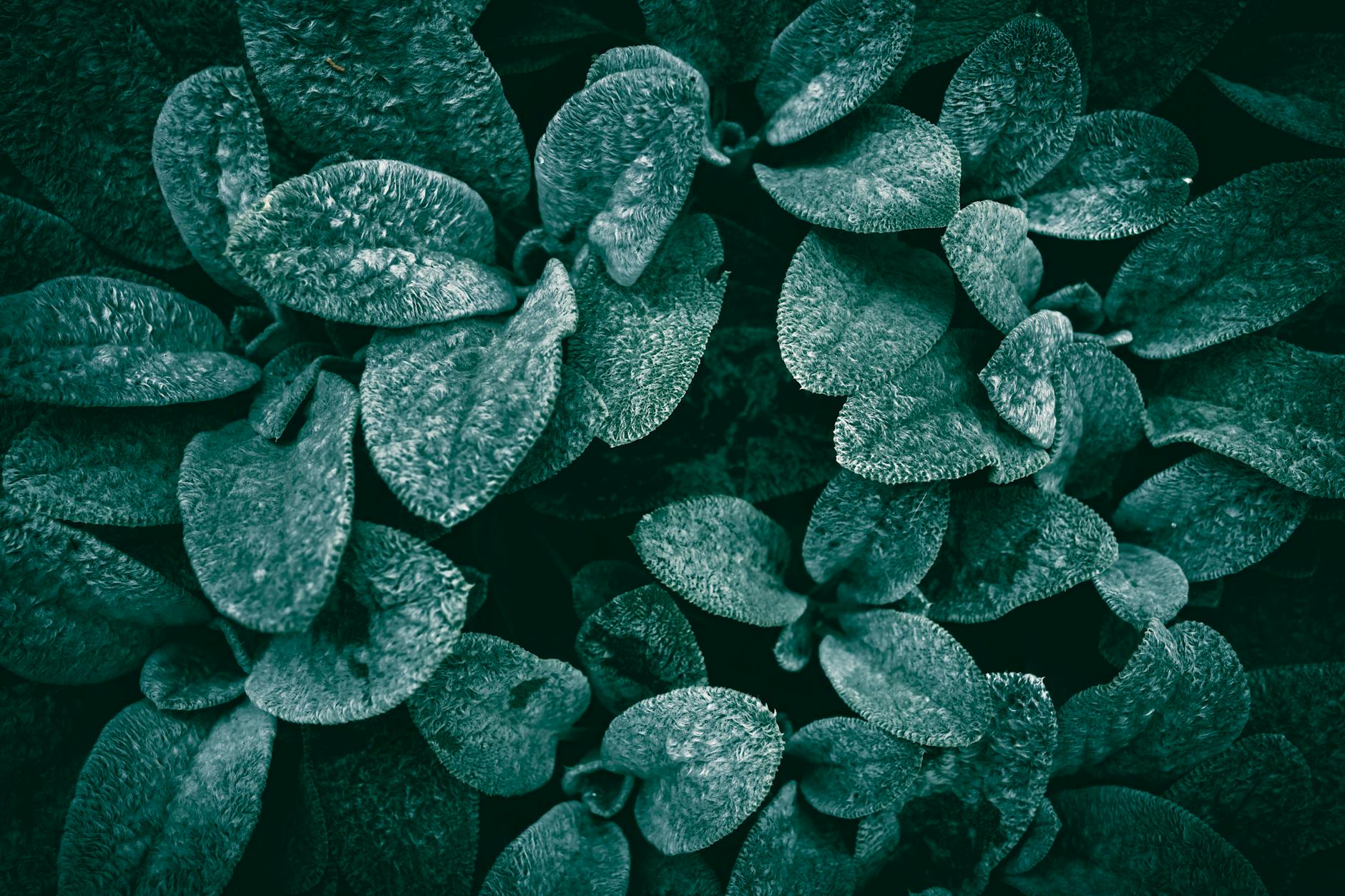
Gardeners often encounter this tall plant which is widely considered a superior wild alternative to common spinach. The diamond-shaped leaves feature a white powdery coating on the underside that acts as a natural water repellent. It contains impressive levels of protein along with calcium and vitamins A and K for a healthy boost. Cooking the greens eliminates any trace of bitterness and softens the texture significantly for a pleasant mouthfeel. This hardy plant produces thousands of seeds that can be harvested and used much like quinoa.
Chickweed
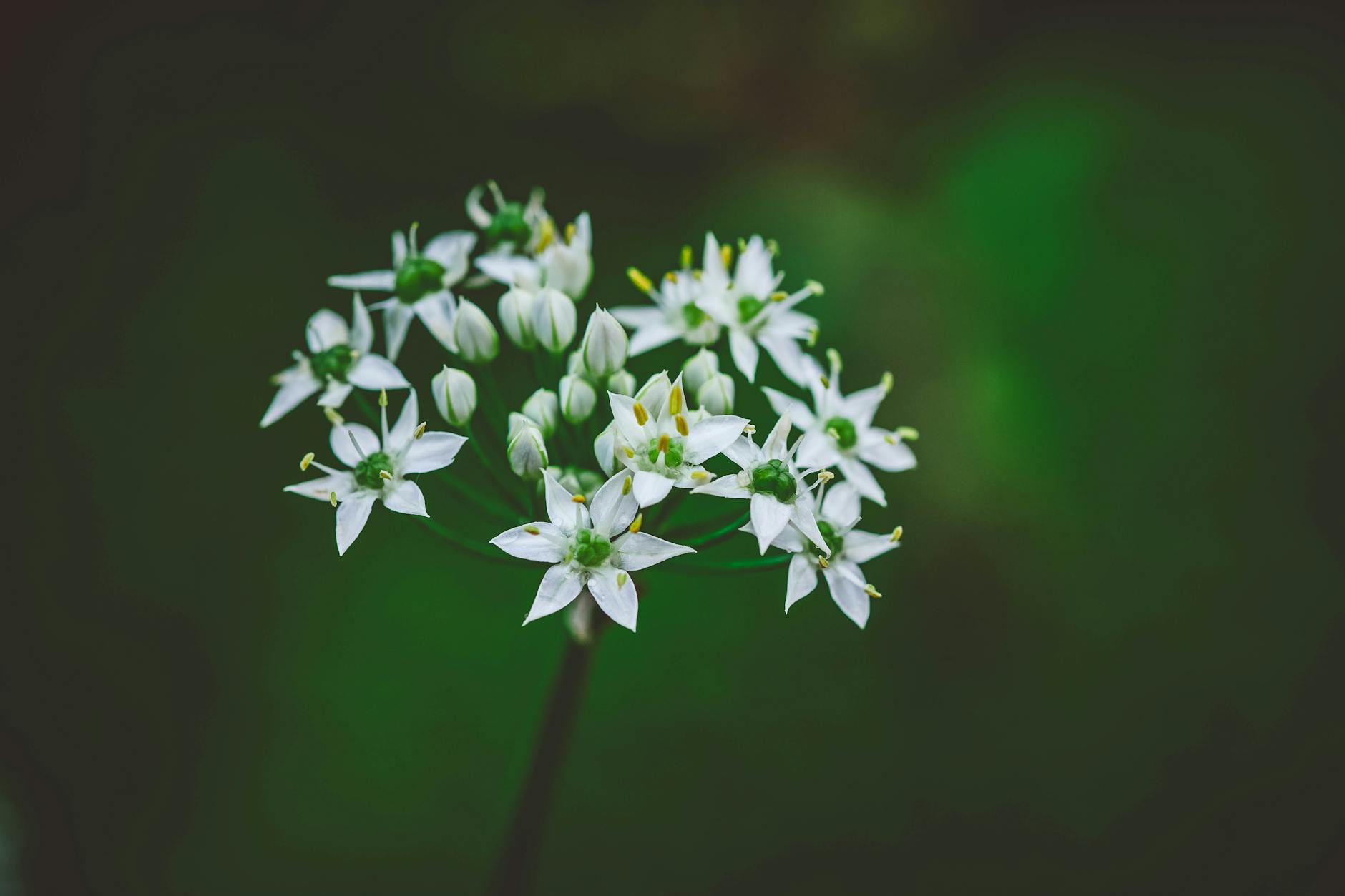
This delicate sprawling plant appears in the cool weather of spring and fall with tiny star-shaped white flowers. The tender leaves and stems offer a mild flavor reminiscent of corn silk or raw green beans. It contains beneficial saponins and provides a soothing texture when added to smoothies or pestos. Harvesting requires scissors to snip the top few inches of the mat without pulling up the shallow roots. Fresh chickweed serves as an excellent base for a nutrient-dense spring salad.
Broadleaf Plantain
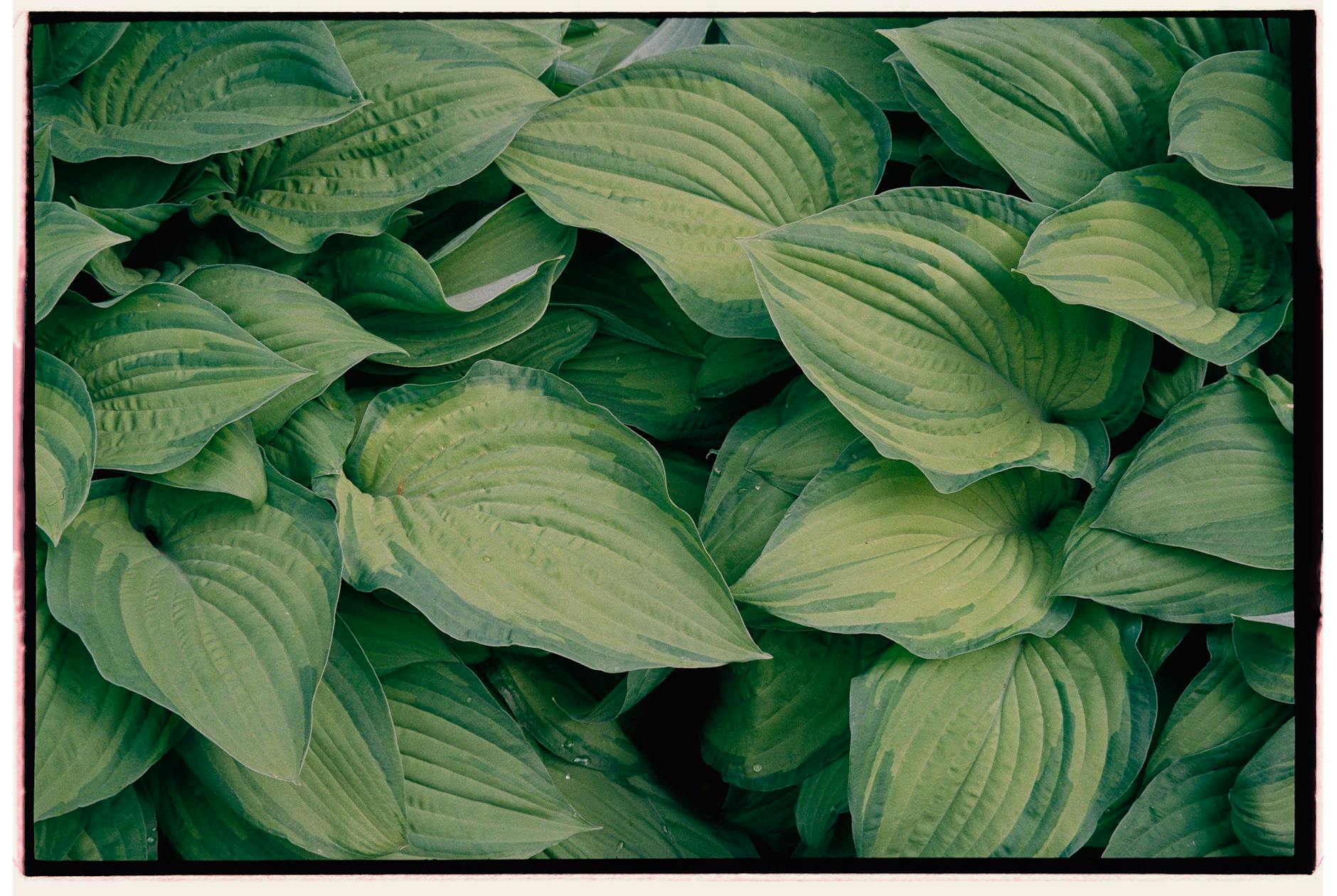
Broadleaf plantain grows in compacted soil and is easily identified by the prominent parallel veins on the back of the leaves. Older leaves tend to be fibrous and tough so they require boiling or slow cooking to become tender enough to eat. The younger leaves work well when baked into crisp chips with a drizzle of oil and sea salt. The seed shoots can be harvested and cooked like grains or ground into flour for baking projects. This resilient weed offers substantial fiber and beta-carotene for those who take the time to harvest it.
Stinging Nettle
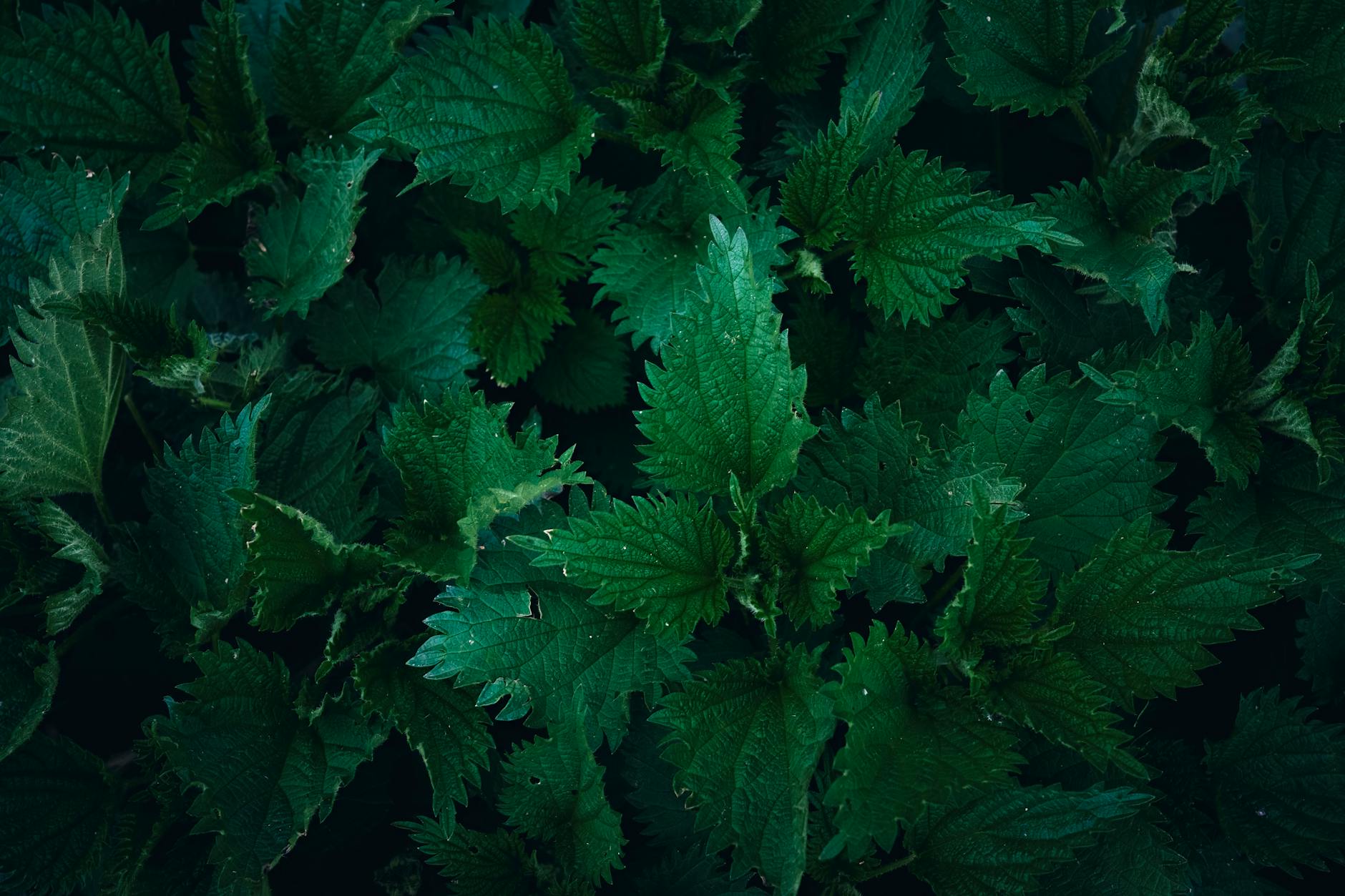
Harvesting this plant requires thick gloves because the tiny hairs on the leaves and stems deliver a painful sting upon contact. Heat neutralizes the stinging chemicals and transforms the plant into a dark and savory green that is safe to eat. It boasts a remarkably high protein content for a vegetable and provides abundant iron and magnesium. Many people enjoy it steeped as a mineral-rich tea or pureed into a vibrant green soup. Once cooked it tastes similar to spinach but with a richer and earthier complexity.
Please share your favorite foraged recipes or experiences with edible weeds in the comments.