
The afternoon energy slump is one of the most universally experienced and least effectively addressed phenomena in modern working life. Most people respond to it with caffeine, willpower, or a grim determination to push through, strategies that produce diminishing returns and accumulating fatigue across the working week. Elite performers across industries have quietly developed a different playbook, one built around deliberate interruptions that appear indulgent, eccentric, or professionally questionable to conventional observers. The science of ultradian rhythms, cognitive restoration, and neurological recovery consistently supports what these high performers have discovered through personal experimentation. These are the twenty-three afternoon break habits that raise eyebrows in open-plan offices while quietly producing extraordinary results.
Napping

The afternoon nap is perhaps the most culturally controversial productivity tool available in knowledge work environments, widely dismissed as laziness in cultures that conflate wakefulness with output. A short sleep of ten to twenty minutes during the early afternoon has been shown in repeated studies to restore alertness, improve decision-making accuracy, and enhance creative problem-solving for three to four hours following the nap. Elite performers across fields including athletics, military operations, and executive leadership have incorporated structured napping into their afternoon routines with measurable performance benefits. The stigma attached to workplace napping in many Western professional cultures exists in direct contradiction to the physiological evidence supporting its effectiveness. Organizations in several high-output industries have begun installing dedicated rest spaces precisely because the productivity mathematics of napping are difficult to argue against.
Cold Exposure

A brief afternoon exposure to cold water through a cold shower, face immersion, or cold plunge has become a recognized recovery and alertness tool among high-performing athletes, executives, and creative professionals. The physiological response to cold exposure includes a rapid release of norepinephrine, a neurotransmitter associated with focus, attention, and mood elevation that can sustain cognitive performance for a significant period following the exposure. The practice looks extreme or self-punishing to colleagues who observe the ritual without understanding its neurochemical mechanism. Cold exposure resets the autonomic nervous system in a way that mimics the alertness of morning without the caffeine dependency or subsequent energy crash. The discomfort of the practice is precisely what makes it effective, as the body’s adaptive response to thermal stress produces the neurological conditions that support sustained afternoon performance.
Deliberate Daydreaming

Setting aside ten to fifteen minutes for deliberate unstructured mind-wandering is a practice used by creative professionals, researchers, and strategic thinkers to access the default mode network, the brain system responsible for insight, creative synthesis, and long-range planning. During deliberate daydreaming the person sits without a screen, task, or entertainment and allows the mind to move freely without direction or judgment. To observers this appears to be doing nothing, one of the most professionally uncomfortable postures available in a culture that equates busyness with value. The default mode network is most active precisely when external task demands are removed, meaning that the apparent idleness is when some of the most valuable cognitive processing occurs. Elite thinkers who practice deliberate daydreaming report that their most generative ideas and clearest strategic insights arrive during or immediately after these unstructured intervals.
Walking Meetings

Replacing seated conference room conversations with walking meetings conducted outdoors or through building corridors is a practice adopted by a growing number of high-output leaders and creative professionals who have noticed the qualitative difference in thinking that movement produces. Walking increases cerebral blood flow, activates bilateral brain stimulation through rhythmic movement, and reduces the social hierarchy signaling that formal meeting rooms tend to amplify, producing conversations that are simultaneously more cognitively alive and more honestly collaborative. The informality of a walking meeting unsettles those who associate professional seriousness with stationary postures and conference tables. Discussions conducted in motion tend to reach resolution more quickly and generate more novel solutions than equivalent conversations held in seated environments. The physical act of moving forward together also creates a subtle but real psychological alignment between participants that static meetings rarely produce.
Digital Silence

Scheduling a thirty to sixty minute window of complete digital disconnection in the early afternoon, during which phones are silenced, email is closed, and all notification systems are suspended, is a practice that elite workers use to allow the nervous system to complete a natural recovery cycle interrupted by constant connectivity. The period of digital silence is functionally uncomfortable for both the practitioner and their colleagues, who interpret unavailability as negligence or disengagement in environments conditioned to expect perpetual responsiveness. Neurologically, the removal of notification stimuli allows the prefrontal cortex to recover from the decision fatigue generated by continuous reactive processing throughout the morning. The silence window also creates a psychologically distinct boundary within the working day that sharpens the sense of re-entry when connectivity resumes. Practitioners consistently report that the work produced immediately following a digital silence period has a clarity and focus that hours of continuous connected working cannot replicate.
Breathwork

A structured afternoon breathing practice of five to ten minutes, using techniques such as box breathing, physiological sighing, or coherent breathing, is used by military personnel, competitive athletes, and high-stakes professionals to reset the autonomic nervous system between demanding cognitive sessions. The practice is visually peculiar in any workplace context and is typically conducted privately for this reason, adding to its reputation as an eccentric personal ritual rather than a legitimate performance tool. Controlled breathing directly influences heart rate variability, a physiological marker strongly associated with cognitive flexibility, emotional regulation, and stress resilience under pressure. The speed and reliability with which breathwork produces a measurable shift in physiological state makes it one of the most efficient recovery tools available per minute invested. Professionals who practice afternoon breathwork regularly report a consistent ability to sustain high-quality decision-making into the late afternoon that their peers who skip the practice cannot match.
Journaling

A brief afternoon journaling session of five to ten minutes, used to process the cognitive and emotional residue of the morning before transitioning into afternoon work, is a practice common among high-performing executives, writers, and professionals in emotionally demanding fields. The act of converting fragmented thoughts, unresolved concerns, and incomplete ideas into written language completes the processing cycle for experiences that would otherwise continue consuming background cognitive resources. Colleagues who observe a colleague writing in a notebook during working hours frequently interpret the activity as personal indulgence rather than recognizing it as active cognitive maintenance. Afternoon journaling also functions as a lightweight planning tool, clarifying priorities for the remaining working hours with a precision that continuous working without reflection rarely produces. The few minutes invested in written processing consistently generate a return in afternoon focus and emotional clarity that significantly exceeds the time cost.
Sunlight Exposure

Stepping outside for ten to fifteen minutes of direct afternoon sunlight exposure, without sunglasses when safe to do so, is a practice used by chronobiologists, performance coaches, and elite athletes to regulate circadian timing and sustain alertness through the biological low point of the mid-afternoon. Afternoon light exposure signals to the suprachiasmatic nucleus, the brain’s master circadian clock, that the active phase of the day is ongoing, providing a natural alertness boost that requires no substance and produces no subsequent crash. The habit appears trivially simple to the point where many high performers are reluctant to credit it as a genuine productivity intervention, which contributes to its underuse among those who equate effort with legitimacy. Sunlight exposure in the afternoon also supports more reliable sleep onset in the evening by anchoring the circadian rhythm to the appropriate light-dark cycle. The few minutes outside represent one of the most biologically elegant and zero-cost performance tools available to any afternoon worker.
Micro Meditation
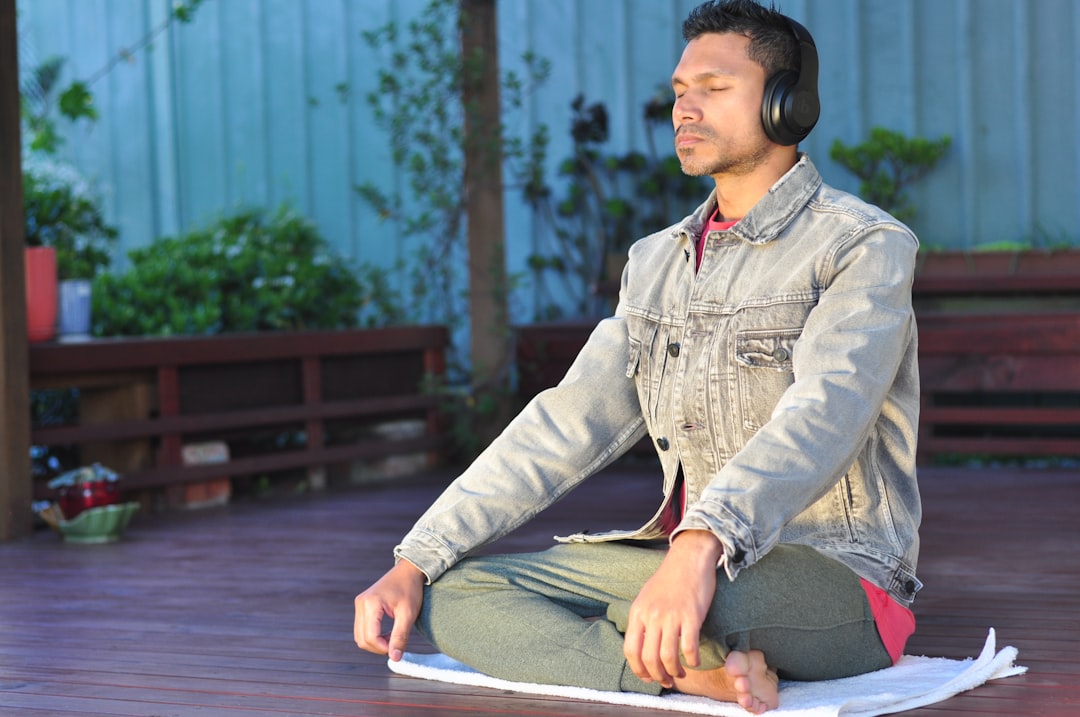
A three to five minute seated meditation practice in the middle of the afternoon, used to deliberately clear accumulated cognitive noise before the second concentrated work block of the day, is a habit practiced privately by a surprising number of leaders, surgeons, lawyers, and financial professionals who would be reluctant to disclose it in conventional professional settings. The brevity of the practice is part of its design, as even minimal meditation duration produces measurable changes in prefrontal cortex activation and a reduction in the stress hormone cortisol that affects afternoon cognitive performance. Micro meditation does not require any particular tradition, technique, or equipment and can be practiced in a parked car, a private office, or even a bathroom without detection by colleagues who might respond with skepticism. The stigma attached to meditation in many professional cultures is gradually eroding as neuroscientific evidence accumulates and high-profile practitioners become more openly identified. Even those who are philosophically resistant to the practice frequently report unexpected benefits upon reluctant experimentation.
Analogical Reading

Spending fifteen to twenty minutes reading material from a field entirely unrelated to one’s own professional domain as an afternoon break is a practice used by inventors, strategists, and cross-disciplinary innovators to introduce the conceptual raw material from which analogical thinking and creative problem-solving are constructed. The professional who takes an afternoon break to read about mycology, naval history, or materials science appears to be indulging personal curiosity at the expense of focused work. In practice the brain continues processing current professional problems during this lateral reading, and the exposure to different structural solutions in different domains frequently generates the oblique insight that direct focused effort had failed to produce. Analogical reasoning, the transfer of solution patterns from one domain to another, is one of the most powerful and underutilized tools in professional problem-solving. Elite innovators across history have maintained broad reading habits precisely because the most valuable connections are almost always made between fields rather than within them.
Stretching
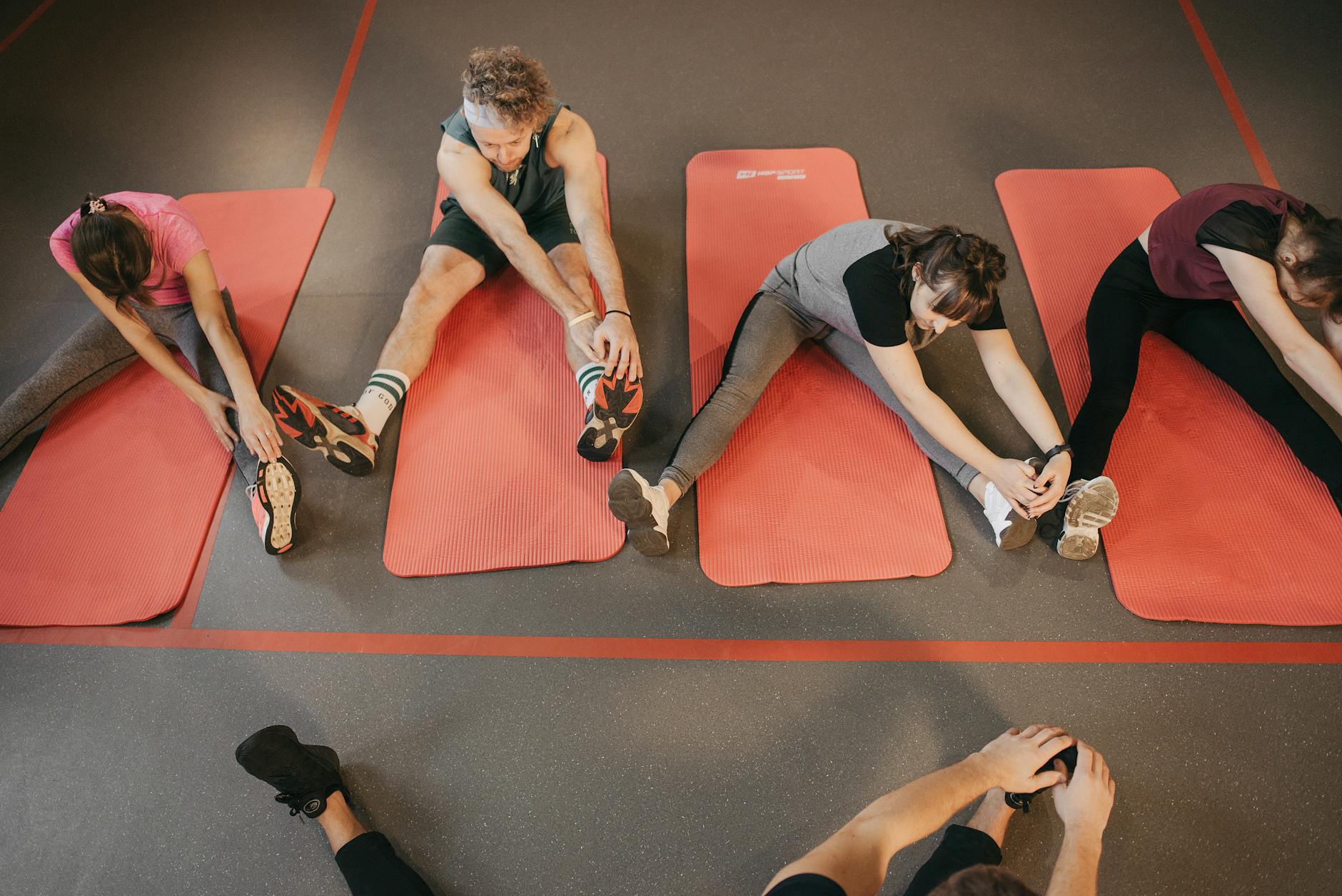
A dedicated five to ten minute afternoon stretching sequence targeting the hip flexors, thoracic spine, and neck is a practice used by surgeons, pilots, programmers, and other professionals whose work demands sustained static posture to prevent the progressive physical discomfort that degrades cognitive performance and mood throughout the afternoon. The relationship between postural tension and mental performance is direct and bidirectional, as physical discomfort consumes attentional resources and activates low-level stress responses that are functionally indistinguishable from psychological stress in their effect on decision-making quality. Stretching in a shared workspace invites comment and mild social awkwardness that discourages many people from practicing it regularly in professional environments. Elite workers who stretch consistently in the afternoon report that the practice functions as both a physical restoration and a psychological transition ritual that mentally separates the morning’s work from the afternoon’s. The body’s afternoon state is not separable from the mind’s afternoon performance, a connection that effective stretching directly addresses.
Eating Strategically

The timing, composition, and size of the afternoon meal or snack is managed with a precision that most colleagues find excessive or unnecessarily complicated by high performers who have learned through experimentation how dramatically food choices affect the quality of afternoon cognitive output. Large carbohydrate-heavy lunches generate the insulin response and subsequent blood glucose drop that produces the classic early afternoon cognitive fog, while smaller strategically composed meals that balance protein, fat, and complex carbohydrate maintain the neurochemical stability that sustained afternoon work requires. The high performer who declines catered lunch, brings specific food from home, or eats at an unusual time appears antisocial or obsessive to colleagues operating without this awareness. Food is not merely sustenance but a direct input into the neurochemical environment in which afternoon work occurs, and treating it as such is a form of professional seriousness that simply resembles personal eccentricity from the outside. Strategic afternoon eating is perhaps the most accessible and consistently impactful performance intervention available because it operates continuously rather than requiring scheduled practice time.
Artistic Play

Spending fifteen to twenty minutes engaged in an undemanding creative activity such as sketching, doodling, playing a musical instrument, or working with physical materials as an afternoon break is a practice common among scientists, engineers, architects, and executives who have discovered its effect on lateral thinking and creative readiness. The activity must be genuinely playful and low-stakes, meaning it carries no performance expectation and produces no output that will be evaluated, to generate the psychological safety that allows creative cognition to operate freely. A professional who retreats to sketch or play guitar for twenty minutes in the afternoon invites the assumption that they are not serious about their work from those who have not experienced the cognitive shift that creative play produces. Artistic play activates neural pathways associated with exploration, pattern recognition, and generative thinking that direct task-focused work systematically suppresses. The afternoon return from a genuine play break frequently produces the breakthrough on the stuck problem that hours of direct attack had not yielded.
Social Disconnection

Taking an intentional period of complete social withdrawal in the afternoon, during which no conversation, collaboration, or social interaction of any kind is engaged in, is a practice used by highly sensitive professionals, creative workers, and introverted high performers to restore the social energy that morning interactions have consumed. This deliberate social break appears unfriendly or professionally withdrawn to colleagues who interpret voluntary isolation as hostility or disengagement rather than recognizing it as necessary neurological restoration. For individuals whose cognitive performance is significantly affected by social stimulation levels, the afternoon social break is as functionally necessary as any other form of recovery. The restoration period allows the nervous system to return to a baseline of calm alertness from which genuine quality work can resume rather than continuing to operate in the degraded state that social depletion produces. Deliberately protecting a window of solitude in the afternoon is one of the most effective and least socially accepted performance habits available to professionals who identify as strongly introverted.
Ambient Sound Shifting

Deliberately changing the acoustic environment during an afternoon break by switching from silence to specific sound environments, such as binaural beats, brown noise, nature recordings, or specific music frequencies, is a practice used by programmers, writers, and analysts to recalibrate cognitive state and signal a transition between different types of work. The specificity of the sound selection looks obsessive to outsiders, as does the ritual of headphone placement and environment adjustment, but each element serves the practical function of using sensory environment as a cognitive state management tool. Different sound environments have measurably different effects on neural oscillation patterns, and practitioners who have mapped their personal response to specific acoustic conditions can use this knowledge to engineer the mental state most appropriate for their next work block. The fifteen minutes of deliberate acoustic transition between morning and afternoon work functions as a neurological palette cleanser that prevents the cognitive residue of earlier tasks from contaminating the fresh work block. Sound environment management is one of the most invisible and least costly performance tools available to anyone with headphones and fifteen minutes.
Hydration Reset

A deliberate afternoon hydration protocol that goes beyond casual water consumption to include specific timing, volume, and sometimes electrolyte composition is practiced by elite athletes, surgeons, and executives who have learned that even mild dehydration produces measurable degradation in attention, working memory, and reaction time. The cognitive effects of mild dehydration are frequently misattributed to tiredness, boredom, or motivational deficit, leading to responses such as caffeine consumption or forced effort that address the symptom without resolving the underlying physiological cause. The professional who measures water intake, adds electrolytes to afternoon drinks, or schedules hydration as a deliberate break appears unnecessarily medicalized or obsessive in casual office cultures. Restoring optimal hydration status in the early afternoon addresses one of the most common and most overlooked contributors to the afternoon performance decline in knowledge work environments. The simplicity of the intervention relative to the magnitude of its effect makes strategic hydration one of the most underrated elite performance practices available.
Memory Consolidation Walk

A ten to fifteen minute slow walk taken immediately after a period of intensive learning, information absorption, or complex problem-solving is used by researchers, medical professionals, and strategic thinkers to support the hippocampal consolidation process that transfers new information from working memory into long-term storage. The walk must be genuinely low-stimulation, meaning no podcasts, phone calls, or active mental tasks, allowing the brain to replay and encode the preceding experience without interruption. Colleagues who observe the slow solitary post-learning walk without context see unproductive aimlessness rather than active neurological processing. The consolidation walk produces a measurable improvement in subsequent recall and application of the material encountered immediately before it, making the time investment immediately recoverable in reduced review time and higher-quality retention. Information absorbed without a subsequent consolidation window is significantly more likely to be lost or misremembered, a cost that is invisible in the short term and consequential over the course of a demanding learning schedule.
Task Switching
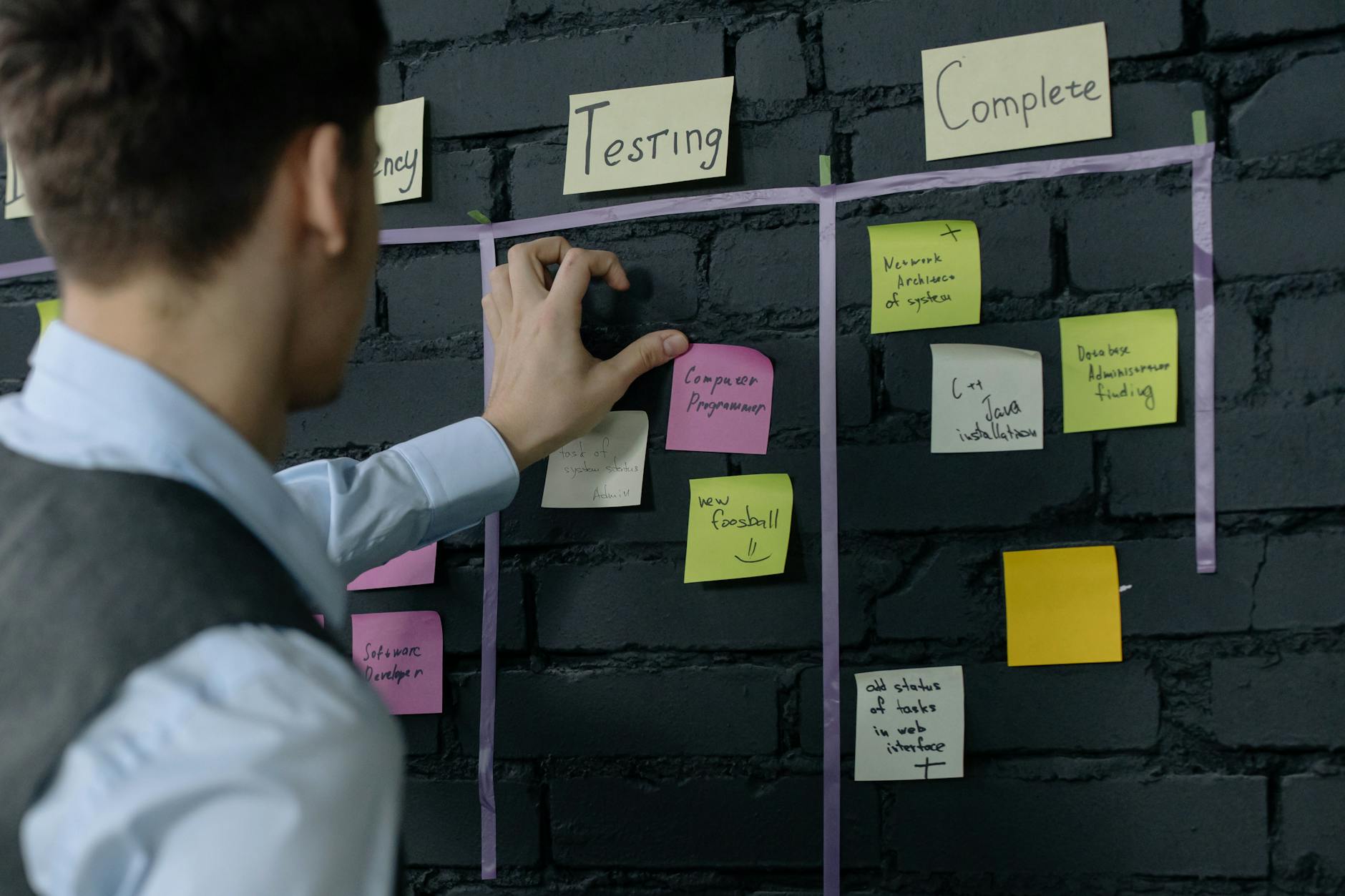
Deliberately moving to a completely different category of work during an afternoon transition, such as shifting from analytical to physical, from collaborative to solitary, or from creative to administrative tasks, is used by high-output professionals to exploit the neurological refresh that genuine task switching produces when the two tasks draw on different cognitive resources. The key distinction is that effective task switching involves tasks that use genuinely different neural systems rather than merely different content within the same cognitive modality. A writer who spends thirty minutes on financial administration in the middle of the afternoon is resting the creative narrative system while maintaining productivity in a different domain, a practice that looks like distraction but functions as targeted recovery. The afternoon task switch is fundamentally different from the scattered multitasking that degrades performance because it involves complete transitions rather than divided attention. Professionals who design their afternoon around deliberate cognitive mode transitions consistently sustain higher quality output across the full working day than those who force continuation in a single demanding mode.
Scent Therapy

Using specific essential oils or scented environments during an afternoon break as a deliberate cognitive state management tool is a practice employed by practitioners of performance optimization who have engaged with the neuroscience of olfaction and its direct pathway to the limbic system and alertness-regulating brain regions. Scents including peppermint, rosemary, and citrus have documented stimulating effects on alertness and working memory performance, while lavender and frankincense have measurable calming effects useful for resetting an overstimulated nervous system before returning to focused work. The professional who applies peppermint oil before an afternoon work block or diffuses rosemary in their workspace attracts the most skepticism of any practice on this list in conventional professional environments. The olfactory system has a uniquely direct neurological connection to memory, mood, and arousal regulation that bypasses the slower cortical processing routes used by visual and auditory information. Scent is a genuinely functional cognitive tool whose professional reputation lags significantly behind the neuroscience supporting its use.
Posture Reset
Spending five to ten minutes in specific restorative postures that counteract the forward flexion and hip compression of seated desk work, such as chest opening stretches, hip flexor releases, or supported back bends, is practiced by performance-focused professionals as an afternoon intervention that addresses the postural debt accumulated during morning work. The relationship between posture and psychological state is bidirectional and well-documented, with expansive open postures consistently associated with higher confidence, more decisive thinking, and greater stress tolerance than the compressed postures that prolonged desk work produces. Performing posture reset exercises in a shared workspace is socially conspicuous in a way that discourages consistent practice despite its accessibility and effectiveness. The afternoon posture reset is not primarily a physical health practice but a cognitive performance tool that works through the body to change the neurological and hormonal environment in which afternoon work occurs. Professionals who consistently practice it report a reliable qualitative shift in how they feel about their own capacity and authority in the hours following the reset.
Technology Fasting

Spending twenty to thirty minutes in the afternoon engaged in a task that requires no digital technology, such as handwriting, reading physical books, drawing on paper, or engaging in manual craft, is used by high-performing professionals to address the specific form of cognitive fatigue generated by continuous screen-mediated interaction. Screen fatigue involves not only visual strain but a particular kind of reactive attentional depletion associated with interface navigation, notification processing, and the compressed decision-making that digital environments demand continuously. The technology fast allows this specific fatigue pattern to resolve while maintaining a light level of productive engagement that prevents the psychological friction of complete inactivity. Handwriting in particular activates fine motor and spatial processing systems that are underused in screen work and whose engagement appears to support creativity and memory consolidation through mechanisms still being investigated. The professional who puts away all devices for thirty minutes in the afternoon and picks up a pen and paper is conducting one of the most effective and least recognized recovery interventions available in contemporary knowledge work.
Temperature Manipulation

Deliberately adjusting personal thermal environment during an afternoon break by moving to a warmer or cooler space, applying warmth to hands and neck, or consuming a hot or cold beverage as a temperature intervention rather than merely a refreshment is a practice used by performance-conscious professionals to exploit the relationship between thermal state and cognitive alertness. Mild cooling of the face and hands activates alertness-promoting physiological responses, while warmth applied to the upper body and neck supports relaxation and the parasympathetic recovery necessary before re-engagement with demanding cognitive work. The precision of this thermal management approach looks obsessive or hypochondriac to those who have not encountered the underlying physiology. Temperature is one of the most powerful and fastest-acting modulators of cognitive and emotional state available, operating through direct effects on the hypothalamus and the autonomic nervous system. Treating personal thermal environment as a manageable performance variable rather than an incidental background condition is a sophisticated and underutilized form of afternoon self-regulation.
Purposeful Boredom

Deliberately sitting with genuine boredom for ten to fifteen minutes without any attempt to relieve it through stimulation, entertainment, or productive activity is perhaps the most counterintuitive afternoon practice on this list and the one that produces the most discomfort in practitioners trained by decades of constant digital stimulation. Boredom activates the default mode network with particular intensity because the mind, deprived of external input, turns its full generative capacity toward internal processing, problem incubation, and the kind of self-referential thinking that produces insight, meaning-making, and strategic clarity. The professional sitting apparently catatonic at a window or staring at a blank wall in the afternoon appears to be experiencing a personal crisis rather than conducting one of the most productive cognitive practices available. Regular exposure to boredom strengthens the capacity for sustained attention, reduces stimulus dependency, and rebuilds the tolerance for the absence of input that deep focused work fundamentally requires. Purposeful boredom is the afternoon practice most likely to be abandoned after one uncomfortable attempt and most likely to produce dramatic cognitive benefits for those willing to continue through the initial resistance.
If any of these afternoon practices have quietly transformed your own output or if you remain skeptical of one you have not yet tried, share your experience in the comments.