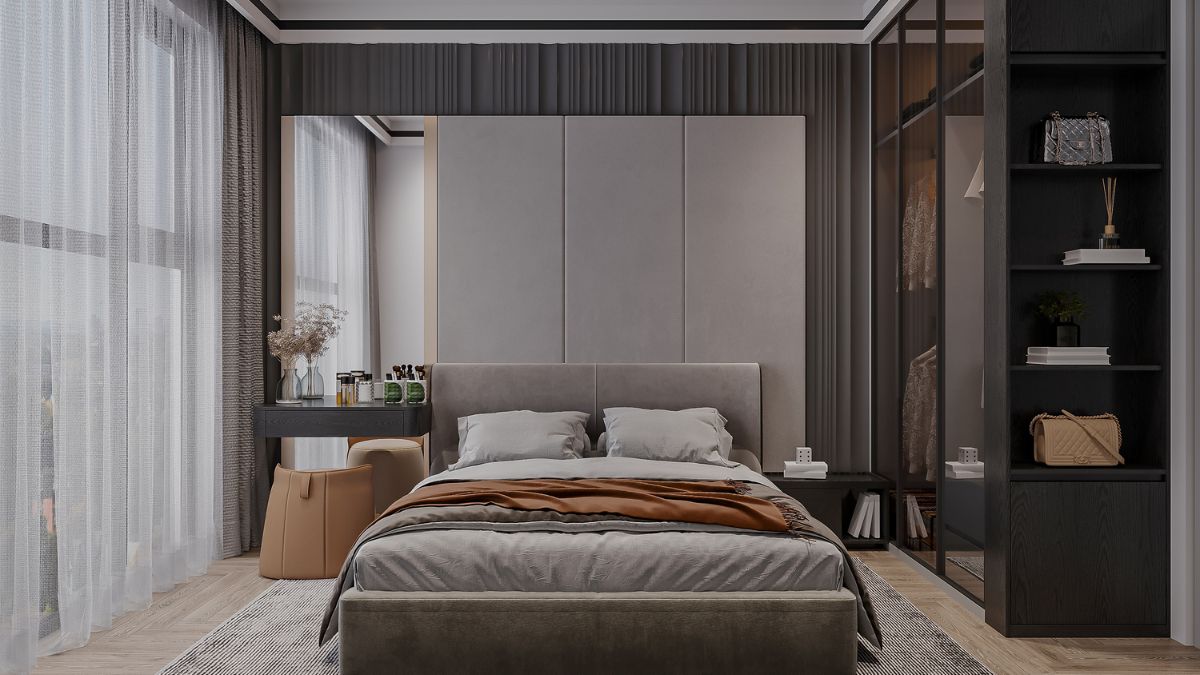
The bedroom is the most consequential room in any home yet it remains the space most people arrange with the least deliberate thought. Interior designers and sleep scientists increasingly agree that the physical organization of a sleeping environment has a direct and measurable impact on the quality of rest achieved within it. Many of the most effective arrangement strategies contradict widely held assumptions about comfort aesthetics and conventional bedroom design. The relationship between spatial organization and sleep quality operates through multiple overlapping systems including light exposure thermal regulation psychological association and neurological priming. Approaching the bedroom as a precision instrument for rest rather than a purely decorative space unlocks improvements that no supplement or sleep aid can reliably replicate.
Bed Positioning
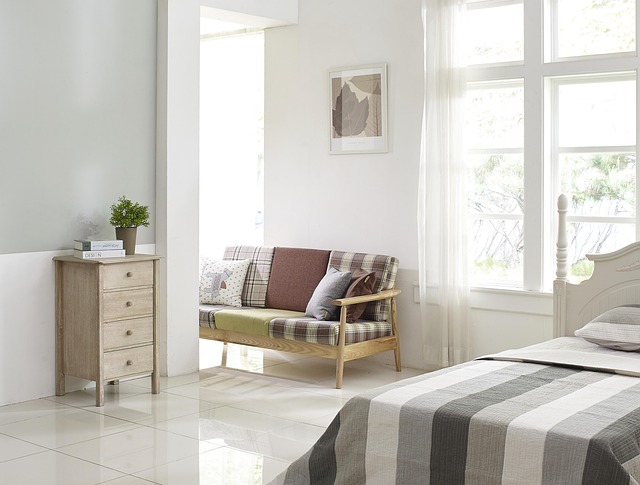
Placing the bed against the wall opposite the room’s entrance rather than adjacent to it activates a neurological safety response that reduces background vigilance during sleep. This positioning known in environmental psychology as the command position allows the sleeper to view the door without facing it directly reducing the subconscious threat-monitoring that disrupts deep sleep cycles. Many sleep specialists and feng shui practitioners independently converge on this recommendation despite approaching it from entirely different theoretical frameworks. The effect is most pronounced in individuals who identify as light sleepers or who wake frequently during the night without obvious cause. Repositioning the bed is a zero-cost intervention that requires only time and willingness to challenge habitual room arrangements.
Mirror Removal
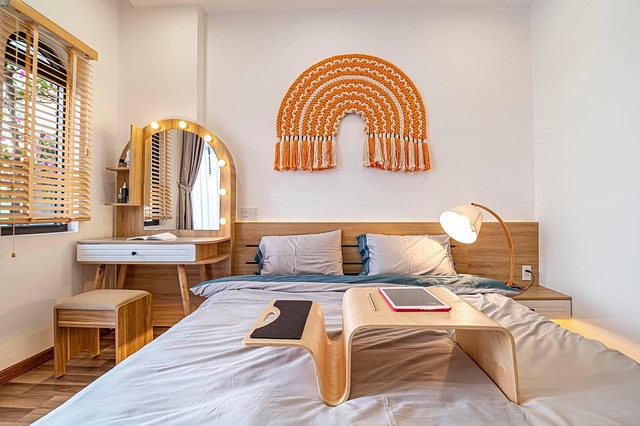
Mirrors in the direct sightline of a sleeping person have been associated with increased sleep disruption in both anecdotal reports and emerging environmental psychology research. The reflective surface introduces visual stimulation during partial wakefulness periods that can prevent the brain from returning smoothly to deeper sleep stages. Many practitioners of sleep hygiene and traditional spatial design systems independently recommend removing or covering mirrors that face the bed as a first intervention for troubled sleepers. The effect appears to be amplified in individuals who are prone to sleep anxiety or who experience frequent hypnagogic episodes during the transition to sleep. Relocating or covering a bedroom mirror costs nothing and represents one of the most commonly reported single changes to produce noticeable sleep improvement.
Electronics Placement

Removing all screens and electronic devices from the bedroom is among the most contested recommendations in sleep science because it conflicts directly with how the majority of people currently use their sleeping space. The argument against bedroom electronics extends beyond blue light exposure to include the psychological association between screens and alert wakefulness that becomes embedded in the brain’s contextual memory over time. A bedroom that contains a television laptop or gaming system is neurologically coded as a multi-purpose environment rather than a dedicated sleep space weakening the automatic drowsiness response that ideally accompanies entering the room. Research consistently shows that individuals who maintain screen-free bedrooms fall asleep faster spend more time in restorative sleep stages and wake feeling more rested. The controversy stems from the genuine lifestyle disruption the change requires rather than any ambiguity in the evidence supporting it.
Pillow Orientation

The direction in which a person’s head points during sleep has been a subject of cultural physiological and architectural debate across multiple traditions for centuries. Some sleep researchers and traditional medicine practitioners recommend a specific head orientation based on the Earth’s magnetic field arguing that alignment with geomagnetic north produces measurably better sleep quality and cardiovascular function. While mainstream Western sleep medicine has not formally adopted this position a number of peer-reviewed studies have produced findings consistent with the traditional recommendations. The practical implication is that experimenting with head orientation is a low-effort intervention with potentially significant upside for individuals who have exhausted more conventional sleep improvement strategies. Rotating the bed’s orientation within the room to test different directional alignments requires effort but no financial investment.
Clutter Elimination

Visual clutter in the sleeping environment creates a state of low-level cognitive activation that prevents the complete mental disengagement necessary for high-quality sleep onset and maintenance. The brain continues processing visual information from the environment during light sleep stages meaning that a cluttered room sustains a degree of neural activity that a tidy one does not. Research in environmental psychology has found that individuals who describe their bedrooms as cluttered report significantly higher rates of sleep difficulty than those who describe their spaces as restful and organized. The effect is not merely aesthetic but functional with specific mechanisms linking environmental disorder to elevated cortisol and reduced melatonin production. Systematic decluttering of the bedroom particularly surfaces visible from the bed is one of the most evidence-supported spatial interventions available for sleep improvement.
Furniture Minimalism
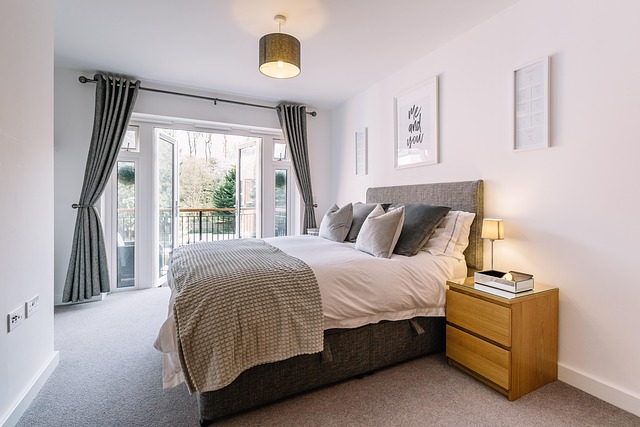
Reducing the total number of furniture pieces in the bedroom to only those with a direct sleep-related function is a recommendation that conflicts with most conventional interior design approaches but aligns strongly with sleep science principles. Each additional piece of furniture introduces visual complexity and potential psychological associations with non-sleep activities that dilute the room’s neurological identity as a sleep environment. Minimalist bedroom arrangements have been consistently associated with faster sleep onset lower nighttime anxiety and higher overall sleep satisfaction in survey-based sleep research. The resistance to this recommendation typically reflects aesthetic and storage preferences rather than any evidence that additional furniture supports rest. Treating every piece of bedroom furniture as a candidate for removal until its sleep-compatibility is established reverses the default assumption most people bring to room arrangement.
Temperature Zoning
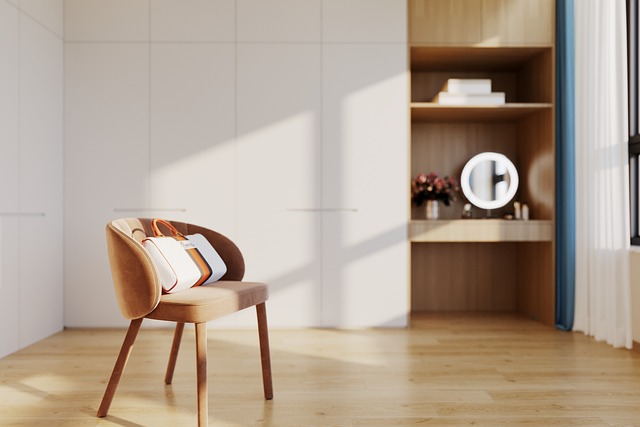
Arranging the bedroom to create a cooler sleeping zone through the strategic placement of fans air circulation furniture and window management is one of the most physiologically grounded sleep interventions available. Core body temperature must drop by one to two degrees Celsius for deep sleep initiation to occur making the thermal environment of the sleeping surface a direct determinant of sleep quality. Many bedrooms are arranged with purely visual or social logic that ignores airflow patterns and thermal gradients entirely. Positioning the bed to maximize exposure to the room’s coolest natural airflow while keeping warmer areas for dressing or seating creates a functional thermal architecture that supports the body’s sleep-onset physiology. This arrangement principle requires observation of the room’s natural temperature patterns across the day and night before optimal positioning can be determined.
Blackout Commitment
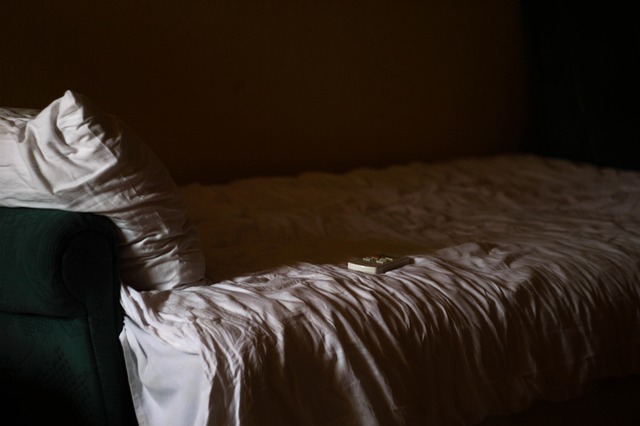
Installing complete light-blocking window coverings and eliminating all secondary light sources including standby lights on electronics is a more radical intervention than most people are prepared to make but one with unusually strong scientific support. Even very low levels of ambient light during sleep have been shown to suppress melatonin production increase cortisol and disrupt the architecture of sleep cycles in ways that accumulate as chronic sleep debt over time. The controversy arises because complete darkness feels uncomfortable or even anxiety-inducing for many adults particularly those who grew up with nightlights or who associate darkness with insecurity. Research consistently shows that the body’s adaptation to complete darkness in the sleeping environment produces measurable improvements in sleep depth and morning alertness within approximately two weeks. Committing to full blackout conditions represents one of the single highest-impact physical changes available for sleep environment optimization.
Scent Strategy

Placing specific aromatic elements in the bedroom through diffusers dried botanicals or natural fiber materials introduces olfactory input that directly influences the nervous system’s sleep readiness state. Lavender has the strongest research backing among sleep-supportive scents with documented effects on GABA receptor activity that parallel mild anxiolytic pharmacological interventions. The positioning of scent sources relative to the breathing zone of the sleeper affects the potency of the effect with placement near the pillow area producing stronger results than general room diffusion. Synthetic fragrances have not demonstrated the same benefits as naturally derived botanical sources and in some studies have produced stimulating rather than calming nervous system responses. Treating olfactory environment design as a component of bedroom arrangement rather than a separate wellness practice integrates one of the most accessible neurological sleep tools into the physical space itself.
Sound Architecture
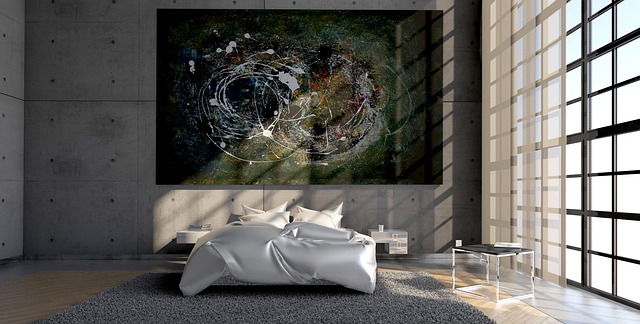
Arranging the bedroom to minimize intrusive external sound while introducing controlled low-level acoustic environments is a more nuanced approach to sleep sound management than simple noise elimination. Complete acoustic silence is not the optimal condition for all sleepers with research showing that certain types of continuous low-level sound including brown noise and natural soundscapes produce deeper sleep than total quiet in a significant proportion of the population. The strategic placement of soft furnishings rugs upholstered headboards and curtains functions as passive acoustic architecture that reduces sharp sound intrusion without electronic intervention. Speaker or sound device placement in the bedroom should be considered as deliberately as lighting with positioning that delivers sound evenly across the sleeping surface rather than from a directional point source. Treating the acoustic dimension of the bedroom as a designed element rather than an accidental outcome is a relatively advanced but highly effective sleep environment strategy.
Plant Integration

Introducing living plants into the bedroom is a recommendation that has attracted both enthusiastic support and skeptical pushback in sleep and wellness communities. The argument in favor centers on the demonstrated capacity of certain plant species to improve indoor air quality by processing carbon dioxide and releasing oxygen through nocturnal metabolic activity. Species including the snake plant and pothos have been specifically identified for their nighttime oxygen production making them functionally distinct from plants that reverse this cycle after dark. Beyond air quality the presence of natural organic forms in the visual environment has been shown to reduce physiological stress markers and promote the psychological state of restoration associated with nature exposure. Positioning plants at a visual distance from the bed rather than directly adjacent to the sleeping surface is generally recommended to balance the benefits with any potential concerns about moisture or allergens in close proximity.
Bed Height
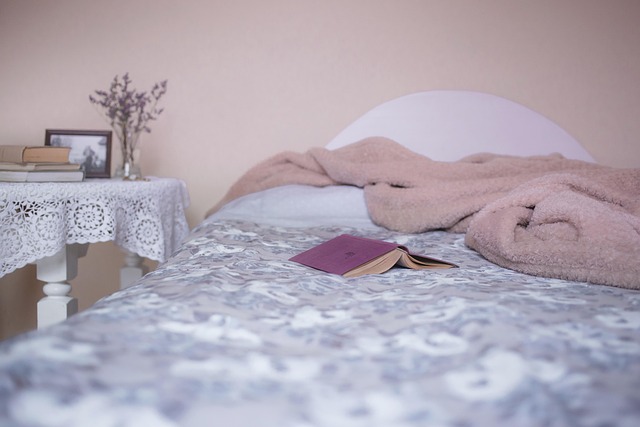
The height of the sleeping surface from the floor is a variable that most people inherit from their existing furniture rather than select deliberately yet it has documented effects on both sleep quality and morning cognitive function. Lower sleeping surfaces closer to the floor are associated in multiple cultural traditions and some clinical observations with deeper more grounded sleep and reduced anxiety during the night. Higher beds create greater physical distance from the floor which some environmental psychology researchers associate with a subtle but persistent low-level physiological alertness response. The practical ease of getting in and out of bed is a relevant consideration for individuals with mobility limitations but for healthy adults experimenting with lower sleeping surfaces represents a low-cost arrangement change with potential sleep benefits. Platform beds and floor-level futon arrangements are the most common Western implementations of lower sleep surface principles.
Wardrobe Concealment
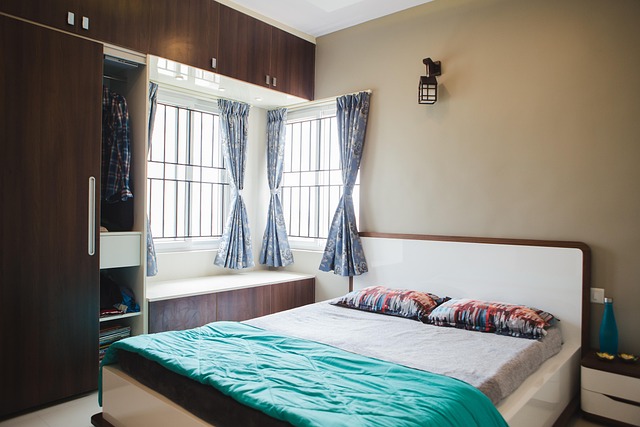
Keeping clothing storage fully concealed behind closed doors or opaque coverings rather than using open wardrobes hanging rails or visible storage systems is a controversial recommendation because it conflicts with popular interior design trends favoring open and curated storage displays. The sleep-relevant argument is that visible clothing represents a category of environmental information directly associated with daytime activity social performance and task preparation that is counterproductive to the psychological transition into rest. Open wardrobes in the sightline of a sleeping person have been associated in environmental psychology research with increased morning anticipatory anxiety about the day ahead as the visual stimulus primes social and professional cognition during vulnerable early waking moments. Concealing or removing visible clothing from the bedroom sleeping zone is among the recommendations most frequently dismissed by design-oriented individuals and most frequently validated by those who implement it. The change requires no financial investment beyond the installation of basic curtaining or door panels on existing storage.
Window Alignment

The relationship between the bed’s position and the room’s windows affects sleep quality through multiple simultaneous mechanisms including light exposure at dawn thermal comfort and psychological associations with external environments. Positioning the bed directly beneath a window creates vulnerability to early morning light intrusion cold drafts and external noise that disrupts sleep architecture in the hours most critical for restorative rest. Many sleep specialists recommend positioning the bed on the wall perpendicular to the primary window allowing for natural morning light to enter the room without directly targeting the sleeping face. This arrangement supports a more gradual and physiologically appropriate morning light transition than either complete blackout or direct window alignment provides. The perpendicular positioning also typically reduces thermal discomfort from seasonal temperature differentials that windows introduce into their immediate surrounding area.
Desk Removal

Removing work-related furniture and materials from the bedroom is one of the most contested sleep hygiene recommendations because it directly challenges the living arrangements of a significant proportion of people in urban environments where dedicated home office space is unavailable. The neurological argument is precise and well-supported with research consistently demonstrating that the presence of work-associated objects in the sleeping environment activates goal-directed cognition and stress responses that are physiologically incompatible with sleep onset. Even when a desk is not being used its presence in the visual field during the pre-sleep period primes the brain toward the alert problem-solving state that desk-associated work has conditioned over years of repetition. Individuals who cannot remove a desk from their bedroom are advised to use a screen or curtain to fully conceal it during sleeping hours as a partial implementation of the same principle. The resistance this recommendation encounters reflects its genuine practical difficulty rather than any weakness in the evidence base supporting it.
Lighting Layers
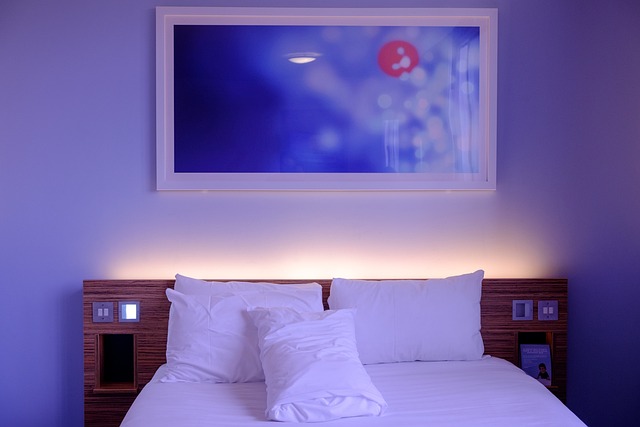
Replacing a single overhead lighting source with multiple low-positioned ambient light sources that can be activated at low intensity in the hours before sleep is a bedroom arrangement change with strong neurophysiological justification. Overhead lighting at standard room illumination levels signals daytime conditions to the brain’s circadian timing system suppressing melatonin production and delaying sleep onset by a measurable margin. Low-positioned warm-toned light sources including bedside lamps floor lights and candles create a visual environment that more closely resembles the natural dimming of evening light that historically preceded human sleep. The arrangement requires deliberate decisions about lamp placement socket availability and the specific color temperature of bulbs used throughout the room. Treating the bedroom’s lighting architecture as a circadian management system rather than a purely functional or aesthetic choice fundamentally changes both the design brief and the sleep outcomes it produces.
Color Psychology
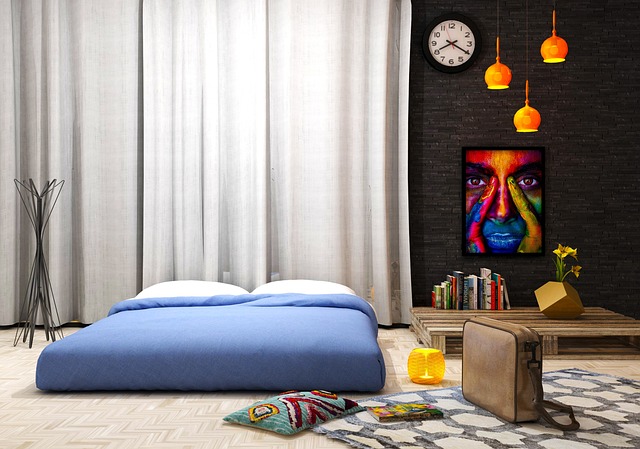
The wall and textile colors present in a sleeping environment have a documented effect on the nervous system’s arousal levels through the visual cortex’s influence on broader physiological regulation. Blues greens and desaturated neutrals are consistently associated with lower heart rate reduced cortisol and faster sleep onset across multiple studies in environmental color psychology. High-saturation warm colors particularly reds and bright oranges produce the opposite effect with measurable increases in physiological arousal that extend the time to sleep onset. The controversy in applying this research arises because personal aesthetic preferences and cultural color associations can override the general physiological tendencies making individual variation significant. Approaching bedroom color selection primarily through the lens of sleep physiology rather than aesthetic trend or personal preference is a reorientation that sleep specialists consistently recommend and that most people consistently resist until sleep problems motivate the change.
Textile Weight

The weight and texture of bedding materials have a direct physiological influence on sleep quality through mechanisms that include thermal regulation tactile stimulation and the documented calming effects of gentle distributed pressure on the nervous system. Weighted blankets providing between five and ten percent of body weight have produced clinically significant improvements in sleep onset time sleep duration and subjective sleep quality in studies spanning anxiety disorders autism spectrum conditions and general population samples. The controversy surrounding this recommendation relates to the thermal implications of increased blanket weight particularly in warmer climates or for individuals who sleep hot and who may find the added weight counterproductive to the temperature drop required for deep sleep initiation. Natural fiber options in appropriate weights represent a middle path that combines some pressure benefit with superior breathability compared to synthetic alternatives. Treating bedding selection as a physiological rather than purely comfort-driven decision reframes one of the most intimate elements of bedroom arrangement.
Partner Separation
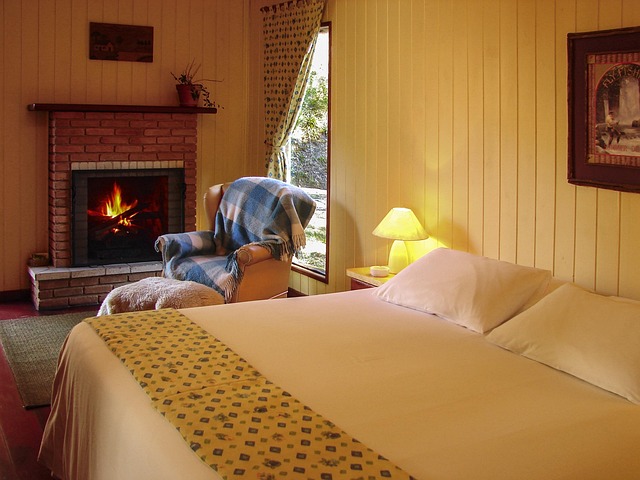
Adopting separate sleeping surfaces duvets or in some cases separate sleeping spaces for couples is among the most socially sensitive sleep recommendations because it conflicts with powerful cultural narratives about intimacy and partnership. Research on sleep disturbance in shared beds consistently identifies partner movement breathing sounds and thermal output as among the most significant sources of sleep fragmentation for both individuals. Scandinavian sleeping practices involving separate duvets for bed-sharing couples have gained significant international attention as a practical middle path that maintains physical proximity while eliminating one of the most common sources of nighttime disturbance. Sleep specialists increasingly frame this conversation in terms of the relationship benefits that both partners sleeping well produces rather than the intimacy costs of physical separation during sleep hours. Approaching sleeping arrangements as a practical physiological question rather than an emotional or symbolic one represents a significant cultural reorientation that the evidence consistently supports.
Headboard Function
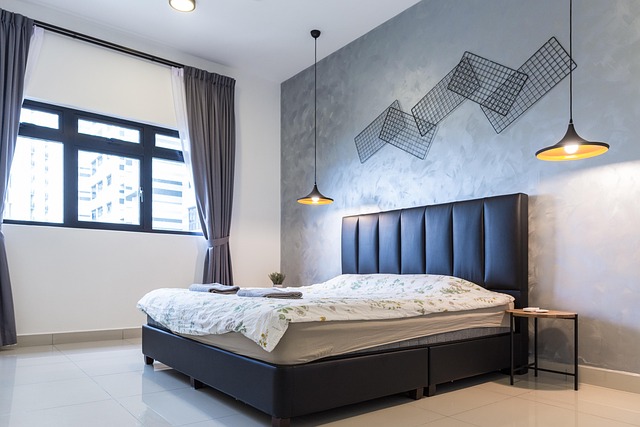
The presence and material of a headboard affects sleep quality through acoustic thermal and psychological mechanisms that are rarely considered in furniture selection. A solid upholstered headboard provides acoustic dampening against wall-transmitted sounds creates a thermal buffer between the sleeper and a cold exterior wall and establishes a strong visual anchor that reinforces the psychological boundary of the sleep zone. Absence of a headboard removes these functional benefits and has been associated in some environmental psychology research with a weaker sense of spatial enclosure and protection that can contribute to lower feelings of security during sleep. Metal or hard material headboards conduct temperature and sound in ways that upholstered alternatives do not making material selection a functionally meaningful decision. Treating the headboard as a sleep technology rather than a decorative element aligns its selection criteria with the functional priorities of sleep environment design.
Bedroom Exclusivity
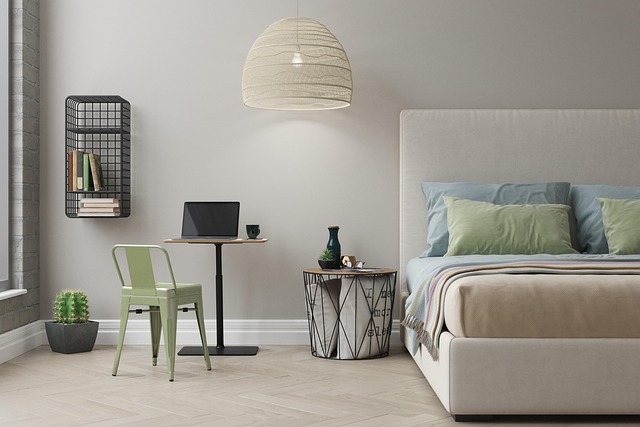
Restricting the bedroom to sleep and intimacy only and physically removing or relocating all objects associated with other activities is the foundational principle of stimulus control therapy one of the most evidence-based behavioral interventions for insomnia. The principle operates through conditioned learning with the brain gradually developing an automatic association between the physical bedroom environment and the physiological state of drowsiness and rest. Every activity performed in the bedroom that is not sleep-related weakens this association and extends the time required for sleep onset by introducing competing neurological states into the same spatial context. The practical challenge of implementing bedroom exclusivity in small living spaces has produced a body of pragmatic guidance from sleep therapists who have developed partial implementation strategies for constrained environments. No other single principle in sleep environment design has a stronger evidence base or a more consistent record of producing measurable improvements in sleep quality across diverse populations.
Storage Declutter
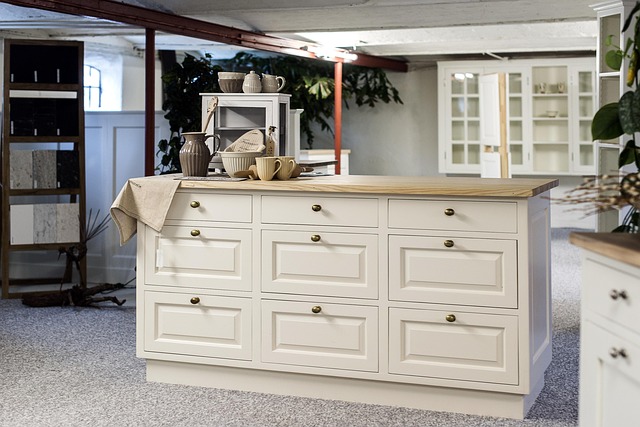
The presence of stored items under the bed or in visible bedroom storage areas has been associated in multiple cultural traditions and emerging psychological research with disrupted sleep and heightened background anxiety during resting hours. Under-bed storage in particular creates a category of spatial complexity that some environmental psychologists link to subconscious feelings of unresolved tasks or psychological burdens located in the immediate sleeping environment. The recommendation to eliminate under-bed storage entirely and use that space only for air circulation is controversial primarily because under-bed storage represents a practical solution to real space limitations in many homes. Individuals who have implemented this change frequently report the improvement in sleep quality as disproportionate to the significance of the change suggesting a psychological mechanism that operates independently of conscious awareness. Treating storage as an active sleep variable rather than a neutral organizational matter reflects the more sophisticated understanding of sleep environment design that emerging research supports.
Ceiling Consideration
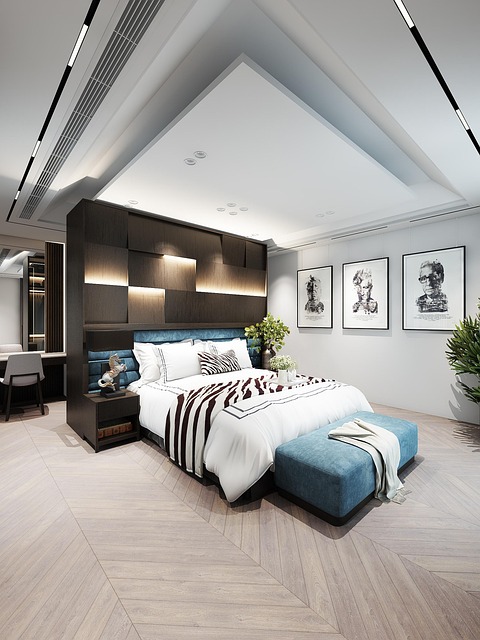
The visual field directly above a lying person’s head is one of the most overlooked dimensions of bedroom design despite being the primary visual input available during the critical pre-sleep and post-waking periods. A blank or neutral ceiling above the bed creates conditions for mental disengagement that support sleep onset while a visually complex or stimulating overhead surface maintains cognitive engagement that delays it. Some sleep environment designers recommend matte paint finishes in soft cool tones for bedroom ceilings specifically to minimize the reflective and stimulating qualities of higher-gloss or warmer alternatives. The placement of any ceiling fixtures directly above the sleeping surface including fans lights or architectural features affects both the visual experience of lying in bed and the quality of airflow across the sleeping zone. Treating the ceiling as an active component of the sleep environment rather than a passive architectural background is a relatively advanced but genuinely impactful dimension of bedroom arrangement design.
Doorway Management
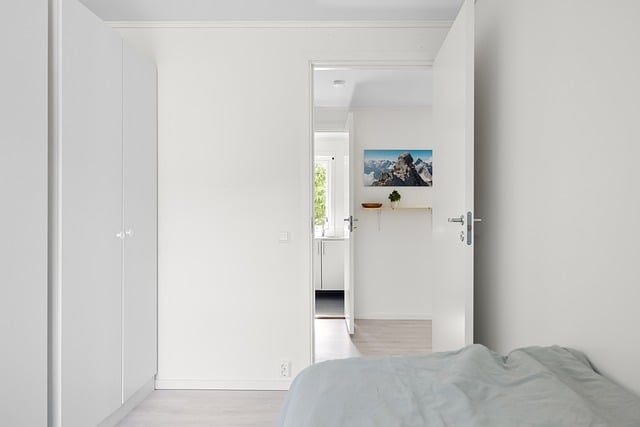
The degree to which the bedroom door is open or closed during sleep affects both the acoustic and psychological dimensions of the sleep environment in ways that have attracted increasing research attention in recent years. Fire safety research has produced the unexpected secondary finding that sleeping with the bedroom door closed significantly reduces smoke and heat exposure in residential fire events while also creating a quieter more thermally stable sleeping environment. The psychological enclosure created by a closed door reinforces the sense of spatial separation from the rest of the home that supports the brain’s transition into a restorative neurological state. Individuals who habitually sleep with an open door and who experience light or fragmented sleep are frequently advised to experiment with door closure as an early and cost-free intervention. The directional flow of household sounds temperatures and light through an open door represents a category of environmental influence on sleep that most people have never consciously evaluated.
If any of these arrangement principles challenge your assumptions about your own sleeping space share your thoughts and experiences in the comments.