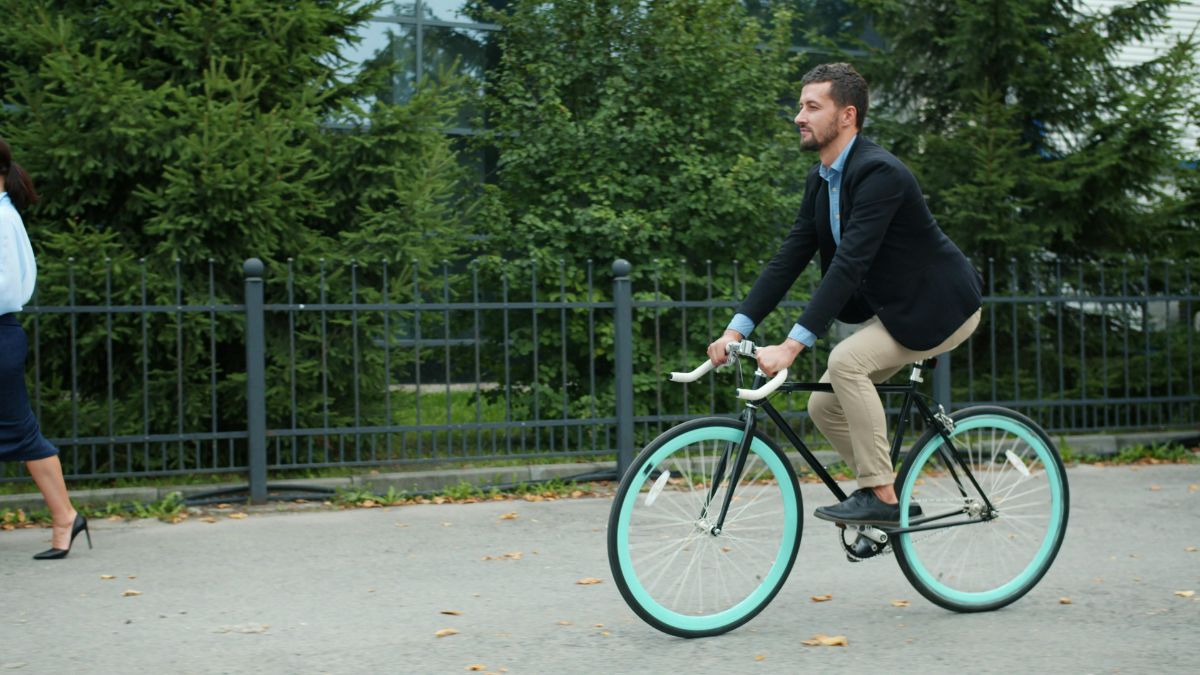
The daily bike commute sits at the intersection of practicality, urban infrastructure and personal risk tolerance in a way that few other everyday activities match. Experienced urban cyclists develop a body of knowledge about moving efficiently through city traffic that diverges sharply from the advice given in official cycling guides and road safety campaigns, because it is built on direct daily experience of how traffic actually moves rather than how it is supposed to move in theory. Many of the most time-saving habits practiced by veteran commuters occupy a genuinely contested space where efficiency gains are real and measurable but the safety implications are debated with equal conviction by cycling advocates, traffic engineers and road safety researchers. The practices below are used consistently by experienced commuters in cities around the world and are presented here with honest acknowledgment of both the time advantages they deliver and the legitimate safety concerns they attract. Understanding the logic behind each practice is more useful than a simple endorsement or condemnation, because the risk profile of each depends heavily on specific infrastructure, traffic conditions and individual skill levels that vary enormously between commuters and cities.
Traffic Light Timing
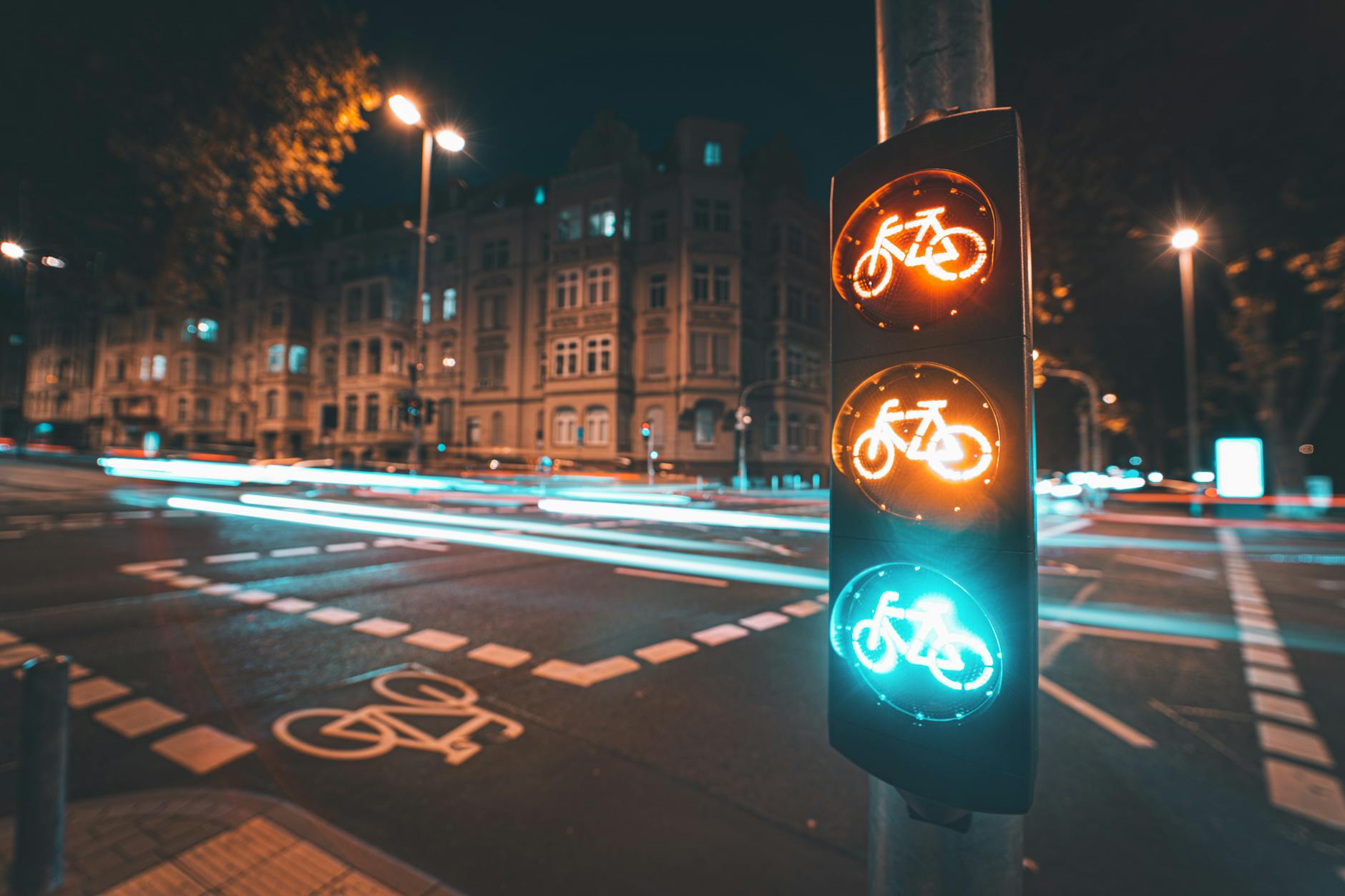
Experienced commuters develop a detailed working knowledge of the signal timing patterns of every traffic light on their regular route, allowing them to modulate speed in the approach to red lights in ways that minimize or eliminate complete stops through what is known as green wave riding. Arriving at a light at reduced speed rather than at full pace and then accelerating through as it changes costs a fraction of the energy and time of a full stop and restart, producing cumulative time savings across a multi-light commute that are significant over the course of a week. The safety concern arises when speed modulation in anticipation of signal changes involves assumptions about driver behavior at the intersection that prove incorrect, particularly at complex junctions where multiple signal phases govern different traffic streams simultaneously. Commuters who use this technique effectively do so with a conservative margin that treats the anticipated green as unconfirmed until it is visually verified rather than as a guaranteed outcome of their timing calculation.
Pavement Riding

Briefly transitioning to pavement or sidewalk riding to bypass stationary traffic queues, roadworks or dangerous junction configurations is a practice that most experienced commuters employ selectively despite its illegality in many jurisdictions. The safety argument made by practitioners is that a momentary pavement transition through a low-pedestrian area is measurably less dangerous than remaining in a lane occupied by stationary vehicles whose doors, mirrors and unpredictable movements represent a continuous hazard during queue conditions. The counter-argument from pedestrian safety advocates is that cyclists on pavements create genuine risk for pedestrians including elderly people and those with visual impairments who have no expectation of encountering moving vehicles in that space. Commuters who use this technique selectively and responsibly do so at very low speeds with absolute pedestrian priority and confine its use to specific infrastructure problems rather than as a general practice applied to any inconvenient delay.
Undertaking
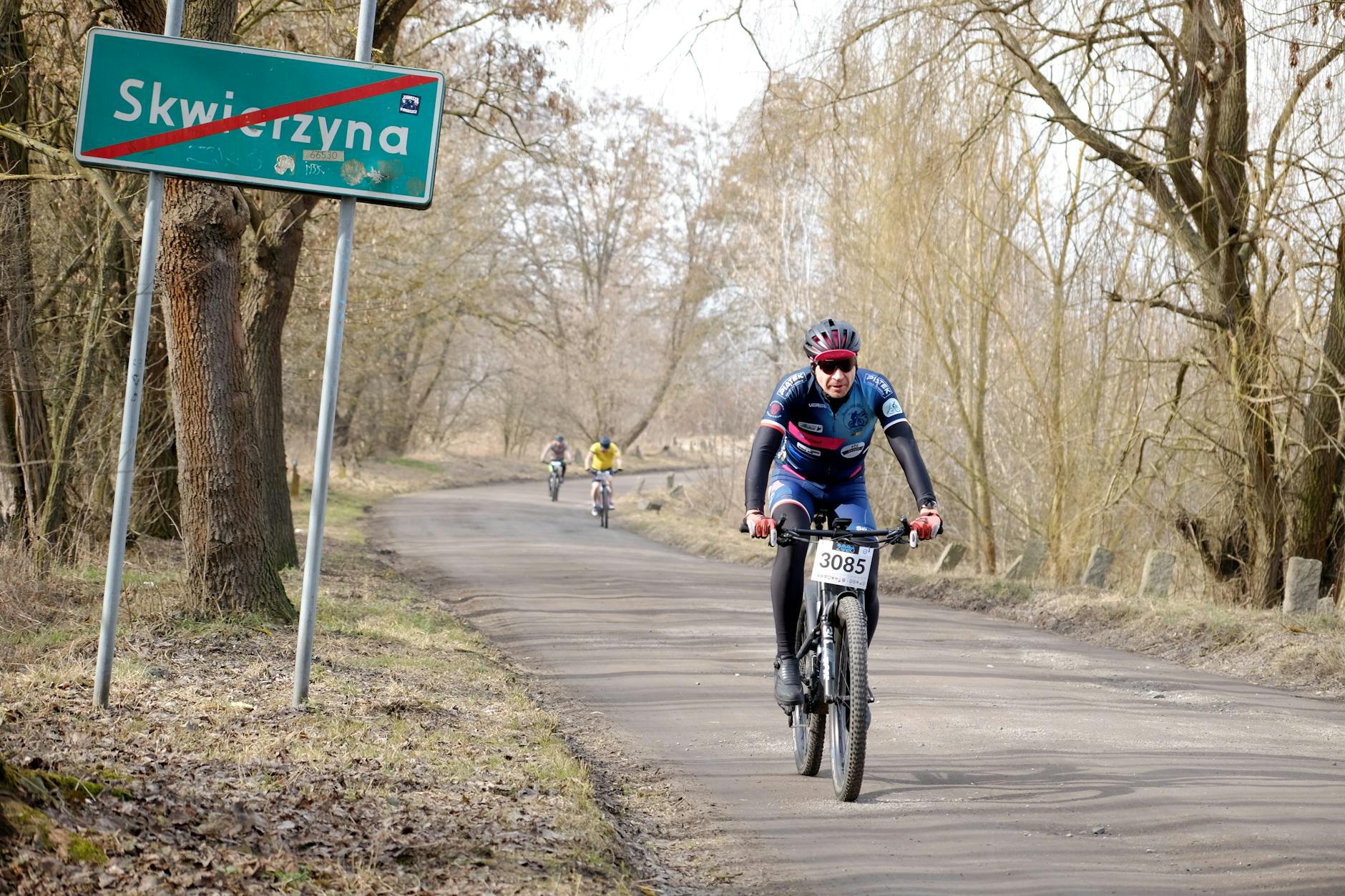
Passing stationary or slow-moving traffic on the left side in left-hand traffic countries and on the right in right-hand traffic countries to advance position in a queue is among the most time-efficient and most debated techniques in urban commuting. The efficiency gain is substantial and immediate, allowing a cyclist to advance from the back to the front of a vehicle queue in seconds and depart the junction ahead of the traffic that was previously ahead of them. The primary safety concern is the risk posed by left-turning vehicles in left-hand traffic systems whose drivers have not checked for cyclists in the space between the kerb and the vehicle queue, which is one of the most significant causes of serious cycling injuries in urban environments. Experienced commuters who undertake do so with specific awareness of the wheel position and indicator status of every vehicle they pass, treating any vehicle with a left turn indicator or a wheel turned toward the kerb as an absolute stop regardless of the apparent efficiency opportunity.
Drafting
Riding in the slipstream of a large vehicle including a bus, van or truck at close following distance reduces aerodynamic resistance significantly and allows a cyclist to maintain higher speeds with substantially less effort, producing meaningful time savings on longer open sections of a commute. The physics of drafting are well understood from competitive cycling and the efficiency gain at commuting speeds behind a large vehicle is genuine, with experienced practitioners reporting effort reductions of twenty to thirty percent at equivalent speeds. The safety concern is categorical and serious, as the following distance required to access the aerodynamic benefit places the cyclist in a position where any sudden braking by the lead vehicle leaves no reaction or braking distance adequate to prevent a collision. Cycling safety researchers are unanimous in identifying close vehicle drafting as a high-risk practice whose time benefits do not justify the collision risk for any commuter regardless of experience level.
Lane Filtering
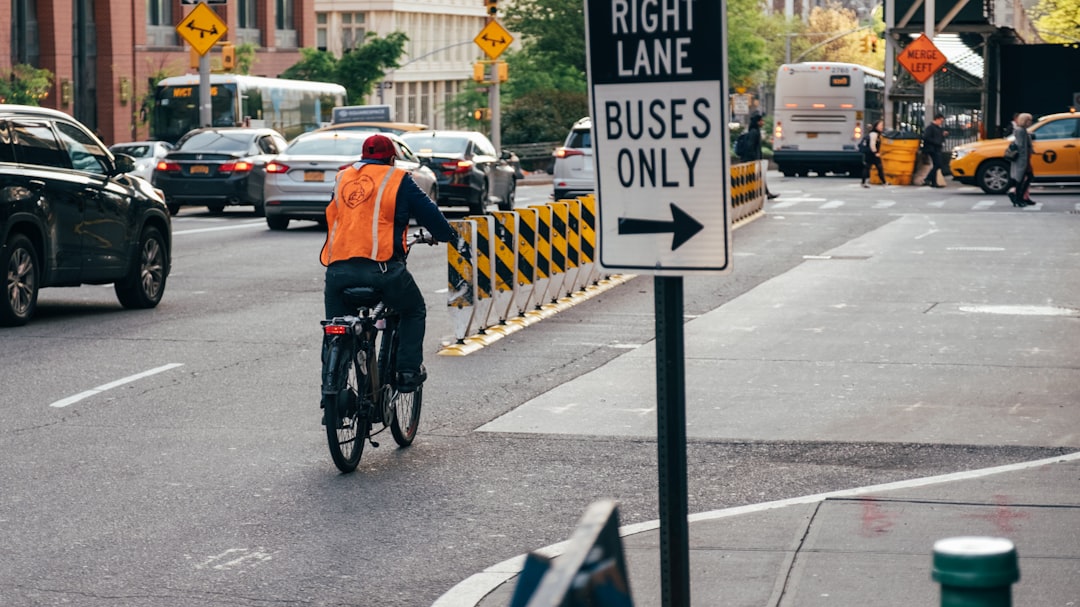
Moving forward through stationary or very slow traffic by filtering between lanes is legal in a growing number of jurisdictions and practiced widely even where its legal status is ambiguous, because it delivers the most dramatic time saving available to urban cyclists across congested routes. A cyclist who filters to the front of a queue at every major junction effectively decouples their journey time from traffic congestion in a way that makes cycling faster than driving across most urban commute distances during peak hours. The safety concerns center on the behavior of drivers who are unaware of or hostile to filtering cyclists and who change lanes, open doors or pull forward without checking the filtering lane, creating collision risks that are difficult for the cyclist to anticipate or avoid in dense traffic. Experienced filterers develop a speed discipline that keeps their pace relative to surrounding traffic low enough to allow reaction to unexpected vehicle movements and treat any vehicle showing signs of lateral movement as requiring immediate speed reduction regardless of the apparent space available.
Red Light Jumping
Proceeding through a red traffic signal after checking that crossing traffic has cleared is the most legally unambiguous and socially controversial time-saving practice in urban bike commuting, yet its prevalence among experienced commuters in every major cycling city makes it impossible to exclude from an honest account of how city cyclists actually operate. The Idaho Stop, which legalizes treating red lights as give-way signs for cyclists, is now law in several jurisdictions precisely because the behavior was so universal and the safety data so inconsistent with the assumption of high risk that legislative accommodation became more rational than continued criminalization. The genuine safety risk is concentrated at junctions with limited sight lines, multiple conflicting traffic phases or high vehicle speeds where a cyclist’s assessment of gap and crossing time may be incorrect with severe consequences. The practice is least dangerous and most defensible at simple T-junctions with clear sight lines during periods of low traffic and most dangerous at complex multi-phase signal junctions where the full state of all conflicting traffic streams cannot be visually confirmed before crossing.
Ghost Cycling
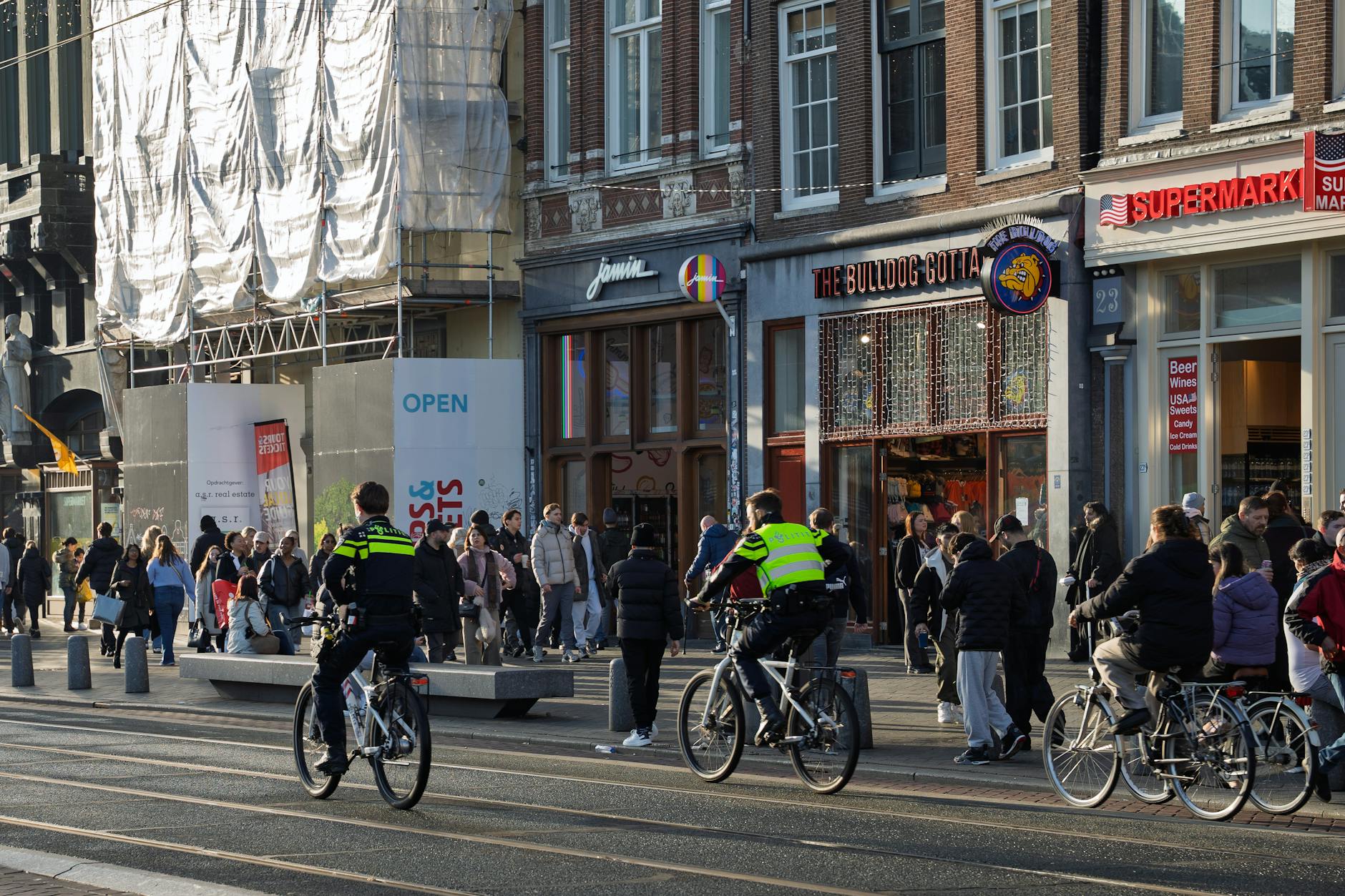
Using empty bus lanes, cycle highways or contra-flow cycling infrastructure outside of their designated operating hours to access faster and less congested routing represents a practice that sits in a legal grey area that varies significantly between cities and infrastructure types. Purpose-built cycling infrastructure that is shared with buses during peak hours but empty at other times of day offers genuinely safer and faster routing than parallel road options when buses are not operating, and the risk calculus of using it outside designated hours is meaningfully different from riding in active bus lanes during operational periods. The safety concern relates primarily to the assumption that infrastructure used outside its operational hours is predictably empty, when service vehicles, maintenance equipment and non-standard traffic movements may use the same space without the cyclist’s awareness. Commuters who use this approach apply the same visual confirmation discipline to apparently empty dedicated infrastructure that they would apply to any blind approach, treating the assumption of emptiness as a starting point for observation rather than as a guarantee.
Handlebar Bags
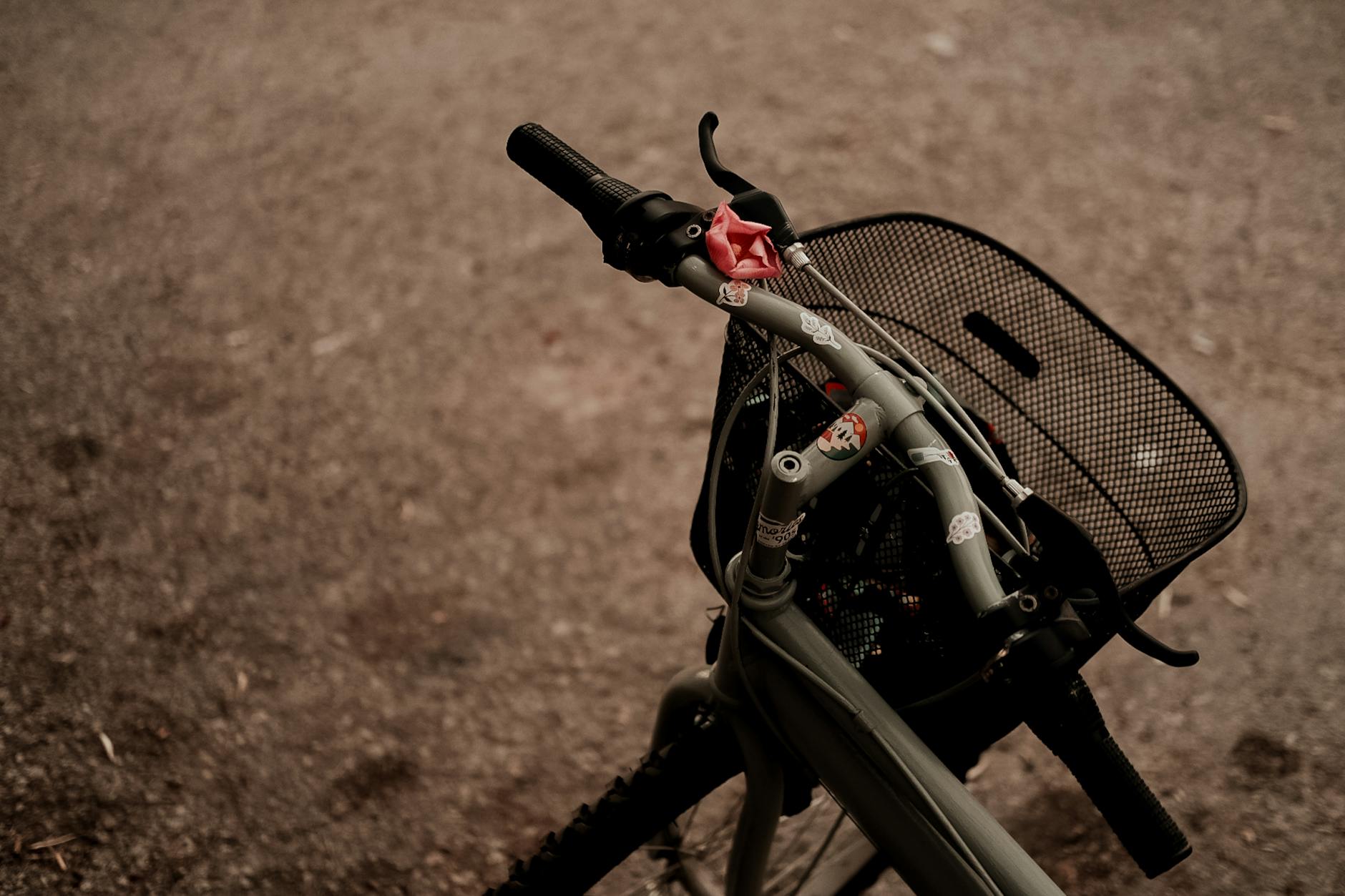
Mounting a large handlebar bag that partially obstructs forward vision at low angles is a weight distribution and accessibility compromise that many commuters accept to keep cargo weight off their back and maintain access to frequently needed items including phones, keys and snacks without stopping. The efficiency gain from handlebar storage is genuine for commuters carrying significant daily loads, as the weight distribution improvement compared to a fully loaded backpack produces measurably better handling and reduced physical fatigue across a long commute. The safety concern is the reduction in low-angle forward visibility that a large handlebar bag creates, which is most significant when approaching road surface hazards including potholes, debris and kerb transitions that require visual detection well ahead of the bicycle’s current position. Commuters who use handlebar bags manage this risk through route familiarity, reduced speed on known hazard sections and the selection of bags whose mounting position is calibrated to maintain adequate vision of the road surface immediately ahead.
Single-Handed Riding

Riding with one hand on the handlebar while the other manages a phone, bag, food item or clothing adjustment is practiced by the majority of experienced urban commuters despite being explicitly prohibited in most cycling regulations and despite the measurable reduction in braking capacity and directional control it produces. The time efficiency argument is pragmatic rather than principled, acknowledging that the alternative of stopping for every minor task adds cumulative delay that experienced commuters find disproportionate to the risk as they assess it based on their own skill level and current traffic conditions. The safety concern is most acute during single-handed riding when an unexpected road surface event including a pothole, a wet drain cover or sudden debris requires emergency braking and directional correction simultaneously, which two-handed control manages significantly more effectively than one. Commuters who ride single-handed do so with a specific awareness of their reduced emergency response capacity and manage the risk by reserving the practice for smooth, well-known road surfaces with predictable surrounding traffic rather than as a general habit applied regardless of conditions.
Earphone Use
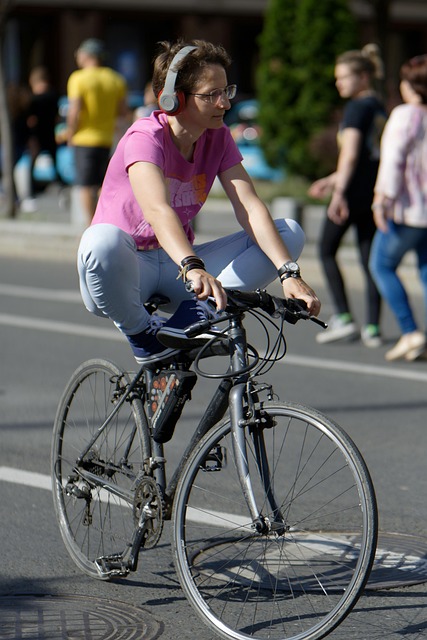
Riding with one or both ears covered by earphones or earbuds reduces the audio information available from the traffic environment in ways that compromise the early warning system for approaching vehicles, emergency sirens and auditory cues from other road users that experienced cyclists rely on as a supplementary input to visual awareness. The time efficiency argument for earphone use is motivational rather than directly temporal, with commuters reporting that music, podcasts or audio content makes the commute more enjoyable and sustainable as a daily practice, indirectly improving consistency and therefore overall commute efficiency. Road safety research consistently identifies audio occlusion as a contributor to delayed hazard detection response times, with the effect most pronounced at higher riding speeds and in complex urban environments with multiple simultaneous traffic streams. Single earphone use that leaves one ear fully open represents the most common compromise position among experienced commuters who weigh the motivational benefit of audio content against the hazard detection cost of full audio occlusion.
Night Riding Without Lights

Riding without legally required lights in low-light or darkness conditions to avoid the inconvenience of charging, mounting or carrying lighting equipment is a practice whose prevalence among experienced commuters bears no relationship to its safety profile, which is unambiguously high-risk for both the cyclist and other road users. The time and convenience saving of not managing lighting equipment is genuine but trivial relative to the collision risk created by invisibility to drivers in conditions where visual detection is the primary mechanism by which vehicle operators avoid cyclists. Unlike most practices in this list where experienced judgment can meaningfully modify the risk profile, riding without lights in darkness represents a categorical safety failure that no amount of route familiarity or traffic reading skill compensates for, because the risk is created by the cyclist’s invisibility to others rather than by their own hazard detection capacity. Lightweight rechargeable lights that mount and dismount in under ten seconds and charge via standard USB have removed the practical justification for unlit riding that heavier and less reliable legacy equipment once provided.
Wet Weather Speed Maintenance
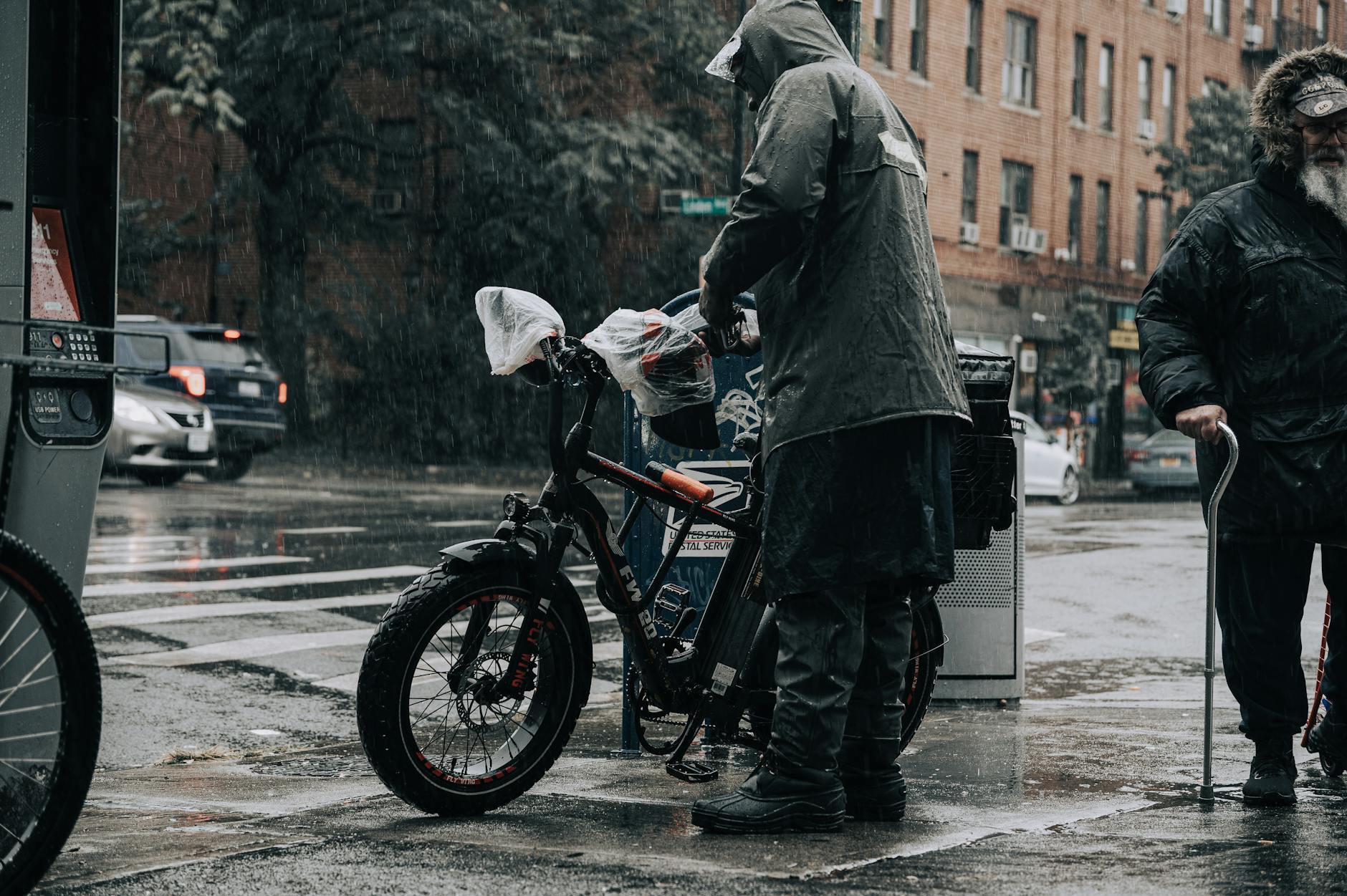
Maintaining dry-weather riding speeds during wet conditions on the basis of route familiarity and traffic prediction skill rather than adjusting for the extended braking distances, reduced tyre grip and degraded visibility that wet surfaces produce is a practice that experienced commuters apply selectively with varying degrees of risk awareness. The efficiency argument is time-based and straightforward, as speed reduction in wet conditions extends journey time by a margin that daily commuters find commercially and practically significant when accumulated across a working week. Road surface physics in wet conditions are objective rather than subjective, and the braking distance extension on wet tarmac at any given speed applies equally to experienced and novice cyclists, meaning that familiarity does not modify the mechanical reality that emergencies in wet conditions require more distance to resolve than the same skill level provides in dry ones. The commuters who manage this risk most effectively in wet conditions are those who invest in high-quality wet-weather tyres with compounds specifically designed for wet grip rather than those who compensate for standard tyre limitations through riding style alone.
Ghost Infrastructure
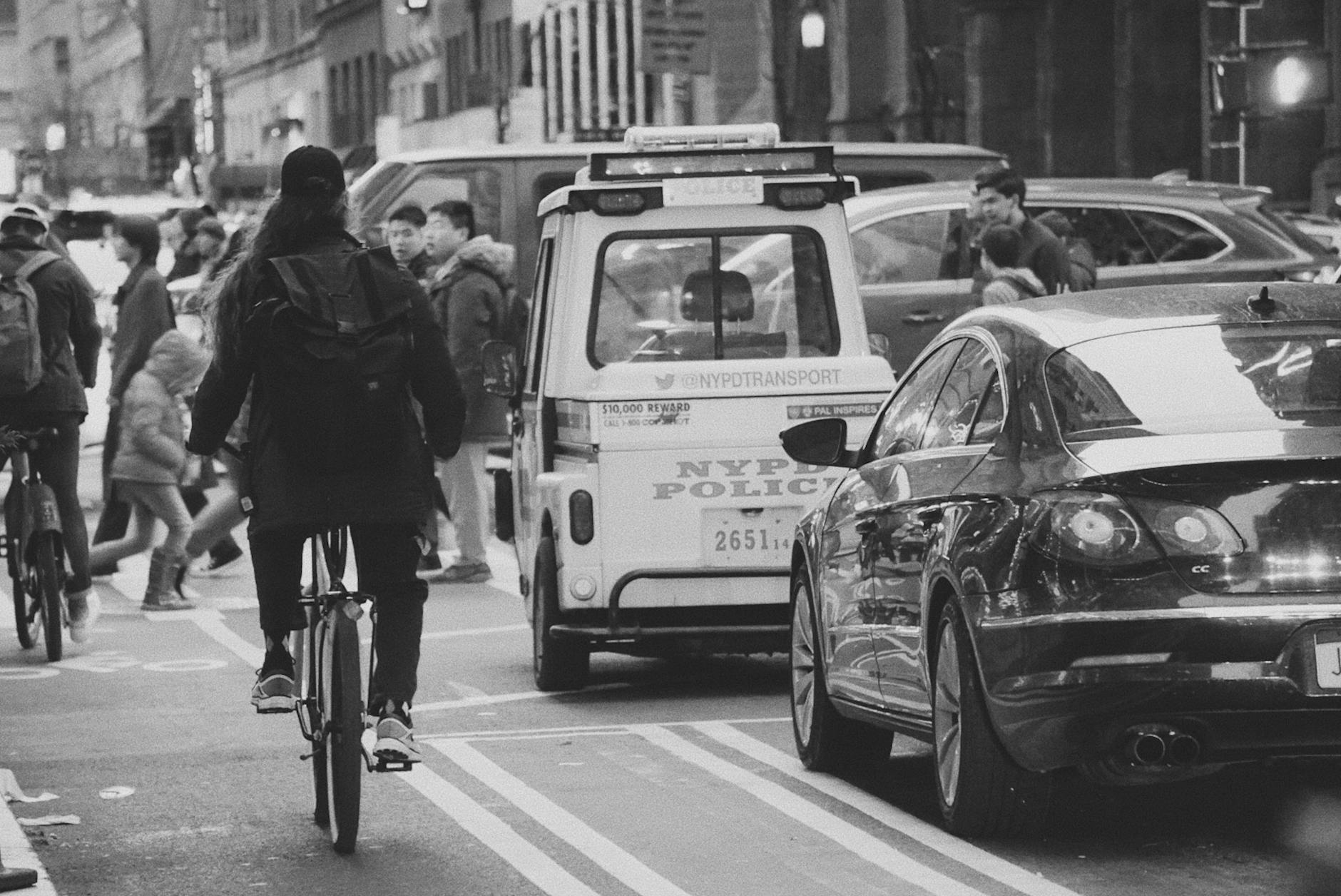
Using informal cycling routes including cut-throughs, alleyways, service roads, loading bays and pedestrian shortcuts that are not part of any official cycling network but are used consistently by local commuters produces significant time savings through route optimization that official mapping and navigation tools do not capture. The local knowledge dimension of ghost infrastructure is its primary value, as these routes are by definition invisible to commuters who have not discovered them through direct exploration or local information sharing, meaning they remain reliably uncongested even as official routes become increasingly busy with cycling traffic growth. The safety concern relates to the variable and often uncontrolled nature of the environments these routes pass through, including service vehicles with limited driver visibility, unexpected pedestrian movements and road surfaces that receive no maintenance relative to the official network. Commuters who rely on ghost infrastructure manage the associated risk through speed discipline appropriate to the visual limitations of each specific section rather than applying the riding style appropriate to open road sections.
Cargo Improvisation
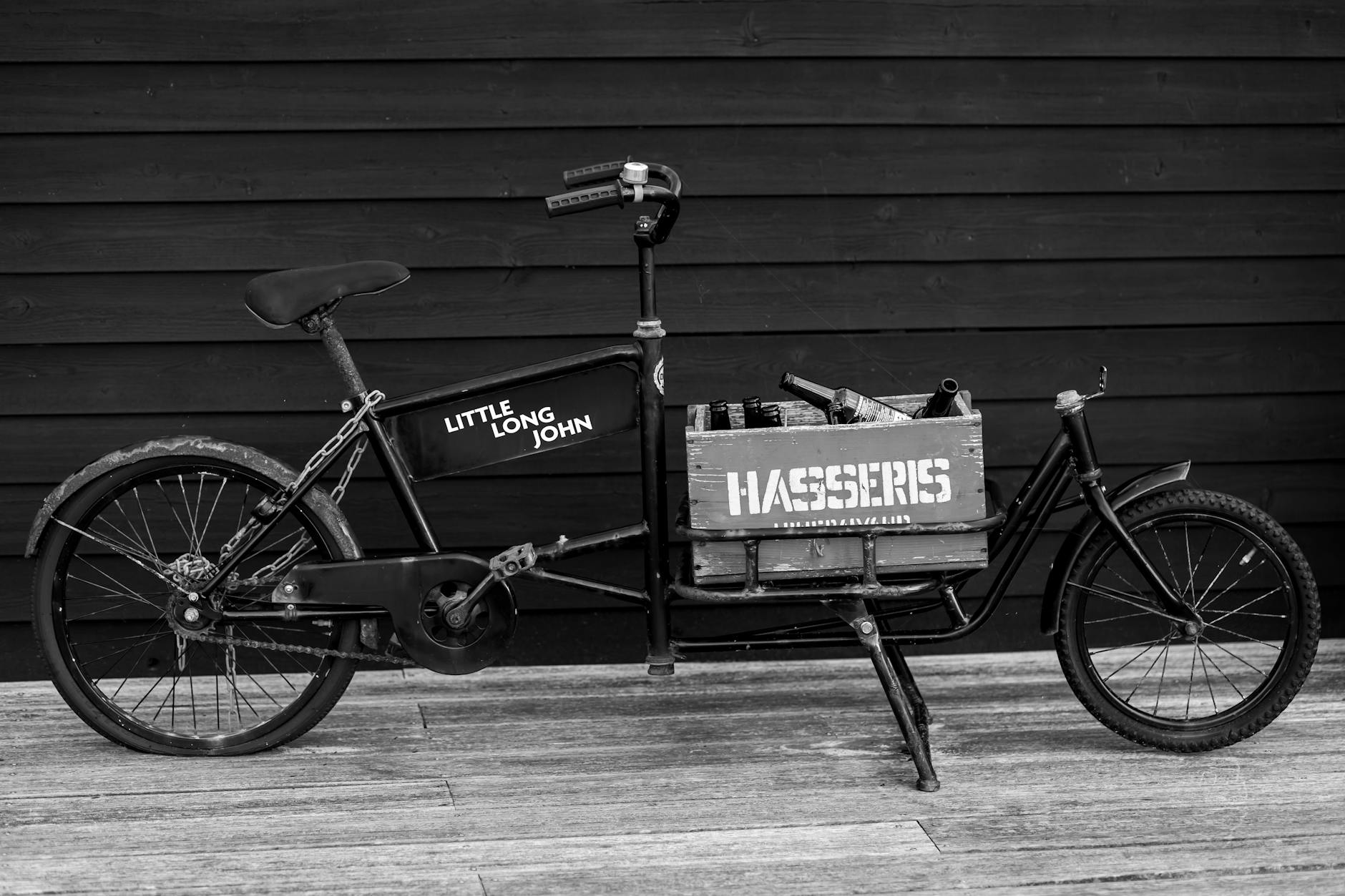
Carrying loads on a standard bicycle that exceed its design parameters through improvised mounting including bungee cord systems, handlebar hanging, shoulder-carry combined with riding and frame-mounted improvised racks produces genuine transport efficiency at the cost of handling characteristics that the bicycle was not designed to manage. The ability to transport a significant grocery shop, a change of clothing, work equipment and personal items on a standard commuter bicycle without a dedicated cargo bike represents a real and meaningful practical capability that improvised carrying solutions enable. The safety concern is the unpredictable effect of non-standard load distribution on steering response, braking behavior and low-speed stability, particularly when an improvised mounting fails during riding and releases load into the wheel or drivetrain. Commuters who carry improvised loads develop an assessment habit that tests load security at walking pace before committing to riding speed and applies speed limits to loaded riding that reflect the degraded handling characteristics of the improvised configuration.
Slipstream Positioning
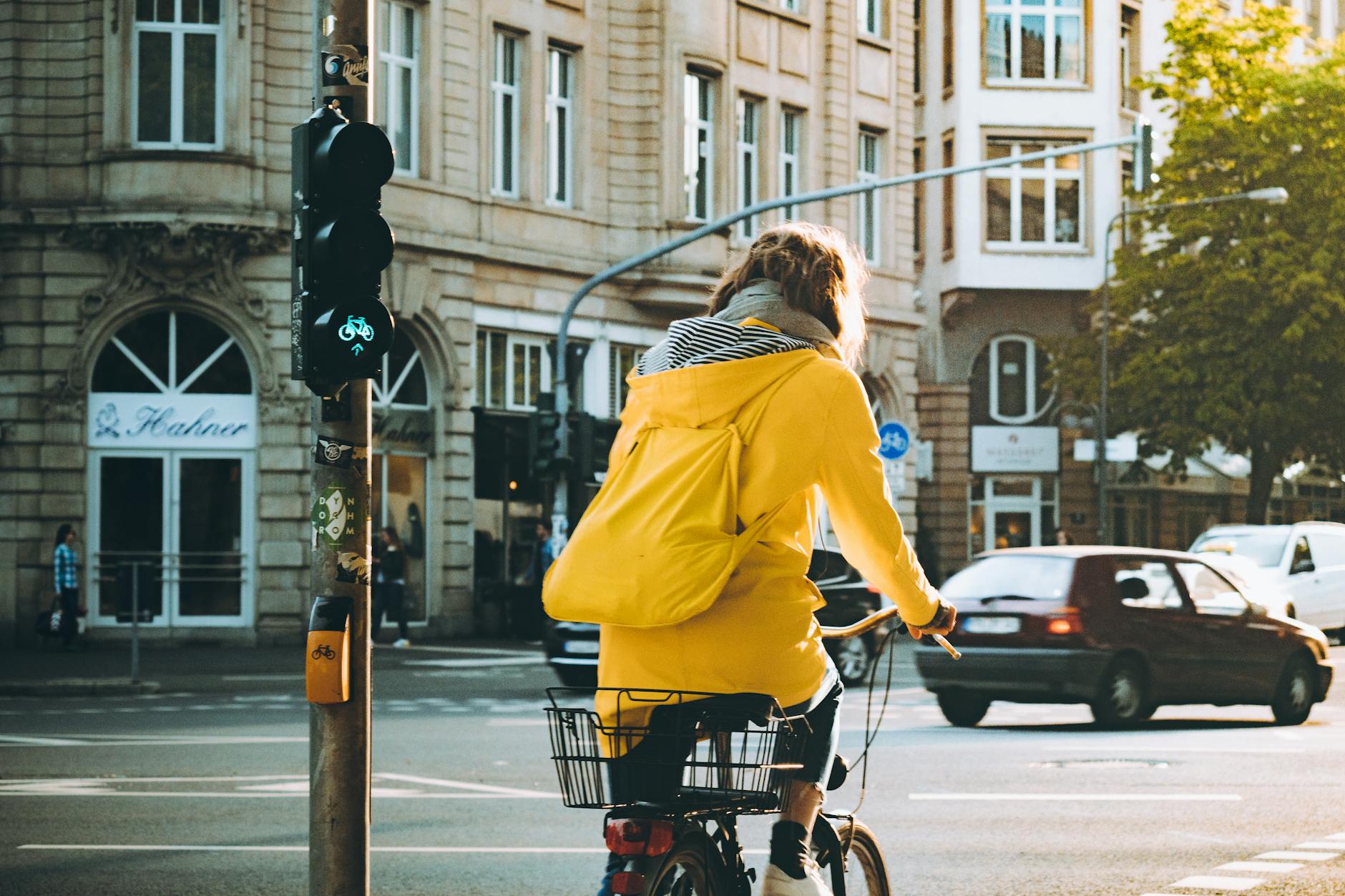
Positioning deliberately in the slipstream of a faster moving vehicle at a moderate following distance to use its aerodynamic wake for speed maintenance without the extreme proximity risk of close drafting represents an intermediate technique between clean-air riding and the high-risk close drafting described elsewhere in this list. The aerodynamic benefit diminishes rapidly with following distance but remains meaningful at separations that allow adequate reaction and braking distance, producing a partial efficiency gain at a substantially lower risk profile than close drafting. The safety concern that persists even at moderate following distance is the tunnel vision effect of slipstream positioning, in which focus on maintaining position behind the lead vehicle reduces peripheral awareness of the surrounding traffic environment including vehicles preparing to overtake the lead vehicle and the cyclist simultaneously. Commuters who use slipstream positioning at moderate distance manage this reduced peripheral awareness by regularly scanning mirrors or performing shoulder checks that break fixation on the lead vehicle and restore full environmental awareness.
Shortcut Mapping
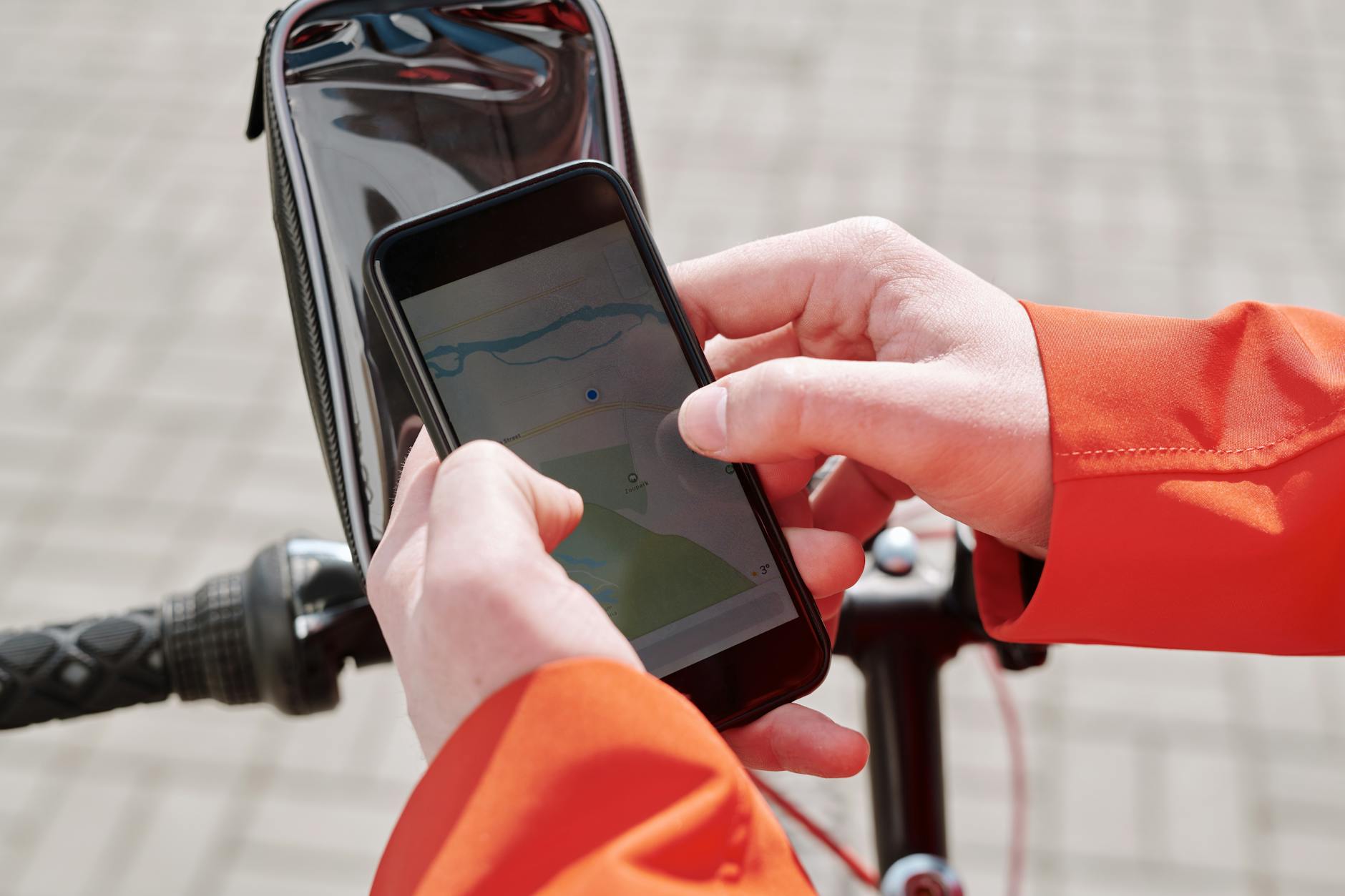
Developing a comprehensive personal shortcut map of a commute route that uses every available minor road, shared path, park crossing and infrastructure gap to minimize distance and junction exposure represents an investment of exploration time that produces daily time returns for the entire duration of the commute. The difference between an optimized local shortcut route and the fastest route produced by standard cycling navigation applications is typically between fifteen and thirty percent in urban environments, reflecting the navigation tools’ inability to account for local infrastructure nuance, junction timing patterns and informal access points that local knowledge captures. The safety concern associated with shortcut routes is their tendency to pass through lower-traffic environments including parks, shared paths and minor roads where the reduced vehicle density is accompanied by higher pedestrian and cyclist density combined with lower predictability of road user behavior. Commuters who develop shortcut maps do so through gradual exploration during lower-pressure journeys rather than first-time use during time-critical commutes, allowing the risk profile of each new section to be assessed before it becomes a habitual component of the daily route.
Aggressive Gap Acceptance
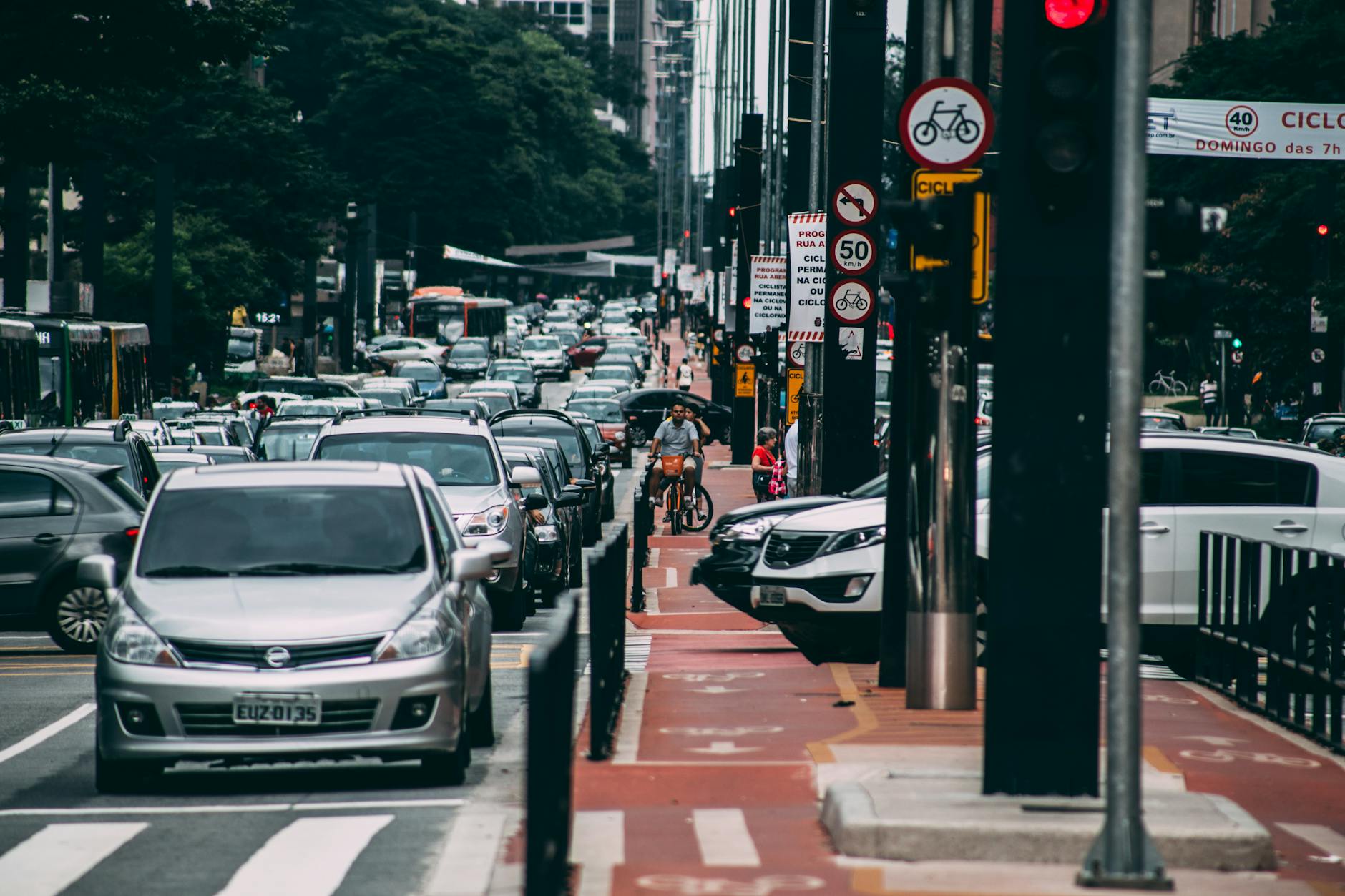
Accepting smaller gaps in traffic flow for junction crossing, lane changes and merging maneuvers than conservative cycling guidance recommends is a practice that experienced urban commuters develop over time as their speed and acceleration capability assessment becomes more precise and their traffic prediction accuracy improves. The time saving from aggressive gap acceptance is cumulative rather than dramatic at any single junction, but across a commute with multiple crossing and merging opportunities the aggregate of individually small savings produces a journey time reduction that experienced riders consider significant and proportionate to the assessed risk. The safety concern is the statistical nature of gap assessment accuracy, which is very high for experienced commuters under normal conditions but not perfect, and whose occasional errors occur in the precise context where the consequences of error are most severe. Commuters who use this technique maintain a conservative buffer within their apparently aggressive gap acceptance that accounts for the possibility that their speed or acceleration assessment of the gap is slightly less accurate than it feels, building in a margin that their felt confidence level does not explicitly require.
Helmet Camera Deterrence
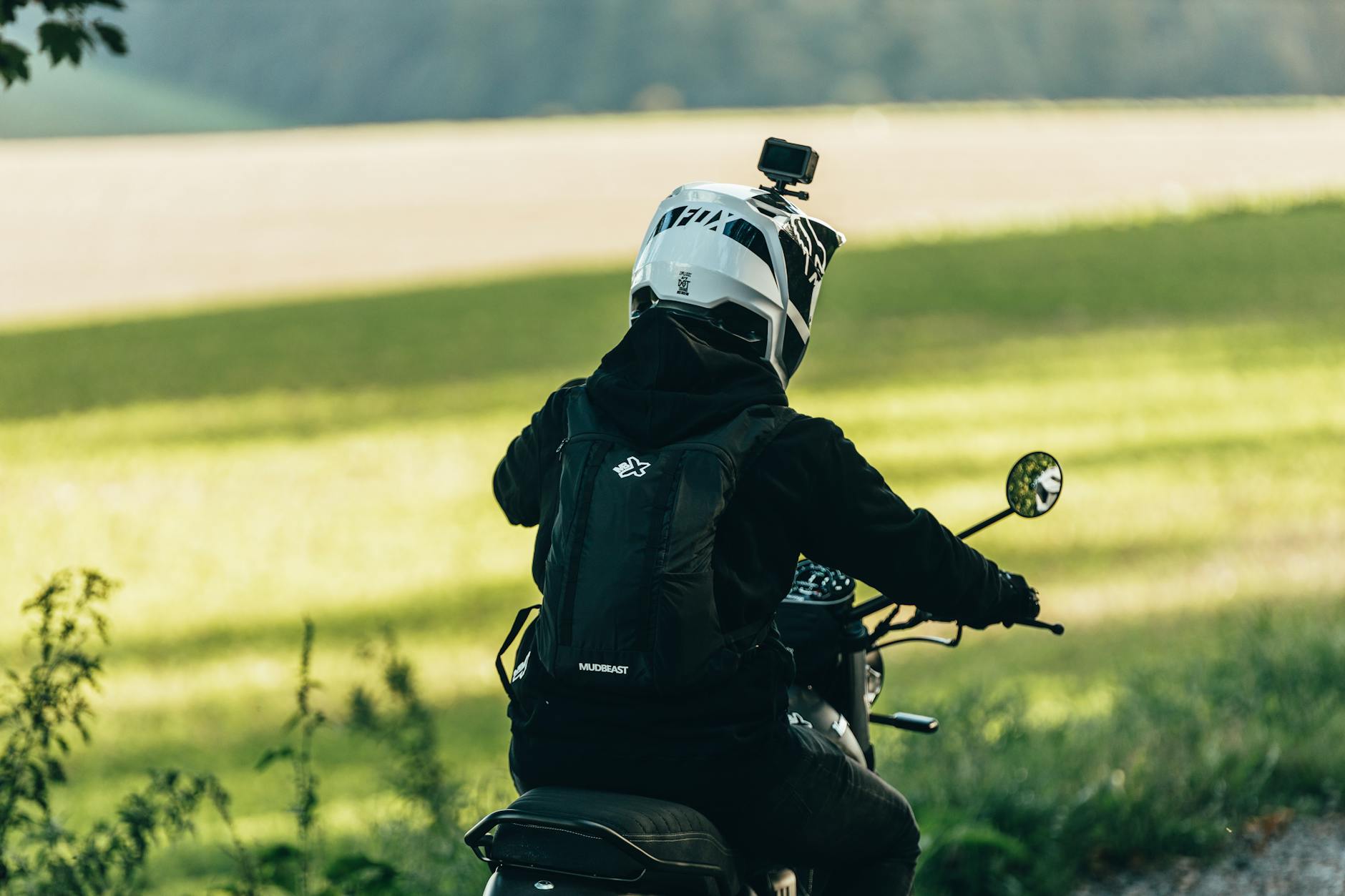
Mounting a visible action camera on a helmet or handlebar as a deterrent to aggressive driver behavior rather than as a genuine recording device represents a time-saving behavior modification technique whose effectiveness is based on the documented change in driver behavior in proximity to perceived recording equipment. Studies examining driver passing distances have found meaningfully greater clearance given to cyclists with visible cameras than to those without, suggesting that the deterrence effect is real and produces a marginally safer riding environment that allows more confident and therefore slightly faster riding in traffic. The safety concern is the behavior change that the false assumption of recording protection may induce in the cyclist, including greater willingness to ride in positions or under conditions whose risk is not actually reduced by the camera’s presence as a deterrent when driver behavior is not the primary risk factor. Commuters who use camera deterrence most responsibly do so with equipment that is also genuinely recording, capturing evidence that is useful for incident reporting and insurance purposes beyond its deterrence function.
Predictive Overtaking
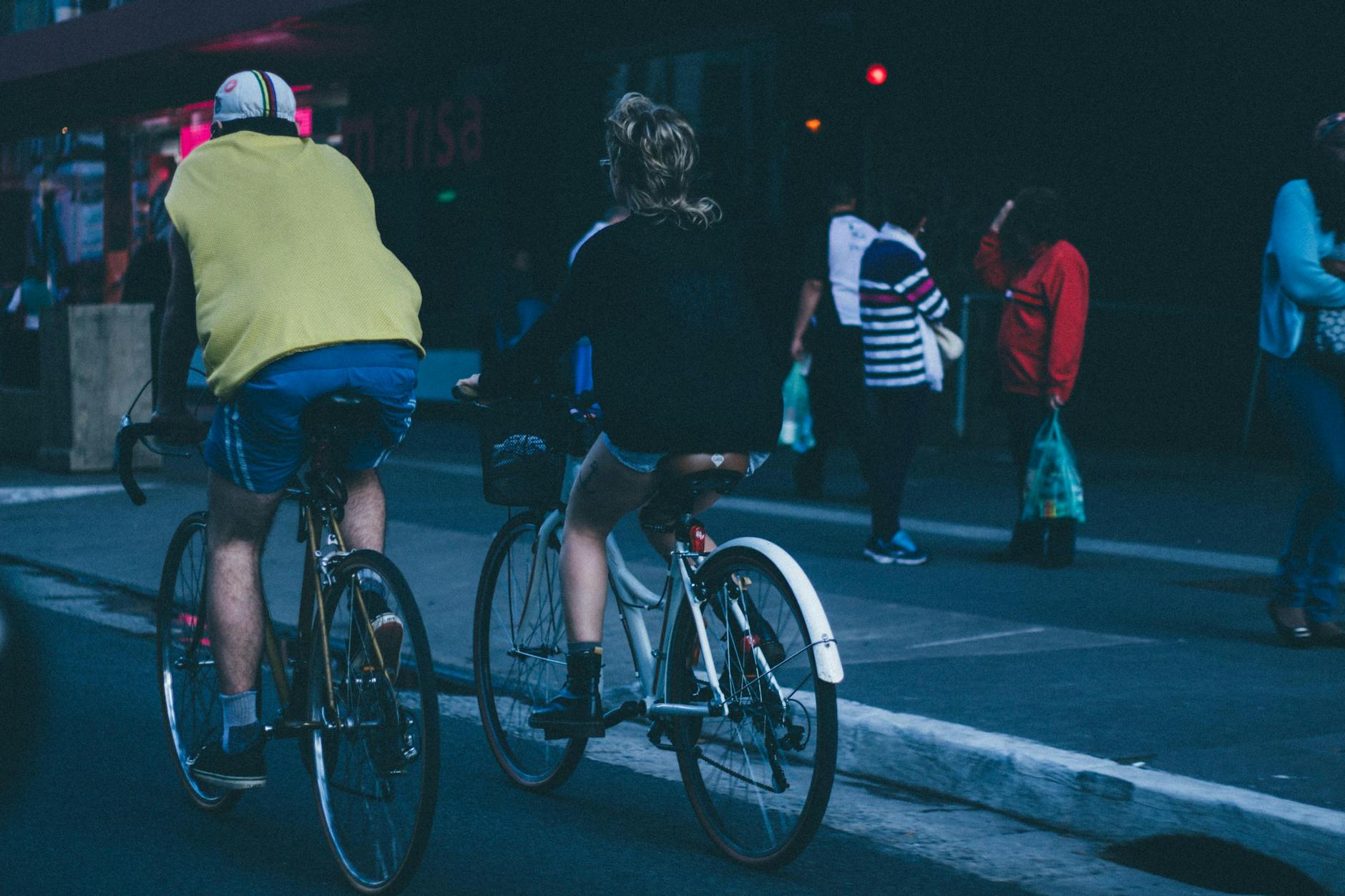
Overtaking slower cyclists, pedestrians and vehicles at points where the traffic environment ahead is predictively clear rather than waiting for confirmed clearance represents a skill that experienced commuters develop to avoid the speed and momentum losses associated with waiting for perfect certainty before every overtaking maneuver. The efficiency gain from predictive rather than confirmatory overtaking is most significant on commute sections with frequent slower road users where a confirmation-only approach would produce near-continuous speed interruption that makes the journey time unpredictable and significantly extended. The safety concern is the probabilistic nature of predictive assessment, which is based on pattern recognition and environmental reading rather than confirmed visual clearance, meaning it is subject to the occasional failure of predictions that prove incorrect in ways that require emergency response. Commuters who use predictive overtaking maintain a speed differential during the overtaking maneuver that allows for abort and return to following position if the predicted clearance fails to materialize rather than committing to the maneuver at a speed that makes abort impossible.
Urban Trail Cutting
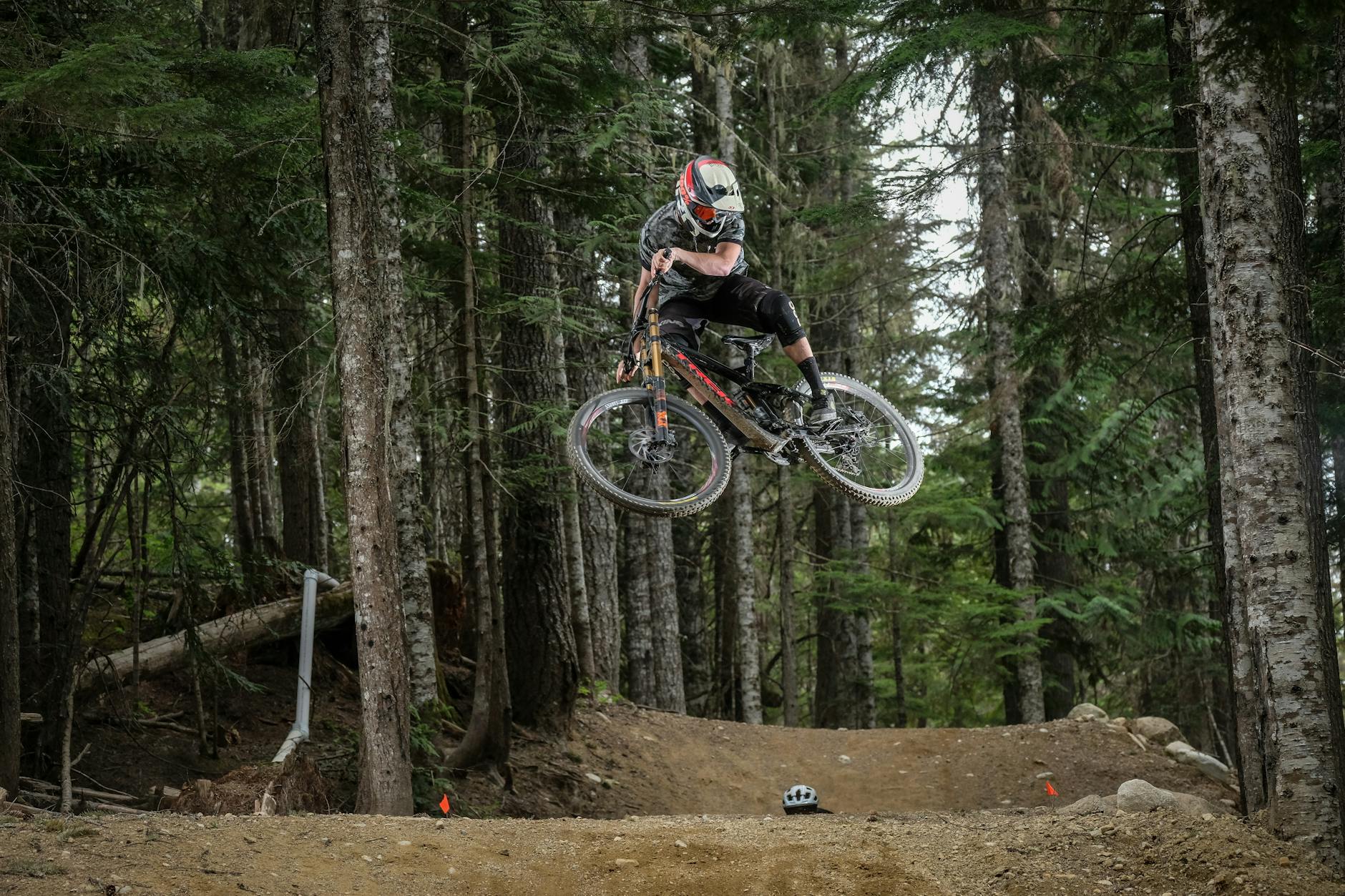
Using informal dirt trails, grass sections and unpaved park paths as connecting segments between paved route sections to eliminate detours imposed by official path layouts produces route optimizations that can shorten a commute significantly while introducing surface and obstacle variables that paved infrastructure does not present. The efficiency gain from urban trail cutting is route-specific and can be dramatic where official path layouts impose significant detours around features including bodies of water, fenced areas and property boundaries that informal trails cross directly. The safety concern relates primarily to the surface unpredictability of informal trails, which may contain hidden obstacles including roots, holes, wet patches and embedded debris that are invisible at approach speed and can produce sudden loss of control at any point in the section. Commuters who include informal trail sections in their regular routes develop an intimate knowledge of each section’s specific hazard profile through repeated use in varied conditions and apply speed limits to these sections that are calibrated to their specific surface knowledge rather than to their general riding confidence level.
Phone Mounting Navigation
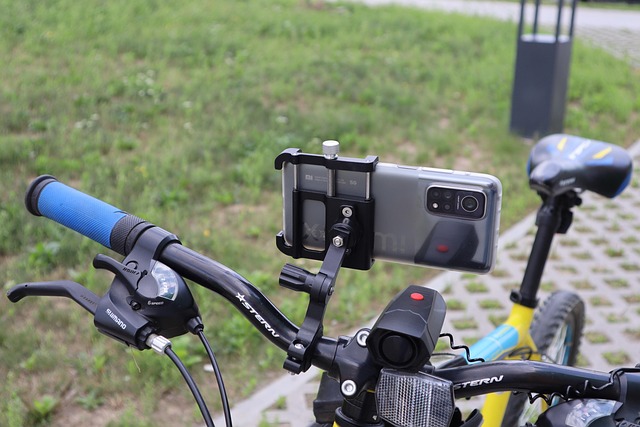
Mounting a phone at handlebar level for navigation and communication access while riding is a practice whose safety profile depends entirely on the degree to which the cyclist interacts with the mounted device while in motion versus using it only as a passive reference during the approach to a known decision point. The efficiency gain from handlebar phone mounting is genuine and significant for commuters who navigate complex or variable routes, receiving real-time traffic and routing information that allows dynamic route adjustment in response to conditions ahead. The safety concern is the attentional capture of screen interaction while riding, which produces a level of cognitive distraction from the traffic environment that research consistently identifies as a significant contributor to hazard detection failure and delayed reaction times even when the interaction duration is very brief. Commuters who manage mounted phone use responsibly confine active interaction with the device to stopped positions and use audio navigation output as their primary information channel during riding, treating the visual display as a secondary reference rather than as a primary information source requiring continuous attention.
Tyre Pressure Optimization
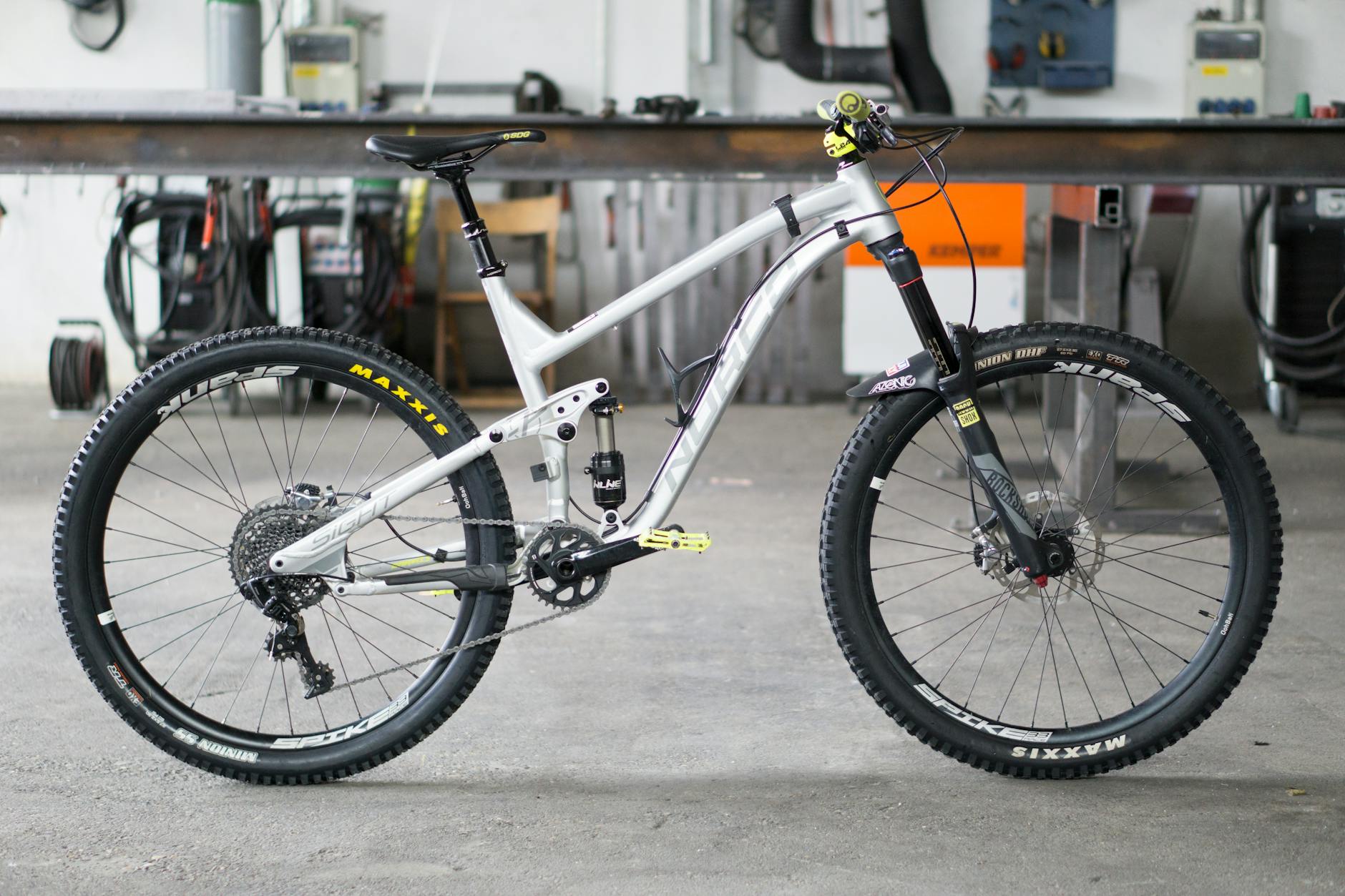
Running tyre pressures significantly above standard manufacturer recommendations to minimize rolling resistance and maximize speed on smooth urban surfaces is a practice that produces genuine efficiency gains on well-maintained road surfaces at the cost of dramatically reduced grip and shock absorption on the road quality variations that urban commutes inevitably include. The rolling resistance reduction at higher tyre pressures is physically real and produces measurably faster riding on smooth surfaces with less effort, which experienced commuters who know their routes well treat as a legitimate optimization for sections where surface quality is reliably high. The safety concern is the non-linear relationship between tyre pressure and grip loss on contaminated, wet or uneven surfaces, where the handling degradation at over-inflated pressures is severe enough to make emergency maneuvers significantly less effective than the rider’s skill level would otherwise support. Commuters who optimize tyre pressure for their specific routes calibrate their choices around the worst surface quality section rather than the best, ensuring that the pressure chosen preserves adequate emergency handling capacity across the full range of conditions the route presents.
If your own commuting experience has produced time-saving approaches that belong on this list or if you have safety perspectives that add important context to any of these practices, share your insights in the comments.