Saving money on groceries without sacrificing the quality of what ends up on the plate is an art form that divides opinion sharply among home cooks and culinary professionals alike. Some of the most effective strategies challenge widely accepted advice about freshness, brand loyalty and the way a kitchen should be stocked. Frugal chefs who have spent years refining their approach often arrive at methods that surprise or even unsettle conventional wisdom. The strategies below are practiced consistently by those who produce remarkable food on minimal budgets and are worth examining on their own merits. Whether you adopt one or all of them, each represents a deliberate and informed approach to the economics of cooking well.
Frozen Vegetables
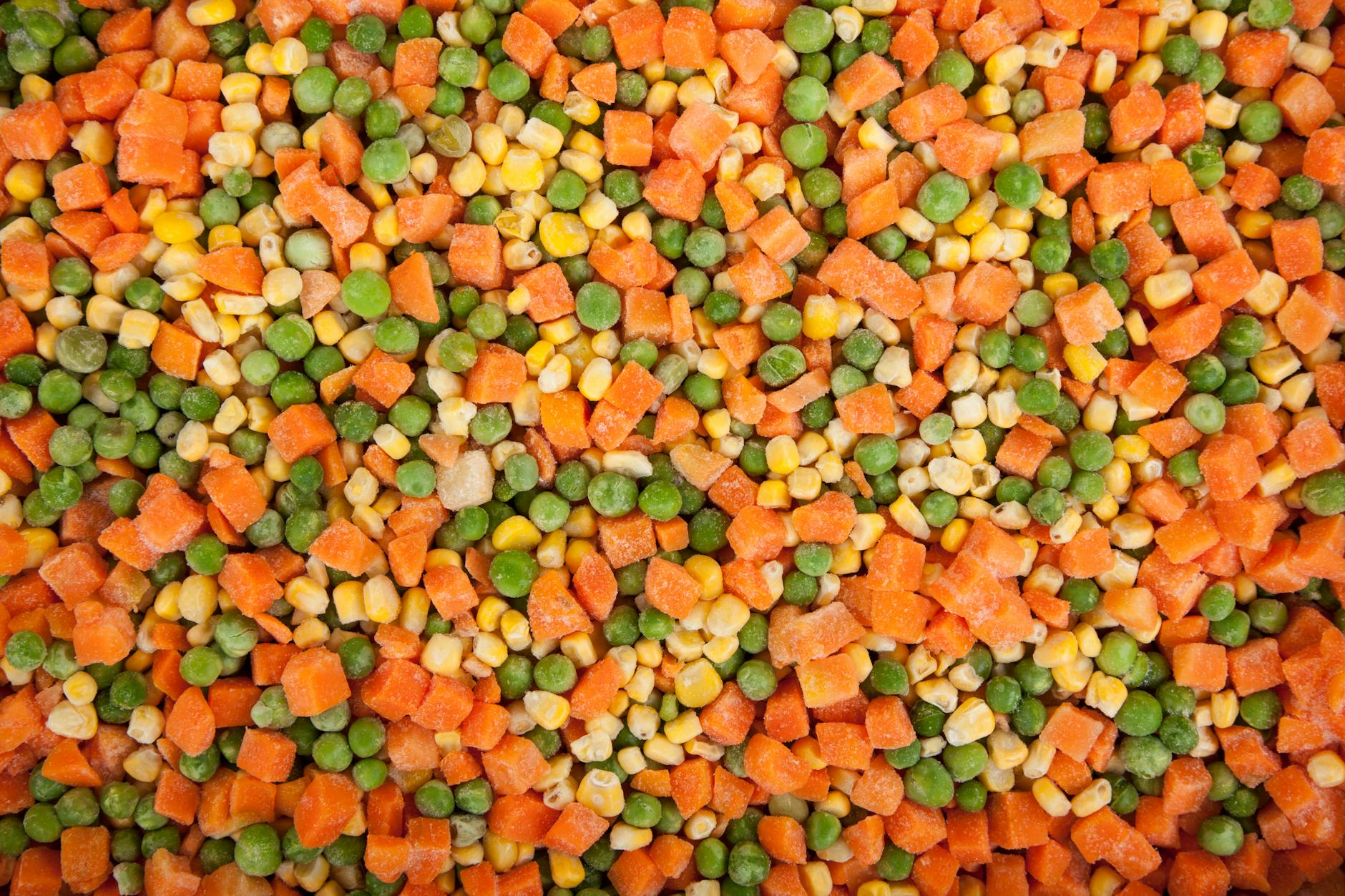
Frozen vegetables are harvested and processed at peak ripeness, locking in nutritional content at a level that fresh produce sitting in transit or on a shelf cannot always match. The price per serving is consistently lower than fresh equivalents and the absence of spoilage means none of the purchase goes to waste. Frugal chefs use frozen spinach, peas, corn and edamame interchangeably with fresh in cooked dishes without any meaningful difference in the final result. Keeping a well-stocked freezer of vegetable staples eliminates the need for frequent grocery trips and reduces the impulse purchases those trips tend to generate.
Markdown Meat
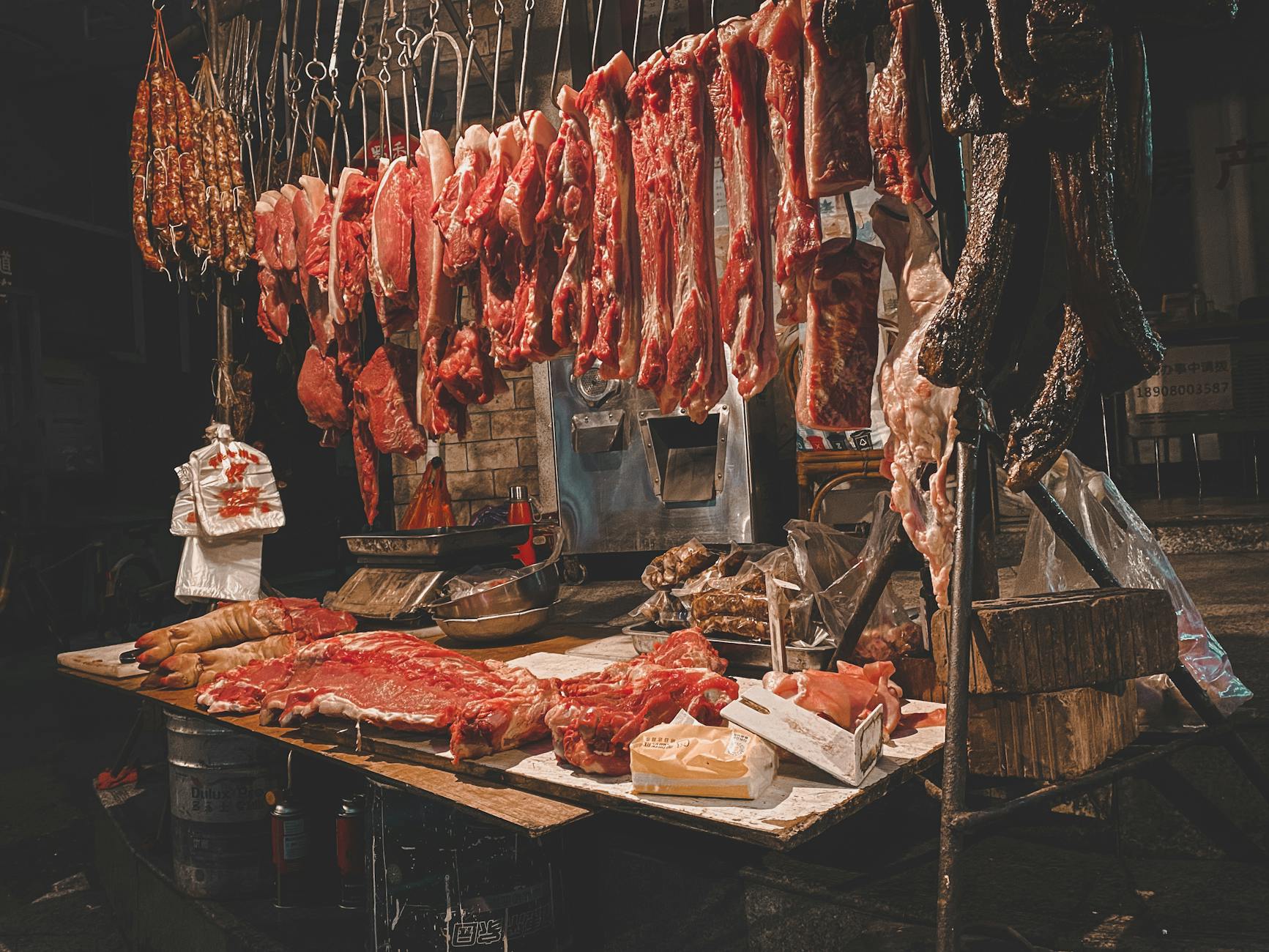
Meat approaching its sell-by date is routinely marked down by thirty to fifty percent in most major supermarkets and represents one of the most significant opportunities for cost reduction in any grocery budget. The sell-by date is a retailer stocking guideline rather than a safety indicator and marked-down meat used or frozen on the day of purchase carries no meaningful risk. Frugal chefs buy marked-down cuts in bulk, portion them at home and freeze immediately, effectively building a personal butcher supply at a fraction of standard retail pricing. Developing a sense of which days and times particular stores apply their markdowns turns this into a reliable and repeatable strategy.
Store Brands

Store-brand and own-label products are manufactured in many cases by the same producers supplying name-brand equivalents and are subject to identical food safety and quality standards. The price difference between a store-brand pantry staple and its branded counterpart often reflects nothing more than packaging design and marketing expenditure. Frugal chefs apply brand switching systematically across staples including canned tomatoes, dried pasta, flour, oil and spices where the impact on cooking outcomes is negligible. The cumulative savings across an entire grocery shop built around store brands can be substantial without introducing any perceptible change to the food produced.
Whole Chickens
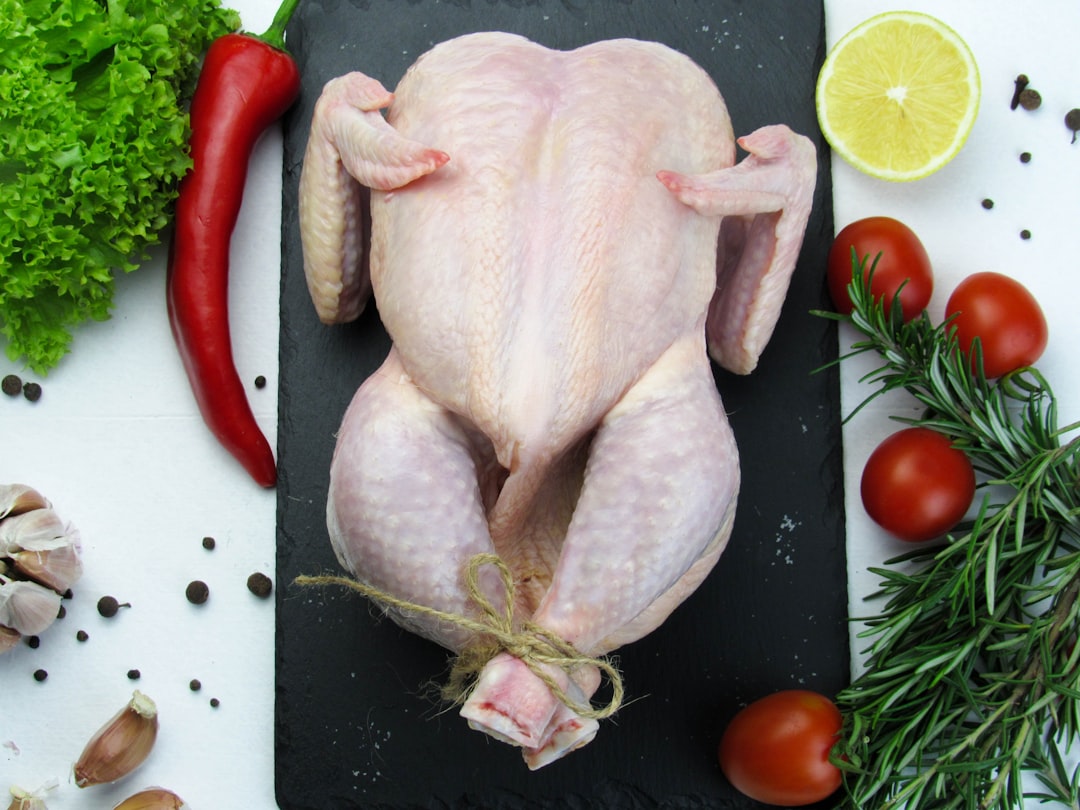
Buying a whole chicken rather than pre-cut portions delivers significantly more value per kilogram while providing a range of cuts suited to different cooking applications. The carcass and remaining bones after the main meal yield a deeply flavored stock that forms the base for soups, risottos, gravies and braises at virtually no additional cost. Frugal chefs who break down whole birds develop a skill that accelerates their broader kitchen competence and reduces dependency on premium pre-portioned packaging. A single whole chicken managed efficiently across two or three meals stretches the grocery budget further than almost any other single protein purchase.
Dried Legumes
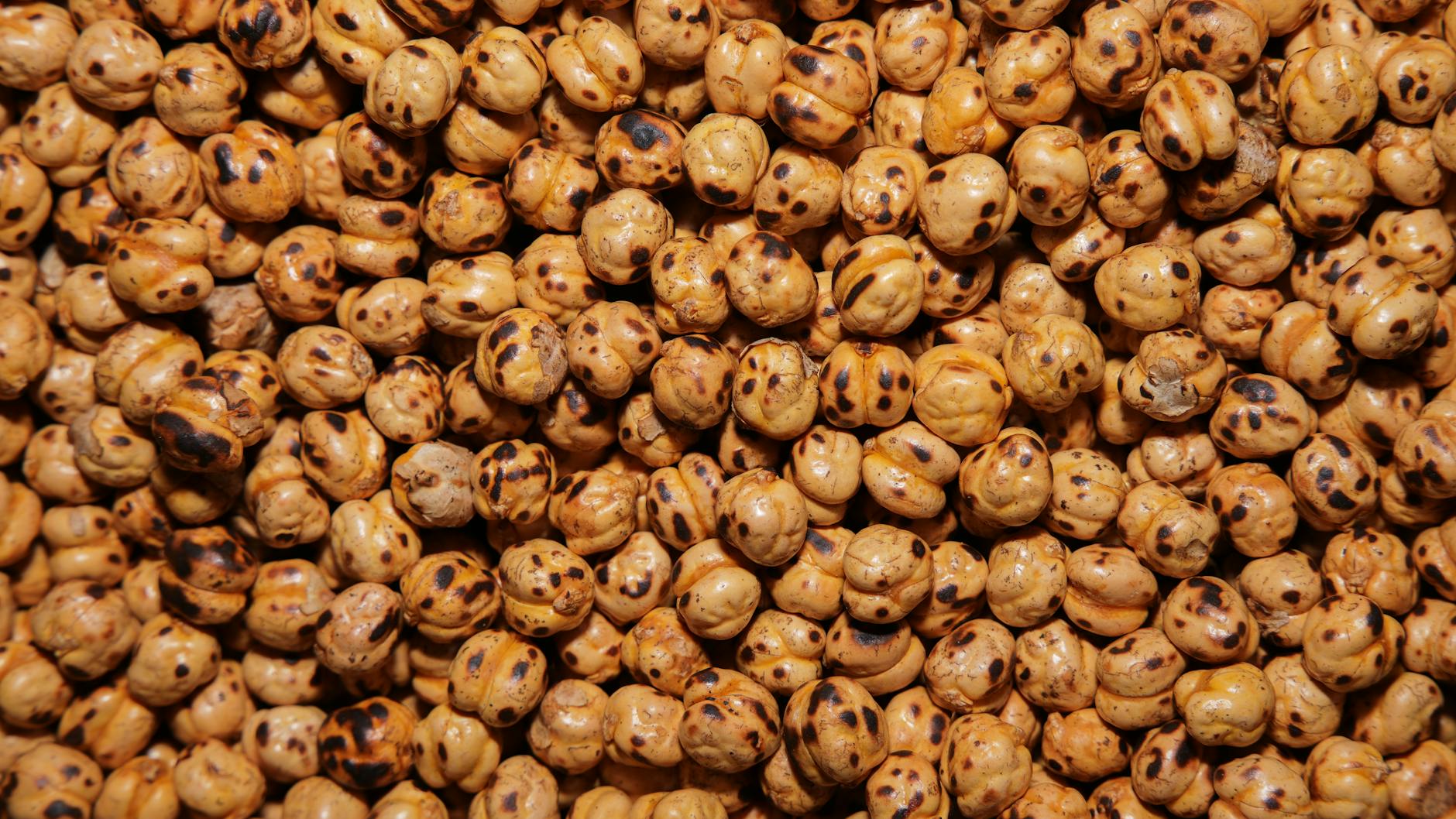
Dried lentils, chickpeas, black beans and cannellini beans cost a fraction of their canned counterparts and produce a superior texture when cooked from scratch. A one-kilogram bag of dried chickpeas expands to roughly three times its weight when hydrated, providing multiple meal portions at a unit cost that is difficult to match with any other protein source. Frugal chefs batch-cook dried legumes and refrigerate or freeze portions ready for use across the week, eliminating the time barrier that often pushes people toward more expensive canned alternatives. The cooking liquid from legumes such as chickpeas also functions as a useful emulsifier and foam agent in both savory and sweet applications.
Imperfect Produce
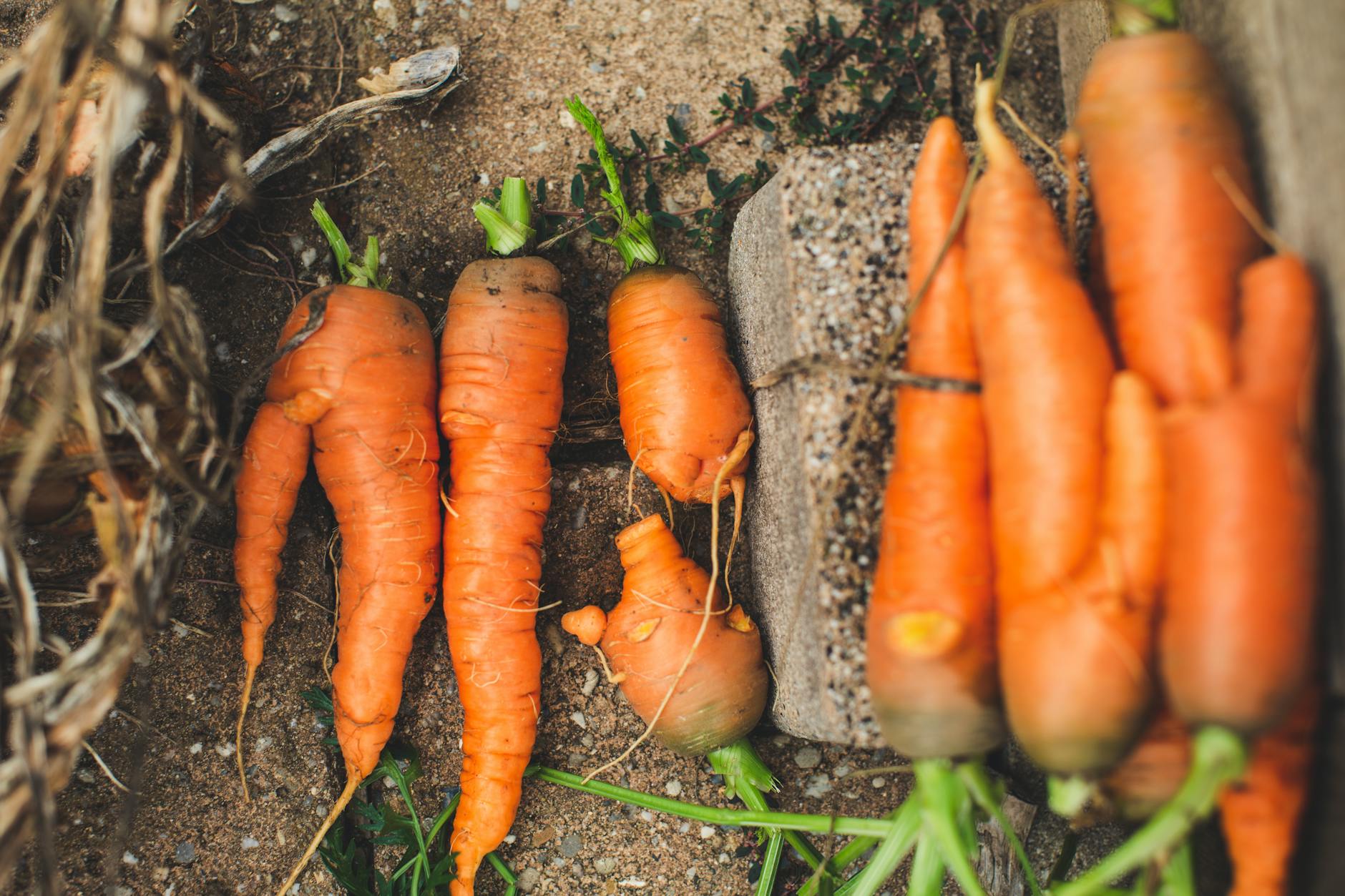
Misshapen or cosmetically imperfect fruits and vegetables are nutritionally and culinarily identical to their visually uniform counterparts but are sold at a significant discount or through dedicated budget produce programs. Supermarkets, farmers markets and specialist subscription services all offer imperfect produce at reduced prices that reflect retail cosmetic standards rather than any meaningful quality difference. Frugal chefs favor imperfect produce for soups, stews, sauces and roasted dishes where appearance is irrelevant to the outcome. Accessing imperfect produce channels consistently can reduce the fruit and vegetable portion of a grocery budget by up to forty percent without altering the nutritional profile of the diet.
Spice Markets

Independent spice markets and ethnic grocery stores sell loose or bulk spices at prices that are often five to ten times lower than supermarket equivalents packaged in branded jars. The turnover in these stores is typically higher, meaning the product is fresher and more aromatic than spices that have sat on a supermarket shelf for months. Frugal chefs purchase whole spices in bulk and grind them as needed, a practice that delivers both cost efficiency and a more intense flavor profile in finished dishes. Building a pantry from an ethnic grocery store or spice market rather than a mainstream supermarket represents one of the highest-return single changes available to any budget-conscious cook.
Bread Freezing
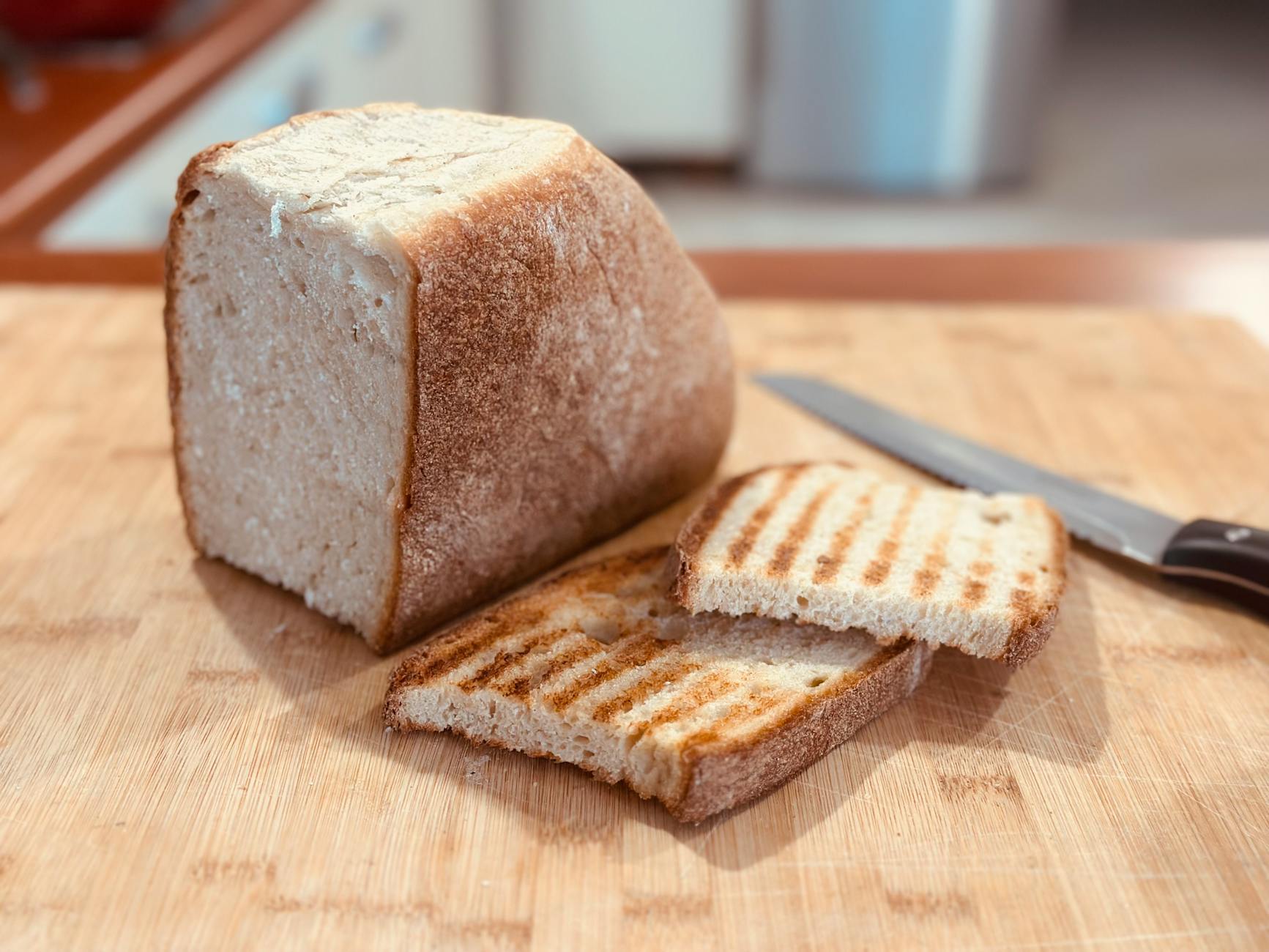
Bread freezes with minimal quality loss and buying discounted loaves destined for the markdown shelf extends their usable life by weeks without any meaningful deterioration in texture after toasting or gentle reheating. Many bakeries and supermarkets reduce bread prices sharply in the final hours before closing, creating a reliable window for significant savings on a staple that most households consume daily. Frugal chefs slice loaves before freezing to allow individual portions to be taken directly from the freezer as needed, eliminating the waste associated with fresh bread that is not consumed quickly enough. Artisan and sourdough loaves that would otherwise be financially impractical to buy regularly become accessible through this approach.
Organ Meats

Organ meats including liver, kidney, heart and tongue are among the most nutrient-dense foods available and are priced dramatically lower than muscle cuts despite coming from the same animals. The reduced consumer demand for offal in many Western markets keeps prices suppressed, creating a consistent opportunity for frugal chefs who are willing to work with less familiar ingredients. Chicken livers in particular offer exceptional versatility, functioning as the base for pâtés, pasta sauces, fried dishes and rice preparations at a cost that makes them one of the most economical proteins available. Incorporating organ meats even occasionally into a weekly meal plan produces measurable reductions in the protein component of a grocery budget.
Bulk Grains
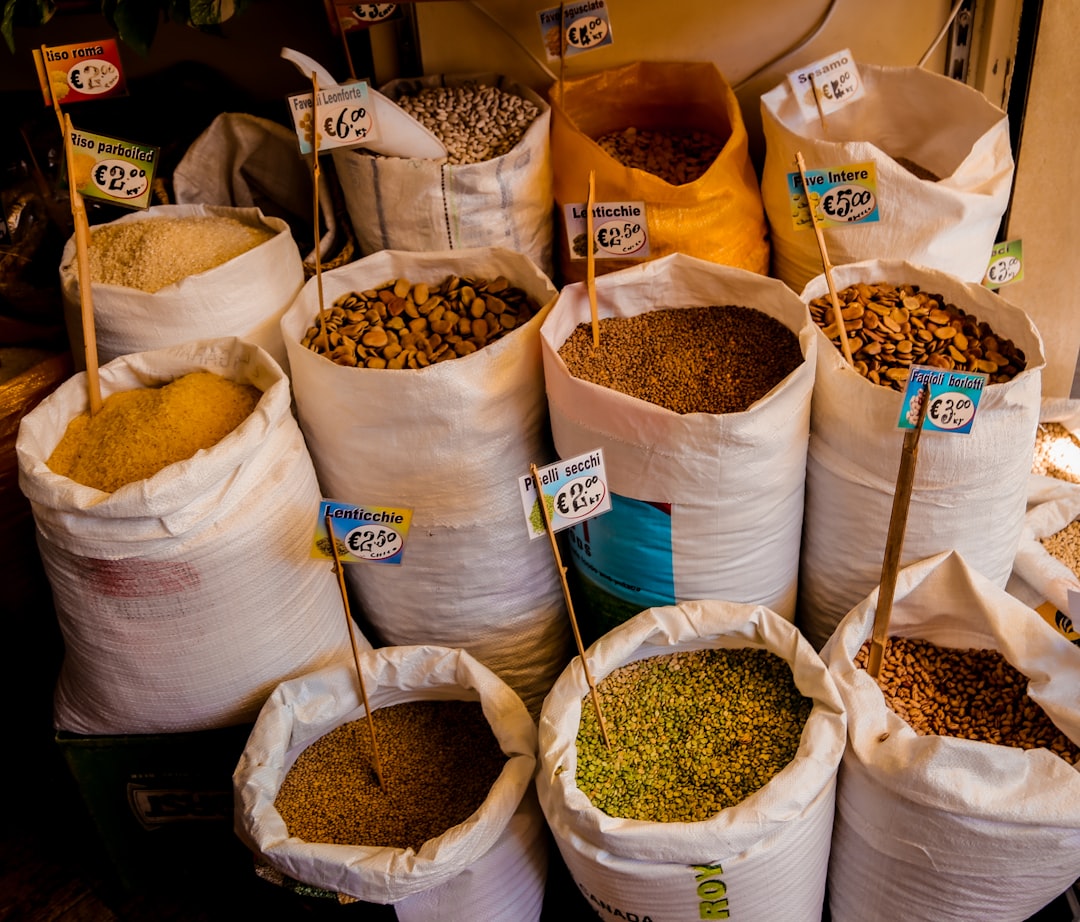
Buying grains including rice, oats, barley, farro and quinoa in the largest available quantities reduces the per-unit cost substantially compared to smaller retail packaging. Stored correctly in airtight containers away from light and moisture, most whole grains remain stable for twelve months or longer, making bulk purchasing a low-risk strategy for households with adequate storage space. Frugal chefs use whole grains as the structural foundation of meals rather than as side elements, a shift in approach that reduces the quantity and cost of protein and produce required to create a satisfying plate. The variety available through bulk purchasing also introduces greater nutritional diversity without adding complexity to the budget.
Fish Offcuts
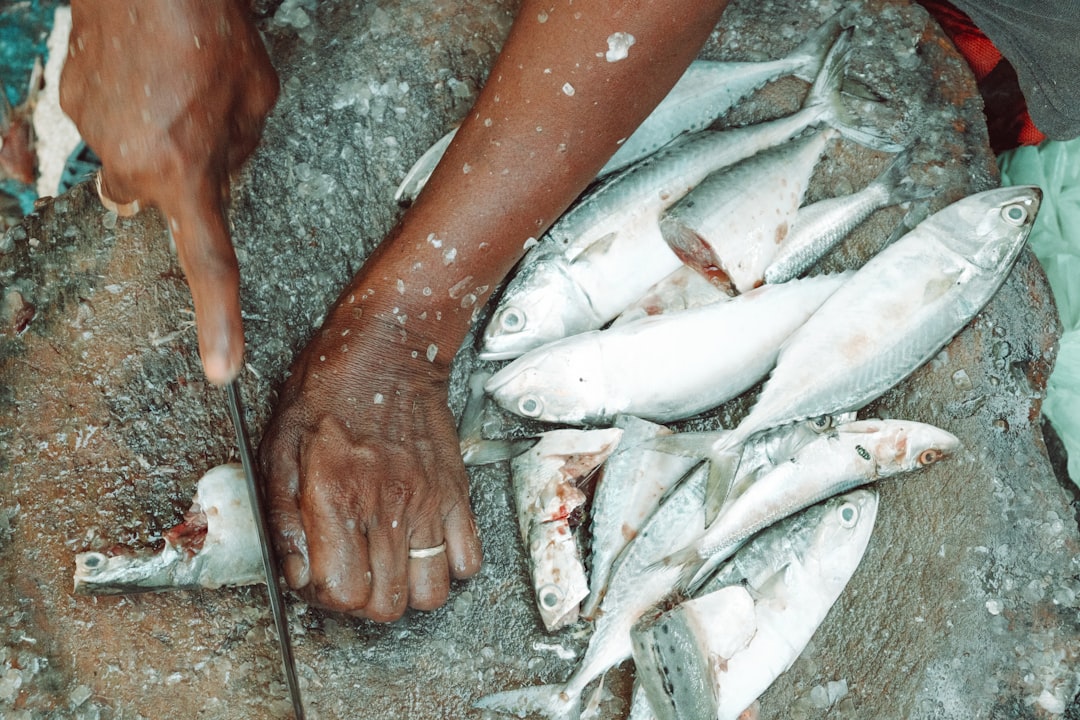
Fish offcuts including collars, cheeks, belly cuts and frames are sold at a fraction of the price of fillets and contain some of the most flavorful and fatty portions of the fish. Fishmongers and fish counters in larger supermarkets often set these cuts aside or price them minimally because general consumer demand for them is low despite their culinary merit. Frugal chefs use fish collars for grilling and broiling, frames for stock production and belly cuts for curing, frying or incorporating into rice dishes. Developing a relationship with a fish counter and requesting offcuts regularly ensures consistent access to ingredients that deliver high value relative to their cost.
Egg Versatility
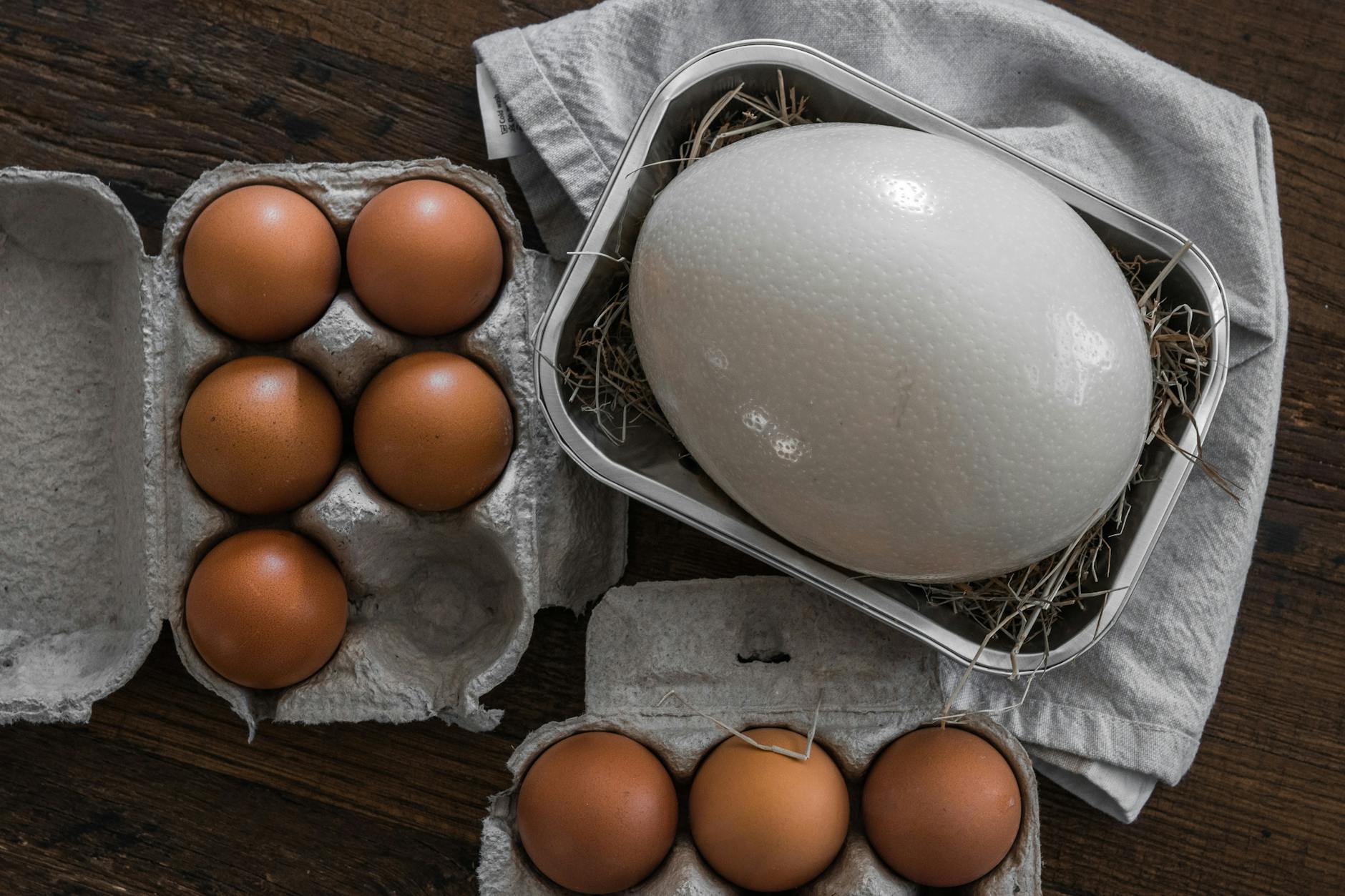
Eggs represent one of the most complete and affordable sources of protein available in any grocery environment and function across breakfast, lunch, dinner and baking applications with equal effectiveness. A dozen eggs consistently provides more meals per dollar spent than almost any other single grocery item regardless of market conditions. Frugal chefs treat eggs as a primary rather than supplementary ingredient, building full meals around frittatas, shakshuka, fried rice, carbonara and baked egg dishes that require minimal additional cost to complete. The shelf stability of eggs relative to other fresh proteins also reduces spoilage loss and supports more flexible meal planning through the week.
Fermented Foods
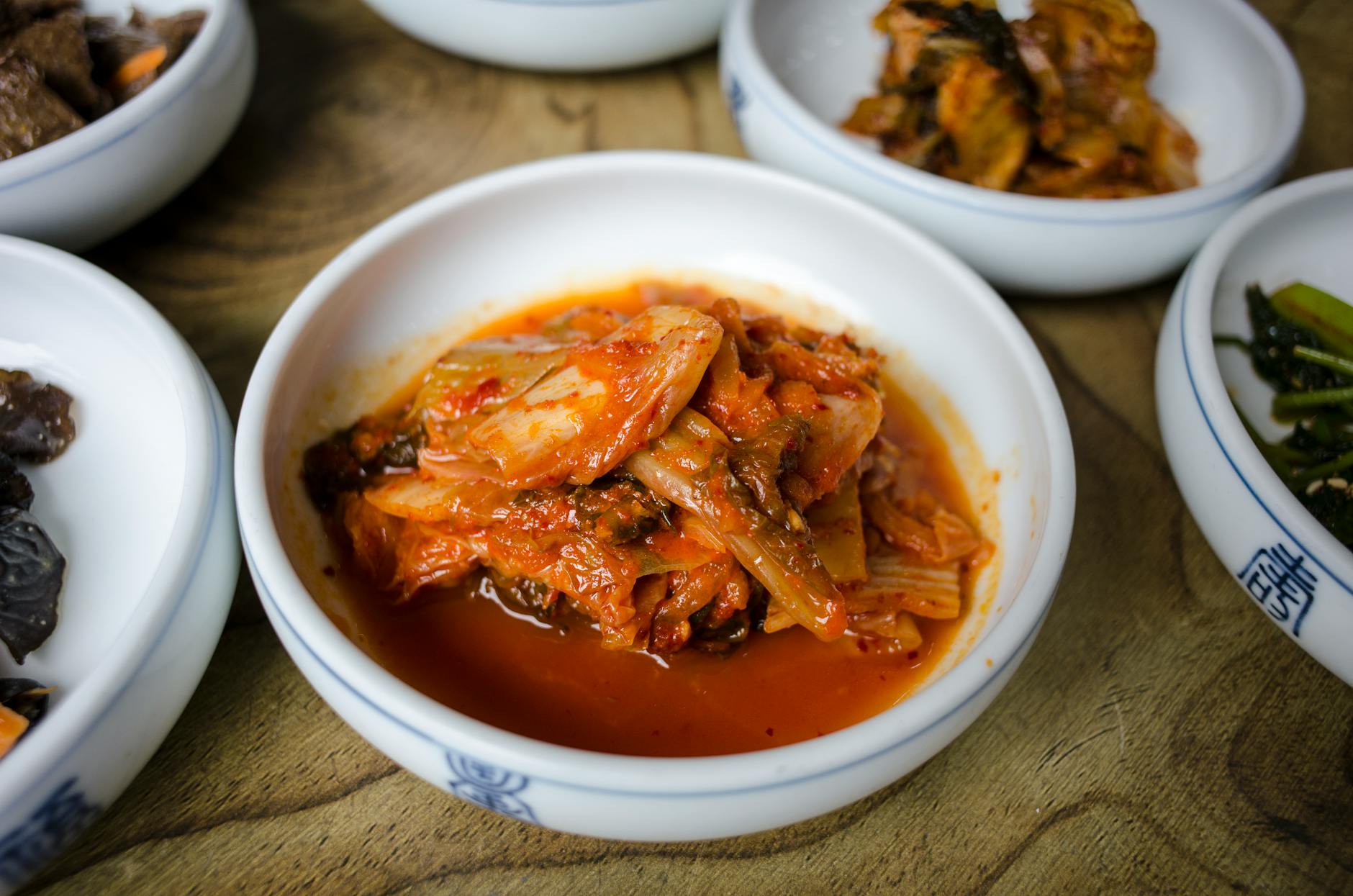
Making fermented foods at home including yogurt, kimchi, sauerkraut and kefir costs a fraction of retail pricing and produces larger quantities than store-bought equivalents. The fermentation process also extends the life of vegetables and dairy that might otherwise spoil before use, effectively converting potential waste into a finished product with added nutritional value. Frugal chefs use homemade yogurt as a base for sauces, marinades and dressings in addition to its direct consumption, multiplying its utility across a range of preparations. The initial learning curve for basic fermentation is minimal and the ongoing ingredient investment once the process is established is negligible.
Seasonal Produce
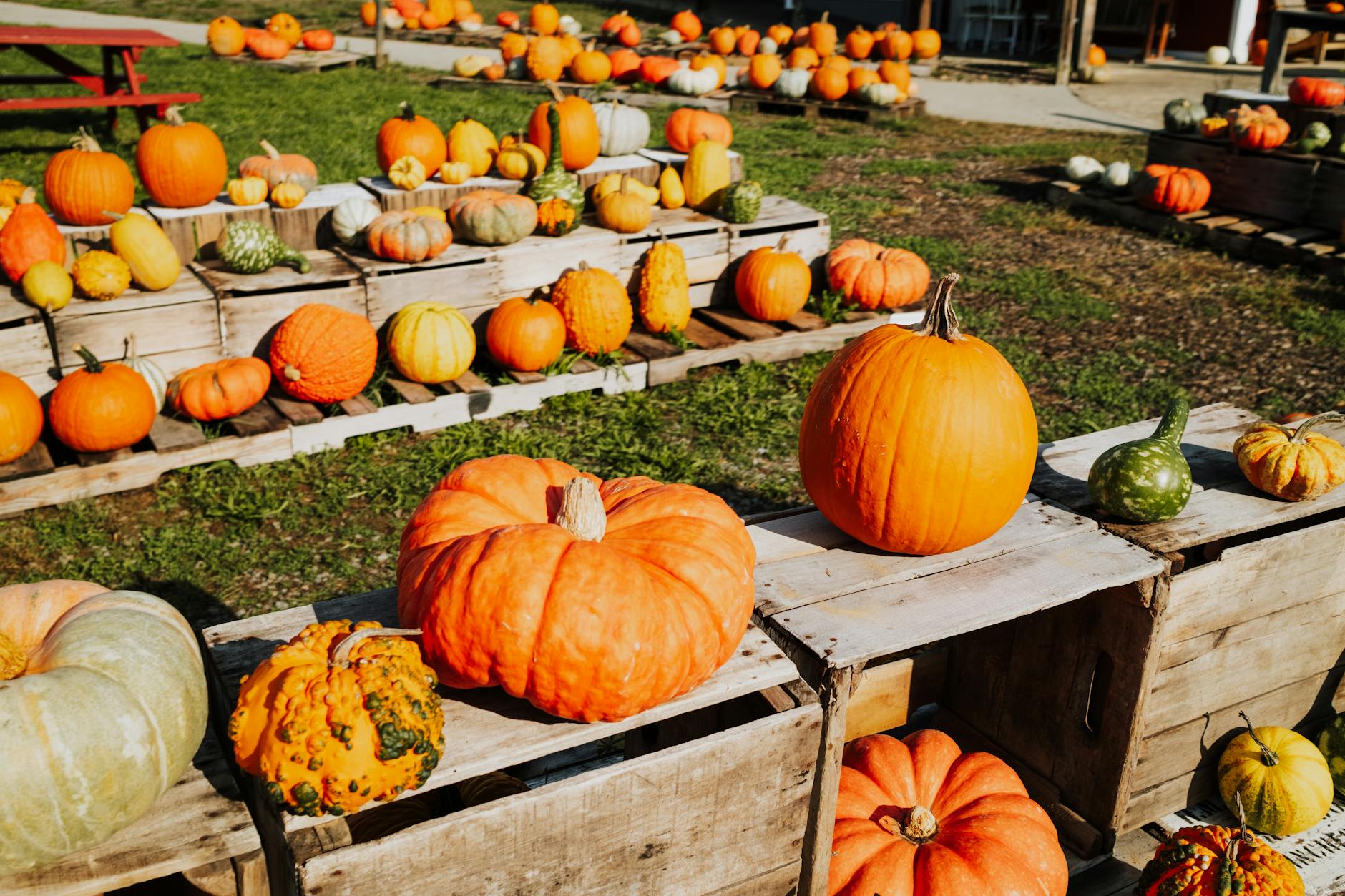
Produce purchased at the height of its natural season is cheaper, more flavorful and more nutritious than the same ingredient bought out of season and sourced from distant growing regions. The reduced transport, storage and artificial ripening costs associated with in-season local produce are reflected directly in retail pricing, often dramatically so. Frugal chefs structure their entire weekly menu around what is currently in season rather than selecting recipes first and then sourcing ingredients, a reversal of the conventional approach that consistently reduces grocery spend. Understanding the seasonal calendar for a given region is a foundational skill that compounds in value the more consistently it is applied.
Tinned Fish

Tinned fish including sardines, mackerel, anchovies, tuna and mussels provides shelf-stable, omega-rich protein at a price point that makes it one of the most economical items available in any grocery store. The preservation process locks in nutritional content and the long shelf life means tinned fish can be purchased in bulk during sales without any risk of spoilage. Frugal chefs use tinned fish as a flavor-building ingredient in pasta sauces, grain bowls, salads and toast preparations where its intensity elevates the dish without requiring large quantities. A well-stocked pantry of varied tinned fish options provides the foundation for dozens of fast and complete meals at minimal cost.
Cooking Fat Rotation
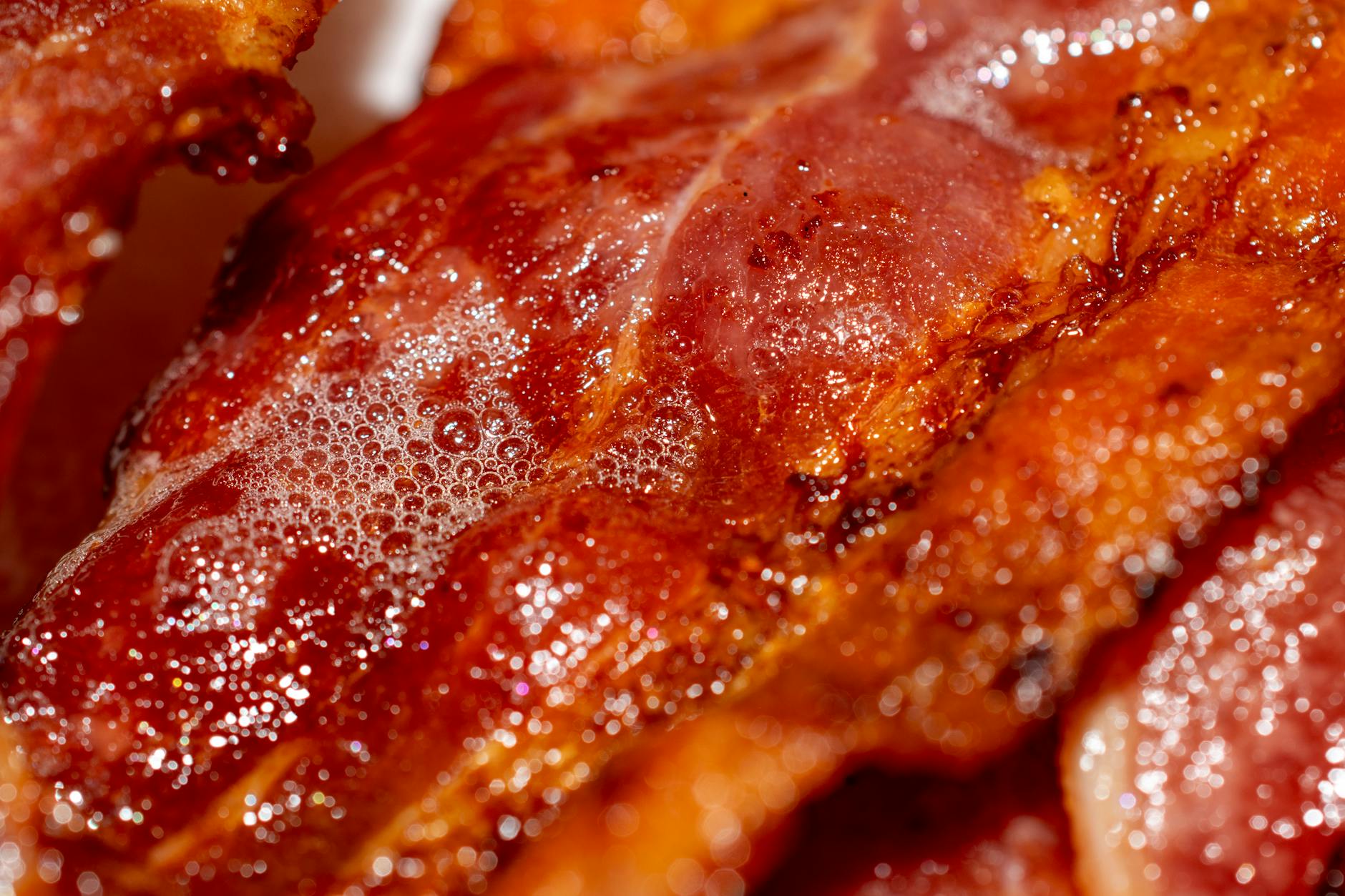
Rather than purchasing a single type of cooking fat, frugal chefs rotate between animal fats, vegetable oils and rendered drippings based on price fluctuations and what is available from existing cooking processes. Beef dripping, chicken schmaltz and pork lard rendered from bones and trimmings during regular cooking are collected and stored rather than discarded, building a supply of high-quality cooking fats at no additional grocery cost. Each rendered fat carries flavor compounds from the animal it came from, adding depth to fried and sautéed dishes that neutral vegetable oils cannot replicate. This rotation approach eliminates the cost of specialty cooking fats entirely for households that cook meat regularly.
Day-Old Bakery
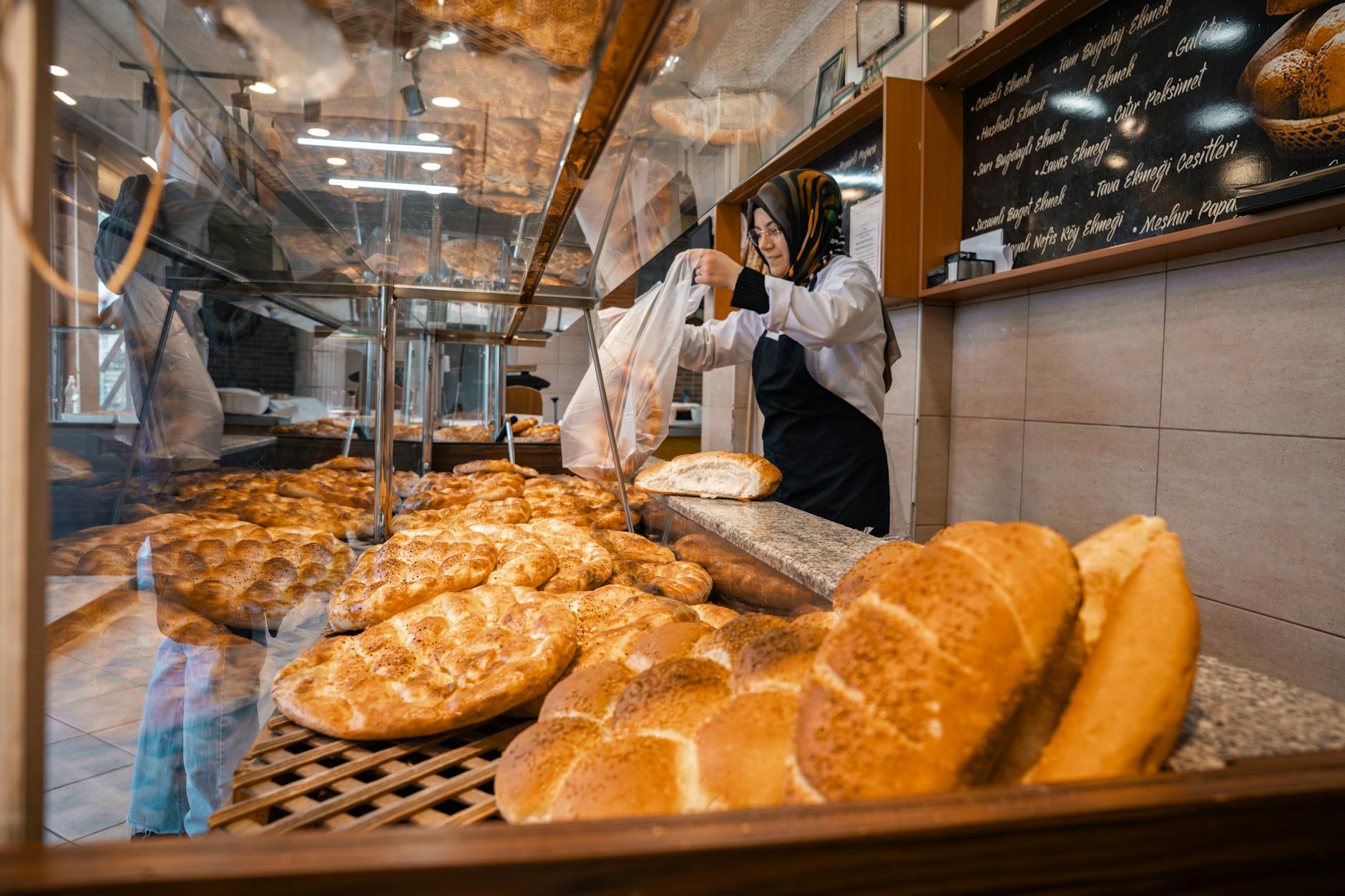
Day-old bread, pastries and baked goods sold at a discount by bakeries and in-store bakery sections at the end of trading are fully consumable and often superior in texture for certain cooking applications. Stale bread is the prerequisite for high-quality breadcrumbs, croutons, panzanella, ribollita, bread pudding and French onion soup, meaning day-old product is functionally preferable to fresh for a wide range of preparations. Frugal chefs visit bakeries near closing time specifically to access marked-down product and freeze what cannot be used immediately in its day-old state. Building a supply of day-old bread in the freezer eliminates the need to purchase breadcrumbs, croutons or stuffing mixes as separate grocery items entirely.
Vinegar Preservation
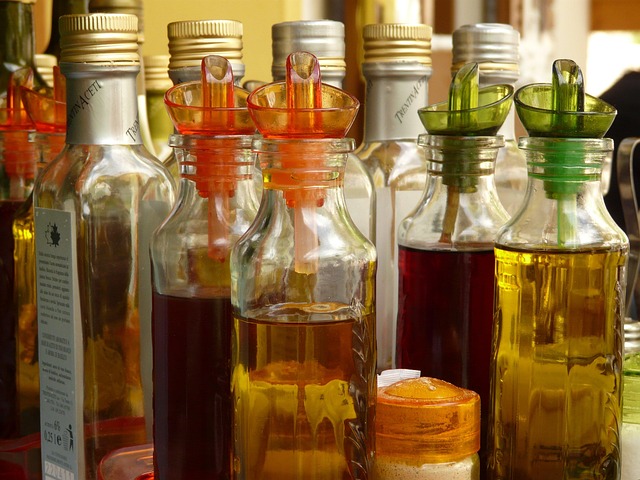
Using vinegar to quick-pickle vegetables extends the usable life of produce that is approaching the end of its peak by converting it into a condiment or side dish with a shelf life of several weeks. Red onions, cucumbers, radishes, carrots and cabbage all respond well to a basic pickling brine and can be prepared in under ten minutes with pantry staples that most frugal kitchens already hold. Frugal chefs apply quick-pickling proactively to vegetables that are not yet wilted but are unlikely to be used before spoilage sets in, eliminating a common source of grocery waste. The resulting pickles elevate sandwiches, grain bowls, tacos and charcuterie boards in a way that reduces the need for purchased condiments and adds perceived value to simple meals.
Pasta From Scratch
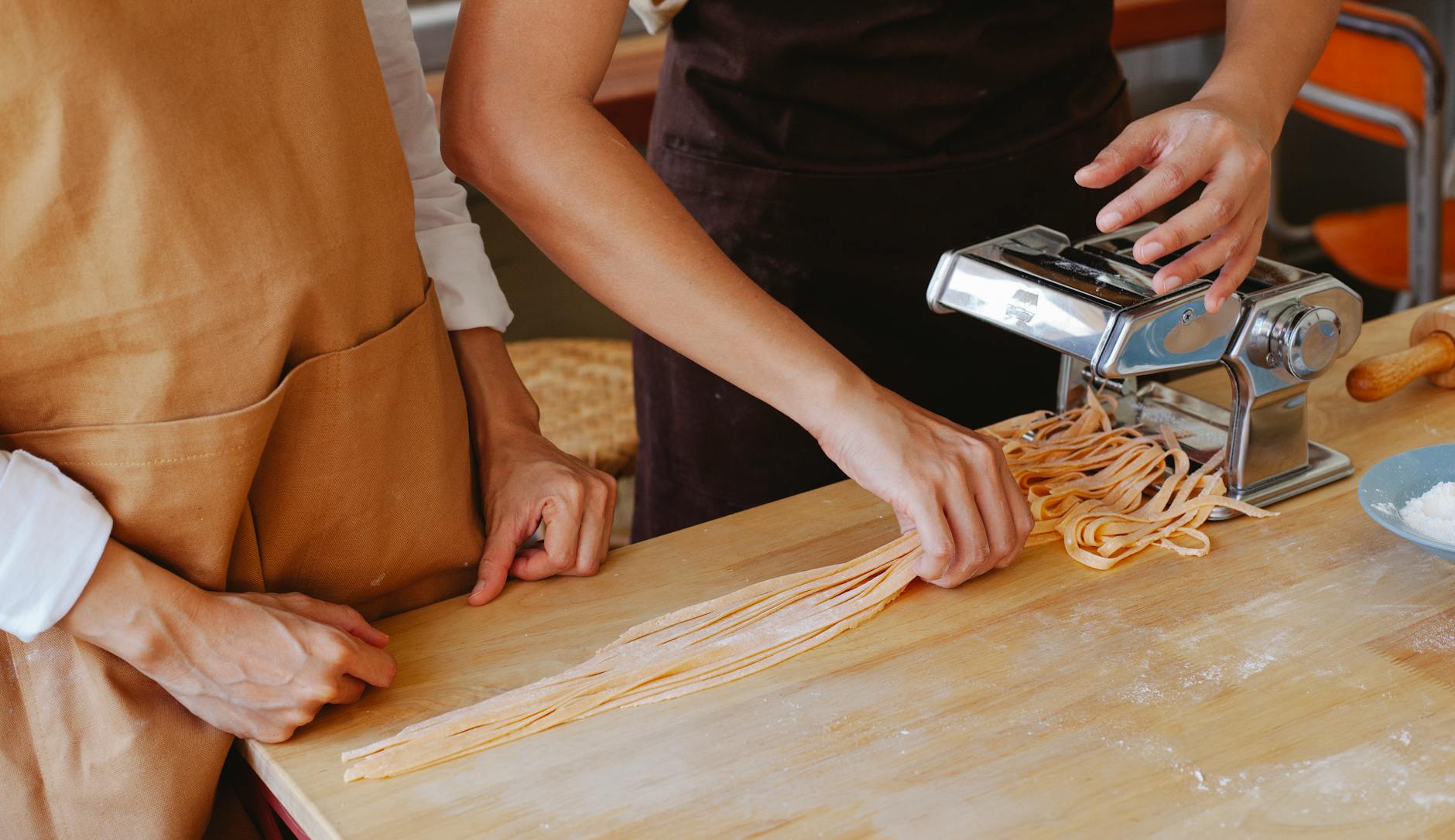
Making fresh pasta from flour and eggs costs considerably less than purchasing dried premium pasta brands or fresh refrigerated pasta from a supermarket while producing a product that is widely regarded as superior in texture and flavor. The ingredient cost for a full batch of fresh egg pasta is minimal and the process requires no specialist equipment beyond a rolling pin for basic preparations. Frugal chefs who incorporate fresh pasta into their regular repertoire find that it elevates the perception of an entire meal built on inexpensive ingredients, allowing simpler sauces and fewer accompaniments to feel complete. The skill develops quickly with repetition and the time investment reduces substantially as technique improves.
Broth Bones
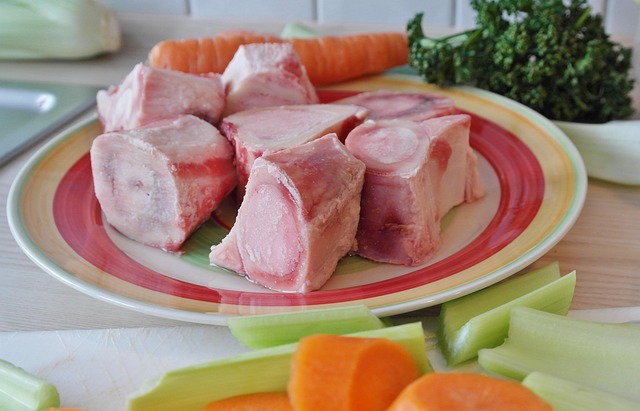
Buying bones specifically for stock production is one of the highest-return purchases available in any butcher or meat counter. Beef, chicken, pork and fish bones are sold at low prices and produce a rich and gelatinous stock that forms the foundation for soups, braises, risottos, sauces and grain cookery across the entire week. Frugal chefs roast bones before simmering to develop a deeper flavor profile in the resulting stock, creating a product that adds as much culinary value as a purchased ingredient costing many times more. A habit of regular stock production from purchased or saved bones eliminates the need to buy packaged stock entirely and improves the baseline quality of virtually every savory dish in the kitchen.
Ethnic Grocery Stores
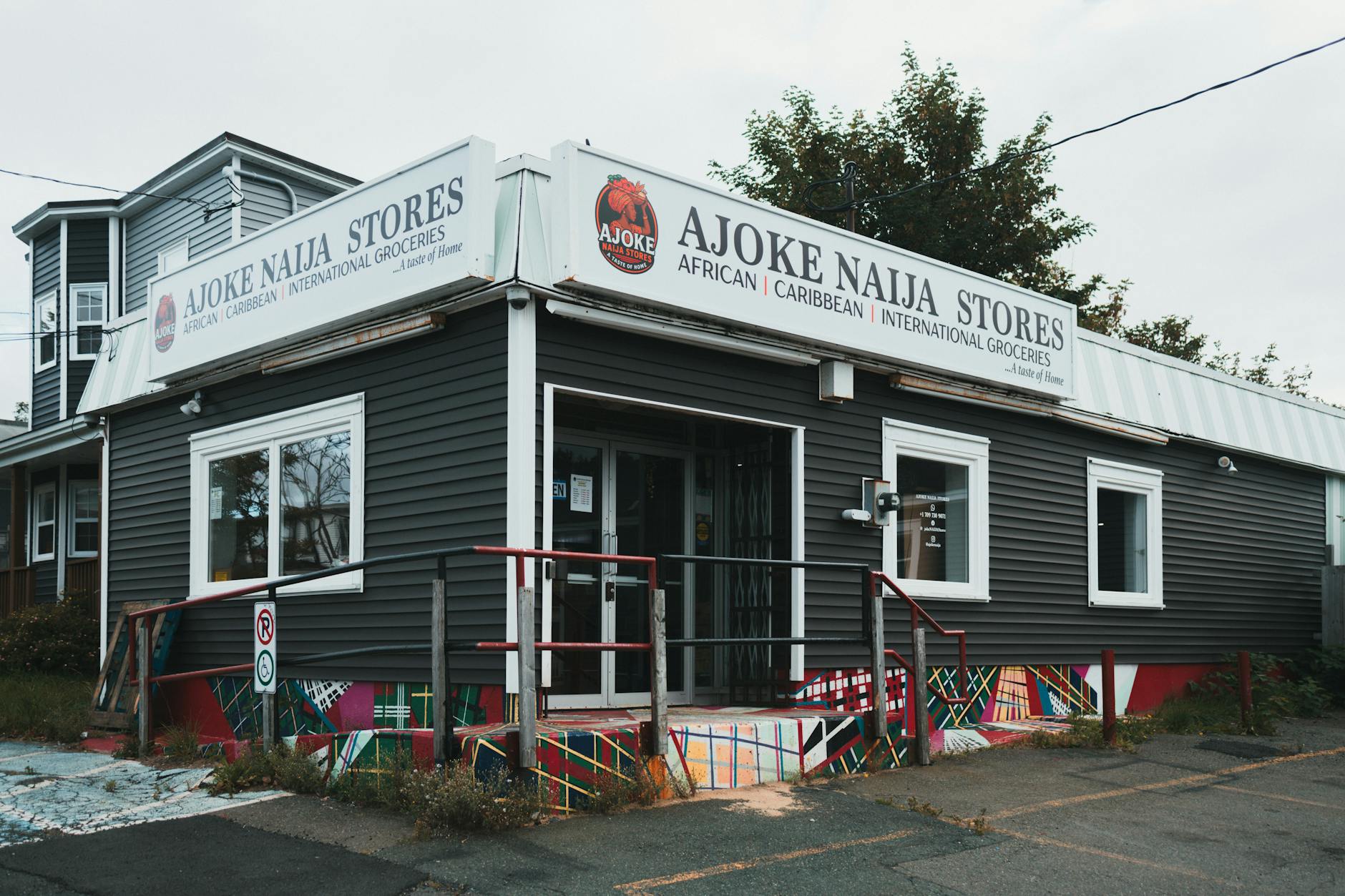
Ethnic grocery stores consistently offer lower prices on staples including rice, lentils, spices, aromatics, specialty sauces, tofu, fresh herbs and tropical produce than mainstream supermarkets serving the same ingredients to a broader and less price-sensitive customer base. The product selection in these stores tends to reflect the purchasing priorities of communities where ingredient quality and cooking from scratch are culturally central, meaning the underlying product quality is often higher despite the lower price point. Frugal chefs use ethnic grocery stores as their primary shopping destination for the majority of pantry staples, reserving mainstream supermarkets for specific branded items or convenience products not available elsewhere. Learning the layout and seasonal rhythms of a local ethnic grocery store is an investment that pays consistent dividends across every subsequent shopping trip.
Cheese Rinds
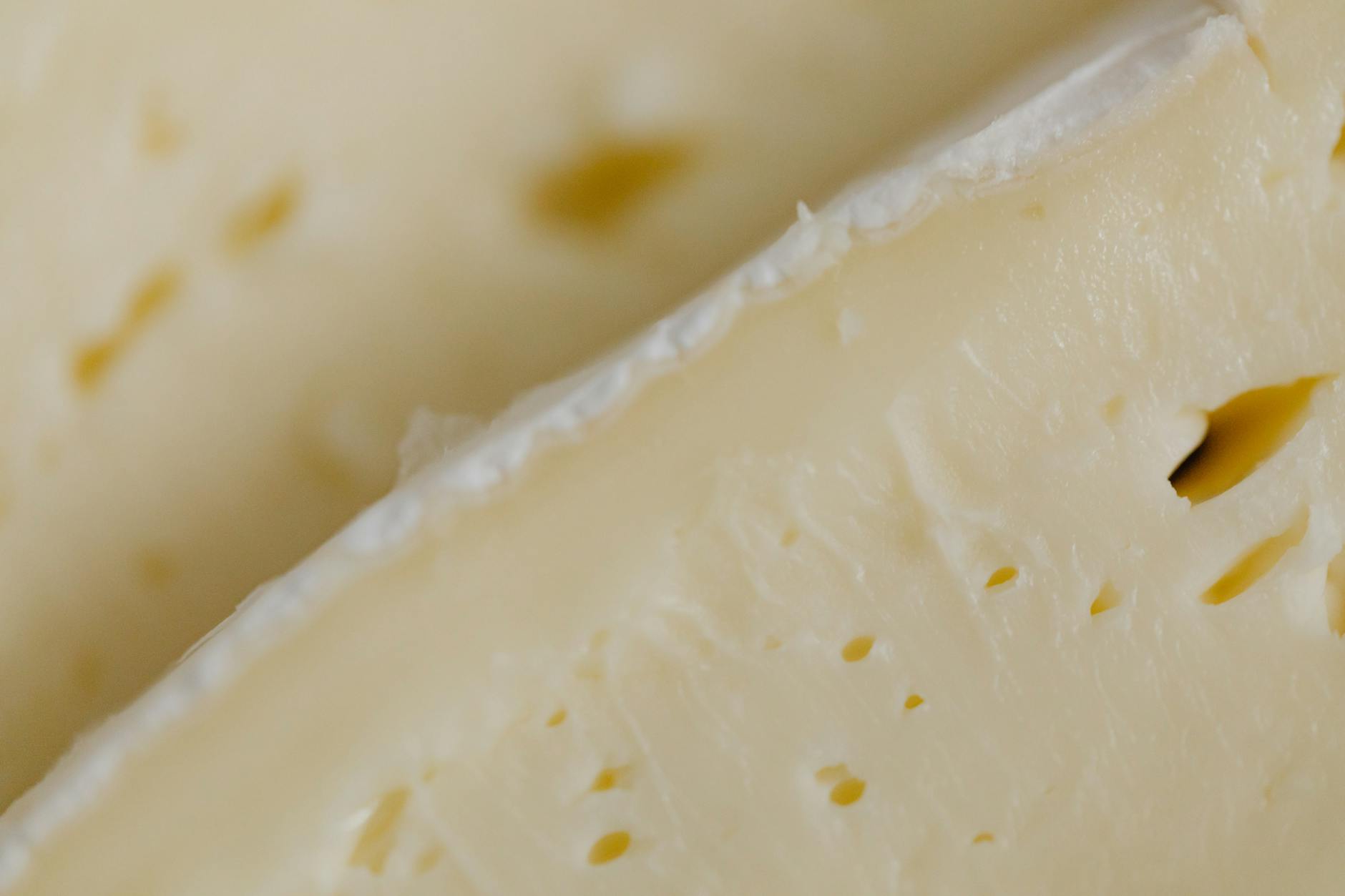
Parmesan and other hard cheese rinds that would ordinarily be discarded are among the most flavor-dense and economical additions available to a frugal chef’s pantry. Simmered in soups, stews, tomato sauces and bean dishes, a single rind imparts a deep umami richness that mimics the effect of hours of additional cooking or more expensive added ingredients. Many delis and cheese counters sell bags of collected rinds at very low prices because general consumer awareness of their utility remains limited. Storing rinds in the freezer between uses allows frugal chefs to build a supply that functions as a perpetual flavoring resource drawn from what would otherwise be food waste.
Mushroom Stems

Mushroom stems are routinely removed and discarded during recipe preparation despite being fully edible and carrying the same flavor compounds as the caps. Collected stems from button, cremini, portobello and shiitake mushrooms can be sautéed directly into sauces, incorporated into stuffings, blended into umami-rich pastes or dried and powdered for use as a seasoning. Frugal chefs who save mushroom stems consistently reduce the quantity of fresh mushrooms needed in a given recipe because the accumulated stems contribute volume and flavor that substitutes effectively for purchased product. This single habit applied systematically across weeks of cooking can eliminate a meaningful recurring grocery line item with no perceptible loss of quality in the finished dish.
Powdered Dairy

Powdered milk and powdered buttermilk deliver the functional properties of their liquid equivalents in baking, sauce-making and certain beverage applications at a significantly lower cost per liter when reconstituted. The extended shelf life of powdered dairy eliminates the spoilage that makes fresh milk an ongoing source of waste in many households, particularly those that do not consume it at a consistent rate. Frugal chefs incorporate powdered milk into bread doughs, béchamel, pancake batters and mashed potato preparations where the textural difference from fresh milk is negligible. Keeping powdered dairy as a pantry staple rather than relying solely on fresh reduces both grocery frequency and the cost per unit across dairy-dependent recipes.
Vegetable Scrap Stock
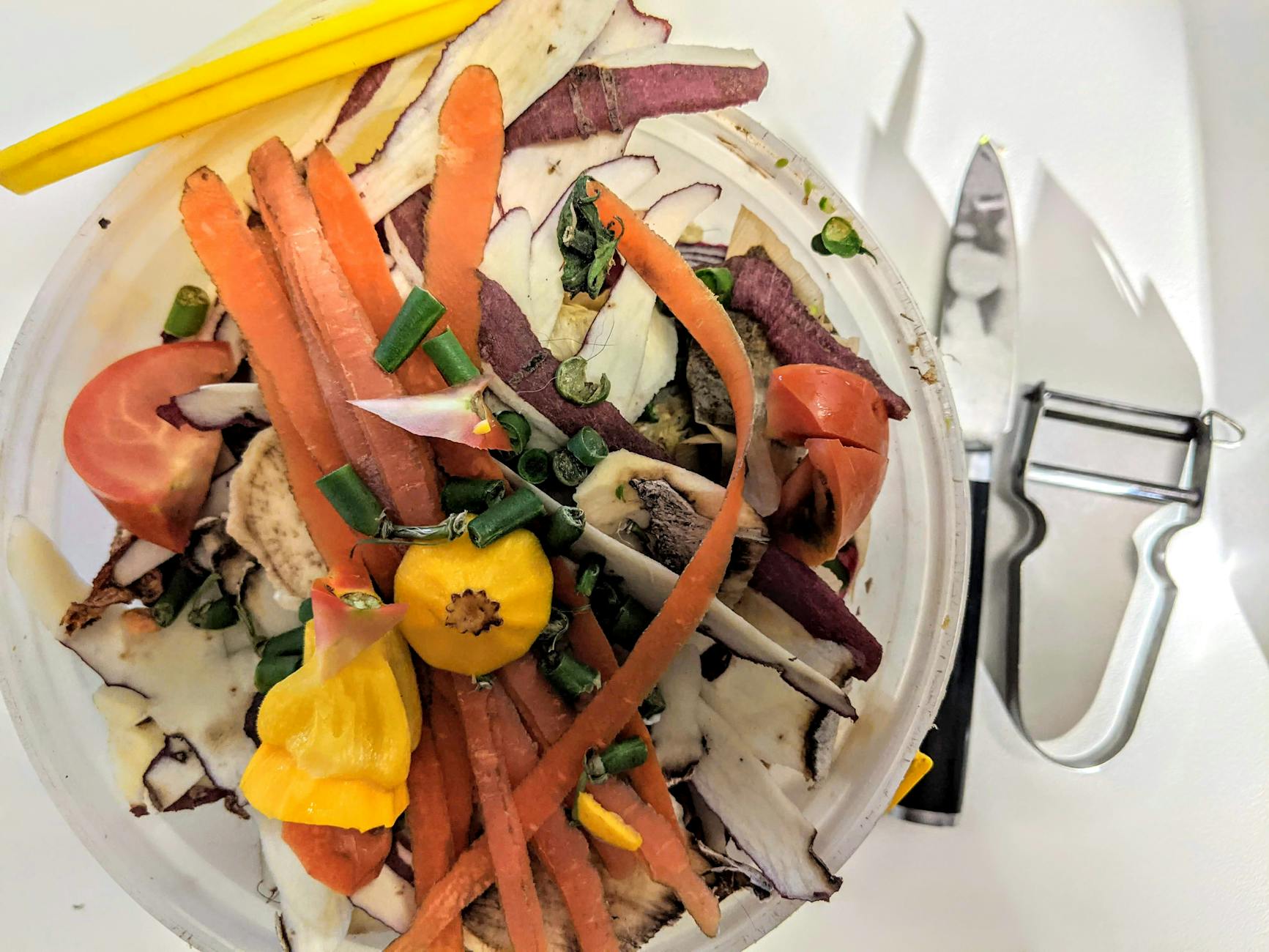
Collecting vegetable scraps including onion skins, celery tops, carrot peels, leek greens, herb stems and corn cobs in a freezer bag builds a stock base over time that requires no additional grocery investment. Once the bag is full, the scraps are simmered for forty-five minutes with water and basic aromatics to produce a flavorful vegetable stock that substitutes for purchased versions across a full range of savory applications. Frugal chefs treat scrap collection as a background habit rather than a deliberate additional task, allowing the stock supply to build naturally alongside regular cooking activity. The resulting product carries the accumulated flavor of weeks of ingredient preparation and consistently outperforms the flavor profile of packaged vegetable stock at a cost that is effectively zero.
Batch Cooking
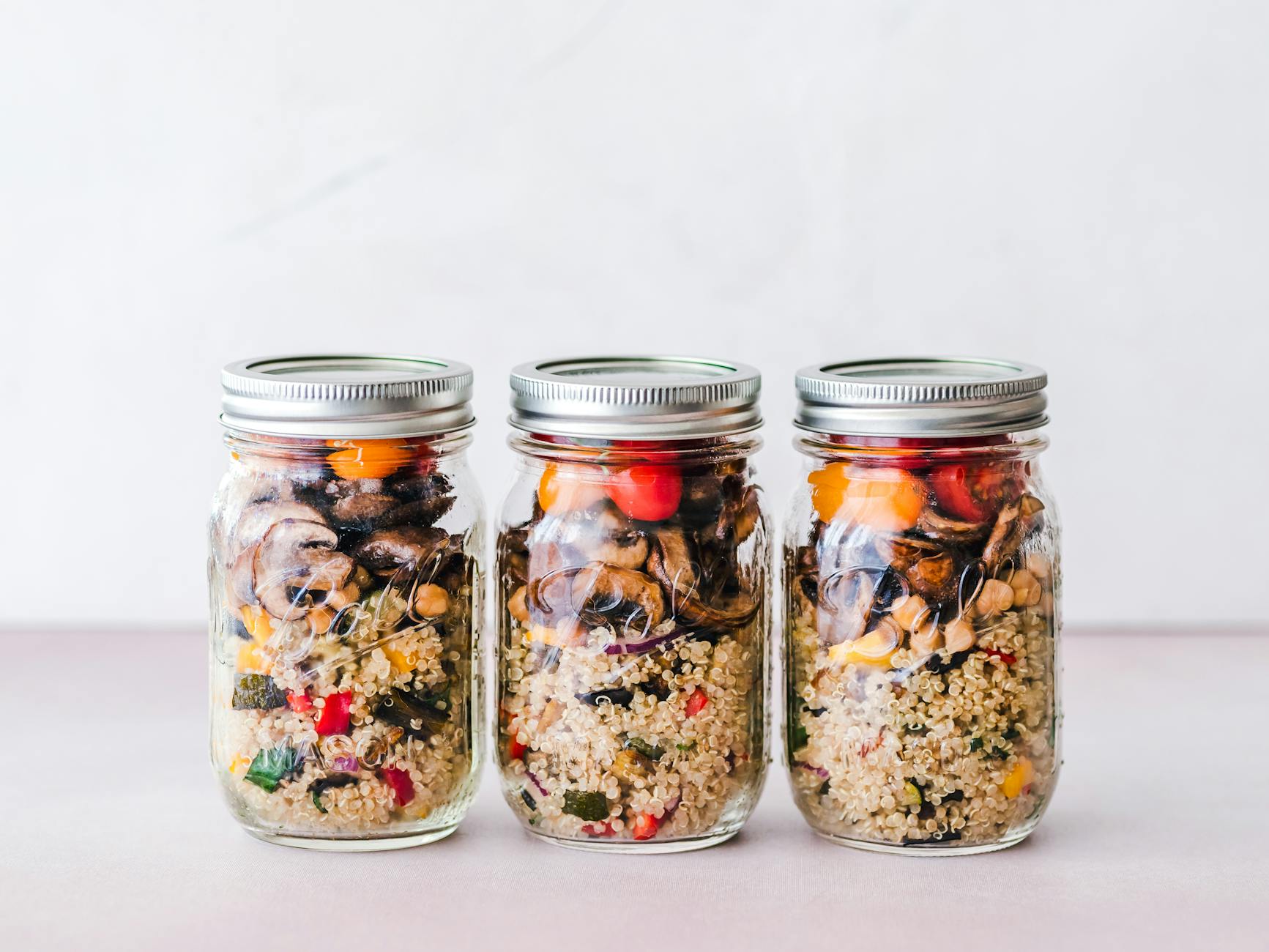
Batch cooking concentrates the time, energy and ingredient costs of multiple meals into a single cooking session, reducing the per-meal cost of prepared food substantially compared to cooking individual portions on demand. Proteins, grains and roasted vegetables prepared in large quantities at the start of the week can be reconfigured across different meal formats each day, eliminating repetition while maintaining the economic benefit of bulk preparation. Frugal chefs design their batch cooking around ingredients that were purchased on sale or in bulk that week, ensuring the efficiency of the process is compounded by upstream purchasing decisions. The reduction in weeknight cooking time also decreases the frequency of expensive convenience food purchases made under time pressure.
If any of these strategies have changed the way you shop or cook on a budget, share your own frugal kitchen discoveries in the comments.