
The decluttering industry has exploded into a multi-billion dollar movement built on the promise of simpler living and calmer spaces. Yet many of its most celebrated methods contain fundamental contradictions that quietly generate new waves of accumulation over time. What begins as an enthusiastic purge often sets in motion a cycle of discarding and reacquiring that leaves homes no more organized than before. The following twenty-two approaches are ordered from the most widely practiced down to the more niche methods whose long-term consequences are only now being recognized.
The KonMari Method

This globally influential approach encourages a dramatic one-time purge based on whether objects spark an emotional response in the holder. The binary nature of the keep-or-discard decision frequently leads people to remove functional and needed items that simply fail to produce excitement on a given day. Within months many practitioners find themselves repurchasing basics they discarded during the initial purge creating a net increase in consumption. The method also generates significant demand for aesthetic storage products that themselves become a new category of clutter. Its emphasis on visual perfection can establish an ongoing and expensive relationship with home organization purchases.
Capsule Wardrobes

The capsule wardrobe concept promises a streamlined closet built on a small number of versatile pieces that work together seamlessly. In practice the restrictive nature of the system creates a persistent sense of wardrobe inadequacy that drives compensatory shopping. Each season brings a new round of capsule-building content that subtly encourages replacing previous capsule items with updated versions. The original discarded clothing accumulates in donation bags that are frequently not processed for weeks or months. The gap between the idealized capsule and daily lived reality becomes a recurring justification for new purchases.
The One-In-One-Out Rule

Widely promoted as a maintenance strategy the one-in-one-out rule is designed to prevent accumulation by requiring the removal of one item for every new one acquired. The psychological effect of the rule is often the opposite of its intention as it implicitly grants permission to keep acquiring at a steady rate. Practitioners begin to view outgoing items as tokens that authorize incoming ones rather than as a genuine commitment to reduction. The rule does nothing to address the underlying acquisition habits that created clutter in the first place. Over a year the household item count remains static at best while the churn itself produces waste and unnecessary spending.
Bin Decluttering

The popular bin method involves sorting all possessions into labeled containers for keeping, donating, trashing, and relocating elsewhere in the home. The relocating category is where the method most consistently fails as items placed in transitional bins rarely reach their intended destination. These bins become semi-permanent fixtures that migrate from room to room without ever being resolved. The visual clarity created on the day of the sort gives a false sense of completion that reduces motivation for follow-through. Weeks later the bins themselves have become the clutter they were meant to eliminate.
Digital Minimalism

Digital decluttering programs encourage aggressive deletion of files, apps, subscriptions, and digital archives to create a cleaner and more focused digital environment. The deletion of reference files, templates, and archived correspondence frequently results in hours of recreating lost work at a later date. Many deleted items are re-downloaded or repurchased when the need for them resurfaces creating both financial and time costs. The cycle of purging and redownloading app libraries is particularly common and generates no lasting organizational benefit. Digital minimalism also tends to prompt the purchase of new organizational apps and tools that add their own layer of complexity.
Seasonal Purging

Conducting a full declutter at the start of each season feels rhythmically logical and is promoted heavily by home organization content creators. The frequency of the purge normalizes a constant churn of possessions in and out of the home rather than building stable long-term systems. Items removed in one season are often replaced by functionally identical versions purchased in the next because the original need never disappeared. The ritual nature of seasonal purging creates a satisfying performance of organization without addressing root acquisition behaviors. Homes that undergo four purges per year are frequently no leaner after twelve months than they were at the start.
Visible Storage

Open shelving and visible storage systems are marketed as a way to make possessions more accessible and living spaces feel more curated and intentional. The exposure of all items to daily view creates a powerful aesthetic pressure to maintain a styled and photogenic arrangement at all times. This pressure leads many people to purchase additional decorative items specifically to improve the visual balance of their open shelving. Functional but unattractive necessities are displaced into other areas of the home creating secondary clutter zones. The storage solution designed to simplify instead becomes a display project requiring continuous curation and supplementary purchasing.
Aggressive Donation Drives

Organizing rapid large-scale donation events in response to motivational content or a particularly compelling minimalism documentary creates a purge that outpaces genuine reflection. Items donated impulsively during these high-emotion sessions are frequently items the household still needs and uses regularly. The realization arrives gradually over the weeks that follow and results in repurchase of the same categories of items. Donation centers in areas with high minimalism content consumption report significant volumes of near-new items that reflect this pattern. The environmental and financial cost of this cycle contradicts the values that typically motivate the original purge.
The 90-Day Rule

This method instructs practitioners to discard any item that has not been used within the past ninety days on the premise that it is therefore unnecessary. The rule fails to account for seasonal items, emergency supplies, specialty tools, and sentimental objects that serve genuine purposes on longer cycles. A winter coat evaluated in July or a medical kit assessed in a healthy month will appear redundant under this framework. Discarding these items creates genuine need gaps that are filled with replacement purchases the moment the relevant season or situation arrives. The rigid timeframe substitutes a numerical formula for the more nuanced judgment that effective long-term organization actually requires.
Minimalist Aesthetics

The visual language of minimalism as seen across design publications and social platforms creates a powerful aspirational image of home life defined by empty surfaces and carefully curated objects. Pursuing this aesthetic in a functioning family home requires constant removal of the practical items that daily life generates. The pursuit itself becomes a form of consumption as practitioners purchase aesthetically approved items to replace functional ones that disrupt the visual scheme. Storage products in matching neutral tones accumulate to contain the evidence of real life that cannot be displayed. The aesthetic demands of visual minimalism frequently produce more purchasing than the cluttered home it was meant to replace.
Paper Digitization

The paper-to-digital workflow promoted by productivity and decluttering experts encourages scanning all physical documents and discarding the originals to eliminate paper accumulation. Critical documents including contracts, medical records, and legal papers are frequently included in this purge without adequate backup systems being established first. Hard drive failures, cloud service discontinuations, and forgotten account credentials result in permanent loss of documents that cannot be replaced. The process of managing, organizing, and naming digital files also creates a new and often equally overwhelming organizational burden. The physical paper clutter is exchanged for a digital clutter problem that is less visible but no less complex.
Toy Rotation Systems

Promoted as a method for reducing overwhelm in family homes the toy rotation system requires a significant physical infrastructure of labeled bins, storage units, and rotation schedules to function correctly. The storage containers required to support a rotation system introduce a substantial volume of new material into already full homes. Children frequently resist the removal of toys from circulation creating conflict and often resulting in more toys being kept accessible than the system intended. Parents managing a rotation system spend considerable time on maintenance tasks that generate no actual reduction in the total volume of possessions. The system also normalizes a high toy count by making it feel managed rather than addressing the acquisition rate.
The Packing Party

Popularized by minimalism advocates this method involves packing all possessions as if moving house and unpacking only items as they are needed over a defined period. The labor intensity of the initial packing stage means the method is rarely completed with the thoroughness required for it to work as intended. Boxes that remain unpacked at the end of the trial period are supposed to be discarded but are frequently stored instead creating a new layer of boxed clutter. The method requires significant quantities of packing materials that themselves generate waste. Homes that attempt this approach often end up with a mixture of unpacked boxes and regular household items coexisting indefinitely.
Speed Decluttering

Timed decluttering challenges such as removing a set number of items in thirty minutes or filling a bag in under an hour are a staple of productivity content. The time pressure of these challenges prioritizes volume of removal over considered decision-making and regularly produces decisions that are later regretted. Regretted discards drive repurchase of items that were useful but sacrificed to meet a numerical target within a deadline. The gamification of decluttering also encourages repeat sessions to chase the dopamine response of completion rather than to address genuine organizational needs. Each speed session creates a small wave of future purchases that collectively undermine any reduction achieved.
Room-by-Room Methods
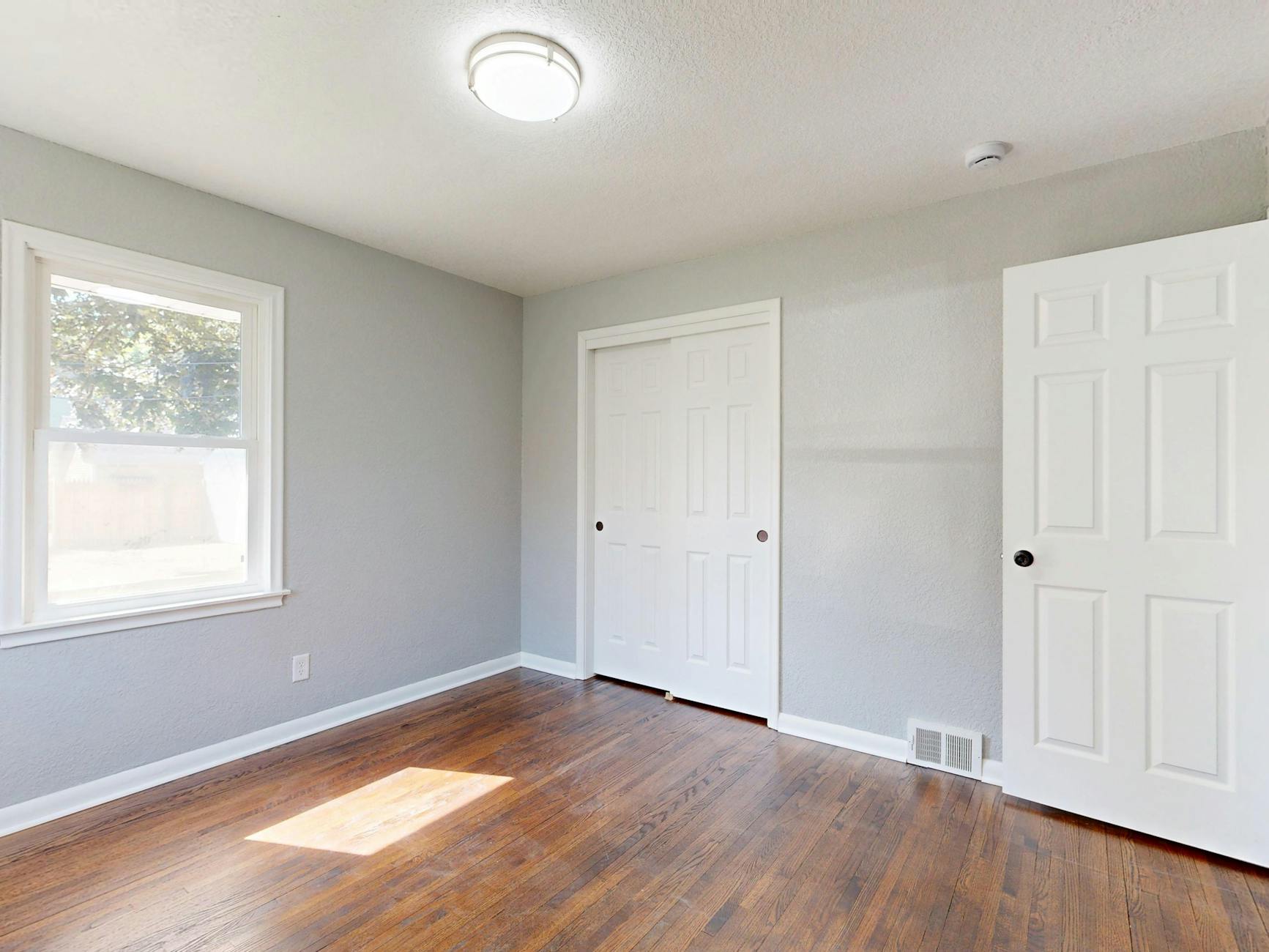
Tackling one room at a time feels manageable and is among the most commonly recommended approaches for households overwhelmed by the scale of a whole-home declutter. The fundamental flaw is that items relocated out of the active room are moved into other rooms rather than out of the home entirely. Living rooms cleared with great effort accumulate new items pushed in from simultaneously untouched spaces nearby. By the time the final room is addressed the first rooms have already begun to refill through this displacement process. The method produces a perpetual motion of objects around the home without achieving a meaningful net reduction.
Label Everything

The labeling method promoted by professional organizers instructs households to create labeled homes for every category of item as a way to maintain order and prevent accumulation. The purchase of label makers, label tape, matching bins, and coordinated storage products required to execute this system properly introduces significant new material into the home. Once labeled systems are established their visual rigidity makes adaptation to changing household needs difficult and creates pressure to purchase new storage when life circumstances shift. Labeling also tends to expand the number of recognized categories within a home increasing rather than reducing the complexity of the organizational system. The method improves findability but does nothing to reduce the volume of possessions being organized.
Clothing Swaps

Community clothing swaps are promoted as an environmentally responsible alternative to both purchasing new clothing and sending unwanted items to landfill. Participants routinely leave these events with as many items as they brought or occasionally more driven by the excitement of free acquisition. The incoming items are frequently of comparable quality and suitability to the outgoing ones meaning the wardrobe composition shifts without genuinely improving. Items acquired at swaps carry less emotional weight than purchased clothing and are more easily left unworn and unexamined at the back of a wardrobe. The social and environmental framing of the swap can mask what is functionally a lateral exchange that leaves total clothing volume unchanged.
Junk Drawer Elimination

The elimination of the household junk drawer is a celebrated milestone in decluttering content representing a commitment to intentional placement for every object. The junk drawer exists because a genuine category of household miscellany has no logical permanent home and requires accessible temporary storage. Eliminating the drawer without solving the underlying categorization problem disperses its contents into other drawers, surfaces, and containers throughout the home. Within weeks the miscellany has reconstituted itself either in the same drawer or distributed across multiple locations that are harder to manage than the original single point of chaos. The junk drawer is frequently a symptom of a functional household rather than evidence of organizational failure.
Sentimental Item Rules

Methods that apply strict rules to sentimental objects such as limiting keepsakes to a single box or photographing items before discarding them promise emotional freedom alongside physical spaciousness. The distress caused by discarding genuinely meaningful objects under the pressure of a system creates a psychological aftermath that undermines commitment to the broader decluttering practice. Photographed items that are then discarded frequently generate regret when the digital image proves insufficient to carry the emotional weight of the original object. This regret compounds into a general distrust of the decluttering process and can trigger compensatory sentimental purchasing. Rules applied to emotionally complex categories of possession rarely produce the clean resolution their frameworks promise.
The Flat Surface Rule

Mandating completely clear flat surfaces throughout the home as a non-negotiable standard is a design principle borrowed from high-end interior styling and applied to functioning domestic spaces. The enforcement of this rule requires that all objects normally resting on counters, tables, and desks be housed in storage elsewhere leading to significant demand for additional cabinetry and organizational products. Items relocated from surfaces to storage become harder to access and are consequently used less frequently creating a secondary accumulation of rarely touched stored objects. The maintenance required to sustain completely clear surfaces in a home with children, pets, or an active household is disproportionate to any organizational benefit achieved. The rule privileges visual appearance over functional accessibility in ways that create daily friction.
Subscription Box Culling

Decluttering guides frequently recommend auditing and canceling subscription boxes as a way to stop recurring accumulation at its source. The cancellation of one subscription is often followed by enrollment in a different service perceived as more curated or better aligned with the household’s refined taste post-declutter. The replacement subscription arrives monthly with its own volume of packaging, inserts, and supplementary materials that constitute a new and ongoing clutter stream. The cycle of canceling and replacing subscriptions is a direct expression of acquisition habits that decluttering methods do not address at the behavioral level. Each new subscription feels like an upgrade rather than a repetition of the same pattern.
Minimalist Shopping Lists

Creating highly curated and restrictive shopping lists as a decluttering maintenance tool is promoted as a way to prevent new clutter from entering the home through unconscious purchasing. The rigidity of these lists creates a scarcity mindset that paradoxically intensifies desire for items deliberately excluded from the approved categories. Practitioners frequently experience concentrated shopping sessions after periods of restriction that introduce more items at once than the gradual accumulation the list was designed to prevent. The list also shifts focus toward optimizing what is purchased rather than examining why habitual purchasing continues. A method focused on the content of the cart rather than the frequency of the trip rarely produces lasting behavioral change.
If any of these methods have created more chaos than calm in your own home share your experience in the comments.