
The public-facing advice of professional organizers tends toward the encouraging the gentle and the universally applicable. Behind that advice exists a considerably more ruthless and pragmatic private code that the same professionals apply to their own homes and to the homes of clients they trust with the unvarnished version. These are the principles that do not make it into books or social media posts because they challenge the sentimentality the hesitation and the qualified language that mass-market decluttering guidance requires to remain commercially palatable. What follows is the version they actually live by.
Guilt Items

Any object retained primarily because discarding it would produce feelings of guilt toward the person who gave it or the money that was spent acquiring it is being kept to manage an emotion rather than to serve a function and the emotion it is managing does not require the object to be resolved. Guilt-retention fills homes with a specific category of object that is never used never displayed and never genuinely appreciated but that cannot be released because its presence feels like an obligation rather than a choice. Professional organizers working on their own spaces identify guilt items as a distinct category and remove them with the same decisiveness applied to broken or redundant objects. The guilt attached to an object does not transfer to the recipient charity or waste stream that receives it on disposal and it does not intensify after the object has left the building. The relief that follows disposal of a long-retained guilt item is disproportionate to the size of the object and almost universally reported as one of the most satisfying outcomes of a serious decluttering session.
Duplicate Tolerance

Keeping more than one fully functional version of any item that serves a single purpose is a choice that requires explicit justification beyond the vague comfort of having a backup and the justification must be specific and credible rather than hypothetical and anxiety-driven. Professional organizers apply a strict one-in-one-out discipline to their own possessions that treats the second version of any item as a cost rather than a resource until its independent utility is demonstrated in practice. The backup mentality that drives duplicate retention is rooted in a scarcity model of the world that does not reflect the actual availability of replaceable goods in most contemporary households. Duplicates occupy physical space that has a real cost and they distribute the cognitive load of managing a home across twice as many objects as necessary in every category where they appear. The single exception applied in professional practice is consumables and items with documented failure rates high enough to justify immediate replacement availability.
Sentimental Ratios
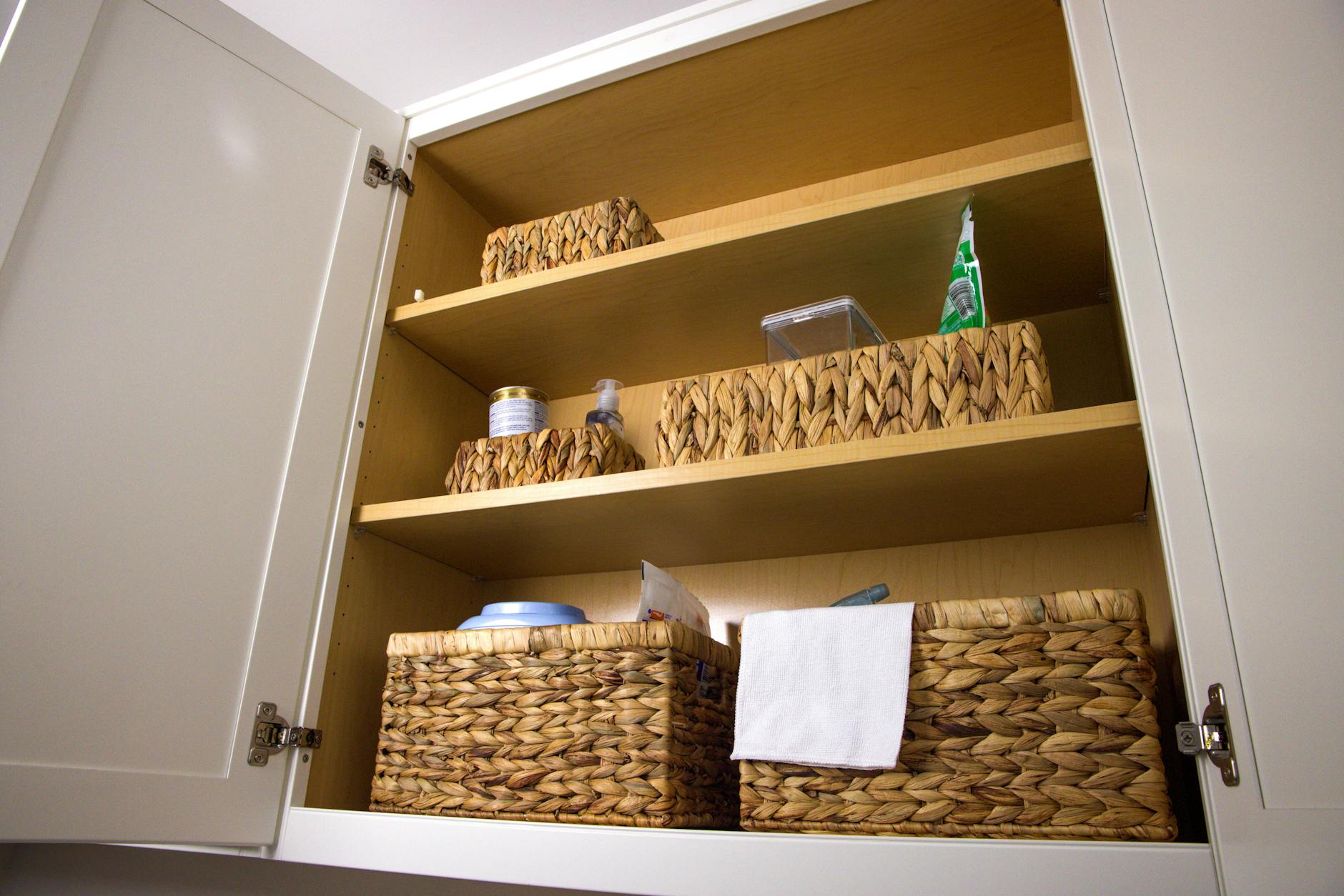
The proportion of a home’s storage capacity devoted to sentimental objects should be fixed at a specific physical limit rather than allowed to expand to accommodate the accumulating sentiment of a lifetime without constraint. Professional organizers working on their own spaces assign a defined physical boundary to sentiment which might be a single box a shelf or a drawer and apply the discipline of selecting only the objects most capable of carrying the full emotional weight of what they represent within that fixed allocation. When the sentimental allocation is full a new item can only enter by displacing an existing one which forces a genuine comparison of emotional value rather than an indefinite accumulation justified by the idea that everything matters equally. The boundary is not an act of emotional suppression but a recognition that sentiment is most powerfully held in a small number of highly resonant objects rather than distributed thinly across a large undifferentiated collection. Most people who apply a fixed sentimental allocation report that the objects they select within the limit mean more to them after the selection than the entire uncurated collection did before it.
Aspirational Possessions

Objects acquired in anticipation of a future version of the self including hobby equipment for hobbies not yet begun formal clothing for social occasions not yet attended and kitchen equipment for cooking styles not yet practised occupy space in the present home on behalf of a projected future self whose arrival is not guaranteed and whose preferences when they do arrive may have changed. Professional organizers identify aspirational possessions as one of the most honest categories in a home because they reveal the gap between the life a person imagines living and the life they are actually living. The private rule applied in professional practice is that aspirational objects are given a specific time-limited trial period after which they are either integrated into active use or released without further extension. The time limit forces a genuine decision that indefinite retention perpetually postpones. Releasing an aspirational object is not an admission of failure but an accurate and honest update of the self-model that the object was purchased to serve.
Paper Immediacy

Any paper document that can be photographed scanned or accessed digitally should be photographed scanned or accessed digitally and the physical paper should be discarded immediately rather than retained alongside its digital equivalent on the grounds that the physical version might somehow be needed in circumstances where the digital version would not be available. The hypothetical scenario in which the physical paper is needed and the digital version is simultaneously inaccessible is almost never realised and the permanent retention of paper to guard against it is a disproportionate response to a negligible risk. Professional organizers maintain a ruthlessly minimal paper footprint in their own homes by processing incoming paper at the point of entry rather than allowing it to accumulate into a sorting project deferred to a future date. The category of paper that genuinely requires physical retention is considerably smaller than most households treat it as being and identifying that category with specificity eliminates the vague anxiety that drives broad paper hoarding. A home with a small and clearly defined paper retention category has a different quality of order than one where paper management is treated as an ongoing negotiation.
Broken Object Reality

An object that has been broken awaiting repair for longer than the time it would have taken to arrange that repair at any point during the waiting period is not an object that is going to be repaired and should be released rather than retained on the basis of an intention that the waiting period has already revealed to be non-executable. Professional organizers apply a private rule that broken objects are given a specific and non-negotiable repair deadline of typically two weeks after which the absence of completed repair action is treated as a revealed preference rather than a statement of intent. The revealed preference is that the object is not important enough to prioritise repair and that preference is more reliable information about the object’s actual value in the household than the stated intention that preceded it. Broken objects awaiting indefinite future repair create a specific category of visual noise that communicates incompleteness and deferred action to the subconscious every time they are seen. Removing them produces an immediate environmental clarity that waiting for repair never delivers.
Gift Receiving Protocol

A gift becomes the property and responsibility of its recipient at the moment of receipt and the preferences comfort and storage capacity of the recipient are the only legitimate criteria governing what happens to the object from that moment forward regardless of the identity of the giver or the circumstances of the giving. Professional organizers apply this principle without sentiment to their own received gifts treating the social transaction of giving and receiving as complete at the point of receipt and not as an ongoing obligation that the object carries into the recipient’s home indefinitely. The giver’s emotional investment in the object does not transfer to the object itself and an ungifted or donated version of the same object carries no less of the relationship’s warmth than the specific physical item that was given. Retaining objects that do not serve the recipient’s home on the basis that disposal would dishonour the relationship mistakes the symbol for the substance in a way that costs the recipient real space and real comfort. Most professional organizers report that the givers in their own lives are entirely unaware of what happened to the majority of objects they gave.
Children’s Artwork Volume

The full volume of artwork produced by a child over their school years cannot be retained without eventually consuming a storage allocation disproportionate to its actual function in the family’s emotional life and the professional practice of photographing and digitising the complete archive while retaining only a curated physical selection applies to the organizer’s own family as rigorously as it does to any client engagement. The photographed version of a child’s drawing carries the same mnemonic and emotional function as the physical original for the vast majority of recall occasions and the digital archive is accessible searchable and shareable in ways that a physical folder in a loft space is not. Selecting a small number of genuinely outstanding or personally significant pieces for physical retention rather than keeping everything honours the best of the child’s creative output rather than burying it in undifferentiated volume. Children who are involved in the curation process develop an early relationship with selective keeping that serves them throughout their adult lives. The guilt associated with not keeping everything is a cultural imposition rather than a genuine measure of parental investment and professional organizers who have worked through it in their own families report that it dissipates completely within a short period after the first curation.
Inherited Object Weight
Objects inherited from deceased relatives carry a specific emotional gravity that causes them to be retained at a higher rate and for longer periods than their functional or aesthetic value would justify if they were encountered in any other context. Professional organizers working on their own spaces acknowledge the emotional weight of inherited objects while refusing to allow that weight to override the basic spatial and functional criteria applied to everything else. The deceased person whose objects are being retained is not served by that retention and the living person retaining them is often carrying a grief that the objects are being used to manage rather than to commemorate. Selecting a small number of objects that genuinely evoke the person and releasing the remainder allows the commemoration function to operate more cleanly than a large undifferentiated collection achieves. A single object retained with full conscious intention carries more relational meaning than a room full of objects retained from obligation and the space reclaimed by releasing the rest is not emptiness but the recovered capacity to live fully in the present home.
The One Year Rule

Any object that has not been used touched or specifically thought about in the context of intended use within a calendar year is statistically unlikely to be used in the following year and should be released rather than retained on the basis of a use scenario that twelve months of opportunity has not produced. Professional organizers apply this rule to their own possessions with one significant private modification which is that the rule is applied more aggressively than the standard version by reducing the threshold to six months for object categories that have high replacement availability and low replacement cost. The year rule is well known in decluttering culture but its private professional application involves a genuine willingness to release objects that the standard public version of the rule often stops short of recommending. An object sitting unused for a year is not waiting for the right moment but has been consistently passed over in favour of other objects every time the relevant need arose. That consistent non-selection is the most honest available evidence of the object’s actual status in the household hierarchy.
Storage Unit Audit
A paid external storage unit maintained for longer than six months is in most cases a monthly fee charged for the avoidance of a decluttering decision and the objects it contains should be evaluated against the total cost of their storage to date before any further renewal is authorised. Professional organizers who have worked with clients maintaining long-term storage units report that the contents almost universally fail to justify their accumulated storage cost when that cost is calculated and placed alongside an honest assessment of what the objects would cost to replace if they were actually needed. The storage unit as a concept allows indefinite deferral of the decision to release objects by creating a physical out-of-sight location that removes the daily pressure that the same objects would create if they remained in the home. Bringing storage unit contents back into the home and processing them using standard decluttering criteria in the actual living space rather than in a commercial storage facility produces dramatically faster and more decisive outcomes. Professional organizers maintain no personal storage units and regard the need for one as a signal that a decluttering conversation is overdue rather than that more storage capacity is required.
Digital Parallel

The discipline applied to physical possessions in a well-organised home should apply with equal rigour to the digital environment including the email inbox the photo library the downloaded files folder and the collection of apps installed on devices that are never opened. Professional organizers who maintain highly edited physical spaces but allow their digital environments to accumulate unchecked are not applying their own principles consistently and the cognitive load produced by a chaotic digital environment is directly comparable to that produced by physical clutter in the spaces it occupies. A phone photo library containing forty thousand images of which a small fraction carry genuine meaning is the digital equivalent of a home where every surface is covered and the principle of selective intentional keeping applies to both with equal force. Scheduling a quarterly digital audit using the same criteria applied to physical decluttering produces a digital environment that matches the intentionality of the physical space. The resistance to digital decluttering is typically lower than resistance to physical decluttering because the objects have no physical weight but the relief produced by a thorough digital edit is reported as comparable in quality.
Collections Honesty
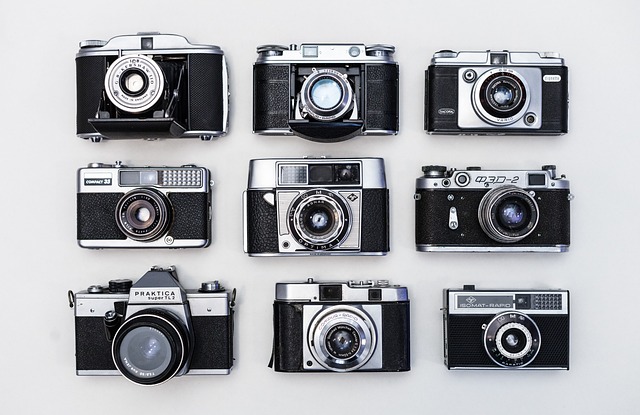
A collection that has not been actively added to curated or engaged with in more than two years has transitioned from a living collection to a static accumulation and the distinction between the two is significant enough to warrant an honest recategorisation before the space it occupies is renewed by default. Professional organizers apply a private collections audit to their own accumulated themed objects that asks whether the collection is currently active whether its display or storage serves the space it occupies and whether the pleasure derived from ownership still exceeds the cost of the space and management it requires. A collection that passes these tests is a genuine collection and deserves the space it receives. One that fails them is an accumulation that has been labelled a collection to justify its continued presence and the label should not be allowed to override the assessment. The most respected collections in any home are those whose curator has made active and recurring choices about what belongs in them rather than those that have simply never been questioned.
Staging Honesty

The practice of storing objects out of sight in drawers cupboards and spare rooms specifically for the purpose of a home looking tidy during visits while those objects return to visible surfaces as soon as guests leave is a form of environmental theatre that professional organizers identify as evidence that the actual volume of possessions exceeds the home’s genuine capacity to accommodate them. The staging behaviour is not dishonest in a social sense but it is diagnostic because it reveals that the tidy version of the home is not the version that is actually lived in. Professional organizers working on their own spaces apply the rule that the home should look the same whether or not a visitor is expected which requires a total possession volume that the space can actually absorb into its permanent storage and display capacity. The gap between the staged version and the lived version is a direct measure of the decluttering work that remains to be done. Homes that look the same on a random Tuesday morning as they do for a dinner party have reached an equilibrium between possessions and space that no amount of tidying alone can replicate.
Kitchen Redundancy
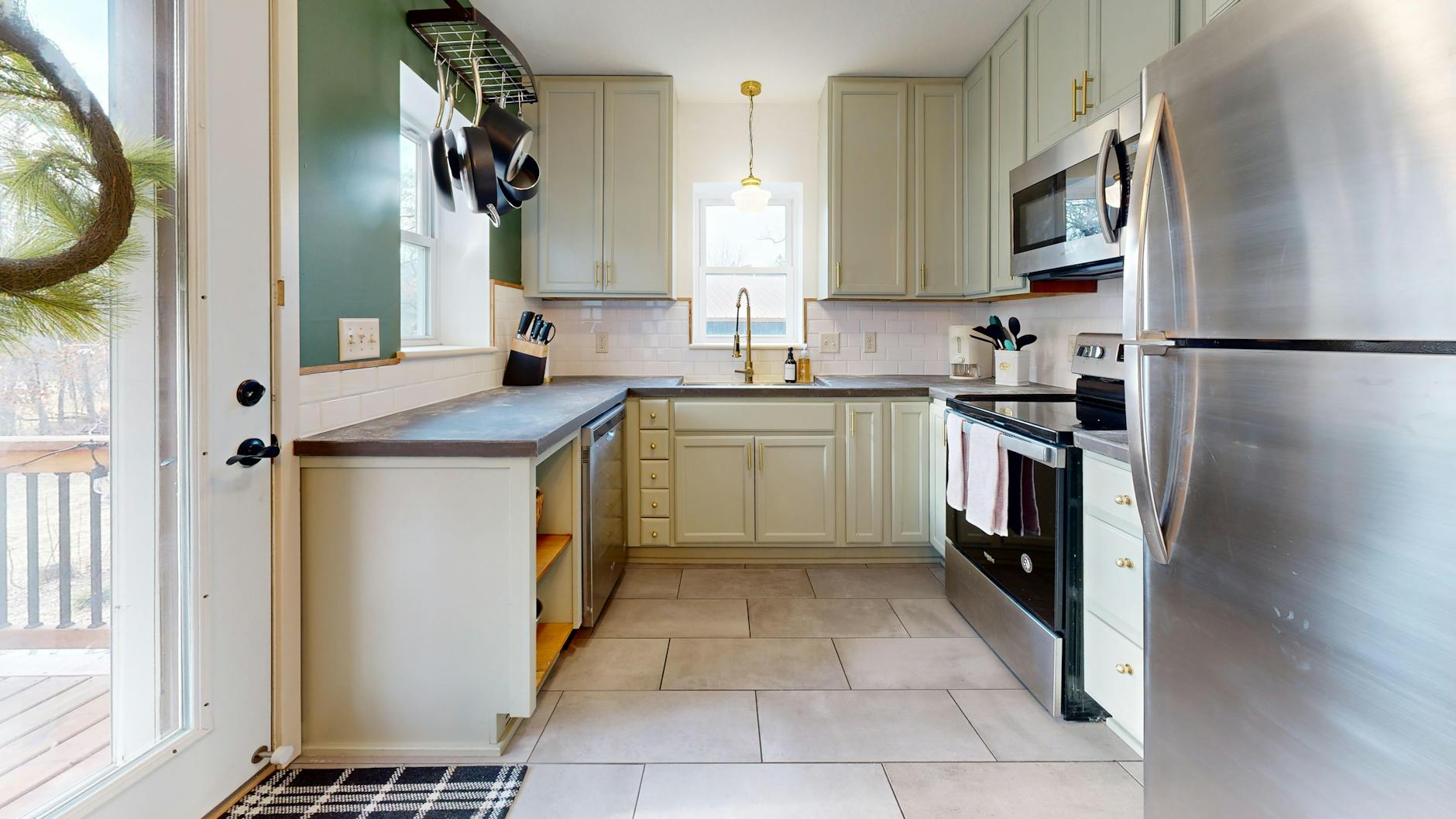
A kitchen containing more cooking equipment than can be used in the course of a week of normal cooking contains equipment that is present by default rather than by active selection and the presence of unused equipment actively degrades the functionality of the kitchen by reducing the accessibility and usability of the equipment that is genuinely in rotation. Professional organizers maintain kitchens with a specific and limited equipment inventory that reflects actual cooking behaviour rather than aspirational cooking identity and every item in the kitchen can be pointed to with a specific recent use occasion. The relationship between kitchen equipment volume and actual cooking frequency is often inverse rather than proportional because a cluttered kitchen creates friction that reduces the motivation to cook. A kitchen edited to contain only what is genuinely used produces a cooking environment that is faster more enjoyable and more likely to be used than the same kitchen containing twice as many items. The equipment removed in a kitchen declutter is rarely missed because its absence from the rotation preceded its physical removal by a significant margin.
Linen Excess

A linen cupboard containing more sets of bed linen than there are beds in the house multiplied by a maximum of two complete sets per bed is storing linen against contingencies that do not occur with sufficient frequency to justify the storage allocation required to maintain the excess inventory. Professional organizers maintain a strict two-sets-per-bed policy in their own homes based on the practical observation that the laundry cycle of any normally functioning household never creates a situation where more than two complete sets per bed are simultaneously required. Additional sets retained beyond this allocation occupy prime storage space for a contingency that the household’s actual functioning does not generate. Donating linen in good condition to homeless shelters and refuges converts the excess storage allocation into immediate social value while recovering the physical space. The linen cupboard is one of the highest-density default accumulation zones in most homes because linen is bulky durable and easy to retain without feeling the daily friction that the same volume of objects would create in more visible locations.
Return Pile Discipline

An object placed in a designated return-to-its-location pile staging area or transition zone that has remained in that location for longer than forty-eight hours has revealed that it does not have a location to return to and should be assigned one or released rather than allowed to remain in its transition state indefinitely. The transition zone concept is a legitimate and useful organisational tool when its objects move through it on schedule and a chronic clutter generator when its objects accumulate and age within it. Professional organizers maintain transition zones with strict residence time limits in their own homes and process objects that exceed the limit with the same decisiveness applied to objects that never had an assigned location. An object with no home within the home is an object that the home does not have capacity for and the transition zone’s function is to make that fact visible rather than to provide a permanent alternative storage location. The discipline of the return pile is one of the simplest and most effective private rules in professional practice and it requires no specialist knowledge or equipment to implement.
Wardrobe Arithmetic

A wardrobe containing more items than can be worn in rotation within a standard four-week period contains items that are present by accumulation rather than by active selection and the items that fall outside the four-week rotation are occupying wardrobe space to serve a function that their consistent non-selection reveals they are not performing. Professional organizers apply wardrobe arithmetic to their own clothing with particular rigour because the wardrobe is the area of the home most subject to the gap between self-image and actual behaviour. Clothing retained for the body that is anticipated clothing retained for the occasion that has not materialised and clothing retained because its quality or cost makes disposal feel wasteful are three categories that wardrobe arithmetic consistently identifies as the largest sources of excess. The four-week rotation test requires no special system and can be conducted by simply moving worn items to one side of the rail and observing what remains unmoved at the end of the period. What has not been reached for in four weeks of normal life is not being chosen and the reason it is not being chosen is more reliable information than any justification offered at the moment of deciding whether to keep it.
Bathroom Cabinet Reality
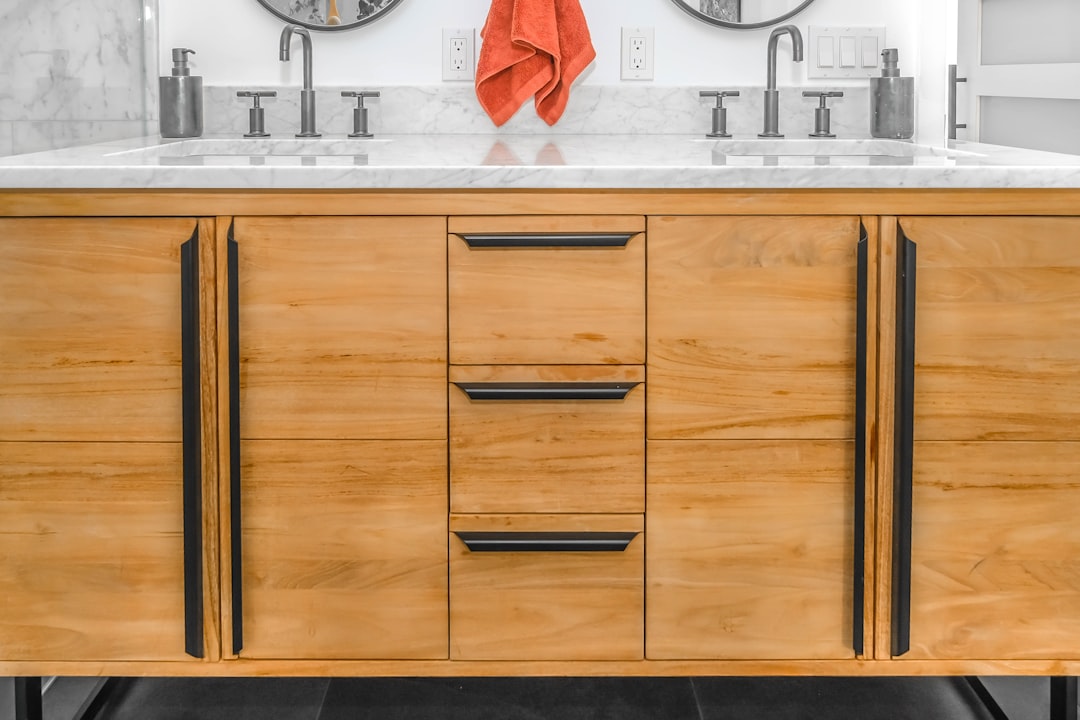
A bathroom cabinet containing products past their expiry date products opened and used fewer than three times and products purchased on the basis of a skincare or grooming routine that was never consistently adopted is storing the physical residue of aspirational self-care rather than the actual tools of a practised one. Professional organizers audit their own bathroom cabinets with particular honesty about the gap between the routine they intend to follow and the routine they actually follow on a normal morning with normal time available. The products retained should reflect the actual routine rather than the ideal routine and the space recovered by removing products that belong to the ideal routine can be used to make the actual routine more functional and more pleasurable. Expired products regardless of how much of the product remains should be removed without negotiation because their presence creates a false impression of utility while delivering none. A bathroom cabinet that contains only what is genuinely used in the actual morning routine is one of the most immediately functional improvements available in a decluttered home.
Furniture Honesty
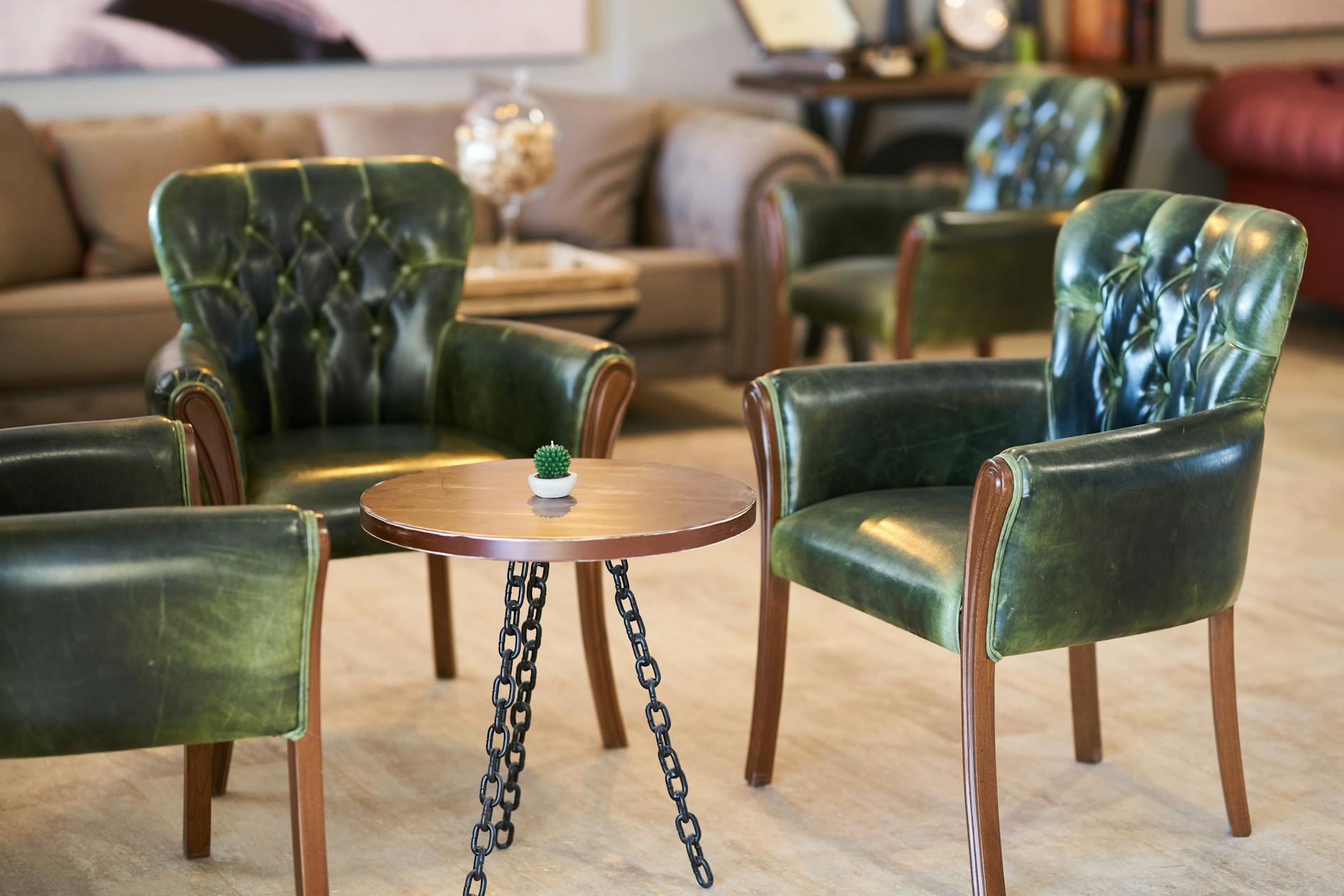
A piece of furniture retained primarily because it was expensive rather than because it serves the current room’s function aesthetic or spatial requirements is occupying floor space on the basis of a past financial decision rather than a present spatial one. Professional organizers working on their own homes are particularly disciplined about furniture honesty because furniture occupies more space per object than any other category and a single retained piece of non-functioning furniture can compromise the organisation and flow of an entire room. The sunk cost of a piece of furniture is not recoverable by retaining the furniture and the space it occupies has a present value that the retention decision is continuously spending. Selling donating or consigning furniture that does not serve the current room allows the space it occupied to be recovered for a use that actually serves the people living in the home. The decision to release a piece of expensive furniture that is not working in the space is one that professional organizers consistently identify as producing the highest ratio of immediate improvement to objects released of any single decluttering action available in a home.
Hobby Graveyard

Equipment retained from hobbies that are no longer actively practised occupies storage space in service of an identity that has been outgrown updated or simply replaced by other interests and the equipment’s presence does not maintain the possibility of returning to the hobby but rather creates a low-level obligation to the former self that once pursued it. Professional organizers identify the hobby graveyard as one of the most emotionally complex decluttering categories because the objects carry not just the memory of the activity but the self-image of the person who engaged in it. Releasing hobby equipment is experienced by many people as a form of self-editing that feels more significant than releasing objects from other categories. The private professional practice is to evaluate each hobby category by asking honestly whether return to the activity is planned within a specific time frame rather than possible in an abstract sense. Planned and possible are different standards and applying the stricter one to hobby equipment typically produces a release rate significantly higher than the abstract possibility framing would allow.
Packaging Retention

Retaining original product packaging including boxes foam inserts and protective sleeves beyond the return and warranty period applicable to the product serves no functional purpose in most households and occupies a disproportionate volume of prime storage space relative to the value it provides. Professional organizers discard original packaging immediately after the return and warranty window closes on the basis that the scenarios requiring the original packaging after that point are too infrequent and too marginal to justify the permanent storage allocation. The exception applied in professional practice covers items that are regularly transported or shipped and items whose resale value is demonstrably and significantly higher with original packaging than without. Every other product’s packaging should leave the home at the same time the return period ends. Homes that retain original packaging for every appliance device and product purchase eventually dedicate a significant portion of their storage capacity to empty boxes which is among the least defensible uses of the most valuable space in any well-organised home.
Proximity Logic

Objects should be stored at the location of their most frequent use rather than at the location that feels most categorically logical and the distance between where an object lives and where it is used is one of the most reliable predictors of how consistently it will be returned to its designated location after use. Professional organizers arrange their own homes entirely on proximity logic rather than categorical logic which produces storage solutions that look unusual to visitors but that function with a consistency and effortlessness that categorical storage rarely achieves. A tape measure stored in the kitchen drawer nearest the area where packages are opened will be returned to its location after every use. The same tape measure stored in a logical tool category in a utility room will be left on the nearest flat surface after the majority of uses because the return journey is long enough to be deferred. Proximity logic applied throughout a home produces a self-maintaining order that requires less daily management than any amount of labelling categorising or systematic organisation imposed without reference to actual movement patterns within the space.
Replacement Confidence

The anxiety that drives excessive retention of functional but redundant objects is rooted in a scarcity model that overestimates the difficulty of replacing objects when they are actually needed and underestimates the availability cost and speed of replacement in the actual consumer environment the household inhabits. Professional organizers working on their own spaces apply replacement confidence as an explicit counter to retention anxiety by asking what the actual replacement process would involve rather than whether replacement would theoretically be possible. For the vast majority of objects in a contemporary household replacement is available within twenty-four hours at a cost that does not justify maintaining a permanent inventory against the possibility of need. The replacement confidence principle does not apply to genuinely rare irreplaceable or heirloom objects but those objects represent a small fraction of the total in most homes. Applying it to everything else allows decisions to be made on the basis of current reality rather than hypothetical scarcity and the resulting releases almost never produce the regret that the retention anxiety predicted.
Share your most liberating decluttering decisions and the private rules you have quietly developed for your own home in the comments.