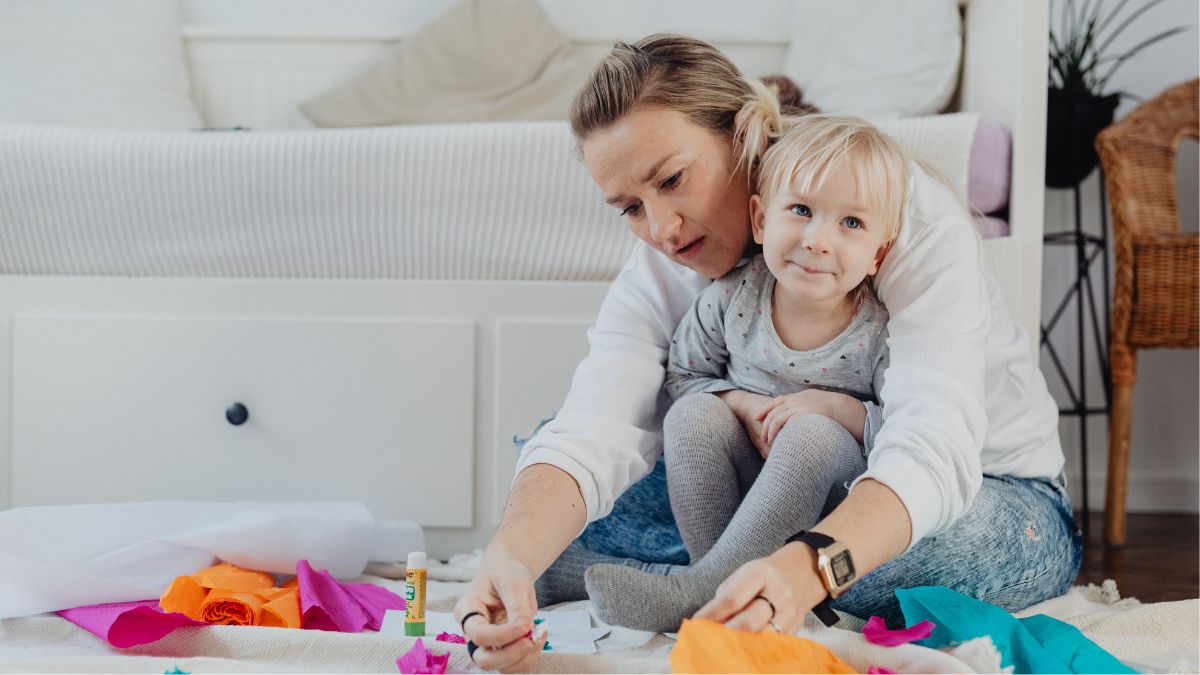
Modern parenting is filled with advice from all directions, yet some of the most widely promoted rules are quietly dismissed by the very experts who study child development most closely. From rigid sleep schedules to zero-tolerance discipline policies, certain mainstream approaches have come under growing scrutiny among child psychology professionals. What parents are often told to do at home can differ significantly from what researchers and clinicians actually apply in their own families. This list explores the parenting conventions that top child psychologists are increasingly reluctant to defend, and in many cases, actively avoid behind closed doors.
Screen Time Limits

The widely promoted rule of strict daily screen time limits for children is one that many child psychologists quietly sidestep in their own households. Research increasingly suggests that the type of content and the context of use matter far more than the raw number of minutes a child spends in front of a device. Co-viewing educational programming or engaging in interactive digital storytelling can support language development and creativity in meaningful ways. Blanket time restrictions can also create a forbidden-fruit effect that makes screens more appealing rather than less. Psychologists tend to focus instead on cultivating media literacy and ensuring screens do not replace physical activity or face-to-face connection.
Forced Apologies

Requiring children to say sorry on demand is a fixture of mainstream discipline advice, yet many child development experts actively avoid this practice with their own children. A forced apology teaches children to perform remorse rather than genuinely experience it, which can undermine the development of authentic empathy over time. When children are pressured into verbal apologies before they have emotionally processed a situation, the words lose their meaning entirely. Child psychologists generally prefer guiding children through conversations about how their actions affected others, allowing genuine remorse to emerge organically. This approach takes longer but produces far more durable moral reasoning in the long run.
Praise Inflation

Telling children they are brilliant, special, or the best at everything they attempt is still widely encouraged in popular parenting culture, but most child psychologists treat it with considerable caution. Decades of research on mindset development have shown that excessive outcome-based praise can make children more fragile in the face of failure rather than more resilient. Children who are routinely told they are naturally talented tend to avoid challenges that might threaten that identity. Psychologists who study this area are far more likely to praise the process, noting effort, strategy, and persistence rather than innate ability. This subtle shift in language has been shown to significantly affect how children respond to setbacks and difficult learning experiences.
Strict Bedtimes

A non-negotiable bedtime enforced through rigid routine is a cornerstone of mainstream parenting advice, but many child psychologists take a more flexible approach in practice. Sleep needs vary considerably between individual children based on temperament, age, and biological rhythms, and a one-size-fits-all rule often ignores these differences. Forcing an alert child to lie in the dark for extended periods can actually generate anxiety around sleep rather than healthy associations with rest. Psychologists who work with sleep issues in children often emphasize a consistent wind-down routine and environmental cues over a precise clock time. The goal is a child who associates bedtime with calm and safety rather than one who dreads the hour.
Sharing Rules

Teaching children that they must always share whatever they have is presented as a cornerstone of social development, but many child psychologists are openly skeptical of this approach. Ownership is a concept children are still developing, and forcing them to hand over a toy mid-play does not actually teach generosity in any meaningful psychological sense. What it often teaches instead is that their feelings about their possessions are irrelevant and that adults can override their autonomy without discussion. Child development experts tend to favor teaching turn-taking with a clear endpoint, allowing children to experience waiting and anticipation rather than immediate compliance. True generosity, psychologists argue, is something that must come from internal motivation rather than external force.
Homework Help

Sitting beside a child to guide them through homework every evening is a practice many parents consider responsible and attentive, but child psychologists frequently avoid this level of involvement. When adults over-scaffold homework tasks, children lose the opportunity to develop frustration tolerance, independent problem-solving, and a genuine sense of academic accomplishment. Research on parental involvement in homework has repeatedly found that high levels of assistance are associated with lower academic confidence rather than higher achievement. Psychologists tend to make themselves available for encouragement and brief clarification while leaving the cognitive work to the child. Allowing children to experience manageable struggle is considered essential to building genuine academic competence.
Timeout Discipline

The classic timeout has been a go-to discipline tool for decades, appearing in virtually every mainstream parenting guide, yet many child psychologists have quietly moved away from it in their own families. Removing a child to a separate space does little to help them understand what went wrong or develop the emotional vocabulary to handle similar situations differently in the future. For younger children especially, isolation during emotional dysregulation can feel frightening and may damage the sense of security they need to self-regulate effectively. Psychologists who specialize in behavioral development tend to favor what is often called time-in, where a caregiver sits with the child to process the emotional experience together. This approach addresses the root cause of the behavior rather than simply interrupting it.
Vegetable Rules
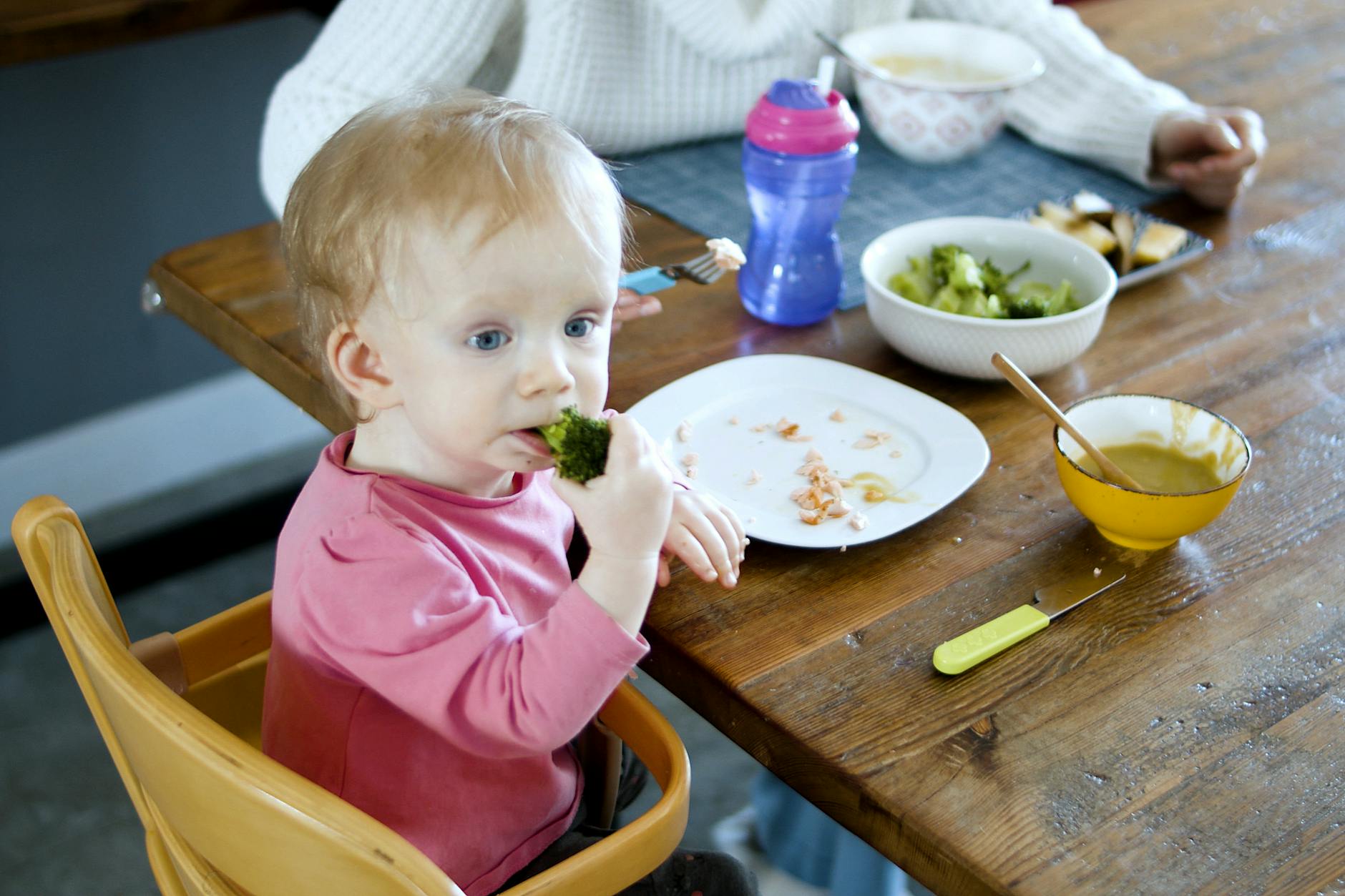
The parenting convention of insisting a child must eat a certain number of bites of vegetables before leaving the table is something many nutritional psychologists and child development experts quietly abandon. Pressuring children to eat specific foods has been linked in research to greater food aversion over time rather than broader dietary acceptance. When eating becomes a battleground, children can develop complicated and lasting emotional associations with mealtimes that persist well into adulthood. Psychologists and pediatric dietitians tend to follow a division of responsibility model, in which parents decide what is offered and children decide how much they consume. Repeated low-pressure exposure to a wide variety of foods is considered a far more effective long-term strategy for raising adventurous eaters.
Competitive Sports

Enrolling children in highly competitive organized sports from an early age and prioritizing performance outcomes is broadly promoted as character-building, but many developmental psychologists treat this approach with real skepticism. Early specialization in competitive sports has been associated with increased rates of burnout, overuse injuries, and anxiety in children who are not yet emotionally equipped to manage performance pressure. The most robust research on youth sport participation points to free, unstructured play and multi-sport sampling as the most developmentally appropriate approach during the elementary years. Psychologists who study motivation tend to emphasize intrinsic enjoyment as the single most important predictor of long-term physical activity habits. Children who play primarily for fun are far more likely to remain active across their lifetimes than those oriented toward rankings and trophies.
Sibling Fairness
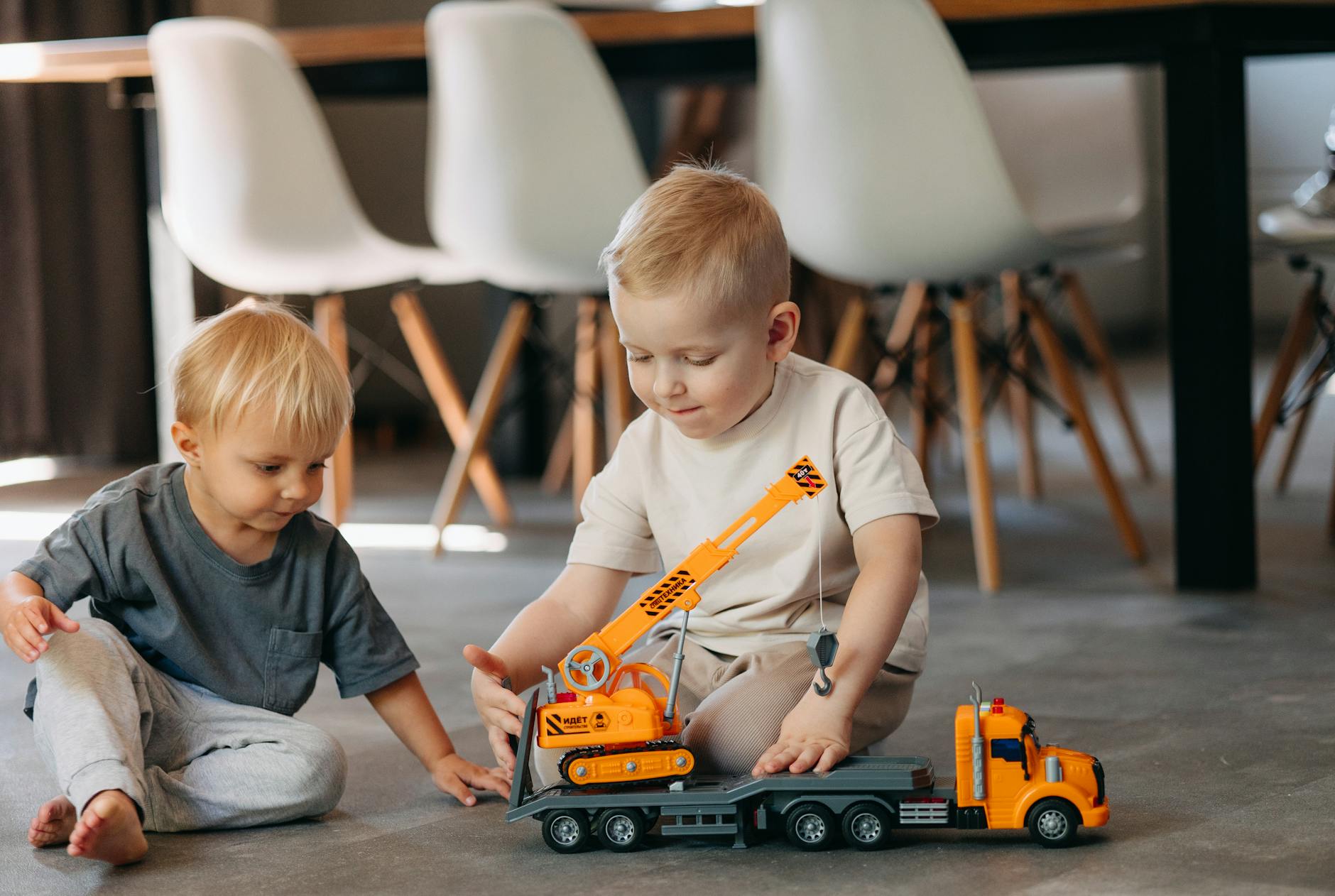
The rule that every child in a family must be treated equally and receive exactly the same things is something many family therapists and child psychologists privately consider misguided. Children within the same household are at different developmental stages, have different emotional needs, and benefit from responses that are tailored to who they are as individuals rather than calibrated for equality. Striving for identical treatment often means that no child receives what they actually need, since fairness and sameness are not the same concept. Psychologists who specialize in sibling dynamics tend to frame it to children as each person getting what they need rather than everyone getting the same thing. This distinction, when introduced early and explained clearly, tends to reduce rivalry rather than inflame it.
Helicopter Supervision

Monitoring children closely during every play interaction and intervening quickly when conflict arises is widely promoted as attentive parenting, but child psychologists are among its most consistent critics. Peer conflict during childhood play is a primary context in which children develop negotiation skills, perspective-taking ability, and emotional resilience. When adults step in too quickly, they deprive children of the chance to practice resolving disagreements on their own terms and at their own pace. Developmental psychologists frequently advocate for what researchers describe as the art of strategic inattention, where a caregiver remains present but deliberately refrains from directing the interaction. Children who are allowed to navigate peer dynamics independently during play tend to demonstrate stronger social competence as they grow older.
Emotion Suppression

Telling children to stop crying, calm down immediately, or that there is nothing to be upset about is still a common parenting reflex, yet child psychologists consistently name it as one of the most counterproductive responses available. Emotional suppression does not eliminate a child’s difficult feelings but rather teaches them that those feelings are unacceptable and must be hidden from caregivers. Over time, children who receive this message consistently can become less able to identify and articulate their own emotional states, a deficit with wide-ranging consequences for mental health. Psychologists who specialize in emotional development tend to respond to distress by naming the emotion aloud and validating it before any attempt at problem-solving or redirection. This simple sequence of acknowledgment followed by support builds the emotional intelligence that underpins long-term wellbeing.
Extracurricular Scheduling

Filling a child’s weekly schedule with organized extracurricular activities across music, sport, language, and arts is presented in mainstream parenting culture as investment in a child’s development, but many child psychologists deliberately resist this pattern. Research on children’s time use has consistently shown that unstructured free time is not wasted time but rather an essential environment for creative thinking, autonomous decision-making, and the development of genuine personal interests. When every hour of a child’s day is organized and supervised by adults, children lose the space needed to discover what actually engages and excites them on their own terms. Developmental psychologists frequently note that boredom itself serves a valuable function, acting as a catalyst for imagination and self-directed exploration. A lighter schedule with meaningful downtime is increasingly regarded among experts as more developmentally sound than a packed calendar of enrichment activities.
Reward Charts

Sticker charts, point systems, and tangible reward programs for behavior and academic performance remain enormously popular among parents, but many child psychologists avoid them entirely in their own families. Decades of research on motivation have demonstrated that offering external rewards for activities a child already finds engaging tends to erode intrinsic motivation rather than build lasting positive habits. Children who are rewarded for reading, for example, often read less once the reward is removed because the activity has been reframed in their minds as something done for payment rather than for pleasure. Psychologists rooted in self-determination theory tend to focus instead on supporting a child’s sense of autonomy, competence, and connection to others as the most reliable foundation for sustained motivation. The internal drive to engage with challenging and meaningful activities is considered far more durable than any reward a chart can offer.
Gender Stereotypes

Actively reinforcing gender-based expectations around toys, colors, interests, and emotional expression is still normalized across many parenting communities, but the majority of developmental and clinical psychologists quietly reject this approach in their own homes. Research across multiple decades has consistently shown that rigid gender socialization constrains the full range of children’s interests, abilities, and emotional expression in ways that can limit long-term development. Boys discouraged from emotional expression and girls steered away from assertiveness and risk-taking both experience measurable narrowing of their developmental potential. Child psychologists tend to take a deliberately open stance, allowing children to gravitate toward whatever genuinely interests them without assigning cultural meaning to those choices. A home environment that treats curiosity and expression as gender-neutral creates children who are more confident in their own identities and more empathetic toward others.
Which of these parenting conventions surprised you most? Share your thoughts in the comments.