
Pet nutrition has become one of the most debated topics among veterinarians, animal behaviorists, and devoted pet owners alike. Feeding schedules vary widely across households, yet research consistently shows that timing and frequency of meals can have a profound impact on an animal’s metabolism, behavior, and longevity. Some of the most effective approaches challenge conventional wisdom and have sparked genuine debate within the veterinary community. The 22 schedules explored here are ranked from thought-provoking to the most consistently supported by animal health outcomes. Understanding the reasoning behind each method can help pet owners make more informed decisions for their companions.
Grazing Bowls

Free-choice feeding allows certain animals continuous access to food throughout the day and night. This method works particularly well for small mammals like rabbits and guinea pigs whose digestive systems are designed for near-constant intake. Critics argue it leads to overeating in dogs and cats, though proponents note it reduces anxiety-driven food aggression in multi-pet households. Portion-controlled grazing using measured daily amounts placed freely in a bowl offers a middle ground that many exotic pet owners have adopted. Veterinary nutritionists continue to study its long-term metabolic effects across different species.
Twilight Feeding
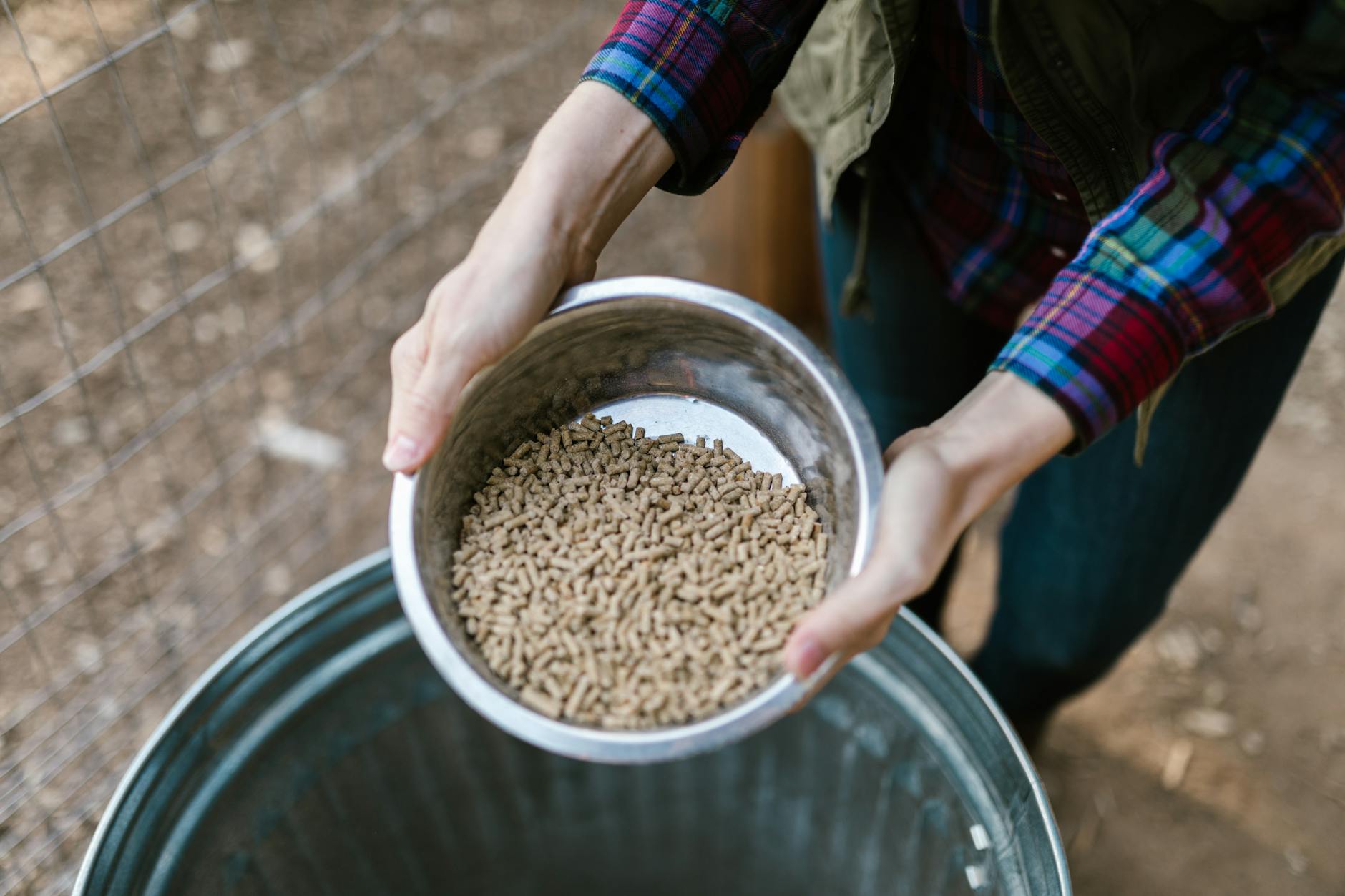
Aligning meal times with an animal’s natural crepuscular rhythms means feeding at dawn and dusk rather than at human-convenient morning and evening hours. This schedule mirrors the hunting and foraging patterns of many domestic animals’ wild ancestors and supports their natural hormonal cycles. Cats in particular show reduced nighttime restlessness when their feeding window respects these biological cues. The approach requires owners to adjust routines significantly, which contributes to its controversial standing among mainstream pet care guides. Studies in chronobiology suggest that meal timing synced to circadian rhythms may improve nutrient absorption efficiency.
Extended Fasting

Periodic fasting periods of 12 to 18 hours between meals have gained traction in the health-focused pet ownership community. Advocates point to research suggesting that intermittent fasting reduces inflammation and supports cellular repair processes in mammals, including domestic animals. The protocol is most commonly applied to dogs and draws direct parallels from human intermittent fasting trends. Detractors raise concerns about hypoglycemia risk in smaller breeds and puppies, for whom prolonged fasting is not recommended. Any fasting schedule should be introduced gradually and ideally developed in consultation with a qualified veterinary professional.
Raw Meal Timing

Feeding raw food on a strict two-meal-per-day schedule rather than once daily is considered by many raw feeding advocates to be essential for maximizing digestive efficiency. Raw proteins and fats metabolize differently than processed kibble, and splitting intake helps prevent the digestive overload that can occur with large single portions. This schedule is particularly common among owners of working breeds and high-performance sporting dogs. The controversy arises from food safety concerns around raw meat handling and the risk of bacterial contamination between meals. Proponents counter that proper refrigeration and sourcing make the practice manageable and beneficial.
Rotation Feeding

Cycling through different protein sources on a structured weekly or bi-weekly schedule is designed to prevent food sensitivities and nutritional gaps that can develop from a monotonous diet. Each meal type is offered at consistent times but the food itself changes according to a planned rotation calendar. This method is widely practiced among holistic pet owners and is gaining recognition from integrative veterinarians. Traditional veterinary guidance has historically cautioned against frequent food changes, citing digestive upset as a common side effect during transitions. Gradual introduction of each new protein source is considered key to making rotation feeding both safe and effective.
Puzzle Feeder Schedule
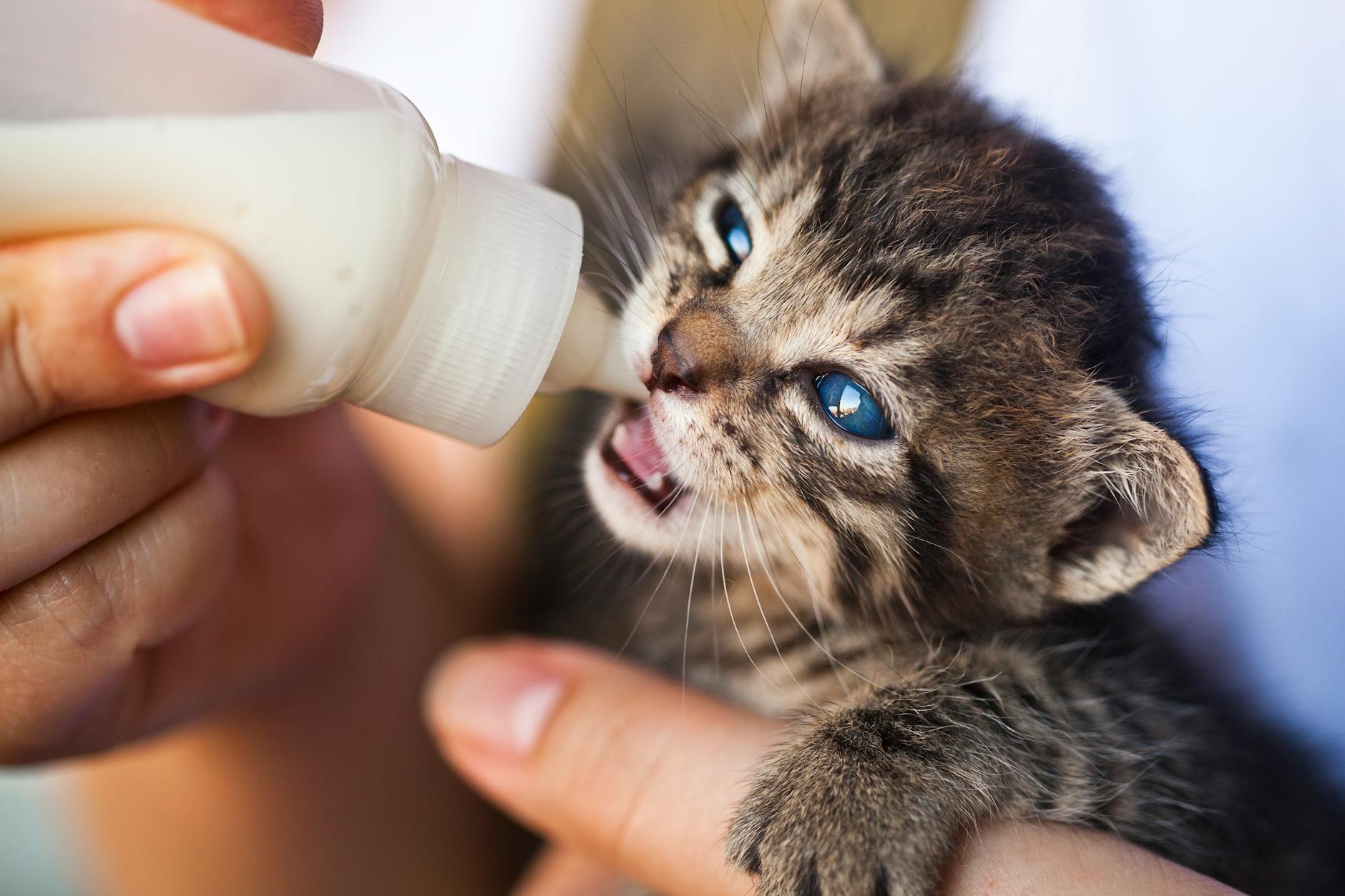
Distributing daily food allowances exclusively through puzzle feeders and foraging toys across multiple small sessions throughout the day replicates natural seeking behavior in pets. This method transforms every meal into a mentally stimulating activity that supports cognitive health alongside physical nutrition. Research in animal enrichment shows that animals fed this way display fewer destructive behaviors and lower baseline stress hormone levels. The schedule requires consistent owner commitment and a variety of feeder types to maintain novelty and challenge. It is particularly effective for highly intelligent breeds of dogs, parrots, and domestic cats prone to boredom.
Synchronized Meals

Feeding pets at the exact same time as human household members eat is a schedule rooted in pack and social bonding theory. The approach reinforces a shared daily rhythm between animals and their owners, which some animal behaviorists argue strengthens trust and reduces separation anxiety. Dogs fed in synchrony with their families have been observed to display more relaxed post-meal behavior in several observational studies. Critics note that it can create begging behaviors at the dinner table if boundaries are not firmly maintained from the beginning. When combined with consistent spatial boundaries during meals, synchronization can become a constructive part of household structure.
Seasonal Adjustment

Shifting portion sizes and meal frequency in response to seasonal temperature changes reflects the natural metabolic fluctuations that animals experience in the wild. During colder months, some practitioners increase caloric intake slightly to account for thermogenic energy demands, while warmer seasons call for lighter portions and increased hydration focus. This approach has been documented in the care of working farm dogs, sled dogs, and outdoor cats maintained in climates with distinct seasonal variation. Standardized year-round feeding schedules are the norm in most households and veterinary guidance, making seasonal adjustment a distinctly minority practice. However, outdoor and semi-outdoor pets in particular may respond positively to this kind of climate-responsive nutrition planning.
Ancestral Timing

Feeding dogs once per day in the early afternoon draws from ancestral wolf behavior, in which wild canids typically consumed a single large meal after a successful hunt. Proponents argue this schedule allows the digestive system adequate rest and promotes a healthy gut microbiome through longer interdigestive periods. Some owners report that once-daily fed dogs display more focused and calm temperaments compared to twice-daily counterparts. The schedule remains controversial because many veterinarians recommend splitting daily calories to avoid bloat, particularly in deep-chested large breeds. When applied to appropriate breeds and monitored carefully, once-daily afternoon feeding continues to attract interest from evidence-based pet nutrition communities.
Caloric Cycling

Alternating between higher and lower calorie days on a structured schedule is borrowed from human sports nutrition and applied to working and athletic dogs. On training or high-activity days, meals are larger and more protein-dense, while rest days involve reduced portions focused on maintenance nutrition. This schedule requires precise knowledge of a pet’s daily energy expenditure and careful coordination with an activity calendar. It is rarely practiced by the general pet-owning public and remains largely within competitive sporting and working dog communities. Emerging canine sports science research suggests caloric cycling may support lean muscle development and reduce unnecessary fat storage in high-performance animals.
Night Feeding

Offering the primary or sole meal of the day in the late evening hours appeals to owners of nocturnal and crepuscular animals whose activity peaks after dark. For cats, which are biologically more active between dusk and dawn, a substantial evening meal followed by a small pre-dawn feeding aligns with natural hunting patterns. This schedule is also practiced by ferret owners, as ferrets have high metabolic rates and short digestive cycles that benefit from overnight availability of food. Opponents suggest that late feeding in dogs can contribute to digestive discomfort and may disrupt household routines. When tailored to the specific species and individual animal, night-centered feeding schedules show measurable improvements in activity alignment and sleep quality.
Pre-Activity Feeding

Timing meals strategically before periods of physical activity rather than at fixed clock times is a performance-oriented approach common among agility dog handlers and equestrian athletes. The schedule ensures that animals have available energy during exertion without the risk of digestive stress that comes from exercising immediately after eating. A window of 60 to 90 minutes between feeding and intense activity is considered optimal by most animal sports medicine practitioners. This method requires flexibility and consistent monitoring of an animal’s individual tolerance and digestive pace. The controversy stems from its departure from routine-based feeding, which traditional animal training philosophy places high importance on.
Appetite-Led Feeding

Offering meals only when an animal displays clear physiological signs of hunger rather than at scheduled clock times is a naturalistic approach that challenges the concept of imposed routine. Advocates argue that animals possess reliable internal hunger cues that owners can learn to read accurately over time. This method places a high degree of observational responsibility on the owner and demands knowledge of the difference between true hunger signals and learned begging behaviors. It has been noted to reduce food anxiety in rescue animals with histories of food insecurity when applied with patience and consistency. Most veterinary nutritionists remain skeptical, as the absence of routine can complicate weight management and monitoring of appetite-related health changes.
Cold Protein Timing

Serving refrigerator-cold raw or lightly warmed food at specific times tied to post-exercise recovery is a niche feeding protocol informed by canine athletic recovery research. The practice involves careful temperature management and precise post-activity timing windows to optimize protein synthesis in working muscles. Sled dog trainers in Nordic countries have documented improved recovery rates and reduced muscle soreness in dogs fed within 30 minutes of strenuous exercise. The approach requires a high level of logistical commitment and is entirely impractical for most household pet owners. It remains an area of active research interest among veterinary sports medicine specialists working with elite canine athletes.
Hydration-Paired Timing

Structuring meal times around enforced hydration windows means that animals are encouraged or required to consume water before and after every feeding session. This schedule is particularly advocated for cats, who have a naturally low thirst drive and are prone to chronic dehydration when fed exclusively on dry food. Wet food served at regular intervals acts as both a nutritional and hydration source, and the schedule is designed to create consistent fluid intake patterns throughout the day. Research links adequate hydration in cats to significantly reduced incidence of urinary tract disease and kidney dysfunction over a lifetime. The practice requires owners to actively monitor water consumption alongside food intake, which adds a layer of daily management that some find demanding.
Fasted Morning Protocol

Withholding the first meal of the day until midmorning rather than feeding immediately upon waking has been explored as a way to extend the overnight fast and support metabolic flexibility in dogs. This schedule allows the body additional time in a fasted state, during which cellular cleanup processes are thought to continue operating efficiently. It mirrors the intermittent fasting principle of a compressed eating window and has attracted attention from owners invested in longevity-focused pet care. Skeptics caution that active dogs and younger animals require morning energy replenishment to sustain healthy energy levels throughout the day. The protocol is most commonly considered appropriate for healthy adult dogs with no underlying metabolic conditions.
Post-Sleep Rehydration

Delaying the morning meal by 30 to 45 minutes and offering a water-rich food source or plain water first thing upon waking is designed to rehydrate animals whose bodies have been in a resting fast overnight. This practice is particularly documented in rabbit and guinea pig care communities, where the digestive system requires a gentle reactivation period after extended rest. For dogs, offering a small amount of bone broth before the main morning meal has been reported anecdotally to improve coat condition and digestion over time. Mainstream pet feeding guides do not typically include a rehydration buffer as a formal recommendation. Growing interest in the gut microbiome health of companion animals has brought renewed attention to how the first intake of the day influences digestive function.
Micro-Meal Feeding
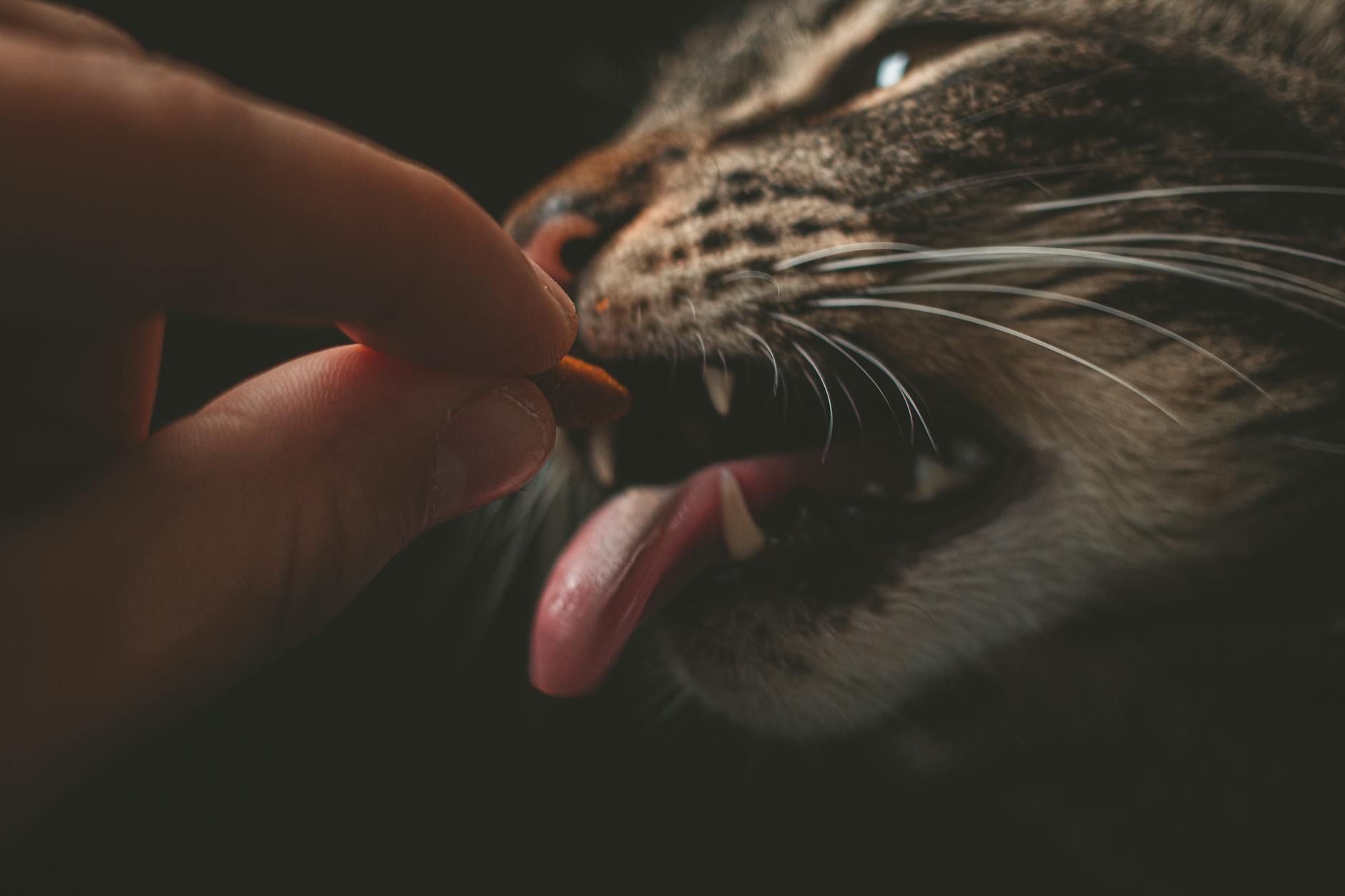
Dividing the total daily food allowance into five or six very small portions distributed at regular intervals throughout the day is most commonly associated with the care of toy breeds and small dogs prone to hypoglycemia. This schedule maintains a steady blood glucose level and prevents the energy crashes that small animals can experience between standard twice-daily meals. It is also used in the post-surgical recovery care of cats and dogs to encourage appetite stimulation without overwhelming a sensitive or healing digestive system. Critics argue that frequent feeding increases the complexity of weight management and can inadvertently reinforce persistent food-seeking behavior. When applied to appropriate cases under veterinary guidance, micro-meal feeding has demonstrated clear therapeutic value.
Organ-Prioritized Timing

Feeding organ meats such as liver and kidney at specific times of day separate from muscle meat portions is a practice within the raw feeding community based on the principle that different nutrient profiles are processed more efficiently at different metabolic windows. Morning organ feeding is thought by proponents to support liver function and detoxification processes that are biologically more active earlier in the day. This schedule requires owners to source and prepare multiple food components and maintain a consistent daily separation between organ and muscle meal times. There is currently limited peer-reviewed research specifically examining the metabolic timing of different raw food components in domestic animals. The practice is documented primarily through practitioner networks and experienced raw feeding communities rather than formal veterinary literature.
Timed Restriction Windows

Offering food only during specific two to four hour windows each day while removing access entirely outside those periods is a structured form of meal feeding that prioritizes digestive rest. The method requires the removal of food bowls and puzzle feeders after the window closes, which demands consistent owner follow-through. Dogs fed under time-restricted conditions in informal owner-led studies have shown reduced bloating and more predictable elimination schedules. The controversy centers on concerns about whether restricted access causes psychological distress in animals conditioned to free-choice feeding environments. Gradual transition into the window system is universally recommended before committing to strict daily time boundaries.
Circadian Protein Distribution

Strategically placing higher protein portions in morning meals and lighter carbohydrate-adjacent foods in evening meals mirrors the circadian metabolic principles studied in human nutrition science. This distribution is thought to align with the animal’s daytime anabolic activity and nighttime restorative processes. The practice is most developed in the care of large working breeds and athletic dogs where precise macronutrient delivery is considered a performance variable. Standardized commercial pet food does not typically facilitate this level of nutritional distribution, making it largely the domain of raw or home-cooked diet practitioners. Emerging veterinary nutrition research on circadian biology in companion animals suggests this field may produce more formal guidance in coming years.
Instinctive Prey Mirroring

Modeling feeding schedules on the estimated prey capture rates of a domestic animal’s wild ancestor is the most philosophically committed approach on this list. For cats this means two to four small meals per day mimicking mouse-sized prey captures, while for dogs it reflects irregular feast-and-fast patterns tied to successful hunting cycles. The method is practiced within the biologically appropriate raw food community and requires significant owner investment in research and preparation. It directly opposes the convenience-driven twice-daily schedule that dominates modern pet care and attracts intense debate from both traditional and alternative veterinary practitioners. Advocates point to consistent anecdotal reports of improved weight management, coat health, and behavioral balance in animals transitioned to this approach over time.
Share your own pet feeding schedule experiences and what has worked best for your animals in the comments.