The relationship between a dog and its owner has been shaped by thousands of years of co-evolution that produced a species uniquely attuned to human social signals, emotional states, and leadership behavior in ways that modern treat-based training methodology only partially engages. Reward-based food training has dominated mainstream dog training discourse for several decades and produces measurable results, but a significant body of canine behavioral research and the accumulated practical experience of working dog trainers suggests that the deepest and most durable loyalty responses in dogs emerge from relationship-based and communication-based approaches that operate through entirely different neurological pathways. The techniques compiled here are controversial not because they are harmful but because they challenge the dominant paradigm of positive reinforcement training in ways that generate genuine professional debate. Each represents an approach with documented practitioner success and a meaningful evidence base that deserves consideration alongside the mainstream alternatives.
Pack Leadership

The concept of establishing clear social hierarchy within the human-dog relationship draws from ethological research on canine social behavior and the observation that dogs consistently orient their behavior around the perceived social authority of the individuals they interact with most closely. Practitioners of pack leadership methodology argue that a dog experiencing ambiguity about the social structure of its household exhibits anxiety-driven behaviors including excessive barking, destructive activity, and hypervigilance that disappear when clear and consistent leadership signals are established. The technique involves the owner consistently controlling access to resources including food, space, furniture, doorways, and attention in ways that communicate social priority without physical confrontation or punishment. Critics of pack leadership methodology argue that the wolf pack research it draws from has been substantially revised since its original publication and that domestic dog social organization differs meaningfully from wild canid pack dynamics. Practitioners counter that the observable behavioral improvements in anxious and reactive dogs following leadership clarification represent empirical validation that transcends the theoretical debate about its ethological accuracy.
Pressure and Release

Pressure and release training uses the application and removal of mild social or physical pressure as the primary communication currency between trainer and dog, operating on the principle that the release of pressure rather than the delivery of reward is the primary reinforcement signal in this methodology. The technique is derived from equine natural horsemanship traditions and involves applying directional pressure through body position, eye contact, leash tension, or spatial approach until the dog offers the desired behavioral response, at which point immediate pressure removal communicates success more precisely than any food delivery system can achieve. Dogs trained through pressure and release methodology demonstrate exceptionally clean behavioral responses because the communication system operates at a speed and specificity that treat delivery cannot match, with the release occurring at the precise microsecond of correct behavior. The controversy surrounding this approach centers on the definition and application of pressure, with critics arguing that poorly executed pressure application constitutes aversive training and proponents maintaining that appropriately calibrated pressure falls well within the normal social communication repertoire of the species. Working dog trainers across herding, protection, and search disciplines consistently identify pressure and release as producing the most reliable off-leash behavioral responses under high-distraction field conditions.
Eye Contact Training

Sustained mutual eye contact between a dog and its handler activates an oxytocin release loop that has been documented in peer-reviewed research as functionally identical to the neurochemical bonding mechanism operating between human parents and infants, creating a biochemical loyalty foundation that food reward systems do not access. Training that systematically develops a dog’s voluntary sustained eye contact with its handler creates an attentional orientation that functions as the foundation for every subsequent behavioral development and produces a dog that is intrinsically motivated to monitor and respond to handler communication. The technique involves rewarding sustained eye contact initially with calm verbal acknowledgment and physical touch before transitioning to an expectation of voluntary eye contact initiation by the dog as its default orientation in the presence of its handler. Critics note that direct sustained eye contact is an ambiguous signal in canine communication that can trigger stress responses in dogs with insecure social histories, requiring careful calibration based on individual dog temperament and relationship history. The oxytocin research supporting eye contact bonding has been replicated sufficiently to establish it as one of the most scientifically robust findings in comparative human-animal bonding literature.
Calm Assertion

Training methodology that prioritizes the emotional state of the handler as the primary behavioral modifier for the dog operates on the documented principle that dogs are exquisitely sensitive to human stress hormones, micro-muscular tension patterns, breathing rate changes, and postural signals that communicate emotional states below the threshold of conscious human awareness. A handler who approaches a behavioral problem with calm assertive energy produces a fundamentally different behavioral response in the dog than the same physical actions performed with anxiety, frustration, or excitement, independent of any specific training technique applied. The practical development of calm assertion as a training tool requires the handler to develop genuine emotional regulation capacity rather than performed composure, because dogs reliably detect the biochemical and postural signatures of suppressed emotional states. This methodology is controversial because it places primary responsibility for training outcomes on the psychological state of the handler rather than on technique selection, a framework that mainstream training culture finds difficult to operationalize into teachable protocols. Behaviorists who work with severe aggression and anxiety cases consistently identify handler emotional state as among the most significant variables determining treatment outcome across all training methodology categories.
Spatial Control

The systematic control of physical space in the dog’s environment as a primary training and communication tool draws from the observation that spatial relationships carry profound social meaning in canine communication systems and that controlling space communicates social information with a clarity and consistency that verbal commands cannot replicate. Handlers trained in spatial control methodology use body position, movement direction, and territorial boundary establishment to communicate behavioral expectations, interrupt unwanted behaviors, and reinforce desired ones without any verbal instruction or food reward component. The technique involves the handler moving confidently into the dog’s space to redirect or interrupt behavior and creating spatial distance as a reward for desired behavioral compliance, inverting the conventional reward structure where the handler comes to the dog with reinforcement. Working dogs trained through spatial control methodology demonstrate the ability to read handler movement and position as primary behavioral cues, producing a communication system that functions at a distance and in high-noise environments where verbal commands and treat delivery are impractical. Critics argue that spatial pressure constitutes a form of aversive training when applied without sufficient attention to the dog’s stress indicators, and the methodology requires handler skill development that makes it less accessible to novice trainers than food reward systems.
Tethering Method

Controlled tethering of a dog to its handler through a leash or line attached to the handler’s body rather than held in the hand creates a continuous physical connection that communicates handler movement, intention, and emotional state directly to the dog while simultaneously preventing the rehearsal of unwanted behaviors that undermine training progress. The physical attachment creates a passive communication channel operating continuously rather than the intermittent signal delivery of conventional hand-held leash handling, building handler awareness in the dog as a default orientation without requiring active training sessions. Trainers using tethering methodology report accelerated development of attentiveness, impulse control, and separation tolerance in dogs that previously exhibited severe versions of these behavioral challenges. The controversy surrounding tethering centers on appropriate duration, activity restriction, and the distinction between therapeutic tethering as a structured training tool and inappropriate long-term physical restraint as a management substitute. Applied correctly with adequate exercise, mental stimulation, and positive interaction periods, tethering methodology is considered by experienced practitioners to produce relationship depth and behavioral reliability that treat-based systems achieve more slowly.
Marker Training Without Food
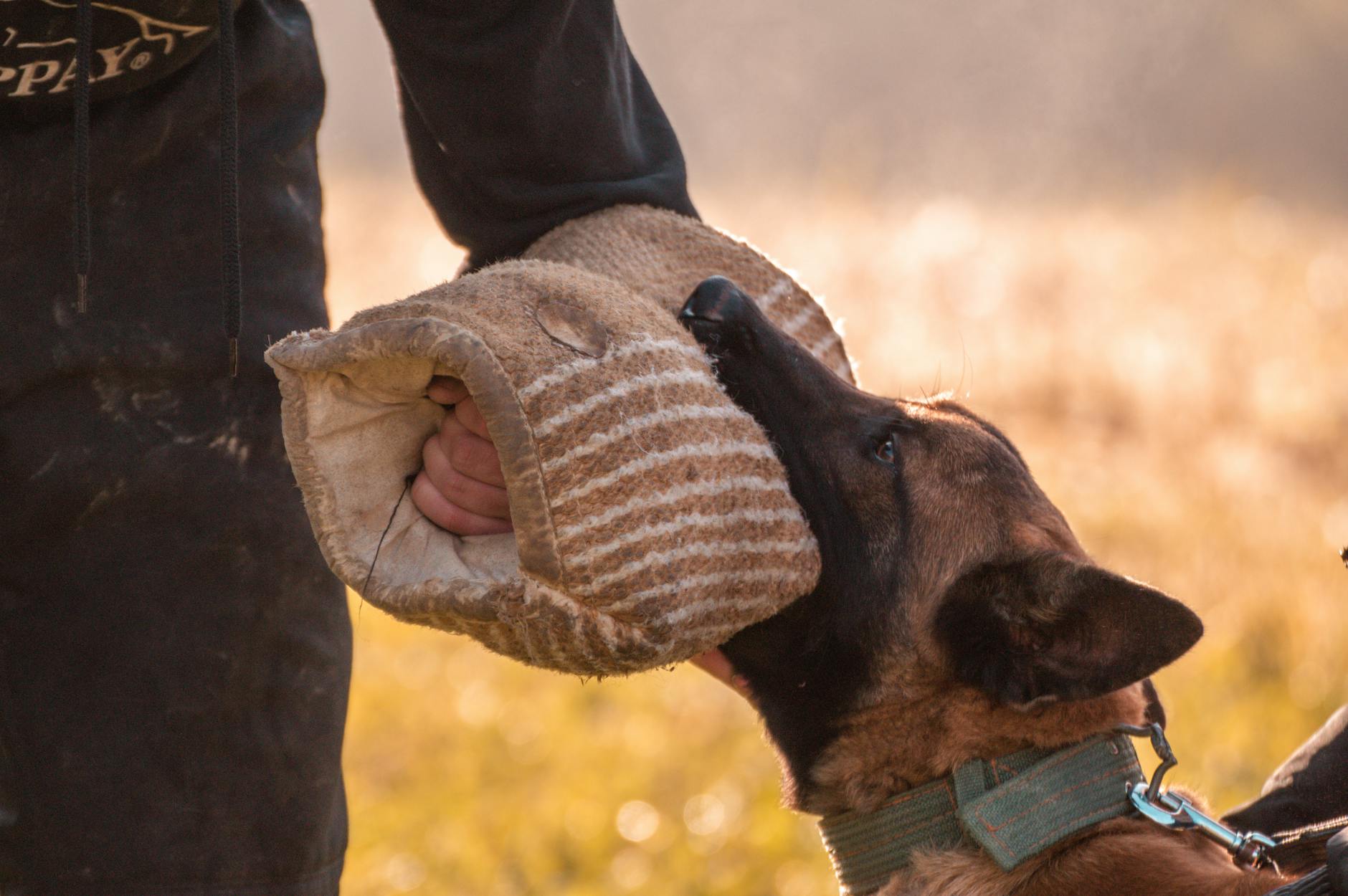
Clicker and marker training systems are most commonly implemented with food rewards but their fundamental operating principle of precise behavioral event marking functions equally effectively when the marker is paired with social rewards including calm verbal praise, physical touch in preferred locations, and the initiation of preferred activities that carry genuine reinforcement value for the individual dog. Dogs with strong social motivation rather than strong food motivation frequently show superior learning rates under social reward marker systems compared to food reward equivalents, because the reinforcer is more intrinsically valued than the food alternative by the specific individual being trained. The precise timing advantage of marker training is fully preserved in non-food implementations, maintaining the communication clarity that distinguishes marker methodology from continuous reward approaches while shifting the reward currency to relationship-based reinforcement. This approach is controversial primarily because it requires accurate individual assessment of what constitutes genuine reinforcement for a specific dog rather than defaulting to food as a universal motivator, demanding more behavioral observation skill from the trainer. Working protection sport trainers have documented equivalent or superior performance outcomes from social reward marker programs compared to food reward equivalents in dogs with high prey and social drive profiles.
Structured Walks
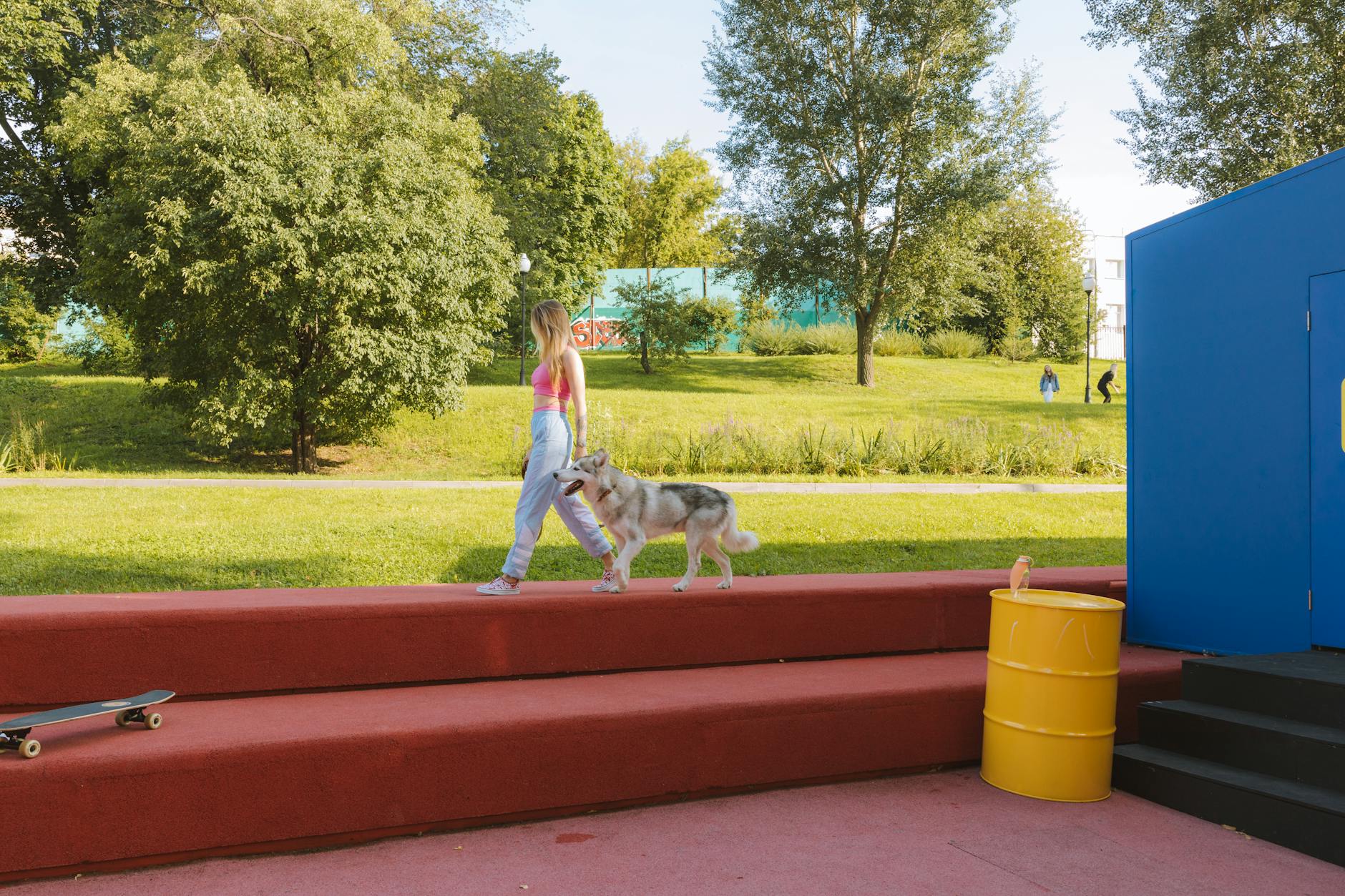
The formal structured walk conducted with the dog maintaining a consistent heel position and behavioral composure regardless of environmental stimulation represents one of the most powerful loyalty and respect-building exercises available to dog owners according to practitioners of relationship-based training methodologies. The structured walk differs from recreational off-leash exercise in that it requires sustained behavioral self-regulation from the dog under handler direction, building the impulse control and handler orientation that translate directly into reliable behavioral compliance in all other contexts. Dogs that receive regular structured walk training demonstrate measurably lower baseline arousal states, reduced reactivity to environmental triggers, and increased voluntary handler proximity-seeking compared to dogs whose exercise consists exclusively of unstructured running and play. The controversial aspect of structured walking methodology is its requirement that the dog subordinate its exploratory and social impulses to handler direction for the duration of the walk, which critics characterize as psychologically suppressive while proponents describe as mentally stabilizing for anxious and reactive individuals. Behavioral research on exercise type and dog mental health supports the position that structured movement activity produces different neurological benefits from unstructured exercise, with implications for anxiety and reactivity management that extend well beyond the physical conditioning both provide.
Flooding Desensitization

Controlled flooding involves exposing a dog to a fear-triggering stimulus at an intensity sufficient to maintain the fear response until the dog’s stress response system reaches exhaustion and the stimulus loses its triggering power through involuntary neurological desensitization that gradual exposure approaches cannot produce as efficiently. The technique is conceptually distinct from systematic desensitization which approaches the trigger from below the threshold of fear response, instead operating above that threshold in a controlled manner that compresses the desensitization timeline dramatically when executed with precise stimulus intensity management. Flooding methodology is among the most controversial in canine behavioral treatment because incorrectly implemented versions that maintain fear response beyond the neurological exhaustion point can sensitize rather than desensitize, worsening the fear response and damaging trust in the handler who administered the procedure. Properly implemented flooding by practitioners with accurate behavioral reading skills and precise stimulus control has documented effectiveness in treating specific phobias in dogs that have failed to respond to extended gradual desensitization programs. The ethical debate surrounding flooding centers on the dog’s experience during the procedure rather than the outcome, with welfare organizations generally discouraging its use outside specialist behavioral contexts regardless of efficacy data.
Social Isolation Timing

The strategic use of brief social isolation as a consequence for unwanted behavioral expressions exploits the dog’s fundamental social motivation and separation sensitivity to communicate behavioral information more precisely and with greater emotional salience than most other non-food consequence systems available to trainers. Isolation methodology involves removing the dog from social contact with its handler for a brief precisely timed period immediately following an unwanted behavior, communicating the social consequence of that behavior through the loss of the resource the dog values most highly. The technique is most effective with dogs demonstrating high social motivation and requires precise timing, consistent application, and duration calibration appropriate to the individual dog’s separation tolerance to avoid creating secondary anxiety around handler departure. Critics argue that isolation methodology exploits separation anxiety in ways that are ethically problematic regardless of training outcomes, while proponents maintain that brief precisely implemented social timeouts fall within the normal social consequence range of natural canine social group behavior. The effectiveness of isolation consequences scales directly with the strength of the dog’s social bond with its handler, making it paradoxically most powerful in the context of the strongest relationships.
Mirroring Behavior

Training methodology that incorporates deliberate mirroring of the dog’s movement patterns, postural configurations, and behavioral rhythms by the handler activates the social attunement systems of a species that has evolved to read and respond to human body language with exceptional sensitivity, building a communication channel that operates below the verbal instruction level most training systems exclusively target. Handler mirroring creates a bidirectional behavioral conversation that most training systems make unidirectional, with the dog experiencing its own behavioral outputs being reflected and responded to rather than simply receiving handler-initiated commands. Research on social play and communication in domestic dogs identifies behavioral mirroring as a primary social bonding mechanism that wild canid social groups use to build cohesion and that translates directly into human-dog relationship development contexts. The controversy surrounding mirroring methodology stems from its requirement that the handler temporarily subordinate their own movement agenda to follow the dog’s behavioral lead, which practitioners of hierarchy-based approaches argue communicates social information inconsistent with their framework. Applied as a relationship-building tool distinct from behavioral command training, mirroring consistently produces measurable improvements in handler attentiveness scores and voluntary proximity-seeking in research contexts.
Scent Bonding

The systematic use of scent exchange between handler and dog as a deliberate bonding and communication tool draws from the centrality of olfactory information in canine social cognition and the documented preference that dogs show for environments, objects, and individuals carrying familiar handler scent signatures. Handlers who deliberately expose their dogs to worn clothing, allow unrestricted handler scent investigation, and create scent-rich shared environments activate the olfactory bonding systems that represent the primary social attachment mechanism in a species for which smell is the dominant sensory modality. Trained scent tracking and discrimination exercises that involve the dog locating and identifying handler-specific scent among competing alternatives build olfactory handler focus that practitioners report transfers directly into general attentiveness and loyalty behavior in everyday contexts. The methodology is rarely described as controversial in itself but is considered unconventional by mainstream training culture that focuses exclusively on visual and auditory communication channels while largely ignoring the sensory modality that dogs themselves prioritize in their social cognition. Research on separation anxiety management has found that handler-scented objects reduce stress hormone indicators in separated dogs at rates exceeding those produced by other non-pharmacological interventions, demonstrating the physiological significance of the olfactory bonding channel.
Impulse Control Games

Structured games designed to systematically develop a dog’s capacity to suppress immediate behavioral impulses in favor of handler-directed alternatives build the neural self-regulation architecture that underlies every other behavioral competency and produces a dog capable of choosing compliance over instinct in high-arousal situations without any food motivation present. Games including controlled waiting before door exits, sustained position maintenance during handler movement, and differential reinforcement of behavioral stillness in stimulating environments create progressively challenging self-regulation exercises that train the inhibitory control systems of the prefrontal cortex in ways that directly transfer to real-world compliance scenarios. The impulse control developed through these games has been documented to transfer across behavioral domains in a way that command-specific training does not, producing generalized self-regulation capacity that manifests as what owners describe as a fundamentally changed relationship with the dog. This approach is controversial primarily because its benefits are delayed relative to food reward training, requiring handlers to invest in a developmental process whose returns accumulate gradually rather than producing the immediate visible compliance that treat-based methods generate. Developmental research on canine cognition identifies impulse control capacity as the single behavioral variable most predictive of training success across methodology categories and life contexts.
Voice Modulation

The deliberate cultivation of precise voice modulation as a primary training tool exploits the documented sensitivity of dogs to acoustic emotional content in human speech, which research has demonstrated that dogs process through dedicated neural systems capable of extracting emotional and intentional information from vocal characteristics independent of verbal content. Training that establishes three clearly differentiated vocal registers including a deep authoritative tone for behavioral direction, a neutral conversational tone for non-training interaction, and a high warm tone for reinforcement communication creates an acoustic training language that dogs learn to respond to with speed and precision comparable to visual signal training. The effectiveness of voice modulation as a training tool depends entirely on the handler’s ability to produce genuinely differentiated acoustic signals rather than cognitively intended variations that do not manifest as measurable differences in the acoustic output the dog actually receives. Critics observe that voice modulation methodology requires vocal self-awareness and behavioral modification in the handler that most people do not possess naturally and that training programs rarely develop systematically. Practitioners who develop genuine voice modulation skill consistently report that it produces more reliable behavioral responses under distraction than visual signal training because the acoustic channel is processed differently by canine neural systems than visual information and is less subject to environmental interference.
Learned Helplessness Avoidance

Training methodology explicitly designed to prevent the development of learned helplessness in dogs through the systematic provision of behavioral agency and consequential choice architecture produces animals with the intrinsic motivational resilience and problem-solving orientation that distinguish exceptional working dogs from technically trained but psychologically passive companions. Learned helplessness develops in dogs subjected to training environments where their behavioral outputs have no predictable relationship to outcomes, producing a psychological state of behavioral resignation that manifests as apparent compliance but represents a fundamental withdrawal of active engagement that limits the relationship depth achievable through subsequent training. Methodology designed to prevent this outcome involves ensuring that every training interaction contains moments where the dog’s behavioral choice directly produces a meaningful consequence, maintaining the dog’s experience of behavioral agency even within structured training contexts. This approach is controversial because its implementation requires trainers to accept and work with behavioral errors rather than preventing them through management, tolerating the messy reality of genuine choice-making in favor of the long-term motivational benefits it produces. The most exceptional working dogs across every discipline are uniformly described by their handlers as characterized by intrinsic problem-solving motivation and behavioral initiative that learned helplessness avoidance methodology deliberately cultivates and preserves.
Threshold Management

Systematic training that maintains a dog below its behavioral threshold for reactive or impulsive responses rather than repeatedly exposing it to over-threshold experiences during training sessions builds genuine behavioral fluency through accumulated successful repetitions that strengthen appropriate behavioral patterns at the neurological level where durable behavioral change actually occurs. Threshold management requires precise environmental engineering, accurate behavioral reading to identify the distance and intensity parameters within which a specific dog can maintain composed behavioral function, and the discipline to end training sessions before threshold violations occur rather than persisting beyond the point of productive learning. The accumulated neurological reinforcement of correct behavioral responses practiced repeatedly below threshold produces behavioral reliability that exposure-based training achieved above threshold cannot replicate, because above-threshold experiences primarily train the reactive behavioral system rather than the composed executive function system that reliable behavioral compliance requires. Critics of threshold management methodology argue that it produces dogs capable of performing only in carefully controlled below-threshold environments without the exposure history required to raise threshold levels through genuine habituation. Experienced practitioners counter that systematic threshold management paired with gradual threshold expansion produces the most reliable behavioral performance precisely because it builds from a foundation of neurologically consolidated behavioral competency rather than repeatedly practicing failure management.
Relationship Repair Protocols

Deliberate structured protocols for repairing relationship damage following training errors, aversive experiences, and trust-diminishing interactions represent a methodology component that most training systems entirely omit despite the documented impact of relationship quality on every behavioral outcome measure. Relationship repair involves the handler engaging in handler-initiated play, scent investigation opportunities, and low-pressure social interaction following any training interaction that may have generated stress or confusion in the dog, actively rebuilding the relational foundation rather than assuming it will recover passively. Research on cortisol levels in dogs following training sessions of varying emotional quality demonstrates that stress hormone elevation persists for periods substantially longer than the training session itself, influencing the dog’s behavioral state and learning capacity in subsequent interactions until active recovery is supported. The controversy surrounding relationship repair protocols is not about their benefit but about their implicit acknowledgment that training errors and aversive experiences are inevitable components of the training process, a position that optimistic positive reinforcement methodology sometimes resists acknowledging. Handlers who implement systematic relationship repair practices consistently report more rapid skill acquisition and more reliable performance under pressure than comparable training programs that treat each session as a fresh start without addressing the cumulative relational history that the dog carries forward from every previous interaction.
Boundary Setting

The establishment of clear and consistently enforced behavioral boundaries around household spaces, furniture access, greeting behavior, and social interaction protocols communicates structural information to the dog that research on canine anxiety consistently identifies as psychologically stabilizing rather than restrictive. Dogs operating within clearly defined behavioral boundaries demonstrate lower baseline cortisol levels, reduced conflict-related behaviors, and higher rates of voluntary handler proximity-seeking than dogs in environments where boundary inconsistency creates unpredictable social consequence experiences. Boundary methodology requires total consistency across all household members and across the temporal variation of daily life including the handler’s own varying emotional availability, a consistency requirement that practitioners identify as the primary source of implementation failure rather than any deficiency in the methodology itself. The controversy surrounding boundary training centers on philosophical disagreements about the appropriate degree of behavioral restriction in companion animal relationships rather than on empirical questions about its effects on dog welfare and behavior. Behavioral research on the relationship between environmental predictability and anxiety in social mammals consistently supports the position that clear boundaries serve the psychological needs of the dog rather than exclusively the convenience preferences of the household.
Intentional Separation

Planned and progressively extended periods of handler absence introduced into the dog’s routine before separation anxiety develops rather than after its clinical presentation trains the neurological tolerance for solitude that epidemic rates of separation anxiety in modern companion dogs suggest is systematically undertrained in contemporary pet care culture. Intentional separation methodology involves creating positive associations with handler departure through environmental enrichment, building absence duration progressively from seconds to hours across weeks of systematic training, and ensuring that reunion behavior does not inadvertently reinforce anxious pre-departure anticipation through the emotional quality of greeting interactions. The neurological tolerance for solitude developed through intentional separation training is qualitatively different from resigned behavioral shutdown that dogs with inadequately treated separation anxiety display, representing genuine psychological independence rather than learned helplessness about an unavoidable aversive experience. Critics observe that intentional separation methodology can feel emotionally counterintuitive to owners who experience distress at their dog’s vocalization during early training stages, requiring handler psychological management alongside dog behavioral management. The welfare implications of untreated separation anxiety are sufficiently serious that preventive intentional separation training is increasingly described by veterinary behaviorists as an ethical responsibility of responsible companion dog ownership rather than an optional training choice.
Energy Matching

The deliberate calibration of handler energy level to match and then gradually lower an aroused dog’s behavioral state uses the social entrainment mechanisms through which canine groups regulate collective arousal levels to produce behavioral calming without any command, correction, or reward intervention. Energy matching involves the handler initially mirroring the dog’s current arousal level in movement pace and behavioral intensity before systematically reducing their own energy output in a graduated sequence that the dog’s social attunement systems follow downward toward calm. The technique is drawn from natural horsemanship and wildlife handling traditions that share the observation that attempting to impose calm on a highly aroused social animal through direct behavioral opposition escalates arousal rather than reducing it, while leading the arousal trajectory downward through graduated social modeling produces genuine neurological settling. This methodology is controversial within evidence-based training communities because its mechanism of action operates through social and biological entrainment systems rather than through operant conditioning principles that generate measurable experimental validation more readily. Practitioners across equine, canine, and wildlife handling disciplines describe energy matching as one of the most reliable tools available for managing acute arousal escalation in contexts where conventional training interventions are too slow or too socially provocative to be effective.
Which of these training approaches do you think would work best for your dog? Share your thoughts in the comments.