The difference between a genuinely restorative outdoor meal and a frustrating exercise in crowd navigation often comes down to decisions made before leaving the house rather than anything that happens at the destination. Locals who have spent years refining their picnic approach develop a body of practical knowledge that diverges significantly from the advice found in lifestyle publications and outdoor dining guides, precisely because it is built on direct experience of what the majority of people do and how to position a picnic experience in deliberate contrast to it. The strategies below challenge conventional picnic wisdom on timing, location, packing and preparation in ways that consistently produce quieter, more comfortable and more genuinely enjoyable outdoor meals. Some of them require a degree of advance planning that casual picnickers rarely invest, and that investment is precisely what separates the experience they produce from the crowded blanket-and-basket scenario most people settle for.
Shoulder Season
Choosing shoulder season for regular picnic outings rather than the peak summer window when outdoor dining reaches its highest popularity produces a fundamentally different experience of the same locations that draws crowds in the warmer months. Spring and autumn temperatures in most climates are entirely comfortable for outdoor eating when appropriate layering is packed, and the light quality during these seasons produces a visual environment that many regular picnickers consider superior to the harsh midday brightness of peak summer. The insect populations that make summer picnicking uncomfortable in many locations are significantly reduced in shoulder seasons, removing one of the most persistent practical irritants of warm-weather outdoor dining. Locals who picnic year-round develop a preference for the quieter and more atmospheric conditions of off-peak seasons that makes returning to summer crowds feel like a step backward rather than a return to the natural order of outdoor dining.
Dawn Timing
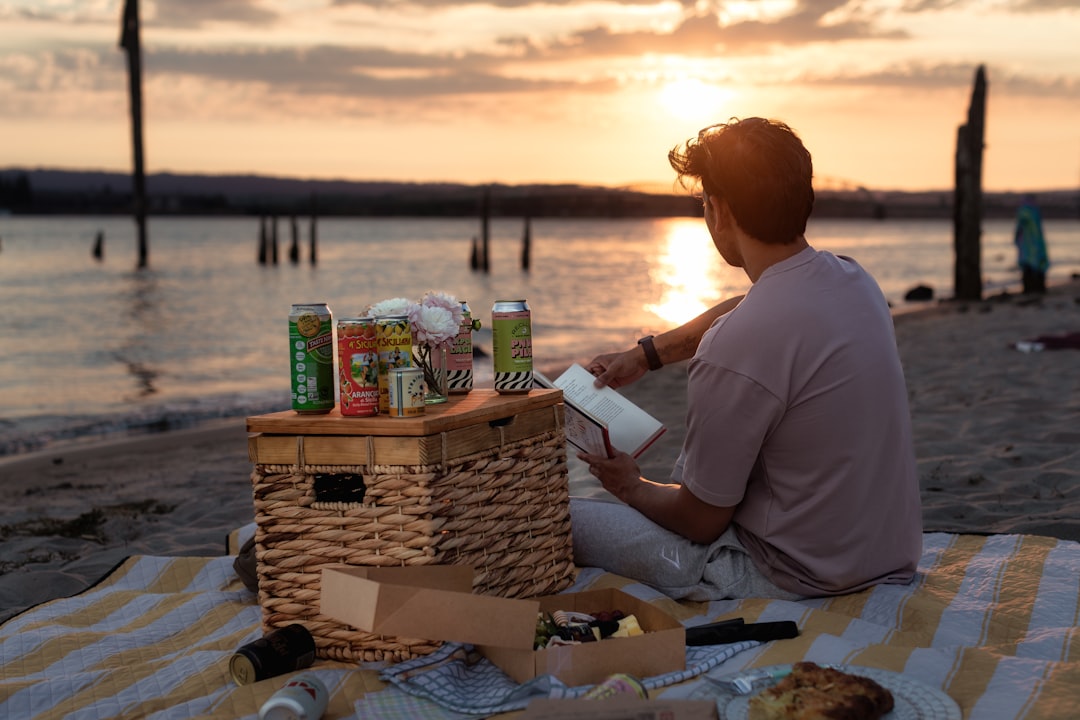
Arriving at a picnic location at or shortly after dawn positions the outing in a time window when the overwhelming majority of would-be picnickers are still at home, regardless of the day of the week or the season. The quality of light at dawn in any outdoor setting is categorically different from midday conditions, with softer angles, longer shadows and a visual atmosphere that photographers and outdoor enthusiasts consistently identify as among the most beautiful available in any natural environment. Packing a breakfast or brunch menu rather than a conventional lunch spread aligns the food offering with the time window and produces a picnic format that feels deliberate and distinctive rather than simply an early version of the standard approach. Locals who use dawn timing regularly report that the combination of empty locations, exceptional light and the quiet of early morning creates picnic experiences that are qualitatively incomparable to anything achievable during standard outdoor dining hours.
Weekday Commitment
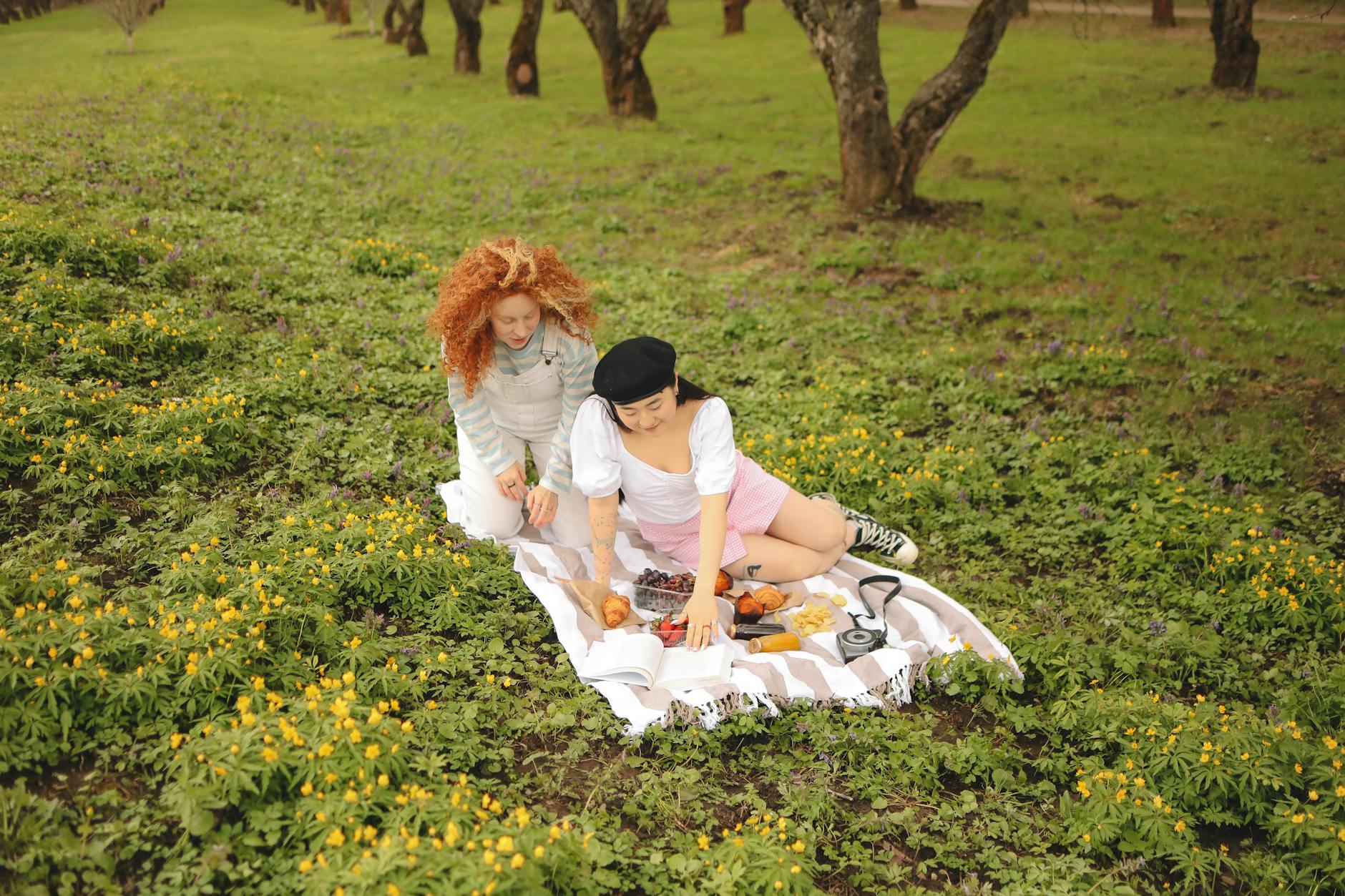
Reserving picnic outings exclusively for weekday windows rather than participating in the weekend outdoor dining surge that fills popular locations to capacity is the single most effective crowd-avoidance strategy available to anyone with scheduling flexibility. The difference in visitor numbers between a Saturday afternoon and a Tuesday morning at any popular park, waterfront or green space is not marginal but categorical, with weekday conditions at busy locations often comparable to weekend conditions at genuinely remote ones. Locals who have the ability to schedule flexible time during the week protect it specifically for outdoor activities that weekends make impractical, treating the weekday picnic as a genuine lifestyle privilege rather than a consolation for missing the weekend gathering. Building picnic-appropriate food around whatever can be prepared quickly on a weekday morning rather than requiring elaborate advance preparation removes the planning friction that prevents weekday outings from happening consistently.
Rain Readiness
Packing waterproof layers, a compact shelter solution and rain-appropriate food packaging as standard components of every picnic kit regardless of the forecast allows opportunistic outdoor dining during light rain conditions that empty even the most popular locations within minutes of the first drops. A light drizzle that sends picnic crowds fleeing creates precisely the conditions that locals who are prepared for it find most appealing, with quiet spaces, fresh air and the particular sensory atmosphere of rain-washed outdoor environments that fair-weather picnickers never experience. Ultralight waterproof tarps with simple pole and guy-rope systems weigh under five hundred grams and pack to the size of a water bottle, providing shelter adequate for a comfortable meal under moderate rain at a setup cost of under three minutes. The psychological barrier to rain picnicking is almost entirely a preparation issue rather than a comfort one, and removing it through consistent kit preparation opens a weather window that the majority of picnickers will never occupy.
Micro Locations
Seeking out minor, unnamed and locally known green spaces including small urban parks, canal towpaths, cemetery gardens, hospital grounds, university quads and corporate campus edges rather than designated picnic areas and tourist-facing parks eliminates exposure to the destination-following behavior that concentrates crowds. The green spaces that attract the fewest visitors are rarely inferior in quality to designated picnic areas and are frequently superior in atmosphere, intimacy and natural interest, having been overlooked precisely because they lack the marketing infrastructure that drives visitor numbers. Locals develop a personal mental map of micro locations through years of walking, cycling and general urban exploration that constitutes a genuine competitive advantage over visitors and weekend day-trippers who rely on recommendation platforms for their destination selection. Contributing to the discovery of micro locations requires only the habit of noticing green and open spaces during regular movement through the urban environment and making a mental or digital note of their picnic potential.
Thermal Flask Strategy
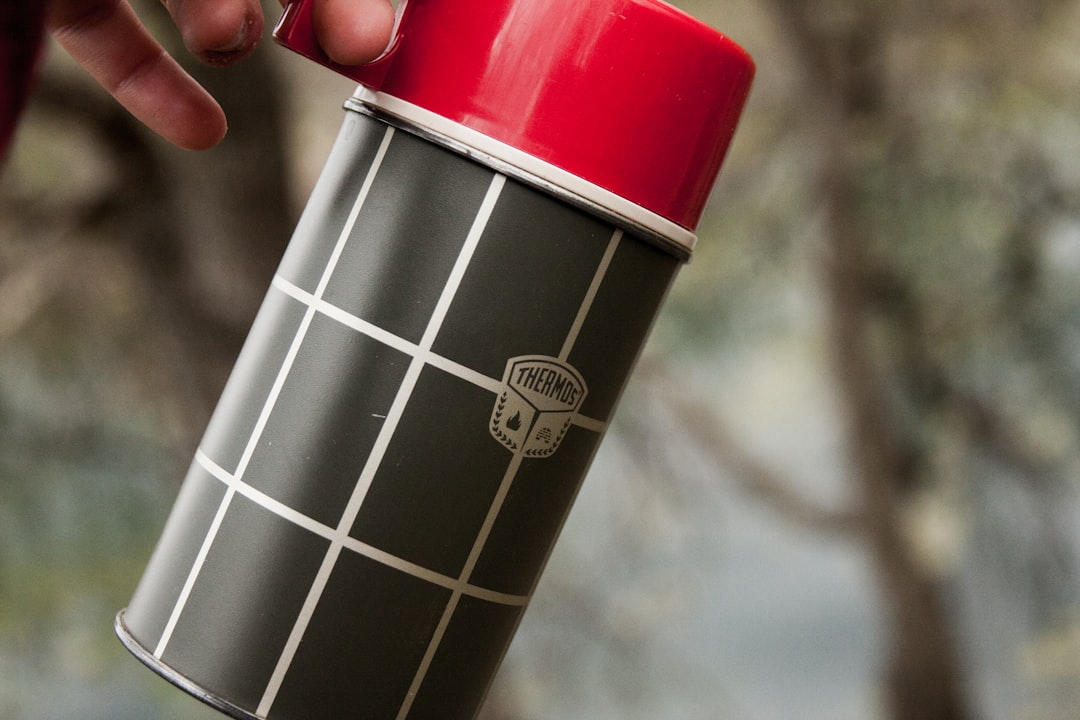
Carrying a high-quality thermal flask rather than relying on on-site café provision or ambient temperature beverages removes the logistical dependency on facilities that draws picnickers to busy and therefore crowded service points within popular parks and outdoor spaces. The thermal flask is one of the highest-return items in any serious picnic kit, maintaining hot beverages at drinking temperature for six to twelve hours and cold beverages for up to twenty-four hours depending on insulation quality, eliminating any practical justification for locating a picnic near a café or kiosk. Locals who use thermal flasks consistently report that the freedom from facility dependency changes their approach to location selection fundamentally, opening up remote and undeveloped spaces that are inaccessible to picnickers who require on-site services. A matched pair of thermal flasks carrying different beverages for different points in the meal adds a degree of considered hospitality to a remote picnic that elevates the experience beyond what café-dependent alternatives can provide.
Hammock Integration
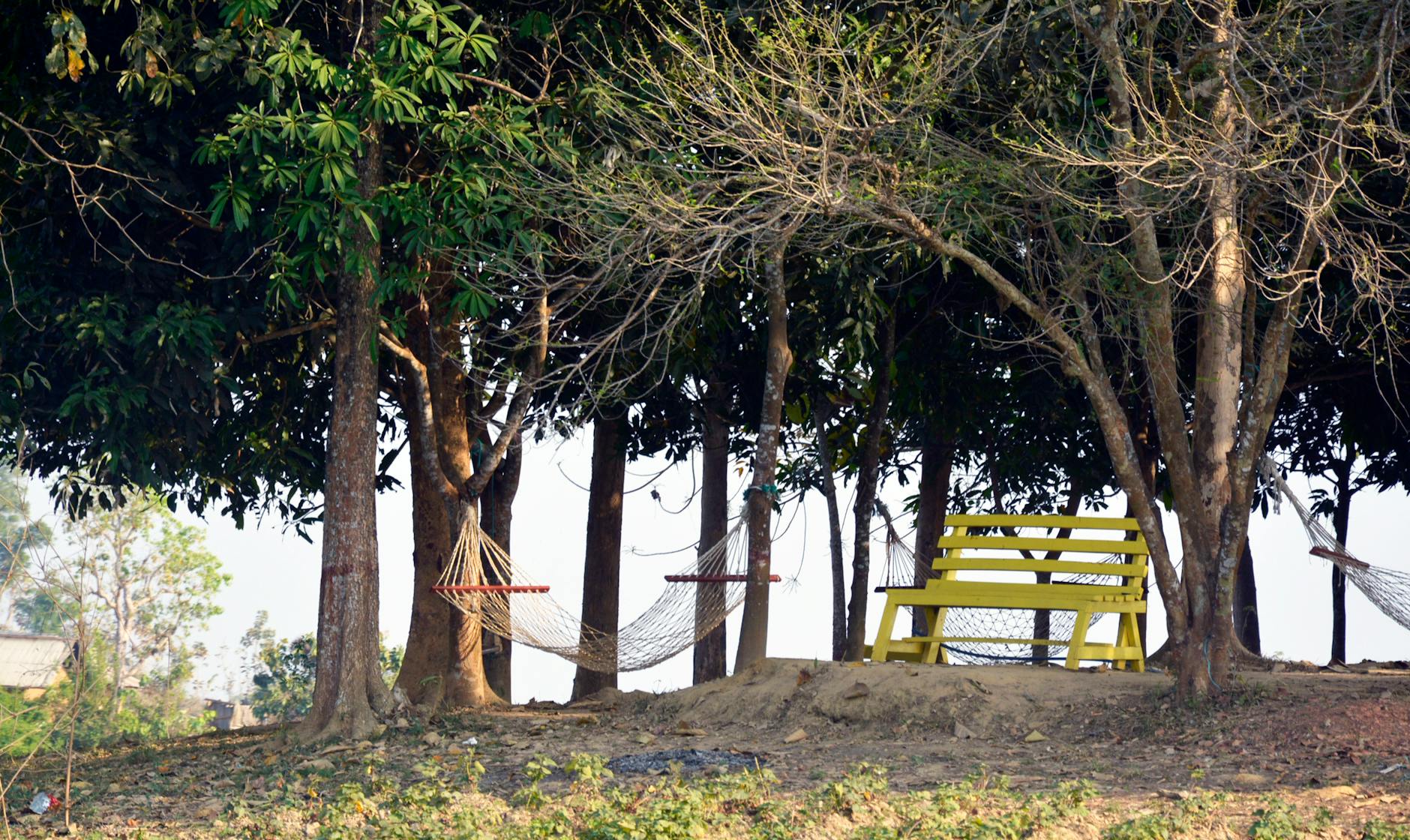
Incorporating a lightweight hammock into the standard picnic kit transforms the experience of any wooded or dual-tree location from a ground-based blanket affair into a suspended and deeply comfortable resting environment that requires no flat, dry or well-maintained ground surface. Hammocks packed for picnic use weigh between four hundred and eight hundred grams depending on material and suspension system quality and take under two minutes to set up between any two suitable trees, making them a practical rather than aspirational addition to regular picnic packing. Locations that are unappealing for conventional blanket picnicking because of uneven, wet or sloped ground become comfortable and desirable when a hammock is available, which expands the range of accessible locations far beyond what standard ground-based picnic equipment supports. Locals who habitually carry a hammock develop a different and more adventurous approach to location scouting that considers tree distribution and canopy quality as primary site selection criteria rather than surface flatness.
Anti-Fragile Menus
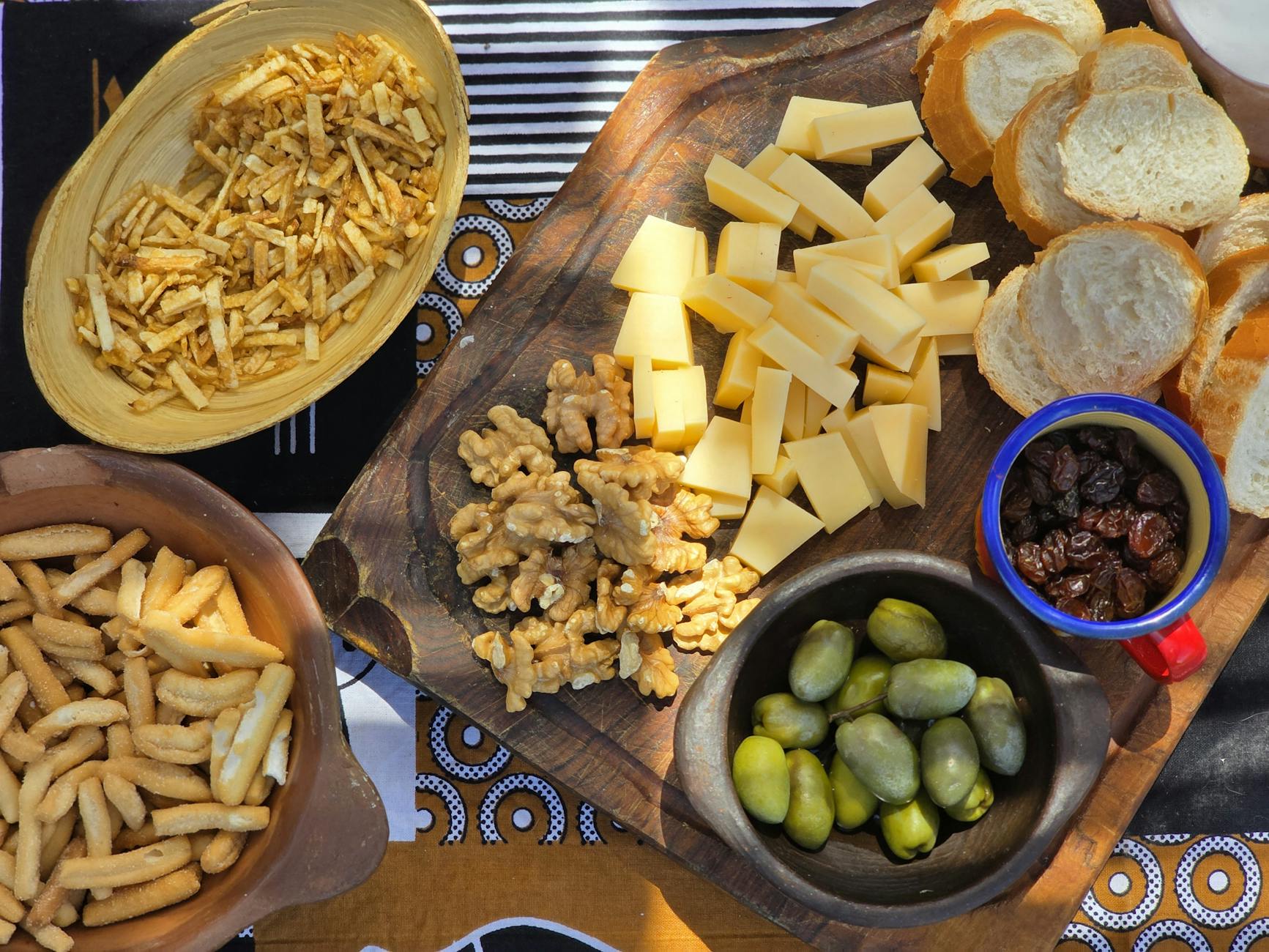
Designing picnic menus specifically around foods that improve with time, temperature variation and transport rather than foods that degrade under these conditions eliminates the food quality anxiety that causes many picnickers to rush toward their destination and consume their food before conditions deteriorate. Dishes including marinated vegetables, grain salads, cured meats, aged cheeses, pickled items and dense baked goods actually develop more complex flavor profiles after several hours of preparation and transport, meaning the best version of the food is available at the destination rather than immediately after packing. The anti-fragile menu approach also removes the need for ice packs, insulated bags and careful temperature management that adds weight, cost and planning complexity to conventional picnic preparation. Locals who cook specifically for picnics rather than adapting dishes designed for immediate table service develop a repertoire of genuinely portable food that outperforms fresh restaurant food in an outdoor context rather than representing a compromise version of it.
Topology Awareness
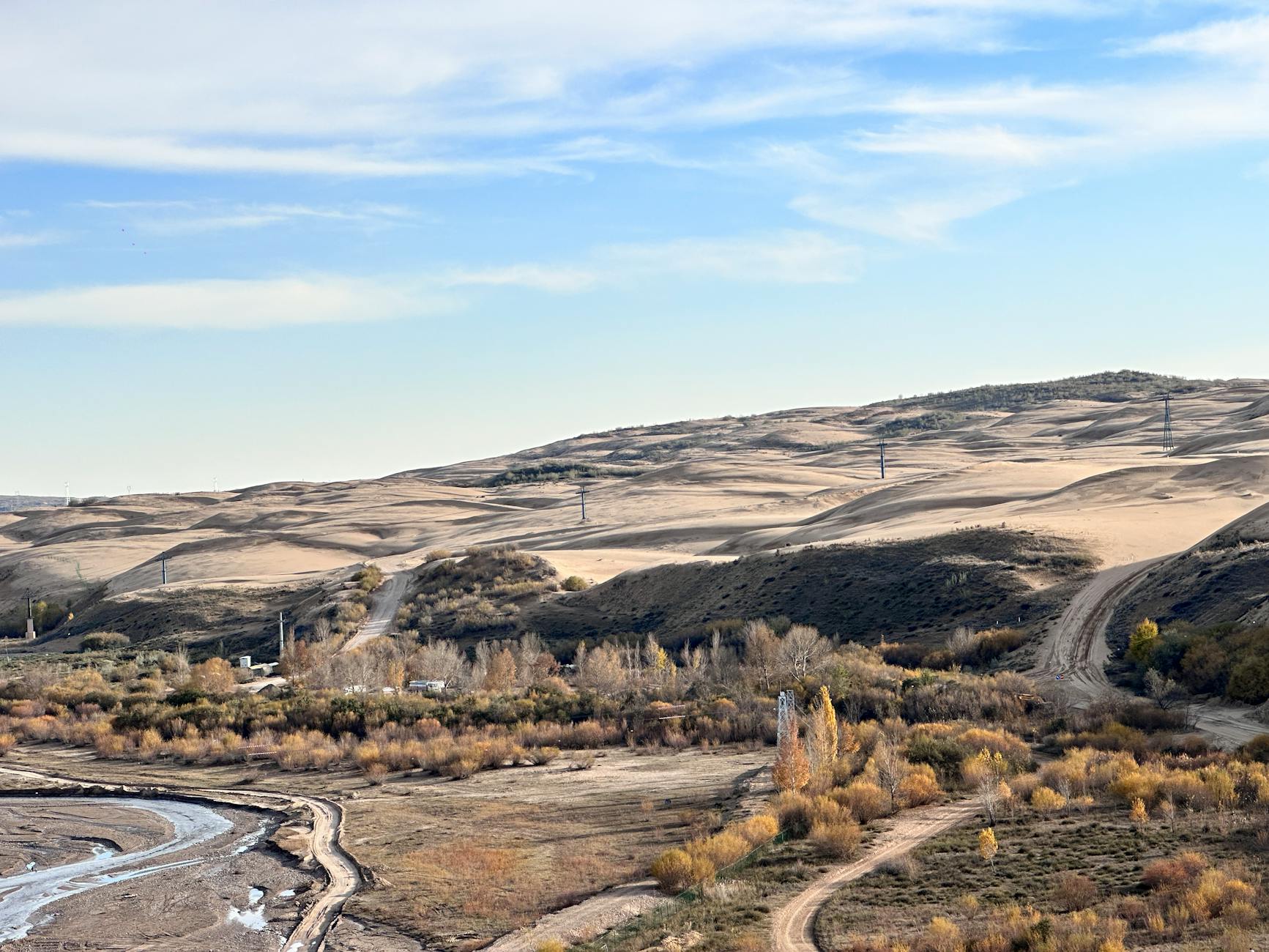
Developing an understanding of the topographical features of popular outdoor spaces including hills, valleys, water boundaries and tree lines allows experienced picnickers to identify naturally secluded positions within busy locations that casual visitors walk past without noticing. A slight rise, a tree screen, a bend in a path or a depression in otherwise flat ground can create a position of visual and acoustic separation from surrounding activity that delivers genuine solitude within a location that would otherwise be considered overcrowded. Locals who know a space well have typically identified two or three positions within every popular location that consistently offer better conditions than the obvious flat areas near entry points where the majority of visitors settle without further exploration. The investment required to develop this topographical knowledge is simply the practice of arriving at locations early and walking their full extent before settling, rather than claiming the first available space after entry.
Car Independence
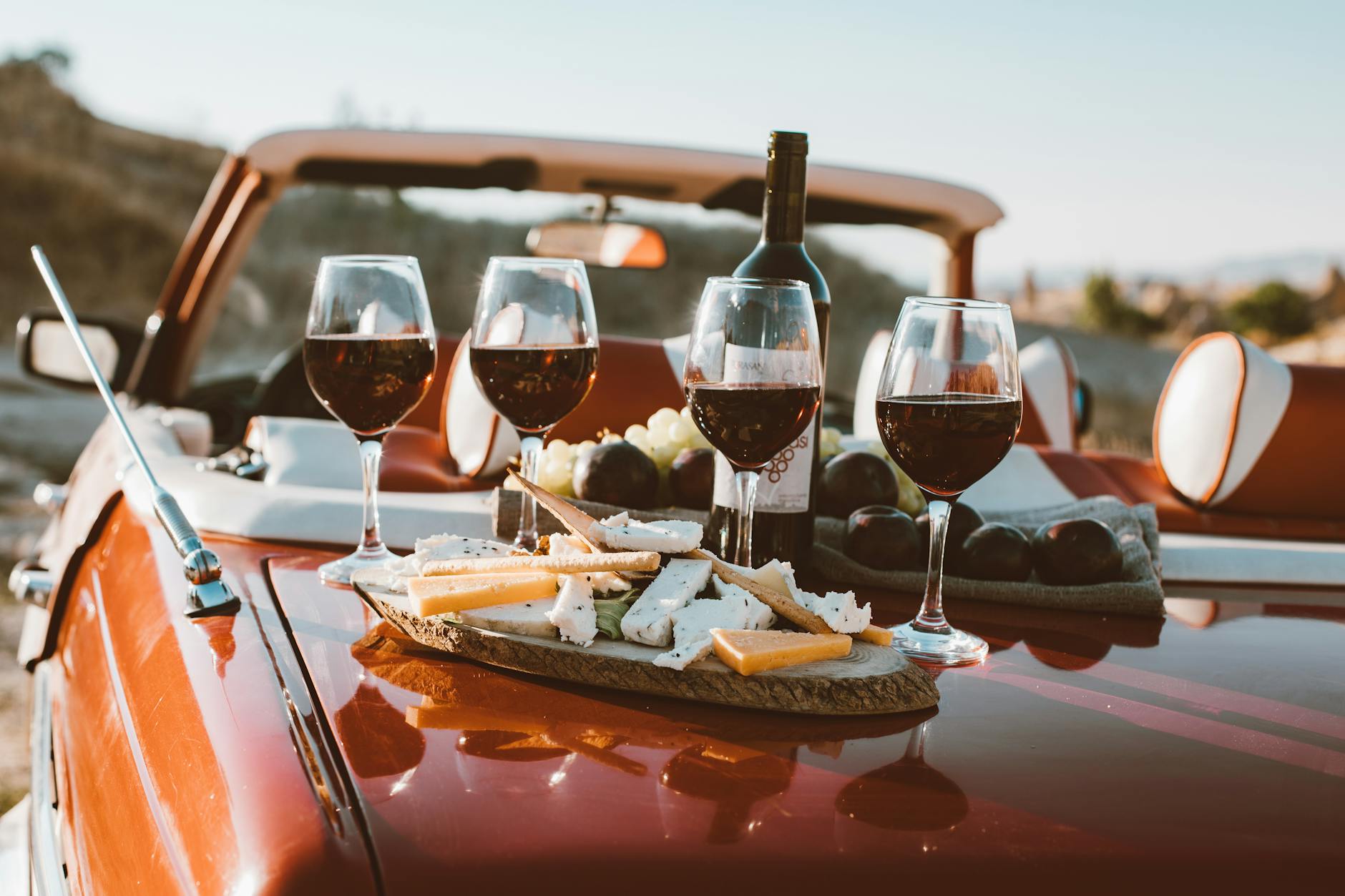
Designing a picnic kit that can be carried entirely on foot or by bicycle rather than requiring vehicle access opens the full range of car-free locations that are structurally inaccessible to the majority of picnickers and therefore remain reliably uncrowded regardless of season or day of week. The most consistently quiet outdoor spaces in any urban or peri-urban environment are precisely those that require a walk of more than fifteen minutes from any car park, because the threshold of effort this represents eliminates the casual visitor who constitutes the majority of crowd volume at accessible sites. Locals who picnic by foot or bicycle develop a physical fitness habit and a geographical familiarity with their area that produces consistent access to quiet outdoor spaces as a natural byproduct of regular active travel rather than as the result of deliberate crowd avoidance research. A well-designed carry system including a quality backpack with dedicated picnic compartments or a bicycle pannier arrangement maintains food quality and equipment accessibility while supporting the car-free approach that unlocks the widest possible range of crowd-free locations.
Night Picnicking
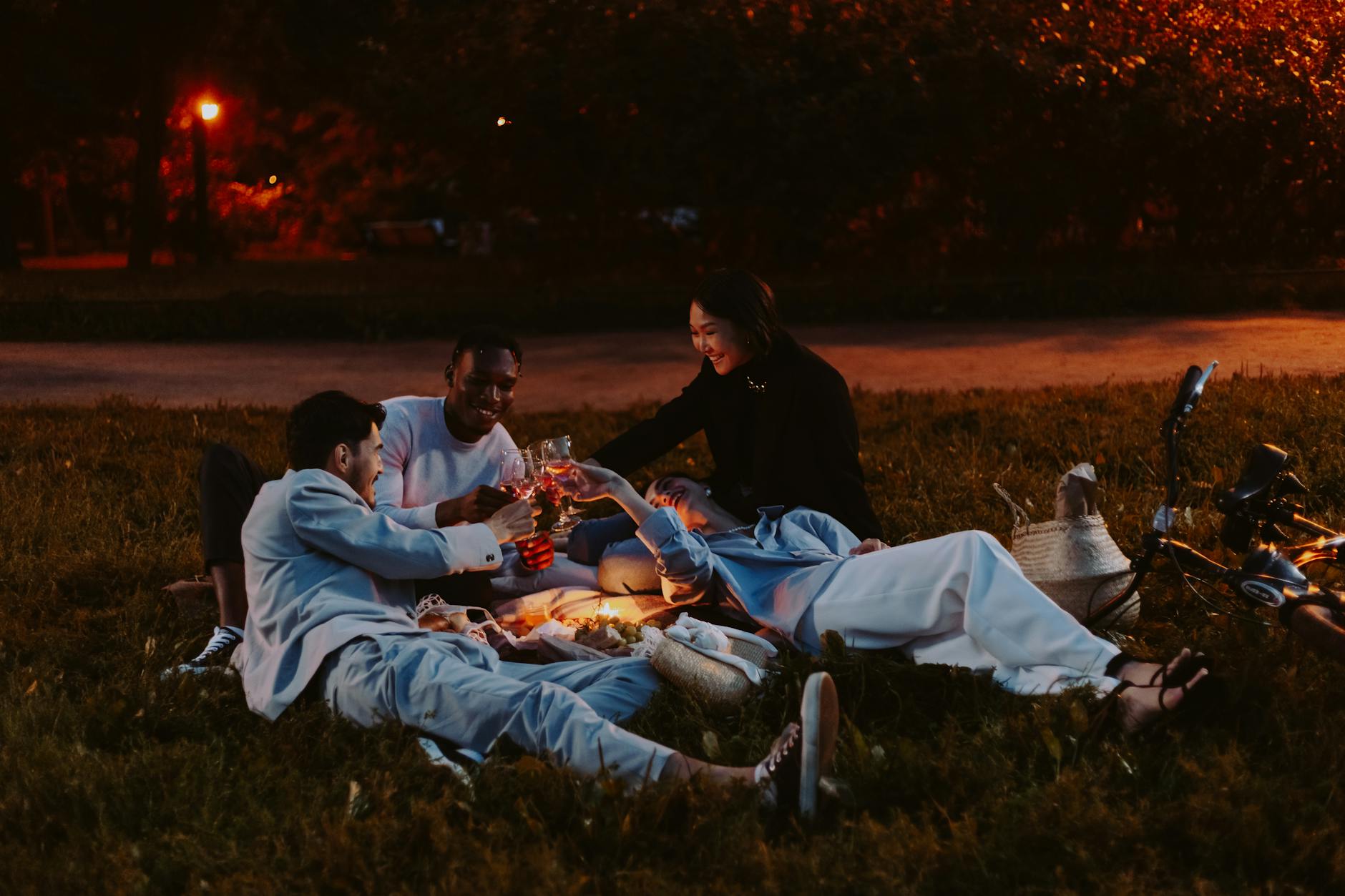
Packing for a late evening or night picnic during the warmer months occupies a time window that the vast majority of outdoor dining enthusiasts never consider and that produces a sensory experience including low light, cooling temperatures, nocturnal sounds and star visibility that is genuinely unavailable at any other point in the outdoor dining day. Urban parks and green spaces that are genuinely overcrowded throughout daylight hours become tranquil and almost private environments after nine in the evening, particularly in areas where evening outdoor activity is culturally uncommon. Safety considerations including familiarity with the chosen location, adequate lighting equipment and awareness of local regulations around after-hours park access are practical prerequisites that responsible night picnickers address during advance planning rather than on arrival. Locals who develop comfort with night picnicking through gradual extension of their outdoor dining into later time windows report that the experience of eating outdoors under a dark sky in a quiet and cool environment becomes one of their most valued seasonal rituals.
Thermal Bag Discipline
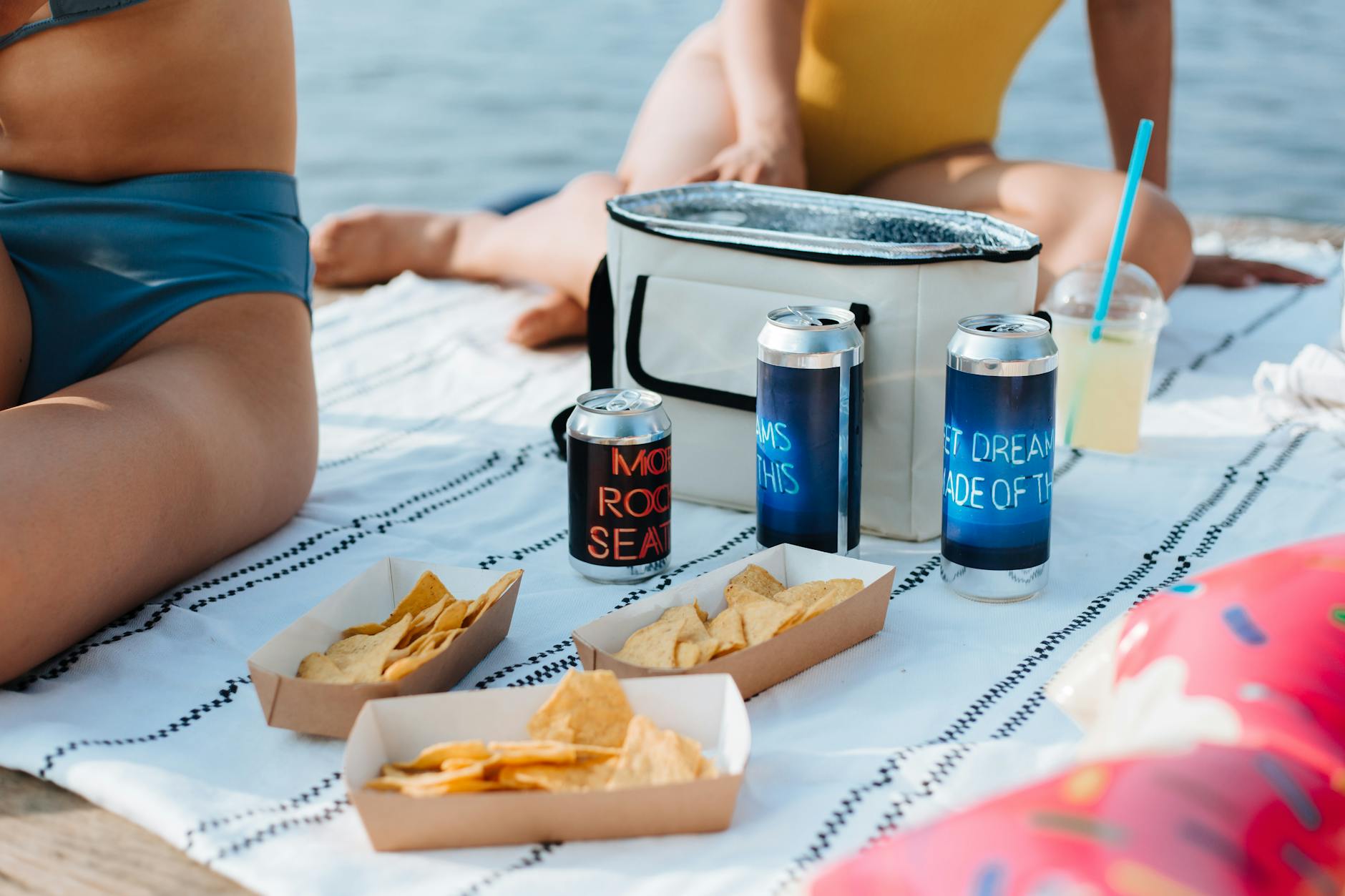
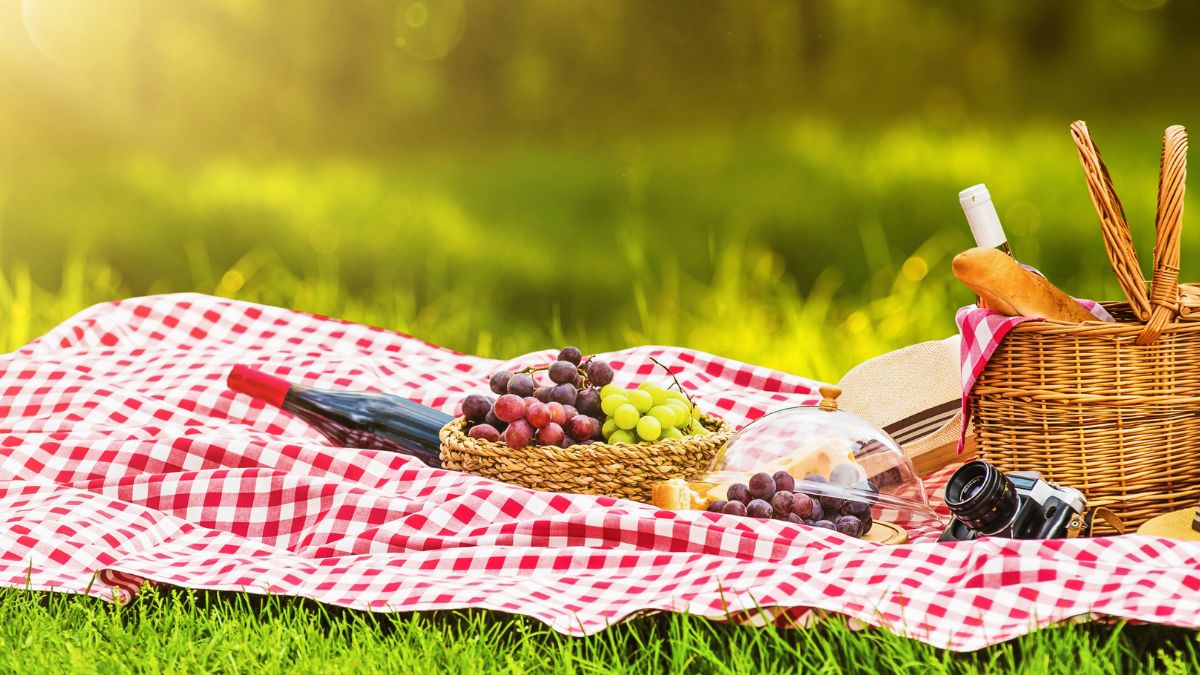
Using a proper insulated thermal bag rather than a decorative picnic basket or a standard backpack for food transport maintains the temperature integrity of both hot and cold items across transport durations that would otherwise require immediate consumption upon arrival. The aesthetic appeal of traditional wicker picnic baskets is entirely at odds with their practical performance as food transport vessels, providing no insulation, no spill containment and no temperature management capability that justifies their continued popularity among casual picnickers. Locals who prioritize food quality at the destination over the visual appeal of the carrying vessel consistently report superior eating experiences because their food arrives in the condition intended rather than in the degraded state produced by uninsulated transport. A modular thermal bag system with separate compartments for hot and cold items, liquid-tight inner surfaces and compression straps that prevent food movement during transport represents the functional standard that maximizes food quality at any picnic location.
Communal Food Design
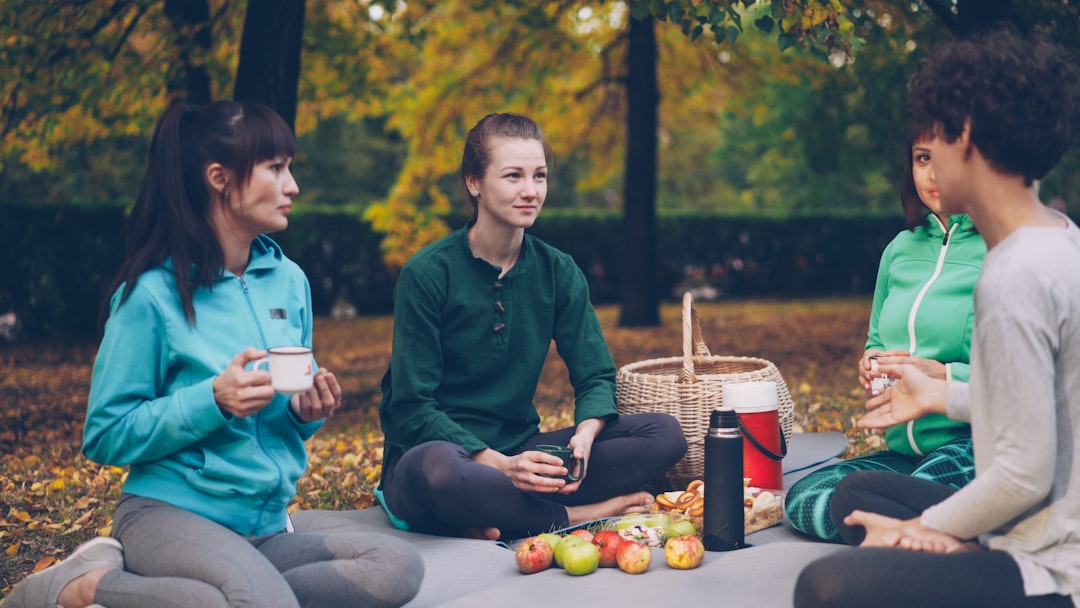
Packing picnic food in formats specifically designed for communal sharing rather than individual portions creates a social eating dynamic that is more relaxed, more generous and more resistant to the social fragmentation that makes large group picnics logistically complicated and experientially diluted. Whole cheeses, full loaves, complete charcuterie arrangements, large-format salads and shareable baked goods invite a style of eating that is qualitatively different from the individual container format that most picnickers default to and that produces the atmosphere of a genuine shared table rather than a coordinated collection of individual meals. The communal format also simplifies packing because it eliminates the need to pre-portion food into individual servings and reduces the total number of containers required, decreasing both pack weight and post-meal washing. Locals who design for communal sharing consistently report that the food becomes a more central and more pleasurable element of the social experience than it does when individual portions are prepared and consumed in parallel.
Wind Reading
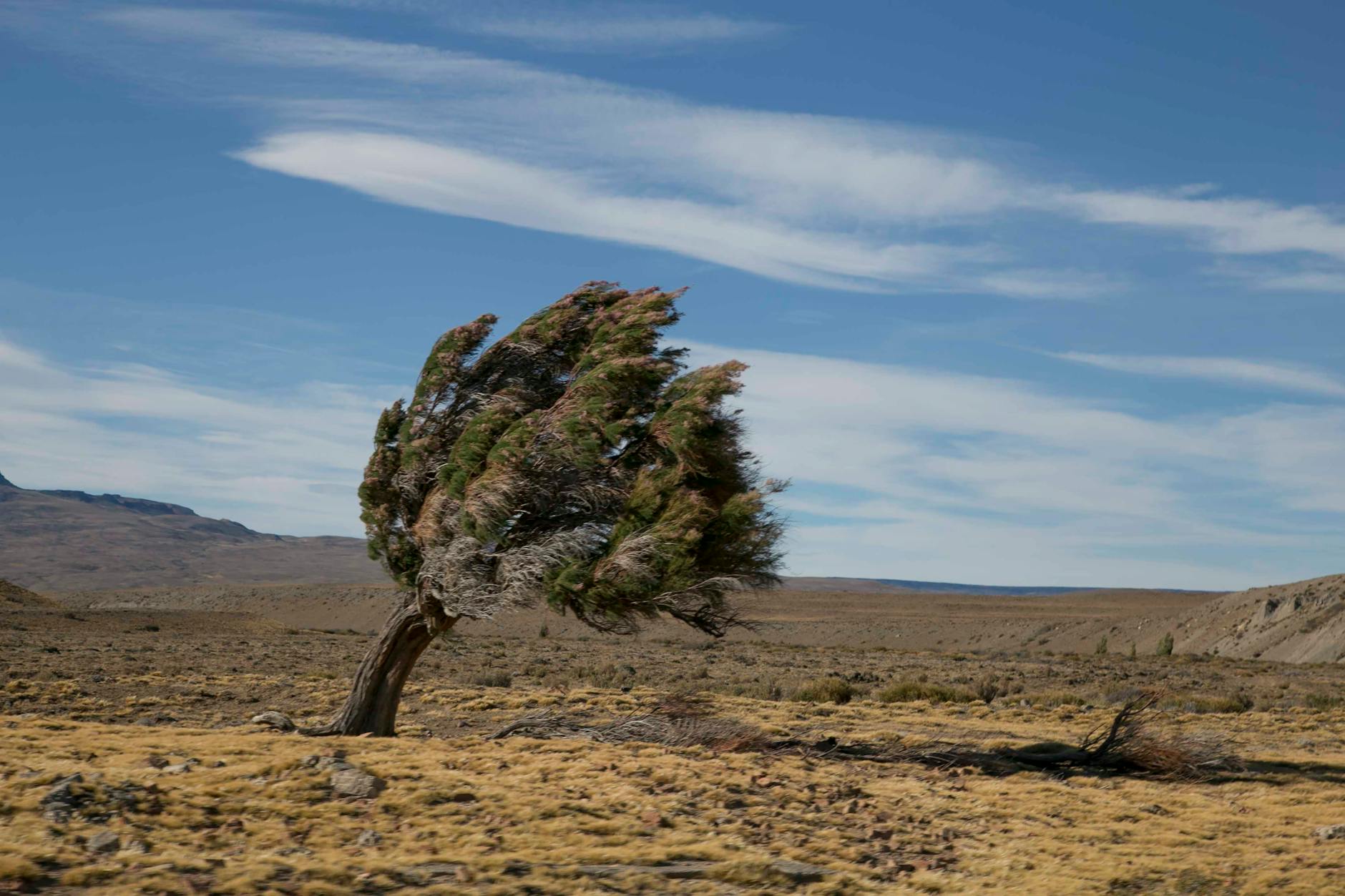
Developing the habit of assessing wind direction and strength before finalizing position selection within a chosen location eliminates one of the most consistent practical discomforts of outdoor dining and removes the need to move after setting up when conditions prove worse than anticipated. Wind creates cold, disperses food aromas, disturbs napkins and lightweight items, introduces dust and particulate matter to food and generates an acoustic environment that makes conversation difficult, and its effects are almost entirely avoidable through competent position selection rather than through any amount of additional equipment. Natural windbreaks including dense hedgerows, stone walls, earthen banks and building edges create sheltered microenvironments that can be ten to fifteen degrees warmer and dramatically quieter than exposed positions only a few meters away. Locals who have developed wind-reading as a reflexive habit arrive at a new location and assess its wind shelter potential before any other site selection criterion, treating it as the primary comfort variable rather than as a secondary consideration addressed after the position has already been occupied.
Specialist Storage
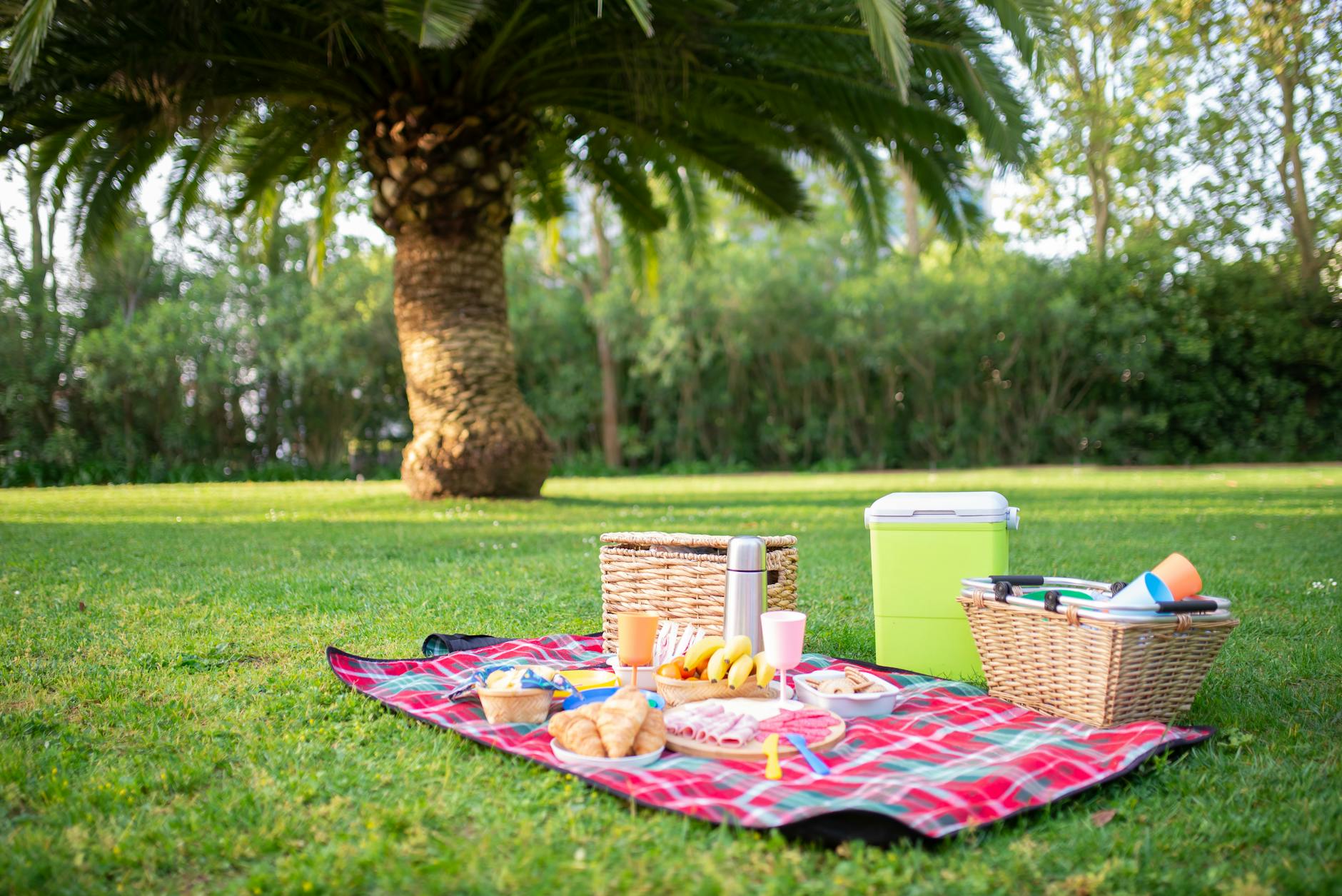
Investing in purpose-designed specialist storage solutions for specific picnic food categories including dedicated egg carriers, stackable leak-proof containers, soft cheese boxes, wine sleeve insulators and flat bread protectors eliminates the food quality degradation that occurs when standard kitchen containers are used for transport applications they were not designed to manage. The mechanical damage to delicate foods including soft fruits, dressed salads, layered preparations and fragile pastries that occurs during transport in standard containers is so consistently significant that it constitutes the most common cause of disappointment at the point of consumption in otherwise well-planned picnics. Locals who have invested in a well-curated specialist container collection report that the range of foods they can successfully transport to a picnic destination expands considerably, effectively eliminating the self-imposed restriction to robust and transport-resilient foods that characterizes the packing approach of less equipped picnickers. The total investment required to build a functional specialist container collection is modest and produces dividends across every subsequent outing rather than representing a one-time expense.
Scout Trips
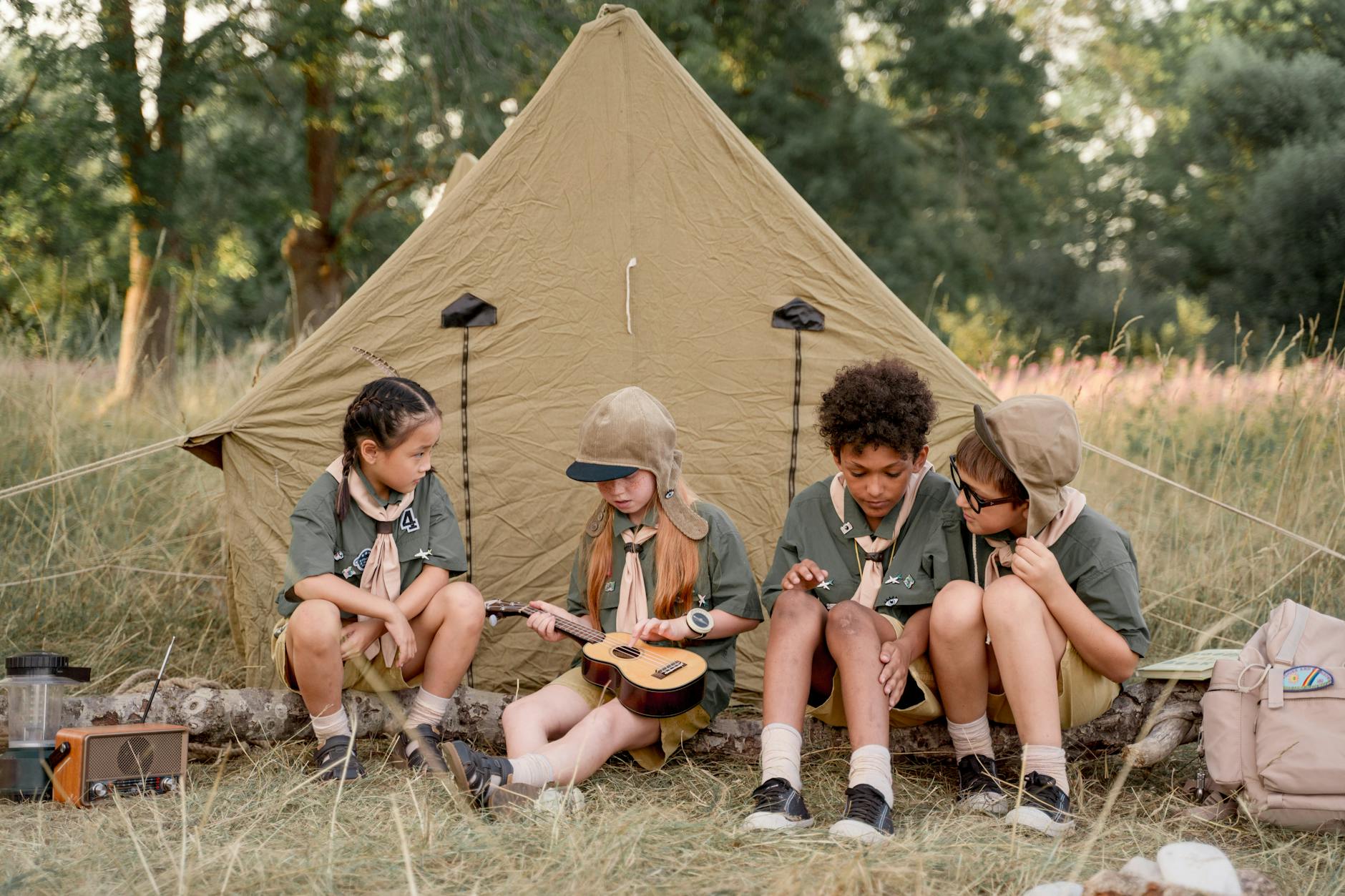
Making brief dedicated scouting trips to potential picnic locations without food or equipment to assess conditions, identify optimal positions, understand access logistics and note any issues including noise sources, sun angles or crowd patterns produces a quality of location knowledge that transforms the success rate of subsequent picnics in that space. The investment of a thirty-minute scouting walk in a new location before committing it to a planned picnic outing eliminates the disappointment risk of arriving with food, company and expectations at a location that proves unsuitable in ways that prior research could not have revealed. Locals who scout locations routinely develop a deep familiarity with their local outdoor eating geography that constitutes a permanent and compounding asset, with each scouted location adding a reliable option to a personal inventory that grows in value with every addition. The scouting habit also produces physical activity, local geographical knowledge and a quality of environmental attentiveness that generates personal benefits well beyond its direct contribution to picnic planning.
Insect Management

Packing a considered insect management kit as standard picnic equipment rather than treating insect interference as an unavoidable discomfort produces a measurably more relaxed and extended outdoor dining experience in locations and seasons where insect activity would otherwise limit enjoyment. Natural repellent options including citronella products, clove-studded fruit arrangements and eucalyptus-based sprays provide meaningful deterrence without the chemical burden of synthetic repellents in a food environment where inhalation and food contact are ongoing concerns. Mesh food covers that collapse flat for transport and expand to cover multiple dishes simultaneously are among the highest-value items in any insect-aware picnic kit, eliminating the food contamination concern that drives premature packing up when flying insect activity increases. Locals who treat insect management as a standard preparation element rather than a reactive response extend their comfortable outdoor dining time by an average of forty-five minutes to an hour in peak insect season, which is a significant portion of any picnic outing.
Waste Minimalism

Packing with a strict waste minimalism approach including reusable everything, compostable alternatives where reusables are impractical and a dedicated waste containment system for the return journey enables access to the most pristine and crowd-free locations by eliminating the logistical dependency on waste disposal infrastructure that restricts less prepared picnickers to sites with bins and facilities. The most beautiful and least visited outdoor spaces in any area are typically those with the least infrastructure, and waste minimalism removes the last practical barrier between a well-prepared picnicker and the full range of those spaces. Locals who have developed a genuinely zero-waste picnic system report that the discipline of preparing food with no disposable packaging also improves the quality and intentionality of everything packed, because the constraint of reusable containers encourages more deliberate food selection and preparation. The additional social dimension of leaving a location in better condition than it was found produces a quality of environmental engagement that enhances rather than diminishes the overall picnic experience.
Silence Seeking
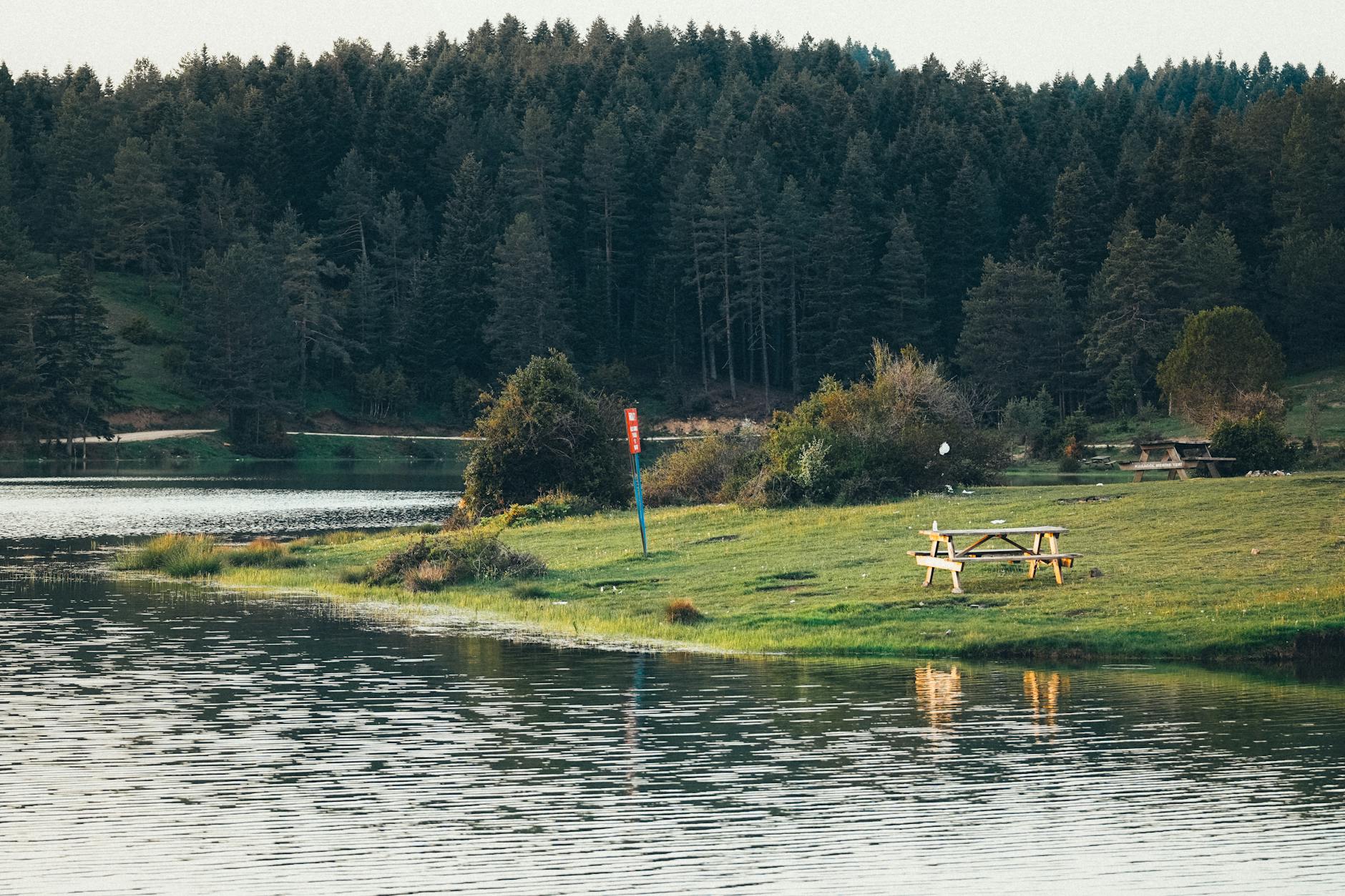
Actively seeking outdoor locations with naturally low ambient sound levels including spaces away from road noise, aircraft flight paths, sports facilities and amplified music sources creates a sensory environment for outdoor dining that is increasingly rare and correspondingly valuable in densely populated areas. The quality of conversation, the depth of relaxation and the connection to natural sounds including birdsong, water and wind that is available in genuinely quiet outdoor locations produces a qualitatively different picnic experience from one conducted against a backdrop of urban and recreational noise. Acoustic mapping of local outdoor spaces through personal experience rather than any published resource allows locals to build a personal inventory of genuinely quiet locations that is invisible to visitors relying on standard recommendation platforms. The combination of quiet location selection with the timing strategies described elsewhere in this list produces picnic conditions that approach genuine solitude even within densely populated urban environments, an outcome that most city-dwelling picnickers assume is practically impossible.
Festival Avoidance
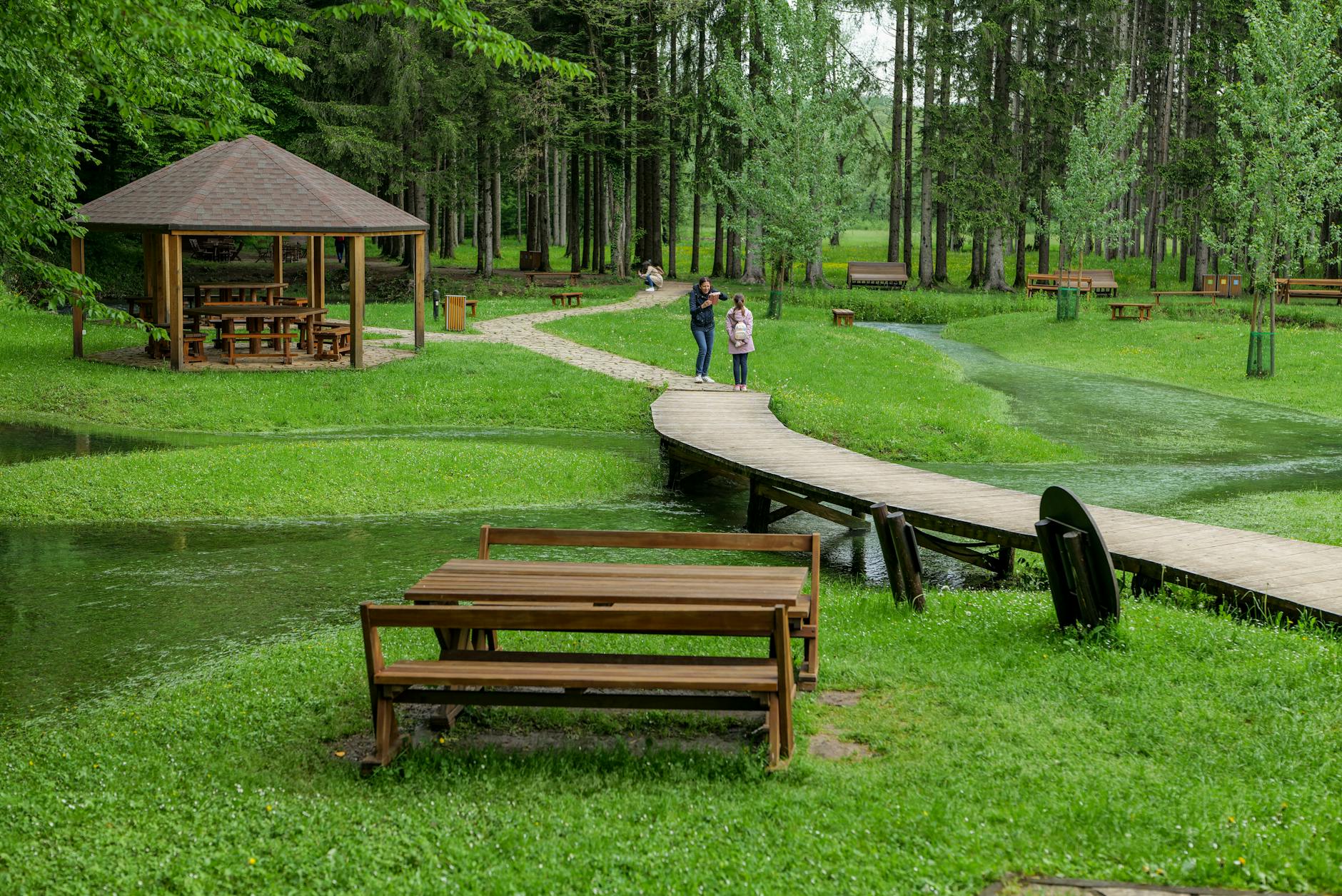
Maintaining a working awareness of the events calendar for all regularly used picnic locations and actively scheduling outings around rather than during events, markets, festivals and sporting fixtures eliminates the most extreme crowd conditions that overwhelm even well-chosen locations during peak event periods. Event-adjacent timing including the morning before a festival opens or the hour after its closing provides access to the location in a transitional state that often delivers better conditions than normal non-event days, with infrastructure in place but crowds absent. Locals who track events calendars for their preferred outdoor spaces treat this information as operational intelligence that directly informs their weekly picnic planning rather than as background noise to be navigated reactively. The same awareness that enables festival avoidance also identifies the events themselves as occasional picnic opportunities when the food, entertainment or social atmosphere of a specific event justifies trading quiet for the particular energy of a well-chosen outdoor gathering.
Geological Awareness
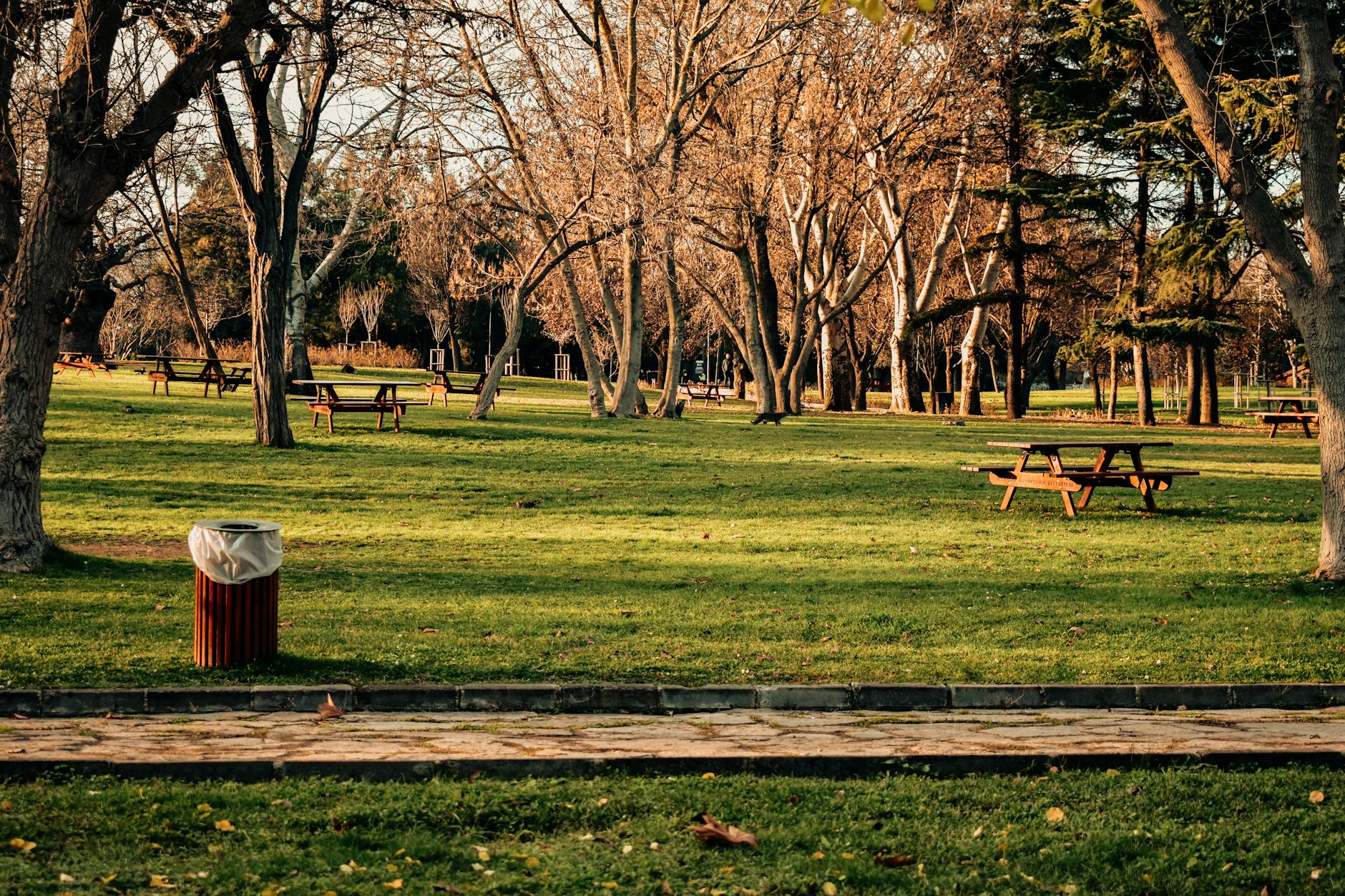
Developing basic knowledge of the geological and ecological character of local outdoor spaces including drainage patterns, soil composition, sun exposure and microclimate variation allows experienced picnickers to identify positions that remain dry, warm and comfortable under conditions that make surrounding areas unsuitable. Clay soils that become waterlogged after rain, frost pockets that remain cold hours after surrounding areas have warmed, and slopes with unfavorable sun aspect are conditions that ruin picnic positions for visitors who choose by appearance rather than by informed environmental assessment. Locals who have observed their preferred spaces across multiple seasons and weather conditions develop an intuitive understanding of which positions perform reliably under a range of conditions and which are fair-weather options only. This environmental literacy is acquired gradually and naturally through consistent use of outdoor spaces over time rather than through any formal study, representing the accumulated practical knowledge that distinguishes a seasoned local picnicker from a casual visitor.
Decoy Timing
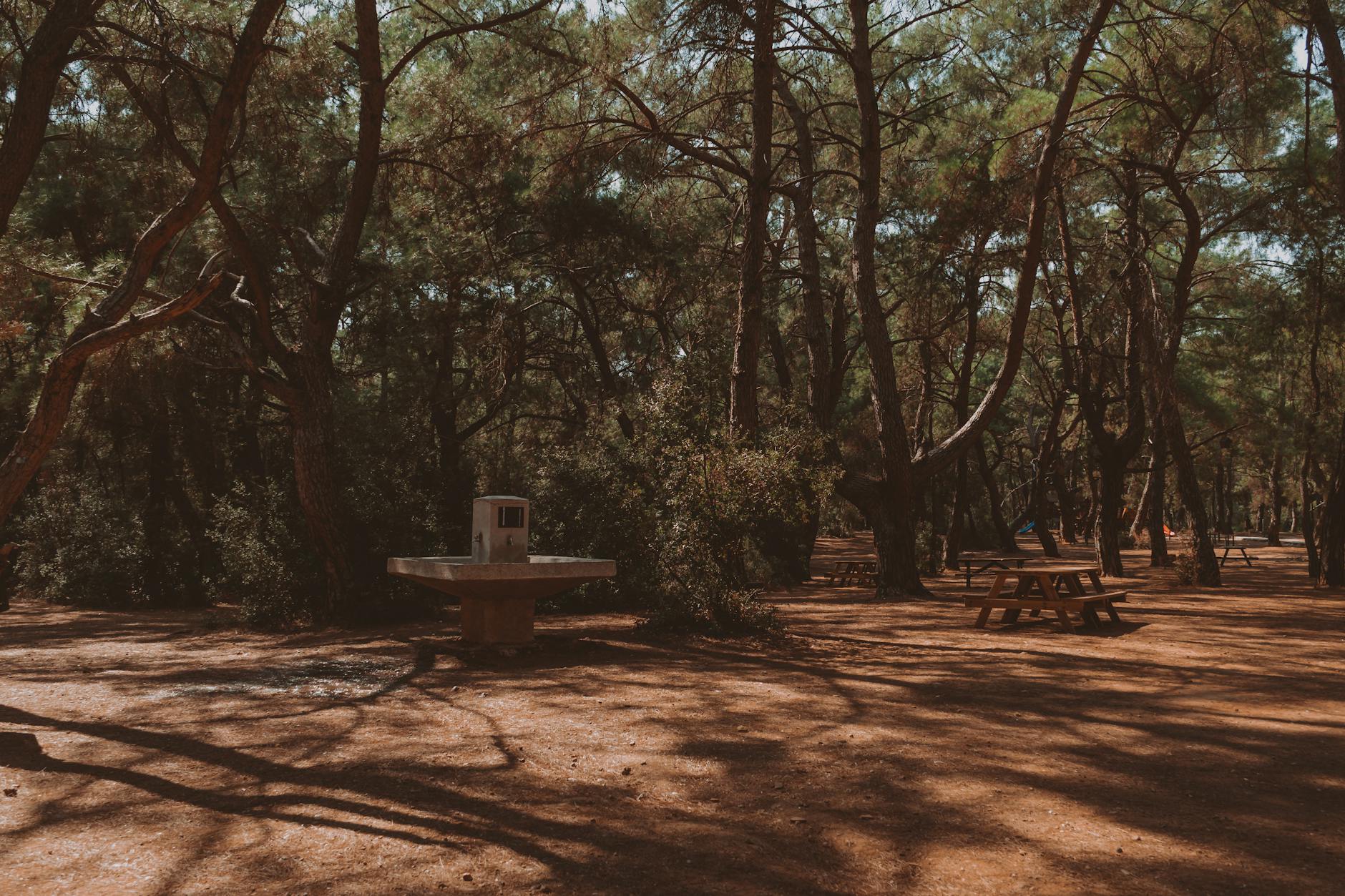
Arriving at a location during the time window when the previous crowd wave is departing rather than when the next wave is arriving delivers a brief but reliable quiet window that locals who understand visitor rhythm patterns exploit consistently across peak season weekends. Popular picnic locations experience predictable crowd cycles tied to meal times, transport connections and daylight hours, with genuine quiet windows occurring in the transitions between these cycles rather than at any fixed time of day. The post-lunch departure between two and three in the afternoon and the pre-evening-crowd window between five and six in the evening are the most consistently exploitable quiet windows at peak-season locations during summer weekends. Arriving with food already prepared and ready to consume immediately upon reaching the chosen position maximizes the value of these brief quiet windows without requiring any compromise on food quality or preparation investment.
If your own picnic experience has produced crowd-avoidance strategies that belong on this list or if any of these approaches have transformed your outdoor dining, share your discoveries in the comments.