
The hours between dinner and bedtime are among the most contested in modern family life, and the rules parents choose to enforce during this window shape children’s development in ways that extend far beyond sleep quality. Removing screens from the evening routine is a choice that draws strong reactions, both from children who resist it and from other adults who question whether it is necessary or realistic in a digitally connected world. The parents who enforce screen-free evenings most consistently tend to do so with a clarity of purpose that goes beyond simply limiting device time. Each of the rules below reflects a deliberate philosophy about what childhood evenings should look and feel like, and why that matters for the humans children are becoming. Some of these approaches are unconventional, others are quietly radical, and all of them are practiced with conviction by parents who have seen the results firsthand.
Family Dinner
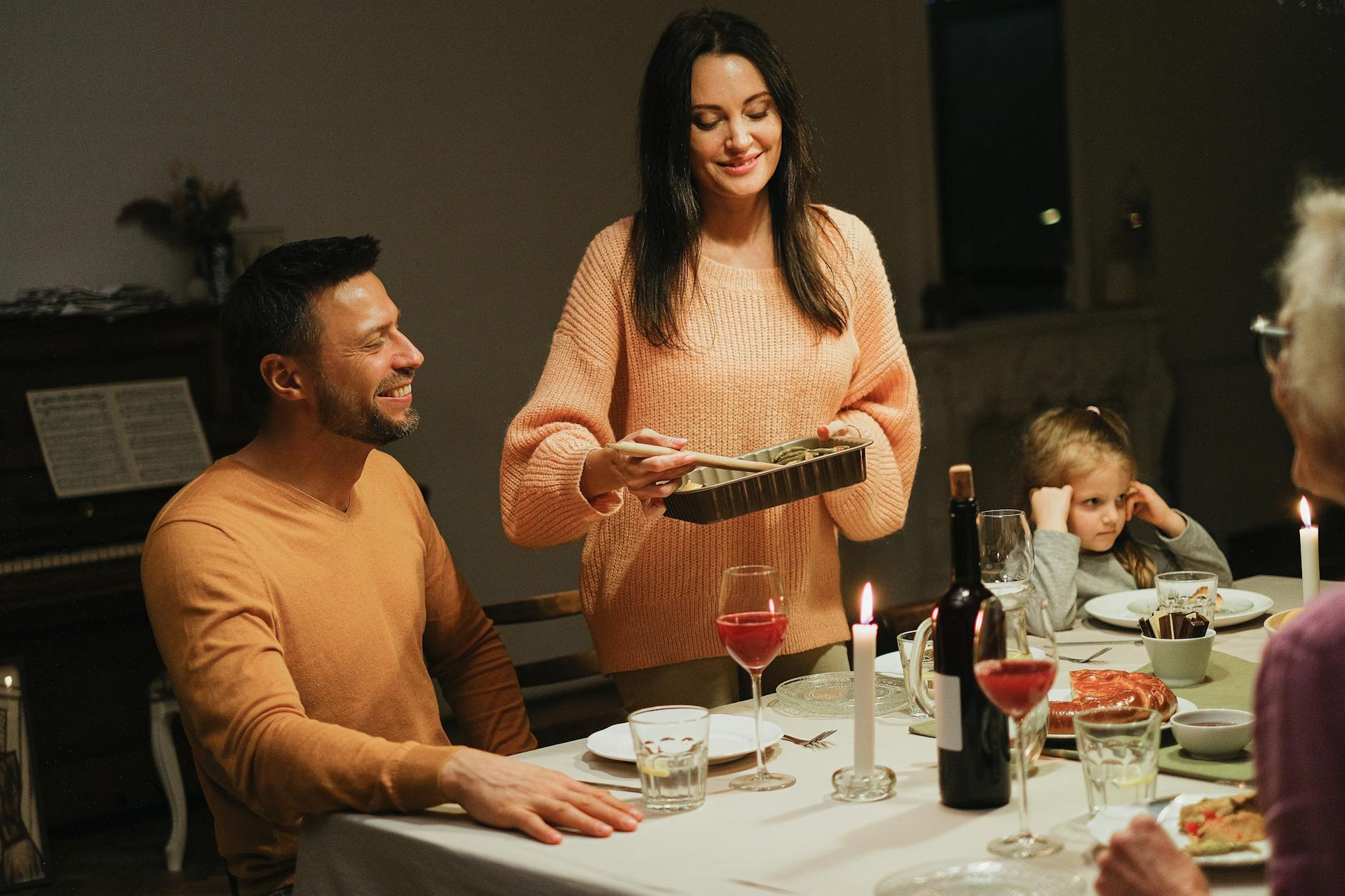
A sit-down family dinner with no devices present at the table establishes the evening’s tone before any other rule comes into play. The shared meal creates a structured transition from the stimulation of the school or workday into the slower rhythm that supports healthy sleep onset later in the evening. Conversation during dinner develops vocabulary, emotional intelligence and the ability to listen and respond in real time in ways that screen-based interaction does not replicate. Parents who enforce this rule consistently report that children become more willing and more skilled communicators over time as the daily practice compounds.
Reading Hour

A dedicated reading hour in which every member of the household reads independently normalizes literacy as a leisure activity rather than an academic obligation. Children who observe parents reading for pleasure receive a message about the value of books that no amount of verbal encouragement can fully replace. Physical books remove the temptation of notifications and the algorithmic pull that makes digital reading a fundamentally different neurological experience from page-based engagement. The quiet focus required by sustained reading also begins the process of nervous system deceleration that prepares the brain for deeper and more restorative sleep.
Board Games
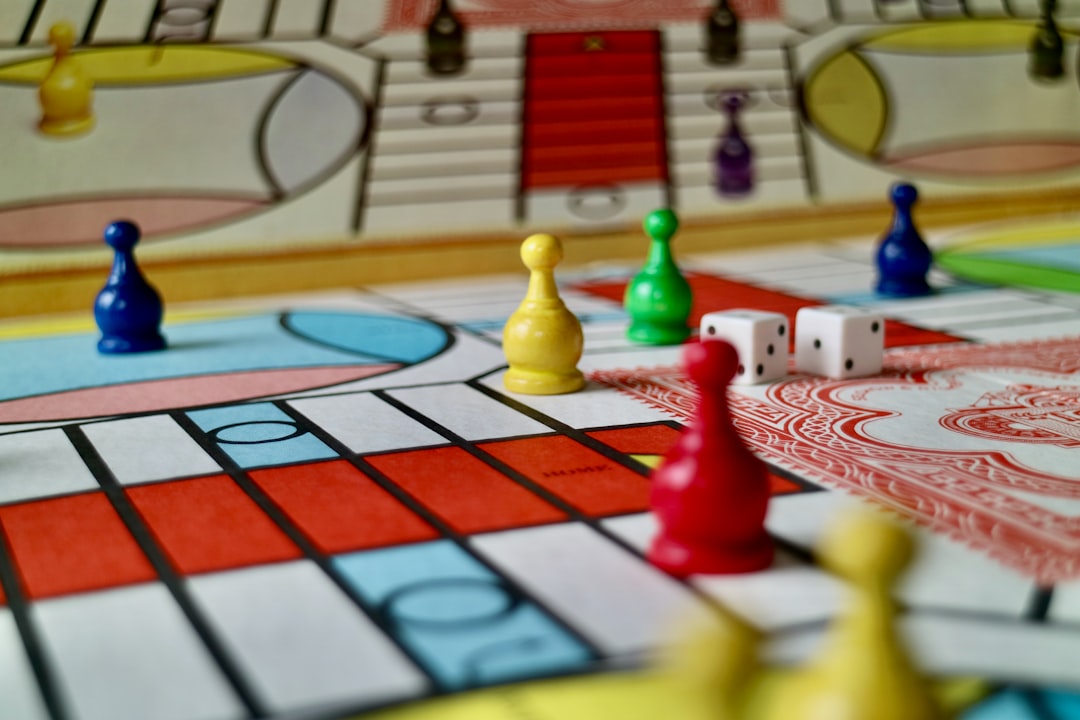
Board games require face-to-face interaction, turn-taking, strategic thinking and the management of both winning and losing in real time with people who matter to the child. The social skills developed through regular family game play are transferable to classroom, workplace and relationship contexts in ways that solitary screen-based entertainment cannot produce. Competitive board games introduce children to the experience of genuine stakes and genuine outcomes within a safe and supportive family environment. Parents who replace evening screen time with game play often find that children begin to request it independently once the habit is established, removing the enforcement burden over time.
Outdoor Play
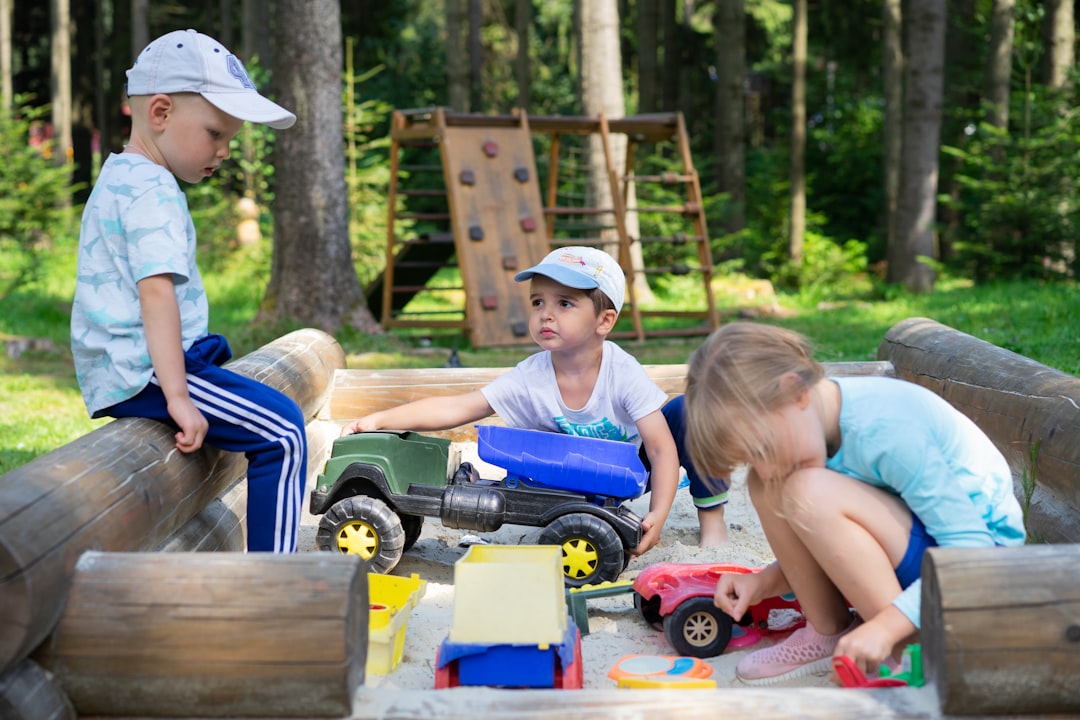
Enforcing outdoor play in the early evening exposes children to natural light at a time when it supports the body’s circadian rhythm rather than disrupting it, unlike the blue light emitted by screens during the same window. Physical movement in an unstructured outdoor environment develops proprioception, spatial awareness and risk assessment in ways that indoor and sedentary activities cannot provide. The sensory input of natural environments including wind, varying terrain, ambient sound and changing light has been shown to reduce cortisol levels and support emotional regulation in children. Parents who send children outside after dinner consistently report calmer and more cooperative behavior during the subsequent bedtime routine.
Journaling Practice

Requiring children to write in a personal journal each evening creates a private space for emotional processing that is entirely separate from the social performance dynamics of digital communication. The act of translating experience into written language builds metacognitive skills that support academic performance and emotional self-awareness simultaneously. Children who journal regularly develop a greater capacity to identify and articulate their own emotional states, a skill that underpins resilience and healthy relationship formation throughout life. Parents typically introduce this practice with a simple prompt or a minimum word count and withdraw the scaffolding gradually as the habit becomes self-sustaining.
Creative Drawing
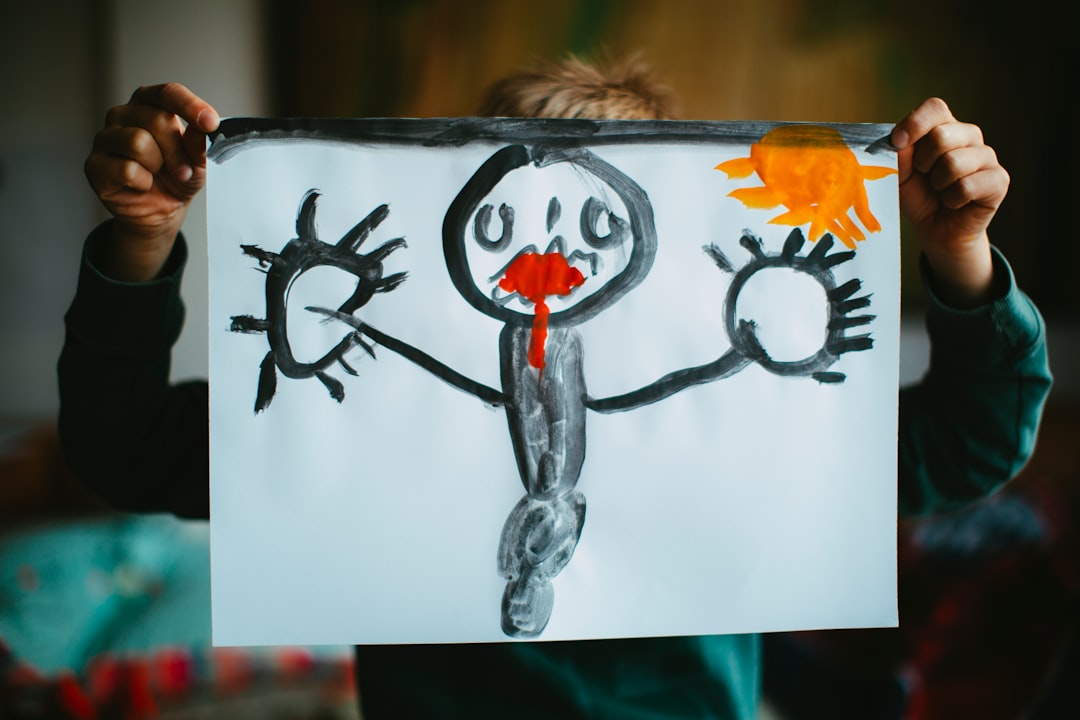
Setting aside time for free drawing without instruction or outcome expectations gives children access to a form of self-expression that operates independently of verbal and social skills. The open-ended nature of drawing without a brief or a template encourages divergent thinking and tolerance for ambiguity, both of which are increasingly identified as critical competencies for navigating a complex world. Regular drawing practice develops fine motor control, visual-spatial reasoning and the ability to sustain attention on a self-directed task without external reward or feedback loops. Parents who establish this as a nightly practice often observe a visible increase in the complexity and confidence of children’s creative output within weeks.
Puzzle Time
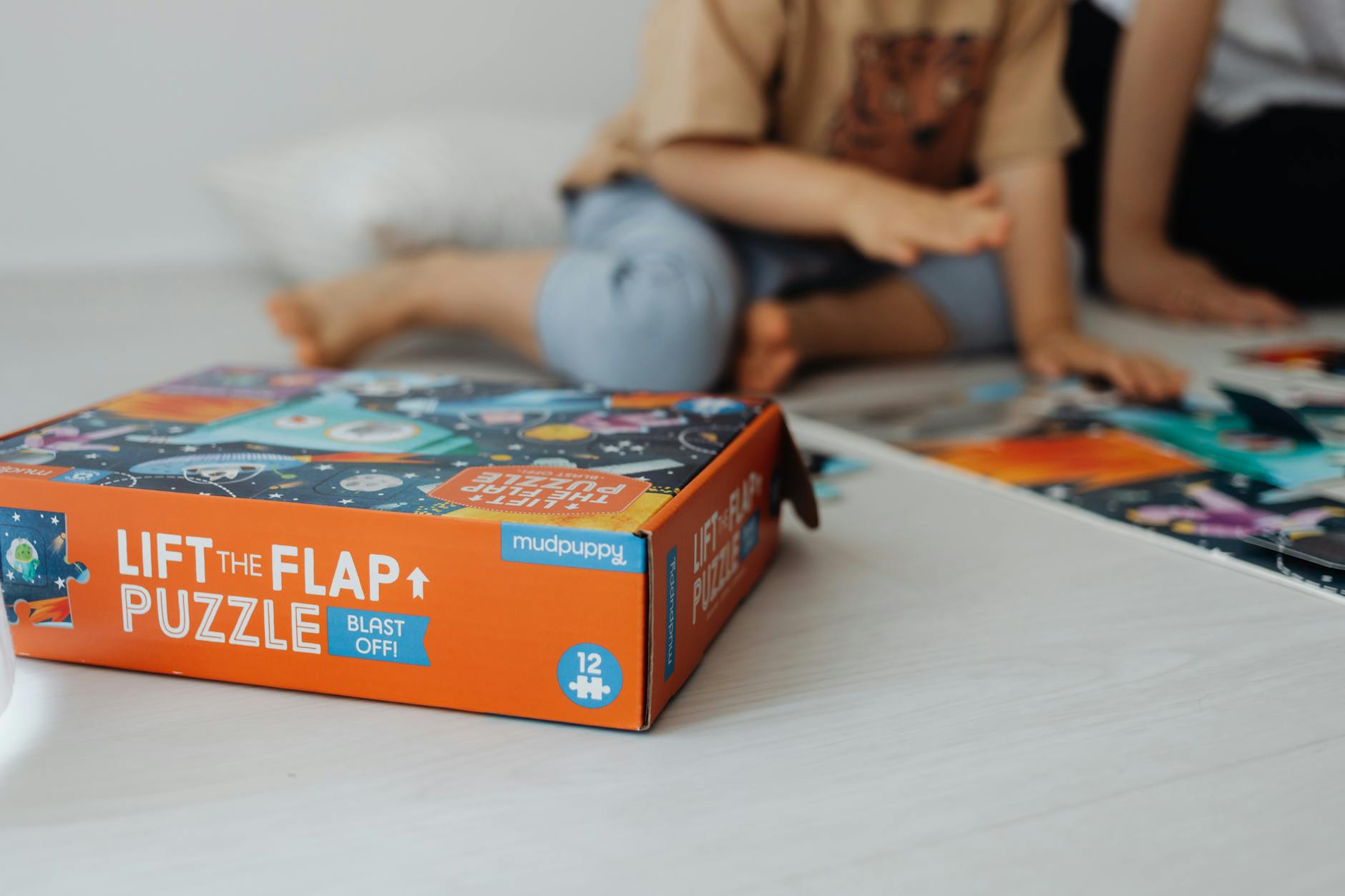
Jigsaw puzzles and logic puzzles engage the brain in a form of focused, non-competitive problem-solving that provides cognitive stimulation without the arousal associated with screen-based games. The incremental and tactile nature of puzzle completion develops patience and the ability to tolerate an unfinished state over multiple sessions, a quality that has become less common in an environment of instant digital gratification. Puzzles undertaken as a family activity create a shared focus that generates conversation and collaborative behavior without requiring anyone to perform or compete. The gentle cognitive engagement of puzzle work also supports the wind-down process in a way that more stimulating activities do not.
Instrument Practice
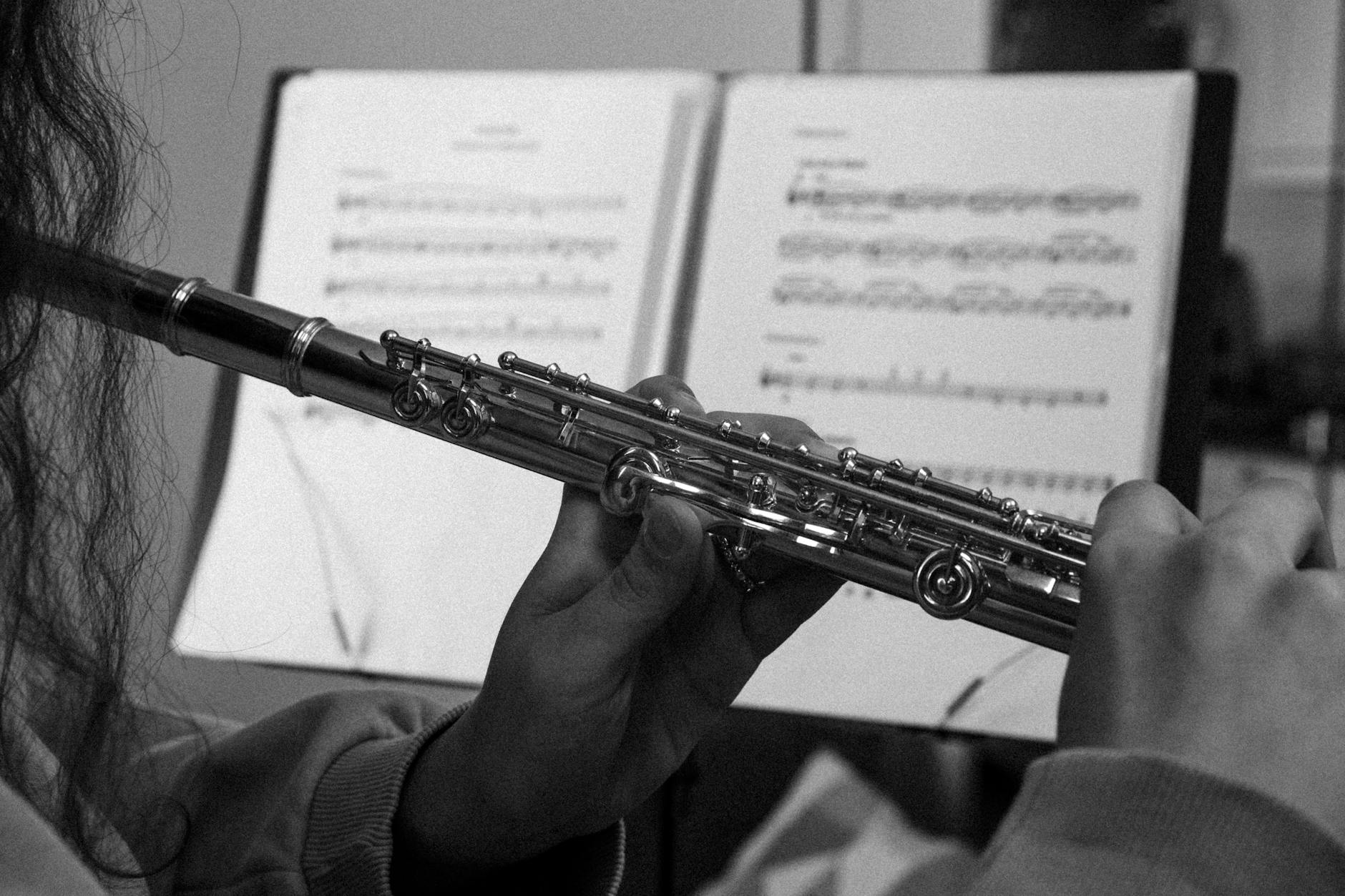
Daily instrument practice in the evening establishes music as a non-negotiable discipline rather than an optional enrichment activity, building the kind of sustained commitment that produces genuine competence over time. The neurological benefits of musical training including enhanced language processing, mathematical reasoning and working memory are most pronounced when practice is consistent and occurs during a period of relative calm rather than distraction. Children who practice instruments daily develop a relationship with delayed gratification and incremental progress that transfers to academic and professional contexts throughout their lives. Parents who hold this rule firmly through the initial resistance phase typically find that children begin to derive intrinsic satisfaction from their progress within a few months.
Storytelling Time
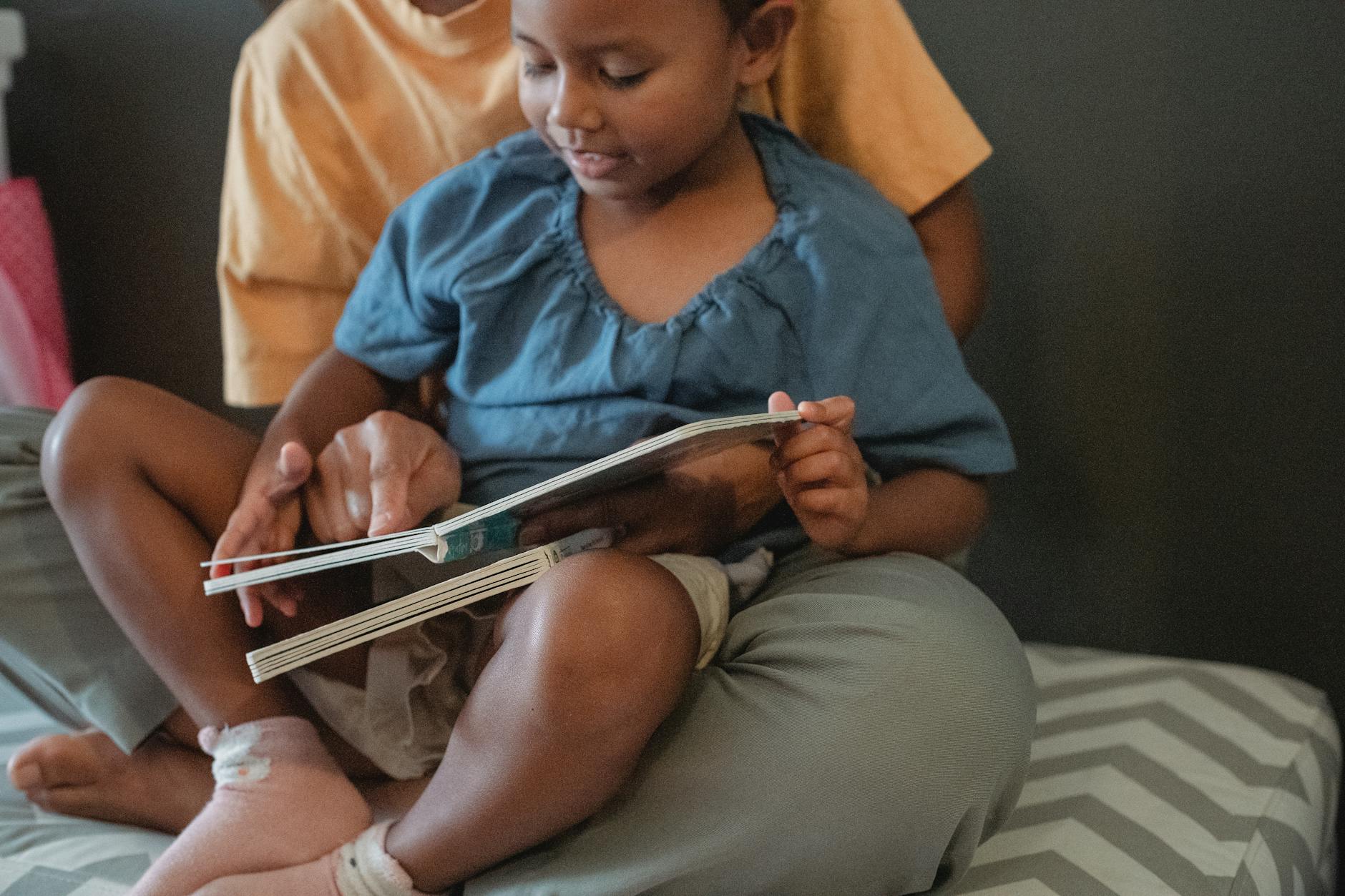
A parent-led storytelling session in which stories are told rather than read or played creates an experience of language, imagination and connection that is distinct from any screen-based narrative format. Oral storytelling requires the child to construct imagery internally from verbal description alone, developing the imaginative faculty in a way that visual media with its pre-rendered imagery cannot replicate. Stories told by parents can be tailored in real time to a child’s current emotional landscape, anxieties or questions, making them a uniquely responsive and therapeutic form of evening engagement. Children who receive regular oral stories tend to develop richer descriptive language and a more confident relationship with their own imaginative capacity.
Craft Projects
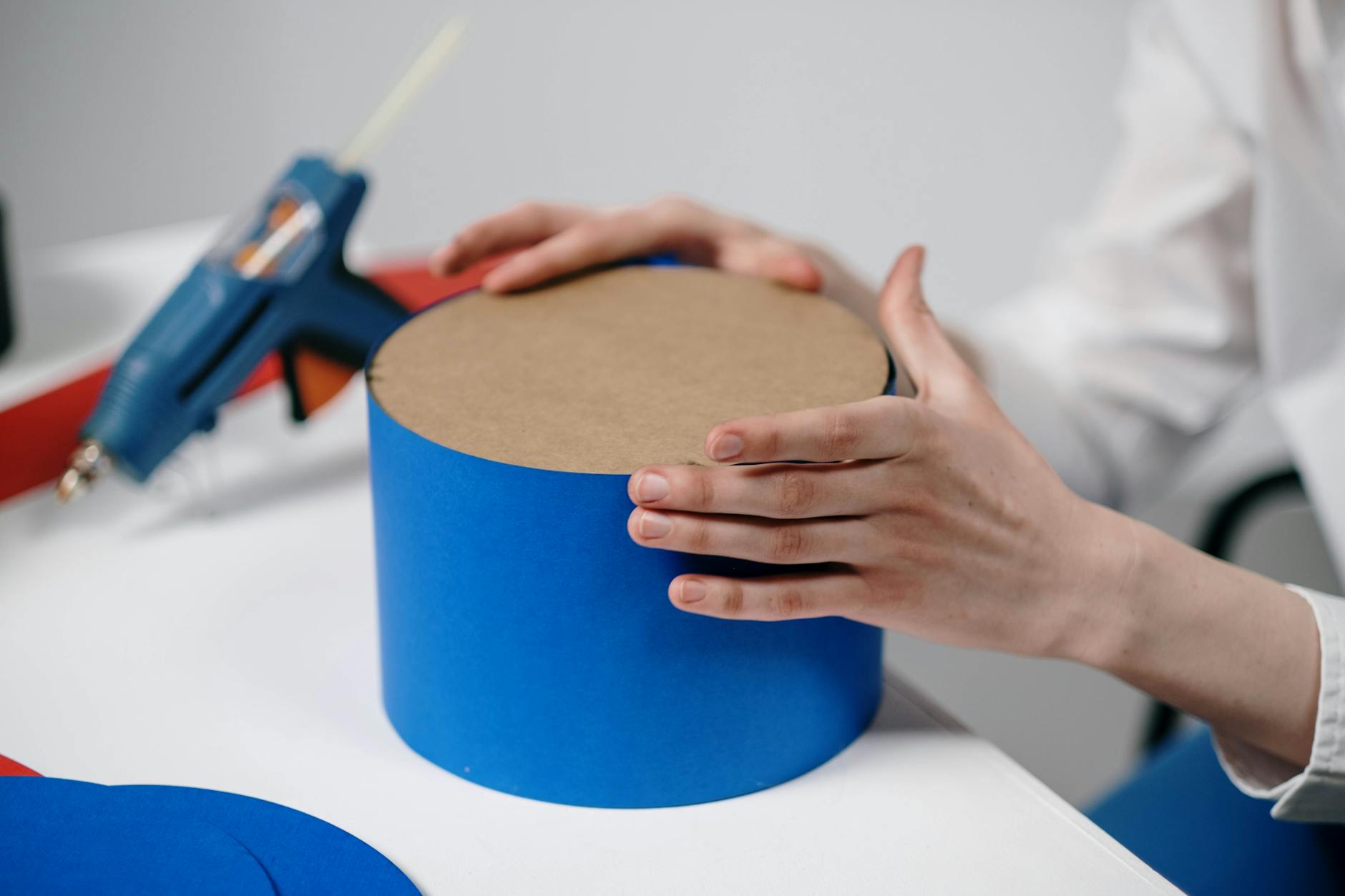
Ongoing craft projects that span multiple evenings give children a sense of purposeful creative work with a visible and accumulating outcome that builds investment and pride over time. Working with physical materials including paper, fabric, clay, wood or paint develops tactile intelligence and a relationship with making things by hand that has significant cognitive and emotional value. The process orientation of craft work, in which progress is gradual and mistakes are recoverable, develops a growth mindset more effectively than activities with binary success or failure outcomes. Parents who introduce a craft project that genuinely interests them as well as the child find that the shared enthusiasm sustains engagement through evenings when motivation is lower.
Nature Walks

An evening walk in a natural environment serves simultaneously as physical activity, sensory decompression and an opportunity for the kind of unhurried conversation that rarely occurs during the structured and time-pressured parts of a family’s day. Walking side by side rather than face to face reduces the social pressure that can make direct conversation feel confrontational for children, particularly adolescents who may be processing difficult experiences. Exposure to the sounds, smells and visual complexity of natural environments activates the parasympathetic nervous system in a way that supports emotional regulation and prepares the body for restful sleep. Parents who establish this as a regular evening practice often find it becomes one of the most protected and valued rituals in their household.
Cooking Together
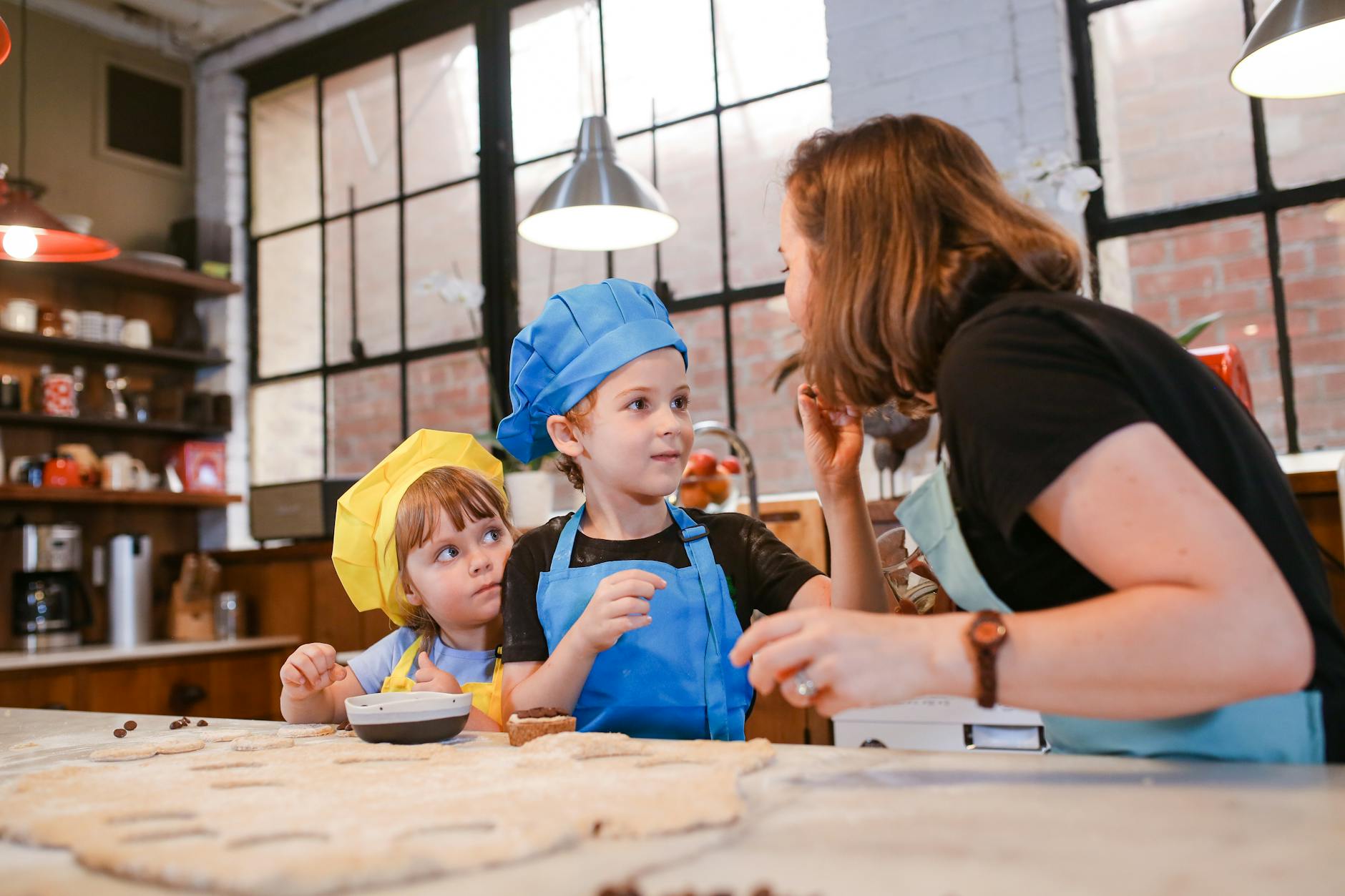
Involving children in dinner preparation or after-dinner baking teaches practical skills while creating a context for cooperative interaction that is grounded in real and immediate outcomes. The kitchen provides a naturally engaging environment where mathematics, chemistry, sensory development and planning skills are applied in ways that feel purposeful rather than instructional. Children who cook regularly develop confidence in their ability to produce something tangible and useful, a form of self-efficacy that has broad implications for how they approach challenges in other areas of their lives. The shared focus of a cooking task also creates conversational openings that are more natural and less loaded than structured check-ins about how a child’s day went.
Lego Building
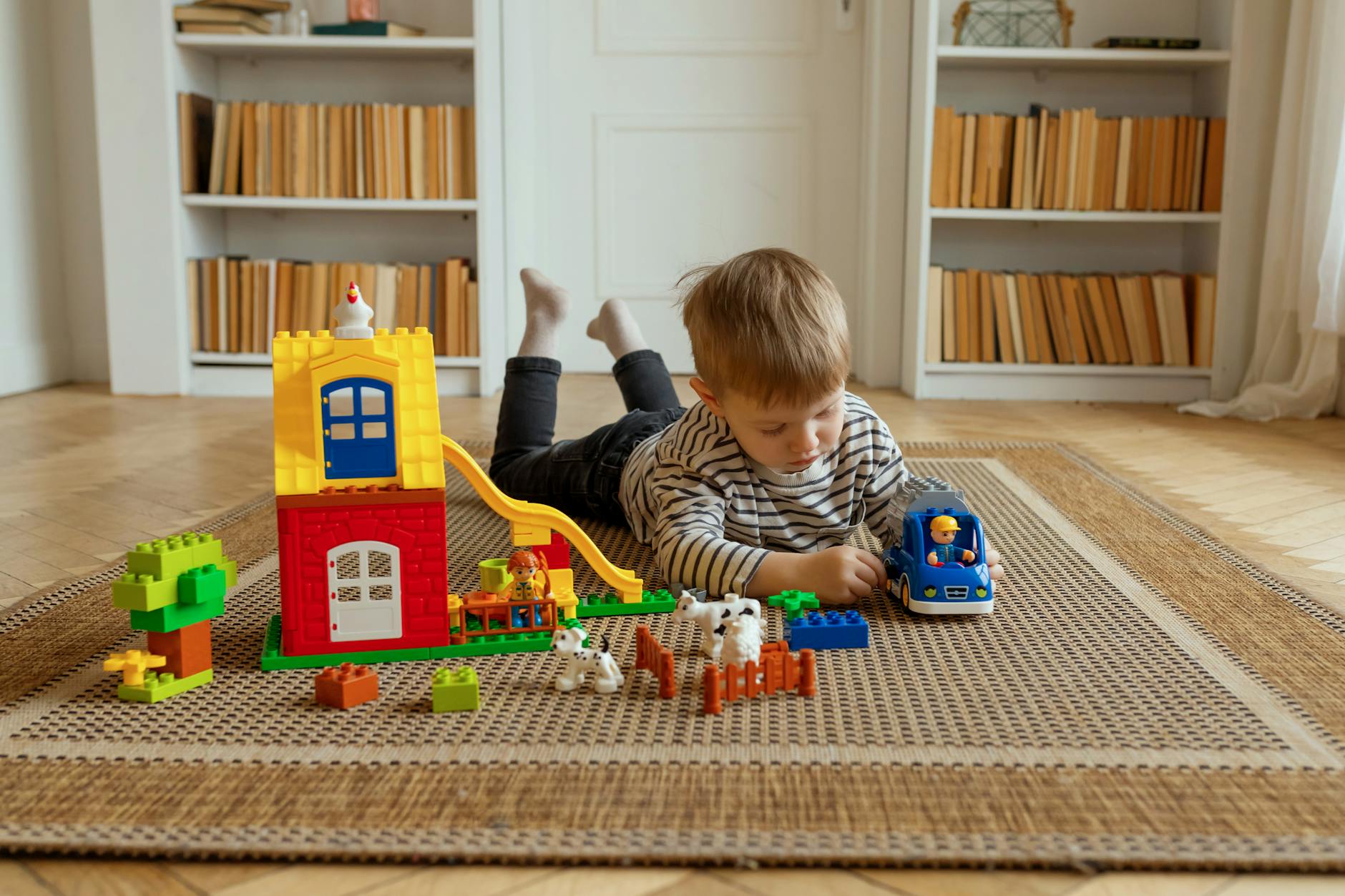
Free-form Lego building without instructions or kits develops spatial reasoning, engineering intuition and creative problem-solving in a form that children consistently find intrinsically motivating. The open-ended nature of unguided construction requires children to generate their own design briefs, troubleshoot structural failures and make aesthetic decisions without external direction. Children who build freely with construction materials develop a comfort with iteration and imperfection that is foundational to creative and technical competence in later life. Parents who participate in Lego sessions alongside their children without directing or correcting find that the activity sustains engagement longer and produces more complex outcomes than solitary building.
Mindfulness Practice

A brief guided mindfulness or breathing practice before bed introduces children to the experience of intentional attention regulation in a context where they can feel its effects almost immediately. Children who practice basic mindfulness techniques regularly develop measurably greater capacity for emotional self-regulation, reduced anxiety response and improved sleep onset compared to those without this practice. The skills acquired through even five to ten minutes of daily mindfulness have been shown to transfer to classroom performance, social conflict resolution and stress response in academic assessment contexts. Parents who practice alongside their children rather than directing from outside the experience find that compliance and engagement are significantly higher and more sustained.
Gratitude Ritual

A structured evening gratitude practice in which each family member shares specific things they are thankful for from the day trains the brain’s attention toward positive experience in a way that has measurable effects on mood, resilience and overall psychological wellbeing. The specificity required by naming real moments rather than generic categories develops observational awareness and the habit of noticing small positive events throughout the day in anticipation of the evening ritual. Children who practice gratitude regularly within a family structure develop greater social empathy and a more optimistic explanatory style than peers without this practice. The ritual also serves as a daily closing of the day’s emotional ledger that supports the psychological transition into sleep.
Letter Writing

Teaching children to write physical letters to grandparents, relatives and friends develops a form of extended written communication that requires perspective-taking, planning and genuine consideration of another person’s experience. The slower pace of letter writing compared to digital messaging creates space for reflection and for the construction of more complete and emotionally nuanced thoughts than the brevity of screen communication typically permits. Children who write letters regularly develop a more sophisticated understanding of audience, tone and the relational function of language than those who communicate primarily through digital channels. The act of receiving a physical reply also introduces children to the experience of delayed gratification in communication, a quality that is increasingly rare and correspondingly valuable.
Memory Games
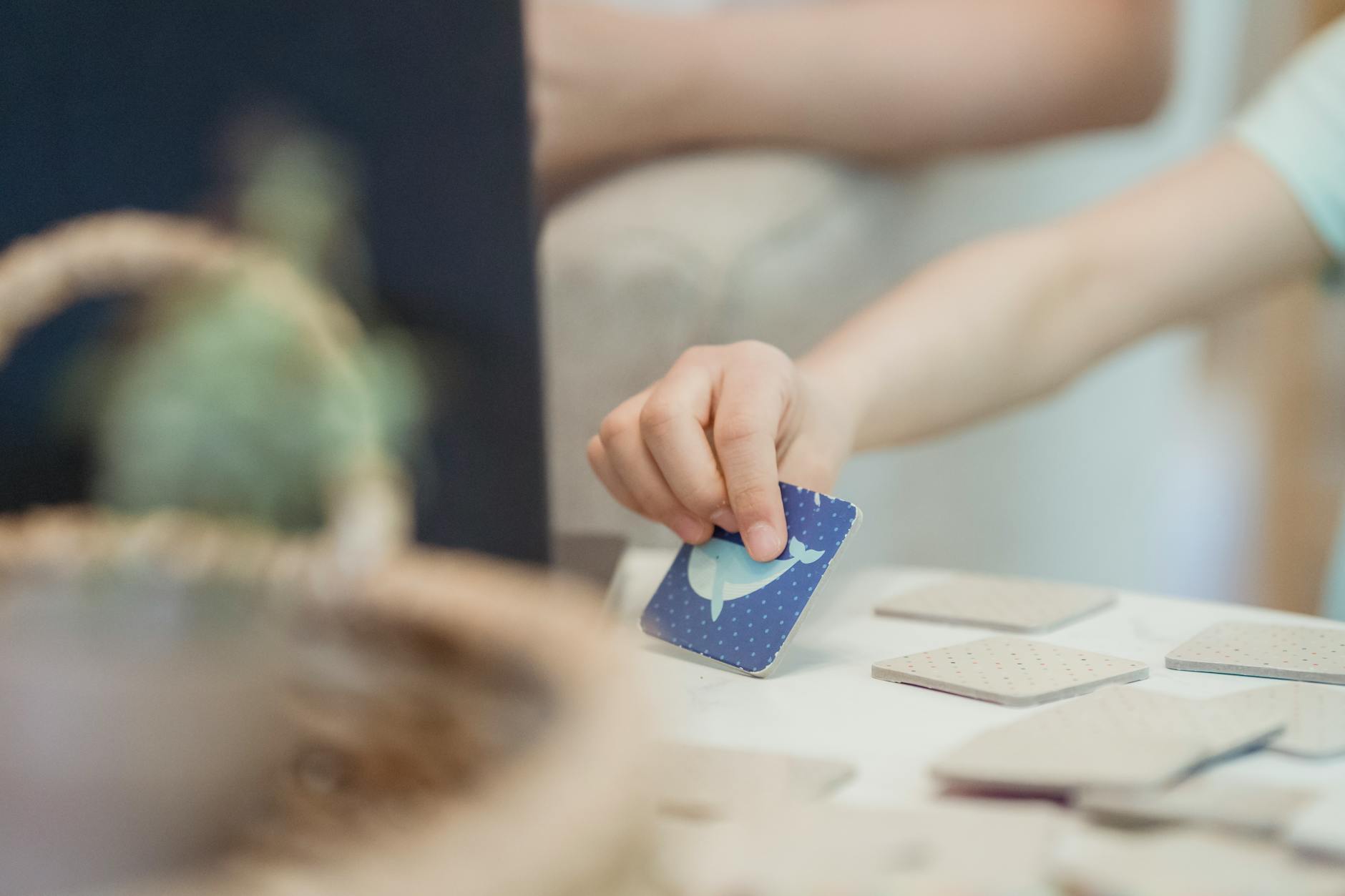
Verbal and physical memory games played without any device involvement develop working memory, concentration and the ability to hold multiple pieces of information in active attention simultaneously. Games such as twenty questions, word association chains, geography games and storytelling sequences where each player adds a sentence require the kind of sustained mental engagement that supports cognitive development without any of the passive reception associated with screen use. The competitive and collaborative elements of memory games played within a family context also develop social attunement and the ability to read other players, which transfers directly to real-world interpersonal competence. Parents who rotate the game selection regularly find that children’s enthusiasm remains higher and that different game formats develop different cognitive capabilities.
Yoga For Kids
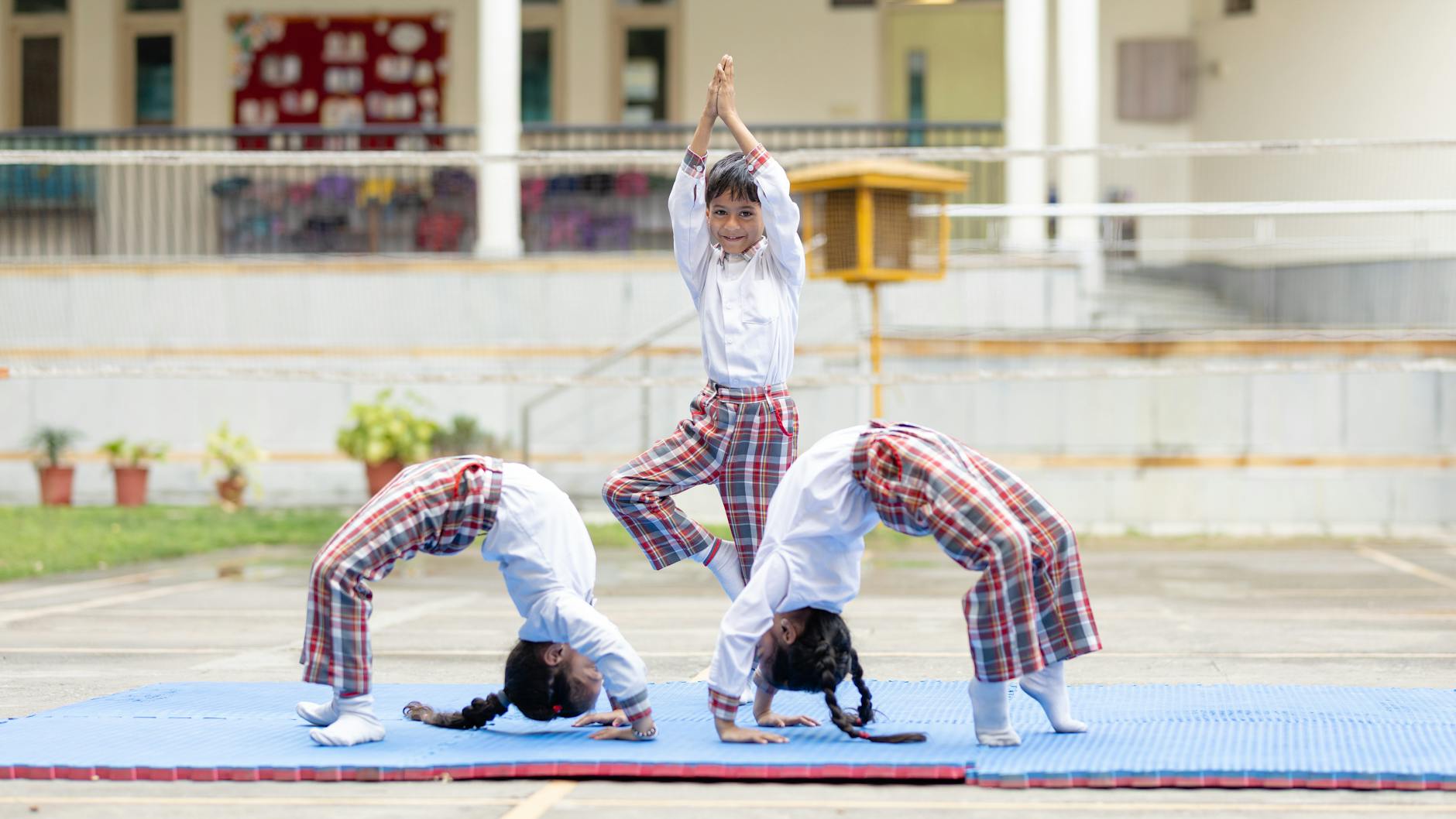
A short evening yoga session adapted for children’s bodies and attention spans introduces the connection between physical movement, breath regulation and mental state that forms the foundation of lifelong body awareness. The non-competitive nature of yoga removes the performance anxiety that can make physical activity stressful for children who are less athletically confident, creating an inclusive and calming form of movement. Specific poses and sequences developed for evening practice target the physical tension that accumulates in children’s bodies through a day of sitting, carrying bags and managing social stress. Children who practice yoga regularly develop greater proprioceptive awareness, improved posture and a more reliable ability to self-regulate emotional arousal than those without a movement practice.
Astronomy Nights

Spending part of an evening identifying stars, planets and constellations with a basic star map or naked-eye observation develops scientific curiosity and a sense of scale and wonder that no screen-based educational content can fully replicate. The practice of learning to locate celestial objects requires patience, sustained attention and a tolerance for the gradual acquisition of knowledge that strengthens the same cognitive qualities needed for academic progress. Children who develop an interest in astronomy through regular family observation tend to show increased engagement with mathematics and physical sciences in a school context. The shared experience of looking at the night sky together also generates a quality of reflective conversation that is distinct from the interactions produced by any indoor activity.
Baking Projects

Baking as an evening activity produces a tangible outcome that children can consume, share or give away, providing an immediate and concrete reward for patience, precision and cooperative effort. The chemistry of baking introduces scientific concepts including leavening, emulsification and caramelization in a context where the results of each variable are directly observable and edible. Children who bake regularly develop a relationship with careful measurement and process adherence that supports scientific thinking and the understanding that outcomes depend on inputs applied correctly. The sensory richness of a baking environment including warmth, aroma and the transformation of raw ingredients also creates a deeply positive associative memory around the family kitchen.
Art History

Introducing children to art history through books, prints and reproductions during screen-free evenings develops visual literacy and cultural knowledge while providing an inexhaustible source of material that grows in depth with repeated engagement. Discussing works of art with children develops descriptive language, interpretive reasoning and the understanding that multiple valid responses to the same object can coexist, a conceptually important lesson for intellectual development. Children who develop familiarity with art history tend to show stronger performance in visual-spatial tasks and a greater comfort with ambiguity and open-ended interpretation than peers without this exposure. Parents do not need specialist knowledge to introduce this practice; curiosity and a willingness to look and discuss together are sufficient to make it valuable.
Shadow Puppets

Shadow puppet theater requires children to combine storytelling, physical dexterity, spatial reasoning and performance in a single activity that is almost entirely self-directed once the basic technique is introduced. The immediacy of the art form, in which the performer sees the results of their hand movements on the wall in real time, creates a direct feedback loop that holds attention and encourages experimentation without any external direction. Children who engage with shadow puppetry develop narrative construction skills, physical coordination and the confidence to perform and improvise in front of an audience in ways that transfer to public speaking and social confidence. The simplicity of the materials required makes this one of the most accessible screen-free activities available to families across any budget level.
Plant Care
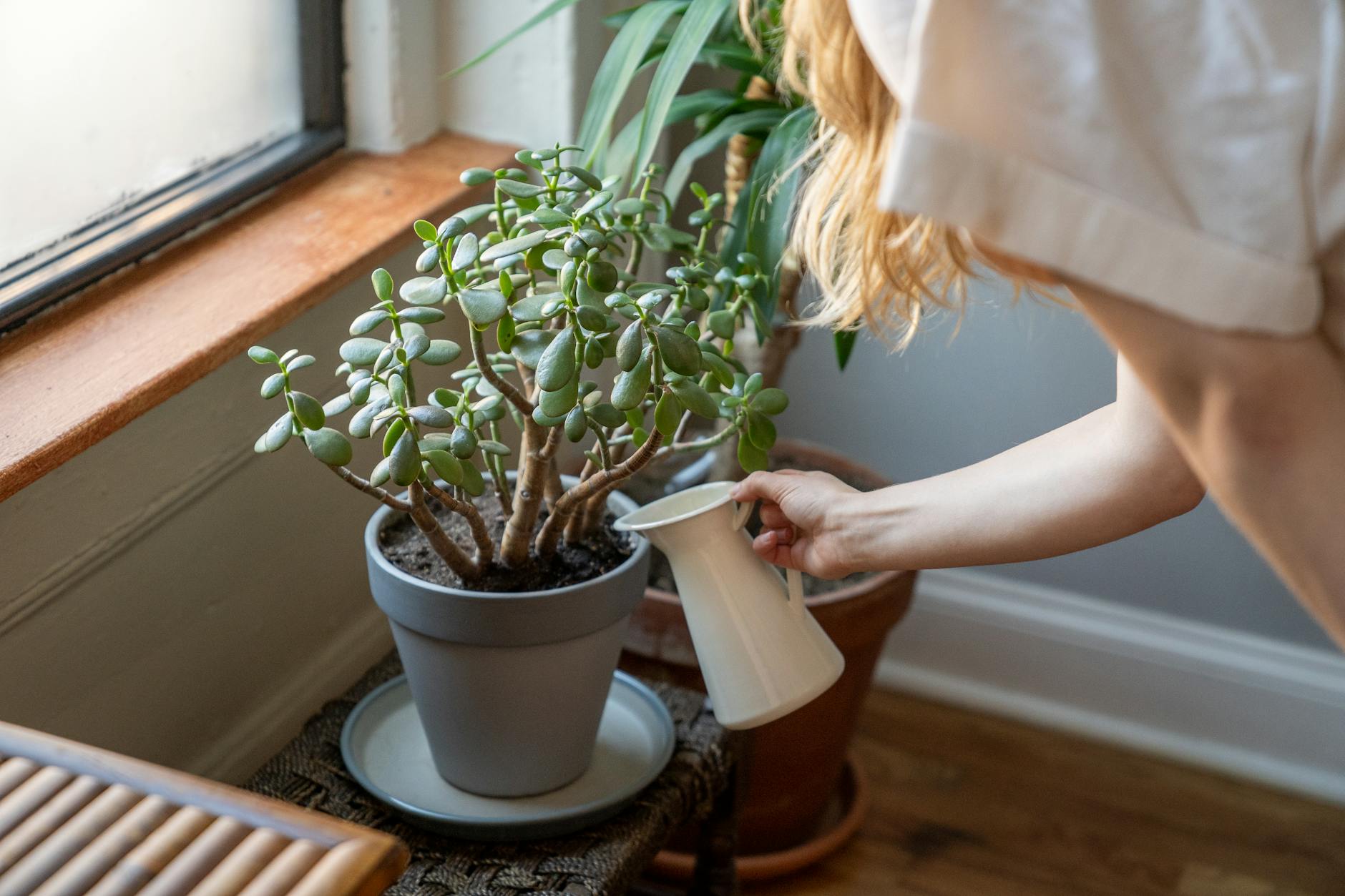
Assigning children responsibility for watering, repotting and monitoring the health of household plants develops nurturing behavior, observational patience and an understanding of biological cycles that no screen-based simulation replicates. The daily or weekly rhythm of plant care teaches children that living things respond to consistent attention over time rather than to single dramatic interventions, a lesson with broad applicability to relationships and long-term projects. Children who care for plants develop a connection to natural growth processes and a sense of responsibility for something outside themselves that supports the development of empathy and conscientiousness. The visible feedback of a thriving plant in response to attentive care provides a form of reward that is slow, genuine and entirely independent of digital validation.
Origami Practice
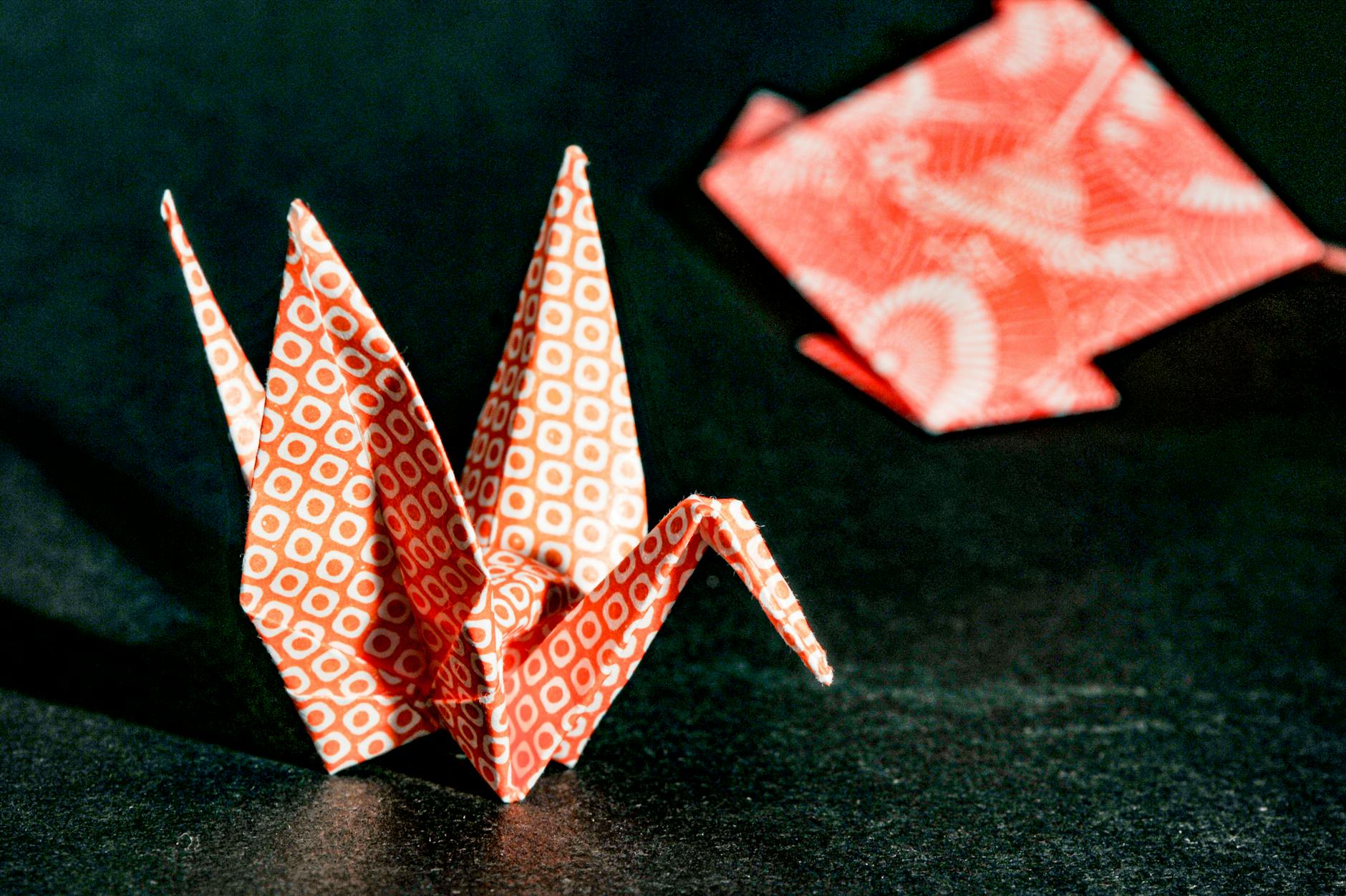
Origami develops fine motor precision, spatial visualization and the ability to follow complex sequential instructions in a form that produces a satisfying physical object at the end of each session. The discipline required to execute precise folds develops patience and attention to detail in children who may be accustomed to the instant and forgiving feedback loops of digital interaction. Origami is accessible across a wide age range and can be practiced independently or collaboratively, making it adaptable to different family configurations and the varying energy levels of different evenings. The progression from simple to highly complex forms provides a clear and intrinsically motivating developmental pathway that sustains engagement over months and years of practice.
Poetry Reading

Reading poetry aloud as a family evening activity exposes children to compressed and intentional use of language that develops sensitivity to rhythm, sound, metaphor and the emotional precision of carefully chosen words. The brevity of most poems makes them accessible in the limited attention windows of younger children while the density of meaning rewards repeated engagement and discussion that can extend the activity well beyond the reading itself. Children who develop familiarity with poetry tend to demonstrate stronger expressive writing, a more nuanced vocabulary and a greater comfort with figurative language than peers for whom poetry remains unfamiliar. Reading aloud as a shared family practice also models fluent expressive reading and creates positive associations with literary language that support long-term literacy development.
Science Experiments

Simple science experiments using household materials engage children’s natural curiosity through direct observation and hands-on manipulation of physical phenomena in a way that no video or simulation can replicate. The process of forming a hypothesis, conducting a test and observing an outcome introduces the foundational logic of scientific thinking in a context that is immediately engaging and emotionally rewarding. Children who conduct regular informal experiments develop a comfort with uncertainty and a habit of asking why things happen that carries directly into formal science education and beyond. Parents who participate in the experiment rather than simply supervising find that the shared surprise of an unexpected result creates some of the most memorable and bonding moments of the screen-free evening routine.
If these approaches have sparked ideas for your own family’s evenings or if you already practice any of them, share what works best for your household in the comments.