
In a world saturated with devices and digital distractions, even the experts who study child development face the same daily battles that every parent knows well. The rules psychologists apply in their own homes are often surprising and go against mainstream advice in ways that spark genuine debate. Some of these approaches feel counterintuitive at first glance but are grounded in years of behavioral research and firsthand clinical experience. Understanding the reasoning behind each rule reveals just how nuanced healthy screen habits can truly be.
No-Phone Bedrooms

Many child psychologists remove all screens from their children’s sleeping spaces entirely and enforce this from a very young age. Research consistently links bedroom screen access to disrupted sleep cycles and reduced melatonin production in developing brains. The bedroom is treated as a sanctuary for rest and recovery rather than a continuation of the digital day. Some experts go further by storing devices in a central family charging station overnight so the habit becomes a household norm rather than a personal punishment.
Boredom Tolerance

A number of psychologists deliberately allow their children to experience stretches of unstructured time with no screen access and no planned activity as a replacement. The capacity to sit with boredom is considered a foundational cognitive skill that drives creativity and independent problem-solving in later life. Reaching for a device the moment discomfort arises is seen as a habit that short-circuits emotional resilience before it can develop. Children who regularly navigate unstructured time tend to show stronger self-regulation skills as they move into adolescence.
Earned Access

Rather than imposing fixed daily time limits, some psychologists tie screen access directly to completed responsibilities such as chores, homework, physical activity and family meals. This model frames digital entertainment as a reward within a structured value system rather than a default activity children return to automatically. The approach mirrors real-world dynamics where leisure typically follows contribution and effort. Children raised with this structure reportedly show fewer battles around screen removal because the rules are consistent and the logic is transparent.
Co-Viewing
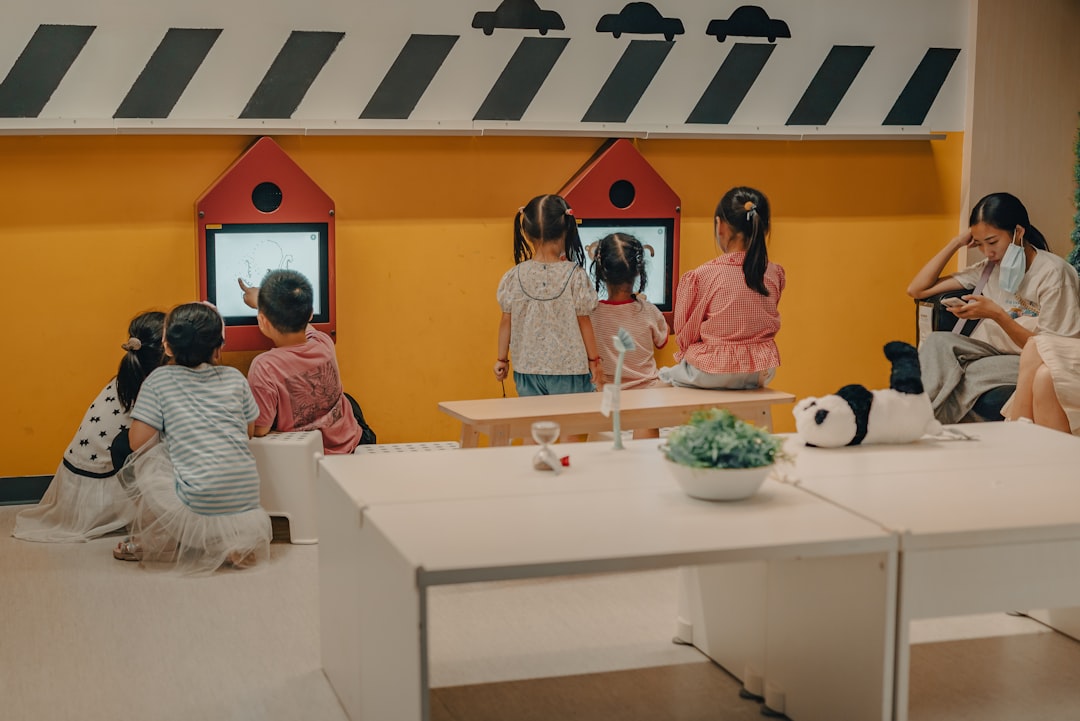
Several prominent developmental psychologists make it a strict personal rule to watch or engage with digital content alongside their children rather than using screens as a passive babysitting tool. Active co-viewing allows parents to ask questions, provide context and model critical thinking in real time during the experience. Research suggests that children process and retain content more meaningfully when a trusted adult engages with them during viewing. This rule also gives parents direct visibility into the media landscape their children are navigating each week.
Content Before Time

A number of psychologists say they pay far closer attention to what their children consume on screens than how long the sessions last. High-quality educational or creatively stimulating content is treated very differently from passive autoplay entertainment and the two categories are governed by separate household expectations. A child spending ninety minutes building something in a creative coding environment is viewed as fundamentally different from ninety minutes of algorithmically served videos. This nuanced framework teaches children to evaluate media quality rather than simply watching the clock.
Morning Screen Bans

Many psychologists enforce a strict no-screen rule for the first hour or two after their children wake up regardless of the day or season. Morning hours are considered a critical window for natural cortisol regulation and unmediated sensory experience that sets the neurological tone for the whole day. Children are encouraged to eat breakfast, move their bodies and engage in conversation before any digital input enters the picture. Experts argue that protecting the morning window consistently has compounding benefits on mood and focus that accumulate over months and years.
Tech-Free Meals

Removing all devices from the dining table during family meals is a rule that appears in the households of psychologists far more frequently than in average homes according to recent surveys of professionals in the field. Mealtimes are treated as irreplaceable windows for face-to-face connection, language development and emotional attunement between parents and children. Research links regular device-free family meals to lower rates of anxiety and depression in children across multiple age groups. The rule applies to parents as well as children and the consistency of that equal standard is considered essential to its effectiveness.
Delayed Smartphones

A significant number of child and adolescent psychologists delay giving their own children a personal smartphone well beyond the age at which most peers receive one. The reasoning centers on protecting the early adolescent brain during a particularly sensitive period of identity formation and social development. Many experts in this group support or participate in community-based delay agreements where multiple families in a school or neighborhood commit to the same timeline together. The communal approach removes the social pressure that makes individual delay feel isolating for children who would otherwise be the only ones without a device.
Consequence-Linked Removal

Rather than using screen time as a punishment for unrelated misbehavior, many psychologists specifically link screen removal only to violations of the agreed screen time rules themselves. Conflating screens with general discipline is seen as a tactic that inflates the perceived value of devices and increases the emotional charge around them unnecessarily. When removal is tied directly and exclusively to broken screen agreements the response remains logical and proportionate in the child’s mind. This distinction keeps the household relationship with technology more neutral and reduces power struggles over time.
Offline Hobbies First

Psychologists who study attention and motivation frequently require their children to maintain at least one active offline hobby before any recreational screen time is permitted during leisure hours. Musical instruments, sport, drawing, building and reading are all treated as higher-priority activities that receive protected time in the weekly schedule ahead of digital entertainment. The rationale is rooted in research showing that intrinsic reward systems develop more robustly through embodied and creative pursuits than through the rapid feedback loops of most screen-based content. Children who sustain offline hobbies tend to approach screens with more selectivity and less compulsive urgency as they grow older.
Social Media Age Gates

Many psychologists set the permitted age for any social media access significantly higher than the platform minimum and frequently higher than the legal threshold in their own jurisdictions. The adolescent brain’s sensitivity to social comparison and approval-seeking feedback makes algorithmic social platforms particularly risky during early and mid-adolescence according to a wide body of current research. Some experts enforce a complete ban until sixteen or seventeen while others require demonstrated emotional maturity as an additional condition beyond age alone. Conversations about the psychological architecture of these platforms are considered a mandatory part of the granting process rather than an optional addition.
Open Device Contracts

A growing number of psychologists use written family technology agreements that children help draft and sign rather than imposing rules unilaterally from above. The participatory process builds genuine understanding of the reasoning behind each rule and increases voluntary compliance because children feel a sense of authorship over the expectations. Contracts typically include agreed consequences for violations that children have helped define making enforcement feel fair rather than arbitrary. Revisiting and renegotiating the contract as children mature is built into the process to reflect growing autonomy and trust.
No Passive Autoplay

Psychologists who specialize in attention development consistently disable autoplay features across all streaming platforms used by their children and treat the deliberate choice of content as a non-negotiable part of the screen time ritual. Autoplay is viewed as a design mechanism that bypasses intentional decision-making and cultivates a passive consumption mindset that conflicts with the active cognitive habits parents are trying to build. Children are required to pause between episodes or videos and make a conscious choice about whether to continue or stop. This small structural change is credited with significantly reducing binge-watching behavior and improving children’s awareness of their own viewing patterns over time.
Public Device Use

Some psychologists keep all household screens in shared common areas and never allow children to use personal devices in private spaces such as bedrooms or bathrooms. The transparency of public device use reduces secretive browsing and creates natural organic opportunities for parents to observe and engage with what children are doing online. Children also tend to self-regulate more consciously when they are aware that their activity is visible to the household. This structural approach removes the need for invasive monitoring software by making transparency a physical feature of the environment rather than a surveillance tool.
Digital Literacy Classes

Rather than simply restricting access, a number of psychologists actively teach their children how algorithms work, how data is collected and how persuasive design techniques are used to maximize engagement on popular platforms. This foundational media literacy is introduced at ages that many parents would consider surprisingly young, often beginning in early primary school years. Children who understand the mechanics behind the content they consume are considered better equipped to develop a healthy critical distance from it. The goal is to raise a child who approaches digital platforms as an informed and skeptical participant rather than a passive and manipulated user.
Gaming Time Windows

Many psychologists permit video gaming but confine it to specific agreed windows of the week rather than treating it as an on-demand activity available whenever a child has free time. Gaming is not categorically restricted or moralized but is given a defined place in the schedule alongside other activities rather than expanding to fill all available leisure space. The predictability of the gaming window reduces daily negotiation and removes the stop-start friction that leads to the most intense conflicts around screens in many households. Research suggests that the structure around gaming matters far more to outcomes than the games themselves in most cases.
Emotional Check-Ins

Several psychologists build a brief mandatory emotional check-in into the end of every significant screen session before children transition to another activity or to sleep. Children are asked simple consistent questions about how they feel and whether the content they consumed left them feeling energized, neutral or unsettled. This reflective habit is designed to build interoceptive awareness and help children develop their own internal metrics for evaluating the effect of digital content on their wellbeing. Over time the practice is intended to become internalized so that children eventually self-monitor without the prompt.
Age-Appropriate Platforms

Psychologists are particularly strict about ensuring their children only access platforms and content categories that have been specifically evaluated against the child’s current developmental stage rather than relying on broad age ratings alone. A platform appropriate for a thirteen-year-old may be considered entirely unsuitable for a child of the same age who is navigating specific social anxieties or emotional vulnerabilities. Individual temperament and life context are factored into platform decisions alongside chronological age. This tailored approach requires more parental investment upfront but is considered far more effective than blanket rules applied uniformly across all children.
Device-Free Holidays

A number of psychologists enforce complete device-free periods during family holidays or vacations, treating the break as an intentional reset of the nervous system and the family dynamic simultaneously. These periods range from a single weekend each month to an entire two-week annual holiday with no recreational screens permitted for any family member including parents. The shared nature of the restriction is considered essential because children are far more willing to accept digital absence when they observe adults embracing it with the same commitment. Families who practice regular device-free periods frequently report stronger conversational bonds and a noticeable reduction in screen-seeking behavior in the weeks that follow.
Peer Pressure Dialogue

Many psychologists prioritize regular open conversations with their children specifically about the social pressure to own devices, use certain apps or participate in online trends, rather than dismissing that pressure or minimizing how real it feels. Children are given language and frameworks to navigate situations where peers are all using a platform that the household rules do not permit. Role-playing specific social scenarios is used in some households to build practical confidence around opting out without shame or social cost. The goal is to ensure that household tech rules do not become a source of isolation but instead an opportunity for children to develop a stronger sense of individual identity.
Reaction Time Rules

Some psychologists institute a rule requiring children to wait a set period of time between the impulse to reach for a screen and actually picking it up, treating the pause itself as a trainable cognitive habit. The waiting period can be as short as two minutes for younger children but the principle remains consistent across age groups as a check against purely reflexive device-reaching. Over repeated practice the pause builds metacognitive awareness of the difference between intentional use and automatic habitual reaching. Children who practice this consistently tend to demonstrate broader impulse control benefits that extend well beyond their relationship with screens.
No Screens During Conflict

Several psychologists maintain a firm household rule that no screens may be used by any family member while an interpersonal conflict remains unresolved between people in the home. Retreating to a device during family tension is seen as a conflict avoidance mechanism that prevents the development of emotional repair skills and models disengagement as a coping strategy. Children who are required to remain present during difficult family conversations develop stronger tools for tolerating relational discomfort and working toward resolution. This rule is considered one of the more demanding to maintain but is described by those who use it as one of the most formative for long-term emotional intelligence.
Platform Rotation Limits

A small but notable group of psychologists restricts their children to a limited rotation of approved platforms during any given period rather than allowing unrestricted movement across the entire landscape of available apps and sites. Narrowing the digital environment reduces cognitive overload and the constant novelty-seeking that broad platform access encourages in developing brains. Children are more likely to engage deeply and creatively with a smaller number of familiar environments than to skim restlessly across dozens of options. The approved rotation is reviewed and updated periodically to reflect the child’s evolving interests and the parent’s ongoing assessment of platform quality.
Gratitude Before Screens

A handful of psychologists begin the permitted screen session with a brief verbal or written acknowledgment of something non-digital the child enjoyed or accomplished earlier in the day, before any device is picked up. This small ritual is designed to anchor the child’s sense of satisfaction in embodied experience before they enter a digital environment that is specifically engineered to generate its own intense and competing rewards. The practice takes less than two minutes but is reported to shift the psychological context in which screen time begins in meaningful ways. It also reinforces the message that the best parts of the day exist beyond the screen rather than within it.
Sunset Screens

A number of psychologists synchronize all household screen access with natural daylight hours, gradually reducing permitted screen time as the evening progresses and eliminating it entirely after sunset or a fixed early evening hour. The rule is grounded in circadian biology and the well-documented effects of blue light exposure on melatonin suppression and sleep onset timing in children and adolescents. Framing the rule around the natural rhythm of the day rather than arbitrary clock times gives it an organic logic that children tend to accept more readily than a purely parental imposition. Families who maintain consistent sunset screen boundaries report measurably better sleep quality and morning mood in their children over sustained periods.
Share your thoughts on these approaches and which ones you might try in your own household in the comments.