Sleep is one of the most studied yet misunderstood aspects of human health, and the gap between clinical knowledge and public advice is wider than most people realize. Neurologists who specialize in sleep medicine often employ strategies in their own lives that contradict mainstream recommendations, relying instead on decades of nuanced research and personal experimentation. These techniques challenge conventional wisdom about bedtime routines, light exposure, temperature regulation, and even the sacred eight-hour rule. Understanding what top sleep specialists actually do behind closed doors can offer a radically different perspective on how to optimize rest for the modern brain.
Controlled Sleep Deprivation

Many sleep neurologists occasionally practice deliberate mild sleep restriction as a tool to consolidate fragmented sleep patterns. Rather than lying in bed for long periods of broken rest, they reduce their sleep window to match their actual sleep need, strengthening the body’s drive for deeper sleep. This technique is derived from cognitive behavioral therapy for insomnia and is considered one of the most effective long-term solutions available. It temporarily increases sleep pressure in a way that retrains the brain to sleep more efficiently. Most clinicians quietly use this on themselves before recommending it to patients in a clinical setting.
Strategic Caffeine Timing

Neurologists who study sleep are acutely aware of caffeine’s half-life and often delay their first cup of coffee until 90 to 120 minutes after waking. This window allows cortisol levels to peak and begin declining naturally without interference from stimulants. Consuming caffeine before this window blunts the natural cortisol spike and can lead to dependency and afternoon energy crashes. Many sleep specialists also set a precise caffeine cutoff time calculated backward from their target bedtime based on their personal metabolism. This level of precision is rarely communicated in standard public health guidance.
Biphasic Sleep

Some neurologists structure their sleep in two separate phases rather than one consolidated block, drawing on historical and anthropological evidence that this was once the human norm. They sleep for a first segment of several hours, spend a quiet waking period in low light, and then return to sleep for a second segment. This practice aligns with natural dips in the circadian rhythm and can produce a distinct quality of deep sleep during each phase. Research has shown that the waking interval between sleep phases is often accompanied by elevated prolactin levels and a uniquely calm mental state. Neurologists who practice this method report feeling more rested than with conventional single-block sleep.
Temperature Manipulation

Sleep medicine specialists frequently use precisely controlled body temperature changes to accelerate sleep onset and deepen slow-wave sleep. Many take a warm bath or shower 60 to 90 minutes before bed to trigger a rapid drop in core body temperature afterward, which signals the brain that sleep is imminent. They also keep bedroom temperatures between 15 and 19 degrees Celsius to sustain the cool environment the body requires for deep restorative sleep. Some go further by using cooling mattress pads that maintain a consistent surface temperature throughout the night. The relationship between thermoregulation and sleep architecture is considered one of the most powerful and underused levers in sleep optimization.
Light Spectrum Control

Top neurologists are meticulous about the specific wavelengths of light they expose themselves to at different times of day. They seek out blue-spectrum morning light within minutes of waking to sharply anchor their circadian rhythm and suppress residual melatonin. In the hours before bed they eliminate short-wavelength light almost entirely and shift to amber or red-toned sources that do not interfere with melatonin production. Some use specialized glasses that filter blue light during evening hours rather than simply dimming screens. This level of spectral discipline goes well beyond the general advice to avoid phones before bed.
Targeted Napping
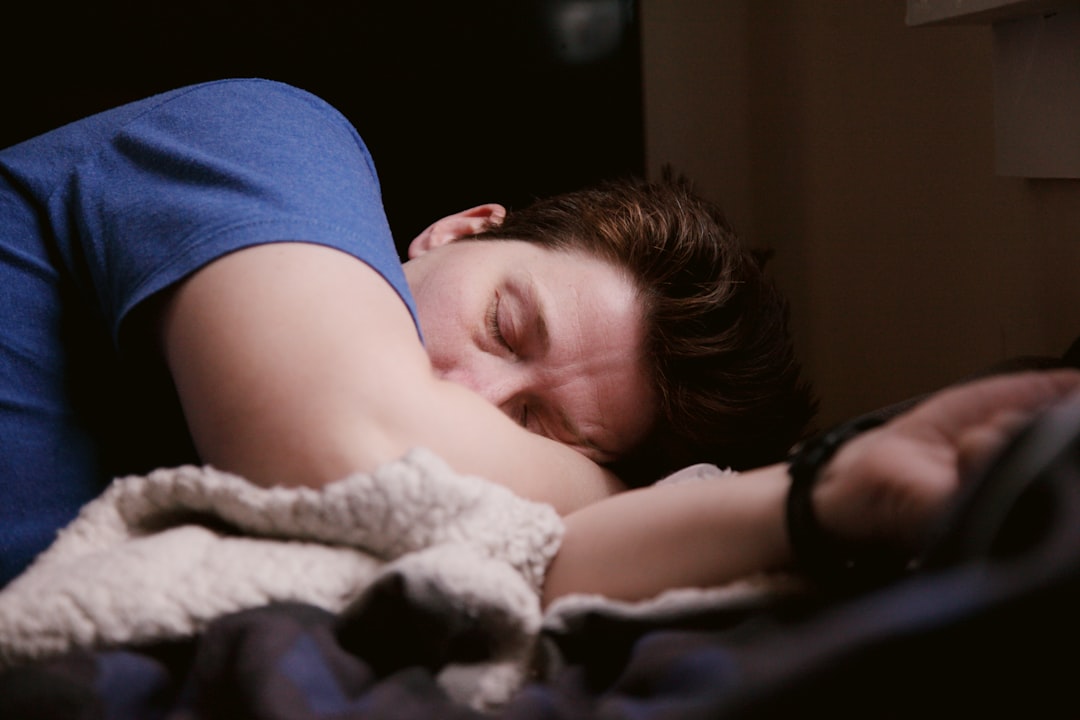
Rather than avoiding naps entirely out of fear of disrupting nighttime sleep, many sleep neurologists use precisely timed short naps to manage cognitive performance and preserve their sleep architecture. A nap of ten to twenty minutes taken in the early afternoon can restore alertness without producing sleep inertia or eating into nighttime sleep pressure. Some specialists drink a small amount of caffeine immediately before napping so that the stimulant activates just as they wake up and amplifies the restorative effect. They are careful to avoid naps longer than 30 minutes or taken after mid-afternoon. This practice is sometimes called a coffee nap and is backed by a meaningful body of peer-reviewed research.
Paradoxical Intention

Neurologists dealing with insomnia in their own lives sometimes use a counterintuitive technique in which they lie in bed and actively try to stay awake rather than trying to fall asleep. This removes the performance anxiety around sleep onset that often keeps hyperaroused individuals awake for long periods. The brain perceives sleep as less threatening when it is not being actively chased, and the cognitive pressure that normally delays sleep onset is defused. The technique is rooted in principles of acceptance and reduced cortical arousal. It has demonstrated measurable effectiveness in clinical trials yet remains largely absent from general consumer sleep advice.
Carbon Dioxide Awareness
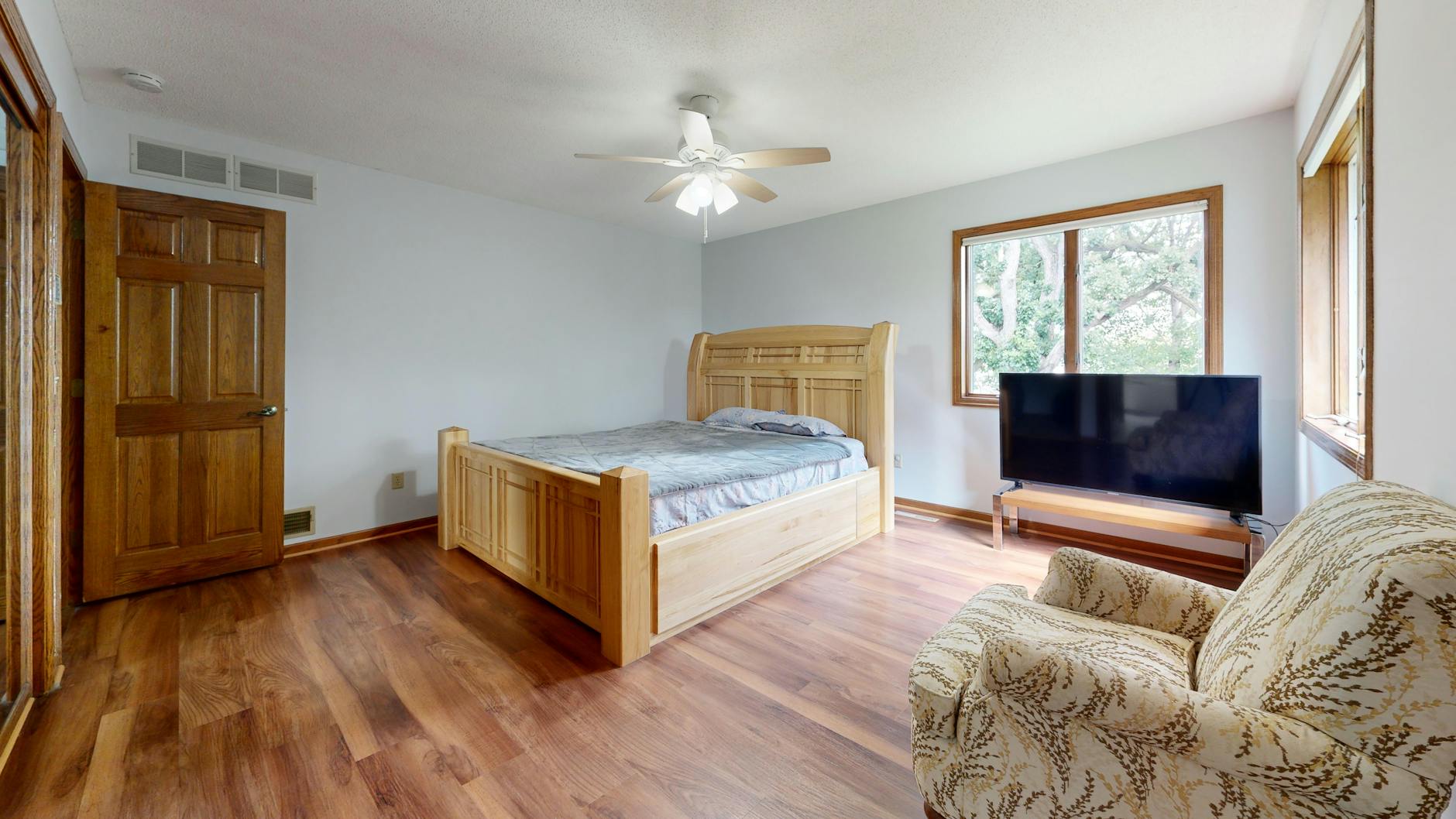
Some neurologists pay careful attention to carbon dioxide buildup in their sleeping environment and prioritize bedroom ventilation in a way most people never consider. Elevated CO2 levels in poorly ventilated rooms can subtly increase nighttime awakenings and reduce slow-wave sleep quality. Many sleep specialists sleep with a window slightly open or use an air exchange system to keep CO2 concentrations within an optimal range. Studies conducted in school and office environments have shown that air quality measurably affects cognitive function and alertness upon waking. The connection between indoor air chemistry and sleep depth is an area of active research that rarely reaches public health messaging.
Cognitive Offloading

Many neurologists practice an intentional pre-sleep cognitive offloading ritual that goes well beyond keeping a journal. They externalize all unfinished mental tasks by writing them down in exhaustive detail so the brain is not recruited to rehearse them during the transition to sleep. Research into the Zeigarnik effect has shown that the brain maintains active processing of incomplete tasks until they are either resolved or formally noted for future attention. By transferring the mental load to paper or a structured list the prefrontal cortex is allowed to downregulate more readily. This habit is used regularly by clinicians who understand how rumination and planning thoughts are among the leading causes of sleep-onset delay.
Alcohol Reframing

While moderate alcohol consumption is widely accepted as a social norm and even associated with relaxation before bed, neurologists who study sleep are often extremely restrictive about its use. Even small amounts of alcohol taken within three hours of sleep have been shown to suppress REM sleep in the first half of the night and produce rebound awakenings in the second half. Many sleep specialists privately abstain from alcohol on weeknights entirely to protect their sleep architecture on days when performance matters. They understand that the sedative effect of alcohol is not equivalent to natural sleep and can fragment restorative cycles. This knowledge rarely translates into strong public messaging given how normalized evening drinking has become in many cultures.
Chronotype Alignment
Neurologists who understand the biology of circadian preference often advocate for strict alignment between their natural chronotype and their daily schedule even when it is socially inconvenient. A person whose biology is set to a later phase should resist early rising when possible as consistently waking before the body’s natural wake time results in chronic partial sleep deprivation. Sleep specialists are known to negotiate their professional schedules around their chronotype rather than forcing their biology to conform to social convention. This is in direct conflict with cultures that reward early rising and dismiss late chronotypes as lazy or undisciplined. Chronotype is now understood to be a heritable biological trait rather than a lifestyle preference.
Magnesium Timing

Many neurologists quietly supplement with specific forms of magnesium in the evening as a way to support GABAergic signaling in the brain and reduce nighttime cortical arousal. Magnesium glycinate and magnesium threonate are the forms most commonly associated with sleep-related benefits due to their superior absorption and ability to cross the blood-brain barrier. This practice is distinct from the broad magnesium supplementation advice often seen in general wellness contexts and is specifically calibrated to support neurological relaxation pathways. The supplement is typically taken 30 to 60 minutes before bed as part of a deliberate pre-sleep protocol. While clinical trials continue to examine optimal dosages this habit is common among practitioners who study the neuroscience of sleep.
Stimulus Control Retraining
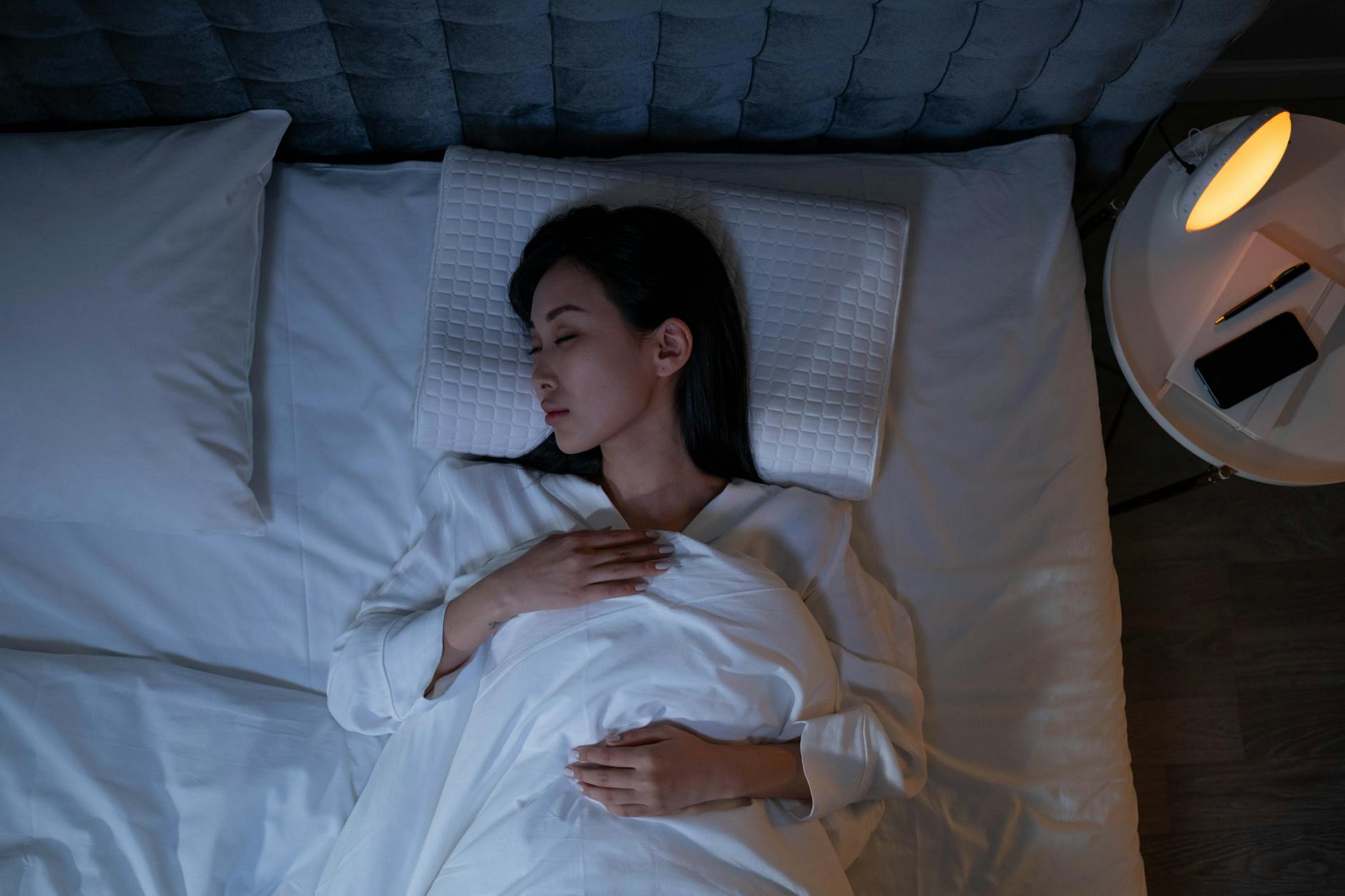
One of the most consistently applied practices among sleep neurologists involves treating the bed as a location used exclusively for sleep and removing all other activities from that environment. This includes reading, watching content, eating, and even lying in bed while awake for more than roughly twenty minutes. The technique is based on classical conditioning principles and aims to ensure the brain associates the bed with a rapid transition to sleep rather than with wakefulness or stimulation. When sleep does not arrive within a reasonable window the specialist leaves the bed and engages in a calm low-light activity until drowsiness returns. Over time this retraining can dramatically reduce sleep-onset latency and nighttime anxiety.
Melatonin Microdosing

While melatonin is commonly sold in doses of five to ten milligrams at pharmacies, neurologists who use it personally tend to take doses that are ten to twenty times smaller. Research has consistently shown that doses as low as 0.1 to 0.5 milligrams are sufficient to influence the timing of sleep onset without flooding melatonin receptors or producing next-day grogginess. High-dose melatonin is considered by many sleep specialists to function more like a sedative than a chronobiotic and may blunt the body’s own melatonin production over time. The goal of a small physiological dose is to gently nudge the circadian clock rather than to force sedation. This approach remains poorly communicated to consumers who routinely reach for the largest dose available.
Core Sleep Prioritization
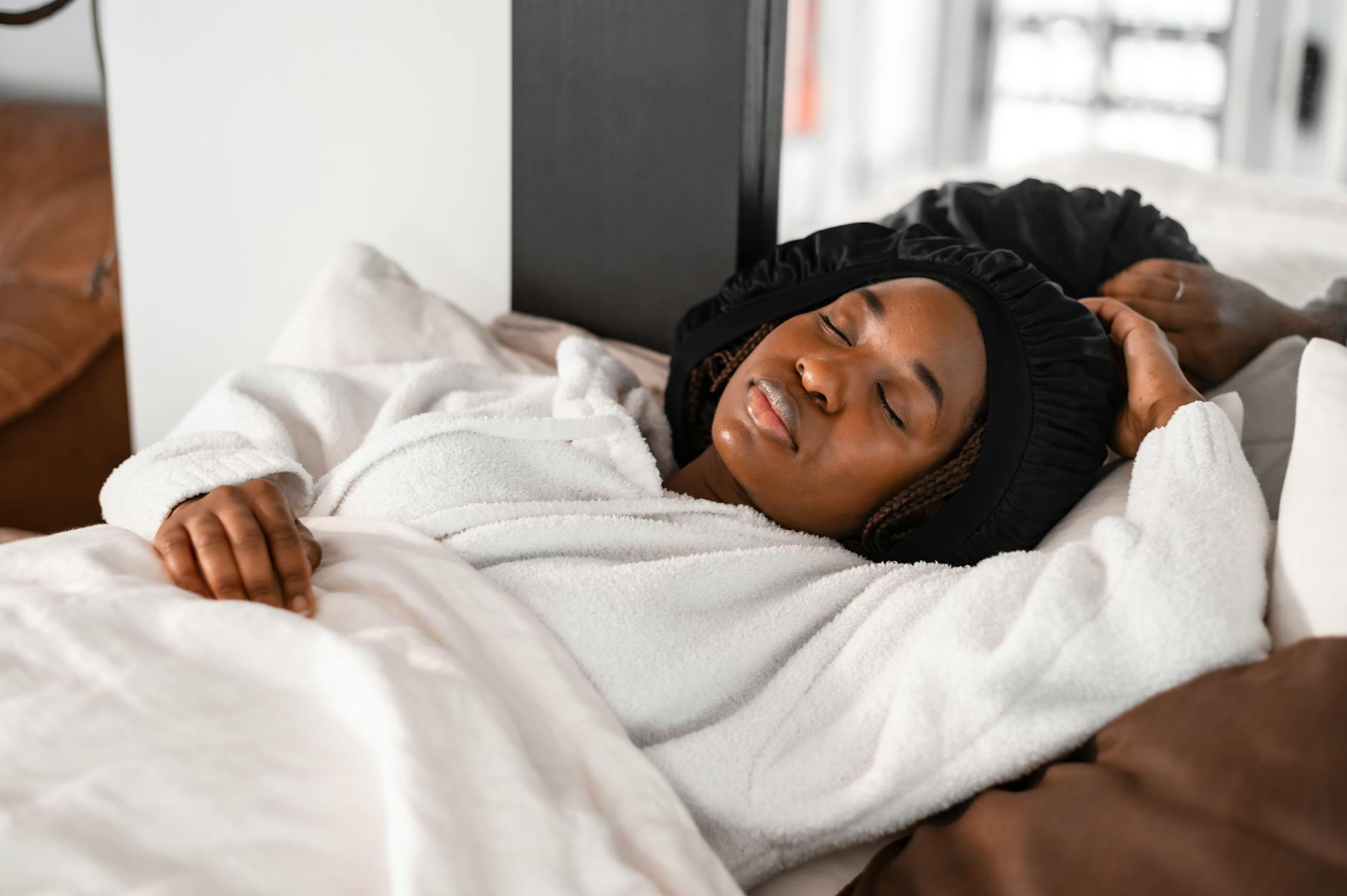
Neurologists who research sleep architecture understand that the brain prioritizes the most restorative sleep stages during the first four to five hours of sleep regardless of total sleep duration. This knowledge leads some specialists to view the early portion of their sleep window as sacrosanct and to time their bedtime precisely to protect this window. If total sleep time must be shortened due to obligations they choose to shorten the final portion of the night rather than delaying sleep onset. This preserves slow-wave deep sleep and a sufficient first cycle of REM while sacrificing the lighter stages that accumulate toward morning. The strategic management of sleep timing around core sleep principles is a sophisticated approach that rarely appears in standard sleep hygiene advice.
Which of these strategies surprised you most? Share your thoughts in the comments.